
(1).png?w=1920&h=650)
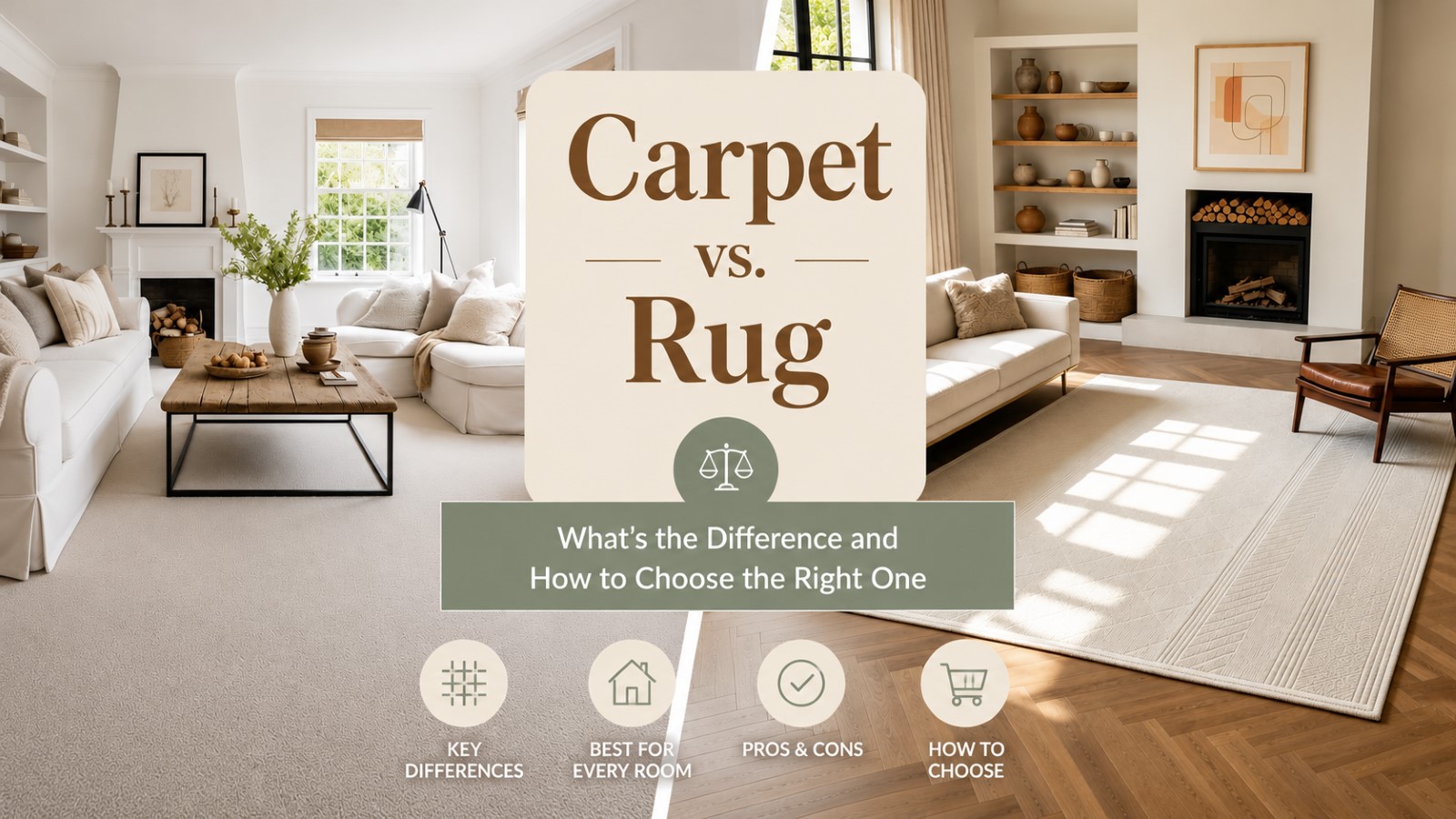
When looking to add some decoration to their floors, most people start considering whether to use rugs or carpets. Both rugs and carpets can create great visual effects, but they differ in functionality, maintenance, and cost. Understanding these differences is key to achieving the best results.
Let's explore how to use the differences between rugs and carpets to choose the most suitable flooring for your space.
Carpet vs. Rug: What's the Main Difference?
The biggest difference between carpets and rugs is that carpets are fixed and cover the entire floor and are usually replaced only once in a long time. In contrast, rugs are movable, only cover part of the room, and can be easily replaced and moved to fit the layout.
| Aspect | Carpet | Rug |
| Installation | Fixed | Portable |
| Size | Whole room | Small/Medium |
| Cleaning | Harder | Easier |
| Price | Higher | Lower |
| Lifespan | 10–20 years | 5–15 years |
| Maintenance | Professional cleaning | DIY cleaning |
| Flexibility | Low | High |
| Style Updates | Difficult | Easy |
| Comfort | Excellent | Good |
| Rental Friendly | No | Yes |
| Best For | Whole rooms | Decoration |
Pros and Cons of Carpet for Your Space
Carpets offer unique advantages for any space, but they also have limitations in everyday home use.

Pros of Carpets:
-
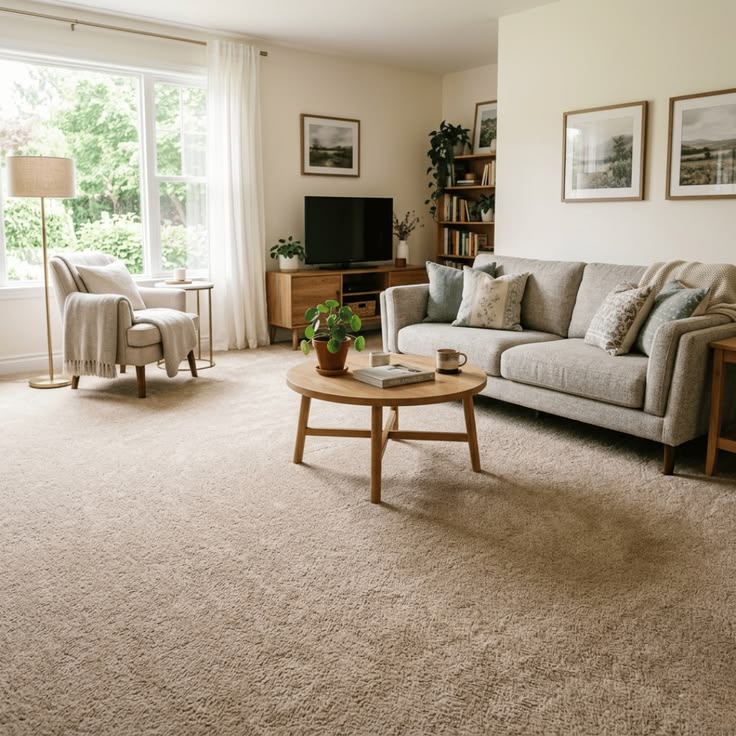
Comfort: Carpets adhere firmly to the floor without wrinkles, providing a more comfortable feel underfoot.
-
Spatial Consistency: Full-floor coverage from wall to wall makes the carpet appear seamlessly integrated into the space, creating a more aesthetically pleasing look.
-
Better Insulation and Soundproofing: Because the carpet covers the floor, it traps air, acting like an extra layer of protection for the house, providing both heat and sound insulation. The insulation effect is even more pronounced in hot regions.
-
Reduced Tripping Risk: Fixed to the floor without warping, wrinkling, or shifting, the risk of tripping is significantly reduced. This is especially suitable for staircases, ramps, and homes with elderly people or pets.
Limitations of Carpets:
-
Difficult Cleaning: Carpets are difficult to clean daily, requiring vacuuming or manual cleaning. Because of their fixed installation, washing them requires complete removal, which is inconvenient.
-
Higher Cost: Both the purchase and installation costs are relatively high, especially for large areas of carpet. Hard to replace: Carpet is troublesome to replace; moving all the furniture out and then moving it back takes a lot of time.
Pros and Cons of Rugs for Your Space
Pros of Rugs
-
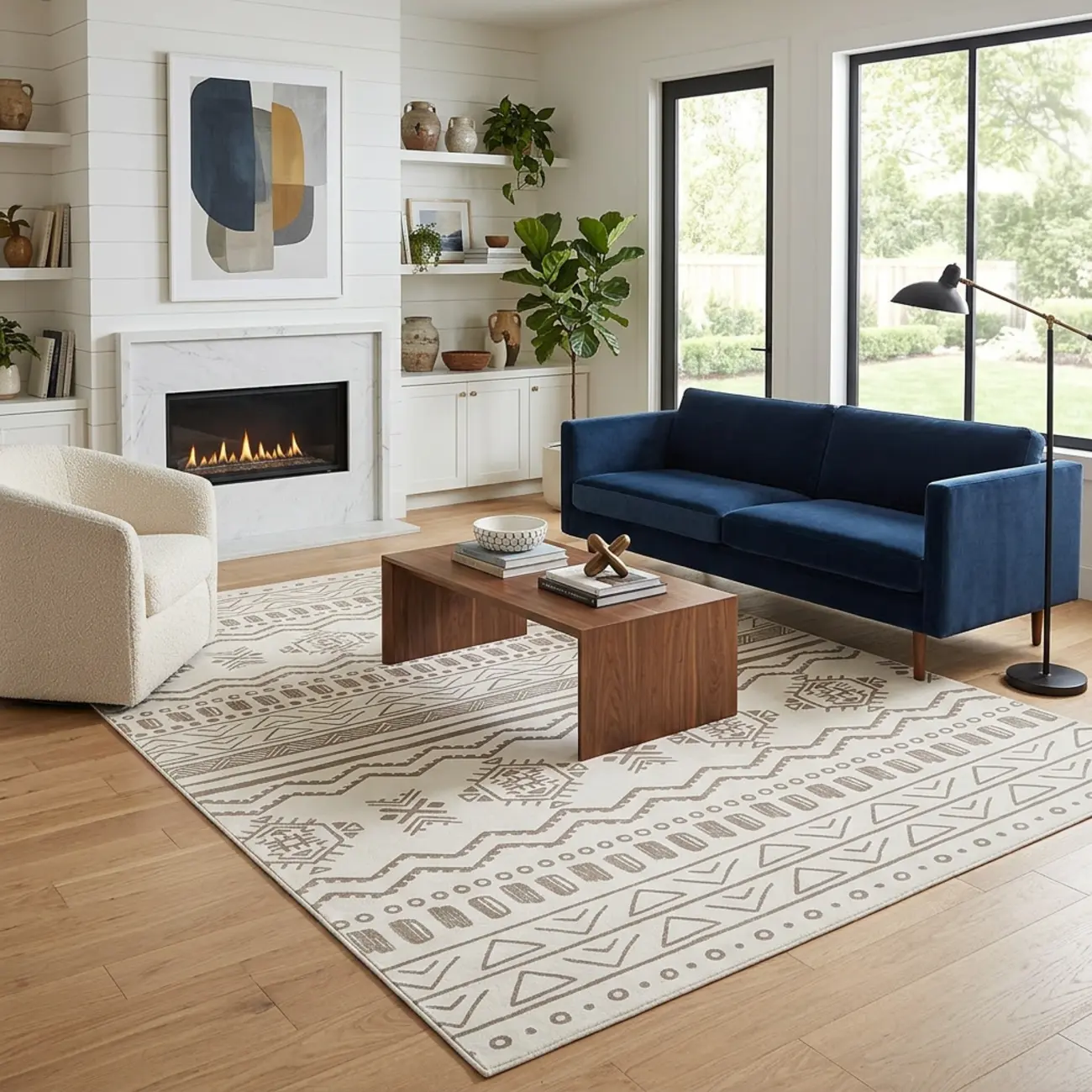
Affordable: Rugs are small and inexpensive, making them ideal for everyday home décor.
-
Decorative: Rugs come in a variety of designs, allowing you to choose the right style for your space, adding depth and design flair, and offering strong decorative appeal.
-
Easy Cleaning: Lightweight and small, rugs are easy to clean. They can be moved to the cleaning area or placed in the washing machine quickly and conveniently.
-
Flexible: The biggest advantage of rugs is their flexibility; they can be moved to any area you want and are easy to pick up and replace.
Cons of Rugs
-
Can Slide: Because they are not fixed to the ground, rugs can easily slide and change position, requiring manual repositioning. However, some designs now have anti-slip features.
-
Risk of Tripping: Rugs can curl at the edges and wrinkle easily, making it easy to trip over. They are not suitable for use on stairs, bathroom entrances, etc.
When Should You Choose Carpet?
Choose carpet if you:
- Want wall-to-wall comfort
- Have children
- Need sound insulation
- Prefer a permanent solution
- Renovating a bedroom
When Should You Choose a Rug?
Choose a rug if you:
- Rent your home
- Like changing décor
- Want to define spaces
- Protect hardwood floors
- Need seasonal decoration
Best Rooms for Carpet vs. Rug
Should you choose a carpet or a rug? It mainly depends on the space you'll be using. This chart below will help you quickly select the right carpet or rug for different spaces.
| Room | Best Choice | Why It's Recommended | Tips |
| Living Room | Rug or Both | A large area rug helps define the seating area, while wall-to-wall carpet provides extra warmth and comfort for family spaces. | Choose a rug large enough to fit at least the front legs of sofas and chairs. |
| Bedroom | Carpet | Carpet creates a soft, warm surface underfoot and improves sound insulation, making bedrooms more comfortable and quieter. | If you prefer hardwood floors, place a large rug under the bed instead. |
| Dining Room | Rug | A rug anchors the dining table and protects the floor from scratches. | Select a rug that extends at least 24 inches beyond the table on all sides. |
| Home Office | Rug | Rugs reduce chair noise and add comfort without the permanence of carpet. | Use a low-pile rug if you have a rolling office chair. |
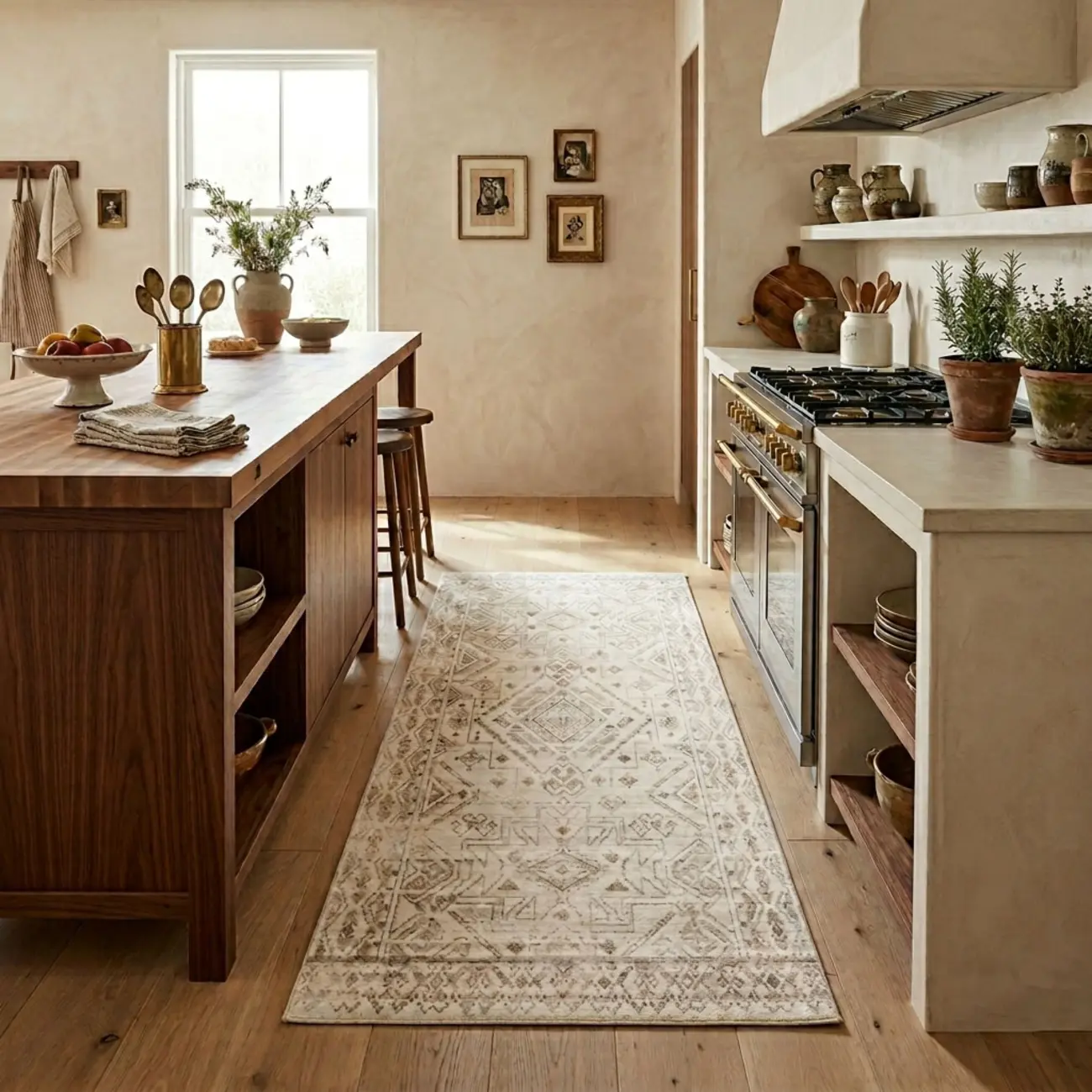
| Hallway | Runner Rug | Runner rugs protect high-traffic flooring while adding style and reducing noise. | Choose a non-slip rug pad for safety. |
| Entryway | Rug | Rugs trap dirt and moisture before they spread throughout the house. | Pick durable, stain-resistant, and easy-to-clean materials. |
| Nursery | Carpet | Carpet provides a soft, cushioned surface for crawling babies and toddlers while helping reduce noise. | Choose low-VOC materials for better indoor air quality. |
| Kids' Room | Carpet | Carpet offers extra cushioning for playtime and helps reduce injuries from falls. | Look for stain-resistant fibers that are easy to maintain. |
| Basement | Carpet (with moisture-resistant padding) | Carpet makes basements feel warmer and more comfortable, especially in finished spaces. | Avoid carpet if the basement is prone to flooding or moisture problems. |
| Kitchen | Rug | Small rugs improve comfort while standing and protect the floor in work areas. | Use washable, non-slip kitchen rugs near the sink or stove. |
| Bathroom | Rug | Rugs provide warmth and absorb water outside the shower or bathtub. | Choose quick-drying, machine-washable bath rugs with non-slip backing. |
| Staircase | Carpet Runner | Carpet runners improve traction, reduce noise, and help prevent slips. | Secure runners properly for safety. |
| Apartment or Rental | Rug | Rugs add comfort and style without permanent installation, making them ideal for renters. | Layer rugs over existing flooring to personalize the space. |
| Open-Concept Room | Rug | Rugs visually separate functional areas such as dining, lounging, and workspace zones. | Use different rug sizes or colors to define each area. |
Frequently Asked Questions About Carpet vs. Rug
Q: Can You Put a Rug on Carpet?
A: Yes, you can place a rug on top of carpet to add style, define a space, or protect high-traffic areas. For the best results, use a low-pile carpet underneath and a non-slip rug pad to keep the rug securely in place.
Q: Can You Use a Rug Instead of Carpet?
A: Yes, a rug can be used instead of carpet if you want a flexible, removable floor covering. Rugs are ideal for renters, homeowners who like to update their décor, or anyone who wants to highlight specific areas without installing wall-to-wall carpet.
Q: Do Rugs Damage Hardwood Floors?
A: No, rugs generally do not damage hardwood floors when used properly. Choosing a rug with a non-slip, non-staining rug pad can help prevent scratches, moisture buildup, and discoloration.
Q: What Size Rug Should I Buy?
A: The right rug size depends on the room layout, furniture, and the look you want to achieve. In general, choose a rug large enough for at least the front legs of your furniture to sit on, creating a balanced and cohesive space.
Q: Are Washable Rugs Worth It?
A: Yes, washable rugs are worth considering if you have children, pets, or busy households. They are easy to clean, convenient to maintain, and help keep your home looking fresh with minimal effort.
-41.jpg?w=1600&h=900)



 Add Us On Google