
(7).png?w=1920&h=650)
-.jpg?w=800&h=623)
Metal and wood bookcases are the two most sturdy types of bookcases, widely used in libraries, bookstores, home studies, and more. But which one is more suitable for your needs?
Today, we'll compare metal and wood bookcases, understanding their advantages and disadvantages, and helping you make a choice based on factors such as sturdiness, style, and ease of cleaning.
Real Difference Between Metal and Wood Bookcases: Define Style
Before we delve into a detailed comparison of the two types of bookcase materials, let's discuss the most basic visual differences.
You probably have a blueprint in mind: what style do you want for your space? Should you choose open shelves or cabinets with doors? Warm lines or clean, minimalist lines?
-
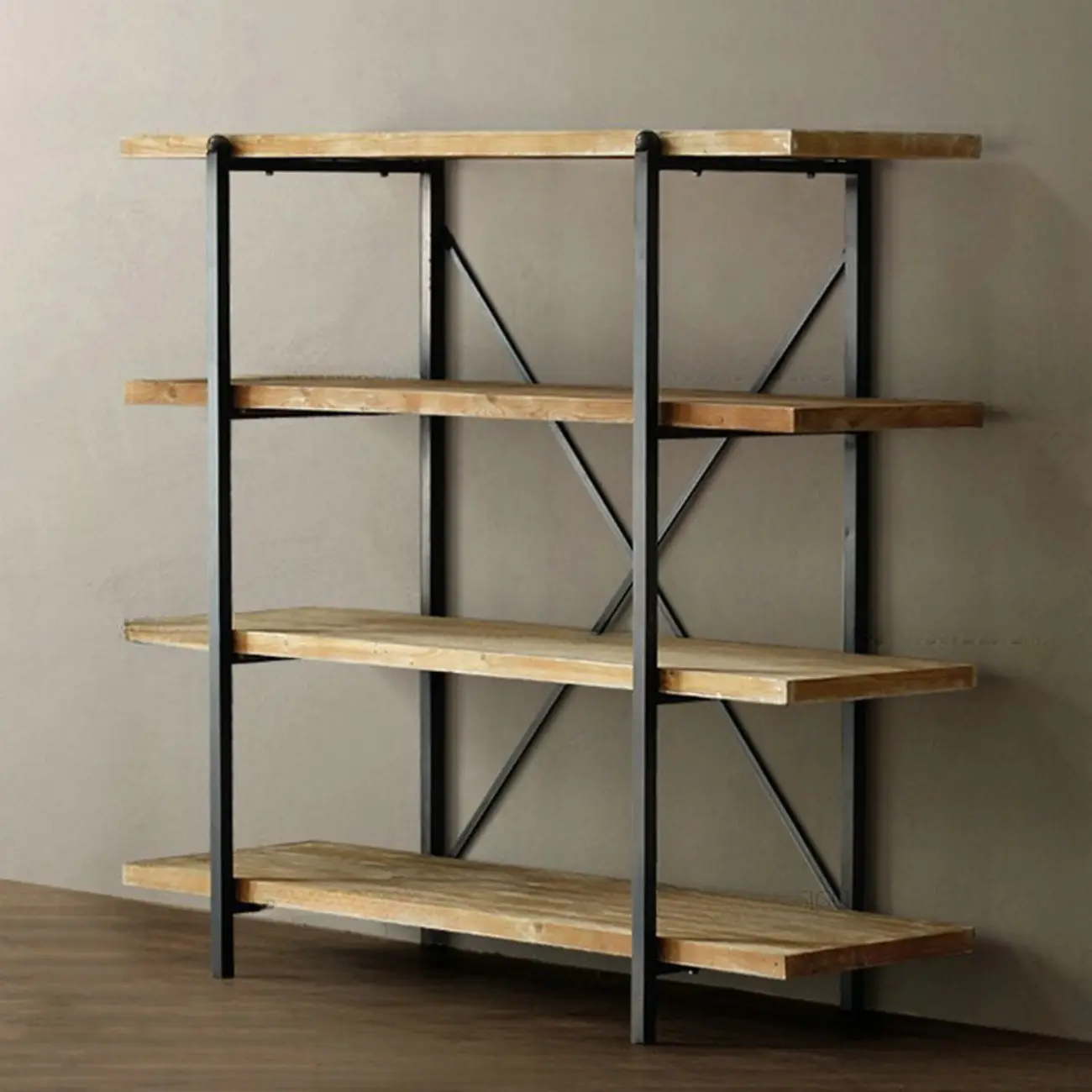
Metal bookcases, with their slender panels and cool colors, have a visually cooler feel. They easily define the clean lines of a modern space, suitable for minimalist, industrial, and contemporary styles.
-
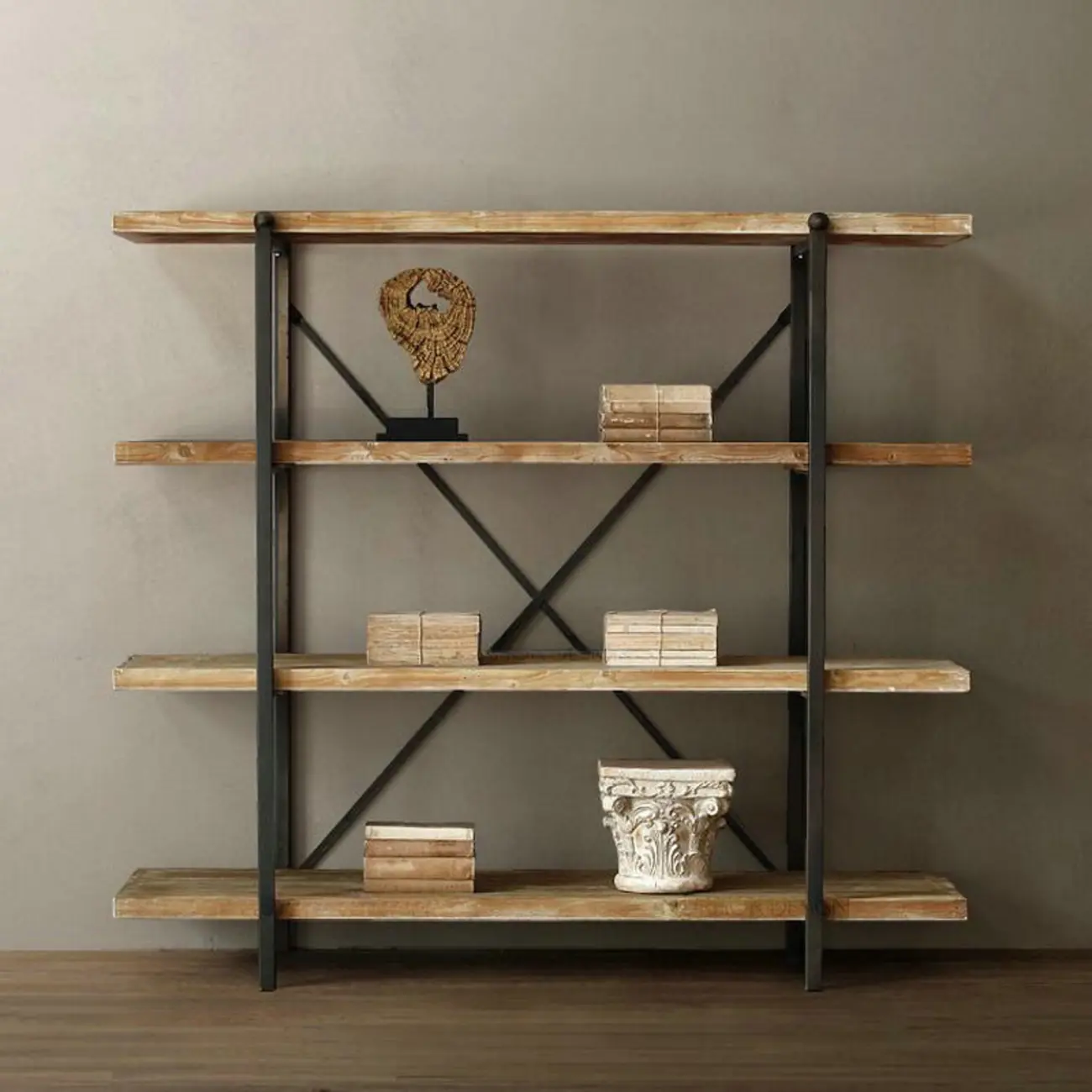
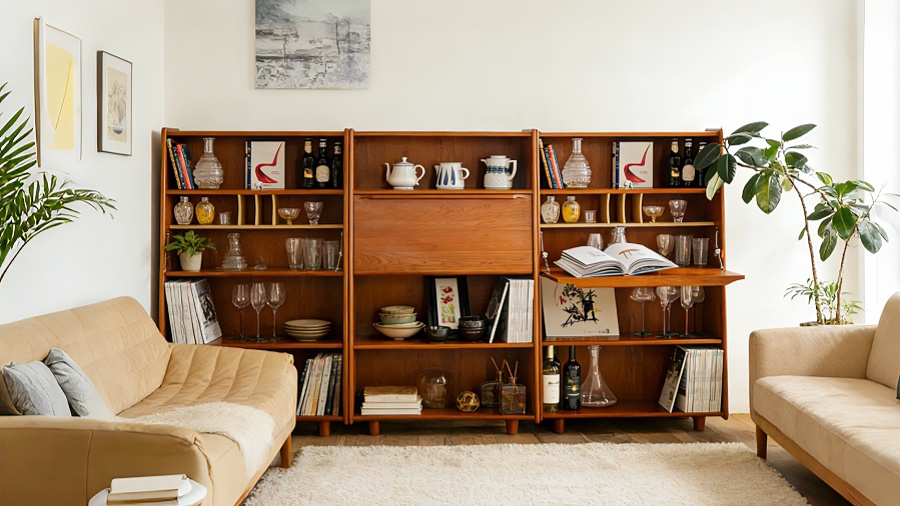
Wood bookcases, with their natural grain and substantial texture, infuse a space with a touch of natural warmth. Visually, wooden bookcases are warm, inviting, and stable, suitable for natural, Scandinavian, medieval, and traditional styles, among others.
--8.webp?w=600&h=596)
A modern black wrought iron bookshelf stands sturdily and simply in the corner, suitable for any space. →
--0.webp?w=600&h=614)
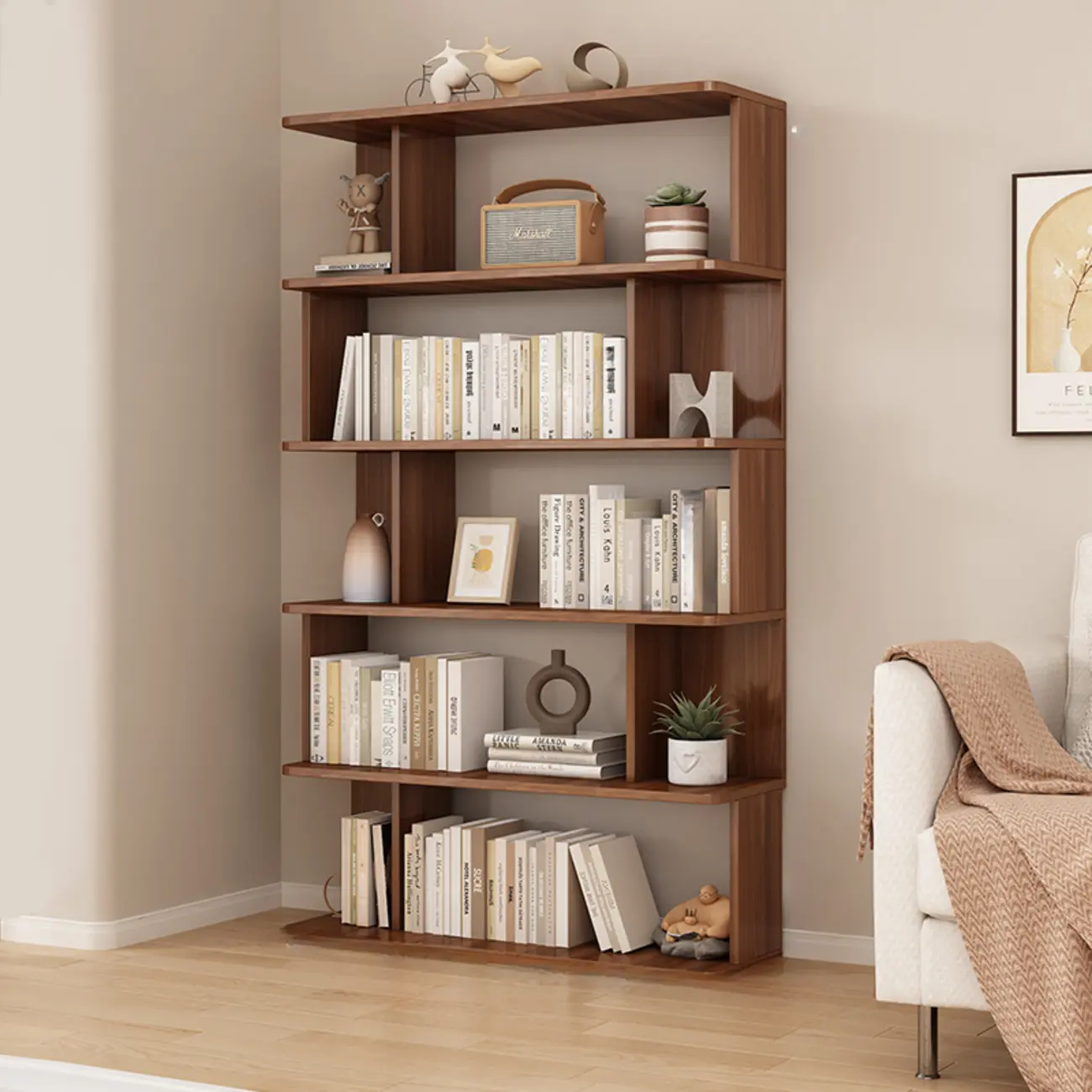
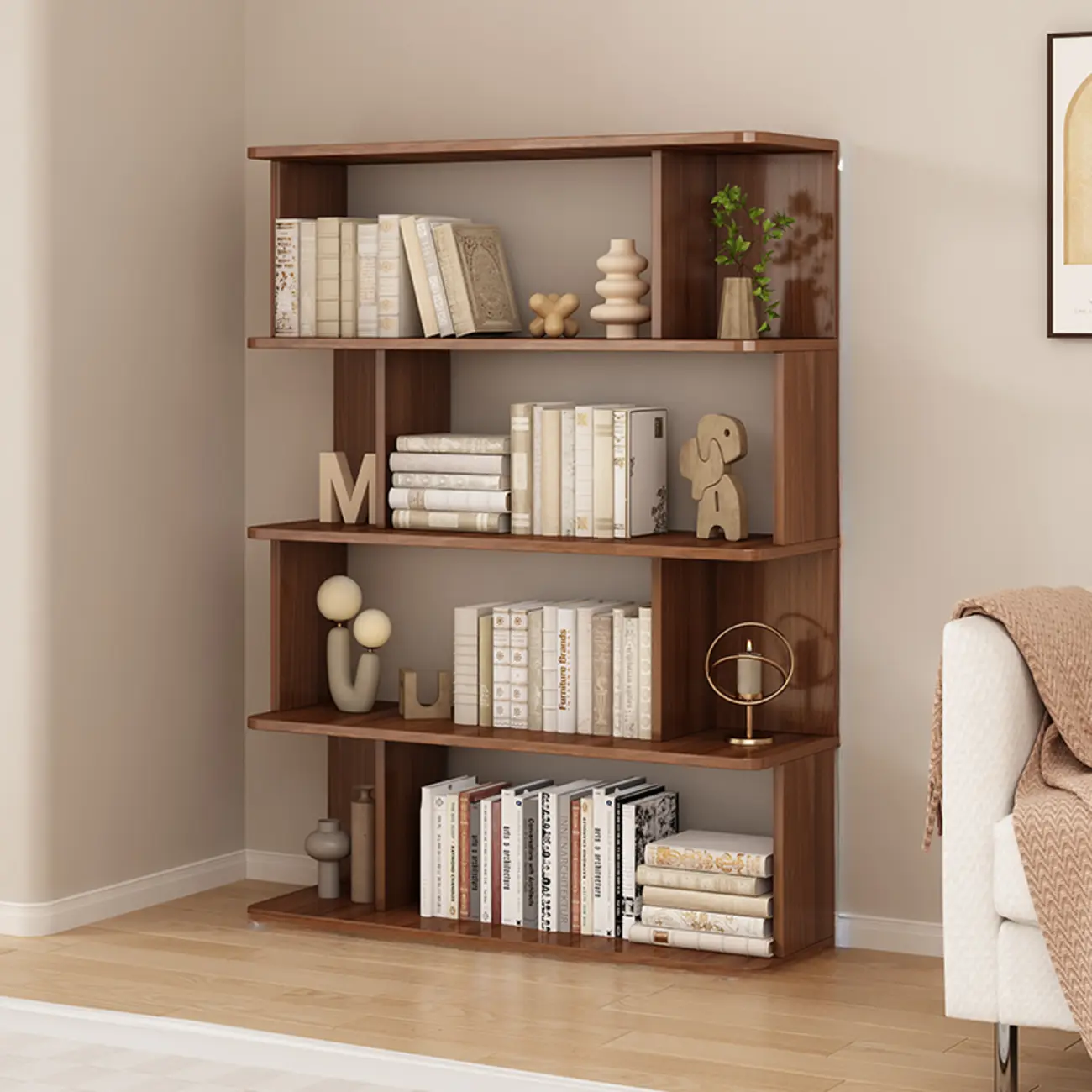
This traditional wooden bookcase exudes a unique warmth and vintage charm, quietly bringing an indescribable sense of history to the living room. →
If you want your space to appear cooler and more modern, choose metal; if you're looking for a warmer, more inviting atmosphere, choose solid wood.
Unsure which design style suits your space? Click on our modern, medieval, and vintage bookshelves & bookcases to easily find the perfect style.
11 Comparison of Metal and Wood Bookcases
Now we will compare metal and wooden bookcases from 11 perspectives to distinguish their advantages and disadvantages and find the bookcase that is most suitable for you.
|
Comparison |
Metal Bookcase |
Wood Bookcase |
Key Insights & Analysis |
|
Core Material |
Steel, Iron, aluminum. |
Solid Wood or Engineered Wood (Particleboard, MDF, often with veneer or laminate). |
The performance and price of wood bookcases depend on whether they are solid wood or engineered wood. |
|
Durability & Lifespan |
Very High. Stable structure, wear-resistant, warp-resistant. |
• Solid Wood: Durable, but may crack/warp. • Engineered Wood: Not easy to crack or deform, but has lower durability and is prone to wear. |
Metal excels in "physical stability." For books that are fixed in place and not subject to accidental impacts, engineered wood is perfectly adequate. |
|
Maintenance & Repair |
Simple. Usually just wiping. Scratches are hard to repair; rust needs treatment. |
• Solid Wood: Repairable (sanding, refinishing). • Engineered Wood: Nearly impossible to repair properly; veneer damage or water exposure causes swelling and ruin. |
Both metal and engineered wood are susceptible to damage, but both are equally easy to maintain. |
|
Eco-Friendliness & Health |
Depends on production. Recycled metal is eco-friendly; coatings may contain VOCs. |
• Solid Wood: Natural, biodegradable. • Engineered Wood: May use adhesives containing formaldehyde; check ratings (E0/E1). |
With wood bookcases, eco-friendliness is a question mark. Always ask about formaldehyde emission levels, a non-issue with metal. |
|
Budget & Value |
Transparent upfront cost, high value. Low lifetime cost. |
Wide price range: • Engineered Wood: Typically cheapest. • Solid Wood: Higher price point. |
Metal is "durable and economical", low-priced engineered wood is "high-value fast-moving consumer goods", and solid wood is "long-term investment". |
|
Environmental Adaptation |
Fears moisture (can rust). Excellent thermal stability. |
They are all susceptible to dampness and should be placed in a dry, stable indoor environment. |
In damp environments (e.g., basements), a properly finished metal bookcase far outperforms any wood bookcase. |
|
Weight Capacity |
Very Strong. Shelves can span longer distances without sagging. |
• Solid Wood: Good capacity. • Engineered Wood: Poor capacity, shelves prone to sagging under weight. |
For ordinary books and decorative items, a well-designed engineered wood bookcase is perfectly adequate. |
|
Ease of Moving |
Generally lighter. Often feature detachable designs. |
• Engineered wood: lighter than solid wood, can be assembled. • Solid wood cases are very heavy. |
Metal bookcases generally offer more advantages and reliability for moving and reassembly. |
|
Ease of Cleaning |
Very Easy. Smooth surfaces, tolerant of disinfectants. |
Solid wood: Susceptible to water stains; avoid harsh chemicals. Arcade wood: Easy to clean. |
For environments requiring frequent cleaning/disinfection (e.g., with babies), metal is the more worry-free choice. |
|
Pest Resistance |
pest-proof. |
Generally vulnerable to moisture and pests: • Engineered Wood: Not pest-proof • Solid Wood: Can be susceptible to wood-boring insects. |
Metal fundamentally eliminates the risk of insect damage and mold (surface rust aside). |
|
Safety & Comfort |
Corners can be sharp, posing a bump risk. |
Corners are typically more rounded. |
Households with children should weigh the potential for sharp metal edges against the generally softer feel of wood. |
|
Pet-Friendly |
Scratch-resistant, does not absorb odors, easy to clean, and disinfectant |
Solid wood: Prone to scratches, but can be sanded and repaired. • Engineered wood: Most vulnerable to pets; the finish is easily scratched. May absorb pet odors. |
For families with cats and dogs (especially cats), metal bookcases are a more worry-free and durable choice. If you prefer wood, solid wood is far more repairable than engineered wood. |
Quick Decision: 5 Questions to Choose Between Metal and Wooden Bookshelves
Still struggling to choose a bookshelf? Answer these 5 key questions, and your answers will directly point you to the one that's best for you.
-.webp?w=600&h=575)
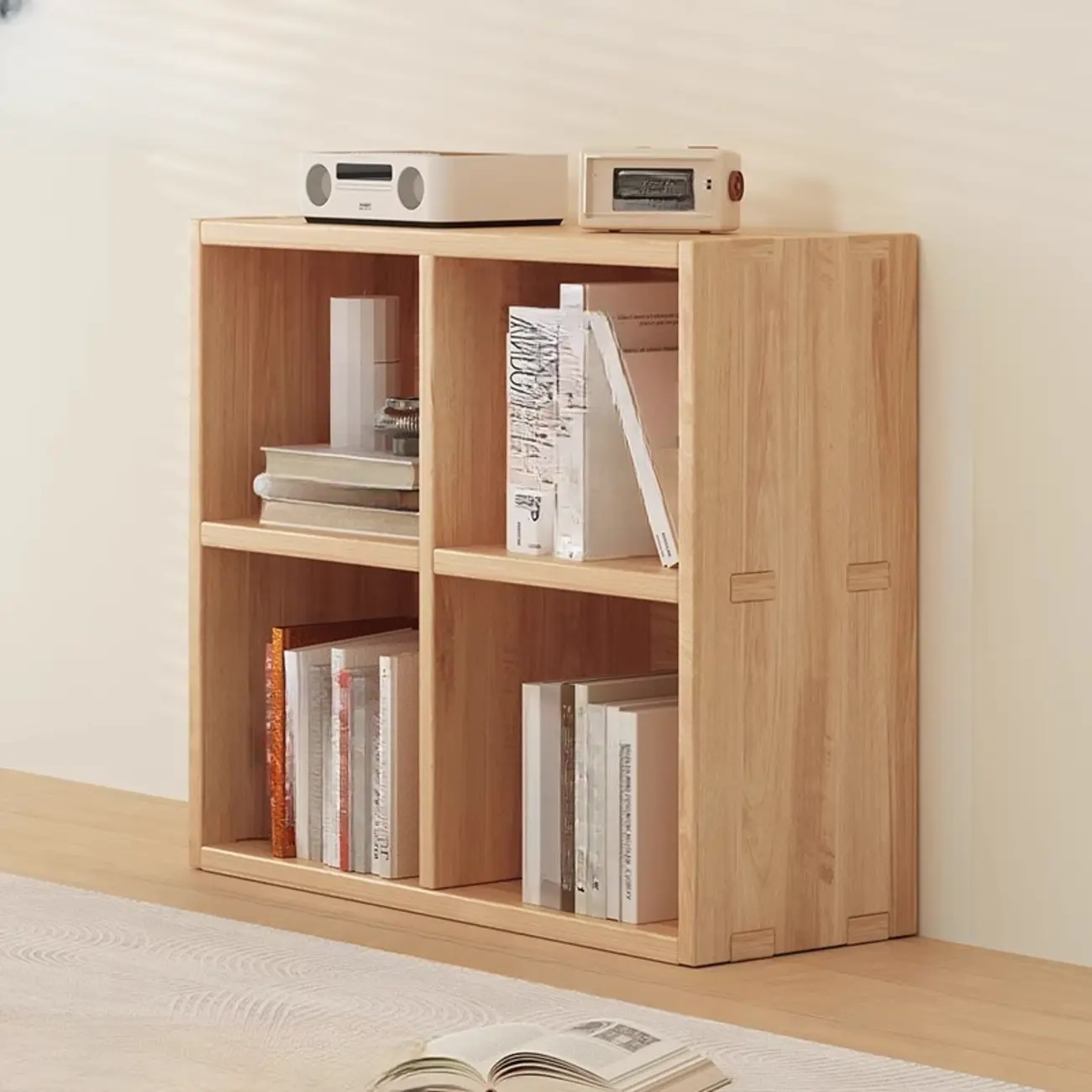
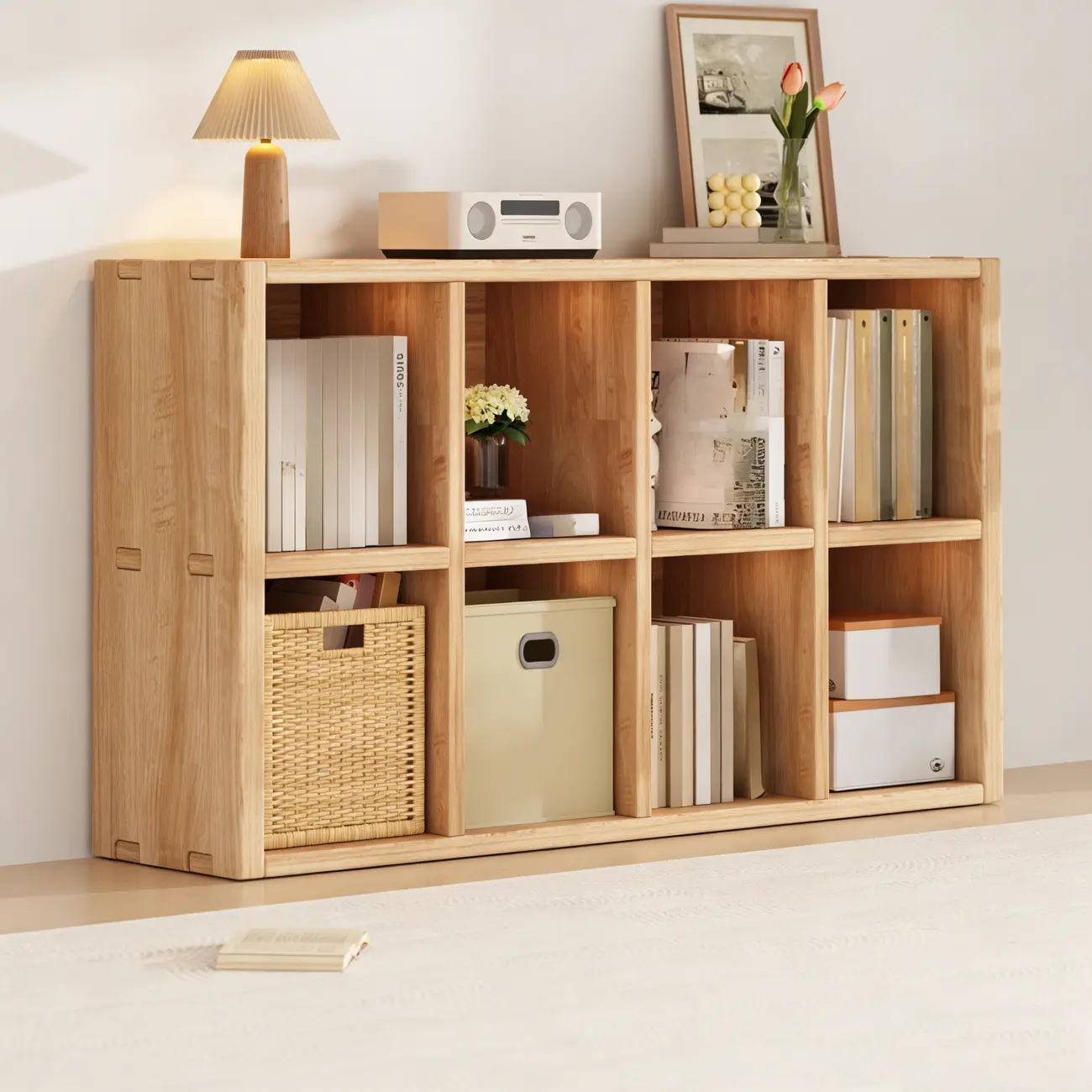
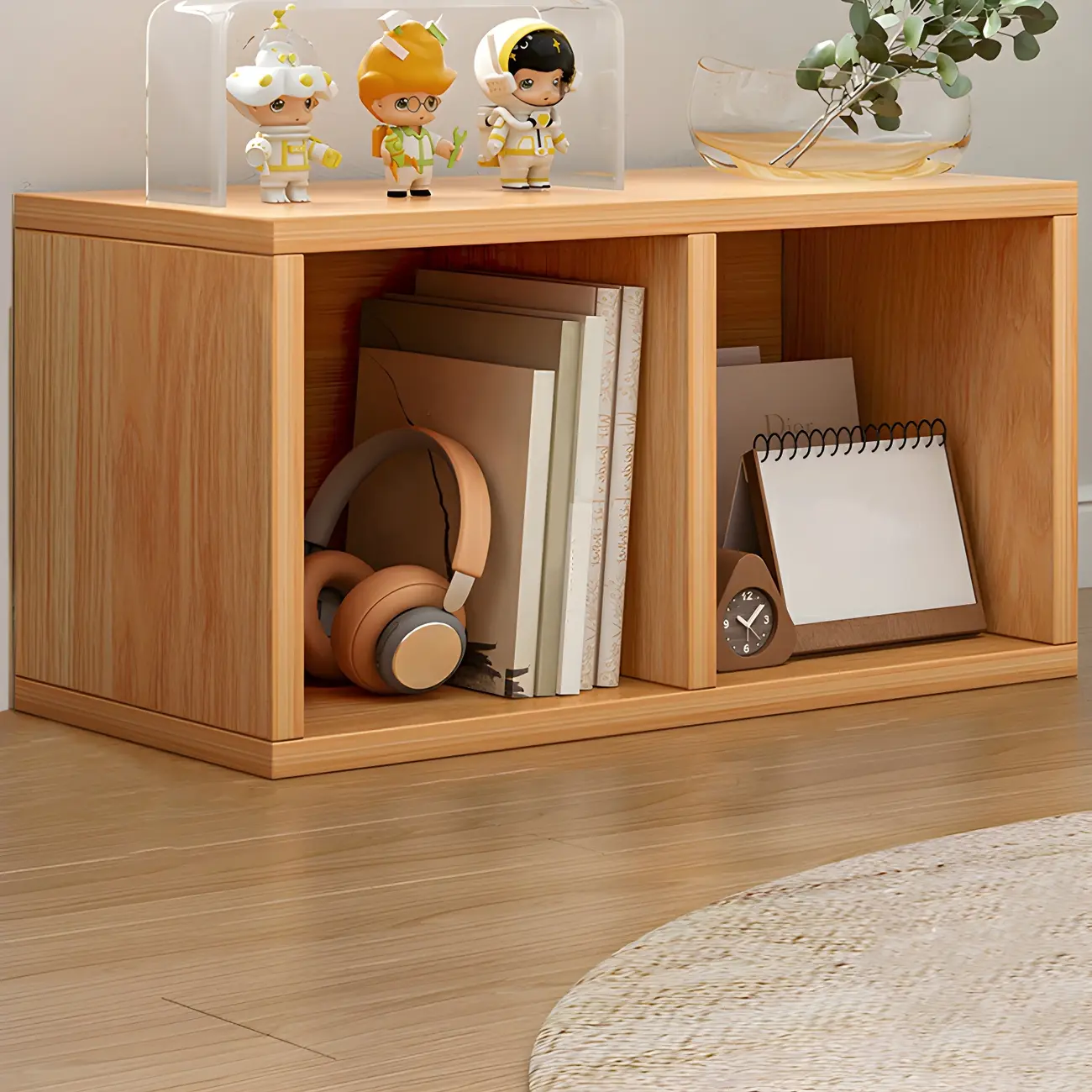
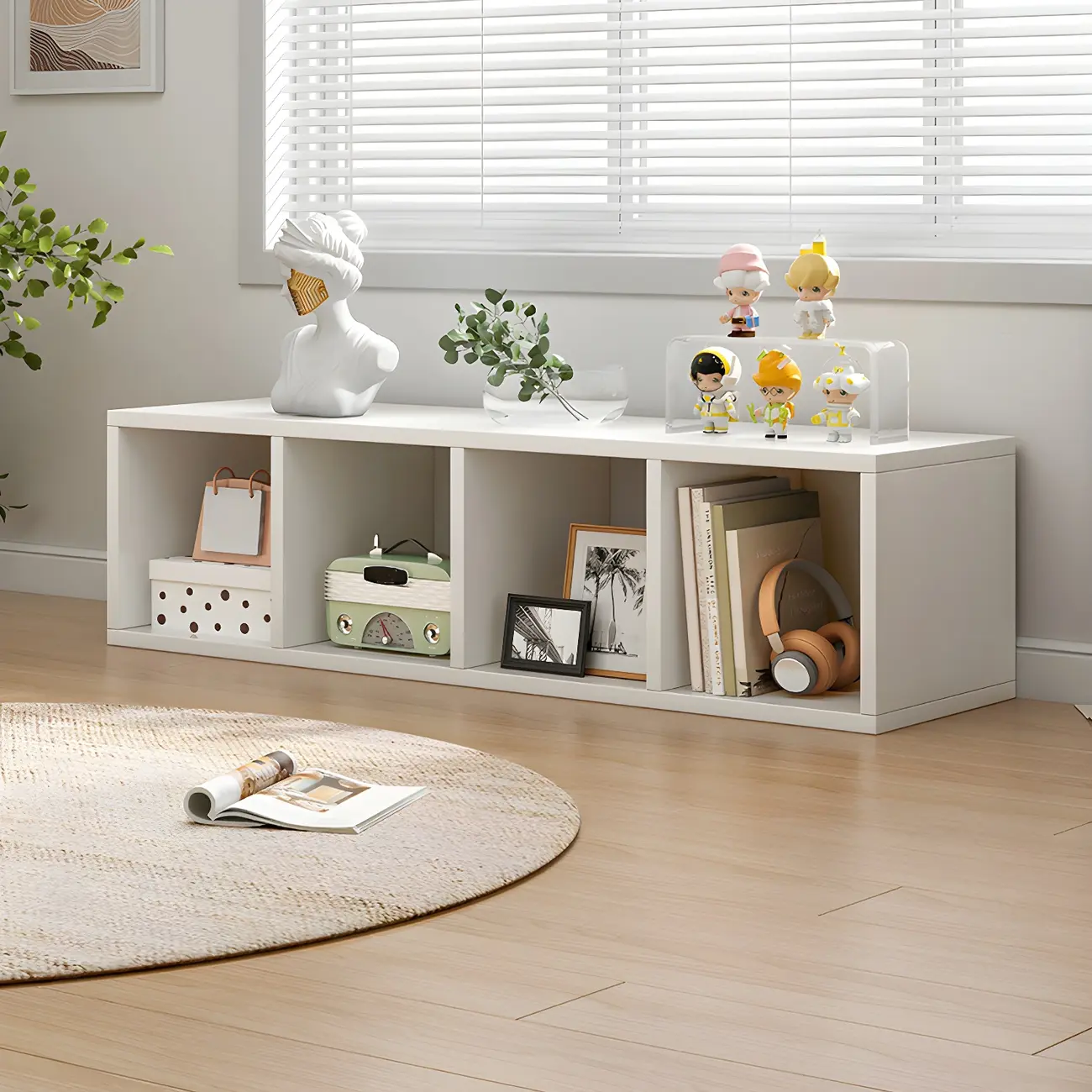
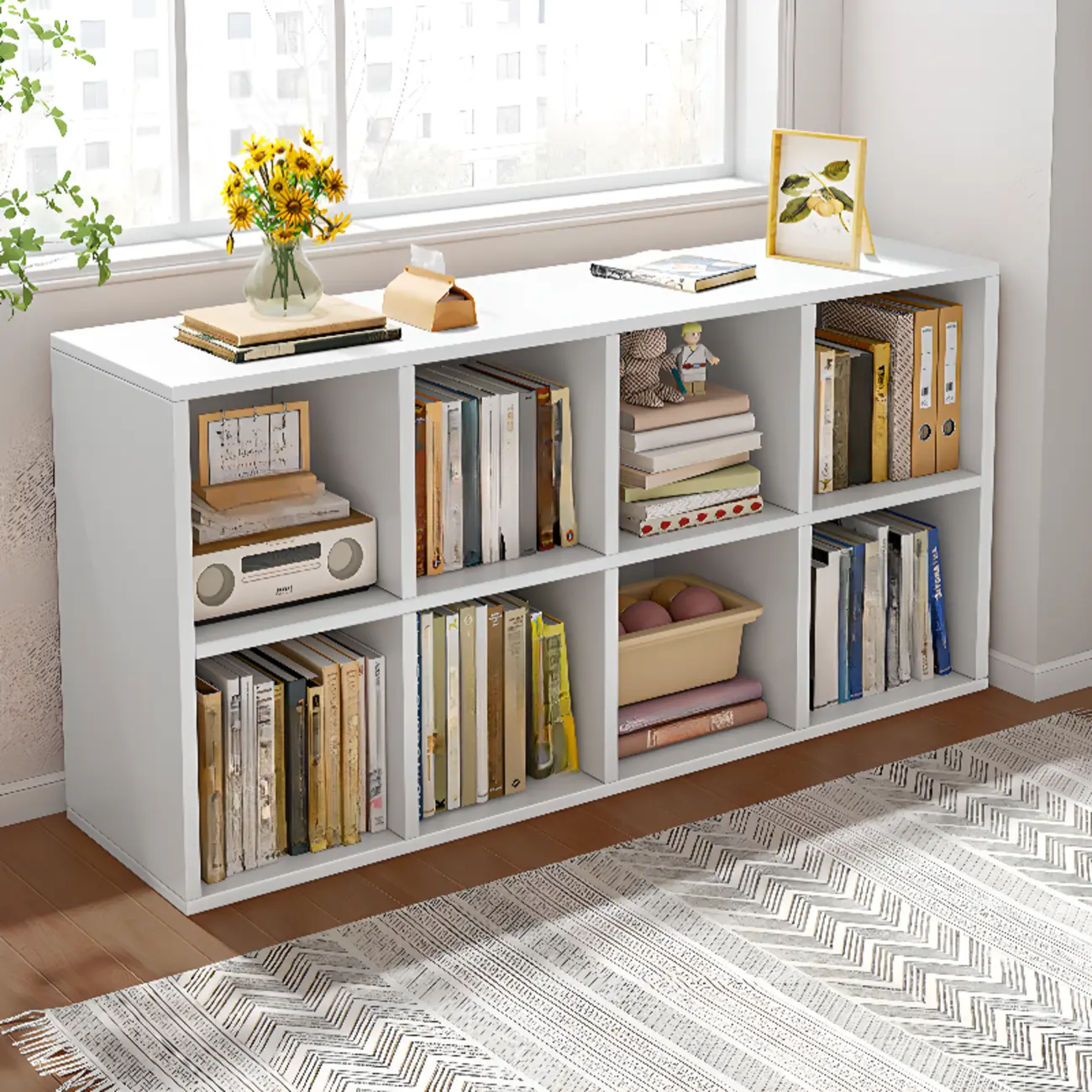
A reading corner can be created with just a few small squares, turning it into a bookshelf—very convenient. →
Question 1: What are your budget and long-term plans?
→ A. Limited budget, or may move/replace furniture in the next few years.
Recommend: Particleboard bookshelf or basic metal bookshelf
This is the most cost-effective "transitional solution." They are inexpensive, and you won't feel bad if you change your mind.
→ B. Ample budget, intending it as a piece of furniture that will last for many years.
Recommend: High-quality solid wood bookshelf or high-quality metal bookshelf
This is a long-term investment. The warmth of solid wood lasts a long time, while high-quality metal is sturdy and durable; both can become classic pieces in your home.
Question 2: What kind of space will this bookcase serve?
The role of a bookcase varies greatly depending on the space it's in. Is it a cozy corner in a home, or an efficient and eye-catching feature in a commercial space?
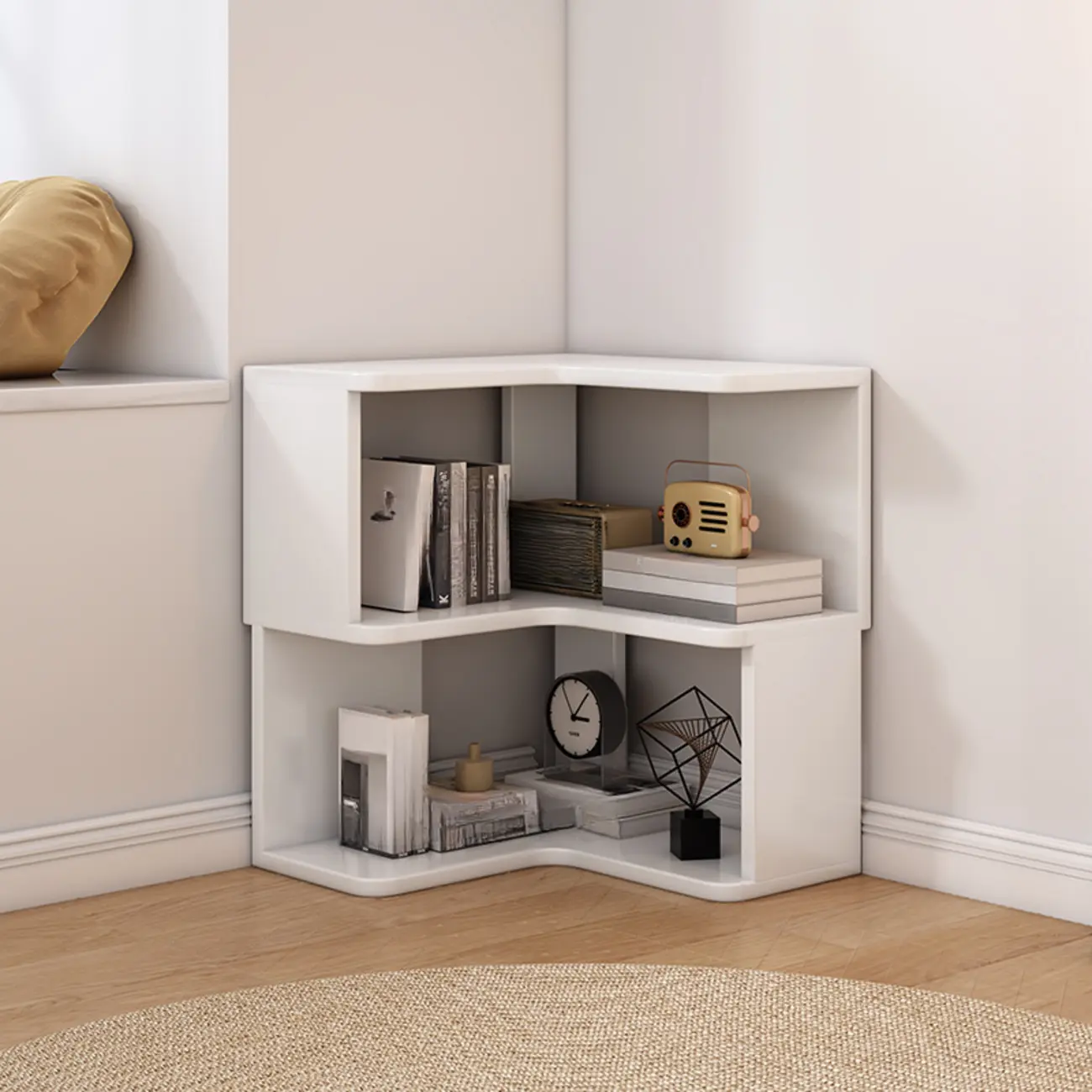
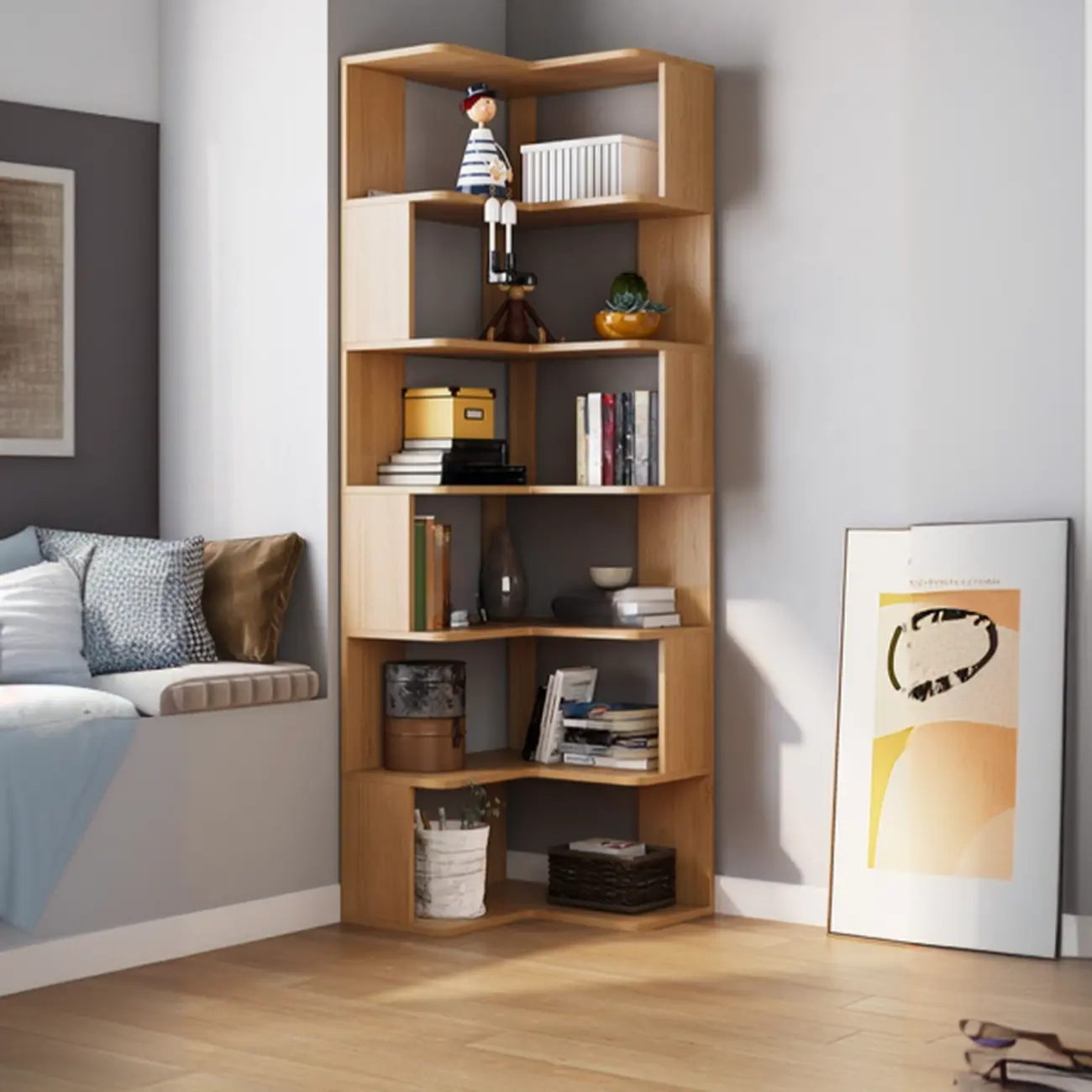
→ A. Utilizing Awkward Corners (e.g., slanted walls, behind doors, hallways)
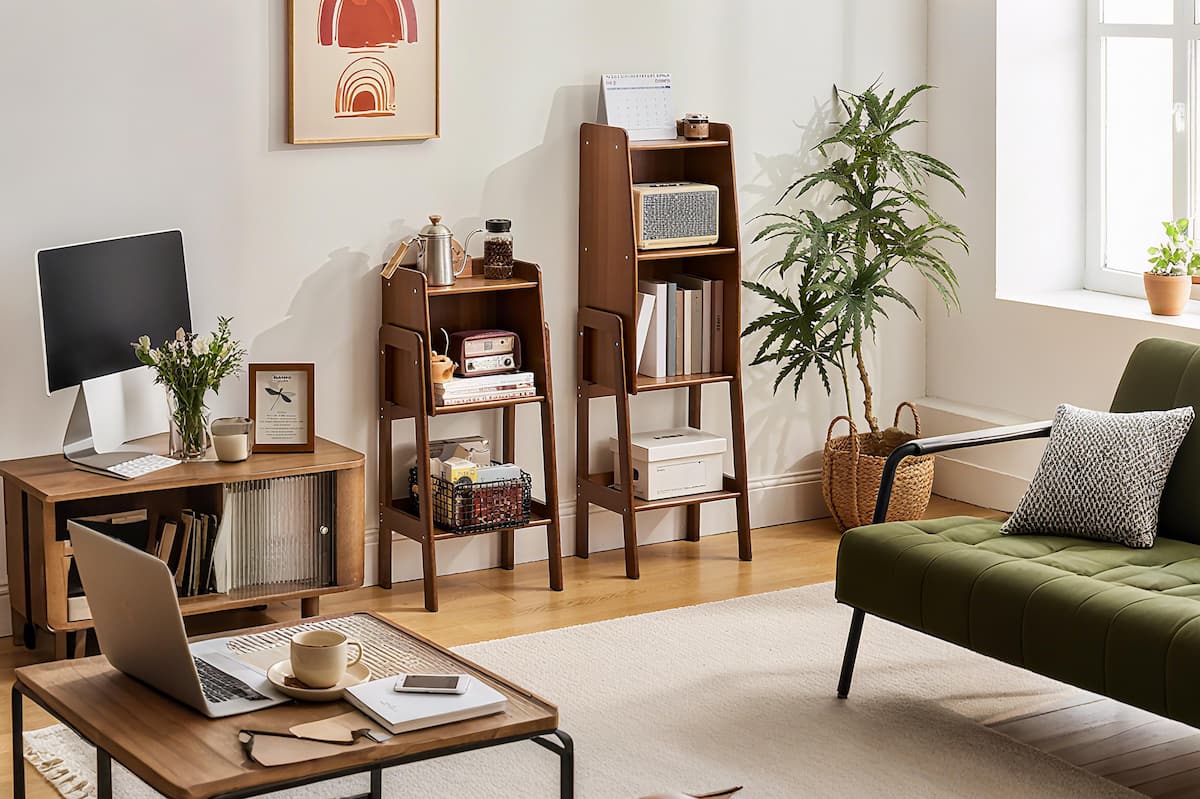
Core Need: Your priority is "perfect fit." Find suitable narrow bookcase styles.
Recommend: Particleboard and wood bookcases.
-.webp?w=600&h=644)
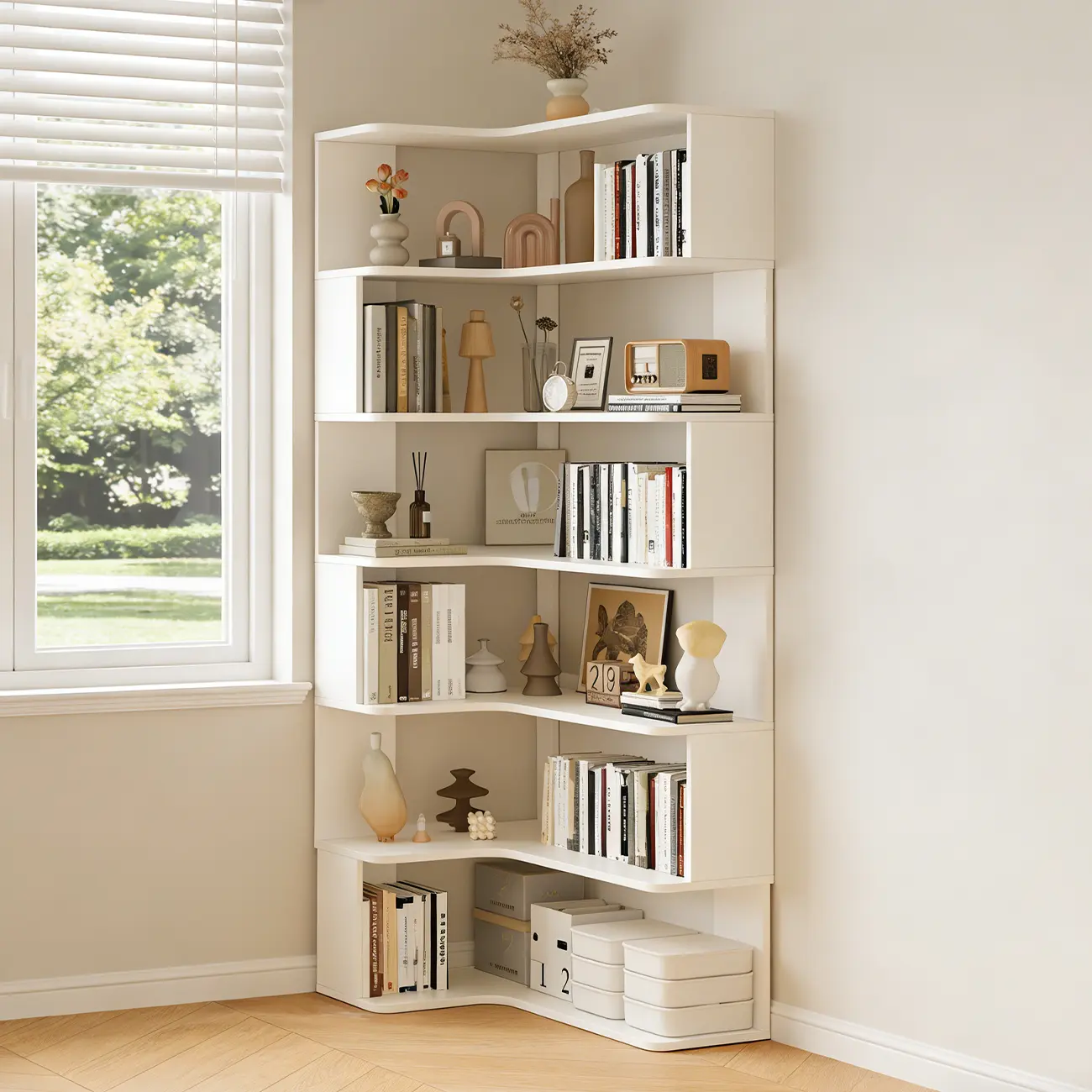
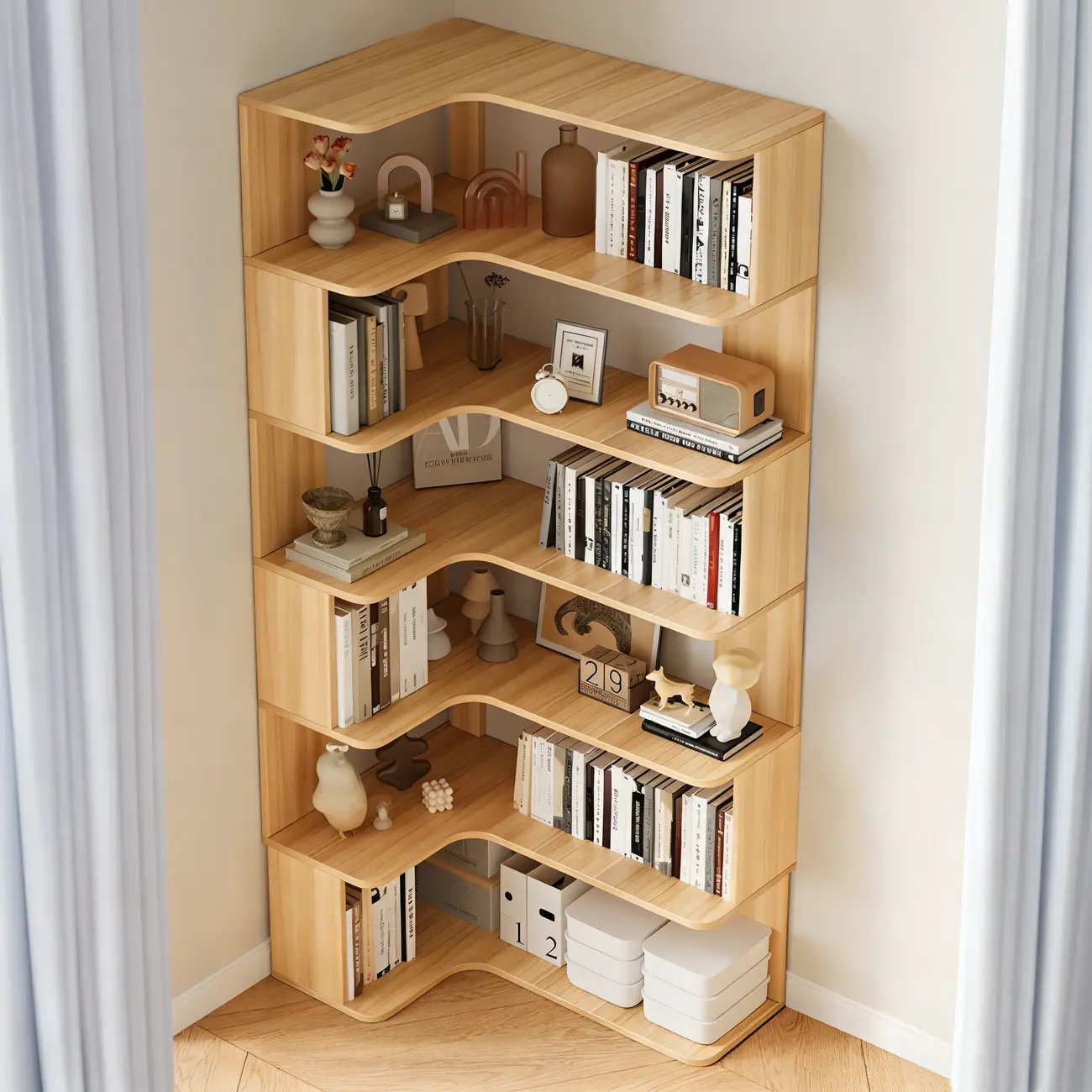
A corner bookcase designed specifically for corners, maximizing the use of your small space and storing your daily needs. →
Share More Corner Bookcase with Friends
→ B. Homes (e.g., small living rooms, apartments, studies)
Core Need: Your priority is "visual lightness." Prioritize styles that look space-saving.
Recommend: Slim-legged, open metal bookcases or light-colored, slim-legged wooden bookcases
→ C. Commercial Spaces (e.g., bookstores, libraries)
Core Need: High load-bearing capacity, extreme durability, and high capacity. Your priority is "sturdy and durable." Consider the most robust options for efficiency and cost.
Recommend: metal bookcase
→ D. Atmosphere-creating spaces (e.g., cafes, boutique hotels, showrooms)
Core requirement: Your priority is "style aesthetics." Choose the one that best represents your brand's character and design sense.
Recommend: Designer solid wood bookcase or unique metal bookcase
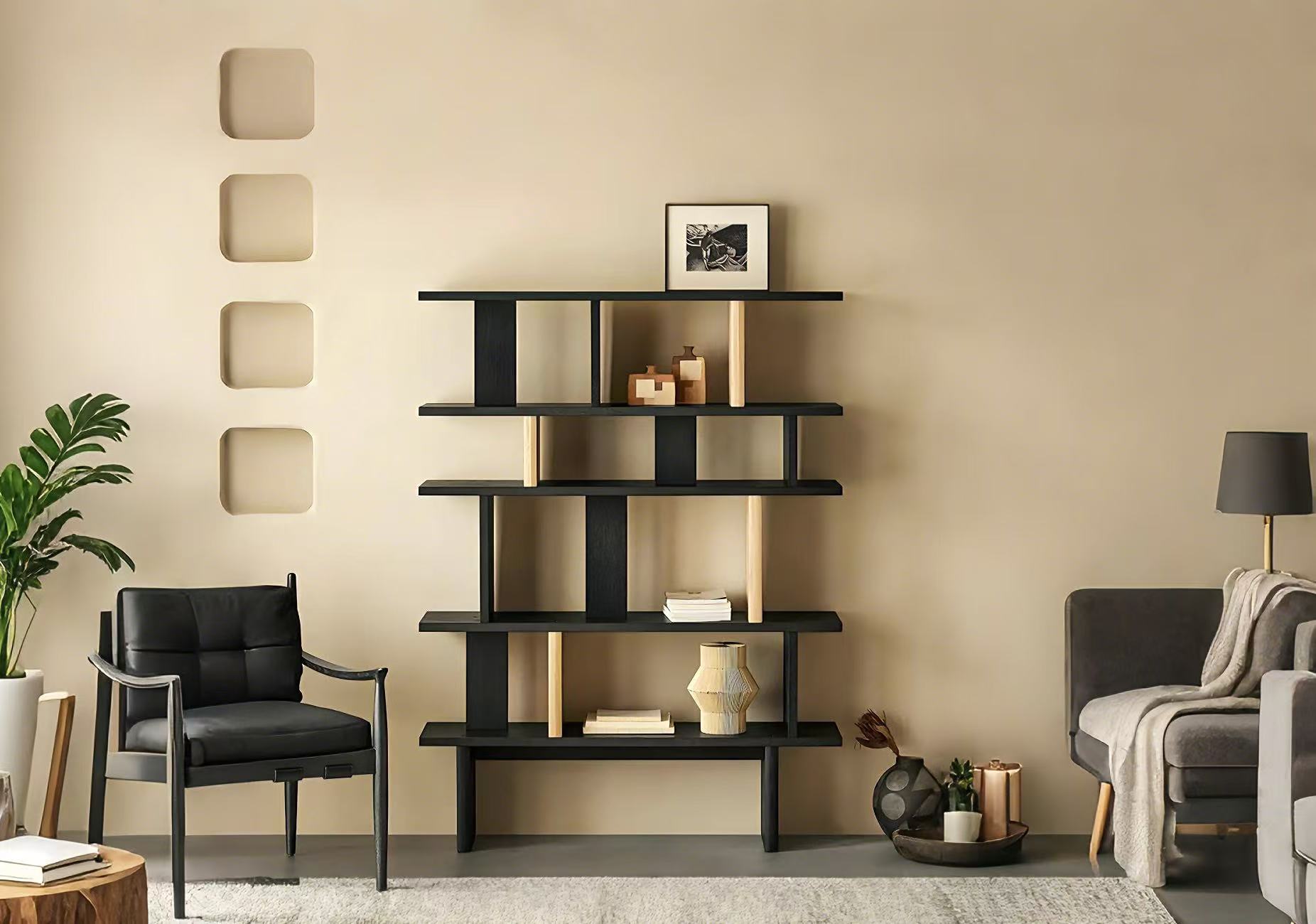
--2.webp?w=600&h=610)
A unique geometric metal bookshelf, suitable for coffee shops, living room corners, and bedrooms, adds fun and avant-garde style while remaining sturdy. →
Question 3: Do you have a pet?
→ A. Yes, and it's very active (loves to scratch and bumps into furniture).
Recommend: Metal bookcase
→ B. No, or it's very well-behaved.
All materials are acceptable, depending on other answers.
Question 4: What quality of bookcase do you value most?
→ A. High load-bearing capacity, for storing a large number of books or heavy items.
Recommend: Metal bookcase or solid wood bookcase with thick shelves.
→ B. Versatile style, perfectly blending into my home's overall design.
Recommend: Wooden bookcase (plywood or solid wood). Wood finishes can mimic any style and color, seamlessly integrating from traditional to natural styles, something metal cannot achieve.
Question 5: How much maintenance are you willing to invest in it?
→ A. I'm a "lazy person" and hope for a one-time solution, just a quick wipe every day.
Recommend: Metal bookshelves or wood bookcase with door
→ B. I enjoy the process of caring for my furniture and don't mind regular maintenance.
Recommend: Wood bookcase
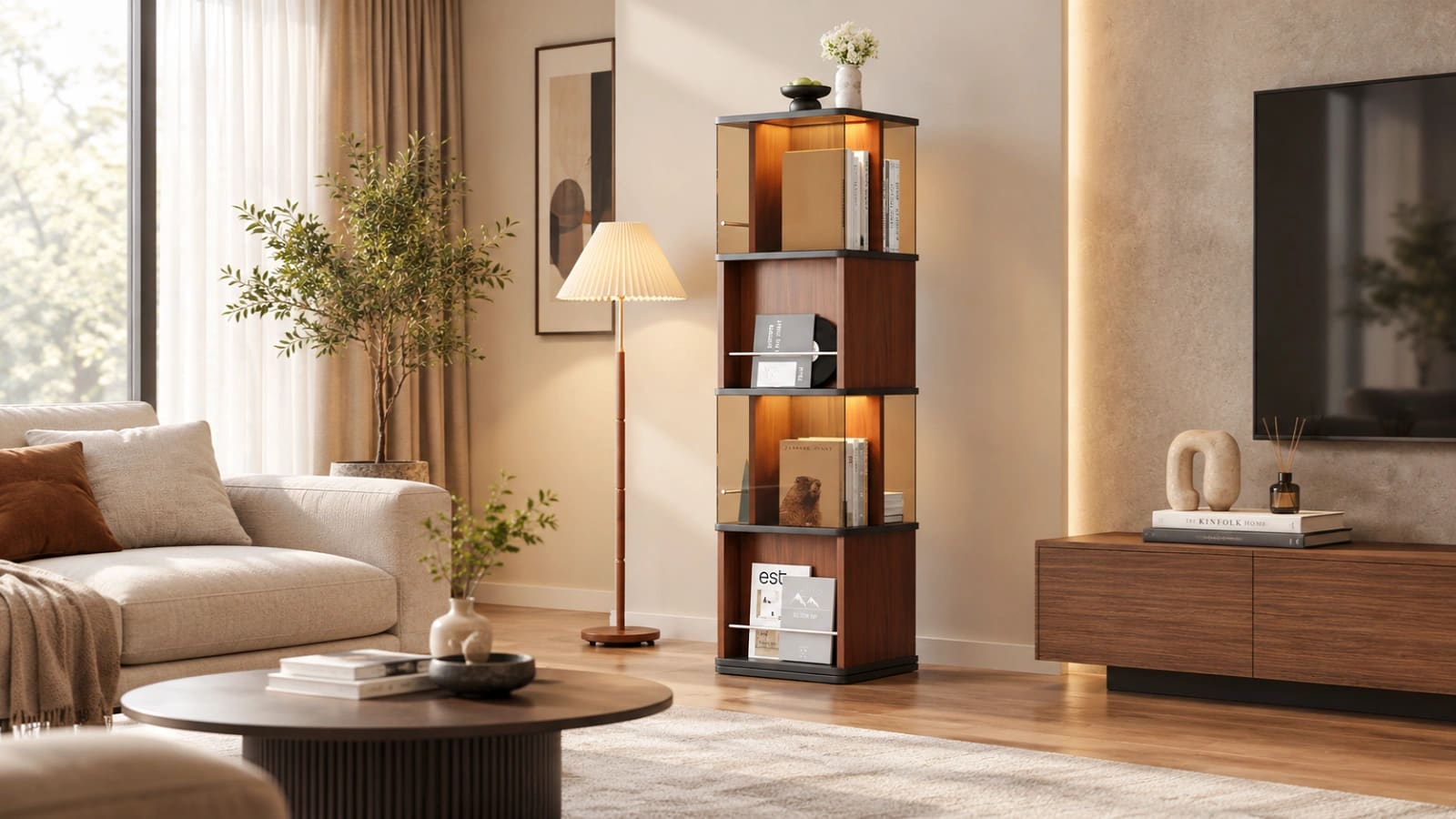
For those who dislike frequent cleaning, choose a bookcase with doors or a glass-door bookcase to easily reduce daily dust. Homeyfad offers many such designs; click to browse!
-.webp?w=600&h=600)
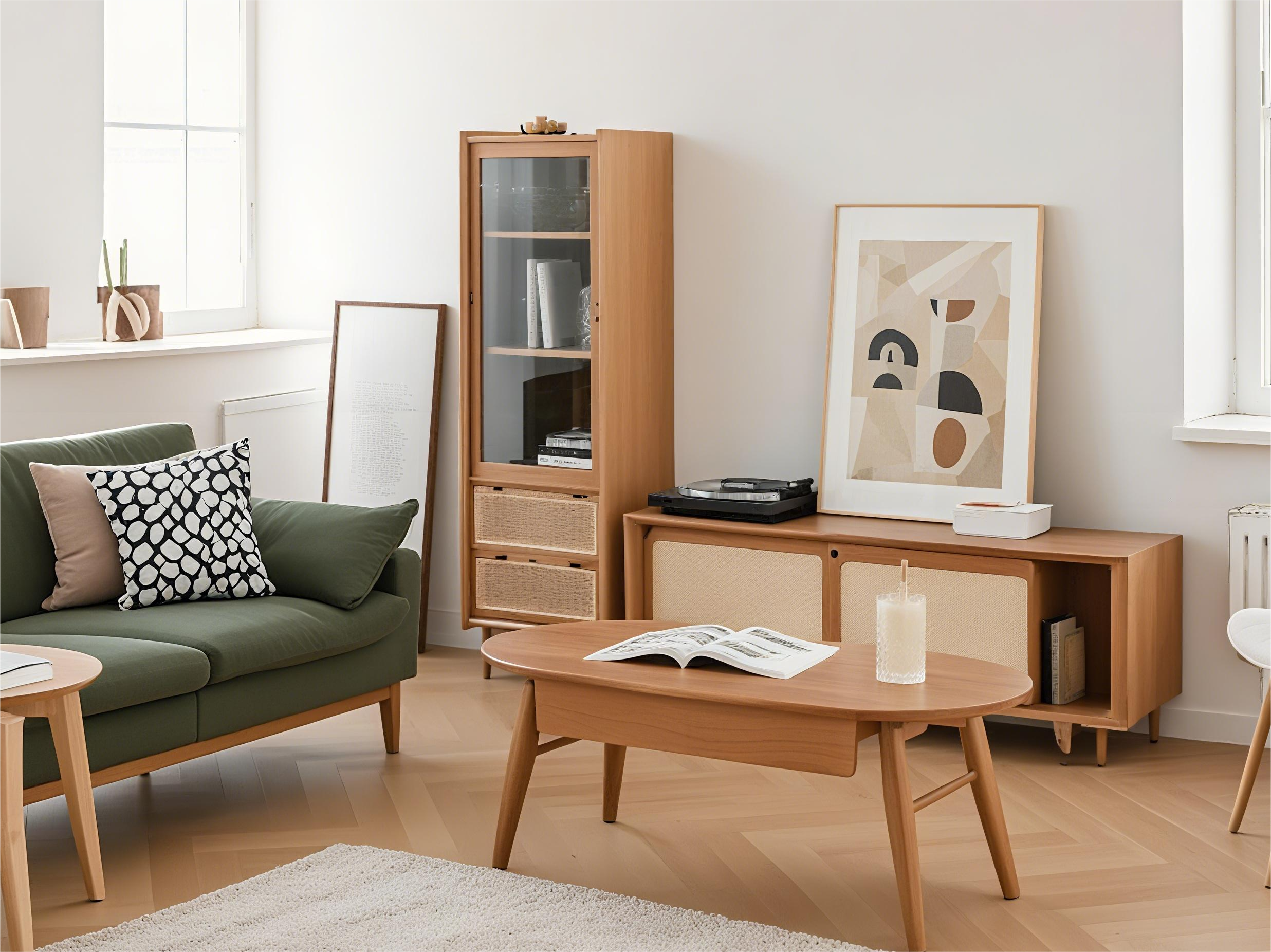
A wooden bookcase with glass doors gives you maximum security, allowing you to display your collection without worrying about dust. →
Explore More Bookcase with Door
Conclusion
The difference between a metal bookcase and a wooden bookcase not only affects their lifespan but also the overall style of the space.
For design-conscious individuals, integrating bookshelves into the interior design is crucial. Choose our stylish bookshelves and easily match them with other furniture!
Explore Homeyfad's bookshelves & bookcases and enjoy first-order discounts. Browse homeyfad reviews to see what other users are saying and help us create reliable and beautiful spaces!
FAQ
Q1: What is the best wood for a bookcase?
Solid hardwoods like oak, maple, and cherry are the best for bookcases due to their superior strength, durability, and beautiful grain.
For a more budget-friendly option, high-quality plywood is an excellent choice, offering great stability and resistance to warping under the weight of books.
Q2: Do wooden bookshelves damage books?
A: Generally, no. High-quality, properly treated wooden bookshelves are safe for books.
However, wood is prone to mold growth when exposed to moisture. But this is not a problem for most modern bookshelves.
Q3: What are some popular styles of bookshelves to choose from?
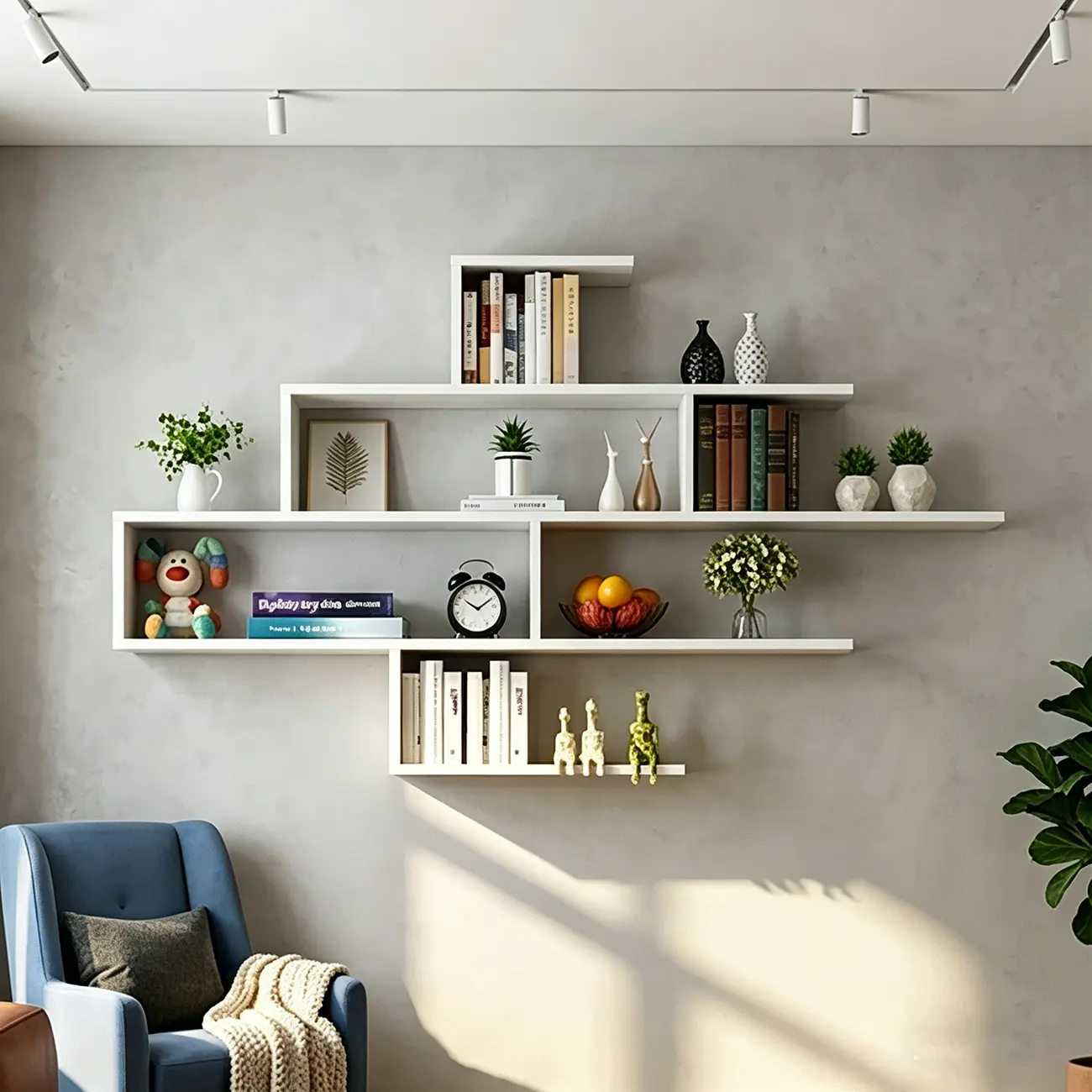
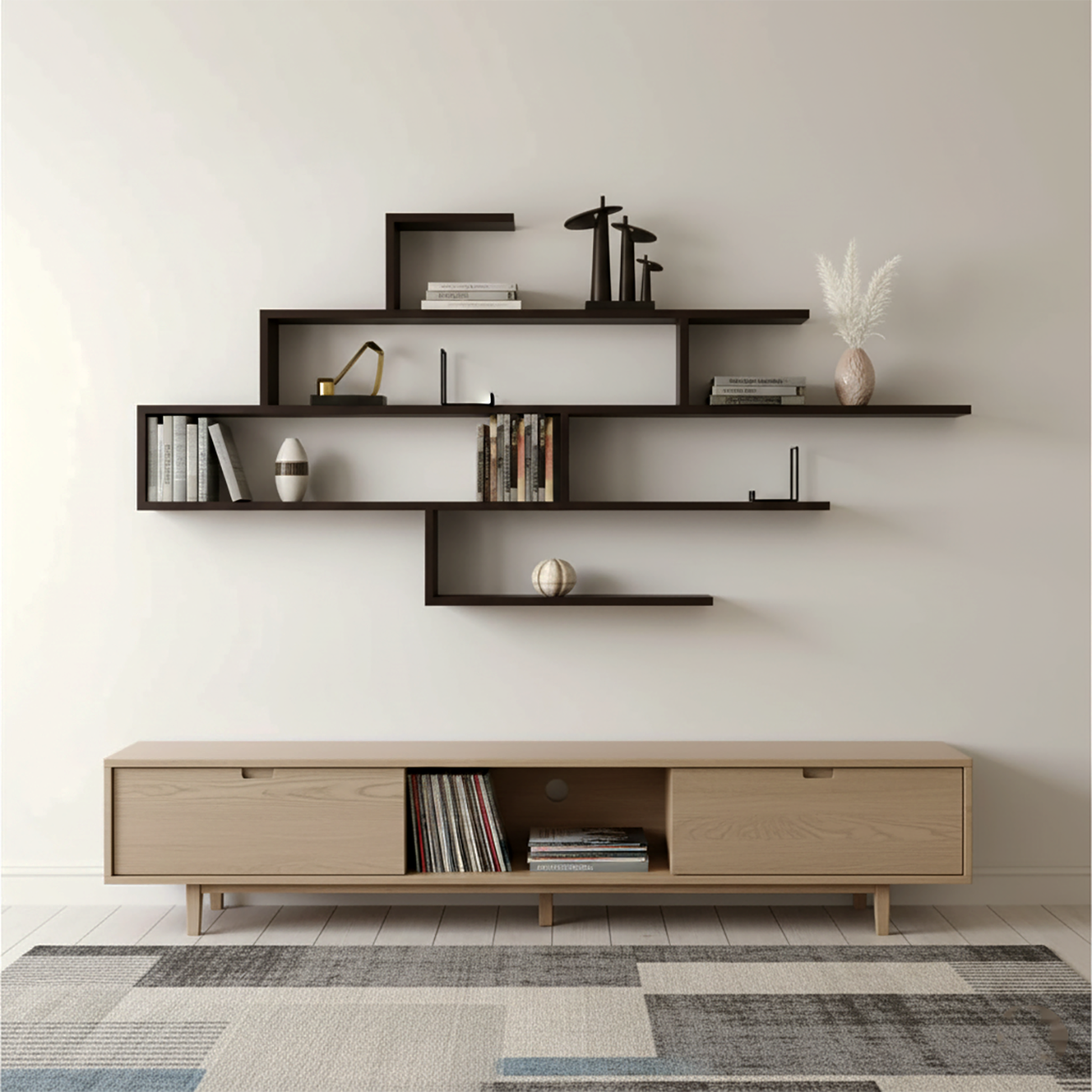
A: Bookshelves come in a variety of styles and designs, mainly including open bookshelves, bookshelves with doors, glass-door bookshelves, wall-mounted bookshelves, and corner bookshelves.
--36.jpg?w=1600&h=900)
--6.jpg?w=1600&h=900)
-.jpg?w=800&h=619)
--37.jpg?w=1600&h=900)

 Add Us On Google