
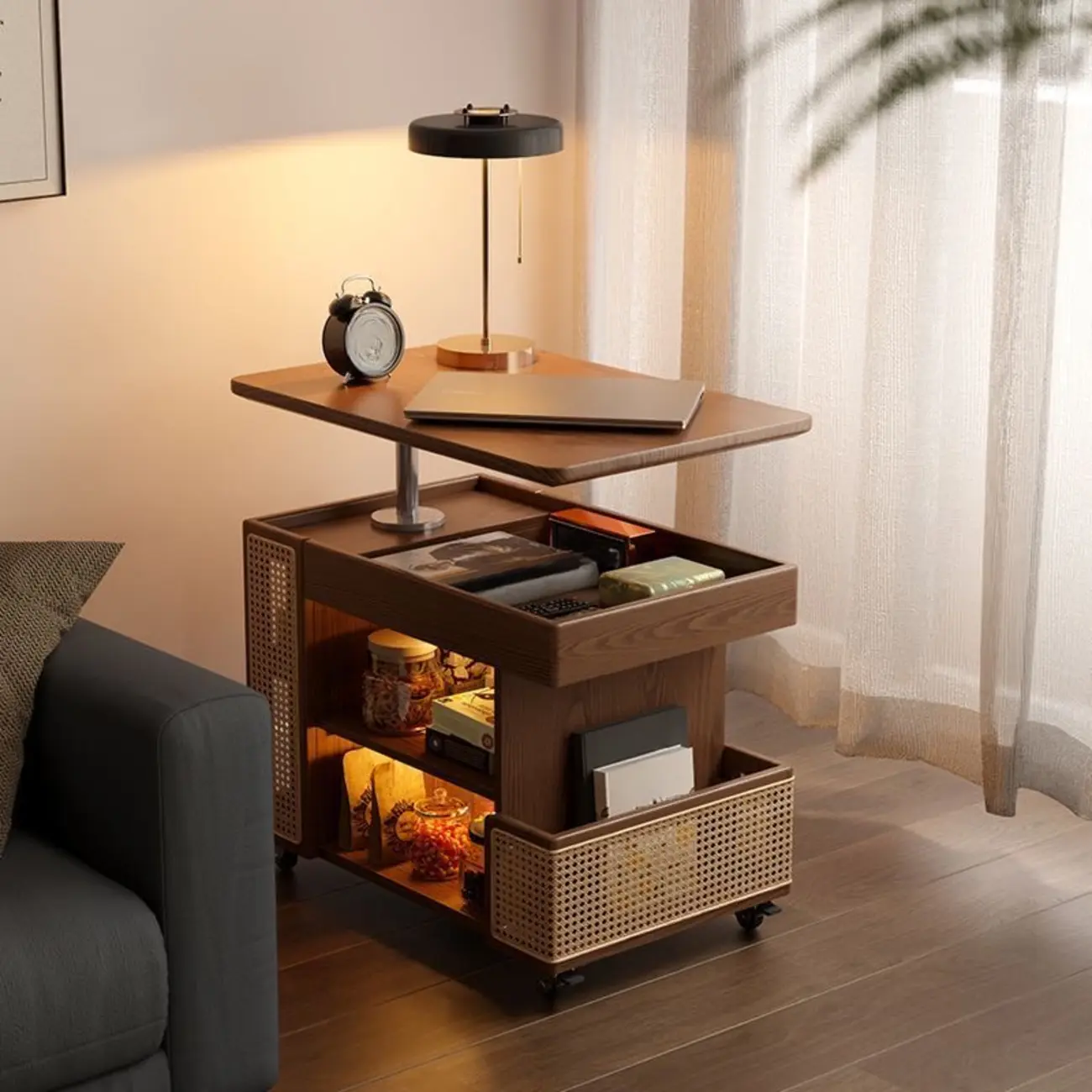
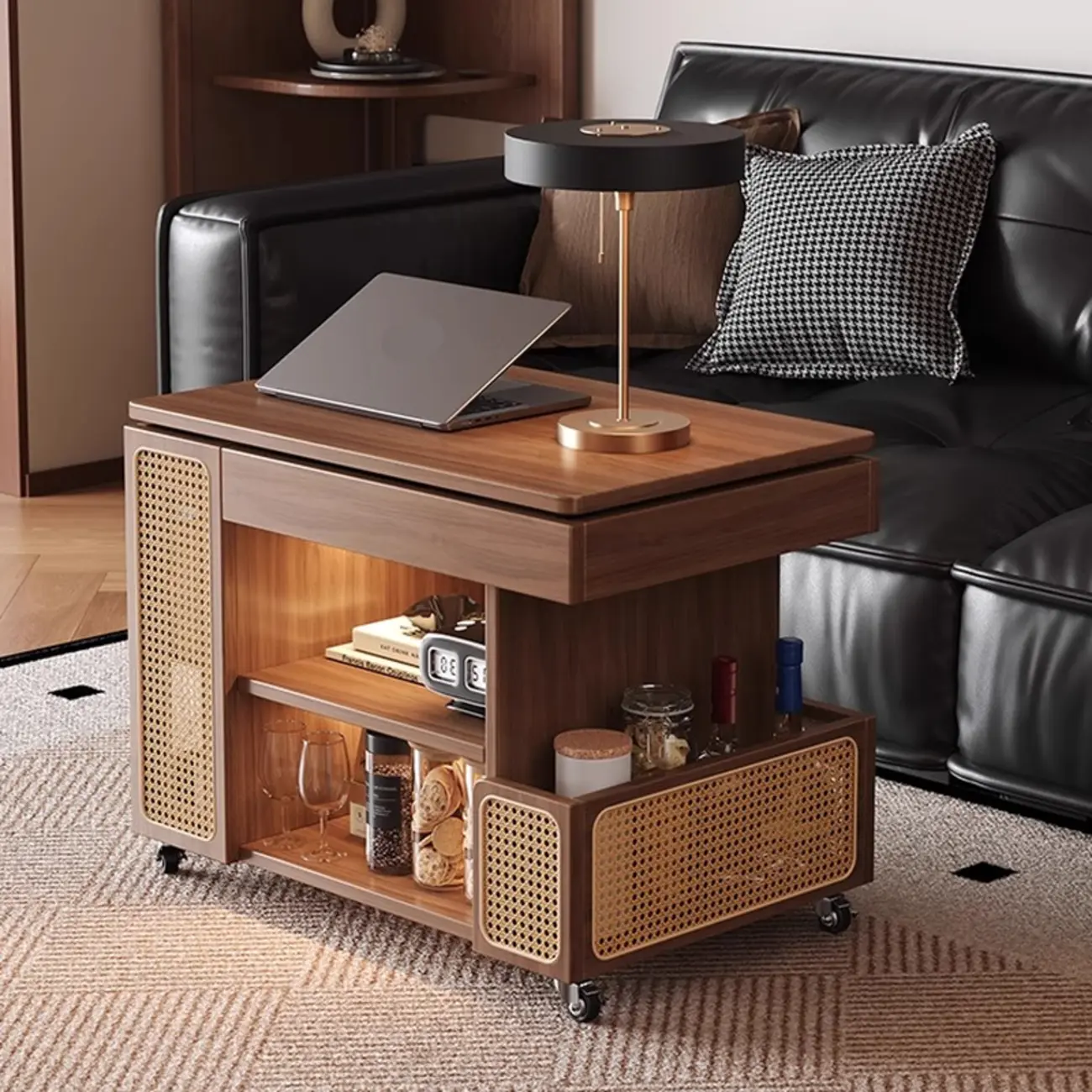

-.jpg?w=900&h=506)
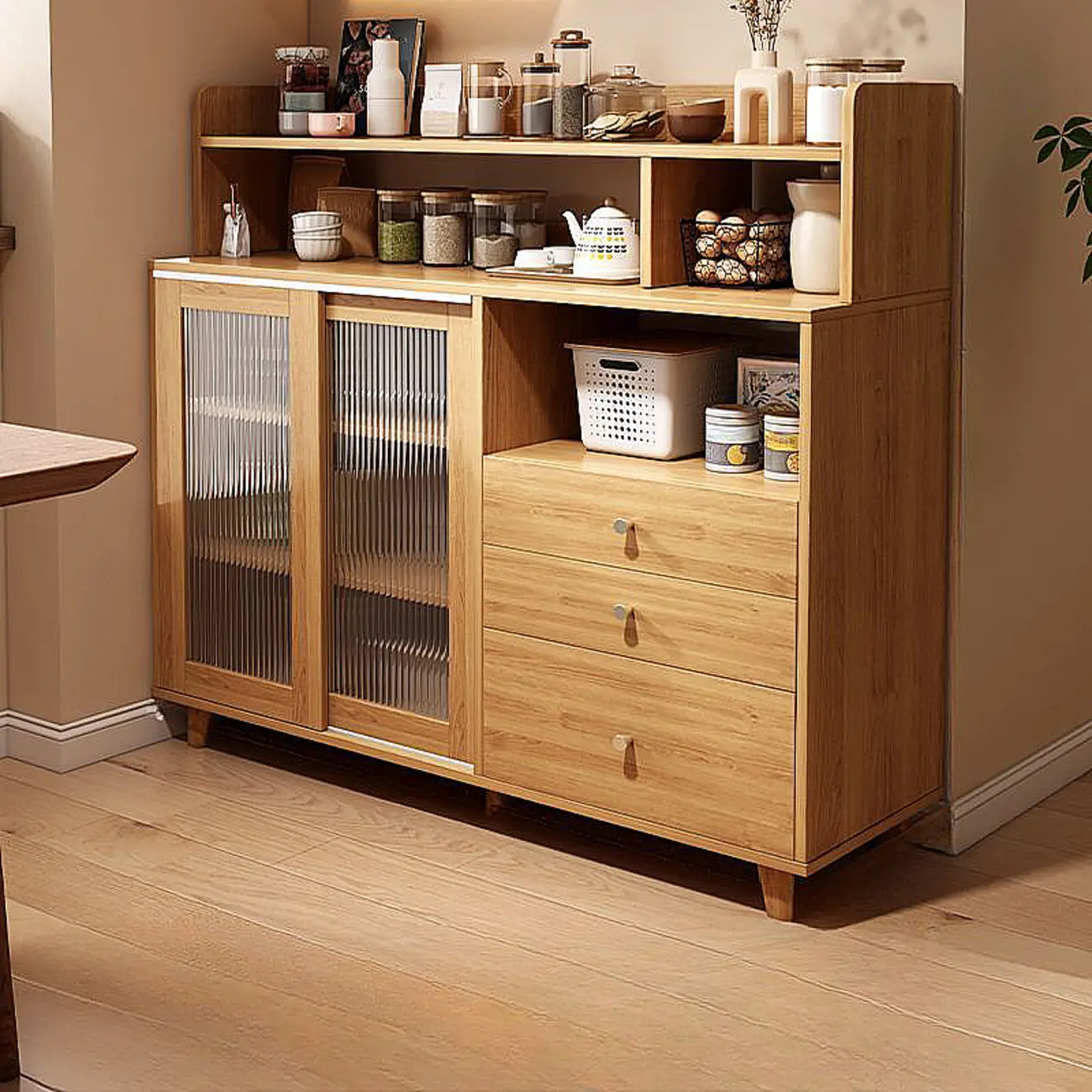
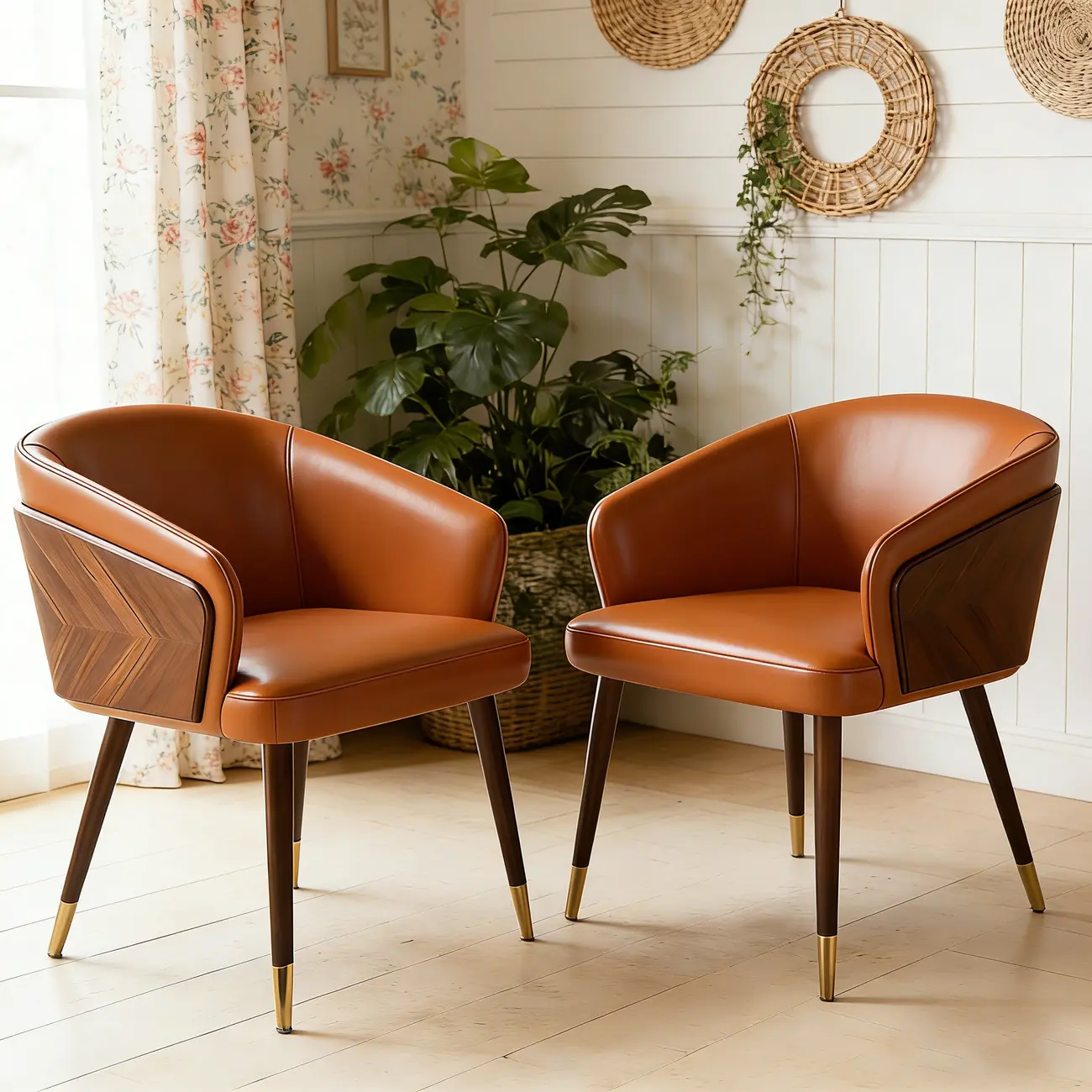
A bench is a common bench in our life, used in bedrooms, entrances, dining rooms, and so on. So what are the bench dimensions in different uses? What is the right height?
Today we will reveal to you that, in addition to the standard bench height, there are more accurate height and size options.
Standard Bench Dimensions: 4 Types of Bench
The standard bench height is 18–20 inches, 15–20 inches in depth, and 42–60 inches in width, which is sufficient for most everyday use.
However, when faced with benches for different uses, the standard height will vary slightly. Below are the standard heights for several common types of benches.
We often use benches in our homes, from bedrooms to living rooms, and here are a few common ones.
| Bench Type | Height | Depth | Width |
|---|---|---|---|
| Dining Bench | 18–20 in | 16–18 in | 42–60 in |
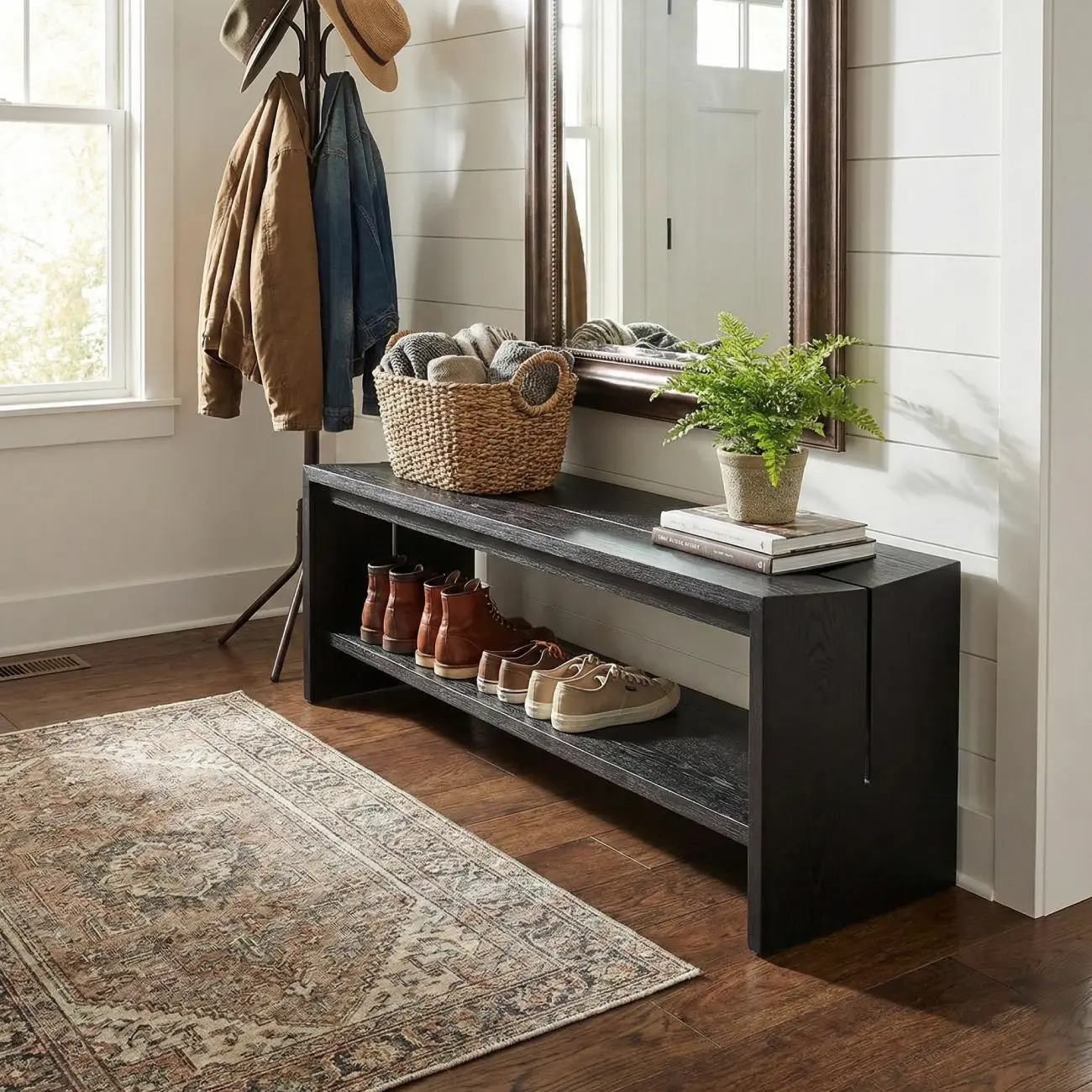
| Entryway Bench | 17–19 in | 15–18 in | 36–48 in |
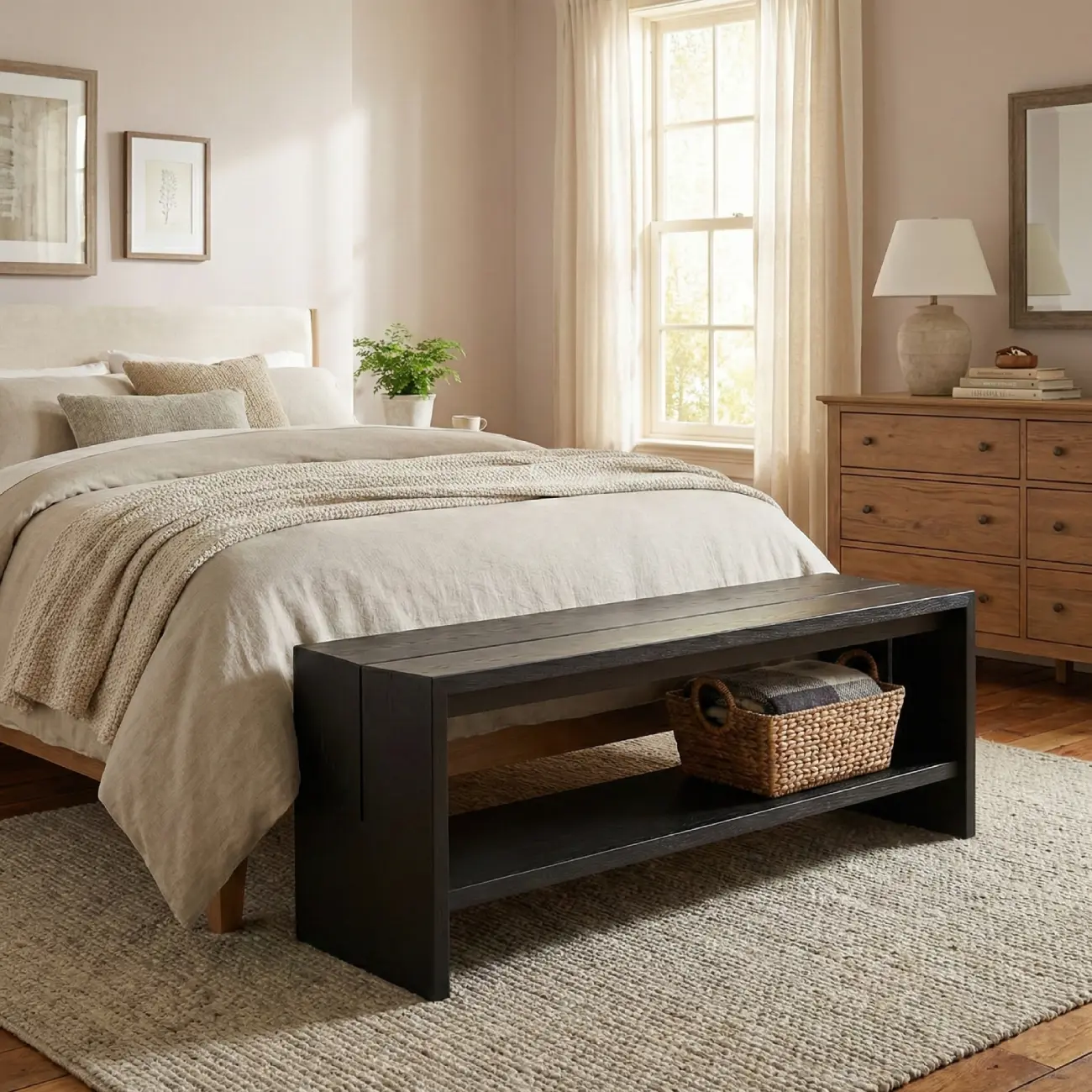
| Bedroom Bench | 18–22 in | 16–20 in | 42–60 in |
| Vanity Bench | 16–18 in | 14–18 in |
20–30 in |
How to Choose the Right Bench Dimension
Standard bench dimensions can meet basic daily needs, but if you want more comfort, follow these tips to tailor your space and needs to meet the perfect bench!
1. Measure Your Body and Space
- Knee height test: Sit upright with your feet flat and measure the distance from the floor to the back of your knees. The ideal bench height should be 1-2 inches lower than this measurement. For example, for a knee height of 19 inches, the bench should be 18".
- Space constraints: Make sure the bench height matches nearby furniture such as a dining table, bed, or desk. Note that the distance between the bench and walls and other furniture should be at least 36" to ensure free passage.
2. Determine the Purpose of the Bench
Before purchasing a bench, determine where you are going to use your bench. Bedroom, entryway, or kitchen. Choose based on the relative standard height.
If you want to use the bench in more than one place, then buy a standard 18-inch bench. You can adjust the comfort level by cushioning the bench or raising the tabletop.
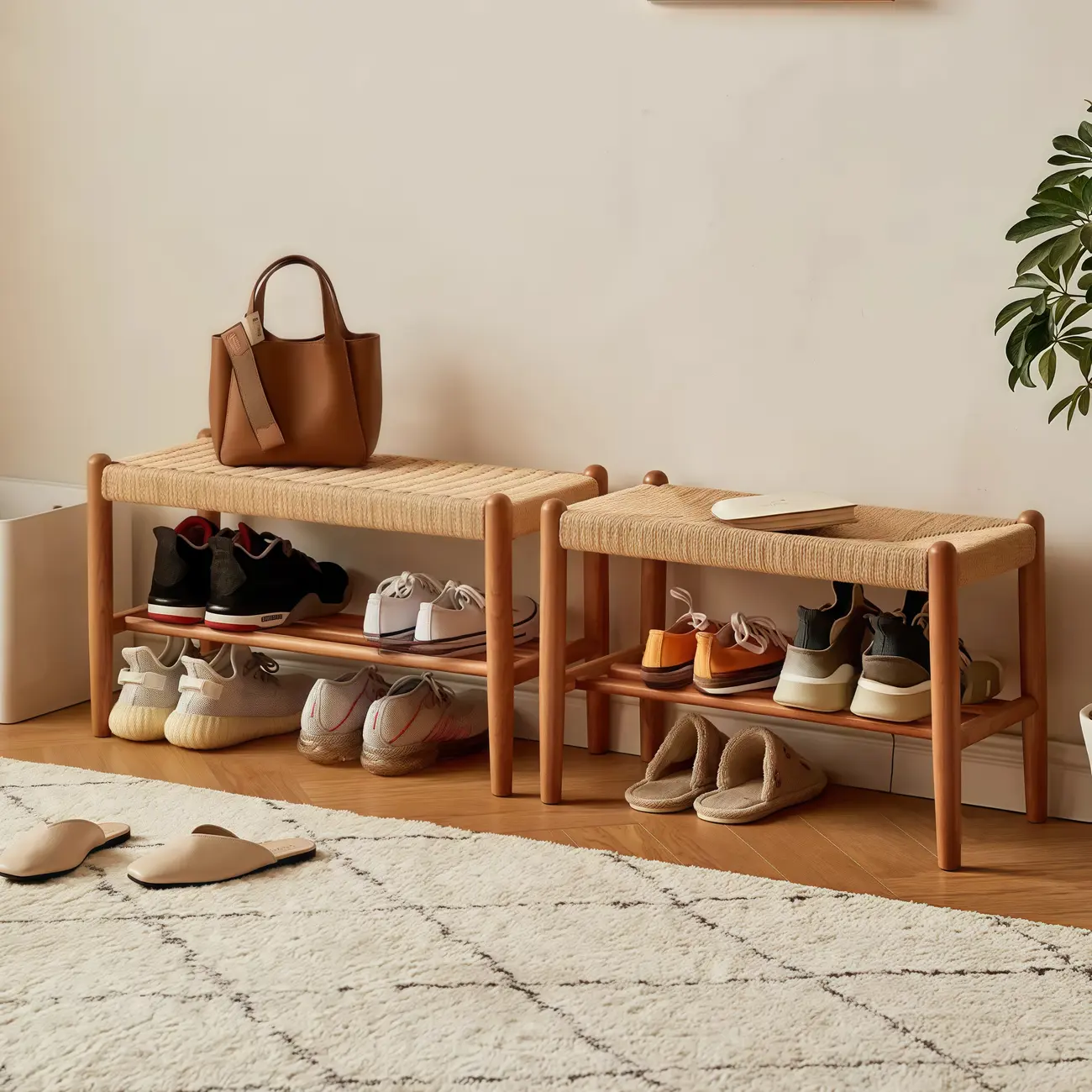
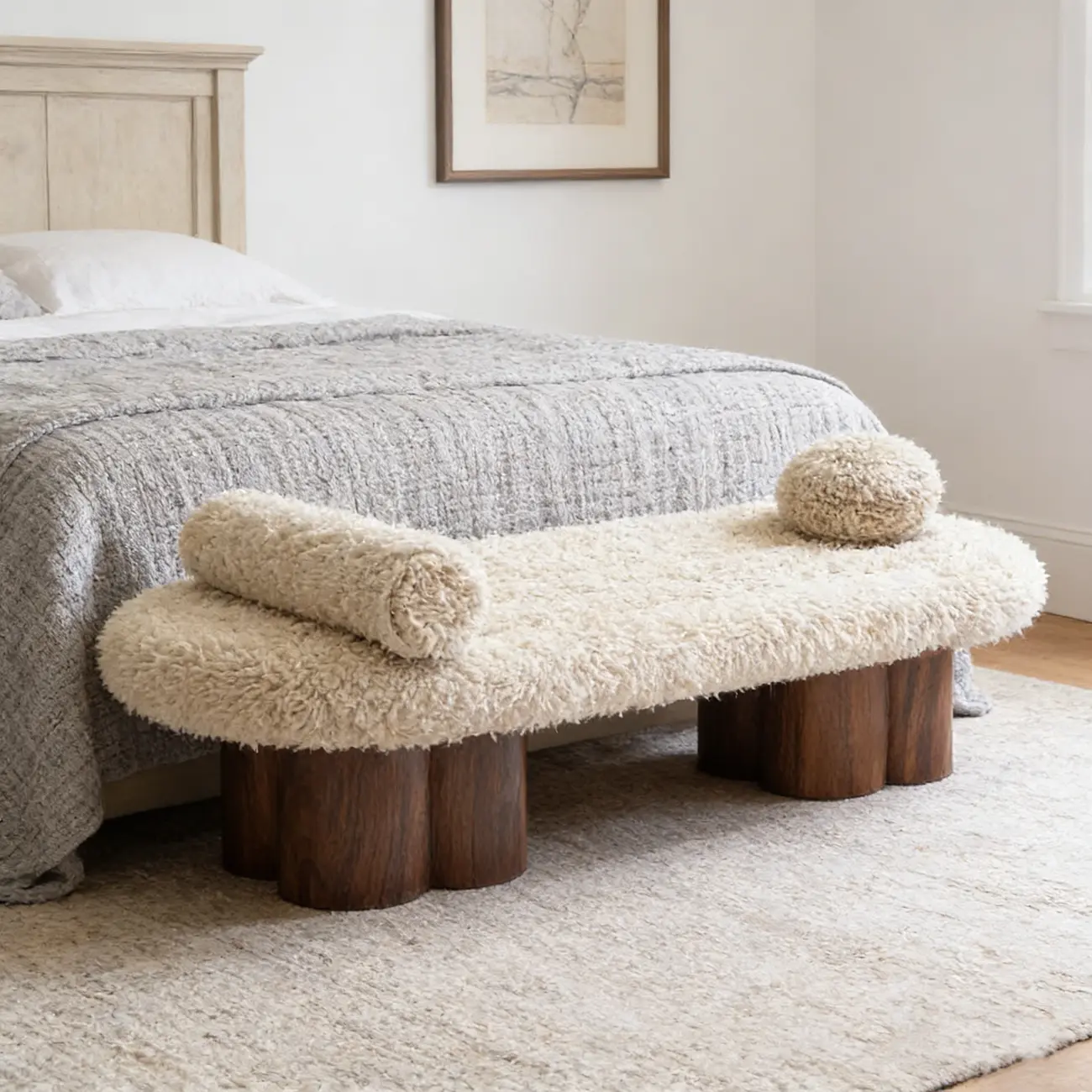
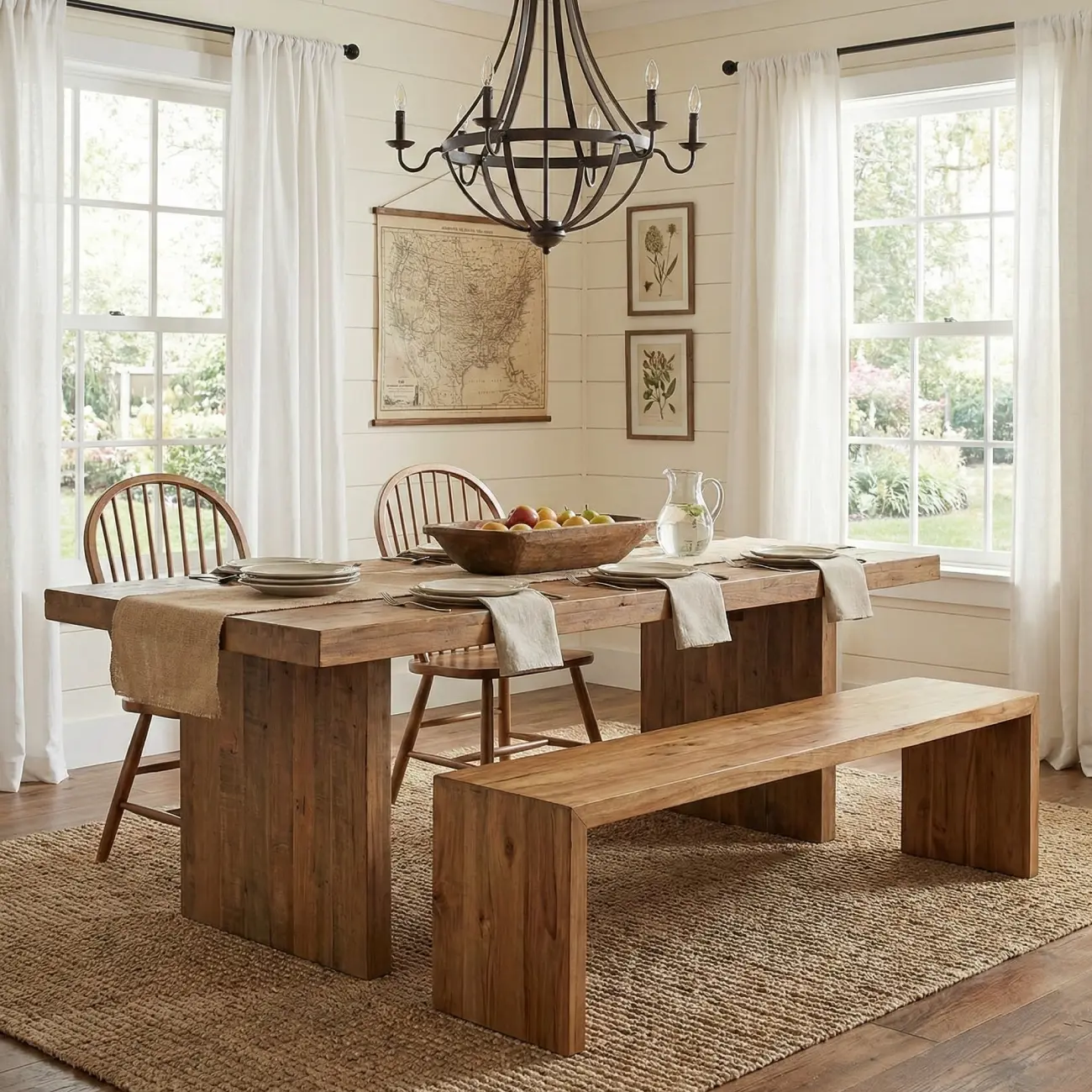
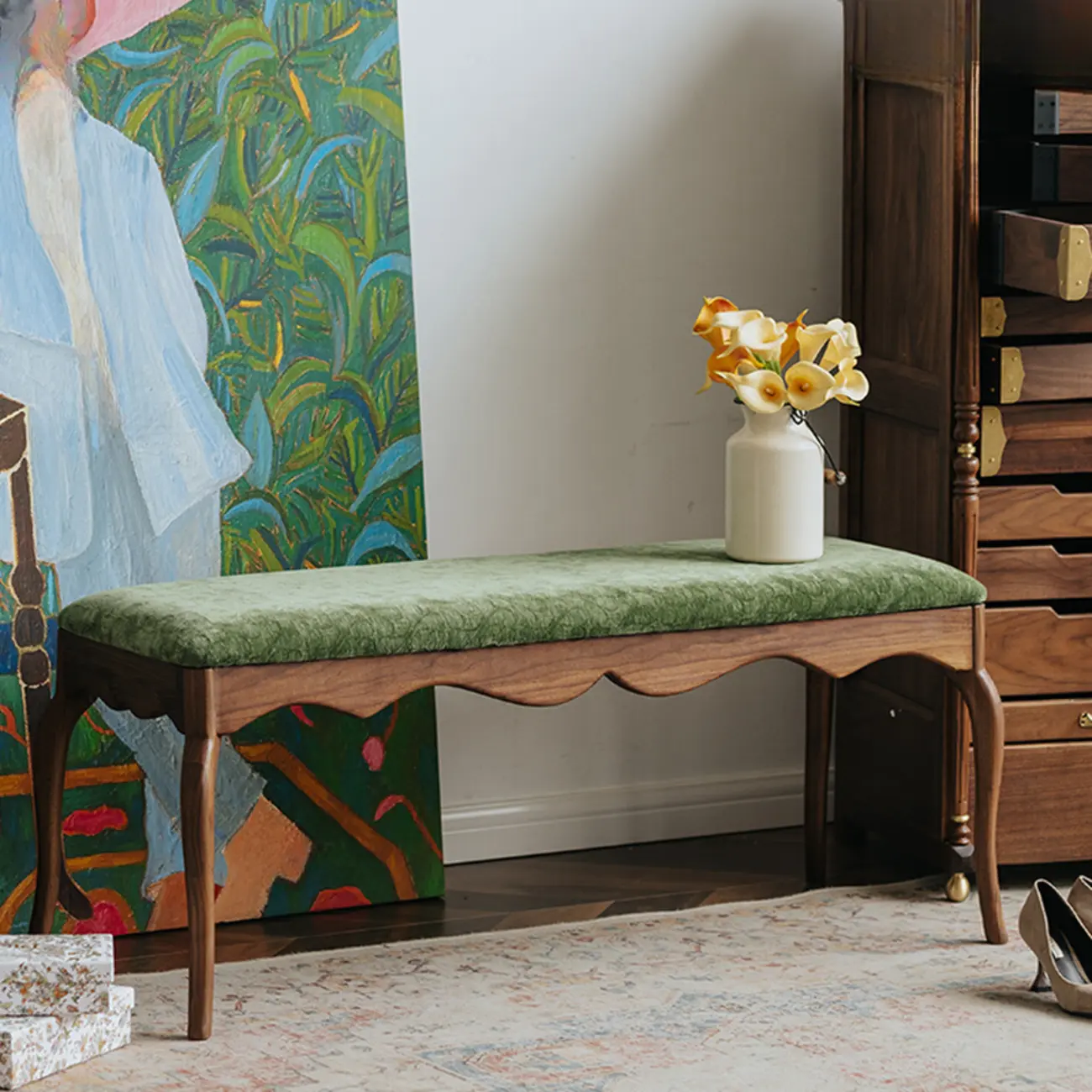
3. Bench Width Based on Seating Capacity
| People | Bench Width |
|---|---|
| 1 person | 18–24 inches |
| 2 people | 42–52 inches |
| 3 people | 53–80 inches |
Once you've determined your intended use, you'll have a general idea of how many people your bench will typically seat. The appropriate width determines the bench's load-bearing capacity. You certainly don't want someone suddenly tripping and falling over!
Single benches range in width from 18 to 24 inches. For each additional person, the width increases by 20 inches.
For example, a common 42-inch bench can comfortably seat two adults.
4. Adjust for Special Needs
- Kids' Benches: 12-15" for proper posture.
- Accessibility: lower heights (16-17"). Accessibility: Lower heights (16-17") or armrests for mobility aid users.
Conclusion
I'm sure you already know what size and height of bench to buy. A right-sized bench will make your daily life more comfortable. It improves the experience, as well as satisfaction with your life.
Feel free to contact us with any questions! Homeyfad has a wide range of bedroom benches and entryway benches, so there's always one for your home!
Frequently Asked Questions
Q: What is the purpose of a bedroom bench?
A: A bedroom bench can provide a convenient place to sit, put on shoes, or store clothes. It is also a stylish bedroom design element that can enhance the room's decor and connect the space.
Q: What should I look for when choosing a bench for my entryway? What is the best style?
A: Prioritize designs with storage features and a hollowed-out bottom for easy storage of shoes or slippers. A simple, solid wood bench is durable and versatile, suiting a variety of styles. A padded shoe bench is more comfortable and is especially suitable for families with elderly or children.
Q: I want to store shoes in my entryway. Is there a better option than a bench?
A: Of course. An entryway bench is suitable for families with a small shoe collection. However, if you have a larger collection of shoes, dedicated shoe storage, such as a shoe cabinet, is often a better option.
Q: Is it better to choose a bench with or without a backrest?
A: Benches with backrests can reduce the pressure on the waist when sitting for a long time and are suitable for dining or long-term use, while benches without backrests save more space and are suitable for narrow entrances or temporary seating needs.
Q: Which is better for your dining room, a bench or chairs?
A: If your dining room is small, choose a bench that doesn't take up too much space and can accommodate more people. If you have a larger space and a large dining table, you can choose dining chairs based on your preferences.
Updated on March 12, 2026

 Add Us On Google