
(1).png?w=1920&h=650)
-.jpg?w=900&h=506)
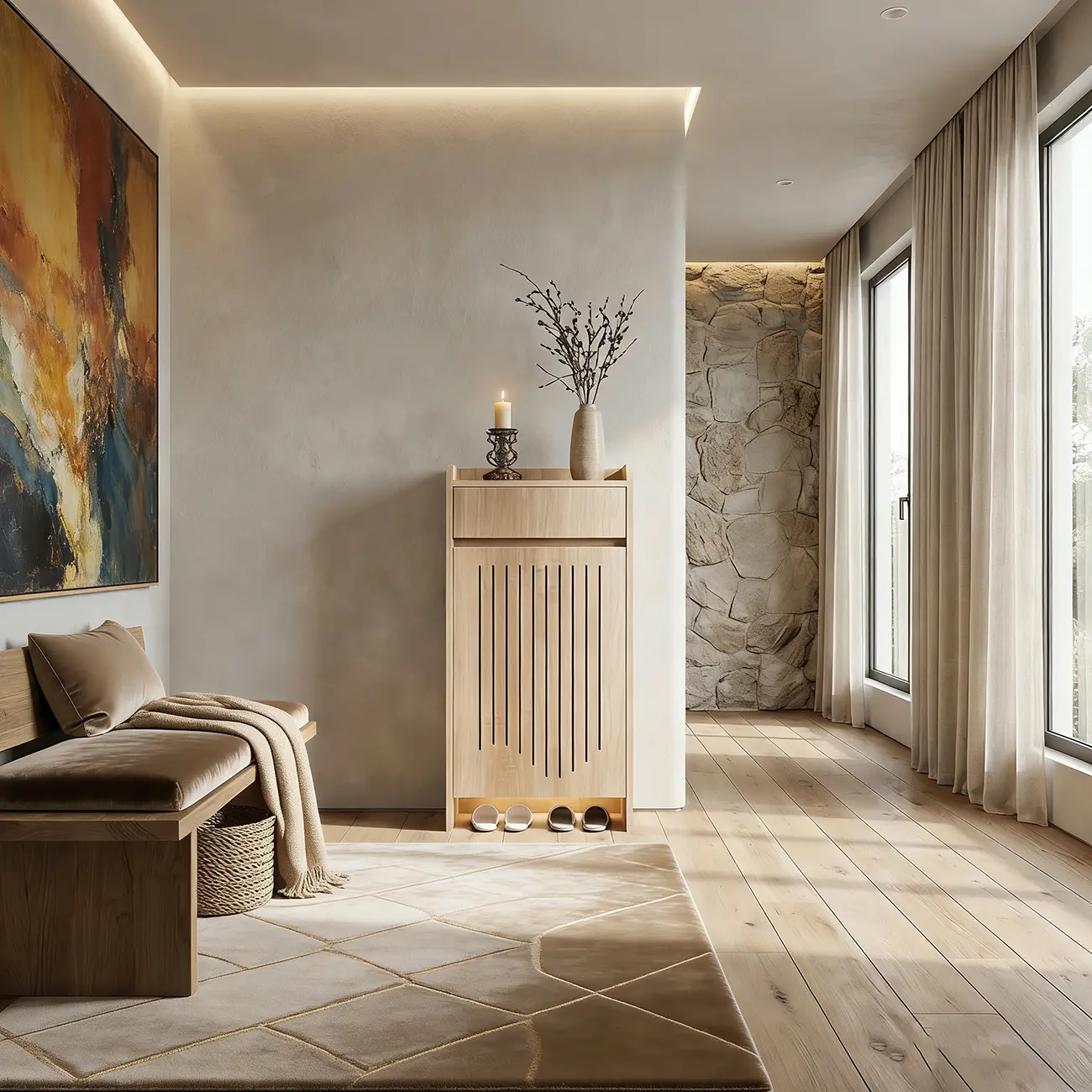
As soon as you enter your home and see the messy shoes in the entryway, you start to hesitate about whether to buy a shoe cabinet.
Undoubtedly, the biggest advantage of a shoe cabinet is that it can keep your messy shoes organized, making your space look neater and tidier. But why do some people hesitate? They can buy a decent shoe cabinet for just $150.
Today, let's rationally understand the pros and cons of shoe cabinets, discover the real potential problems, and solve them together! Explore the best shoe storage solutions for you, making your shoe cabinet more cost-effective!
3 Major Benefits of Buying a Shoe Cabinet
1. Keep Your Entryway Tidy and Organized
Coming home to a messy pile of shoes in your entryway is incredibly unpleasant.
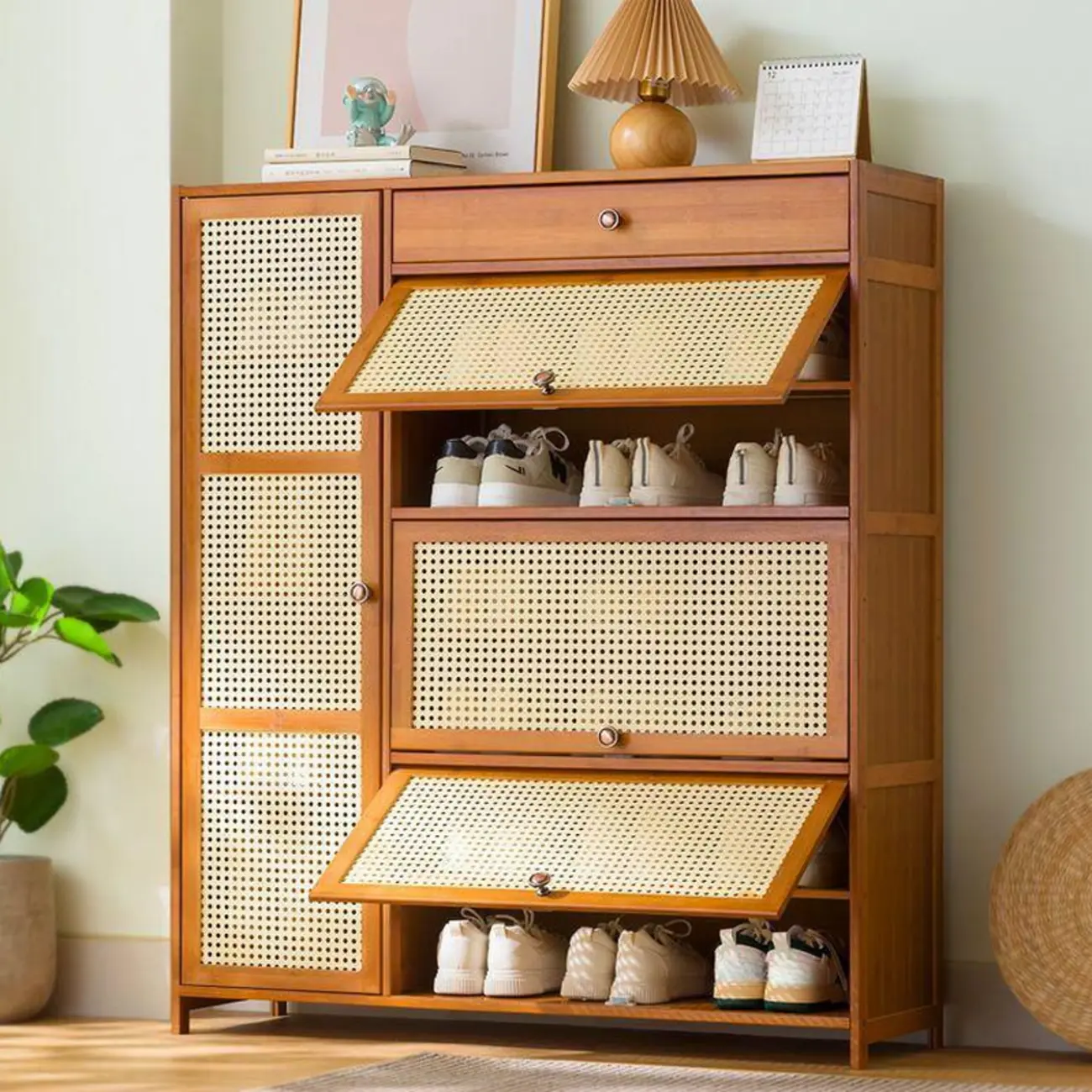
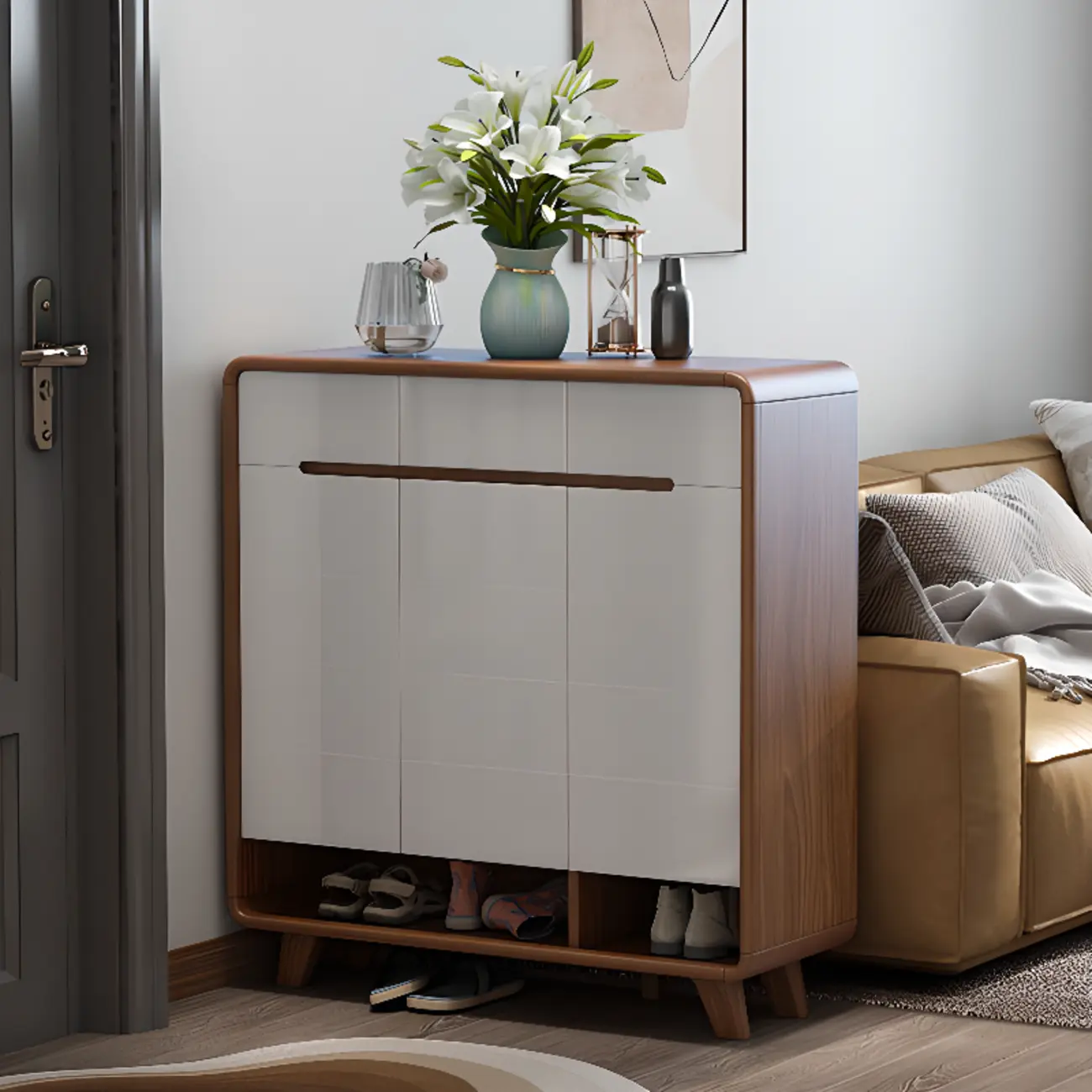
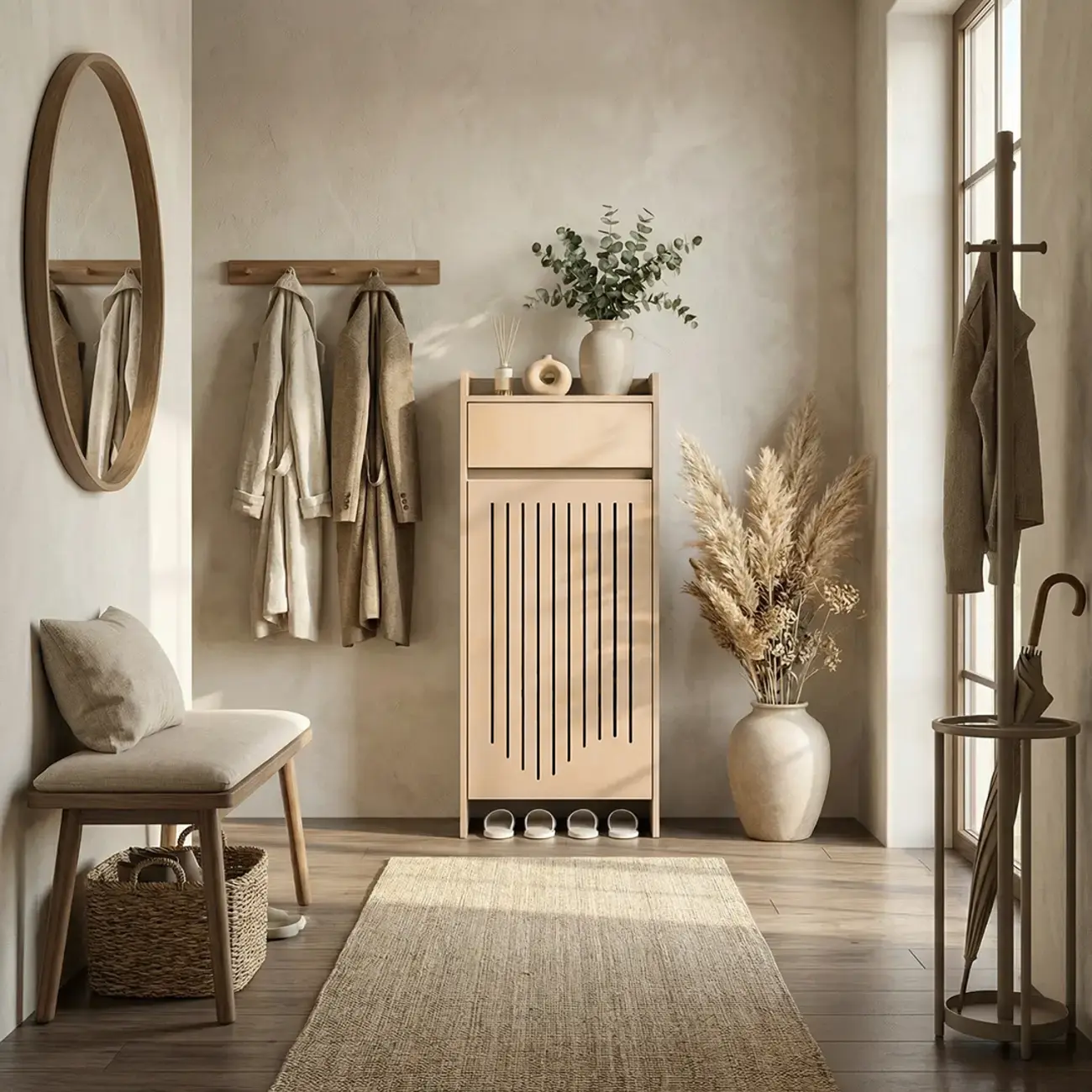
A shoe cabinet provides unseen storage space for your footwear, instantly making your entryway look cleaner, tidier, and more welcoming to guests.
When every pair of shoes has its designated place, you can find the shoes you want to wear much faster.
2. Save Space in Small Apartments
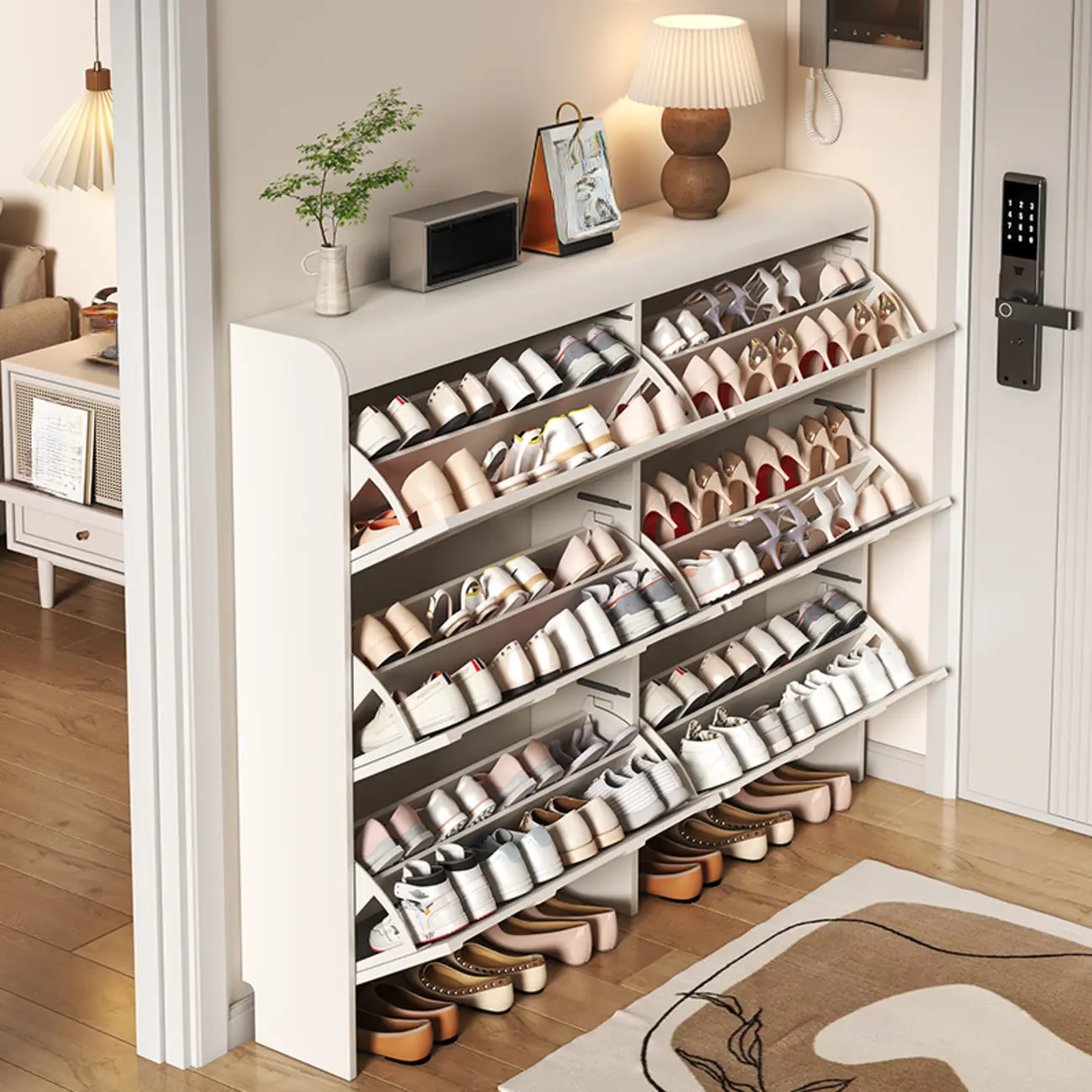
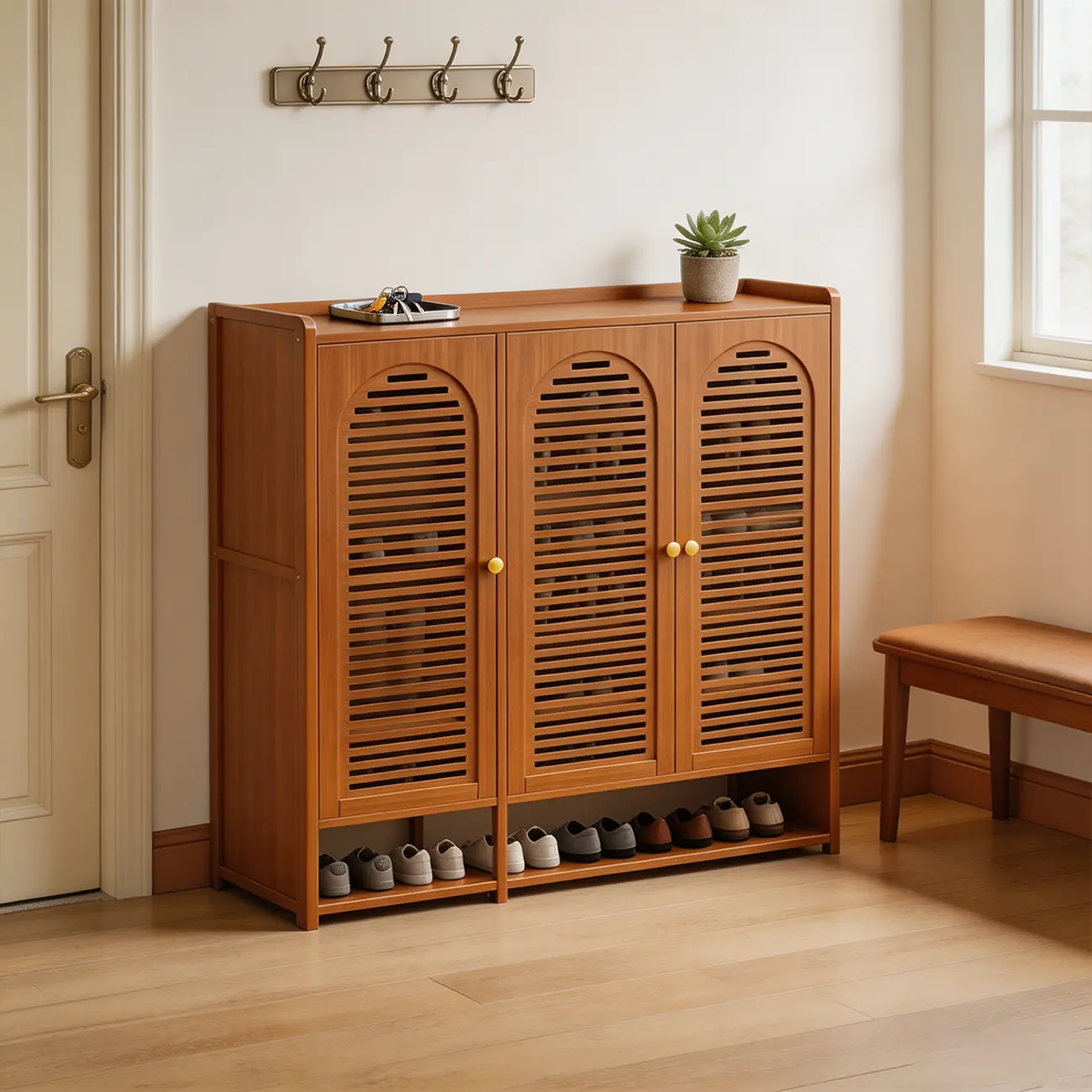
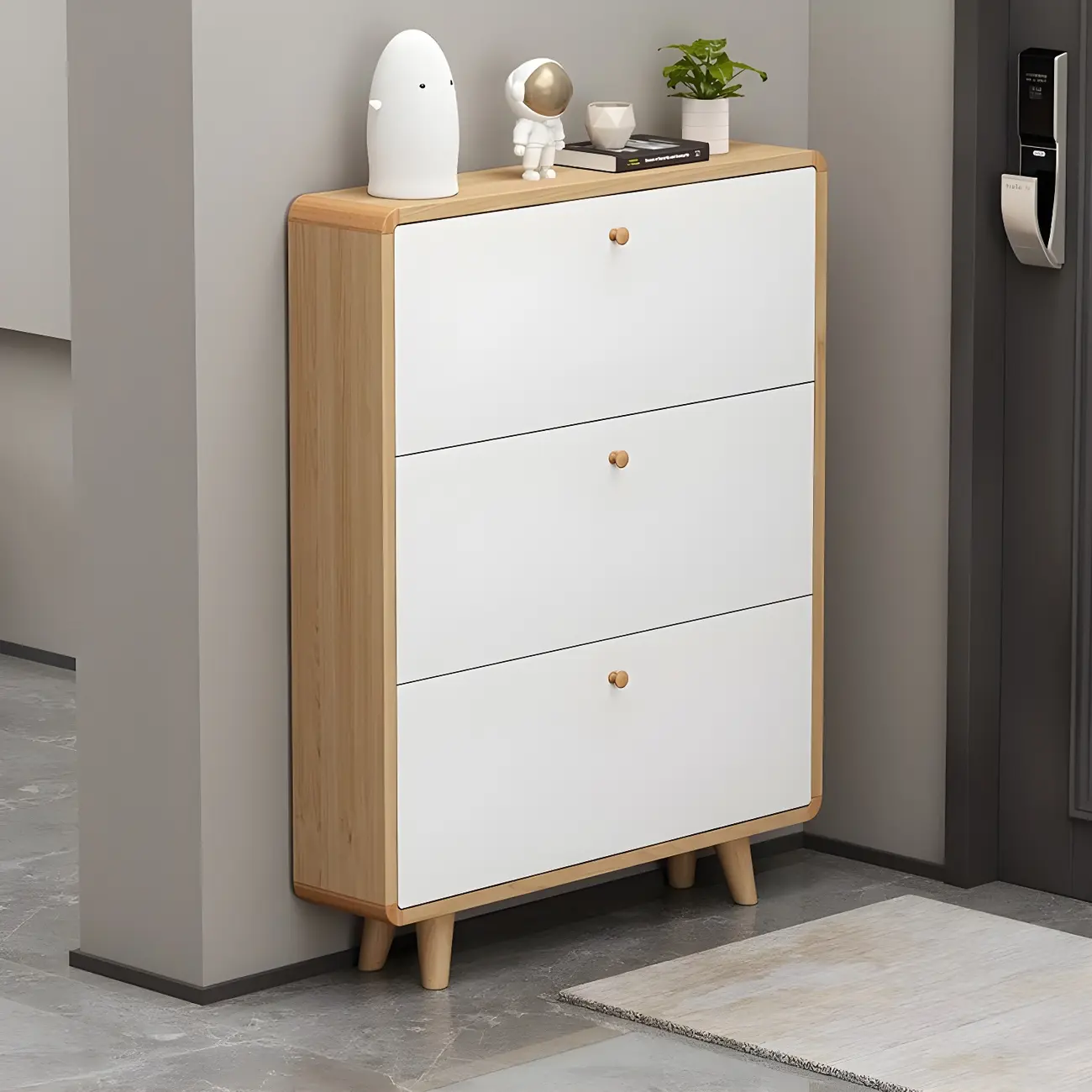
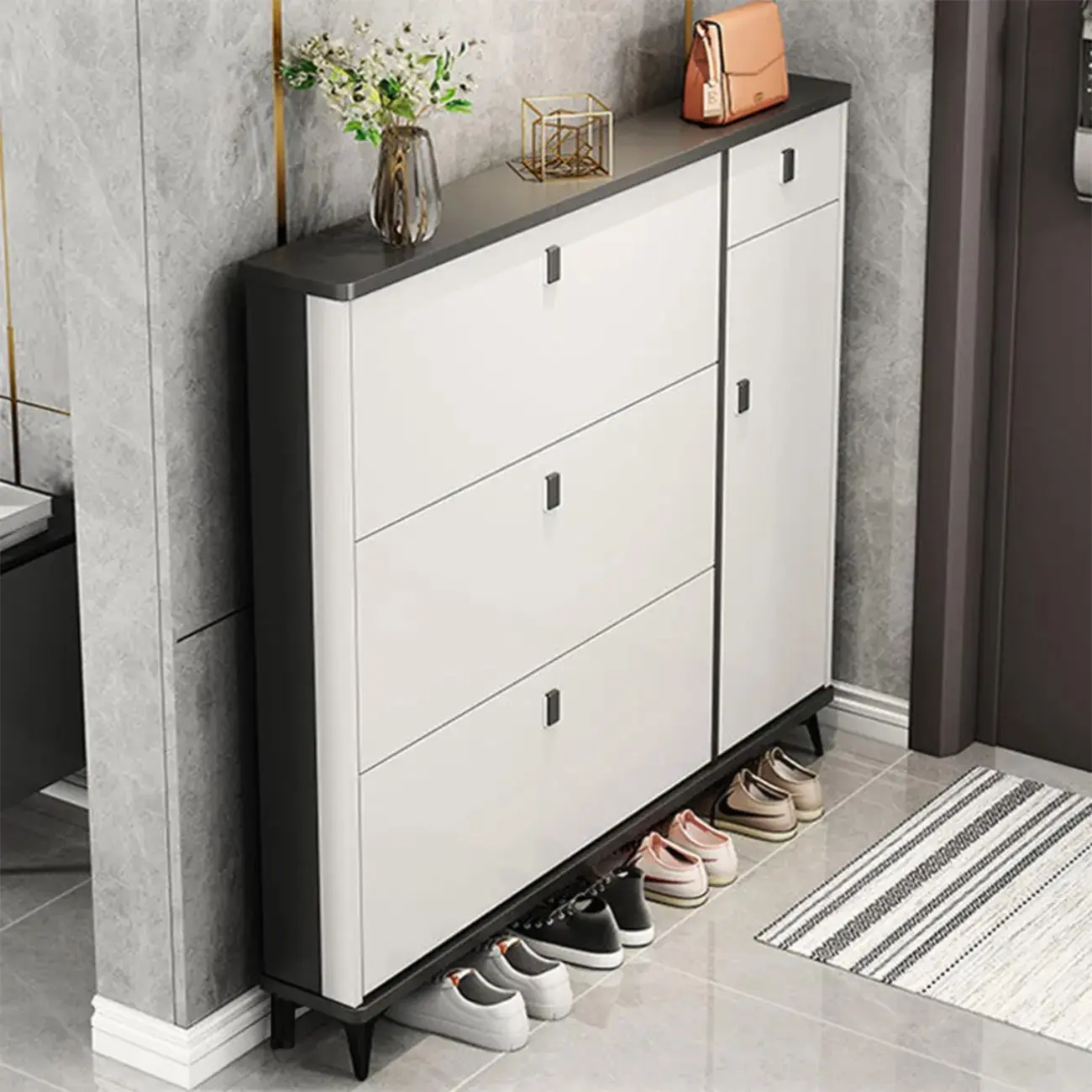
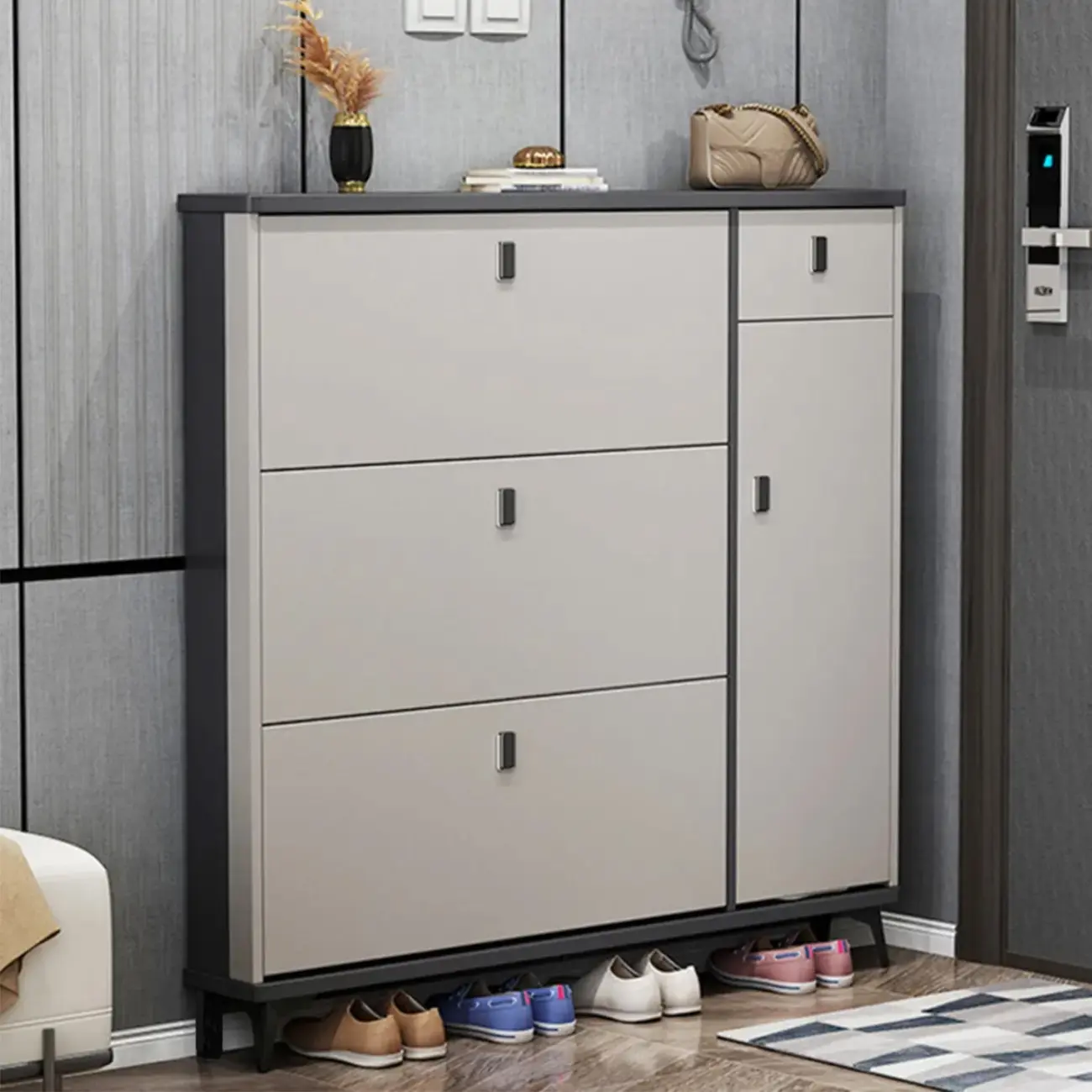
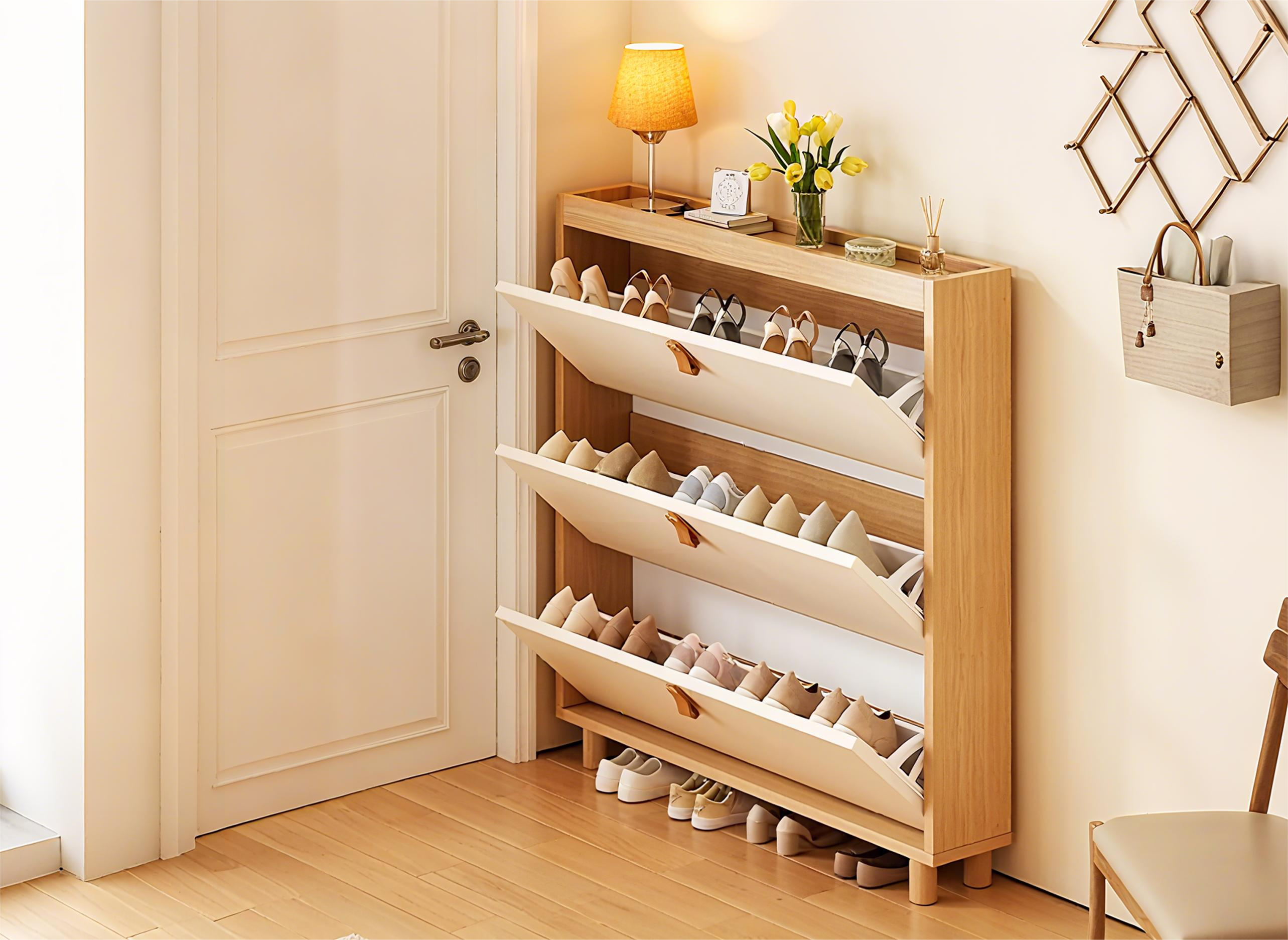
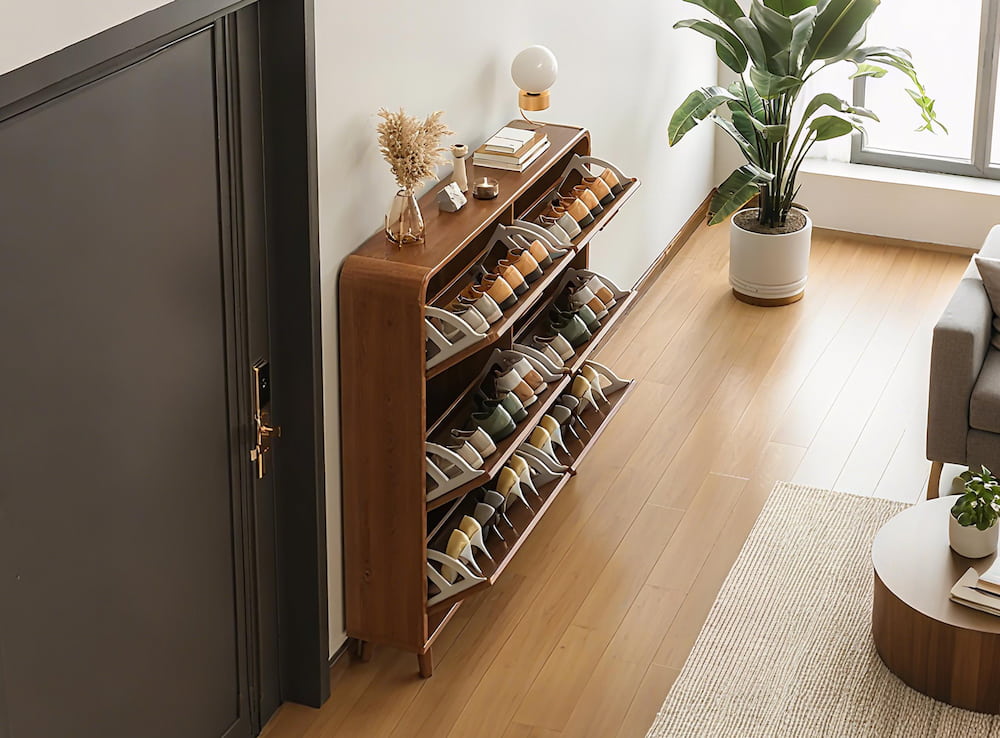
Many shoe cabinets feature a slim, vertical design, maximizing storage space even in small areas. Small spaces can make a big difference!
Shoe cabinets are ideal for small apartments, narrow hallways, or compact entryways—in high-demand cities like New York and Seattle, where every inch of space is precious. Slim shoe cabinets give you more aisle space, making your home appear more open and less cramped.
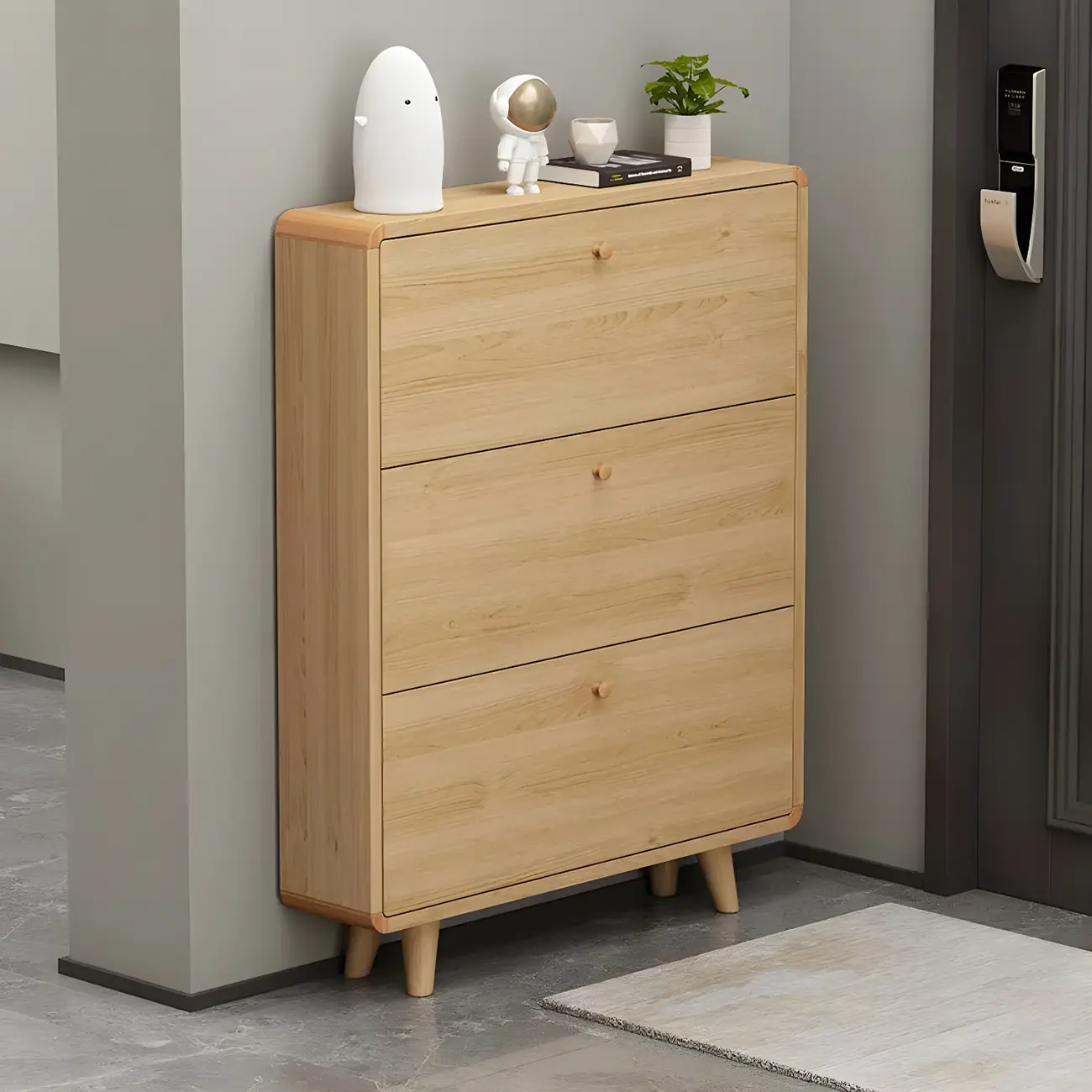
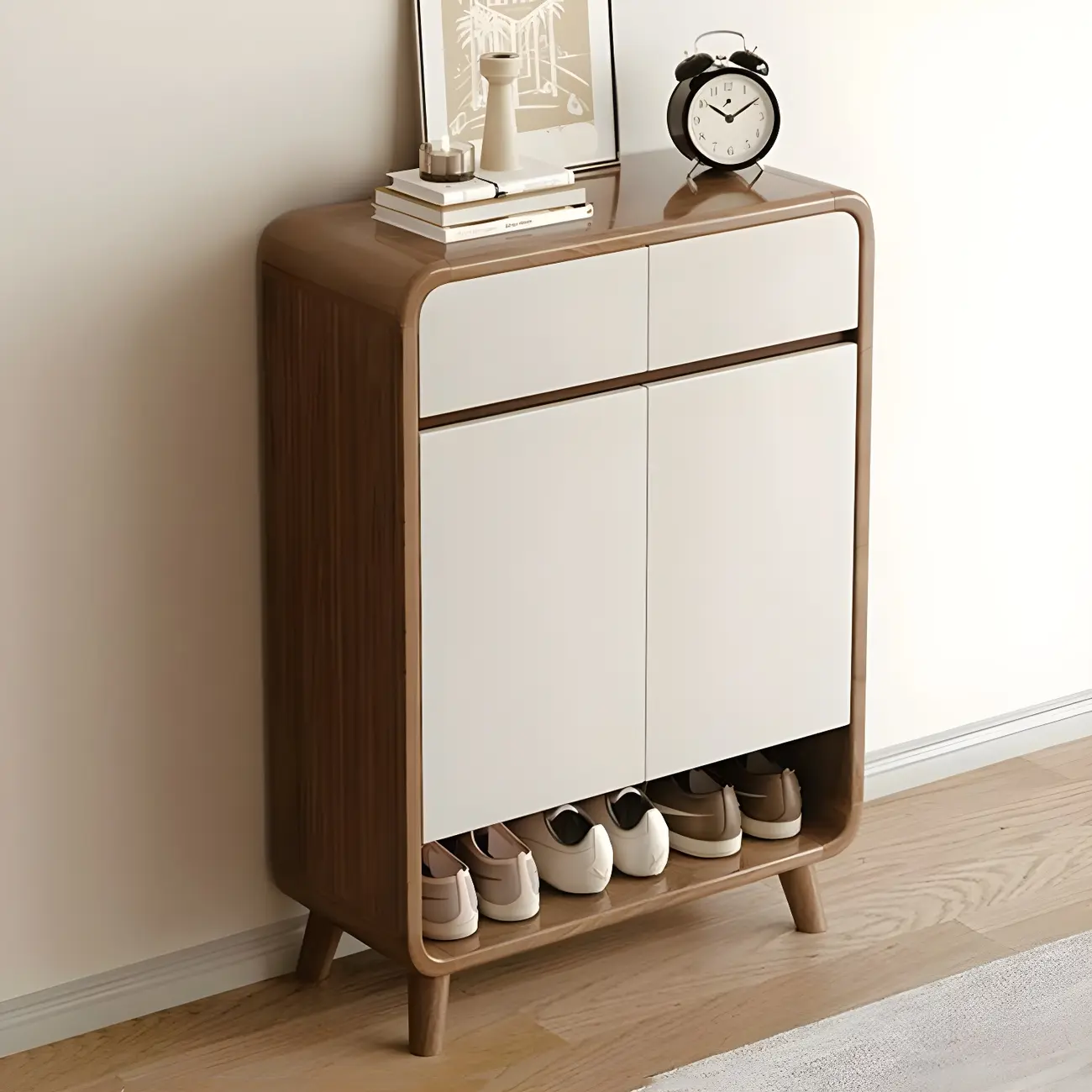
Homeyfad offers a range of space-saving narrow shoe cabinets that easily blend into narrow entryway areas, providing ample and organized storage space.
3. Protect Your Shoes from Dust and Damage
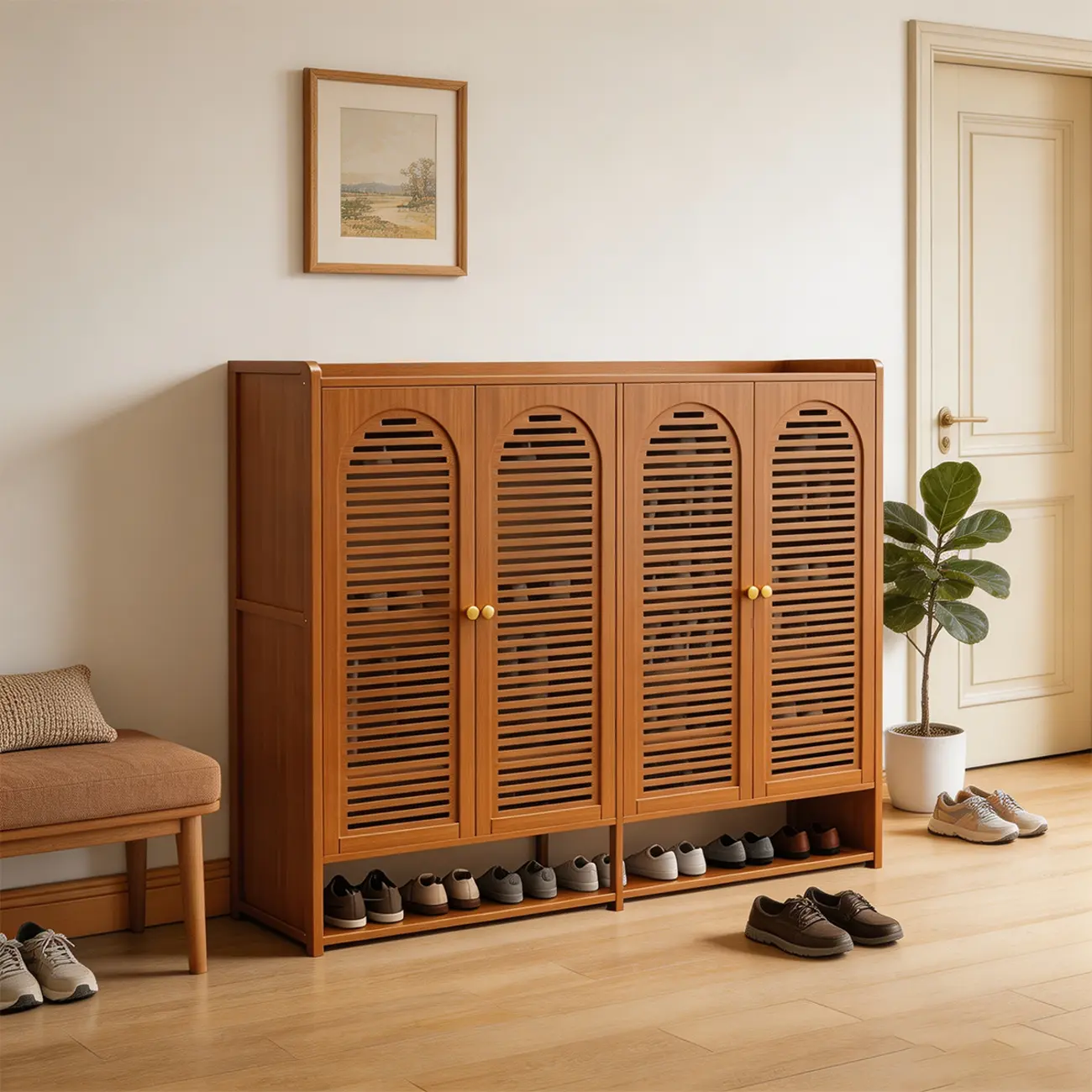
Enclosed shoe cabinets help protect shoes from dust, sunlight, moisture, and accidental bumps, effectively extending their lifespan. Proper storage also ensures shoes are stored in pairs, preventing deformation or wear from being carelessly left on the floor.
Homeyfad's modern shoe cabinets are designed to keep your entryway tidy, providing convenient storage for everyday shoes while making your home look organized from the moment you step inside.
What Are the Common Problems with Shoe Cabinets?
When people hesitate about whether a shoe cabinet is worthwhile, these are the main concerns. These are also some of the potential drawbacks of shoe cabinets.
-
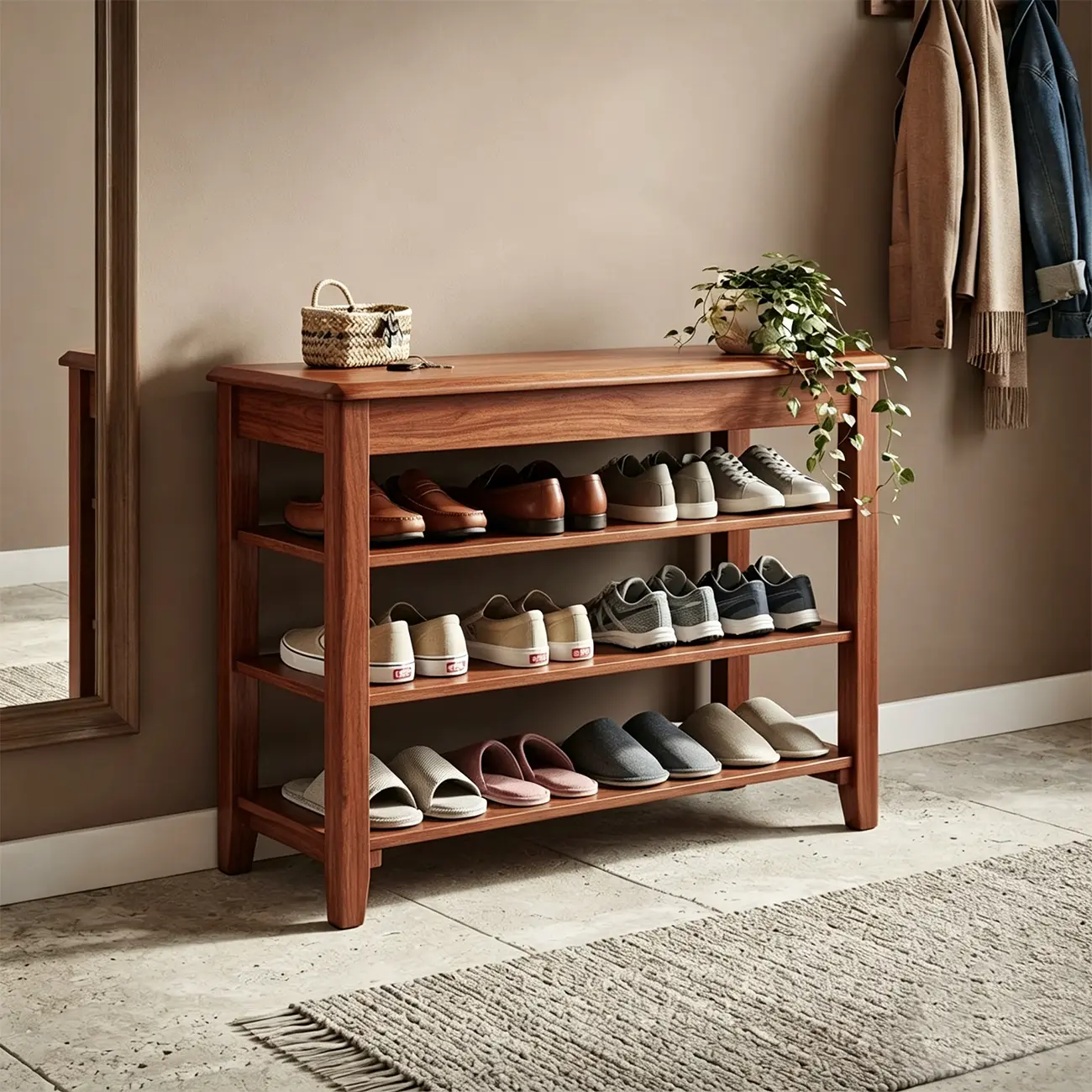
Poor ventilation—If shoes get wet, a closed cabinet can trap moisture or odors.
-
Limited storage space—Some shoe cabinets may not be able to hold a large number of shoes or high boots.
-
Assembly required—Many shoe cabinets require simple assembly after delivery.
-
Inconvenient access—Shoes behind cabinet doors may take slightly longer to reach compared to open shoe racks.
-
Cleaning and maintenance—Dust or dirt from shoes can accumulate inside the cabinet, requiring regular cleaning.
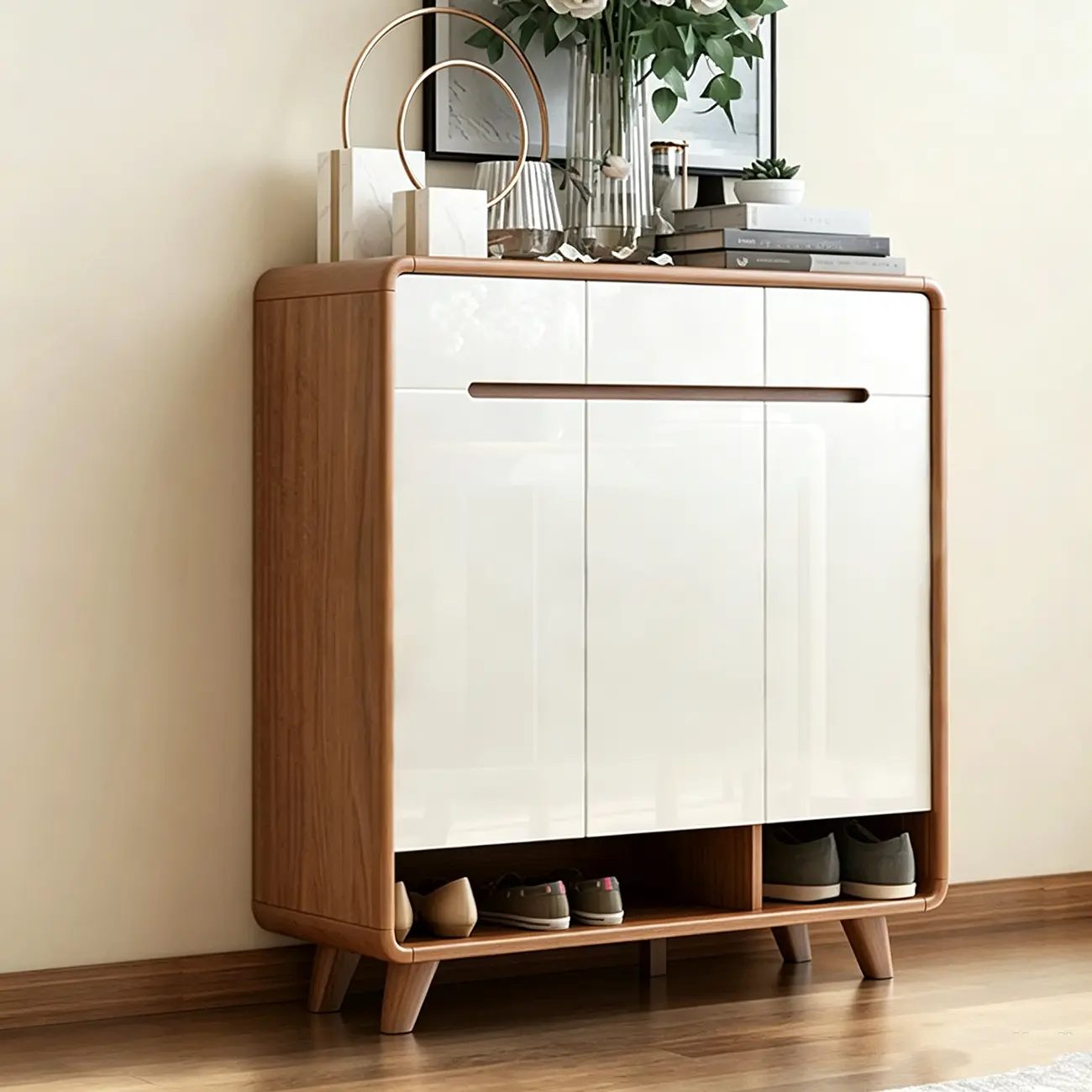
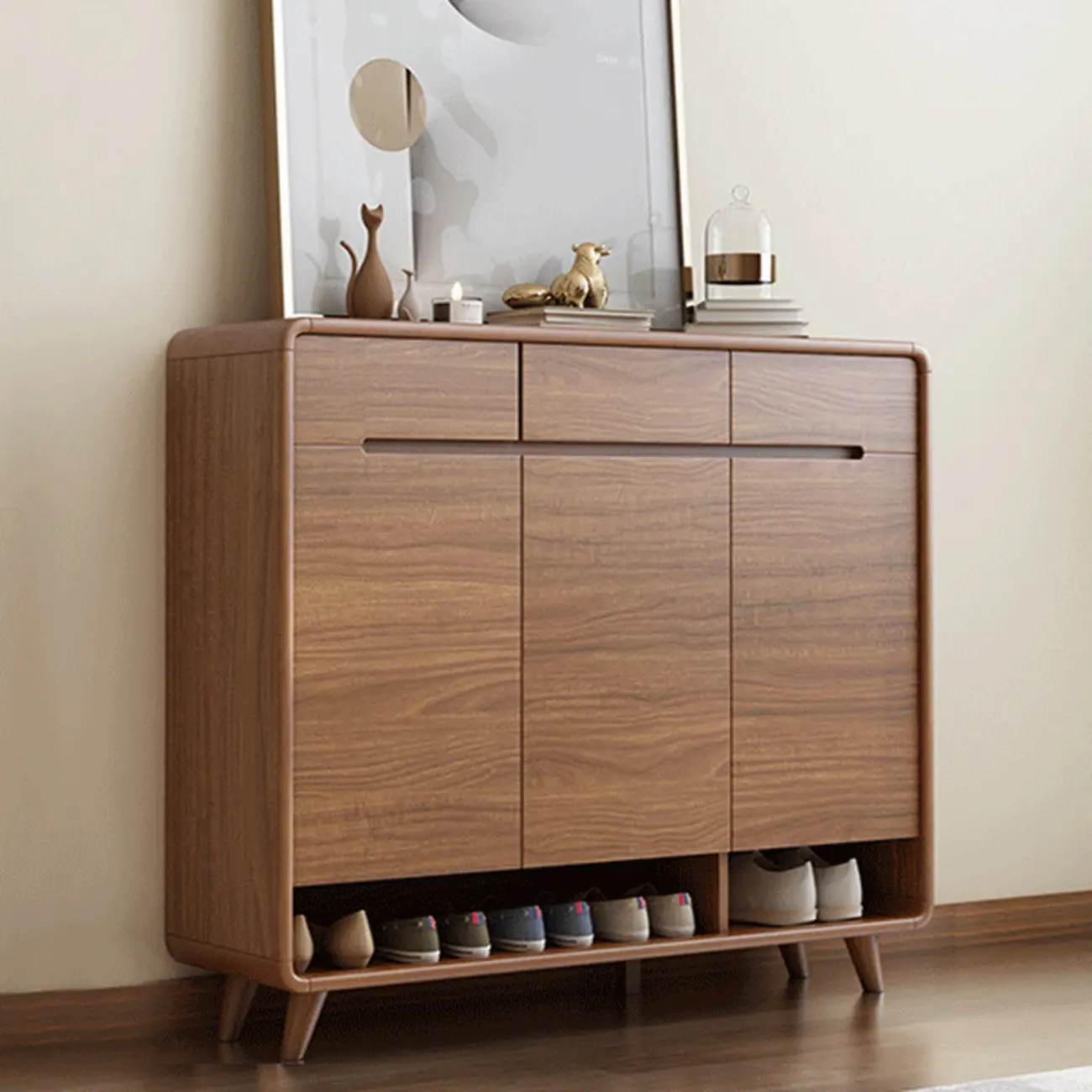
Modern shoe cabinet designs address many of these issues through ventilation holes, adjustable shelves, and space-saving layouts. Homeyfad shoe cabinets prioritize functionality and practicality, offering the most practical shoe cabinets at the most affordable prices, keeping your entryway clean, tidy, and stylish.
How to Maximize the Value of Your Shoe Cabinet
Of course, if you decide to buy a shoe cabinet, we also need to learn how to choose one that offers the most value to you!
Choose the Right Style and Design
A shoe cabinet design that suits your space will maximize its functionality!
|
Shoe Cabinet Design |
Best Entryway/Home Type |
Why It Works |
|
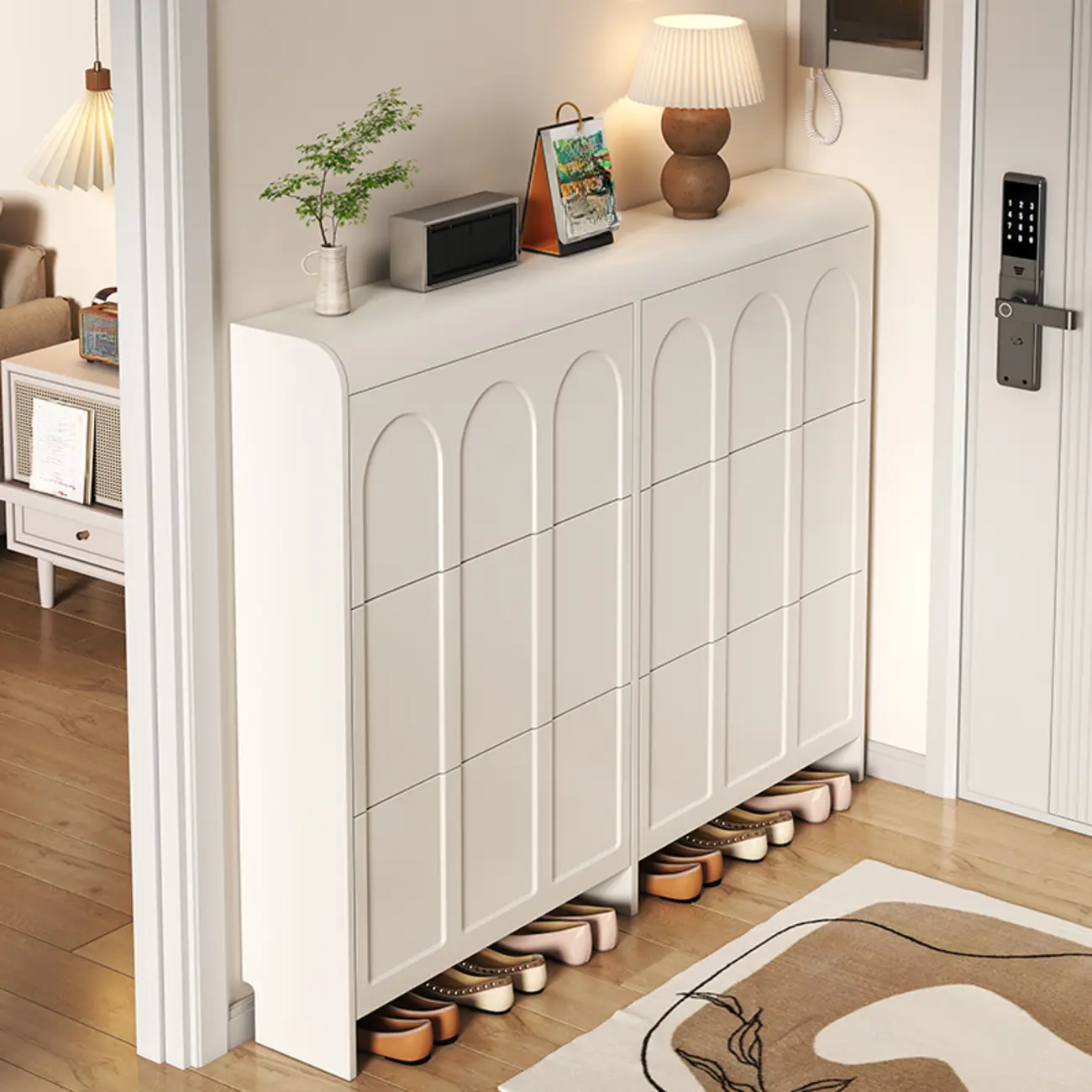
Slim Shoe Cabinet (Narrow Cabinet) |
Small apartments, narrow hallways, compact entryways |
It makes the most of the vertical space without obstructing passage. |
|
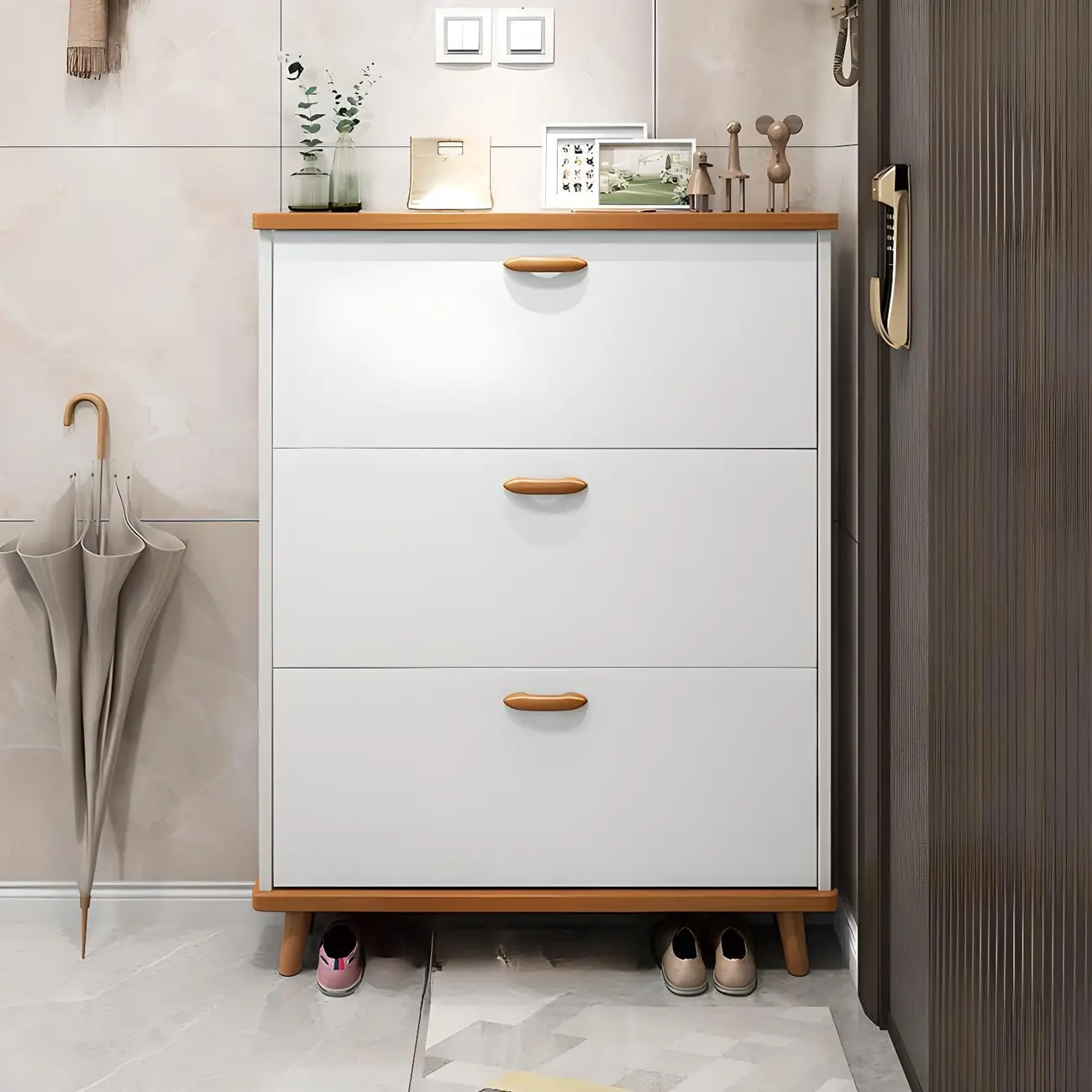
Tilt-Out Shoe Cabinet |
Small homes, minimalist entryways |
Make it easy to access them quickly. |
|
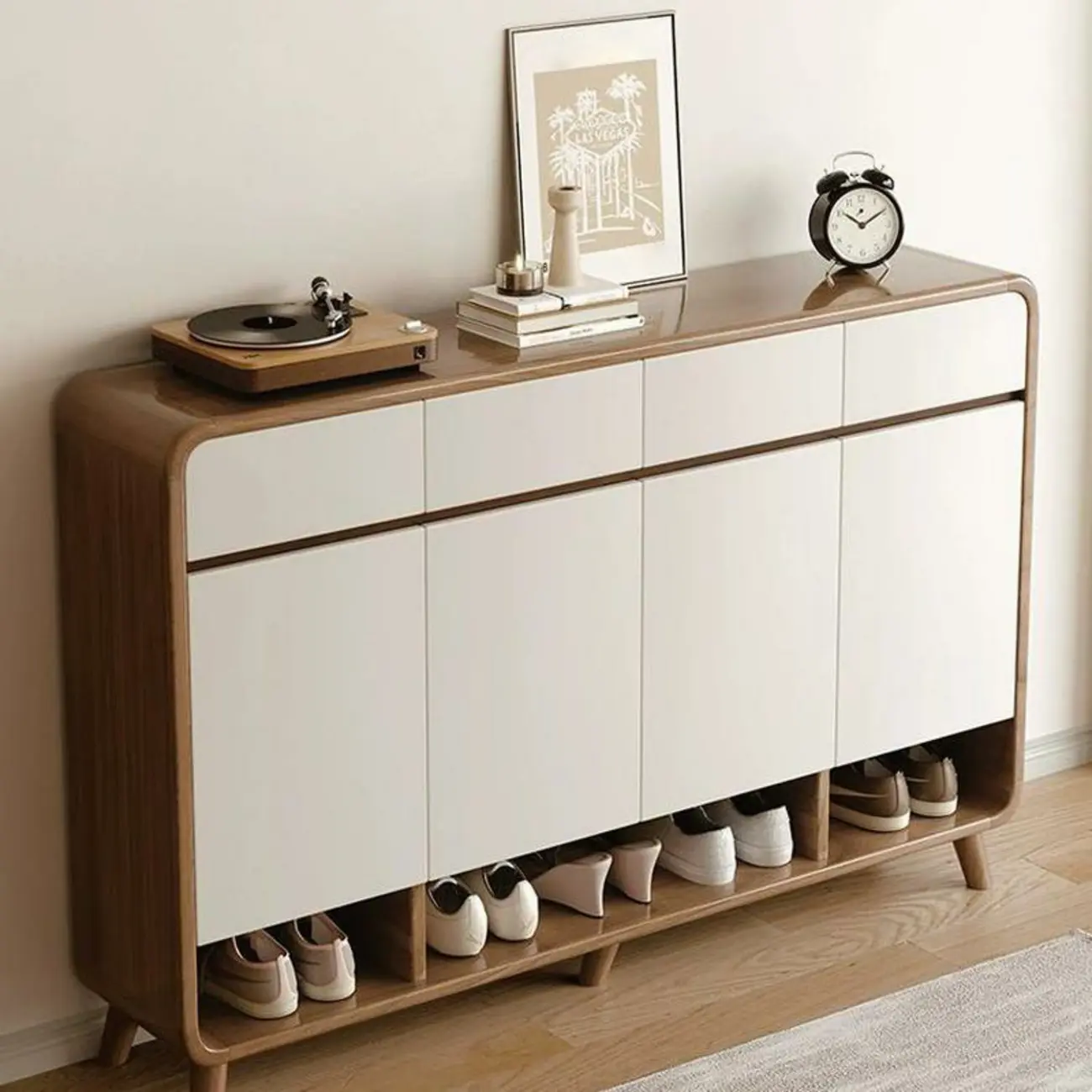
Tall Vertical Shoe Cabinet |
Families with many shoes, larger homes |
Can store many pairs of shoes without taking up extra floor area. |
|
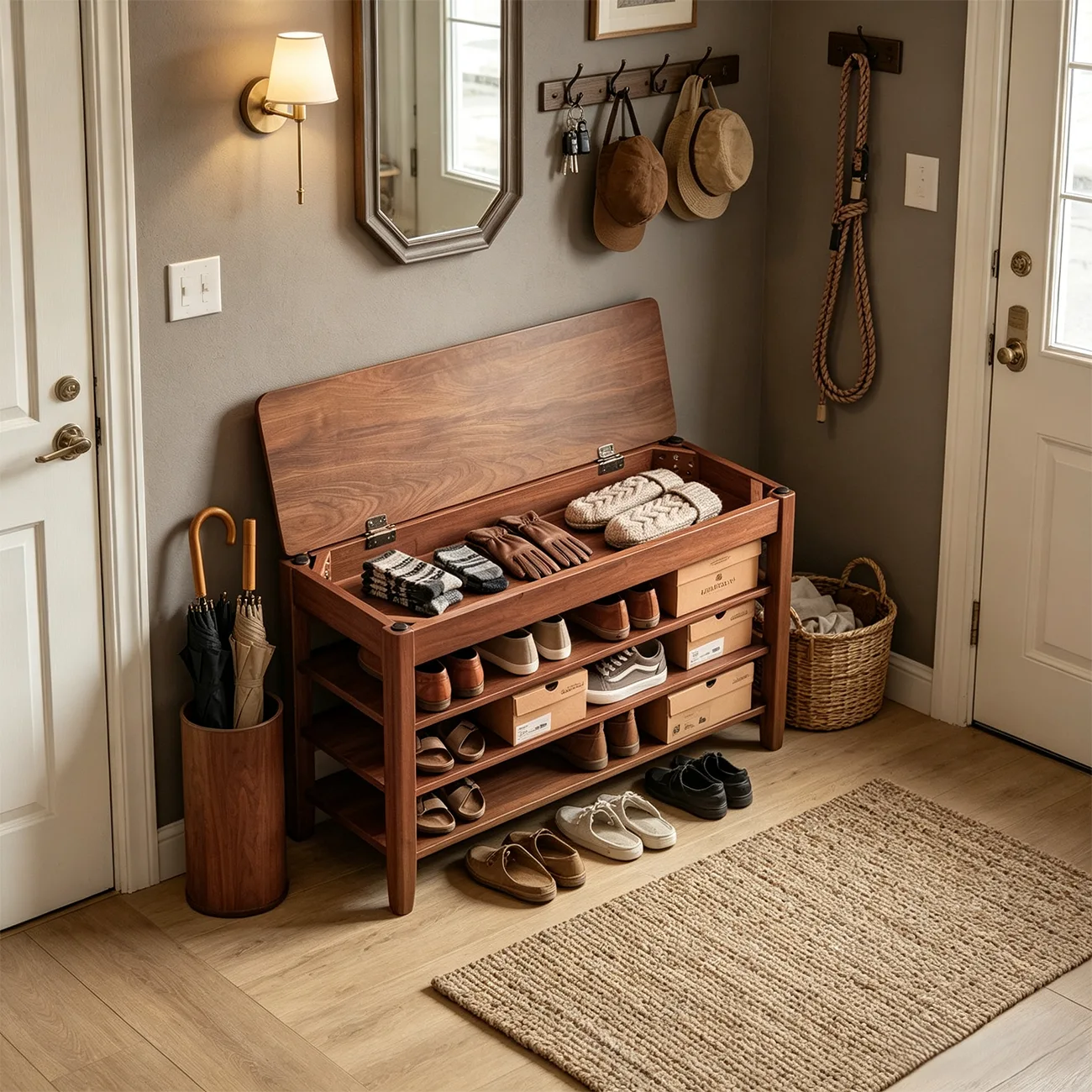
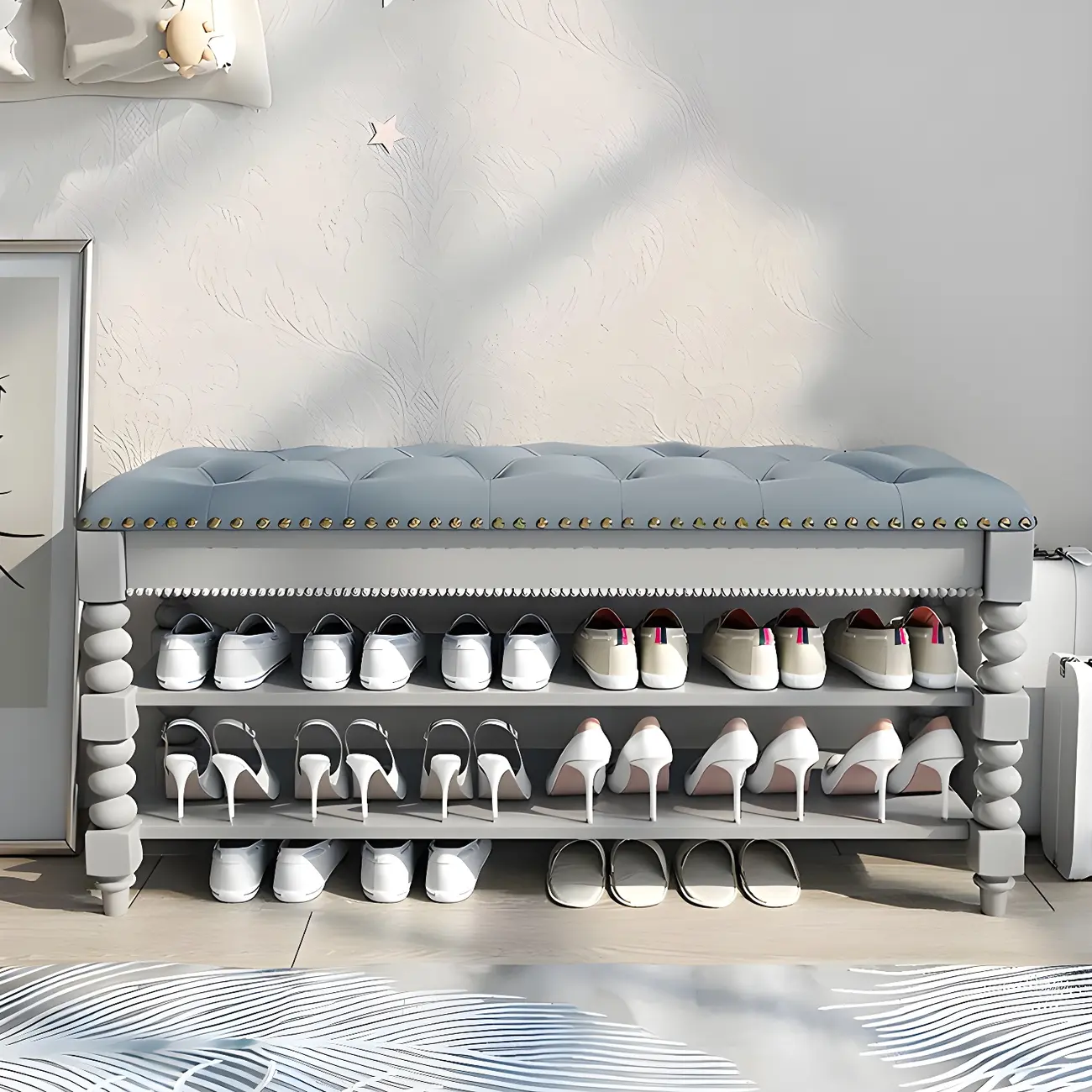
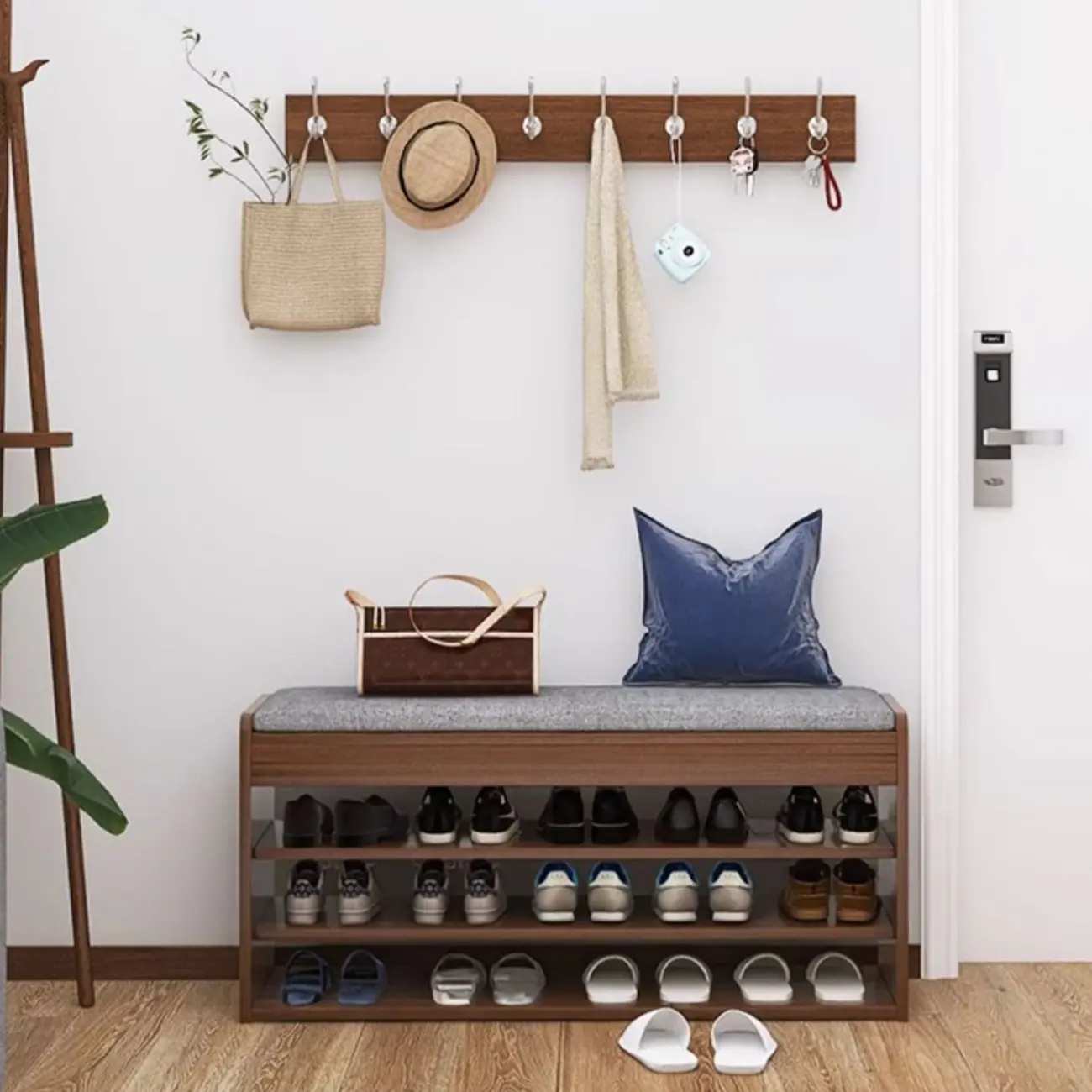
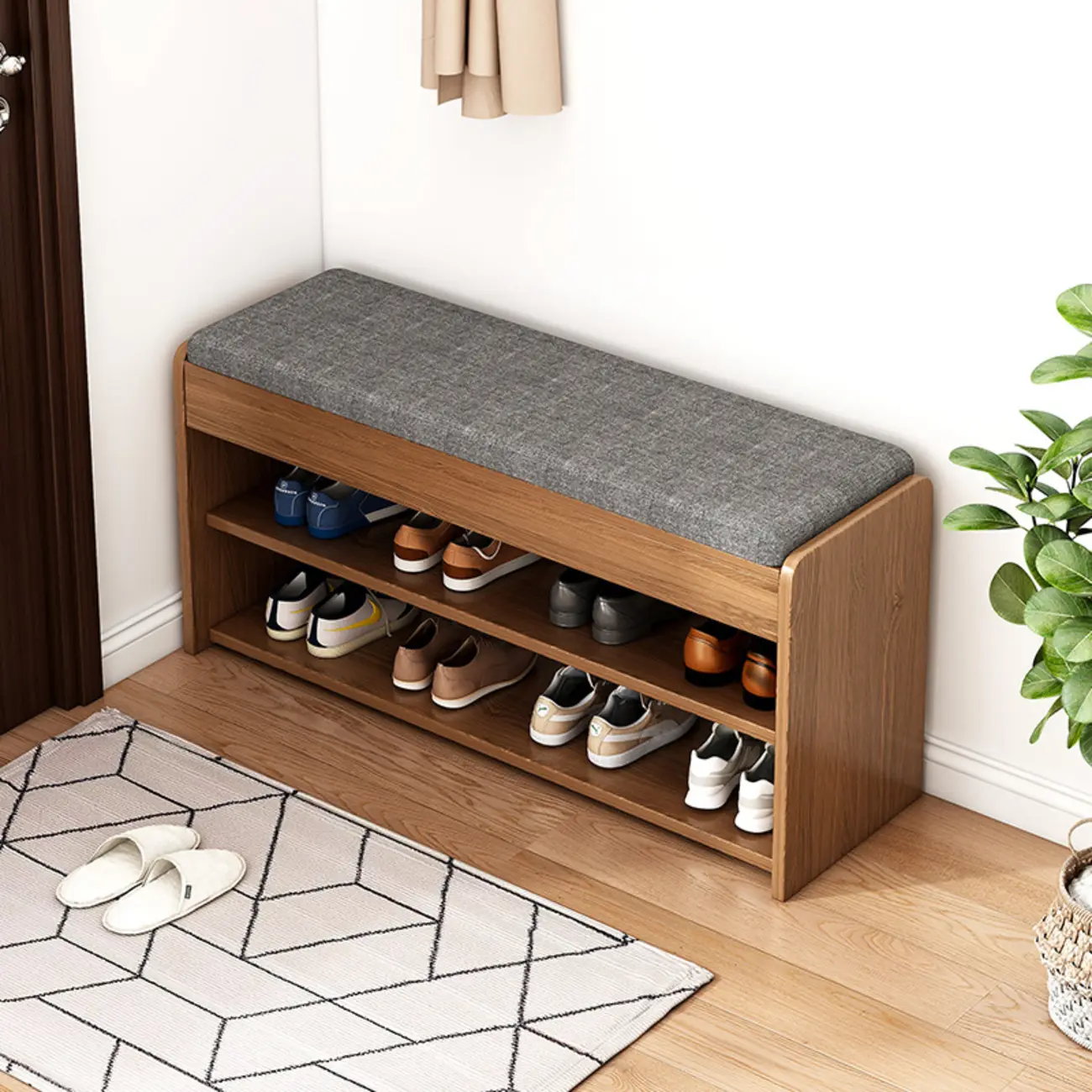
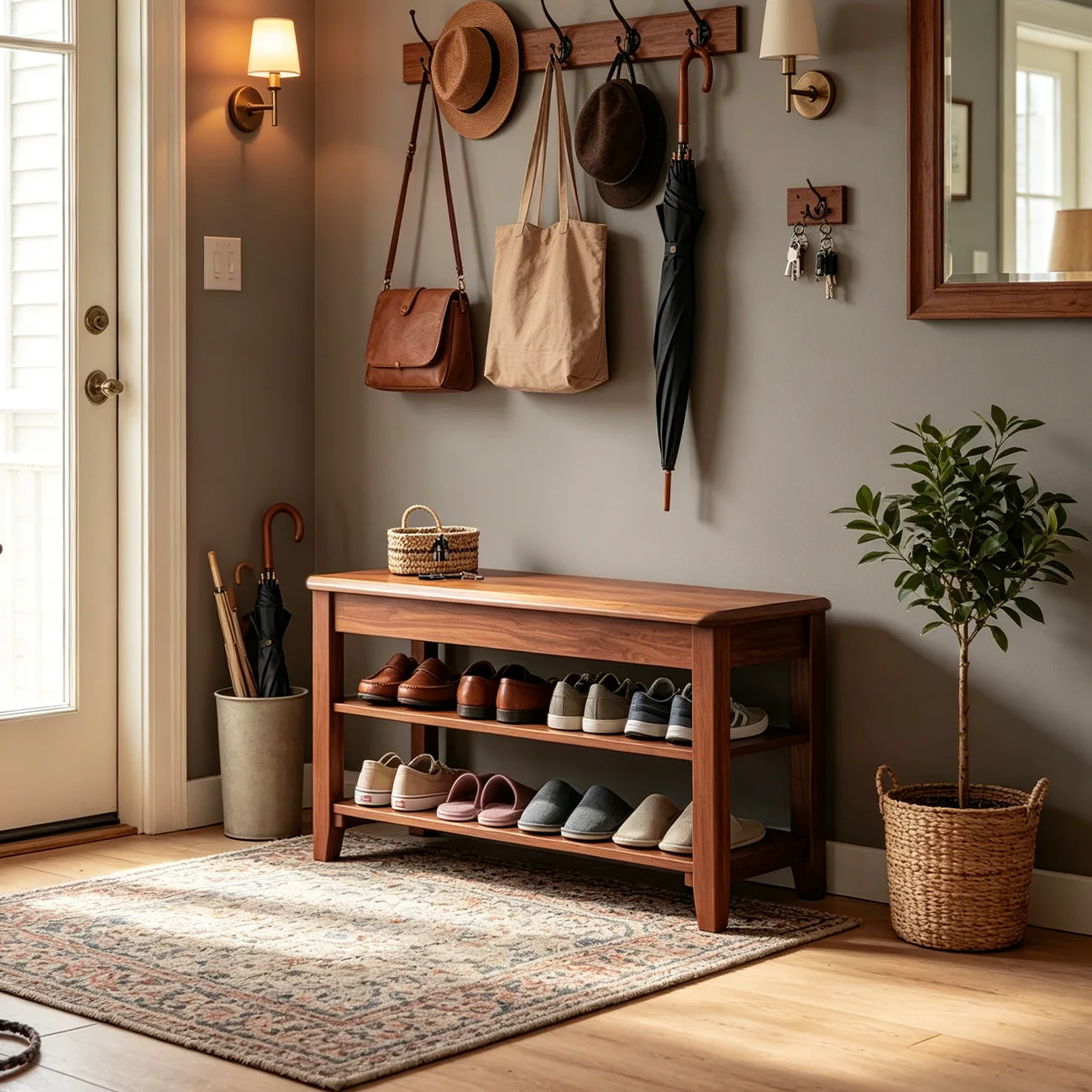
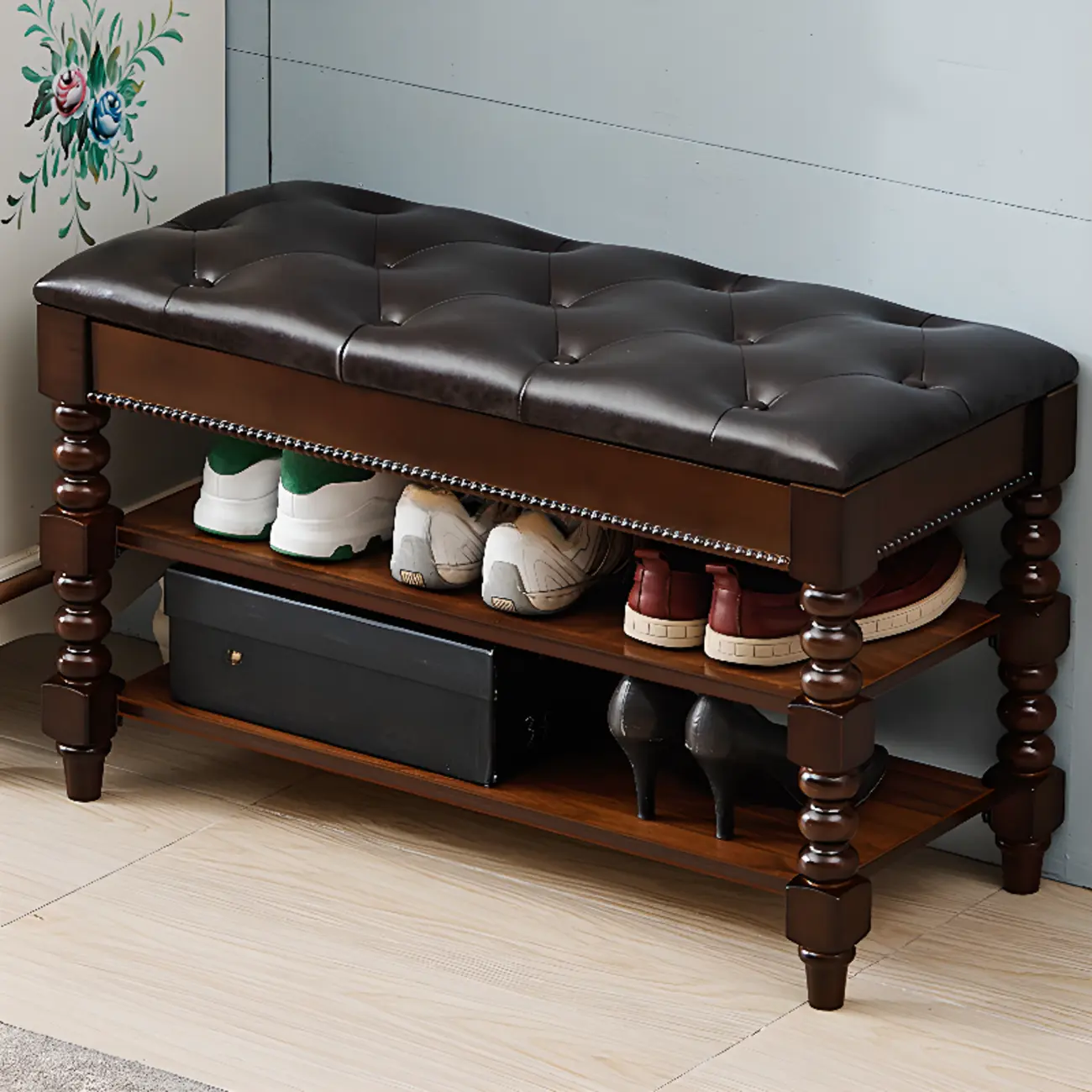
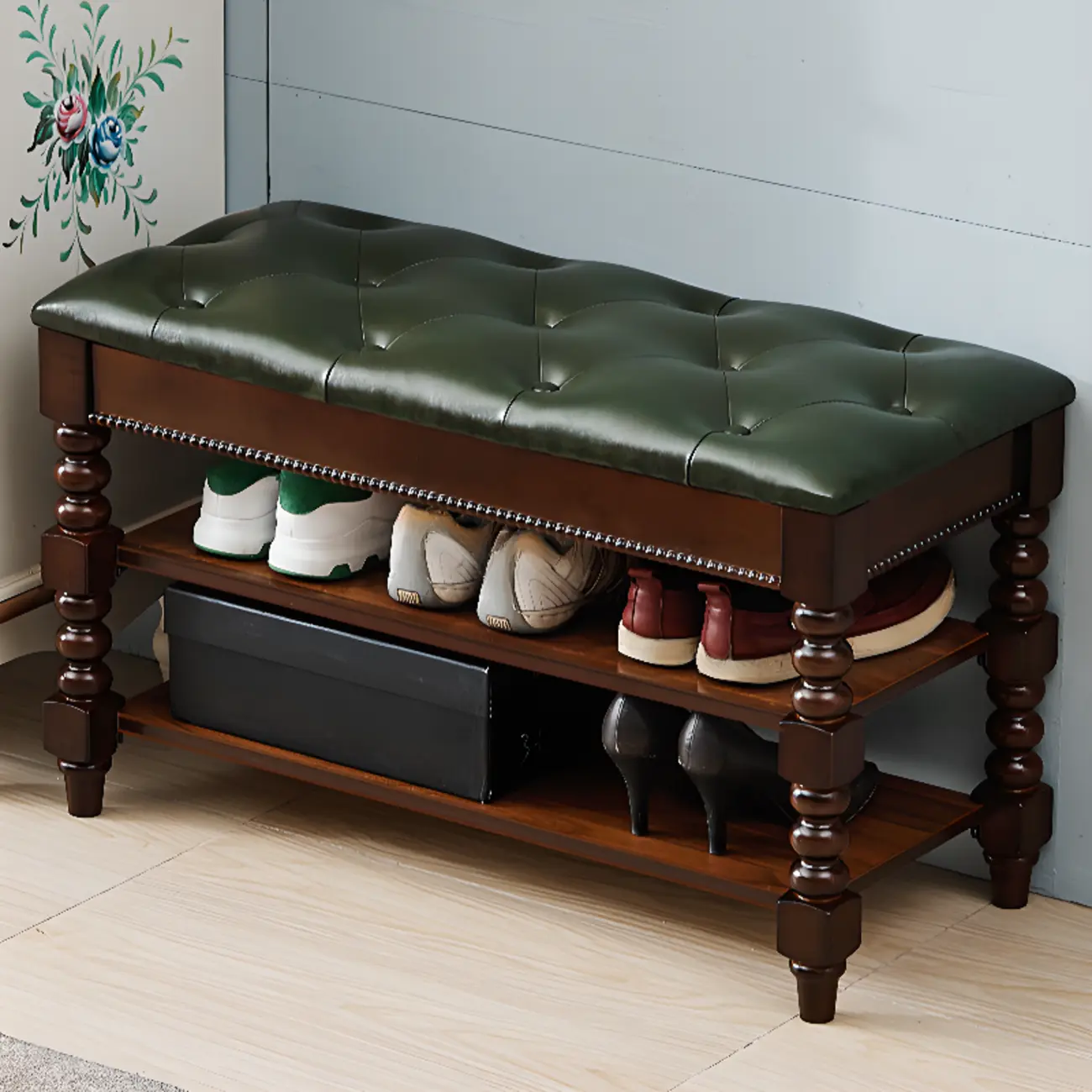
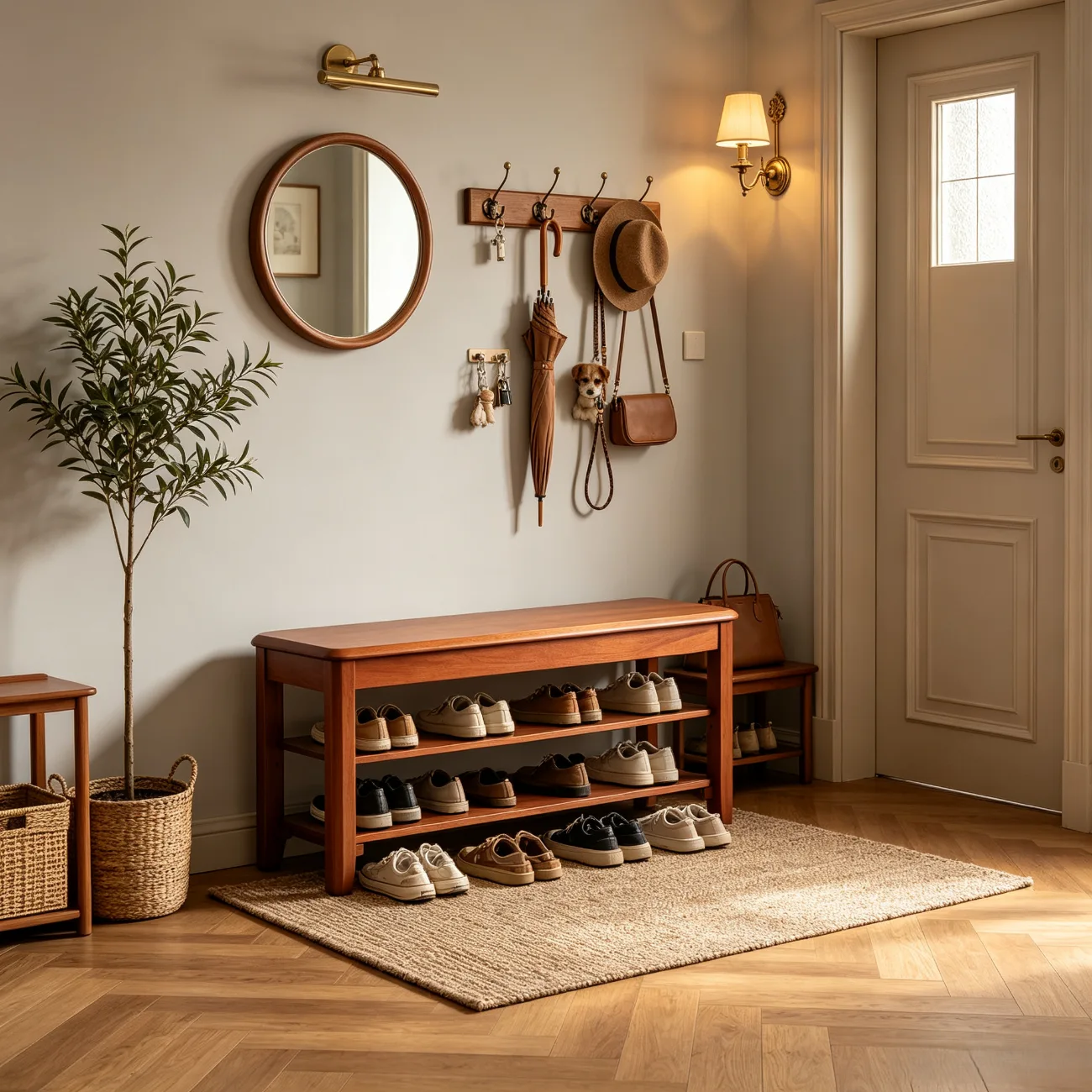
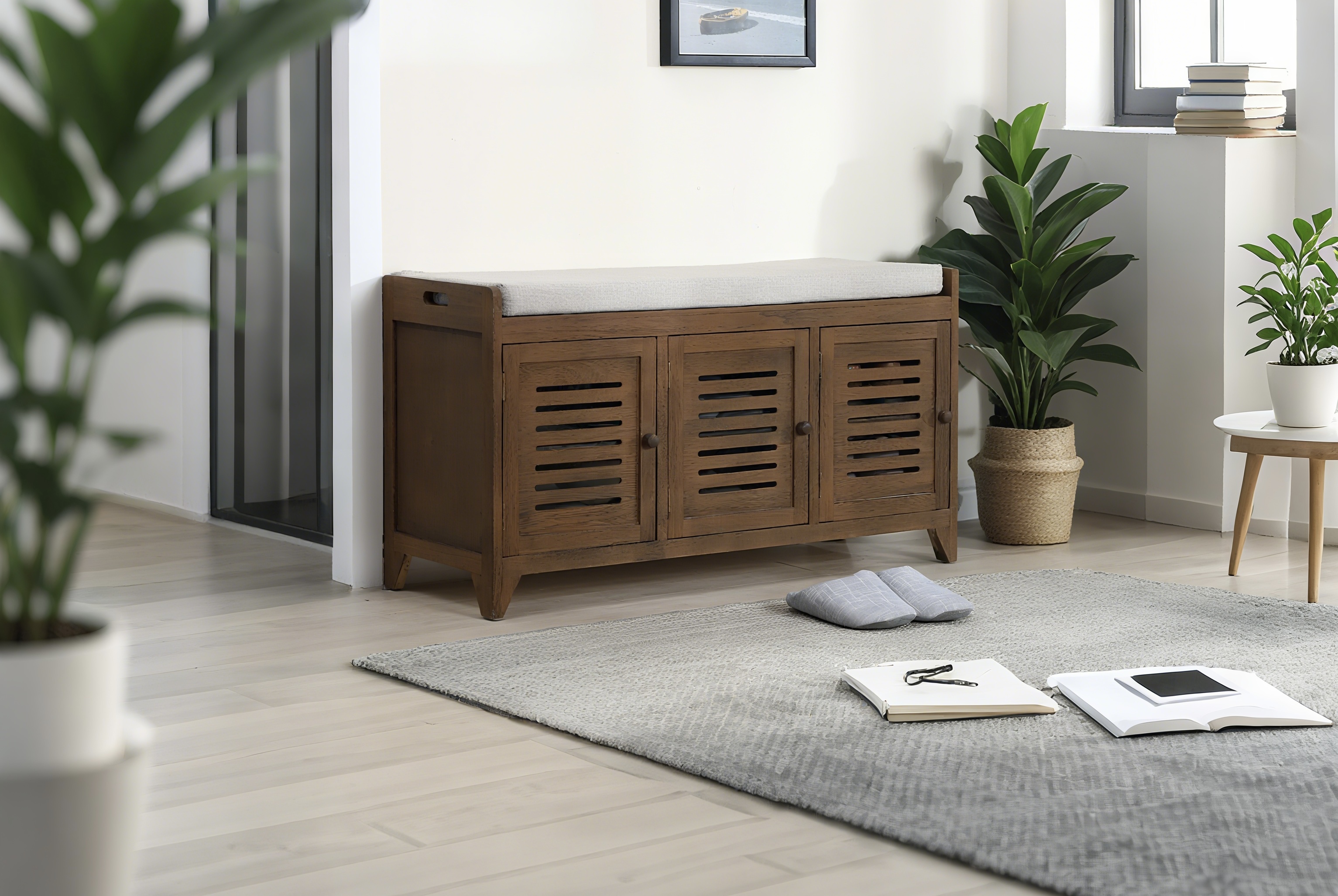
Shoe Cabinet with Bench |
Family homes, mudrooms, busy entryways |
Allows people to sit while putting on or removing shoes, making it especially practical for families with kids or elderly members. |
|
Modular Shoe Storage Cabinet |
Growing families, customizable spaces |
allow to add or rearrange compartments, making them ideal for storage needs that change over time. |
|
Mirrored Shoe Cabinet |
Small entryways, apartments |
Cabinets with mirrors save wall space; help make small entry areas appear larger and brighter. |
Comparing Shoe Cabinet Prices
|
Material Type |
Typical Price Range |
Long-Term Value |
Hidden Costs |
Best For |
|
Plastic Shoe Cabinet |
$30–$80 |
Low – lightweight and affordable but usually less durable over time |
May crack or bend under heavy shoes |
Dorms, temporary storage, small budgets |
|
Metal Shoe Cabinet |
$60–$150 |
Moderate–strong structure and long-lasting |
Possible assembly or anti-rust care |
Garages, mudrooms, modern minimal homes |
|
Engineered Wood (MDF / Particleboard) |
$80–$250 |
Good balance of price and durability for everyday use |
Delivery or assembly cost |
Apartments, most households |
|
Solid Wood Shoe Cabinet |
$250–$600+ |
Highly durable furniture that can last many years |
Maintenance like wood care or polish |
Long-term homes, design-focused interiors |
Who Should Buy a Shoe Cabinet?
A shoe cabinet is especially useful for:
-
small apartments
-
busy family homes
-
narrow entryways
-
people who prefer tidy spaces
-
homeowners who want stylish storage furniture.


--32.jpg?w=900&h=506)
-19.png?w=1189&h=669)

 Add Us On Google