
(1).png?w=1920&h=650)
-.jpg?w=1919&h=1320)
Walk into any trendy coffee shop these days and you'll spot them—those chairs with the perfect curves, the tables with slender legs, the warm wood that seems to glow. That's mid-century modern furniture working its magic.
But here's what most people miss: this isn't some new trend that just popped up. This style has been turning heads since the 1950s, and there's a reason it keeps coming back around.
Let's find out all the details about mid-century modern furniture and its designs in this blog.
What Is the Mid-Century Modern Furniture Design?
This design approach gained popularity between the mid-1940s and late 1960s. These postwar years reflected America's growing optimism and interest in practical innovation.
The term "mid-century modern" was not applied to this furniture until much later. Art expert Cara Greenberg created this phrase in 1983 for her book, which examined 1950s furniture. The name gradually became the normal known name for this popular style.
-.webp?w=745&h=745)
These designs marked a clear departure from previous styles. Homeowners transitioned from elaborate Victorian pieces toward cleaner forms that suited contemporary living. The core concept followed "form follows function." Each design element addressed a practical need first. Their visual appeal grew from this functional foundation.
Current market values demonstrate this approach's lasting impact. Even today, the original 1956 Eames lounge chairs go a big bucks. Manufacturers built these items to tolerate both physically and stylistically. Their lasting appeal explains why they remain sought-after furniture even decades later.
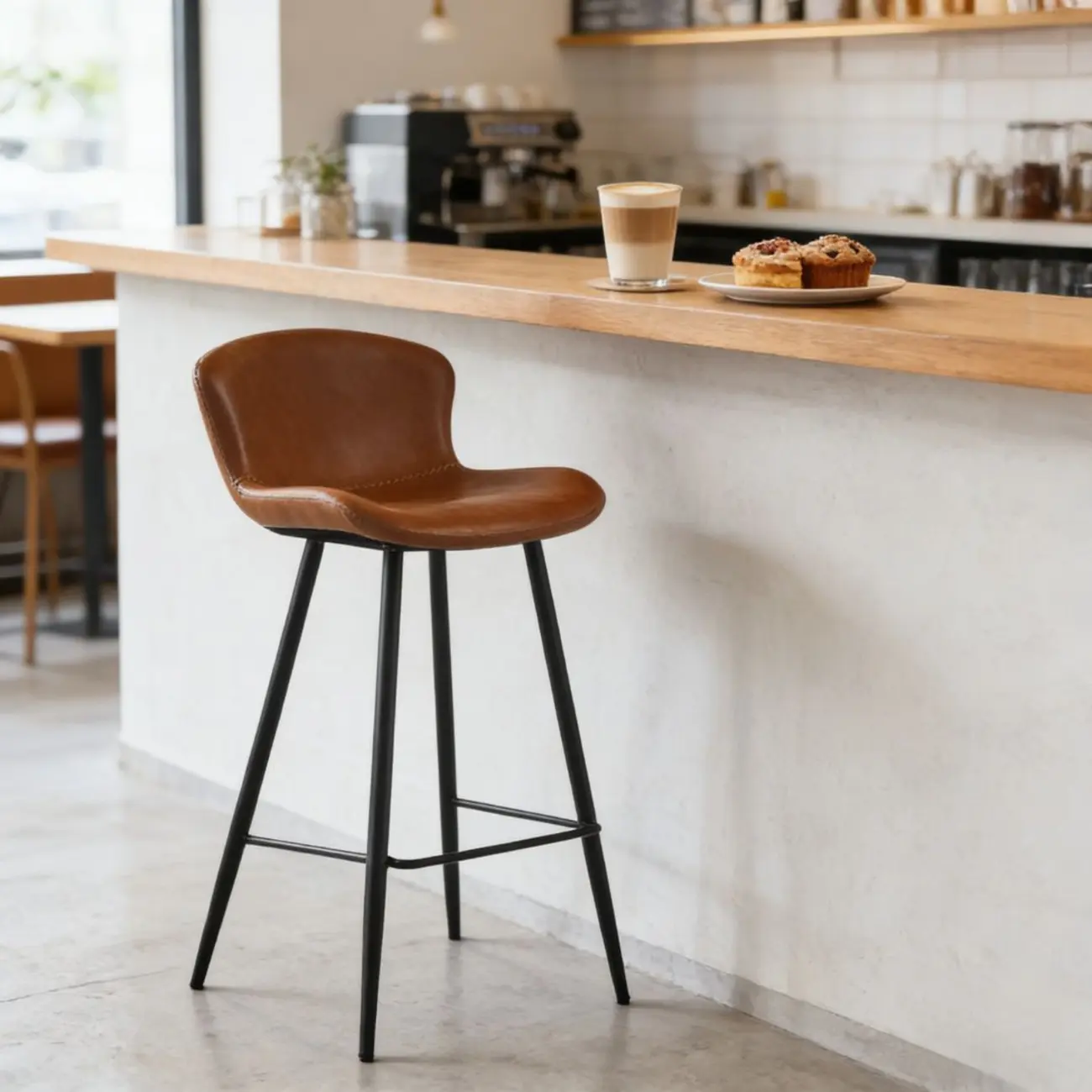
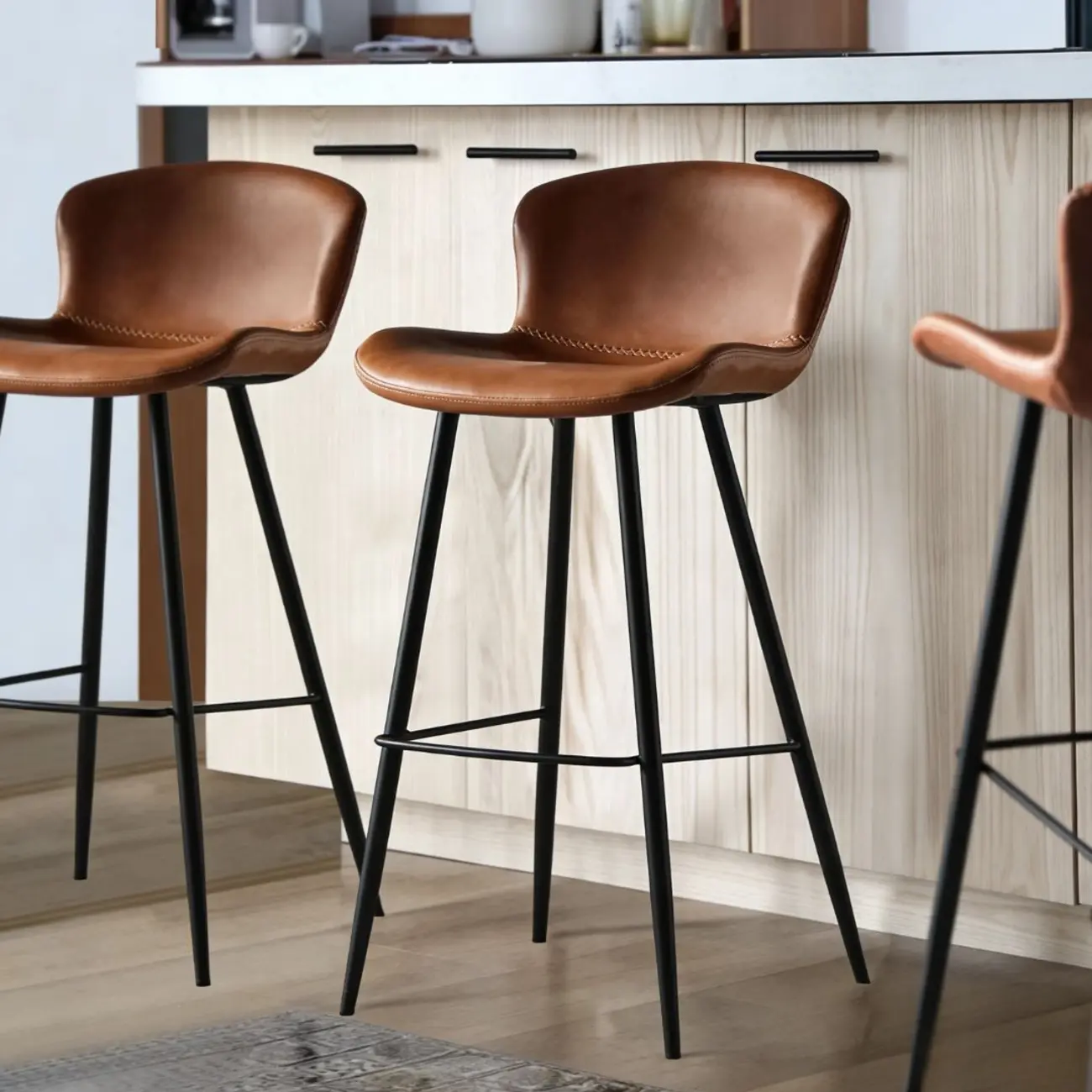
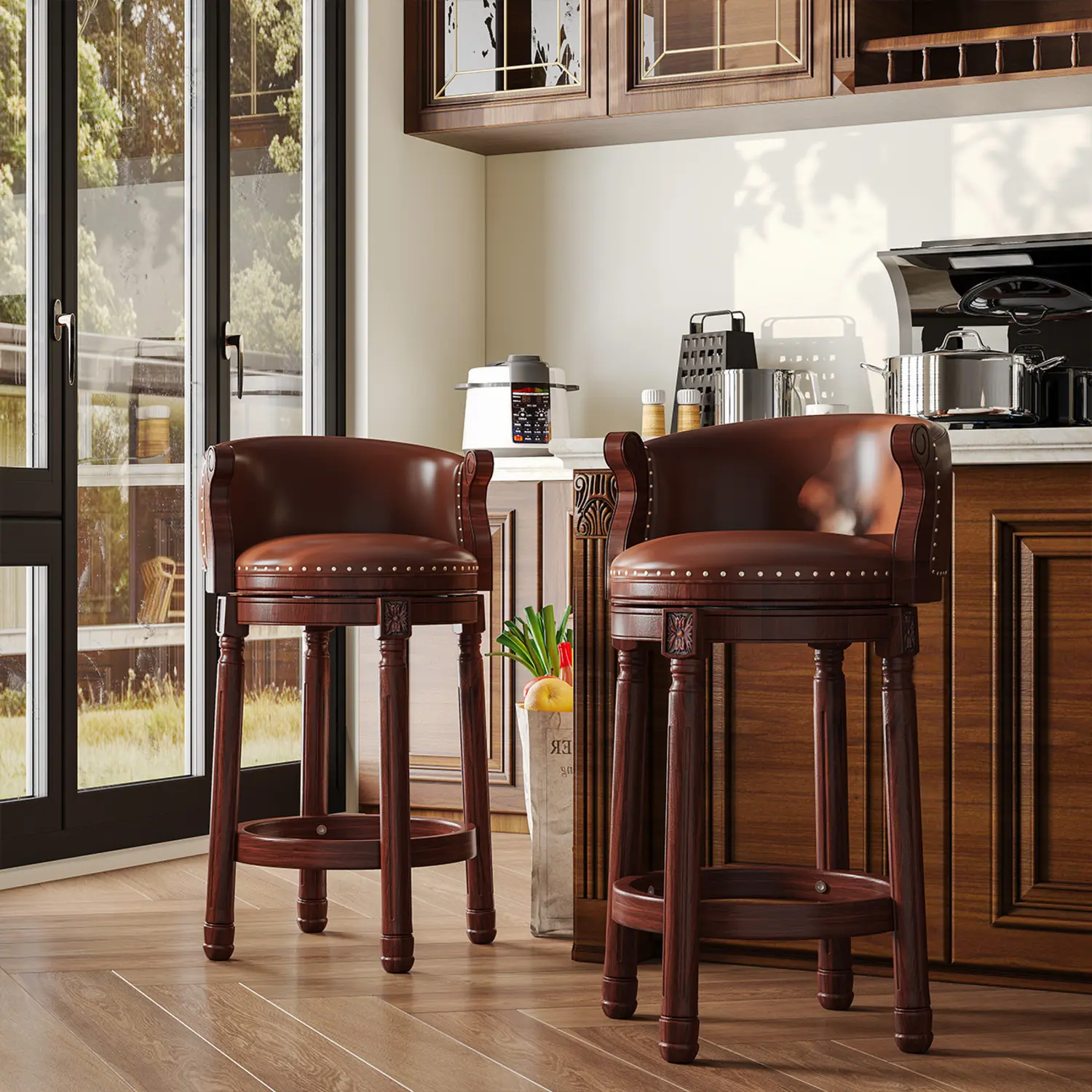
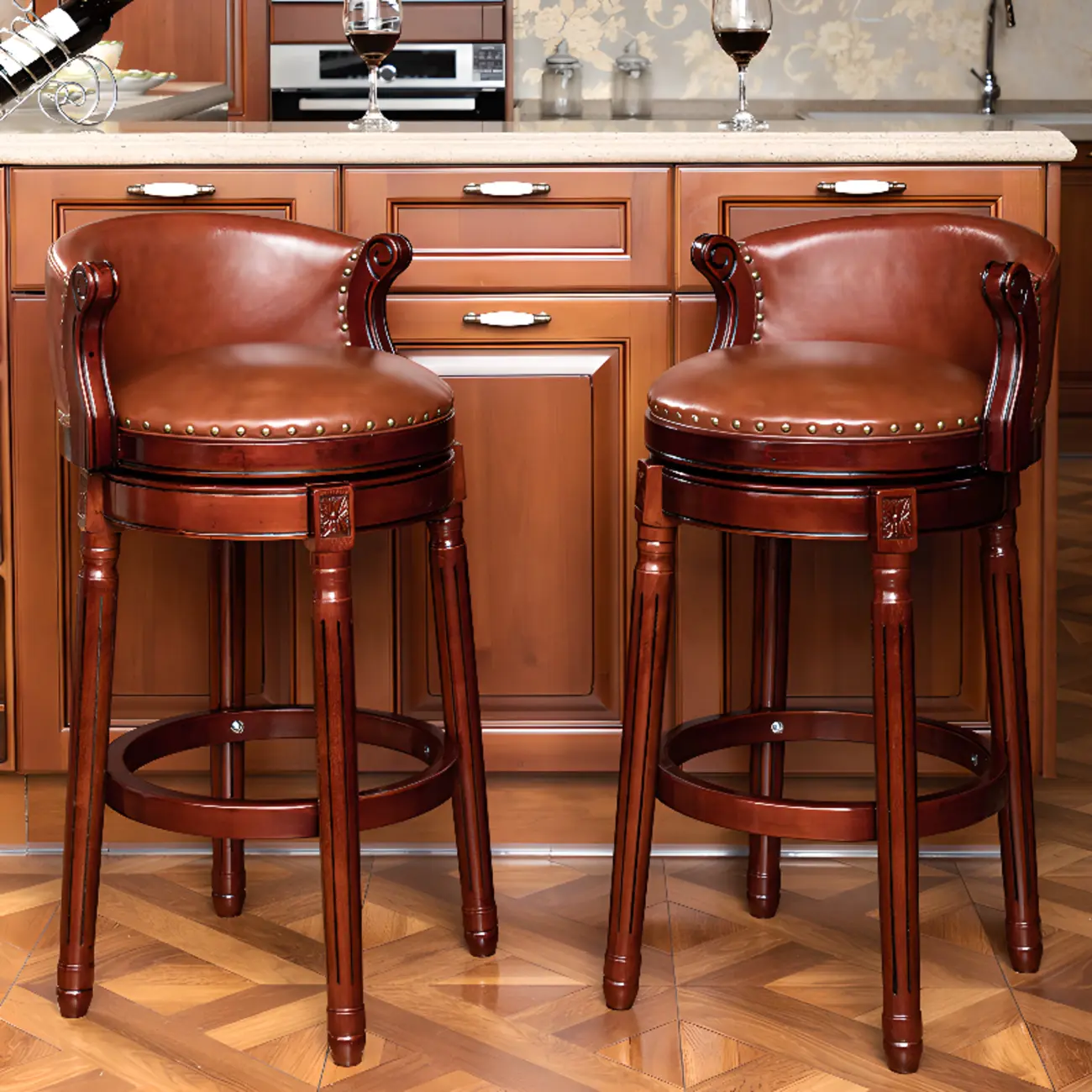
Explore our Mid-Century Modern Furniture:
Where Mid-Century Modern Furniture Came From
After WWII, suburban growth flared, high demand for practical furniture. American families needed affordable and functional elements for their new homes. This created the environment for mid-century modern furniture to flourish.
Then, designers blended European influences with American furniture manufacturing. Danish Modernism contributed organic shapes and warm woods. The German Bauhaus school provided the "form follows function" philosophy.
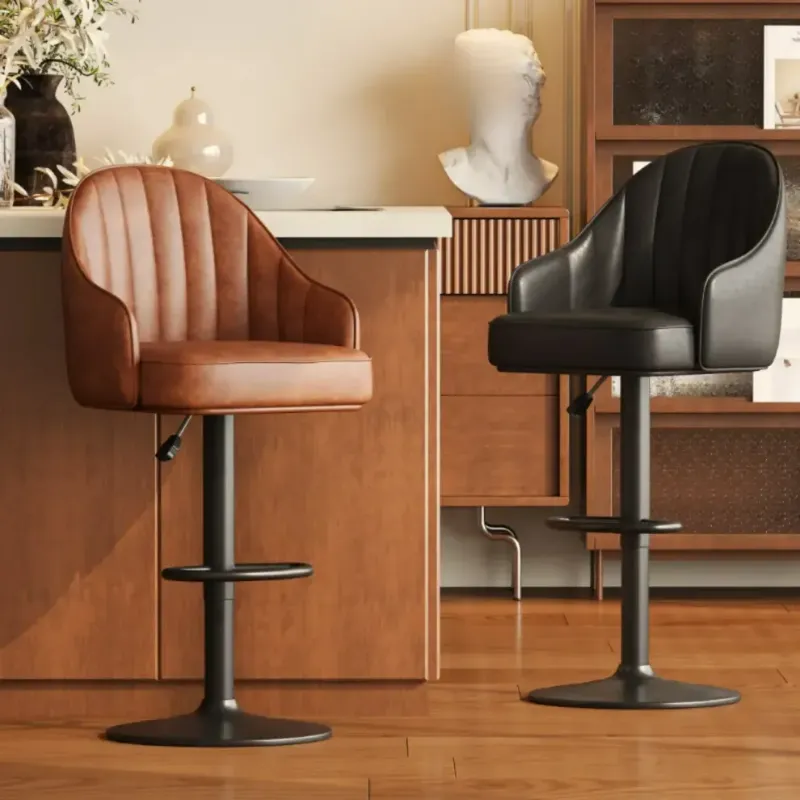
War-time innovation directly shaped the furniture. Charles and Ray Eames adapted molded plywood from military splints. This technology allowed for strong, curved chairs that were both comfortable and beautiful.
The market responded enthusiastically. Companies like Herman Miller made quality design accessible to average families. An original Eames chair cost about $135 in 1950 - serious money that reflected its lasting value. These historical forces created furniture that answered real needs.
Spotting True Mid-Century Modern Style
So how can you differentiate the true mid-century modern furniture from traditional furniture and modern furniture? Here are some key points to consider that can help.
1. Clean Lines Say Everything
The best mid-century modern furniture speaks through its simple silhouettes. Designers stripped away unnecessary decoration to highlight pure form.
You see this in the straightforward profile of an Eames lounge chair. These pieces feel refreshingly honest because they show exactly what they are.
2. Curves Inspired by Nature
-.webp?w=755&h=755)
Look for gentle, organic shapes throughout these designs. The Noguchi coffee table captures this perfectly with its flowing wooden base. These curves were not just decorative.
They added coziness and warmth to the furnishings. Original Noguchi tables now fetch between $2,000 and $4,000 on average.
3. The Magic of Mixed Materials
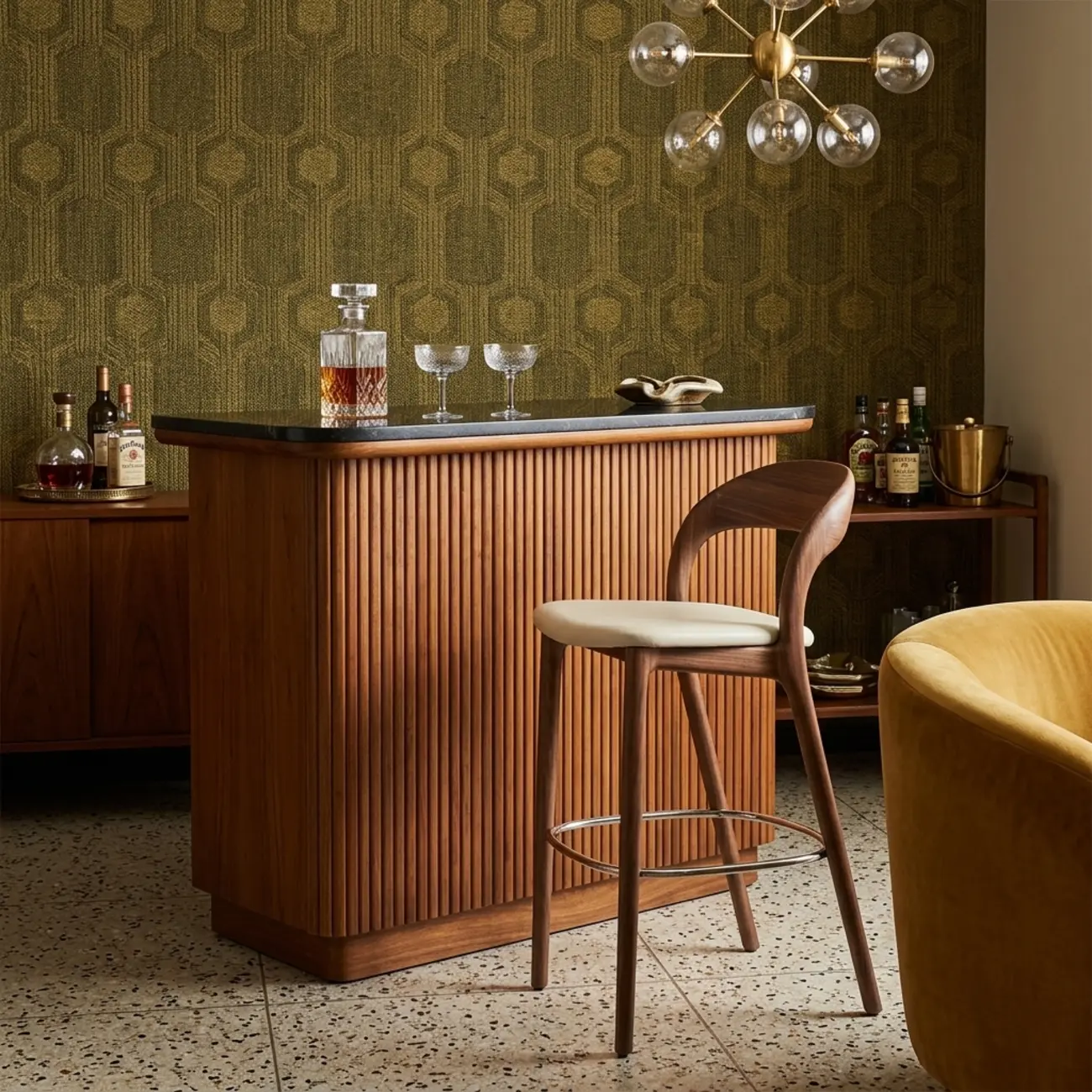
Great mid-century modern furniture often features a combination of different textures. A rosewood table might feature polished chrome legs.
Designers loved contrasting warm wood with cool metal or smooth glass. Teak remained the superstar wood because of its rich color and natural durability. These material combinations created visual interest while showcasing innovation.
4. Strategic Use of Color
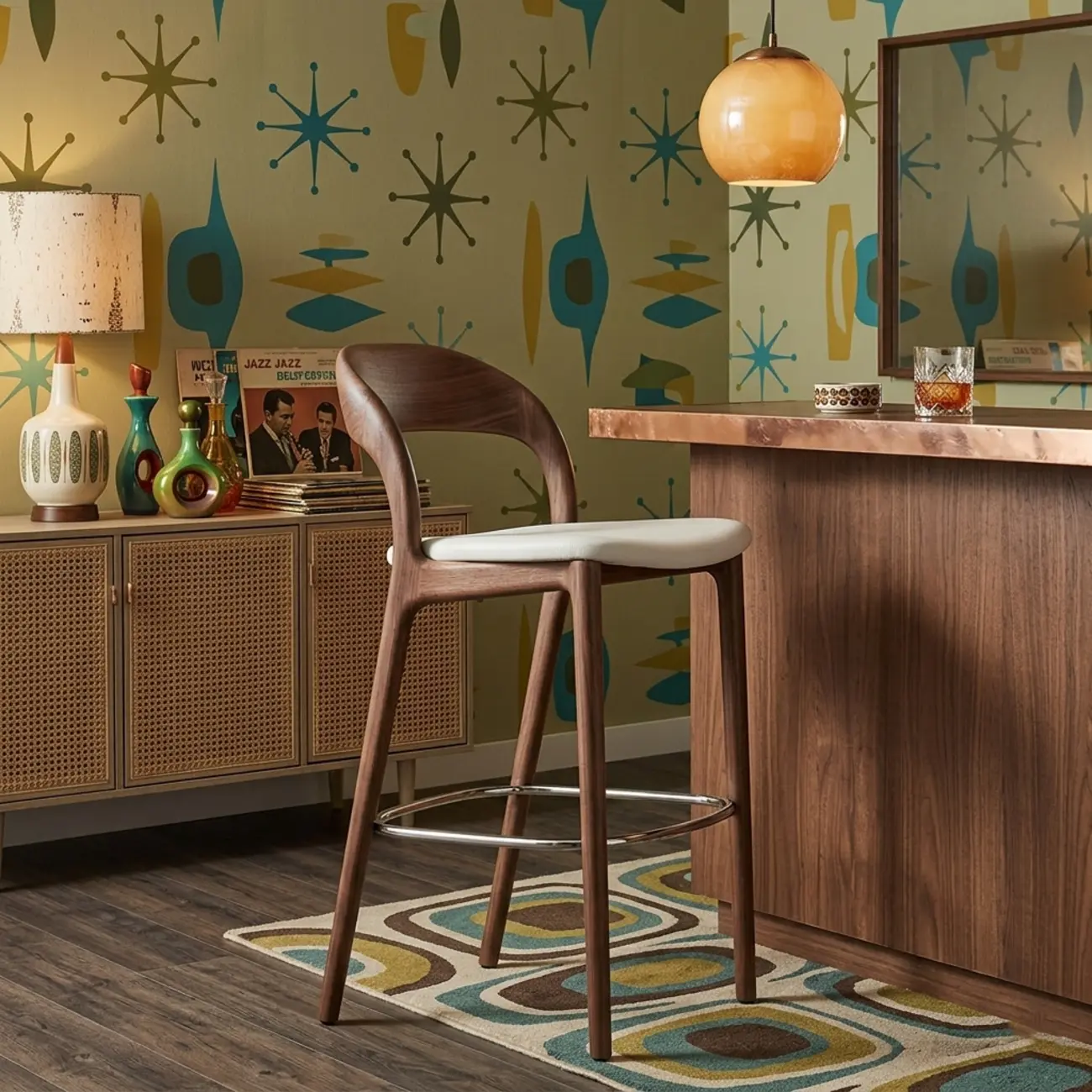
While wood tones provided the foundation, color created the personality. Designers used bold hues in very specific ways.
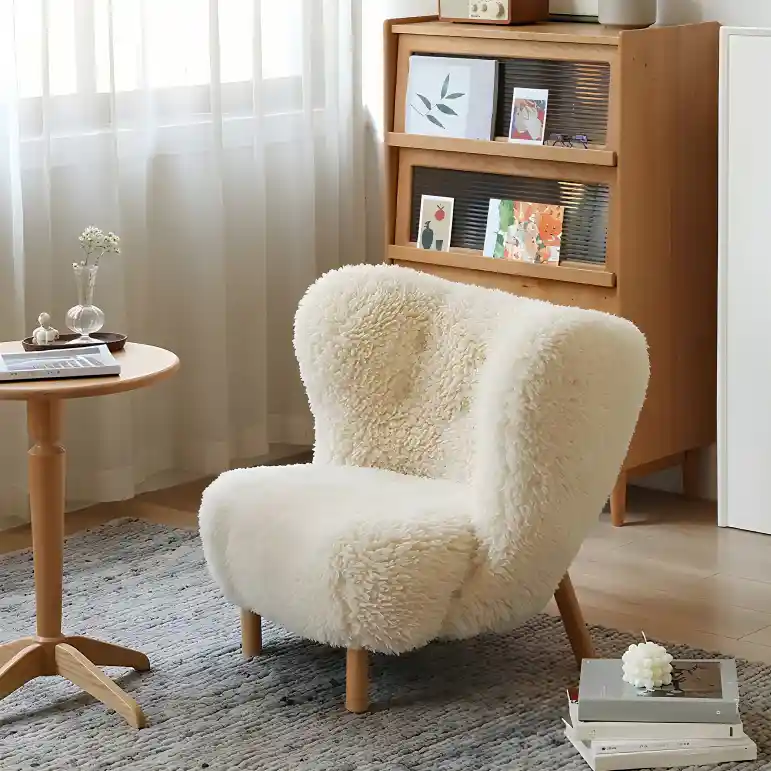
You would find mustard yellow on an accent chair or olive green in textile patterns. Herman Miller's original fabric selections included vibrant oranges and deep reds. These colors still feel surprisingly contemporary in today's interiors.
5. Quality That Stands the Test of Time
The best indicator of true mid-century modern furniture remains its construction. Look for solid wood joints where furniture pieces interlock without excessive hardware.
This furniture was built to last generations, not just a few seasons. That is why an original Finn Juhl chair can still command $15,000 at auction.
Bringing Mid-Century Modern Into Your Modern Home
How can you bring such elegant furniture pieces to your home? Let’s find out.
1. Start with One Hero Piece
You do not need to furnish your entire home at once. You can choose a single mid-century modern statement furniture to anchor your space. A classic Eames lounge chair makes an excellent starting point. Its design works with almost any decor style.
Current production models from Herman Miller start around $7,000, but excellent authorized reproductions exist at lower price points.
2. Mix Woods with Confidence
You should use a variety of wood tones in your room. Light oak and walnut go very well with teak.
Over time, this multi-layer approach seems calm. And a lot of the original mid-century modern furniture mixed wood species for visual appeal.
-.webp?w=756&h=756)
3. Balance Bold Colors with Neutrals
The colors of that period can be used as deliberate accents. For example, a neutral sofa contrasts with mustard yellow pillows.
You can use wood tones with an olive green accent wall. You can use the 60-30-10 rule.
This translates to 10% accent, 30% secondary, and 60% dominant color. This keeps mid-century color principles while avoiding overpowering spaces.
4. Blend Styles for a Living Space
Mix your mid-century modern furniture with contemporary pieces. A sleek platform bed looks fantastic with an organic-shaped Nelson bench at its foot. Current interior designers often pair mid-century classics with industrial lighting or global textiles. This approach keeps your home from feeling like a museum.
Your Timeless Space Awaits at With HomeyFad
Mid-century modern furniture offers more than just beautiful design. It gives you pieces that work perfectly in today's homes while connecting you to design history.
You now understand what makes mid-century modern furniture special. You can spot the quality materials and construction that set authentic pieces apart.
Looking to buy traditional furniture designs for your home? You can check out HomeyFad. You can also visit HomeyFad blog for more information.
FAQs
Q: What years define mid-century modern design?
A: You should picture the post-war era really taking off from the late '40s and defining interiors right through the 1960s.
Q: What’s the difference between mid-century and modern furniture?
A: It's history versus the present day. Mid-century is a specific classic period, while "modern" just means anything made now.
Q: Can I mix mid-century modern with other styles?
A: For sure—its clean lines are incredibly versatile, acting as a perfect anchor for contemporary looks or even more traditional spaces.
-41.jpg?w=1600&h=900)



 Add Us On Google