
(4)-2.png?w=1920&h=650)
-.jpg?w=900&h=638)
When decorating or renovating a home, many homeowners ask the same question: How do you match light fixtures throughout a house?
Lighting is not just functional—it plays a major role in defining style, mood, and visual flow.
This guide will help you create a cohesive lighting plan without making every fixture identical.
1. Start with a Consistent Interior Design Style
Before choosing any light fixture, define your home’s overall design style. Lighting should support the architecture and décor—not fight it.
Common styles include modern/minimalist, Scandinavian, farmhouse/rustic, industrial, contemporary/luxury, and traditional.
Key rule: Light fixtures do not need to match exactly, but they should belong to the same style family.
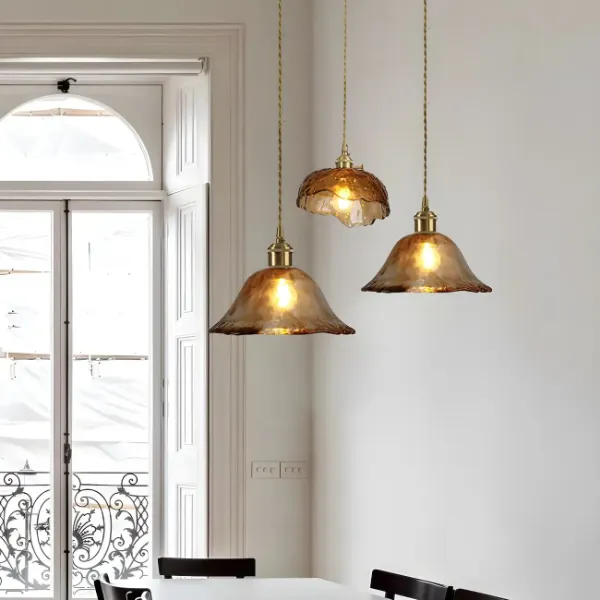
Example:
In a modern home, you might use a statement chandelier in the living room, simple pendant lights in the kitchen, and streamlined wall sconces in hallways.
----If you don't know what home decor styles you love, click this blog to get your favorite home style. Find Your Favorite Home Decor Style Quiz: 9 Questions
2. Coordinate Finishes and Colors (Not Identical Copies)
Make sure your lights have a consistent style but are not all the same color! Instead, aim for visual harmony.
-
Choose one or two primary finishes for the entire house
-
Use variations within the same color family
-
Avoid mixing too many finishes—especially black, gold, and silver—in the same sightline.
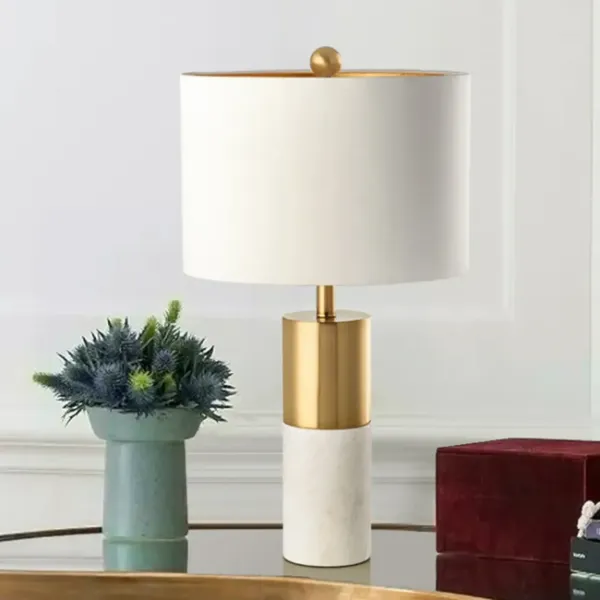
Popular, safe combinations include: Matte black and soft black, Brushed brass and warm gold, nickel and chrome (cool-toned homes)
Pro tip: Match light fixture finishes with existing hardware such as door handles, faucets, or cabinet pulls for a unified look.
3. Repeat Materials for Visual Consistency
When considering how to match light fixtures throughout a house, material consistency is more important than shape. The main materials of the lighting fixtures should be consistent!
Common lighting materials include metal (steel, aluminum, and brass), glass (clear, frosted, and smoked), fabric shades, and wood accents.
If your living room light fixtures are made of metal and glass, then the light fixtures in other spaces should at least contain metal. The styles of the light fixtures can be varied!
This approach creates cohesion without making the lighting feel repetitive.
4. Allow Variation by Room (With a Clear Connection)
Do all light fixtures need to be from the same collection? No. Instead, aim for “variation within unity.” Pursuing diversity within a unified style!
A. Living Room Lighting
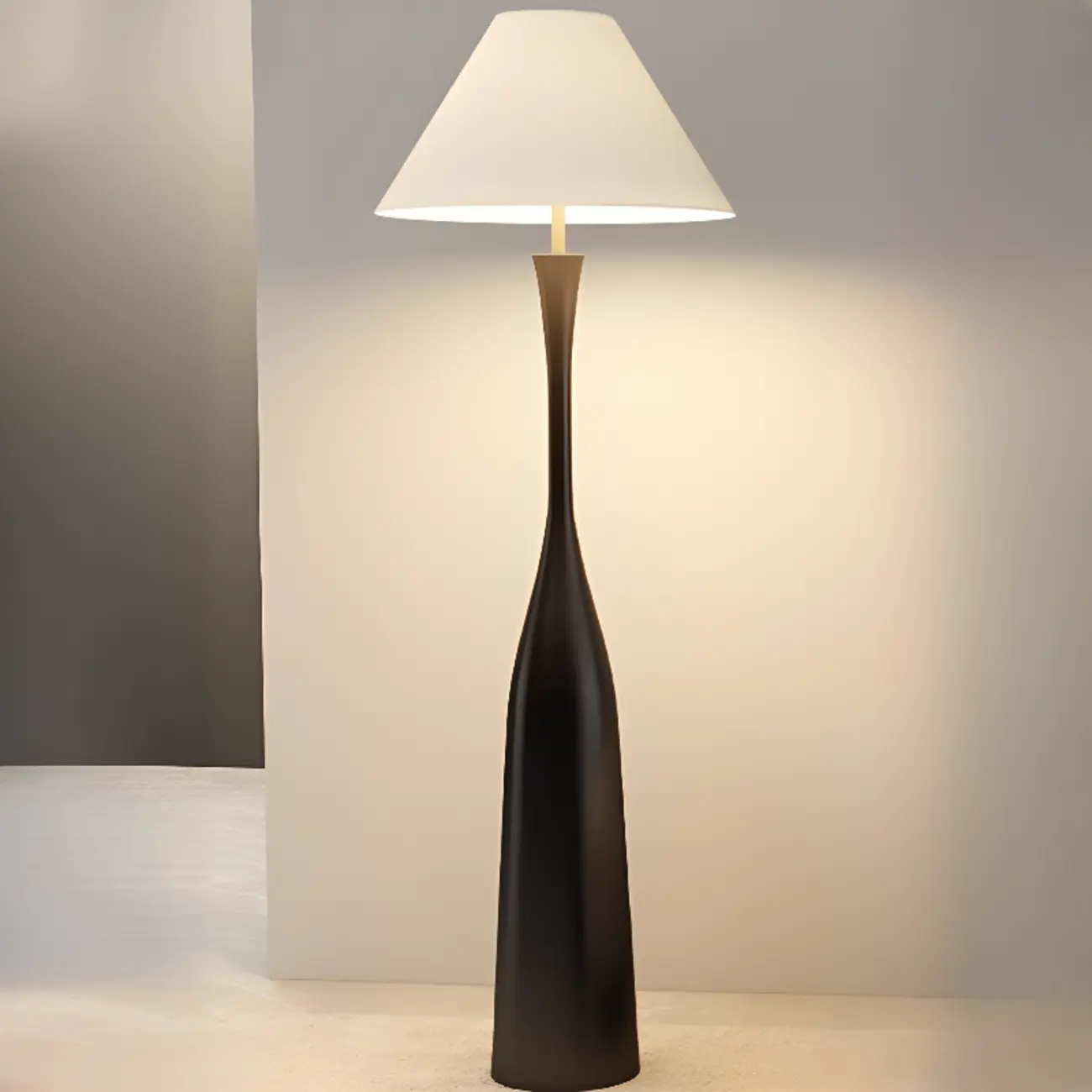
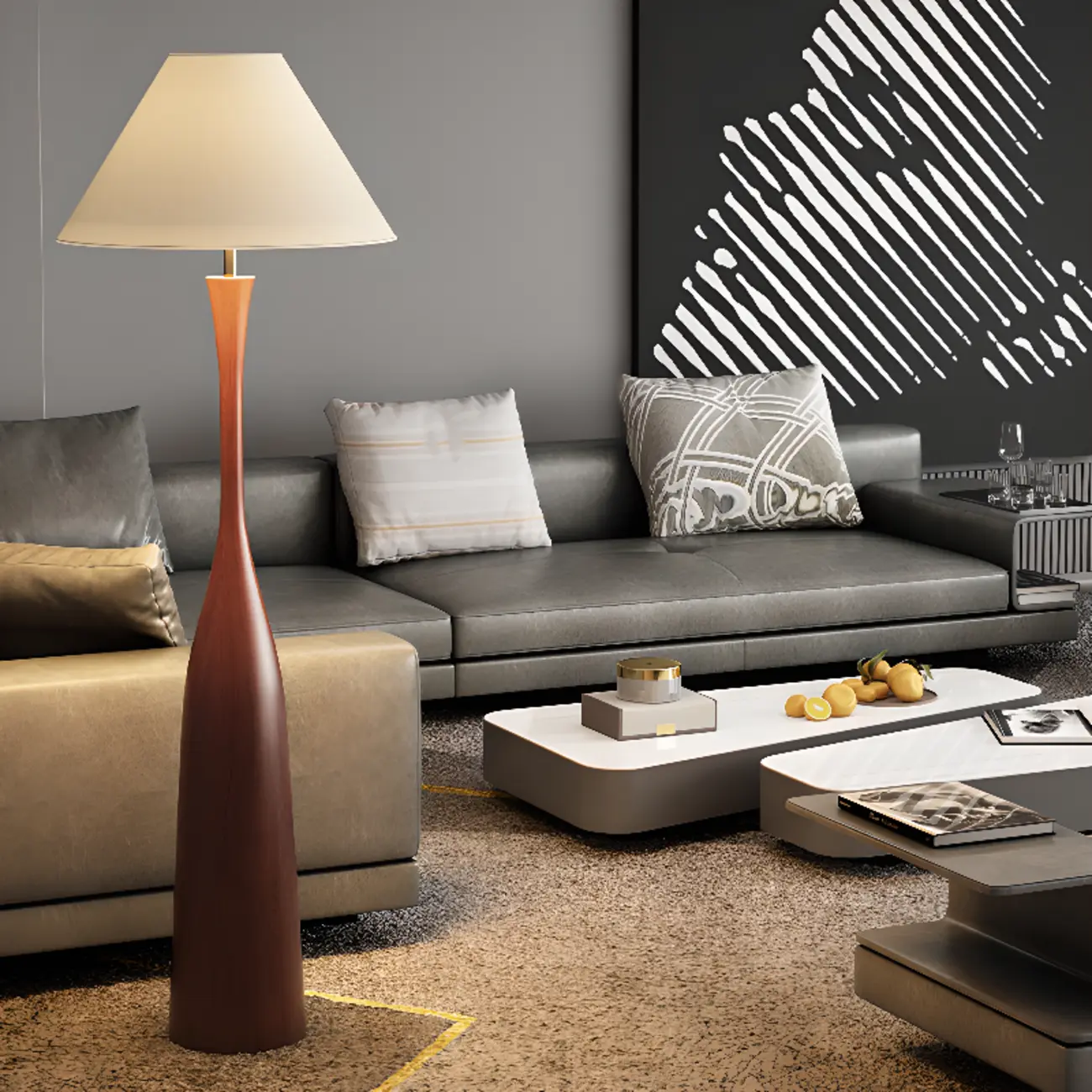
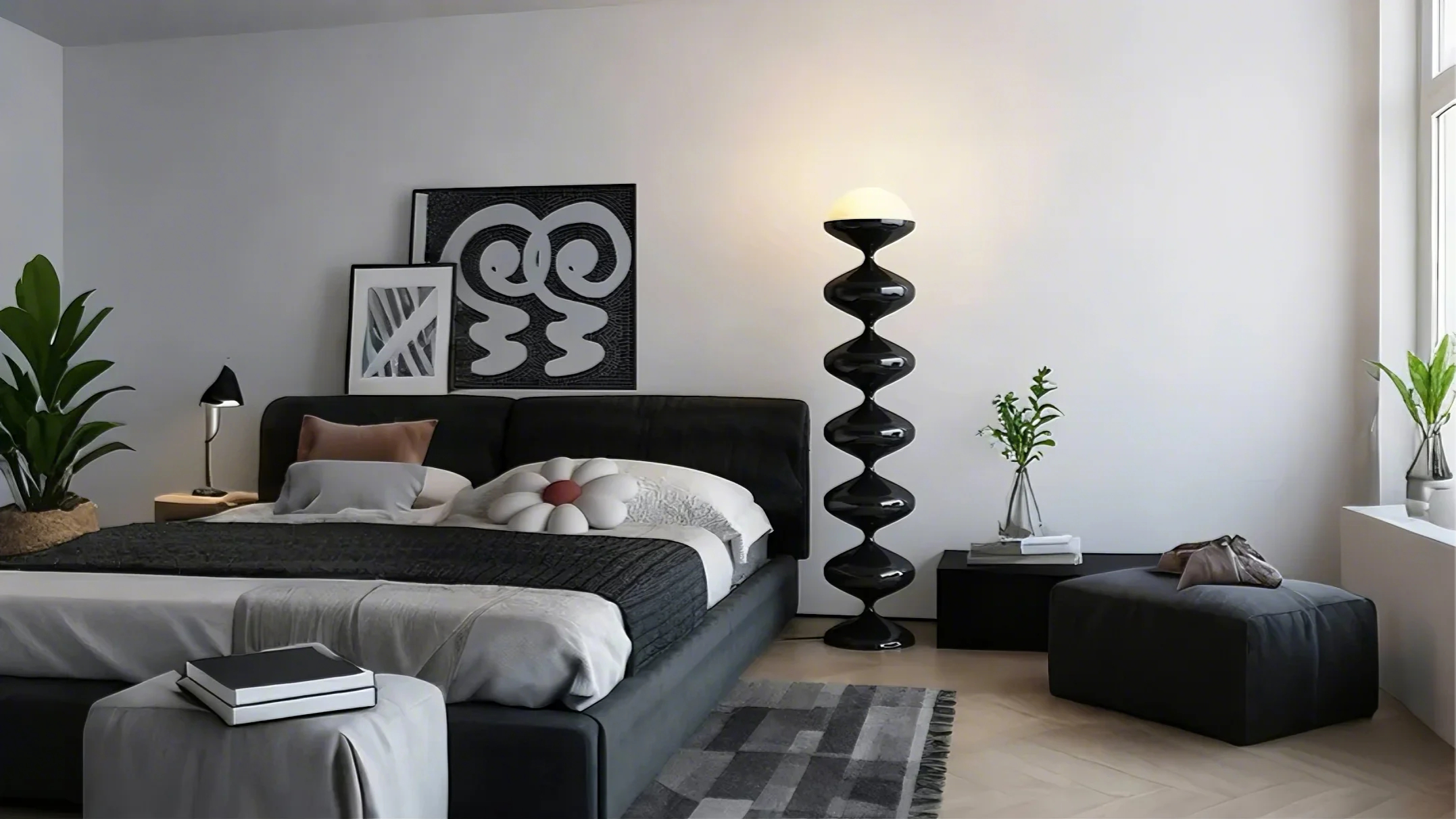
In the living room, you can choose chandeliers or flush-mount ceiling lights as the main light source and then use floor lamps and table lamps for layered lighting to create a sense of depth!
B. Dining Room Lighting
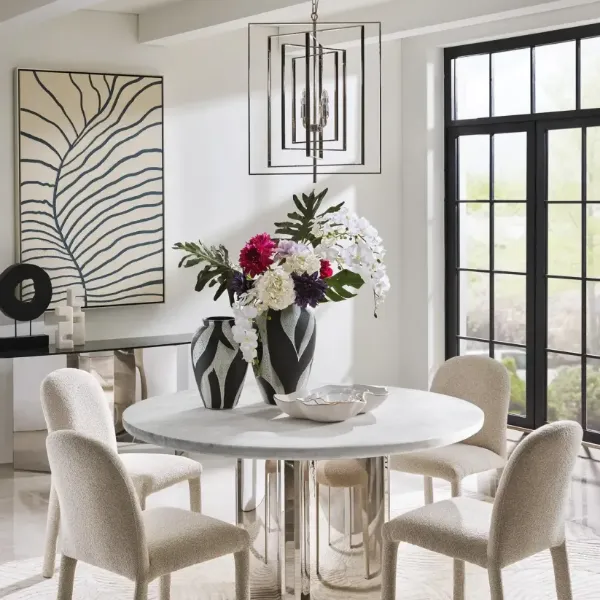
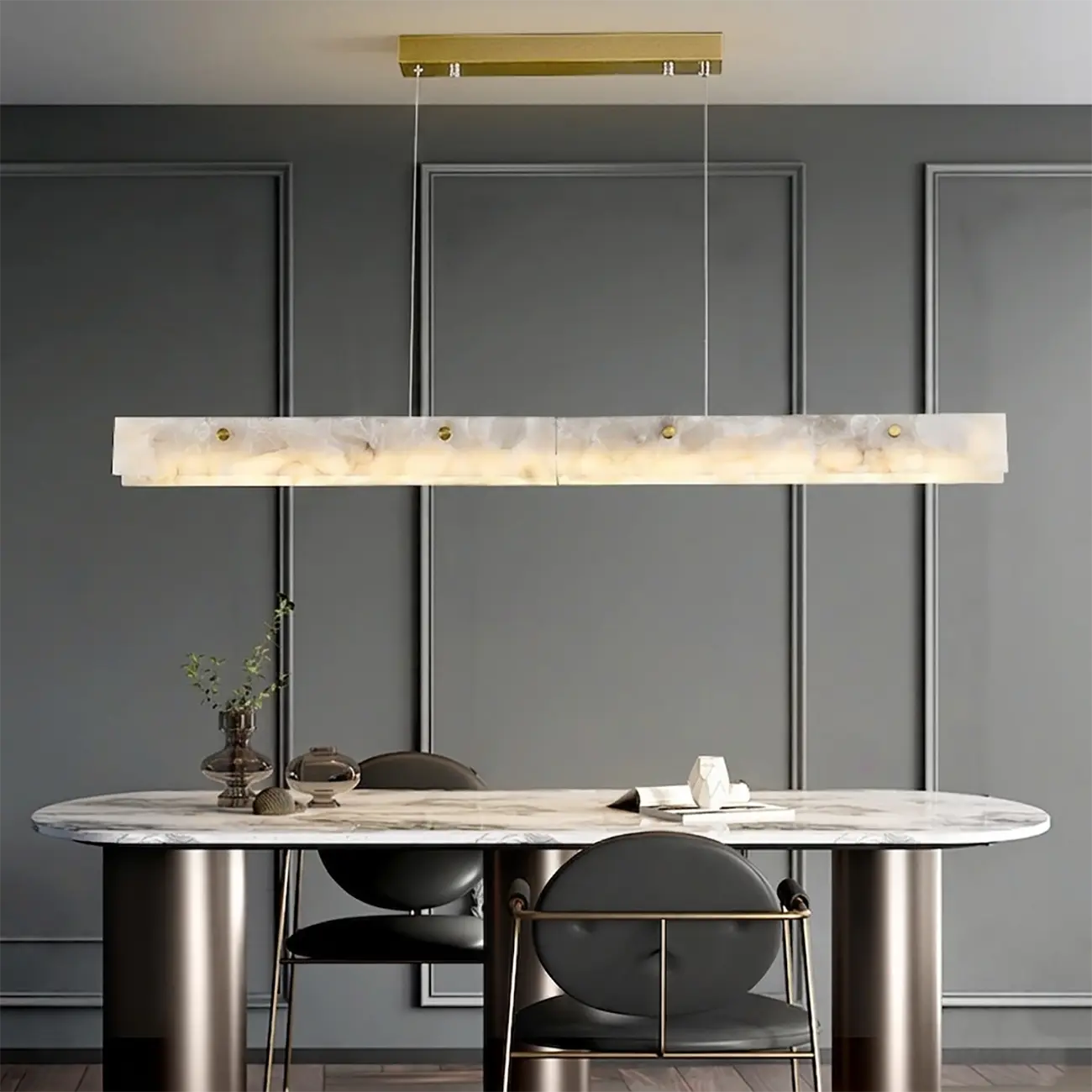
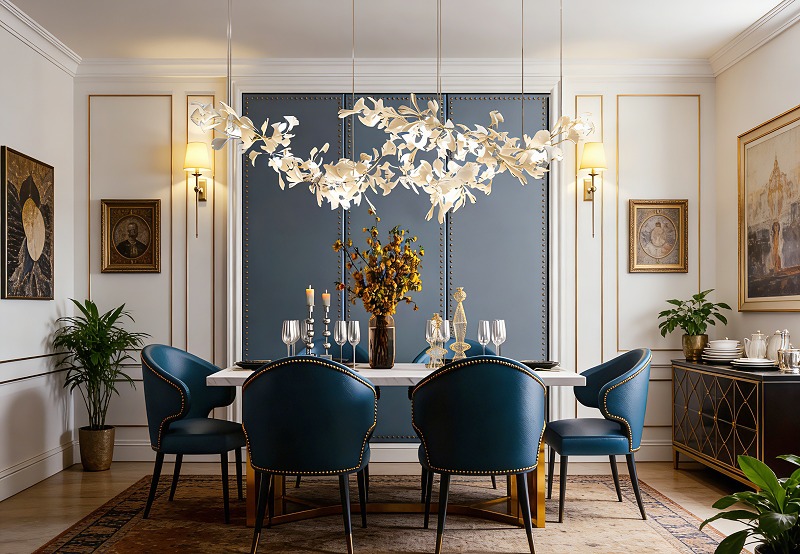
Pendant lights and linear chandeliers are the best choices. Glass or metal pendant lights also work especially well over dining tables, visually connecting with the living room chandelier.
C. Kitchen Lighting
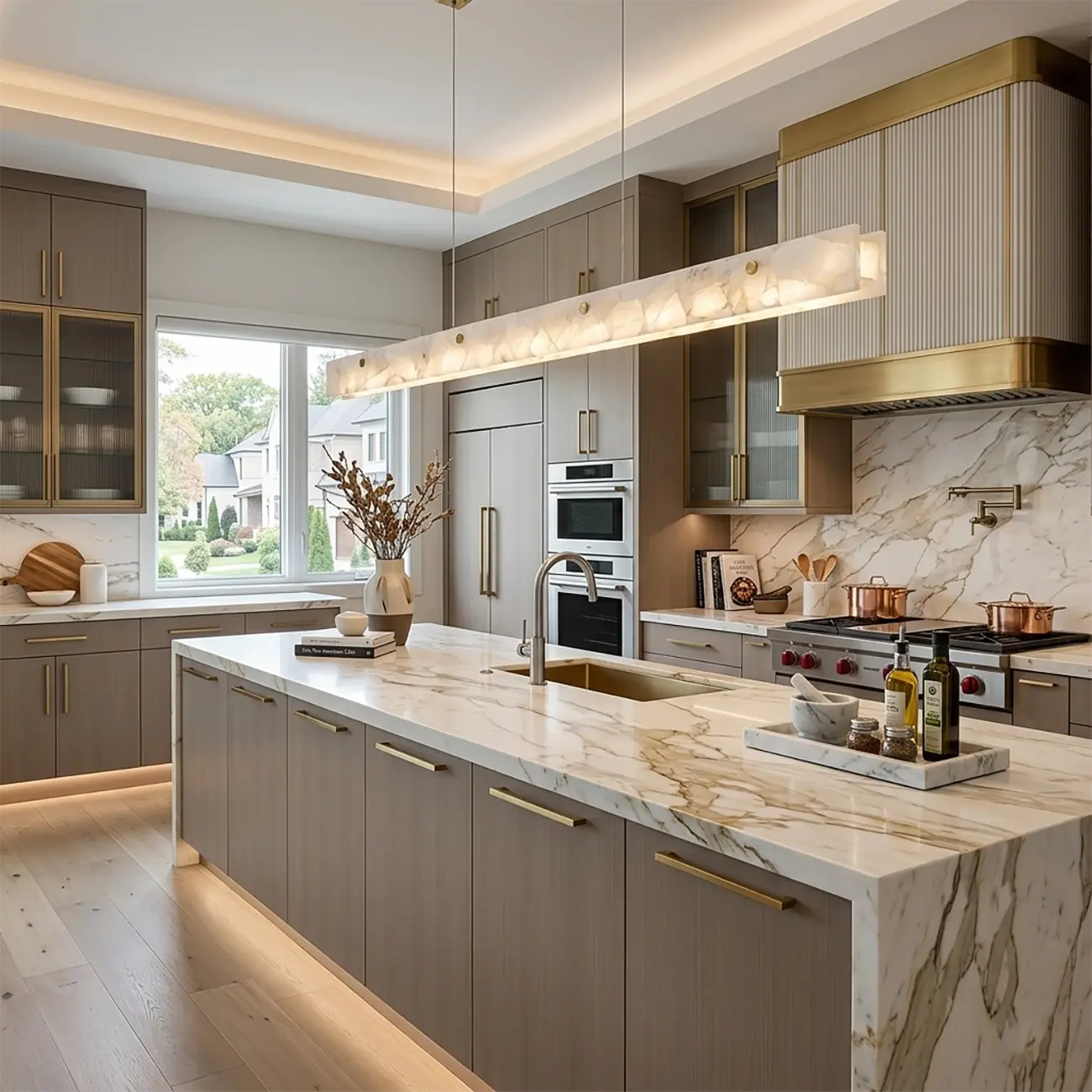
Use kitchen island lights, recessed ceiling lights, or track lighting to create ambiance while providing illumination!
D. Bedroom Lighting
Ensure comfort. Use ceiling lights in conjunction with bedside lamps and wall sconces; soft fabric lampshades are more suitable.
E. Bathroom
Use a ceiling light to illuminate the entire environment, and then add a vanity light in front of the mirror for a bright and sophisticated look!
F. Hallways & Entryways
Use wall sconces, flush-mount lights, or small pendant lights, depending on the ceiling height.
Entryway lighting is a great place for a statement fixture without overwhelming a room.
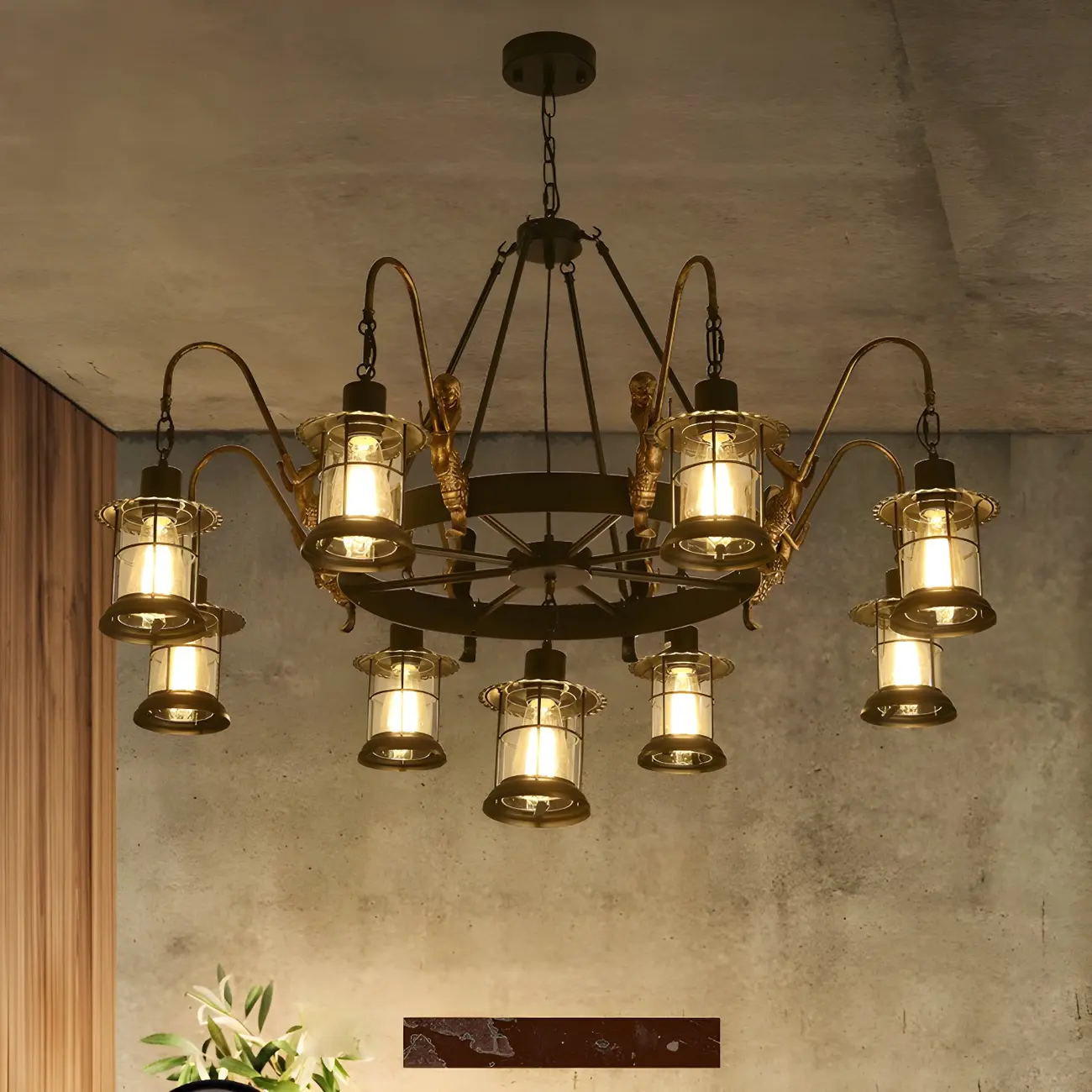
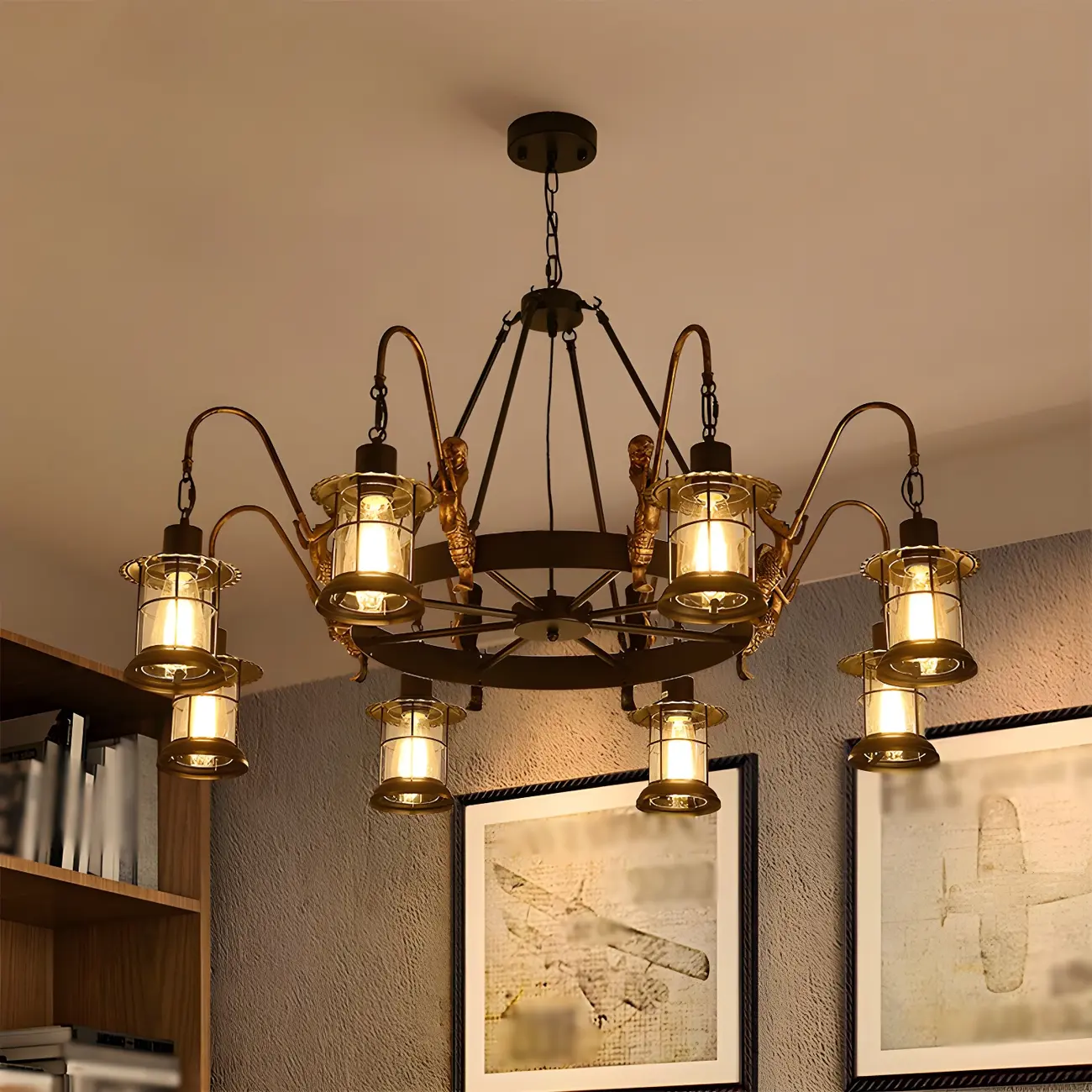
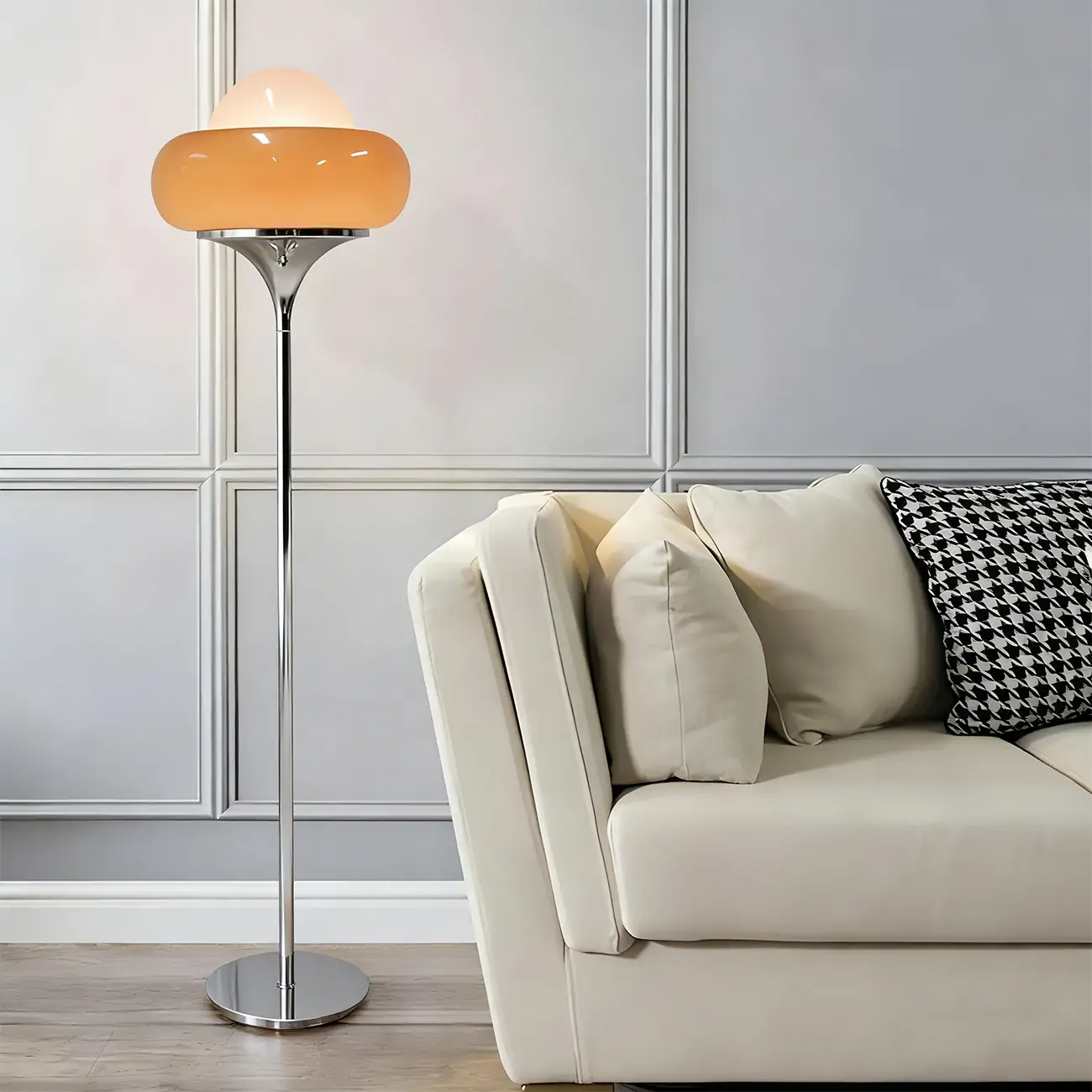
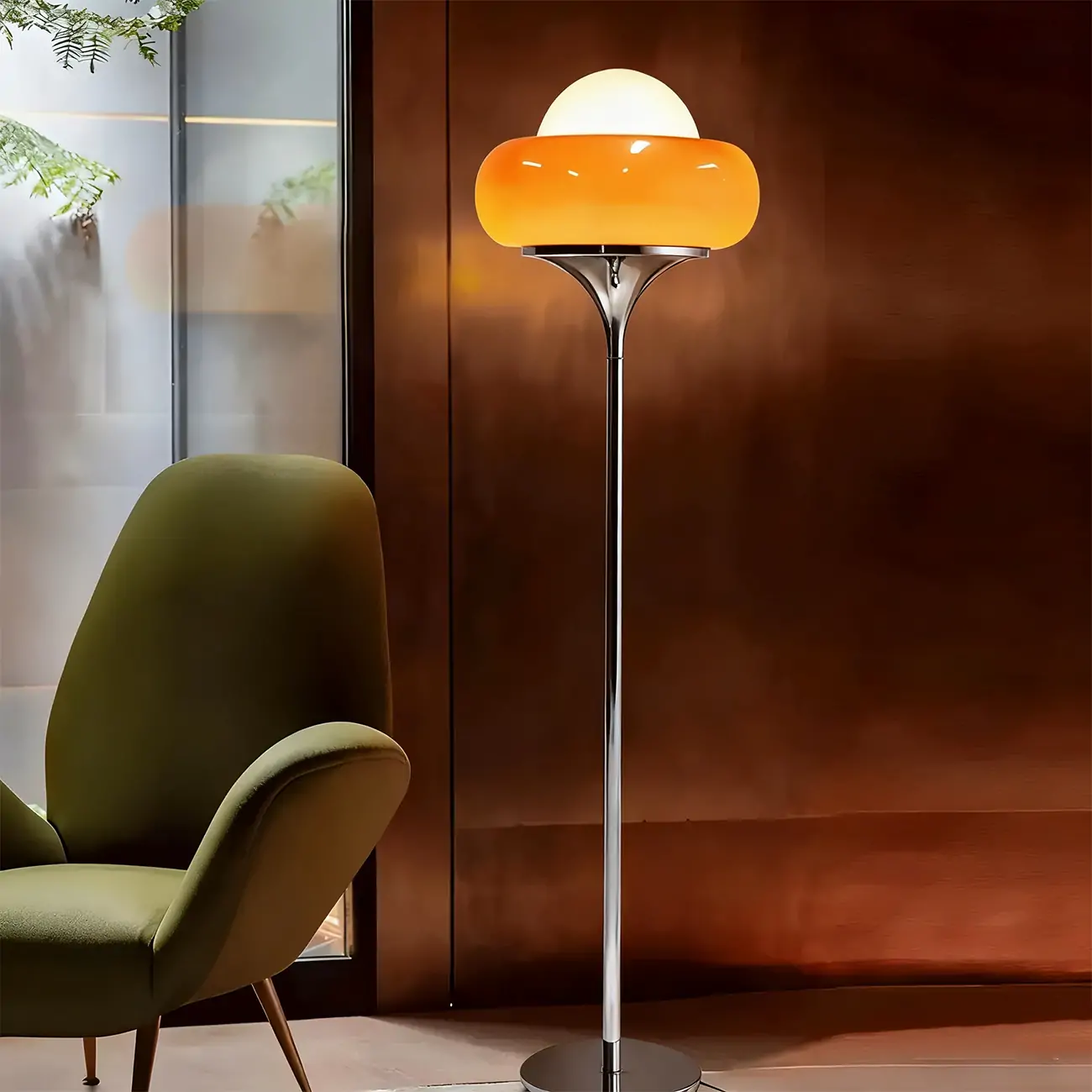
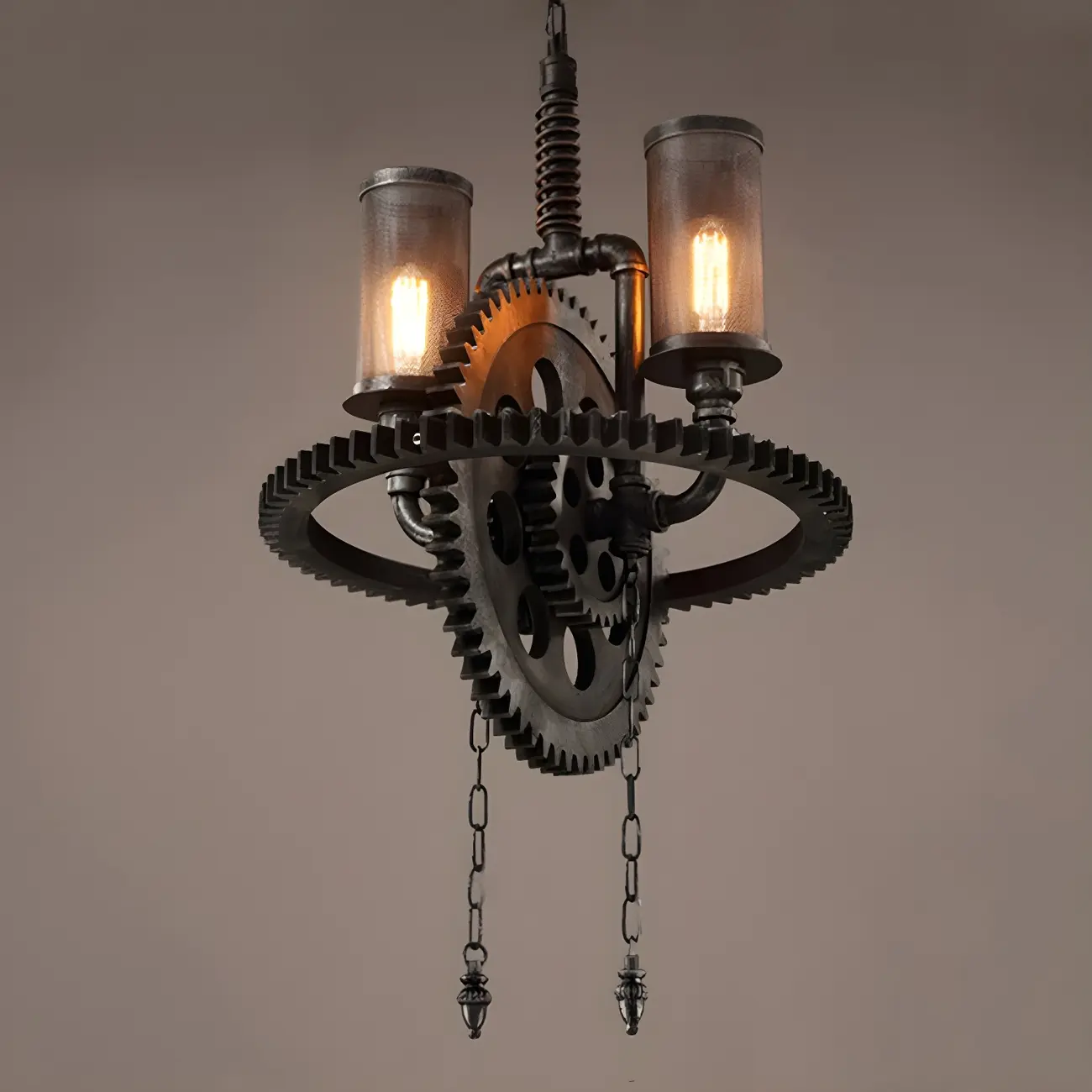
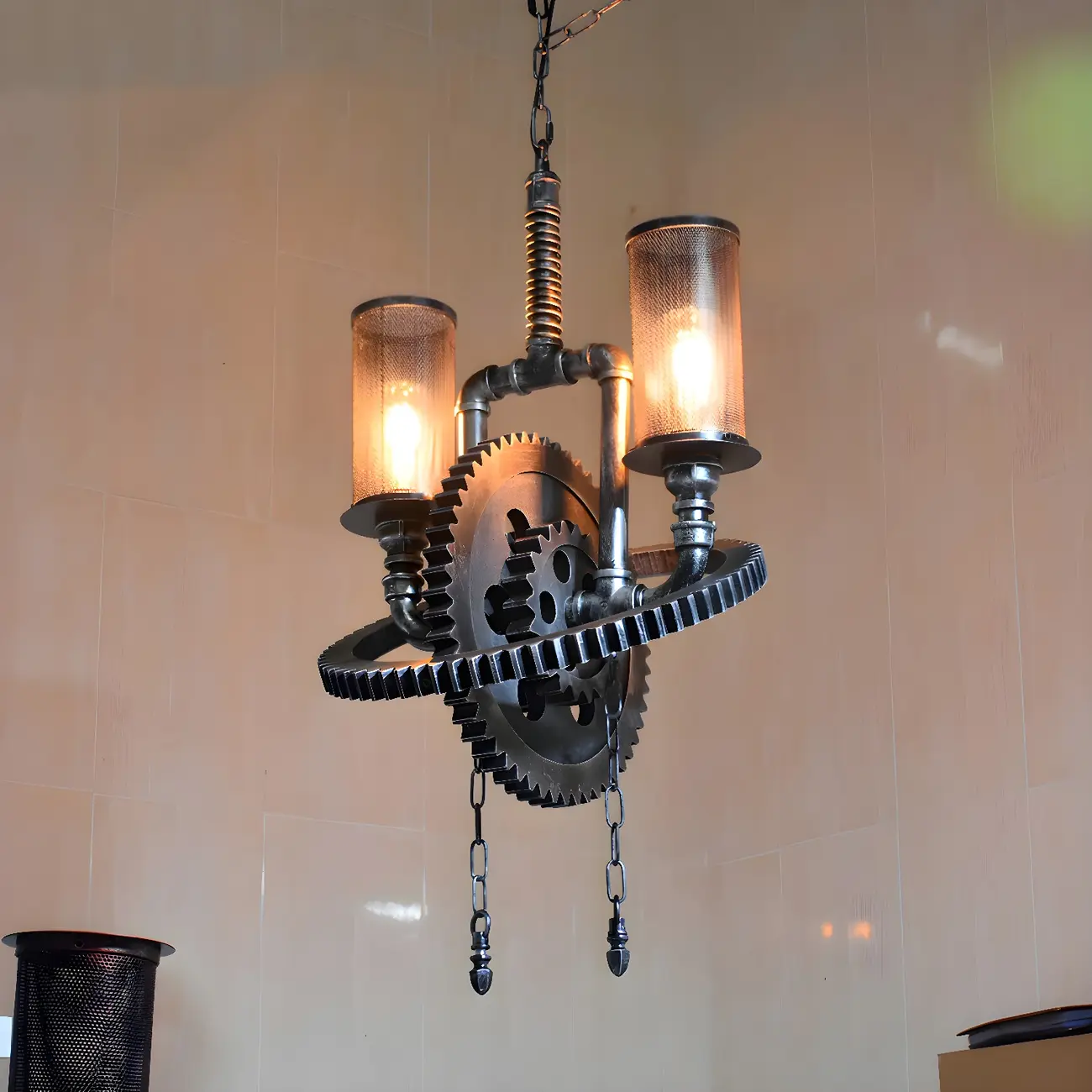
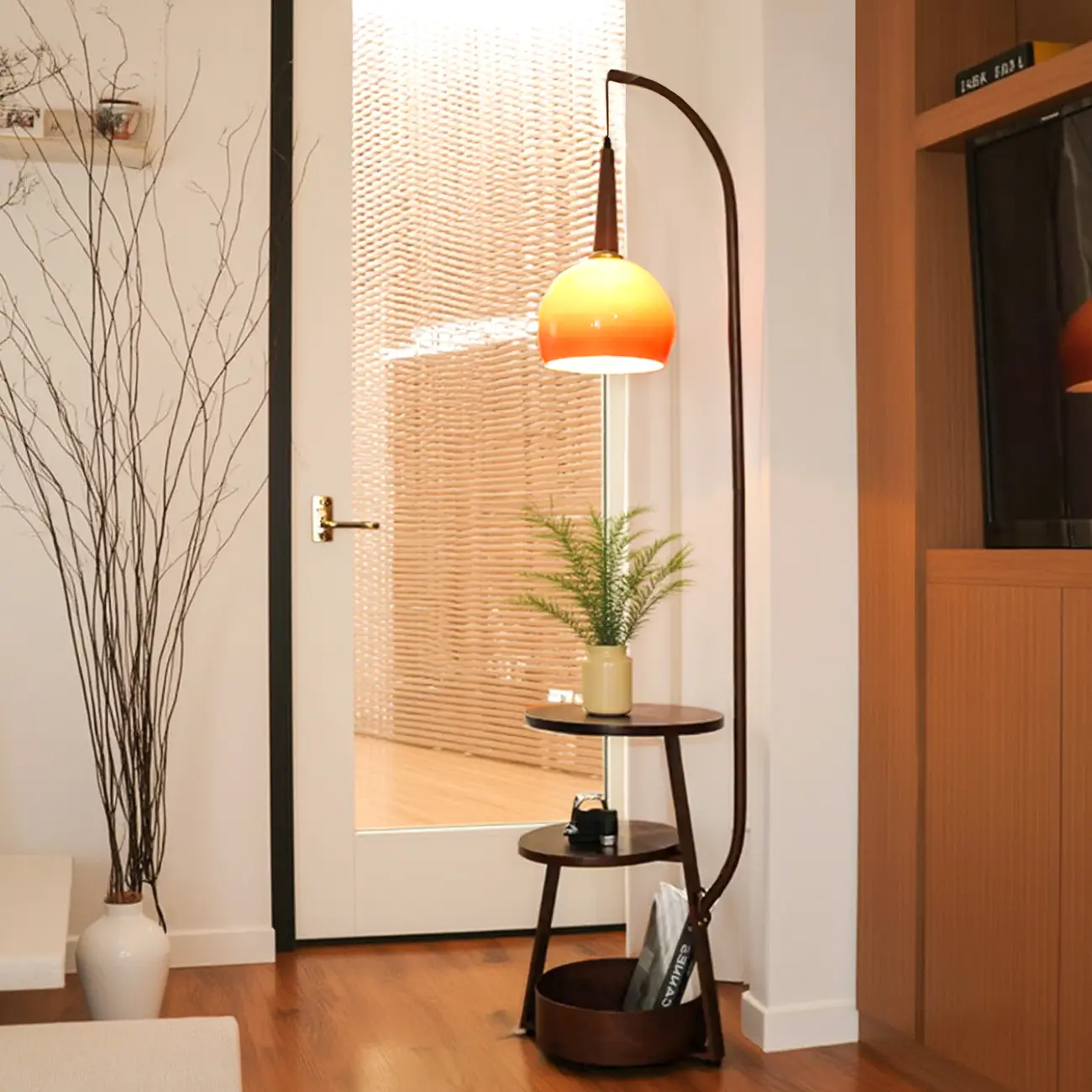
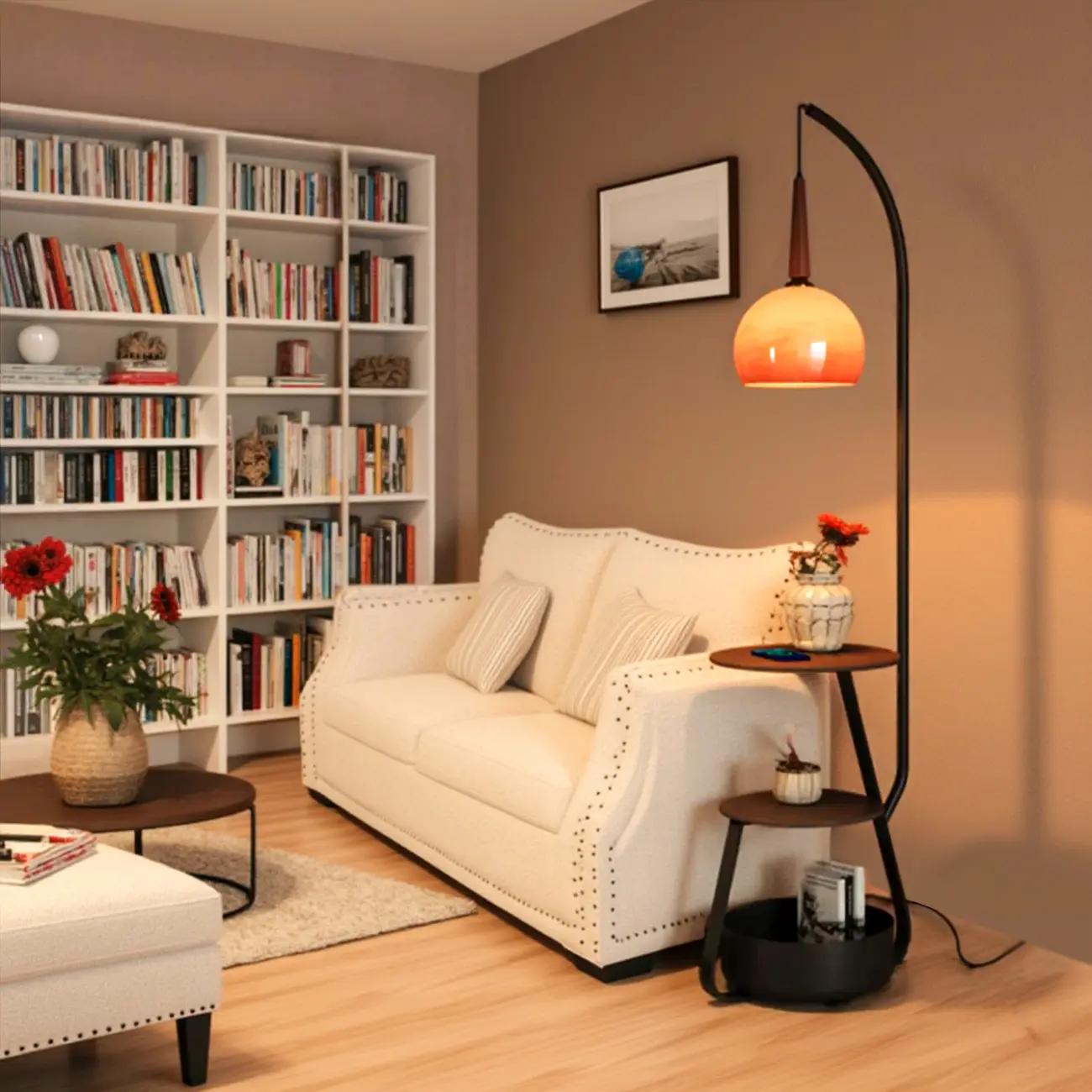
[product: vintage-black-crystal-pendant-candelabra-chandelier-for-living-room,modern-green-glass-dome-pendant-light-for-kitchen,decorative-modern-stacked-ball-floor-lamp-with-fabric-shade,modern-globe-glass-floor-lamp-plug-in-for-living-room, | You May Also Like]
5. Match Fixture Size to Room Scale
The proportions of the lighting fixtures in every space of the home should be carefully considered. Even the most beautiful fixture will look wrong if the scale is off.
-
Large rooms can handle larger, statement fixtures
-
Small rooms benefit from clean, compact designs
-
Low ceilings should avoid long, hanging pendants
Lighting should enhance the space—not overpower it.
6. Use Consistent Light Color Temperature
Another detail that is often overlooked when choosing lighting fixtures for the whole house is color temperature.
Recommended ranges:
-
Living rooms & dining rooms: 3000K–3500K (warm but balanced)
-
Bedrooms: 2700K–3000K (soft and relaxing)
-
Kitchens & bathrooms: around 4000K (bright and clear)
Keeping a logical lighting temperature plan ensures your home feels intentional and comfortable.
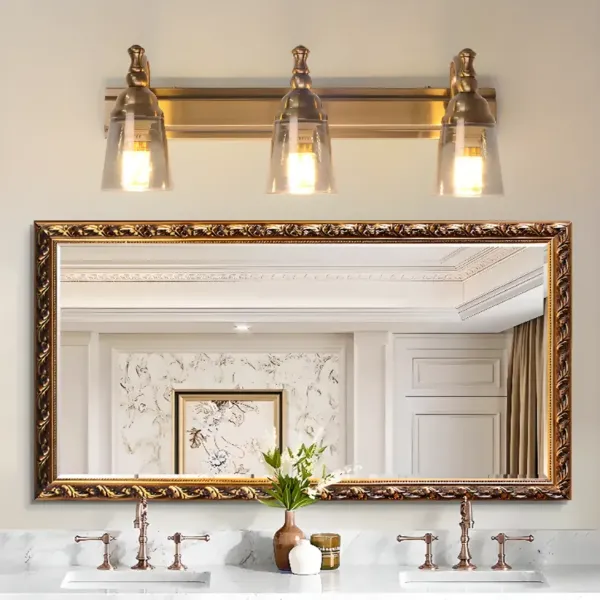
The light fixtures throughout the house don't need to look the same, but they should feel harmonious and unified.
By following these guidelines, you can confidently create a well-lit, cohesive, and personalized home.
Conclusion
Looking for a unified lighting style for your home? Whether it's lighting for a single room or the entire house, Homeyfad's fixtures can personalize your space in terms of style, materials, and function!
Explore Homeyfad's range of chandeliers, pendant lights, table lamps, wall lamps, and ceiling lights to illuminate your everyday life!
FAQs
Q: Is it okay to mix metal finishes in lighting fixtures?
A: Yes, mixing metals like brass, black, and chrome is trendy. Keep one dominant finish and use others as accents to maintain balance.
Q: Can you mix different lighting styles in one home?
A: Yes, mixing styles can add personality. Just make sure there’s a unifying element—such as finish, shape, or color—to keep the design from feeling disconnected.
Q: What are the rules for pairing chandeliers and pendant lights?
A: When pairing chandeliers and pendant lights, they don't need to be exactly the same, but they should coordinate with each other. You can choose to maintain consistency in one of them, such as color, material, finish, or style. In addition, pay attention to balancing their visual weight, avoiding one being too eye-catching, especially in open spaces.
Updated on April 22, 2026
-.jpg?w=871&h=667)
--5.jpg?w=800&h=506)
-.jpg?w=800&h=584)
.png)

 Add Us On Google