
(7).png?w=1920&h=650)
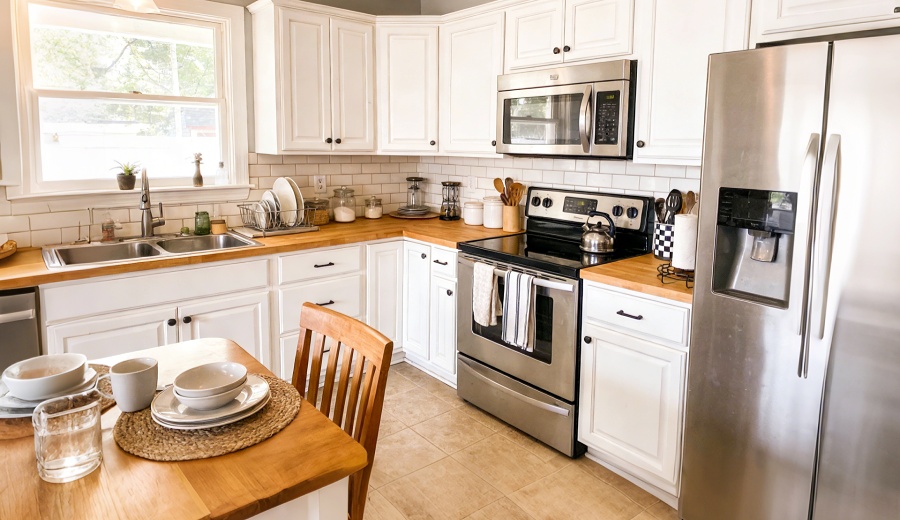
Tired of a messy kitchen, damp and moldy tools, and grease stains everywhere? Inadequate cleaning of kitchen tools can lead to damage and cross-contamination of bacteria, affecting food safety.
No worries! Today, let's learn how to clean and store kitchen tools, especially used ones, properly! Make your kitchen smoother and more worry-free! After reading this article, your kitchen hygiene and efficiency will see a comprehensive improvement.
How to Clean and Sanitize Kitchen Tools and Equipment?
Kitchenware must be washed after each use.
Most kitchenware is easy to clean; warm water, dish soap, and a sponge are sufficient to remove most stains. However, for stubborn stains (such as burnt residue), more effective cleaning tools like steel wool and brushes are needed.
Different materials require different cleaning techniques:
-
Stainless steel tools: Avoid scratching with steel wool during cleaning.
-
Wooden kitchen tools (cutting boards): Prone to moisture and mold; avoid prolonged soaking during cleaning. Dry immediately with a cloth after cleaning.
-
Silicone and plastic tools: Avoid soaking in hot water, as this can cause deformation. For detachable silicone parts, pay special attention to cleaning every crevices.
-
Metal utensils (knives): Quickly dry after washing to prevent rusting.
How to Deep Disinfect Kitchen Tools
Kitchen tools must be disinfected regularly. Disinfection after cleaning completely removes harmful bacteria you can't see, especially from food scraps, where bacteria can easily grow.
For daily quick disinfection, you can use white vinegar and baking soda, but for deep disinfection, food-grade disinfectant is better. Mix one tablespoon of bleach with one gallon of warm water and soak all kitchen tools in the solution for at least two minutes. Then rinse the tools with hot water and dry them.
Utensils and areas used for handling raw meat, such as cutting boards and countertops, need to be cleaned and disinfected immediately. This will greatly reduce the accumulation of harmful bacteria.
Friendly Reminder: Please take protective measures when disinfecting. Wear rubber gloves and a mask to avoid skin irritation and inhaling harmful particles.
How to Store Your Kitchen Tools?
How should you store cleaned kitchen tools? Leaving them out will only lead to a buildup of bacteria. Proper storage will keep your kitchen tidy and hygienic, improve cooking efficiency, and extend the lifespan of your tools! Here are the best ways to store kitchen utensils:
1. Drawer Storage Tips
Use Dividers: Use dividers or adjustable partitions in your drawers to store knives, forks, spoons, spatulas, and other tools separately, preventing clutter. Dividing also reduces friction between tools, protecting their surfaces from scratches.
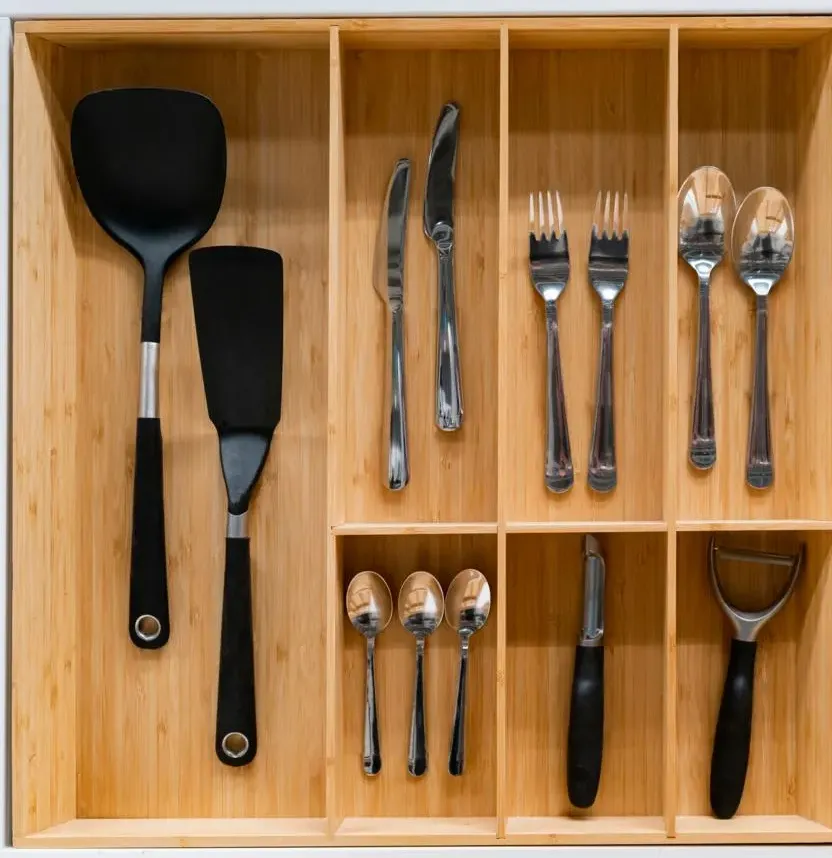
Categorize and Arrange: Categorize tools by function and place them in different drawers. This way, you can quickly find the tools you need. For example:
Cutting tools: knives, scissors
Mixing tools: whisks, mixing spoons
Baking tools: measuring spoons, spatulas
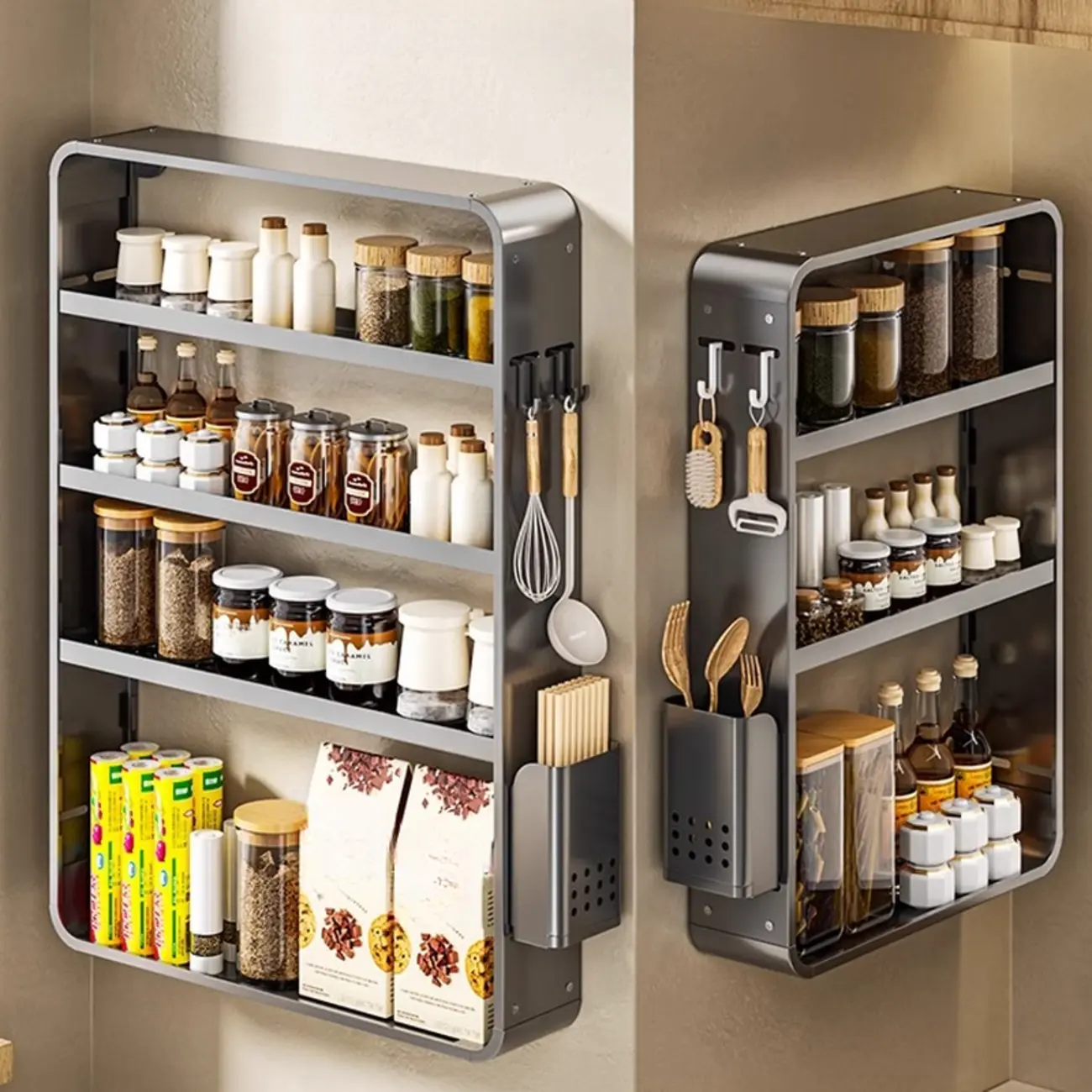
2. Wall-Mounted Storage Solutions
When countertop storage space is insufficient, utilize wall-mounted storage for greater spaciousness.
Hooks: Installing hooks or tracks on the wall allows you to hang tools like spatulas and whisks, saving drawer space and keeping the kitchen more organized.
Magnetic Knife Holders: Magnetic knife holders securely store knives, saving space and providing easy access. Hanging knives also keeps them dry, reducing the risk of rust.
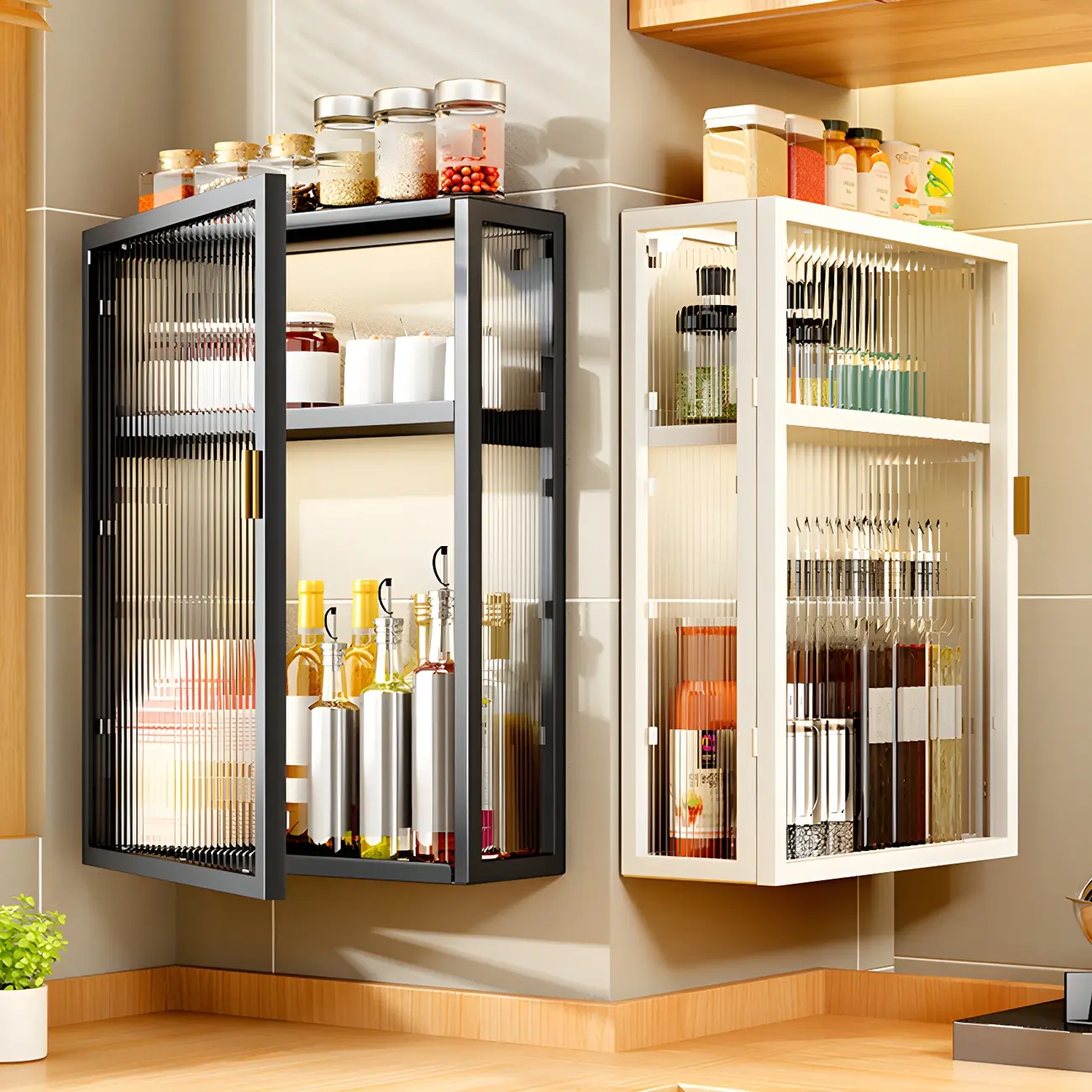
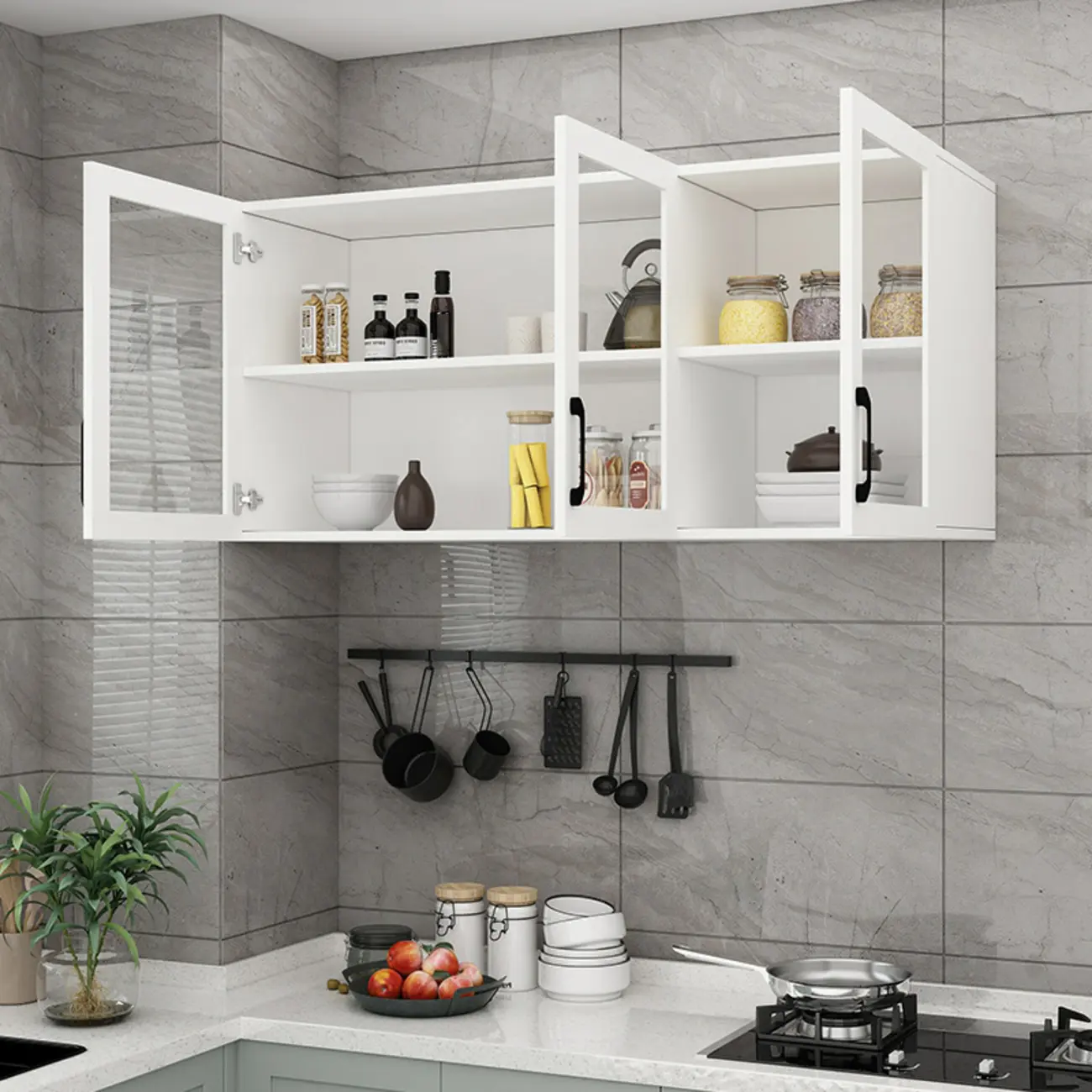
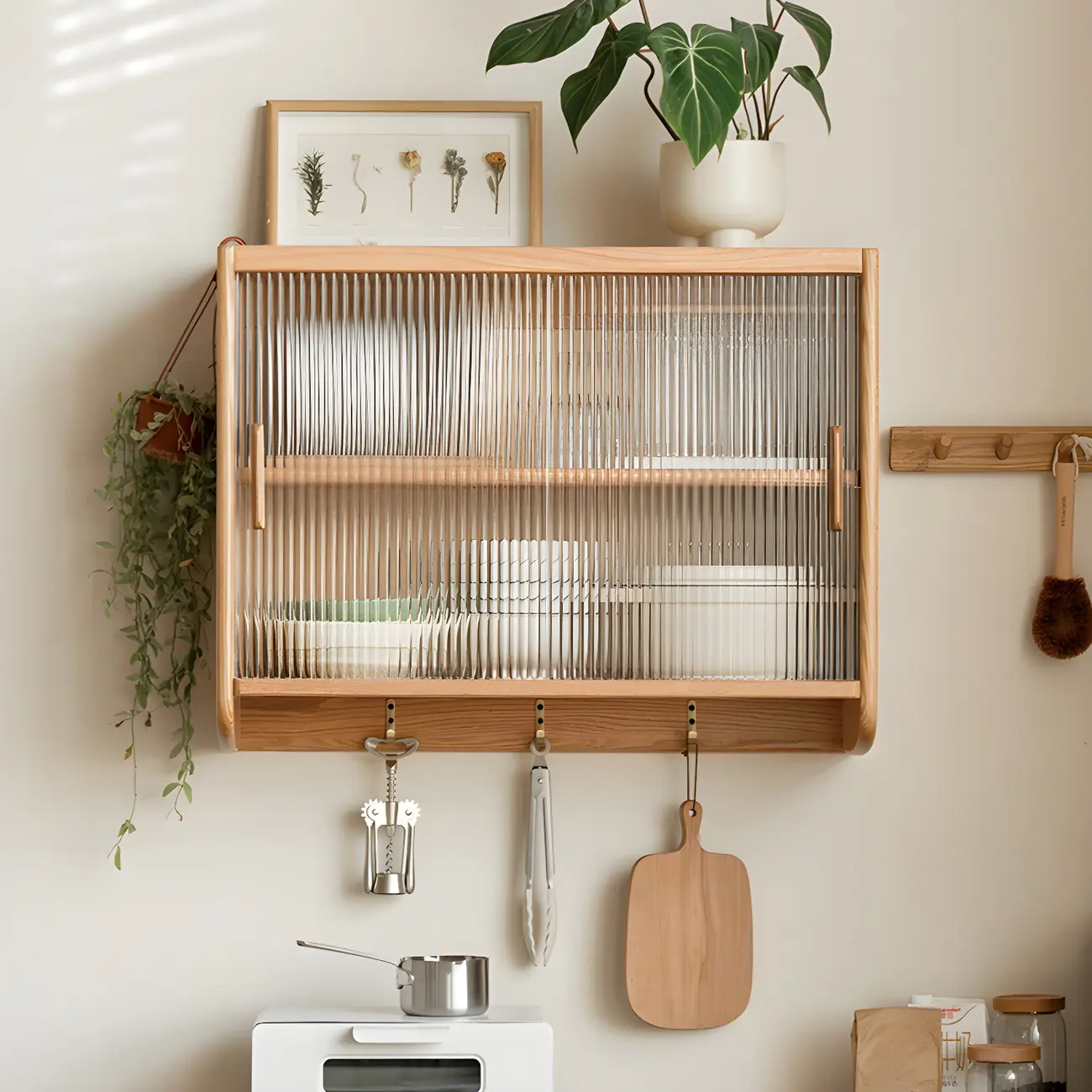
Wall-Mounted Storage Cabinets
Wall-mounted storage cabinets offer maximum capacity in minimal space. Choose a cabinet with transparent doors to hang on the wall for various seasonings and kitchen utensils. Its biggest advantage is dust and grease protection, keeping your kitchen tools free from dust and grime. However, remember to keep the inside of the cabinet dry and clean, requiring regular cleaning.
3. Countertop Storage Solution
If you don't have many drawers, you can also utilize countertop storage, which is more convenient for frequently used kitchen tools.
-
Place Frequently Used Tools in Easily Accessible Locations: Place your most frequently used tools, such as spatulas, ladles, and tongs, in countertop storage containers for easy access while cooking. It's recommended to choose sturdy, non-slip storage containers to prevent tipping.
-
Avoid piling tools on the countertop: This can easily breed bacteria and make the kitchen look cluttered. Keeping the countertop clean and tidy can improve the overall cooking experience.
4. Floor Space Storage
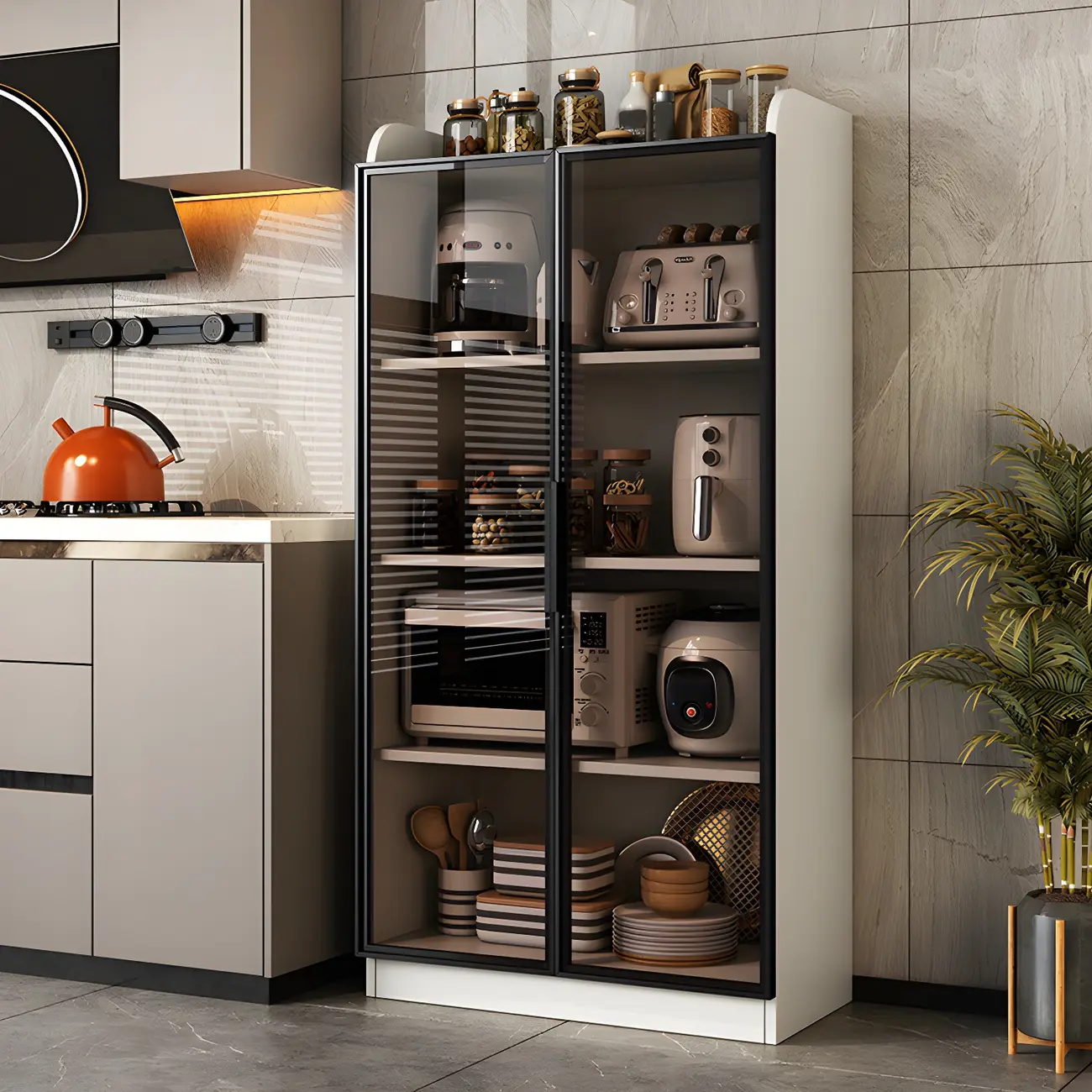
Use vertical space utilization. Small kitchens especially need to make full use of vertical space, such as using multi-tiered shelves, hanging rods, or door-mounted storage racks to maximize the value of limited space.
Choosing a kitchen cabinet and sideboard can solve many tool storage problems. If you want to keep countertops and walls tidy, a single floor-standing cabinet will suffice. This will make your kitchenware more organized.
By rationally planning drawer, countertop, and wall space, even a small kitchen can achieve an efficient and tidy tool storage system. Maintaining consistent storage locations helps cultivate good kitchen organization habits.

Recommended Kitchen Cleaning Habits (Checklist)
How often should kitchen tools be cleaned? You can't disinfect them every day, right?
-
Utensils must be washed on the same day they are used.
-
Deep clean kitchen utensils weekly, especially frequently used tools.
-
Regularly organize and store items to keep the kitchen tidy and improve cooking efficiency.
-
Replace damaged tools.
Common Mistakes in Cleaning and Storing Kitchen Utensils
-
Putting all tools in the dishwasher: Wooden kitchen tools, non-stick pans, high-quality knives, copper and aluminum tools, and insulated containers should not be washed in the dishwasher. This will damage the materials, shorten their lifespan, and even affect food safety.
-
Soaking knives for extended periods: This will cause rust and should be avoided.
-
Not drying wooden tools: Putting them in cabinets immediately after washing or letting them air dry for too long will make them prone to mold.
-
Not categorizing and storing: This is completely detrimental to the convenience of daily cooking.
Conclusion
Properly clean and store your kitchen utensils, whether in a family kitchen or a restaurant kitchen, to ensure cleanliness, tidiness, and order.
This is beneficial for the kitchen and for us. Start developing good kitchen cleaning and organization habits now!
Say no to a messy kitchen, starting with buying a kitchen cabinet!












-41.jpg?w=1600&h=900)





 Add Us On Google