
(7).png?w=1920&h=650)
--3.jpg?w=900&h=506)
You spent good money on that sofa, and those chairs were not cheap. But now everything sits in your living room, and the whole thing looks like a waiting room. The coffee table feels too small. The rug floats in the middle of the floor. The TV hangs somewhere up near the ceiling. This is not your fault. Stores stage furniture in perfect spaces. Your living room has real walls, real traffic, and real life.
These 13 rules show you exactly how to arrange living room furniture that you already own. No new purchases required. Just a tape measure and thirty minutes.
The Foundation – Spacing & Flow
Most people push all their furniture against the walls. They think this makes a room feel bigger. It does the opposite. Your living room ends up looking like a waiting room with no conversation zone.
Rule 1: Walkways need 30 to 36 inches between large furniture pieces. That gap lets two people pass without turning sideways. Small living rooms can drop to 18 or 24 inches. Anything tighter than 18 inches means bruised hips every time you walk through.
Rule 2: Keep seating 3.5 to 10 feet apart so that your guests are not sitting too close or too far. This four- to six-foot distance works best for normal conversation. Take your tape measure from the front of your sofa cushion straight to the front of your chair.
Rule 3: Pull your sofa 3 to 5 inches off the wall, as a sofa pushed flat against the wall just looks cramped. That small gap creates breathing room. Try it for one day, and you will not push it back.
Coffee Table Rules That Actually Work
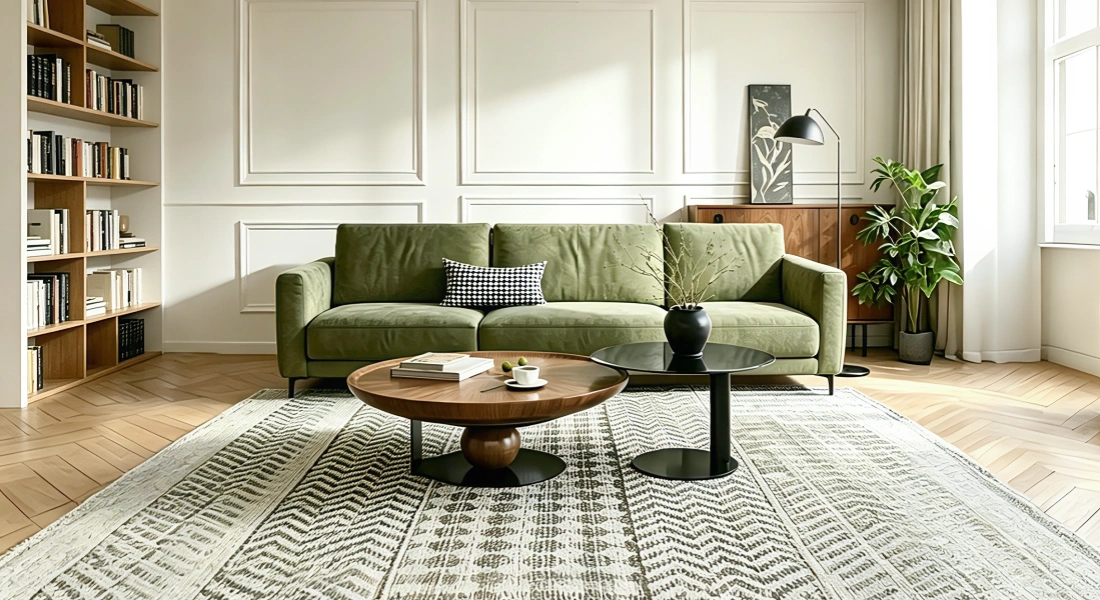
The coffee table causes more frustration than any other piece. These four rules fix every problem.
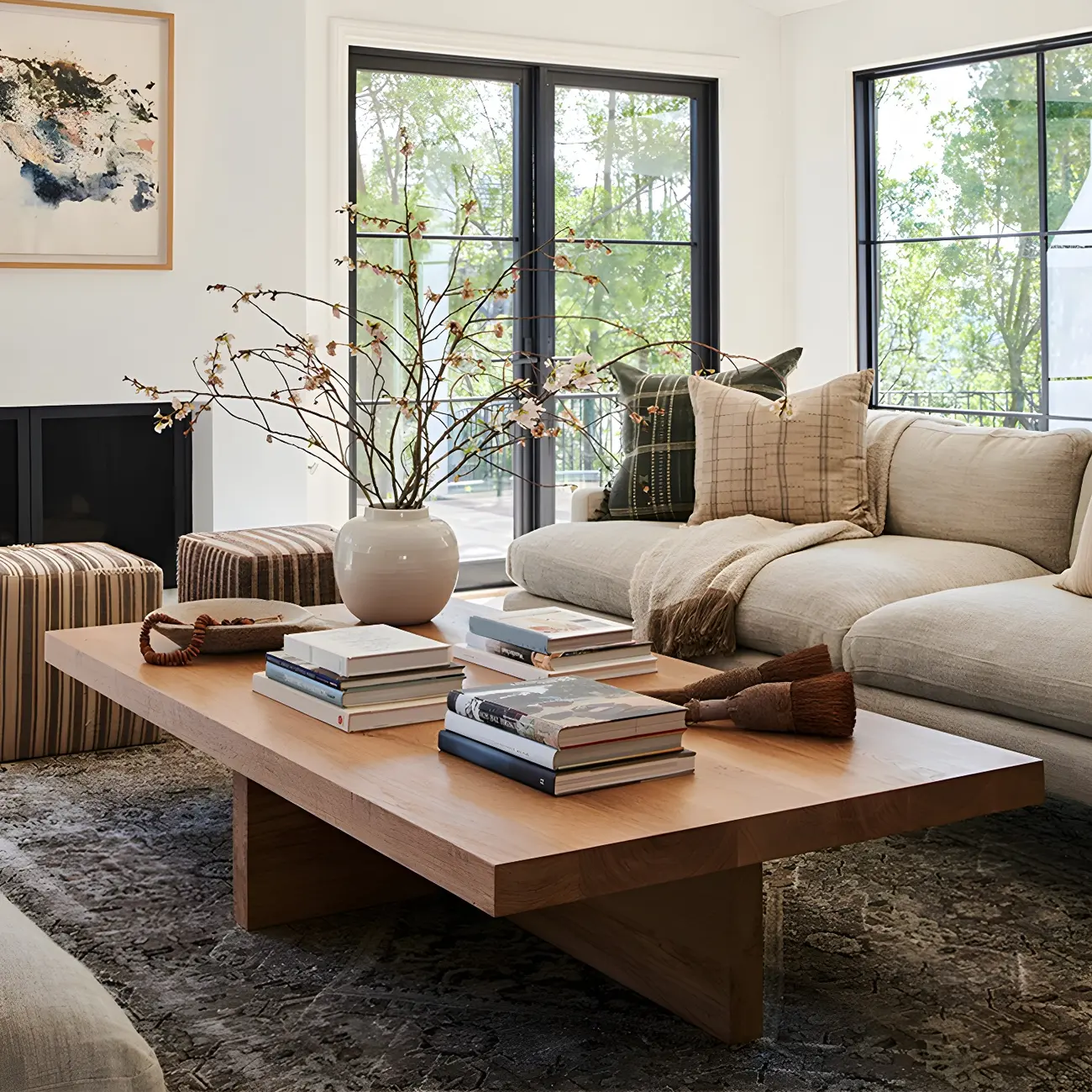
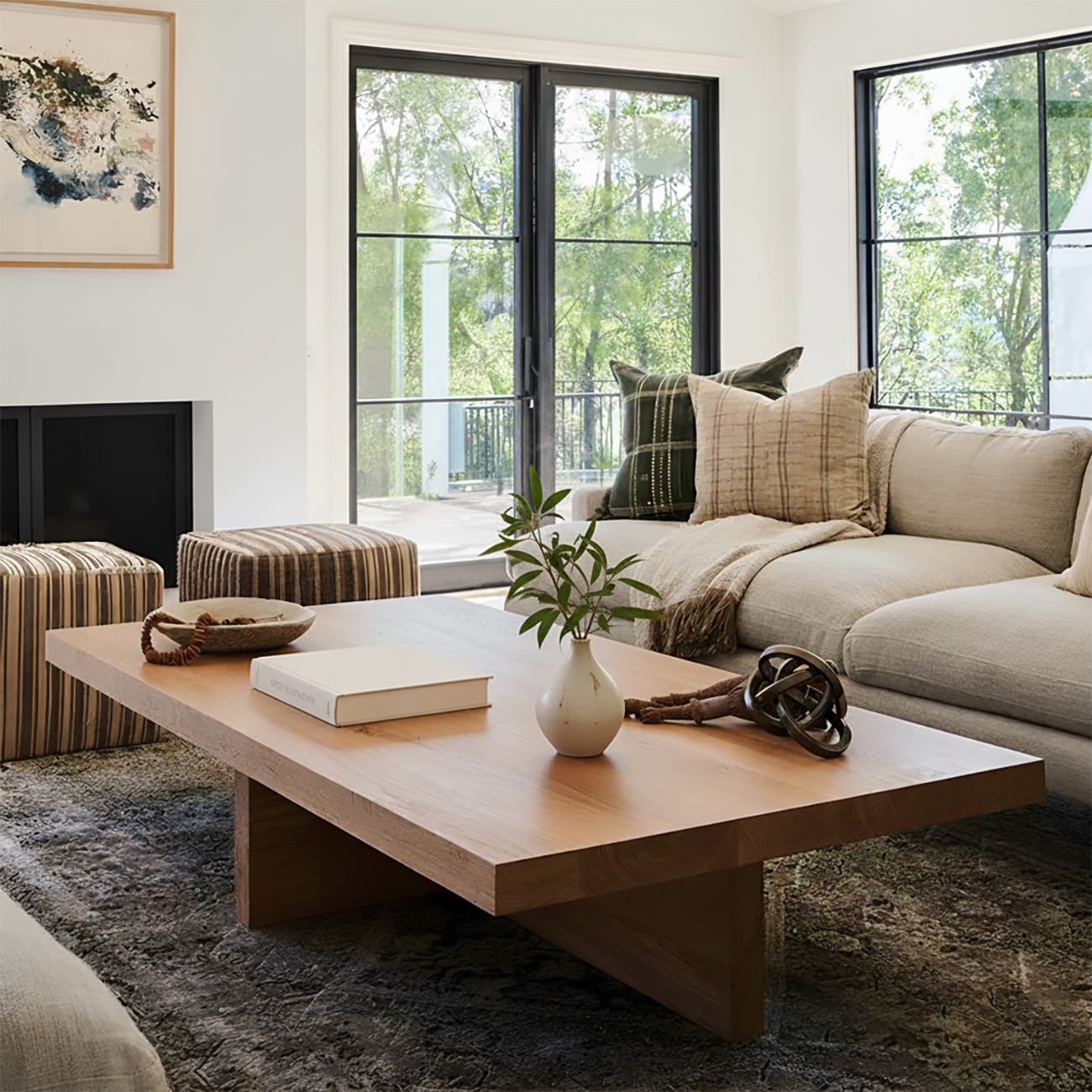
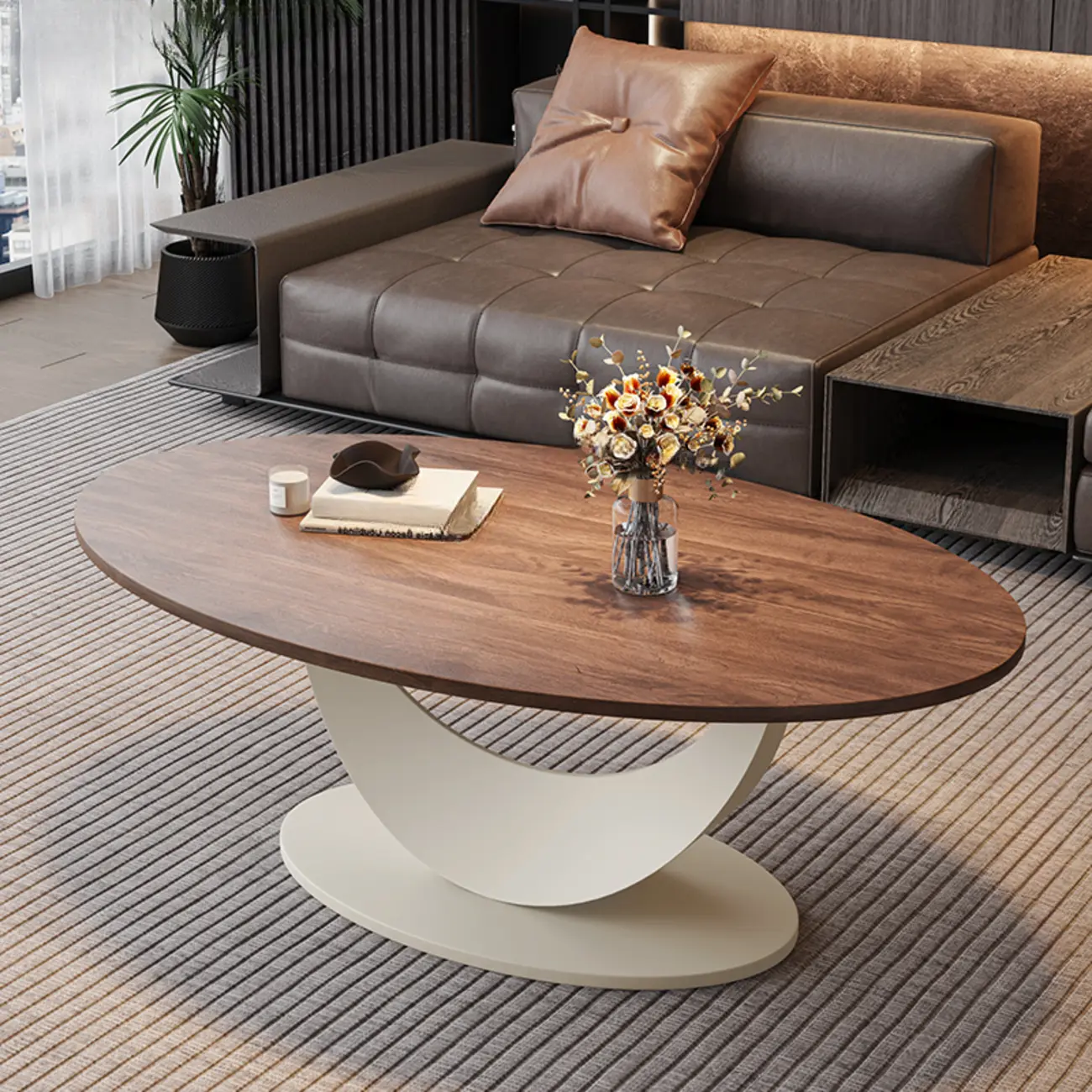
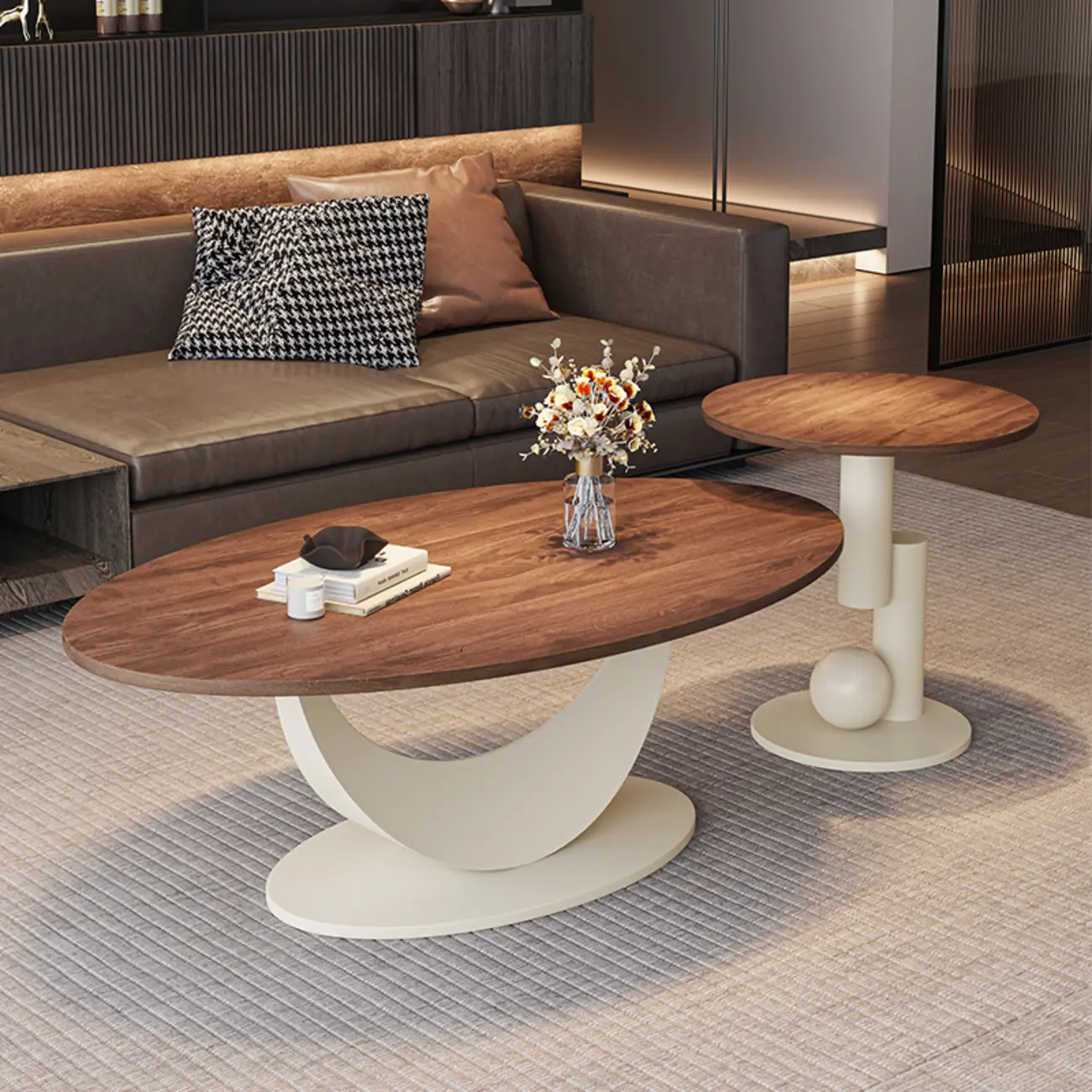
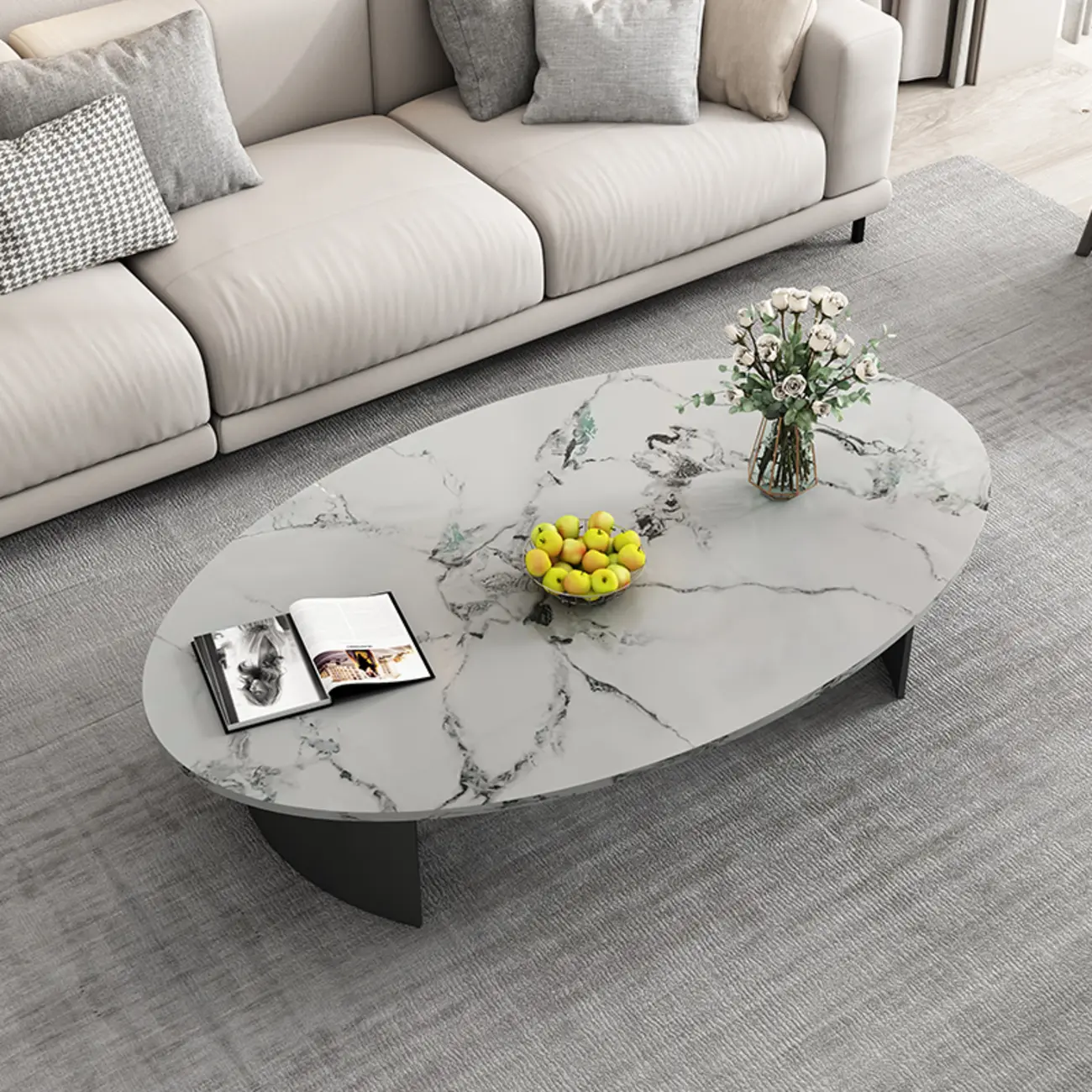
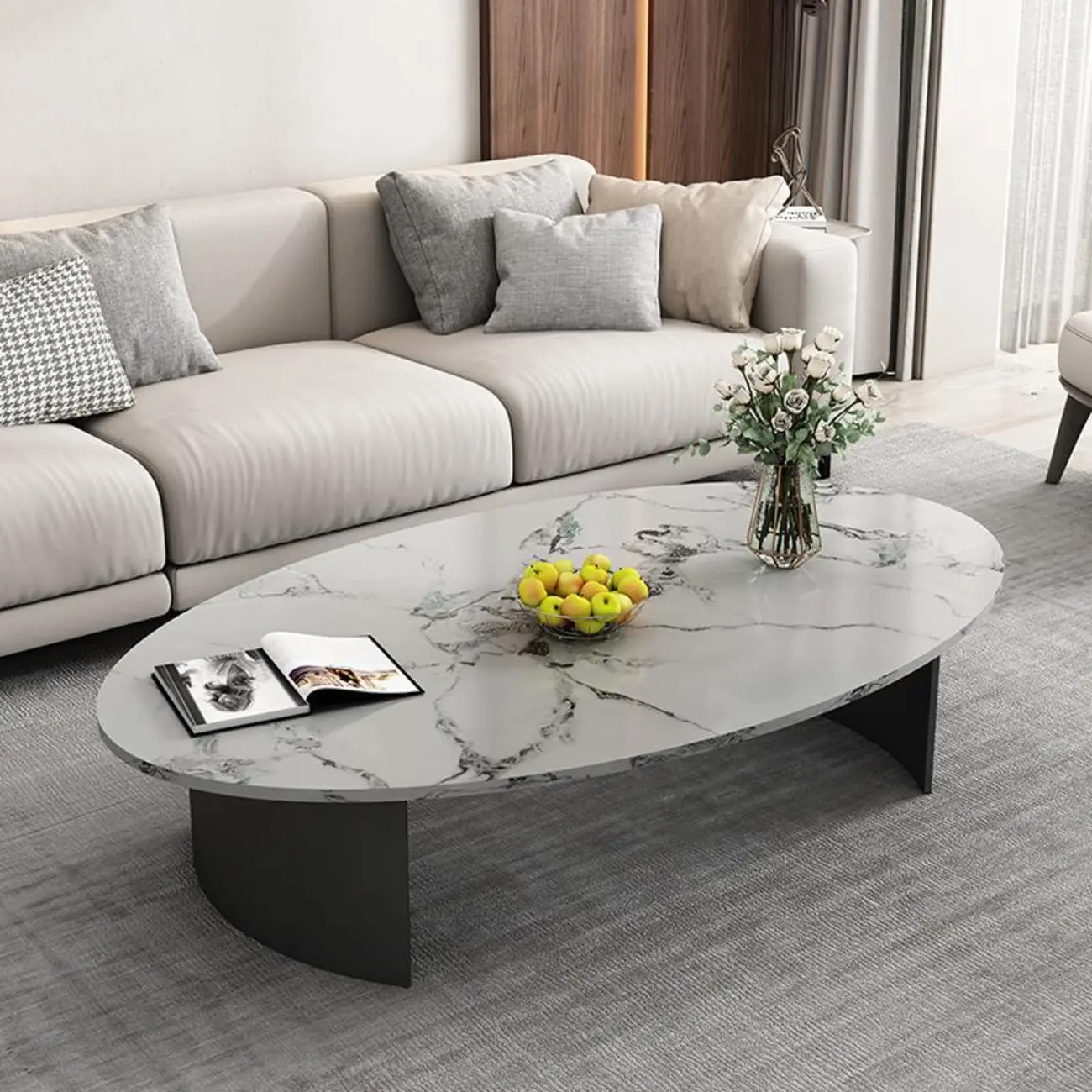
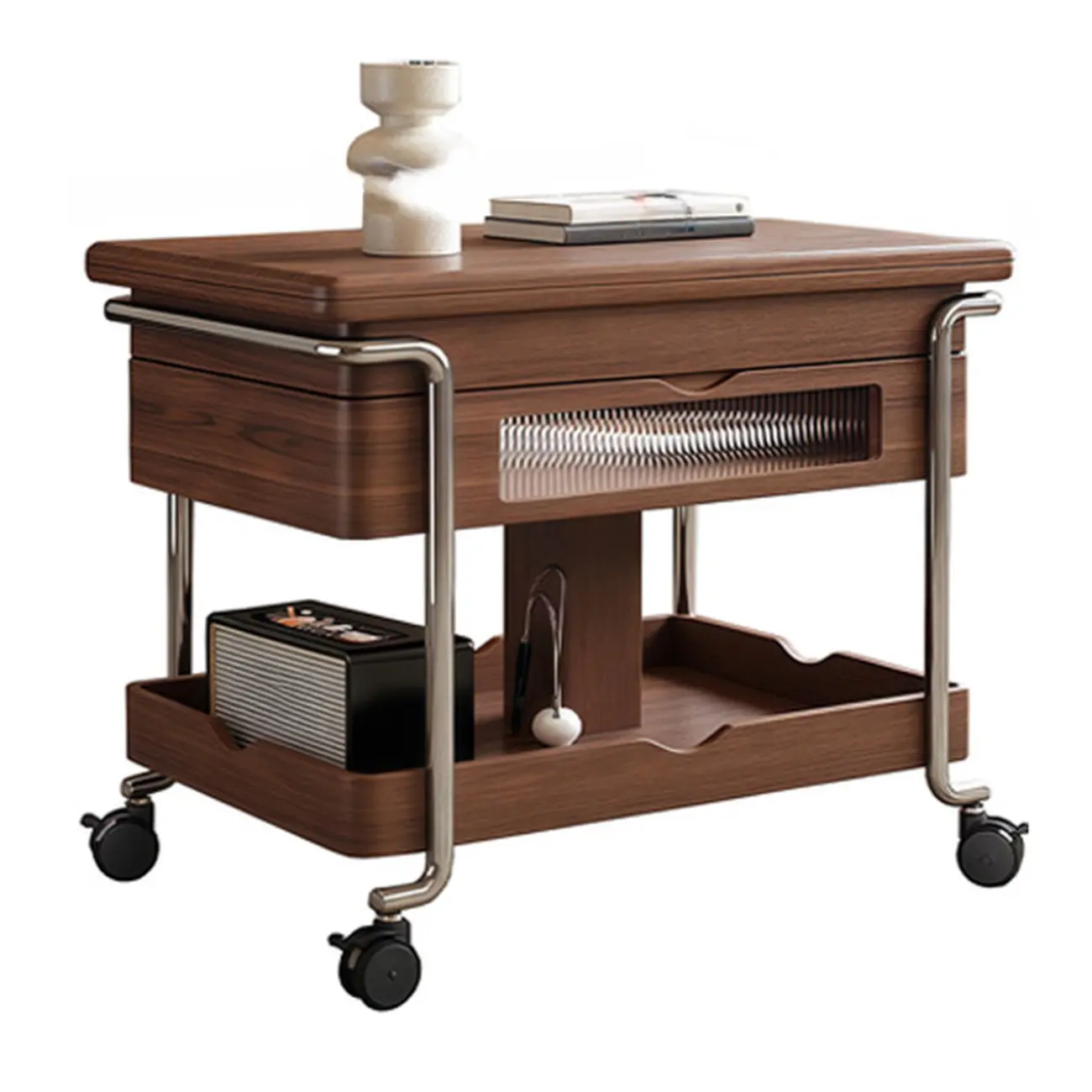
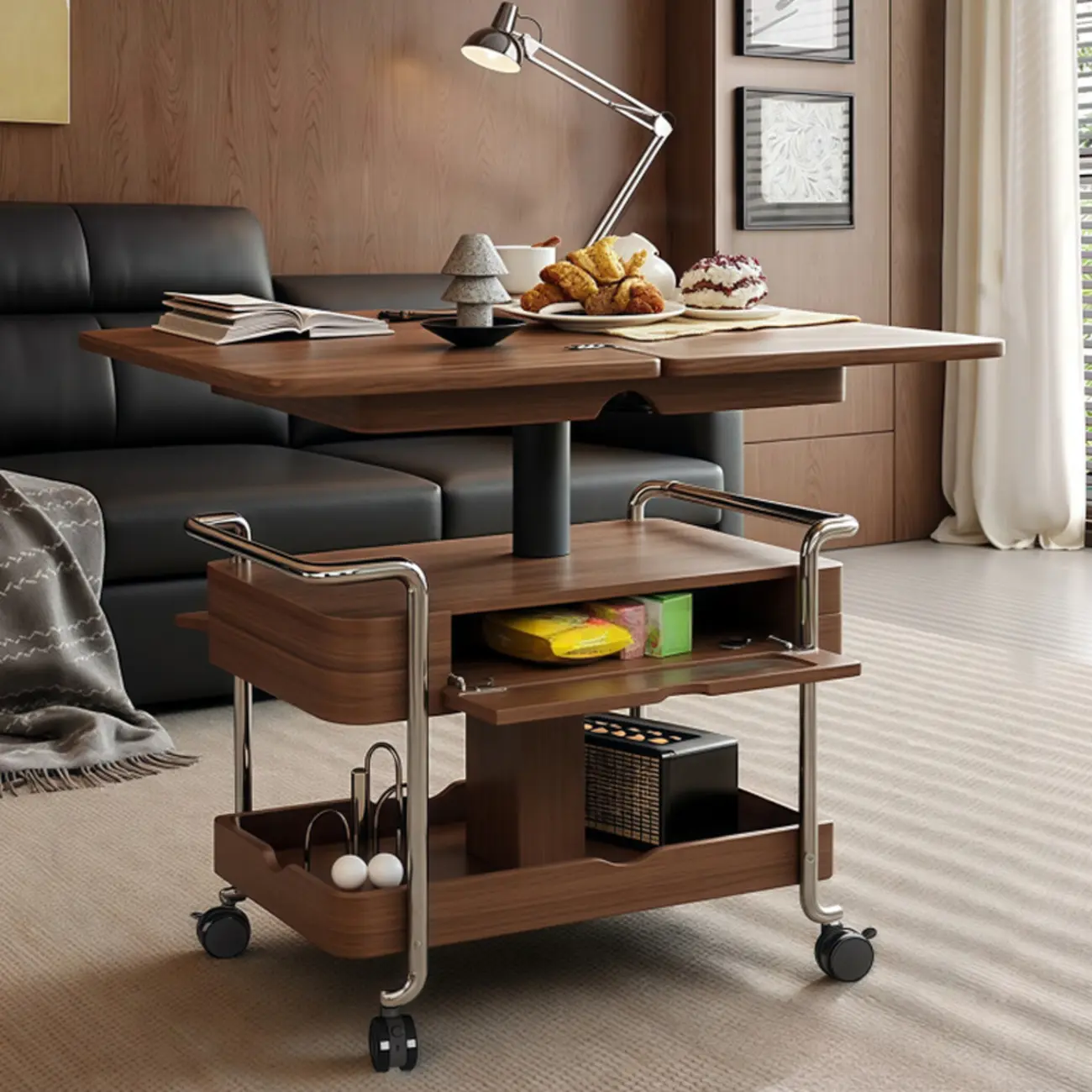
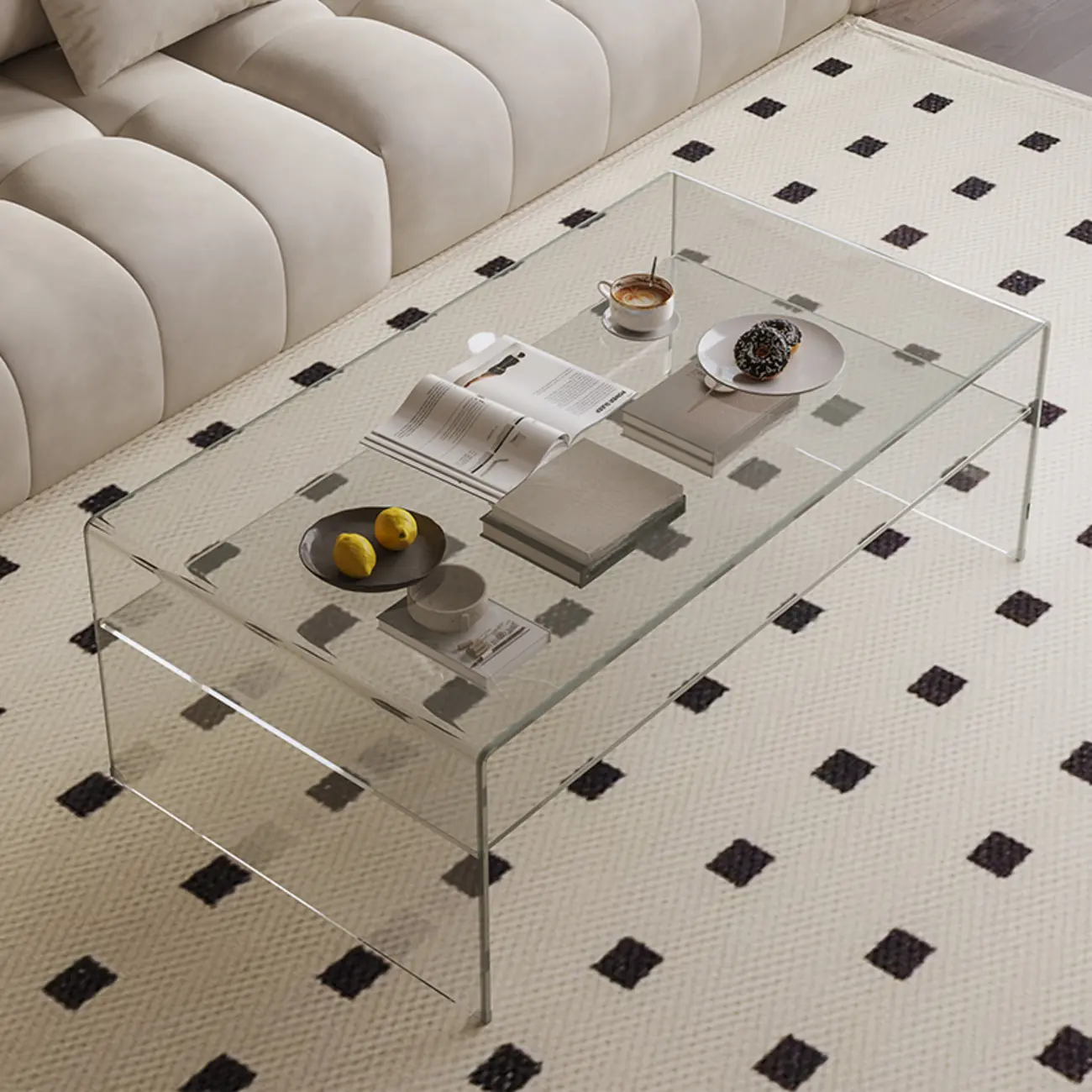
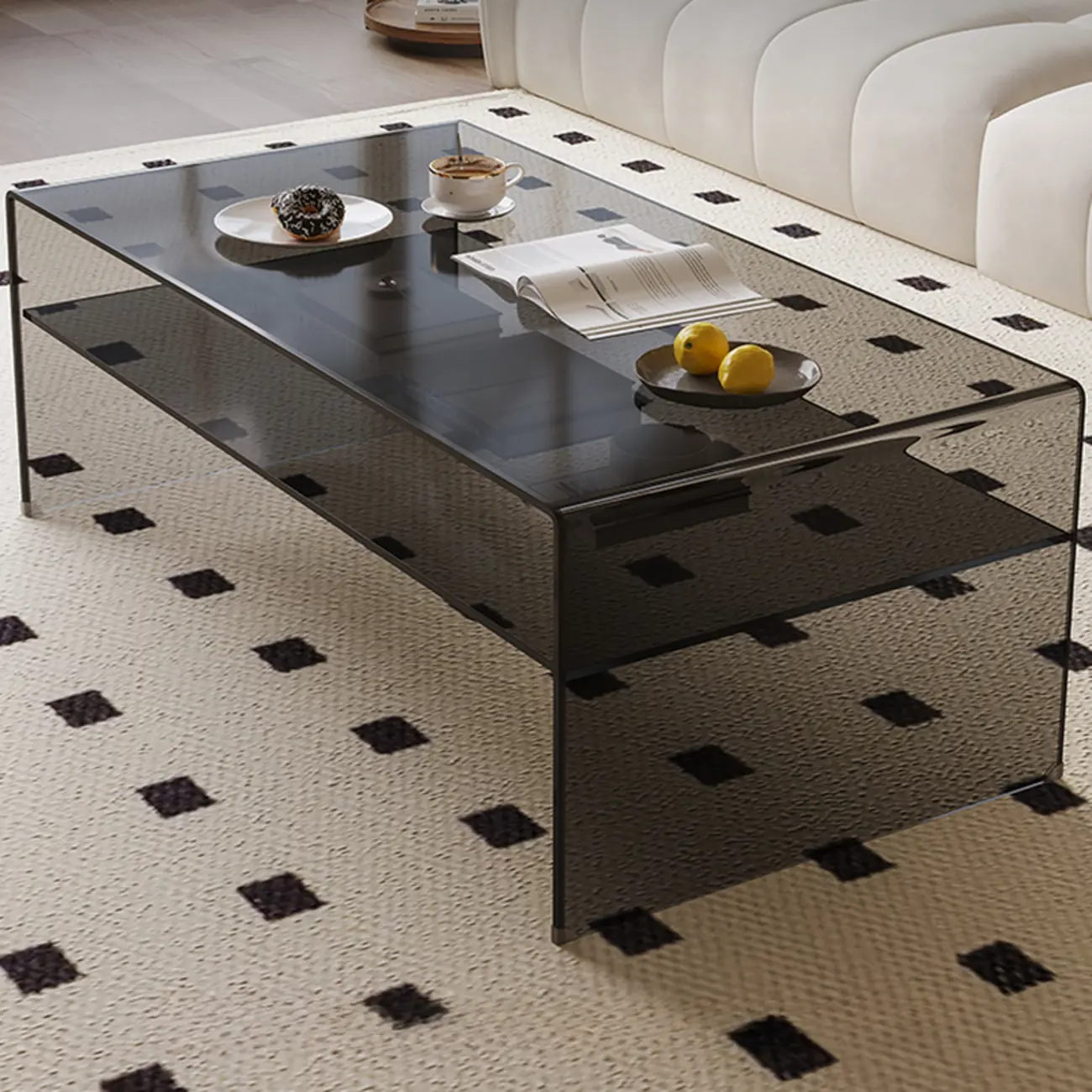
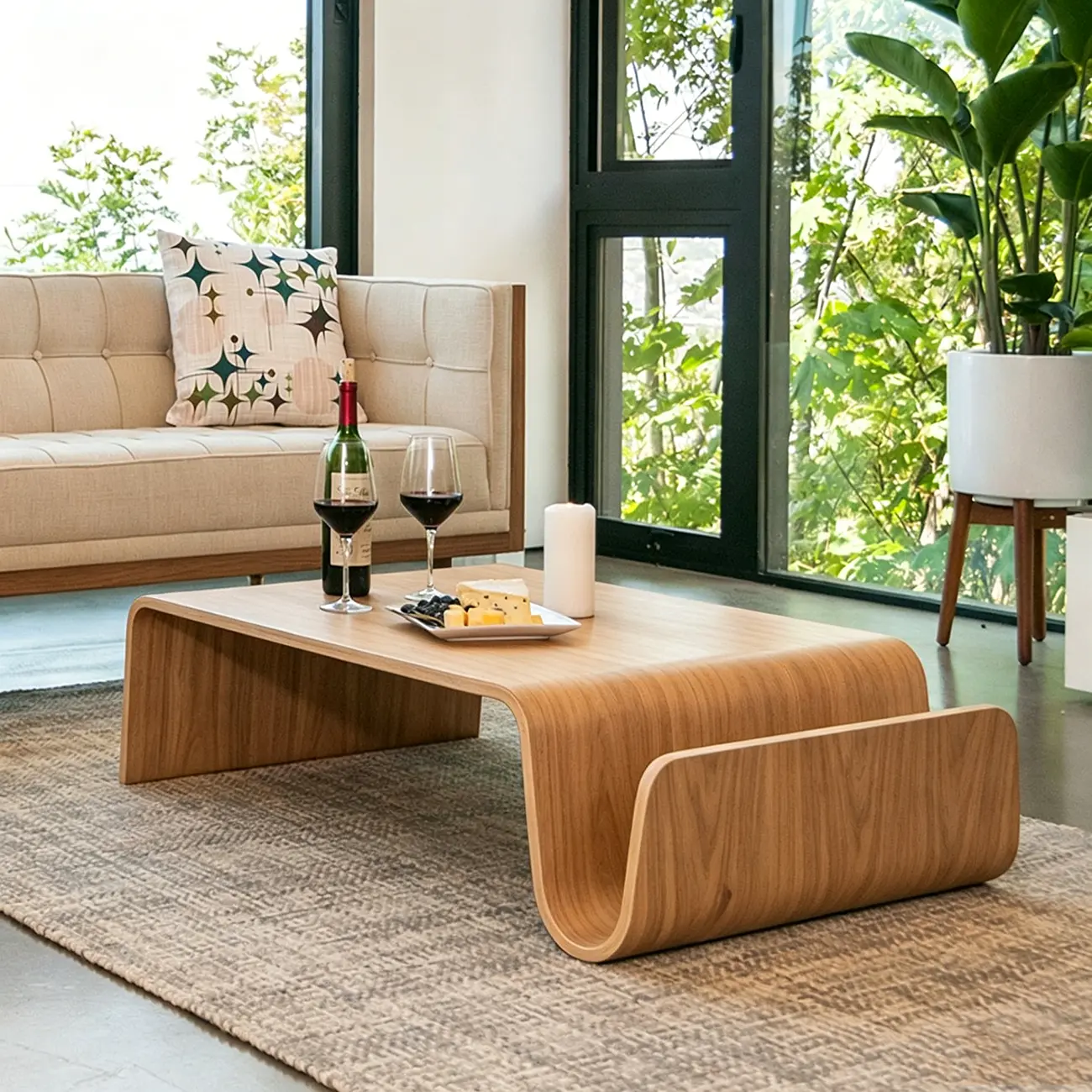
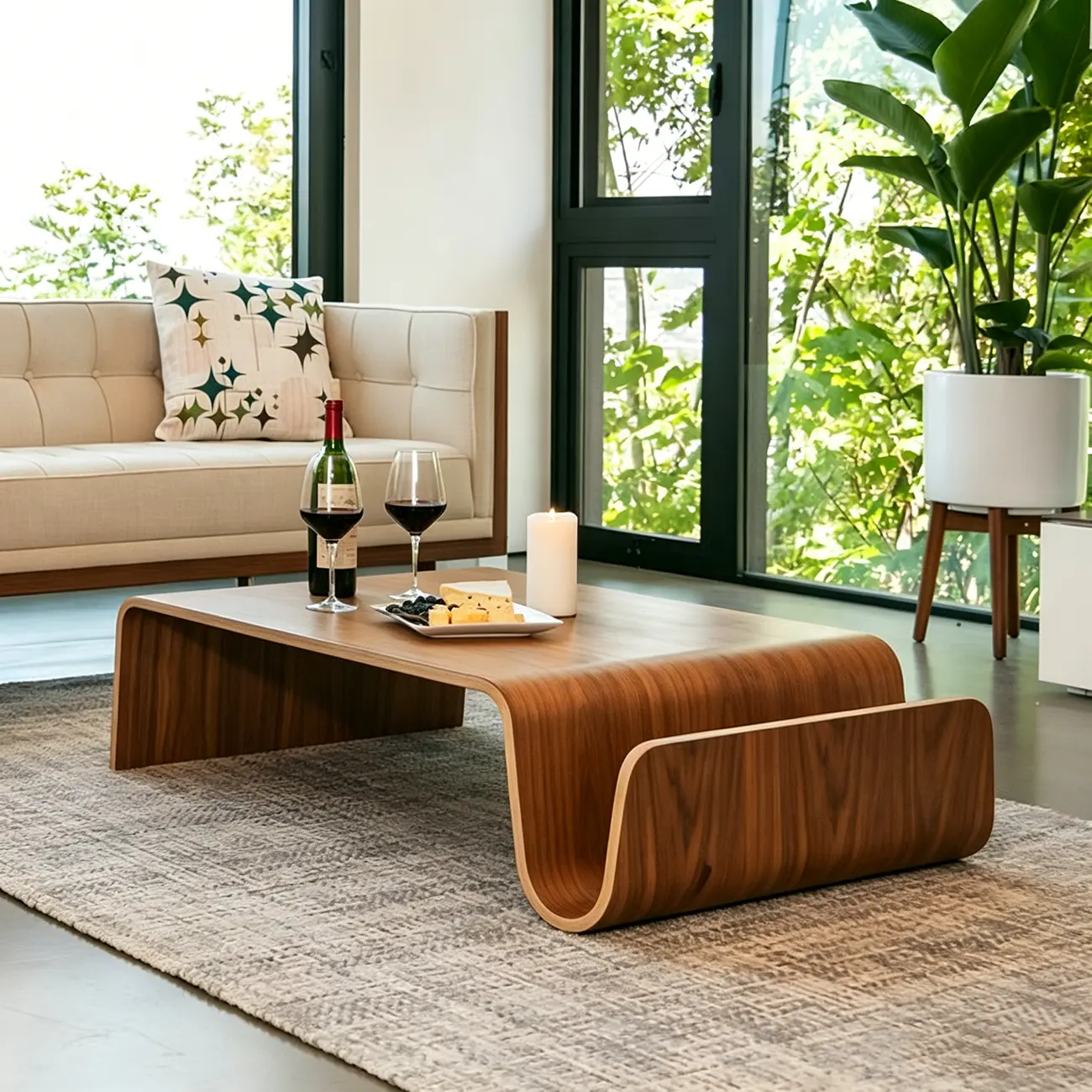
Rule 4: A coffee table should run at least half your sofa's length; say you have an 80-inch sofa, then you would need a 40-inch table. That means a 40-inch table at minimum. So go big if you have room. A tiny table next to a long sofa looks like an afterthought.
Rule 5: Table height within 4 inches of your sofa's seat cushion height. A table that hits your shins is too high. A table that makes you bend your back is too low.
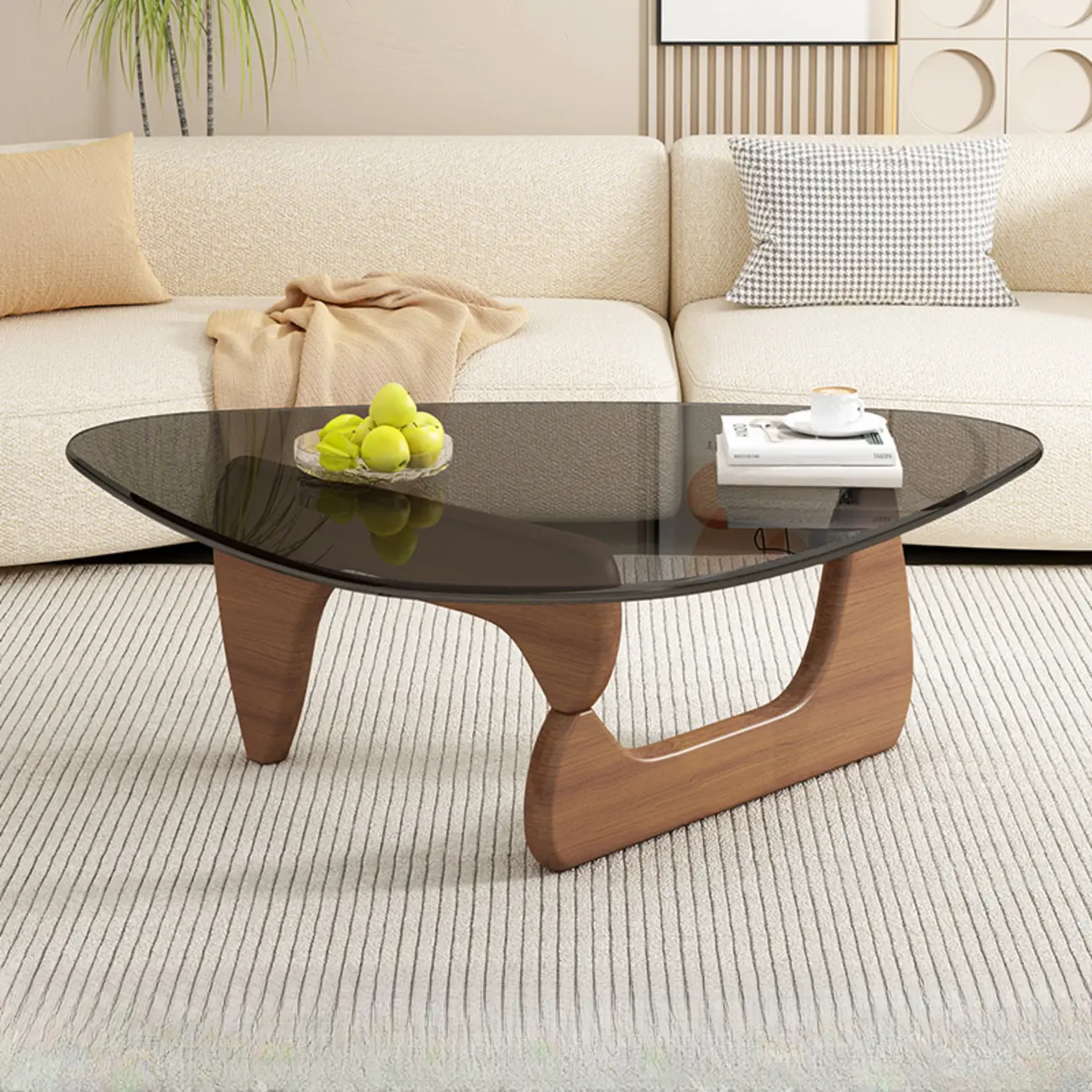
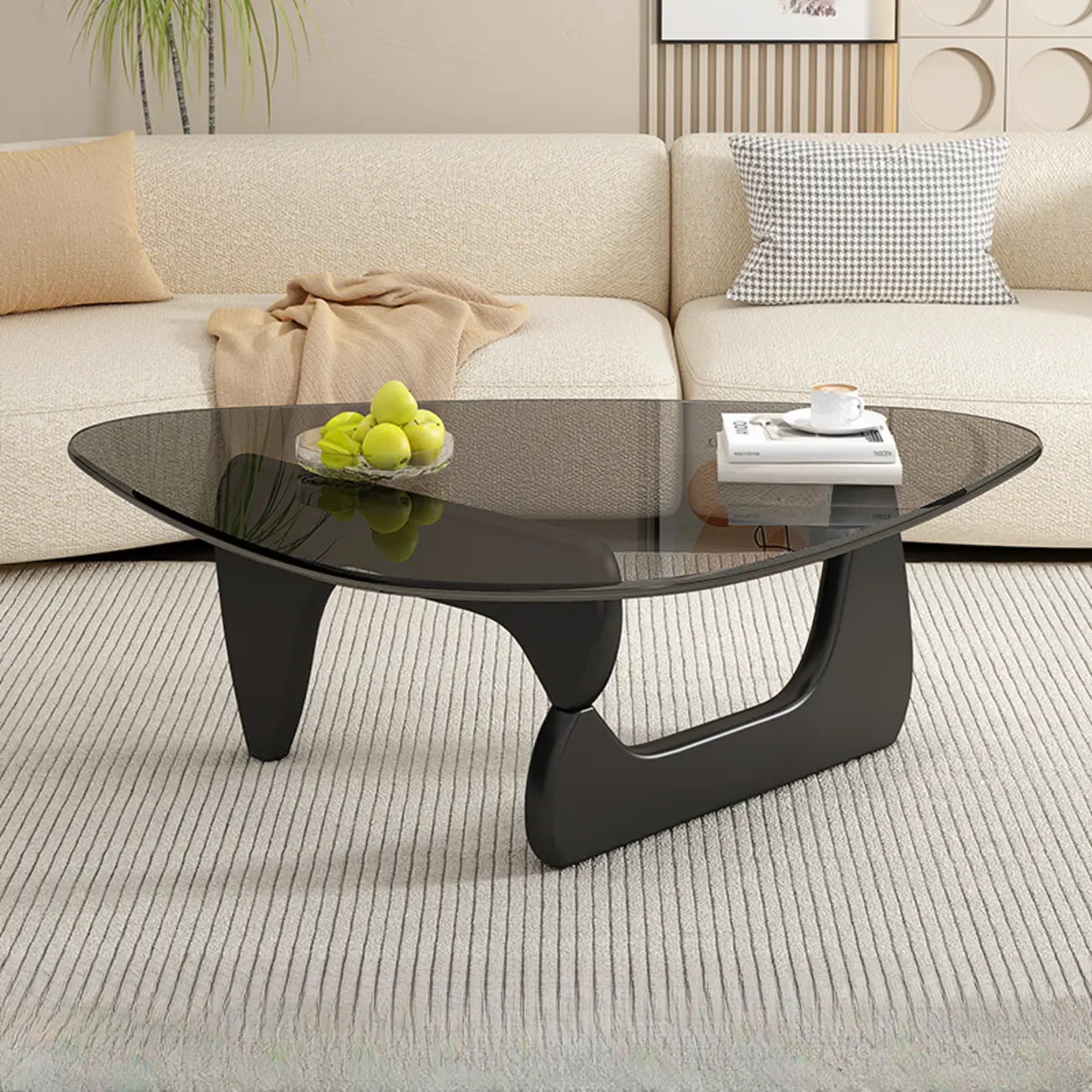
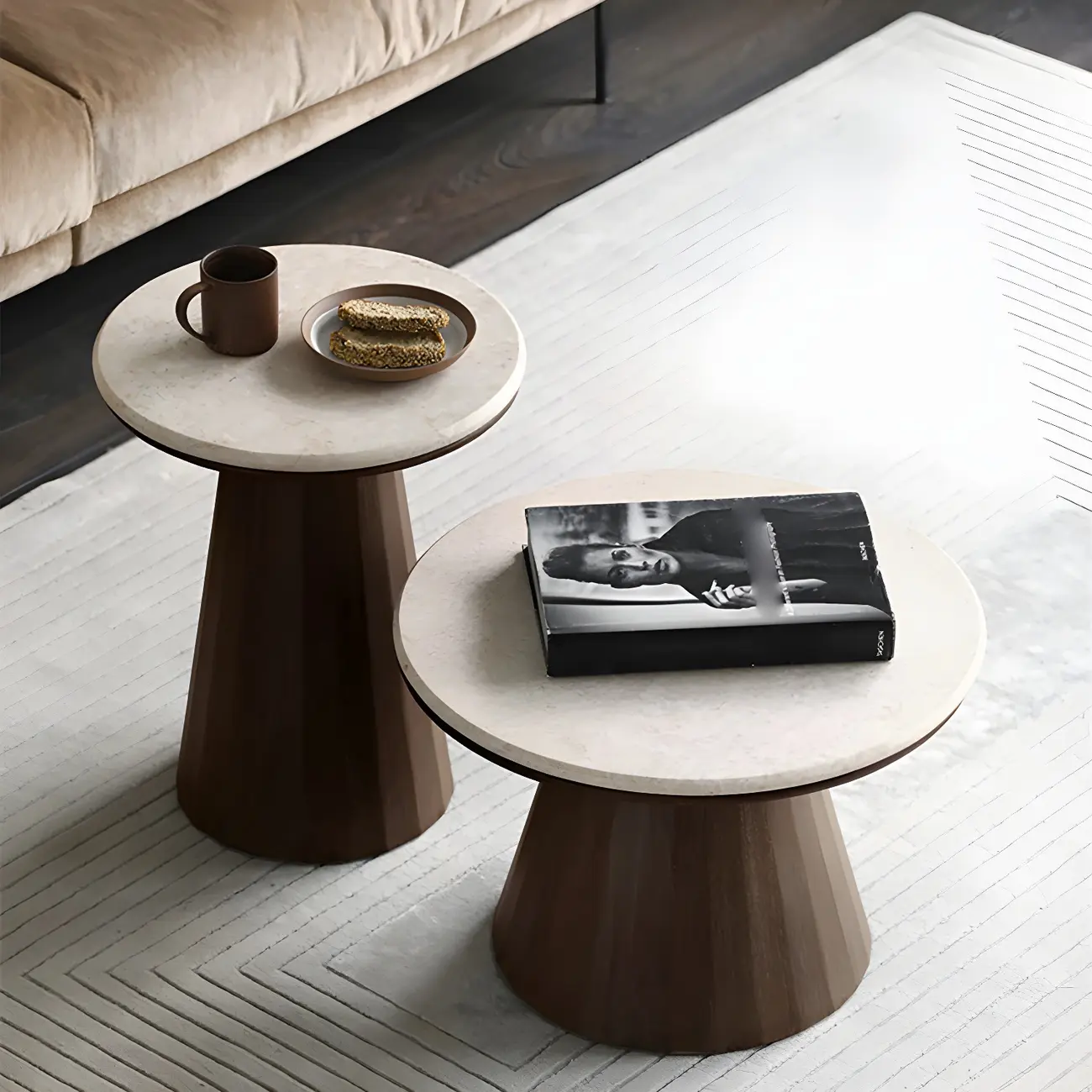
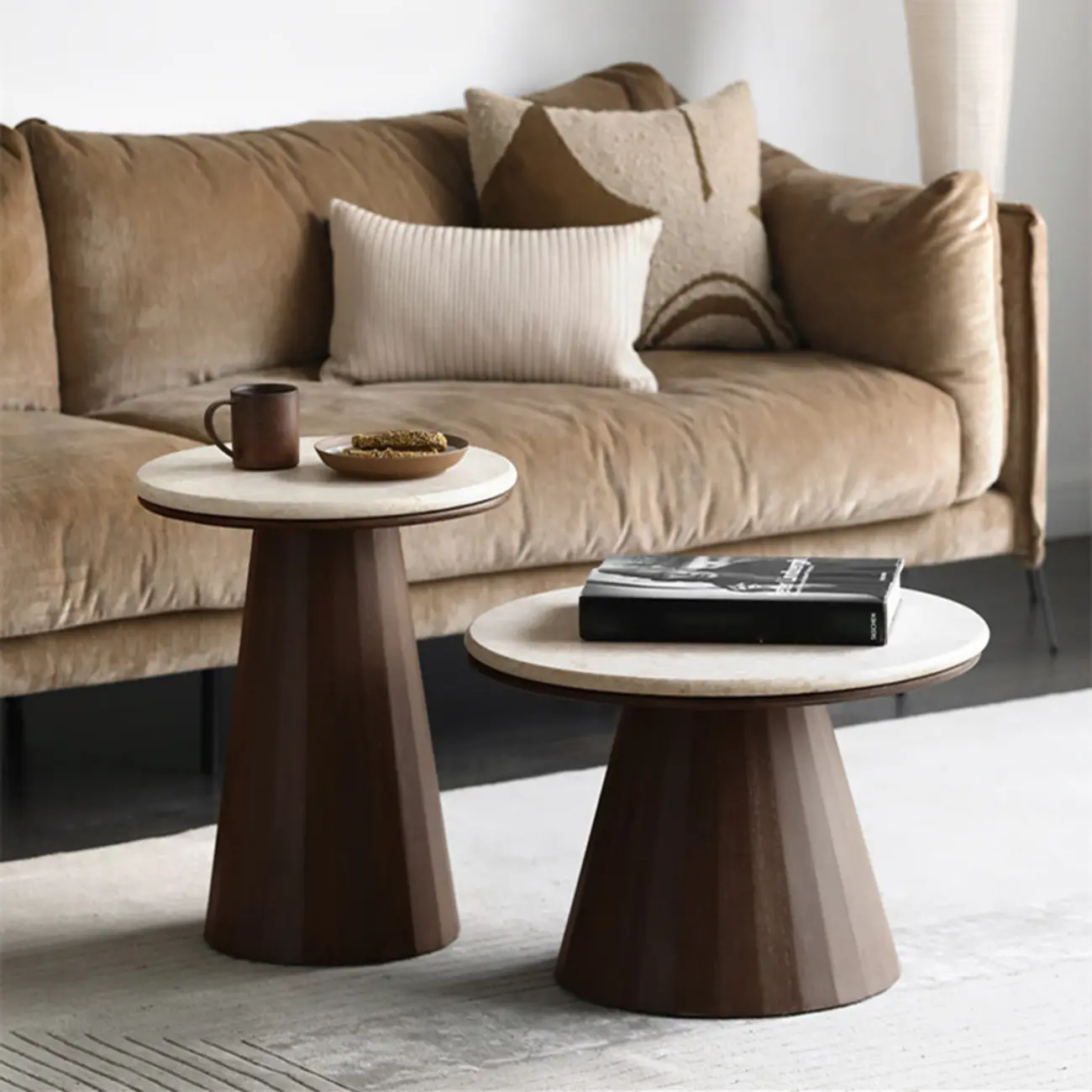
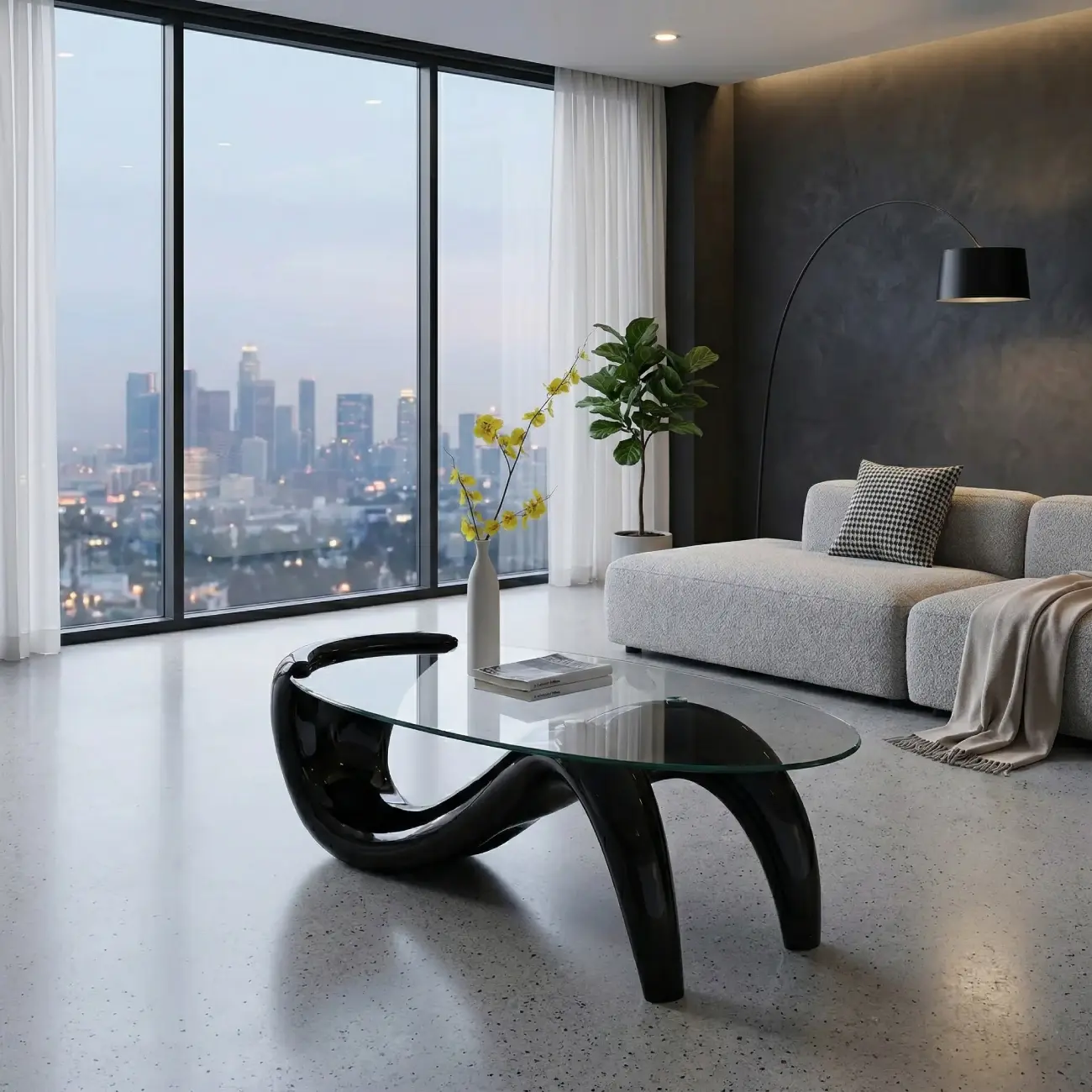
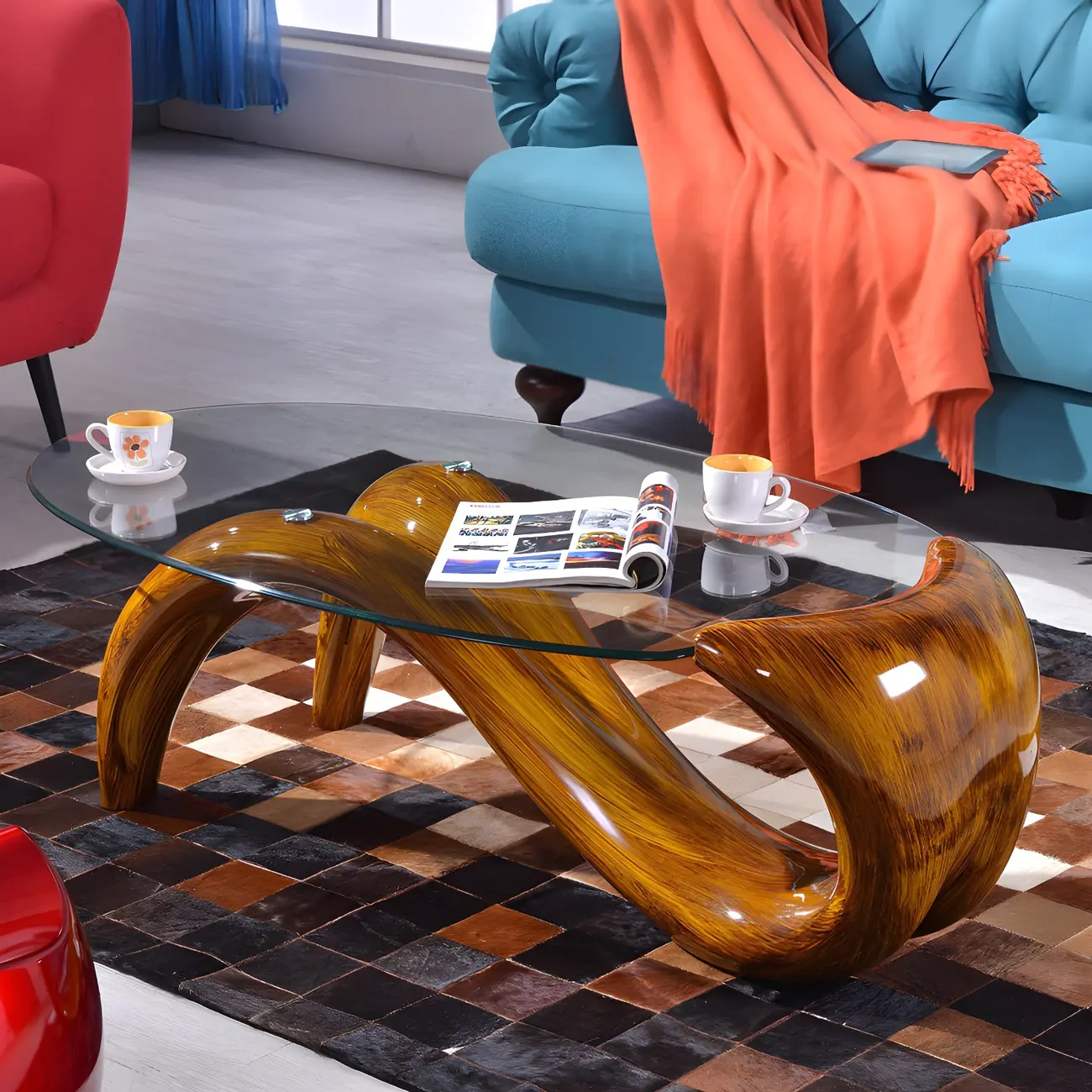
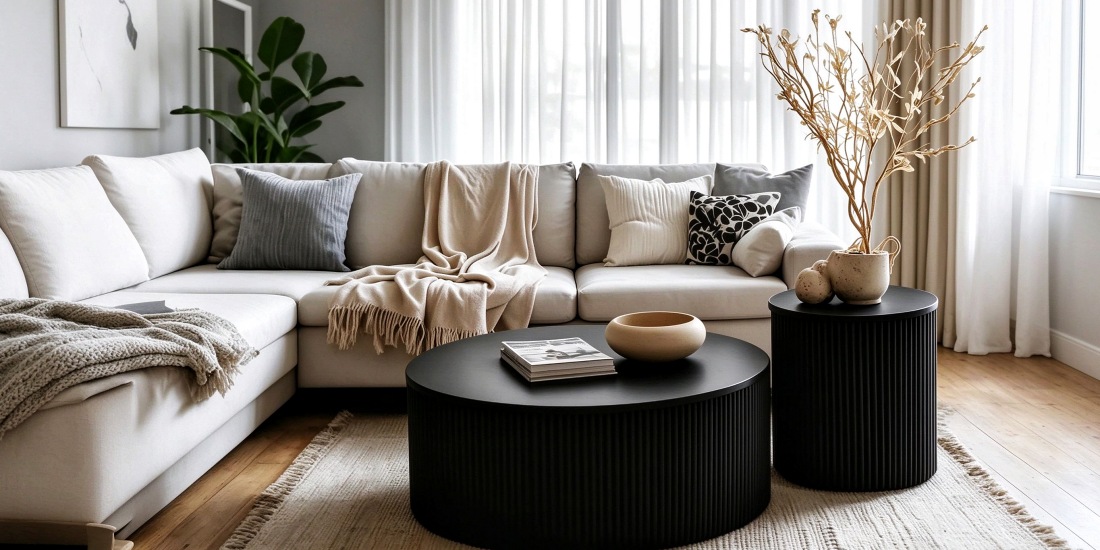
Rule 6: Here is something nobody tells you. Round coffee tables handle tight spaces better than rectangular ones. As round tables have no corners. They guide traffic around themselves. If your walkway feels tight go round. Wide open rooms can handle a rectangle just fine.
Area Rugs – Size Matters More Than Pattern
People fall in love with a rug pattern first. Then they buy a size that does not fit. The pattern becomes invisible when the rug floats in the middle of the room with no furniture on it. Focus on size. Pattern comes second.
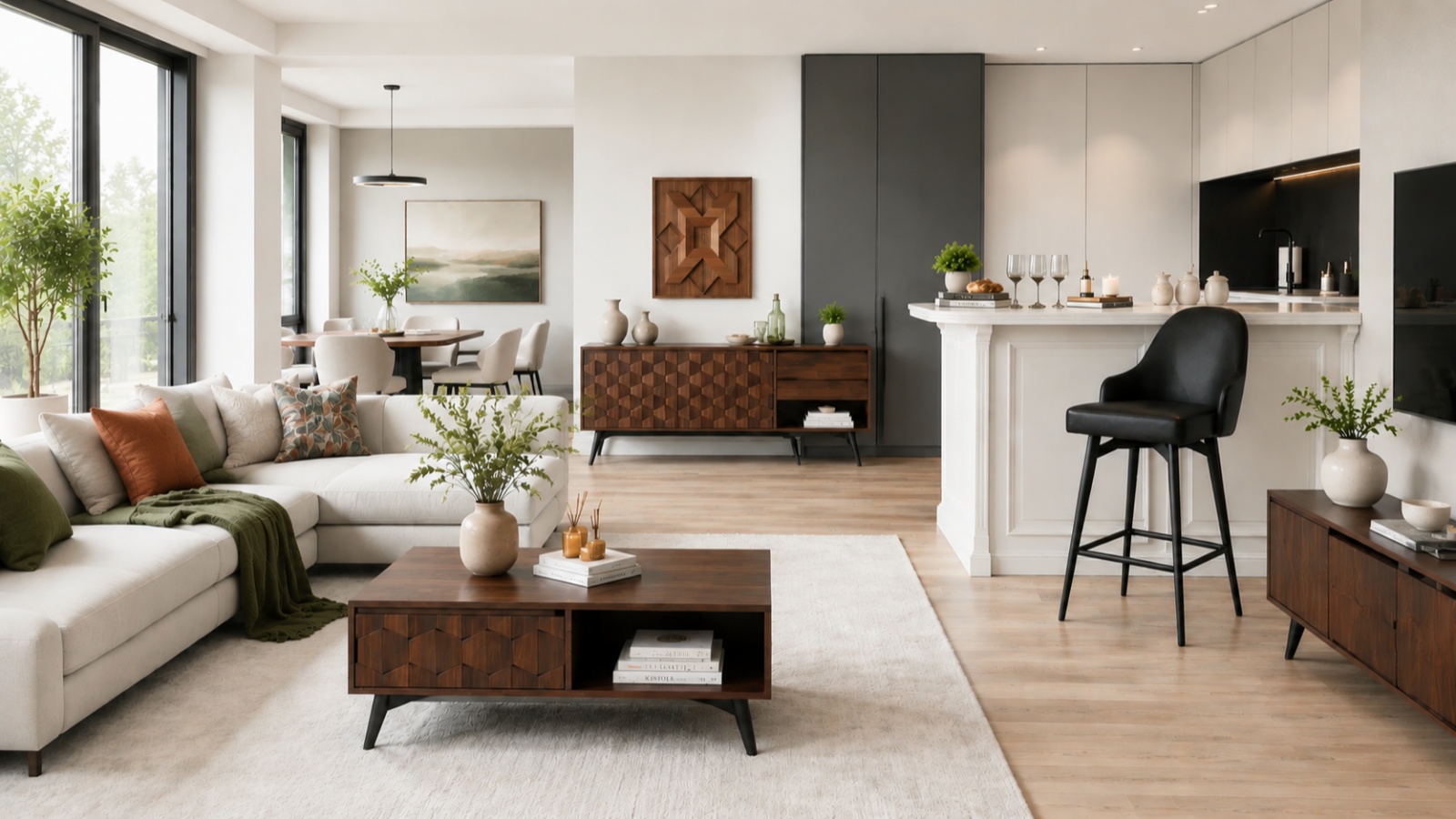
Rule 7: Front legs of all seating must fit on the rug. This means your sofa's front legs sit on the rug. Your accent chair's front legs sit on the rug. The back legs can stay on the bare floor. A rug with no furniture on it looks like a postage stamp. Test this by pulling your rug under the front legs right now.
Rule 8: Leave 24 inches of bare floor between your rug and the wall in large rooms. Small rooms can drop to 10 to 18 inches. Your rug is not a wall-to-wall carpet. That border of bare floor frames your seating area. It tells your eye where the conversation zone starts and ends.
Lighting Without the Eyestrain
Bad lighting ruins a room faster than bad furniture. You do not notice it at first, then your eyes start to hurt.
Rule 9: The floor lamp shade must hide the bulb when you sit down. Stand your lamp next to your sofa. Sit down. Look straight ahead. Can you see a bare bulb? That harsh light blasts your peripheral vision the whole night. Replace that lamp or move it.
Rule 10: You should put wall sconces up to 5 to 6 feet high and leave 3 to 6 inches between the sconce and any art and mirrors. A sconce works well next to a painting—same thing above a console table. Aim for 60 to 72 inches off the floor. Do not cram it right against your wall art.
Seating That Makes Sense Together
Mismatched seating heights Make a room feel chaotic. One person sits low like a child. Another person towers overhead. Conversation feels off. You do not need matching furniture. You need matching seat heights.
Rule 11: Your accent chair seat needs to be close to your sofa height. Within 4 inches, therefore, you should measure height from the floor to the top of your sofa cushion first. Do the same measurement for each accent chair. Keep every seat height inside that four-inch range. Your guests will sit at the same visual level, and nobody feels too high or too low.
The TV & Extra Pieces
We should never forget about our TV when designing a living room layout. So here is the rule for TV placement to remember.
Rule 12: Mount your TV so the screen center sits 30 inches above your lowest seat height. First thing you do? Measure from the floor to the top of your sofa cushion. Add 30 inches. That number is where the center of your TV screen should sit. Most people hang televisions too high. You end up looking at the ceiling. Your neck hurts after one movie. Fix this with a tape measure.
Rule 13: The ideal distance between the TV stand and the sofa is generally 60–120 inches. For small spaces, it's about 60–80 inches; for medium-sized spaces, about 80–100 inches; and for large living rooms, it can be 100–120 inches or more. The distance between the TV and the sofa is usually adjusted according to the principle that "viewing distance ≈ 1.5–2.5 times the TV size (inches). " This ensures a comfortable and clear viewing experience without feeling cramped.
How to Arrange Living Room Furniture in a Rectangular Room
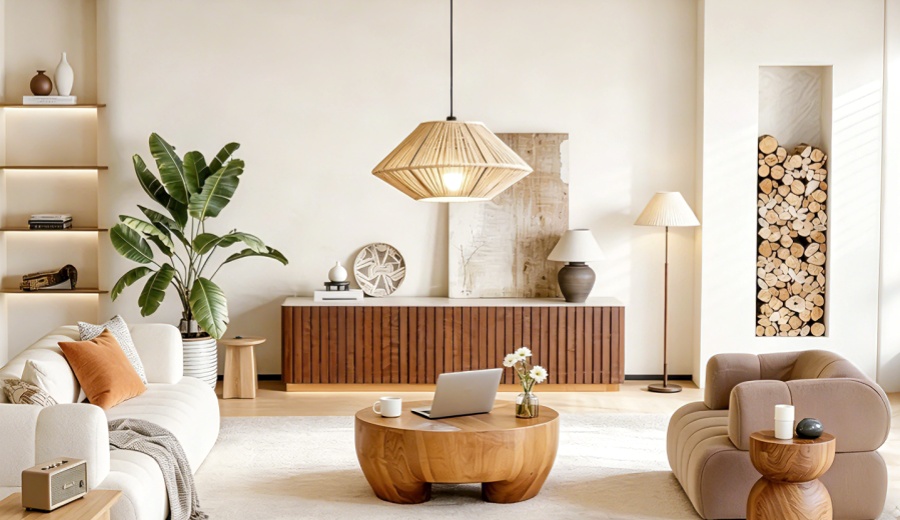
Rectangular rooms trick you every time. Those long walls pull your furniture like a magnet. You push your sofa against one long wall. You push your chairs against the other long wall. Everything lines up like soldiers. The middle of the room sits empty.
Here is a better approach. Anchor your sofa on one long wall, but pull it off that wall. Leave the three to 5-inch gap we talked about earlier. Now face your sofa toward the shorter wall across the room. This creates one main conversation zone that actually faces something solid.
If your rectangle runs very long, do not try to fill the whole thing with one seating group. Break it into two zones. Put your sofa and coffee table in one zone for talking. Try a small reading chair by the window with a floor lamp.
That is your second zone. Then put a console table behind the sofa. It splits the two spaces nicely. The main rule here? Pull your furniture off those walls. Let the middle of the room hold the weight. That is how a rectangular living room finally makes sense.
Find Furniture for Your Living Room at HomeyFad
You have eighteen rules to work with. Grab a tape measure. Start with your walkways. Check your coffee table height. See if your rug fits. Pick three rules that bother you the most. Fix those tonight. Now go look at your living room with fresh eyes. You know what to fix.
Ready to put these rules into practice? Take a look at Homeyfad for living room furniture that fits your home. Find sofas, coffee tables, and lighting in the right measurements.
FAQs
Q: How far should a rug extend beyond a sofa?
A: Front legs on the rug. Back legs can stay off.
Q: What is the ideal TV height for a living room?
A: Screen center at 30 inches above the height of your sofa seat.
Q: How far apart should accent chairs be placed?
A: Forty-two inches if you want a side table between them.
-12.png?w=1306&h=735)
-.jpg?w=800&h=563)

-.jpg?w=800&h=543)

 Add Us On Google