


You've measured the room. You've picked the table. Now you're stuck on chairs.
Specifically, dining chairs with arms vs. without arms. Pick wrong and your armchairs won't slide under the table. Every meal spent angled away from your plate. Pick armless instead, and older guests might struggle to stand up after dinner.
The difference comes down to a few things, and once you get those right, the choice becomes obvious. This guide covers what matters. The measurements. The trade-offs. And how mixing dining chairs can give you the best of both.
Dining Chairs With Arms vs Without Arms: Key Differences
Both dining chair styles have trade-offs. Dining chair design that works well for a large dining room might not work well in a small apartment. This table shows the differences between dining chairs with arms and dining chairs without arms.
| Factor | With Arms | Without Arms |
| Table edge needed | 70 cm | 60 cm |
| Armrest height | 64–70 cm | N/A |
| Seating (180 cm table) | 4 chairs | 6 chairs |
| Sliding under the table | Only if arms clear the apron | Slides fully under |
| Comfort for long meals | Forearm and shoulder support | Depends on the seat and back. |
| Visual weight | Bulkier, more formal | Lighter, more spacious |
| Best for | Heads of table, older guests, formal rooms | Small rooms, round tables, maximum seating |
| Price | Often higher | Usually more budget-friendly |
The table above should help you figure out what fits your room. Measurements definitely matter when you are picking between armless chairs and the ones with arms. You just have to look at those numbers through the lens of your actual floor space and what you need the chairs to do.
The 70 vs. 60 Rule: Dining Chair Measurements That Matter
Armchairs need 70 cm of table edge. Armless chairs need 60 cm. It sounds small. It isn't.
On a 180 cm table, you can seat six in armless chairs. Only four if they have arms. That extra 10 cm lets armrests pass each other when people pull in and out. Without it, chairs collide. Diners sit at angles.
But tabletop height alone tells you nothing. What matters is the floor-to-apron distance. That's the frame beneath the tabletop. If armrests sit higher, then the chair won't slide in.
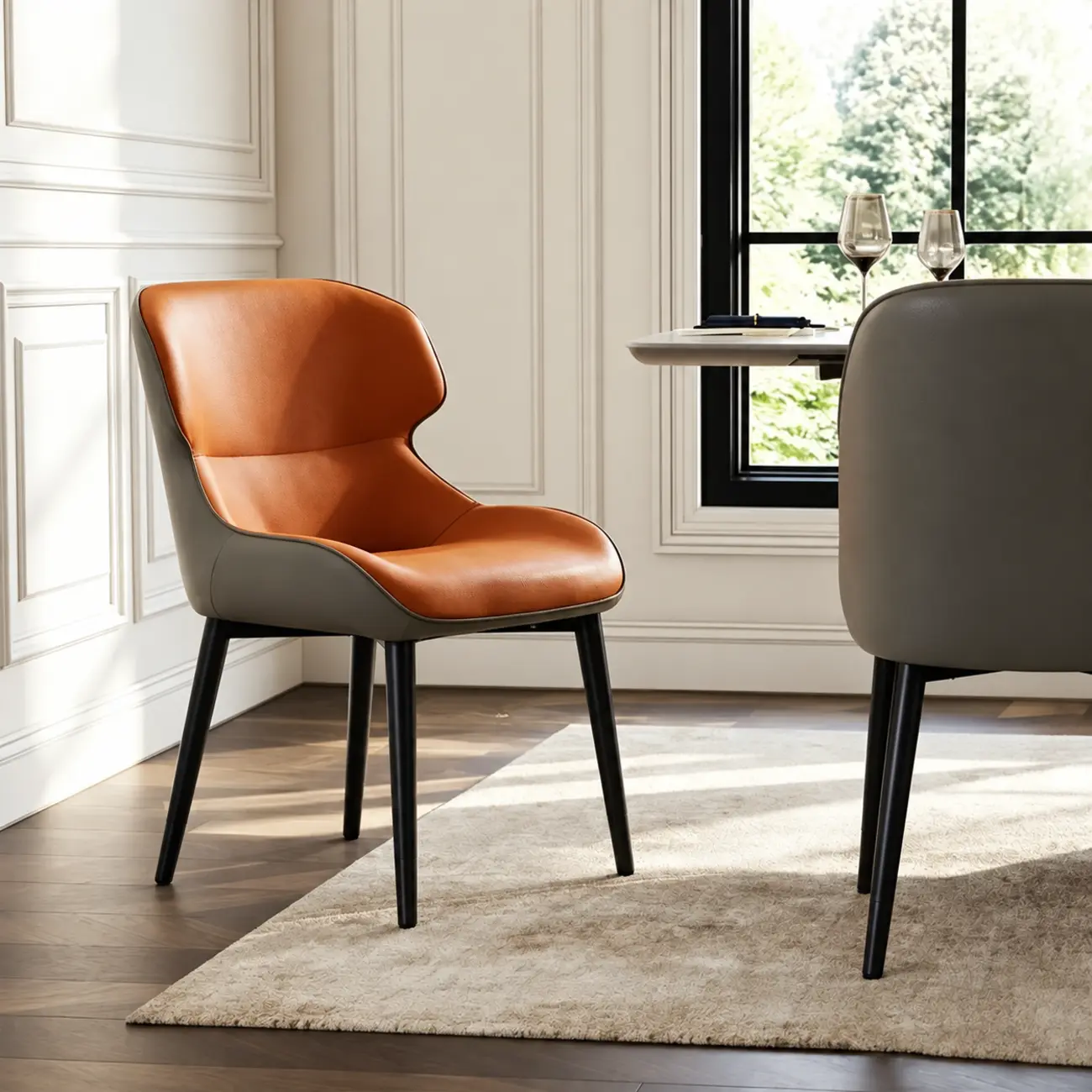
The Clearance Check Beneath the Table
Measure from the floor to the apron—the frame beneath the tabletop. Then measure from the floor to the top of the chair's armrests.
If the armrests are higher than the apron, then the chair stops at the edge. Every meal was spent leaning forward. Every dinner angled away from your plate.
A worked example:
-
Table apron clearance: 66 cm
-
Chair armrest height: 68 cm
-
Result: arms won't clear. The chair stays outside.
-
A chair with 64 cm arms would clear it by 2 cm. Small difference. Big impact.
The Three-Direction Fit Check
Before buying, verify the chair works in three directions.
-
Height: Height is something you have to get right. If those armrests are too high, the chair just won't work. Measure the distance from your floor to the bottom of the table apron then do the same for your chair by measuring up to the top of the arms. As long as the table measurement is higher, you're in good shape. The chair will slide right in.
-
Width: Width matters just as much. Your chairs have to fit inside the table legs without squishing the people sitting next to you. You have to measure the actual gap between the legs. Checking the tabletop length by itself isn't enough.
-
Depth: The chair must pull back without hitting walls and cupboards. Test the path behind it.
These dining chair measurements settle most debates. A suitable seat height doesn't make the whole chair suitable. Check arm clearance separately.
When Dining Chairs With Arms Make Sense (And When They Don't)
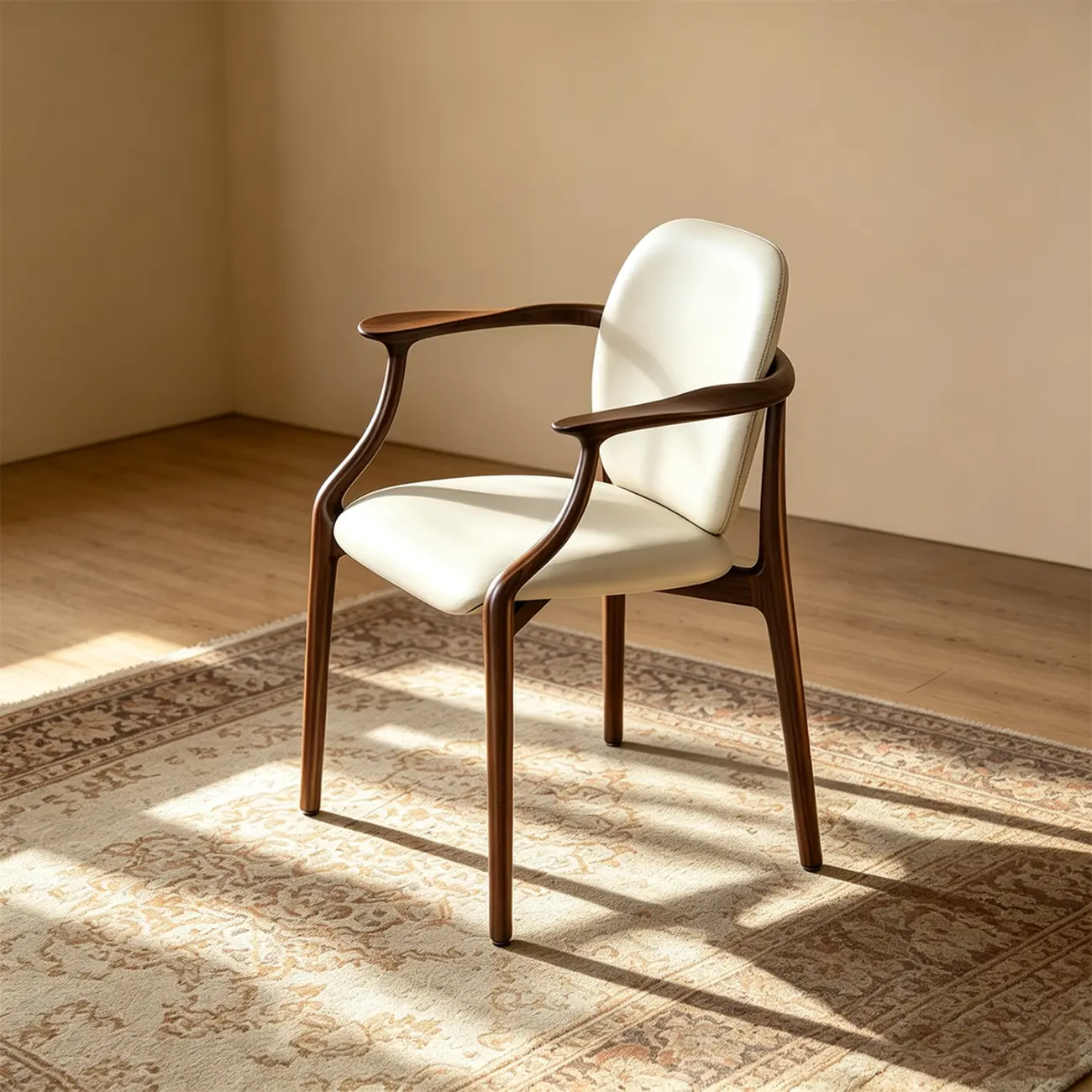
Armrests take a lot of weight off your shoulders, which you will definitely feel if you are sitting at the table for a few hours. When it is time to get up you can just push against them. It means way less strain on your body. If your knees are stiff this is a massive deal. It basically decides whether you can sit through a long dinner without being miserable.
Seat height plays a role too. A seat at 47–48 cm is easier to rise from than a lower one, especially with arms.

1. When Arms Help Most
-
Long dinners: Armrests give your arms somewhere to rest. You stay comfortable through dessert.
-
Older guests: Something to grip when sitting. Something to push against when standing.
-
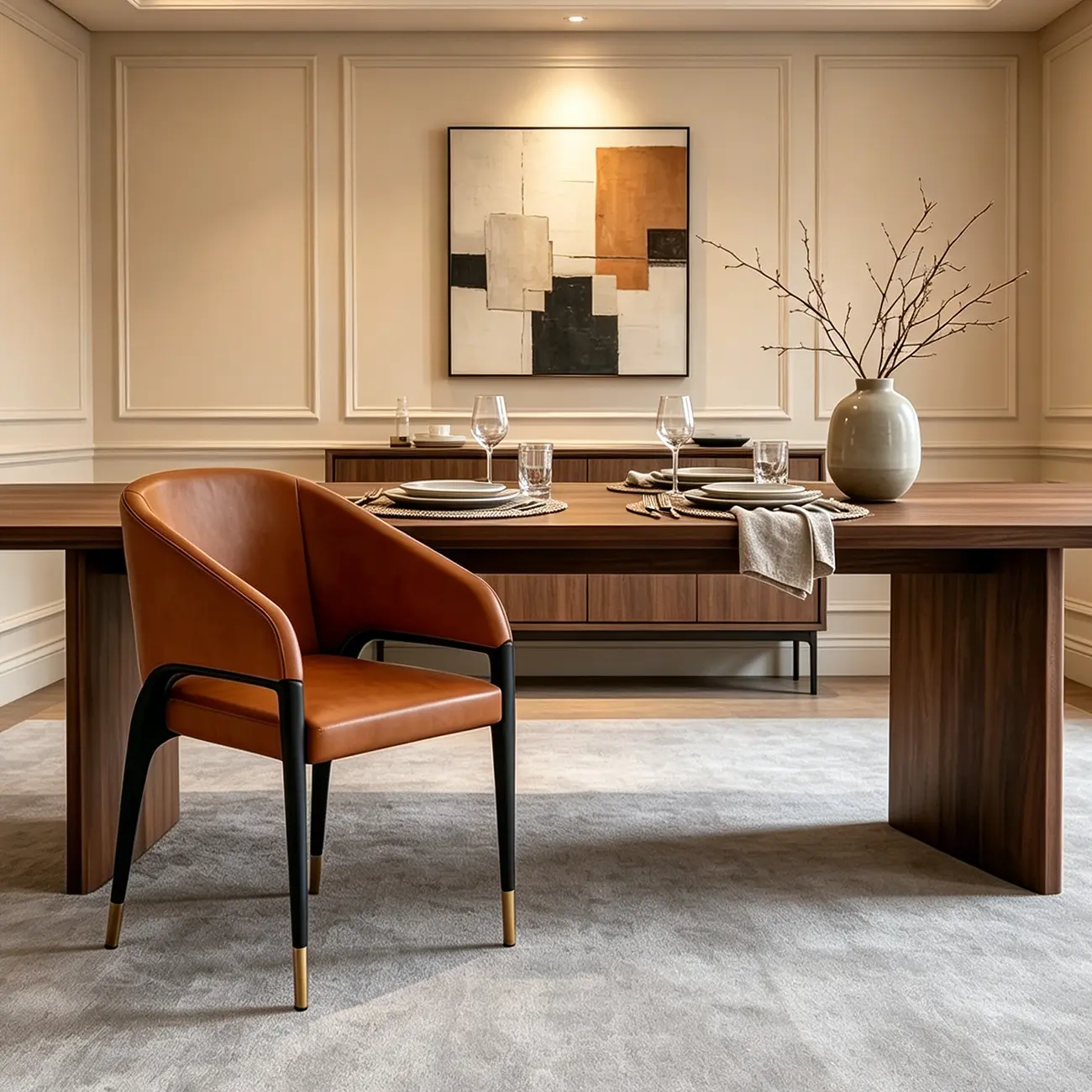
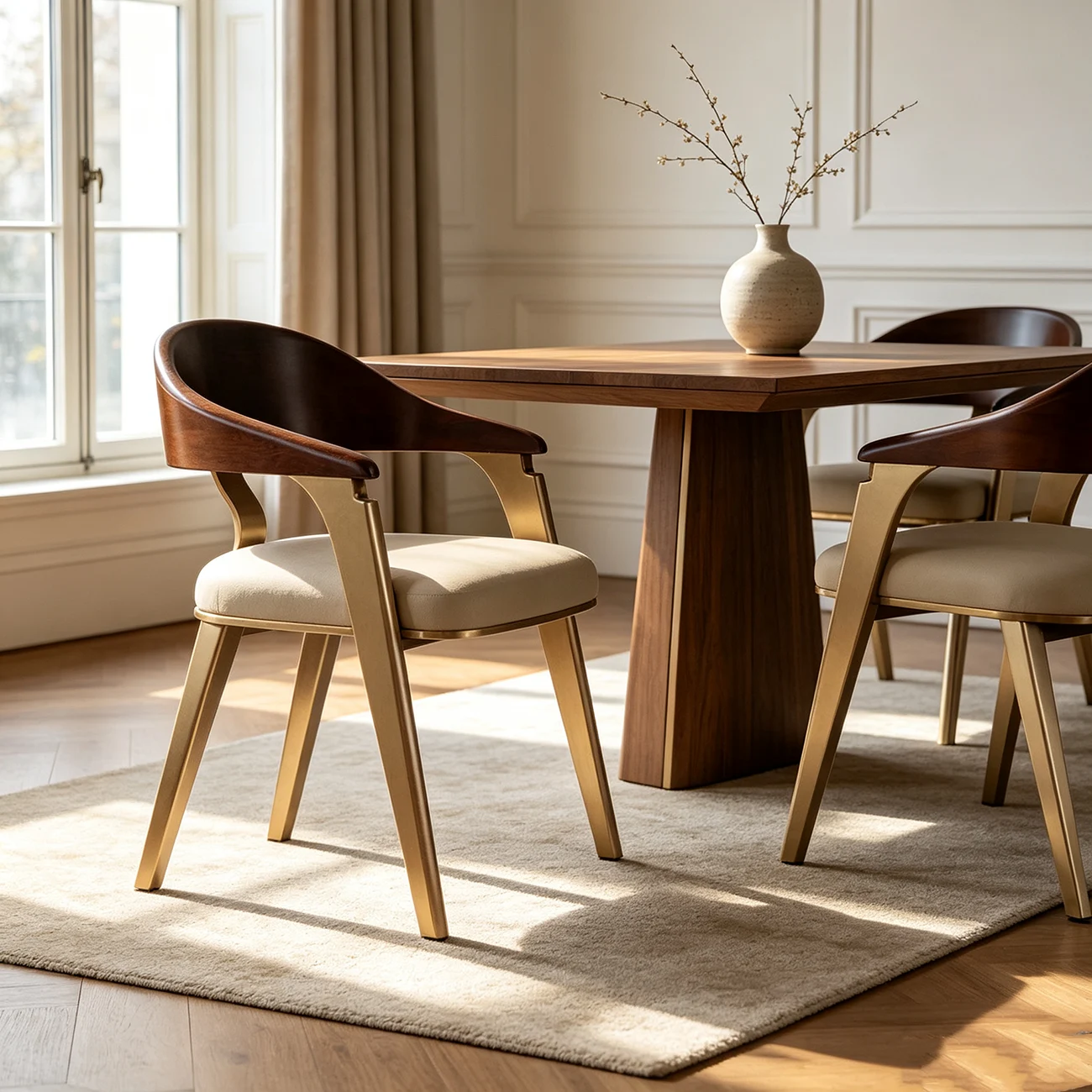
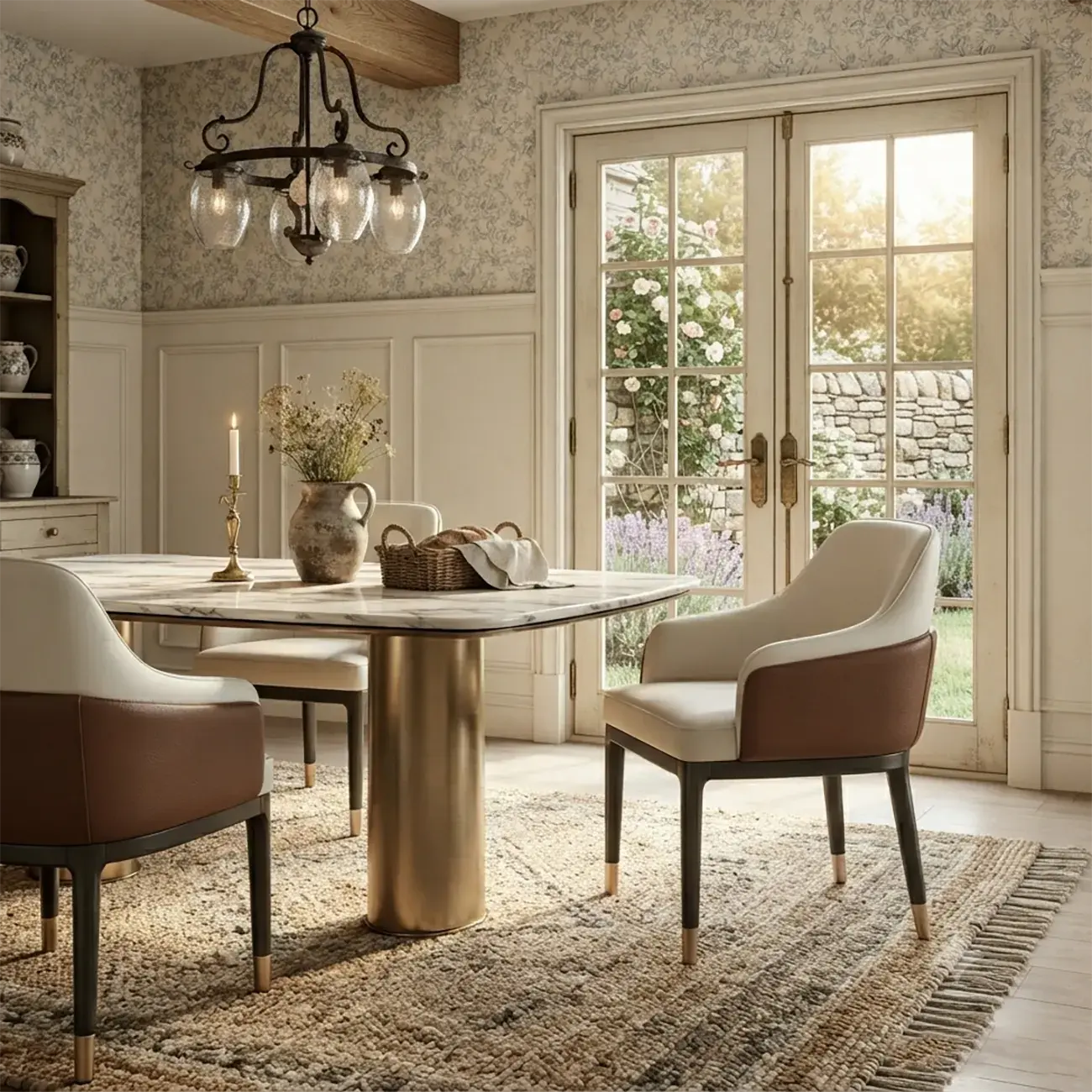
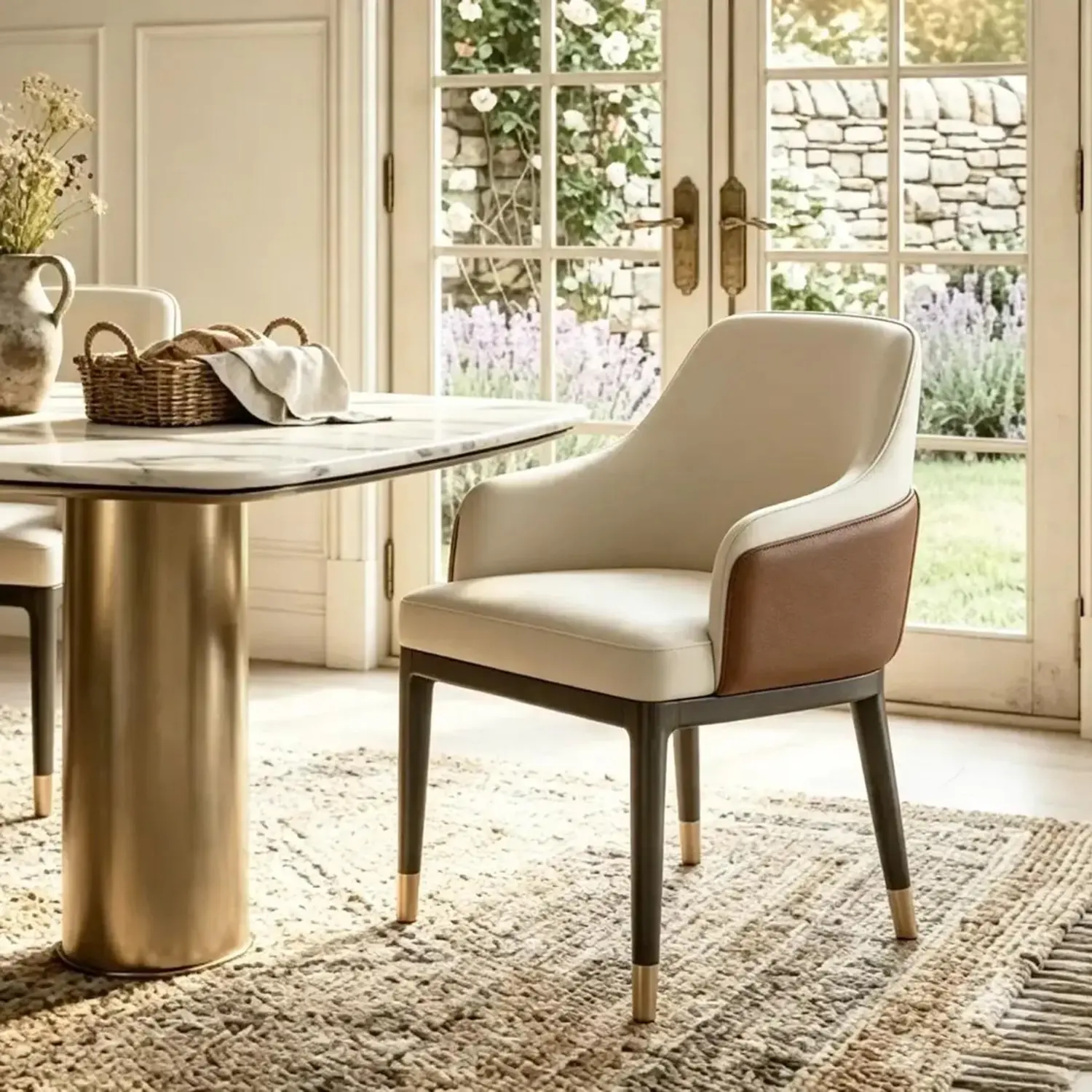
Formal dining rooms: Armchairs are a great fit for a formal dining room since they look so substantial.
-
Heads of the table: Putting them at the ends of the table is another classic move that always works.
2. When Arms Get in the Way
-
Small dining rooms: Don't put armchairs in a tiny dining room. They make the space feel way too bulky. You also need to keep your guest count in mind.
-
Maximum seating: If you have a 180 cm table, you will lose two seats just because of the arms.
-
Low table aprons: If armrests sit higher than the apron, then the chair won't slide under.
-
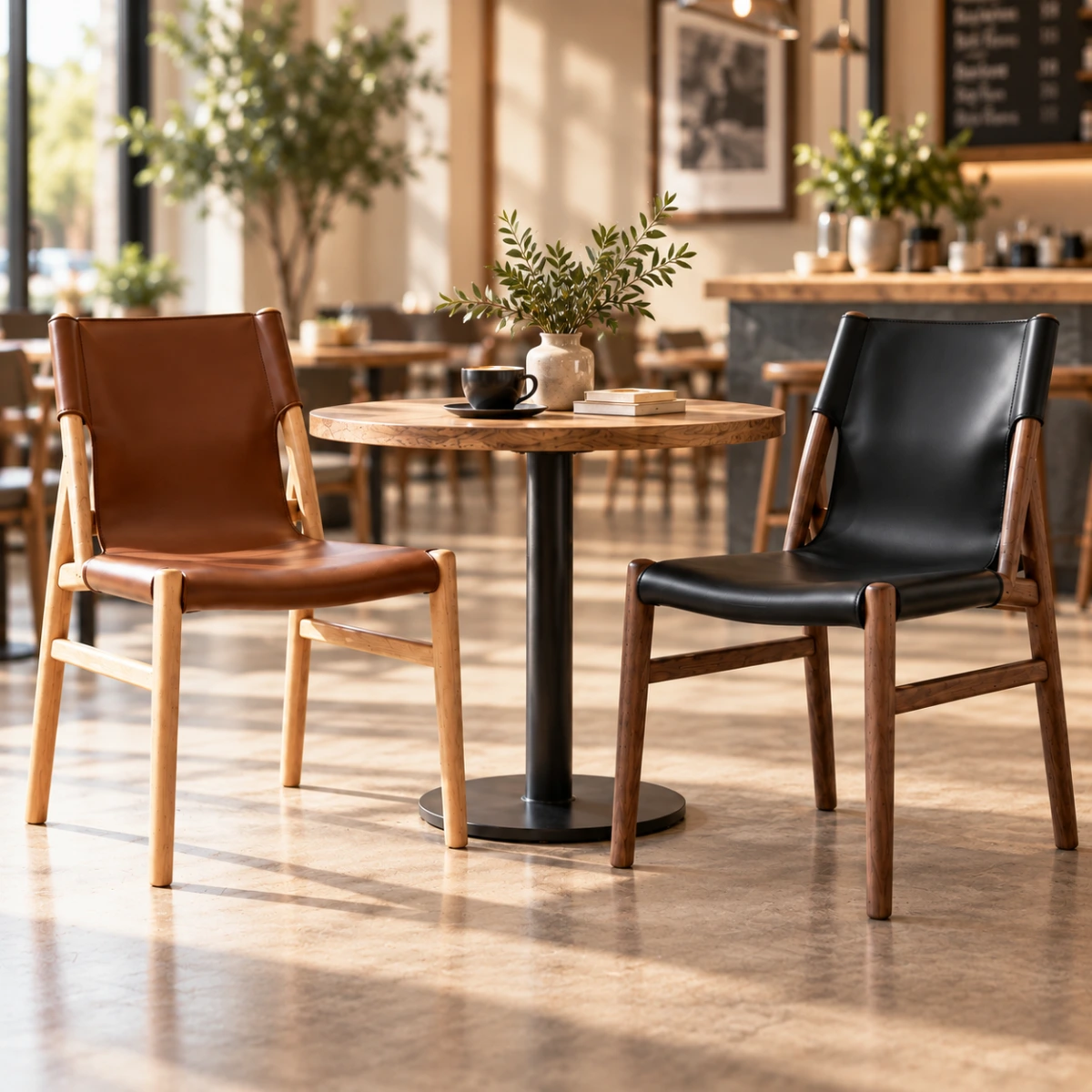
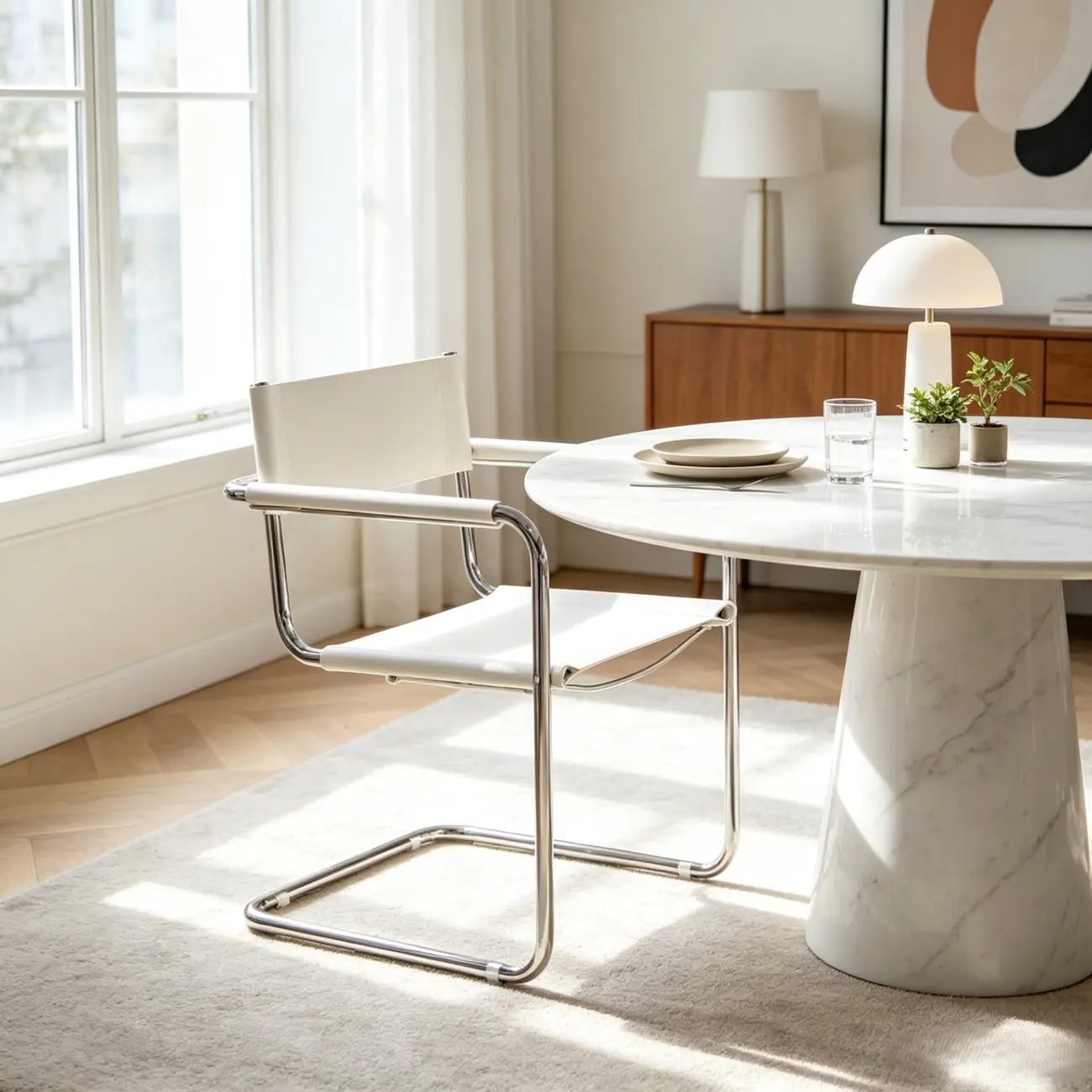
Round tables: Curved seating compresses naturally. Armless chairs often work better.
3. The Visual Weight Question
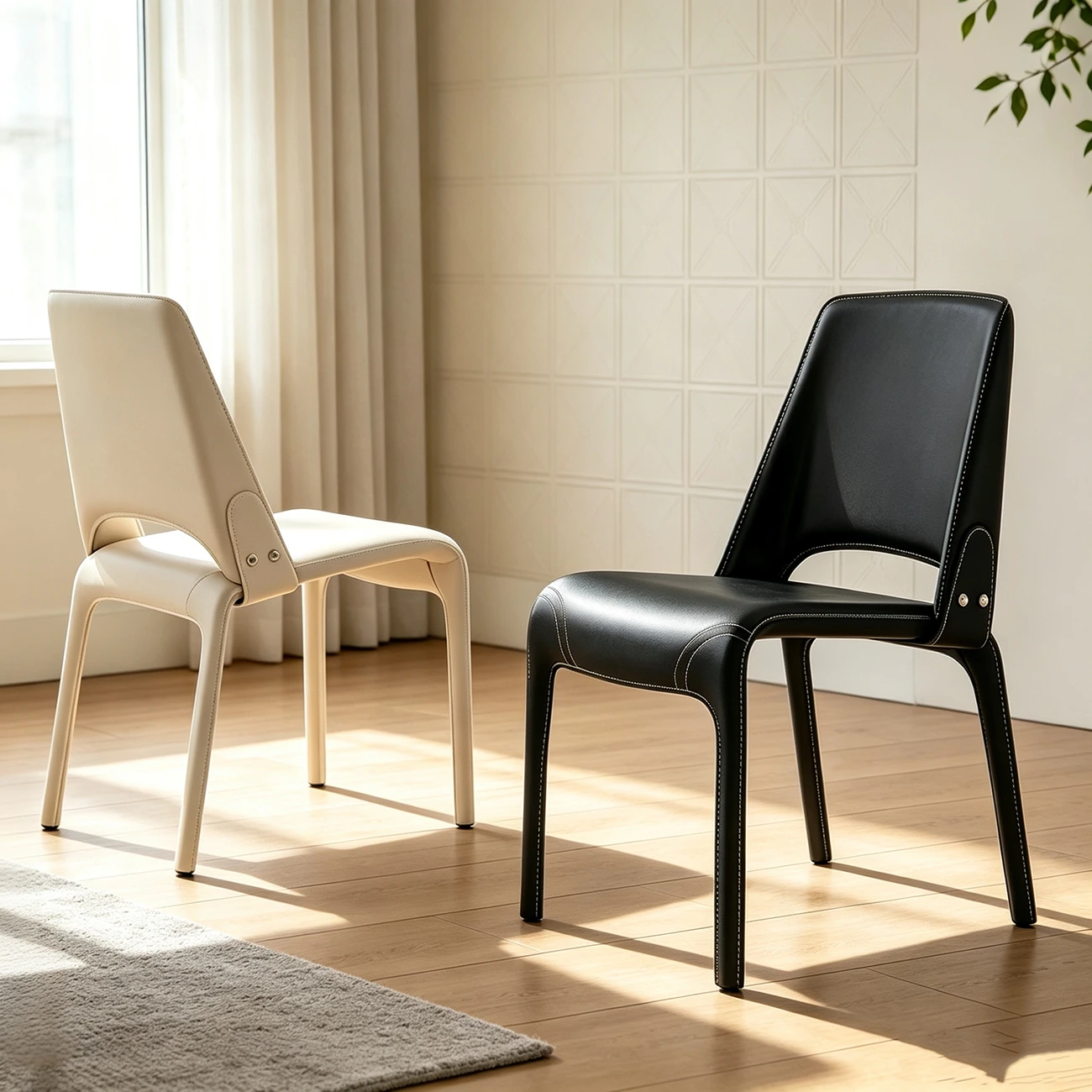
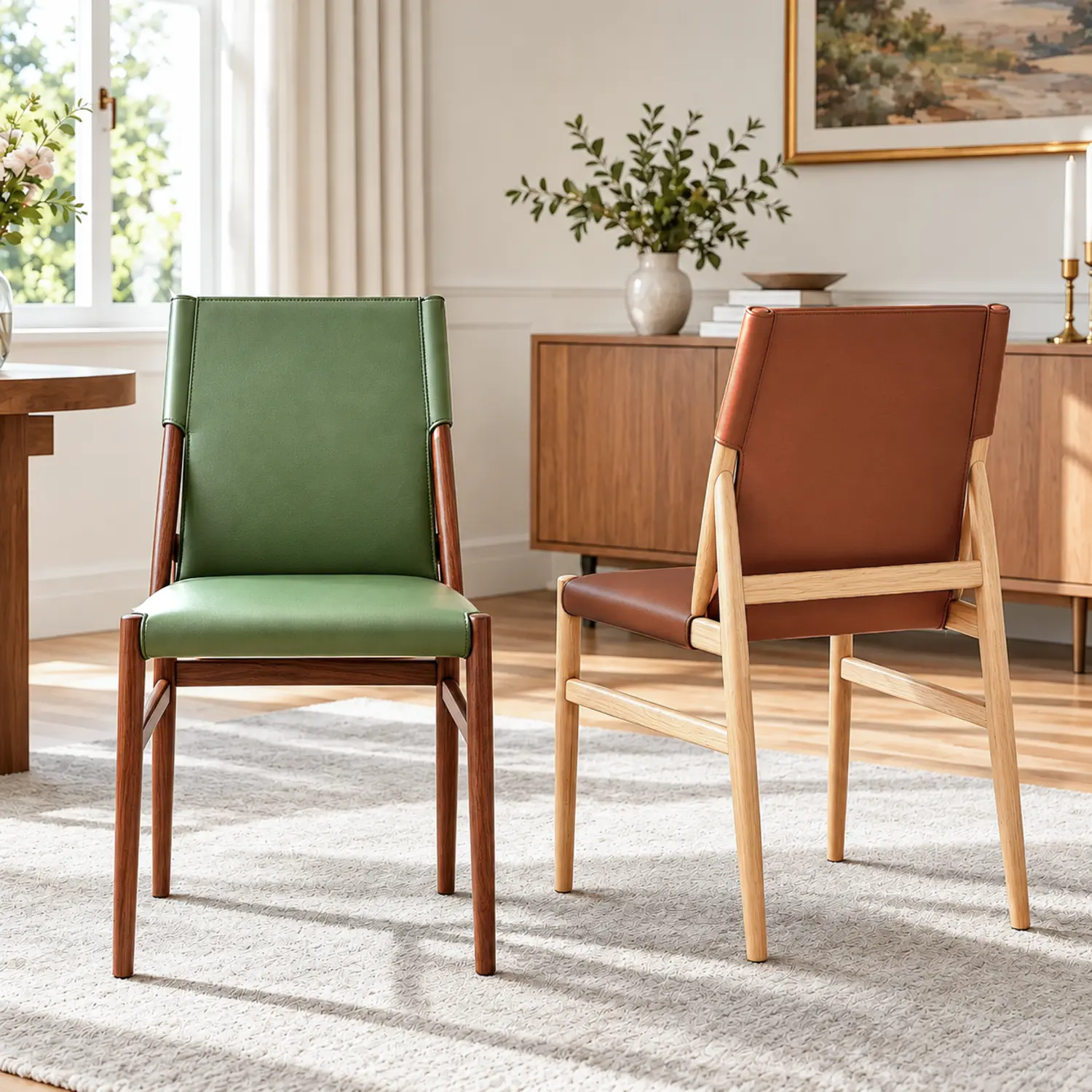
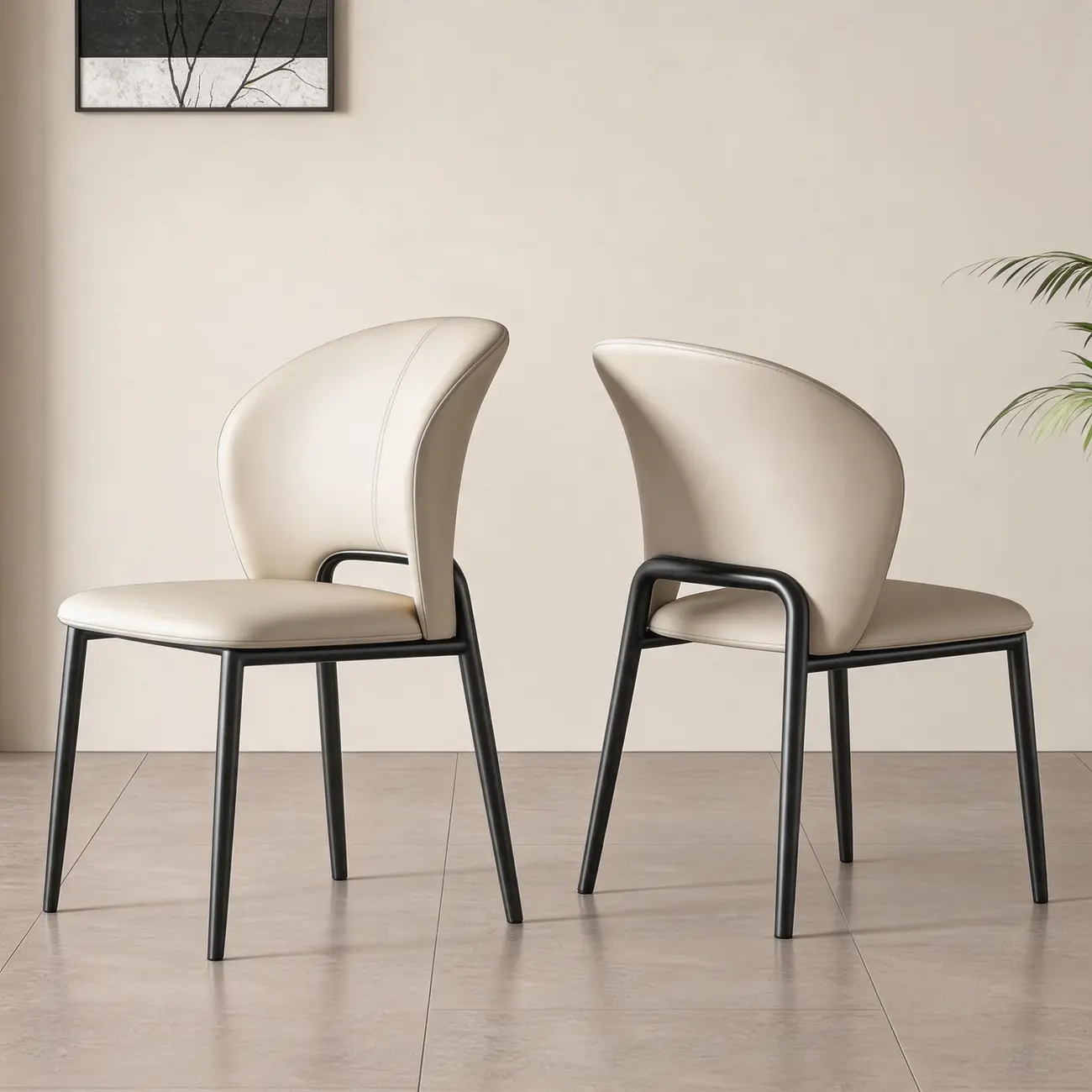
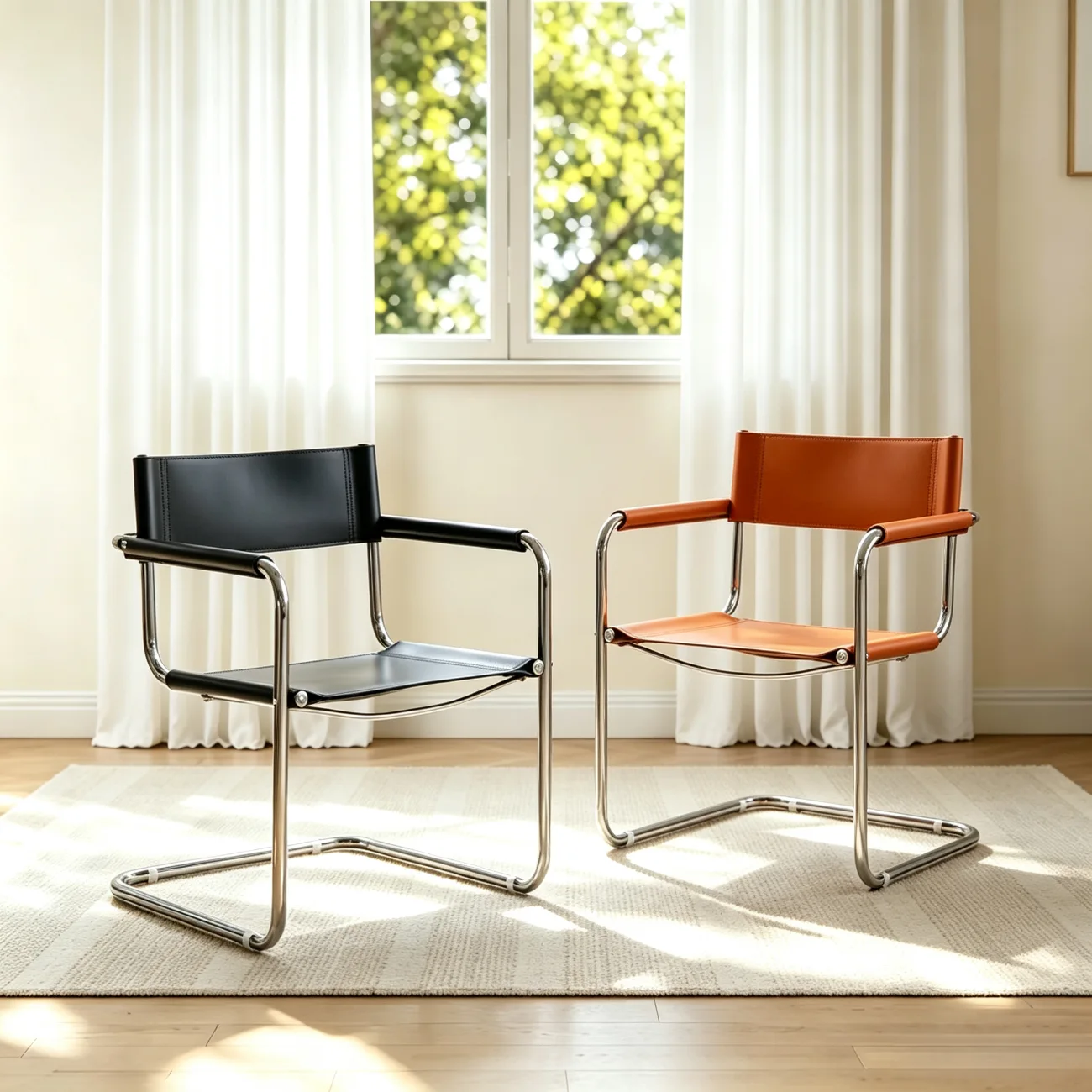
Armless chairs look lighter. The open sides let the eye pass through, which helps in smaller rooms. Armchairs feel more grounded. Formal, even. In a traditional dining room with space to spare then that weight works for you.
And if your dining area opens into a living room, then you should also think about how the chairs look from the sofa. Dining chairs with arms vs. without arms isn't just a numbers game. It's about how the room feels from every angle.
4. The Carver Chair Tradition
British furniture history reserved the carver—an armchair—for the host at the table's head. Traditional sets came with two carvers and four to six side chairs.
5. That logic still works.
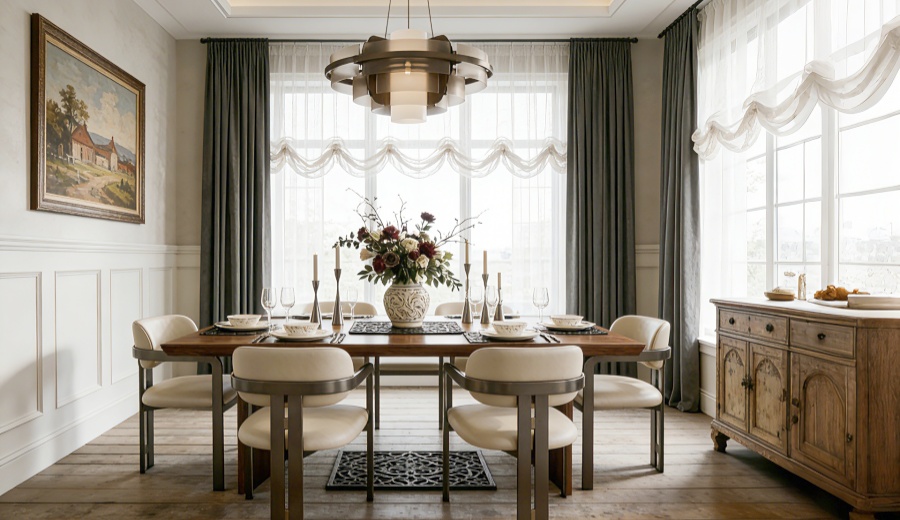
You can mix them up by putting the armchairs at the heads of the table and keeping the armless ones on the sides. That way you get some supportive seating where you sit the longest while still saving room.
Mixing Dining Chairs: The Classic Arms and Armless Arrangement
For most homes, the answer isn't either-or. It's where the armchairs go.
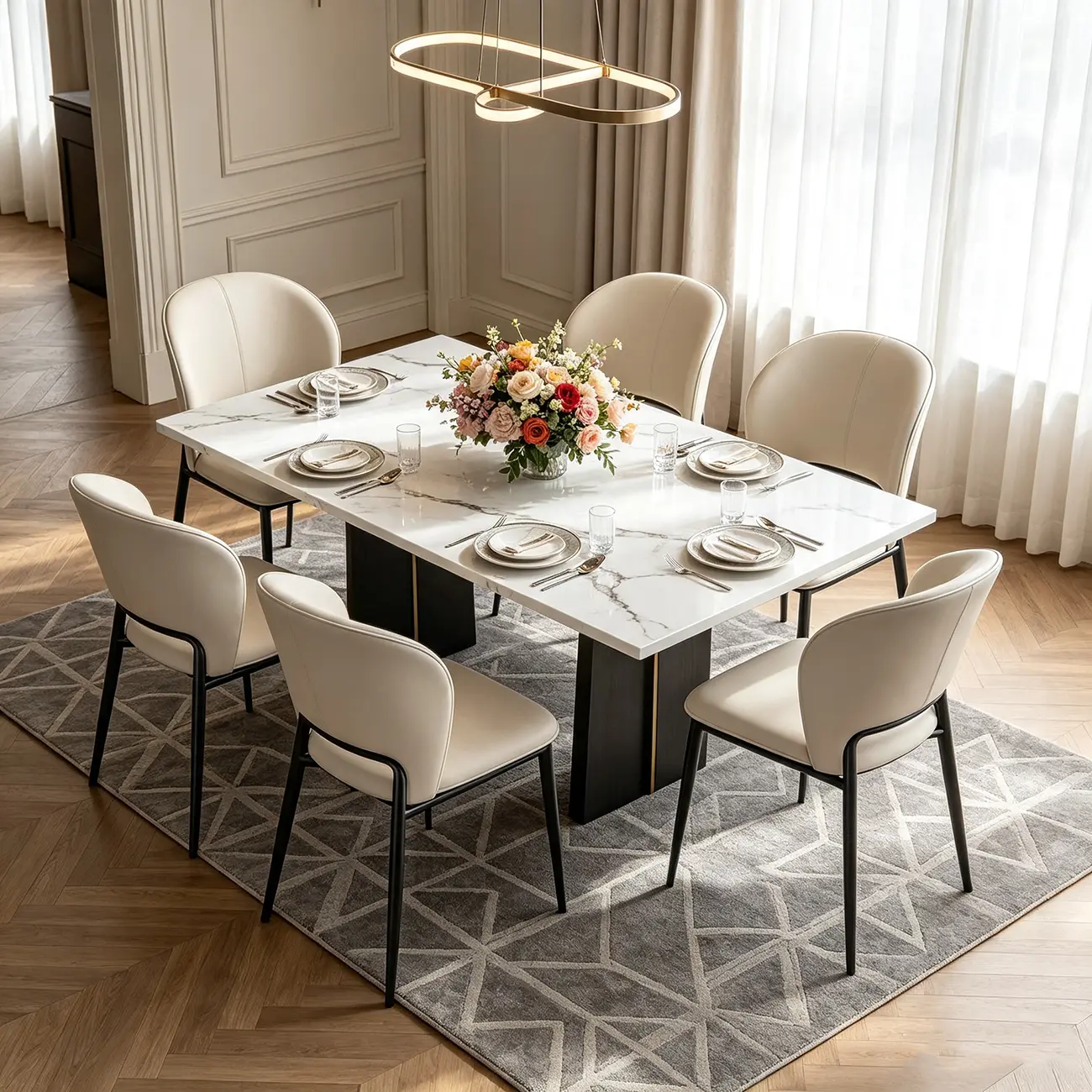
The classic arrangement: two armchairs at the heads and armless chairs along the sides.
What this achieves:
-
Comfort and presence at the "head" positions
-
Efficient seating along the long edges
-
Visual hierarchy that feels intentional
The Cohesion Secret
The trick to making this look good is keeping the same frame and fabric for all the chairs. Just let the arms be the only real change. When the material matches perfectly, your eye just sees one matching set. It stops the room from looking like you just dragged random chairs from different rooms into the same space.
End chairs and side chairs might each fit on their own. Then both diners pull in, and everything collides.
The Complete Pre-Order Checklist for Dining Chairs
So before we wrap up this blog, here is a dining chair pre-order checklist that can help you decide the right chairs for your space more quickly.
| Measure This | Compare With |
| Tabletop height | Chair seat height (aim for a 25–30 cm difference) |
| Lowest point beneath the table | Armrest height and leg clearance |
| Clear width between table legs | Overall chair widths plus gaps |
| Space behind and beside the chair | Pull-out distance and walkways |
5 Mistakes to Avoid When Deciding Between Arms vs. Armsless Dining Chairs
-
Comparing seat width when armrests extend farther out
-
Measuring tabletop height and overlooking the apron
-
Allocating every centimeter without gaps between chairs
-
Treating a soft appearance as proof of good support
-
Choosing upholstery by color before checking care instructions
The Test Before Buying
Sit at the table. Adopt your normal eating position. Can you reach comfortably without raising your shoulders or sliding forward?
Use the backrest—do your feet stay comfortable? Slide in and stand up—watch the apron and neighboring chairs.
Why Choose HomeyFad Dining Room Chairs?
It is not always an easy choice when you are looking at dining chairs. You have to focus on the tiny things that actually make your room work. Lounging is definitely easier with an armchair.
If you have a tight space, though, the armless ones will keep things feeling way more open.
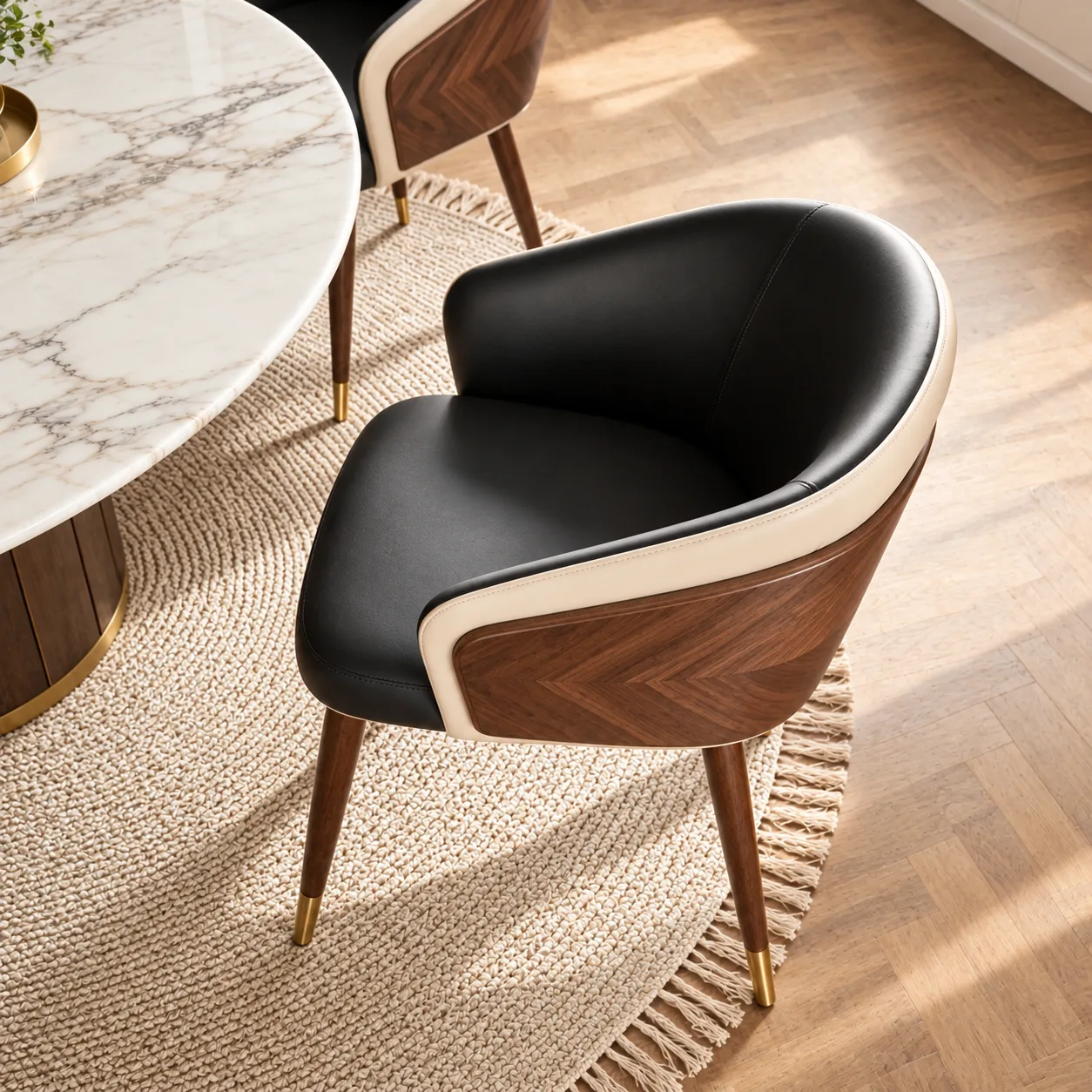
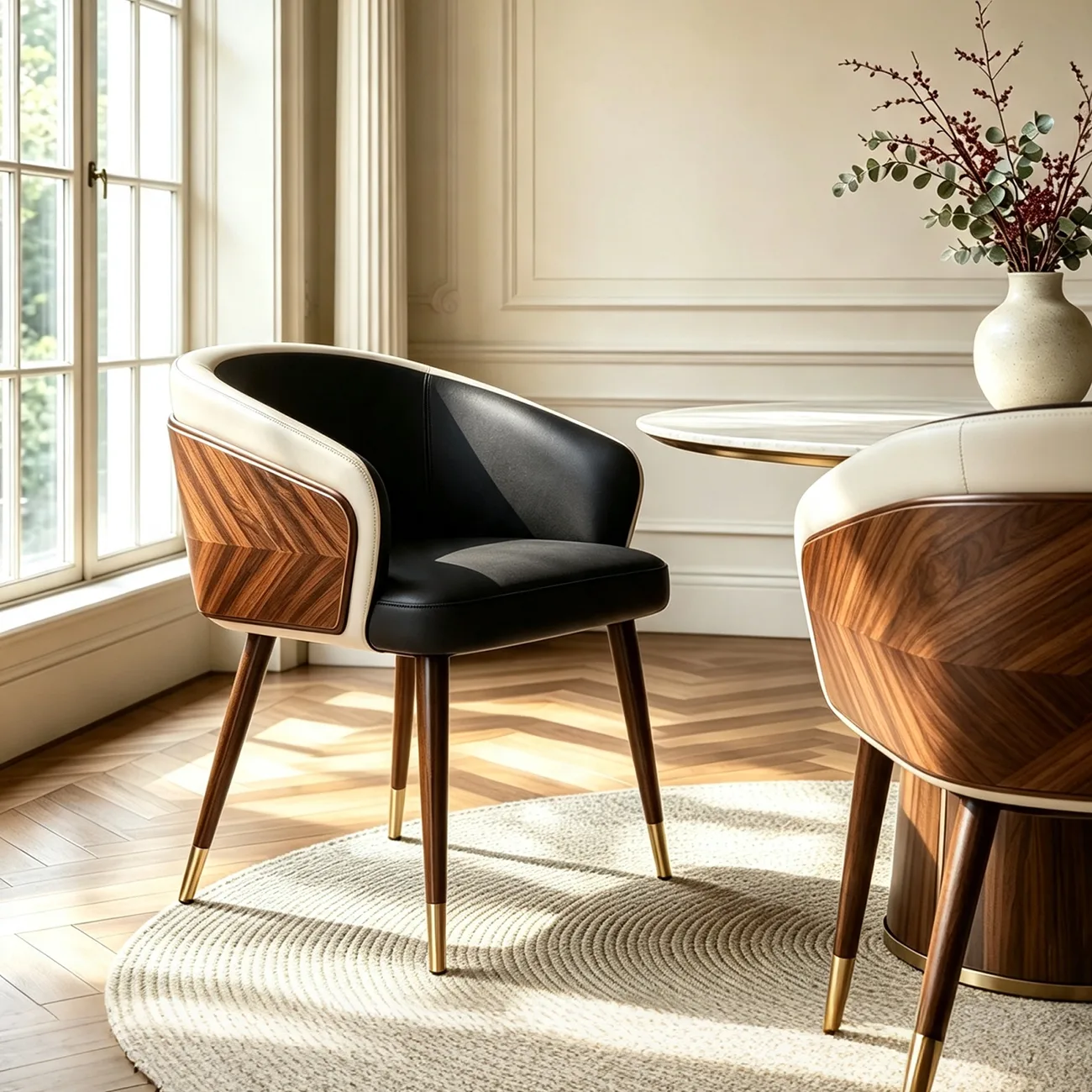
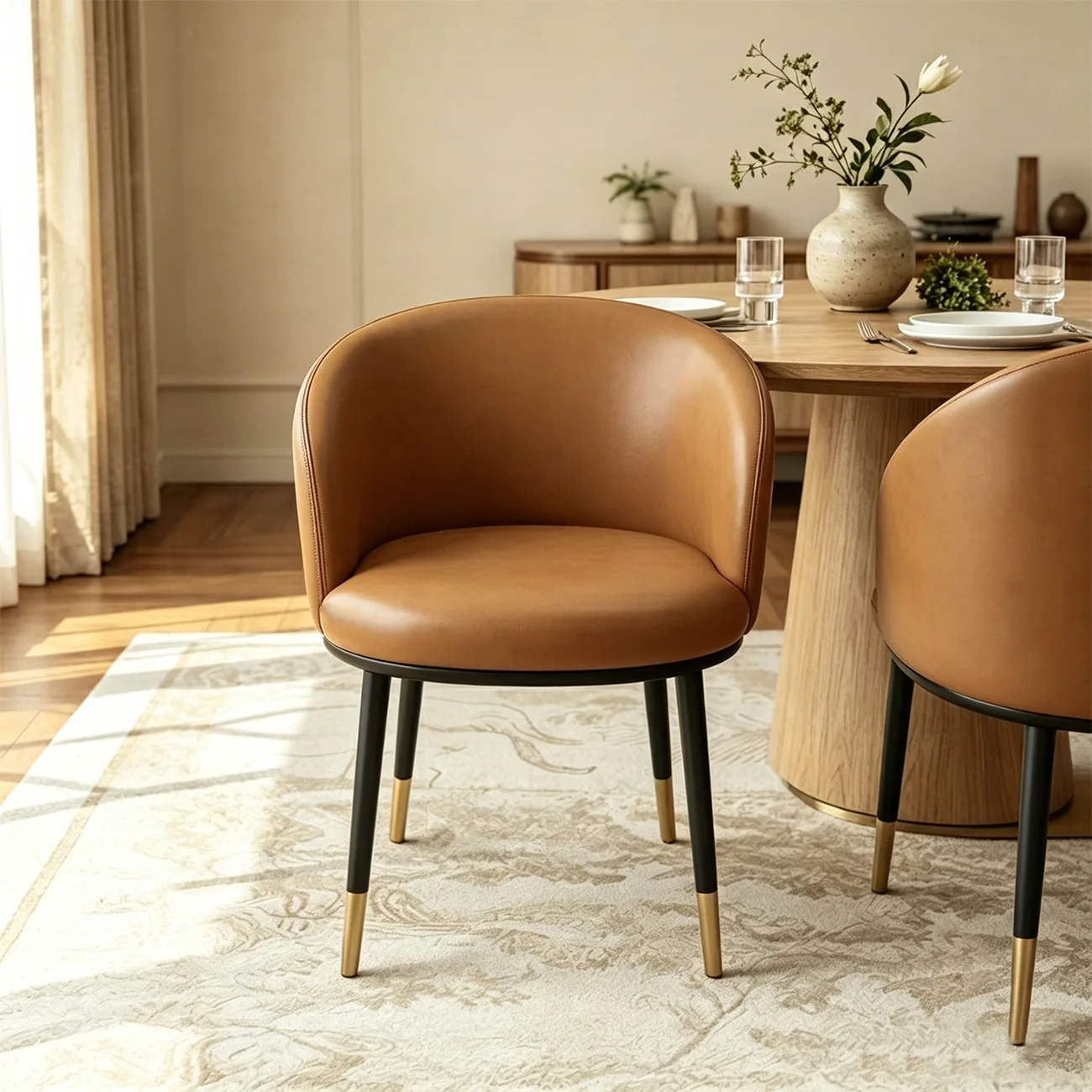
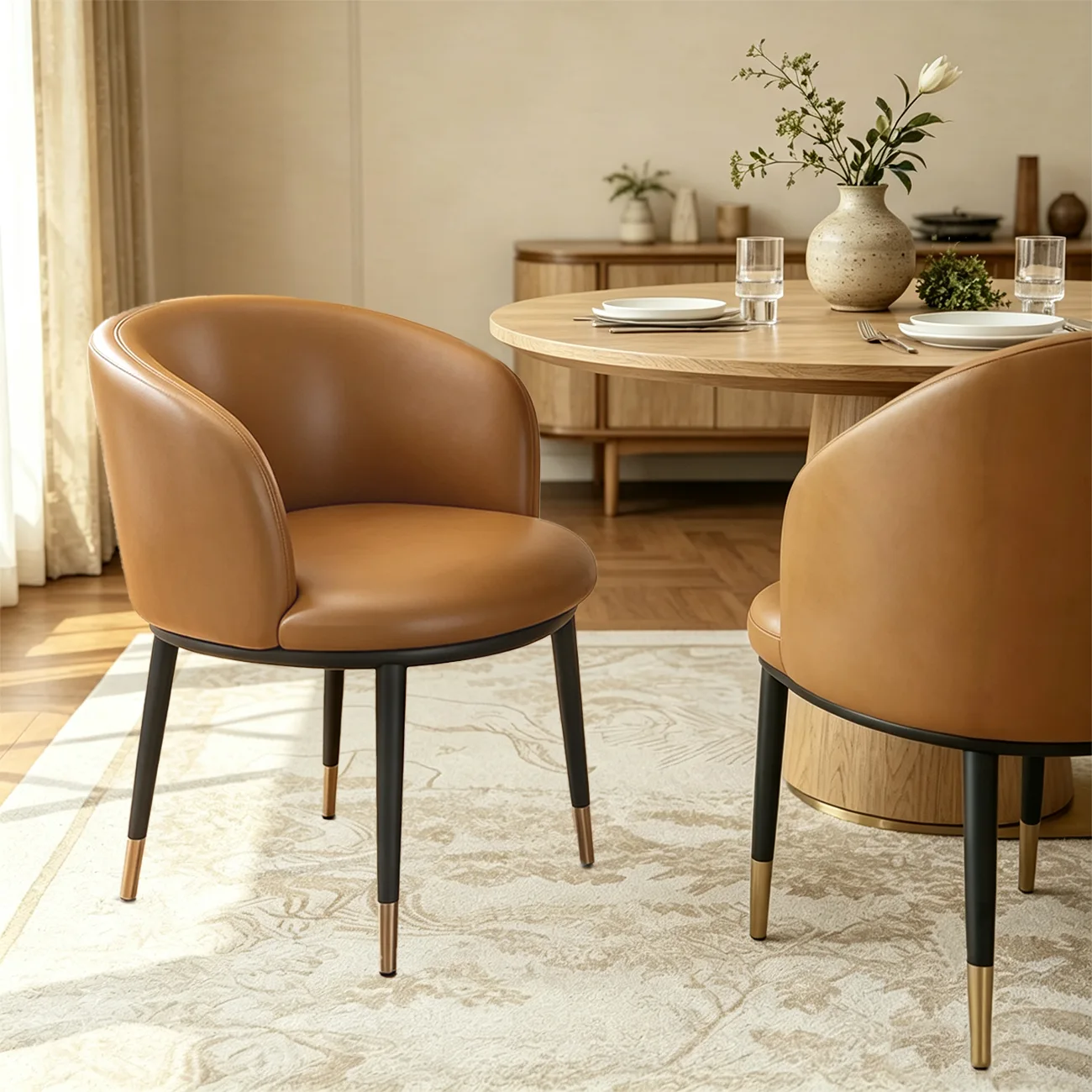
HomeyFad dining chairs cater to the needs of spaces of different styles and sizes, including armless and armchairs, as well as low-profile armchairs. No matter the style and layout of your home, you can find the perfect dining chair at HomeyFad.
If you want to find furniture that actually works for your layout, take a look at the dining chairs at HomeyFad. We have a ton of styles to fit your table and your room.
FAQs
Should dining chairs have arms?
Go with arms if comfort matters most as they help you stand up too.
Do armchairs fit under a standard table?
Yes they do. But only if the armrests sit lower than the apron. Measure floor to apron. Then compare with armrest height. If arms are higher, the chair stays outside.
How much table edge does each chair need?
70 cm per armchair. 60 cm per armless chair. That extra 10 cm lets arms pass each other.



 Add Us On Google