
(1).png?w=1920&h=650)
Reading time: 4 minutes
Shopping for a small table beside the bed should be simple. But you might see a nightstand and a side table, and then you get confused.
Is there even a real difference? Short answer: yes. And it has less to do with the label and more to do with how you actually use the space beside your bed.
In this article, we will quickly compare nightstands and side tables to help you choose the right style for your bedroom bedside table.
Nightstand vs. Side Table Quick Comparison
In this clear chart, you will understand the main differences between nightstands and side tables in ten seconds. Helping you avoid buying unsuitable furniture.
| Feature | Nightstand | Side Table |
| Primary Location | Bedside | Living room, hallway, bedroom (versatile) |
| Storage Focus. | Concealed. At least one drawer, sometimes two. | Open. A lower shelf if you're lucky. |
| Height Alignment | Level with the top of your mattress. | Level with a sofa arm (can work bedside on lower beds) |
| Design Intent | Front-facing access. The back is often unfinished. | Finished on all sides. Can float in a room. |
| Best For | Hiding nightly clutter within arm's reach | Tight spaces, decorative displays, flexible use |
Nightstand vs. Side Table: Which Is Better for Your Bedside Table?
1. The Height Rule
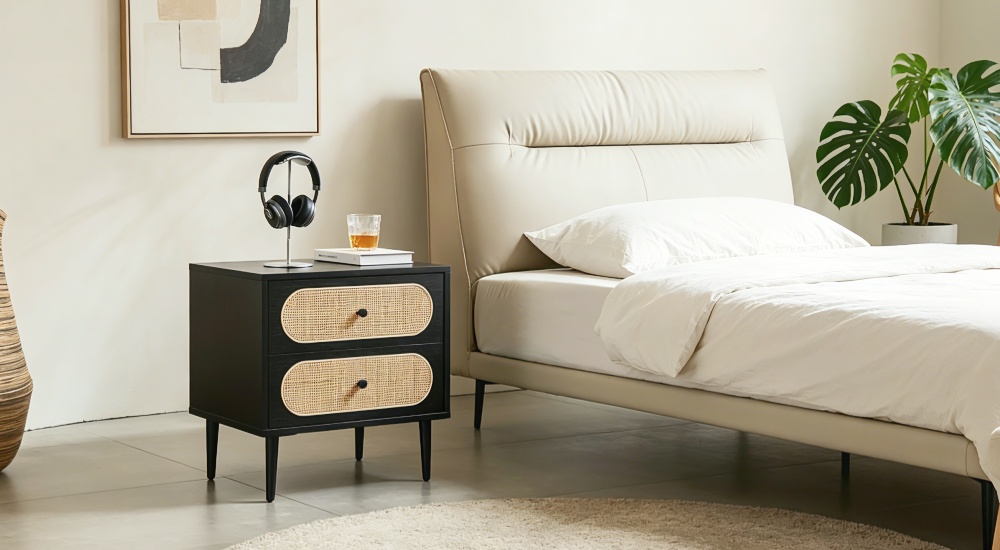
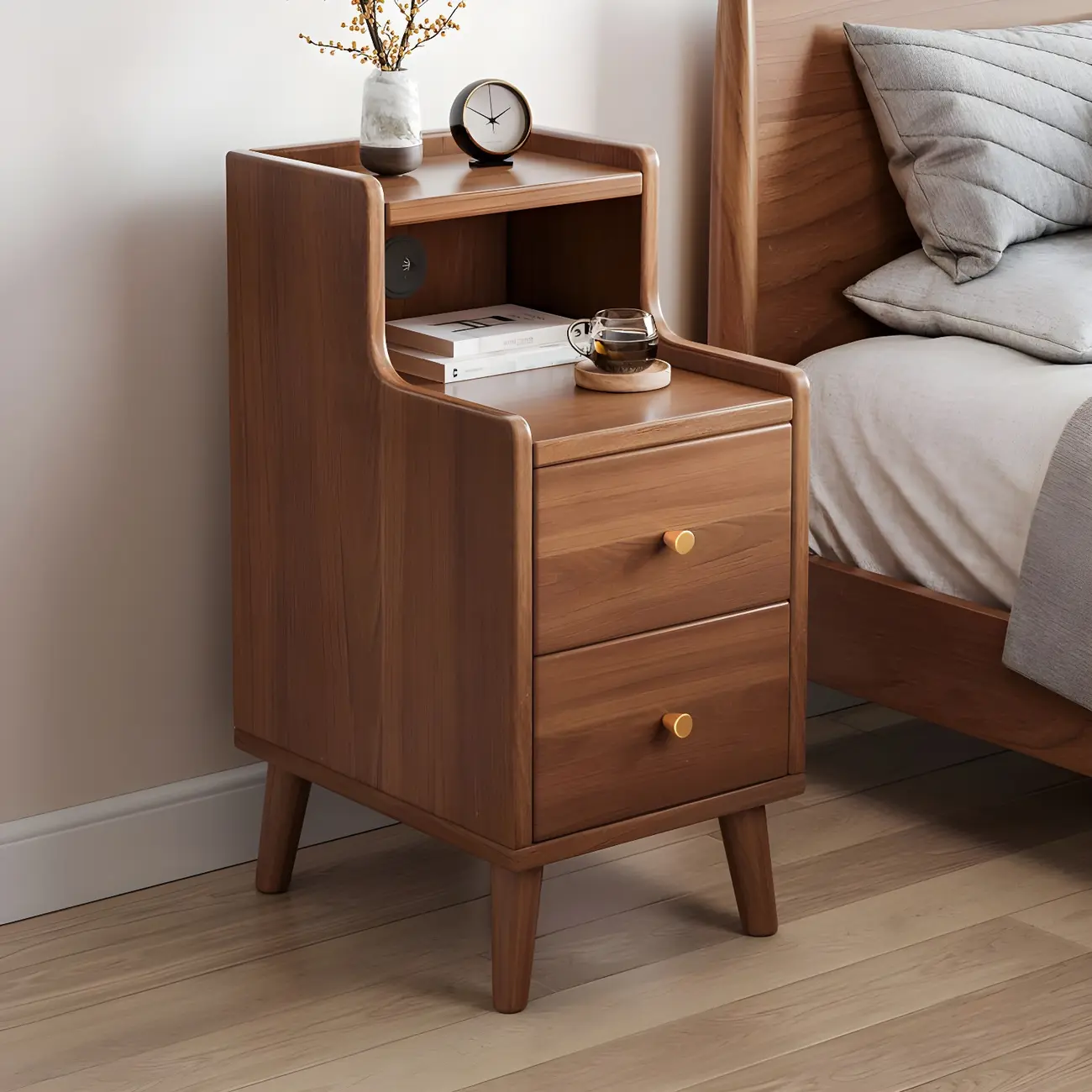
The height difference trips up most people. A nightstand sits taller to match a standard bed frame. A side table runs a few inches shorter.
-
A nightstand should sit level with the top of your mattress at about two inches. So you can easily reach stuff when lying down. If your shoulder lifts off the bed to grab your phone, the table's too low. If your hand has to climb up over a ledge, it's too high. You want that reach to feel lazy and natural.
-
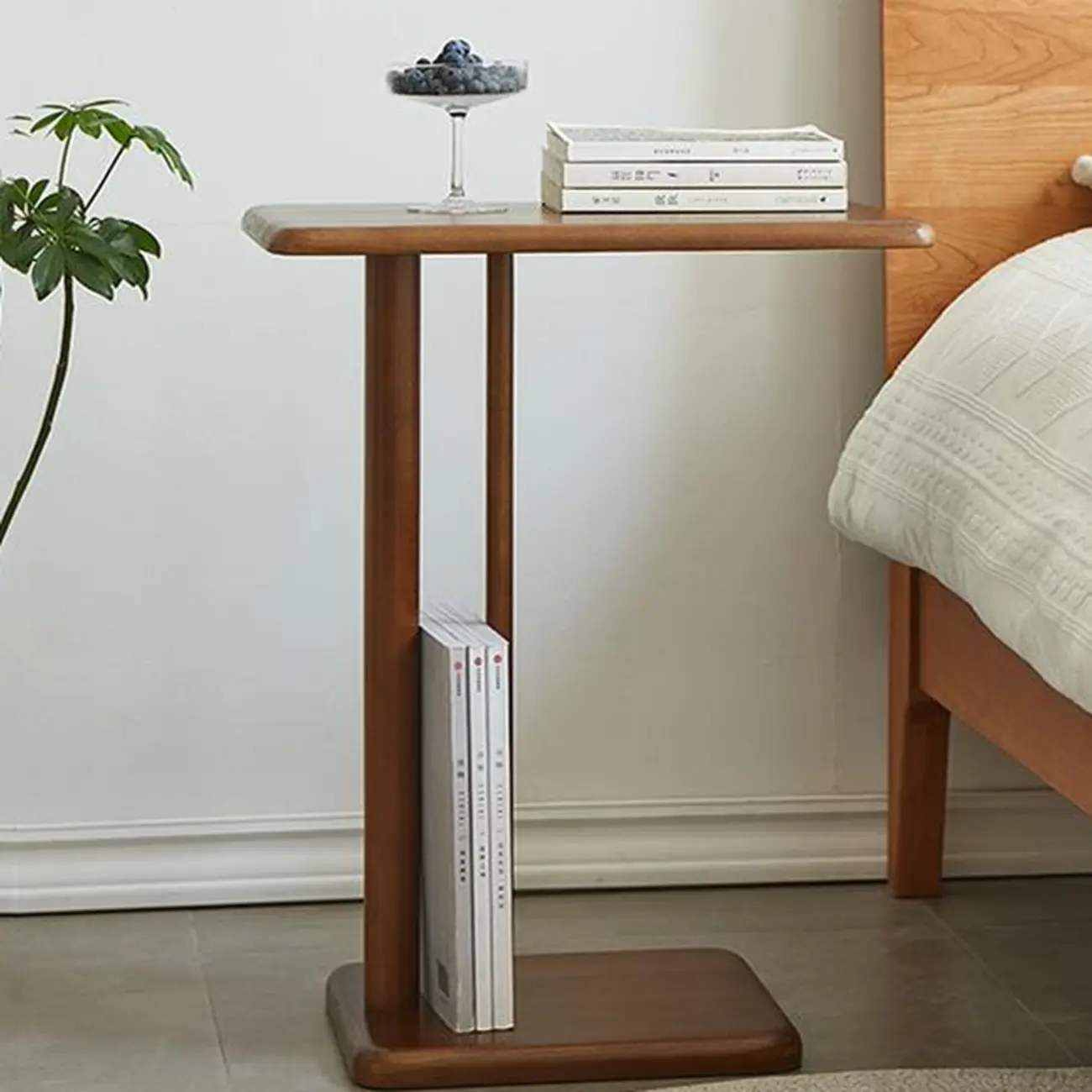
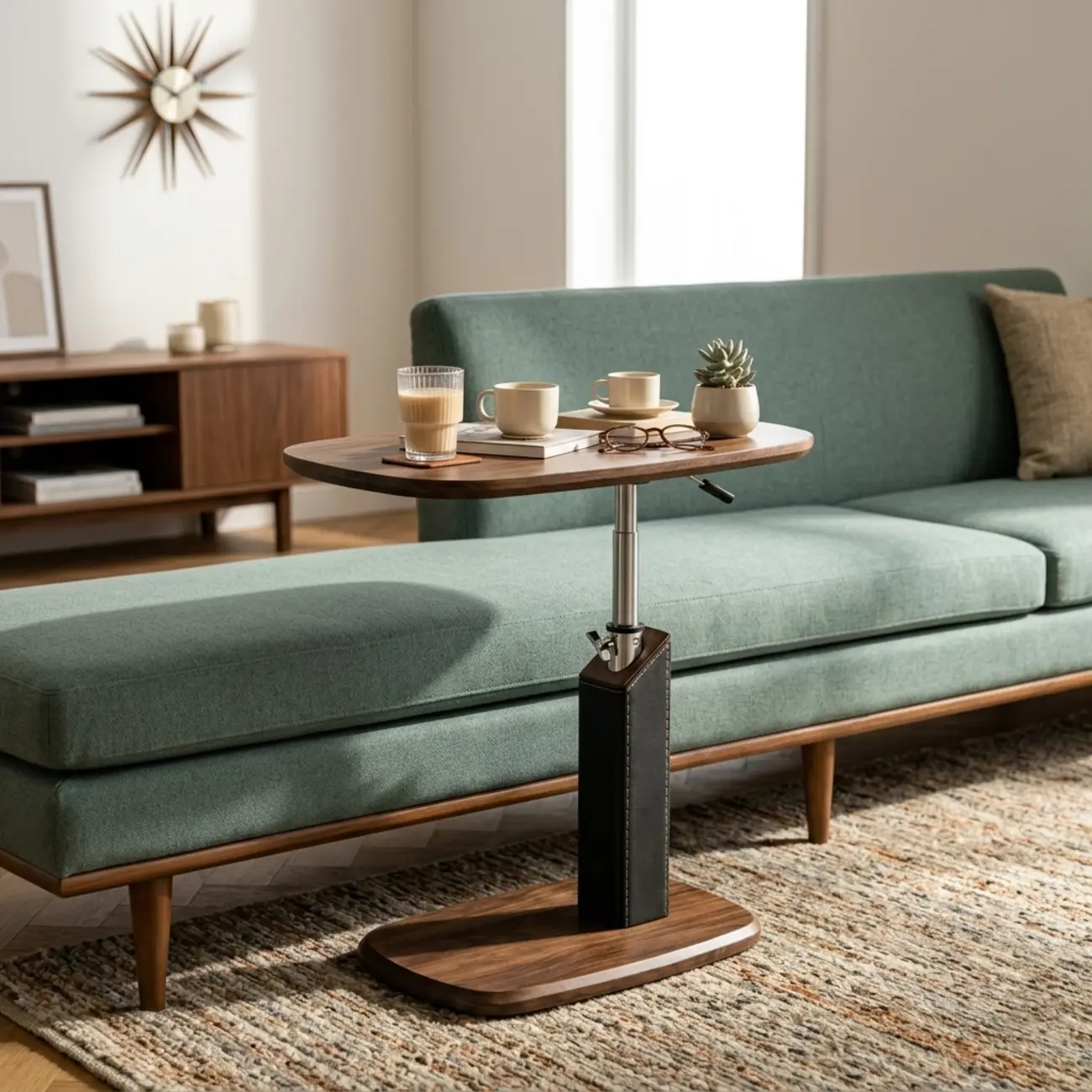
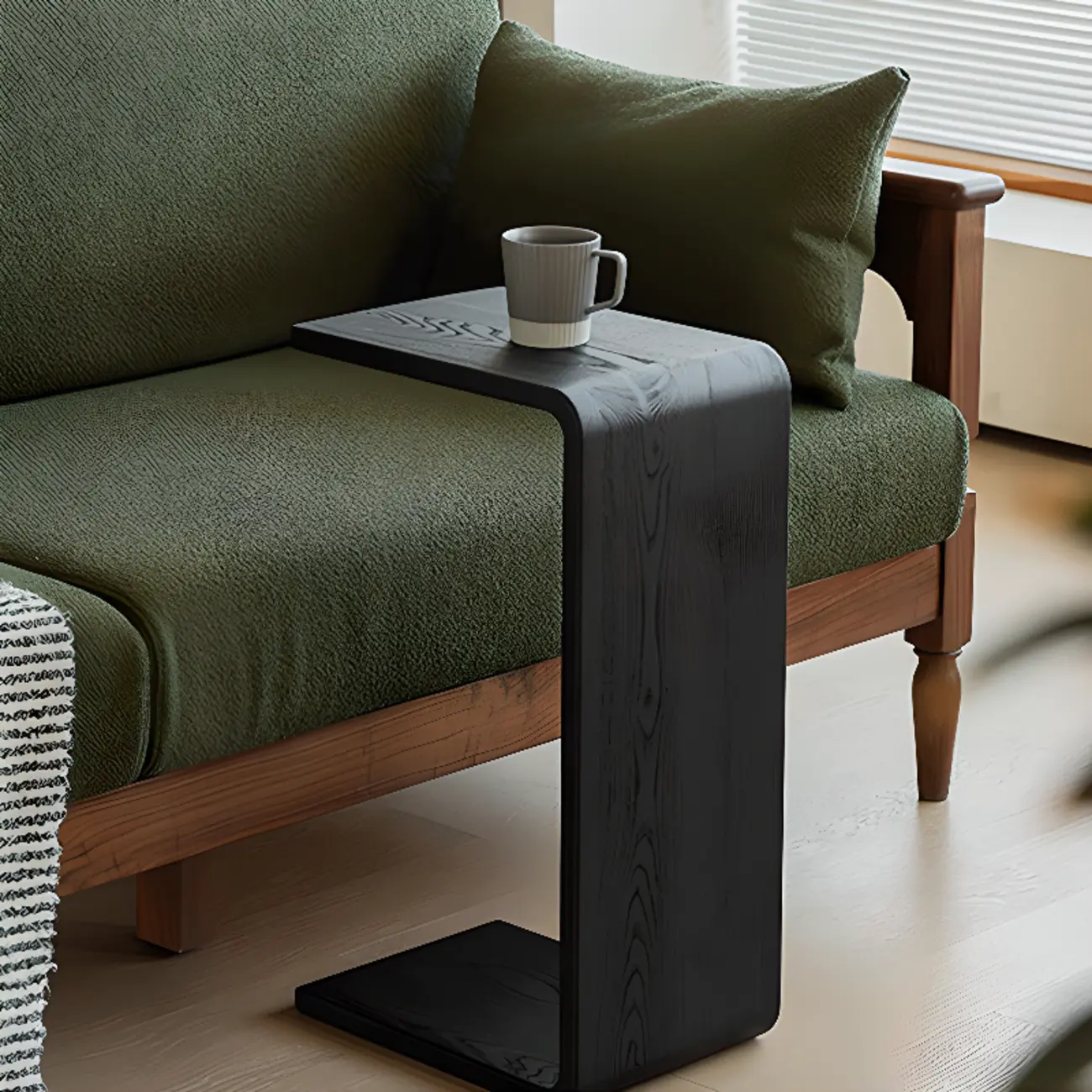
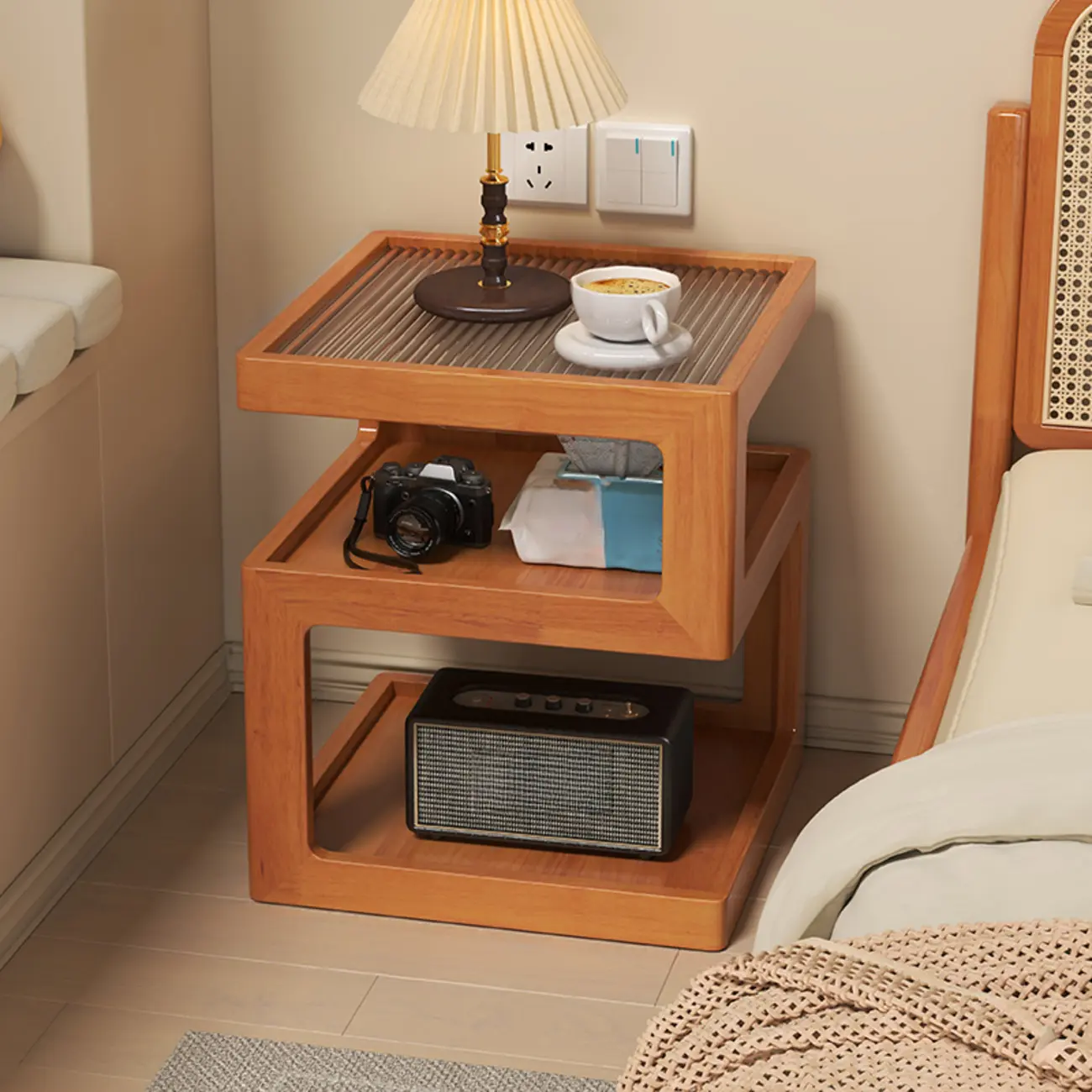
On the other hand, side tables run a bit shorter. Most land between twenty-two and twenty-six inches. They align with a sofa arm, not a mattress. That shorter profile can actually work in your favor if you have a low platform bed.
But if you're on a traditional box spring setup with a thicker mattress, a side table will sit too low. Your morning reach for the alarm clock turns into an awkward stretch. In that scenario, a dedicated nightstand in the twenty-four- to twenty-eight-inch range keeps things comfortable.
2. Storage Reality Check
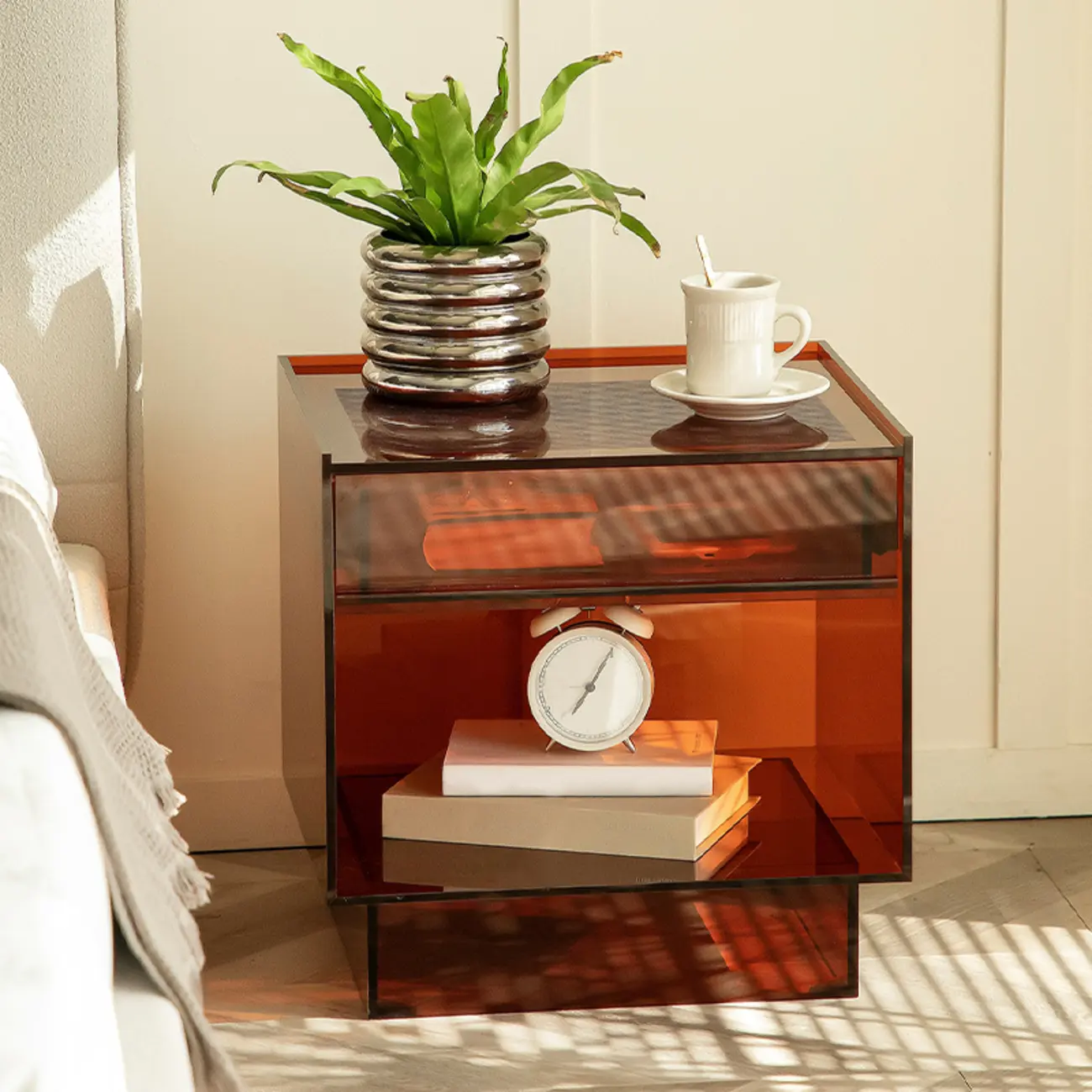
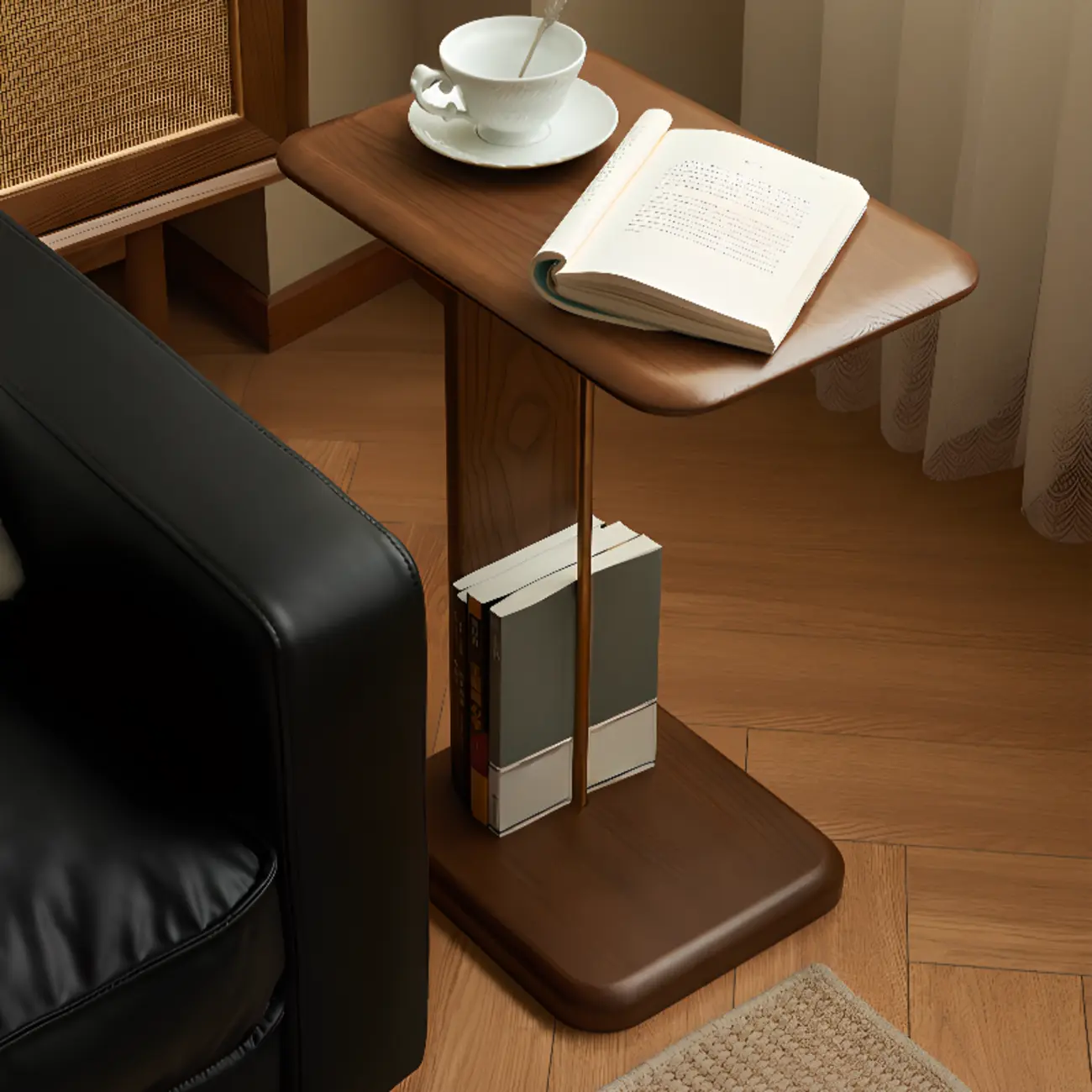
The difference comes down to how much stuff you actually keep within arm's reach.
-
When you're short on storage, choose a side table with handles that load just fine. The open surface area gives you room for a bedside lamp and maybe a small plant. Done. Clean. Simple.
-
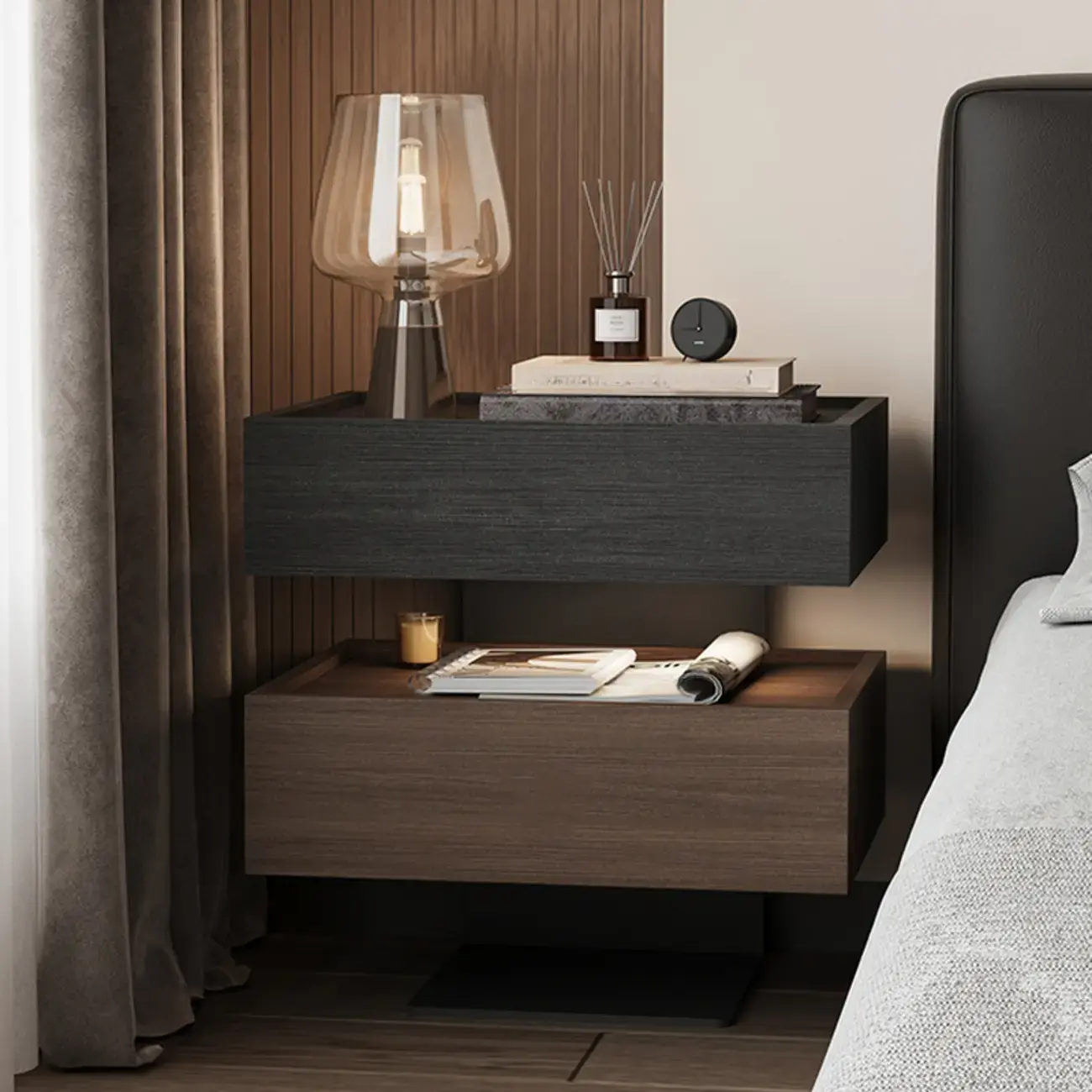
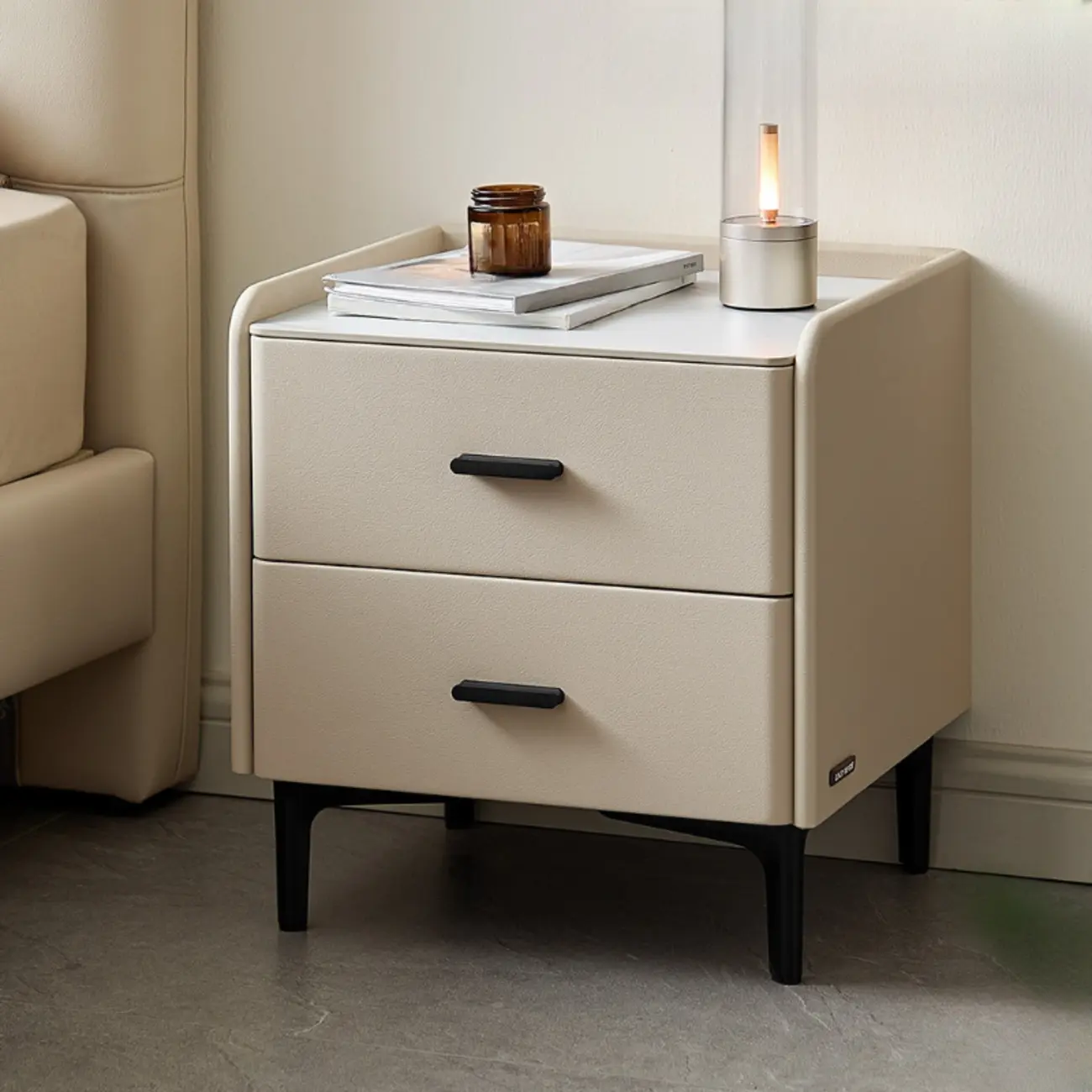
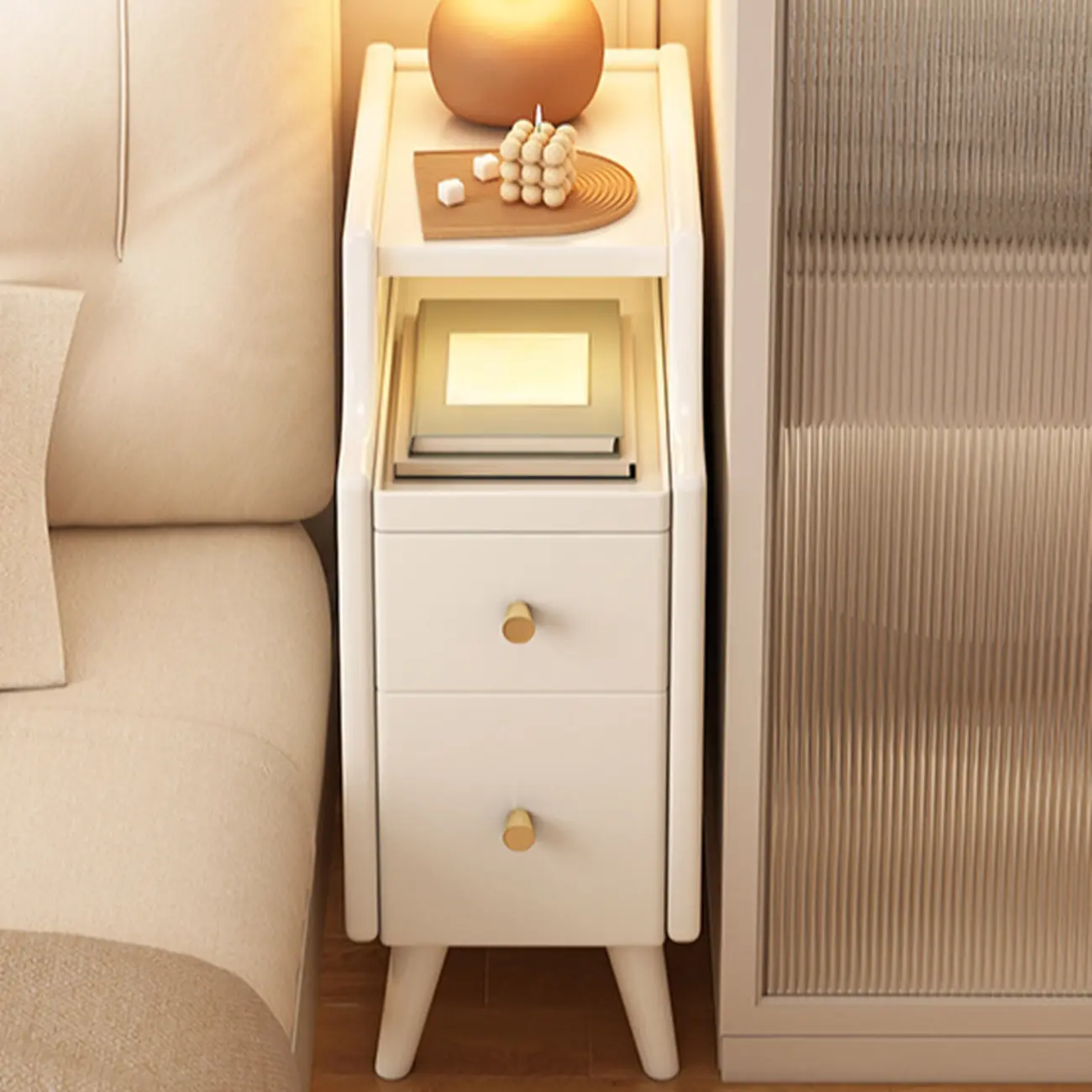
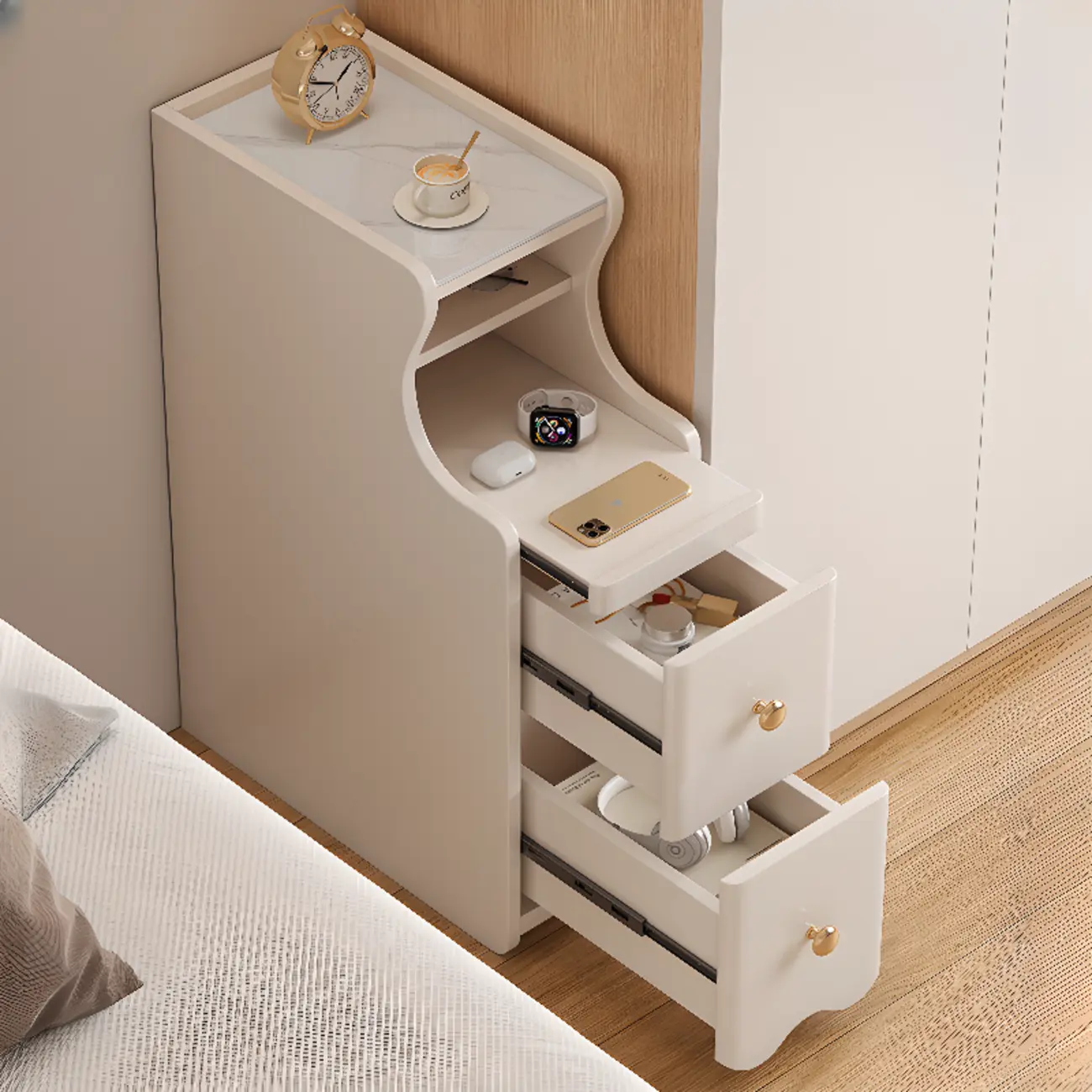
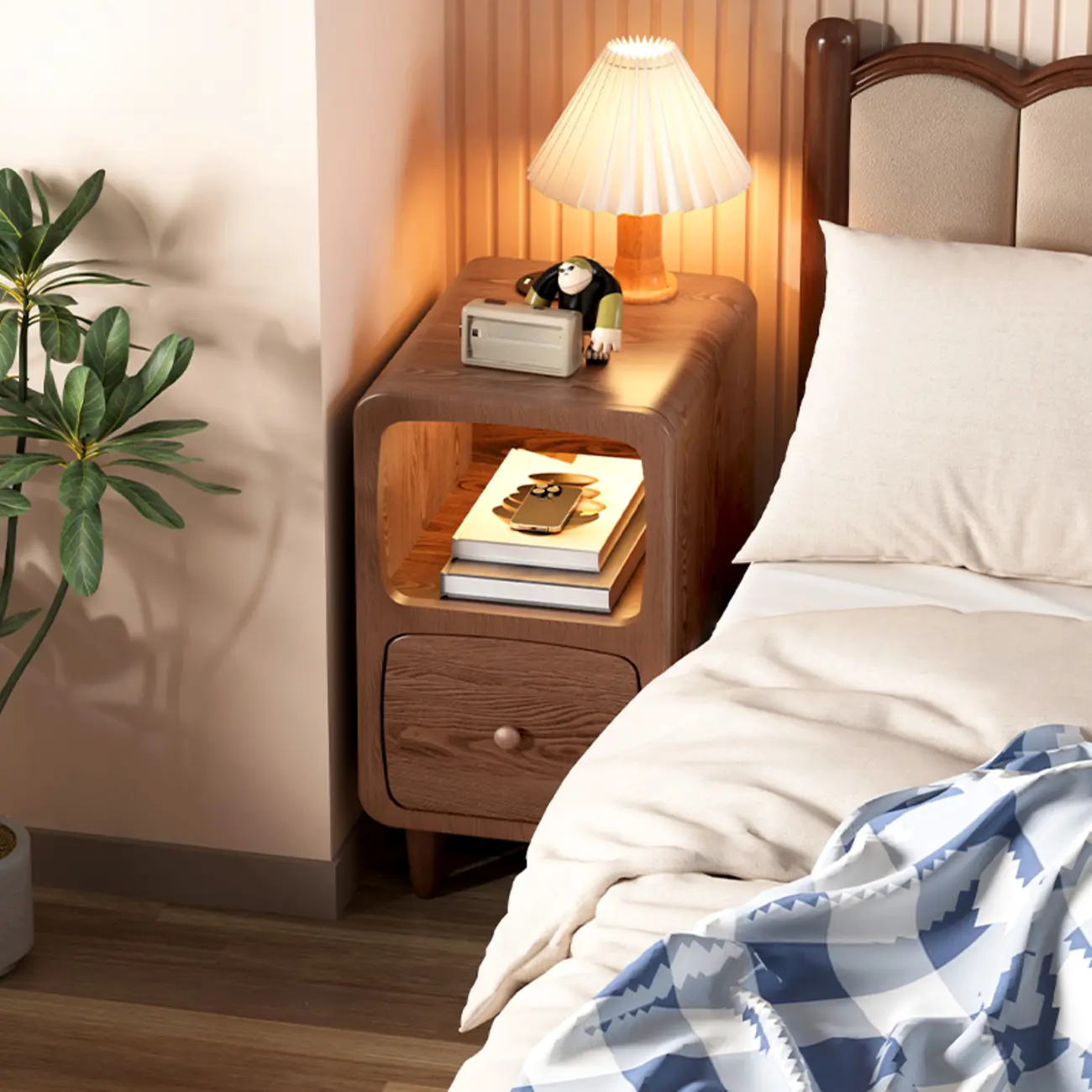
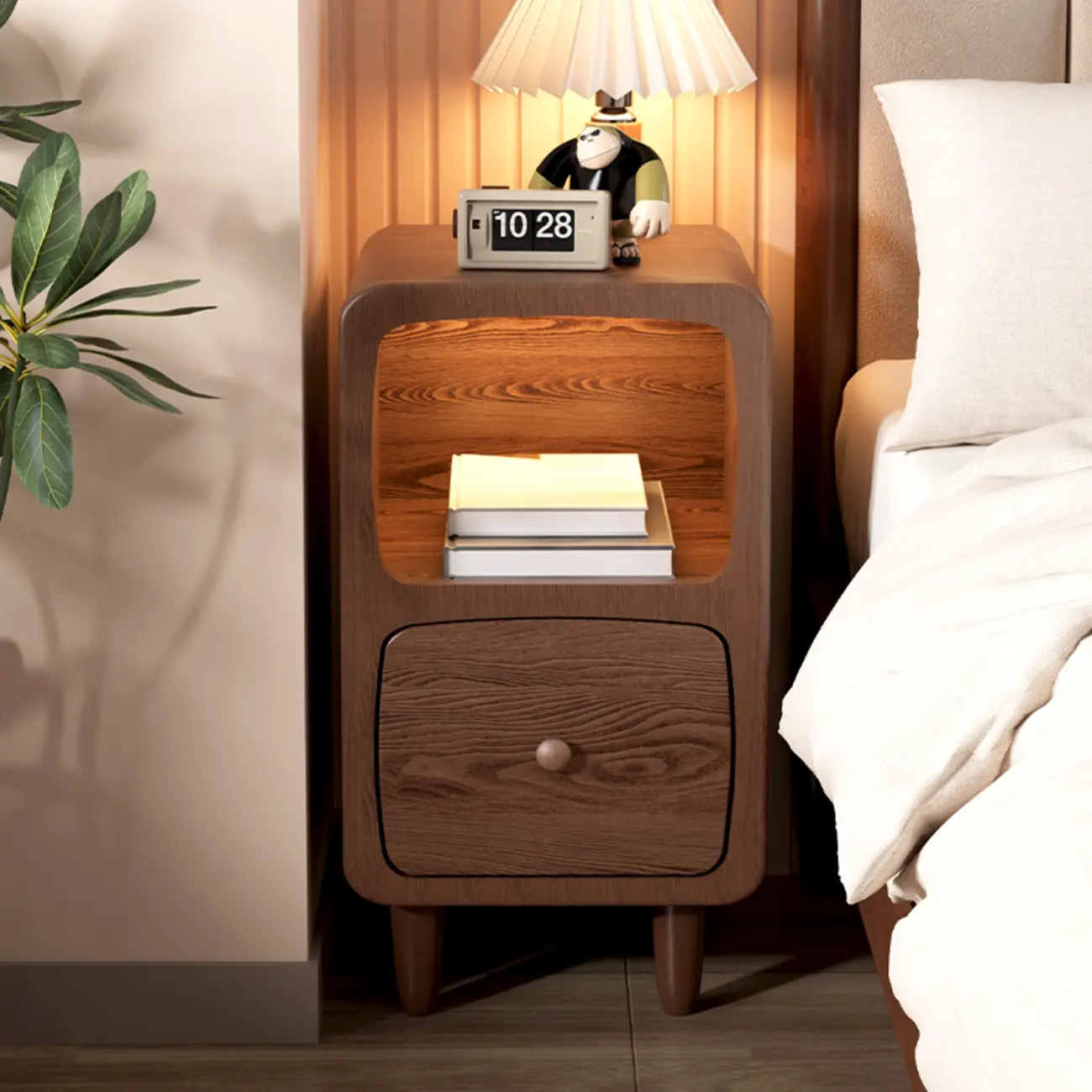
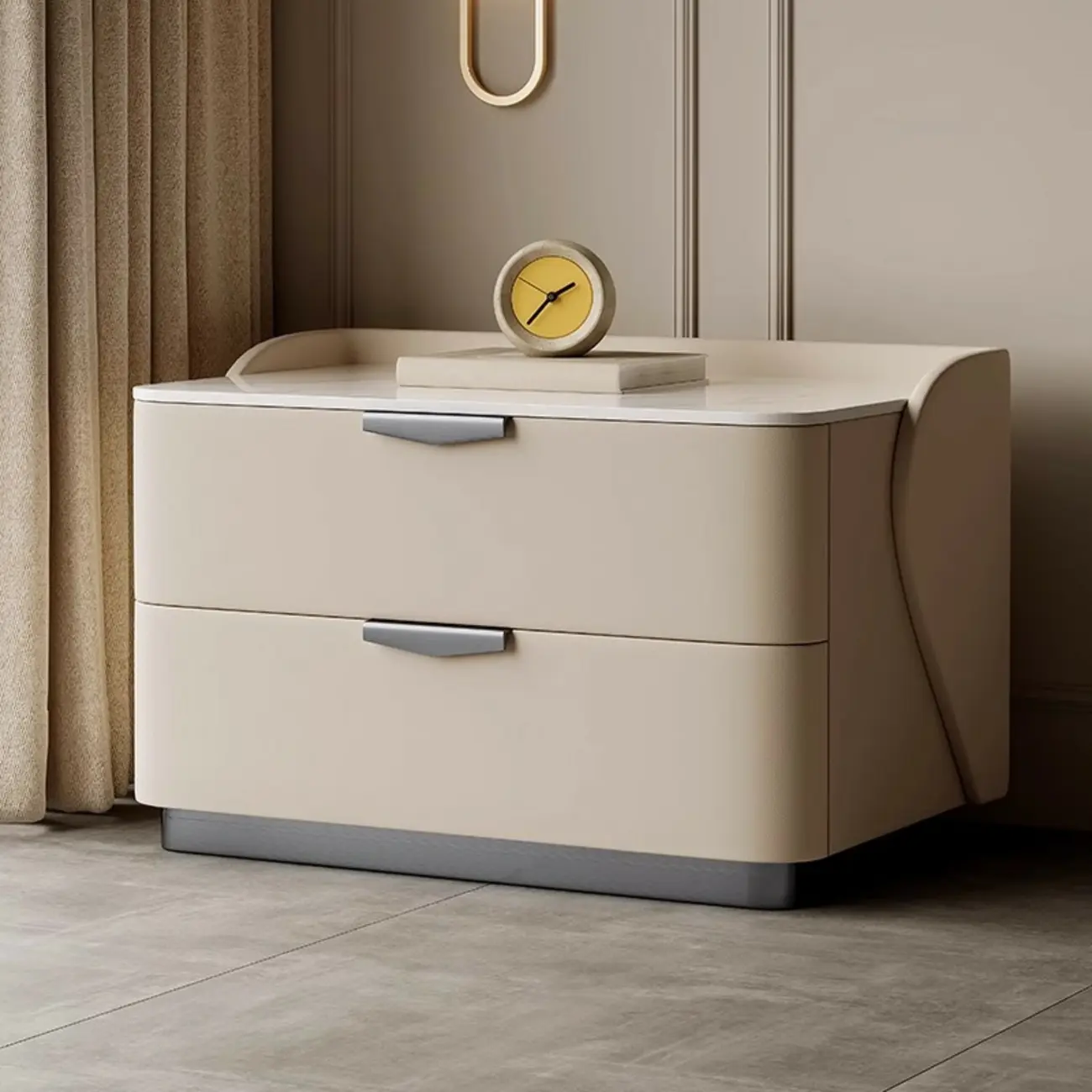
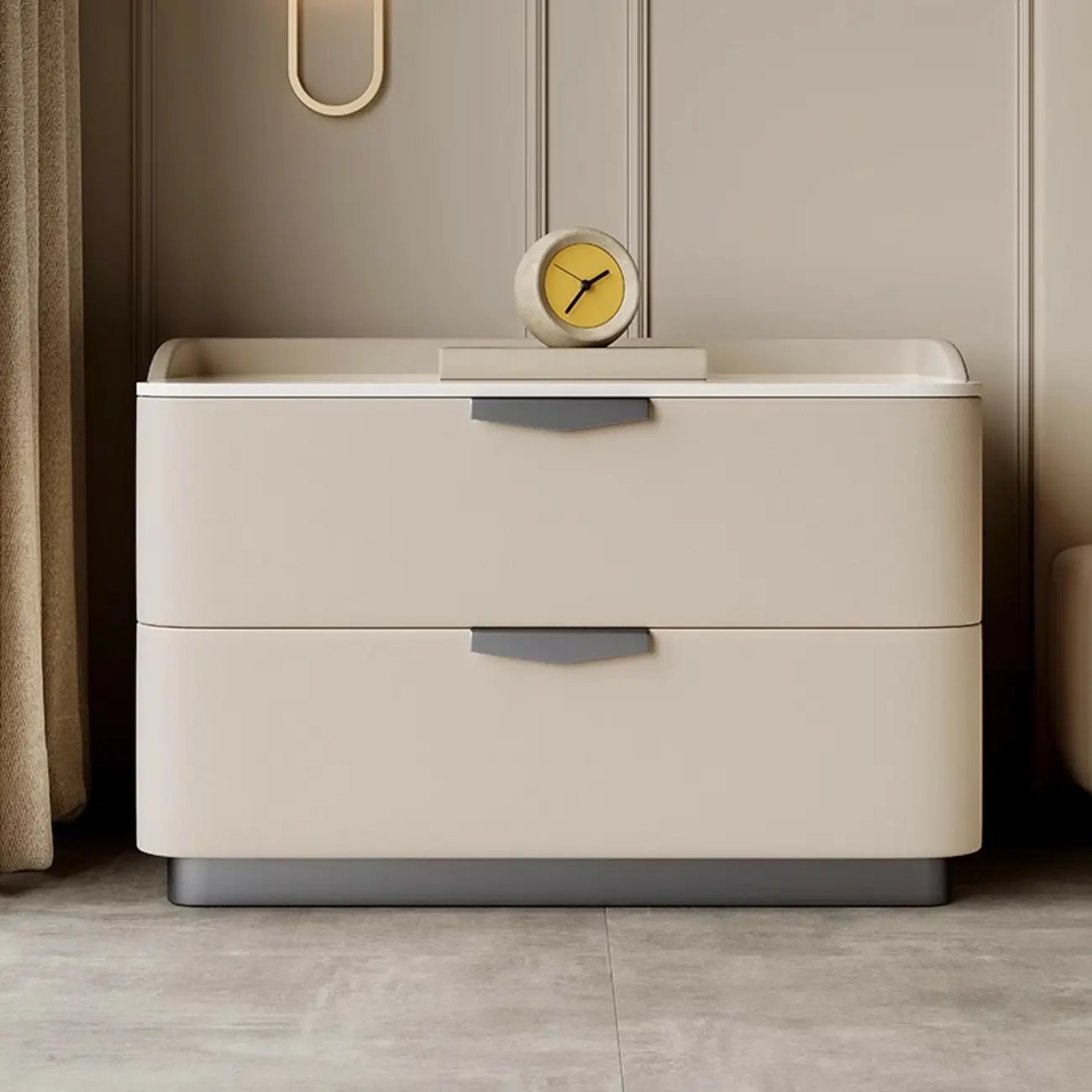
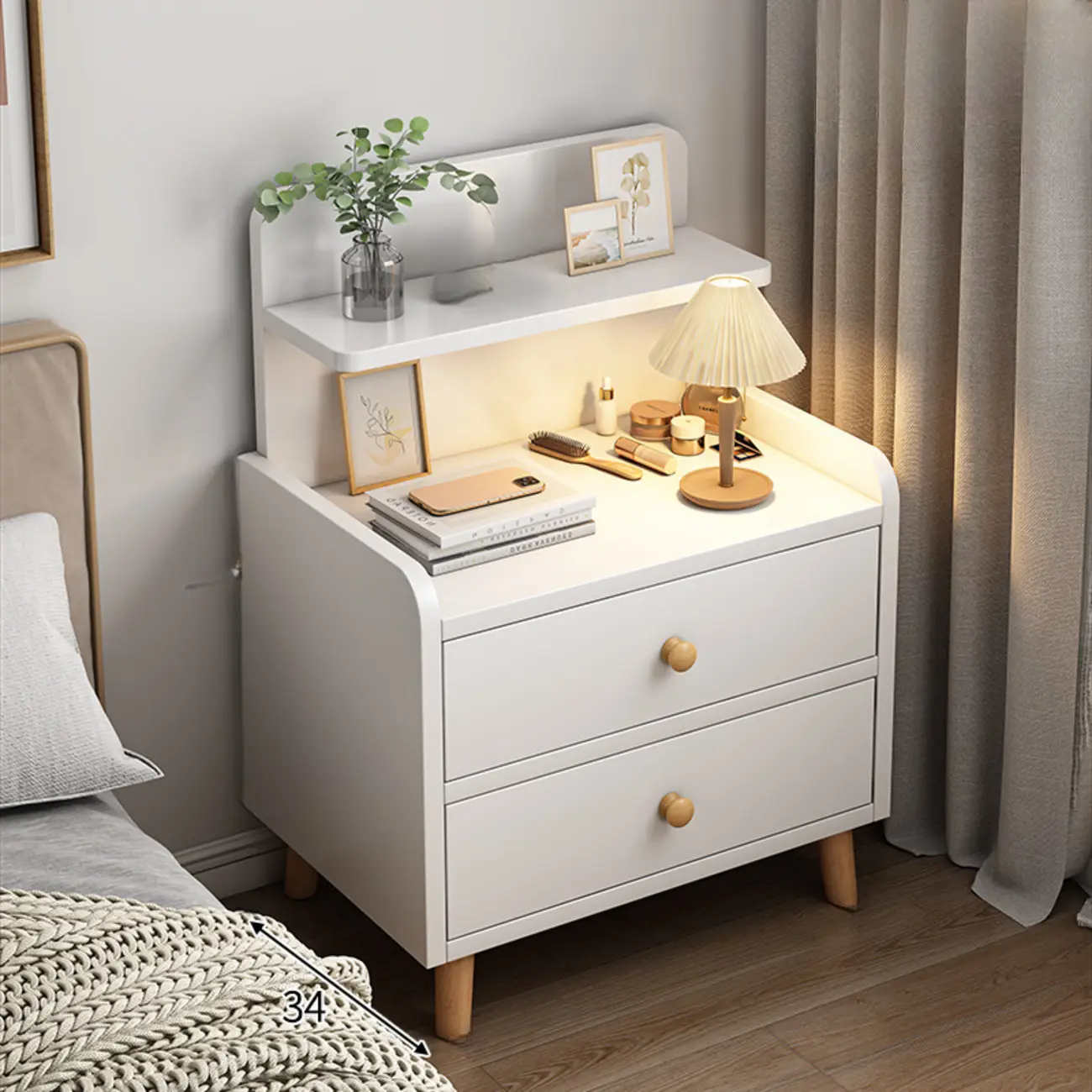
When you store a lot (a sleep mask, lip balm, and much more), a nightstand with a drawer becomes non-negotiable real fast. You sweep the clutter inside, close it up, and the room looks calm again.
But nowadays, practicality is increasingly valued, and many side tables have started to have storage space, but they are generally quite large, while smaller ones do not have drawers.
3. The Small Space
Most nightstands are about 2 feet wide; that's twenty-four inches, sometimes more. If your tape measure shows sixteen inches, maybe eighteen, those standard nightstands simply will not fit. You can force it and end up with a crooked setup that juts into the walkway. Nobody wants that.
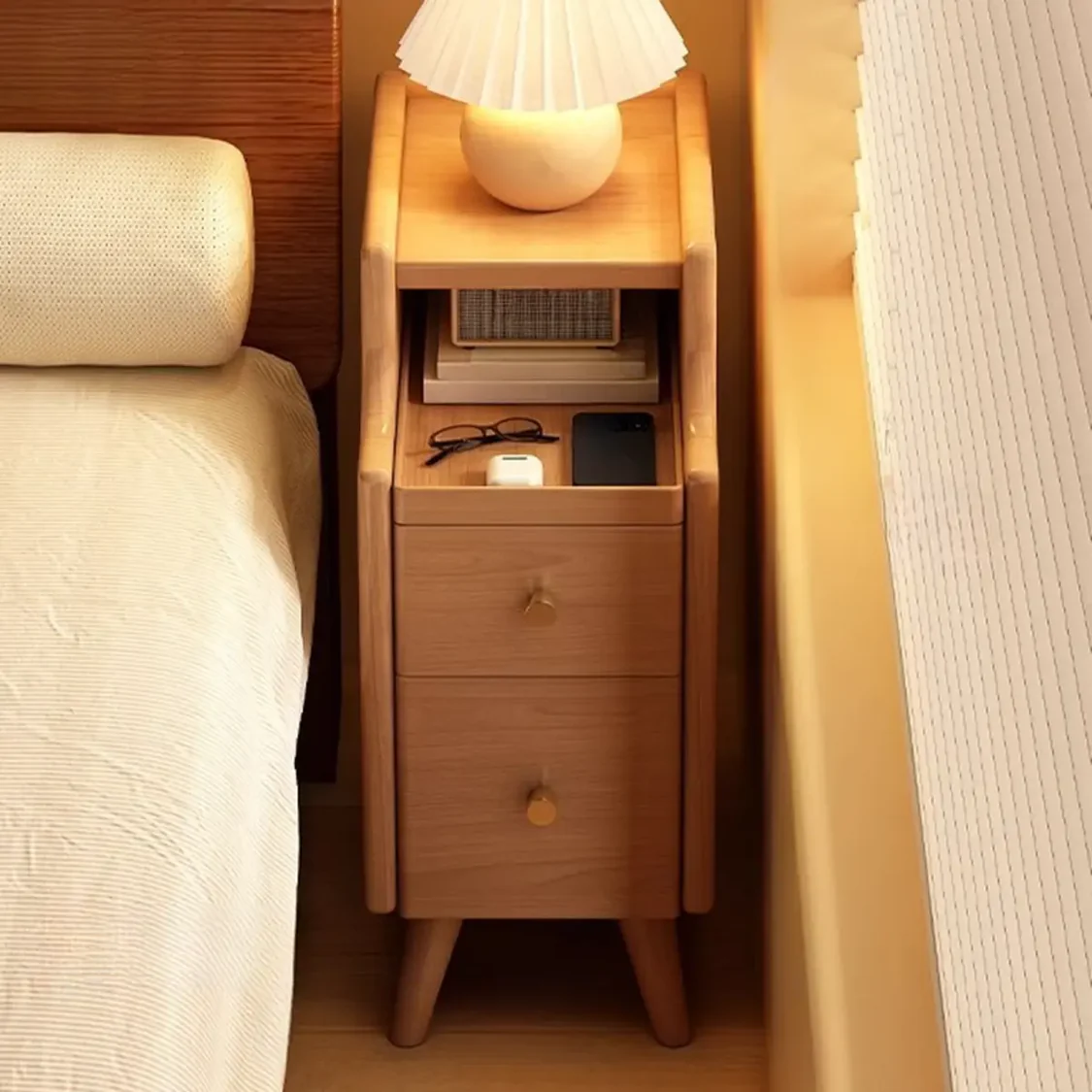
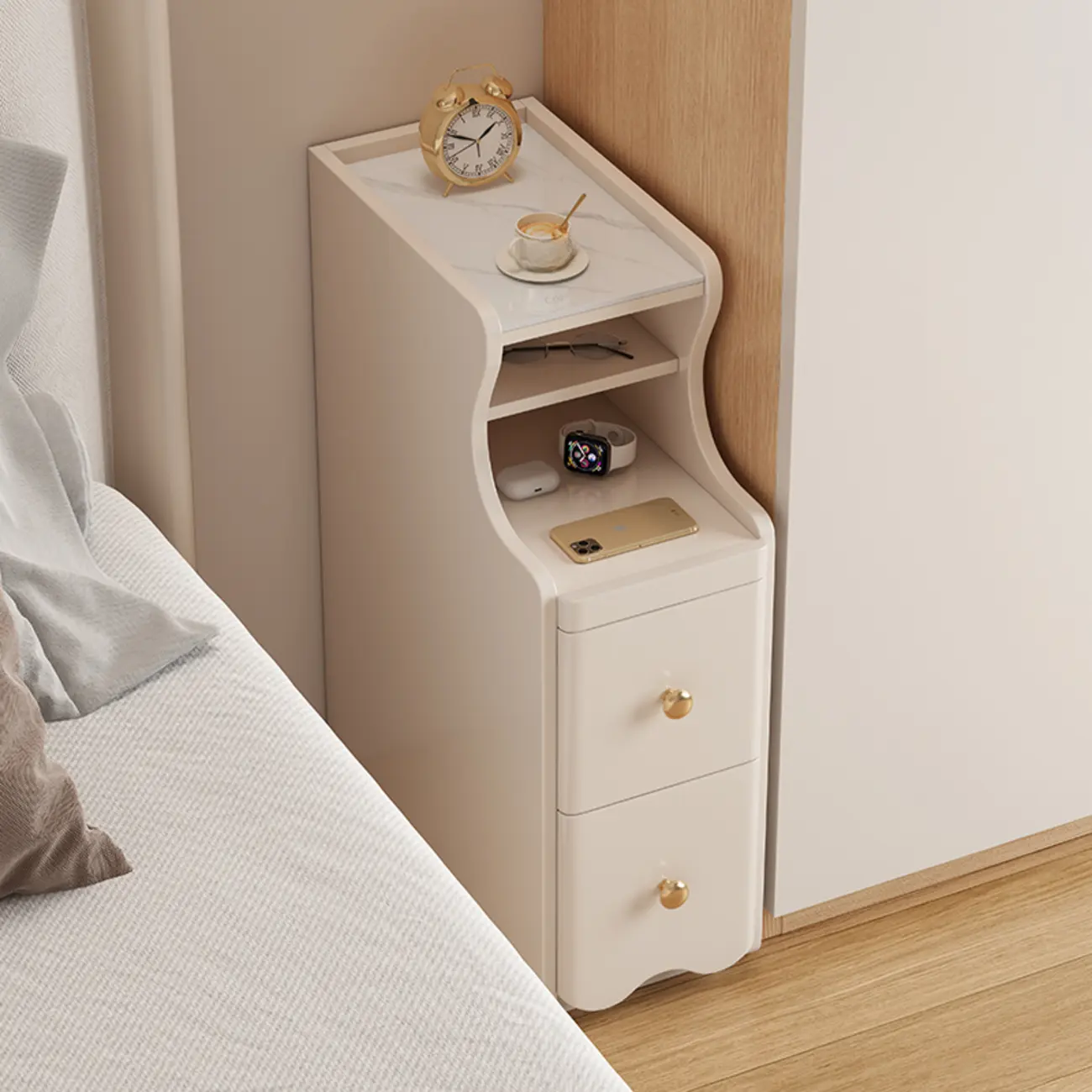
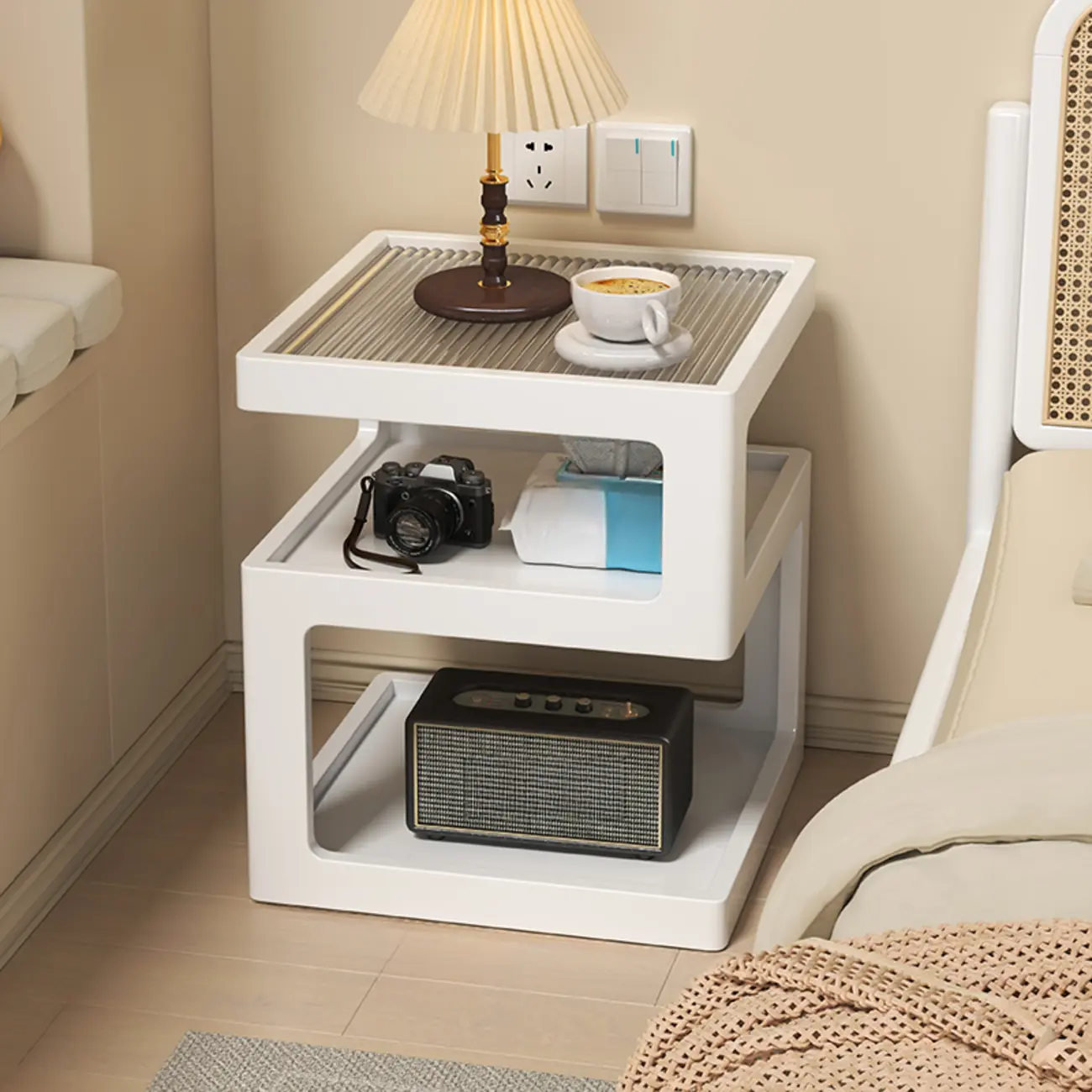
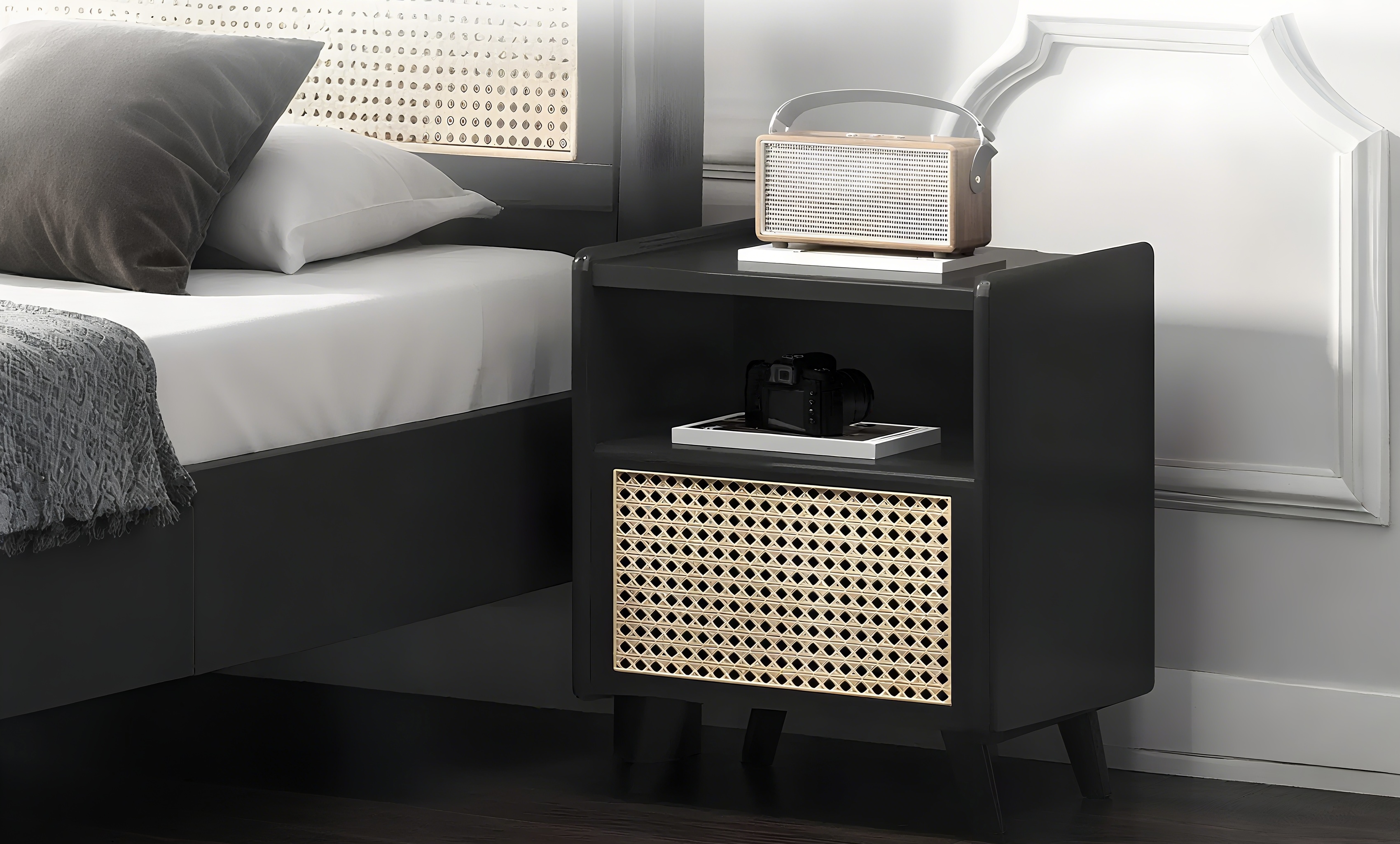
This is exactly when a side table makes more sense, as lots of them come in narrow widths of about fourteen inches. Just enough to hold a lamp and a water glass without blocking your path. Round drum shapes slide into corners especially well.
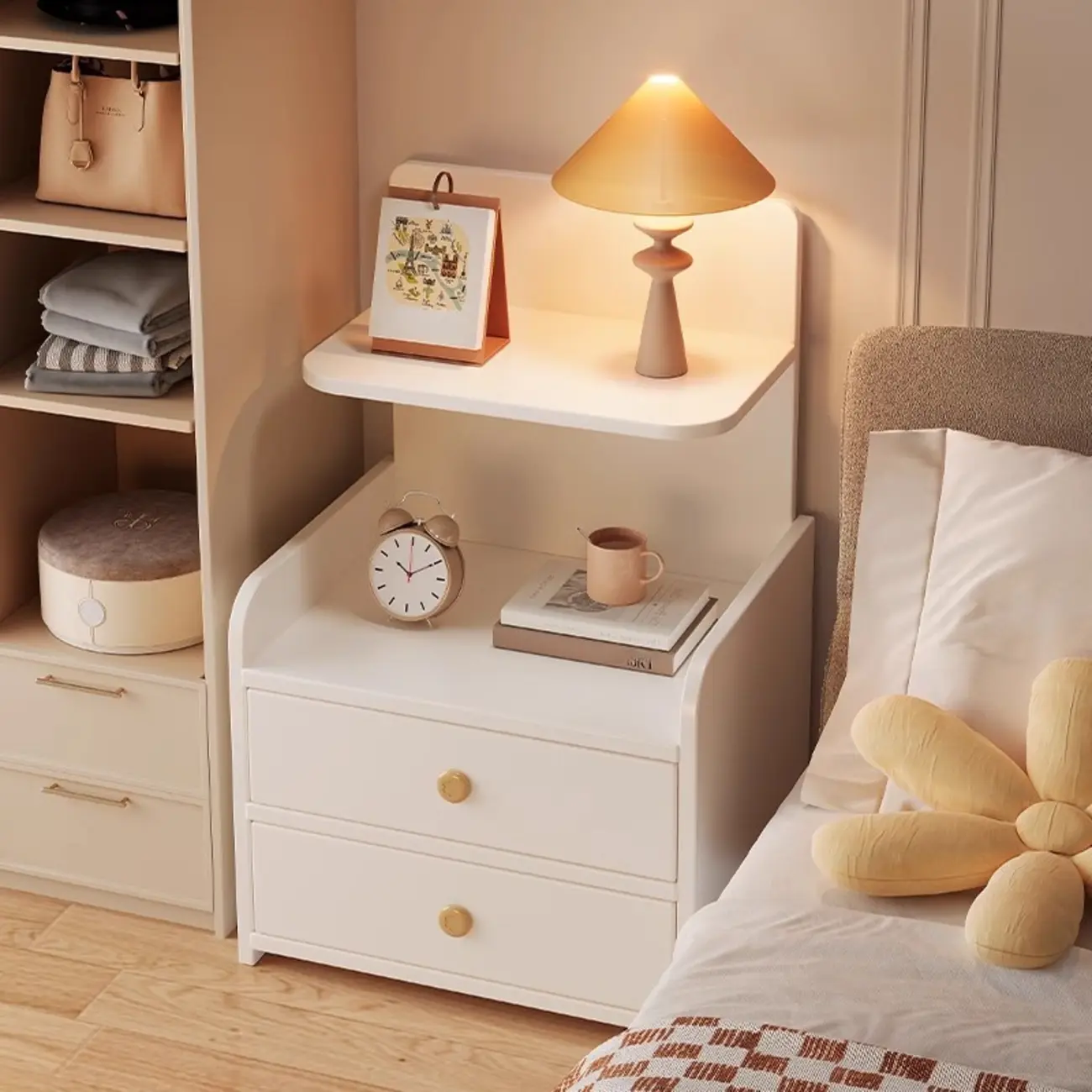
You lose the drawer, sure, but you can work around that. You need to grab a small wall shelf and mount it a few inches above the tabletop. It gives you an instant second layer for your phone and glasses. A bedside caddy slipped between the mattress and frame holds books and remotes just fine.
4. Styling and Visual Balance
-
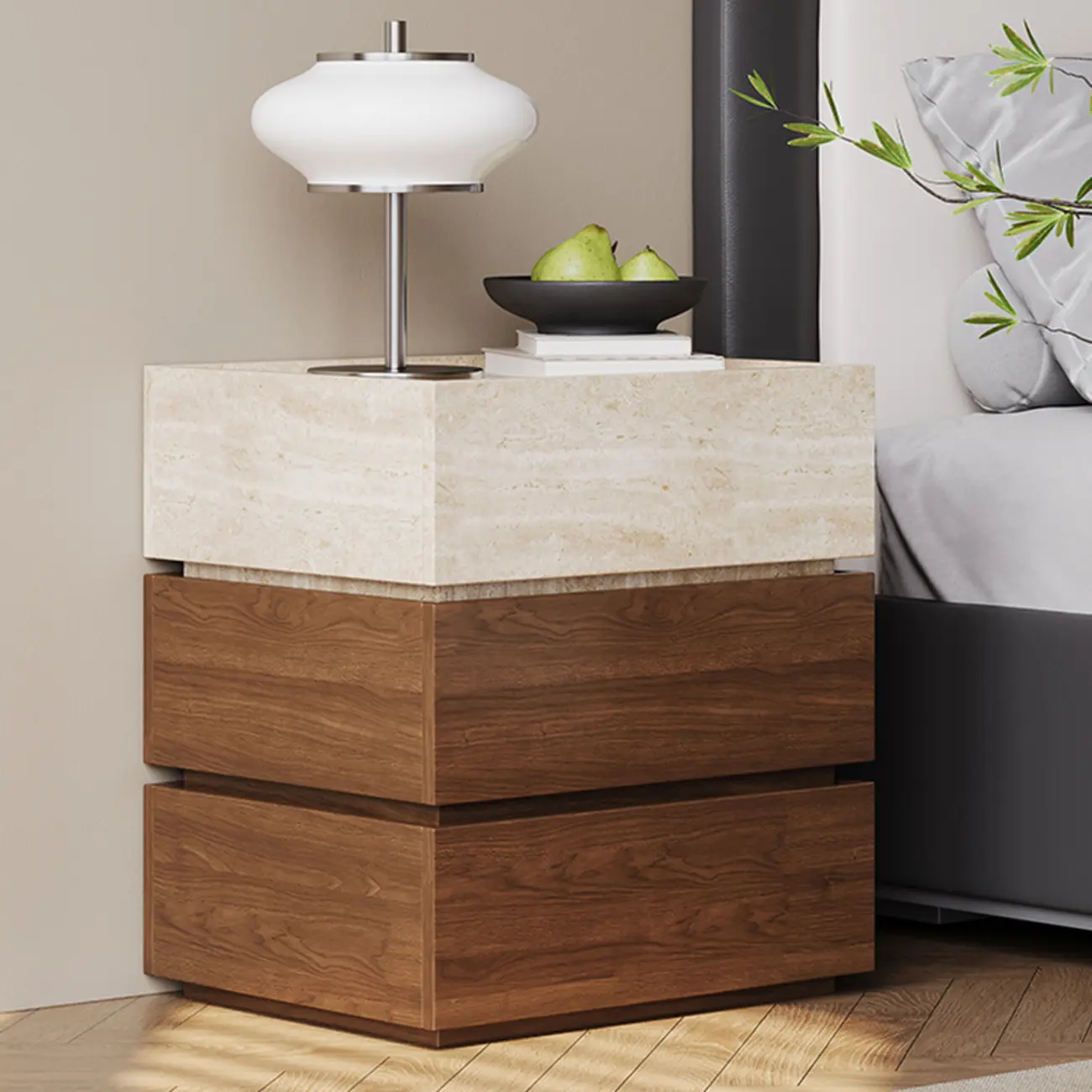
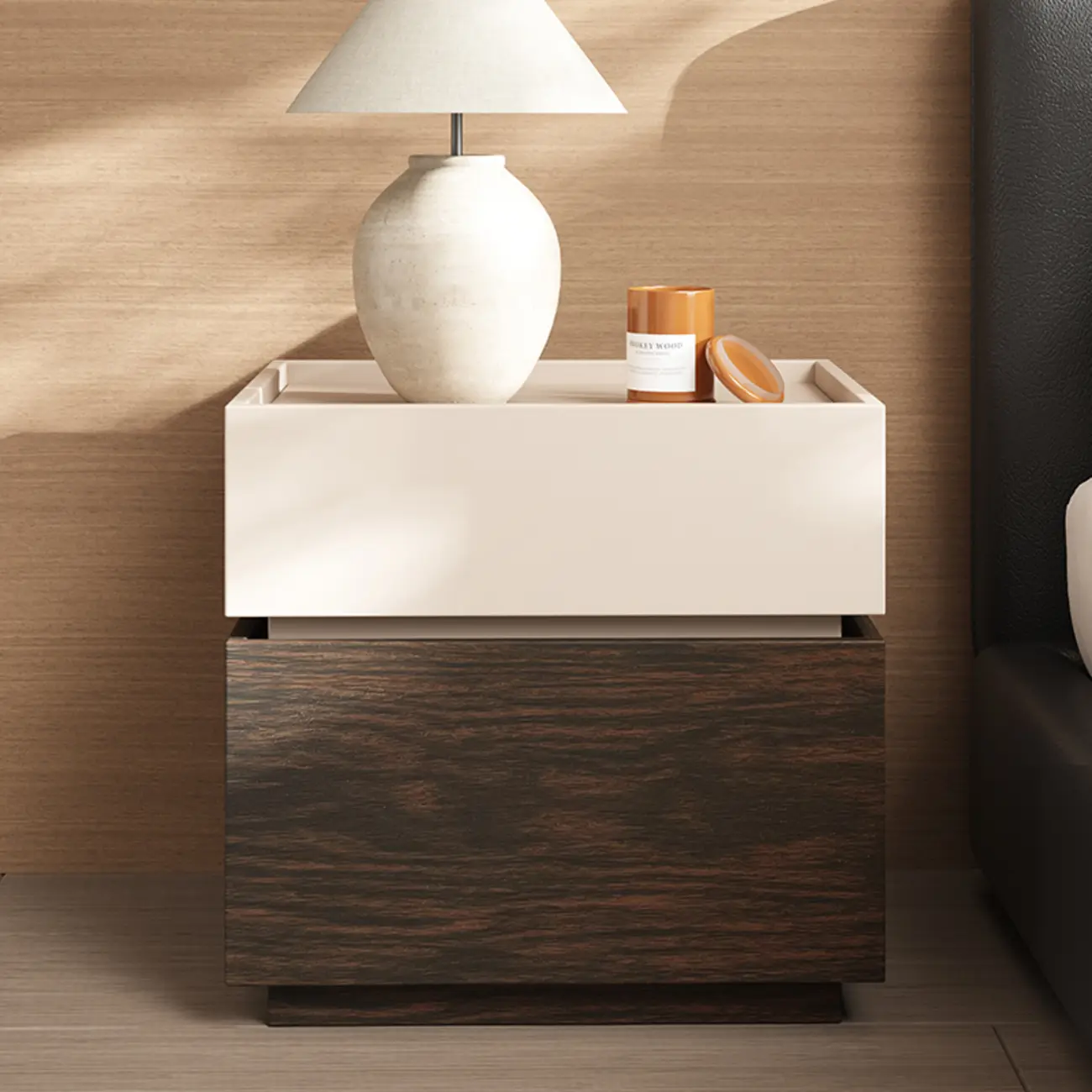
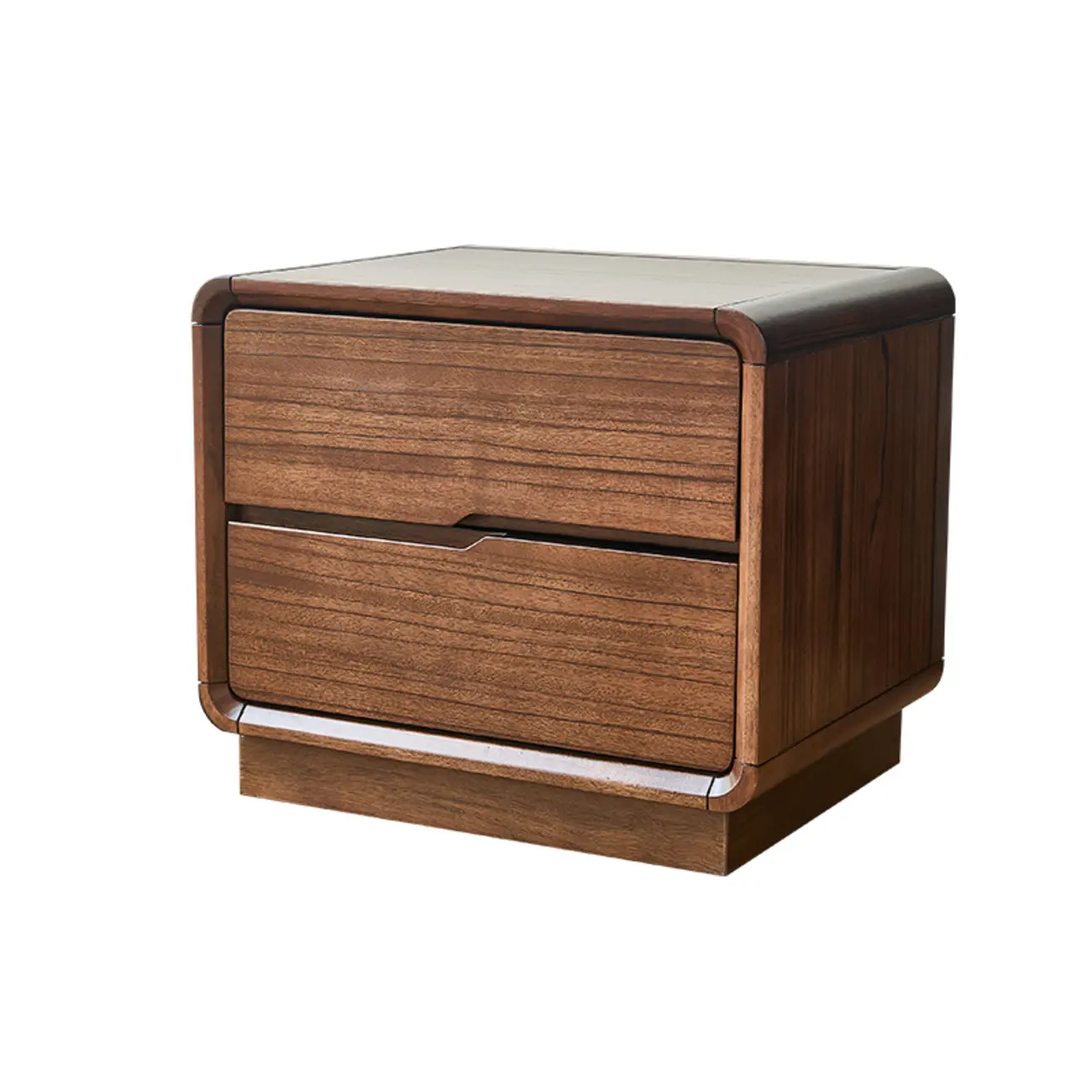
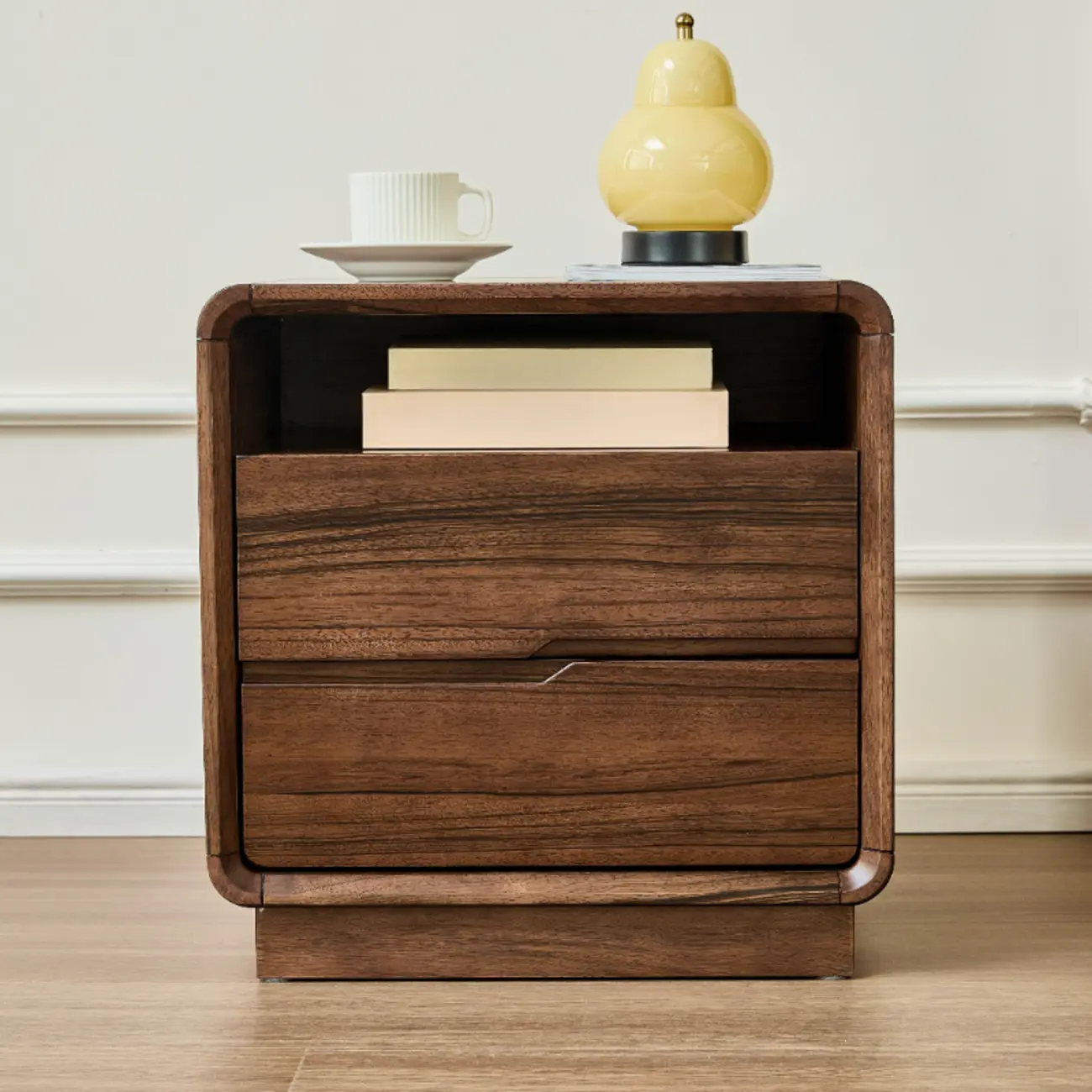
Nightstands feel substantial. They sit there as they mean to. A chunky wood nightstand next to a solid bed frame looks right at home. The whole setup feels anchored.
-
Side tables do the opposite. They stay light on their feet. Thin legs. Open space underneath. That airy look keeps a small bedroom from feeling like a storage closet. One thing to watch with side tables is the lamp situation. The tops run smaller.
So when you grab a lamp, check the base width. If it's more than a third of the tabletop, the whole thing starts looking like a bobblehead. You should keep the lamp in check, and everything falls into place.
The Final Verdict—Which One Fits Your Life?
-
If you have a tall bed on a box spring, grab a nightstand. The height matches, and the drawer hides your nightly clutter.
-
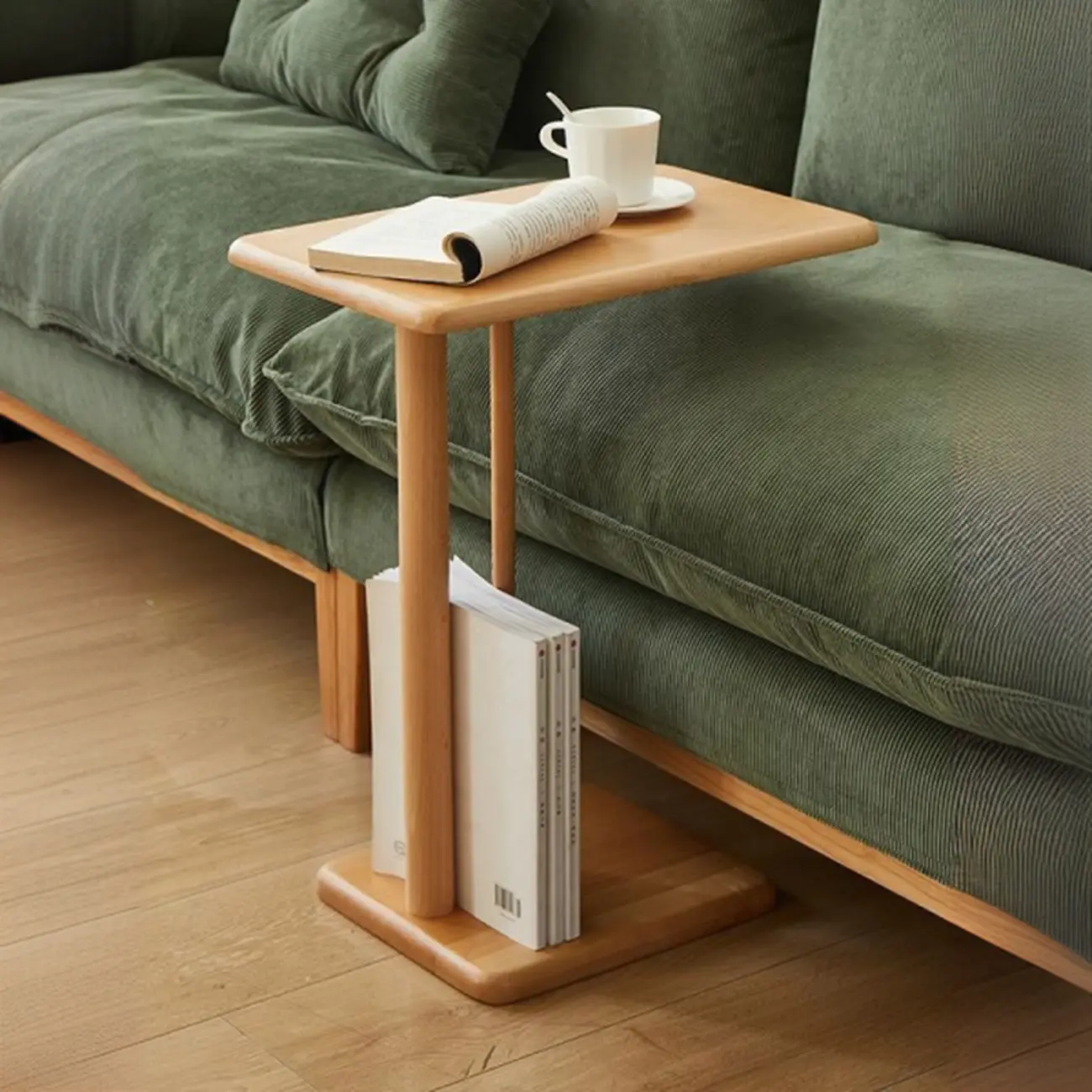
If your bed sits low on a platform frame, a side table lines up better. No awkward reaching down.
-
If the gap beside your bed is less than twenty inches, go with a narrow side table. It slides in without blocking the walkway.
-
If you hate a visible mess before sleep, get a nightstand with a drawer. Sweep everything inside. Done.
-
If you only keep a book and a lamp nearby, a side table handles that just fine. No extra bulk.
Find the Best Bedroom Furniture With HomeyFad
Your bedroom should make you feel relaxed and comfortable. Whichever table feels right for you is your bedside table. Don't worry about names; focus on whether the design of the furniture suits you.
Let's create a comfortable and functional bedroom together. HomeyFad is here for you. Take a few minutes to browse our nightstands and side tables; you'll find one that's perfect for your bedroom. To help you create a comfortable home, HomeyFad offers a 10% discount on your first order!
If you'd like to consult about sizes before purchasing, contact us or explore more inspiration and guides.
FAQs
Q: Can a side table work as a nightstand?
A: Yes, if the height sits within two inches of your mattress top.
Q: How small can a bedside table be?
A: Fourteen inches wide, it still holds a lamp and a glass.
Q: How narrow can a side table be and still function beside a bed?
A: Fourteen inches wide is about the minimum for holding a lamp and a small water glass.
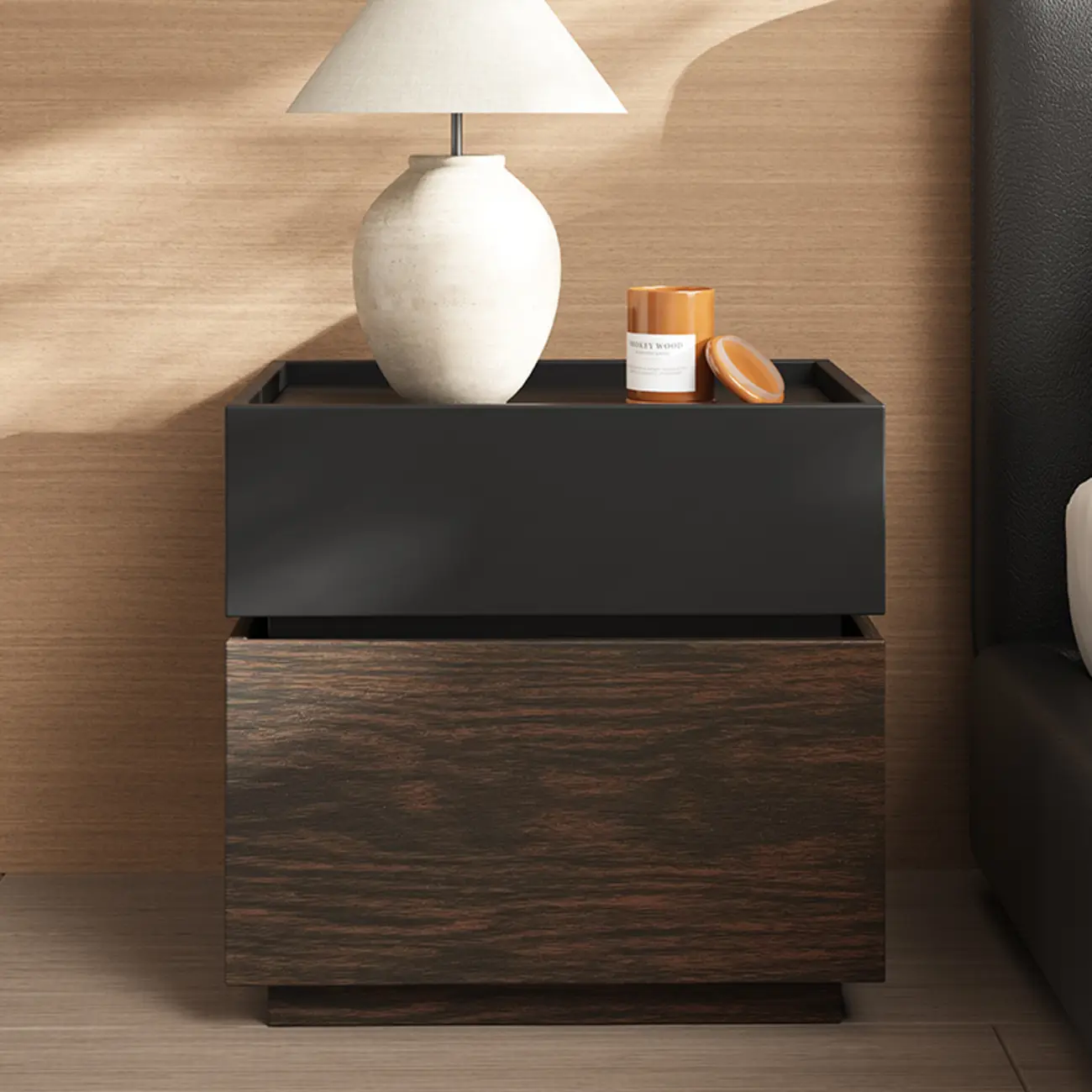
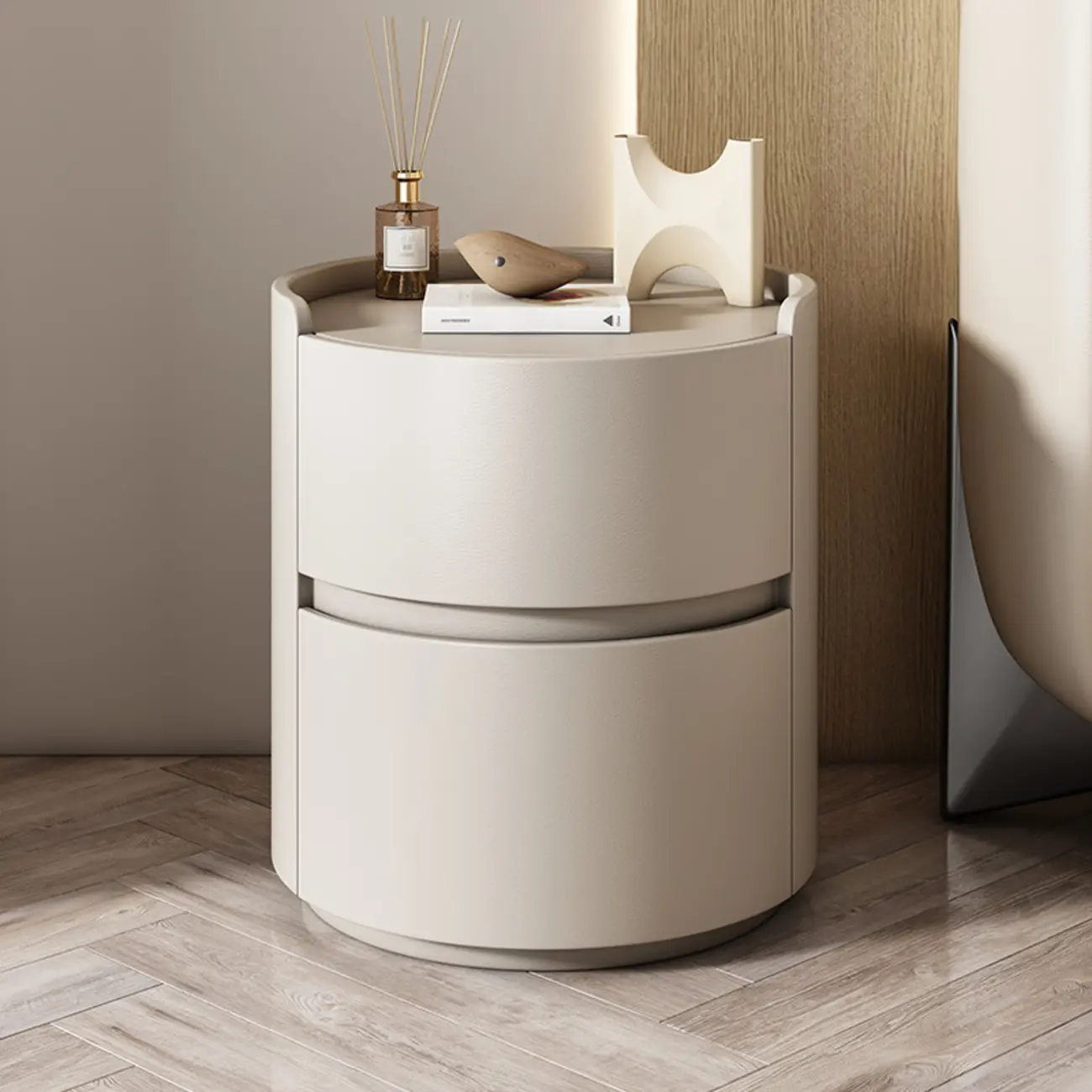
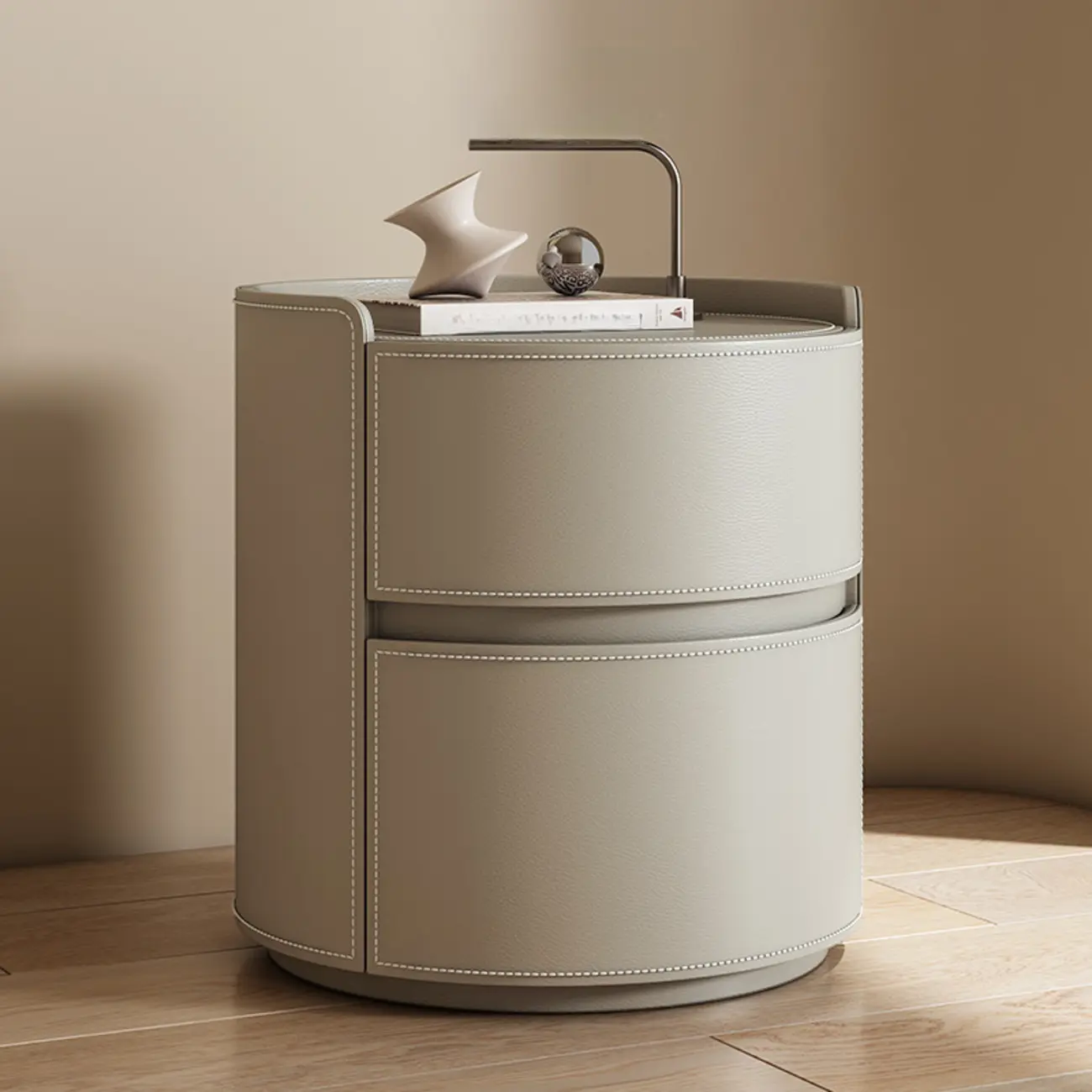
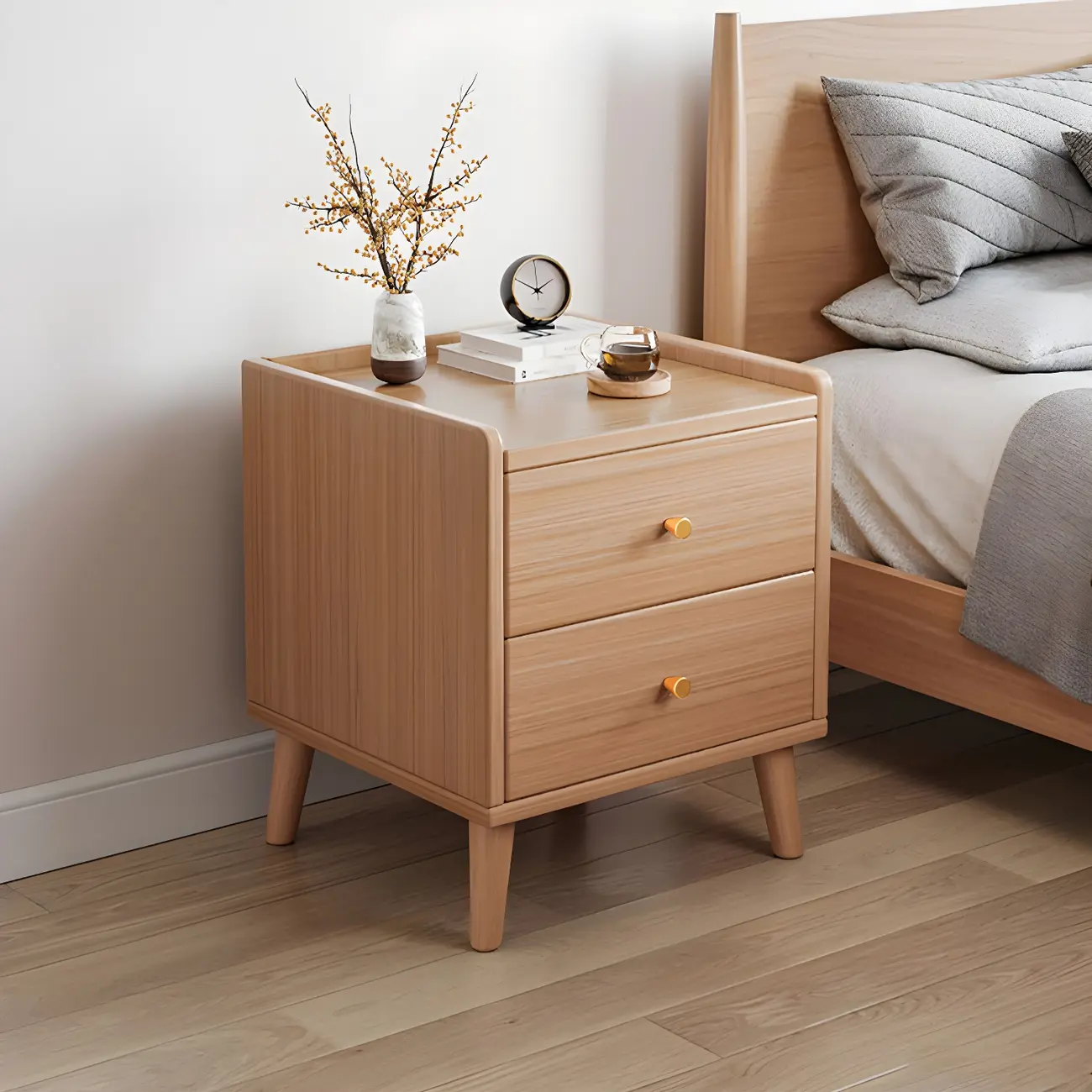
--3.jpg?w=800&h=450)
.png?w=1440&h=810)
--7.jpg?w=800&h=450)

 Add Us On Google