
(4)-2.png?w=1920&h=650)
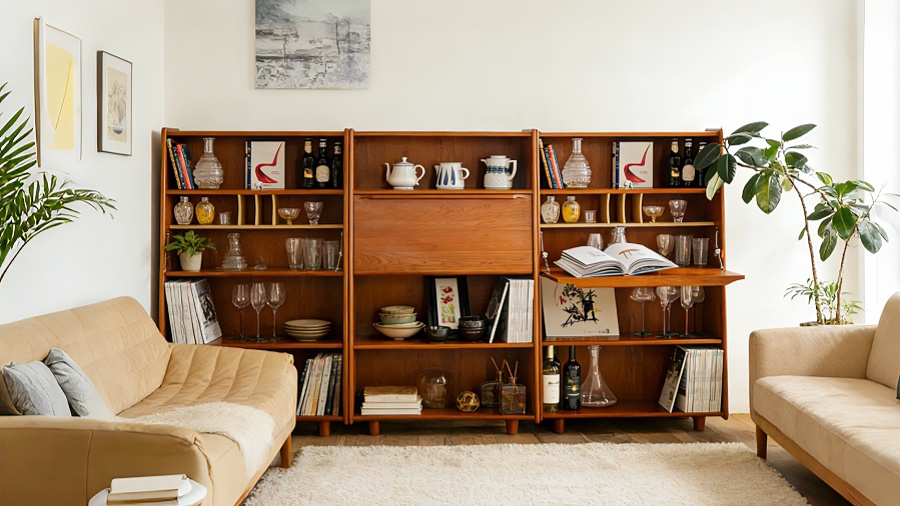
You want a bookcase that looks like it belongs in a magazine spread with clean lines and a perfect finish. The kind of piece that makes people ask where you got it. But you also need it to actually function.
It has to hold your growing collection without sagging. It needs to fit that awkward corner without wasting precious floor space. And maybe you need it to hide the random clutter you don't want the world to see.
Balancing style with practicality trips up most buyers. They end up with something beautiful that doesn't work or something utilitarian that brings down the whole room. Let's fix that.
What Is a Bookcase?
A bookcase is furniture designed with shelves to store books. But these days it does more than hold your collection. Think of it as furniture that grounds your room and reflects your style.
The right one depends on how you live. Your space your storage needs and whether you want everything on display or tucked away all factor into the choice.
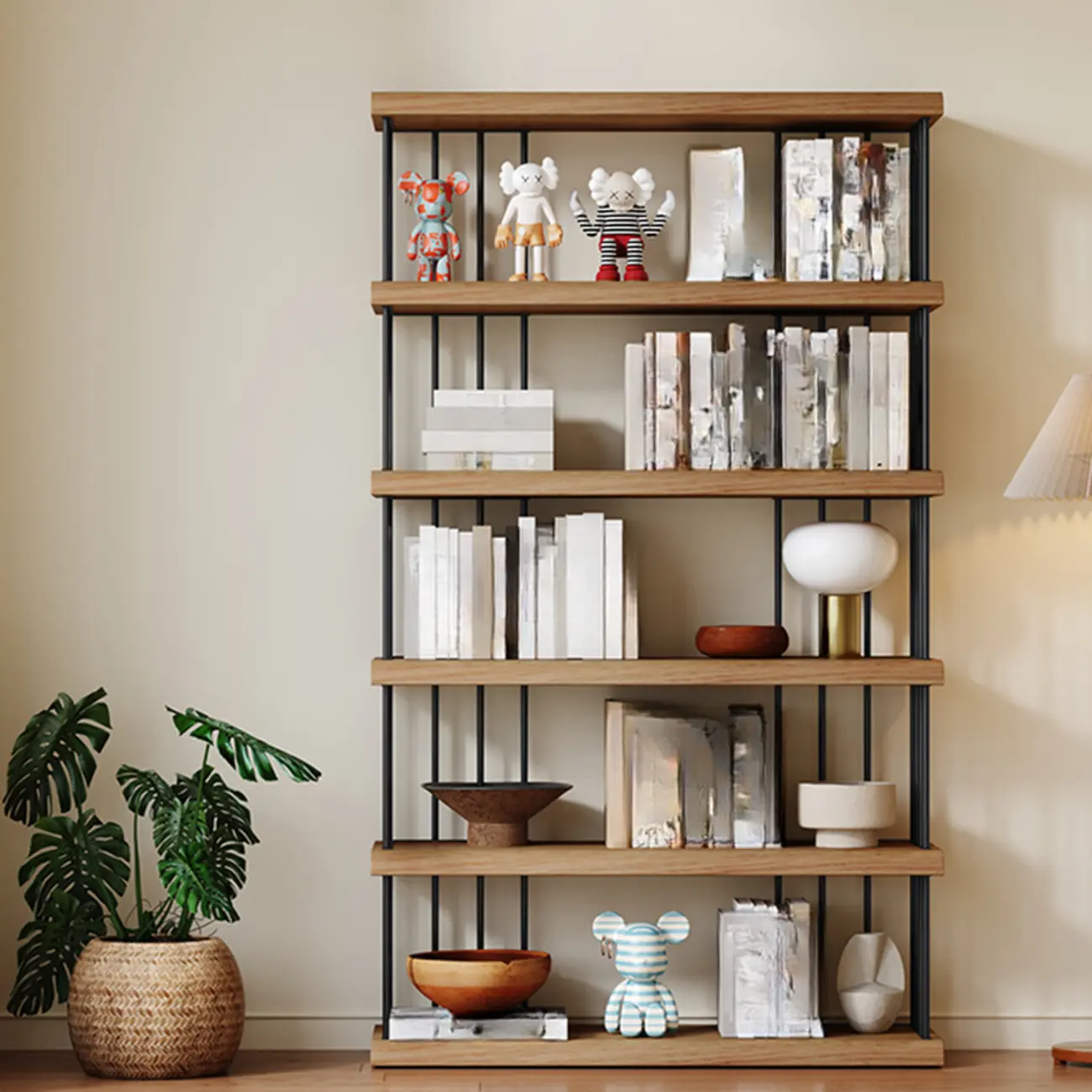
9 Best Narrow Bookcases for Small Spaces Under $300 in 2026
Types of Bookcases
There are plenty of options for bookcases and here are common types to help you decide what could work for your room.
-
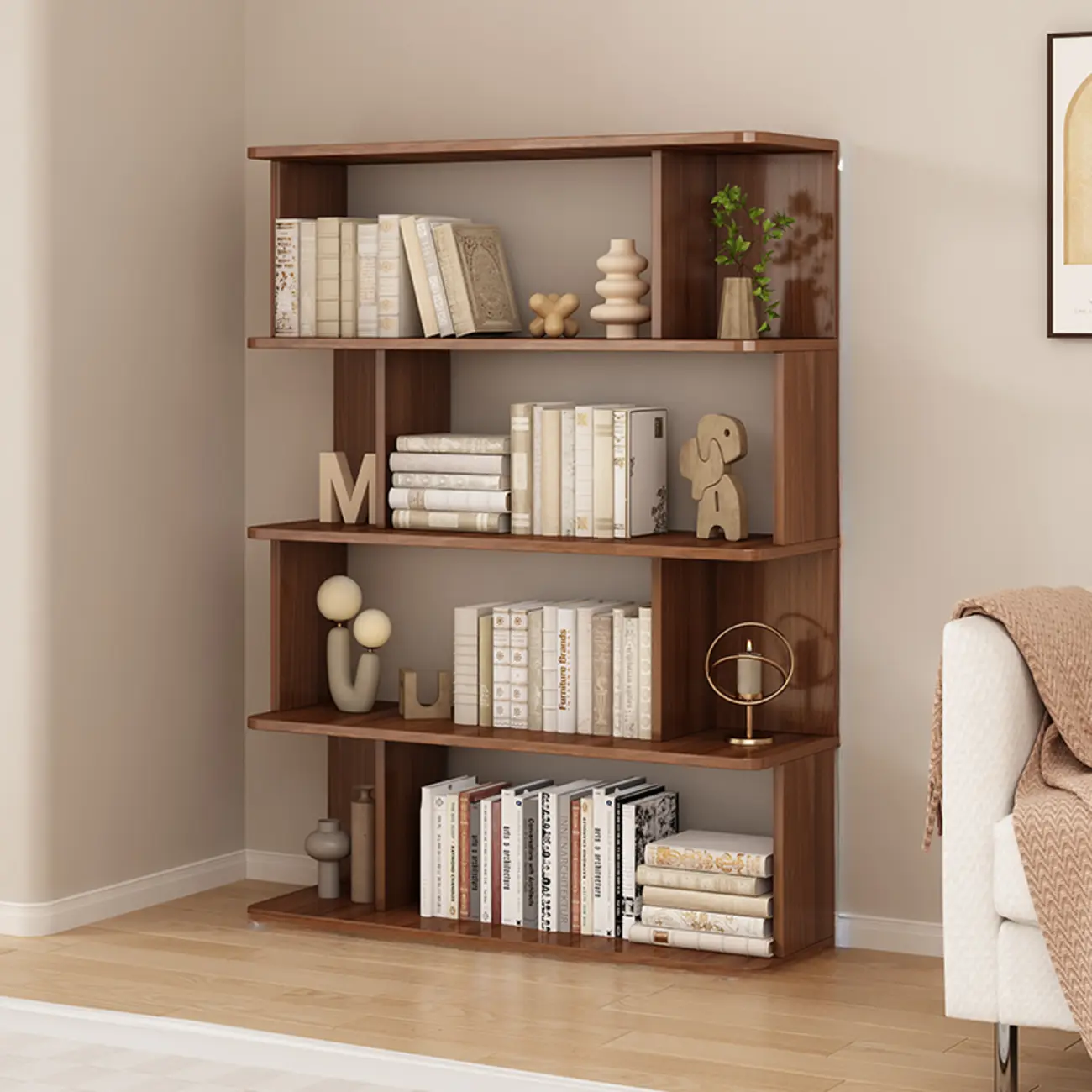
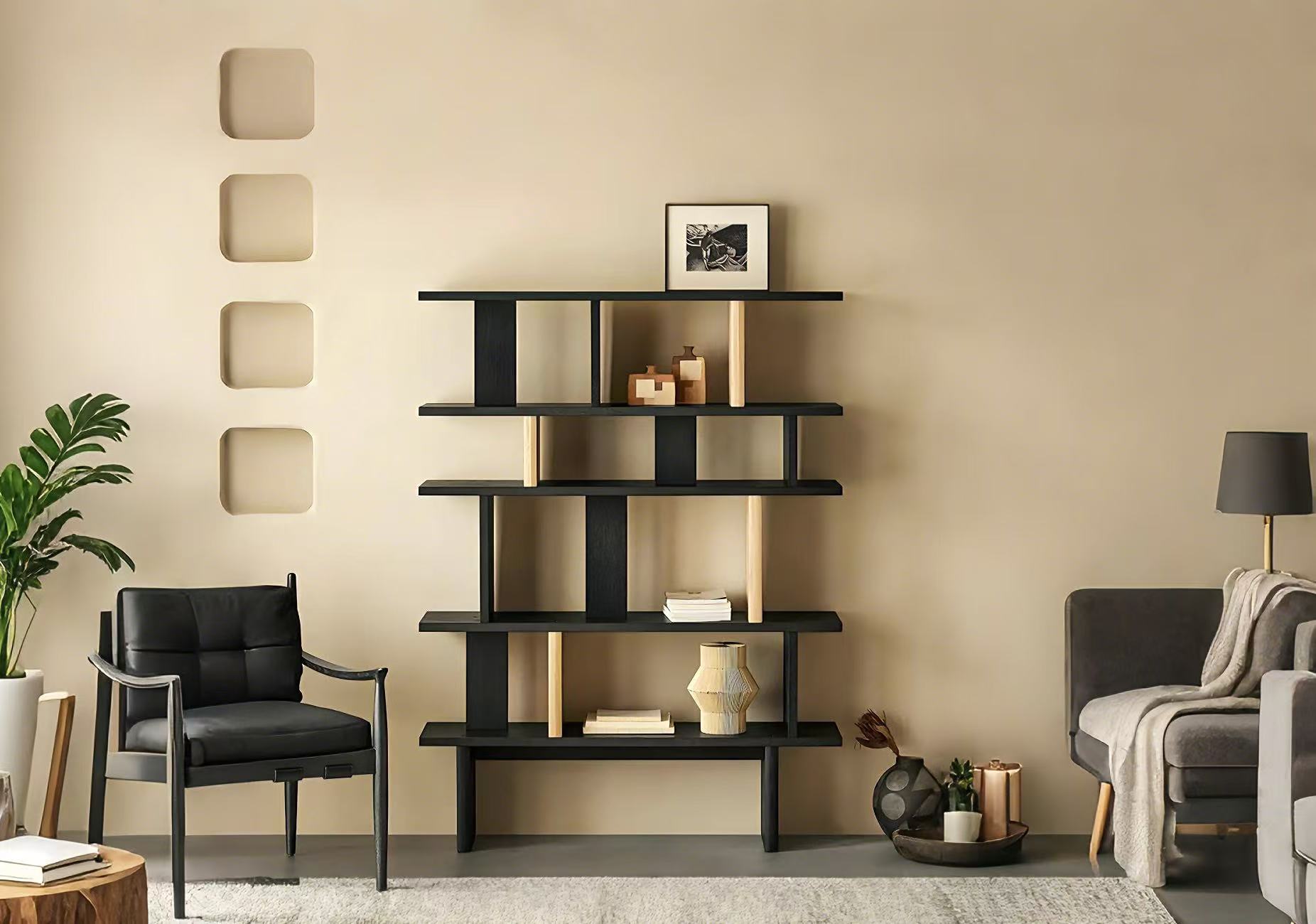
Freestanding bookcase. This is the classic. It sits on the floor, moves easily and comes in every size imaginable. Most homes start here.
-
Wall-mounted bookcase. These attach directly to your studs and float off the floor. They keep the ground clear and work great in kids' rooms or tight spaces.
-
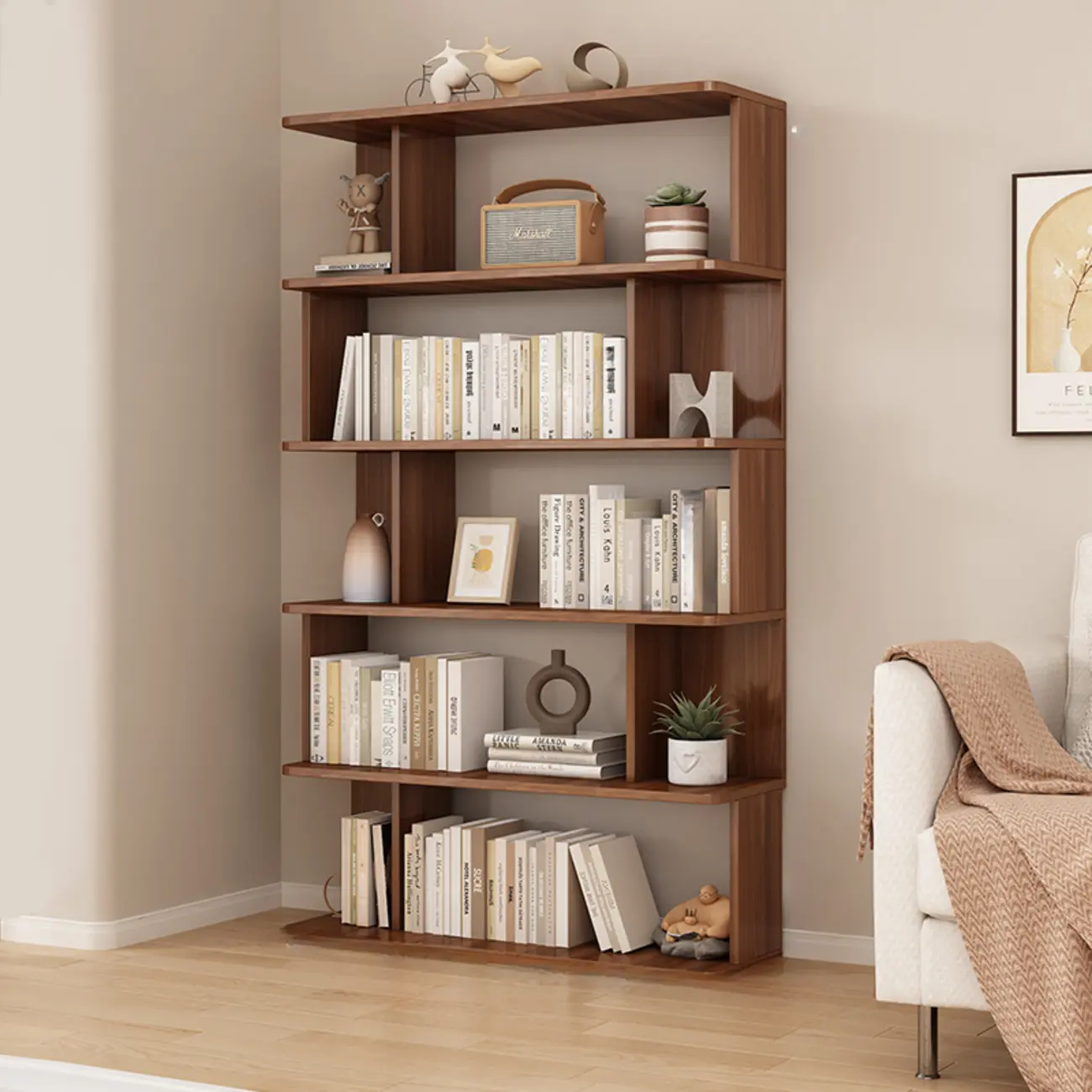
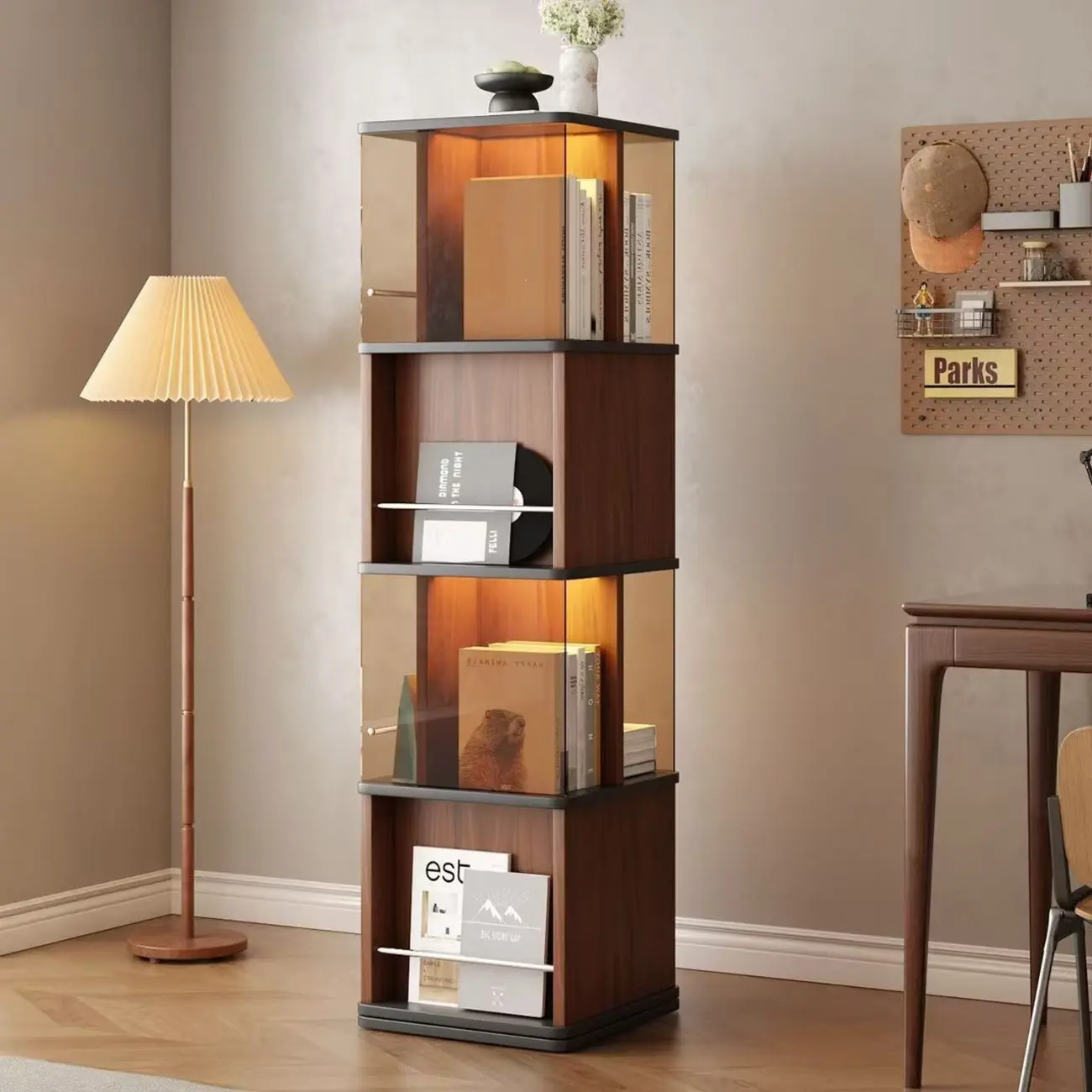
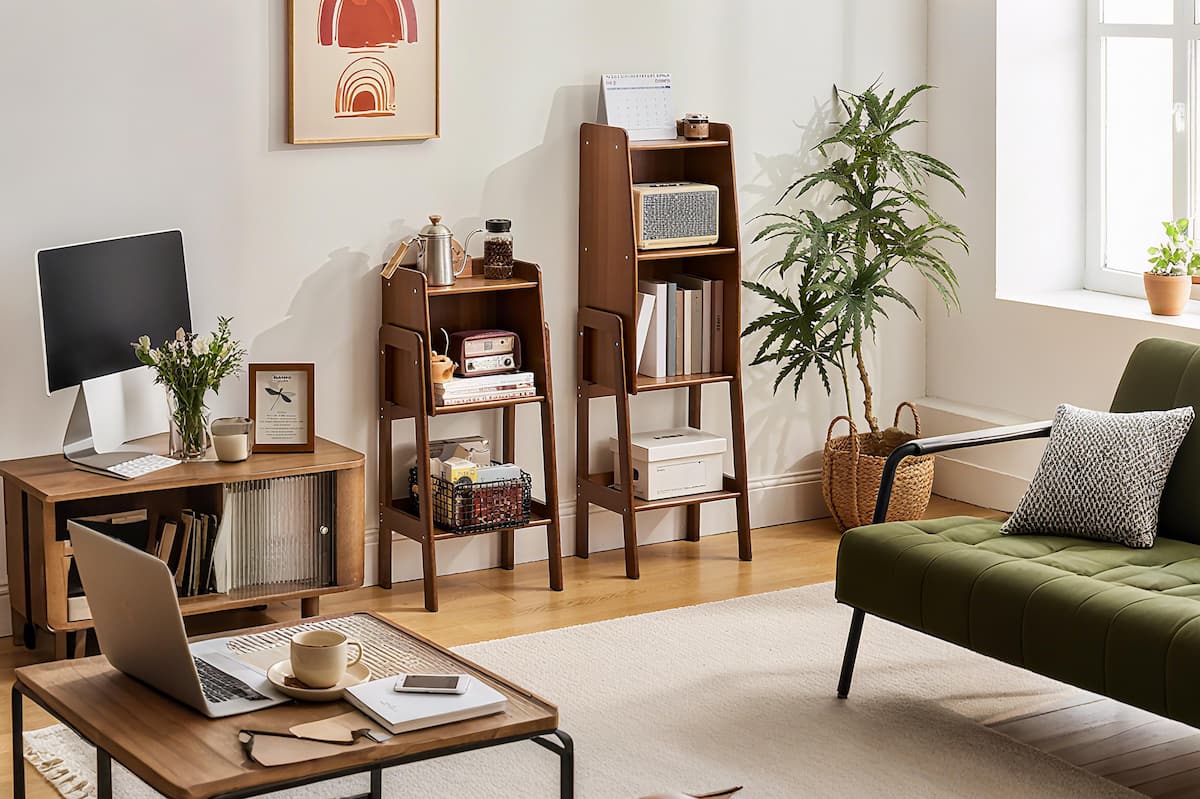
Narrow bookcase. Skinny profile. Tall build. Designed for hallways, entryways and even that weird gap between furniture pieces.
-
Ladder bookcase. It leans against the wall with shelves that widen toward the bottom. The casual vibe works in living rooms and home offices.
-
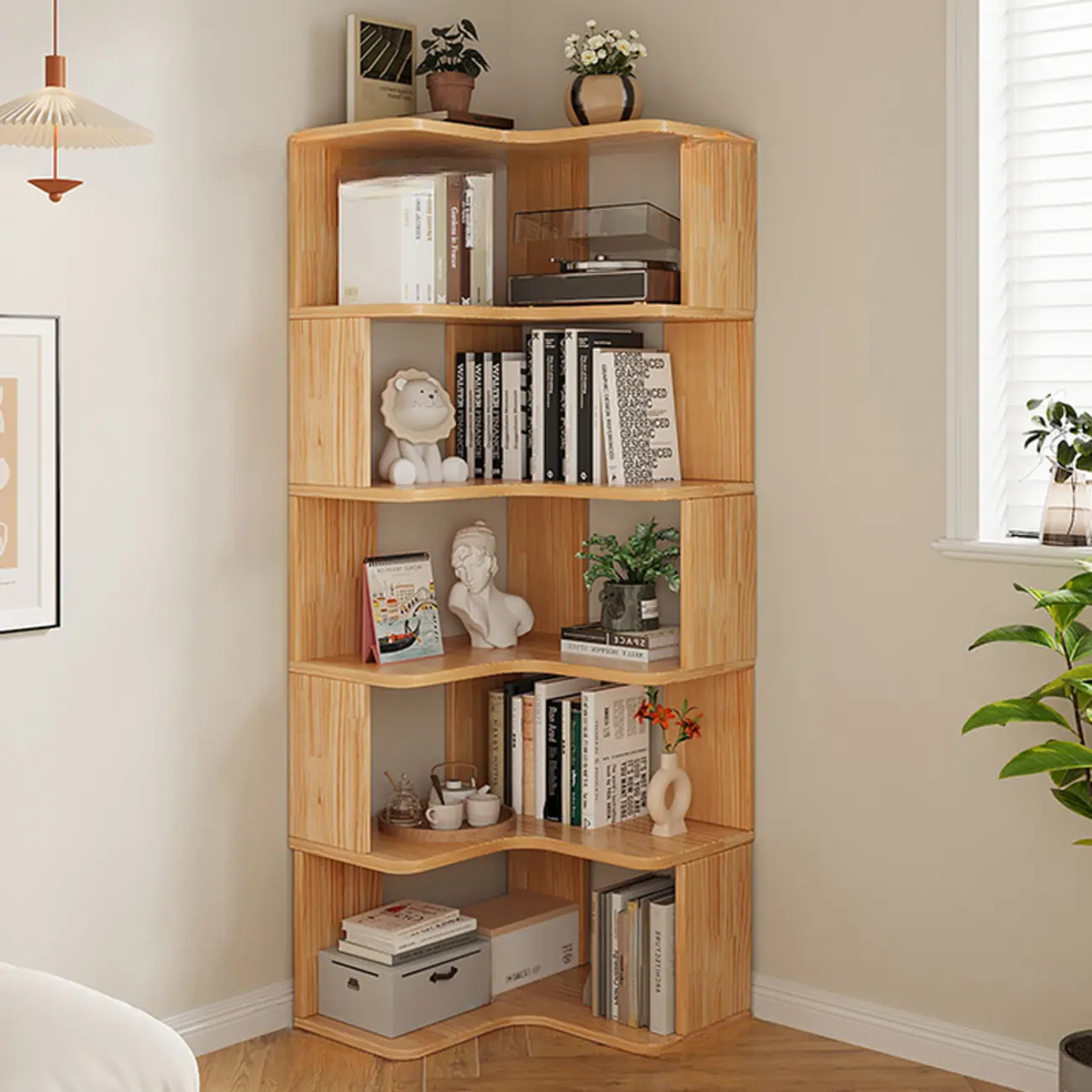
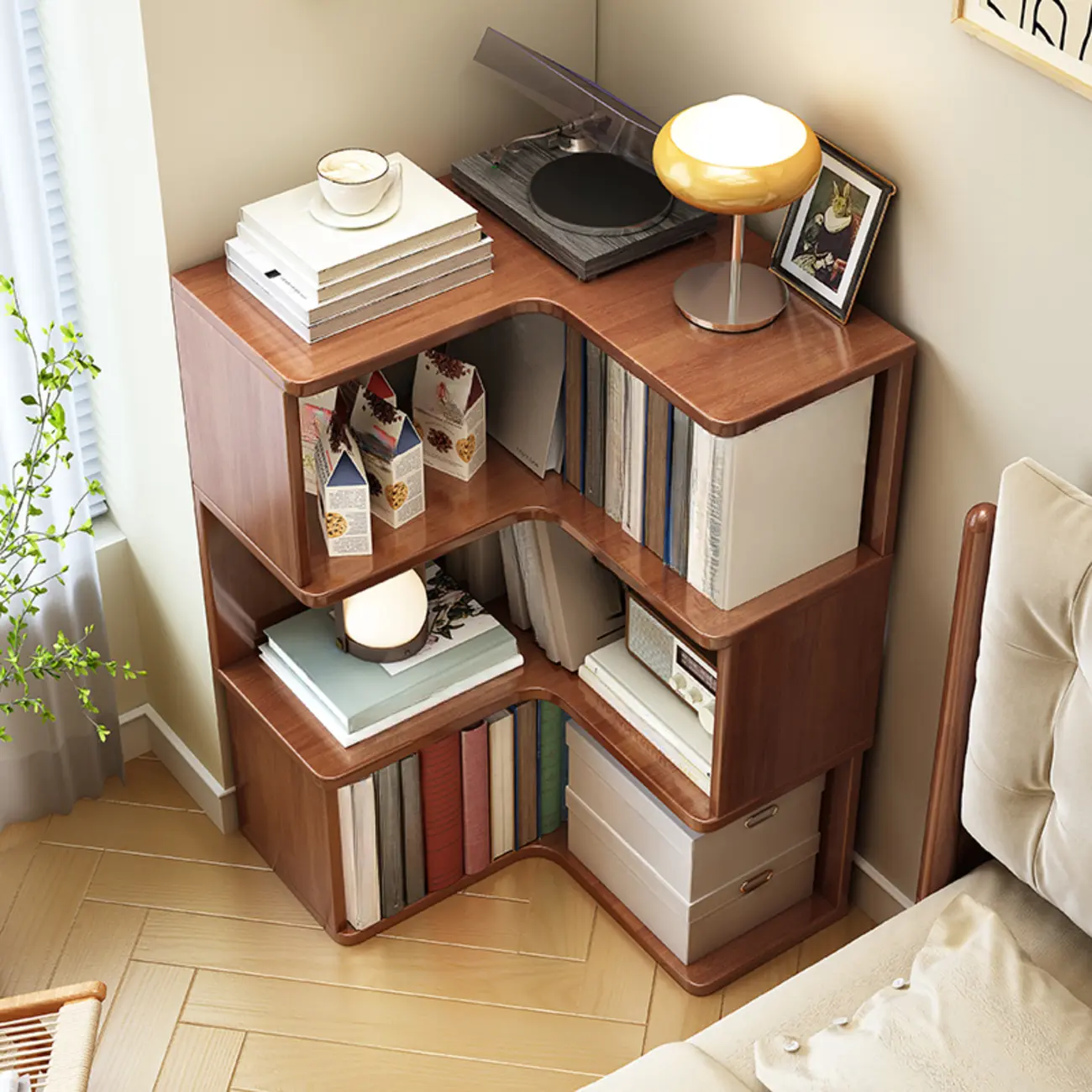
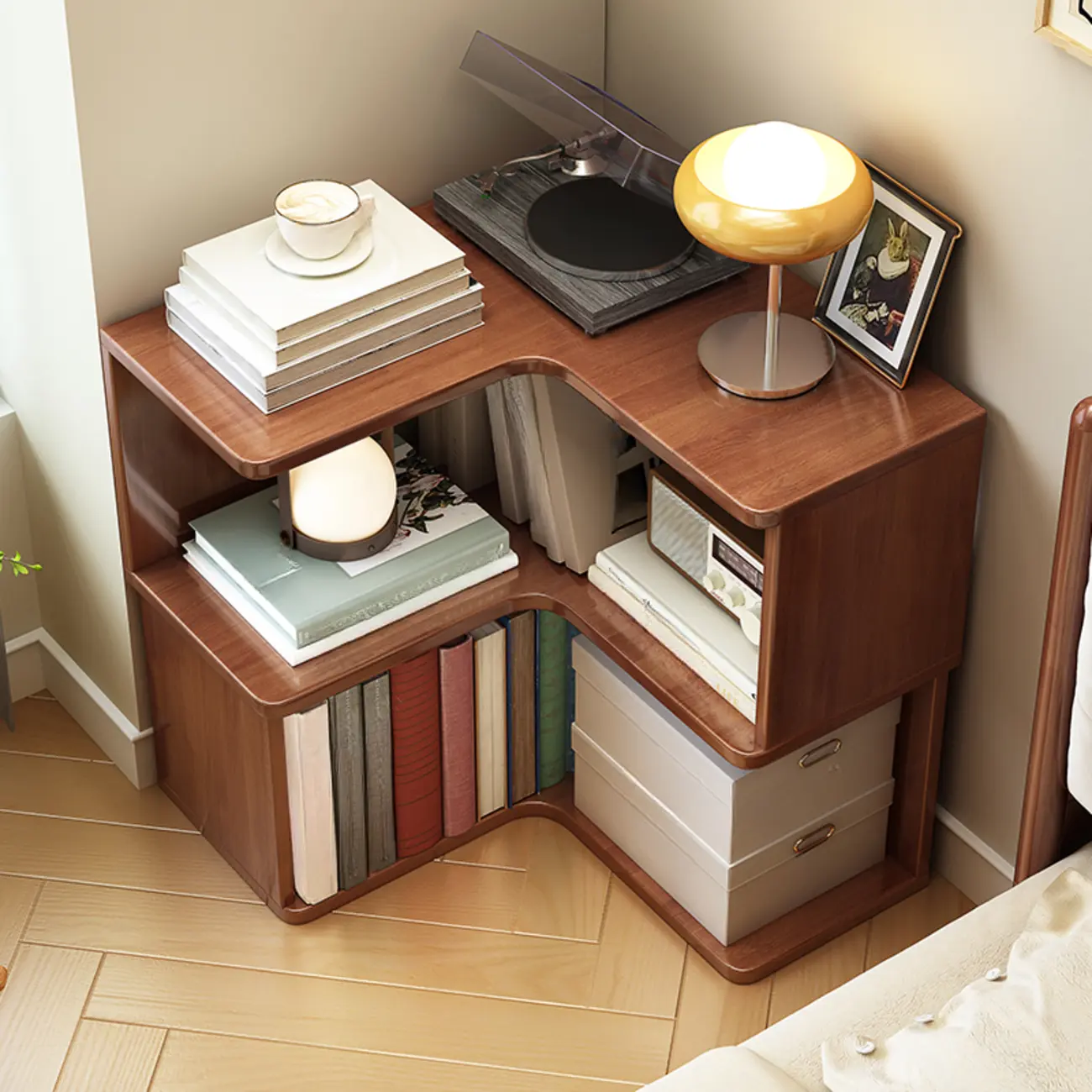
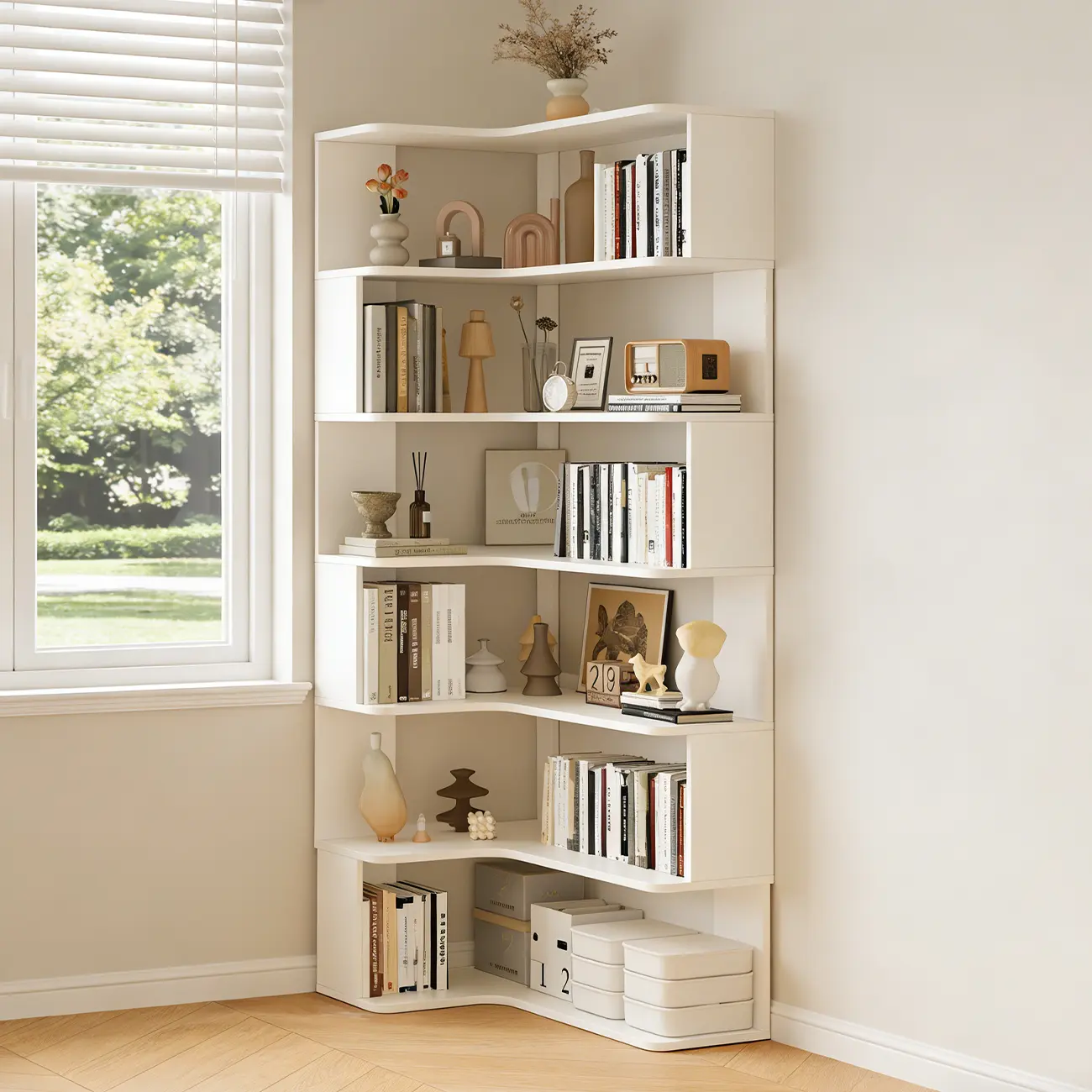
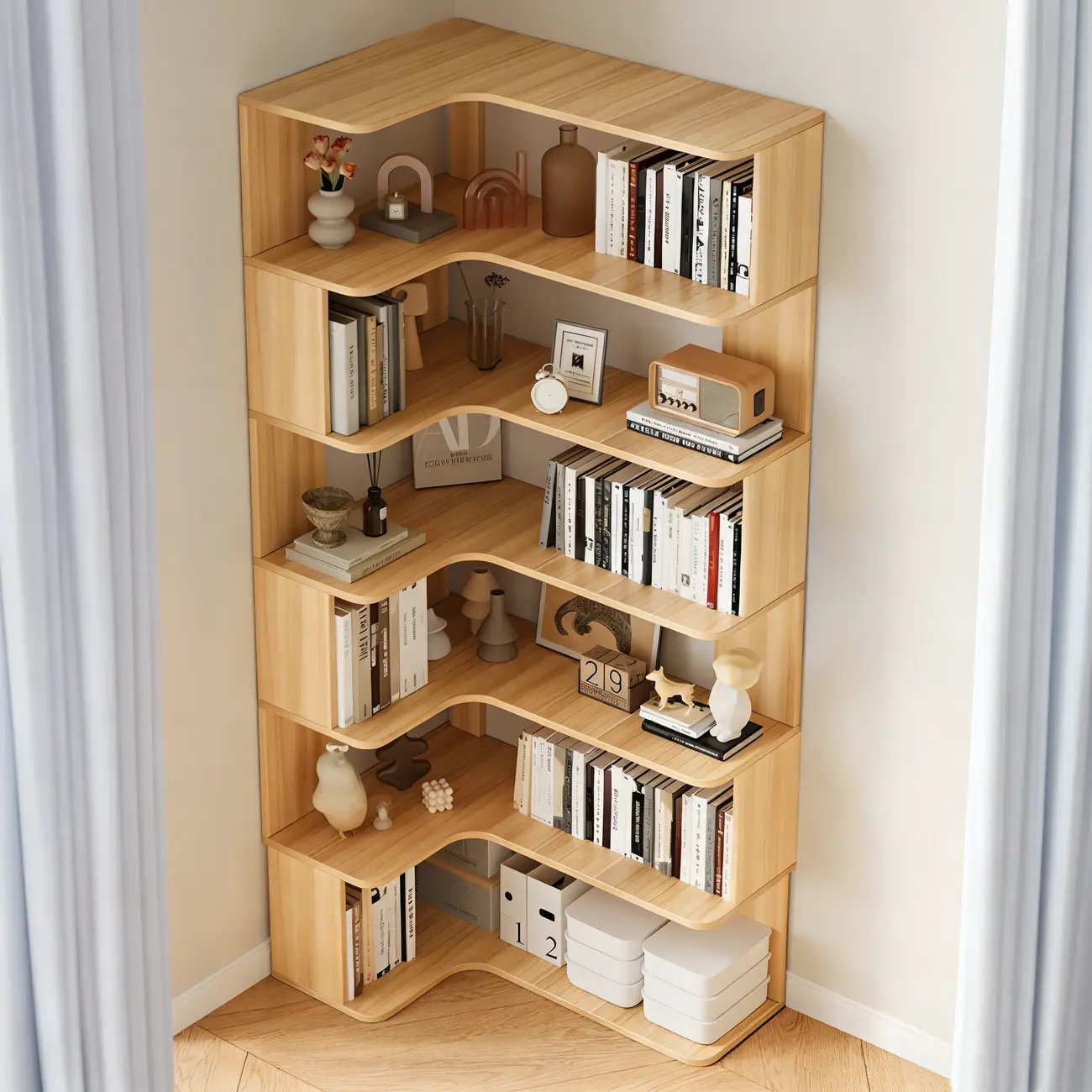
Corner bookcase. Fits right into unused corners. It turns dead space into storage without eating up your floor plan.
-
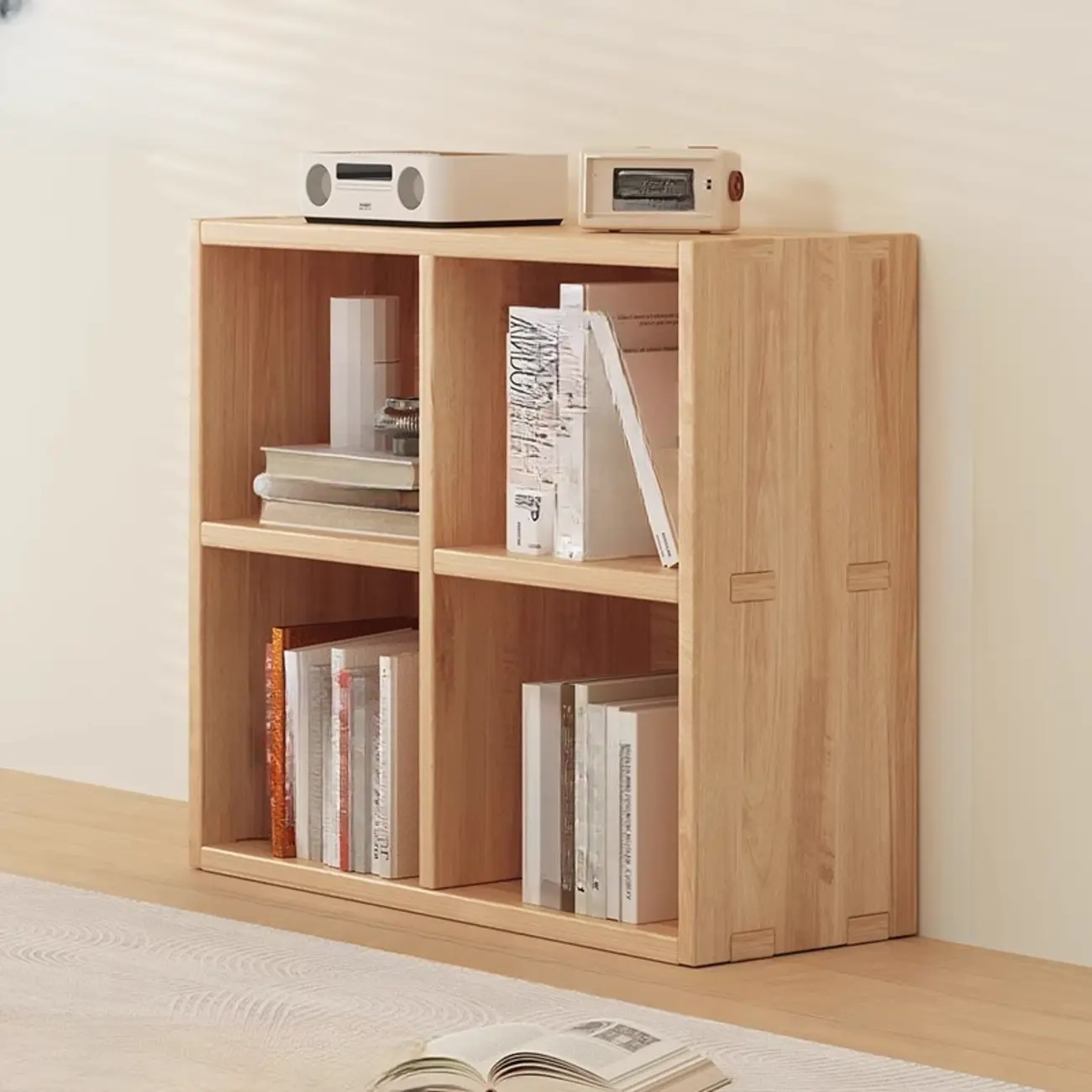
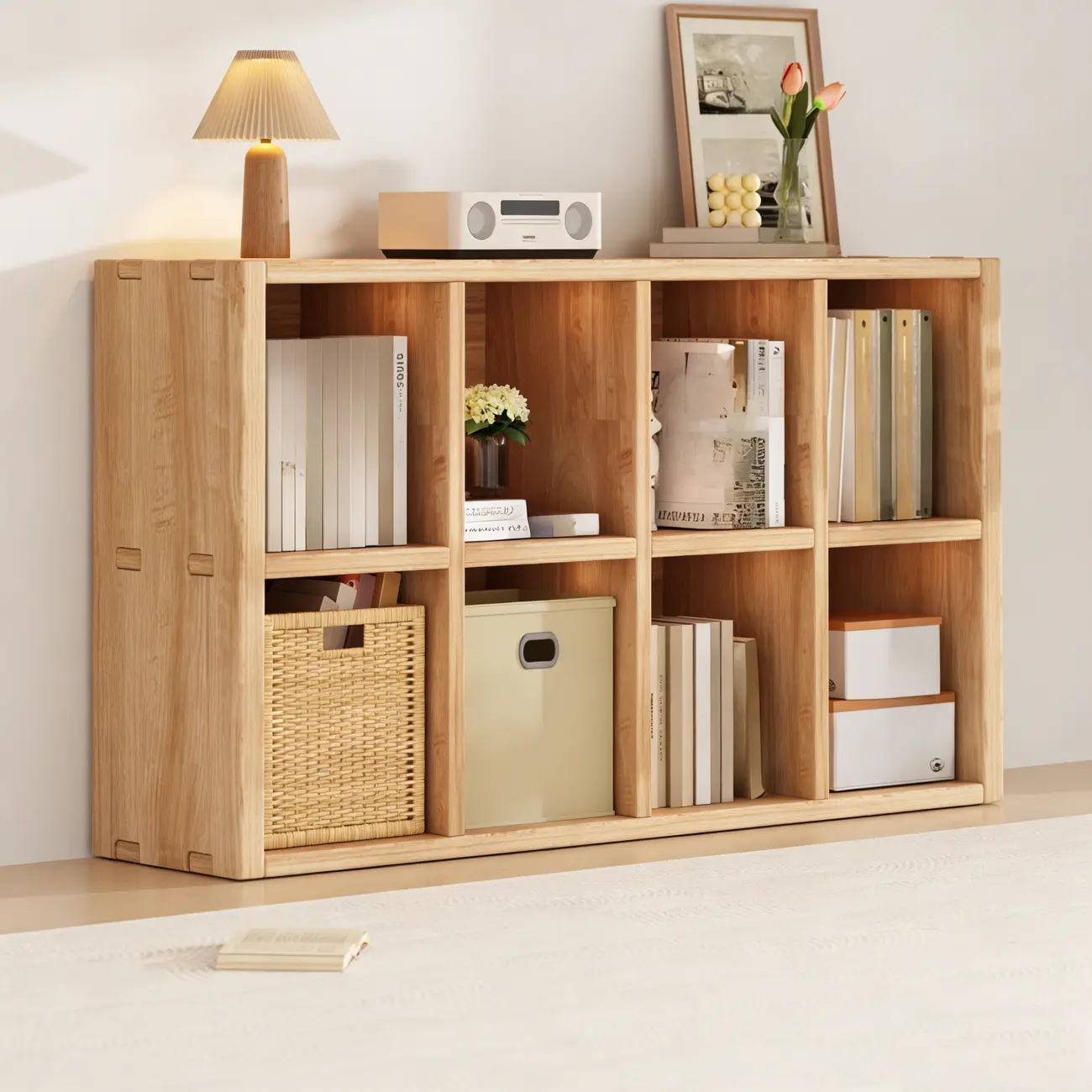
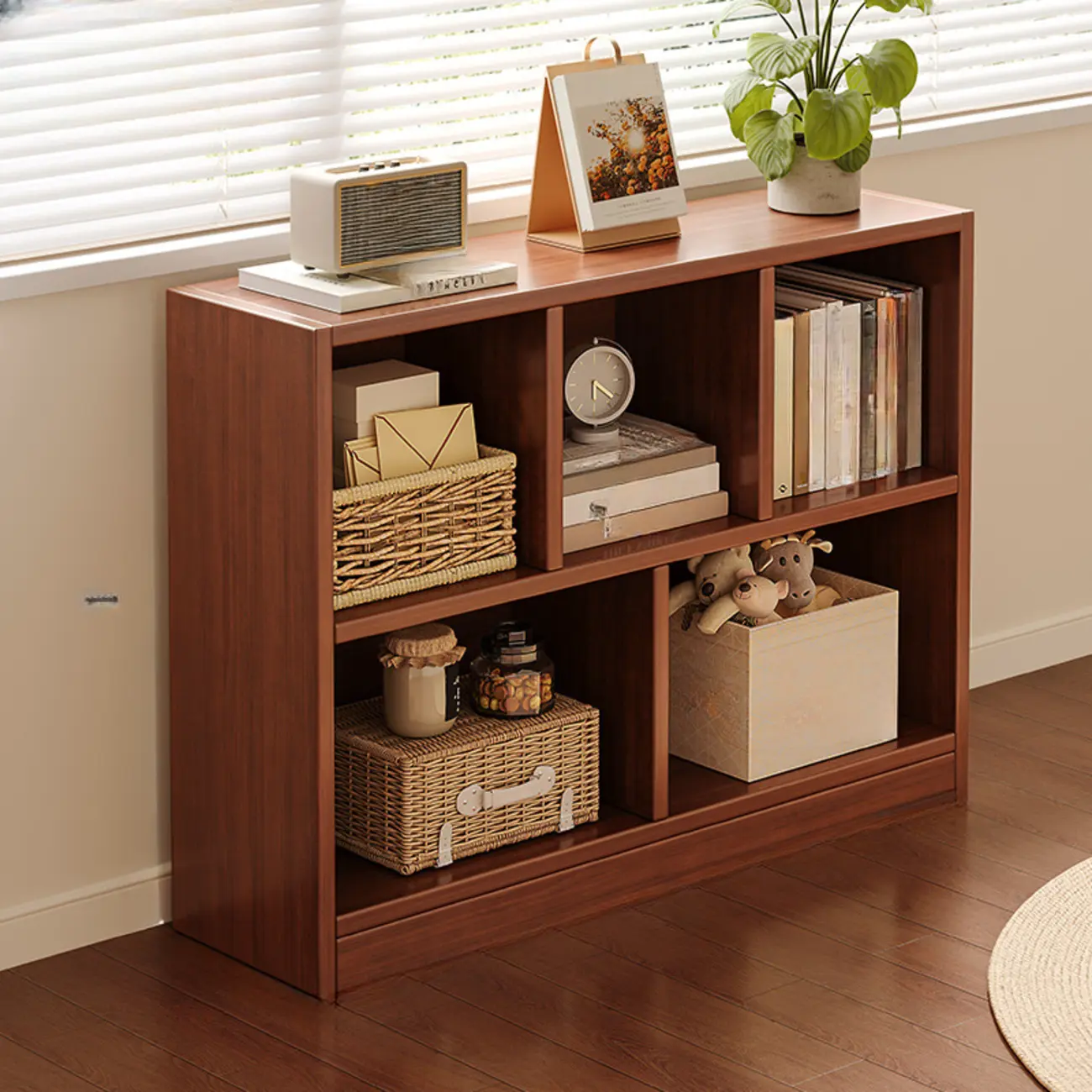
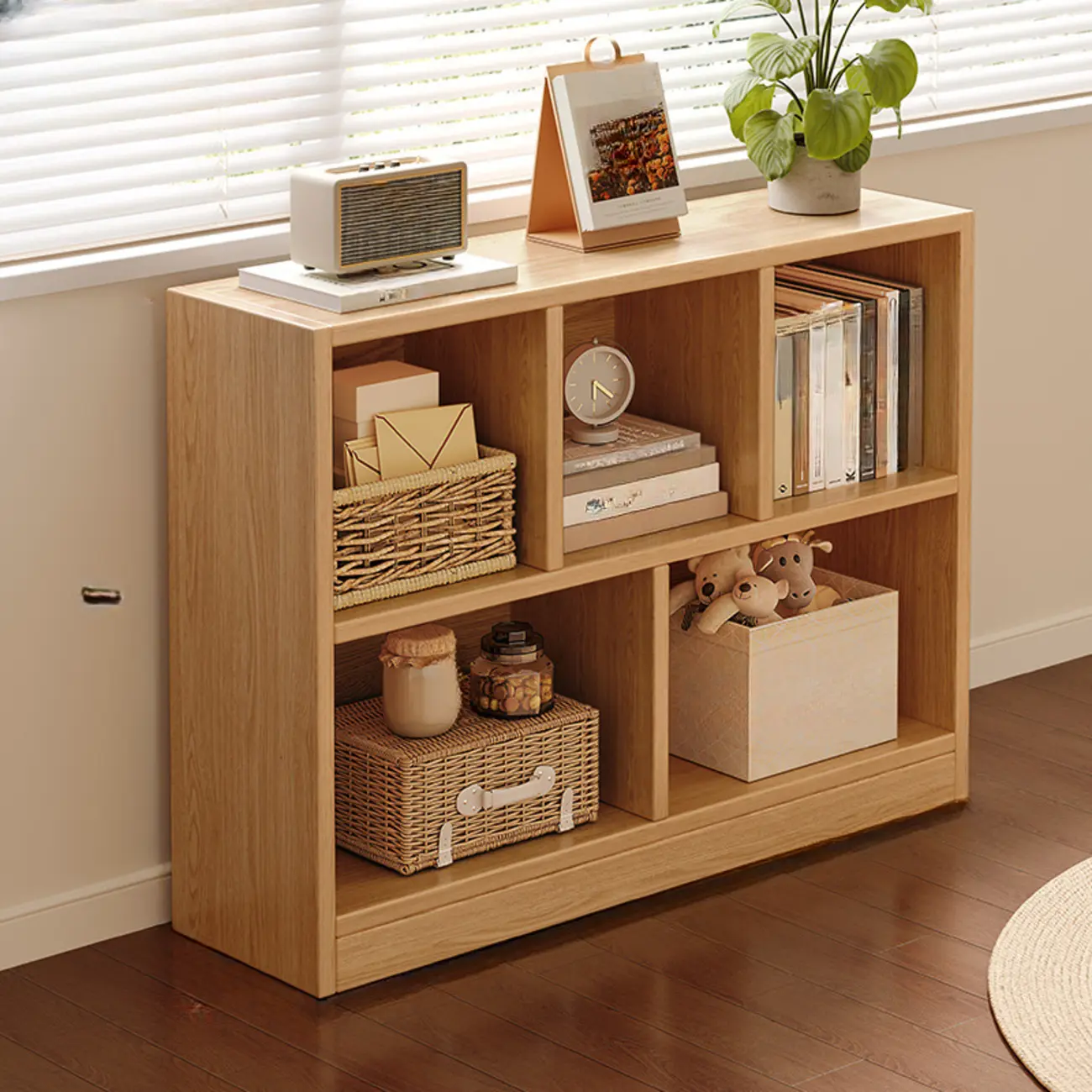
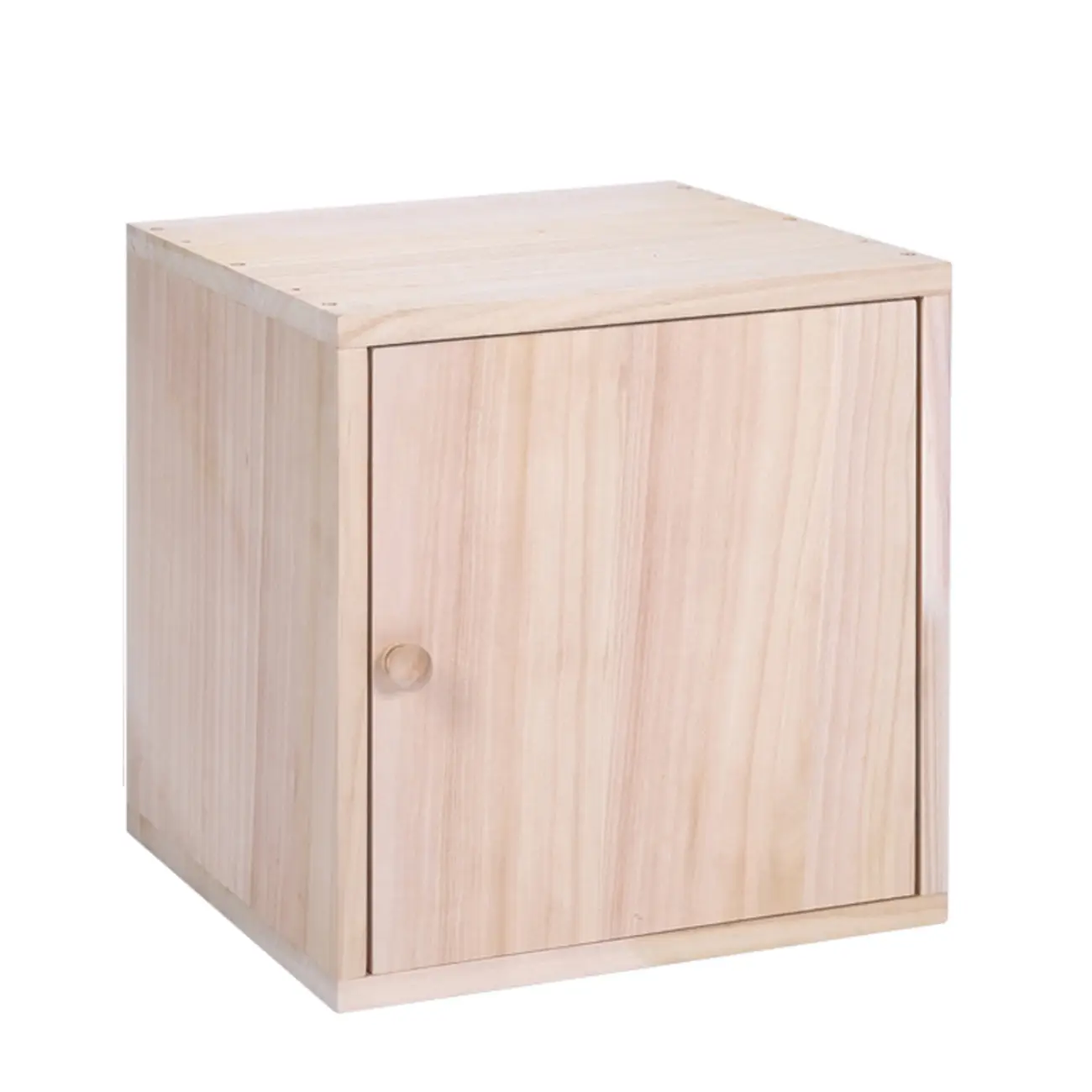
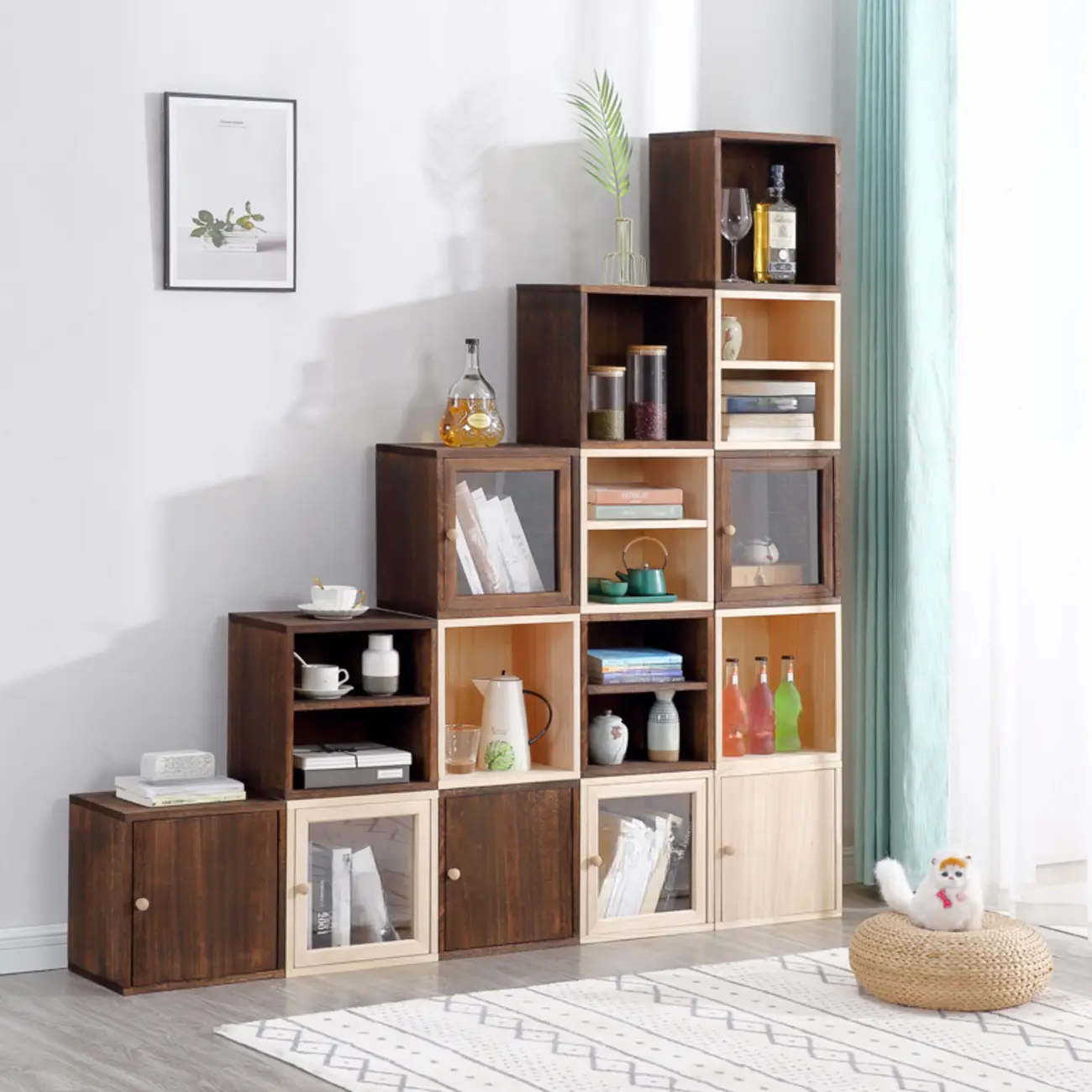
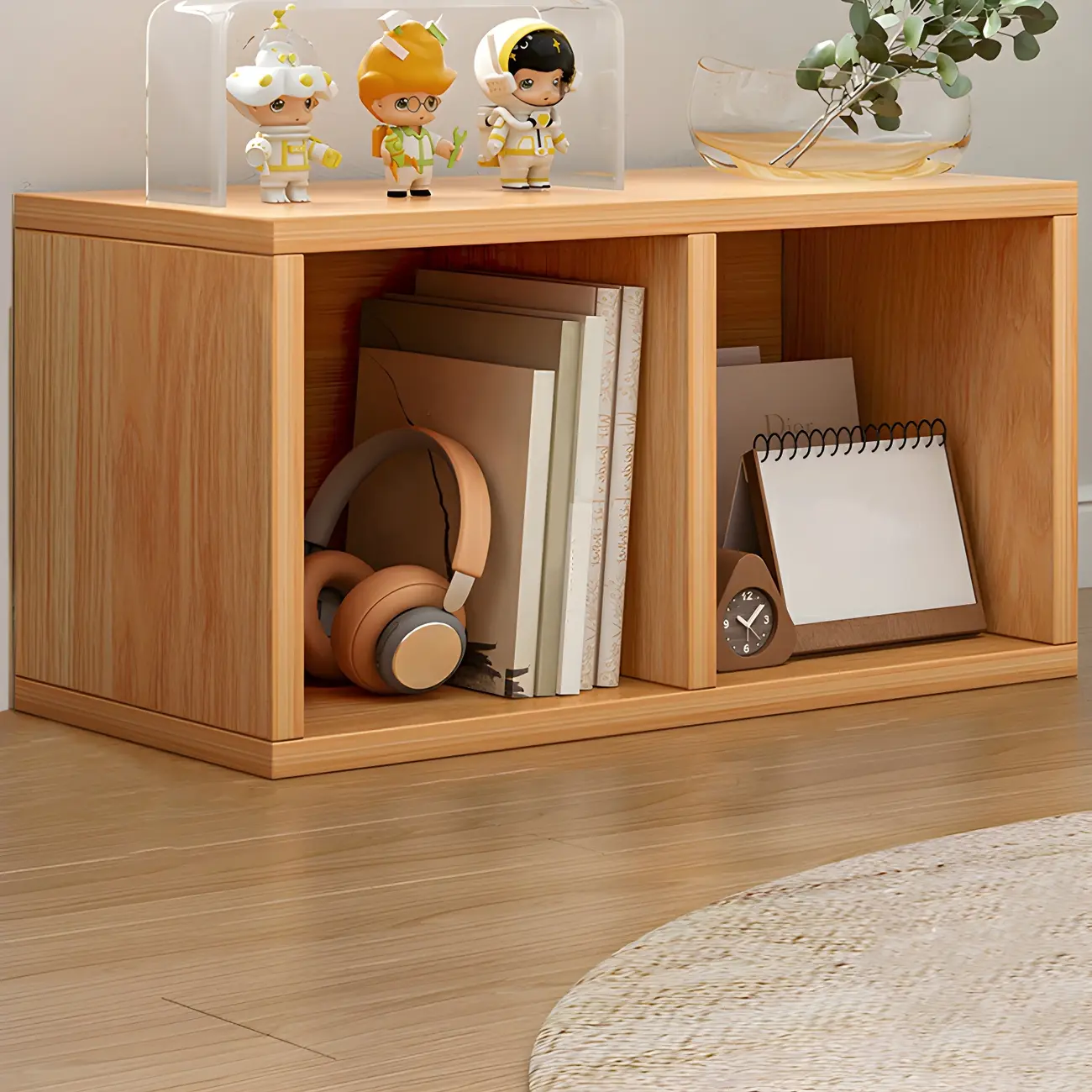
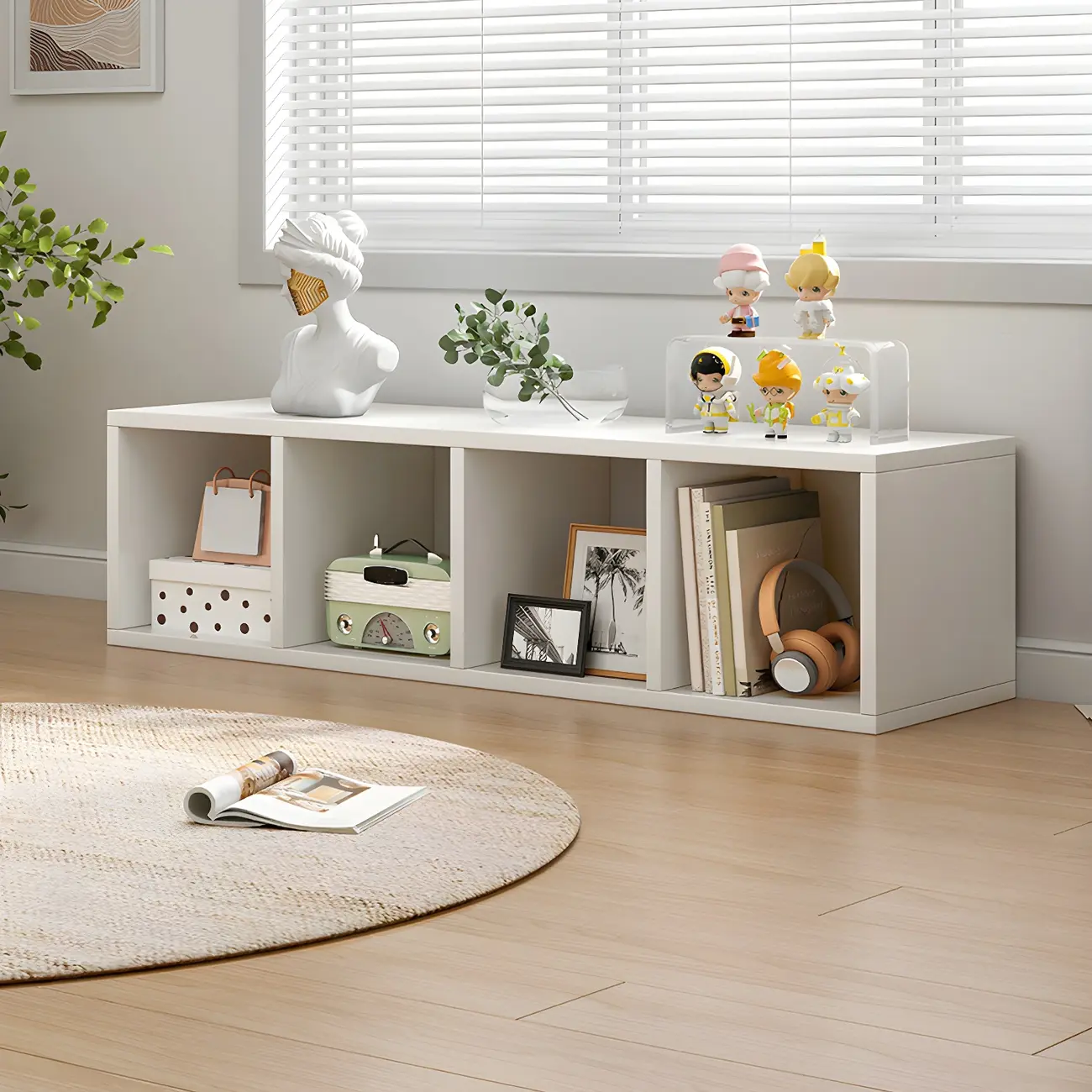
Cube bookcase. Square cubbies in a grid pattern. Toss in bins for hidden storage or leave them open for display. Very versatile.
-
Barrister bookcase. Stackable sections with glass doors that lift and slide. Originally built for lawyers who needed to move entire collections. Keeps dust off your books.
-
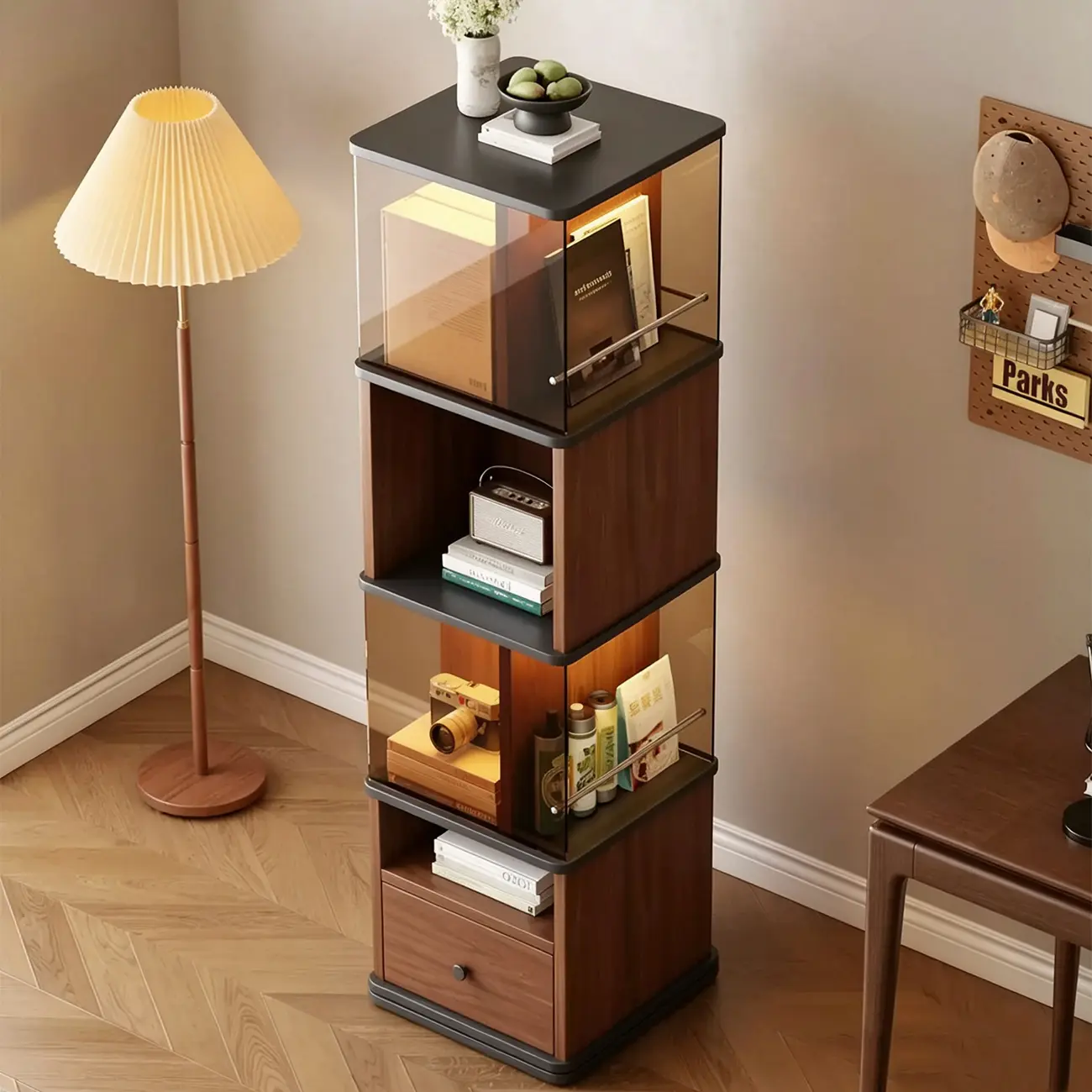
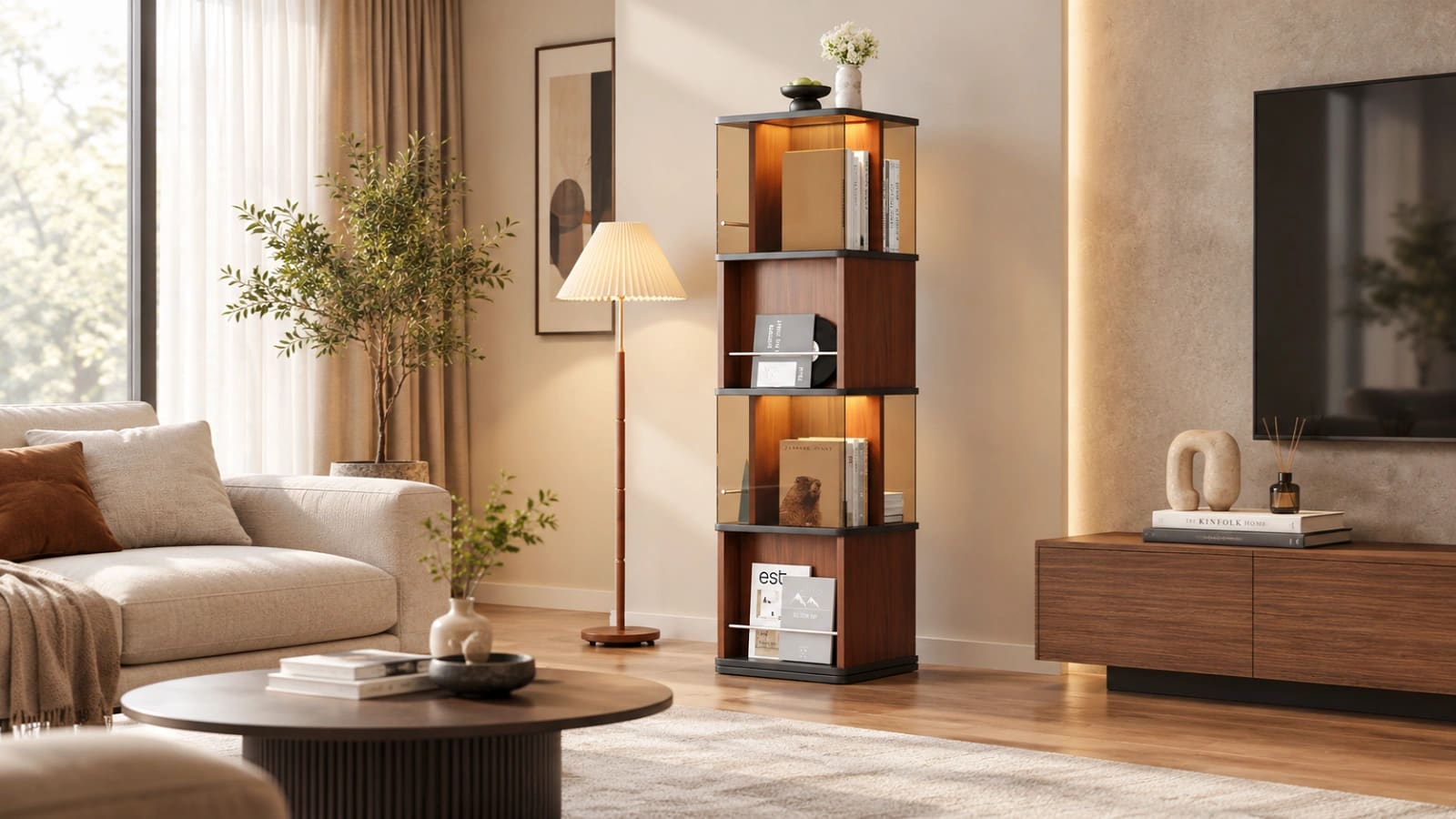
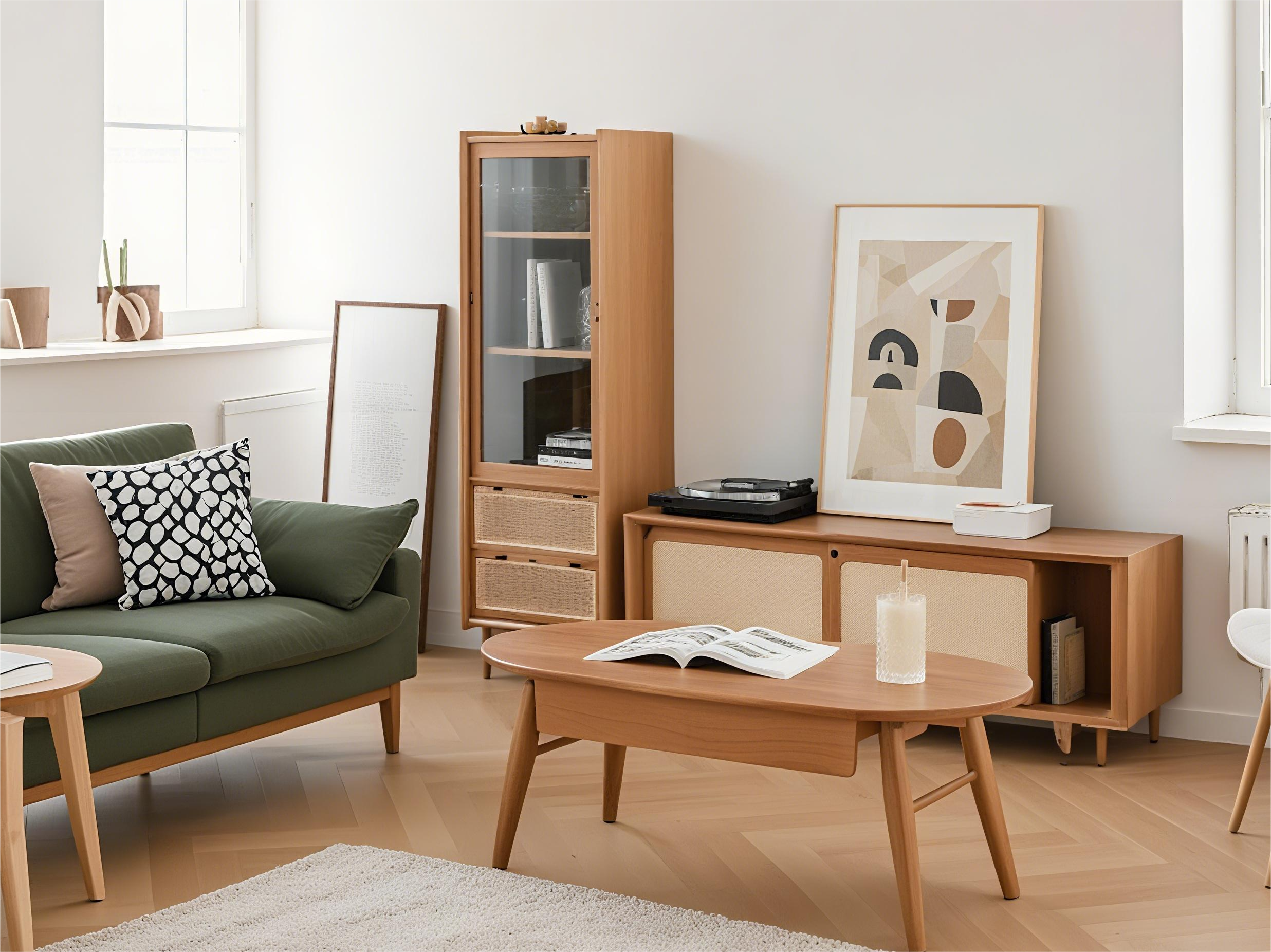
Glass door bookcase. The bookcase features a frame constructed from wood and metal, with transparent glass doors—prioritizing display while ensuring dust protection.
You might also like:
Freestanding vs. Wall Bookcases: Which Is Better For You?
Bookcases with Doors vs. Open Bookcase: Which Is Better?
Bookcases with Glass Doors: 6 Tips to Avoid Mistakes
Bookcase Dimensions: How to Choose Right One?
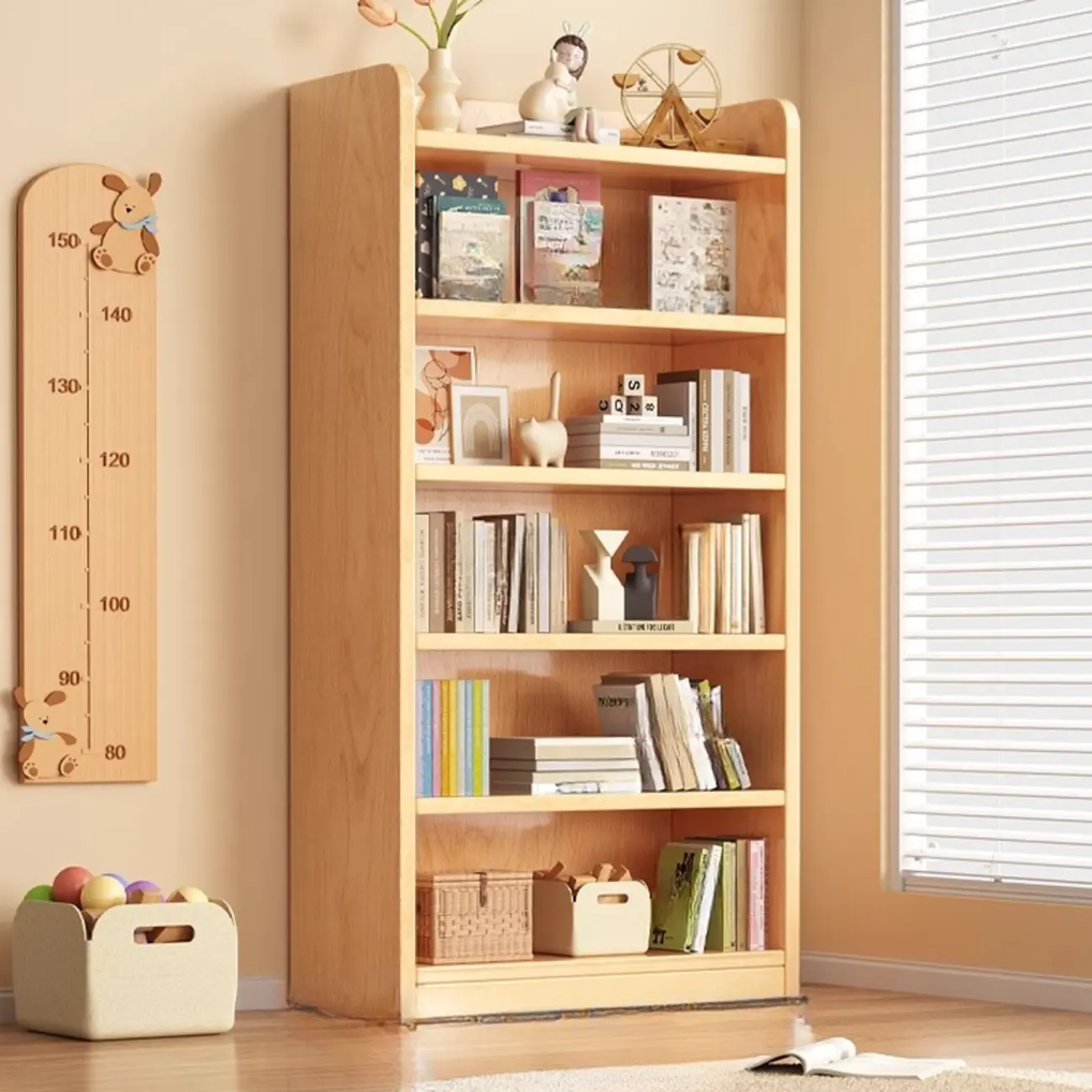
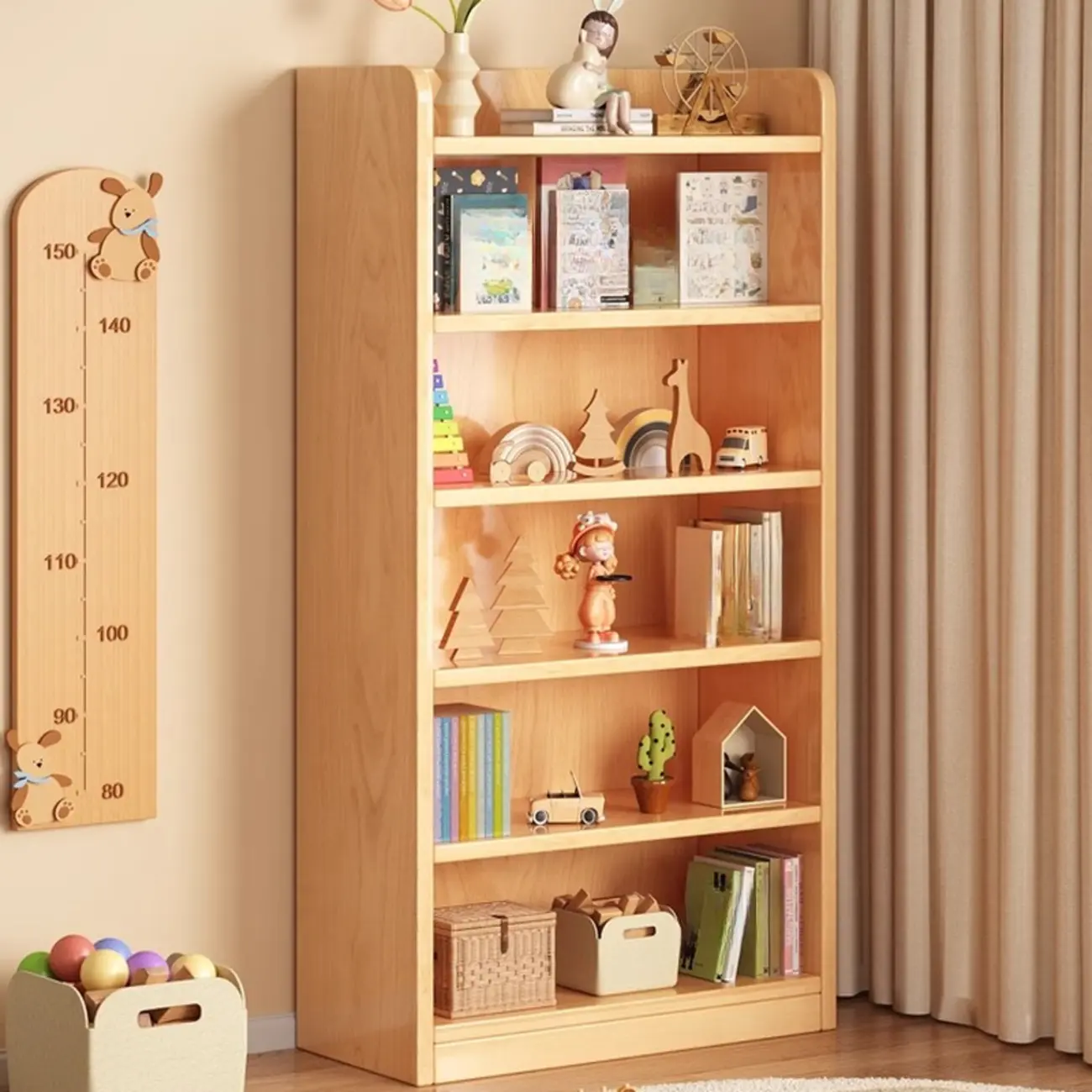
Bookcases come in standard heights like 72 inches for living rooms and shorter 36-inch options for kids' spaces or under windows. But depth trips up more people than height. Standard shelves run 10 to 12 inches deep which works for most hardcovers and paperbacks.
If you collect oversized coffee table books or art monographs, measure them first. Nothing ruins the look like books hanging off the edge. Apartment Therapy's design editor covered this in their buyer's guide emphasizing that shelf depth matters more than most people realize.
The height between shelves matters just as much as the overall dimensions. Because the mass market paperbacks need about 9 inches of clearance and standard hardcovers require 11 to 13 inches of space. Those oversized art books need a minimum of 15 inches. Measure your tallest book and add an inch for breathing room. For more on getting these numbers right check out our complete bookcase dimension guide.
Choosing Bookcase Materials
No doubt the material you choose changes how your bookcase looks and how long it lasts.
-
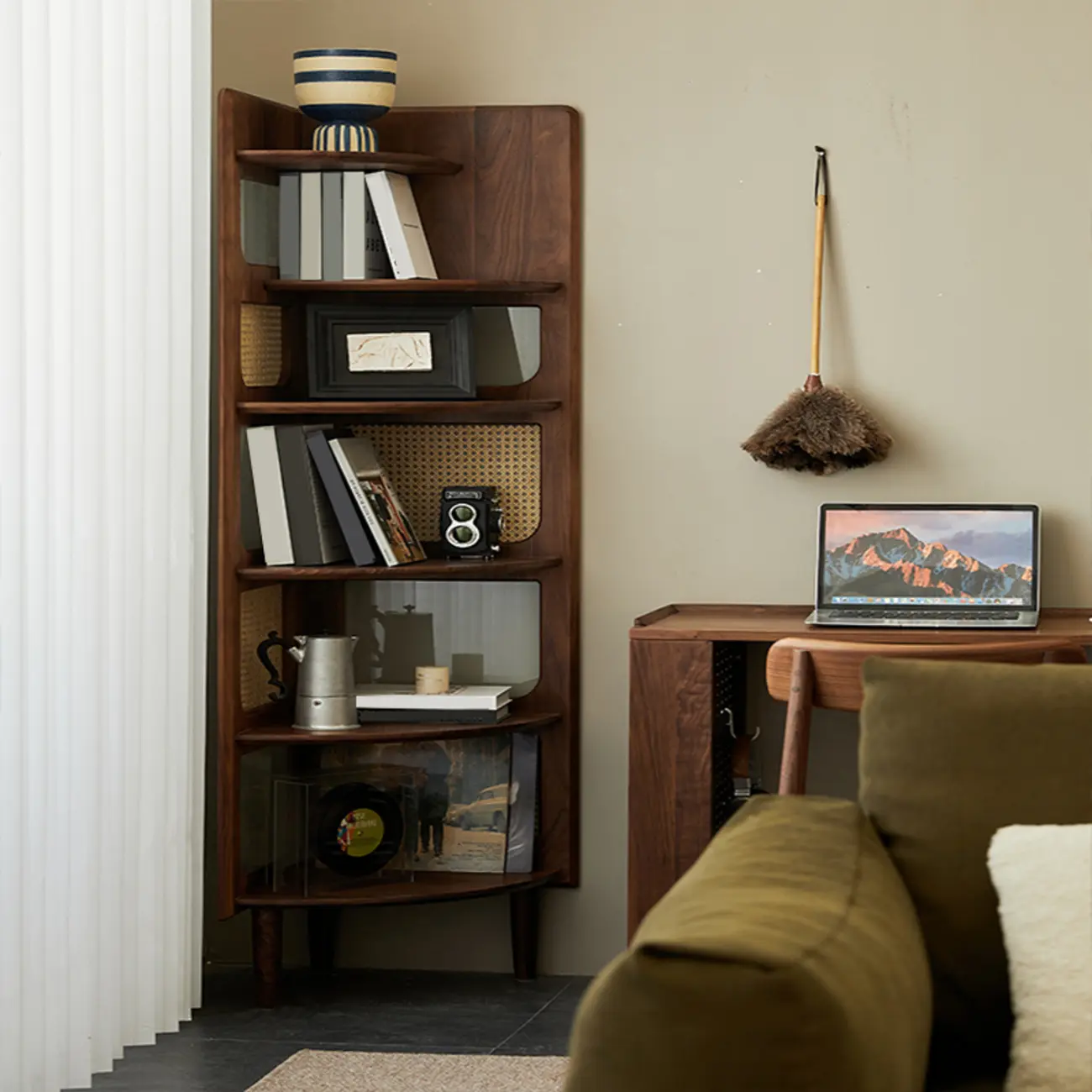
Solid wood: This material for a bookcase is an ideal choice if you want something that lasts for decades. Mostly you will get an oak, cherry and walnut wood bookcase. Though you pay more but you won't need to replace it.
-
Engineered Wood: Most bookcases you see at stores use engineered wood. Particleboard and MDF keep costs down while giving you clean finishes. Manufacturers have gotten good at making these boards stable and smooth. If you're watching your budget this is where you'll land.
-
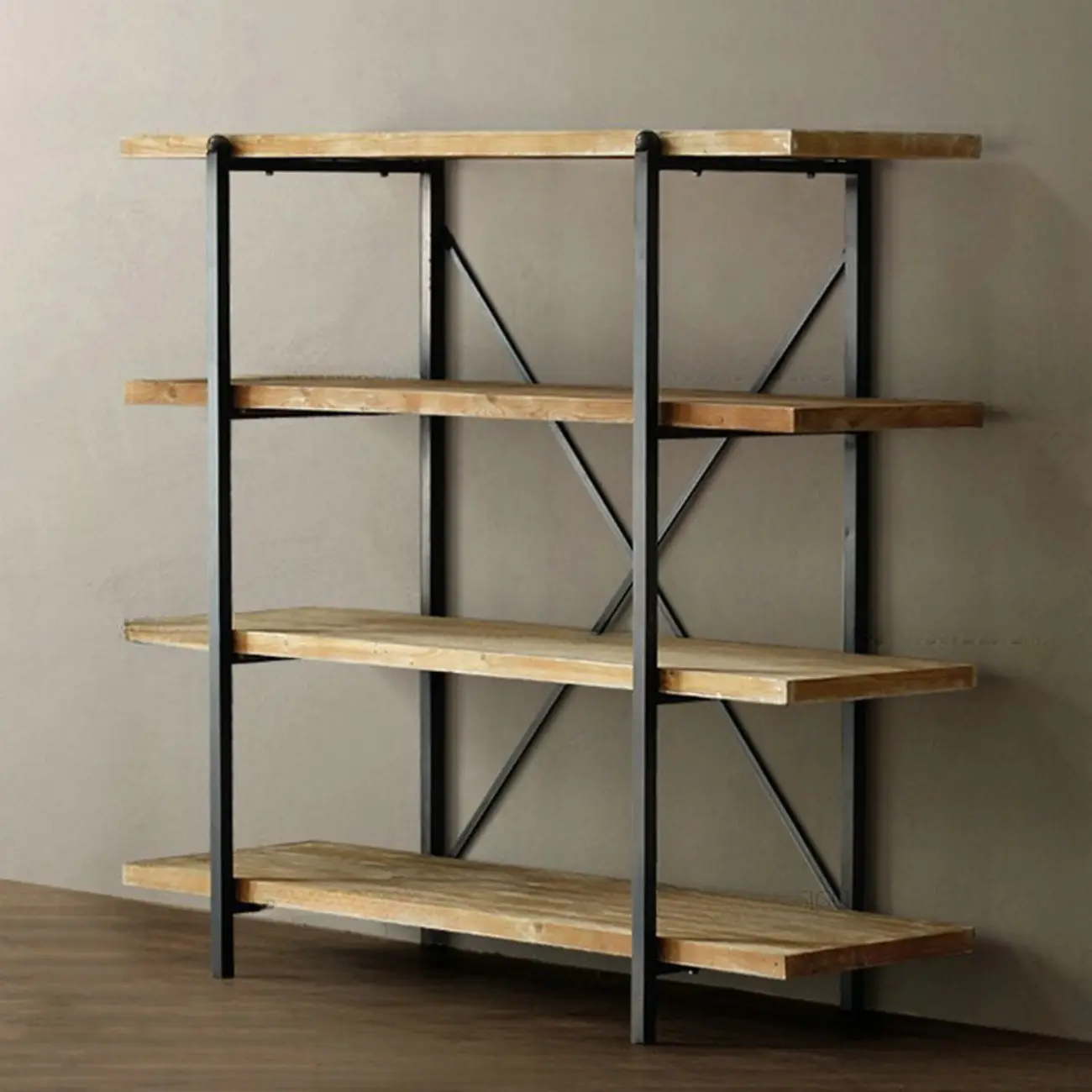
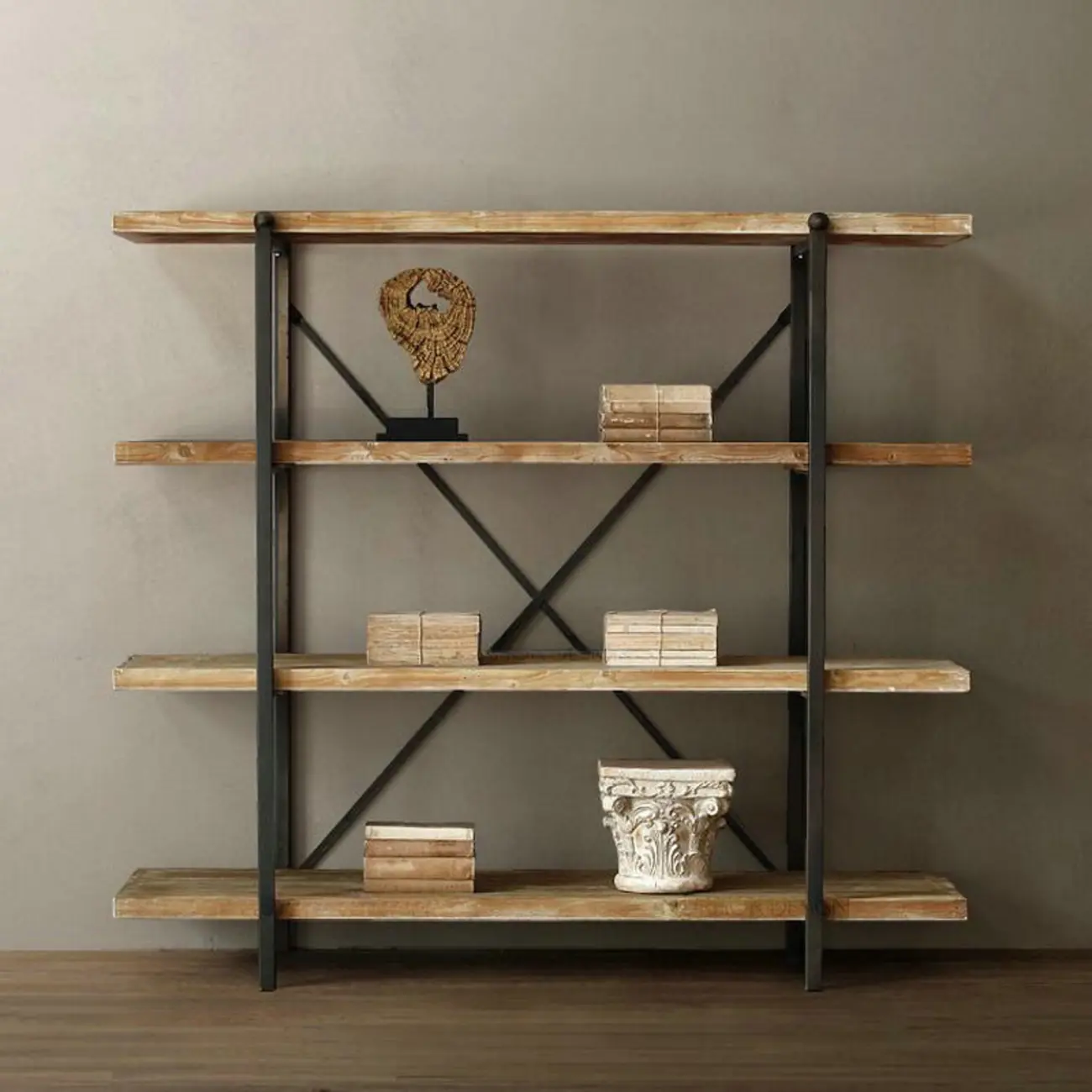
Metal Frames: Metal frames give these bookcases an industrial vibe and when coated with powders such as polyester or epoxy they last for years thanks to the powder coating which prevents rust. Perfect if you want your shelves to feel like they belong in a downtown loft.
-
Glass: Then you've got glass. It practically disappears which opens up smaller rooms but you'll be wiping smudges constantly and you can't exactly stack encyclopedias on it.
You might also like:
Metal vs. Wood Bookcase: 11 Comparisons to Find Better One
Bookcase Styles & Decor
Your bookcase should speak the same language as the rest of your furniture. By employing specific styling tips, a bookcase can be paired with other furniture to create a more harmonious home design.
Modern styles keep things clean. Straight lines. Minimal fuss. Usually light wood or glossy finishes. Traditional leans the other way with richer wood tones and detailed moldings. Industrial brings in metal frames and that warehouse edge. Farmhouse styles lean into distressed wood and pieces with some weight to them. Scandinavian takes the opposite approach with light finishes and clean lines that keep things feeling open.
You also need to figure out whether this shelf disappears into your room or grabs attention the second someone walks in. Sometimes you want the focus on your stuff, not the shelf holding it. Whereas statement pieces demand attention themselves. Both works but you just need to know which direction you're heading.
Once you pick the style decoring comes next. Mix your books with objects. Pull your eye up with art propped against the back. Weave in some greenery. Drop baskets on the bottom shelves to hide clutter and anchor the whole thing.
Your stuff makes the space yours. The bookcase just frames it.
Bookcase Placement
You found the perfect bookcase. Now where does it actually go?
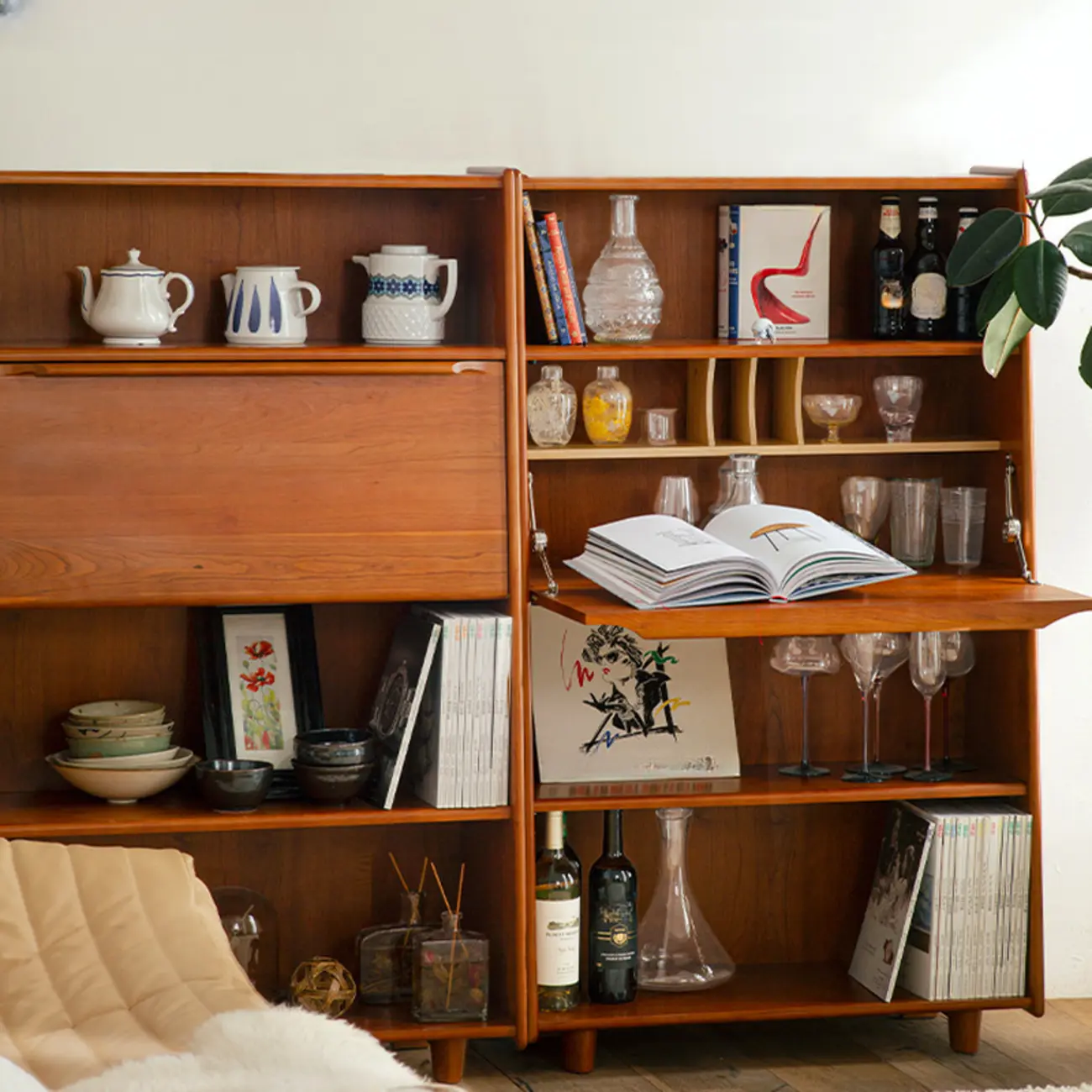
Living Room:
Living rooms give you the most options. Park one against the main wall and let it anchor the whole space. You can also put your matching units on both sides of your media console.
Bedrooms:
Bedroom work differently. Tuck a bookcase in the corner to carve out a reading spot. Place a low horizontal unit behind your bed like a headboard. Even stuff one in the closet if you need extra shoe or sweater storage.
Home Offices:
Home offices practically beg for bookshelves. Run them floor to ceiling behind your desk for that library vibe. Flank your workspace with matching units so everything feels balanced. Keep reference books close without crowding your desktop.
Hallways:
Hallways get overlooked. A narrow bookcase turns dead space into something useful. Six inches deep is all you need. Great spot for paperbacks, photos and dropping keys when you walk in.
Before you commit think about how you move through the room. You don't want people bumping into corners. Pay attention to natural light too. Nothing fades book spines faster than afternoon sun streaming through a window.
For more space, learn more Bookcase Ideas for 10 Different Spaces: From Home to Cafe
Buying vs Building a Bookcase
Should you buy a bookcase or build it yourself? Well both options have their own benefits.
Buying wins on convenience every time. You browse options online, pick one and it shows up at your door. Most arrive in boxes you assemble yourself, but some retailers deliver fully built. You get instant selection across hundreds of styles and price points. And you know exactly what you're spending before you commit. No surprises. No material runs to the lumber yard. No figuring out joinery. This path works for anyone who wants shelves without the headache.
Building a Bookcase
Building gives you control. You pick the wood. You set the dimensions. You decide on every detail from shelf depth to finish color. Custom builders can match your existing trim so the bookcase looks like it grew out of the wall. DIYers get the satisfaction of making something with their hands. The quality potential runs higher too. Solid wood construction beats particle board any day. But you trade time and money for that control. Custom pieces cost more. DIY projects take weekends.
Which One Fits You
Buy when you want simplicity. Buy when budget matters most. Buy when you need shelves this week.
Build when your wall has odd measurements. Build when you want furniture that lasts fifty years. And build when you enjoy DIY projects.
View Cost Comparison: Build or Buy a Bookcase: Which Is Cheaper?
8 Maintenance Tips for Bookcase
Now that we have covered everything in detail, these final maintenance tips will help you maintain your bookcase as good as new for years.
-
Dust Regularly: Grab a microfiber cloth every couple of weeks. Run it across your shelves top to bottom. Dust settles fast and scratches surfaces if you let it pile up.
-
Watch the Sunlight: Keep yours out of direct sunlight; that sun streaming through your window fades wood finish over time and bleaches your book spines. You might not notice it at first, but give it a few months and the damage will show up.
-
Mind the Weight: Every bookshelf has a limit, so you should not pile too many heavy textbooks in one spot, and you'll come back to a wiggling shelf. The same goes for oversized art collections; you should spread your heavy stuff around across different levels. Your bookcase stays straighter that way.
-
Check Metal Frames: Look for rust spots every few months, especially in humid climates. Catch them early and touch up with matching paint. Rust spreads fast once it starts.
-
Clean Glass Properly: Glass shelves show everything like fingerprint, smudge and dust specks. You should keep a bottle of standard glass cleaner and a lint-free cloth handy for quick cleaning when they start looking hazy, and they'll stay crystal clear.
-
Tighten Hardware: Screws work loose from everyday use. Grab a screwdriver twice a year and check everything. A few turns keep your bookcase from wobbling.
-
Feed the Wood: You should apply furniture polish a couple of times every year to your wood bookcases. As it keeps the wood moisturized and hides small scratches before they become noticeable. Engineered wood is different. It has a sealed surface so it doesn't need the same treatment. Save your polish for the real stuff.
Read More: Maintaining and Caring for Wooden Bookcases (8 Expert Tips)
Find the Perfect Bookcase For Your Home With HomeyFad
You don't need a perfect bookcase. You need one that fits your space, holds your stuff and looks like it belongs. And measure your wall, pick a material that lasts, and choose a style that feels like home to you.
At Homeyfad, we carry bookcases designed for real rooms. Browse our bookcase collection to find yours. And check out HomeyFad blog for more furniture guides and decorating ideas.
FAQs
Q: Can I put a bookcase in a small room?
A: You absolutely can. Vertical units or corner designs give you storage without stealing your floor space.
Q: How much weight can a standard bookcase hold?
A: It varies by material like a solid wood carves the most particleboard handles medium loads and glass works best for lighter items.
Q: Should I anchor my bookcase to the wall?
A: You should. Tall furniture tips easily, especially with kids around or if you live somewhere with earthquakes.
--36.jpg?w=1600&h=900)
--6.jpg?w=1600&h=900)
-.jpg?w=800&h=619)
--37.jpg?w=1600&h=900)

 Add Us On Google