
Whether you love host dinner parties, live in a modern compact apartment, or simply want your home to be ready for big family holiday gatherings, dining furniture choices quickly come down to one major decision: Are extendable dining tables worth it?
The short answer is yes—for most dynamic modern households, expandable tables offer unparalleled flexibility, saving precious floor space daily while expanding effortlessly when extra guests arrive. However, buying the wrong size, opening mechanism, or material can lead to frustration.
In this comprehensive expert buying guide, we’ll break down how extendable dining tables work, their pros and cons, mechanism options, sizing guidelines, and how to decide if an extension table fits your exact lifestyle and space budget.
Key Takeaways: Quick Decision Extendable Dining Tables
Short on time? Here is a quick snapshot of whether an extendable dining table is right for your home setup:
| Household Scenario | Recommendation | Ideal Table Style |
| Small Apartment / Condo | Highly Recommended (Saves floor space daily) | Drop-Leaf or Butterfly Leaf |
| Frequent Host / Large Family | Essential (Seats 4 to 10 dynamically) | Self-Storing / Track Extension |
| Dedicated Dining Room | Optional (fixed grand tables also work) | Classic Removable Leaf |
What Is an Extendable Dining Table?
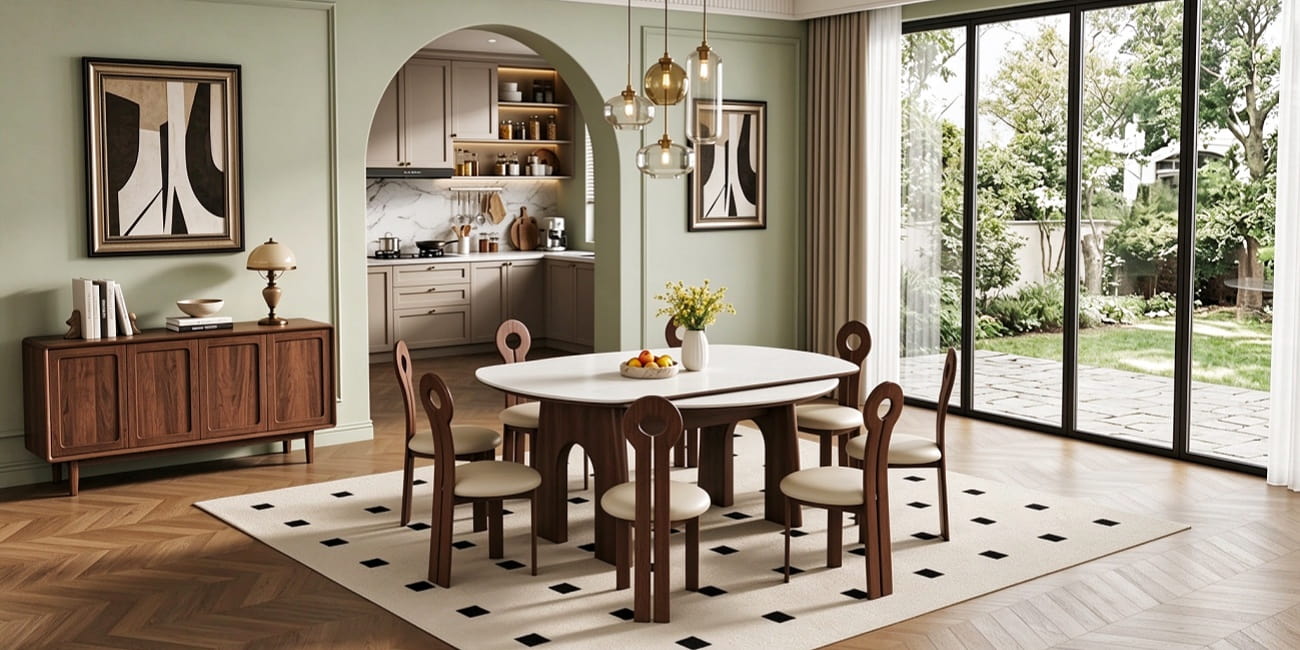
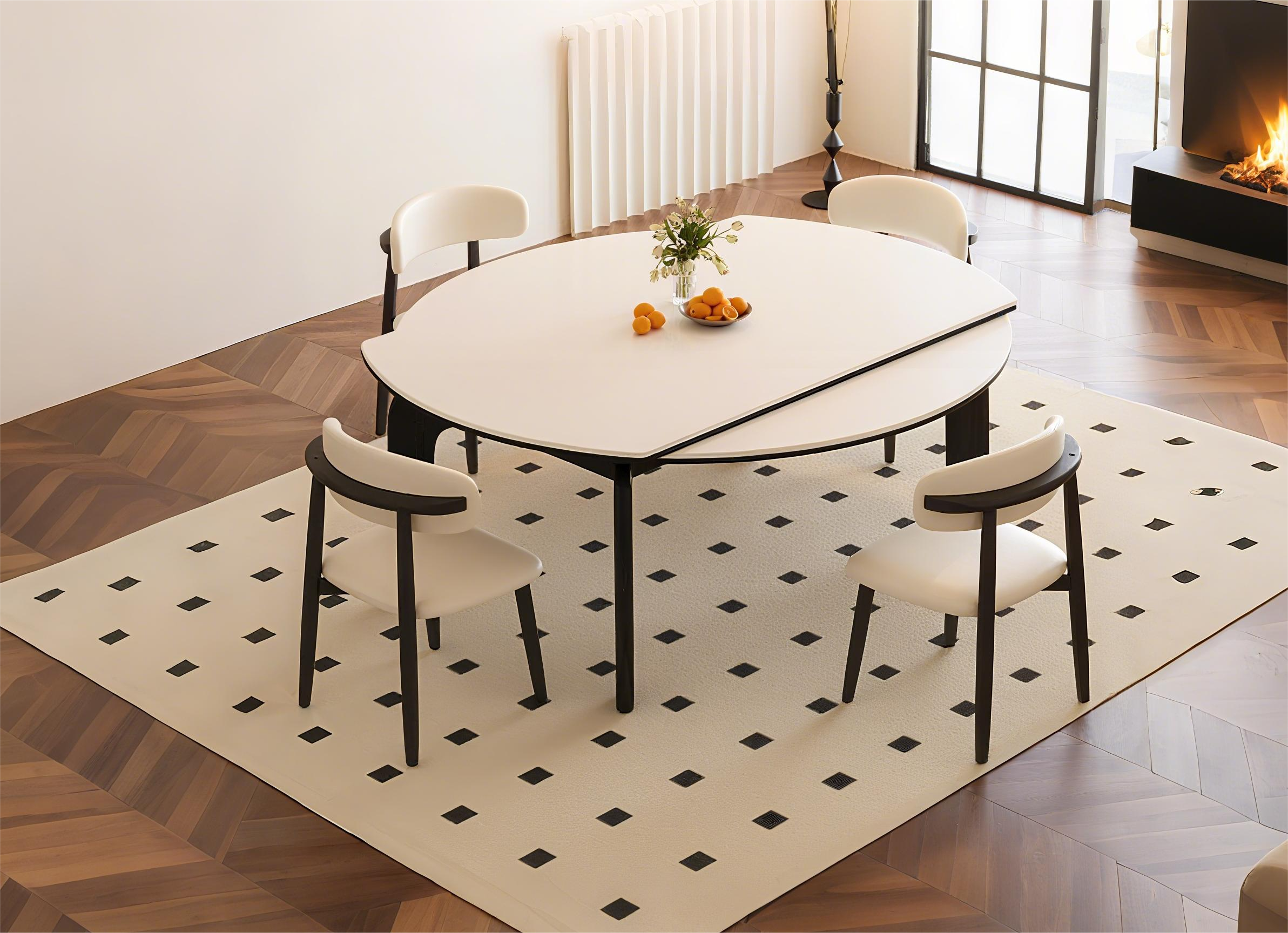
An extendable dining table is a multi-functional dining table designed with adjustability in mind. Using internal mechanism tracks, folding leaves, or insert panels, it transforms from a compact 4-seater or 6-seater setup into a spacious dining table capable of seating 8, 10, or more people.
Unlike traditional fixed dining tables that permanently claim massive square footage in your dining room or kitchen area, expandable tables adapt to your active daily lifestyle. Explore stylish options in the HomeyFad Dining Tables Collection to find designs that balance aesthetics with functionality.

The 4 Main Extension Mechanisms Explained
Understanding how different extension mechanism designs operate helps you choose a dining table that is smooth to open and effortless to maintain.
| Mechanism | How It Works | Best Suitability |
| Butterfly Leaf | The leaf folds in half and rotates to store directly underneath the tabletop. | Hassle-free, self-storing convenience without extra closet storage. |
| Removable Leaf | The table pulls apart along glides, and separate panel leaves are inserted manually. | Maximum expansion potential for large formal dining rooms. |
| Drop-Leaf | Hinged sides drop down vertically along the table ends or sides when not in use. | Ultra-compact studio apartments, breakfast nooks, and cozy kitchens. |
| Sliding / Pull-Out | Extension panels slide out seamlessly from beneath the primary tabletop. | Modern aesthetic with fast, single-person operation. |
The Pros and Cons: Is It Worth the Investment?
To determine if an extendable table fits your interior goals, weigh these practical pros and cons:

The Advantages (Pros)
1. Maximum Space Efficiency: Keep your room spacious during daily family meals, and expand only when hosting dinner parties or holiday feasts.
2. Long-Term Cost Savings: Eliminates the need to buy multiple tables or temporary folding setups when guests visit.
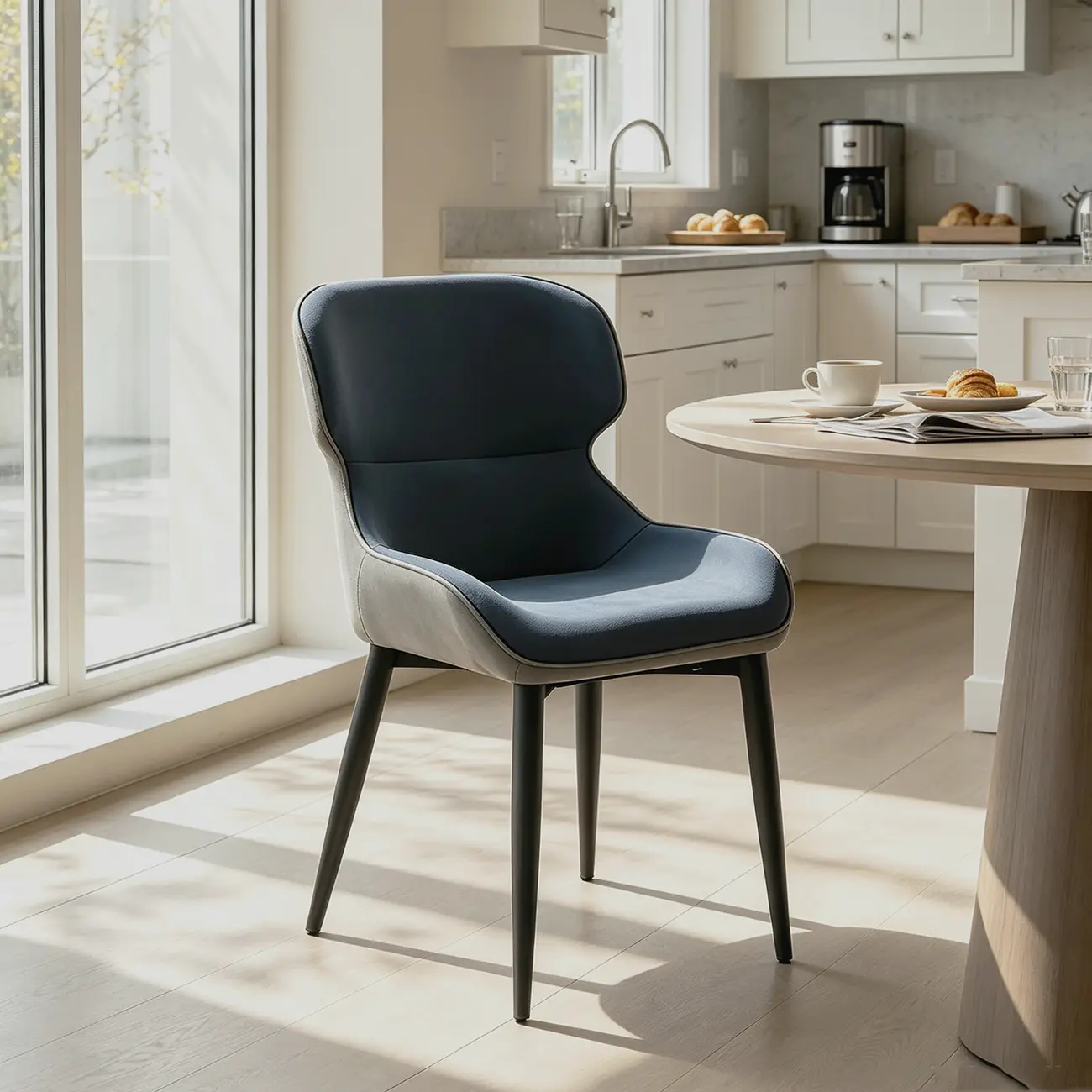
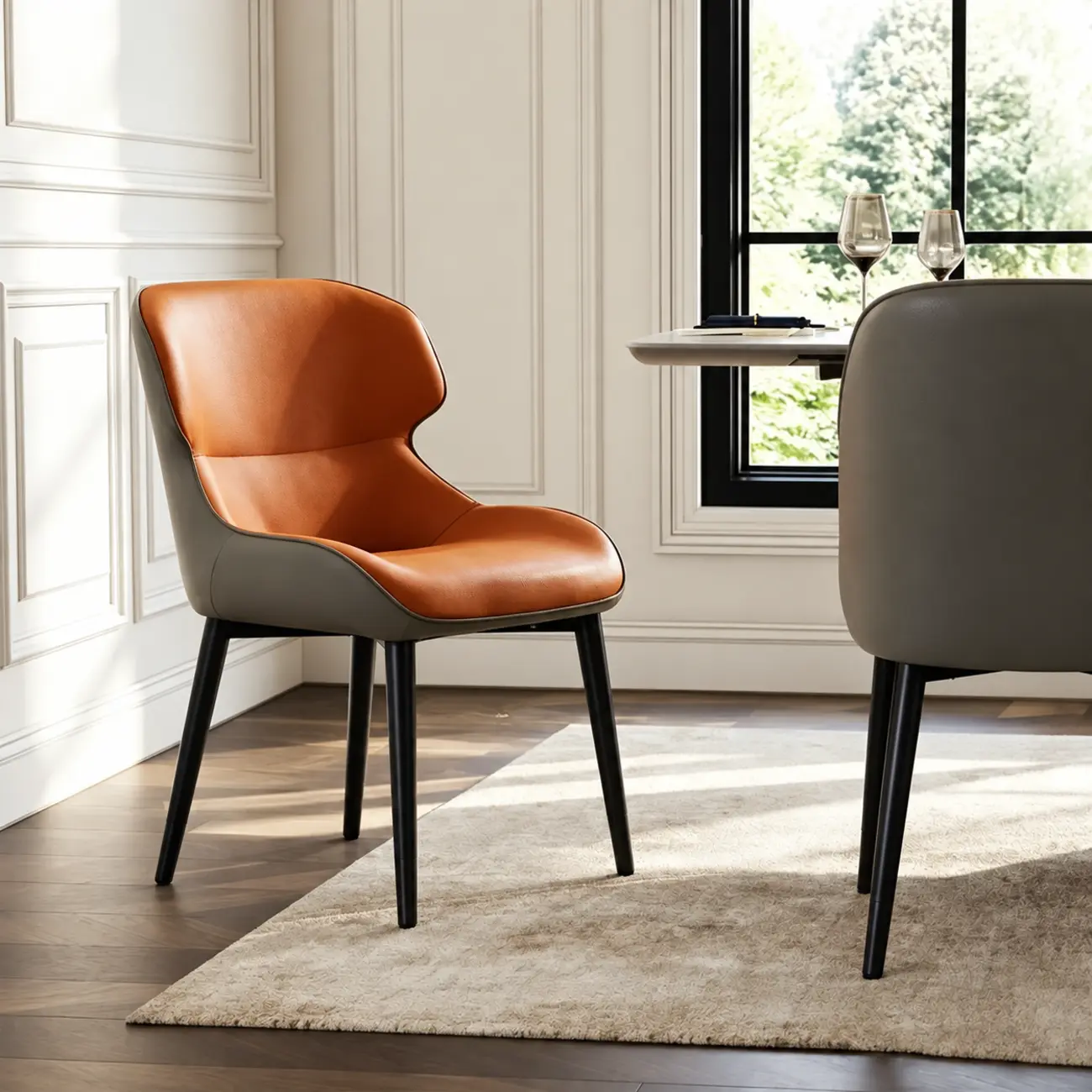
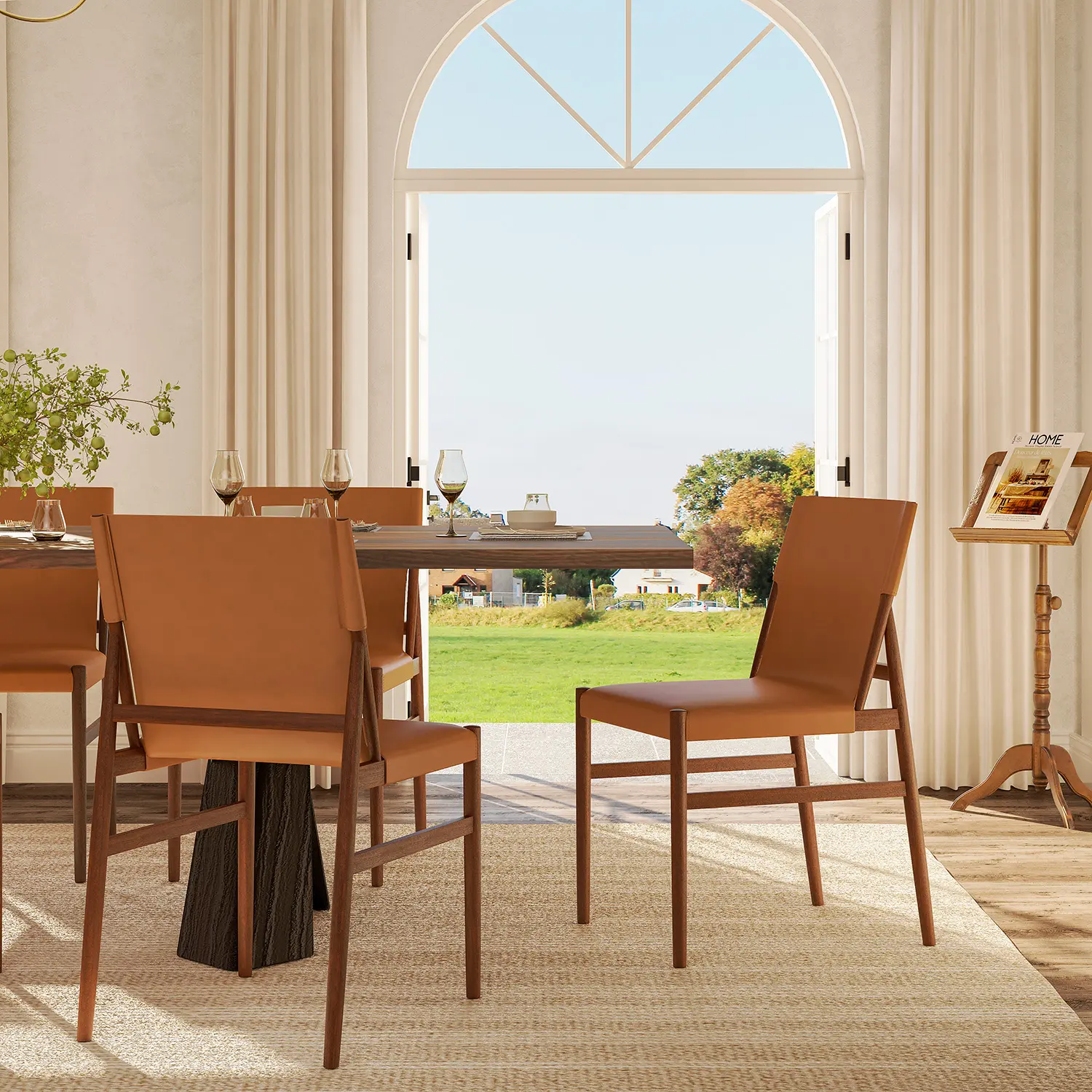
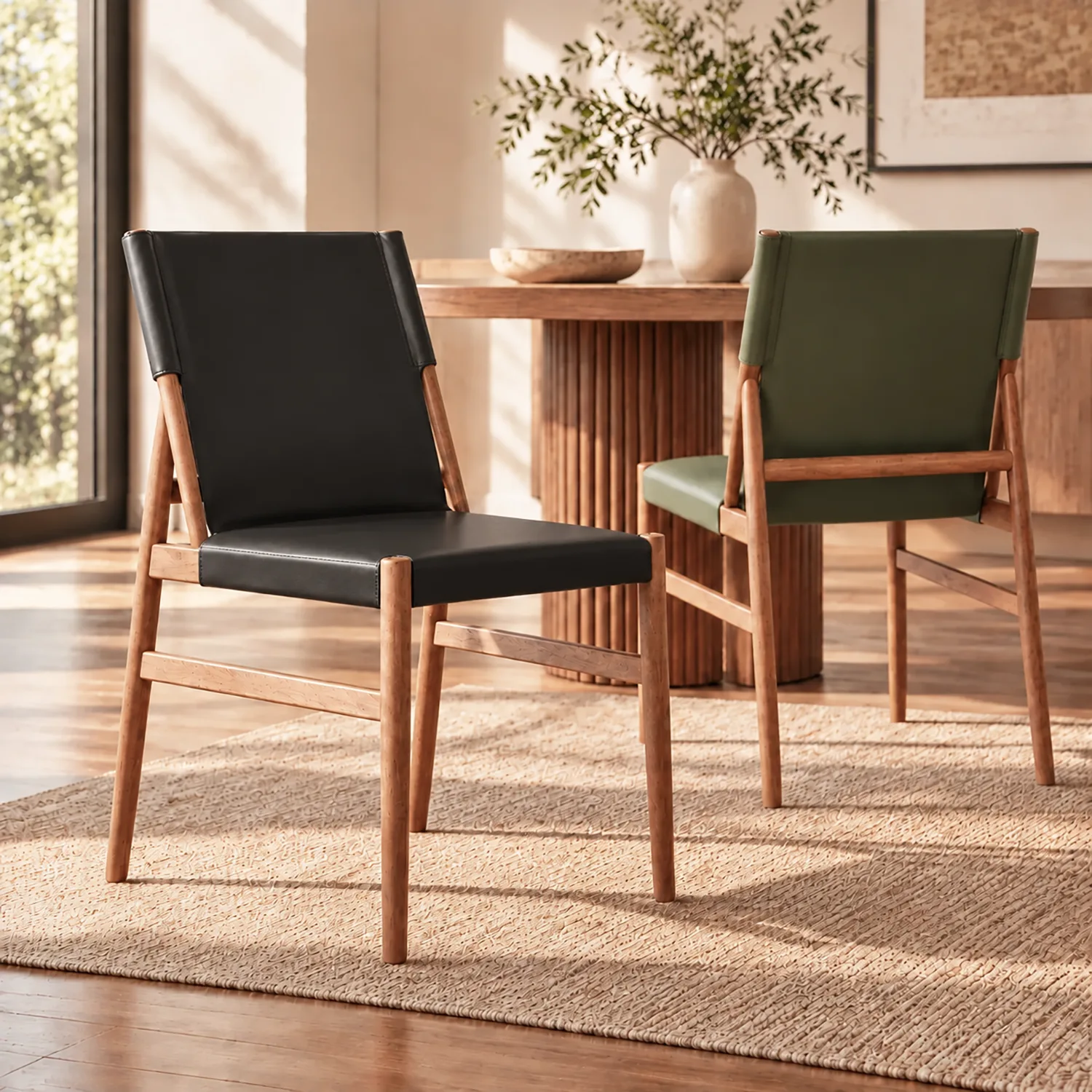
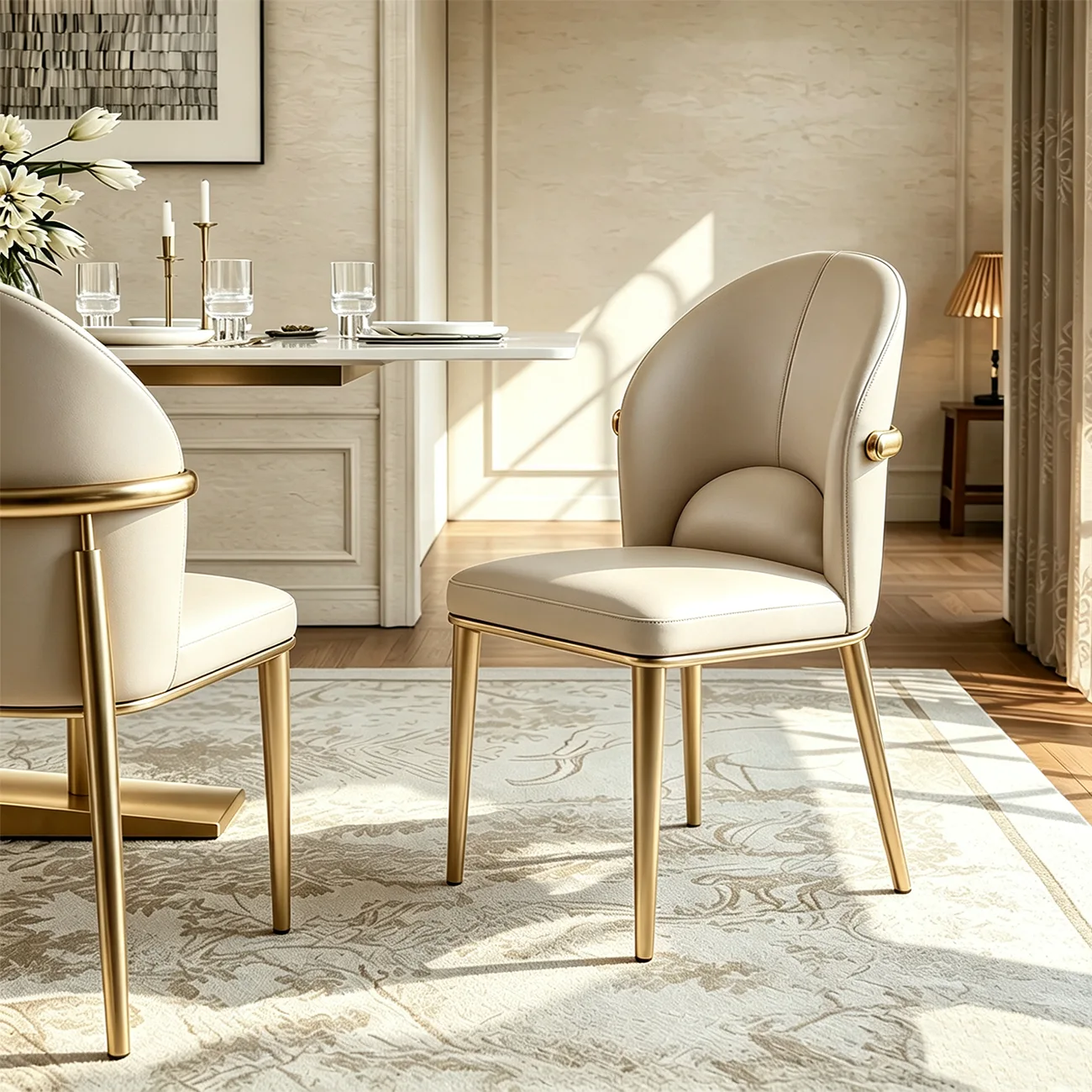
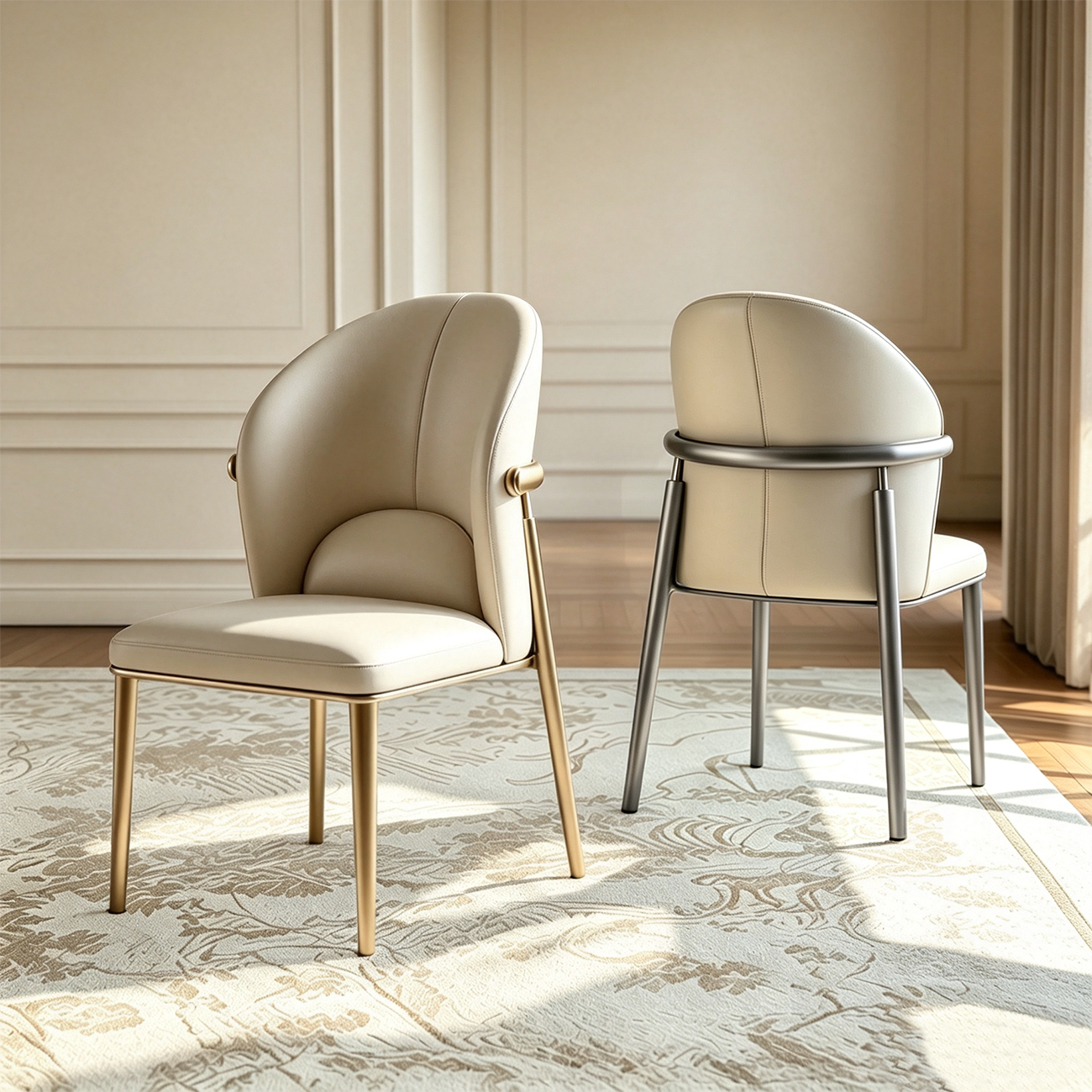
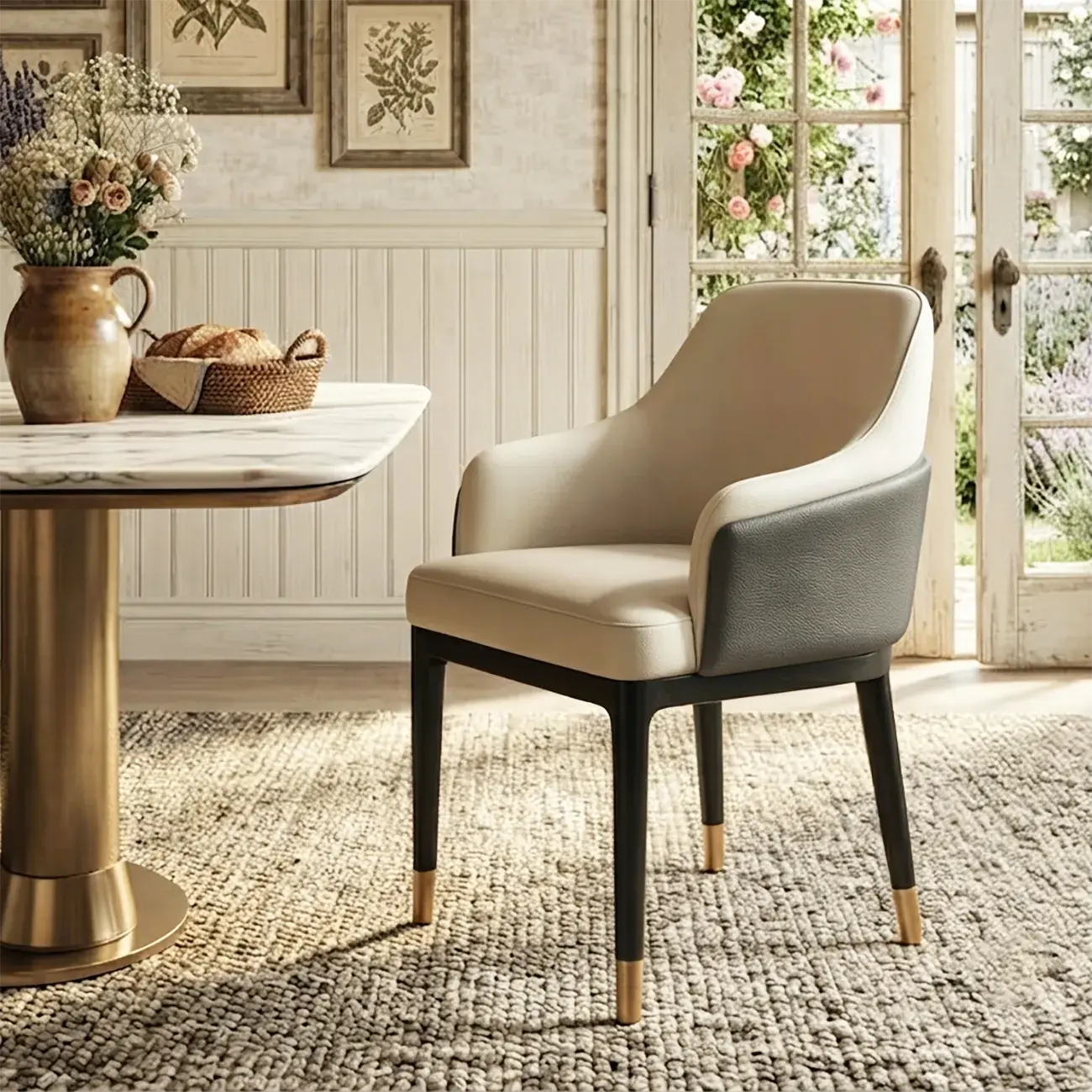
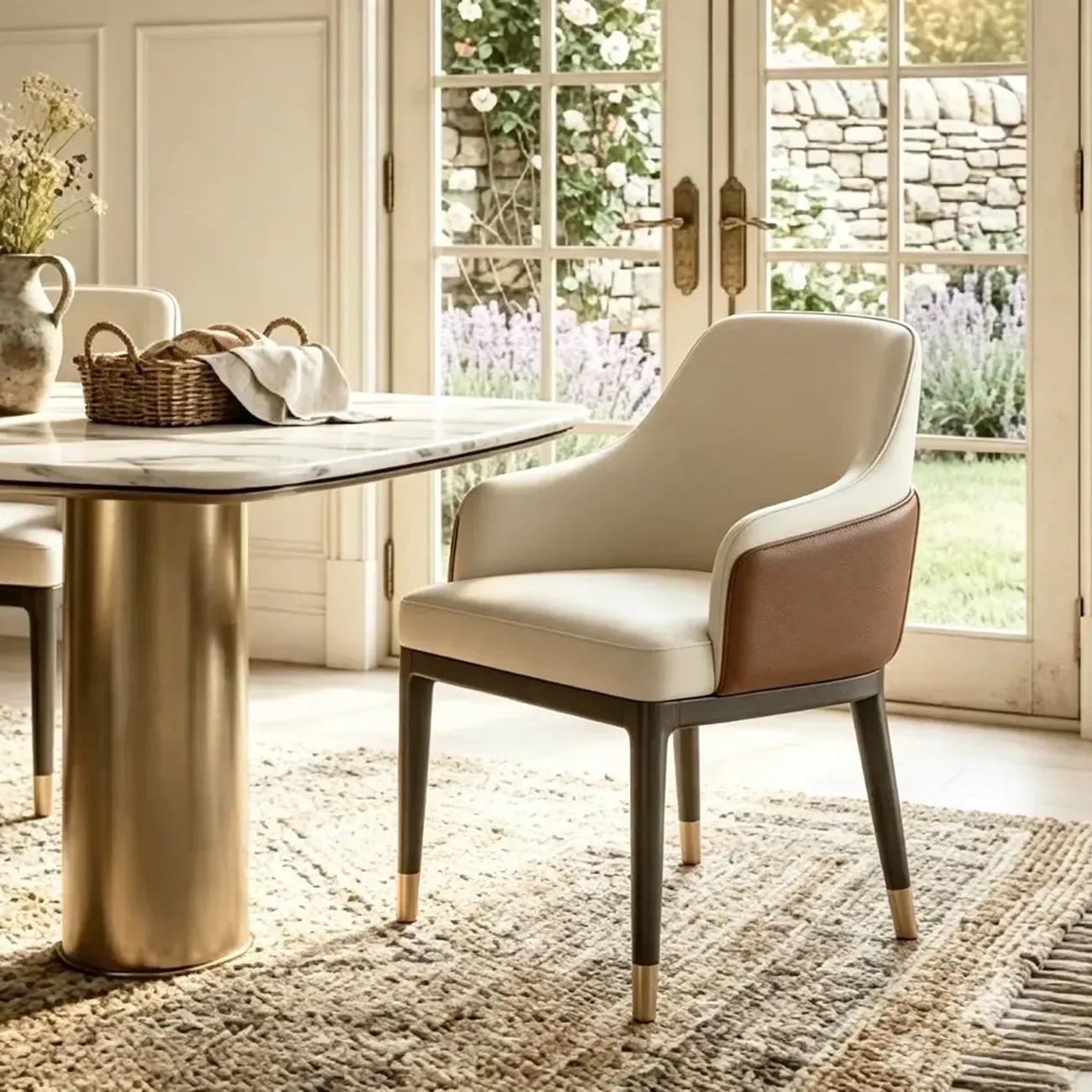
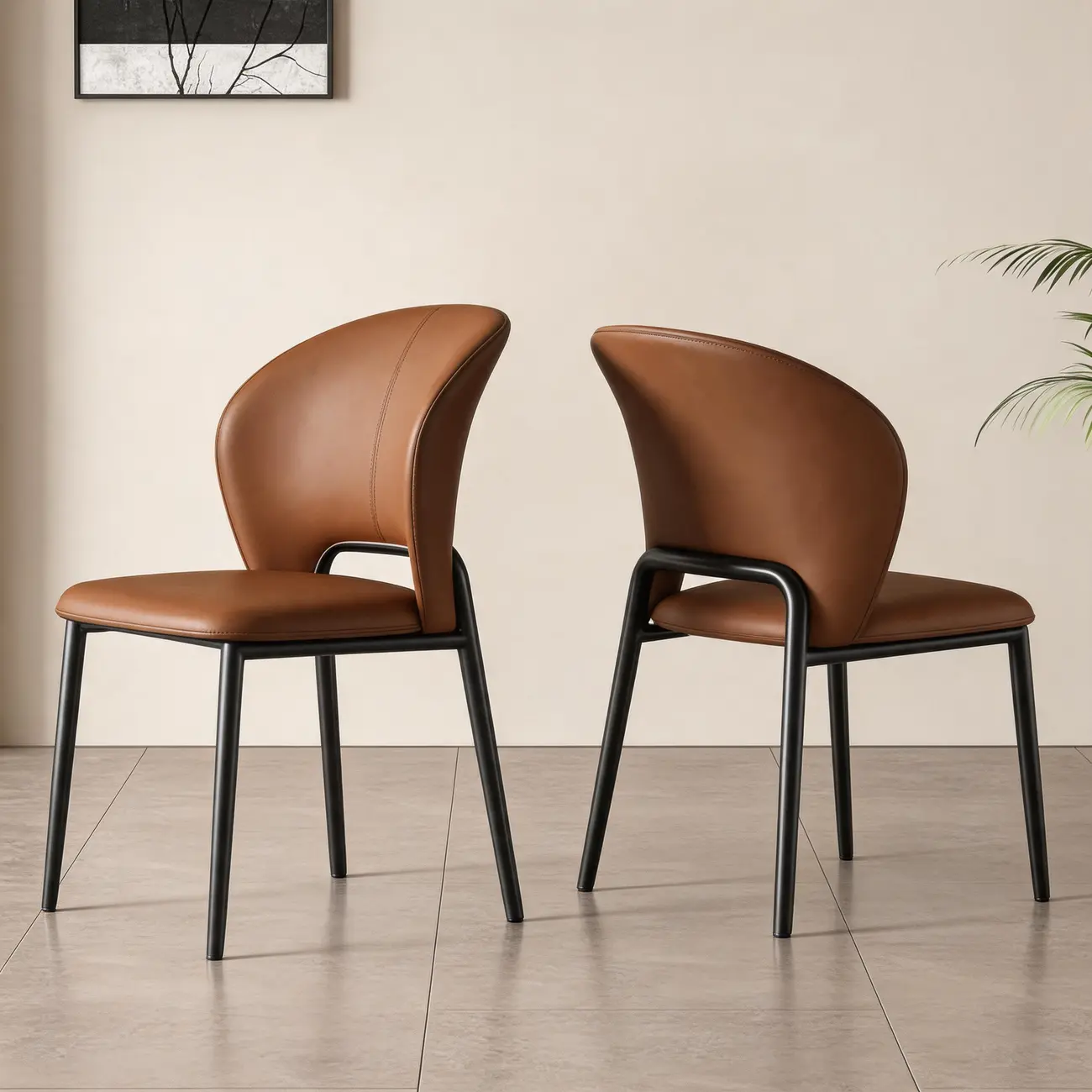
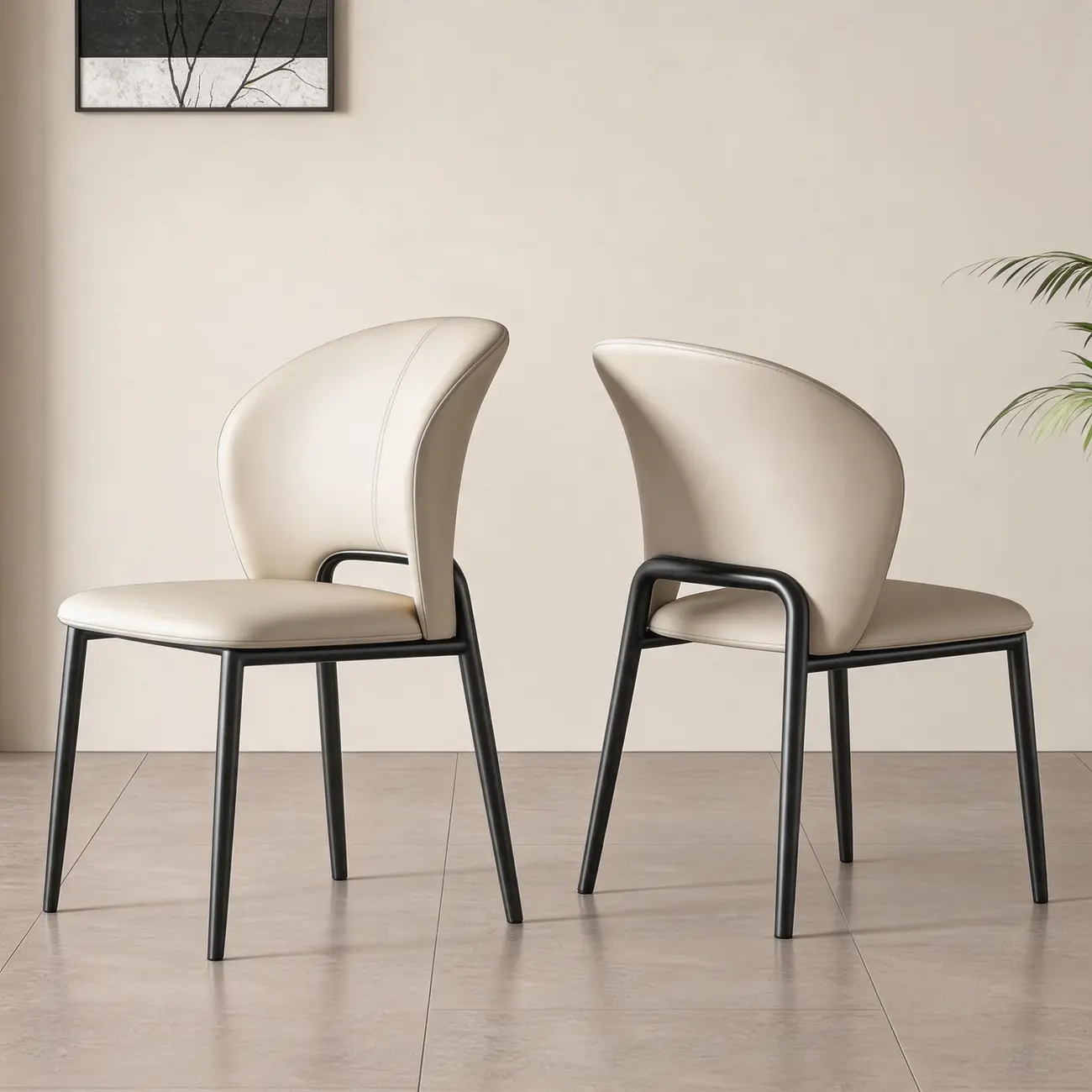
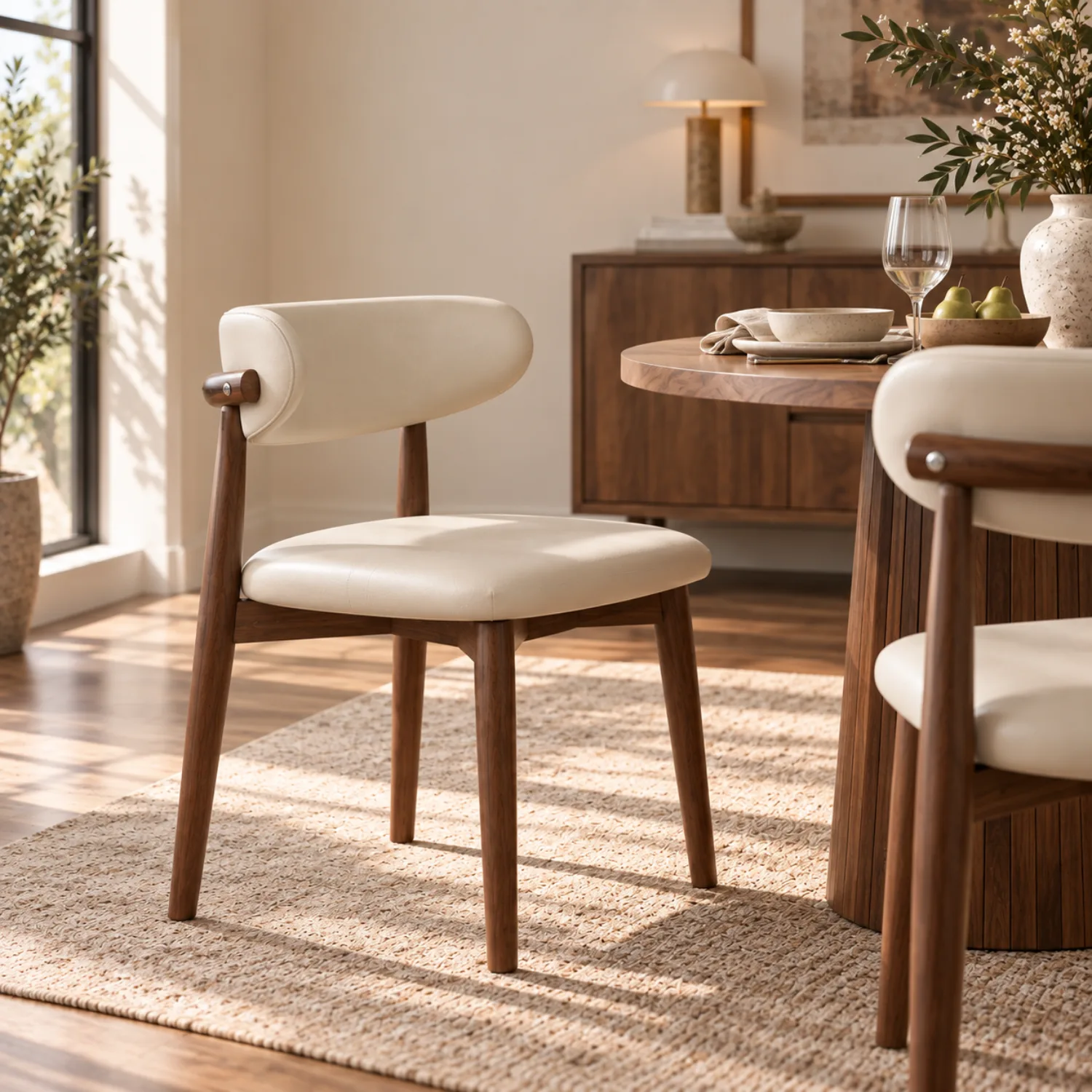
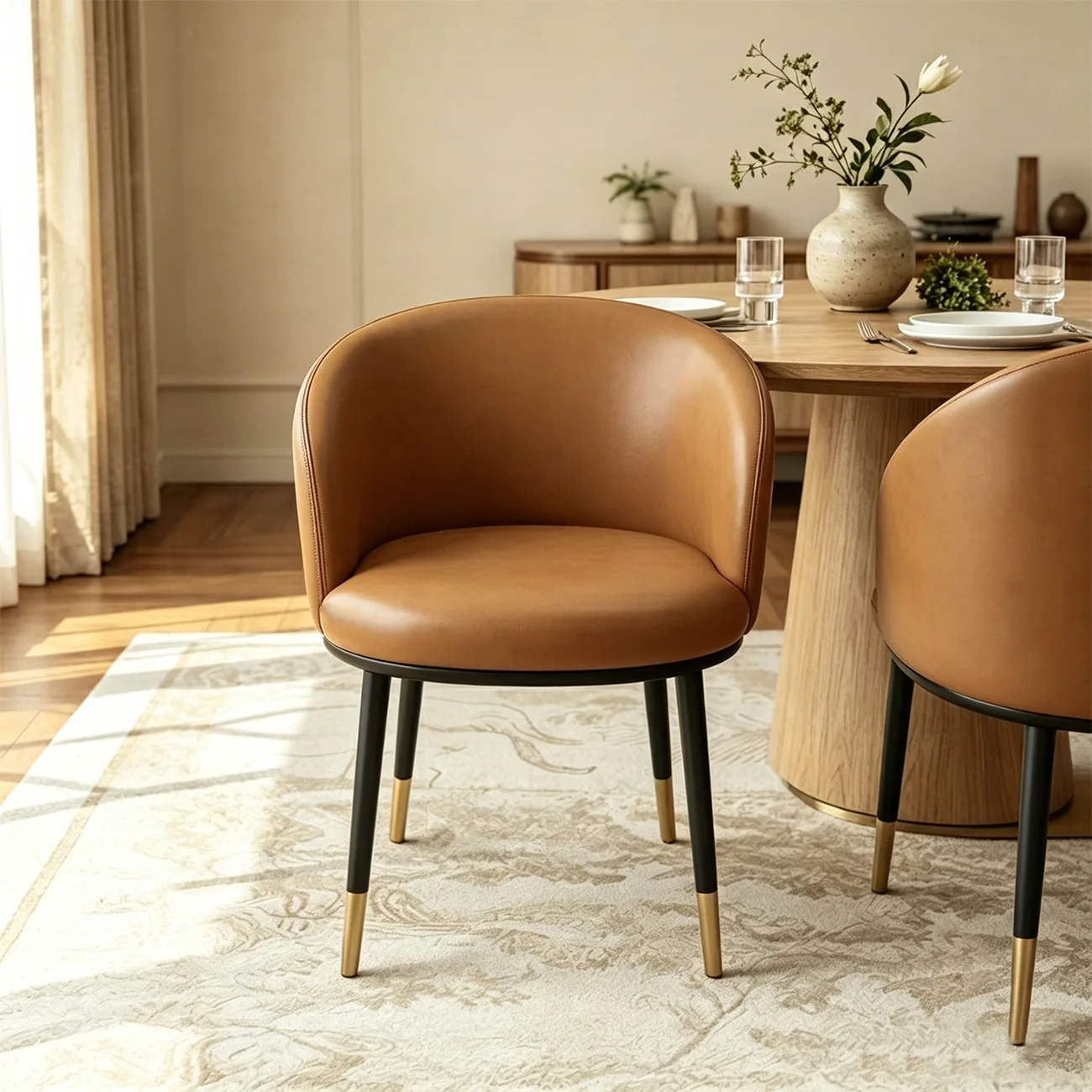
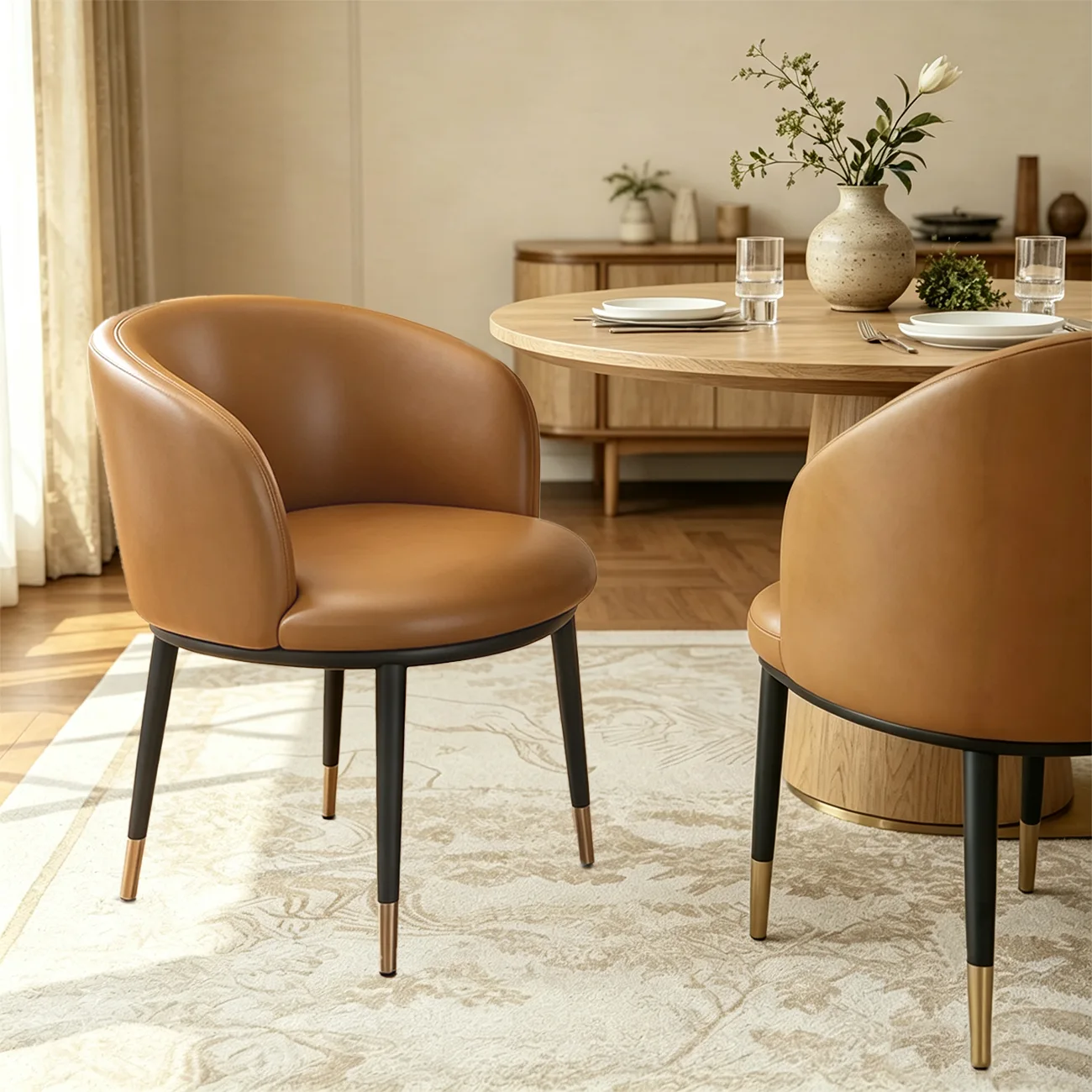
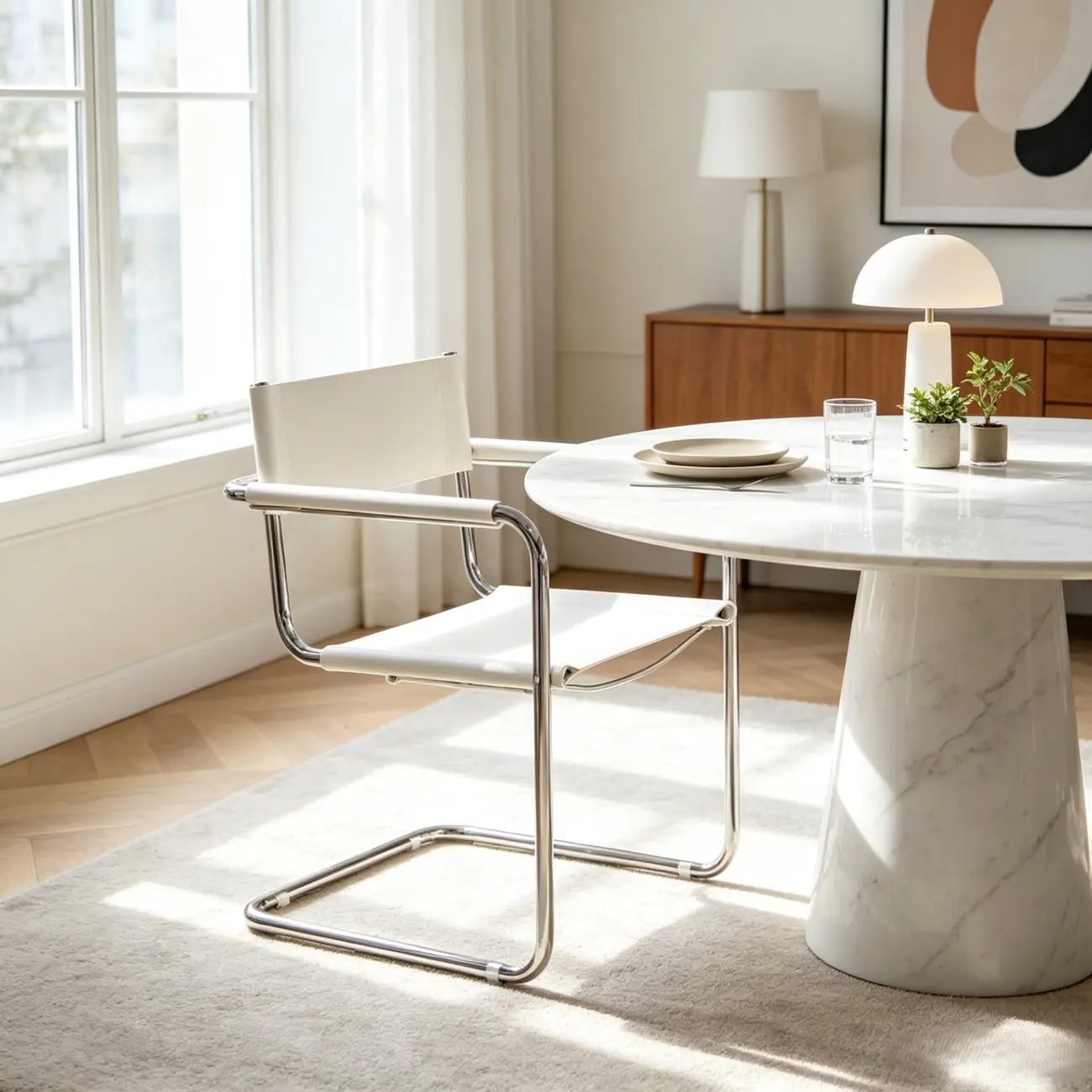
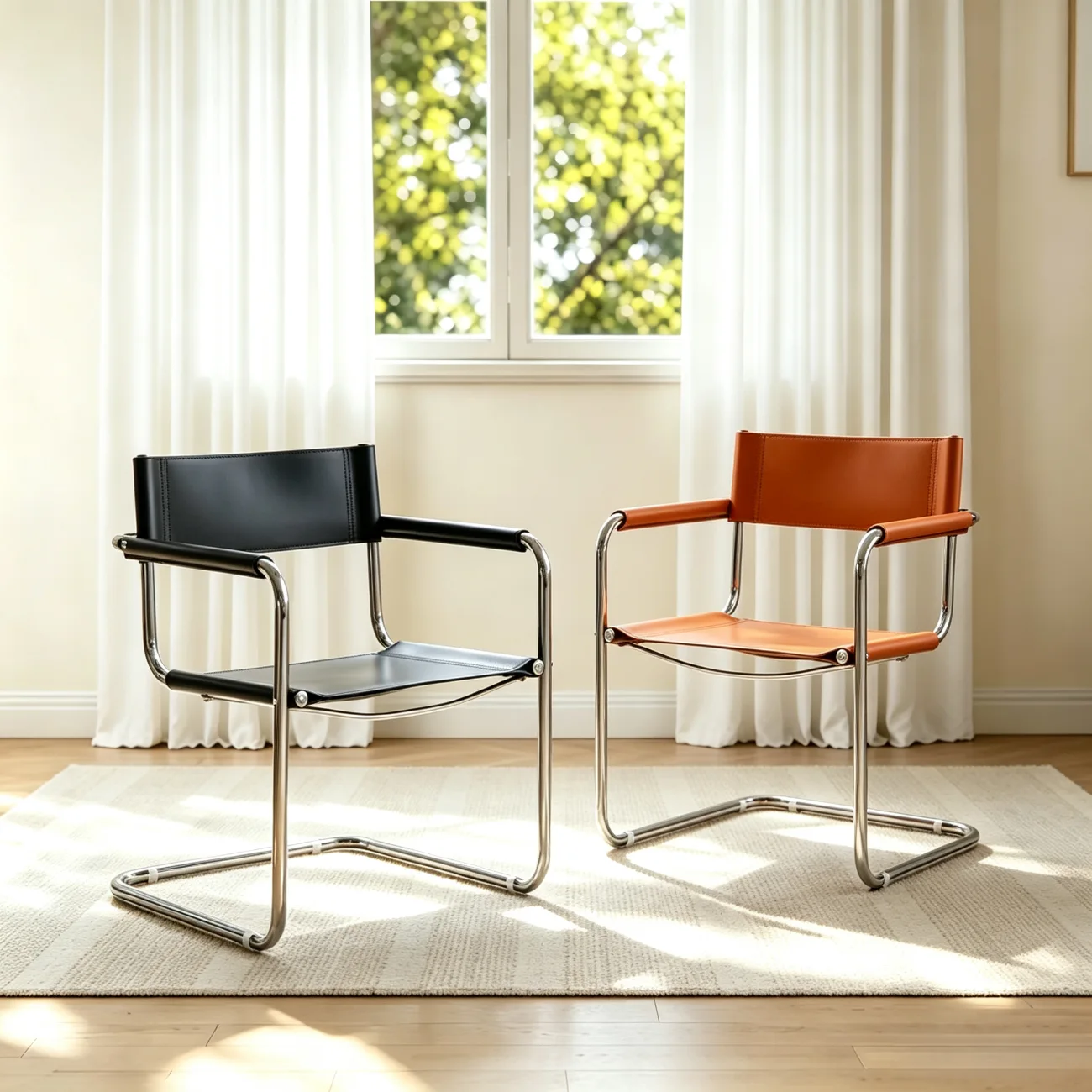
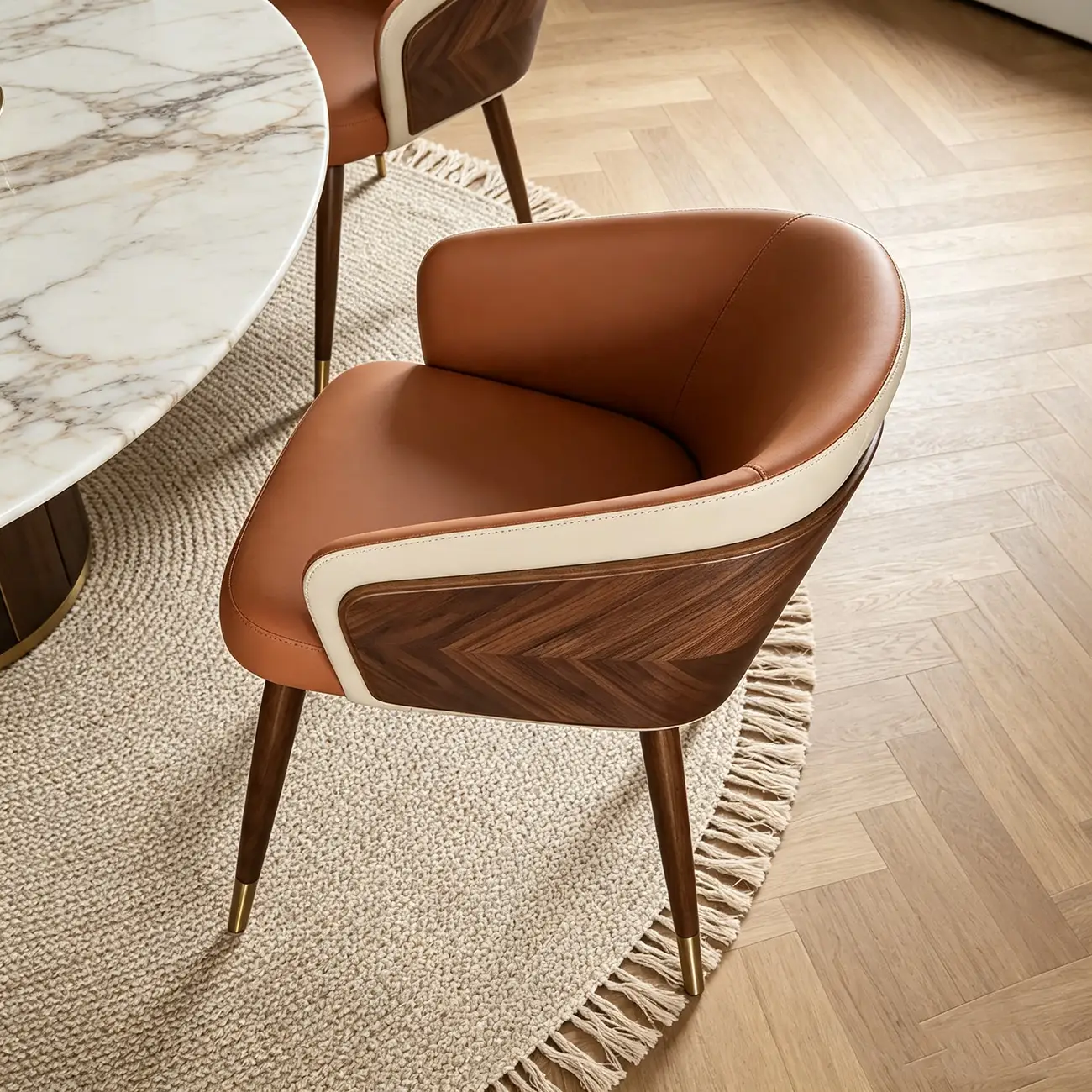
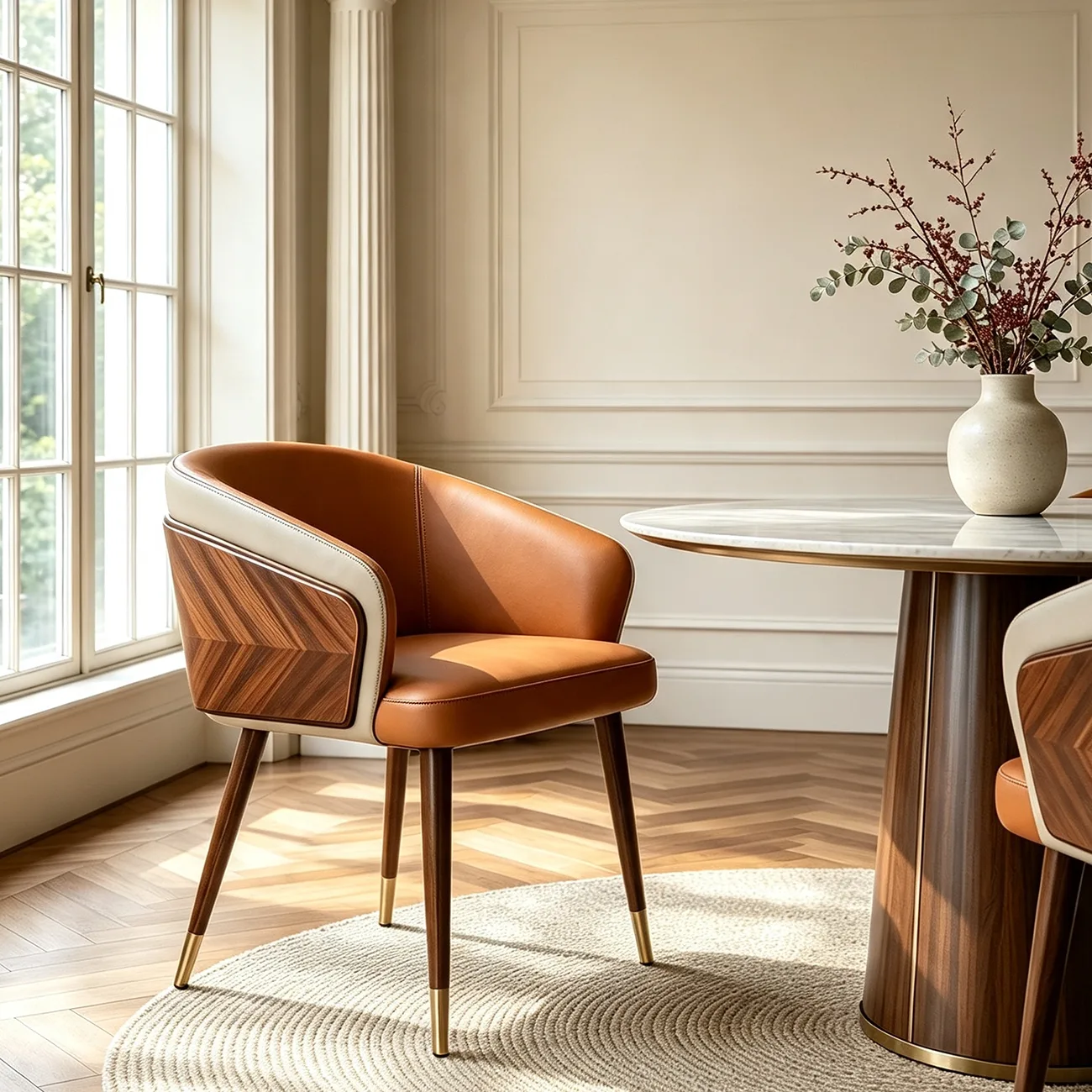
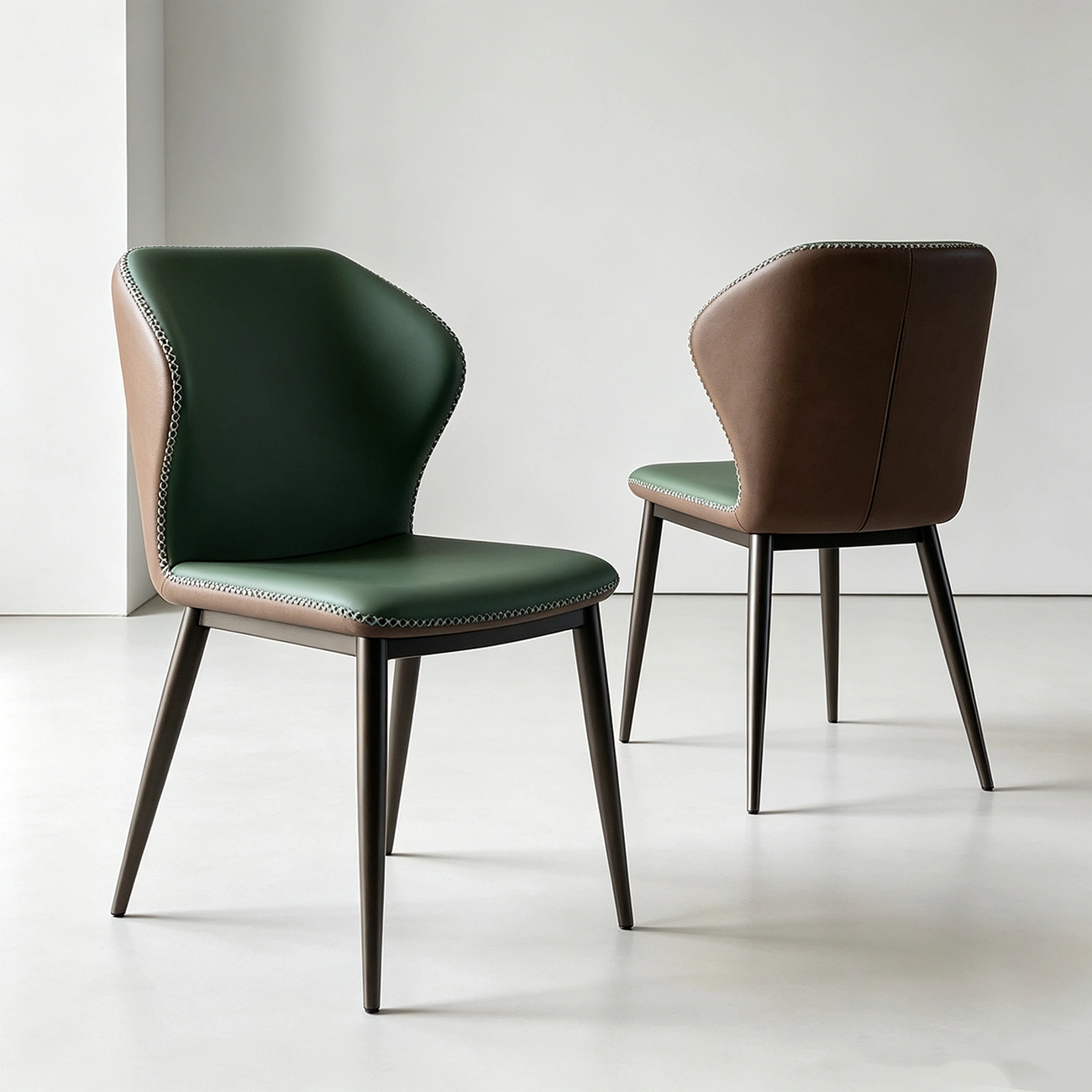
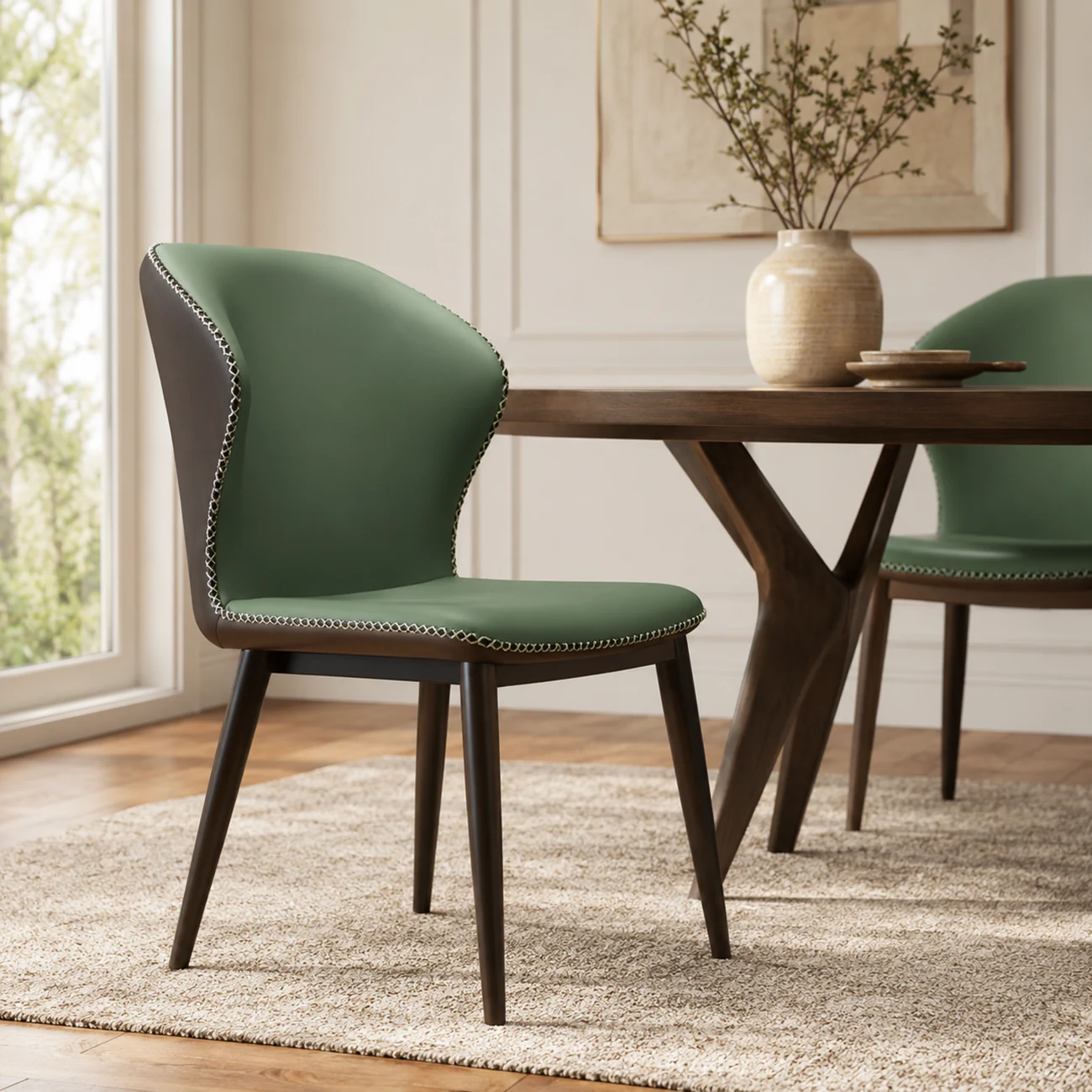
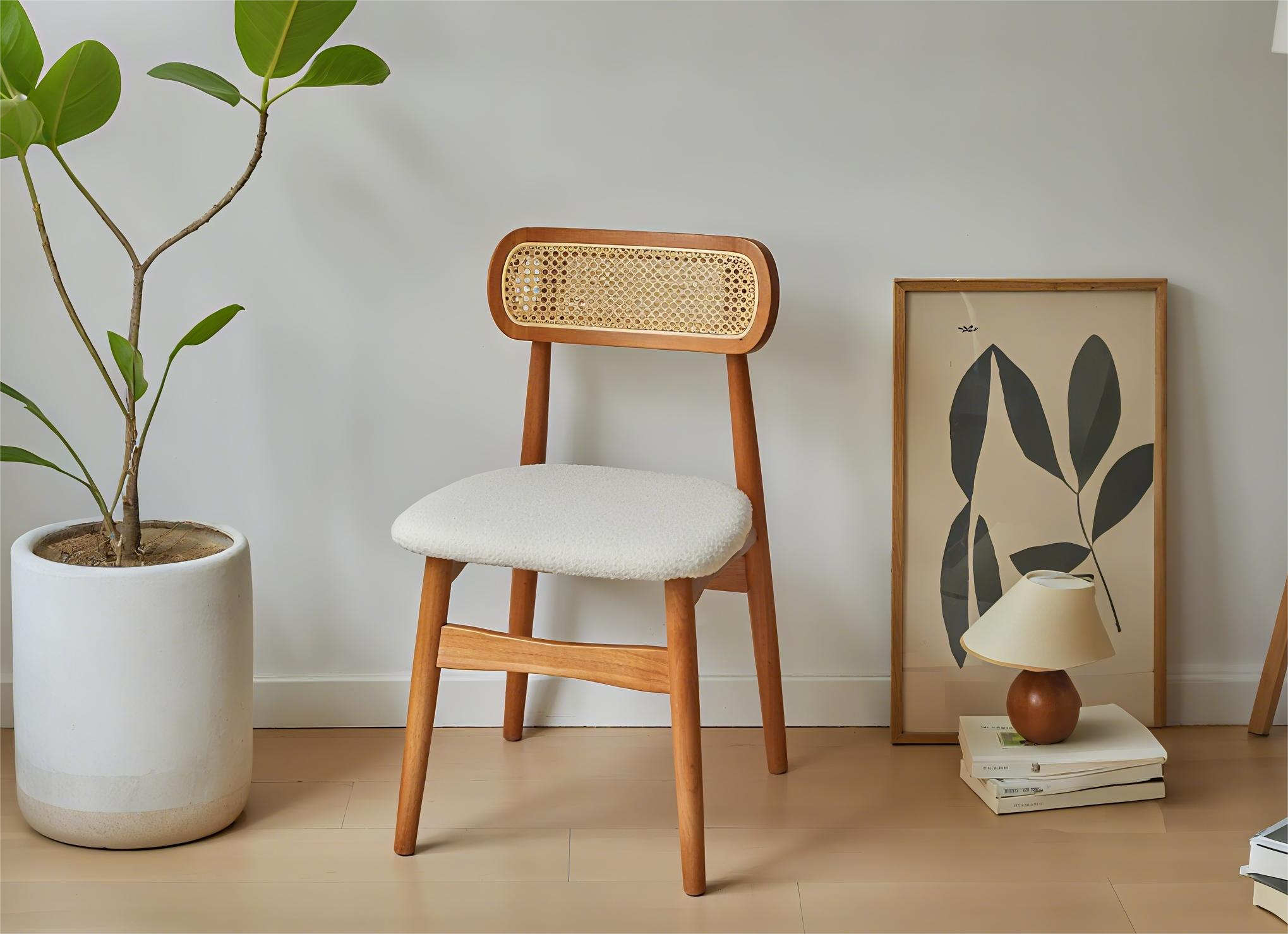
3. Versatile Styling: Modern extendable tables come in elegant mid-century, modern farmhouse, minimalist, and wood finish designs that look complete in both folded and expanded states. Pair them with ergonomic seating from our Dining Chairs Collection for a cohesive aesthetic.
The Drawbacks (Cons)
1. Higher Initial Investment: Due to internal sliding hardware and precision woodworking, quality extension tables cost slightly more than standard fixed tables.
2. Heavy Frame & Weight: Solid wood or metal track mechanisms add structural weight, making relocation heavier.
3. Storage Requirement (For Manual Leaves): Non-self-storing leaf models require closet space to store extra leaves safely when not in use.
How to Choose the Right Size: Sizing & Seating Clearance
Before buying, measure your space twice. Ensure you maintain adequate clearance around the table when fully expanded:
Walkway Clearance Rule: Allow at least 36 to 42 inches (90–105 cm) between the edge of your table and surrounding walls or furniture. This allows guests to pull out chairs easily and walk comfortably behind seated diners.
Per-Person Seating Width: Provide 24 inches (60 cm) of table width per person for comfortable dining without clashing elbows.
| Collapsed Size | Expanded Size | Seating Capacity |
| 48" – 60" (4 Feet) | 72" – 84" (6–7 Feet) | 4 Seats → Expands to 6–8 Seats |
| 72" (6 Feet) | 96" – 108" (8–9 Feet) | 6 Seats → Expands to 8–10 Seats |
Final Verdict: Are Extendable Dining Tables Worth It?
Yes, extendable dining tables are absolutely worth the investment if you value spatial efficiency, frequent entertaining, and durable furniture versatility. While they carry a slightly higher upfront cost, their dual-purpose convenience makes them one of the smartest furniture investments for modern living spaces.
Ready to transform your dining area? Browse curated, high-craftsmanship options in our HomeyFad Dining Table Collection to find your perfect match today.
Frequently Asked Questions (FAQ)
Q: Are extendable dining tables sturdy?
A: Yes, high-quality extendable dining tables built with solid wood or metal support frames are exceptionally sturdy. Look for heavy-duty metal track slides or solid wood locking mechanisms to ensure the expanded tabletop remains completely stable without wobbling.
Q: What is the easiest extension mechanism to operate by one person?
A: Butterfly leaf and smooth ball-bearing sliding extension systems are the easiest for one person to operate. Butterfly leaves fold out effortlessly from under the main tabletop without requiring heavy lifting or extra storage space.
Q: How do I store extra leaves if they aren't self-storing?
A: If your table utilizes removable leaves, store them flat under a bed or inside a dry closet. Keep them in protective felt leaf storage bags to prevent scratching, warping, or moisture damage over time.
Q: How many extra chairs should I keep for an extendable table?
A: A general rule of thumb is to keep 2 to 4 stackable or accent chairs in other rooms (such as home offices or bedrooms) that can easily transition to the dining room when your table is expanded.





 Add Us On Google