
(4)-2.png?w=1920&h=650)
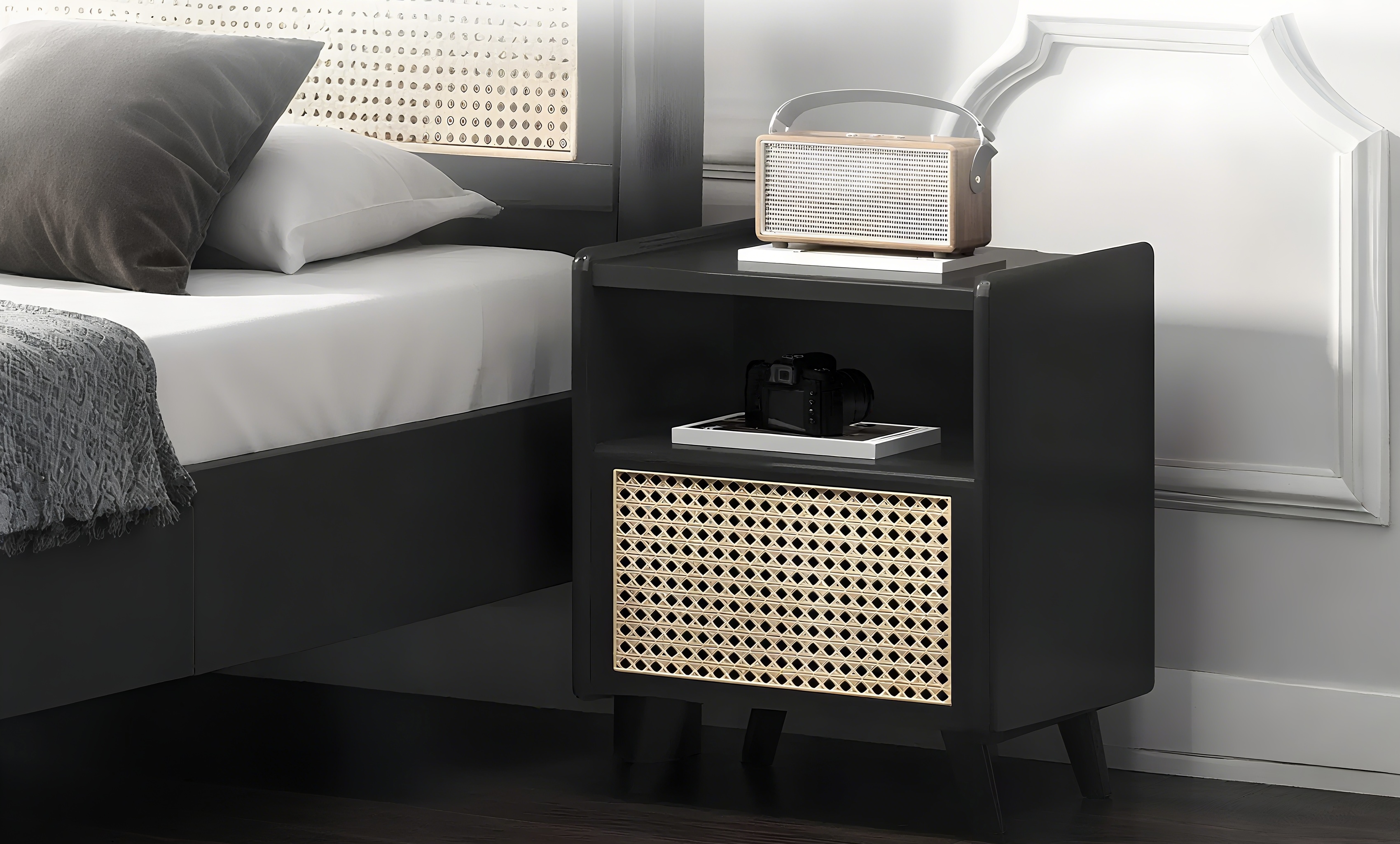
Do you know what nightstand design suits your bedroom?
Actually, by understanding the purpose of each nightstand design, you will know which one is best for your bedroom!
Next, you will learn everything about choosing a nightstand design. Follow our step-by-step guide from start to finish.
1. Determine the Nightstand Dimensions
Before determining the nightstand dimensions, confirm the available space for the nightstand. Measure your available space to confirm the maximum size of the nightstand.
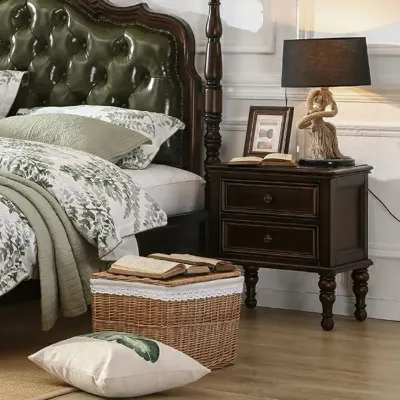
Nightstand Height
First, determine the height of your bedside table.
Ideal bedside table height = mattress top height ±2 inches.For a 24-inch-high mattress, the bedside table height should fall between 22 and 26 inches.
If you don't have a mattress or bed frame, try it while sitting on your bed. Bend your elbows naturally to a 90-degree angle. The perfect height is when your forearms are comfortably resting on the nightstand.
Tip: Use items of the same height to measure, such as stacked books or a stool put next to it.
Nightstand Width (From Left to Right)
Next, determine the nightstand's width.
Measure the distance from the bedside to the wall/other furniture, then subtract 4 inches to get the maximum width. (Allow at least 2-5 inches of room on each sides of the bedside table to provide appropriate clearance.)
If you have enough space, the recommended bedside table width is 1/3 of the bed width (±2 inches). For a 60-inch-wide bed, a bedside table width of 18-22 inches is optimal.
You May Also Like
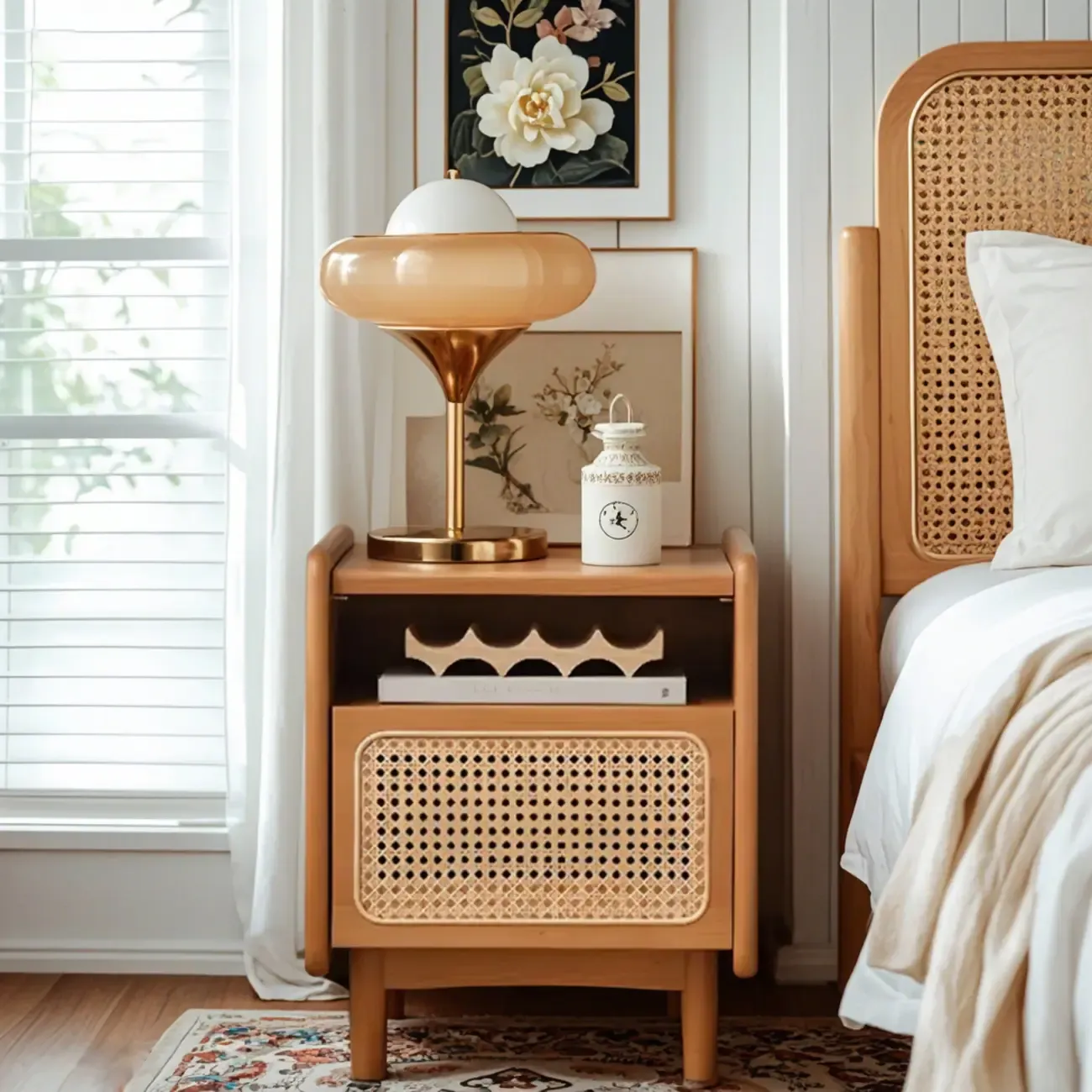
-800x.webp?w=800&h=609)
2. Choose the Shape of the Nightstand
Bedside tables generally come in round, square, and geometric shapes. The choice of shape depends on the size of your space and the shape of your bed.
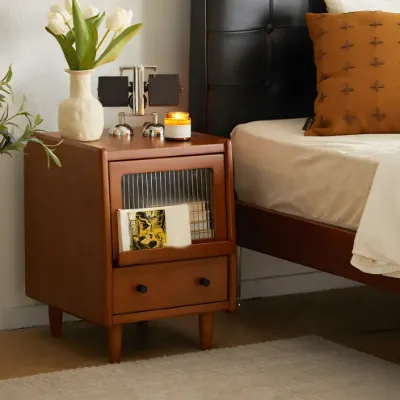
Square Nightstand
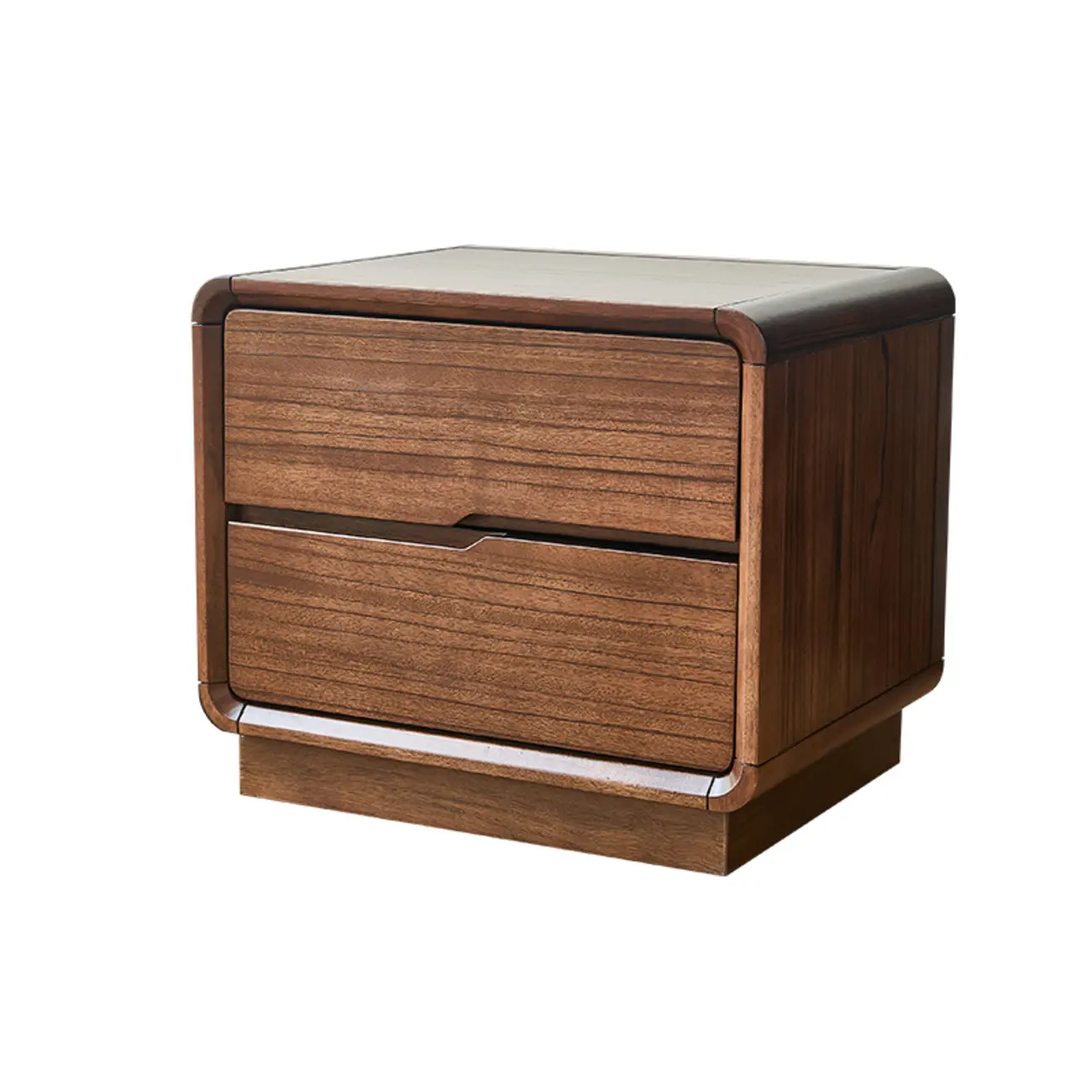
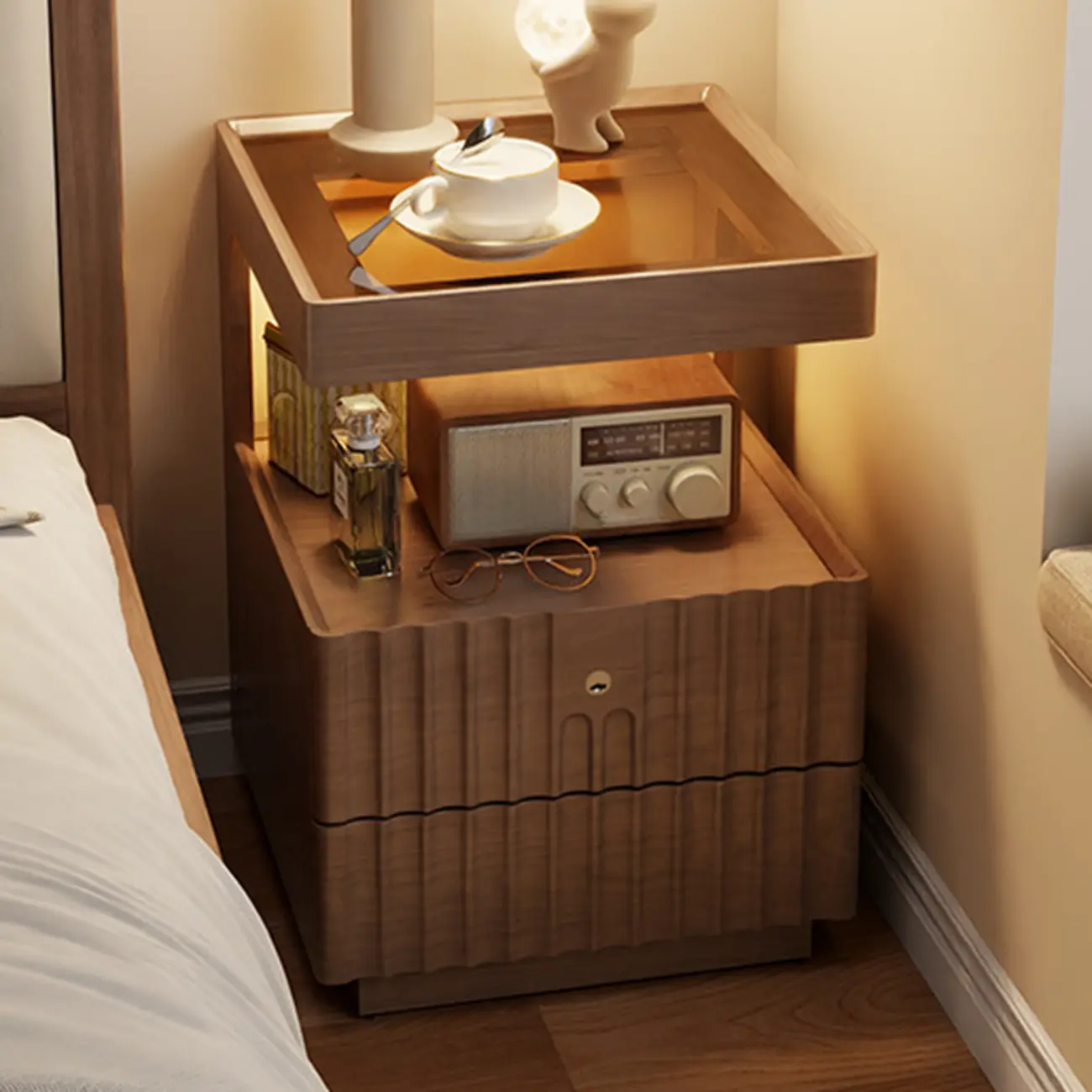
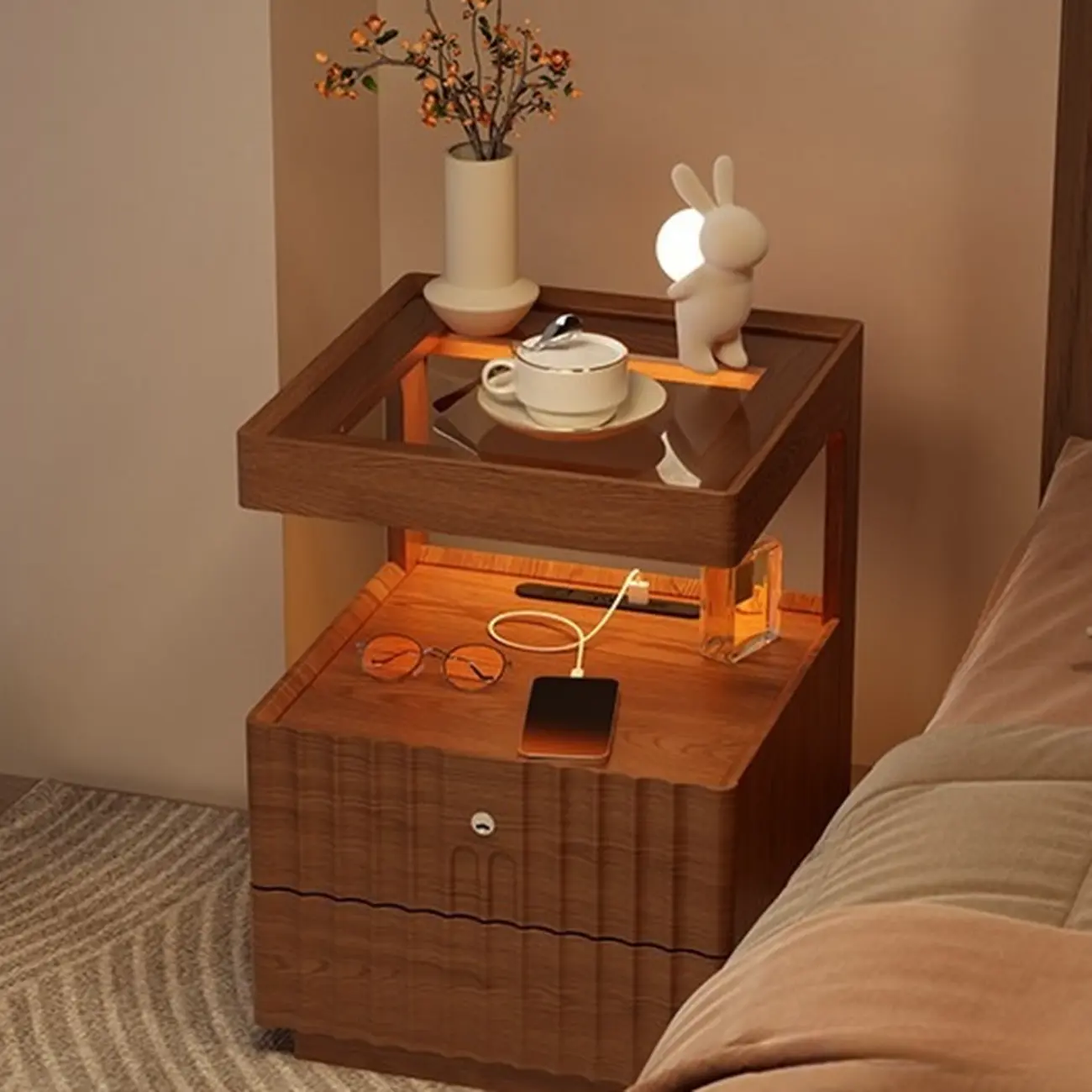
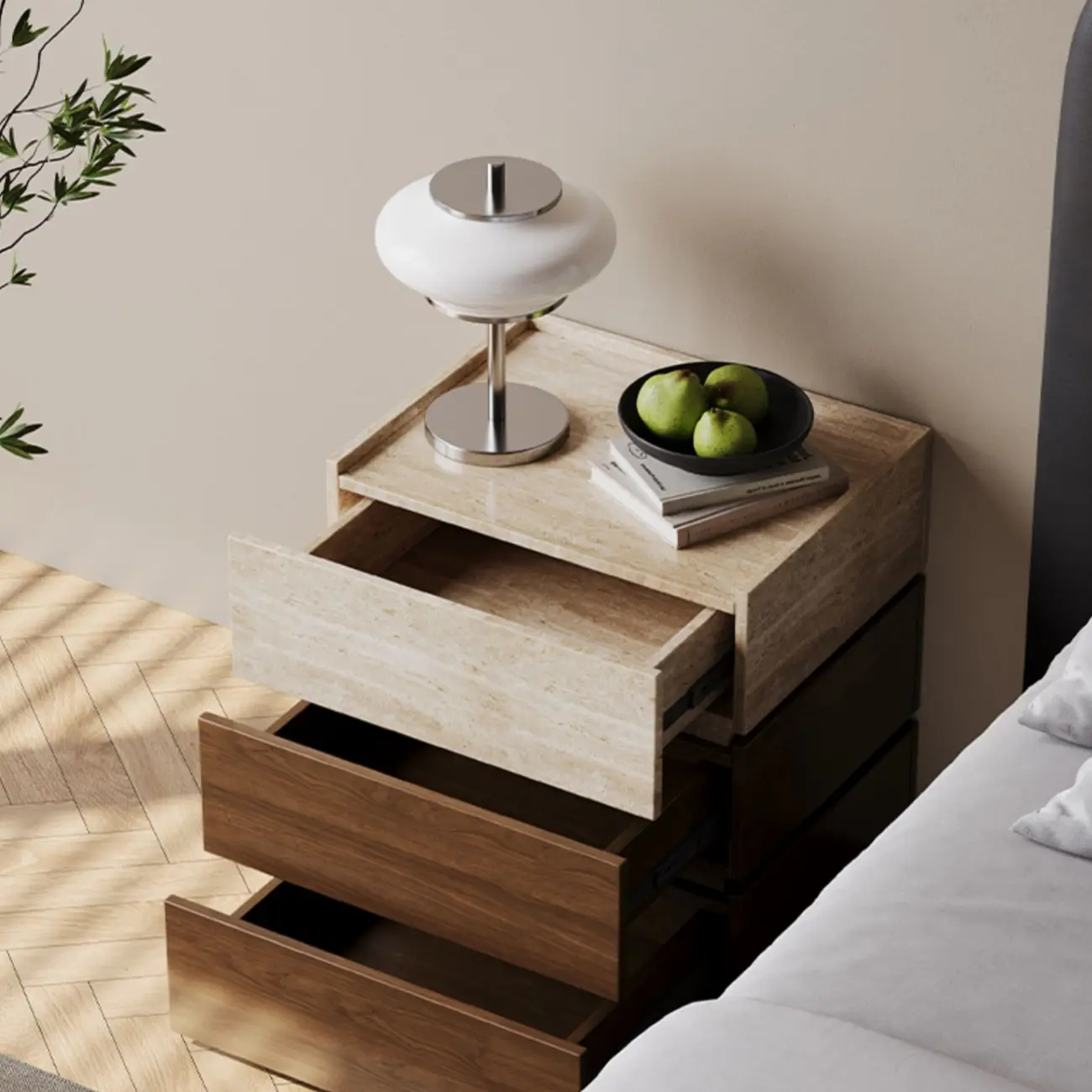
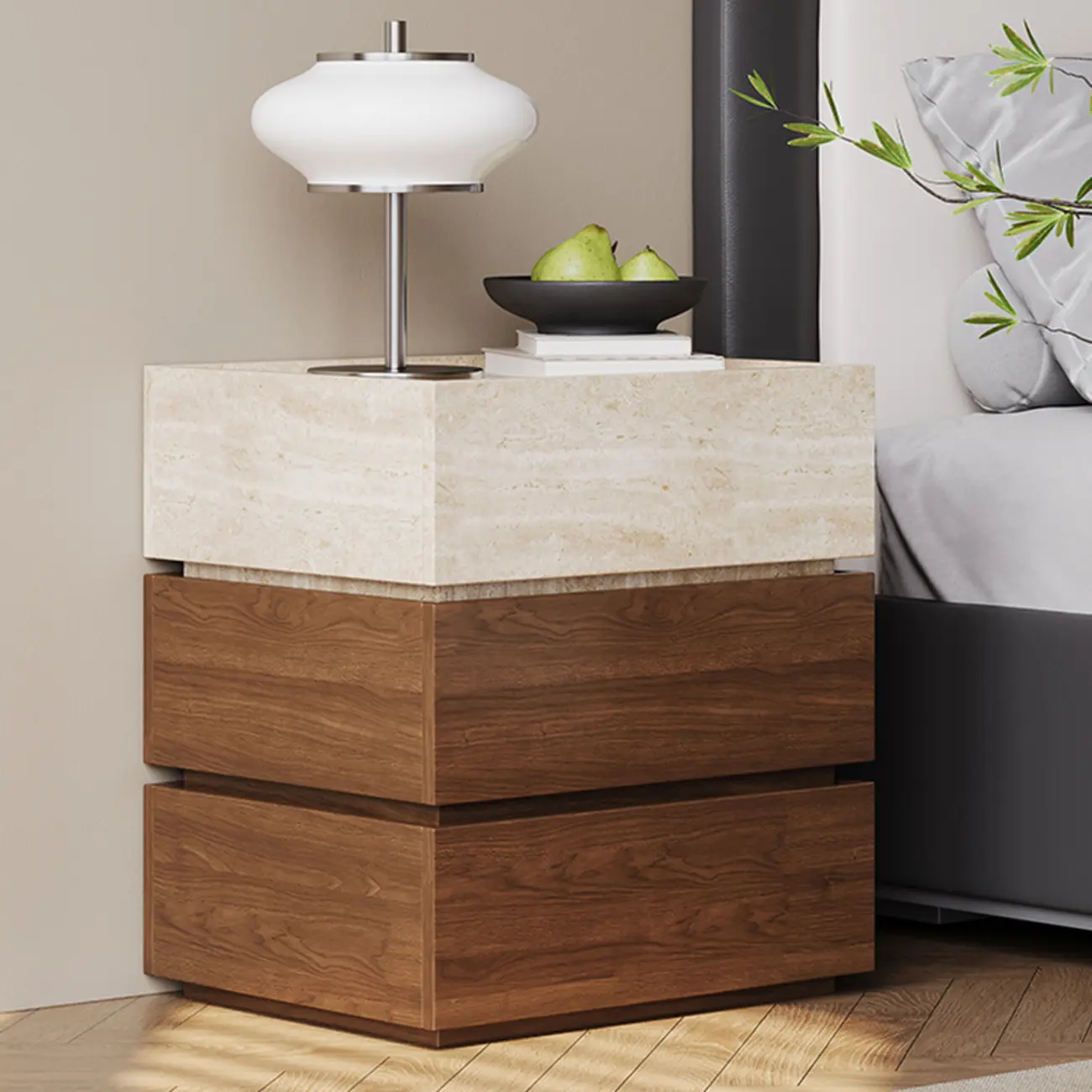
Square bedside tables are a common and useful design and work best with rectangular beds. They offer multiple layers of storage space and can hold many bedroom items.
However, be careful not to choose a style that is too wide for small spaces.
Round/Oval Nightstand
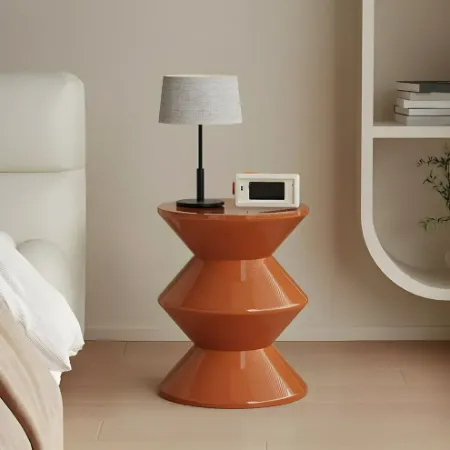
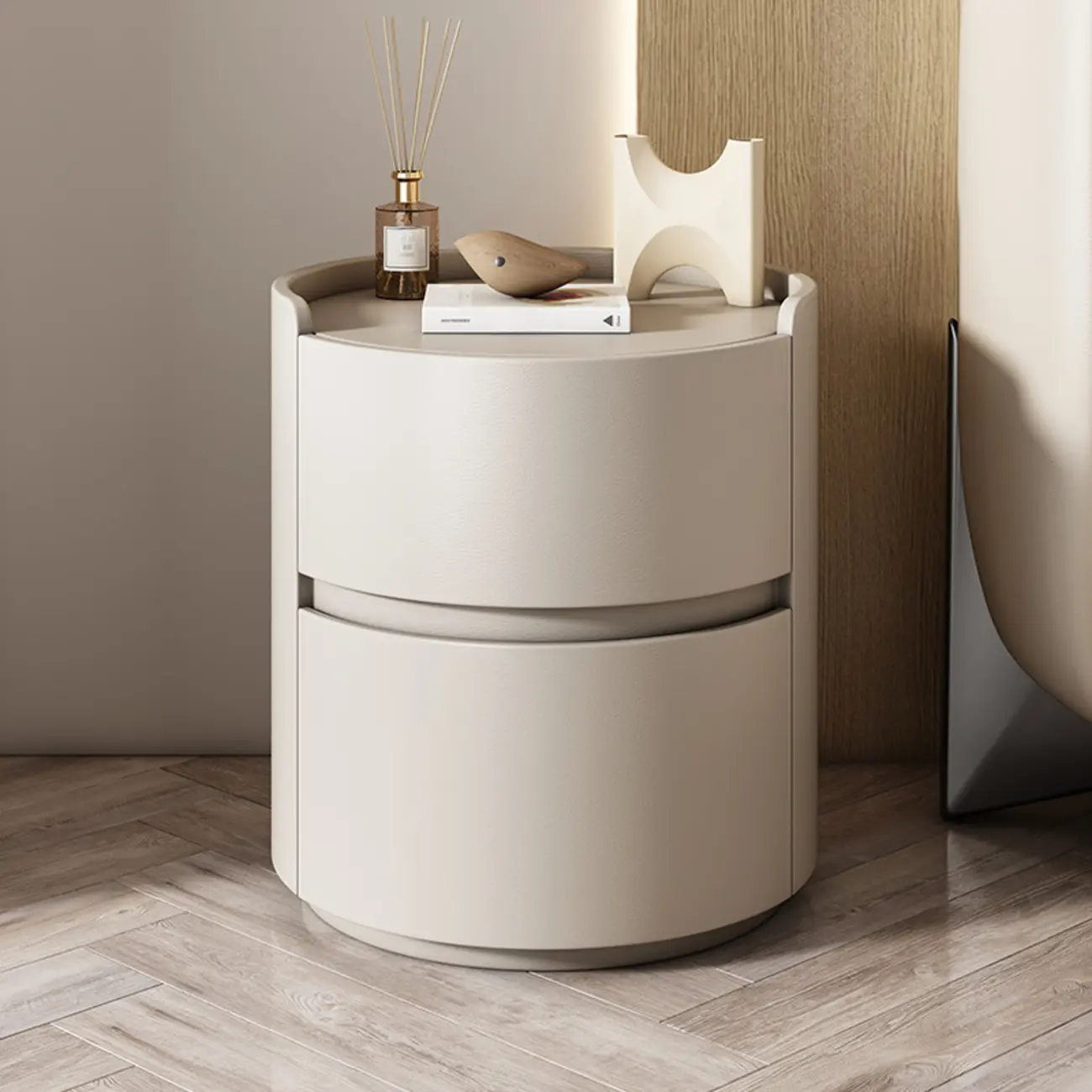
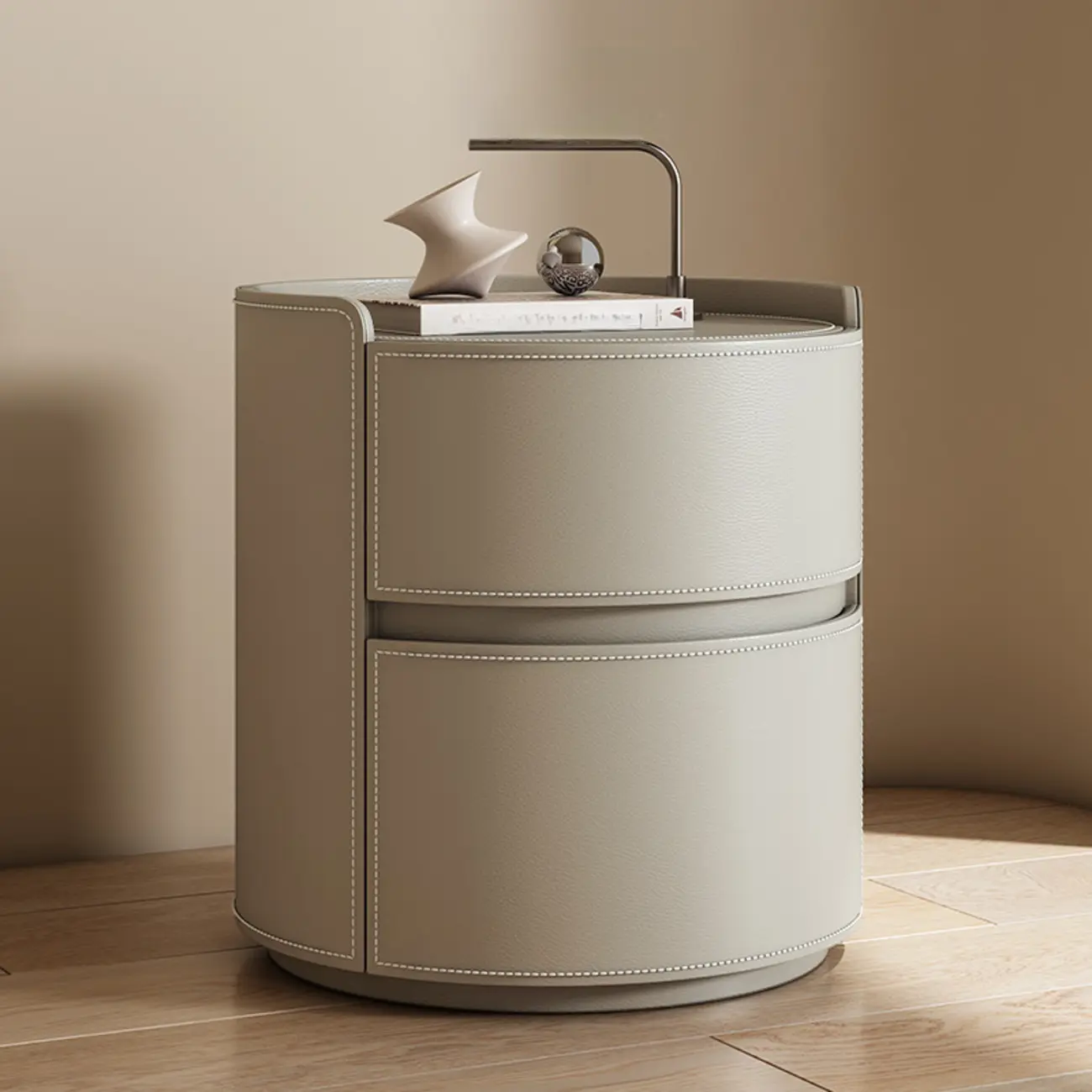
Round nightstands feature smooth curves and no sharp corners and are very easy to match.
Round nightstands are also safer, especially suitable for children's rooms or elderly rooms, as they won't cause cuts even if bumped into.
However, their storage space is slightly smaller compared to the square ones. If you need storage, you can consider ones with drawers and shelves.
If you're torn between round and square nightstands, click on our other article, "Round vs. Square Nightstands: Which Is Better for Your Bedroom?"
Geometric Design
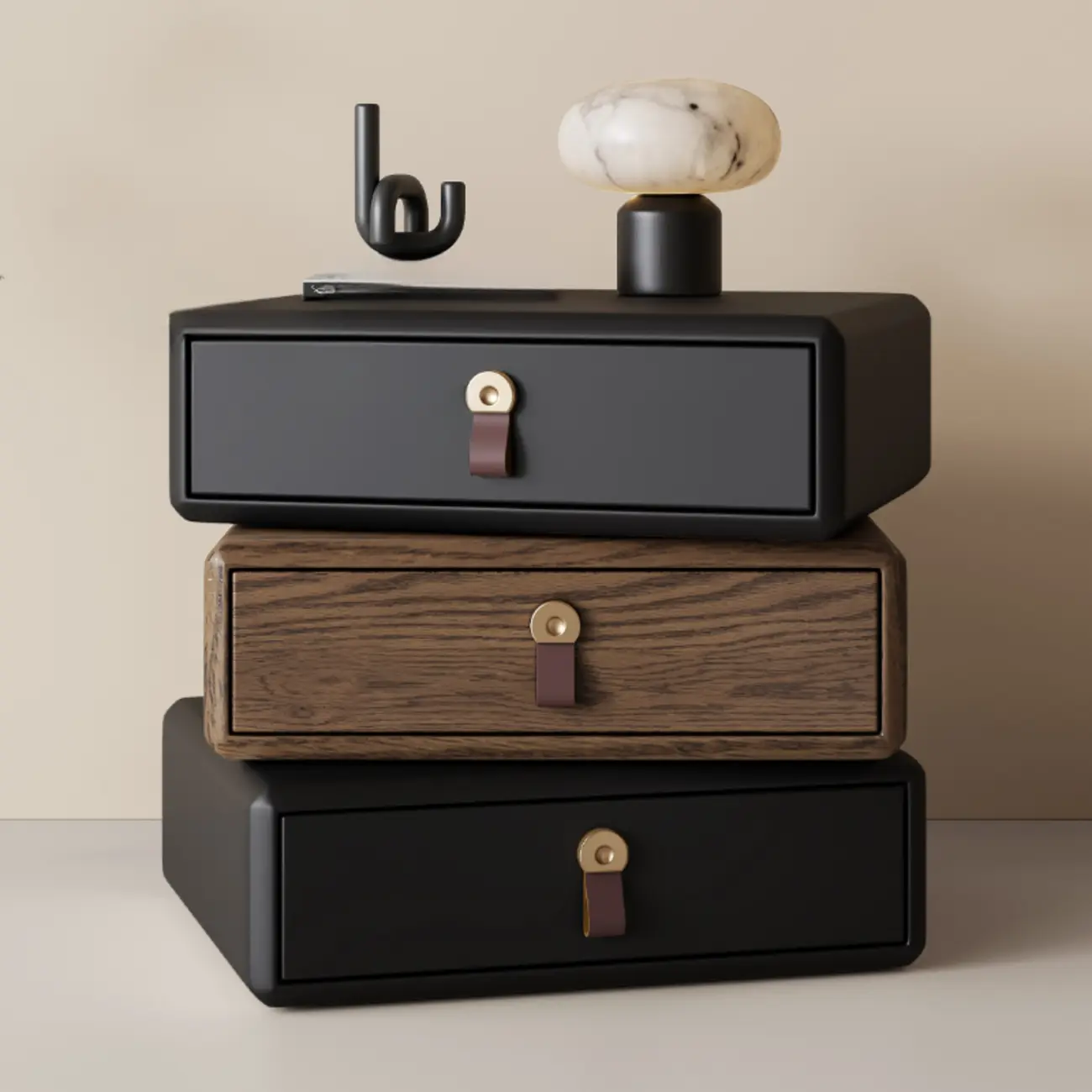
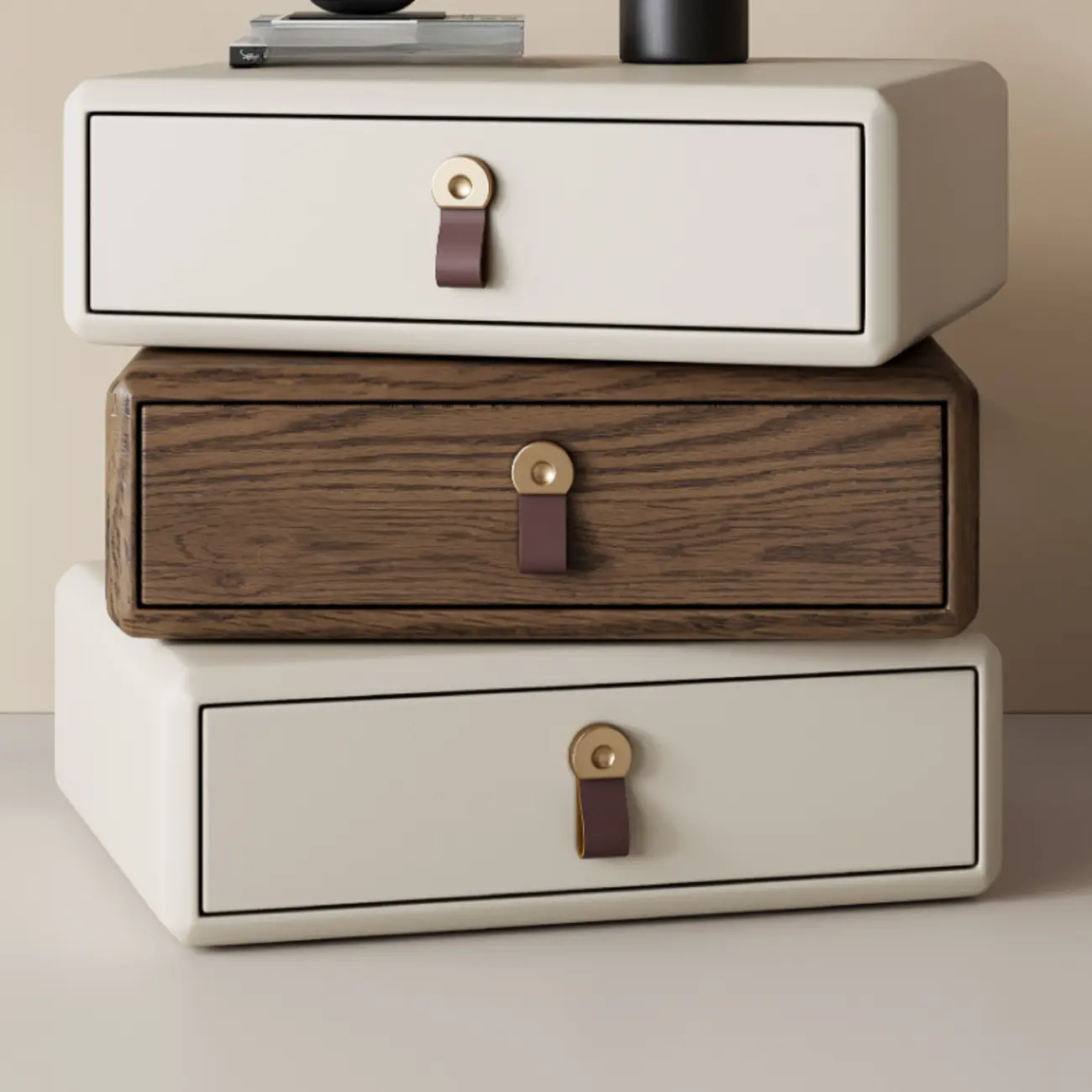
Geometric nightstands are unique, such as cloud shapes, geometric patterns, tree stump biomimicry, and more.
It can act as a visual focal point, suitable for bedrooms that focus on design aesthetics.
However, geometric nightstand storage is limited; it only places basic bedside items.
3. Storage Design for Nightstand
After selecting the shape, please confirm the required storage capacity.
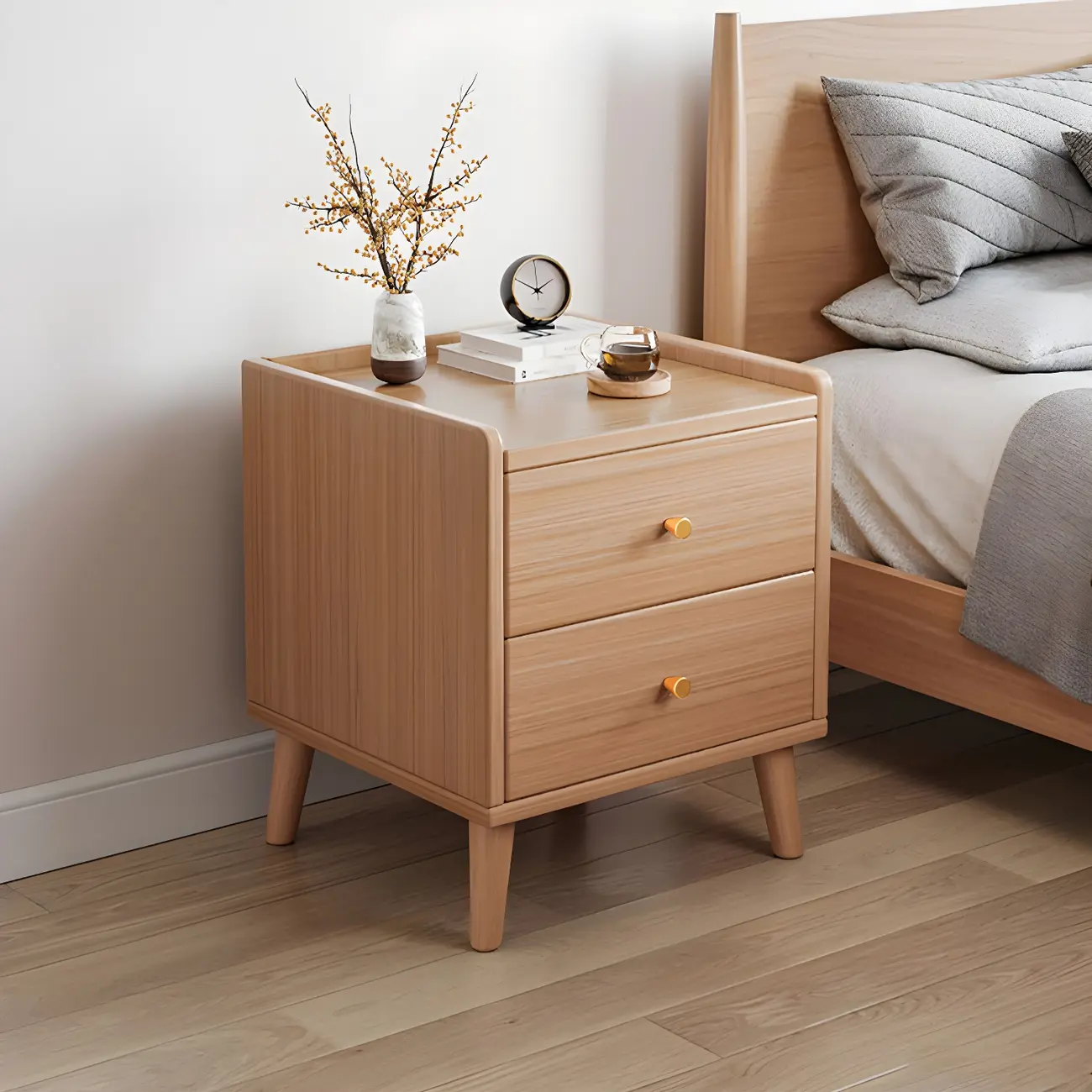
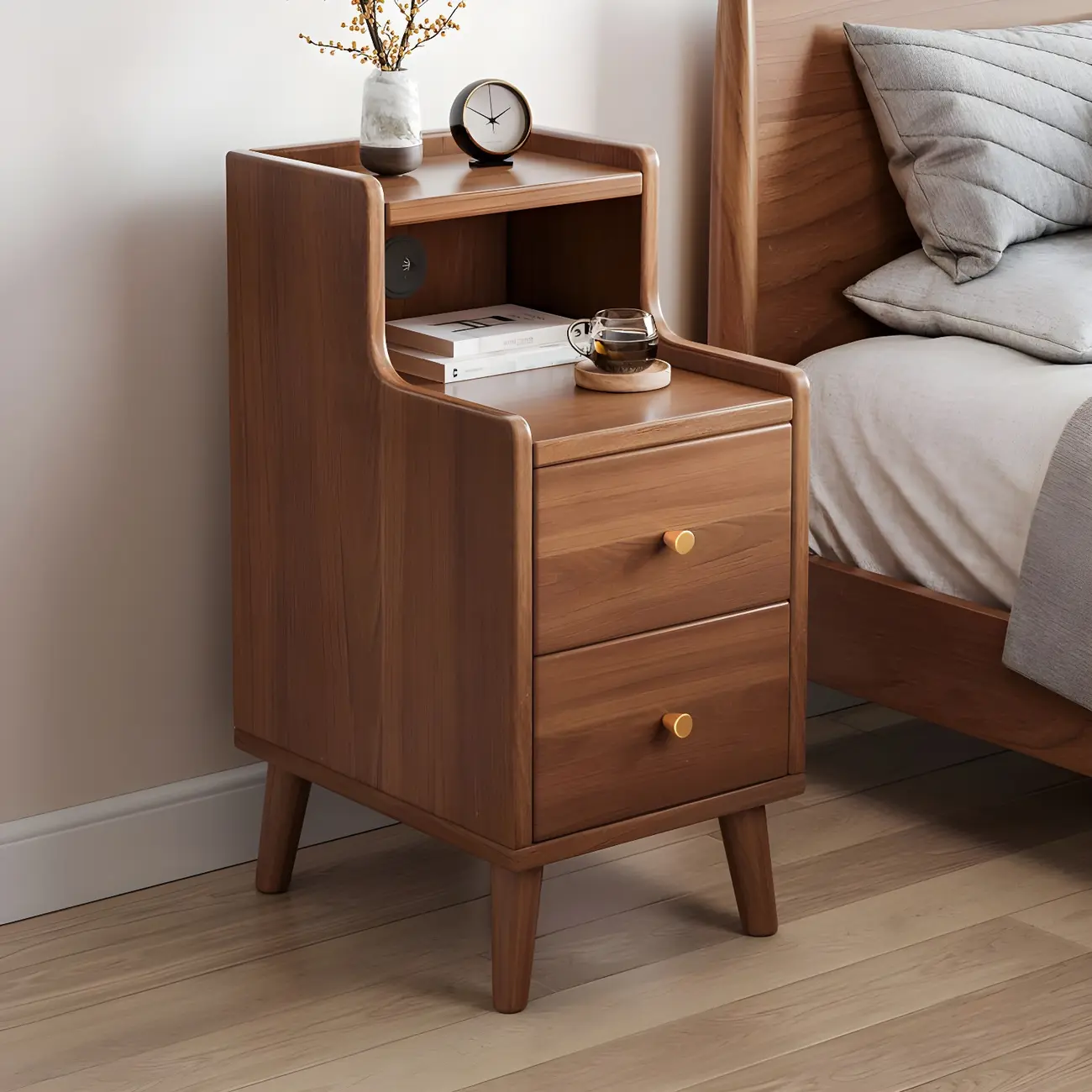
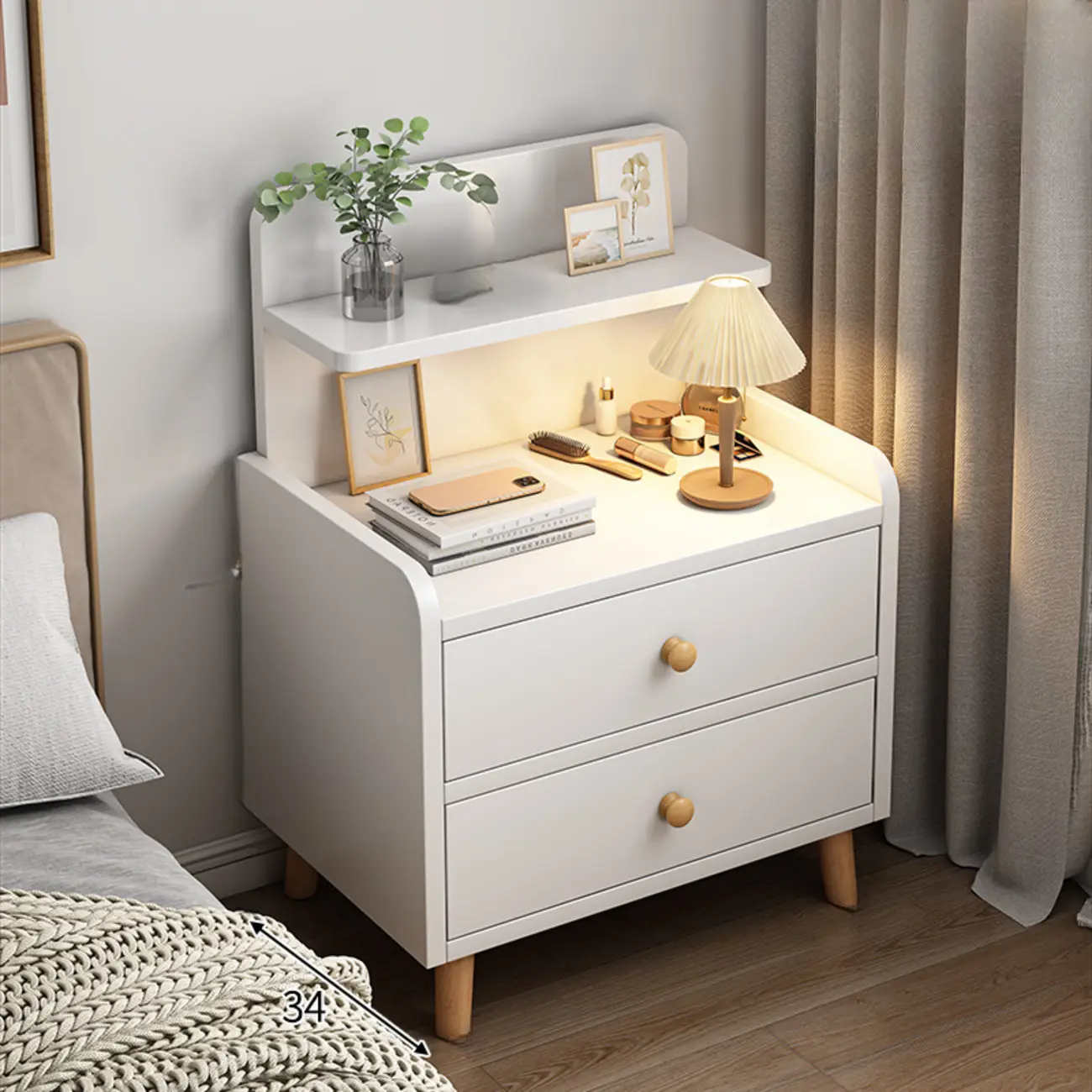
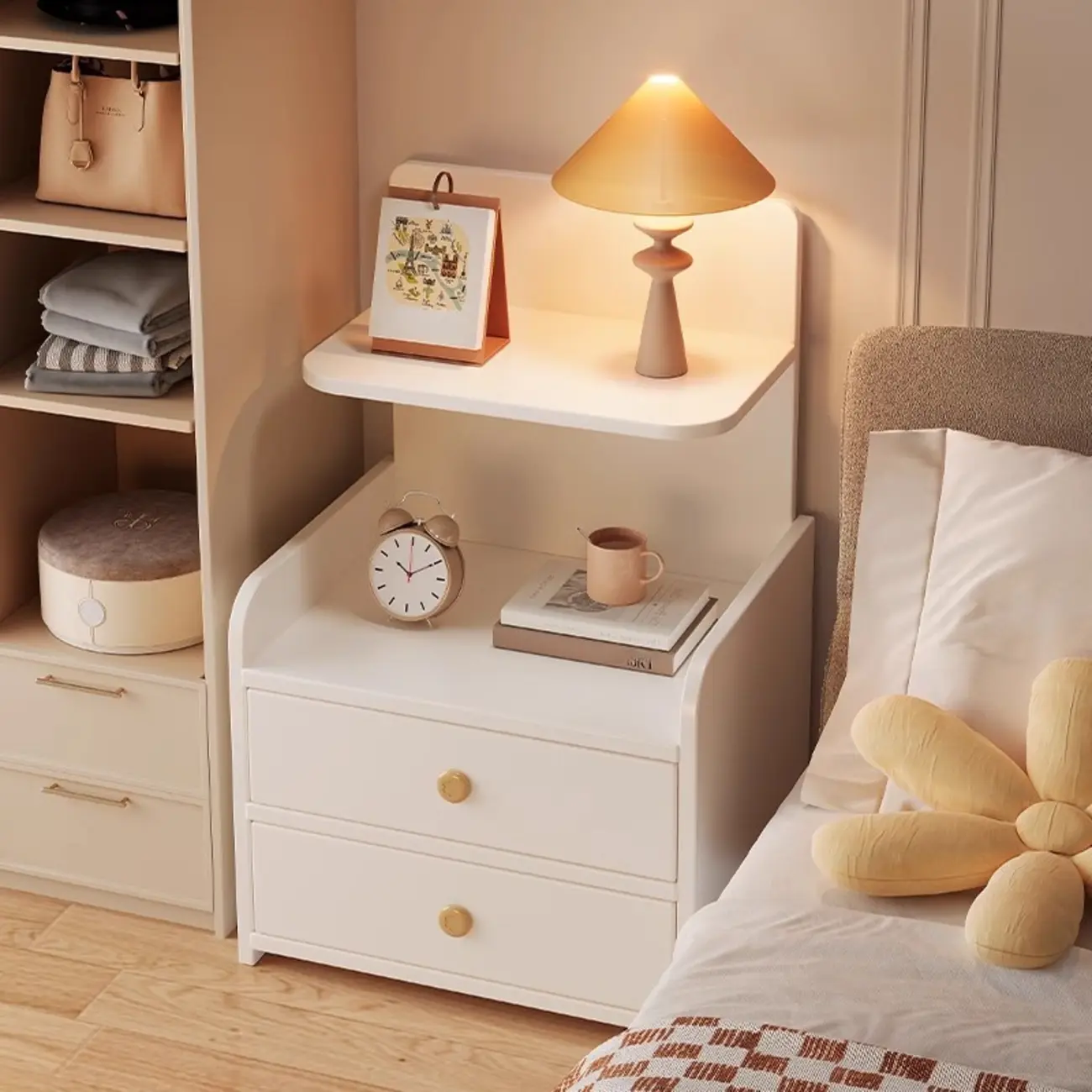
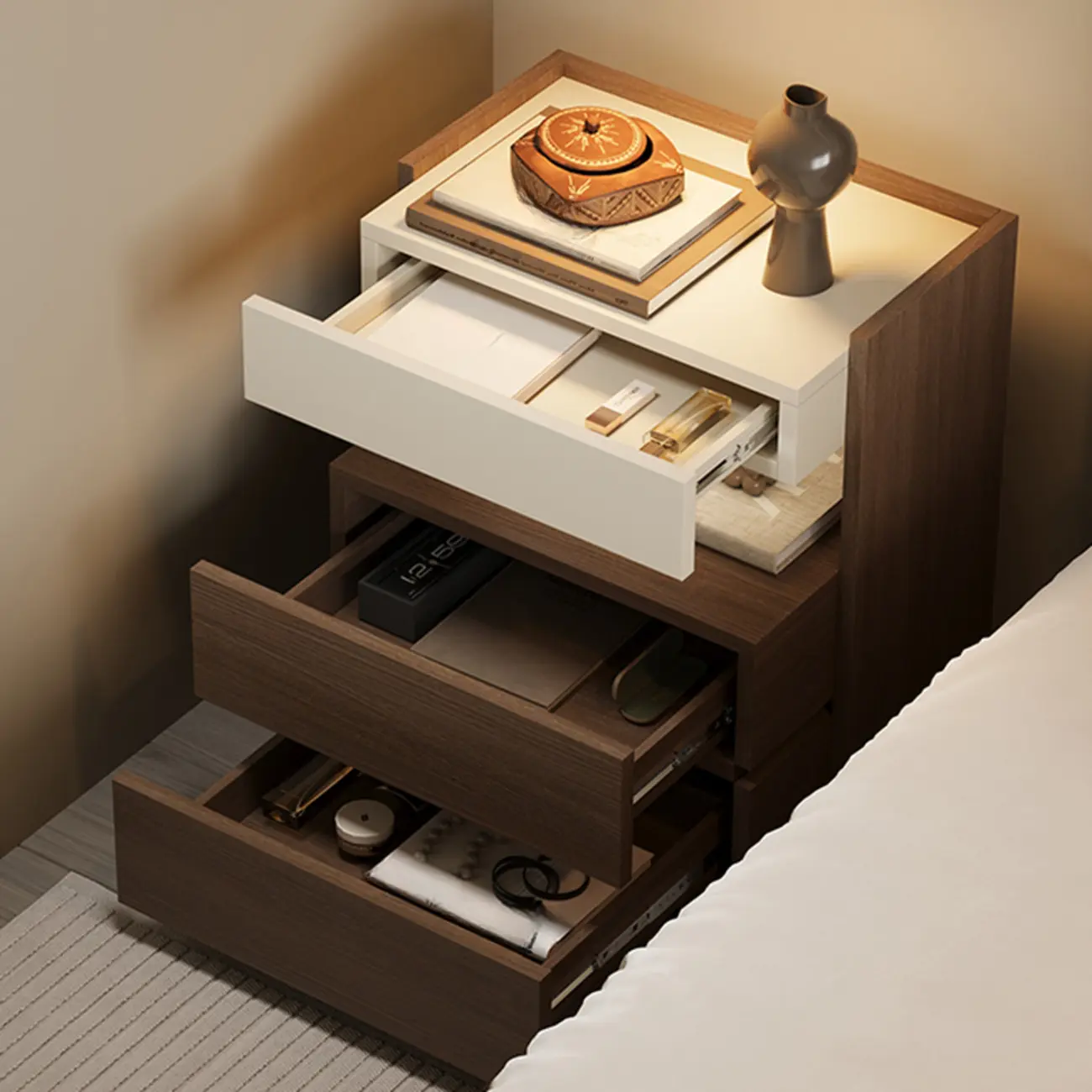
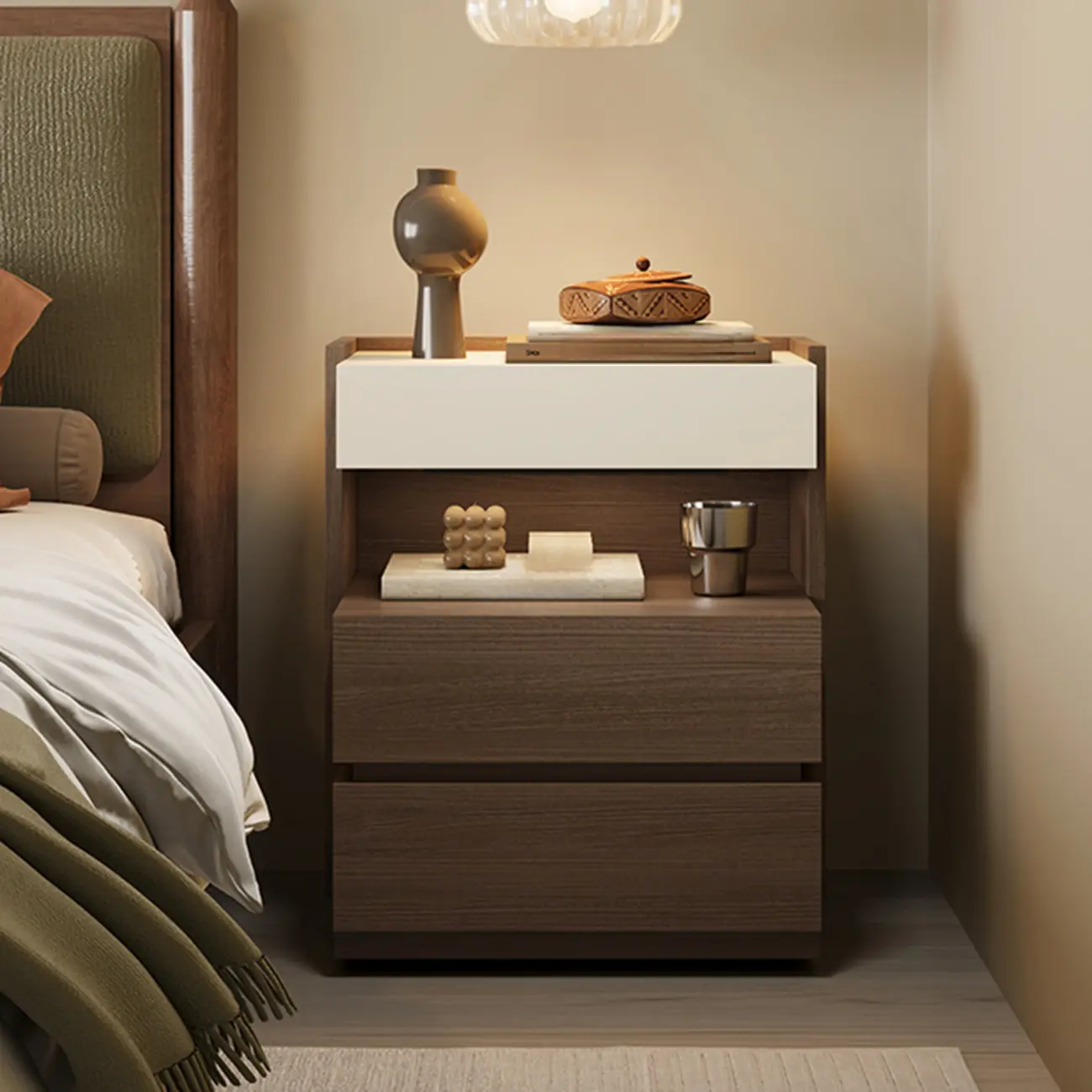
Nightstand with Drawers
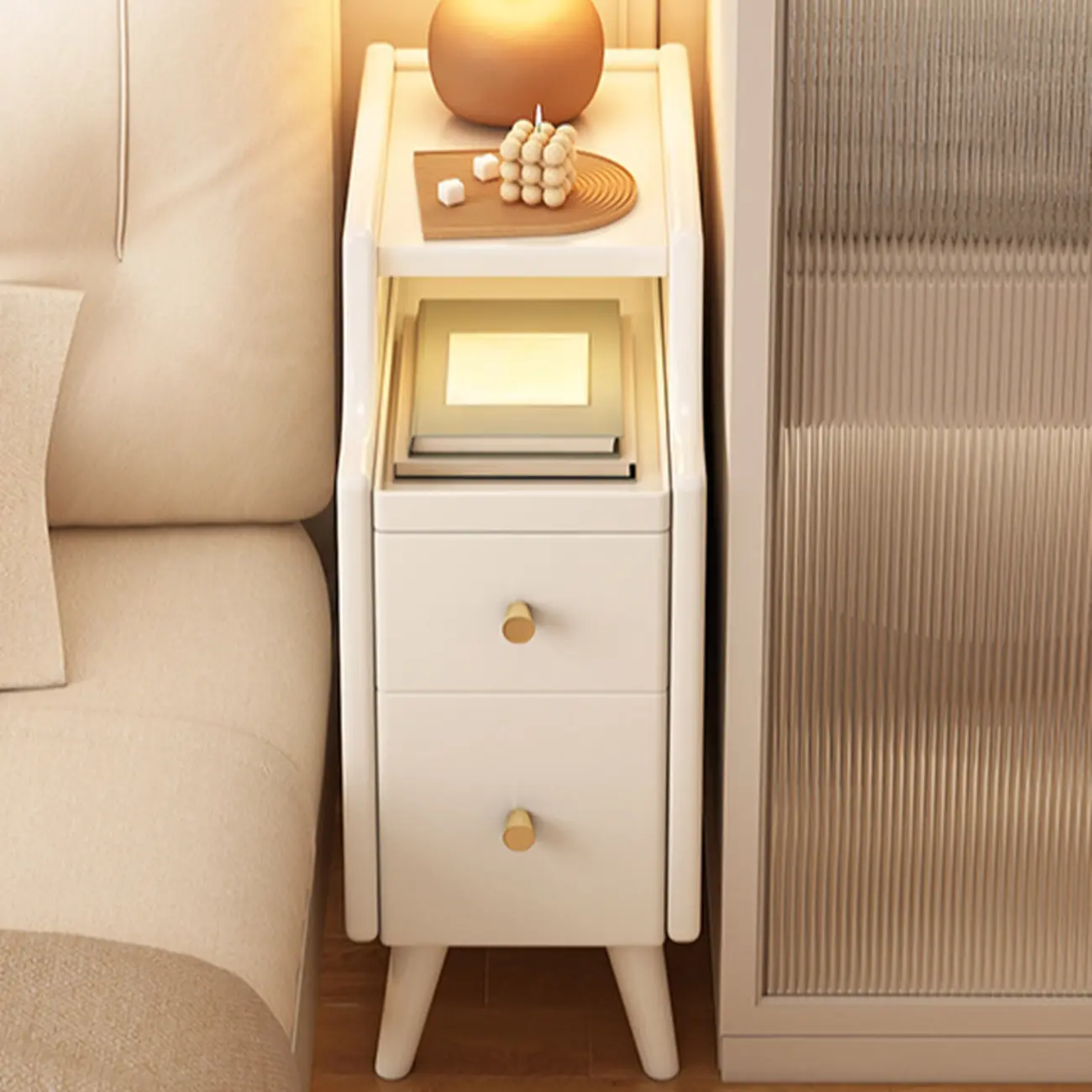
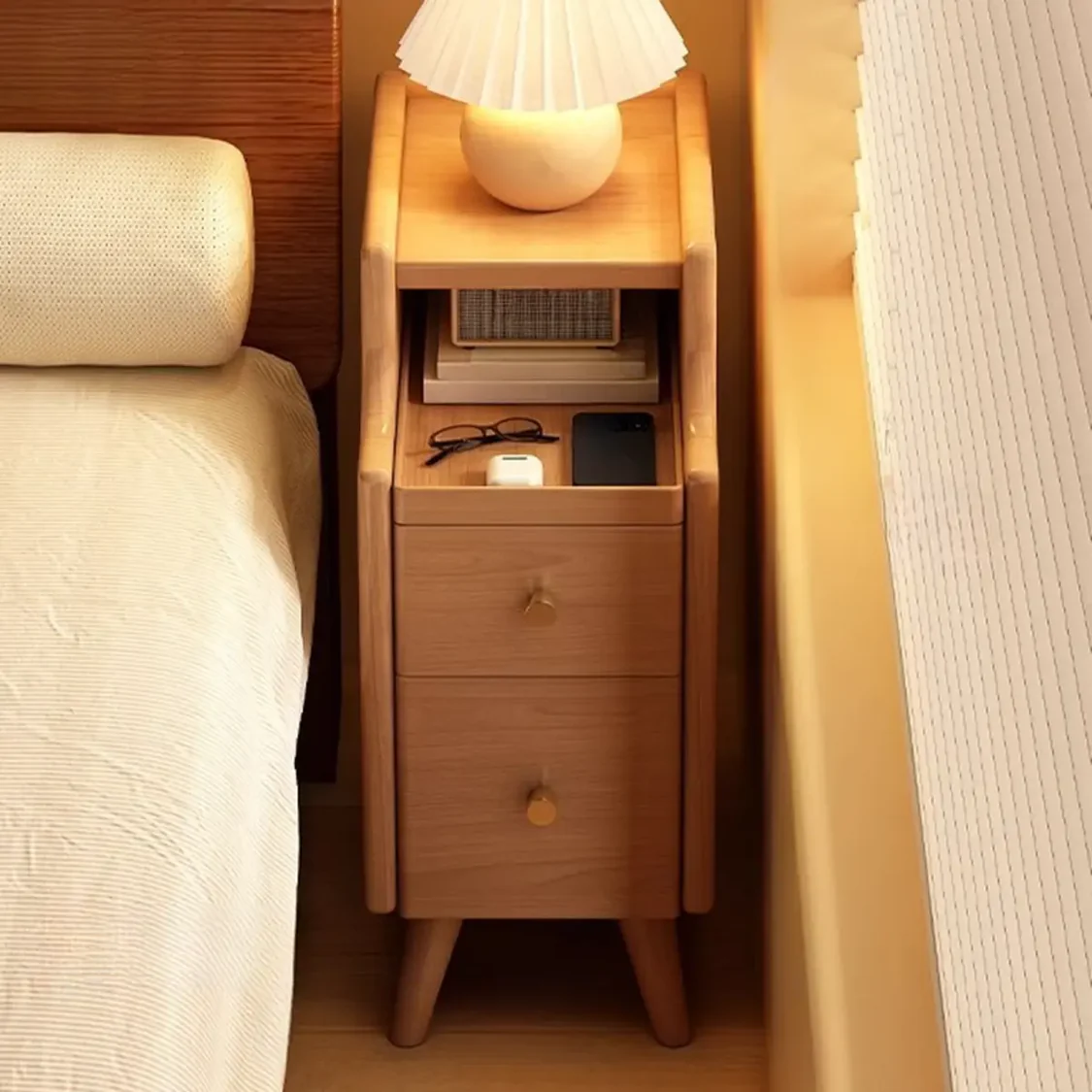
Drawer storage nightstands are suitable for small spaces.
Usually, there are 1-3 drawers, so you can select the one that best suits your needs. Put larger goods in the lower drawers, which are typically deeper, and frequently used items in the higher drawers.
Open Shelves
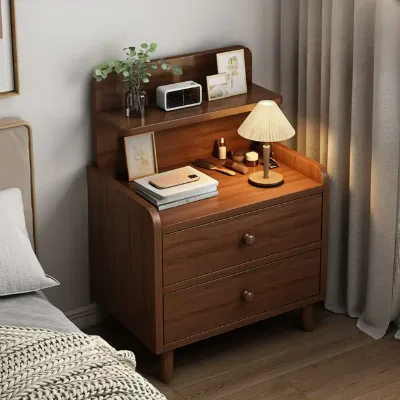
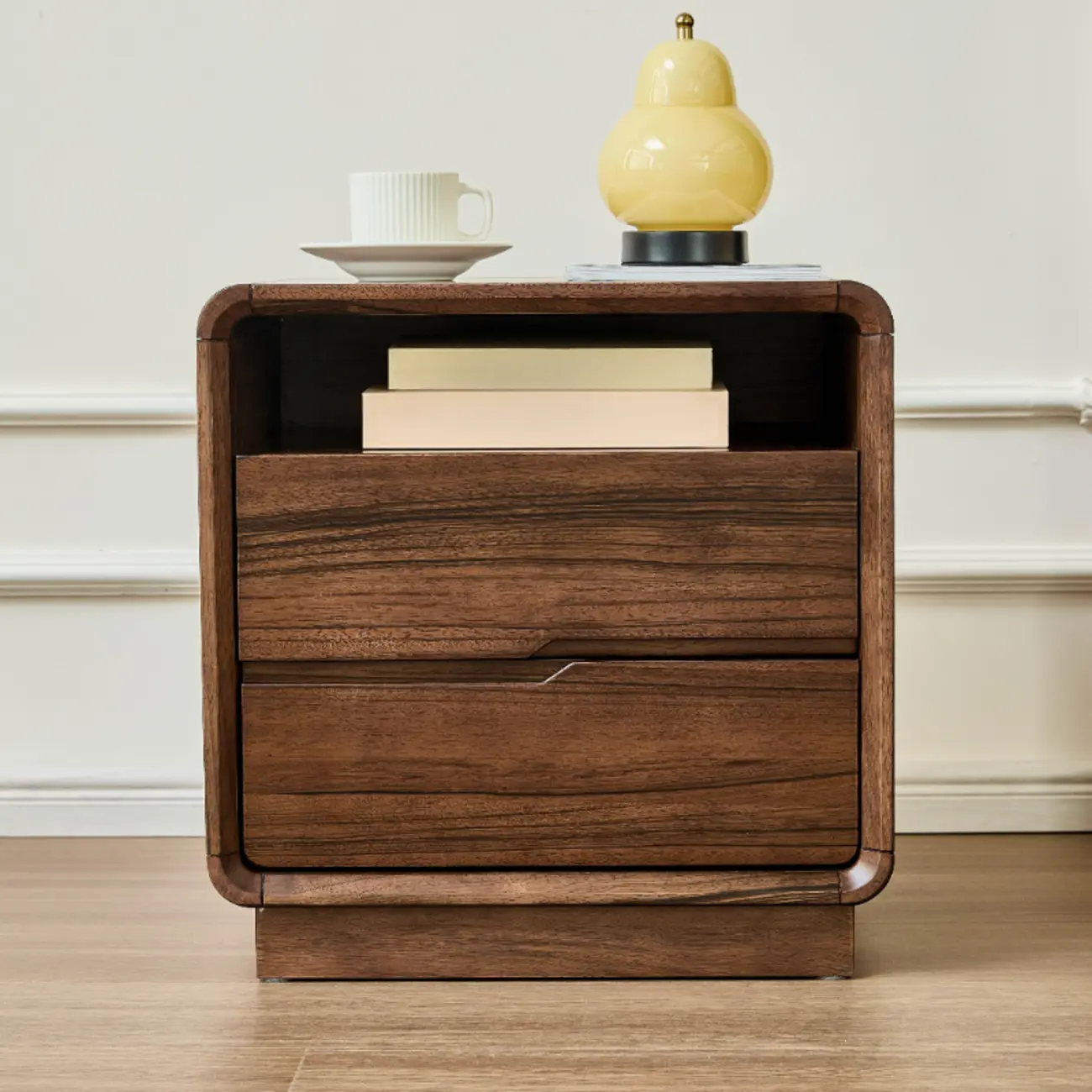
An open-shelved nightstand is suitable for storage and display. You can get a nightstand with one or two open shelves to show your decorations and books.
However, you need to clean and organize the open-shelved nightstands on a regular basis, because they are prone to dust accumulation and clutter.
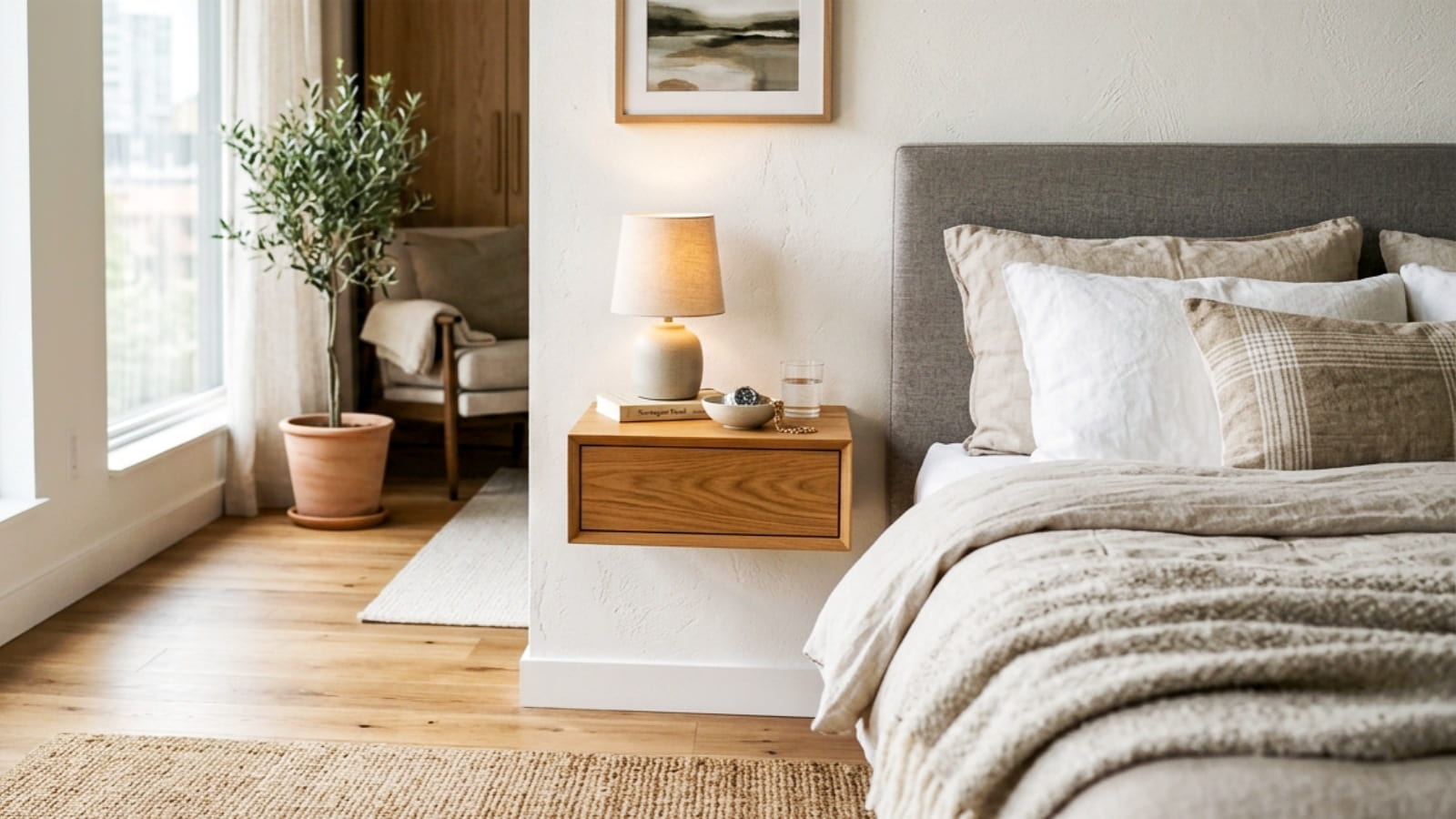
Floating Nightstand
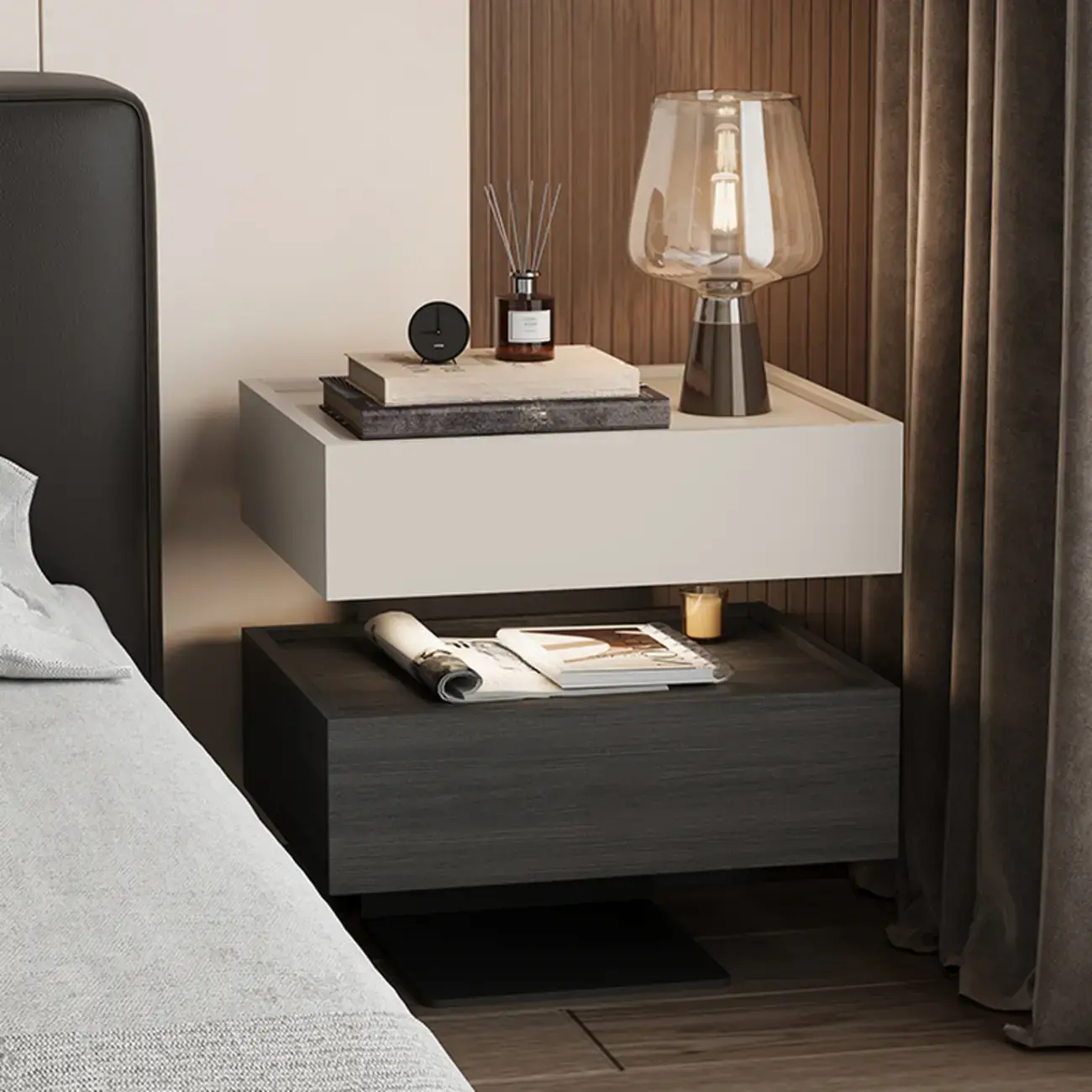
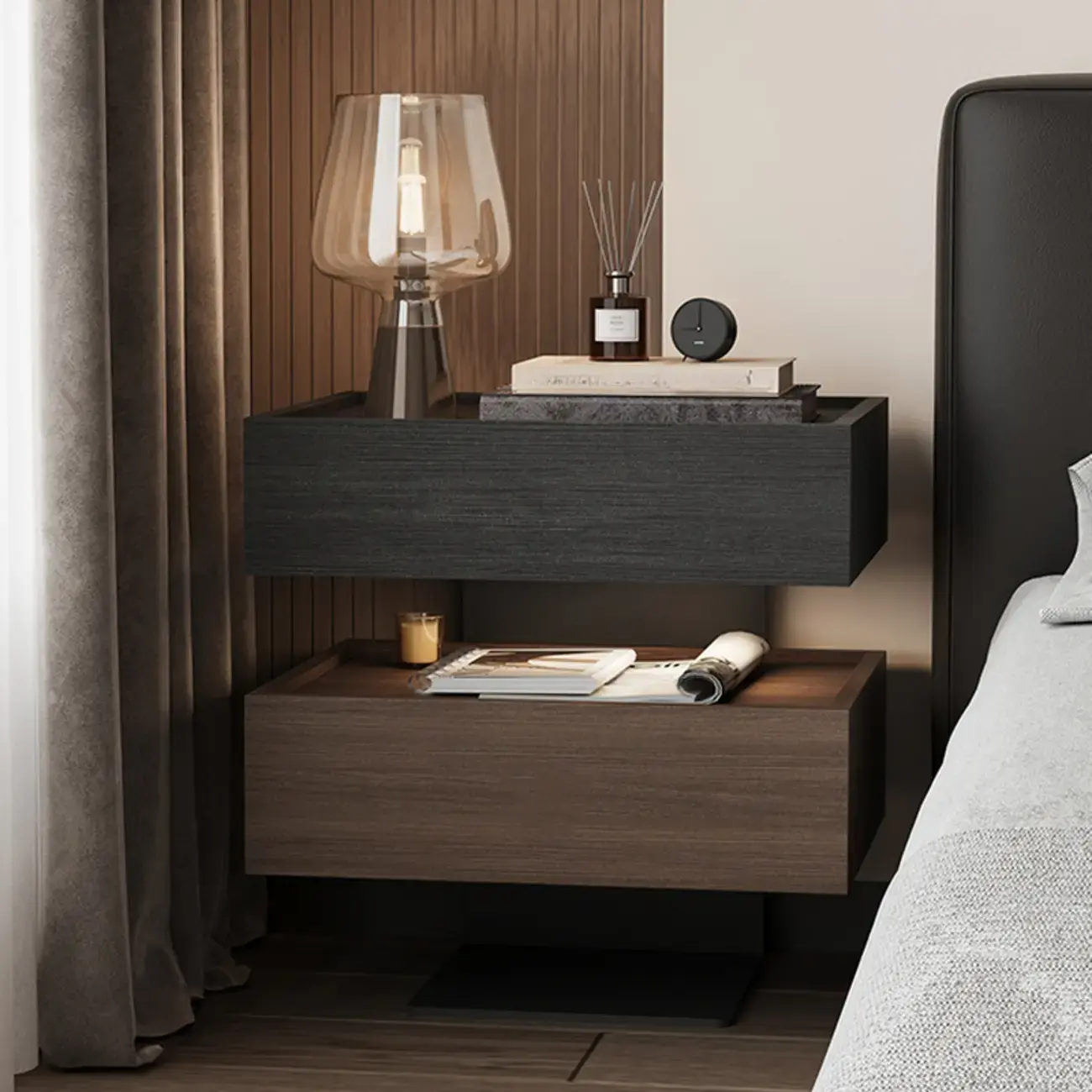
Floating nightstands installed on the wall take up no floor space and are ideal for tiny areas.
But because they are hanging, they have a limited capacity to support loads; therefore, they can't hold very heavy objects.
Note: A load-bearing wall is needed for installation; make sure the wall construction is sound beforehand.
4. Nightstand Materials
There are various materials to choose from for bedside tables. Select one that suits your preferences.
Wooden Nightstand
There are two types of wooden nightstands: particleboard and solid wood.
With materials like oak, walnut, and cherry wood, providing a warm, smooth feel that goes well with a variety of design styles. Solid wood bedside tables are the most environmentally responsible and long-lasting choice.
Solid wood nightstands last a long time and are perfect for families with a healthy budget who want a natural touch.
Although MDF is less expensive than solid wood, it is better suited for renters or people on a low budget due to its weaker load-bearing capacity and poor moisture resistance.
Metal Nightstand
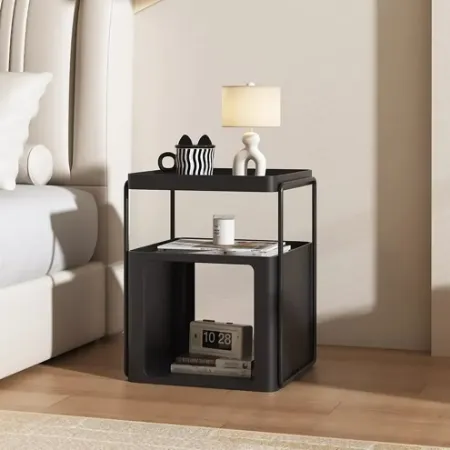
Metal nightstands are ideal for lofts and industrial-style homes since they are strong, long-lasting, and simple to clean.
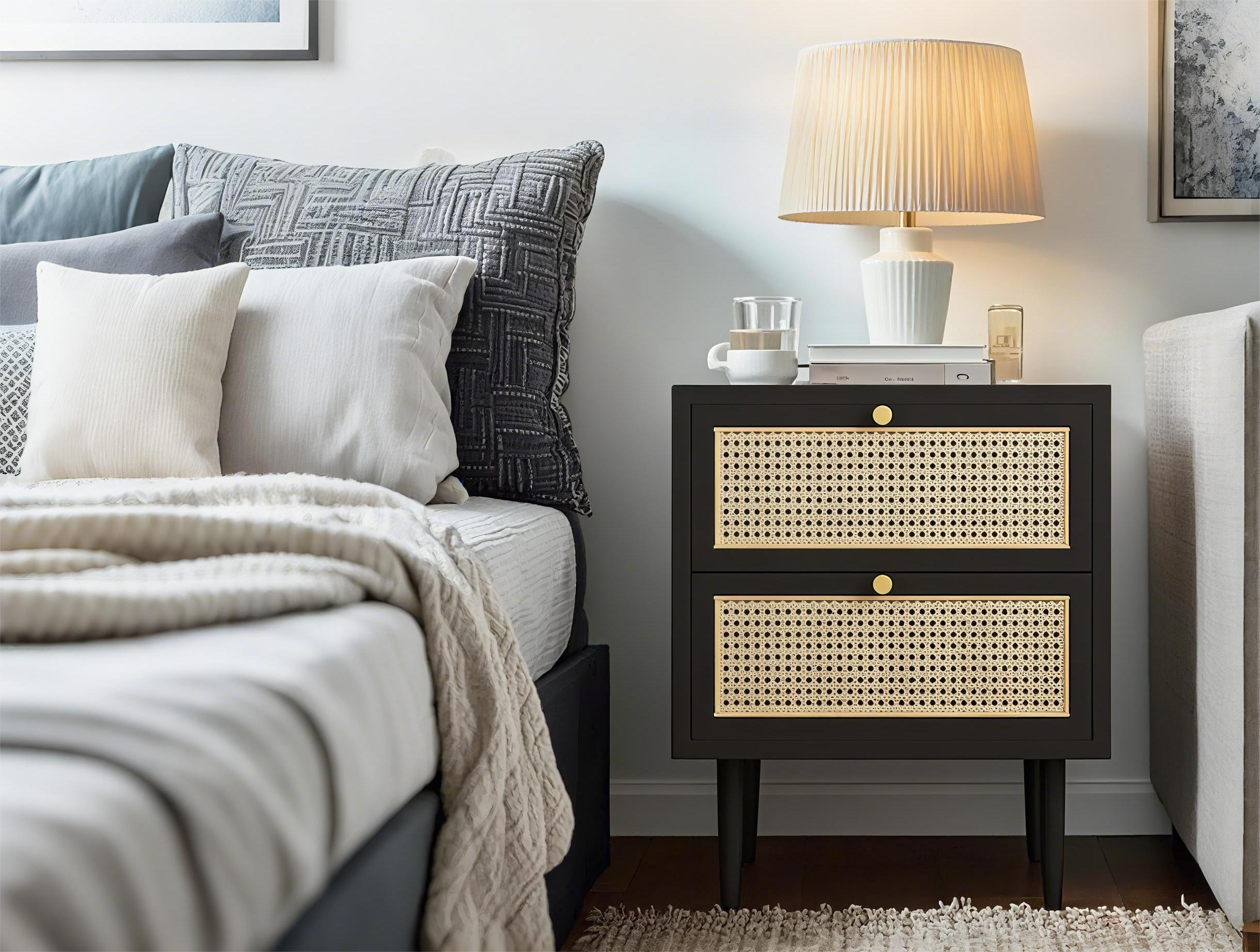
The simplicity and sharp edges of metal bedside tables, particularly the most popular black ones, effortlessly convey a sense of luxury.
One little disadvantage of metal bedside tables is that they are prone to rust and feel cold to the touch in the winter.
Acrylic Nightstand
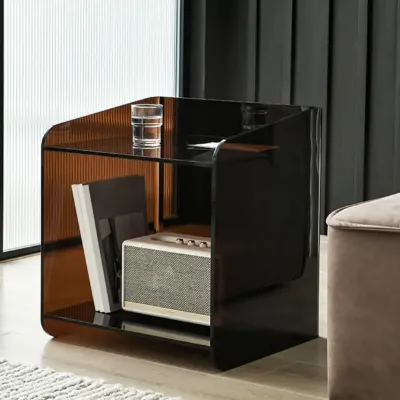
Another excellent option for an acrylic nightstand!
Acrylic is minimalist because of its transparency and ease of use. It is ideal for tiny rooms because of its lightweight aesthetic appeal. And it is less likely to break, more resilient to dampness and water, and more robust than glass; it is incredibly adaptable to contemporary trends.
Some nightstands made of acrylic have vibrant, varied patterns and hues that give them an artistic feel. It's like putting a work of art on display when you place one in a room!
Note: Acrylic bedside tables might get scratched by sharp items.
5. Nightstand Style
The choice of bedside table style can be more closely matched to the decorative style of the bedroom. However, when you feel that the bedroom does not have a distinct style, choosing a uniquely styled bedside table can actually influence the overall style and atmosphere of the bedroom!
Determine Your Bedroom Style
Follow these steps to determine your bedroom style and the appropriate bedside table.
- Bed Material:
Wrought iron/metal → Suitable for modern, industrial styles
Upholstered fabric → Suitable for luxury, minimalist styles
Natural wood color → Suitable for Nordic, Japanese styles
Carved solid wood → Suitable for vintage, American styles
- Wall Color:
White walls → Can accommodate any style (Prioritize a contrasting-color bedside table to brighten the space)
Dark/gray walls → Choose light-colored or transparent-material cabinets (such as glass or acrylic)
Choose the Appropriate Nightstand Style
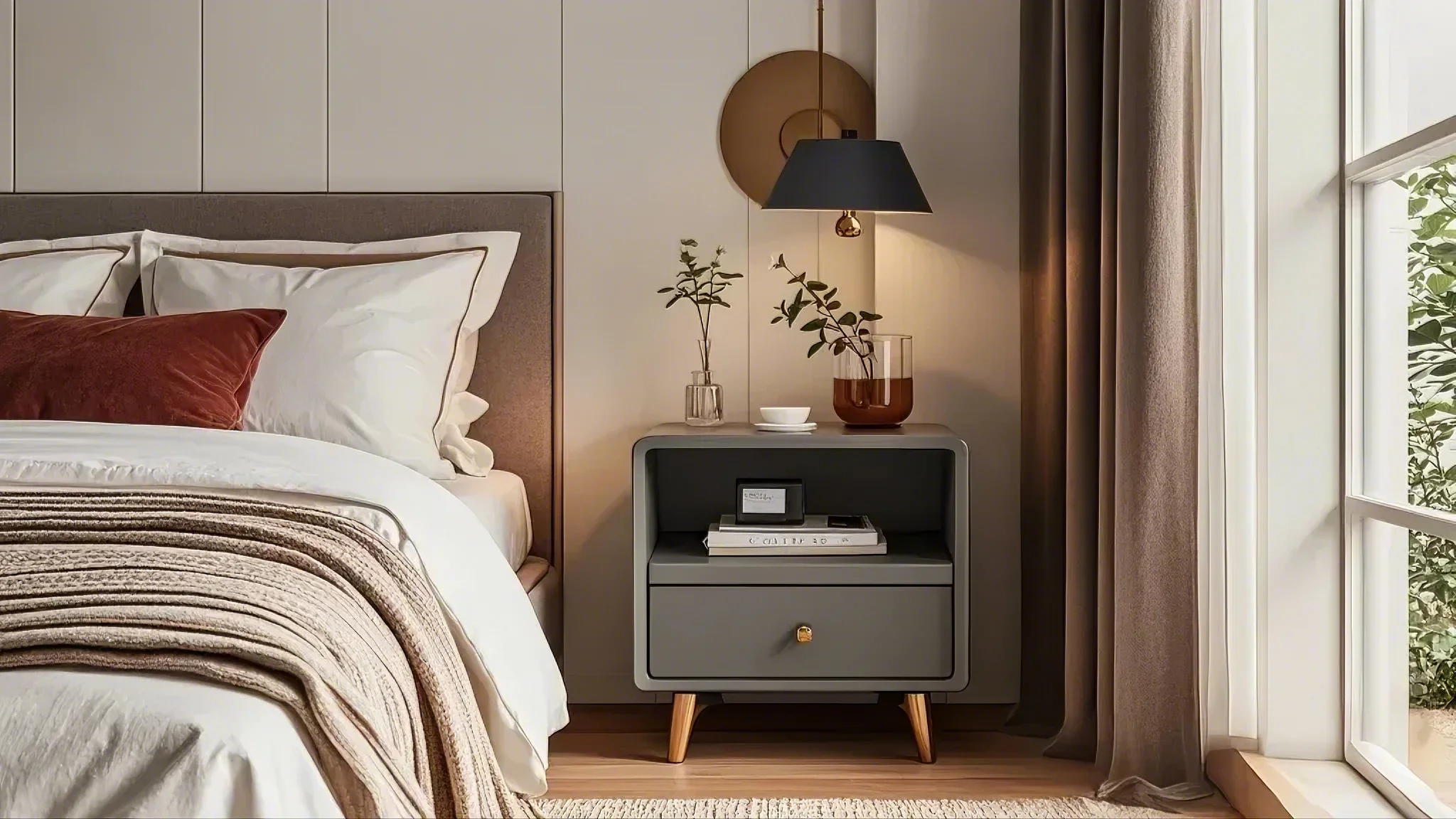
- Modern nightstands usually have a matte finish, linear lines, and no handles. Modern styles work nicely with materials such light wood, metal, or acrylic.
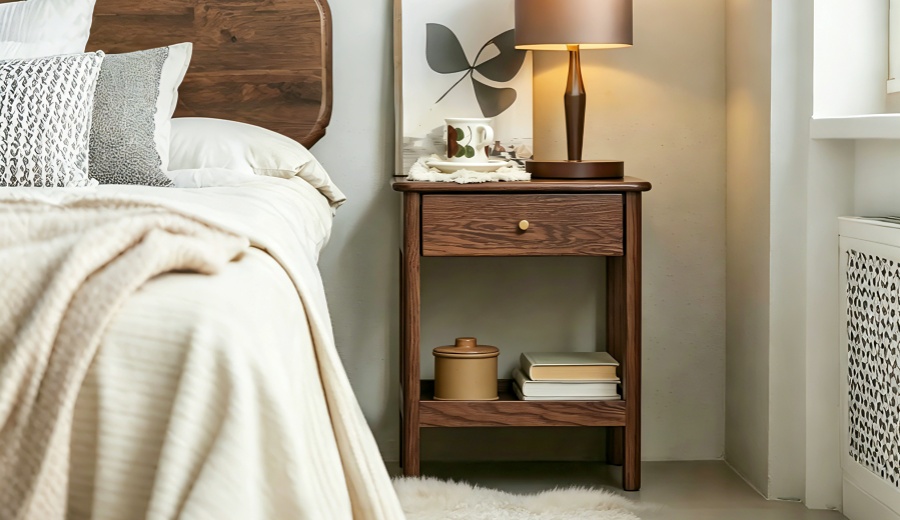
- Vintage nightstands usually have glass cabinet doors, carved legs, and worn finishes. For a pleasant look, they are sometimes combined with ceramic handles and tablecloth-like embellishments. Brass, walnut, and dark wood are typical materials.
- An industrial-style nightstand usually has distressed metal coatings, metal grilles, and exposed rivets. The most popular materials for industrial-style projects are metal and repurposed wood.
- Rustic-style nightstands are typically decorated with weathered white paint, hand-carved motifs, and farmhouse-inspired features, as well as enamel teapots and dried flower embellishments. Wicker and white oak are common materials.
- Traditional nightstands are distinguished by symmetrical carvings, black lacquer finishes, and classical handles, which are matched with silk lamps to create a traditional, one-of-a-kind aesthetic. Rosewood and cherry wood are common building materials.
- Nordic-style nightstands are distinguished by their slender legs, light wood tones, and minimalist geometric shapes, which are often accompanied by woven baskets and miniature green plants. White ash and pine wood are common materials.
- elegance-style Nightstands: Typically feature metal trim, reflective surfaces, and mixed-material designs, matched with crystal table lights and metal trays that exude elegance! Marble countertops and brass accents are two common materials.
Conclusion
A well-designed bedside table influences the tidiness, atmosphere, and style of the entire bedroom, making your daily life more comfortable.
If you have any questions about bedside table design, feel free to contact us!
At Homeyfad, we offer a variety of nightstand designs to help you find the perfect one. Browse our bedside tables and find the perfect one for you!
FAQs
Q: My bedroom is small, and I can't fit a traditional bedside table. What should I do?
A: Don't worry if you want a bedside table in a small apartment; we have narrow nightstands for you to choose from. Alternatively, there are many creative alternatives:
Wall-mounted/floating bedside tables, narrow long tables, ladders or shelves, wall shelves, chairs or stools, and side tables are all options. See which one suits your bedroom best.
Q: What kind of bedside table is the safest choice if my bedroom style is rather chaotic?
A: Choose a bedside table with a simple design and neutral color (such as white, black, natural wood, or gray). A versatile and understated style can blend into any environment without exacerbating the sense of clutter.
Q: Do bedside tables have to be the same as the bed?
A: Absolutely not! In fact, mixing and matching can often create a more unique and layered effect. You can coordinate through colors, materials, or design elements. For example, a dark wood bed can be paired with a light-colored bedside table with dark wood grain details, or a metal bed frame can be paired with a glass-topped bedside table with metal legs.


.png?w=1440&h=810)

 Add Us On Google