
Let there be light. It sounds like a simple statement, but the huge variety of bulbs, let alone types of fittings, may be overwhelming, so we thought we'd keep it basic and look at perhaps the most important thing in our article in terms of aesthetics and functionality. Homeyfad Lights will help you to effortlessly achieve the ideal balance of design and utility. Let's start with the choice: Warm or cool light?
Temperature and Color
When we talk about light colors, whether natural or artificial, we are really talking about warmth in the temperature sense. The spectrum of light temperature ranges from the reddish tones of warm light to the bluish colors of cool light, with warm light created by cooler temperatures and moving up the scale resulting in a cooler appearance. For example, an orange-red candle has a temperature of roughly 1,000K, whereas the sun blazing in a bright blue sky has a temperature of 10,000 to 20,000K. Warm light is normally produced between 1000 and 3300K, and cold or cool light is frequently about 4000K.
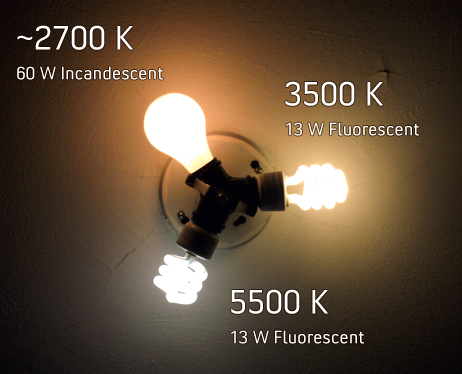
Cool or Warm Light: Which is Better?
Now that we've established the numbers and how light colors are assessed, the natural next question is, "Which is best?" The answer is: it depends. There is no right or wrong answer, as both cool and warm light have advantages and downsides, and as is often the case when discussing interior décor, it comes down to the impression you want to achieve and the role a specific element should serve.
The most important factor to consider is lighting psychology, or the impact it has on the environment and atmosphere, as well as our emotions. Cool tones are more stimulating, making them ideal for activities that need a high level of attention, whilst warmer tones are more conducive to relaxation. However, as always, there will be an element of personal preference as well as the style of décor in the room in question, and lighting plays an important aesthetic role in this regard. Homeyfad Lights offers a range of options, with сooler tones are preferred in modern homes, although warmer lighting is frequently more suited to traditional settings.
Neutral Light
At this point, let's add a third type of color to the mix, because choosing between cold and warm isn't always straightforward. Neutral light, which ranges in temperature from 3300 to 4000K, is frequently the ideal compromise between the more polarizing cool and warm options.
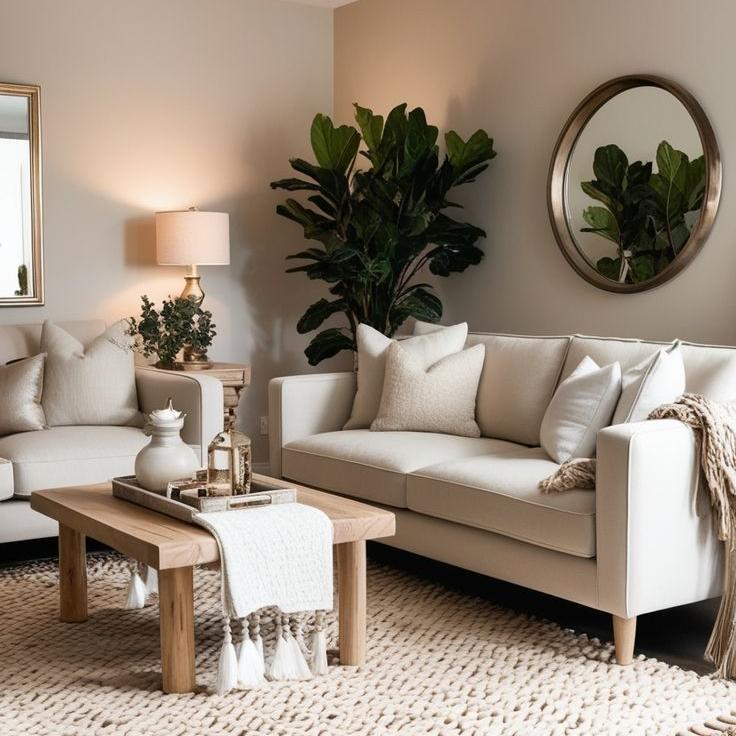
A warm bulb may be calming, but it may not produce enough light to break through the darkness; cool bulbs, on the other hand, are fantastic at delivering brightness, but they can be hard on the eyes due to their high level of UV radiation. Neutral light is on the cooler part of the spectrum, yet it has enough warmth to provide a soft appearance without impairing vision.
As previously stated, there is no such thing as "the best light" and you must choose room by room, based on the impression you want to achieve, so let's look at four commonplace instances in the home.
The Ideal Light for The Living Room
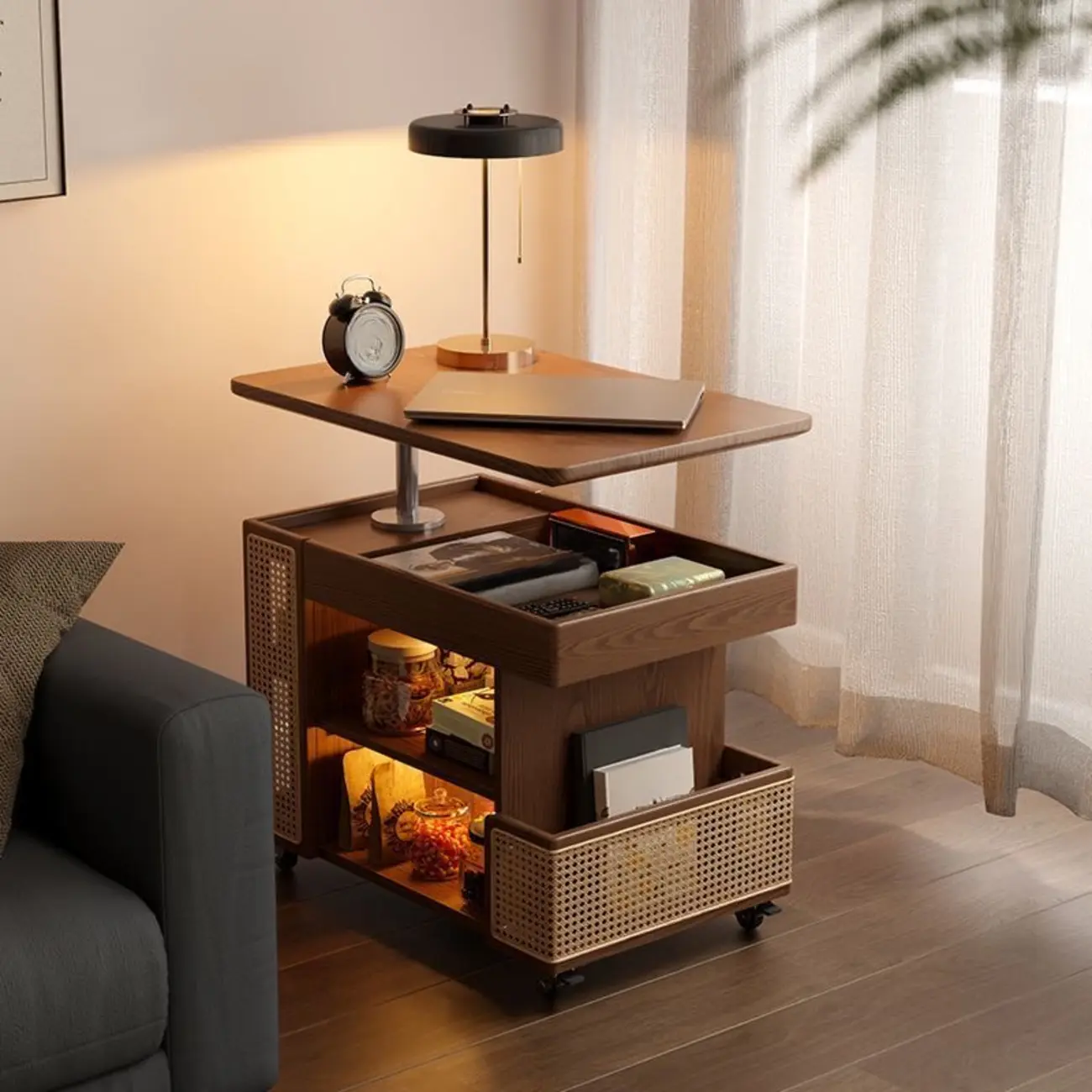
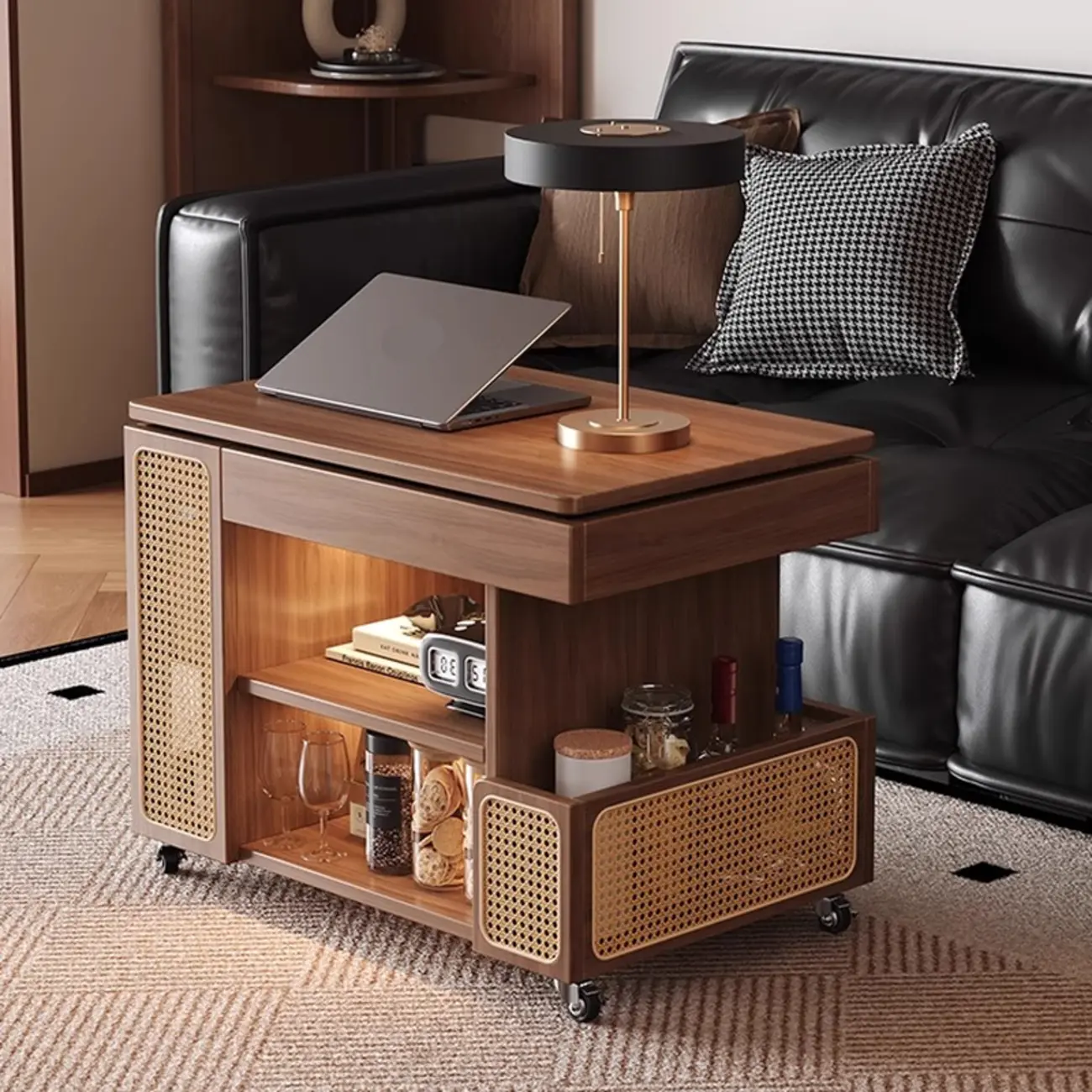
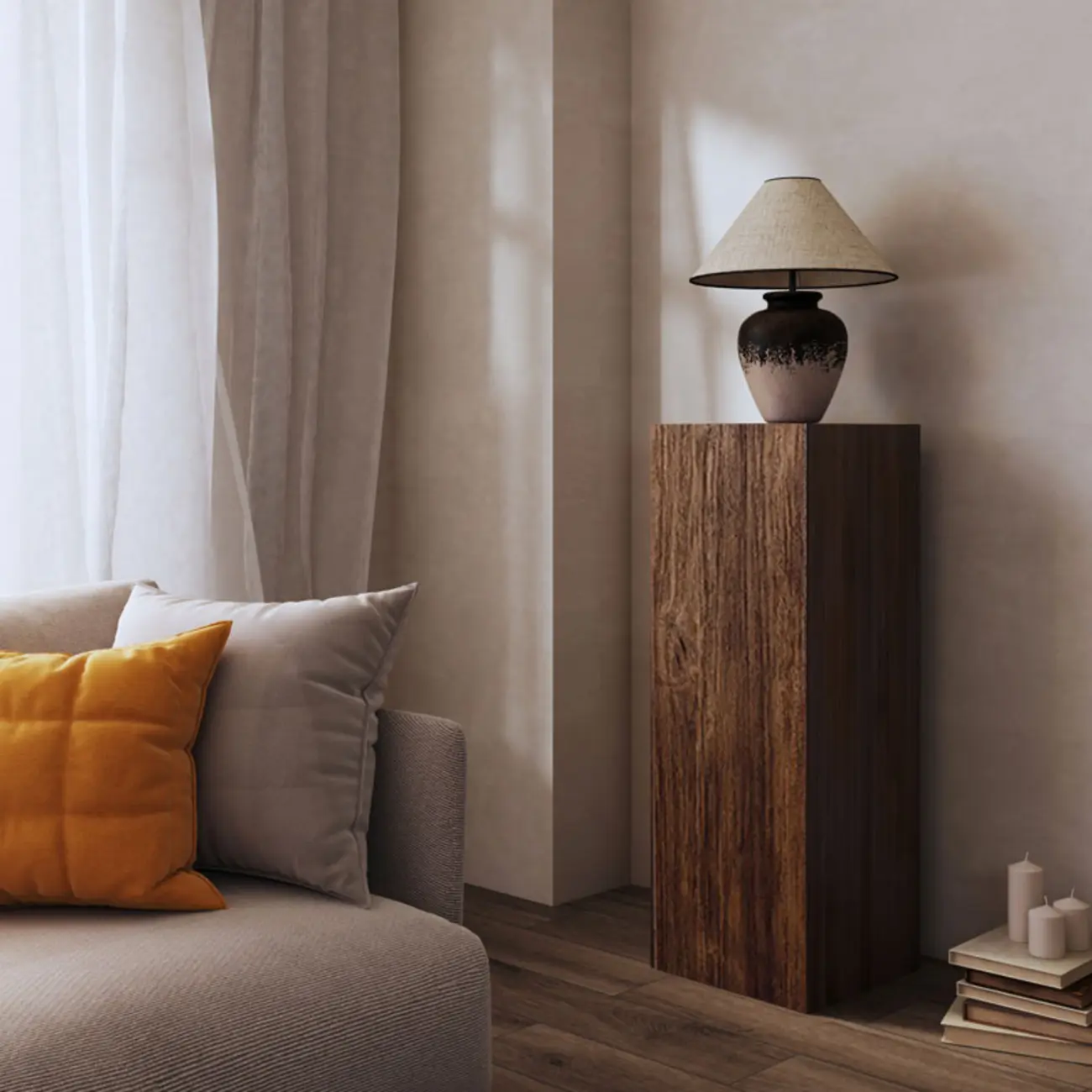
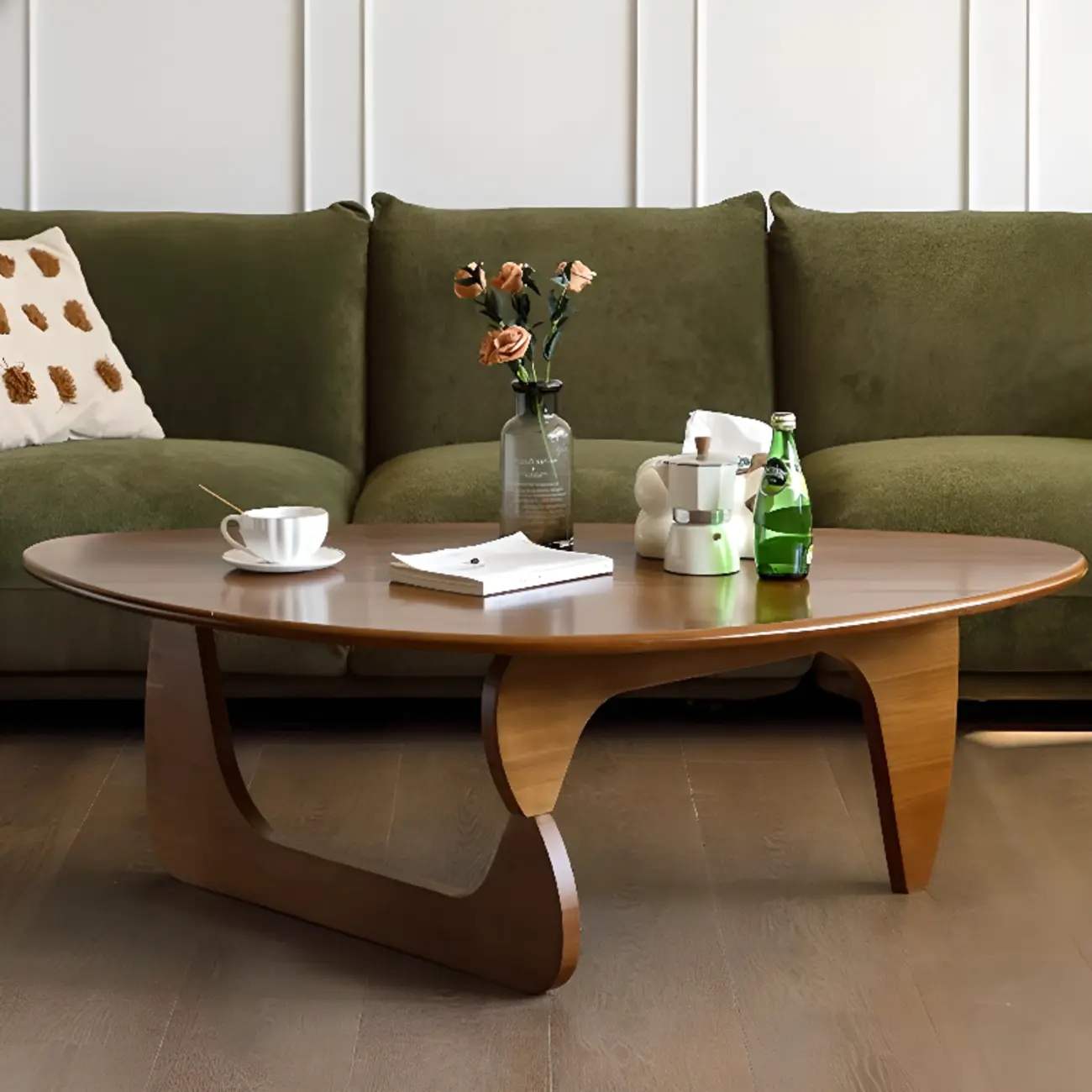
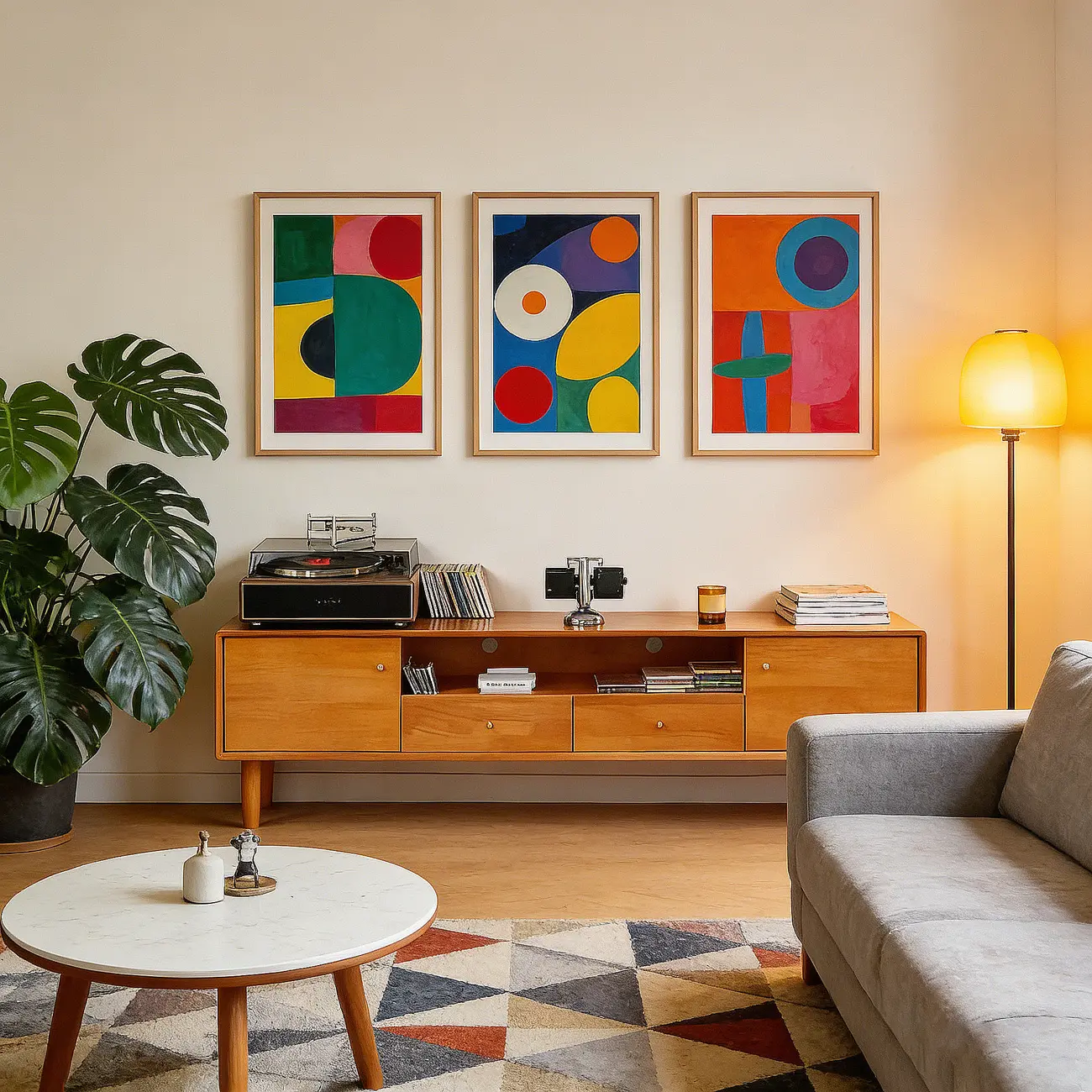
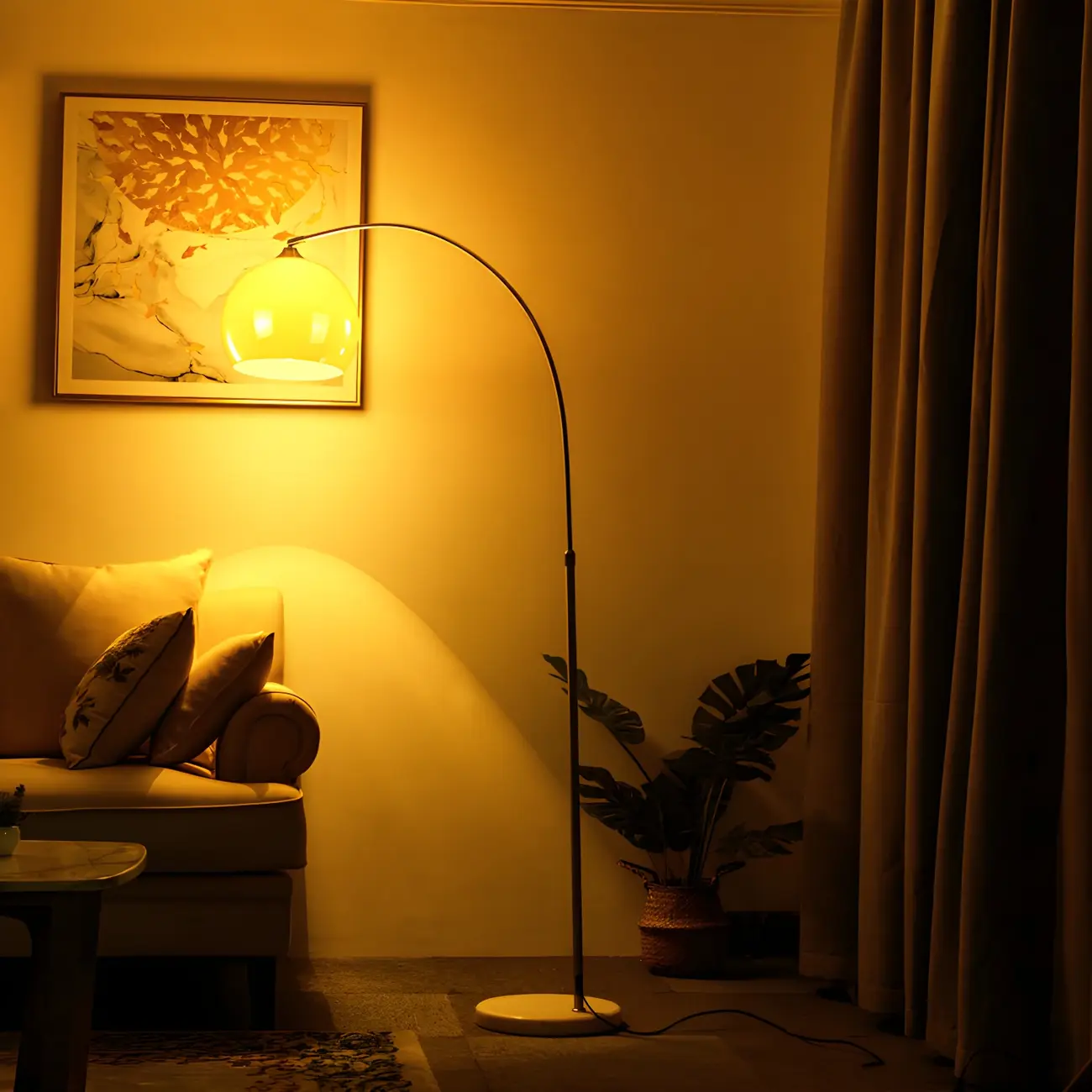
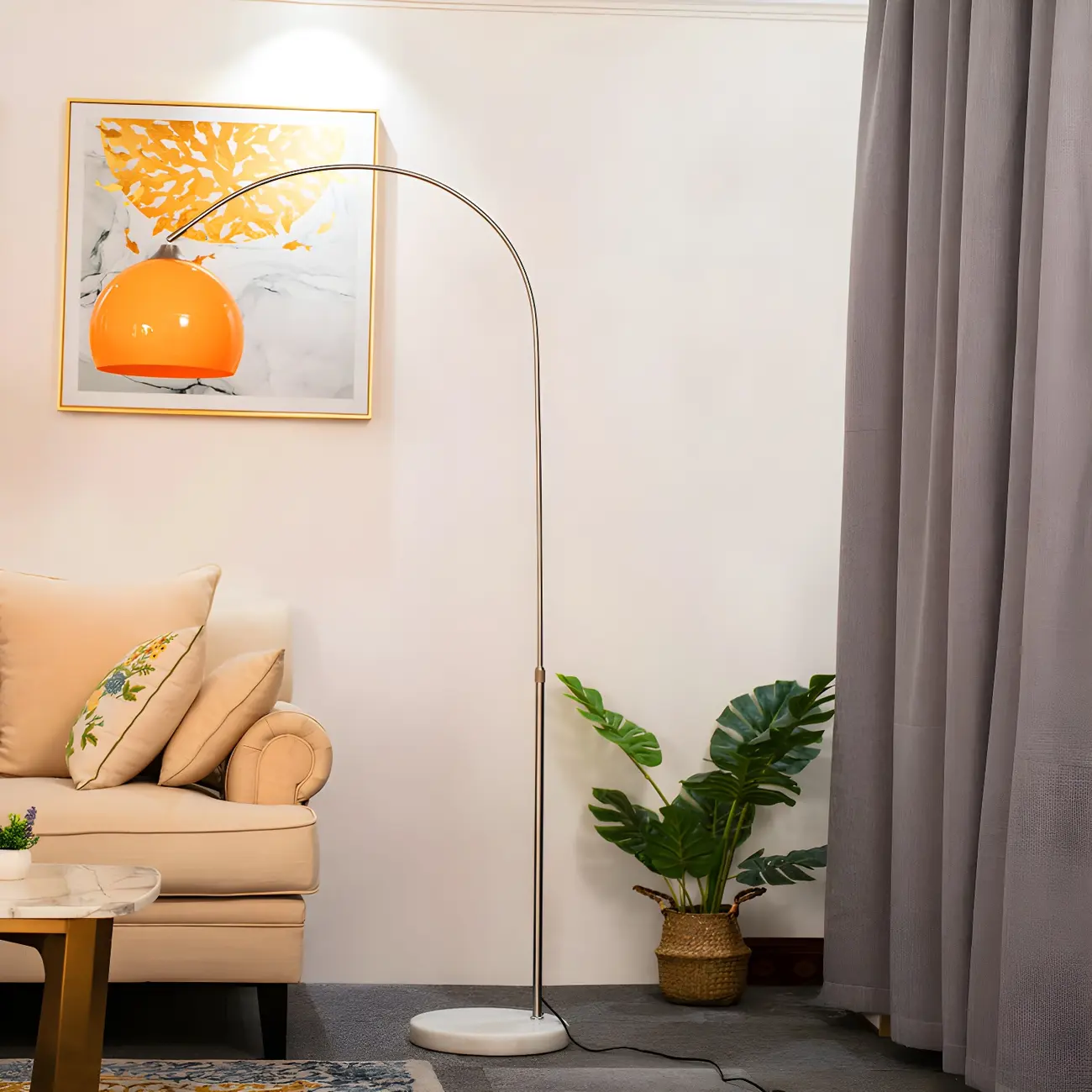
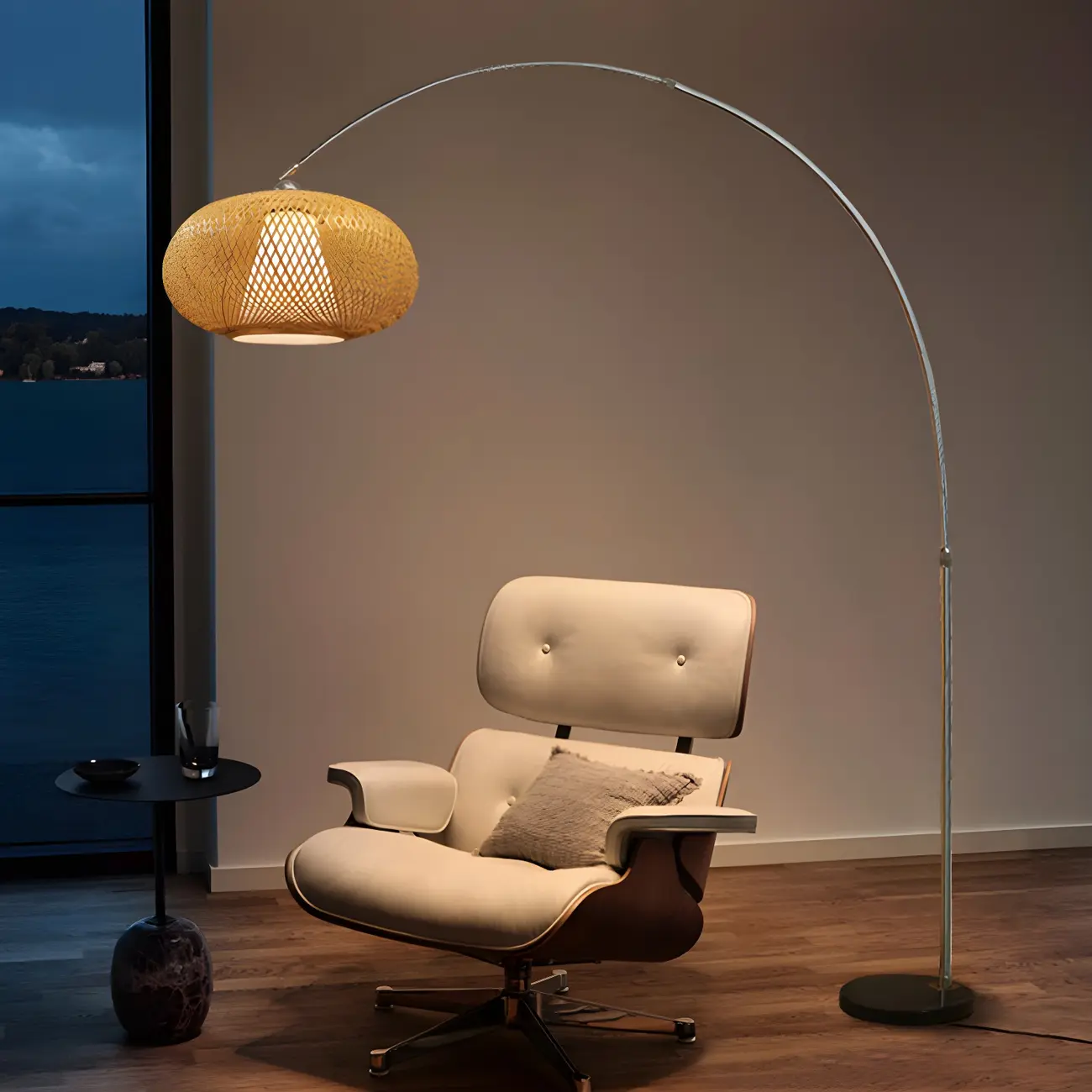
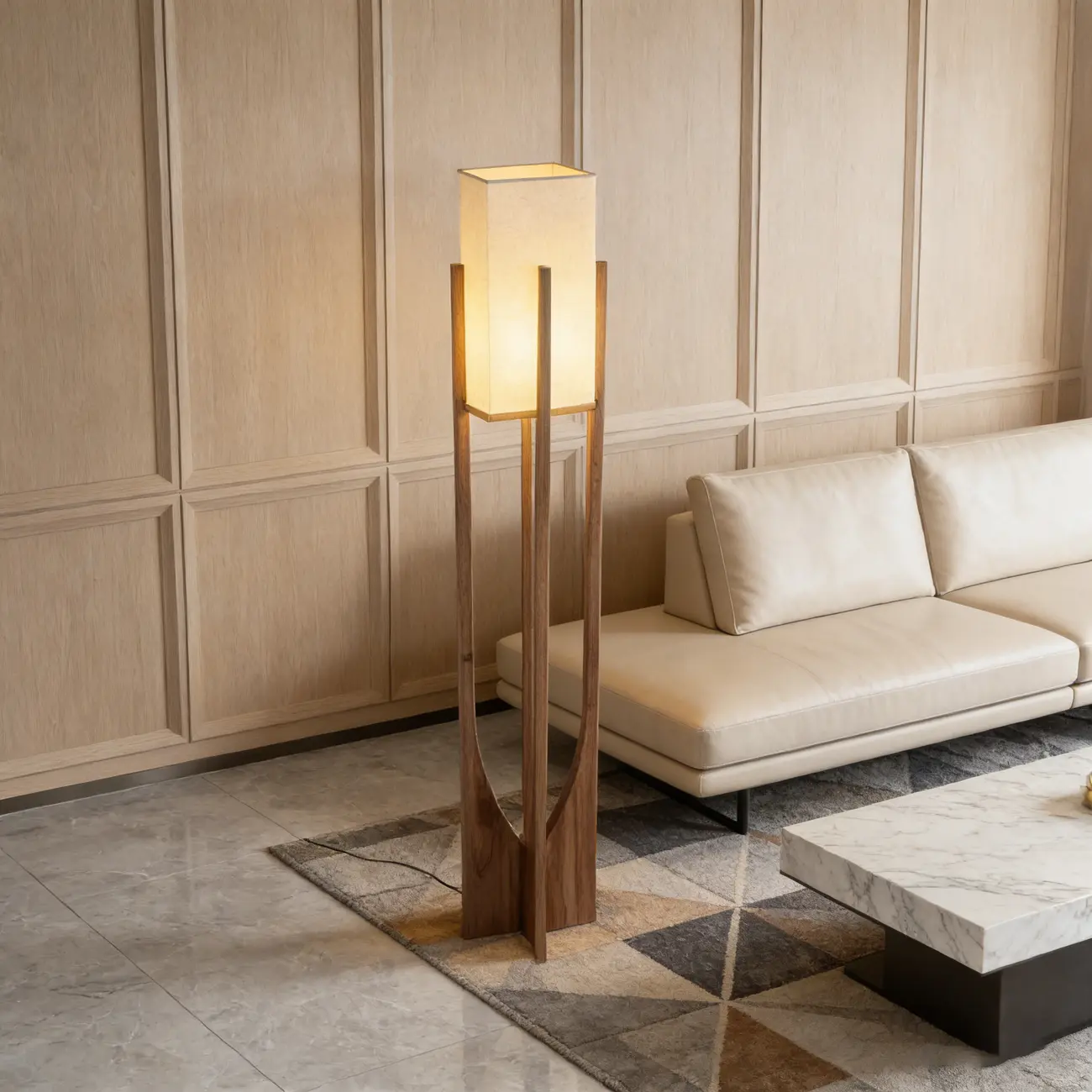
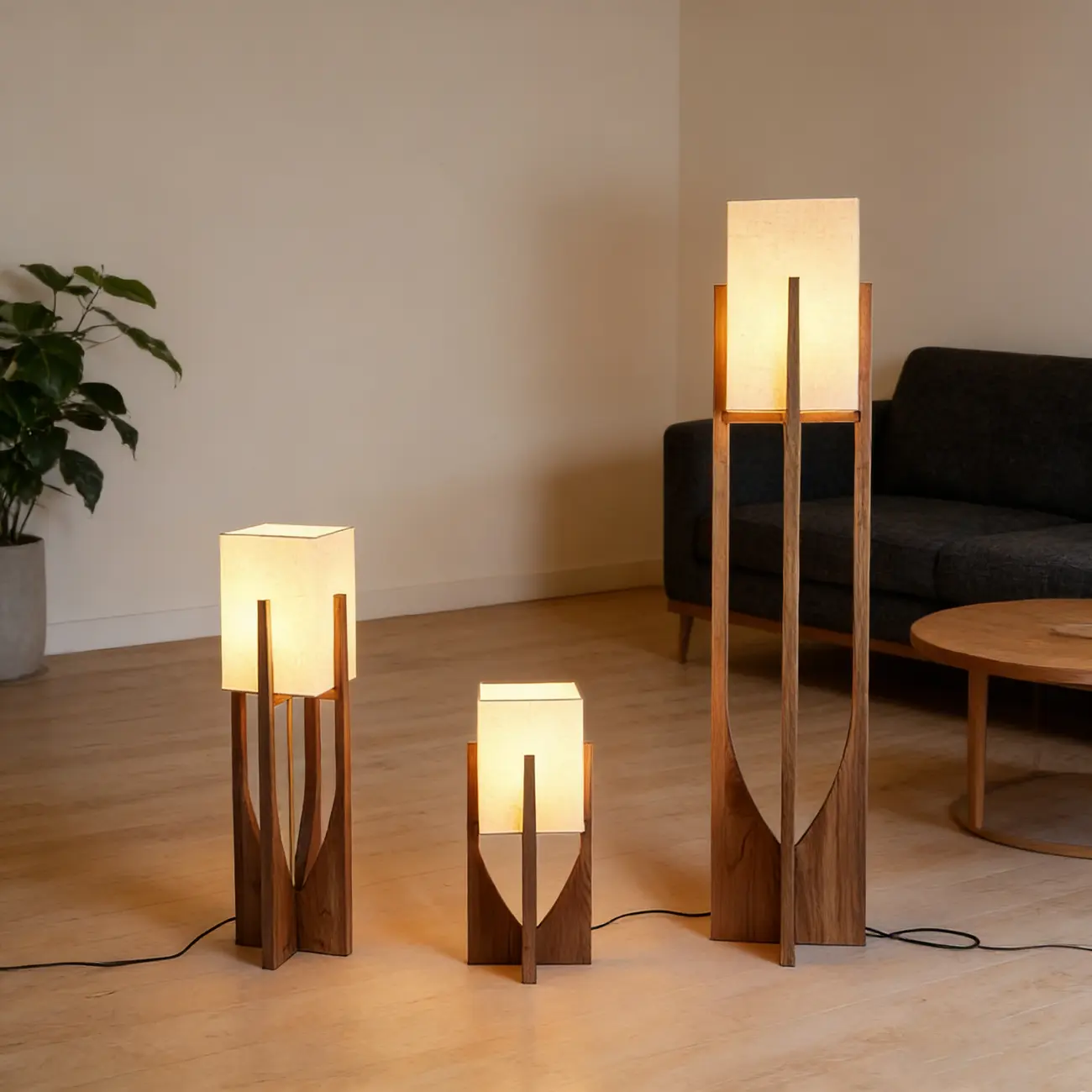
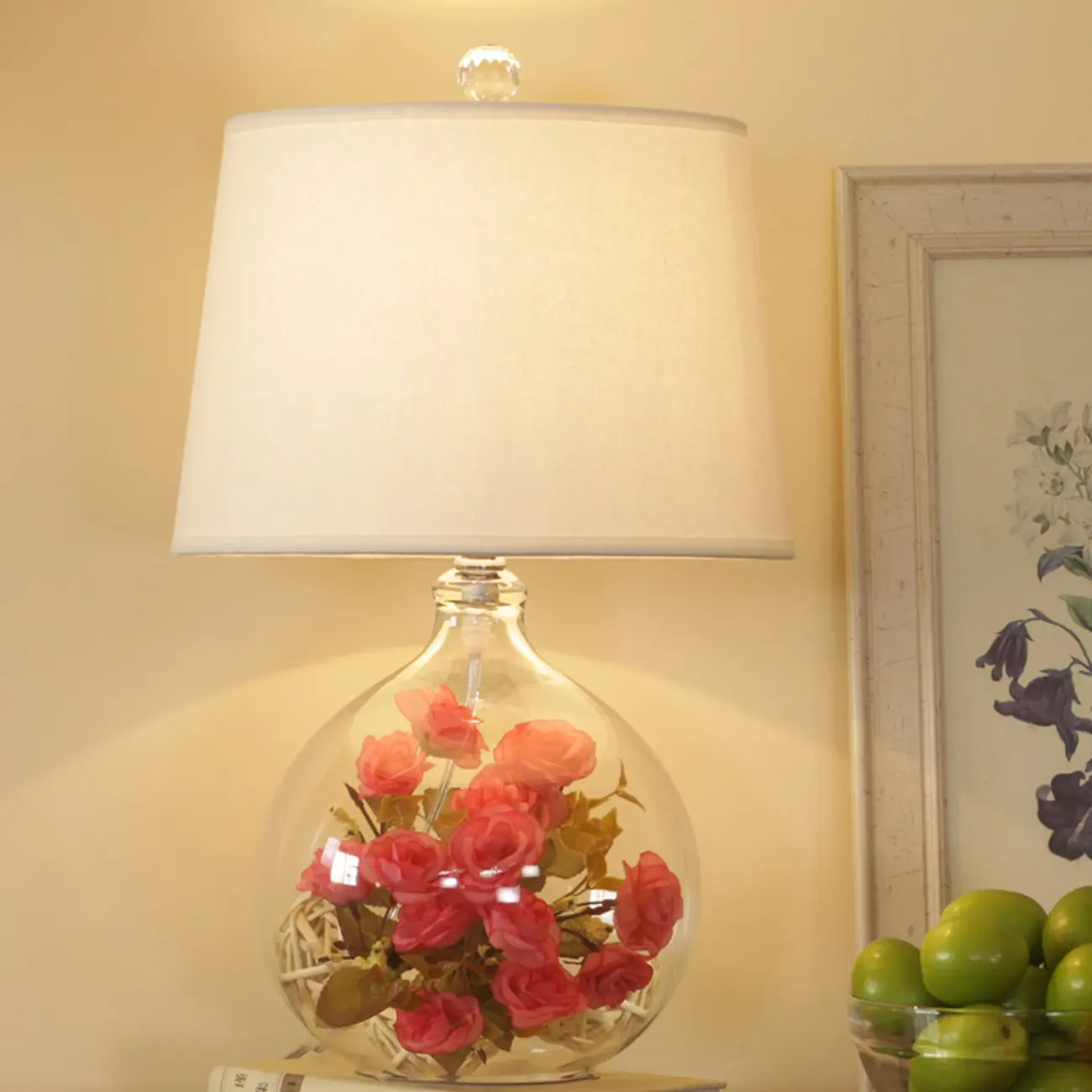
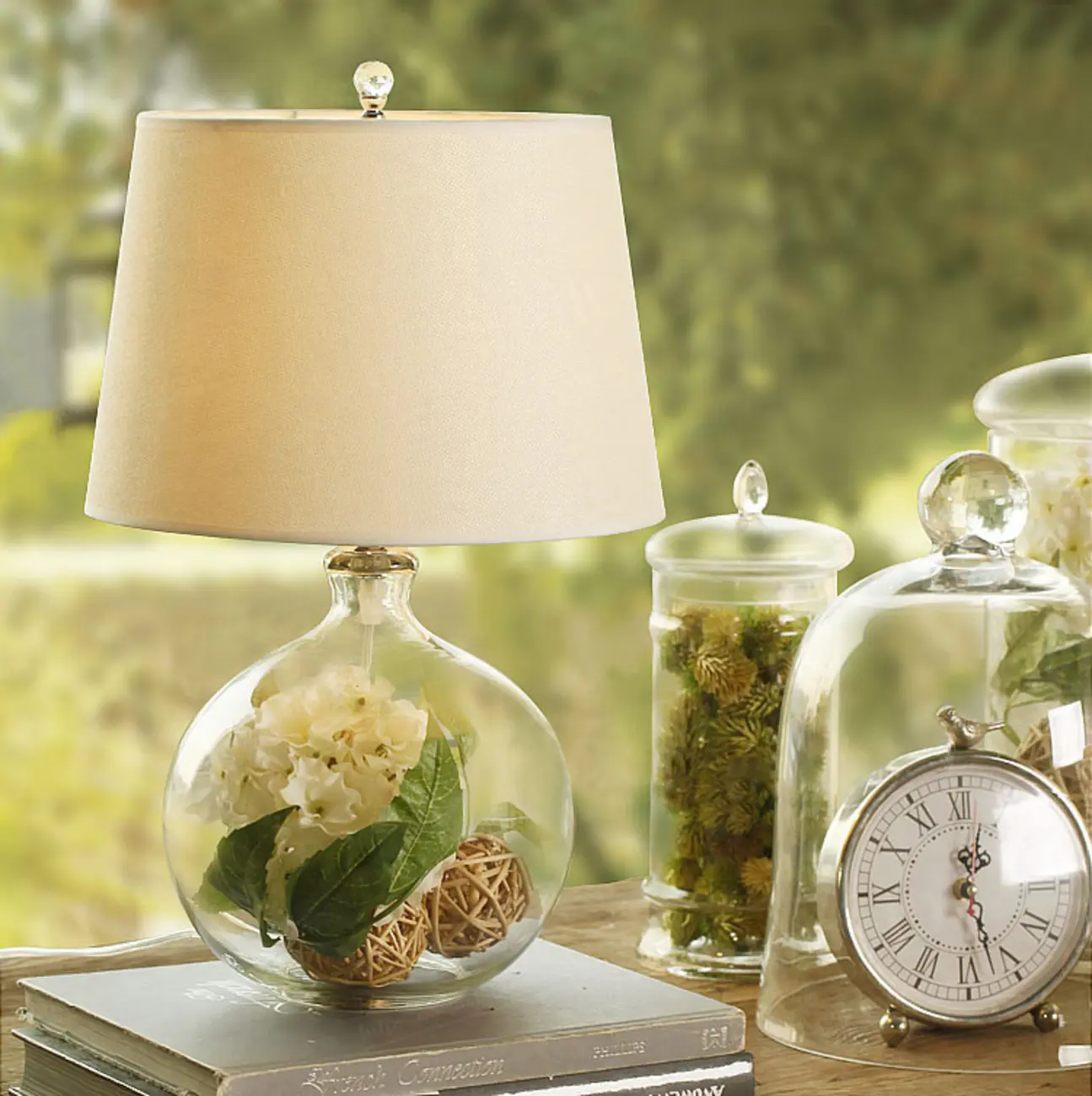
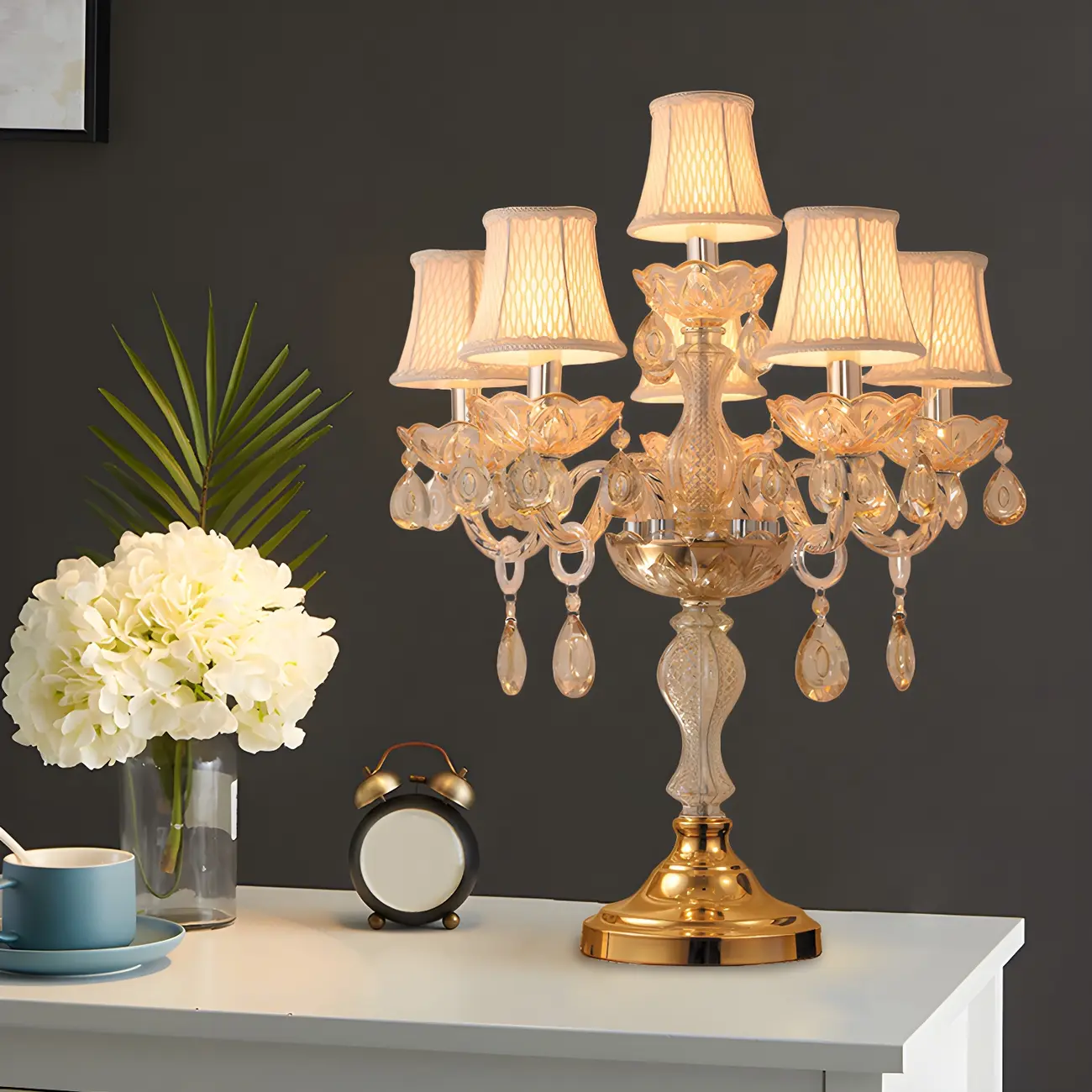
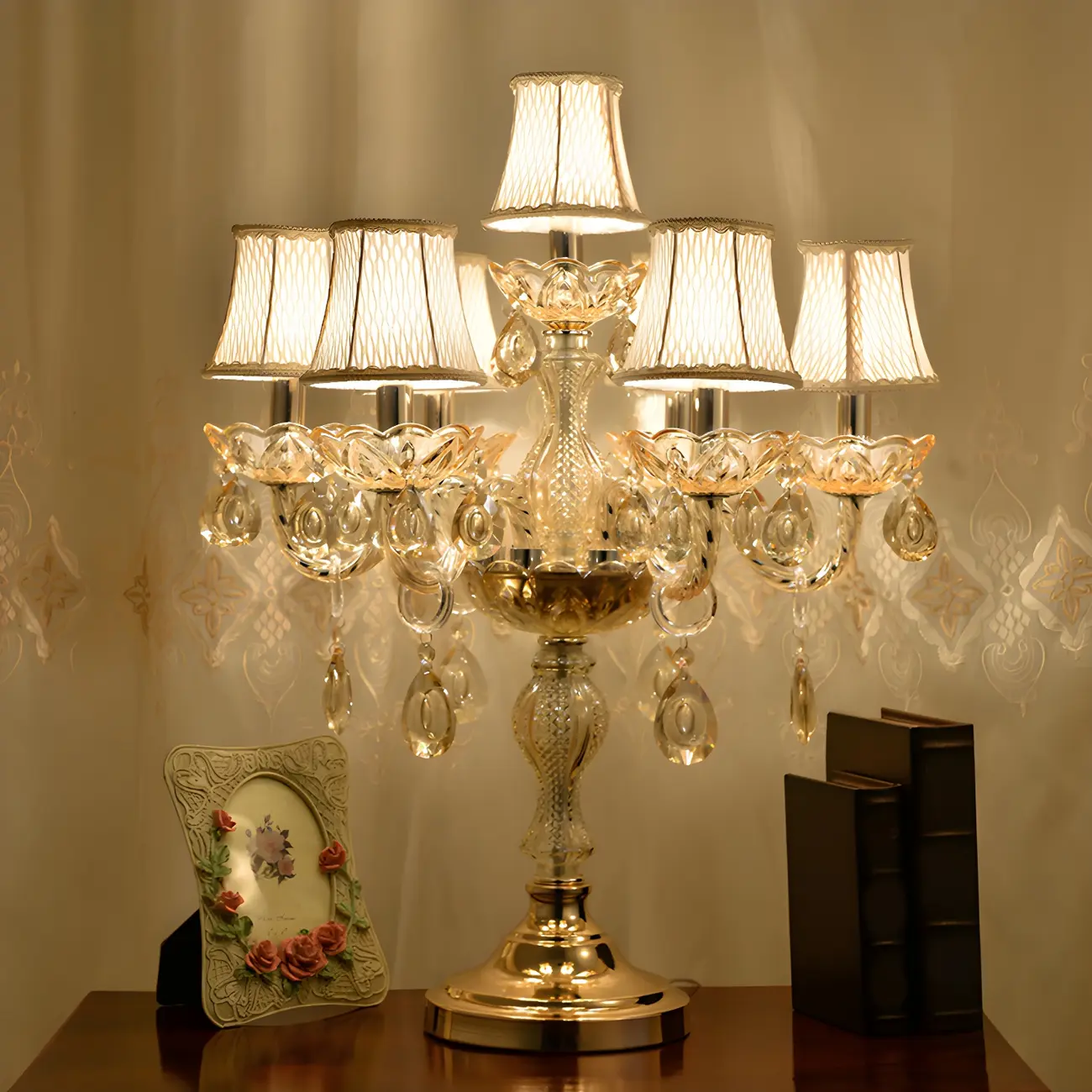
The living room is the heart of any home since it is where family and friends unwind and spend time together. One of the simplest and most immediate ways to relieve stress is to relax on the sofa after a long day at work. That is why you should select a warm hue bulb for your living room lighting system, as it will create the ideal cosy and inviting ambiance. Use many light sources to mitigate the danger of insufficient light for activities like reading. For example, create a nook or corner and add a table lamp, or, if the living space incorporates a dining area, distinguish the two roles by installing an additional light immediately over the dining table.
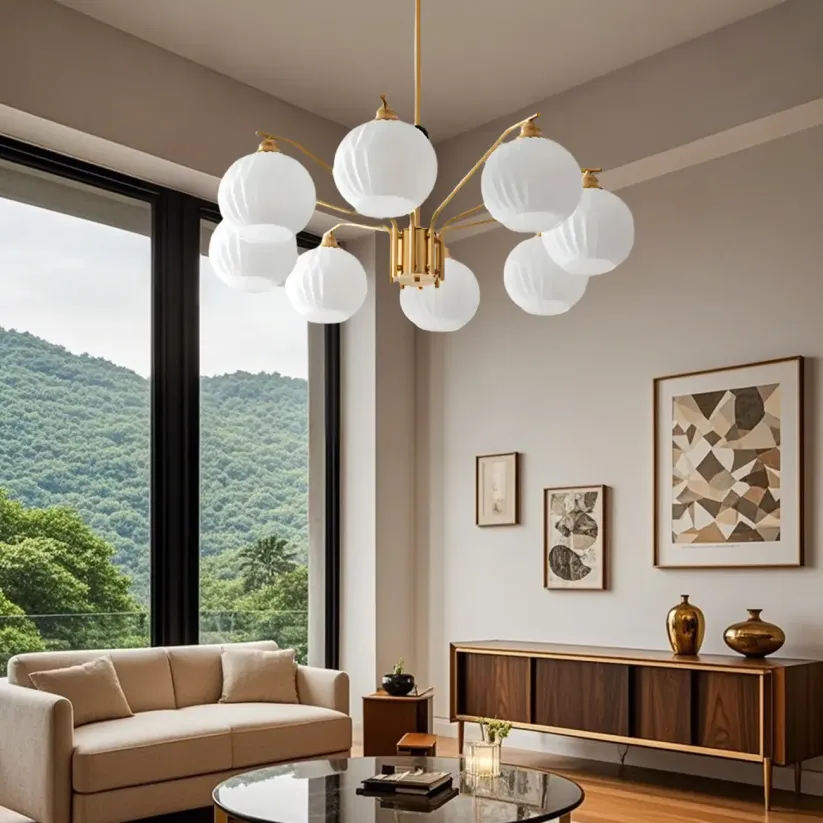
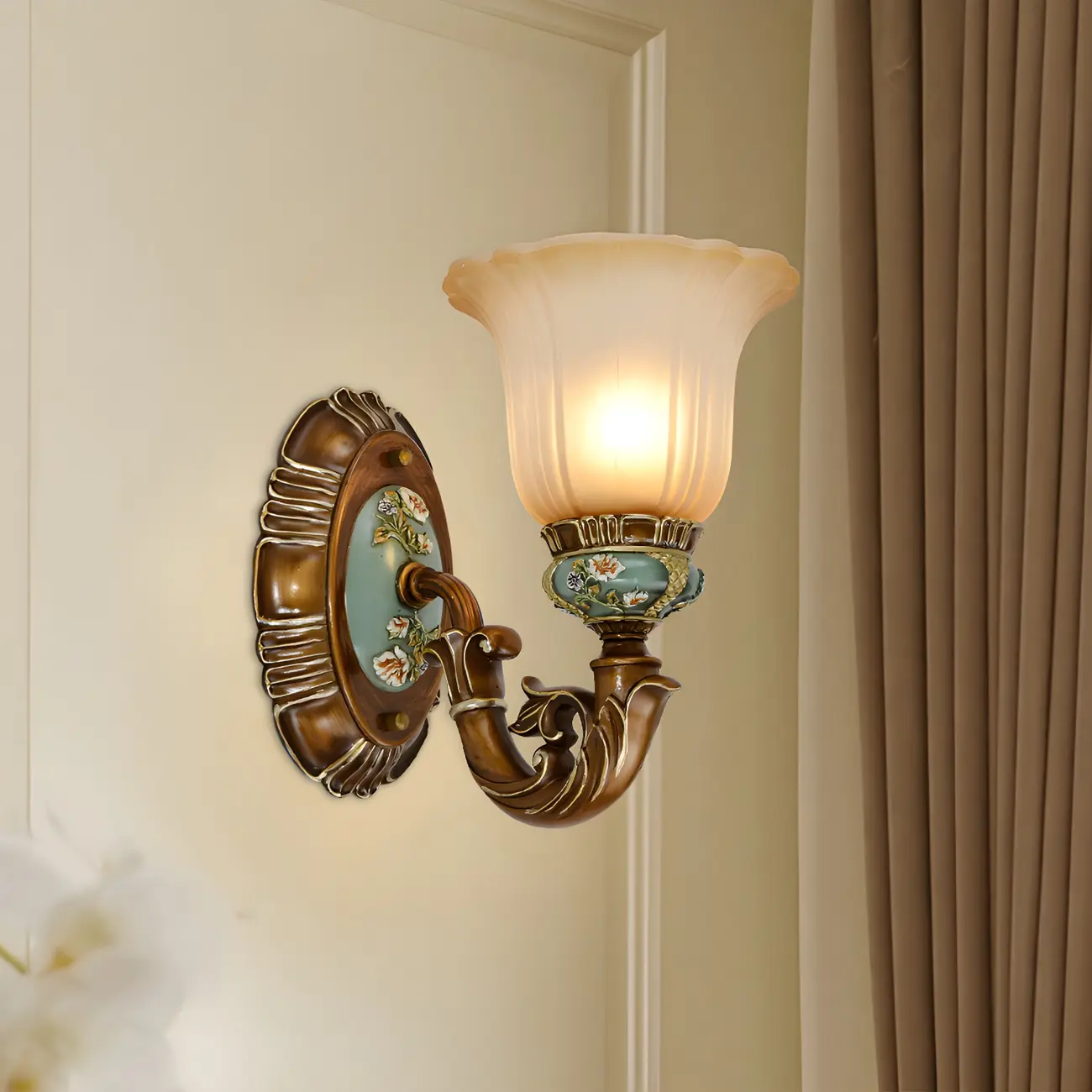
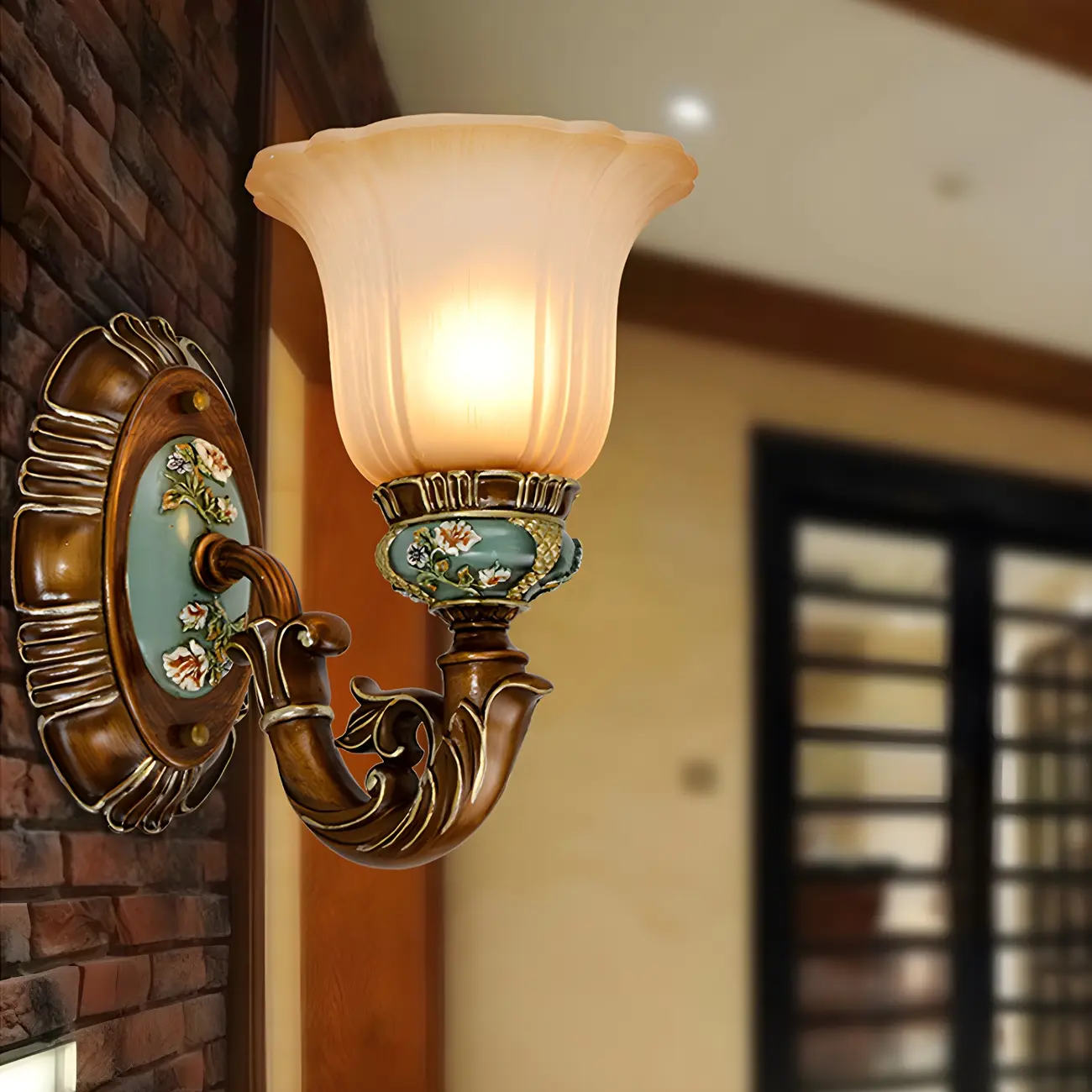
The lighting here must be adaptable. Statement Chandeliers: The type of lighting that completes a room rather than just exists there. If your ceilings aren't sky-high, flush or semi-flush choices keep things light without obstructing views. Floor and table lamps are great since layering is essential and these provide the warm, inviting glow you need where you need it. Wall sconces are a subdued approach to provide just the right additional illumination.
Kitchen and Dining Lighting
Cooking? It's all about functionality and practicality here, with the emphasis on plenty of light so you can see what you're doing and avoid dangerous accidents with knives or other sharp tools and devices. Homeyfad lights recommend using a neutral white to offer the level of illumination you require in this space without generating that stark operating-room feel.
Eating? Just standing about chatting while you pretend to be cooking? These areas' lighting has to be kept current. That being said, keep in mind that you should constantly consider your kitchen's style. If it's a nice country cottage or a Provence style, for example, with dark browns, a warm light will be more appropriate, and the solution is to maximize the quantity of light accessible by installing fixtures that allow it to be spread effectively.
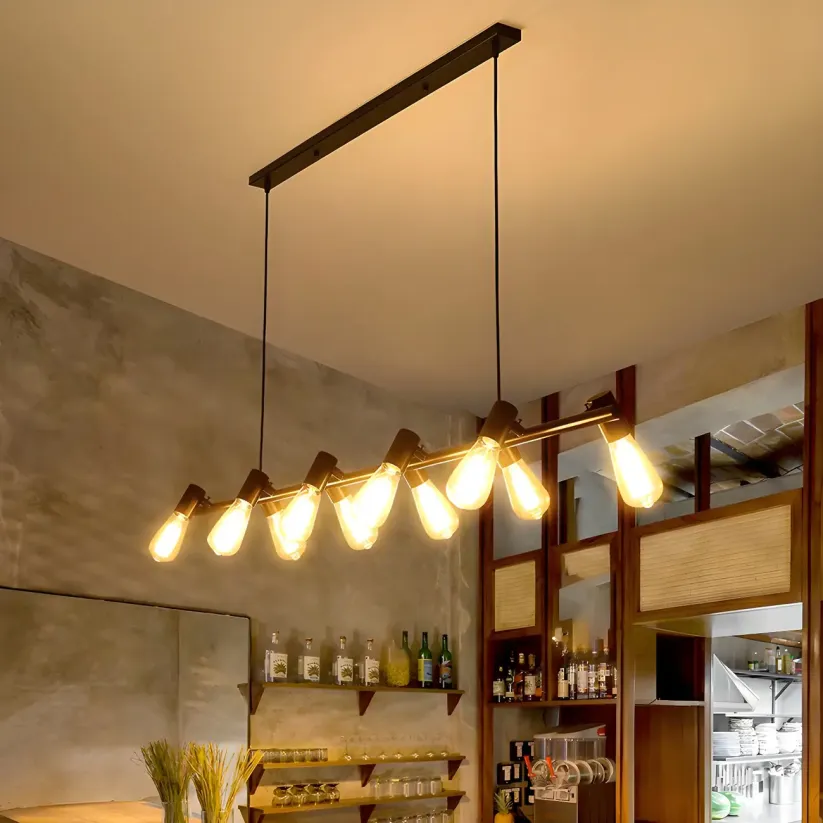
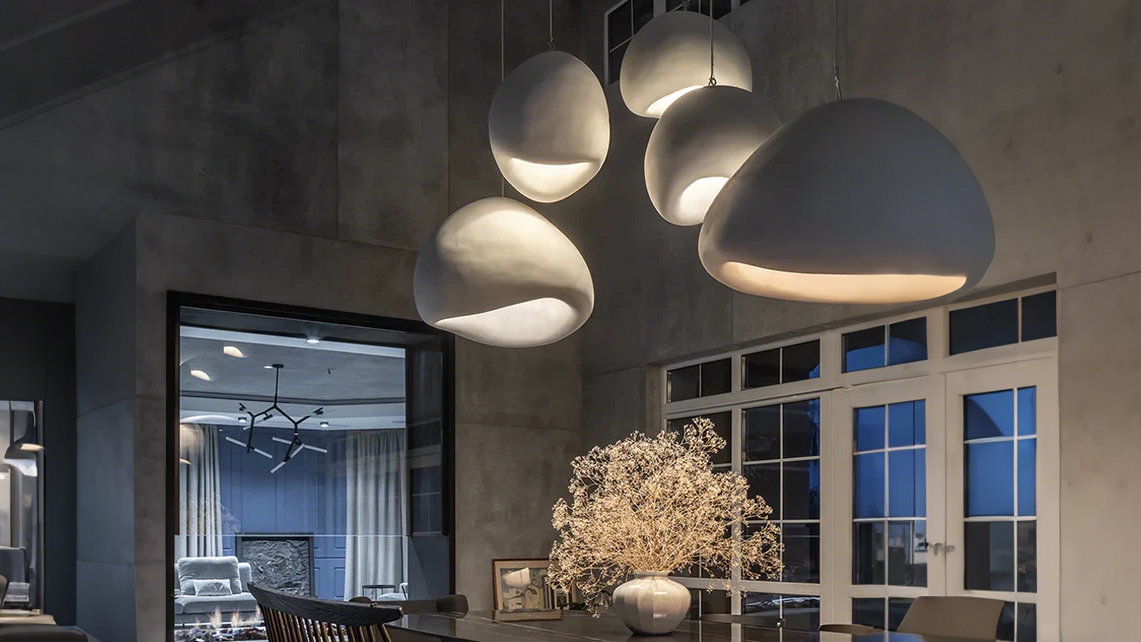
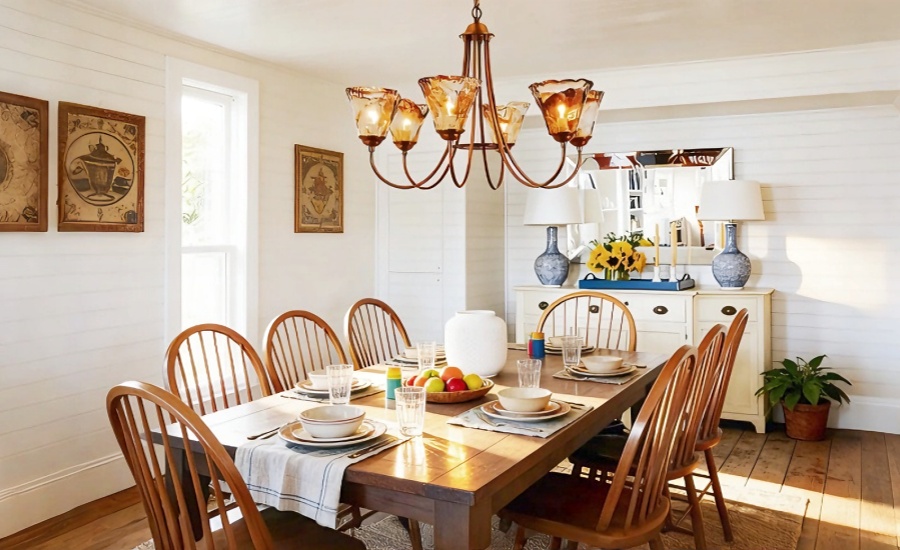
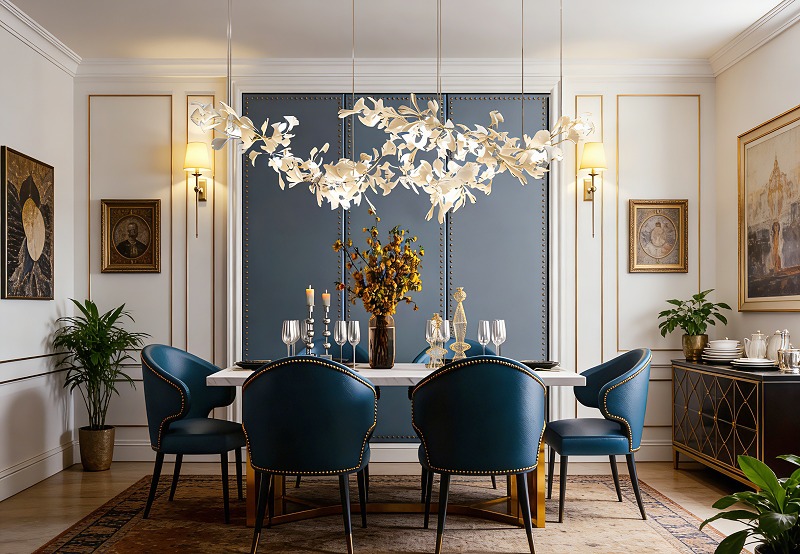
Pendant lights are usually used to accentuate dining tables and kitchen islands. There are a lot of designs at Homeyfad Lights, so you'll find something that appeals. Island Lights — Emphasizes the primary prep area, giving it elegant appearance and great use. Recessed lighting is the "set it and forget it" approach to provide uniform illumination of the entire room.
The Optimal Bedroom Illumination
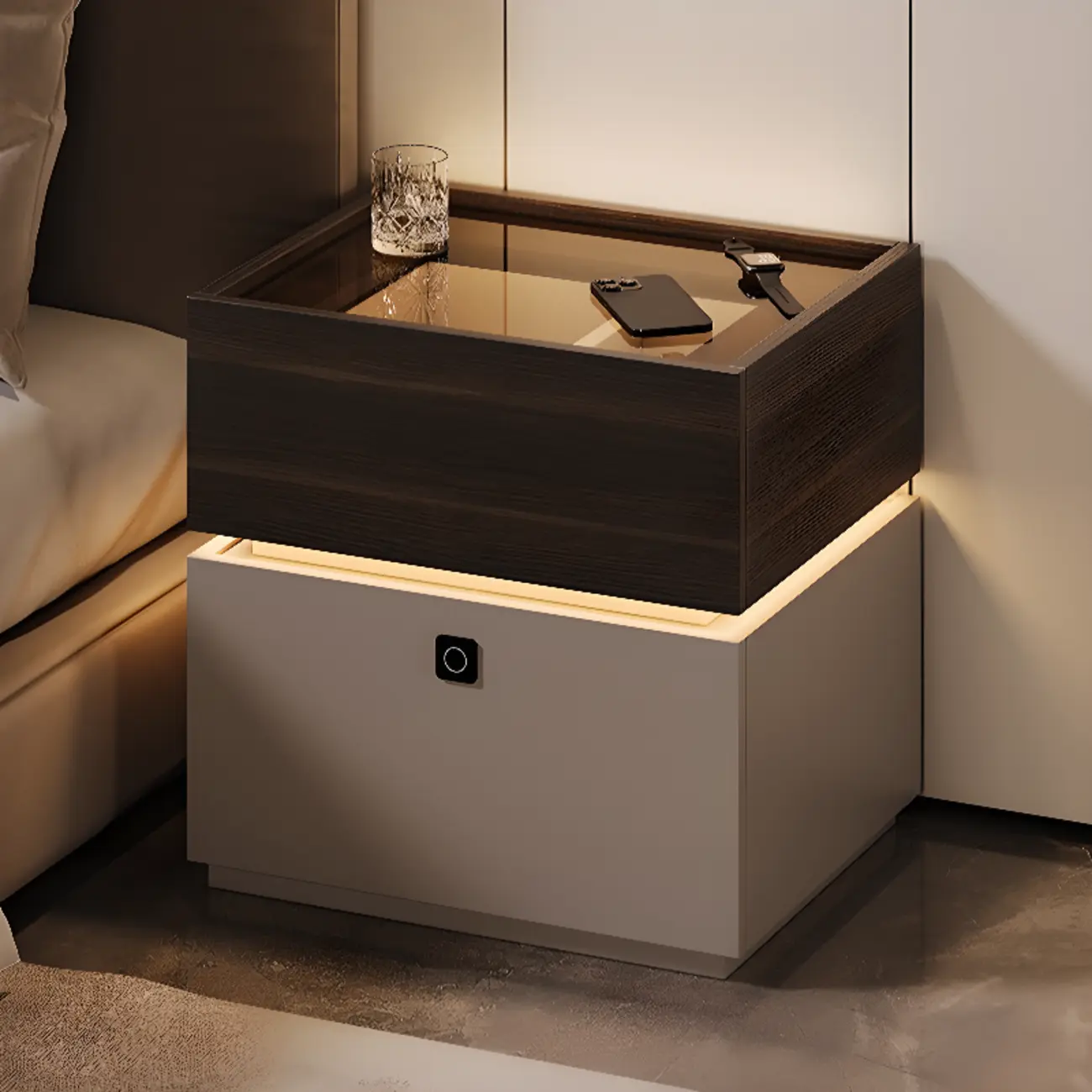
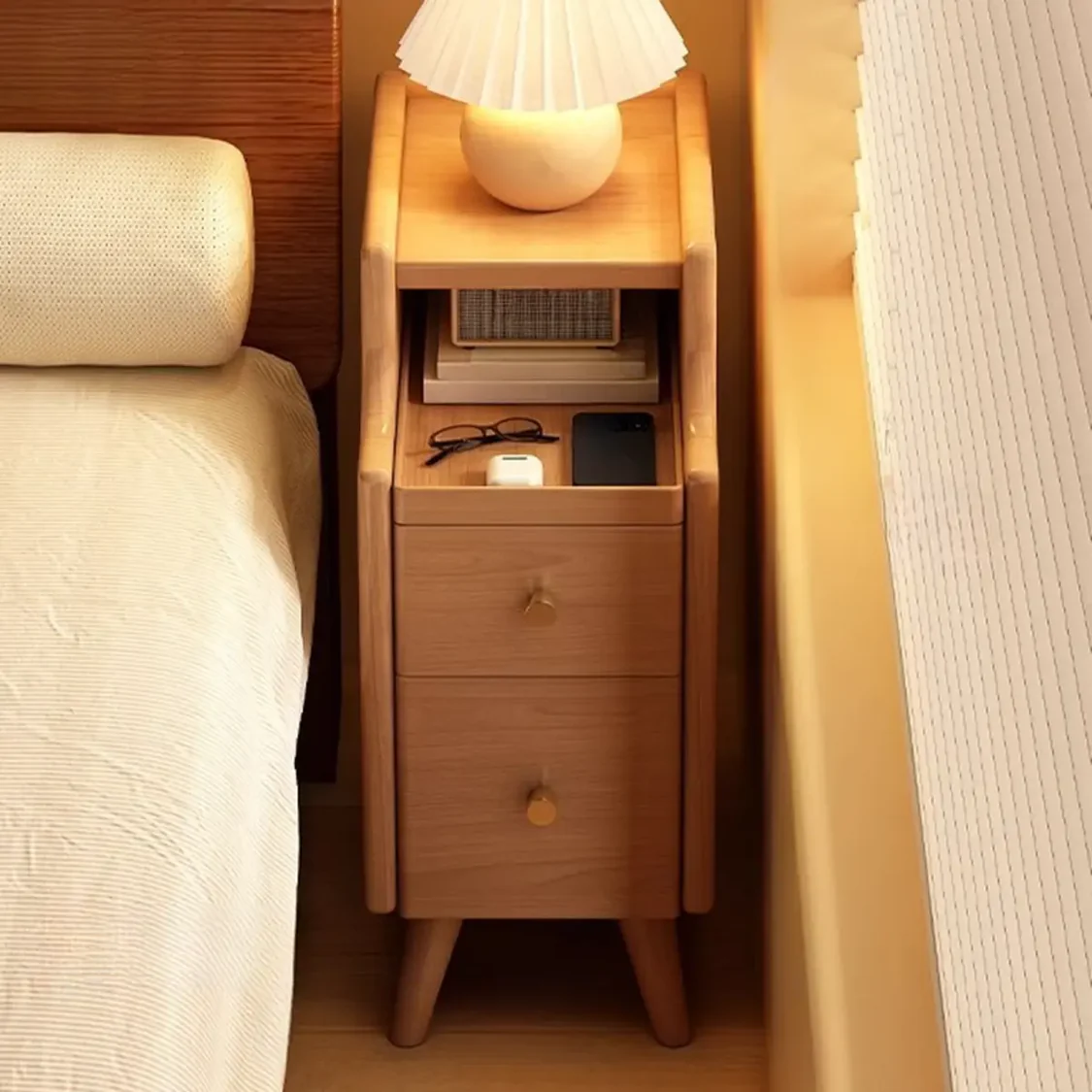
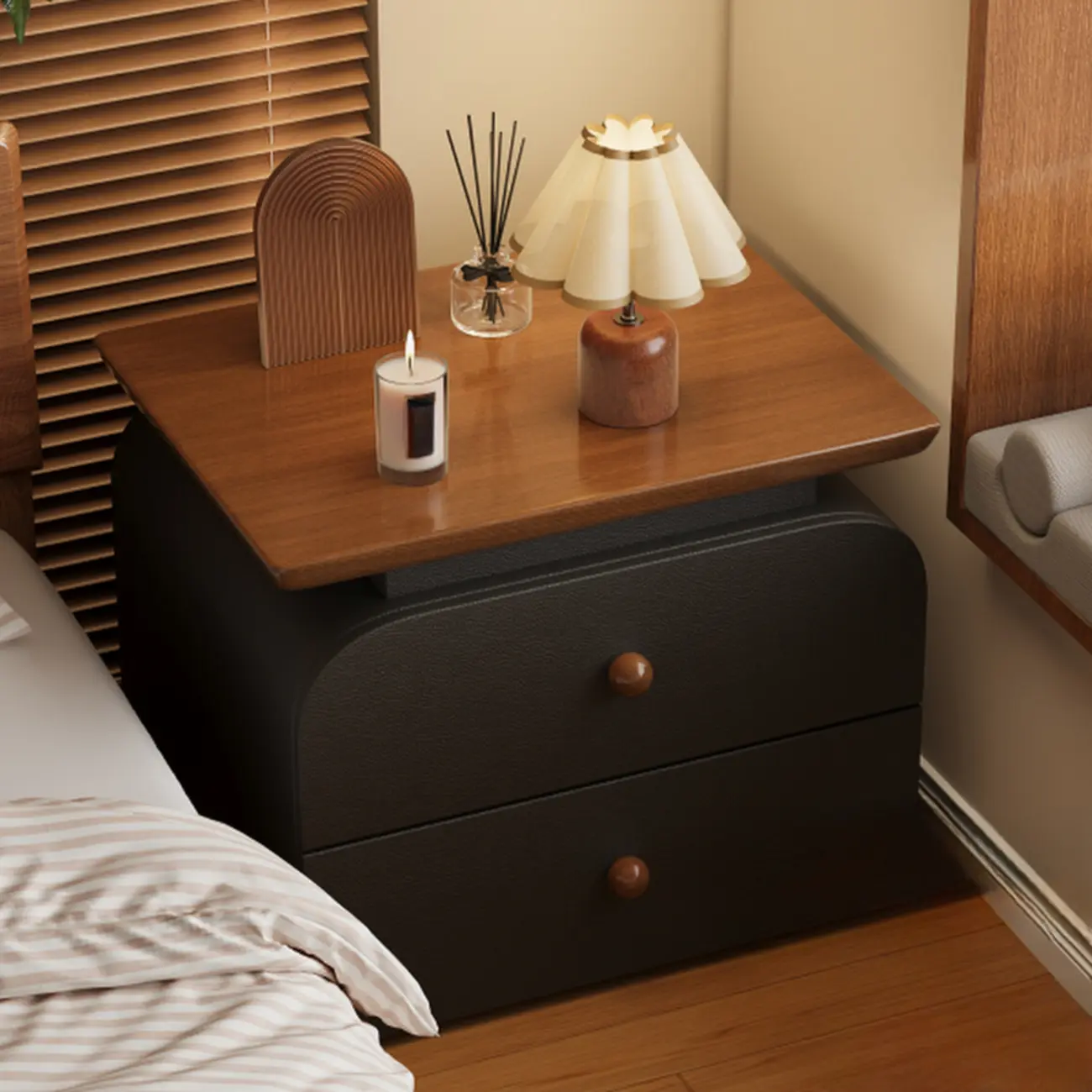
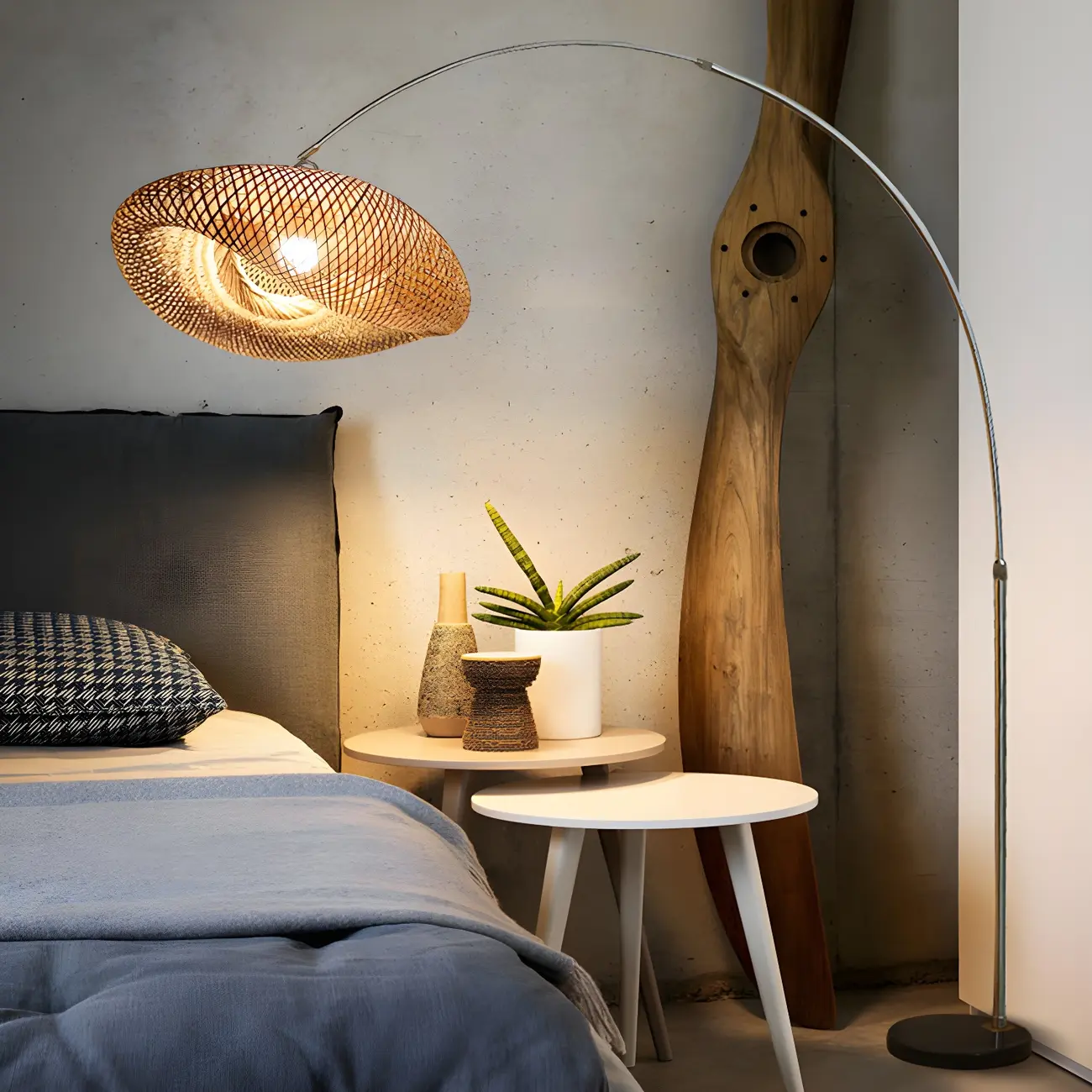
Moving on to the bedroom, that restful space, a warm light is certainly required, as we seek to create an enticing, cocooning environment conducive to relaxation and sleep. To address the issue of insufficient lighting, as in the living room, a central element is used, which is supplemented by bedside lamps. The main fitting is an excellent opportunity to add an extra layer to the overall design and style, whether elegant, kitsch, minimalist, or eclectic, but the key is to prevent a harsh, cold white light impression.
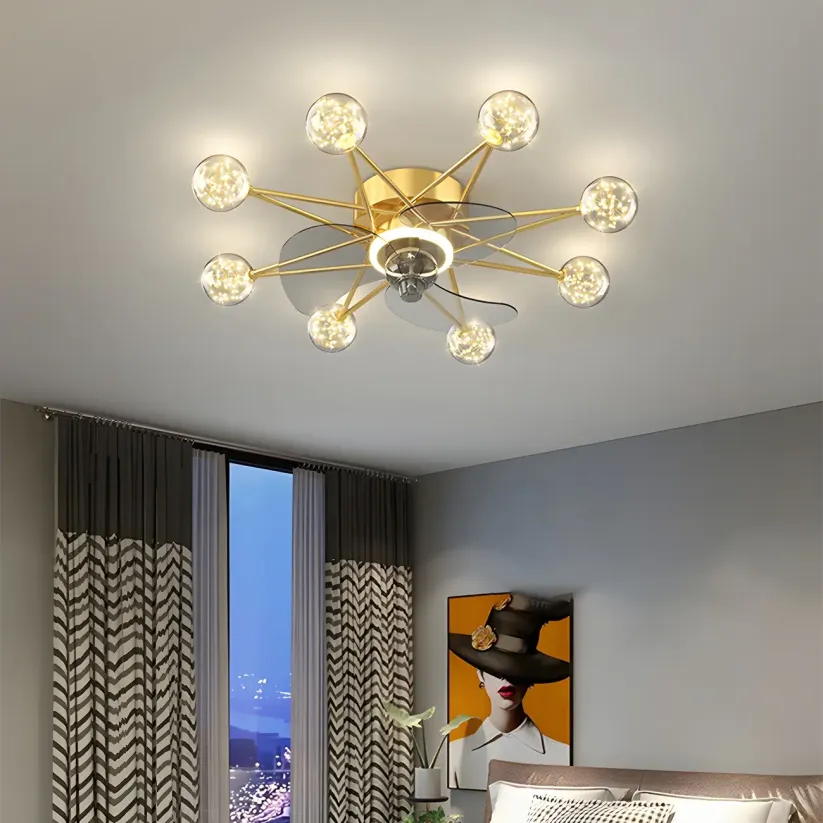
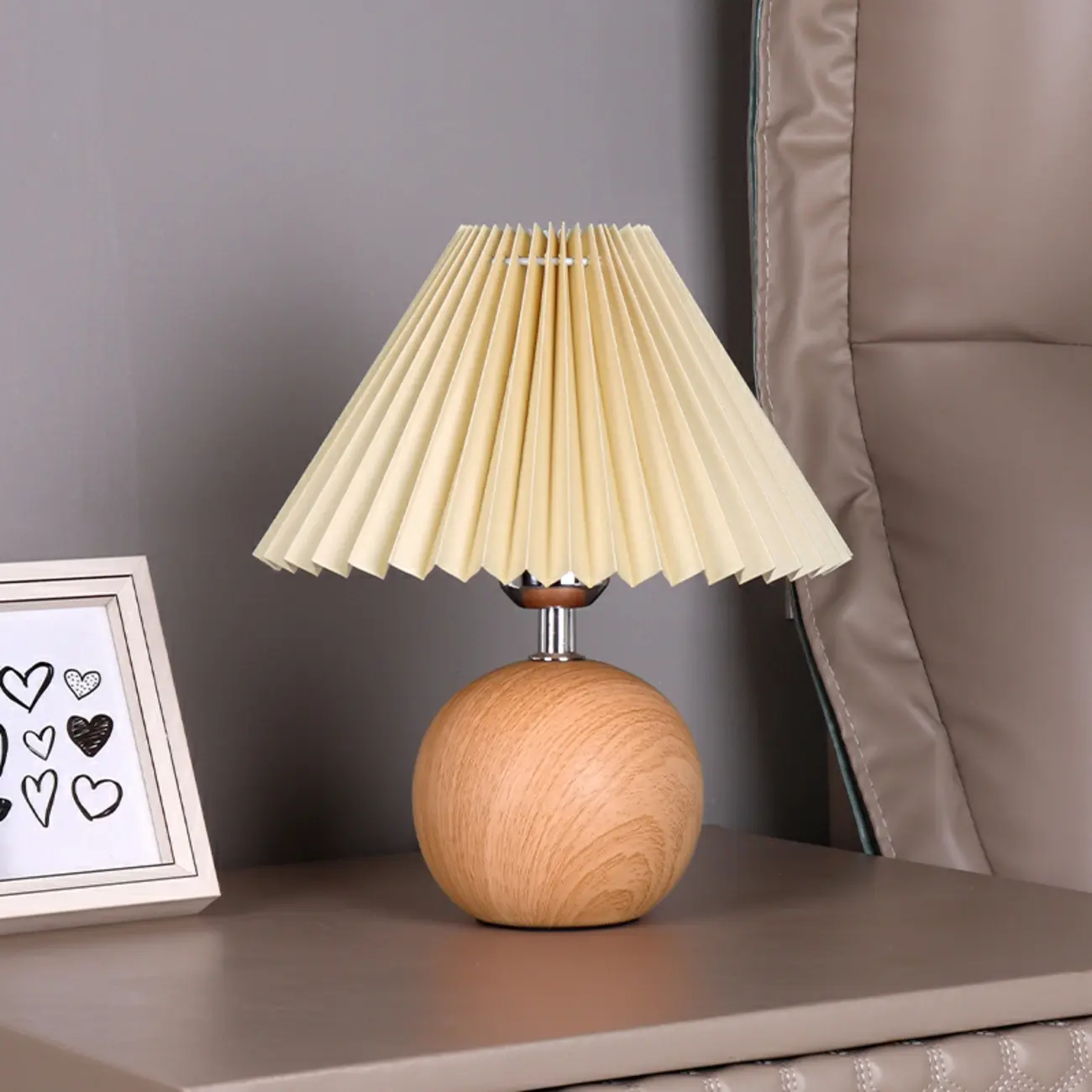
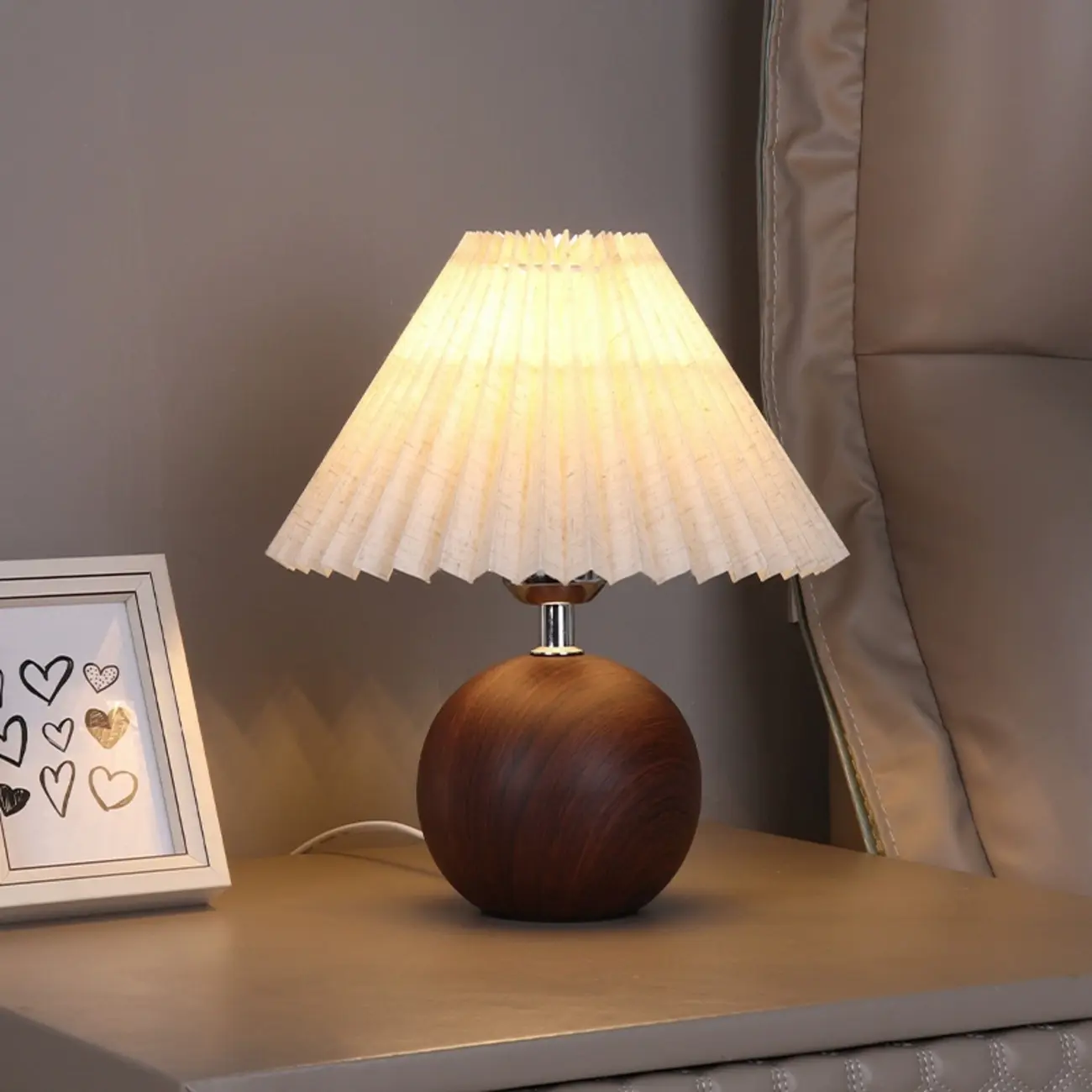
On either side of the bed, a soft, warm light is great for reading in comfort while not disturbing the person on the opposite side of the bed. Lighting and cold air should always go hand in hand, hence ceiling fans with homeyfad lights should always be present. Not only for children, night homeyfad lights give a gentle glow that makes things cozy without being overly strong.
Bathroom Lighting
The bathroom is no longer only a functional area; it also serves as a modern-day temple of leisure and wellbeing, thus lighting needs to be carefully considered. First and foremost, it must be practical and bright, allowing you to apply makeup or shave without having to stare intently into the mirror to see what you're doing.
If you consider the bathroom to be a small spa, it should be inviting and peaceful, whether in the shape of a stunning bathtub for lengthy soaks or a trendy shower to wash away the tensions of the day, therefore softer lighting is required. A cool lightbulb will provide the necessary brightness to complete those vital chores while also promoting a clean, sanitary workplace. That same light, however, will not produce the desired mood while you are looking forward to a relaxing, lengthy bubble bath.
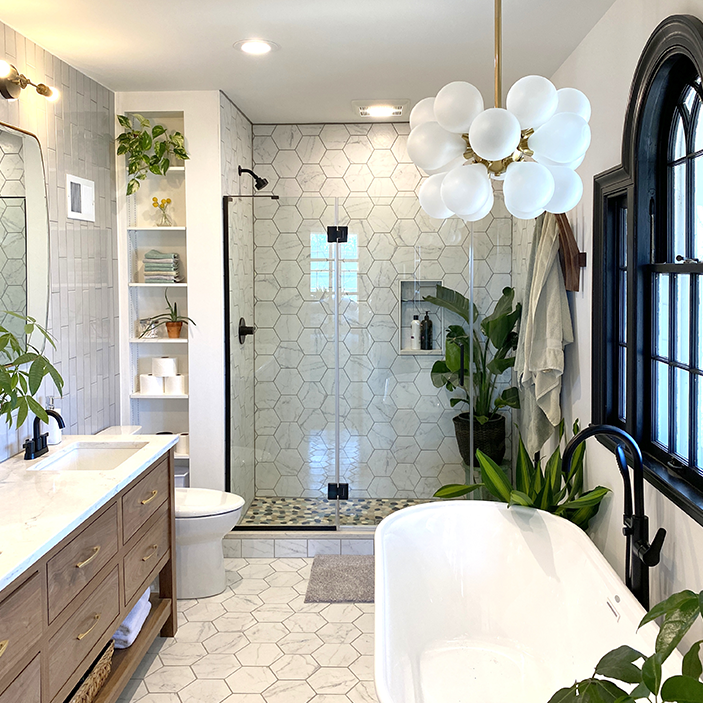
Bathrooms need homeyfad lights that resist dampness without flashing off. Waterproof LEDs are a must for bathtubs and showers where standard lighting would not last.
Homeyfad Lights Trends 2025
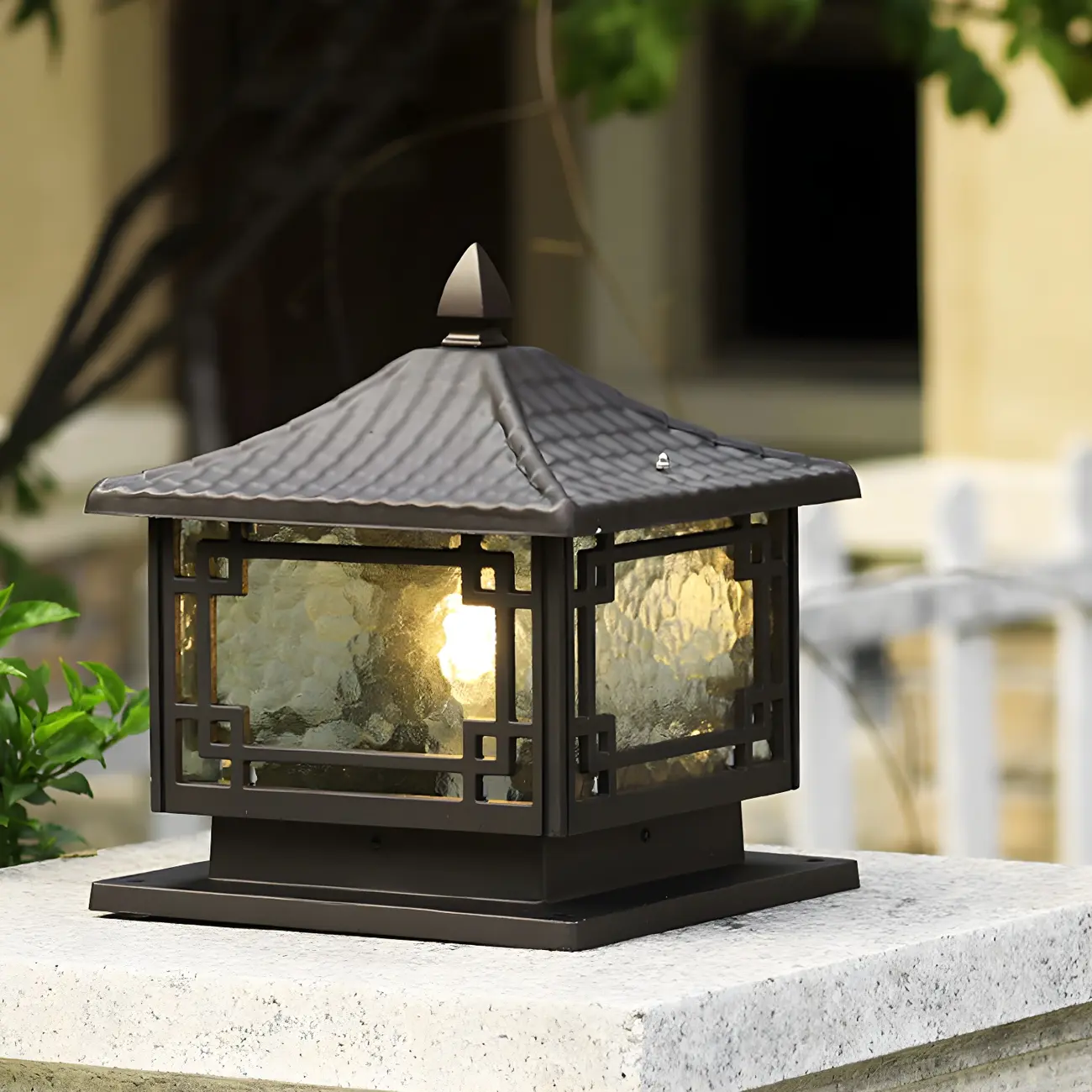
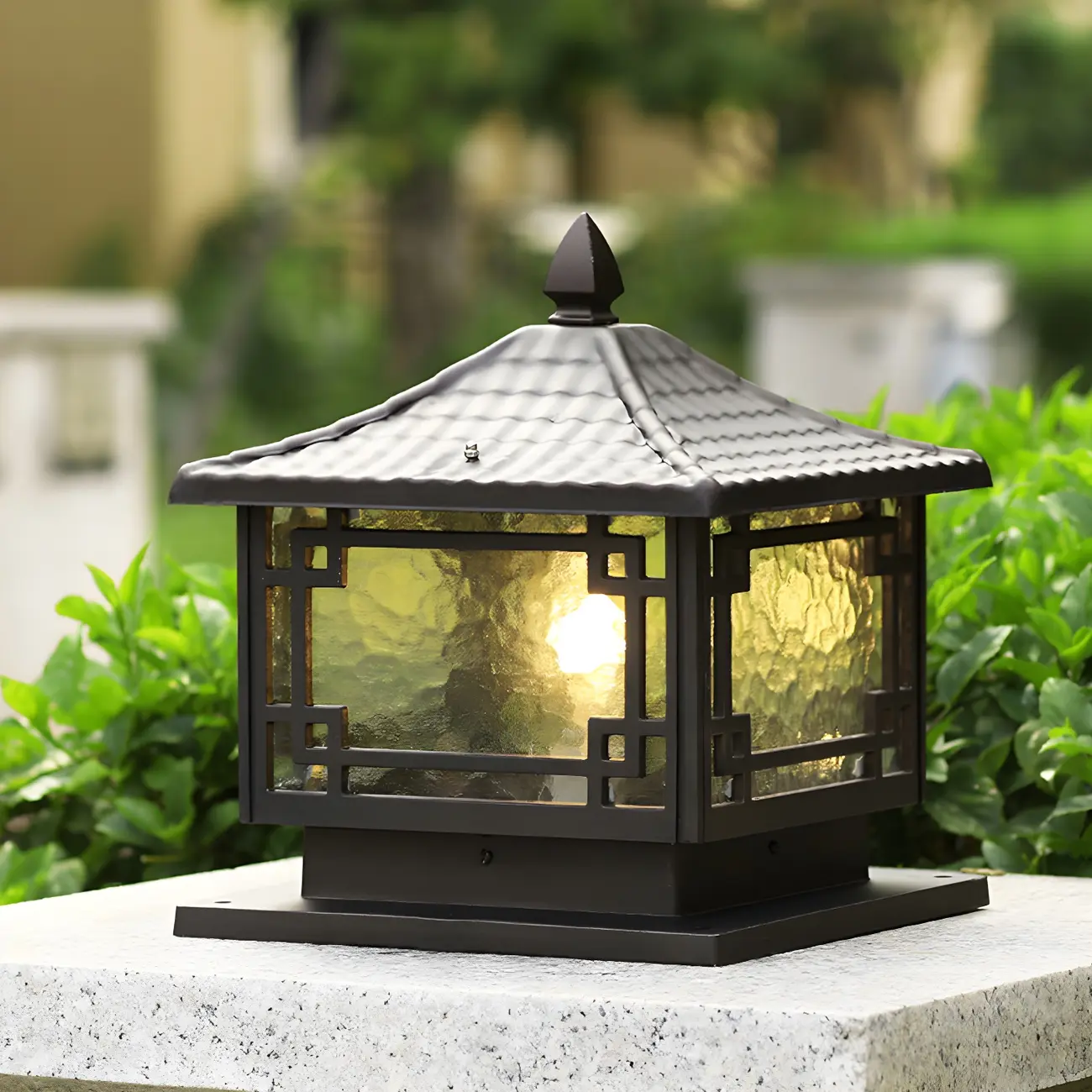
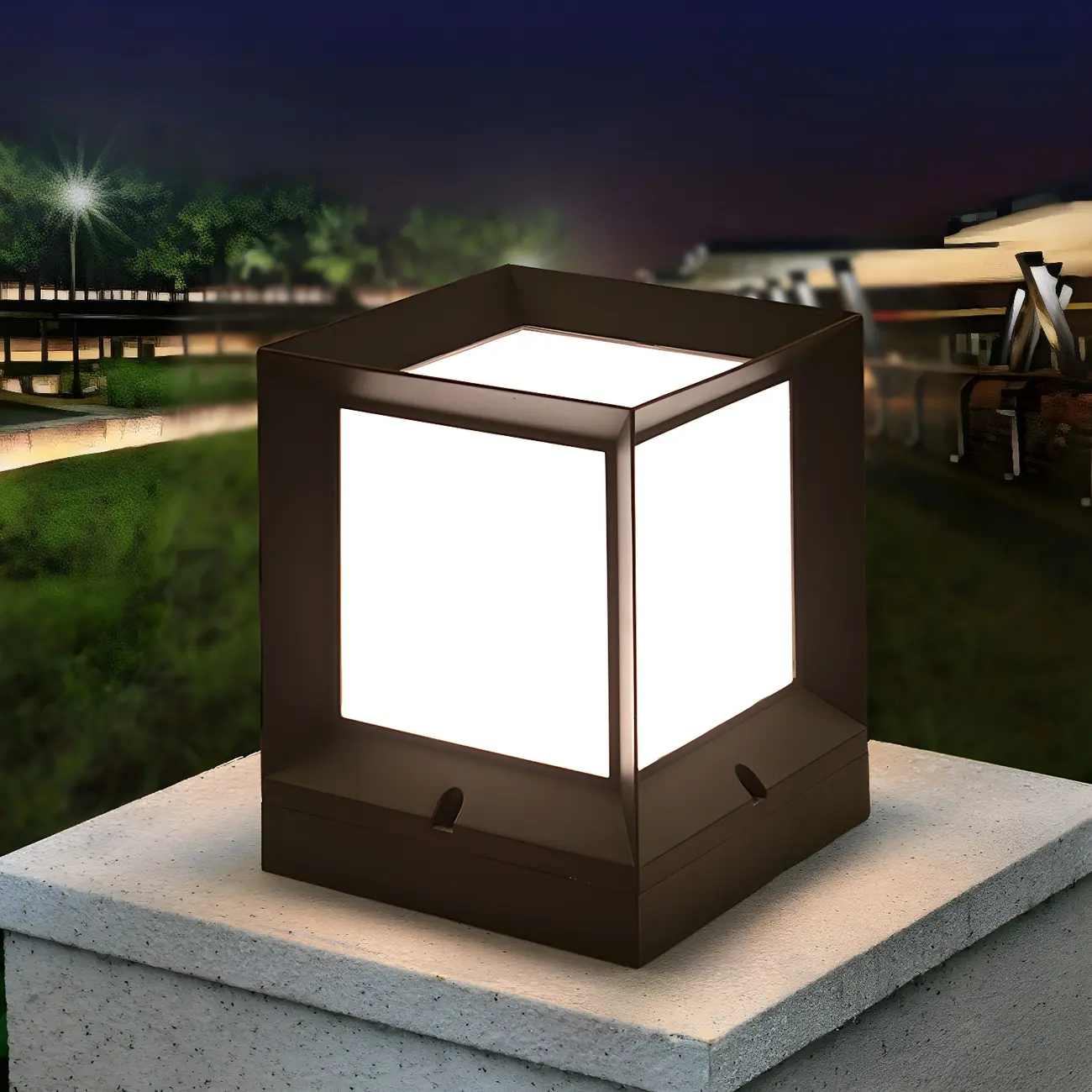
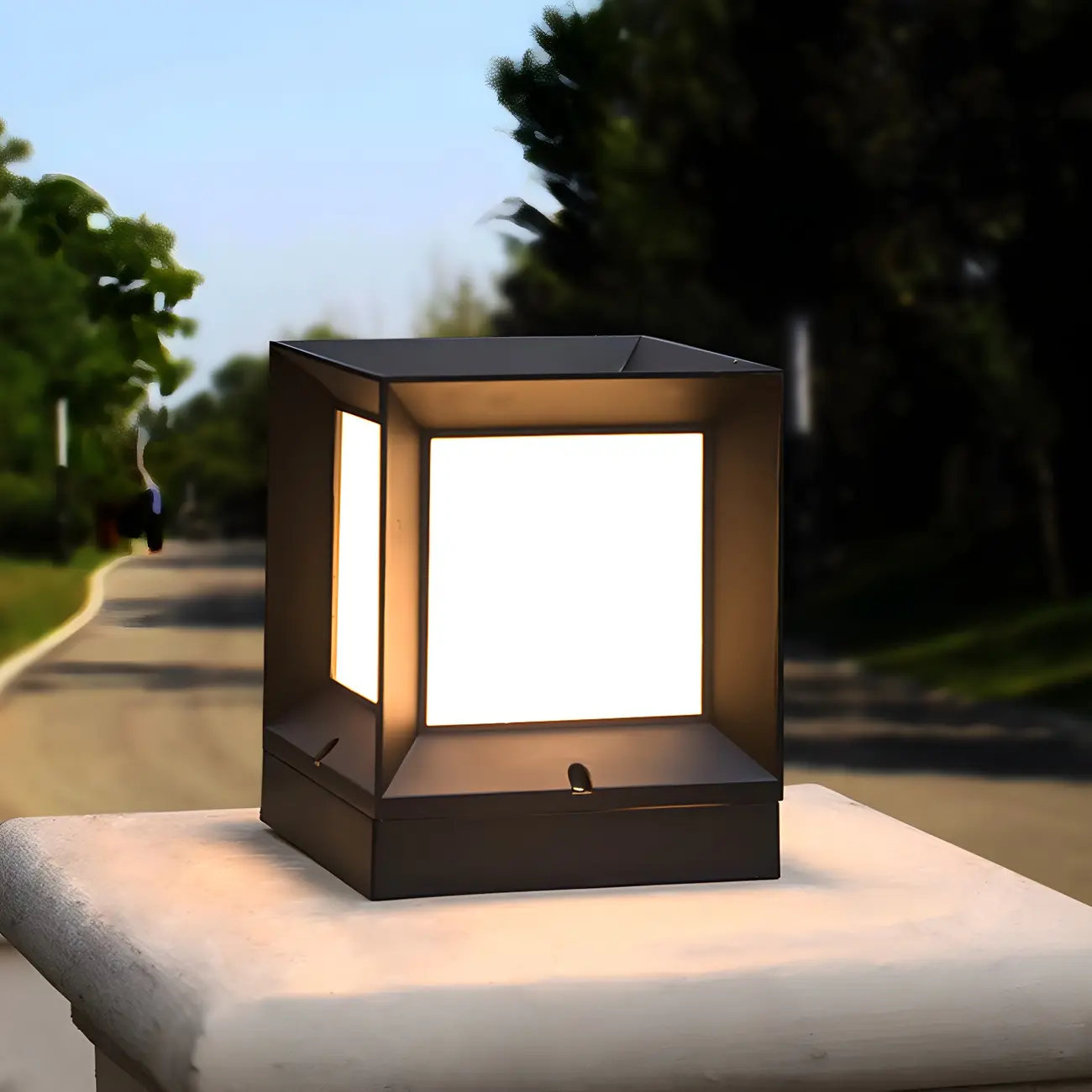
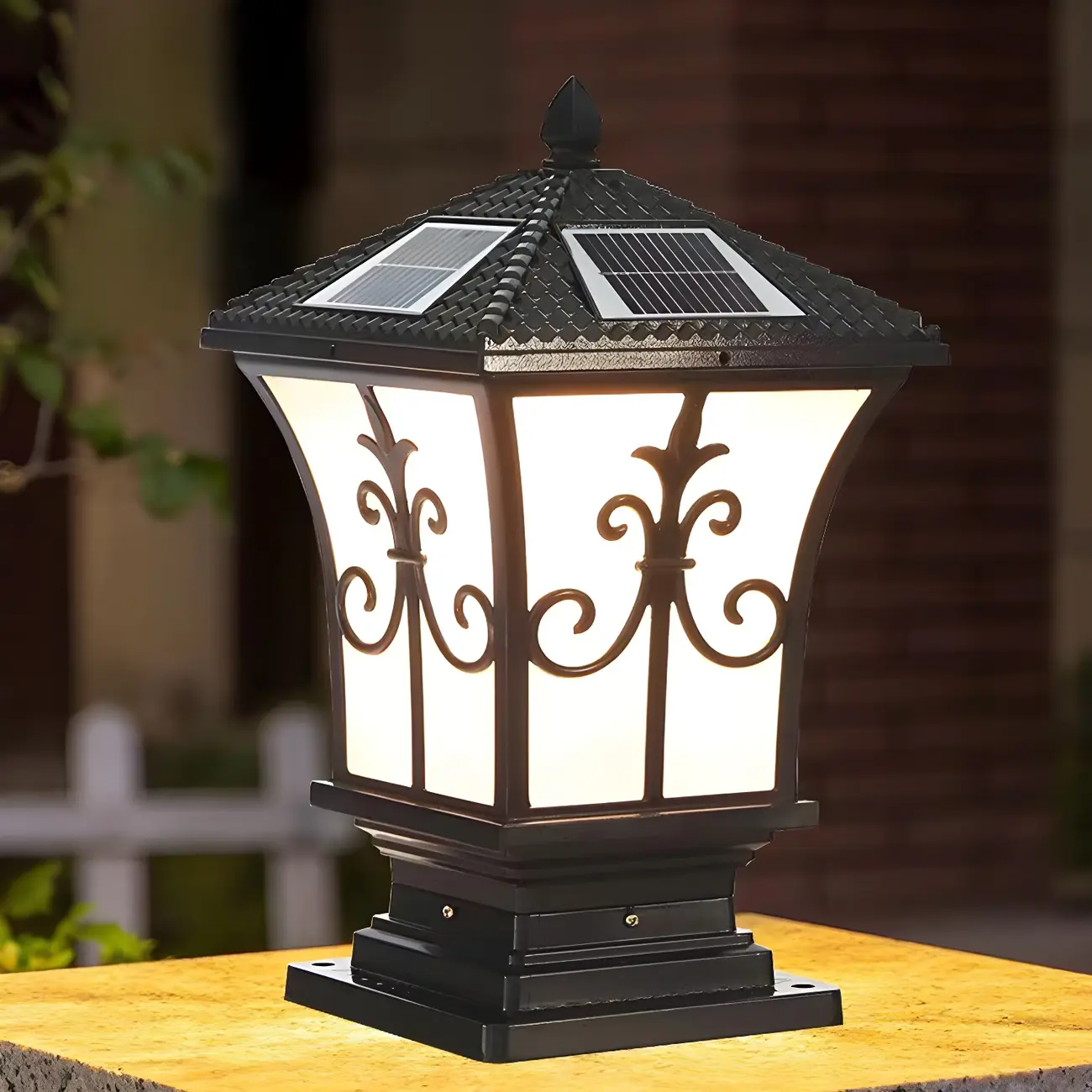
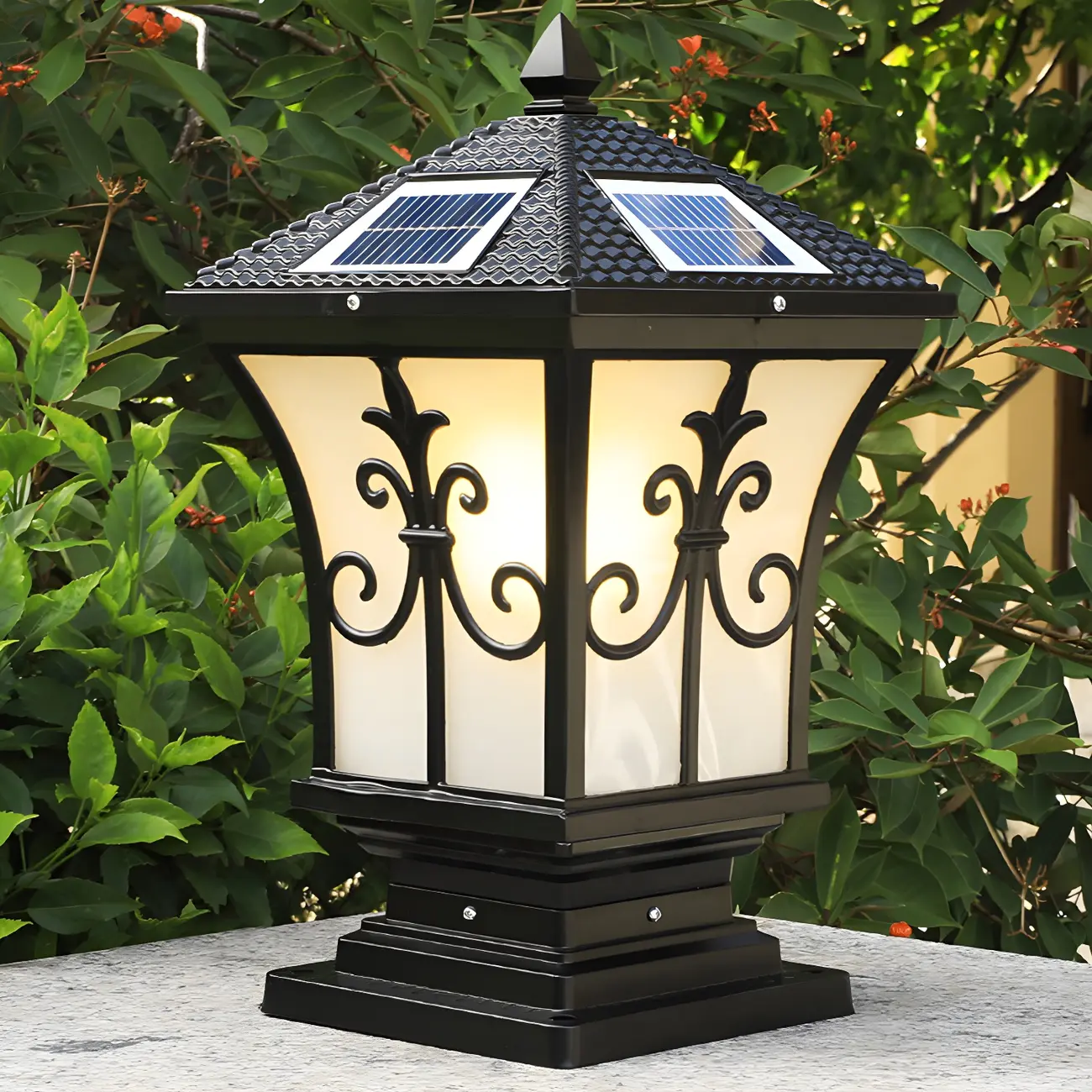
Homeyfad Lights offers smart lighting solutions for modern homes, integrating voice control, automation, and scheduling via Alexa, Google Assistant, or a mobile app. Adjust brightness and color temperature, save energy with motion-activated lights, and enhance outdoor spaces with solar-powered options.
Sustainable choices include long-lasting LED lamps, recycled metal fittings, bamboo, and repurposed wood. Multi-layered lighting combines ambient, task, and accent illumination, making it easy to create the perfect atmosphere.
Choice of Lighting and Conclusion
Finding the perfect room lighting calls for blending practicality and design. In a living room, warm light is soothing; in spaces like kitchens where tasks abound, neutral light is bright enough without being overbearing. While bedrooms need soft, warm lighting for sleep, bathrooms need strong, cold light for tasks and soft lighting for relaxation. Solar-powered outdoor lighting and energy-efficient LEDs from Homeyfad Lights make it simple to create the ideal ambiance wherever.
--5.jpg?w=900&h=506)
--19.jpg?w=900&h=506)
--5.jpg?w=800&h=506)
-.jpg?w=900&h=638)
-.jpg?w=871&h=667)

 Add Us On Google