
(4)-2.png?w=1920&h=650)
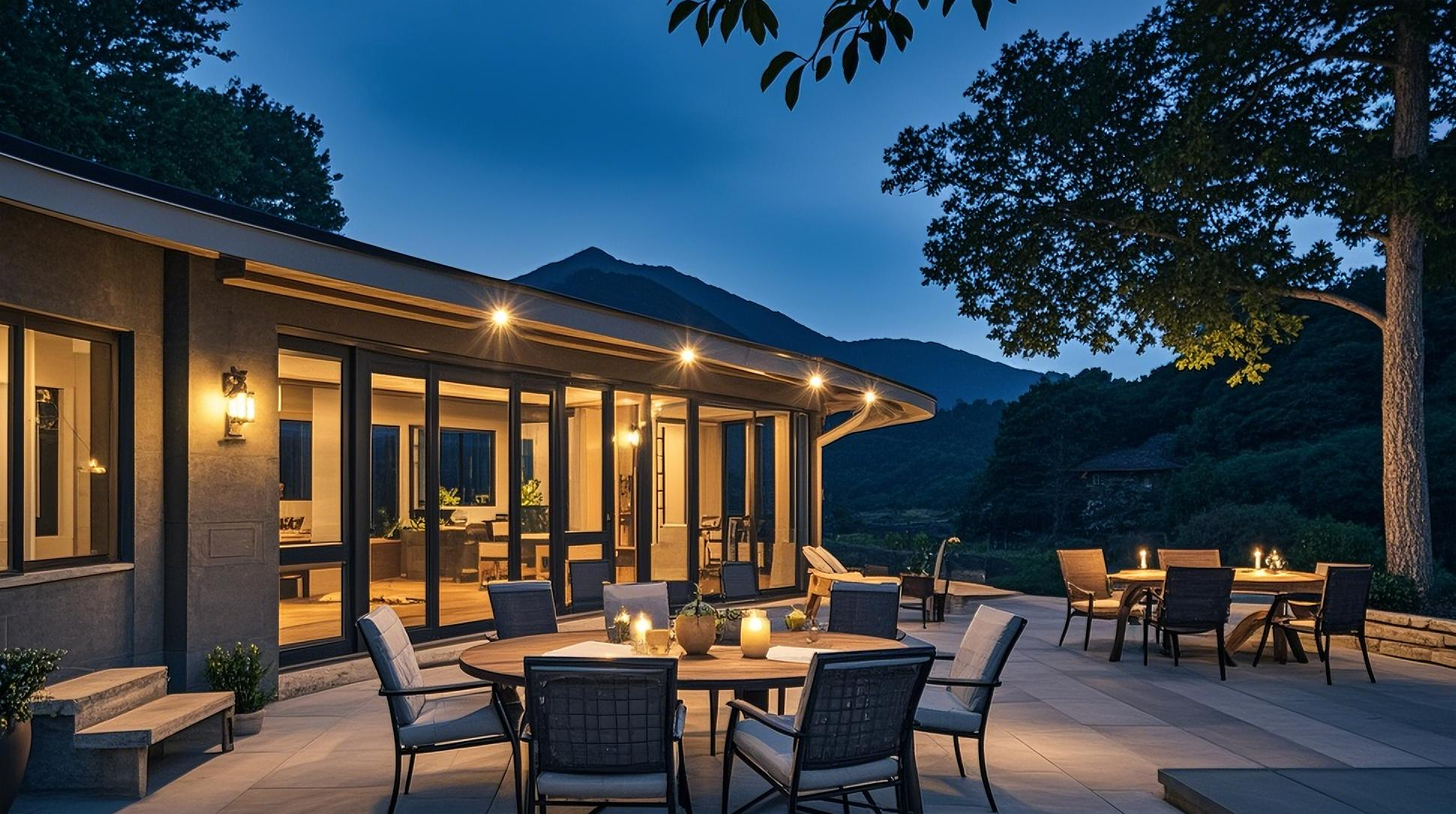
When you come home from a night party, you wouldn't want to see your front door and yard all dark, would you? Beautifully planted plants and trees, elaborate fountains, and so on sneak out of sight at night!
This sounds more or less frustrating!
If your front door is still dark, start planning now to install outdoor lights. Whether it's illuminating your doorway, garden, etc., they have the same air of security and beauty at night, making it impossible for intruders to stay hidden in the dark.
This guide will explore with you the lighting you need for the outdoors, as well as provide seven fixtures to help you create a safe and welcoming outdoor space!
How Many Outdoor Lights Do You Need for Your Home?
This is a commonly encountered dilemma, and there are a variety of factors to consider regarding how many outdoor lights you need. I can't give you a direct and simple number; every home has a different outdoor space and needs different lighting.
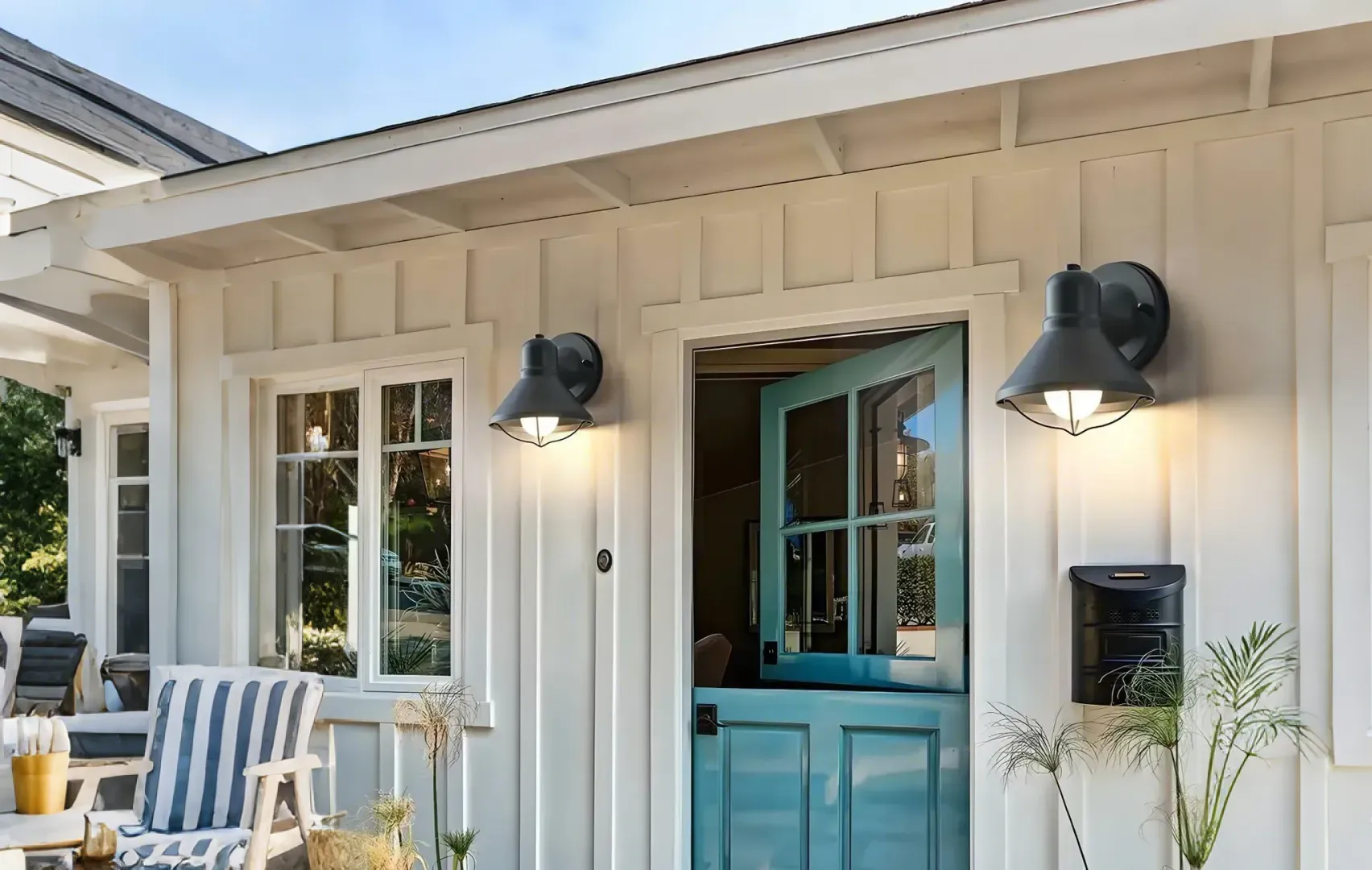
The type of lighting you need needs to be determined based on the size of your space and the purpose of each area. Here are three main types of lighting.
- Security Lighting
Security lighting to ensure the safety of your property and the safe travel of people who are active at night.
Ensuring adequate lighting around gate entrances, driveways, pathways, steps, etc. prevents accidents and reduces the number of dark spots criminals may use to hide. Common types are motion sensor lights, floodlights, path lights, and step lights.
-
Architectural Lighting
Highlights focal points or unique design elements of a home's exterior or building, such as facades, windows, columns, or structural lines.
Proper architectural lighting design can add sophistication and beautify the appearance of a home after nightfall. Common types: wall sconces, uplights, downlights, and accent lights.
-
Landscape Lighting
Landscape lighting can enhance the natural beauty of the outdoor environment and is usually used to illuminate gardens, trees, sculptures, ponds, fountains, and so on.
The garden, courtyard, and other outdoor spaces create a relaxed and warm atmosphere but also help people move through the past without the darkness accidentally stepping on the natural landscape. Common types include garden lights, spotlights, well lights, and path lights.
When you ask yourself how many outdoor lights you need, compare these 3 types of lighting needs to your space to determine what lighting is needed for that location and if you need a light.
When the doorway is too dark, set up a wall sconce or two; with a fountain, set up a few spotlights; with outdoor steps, set up step lights along the steps...
By incorporating these three types of lighting into your outdoor lighting design, you will be able to create an outdoor environment that is practical, beautiful, and safe while improving the safety and aesthetics of your property.
7 Types of Outdoor Lights Your Home Can Use
After considering the three types of outdoor lighting needed, I'm sure you've got a rough idea of what kind of lighting you need for your outdoor area.
But do you know what the best lights are to use for lighting each area? Below, I'll cover seven typical outdoor lights to help you choose the best outdoor lighting fixtures.
1. Outdoor Wall Lights
Best for entrances, porches, and facades.
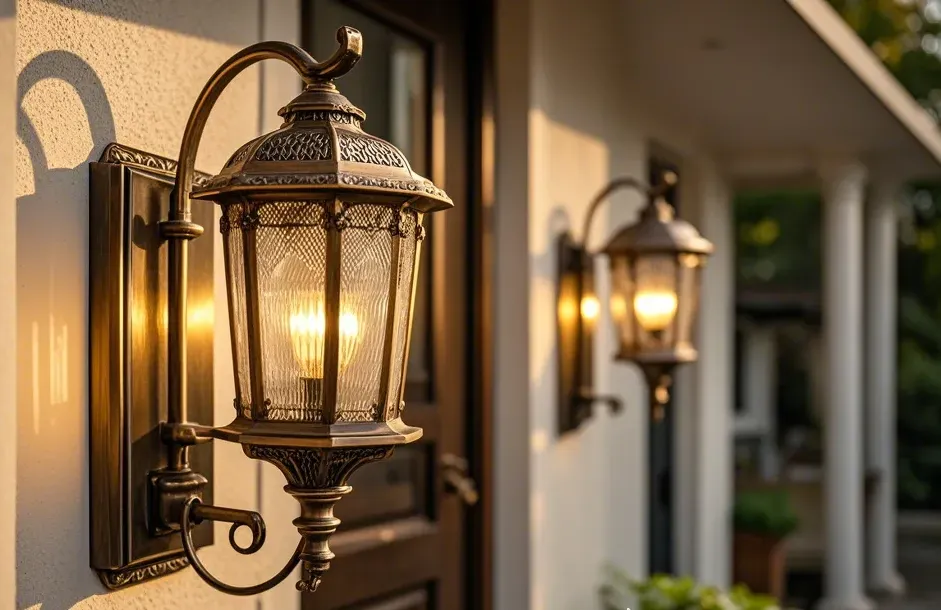
Outdoor wall lights are the most practical outdoor lights and can be used as security lighting to illuminate your doorway or architectural lighting to highlight a particular part of your house.
Wall sconces, available in styles ranging from modern to vintage, provide soft ambient light and are perfect for highlighting an entry point or creating a warm, welcoming atmosphere.
2. Spotlights and Floodlights
Best for security, highlighting features, and large outdoor areas.
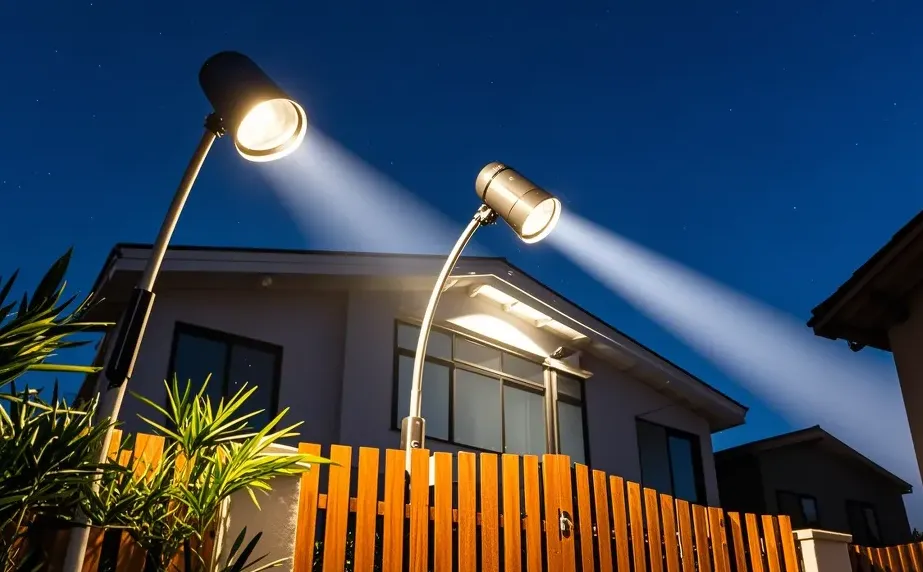
Spotlights and floodlights are similar in use but differ in the width of the beam. They are versatile and ideal for illuminating large areas or specific features, such as part of a house, a gazebo, or an entire garden.
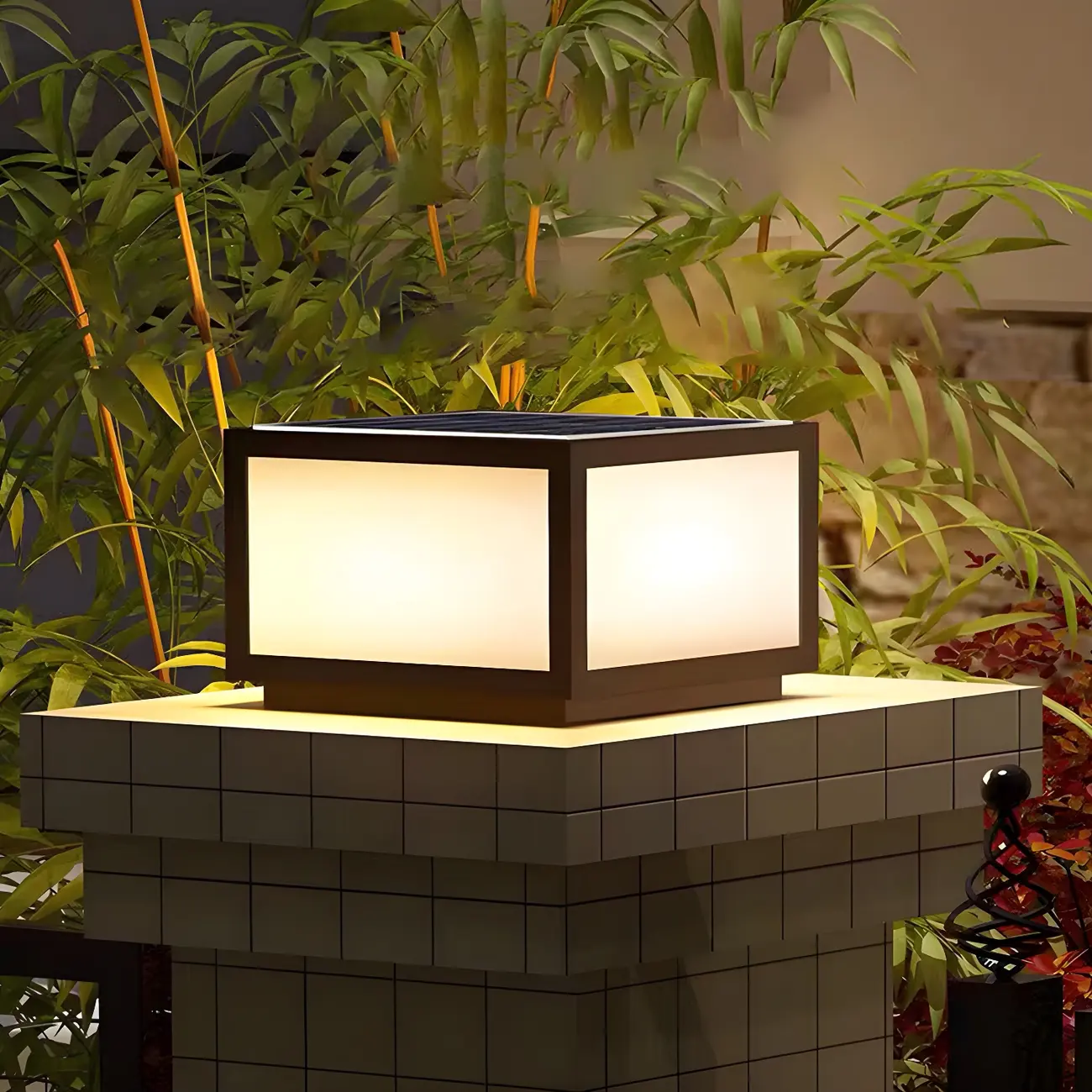
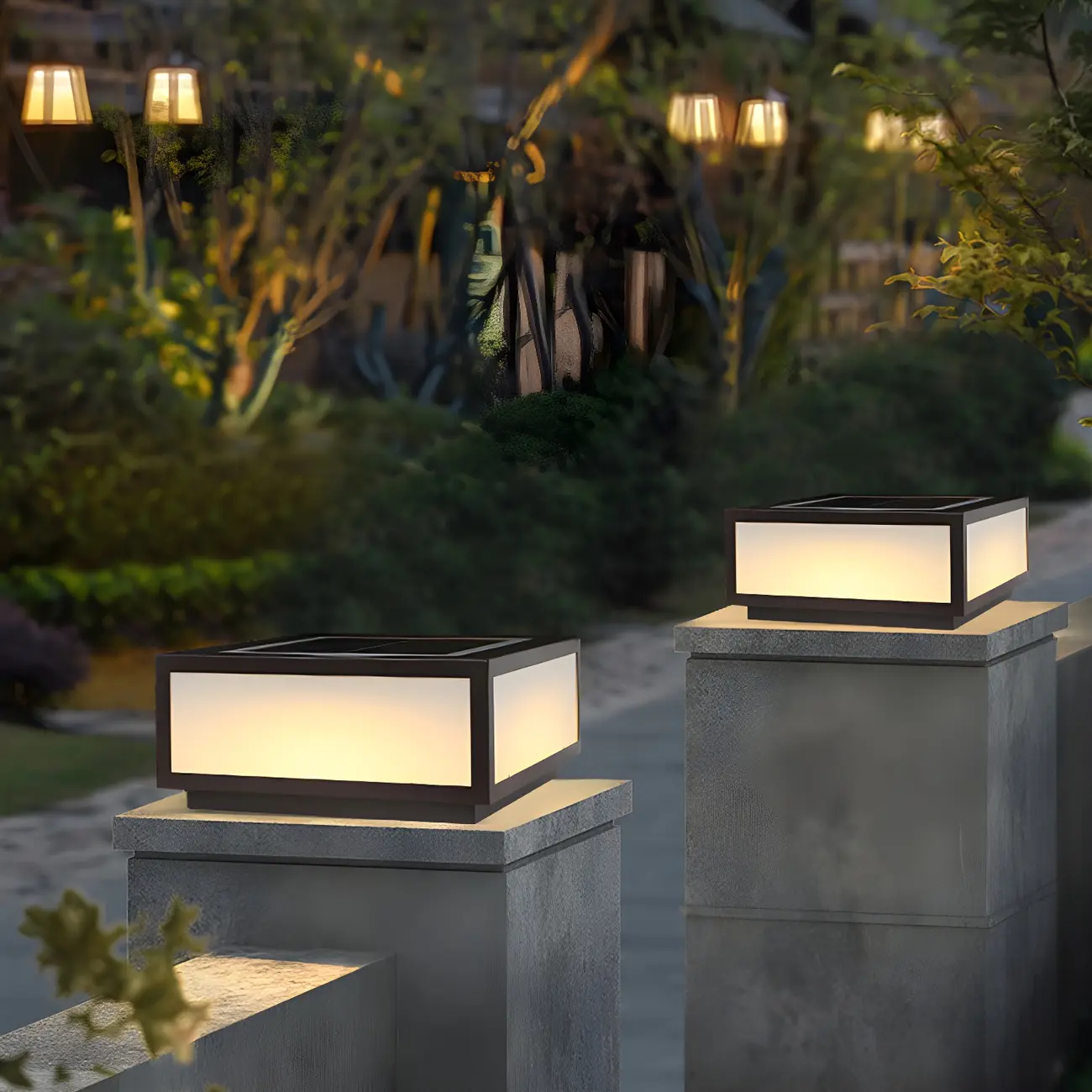
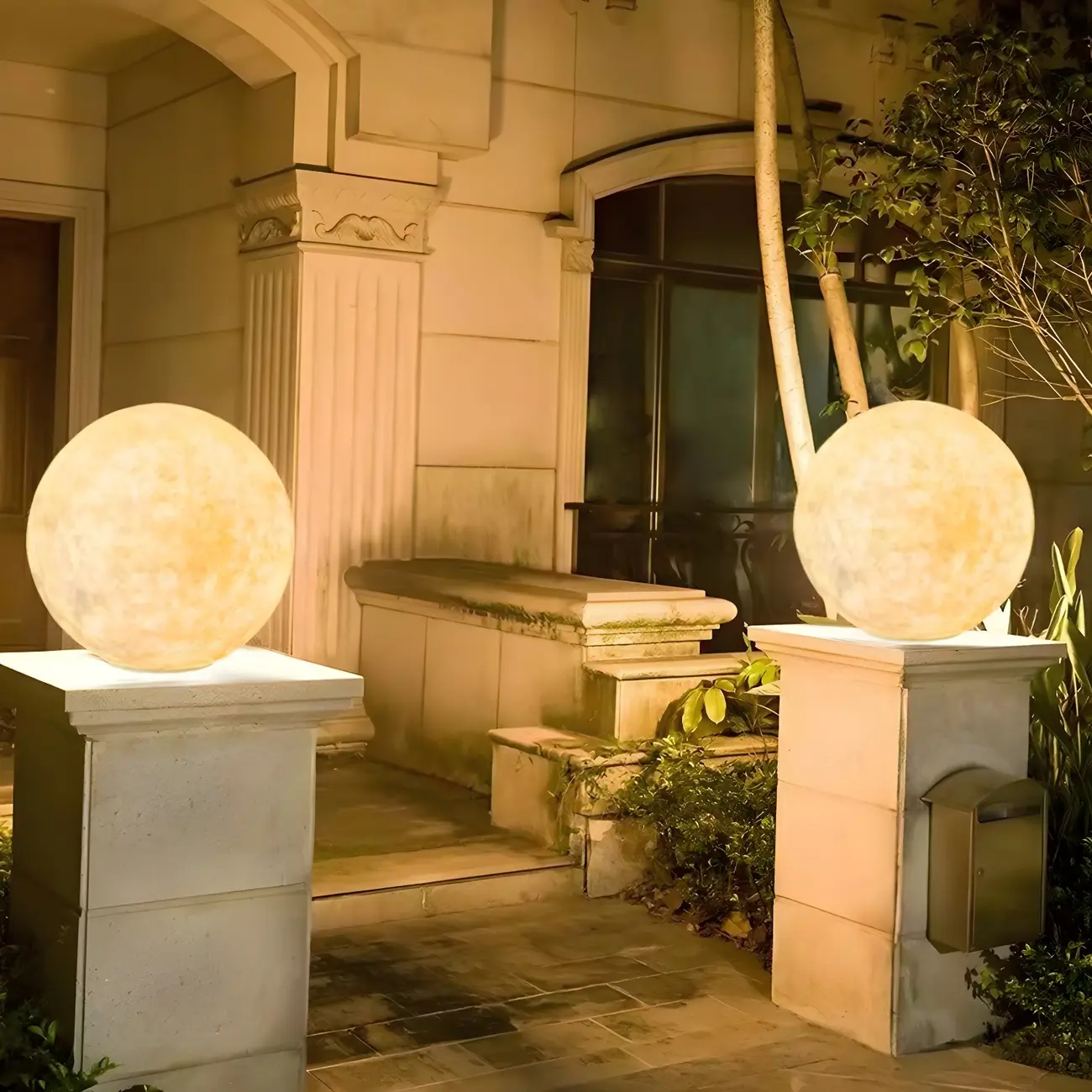
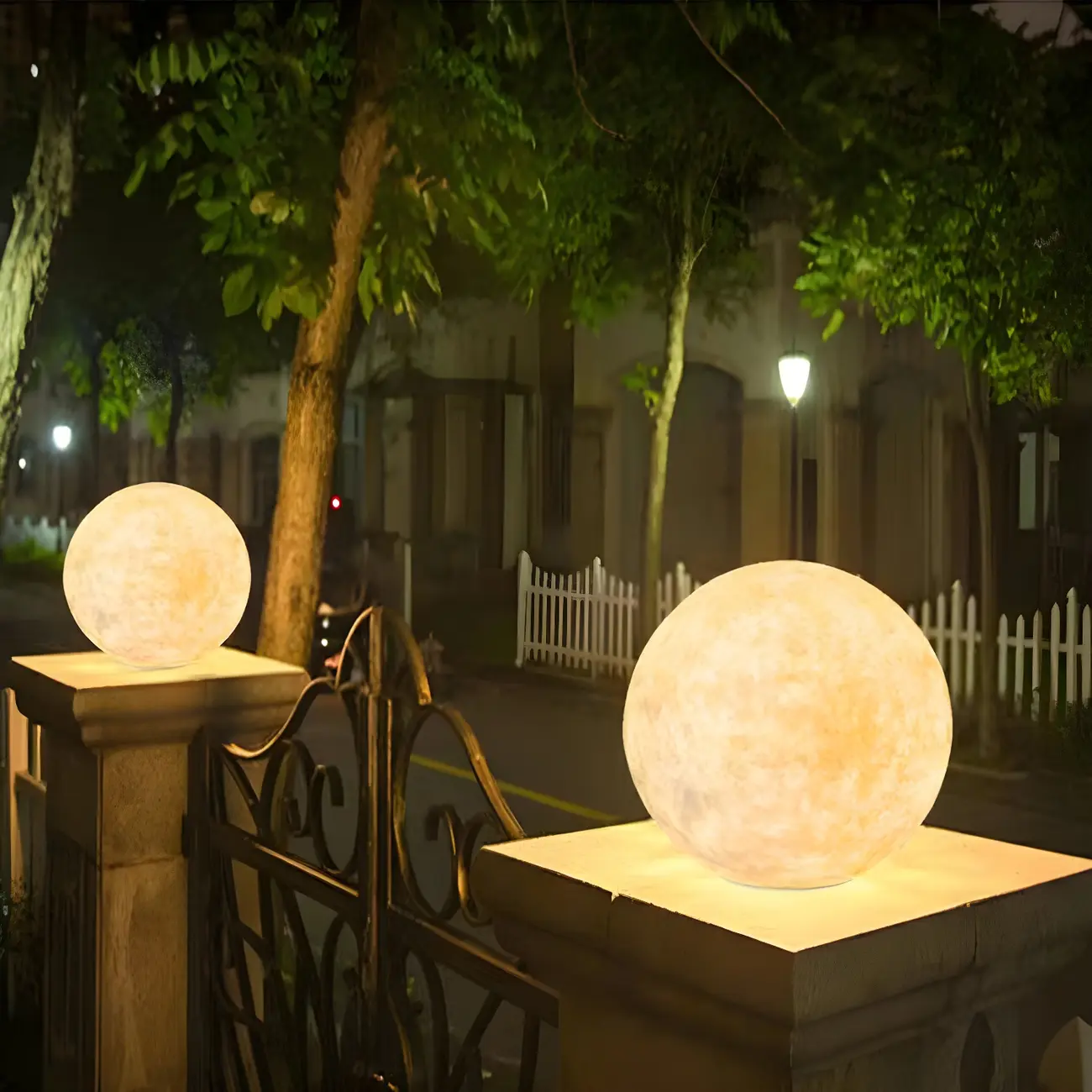
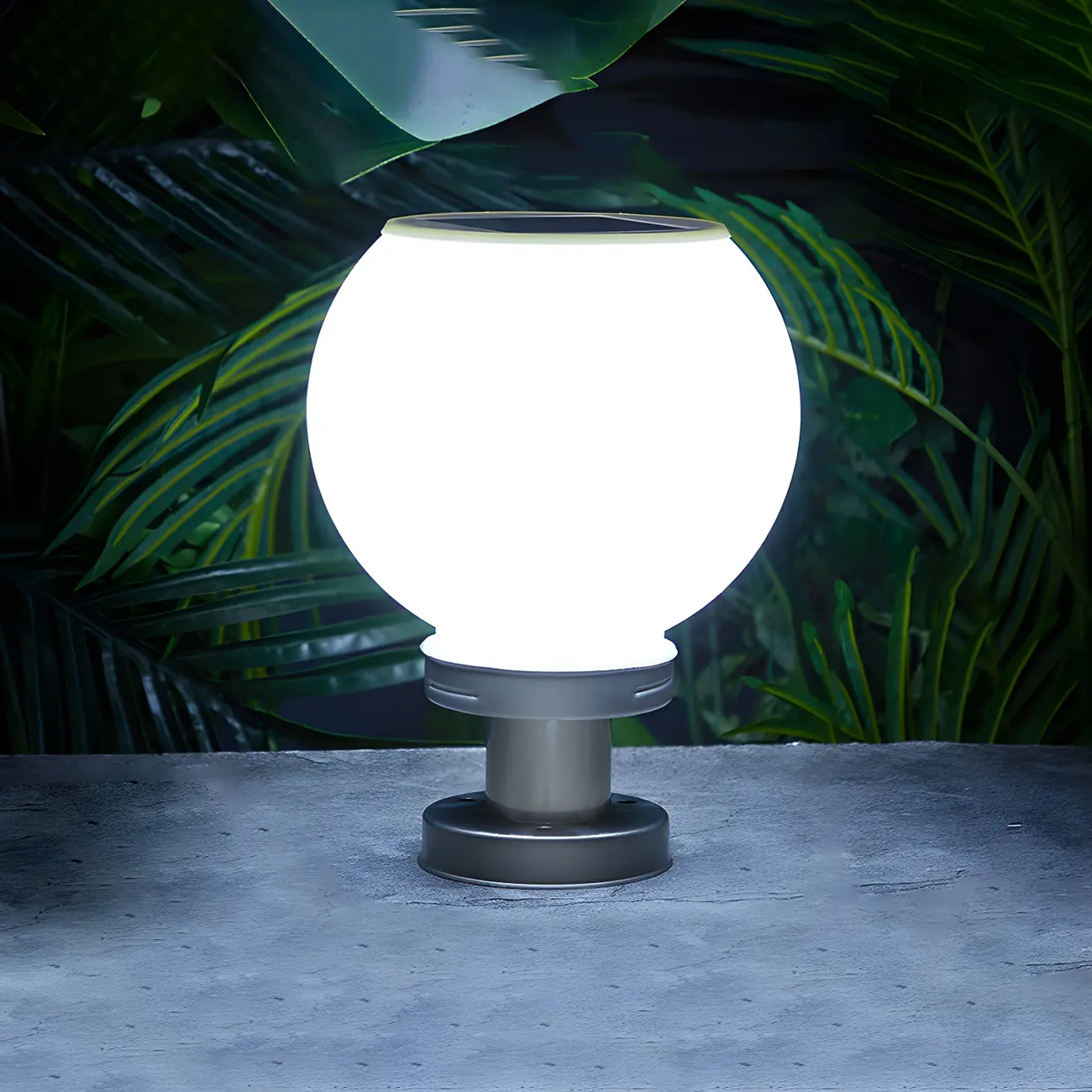
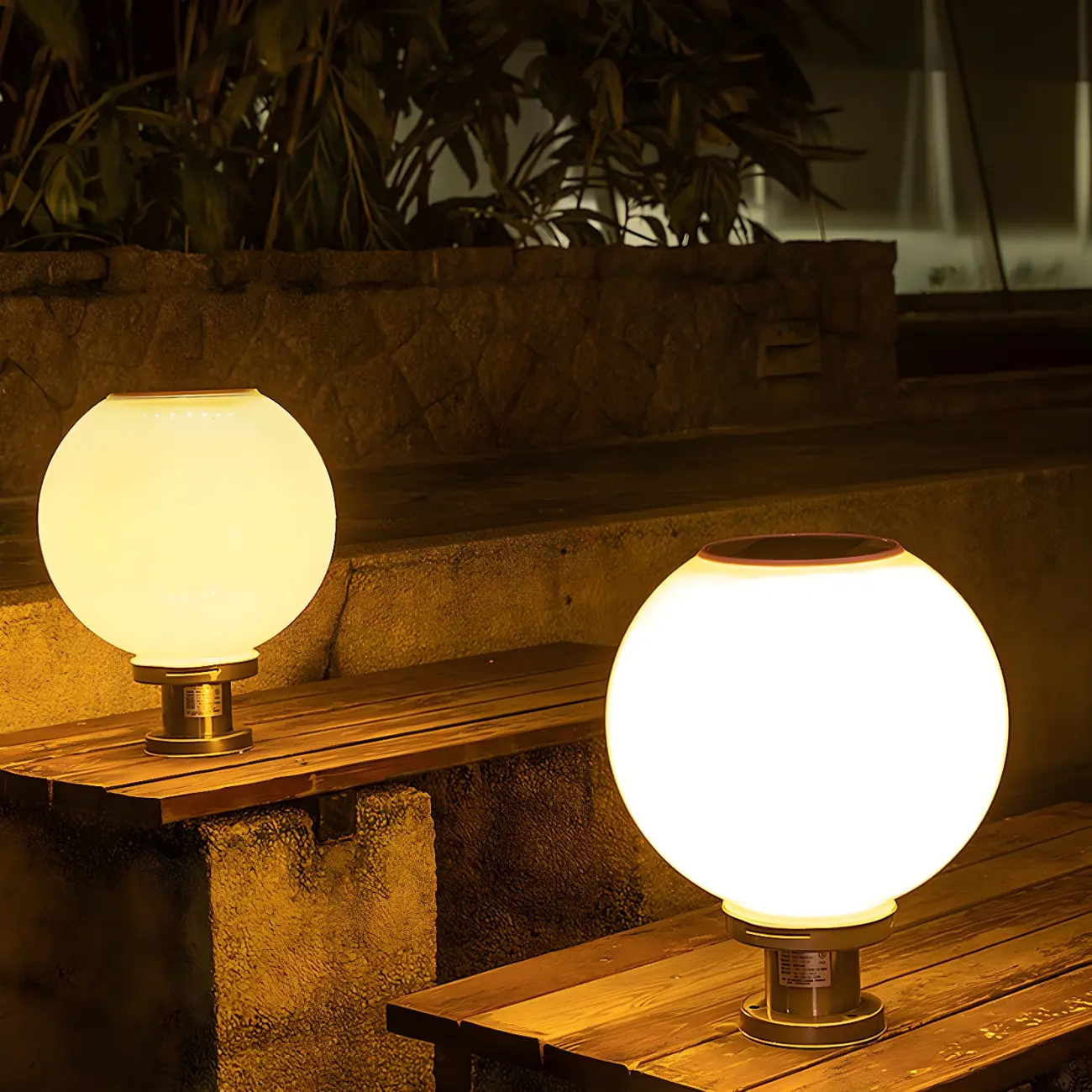
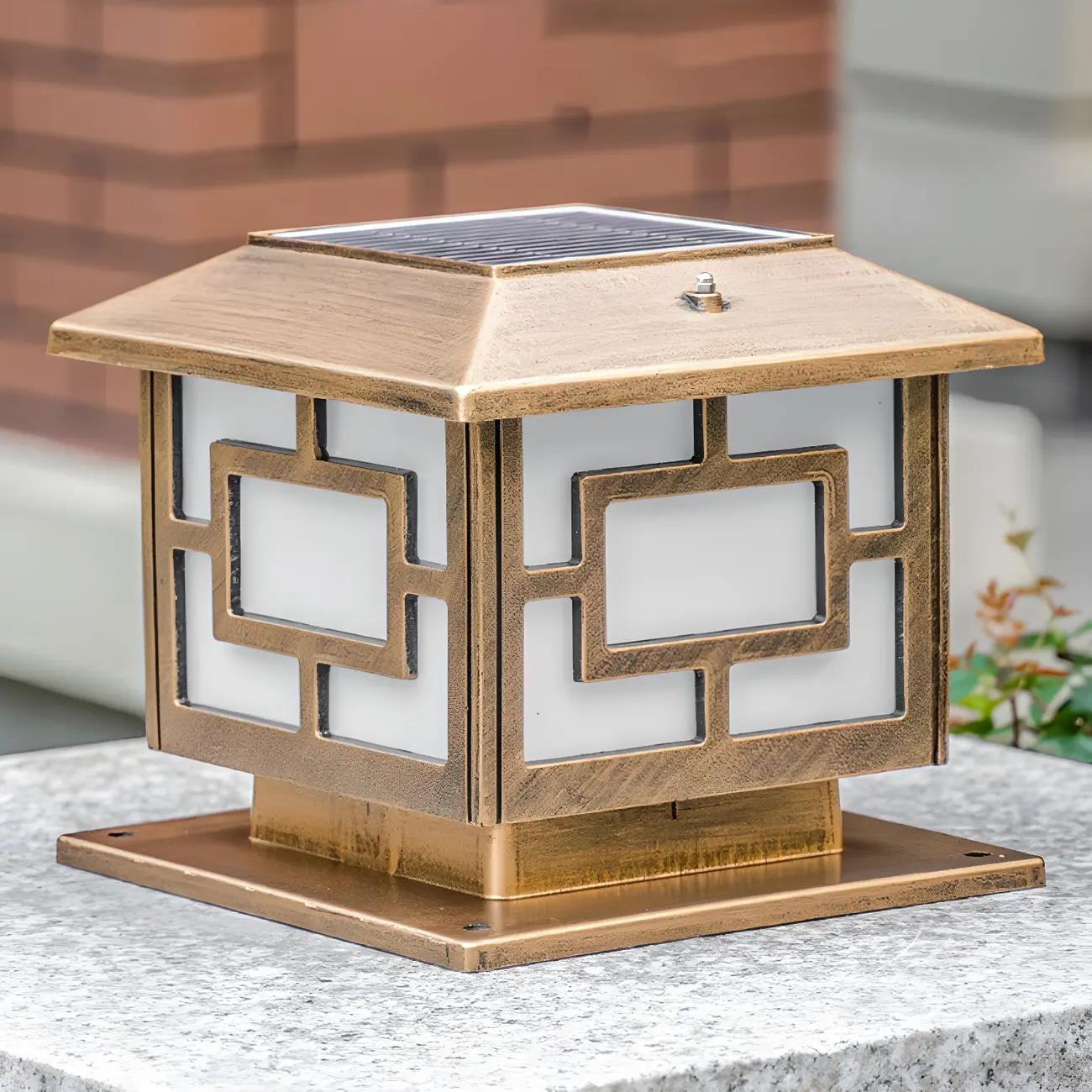
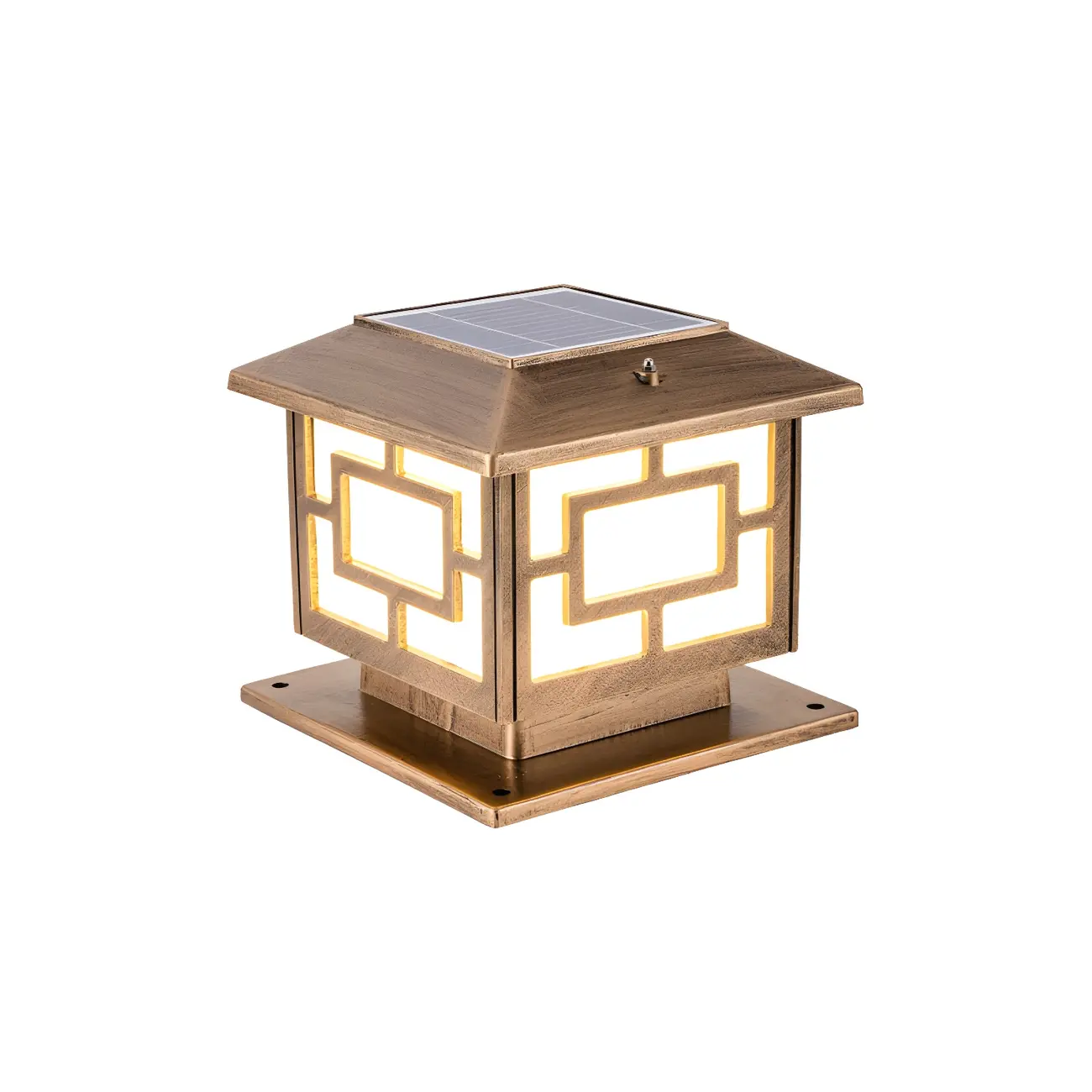
3. Post Lights
Ideal for driveways, paths, and garden borders.
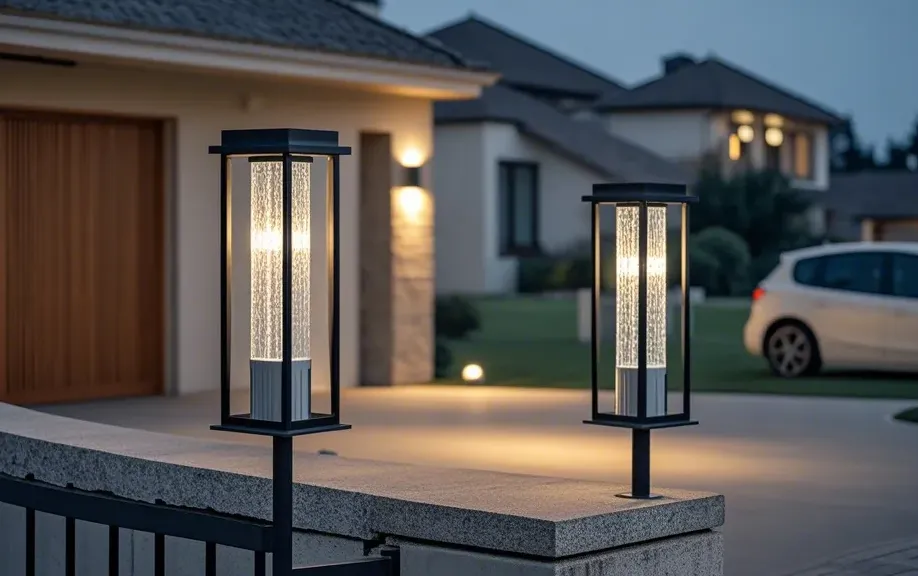
Explore More Outdoor Post Lights
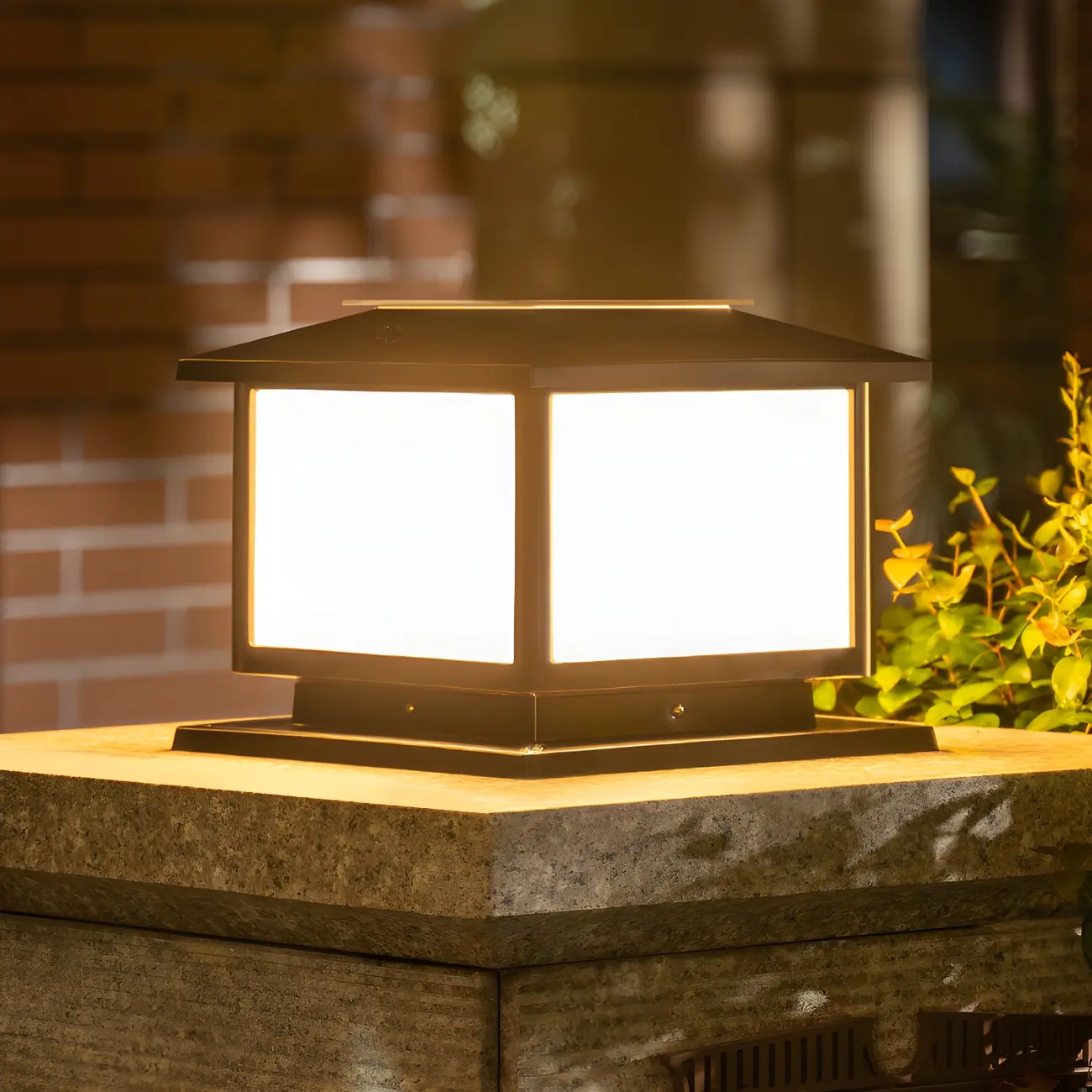
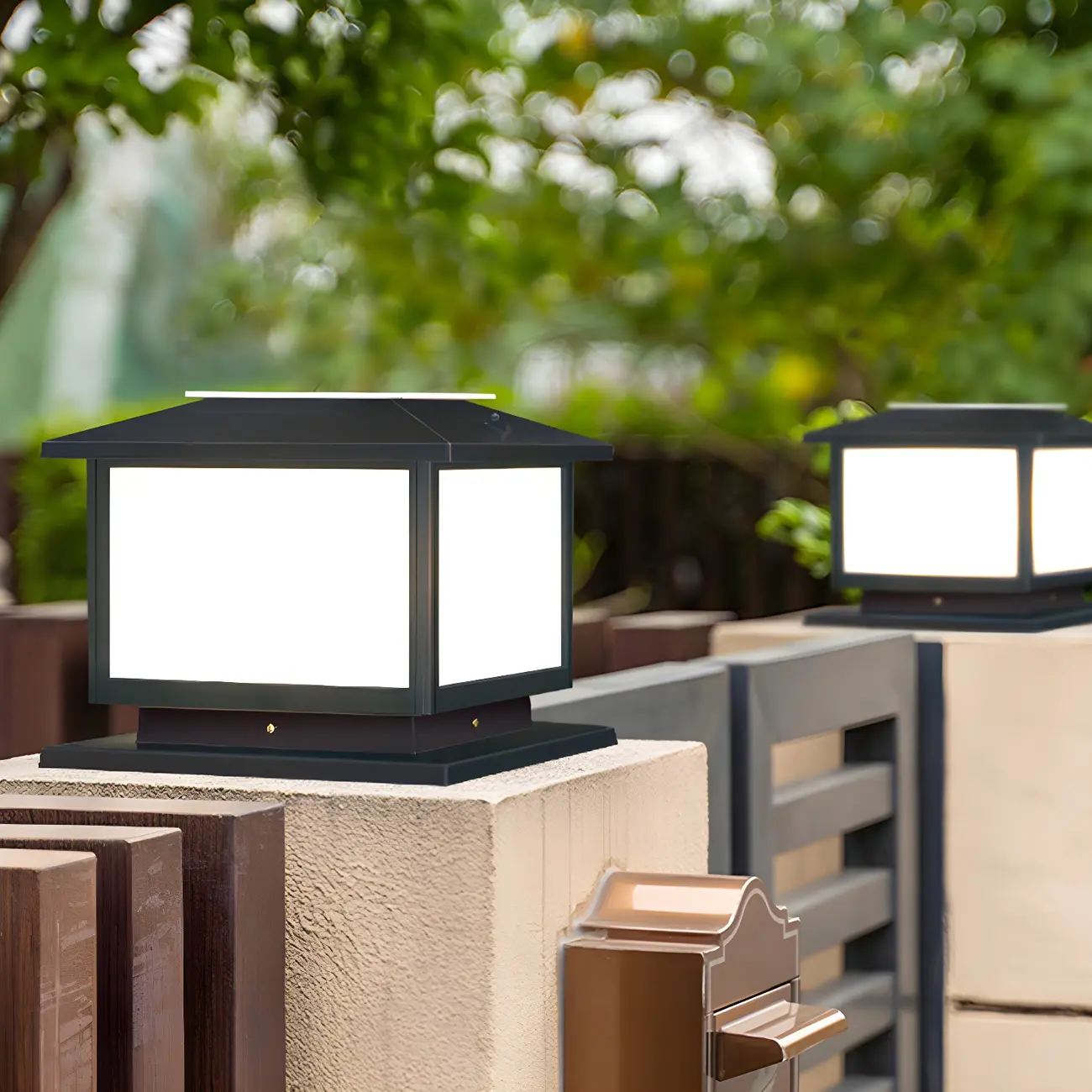
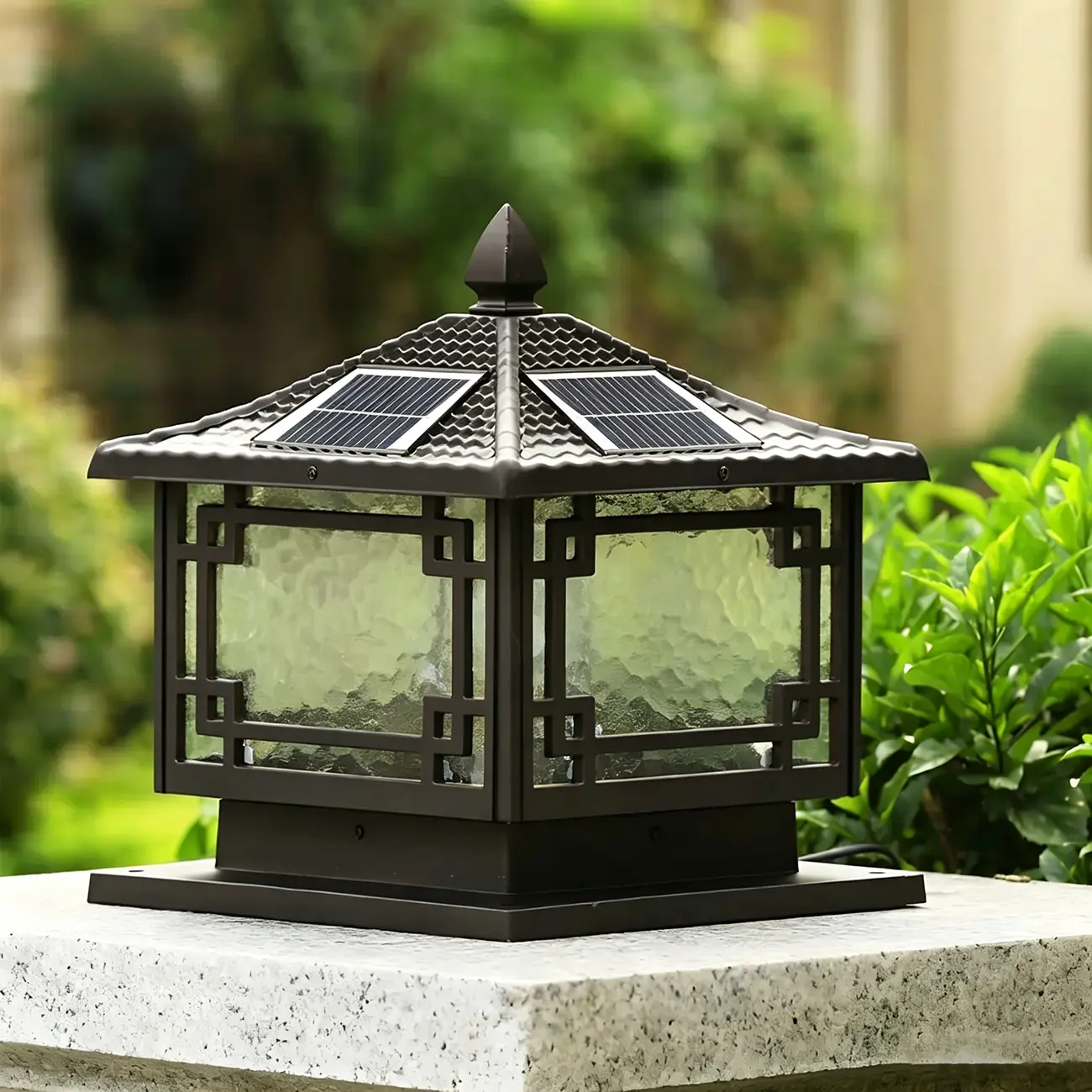
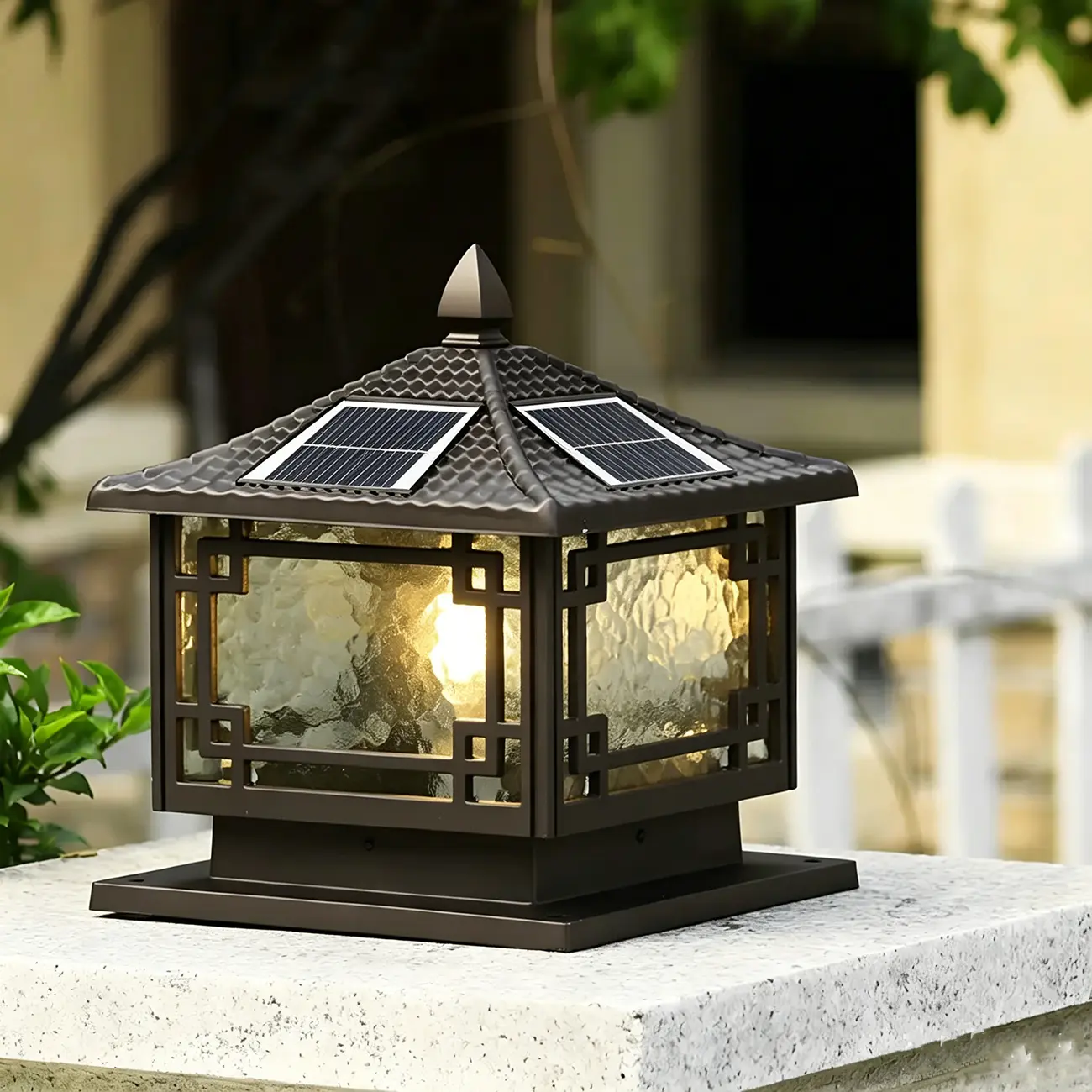
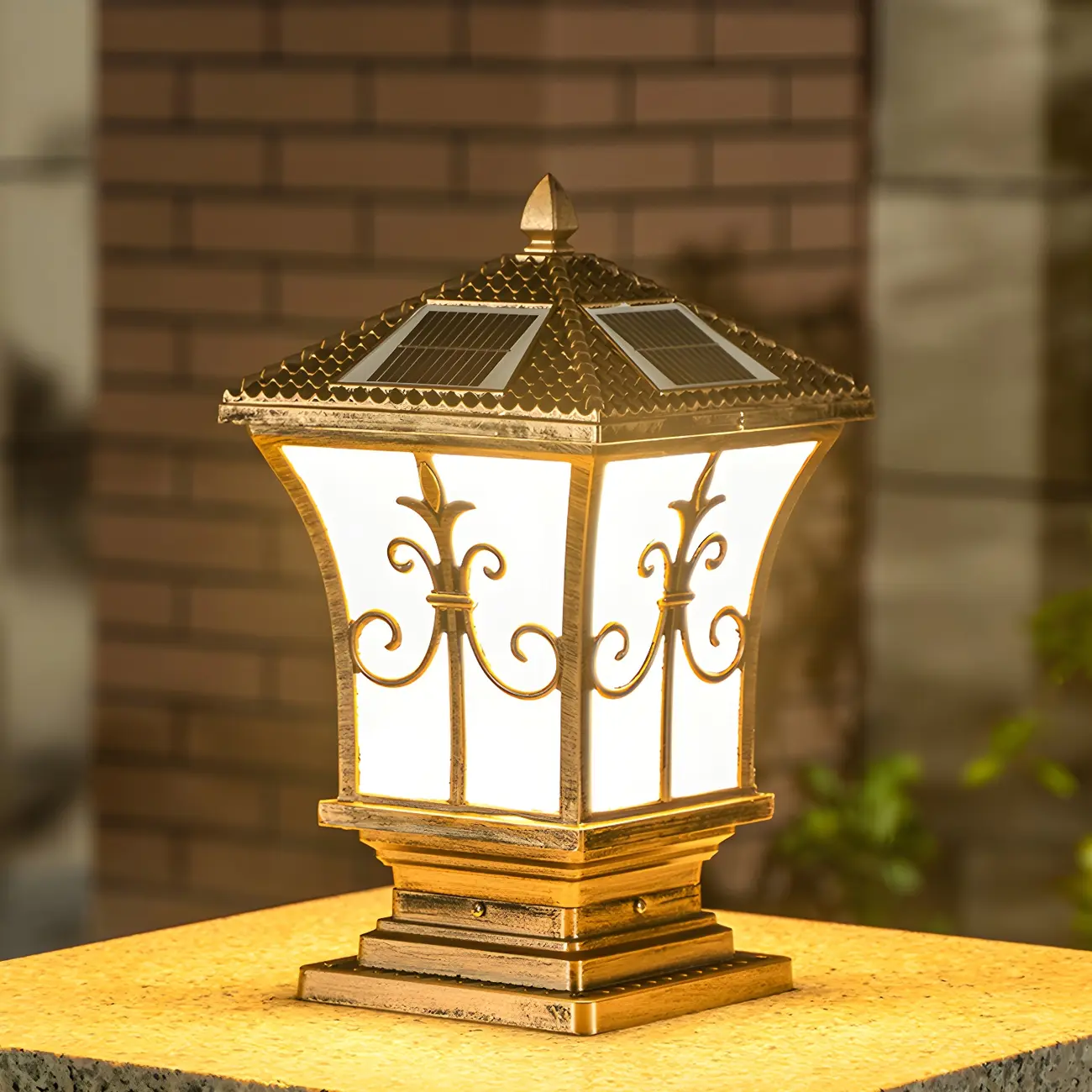
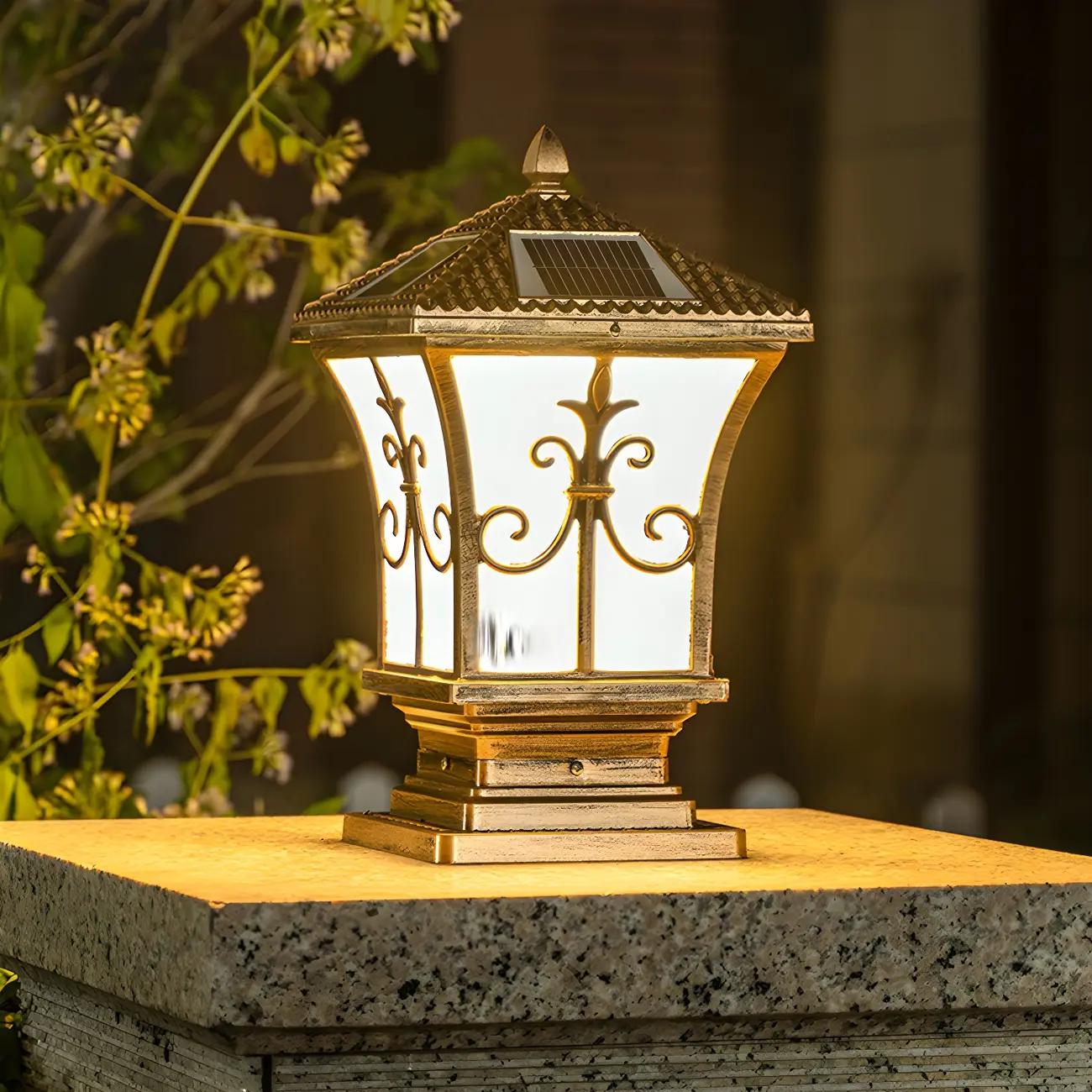
Post lights often provide security and decorative lighting for entrances, driveways, or pathways. They range from traditional lanterns to sleek modern designs, allowing you to match them to the look of your house.
4. Pathway Lights
Best for paths, gardens, and landscaping.
Pathway lights are small, single lights around paths that are designed to illuminate the pavement so that you can see well and easily navigate through your walk at night.
Choose solar-powered pathway lights for low maintenance, which come on automatically at night, and beautiful flowers and plants are visible, helping to create the overall ambiance of your yard.
5. String Lights
Best for patios, pergolas, and outdoor parties.
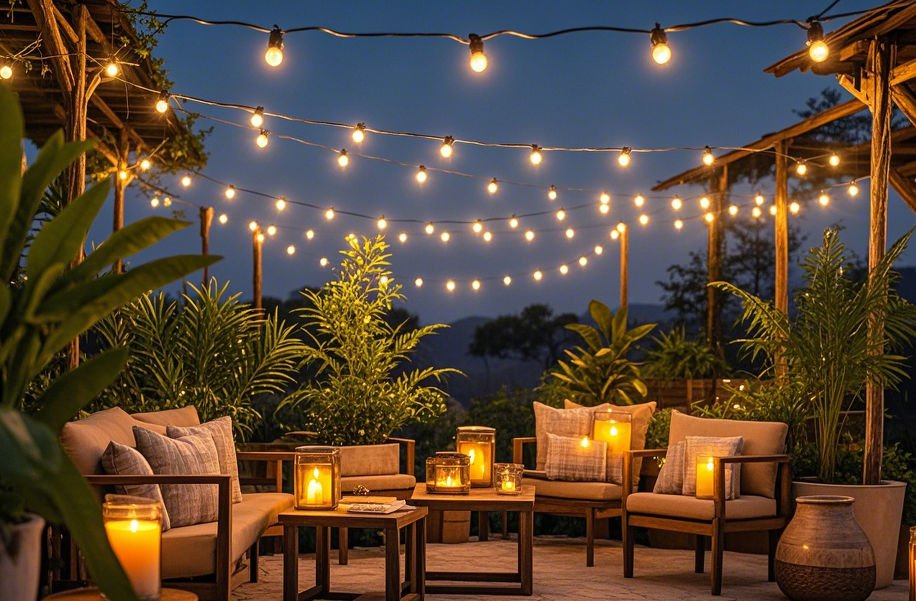
String lights are a popular choice for creating a warm atmosphere, are easy to install, and are perfect for patios, decks, or hanging from trees to add a warm, inviting glow to any evening outdoor gathering.
6. Step Lights
Best for stairs, decks, and steps.
Fumbling up steps in the dark can be an unsafe thing to do. Use step lights to ensure your safety. Step lights are an important safety feature that can be installed directly on or along steps to prevent trips and falls in the dark.
Step lights also act as decorative lighting, perfect for creating a cozy atmosphere around your stairs or patio.
7. Recessed Floor Lamps
Best for Well covers, flowerbeds, fountains, ponds, etc.
Recessed ground lights or buried lights can be used as security lighting or landscape lighting.
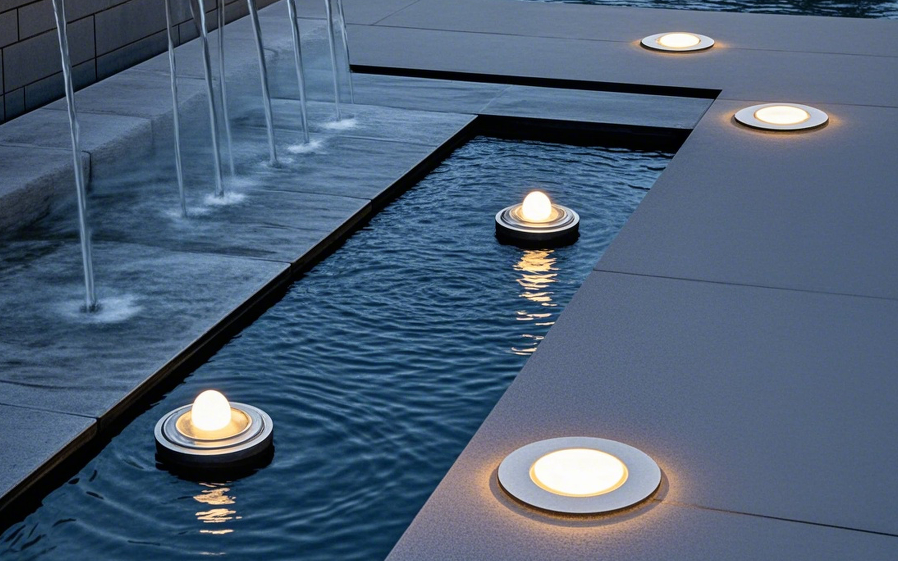
Flush with the ground, it is perfect for places where surface-mounted lights are not ideal, such as narrow paths or places with high foot traffic.
For example, install them where there is a manhole cover as a reminder to people crossing the road to avoid accidental drops. They can also be placed under pond water, fountains, and around water features and illuminated at night to add a sense of ambiance.
These seven are the most basic and common outdoor light fixtures, but they also work the best. You've learned what lights you need for every part of your outdoor space and can start picking out your perfect outdoor lights!
Conclusion
Ready to transform your outdoor space with the perfect lighting?
Achieve a balance of function, safety, and aesthetics by defining your lighting needs and choosing the right amount of outdoor lighting for your home.
Choose the right outdoor lighting fixtures to make a difference in your outdoor space. Homeyfad has plenty of cost-effective fixtures for your everyday choices!
If you have any more questions or ideas, feel free to leave them in the comments section!
FAQs
Q: What is the rule of thumb for outdoor lighting?
A: Following some rules of thumb for outdoor lighting will help you quickly understand how to choose outdoor lighting fixtures.
-
Function Priority: Ensure sufficient safety lighting in key areas (such as doorways, steps, and paths) to prevent tripping.
-
Layered Lighting: Combine ambient light (overall illumination), task light (illuminating specific areas), and accent light (enhancing the landscape) to create a sense of depth.
-
Avoid Light Pollution: Use shades to direct light downwards, avoiding direct sunlight on the sky or neighboring properties to reduce glare.
-
Suitable Color Temperature: Generally, choose warm white light (2700K-3000K) for a more welcoming and natural feel; cool white light is suitable for areas requiring vigilance.
Q: What kind of outdoor lighting is suitable for outdoor pavilions?
A: Outdoor pavilions are best suited to have outdoor pendant lights or ceiling lights installed in the center of the roof; additionally, outdoor wall lights can be installed on the pillars or under the eaves to supplement the lighting and create ambiance.
Q: How far apart should path lights be?
A: The standard spacing for path lights is typically 2.5 to 3 times the height of the light fixture. For example, for a 40-inch-high light pole, a reasonable spacing would be approximately 100 to 120 inches. This is a general rule for ensuring continuous lighting and avoiding uneven lighting.
--5.jpg?w=1600&h=900)
--27.jpg?w=1600&h=900)
-.jpg?w=800&h=543)
-.jpg?w=800&h=542)
-1944x-.jpg?w=727&h=450)
.png?w=2160&h=1215)

 Add Us On Google