
(1).png?w=1920&h=650)

No doubt choosing a floor lamp for your living room feels trickier than it should. You're not redesigning the whole space. You want a decent lamp that lights up the right spot and doesn't look completely out of place next to the sofa.
But then you start looking, and suddenly you're buried in terms like "torchiere" and "swing-arm," wondering if you missed a class somewhere. You didn't. Those words just describe where the light goes and how the lamp stands up.
Let's discuss some key points so you know how to choose a floor lamp for your living room.
1. Choose the Right Size & Height Floor Lamp
Most floor lamps stand between 58 and 65 inches tall. That range works beside a standard sofa because the bottom of the shade lands near eye level when you're seated.
Measure from your seat to your eyes first. If your ceilings run higher than nine feet, you can push toward seventy inches without the lamp feeling squat. Low ceilings under eight feet call for something closer to fifty-four inches. 、
Also, check the base width. A tight corner can't handle a tripod that eats up two feet of floor space. Read more details: How Tall Should A Floor Lamp Be? Height Guide for Every Use
2. Pick the Right Style
Let the room style tell you what kind of lamp belongs there.
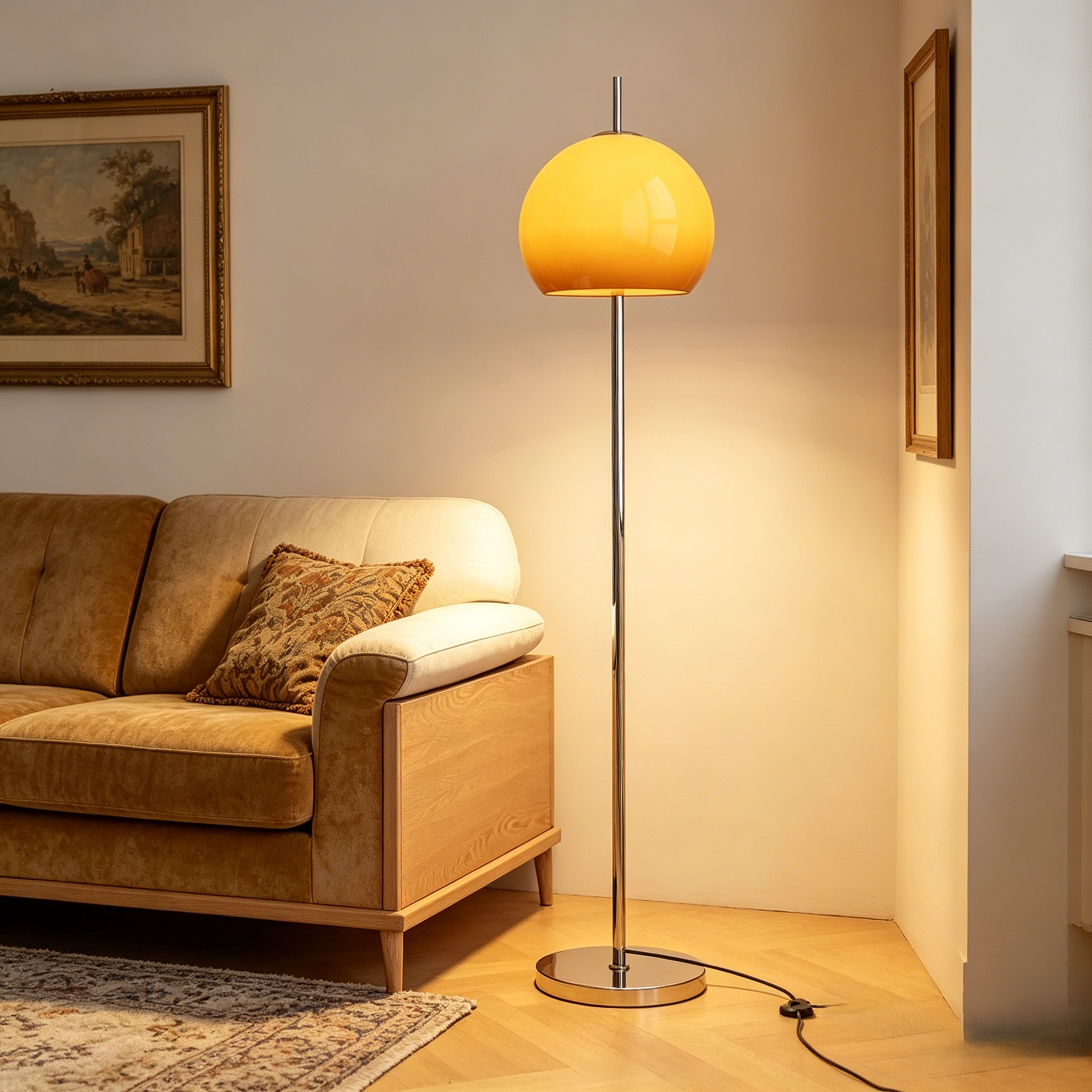
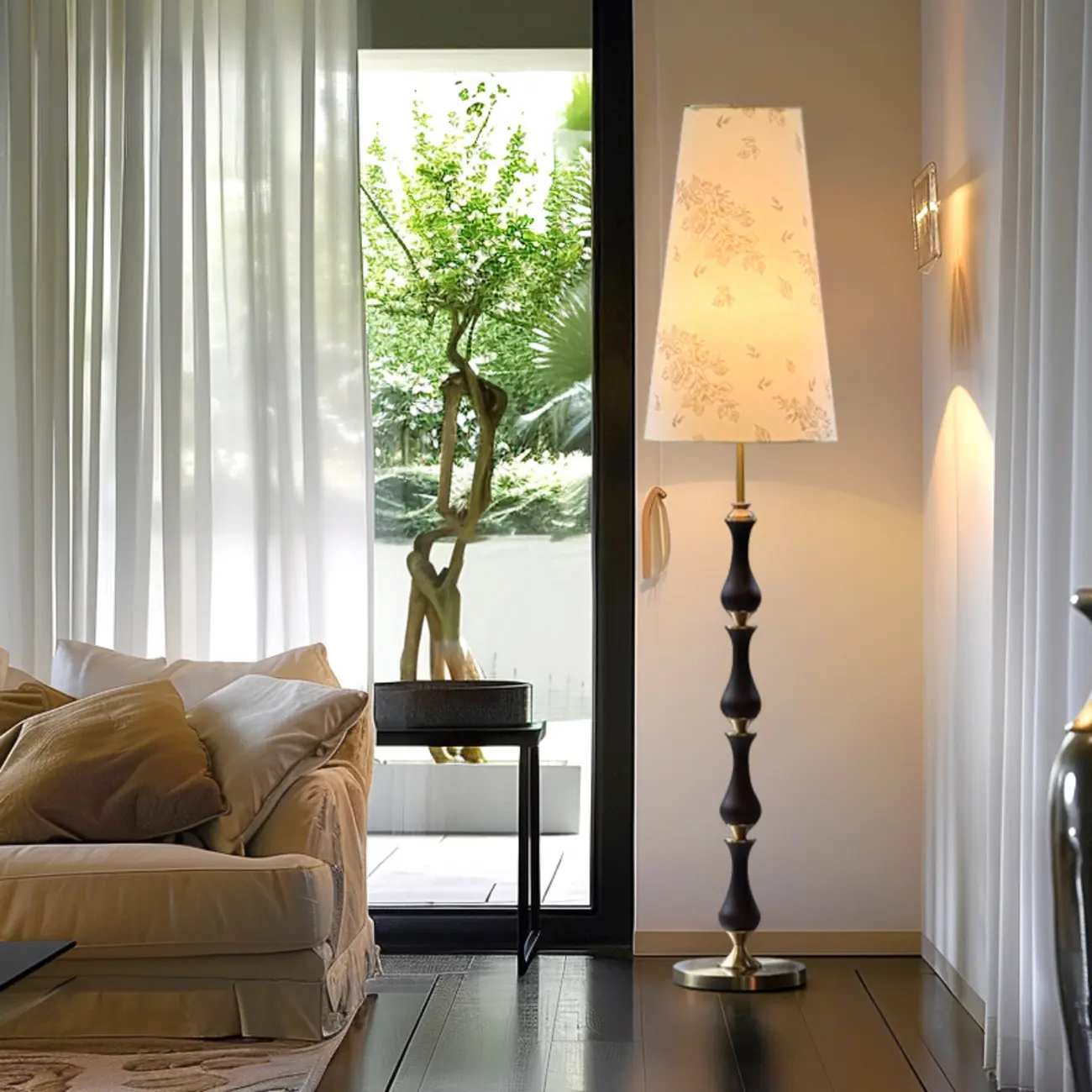
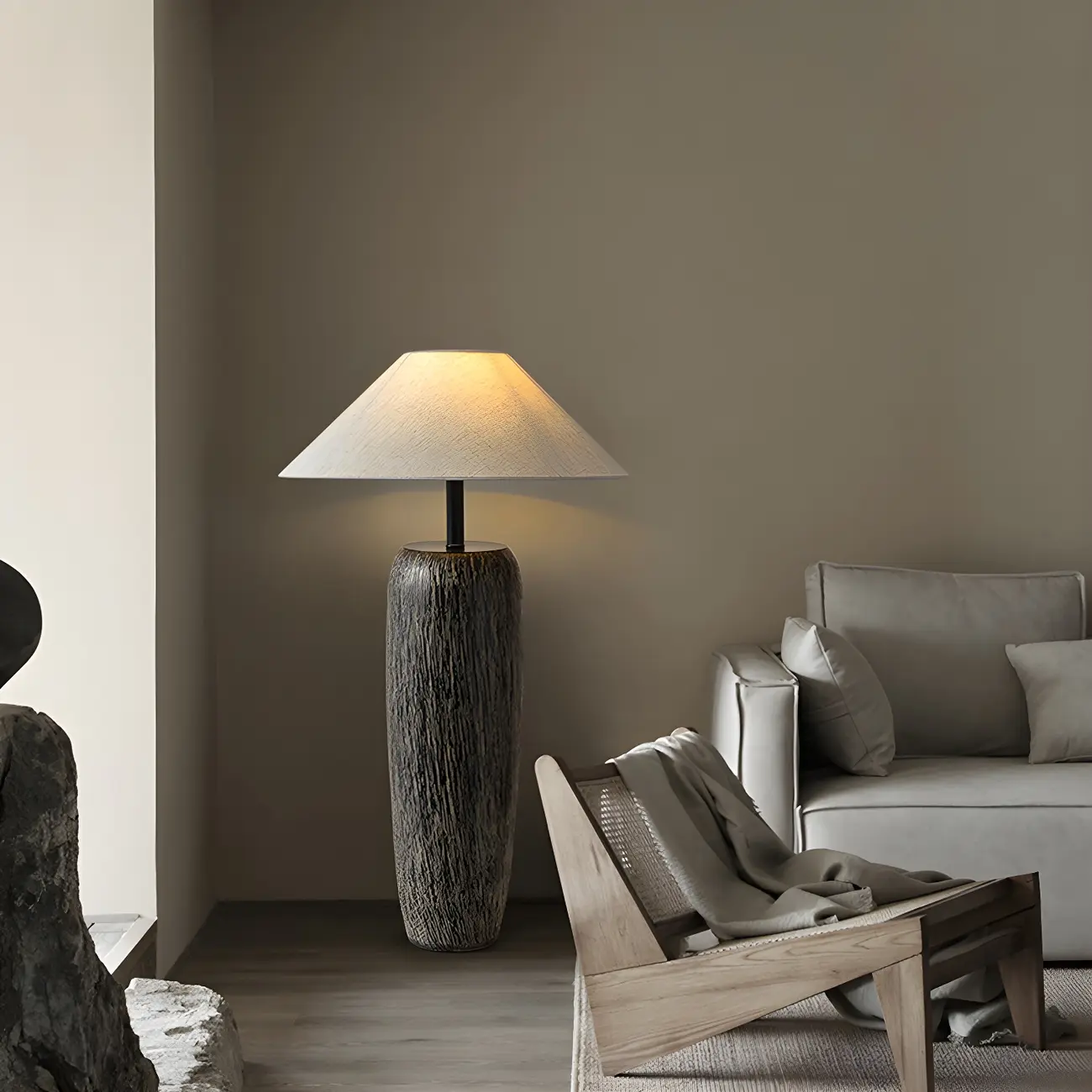
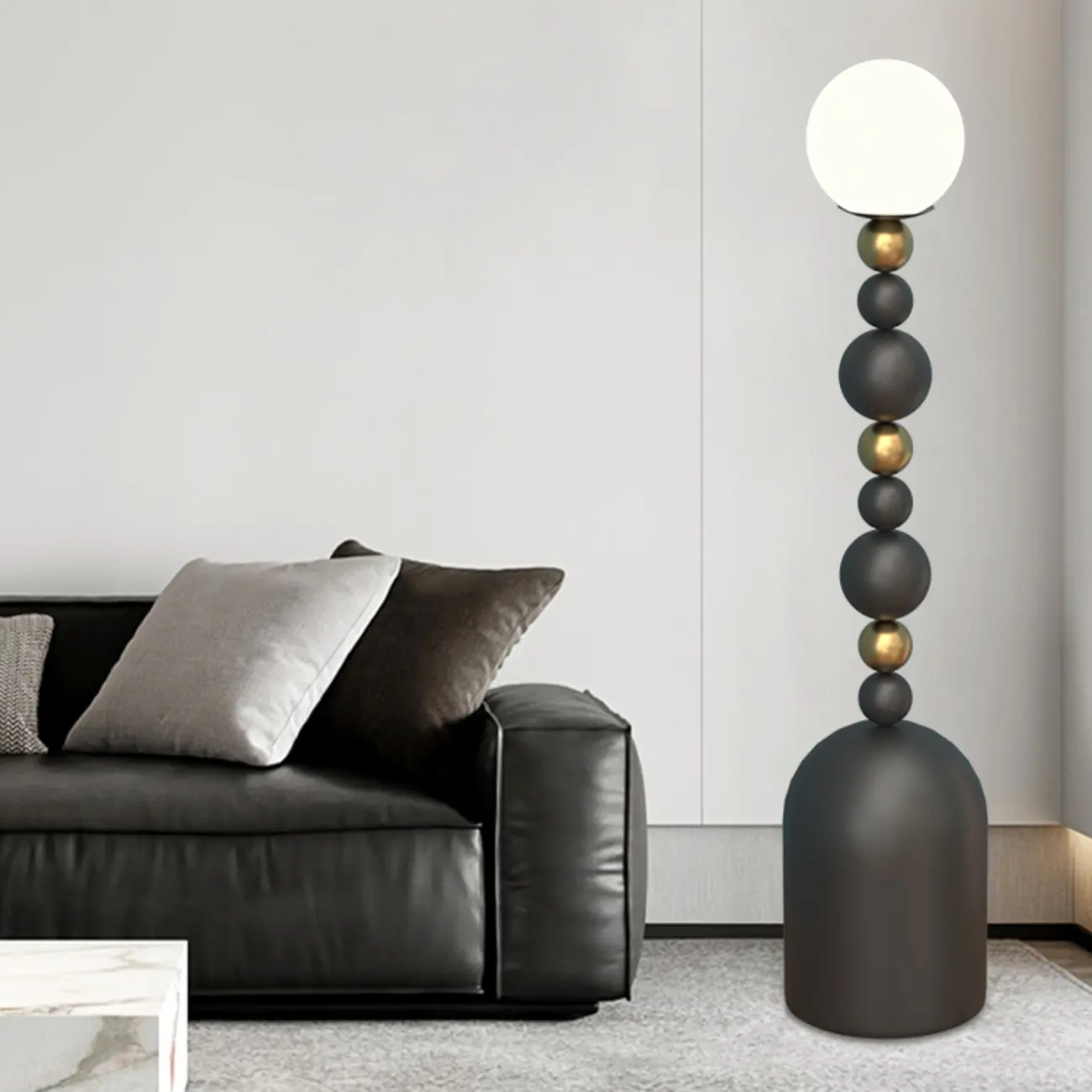
Choose Floor Lamps for the Living Room
-
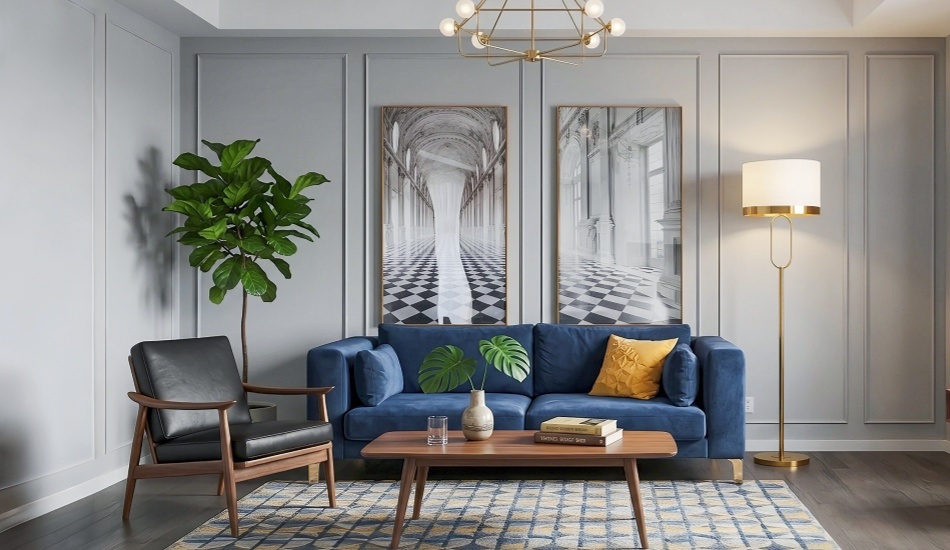
Modern Floor Lamp: Think clean lines and simple shapes. Black metal, brushed nickel, and drum shades that don't try too hard.
-
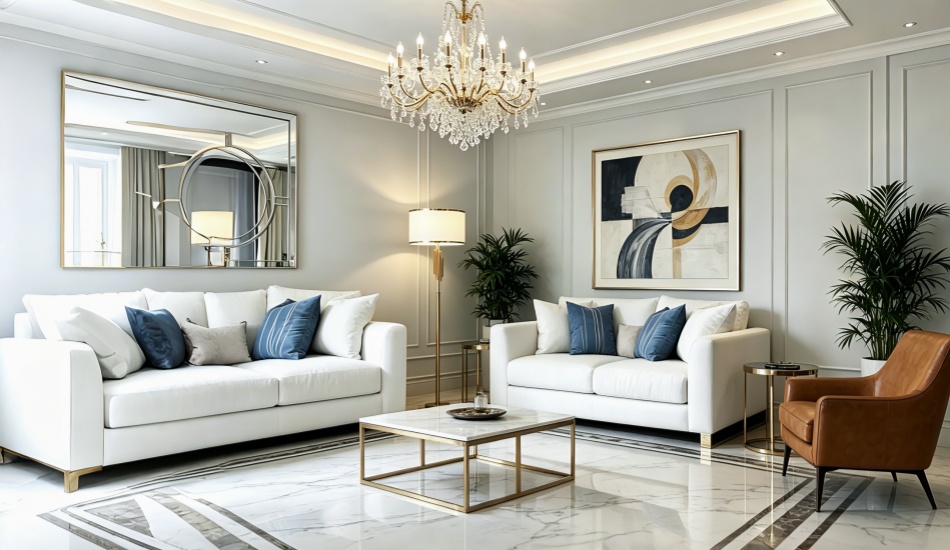
Traditional Floor Lamp: Brass tones warm things up. Turned wood legs, bell shades, and a little more detail in the finish.
-
Industrial Floor Lamp: Exposed bulbs and raw edges. Dark iron, cage shades, and hardware you can see.
-
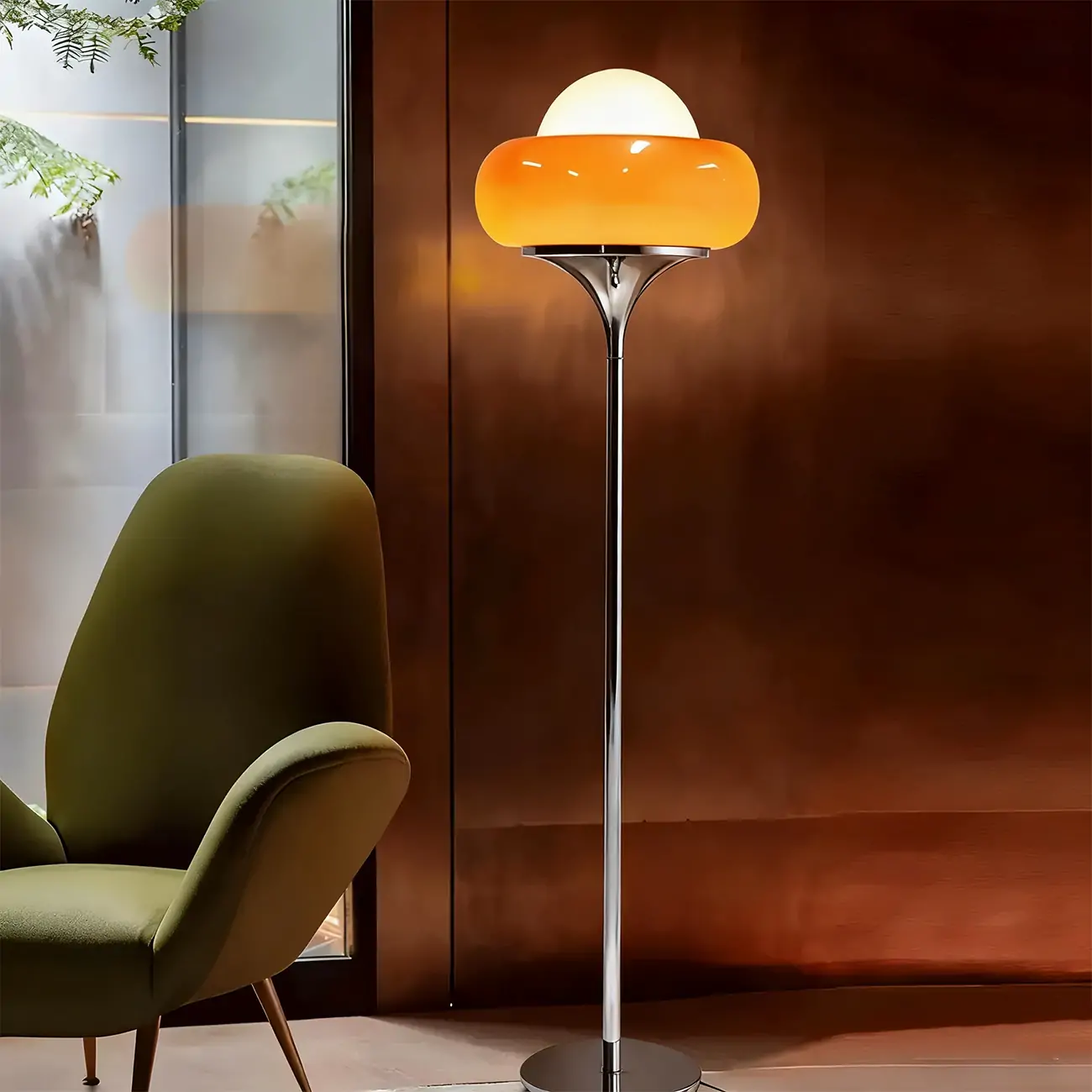
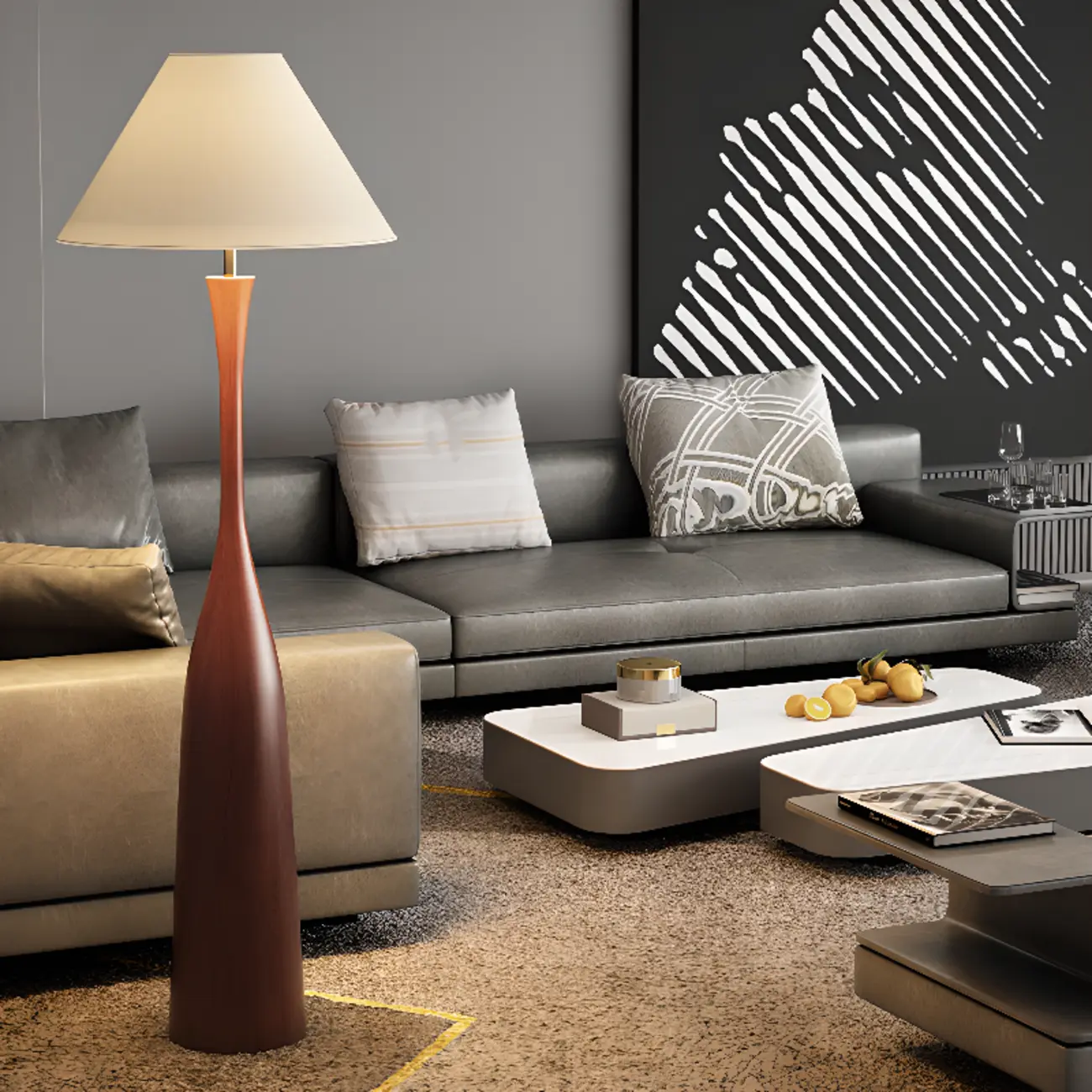
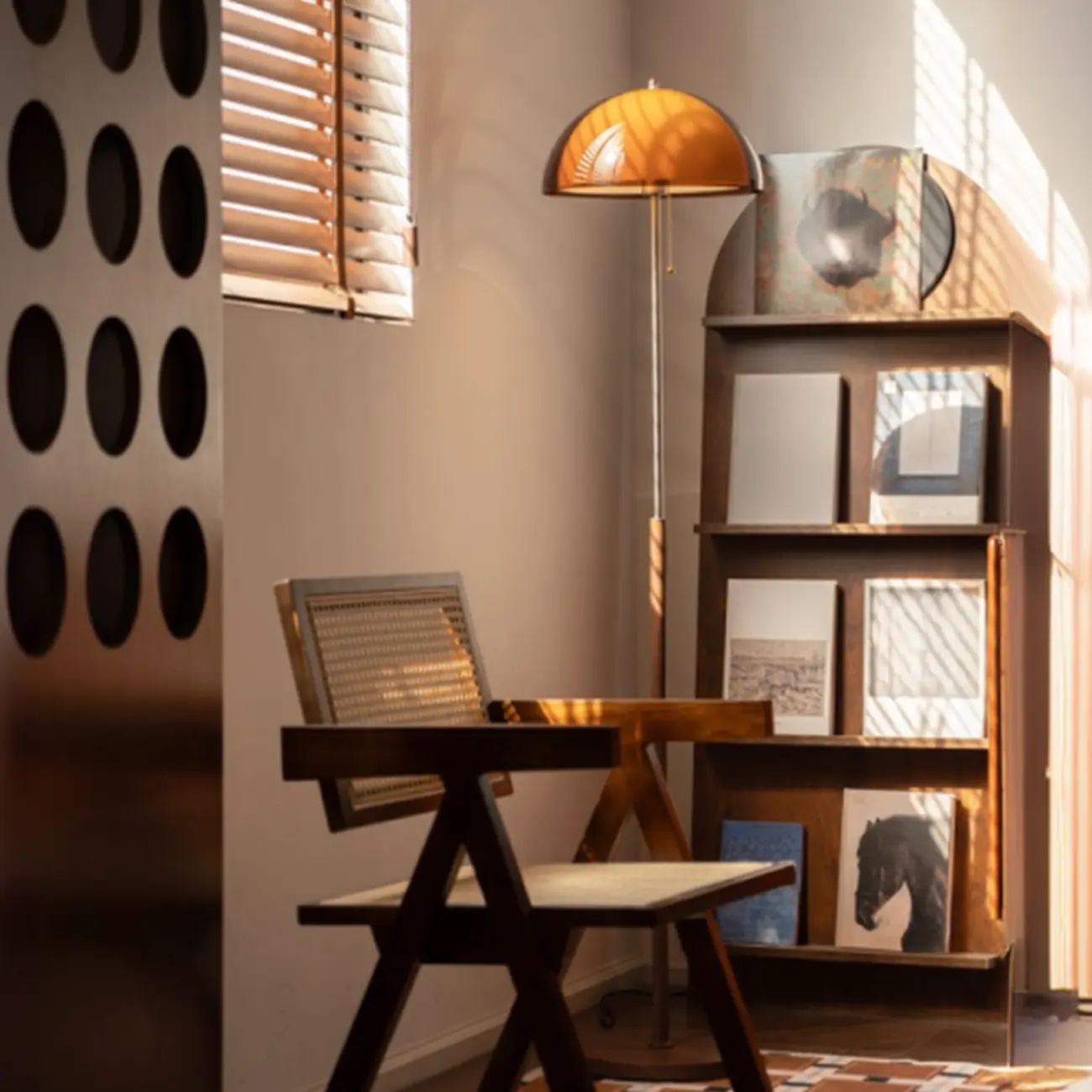
Mid-century Floor Lamp: Tapered legs, mostly. Walnut stains, sculptural bases, and that retro silhouette everyone knows.
-
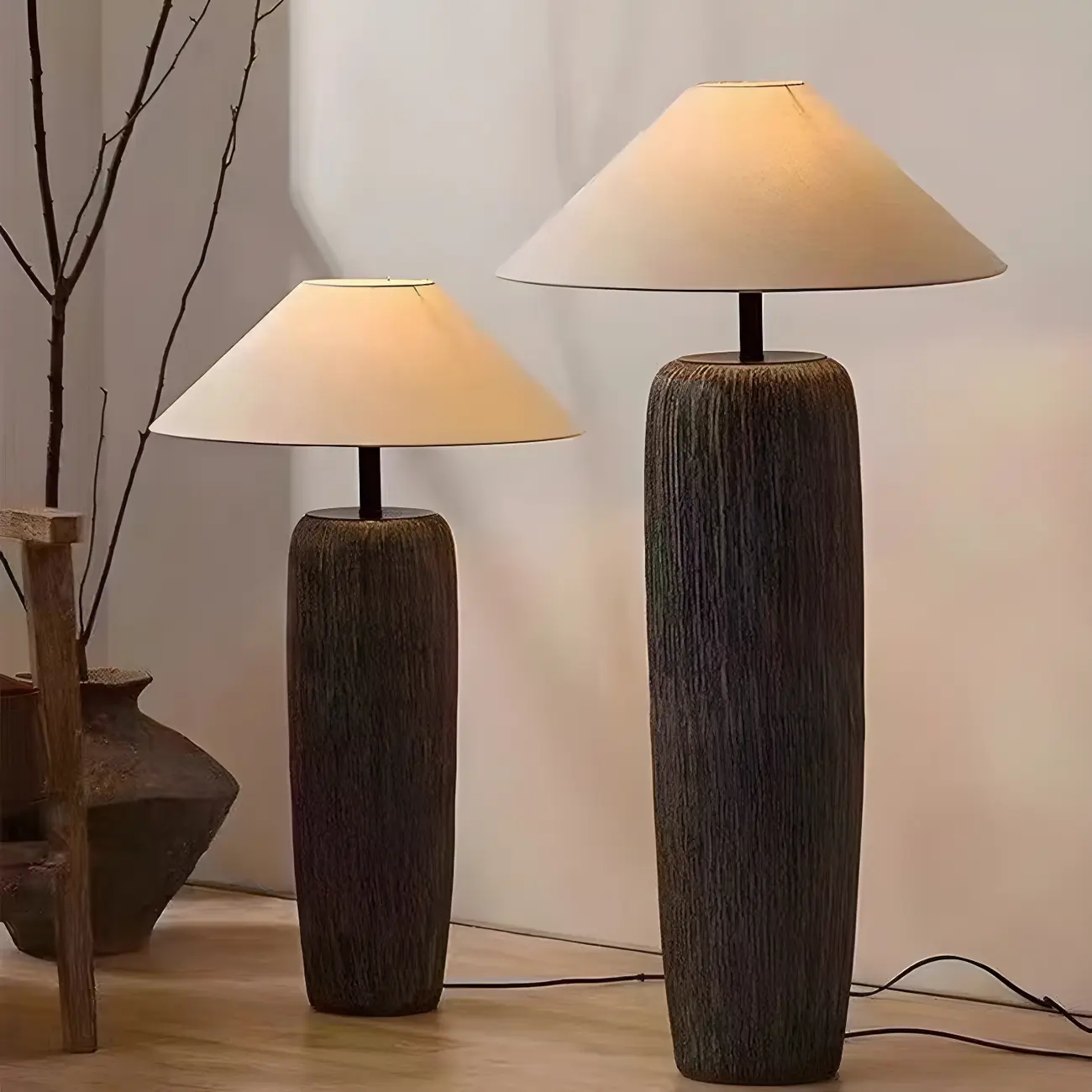
Farmhouse Floor Lamp: Distressed wood and soft linen. Colors stay muted and easy.
Grab something that already fits the furniture you own. A slick arc floor lamp lands weirdly next to chunky oak and grain.
3. Consider Lighting Function Needs
You should always think about the activities you actually do in the living room when choosing a floor lamp. You can go with ambient lighting, which gives a soft glow.
Another option is torchier floor lamps that aim upward and let the ceiling spread the light around. Whereas a task light focuses on a single activity. A swing-arm lamp beside your chair keeps the page lit without flooding the whole room. Accent light just picks out a corner, a plant, or something worth noticing. If you read there every night, task lighting wins. If the whole area feels dim and sad, go ambient.
4. Consider Different Types of Floor Lamps
There are many types of floor lamps you can choose from for your living room. Let’s check out these:
Torchiere Floor Lamp
A torchiere sends light straight up and lets the ceiling bounce it back down softly and evenly. No glare. No harsh shadows. Just a warm wash that makes the room feel less sterile. Some models sneak a little reading light onto the side so you get both ambient fill and a focused beam from one piece.
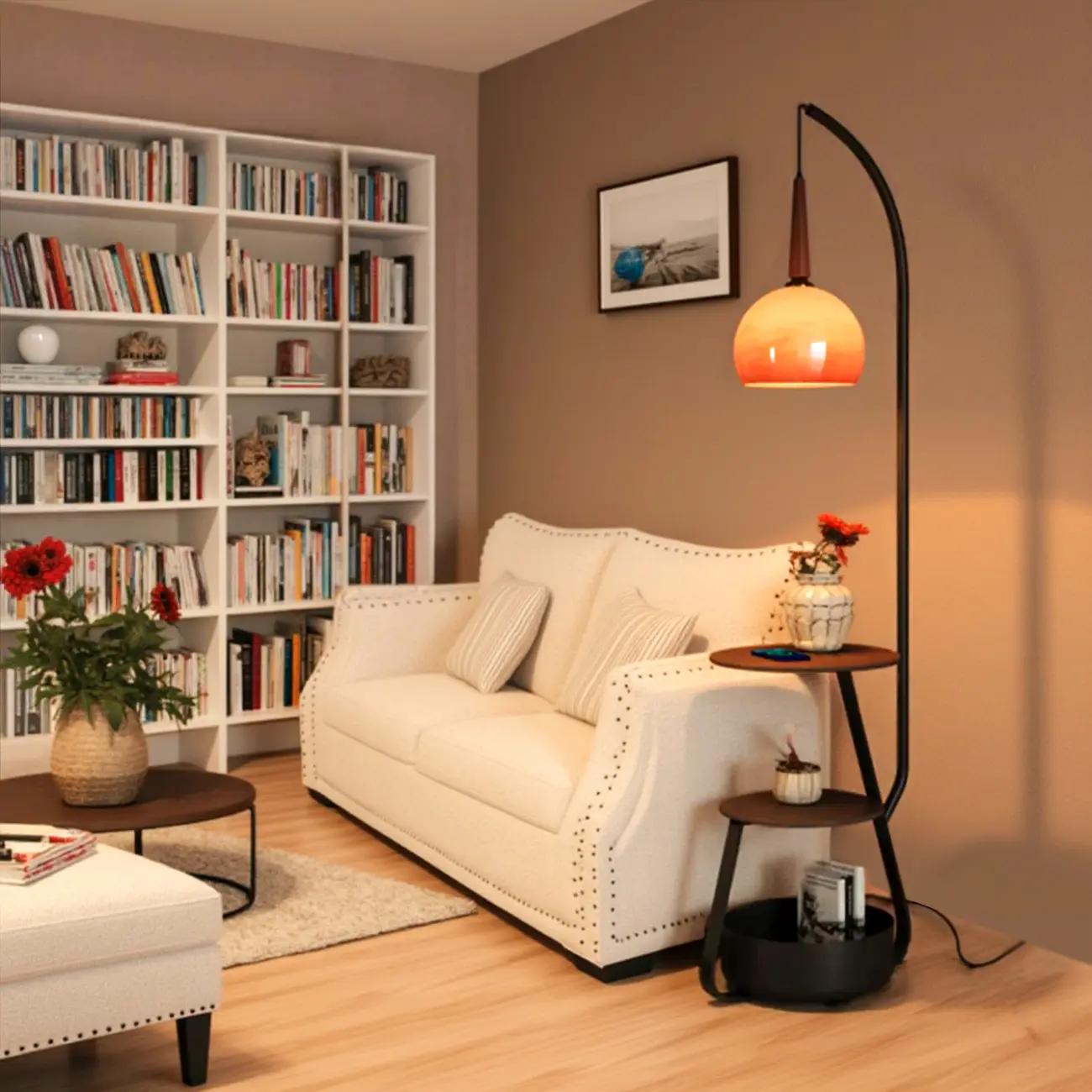
Floor Lamp with Shelf or Table
Short on surfaces? A floor lamp with a shelf or table gives you back some real estate. A ledge built into the pole holds a coffee cup, a book, and your phone. You skip the extra table and still have somewhere to set things. Apartments and tight rentals benefit the most from this one.
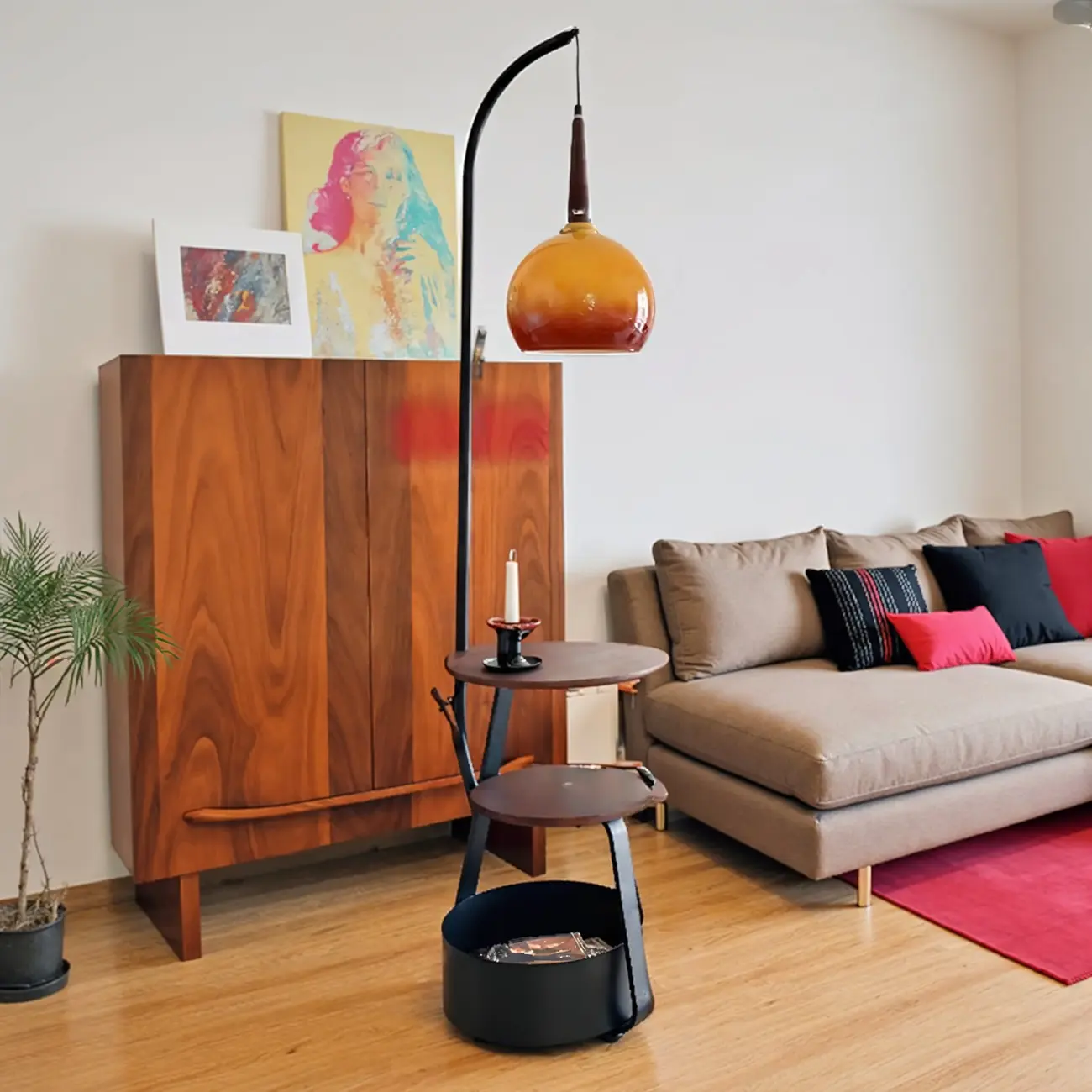
Adjustable Reading Floor Lamp
If you read in the same chair most nights, get something you can aim at. Swing arms and pharmacy heads let you pull the light close and push it aside when you stand up. You don't have to sit perfectly still in some exact spot. Just tug the lamp where you need it.
5. Match Your Space Layout
No doubt, living room floor lamp placement matters as much as buying a suitable floor lamp for your unique needs. Whether you have a large or small living room, below you will find expert designer living room layout ideas featuring a floor lamp. Read more details: Where to Put A Floor Lamp in the Living Room? 9 Ideas
A. Small Living Room
Every inch counts. Skip the tripod floor lamp and wide-arc floor lamp. A slim column lamp slides in beside the sofa and stays out of the way. Shelf floor lamps pull double duty by giving you light plus a small spot to drop everyday use items like a remote, a mug, etc. For dark corners, you can put a torchiere in there and let it bounce light off the ceiling. The room brightens without adding clutter.
B. Beside the Sofa
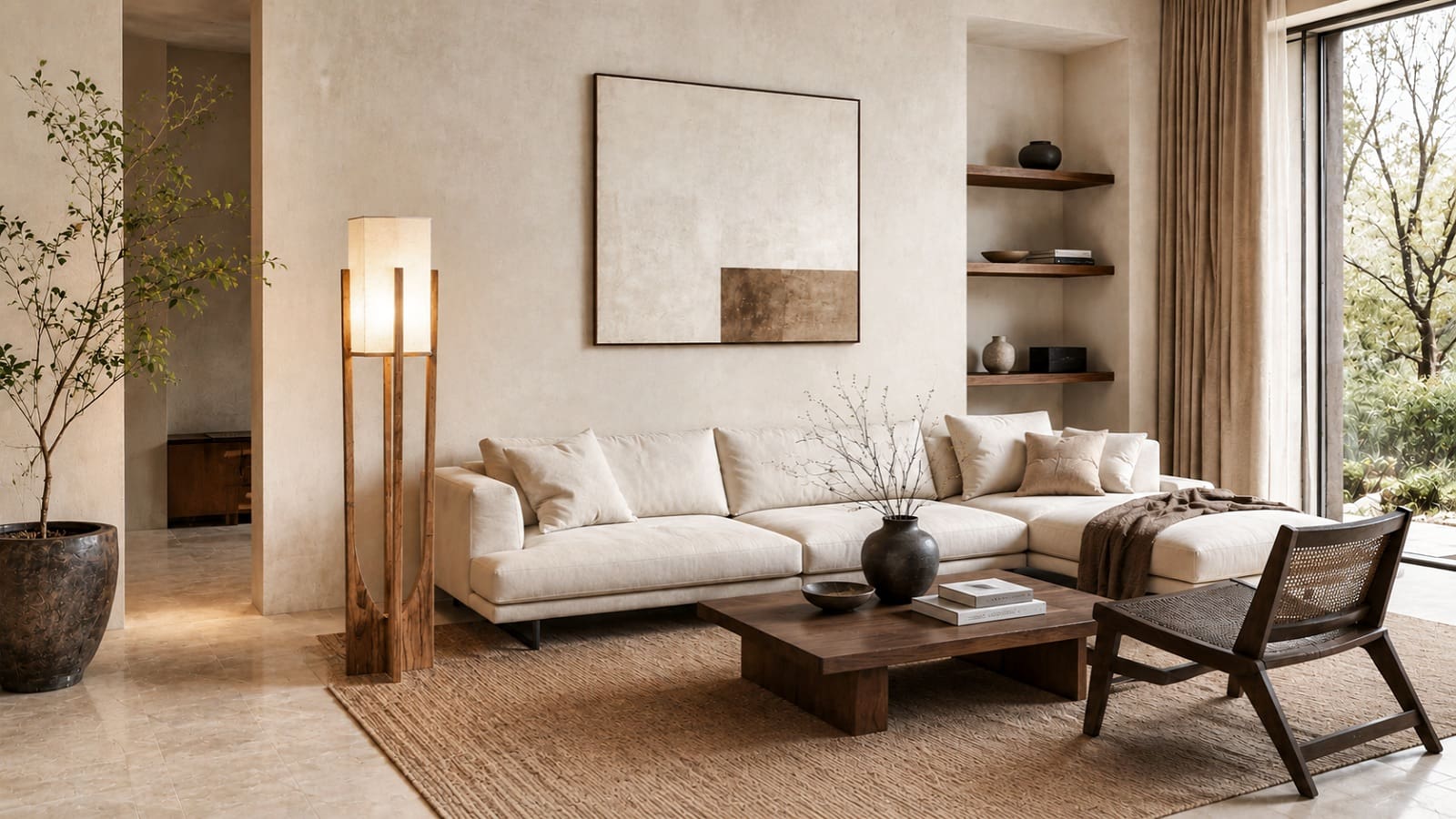
A slim stick floor lamp on the outer edge of the sofa lights the seating area and stays clear of foot traffic. And place an arc floor lamp behind the sofa so the arm extends forward and lights the center of the seating group.
C. Tucked in a Corner
A torchère pointed upward brightens the whole room from a corner without stealing any usable floor space.
D. Large Living Room
Open layouts and high ceilings can feel cavernous without the right lighting. A small lamp disappears against tall walls and wide seating. This is where an arc floor lamp earns its keep. The long arm reaches over a sectional and drops light directly onto the seating area, filling both the visual space above and the functional space below. Tripod lamps work well in empty corners that need some weight. They anchor the room without blocking sightlines.
E. Beside a Reading Chair
You can put a swing-arm floor lamp beside your reading chair. This lamp near your lounge chair puts focused light exactly where you want it without disturbing the rest of the room.
Defining a Zone: In a large open space, a tripod lamp in the corner visually marks off a separate conversation nook or reading area.
6. Choose the Right Light Color & Brightness
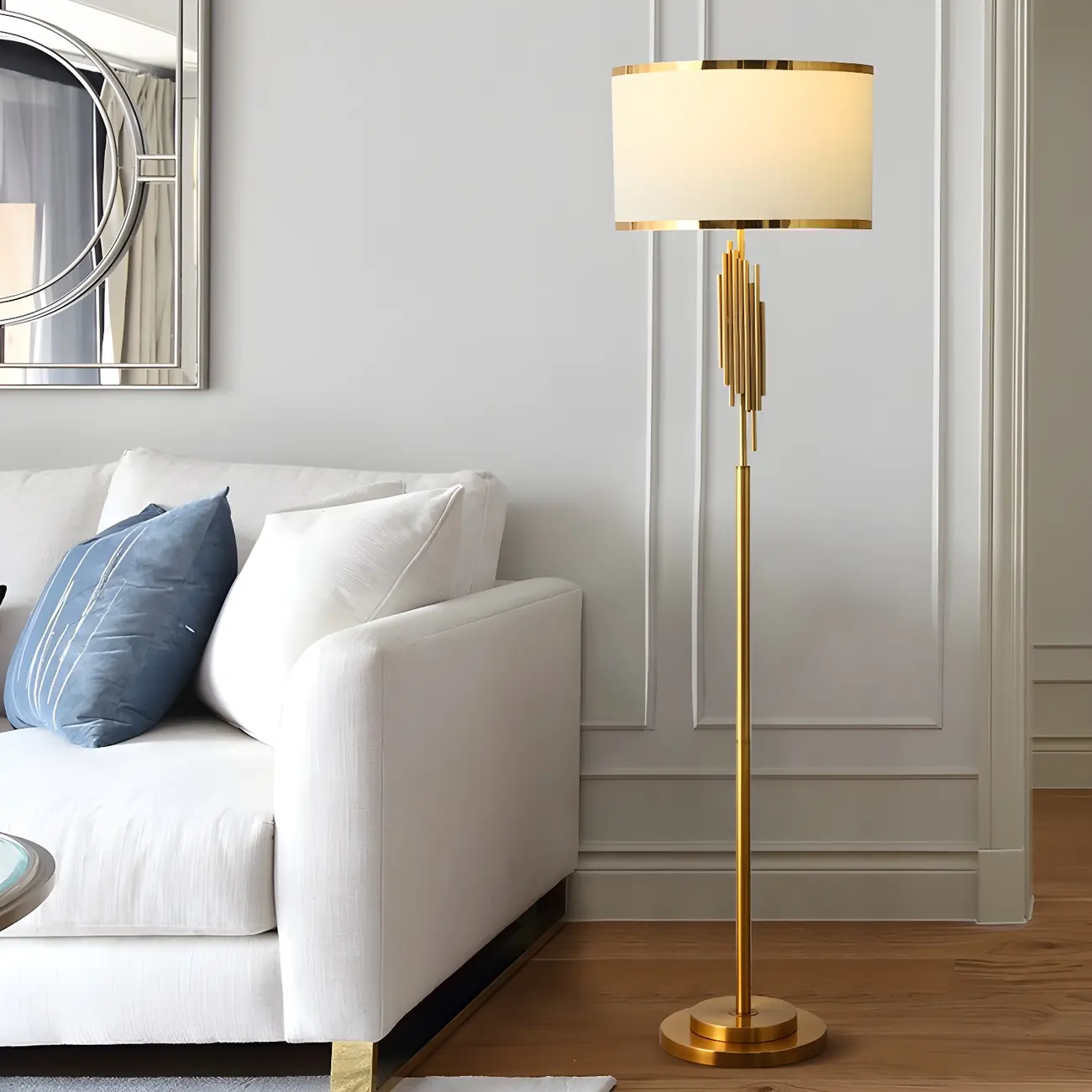
Many of us grab whatever bulb is lying around and call it a day; that's usually where things go sideways. Warm light of 2700K to 3000K has that golden amber glow that makes a room feel like evening, even if it's barely five o'clock.
However, cool light sits high on the scale, around 3500K to 4100K, and it's crisp and white. This cool lighting is better suited for a desk than a spot where you relax. If you read under this lamp, then 450 lumens is a solid target, though a dimmer helps too, letting you soften things when the night winds down. The bulb comes last, but it can make or break the whole setup.
7. Consider Practical Features
Some lamps come with extras that actually get used, like the following:
-
A dimmer switch, which dials the brightness up or down without touching the bulb. Nice when the room shifts from daytime chaos to evening calm.
-
USB port to plug your phone right into the base. No more reaching behind furniture, hunting for an outlet.
-
Adjustable arm or head to aim the beam exactly where you want it. This will be good for reading corners and anywhere you need focused light.
-
Smart bulbs let you change brightness and color from your phone. So you can set it to turn on before you walk in the door.
-
Double pull chains to control separate bulbs on the same lamp. This is handy with tree lamps and some torchères.
5 Common Mistakes to Avoid
-
Wrong Height: Too tall, and the bulb glares right at you. Too short, and the light never hits your lap. Measure from your seat first.
-
Ignoring Shade Direction: If the shade aims at the ceiling, then your book stays in the dark. So match the lamp to what you actually do in that spot.
-
Harsh Bulb Color: Cool white bulbs in a living room make it feel like a waiting room. Stay warm unless the lamp lives in an office.
-
Forgetting the Base Footprint: That tripod looks great until it blocks the walkway. Check the width before you commit.
-
Relying on One Light Source: A single floor lamp leaves dark pockets around the room. Layer in overhead light and maybe a table lamp across the way.
Quick Buying Checklist
Grab a tape measure. The distance from your seat to eye level tells you how tall the lamp should sit.
Figure out what you actually need light for. Whole room glow, reading light, or just brightening a sad corner.
Match the lamp type to your needs. Arc over a sectional. Torchiere in a corner. Adjustable next to your chair.
Look at the base width. A tripod eats floor space fast. Make sure it fits.
Stick with warm bulbs. 2700K to 3000K feels like evening, not a hospital room.
Dimmer or USB port? Nice extras if you'll actually use them.
Find the Perfect Floor Lamp for Your Home With HomeyFad
A floor lamp seems like a small thing until you plug it in and the whole room shifts. Suddenly, that dark corner has life. Your reading chair feels like an actual destination, and the space works the way you wanted it to. No big renovation, no rewiring, just a lamp in the right spot with the right bulb.
If you are still looking for the right piece, Homeyfad carries a solid range of floor lamps for living rooms across all the types covered here. You can also contact us if you need a second opinion on size or style. They know the inventory and actually answer.
FAQs
Q: What type of floor lamp is best for a living room?
A: This really depends on your setup, and arc lamps hang over big sectionals nicely. Torchiere styles bounce light off the ceiling and warm up a dim corner. If you read a lot, grab something adjustable; you can aim right at your lap.
Q: How tall should a floor lamp be next to a sofa?
A: Anywhere from 58 to 64 inches tends to work, which puts the shade near eye level once you're settled in, so the bulb isn't glaring right at you.
Q: Are floor lamps enough for living room lighting?
A: A single lamp won't carry the whole room. You still want some overhead light plus maybe a table lamp across the way. Layer it, and the space feels fuller.
Q: Where should I place a floor lamp in the living room?
A: Put one beside the couch. Slide another into that weird dark corner nobody uses. Behind a reading chair works too, as long as the light lands where you actually sit.
.jpg?w=1600&h=900)
-.jpg?w=900&h=638)

-41.jpg?w=1600&h=900)


 Add Us On Google