
(1).png?w=1920&h=650)
--19.jpg?w=900&h=506)
You walk into a room with the right chandelier, and you feel it immediately. The space just works. Your eye moves upward naturally. The whole room glows differently. That is what happens when you get the lighting right.
But finding that fixture takes more than picking something flashy. A few basic measurements plus some standard design rules will keep you from dropping serious cash on the wrong piece.
This guide covers exactly what to measure and where to hang it. No design degree required.
Choosing the Size Based on Space (Most Important)
The size of a chandelier matters most when buying a chandelier. If the fixture is too small, it looks lost, and one that is too large will overwhelm your room. You need to get this right, and everything else falls into place. Here are the rules designers use for selecting a perfect chandelier size.
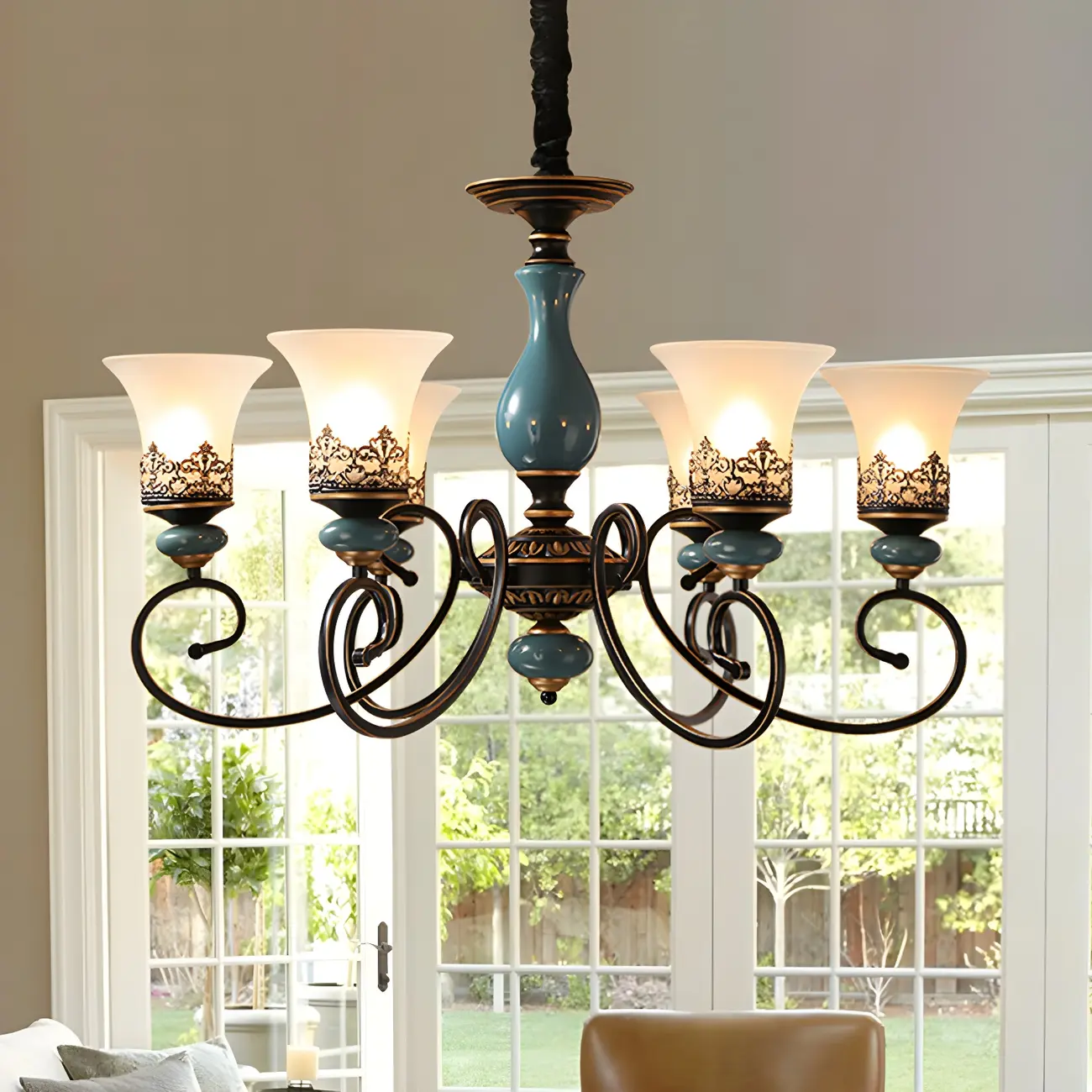
1. General Rule for Any Room
For living rooms, bedrooms, and foyers, size depends on the room itself. You should measure your room's length and width in feet, then add them together.
Add your room length and width in feet. That total in inches is your target chandelier width. And for a 14 by 12 foot room, you end up with 26 inches. A fixture that size fills the space without making it feel cramped.
2. Sizing for a Dining Table
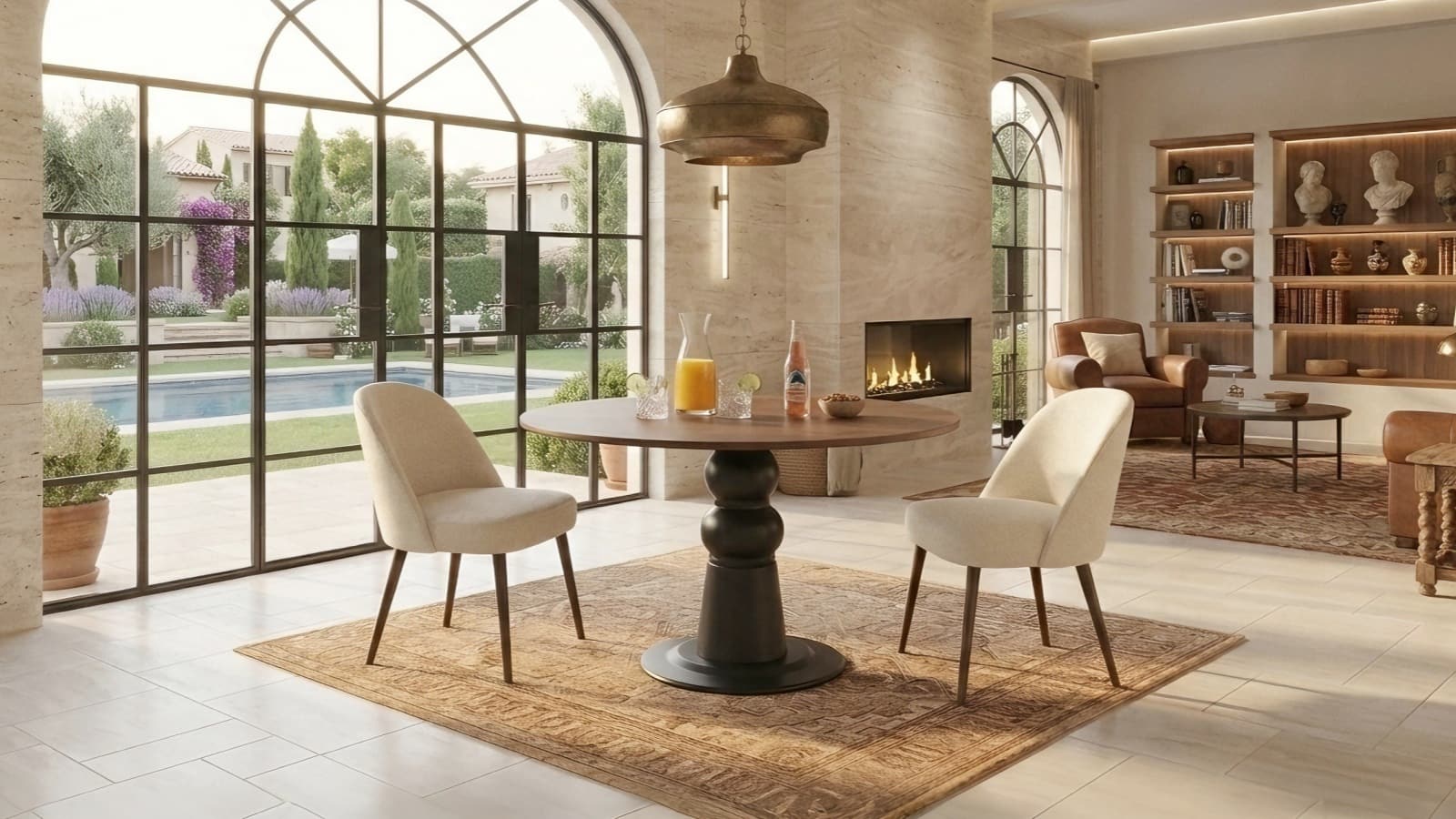
The dining table sets the rules here, not the room. Your chandelier should sit at least 12 inches narrower than your table; this way, you get to leave space to clean around. And people will not hit their heads when they stand up.
Length comes into play here, too. You should look for a chandelier that runs half to two-thirds the length of your table. That range keeps things balanced.
If you are working with one of those slim modern linear fixtures, you can push it to four-fifths. Those skinny designs can look lost without enough length to stretch across.
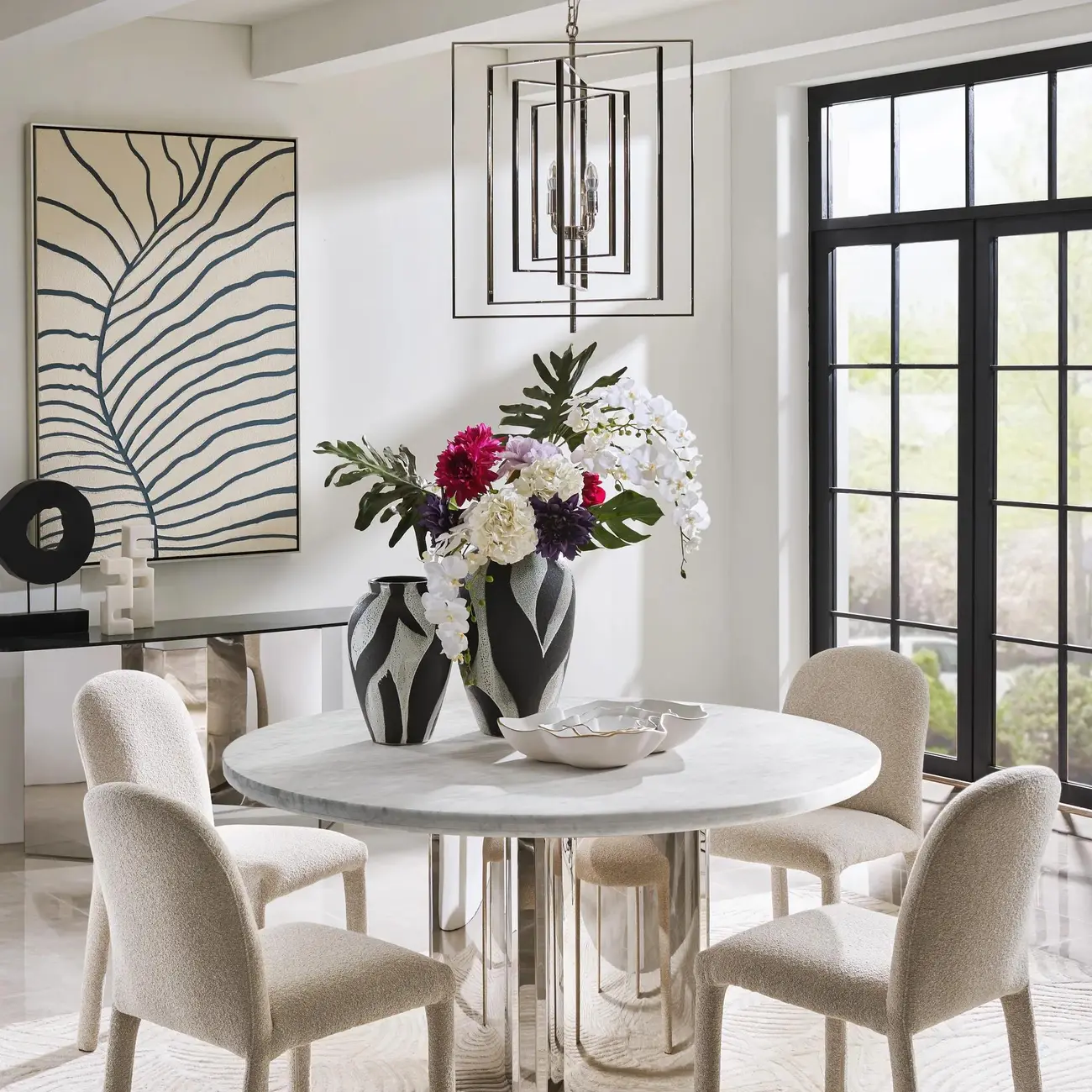
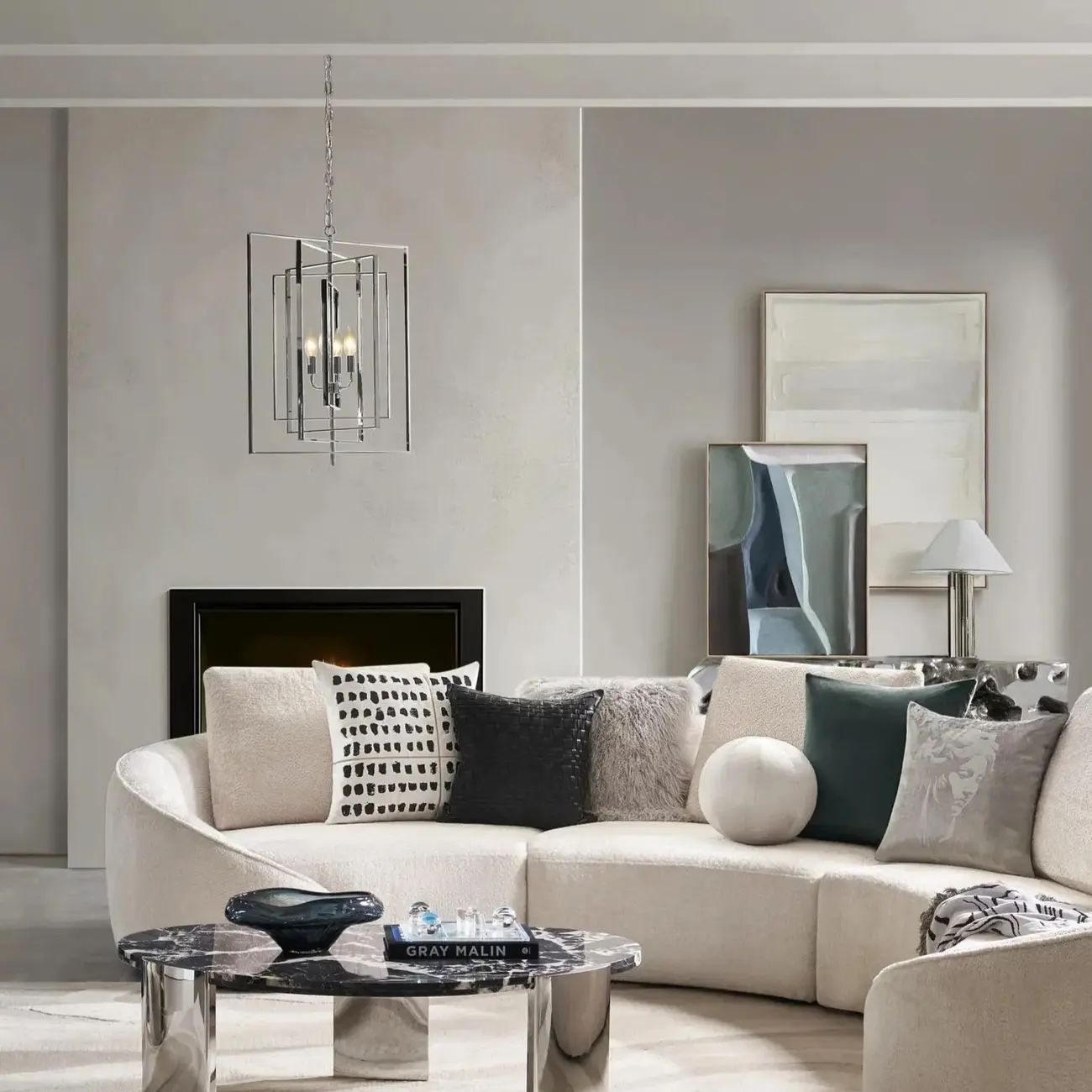
Shop More Dining Room Chandeliers
3. Getting the Height Right
You should hang the chandelier at least 7 feet from the floor. This keeps headroom safe in entryways and living rooms. Hang it over a dining table 30 to 34 inches above the table surface. If you hang it higher than that, it will kill the intimacy, and lower than that, it blocks views and becomes a hazard.
You should consider the fixture's own height too. For every foot of ceiling height, your chandelier should stand about 2.5 to 3 inches tall.
-
Under an 8-foot ceiling, a tall multi-tiered fixture looks good.
-
For an under 12-foot ceiling, a small flat fixture looks like a speck.
-
And for a 9-foot ceiling, a chandelier that could stand 22 to 27 inches tall works best.
You can review this table for an overview of chandelier sizing.
|
Location |
Primary Sizing Rule |
Hanging Height |
|
Living Room / Bedroom |
Room Length + Width (feet) = Diameter (inches) |
At least 7 ft from the floor |
|
Dining Room |
1/2 to 2/3 table length; 12 inches narrower than table width |
30-34 inches above the table |
|
Entryway/Foyer |
Room Length + Width formula |
At least 7 ft from the floor |
Choosing the Type Based on Space Function
No doubt every room has its own purpose and vibe, so your chandelier should match it.
- Dining Room: In a dining room, you need a warm, intimate glow during meals. Then pick a chandelier that directs light downward, so you need to go for shaded designs and maybe even candle-style chandeliers. For a rectangular table, go with a linear chandelier. It mirrors the table shape perfectly.
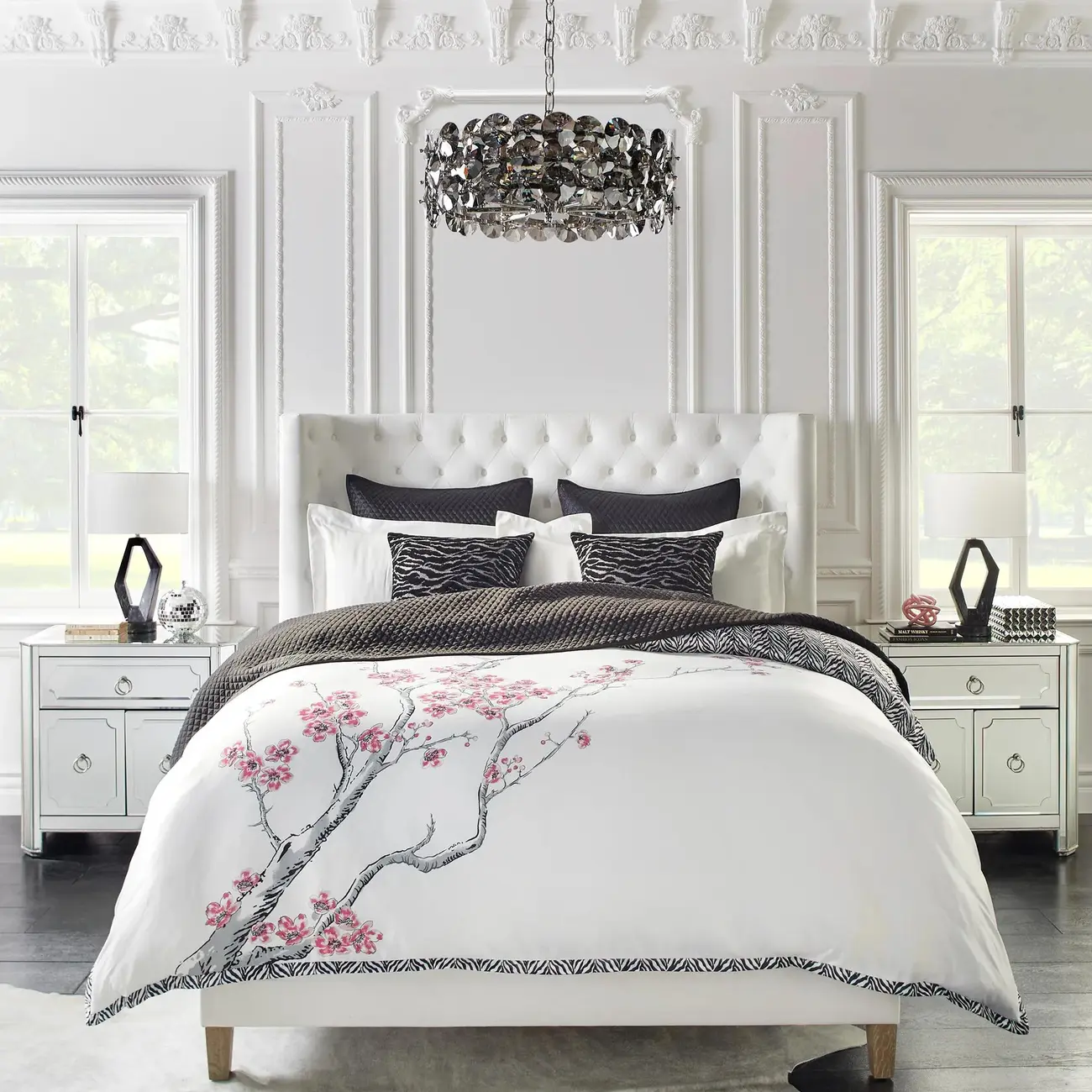
- Bedroom: For a bedroom, we need a soft, relaxing light, so choose a light that cuts glare. You can go for fabric-drum shades, as they diffuse light beautifully. Crystal designs scatter a gentle sparkle. And add a dimmer switch, and you will thank yourself every night. Get a bedroom chandelier now!
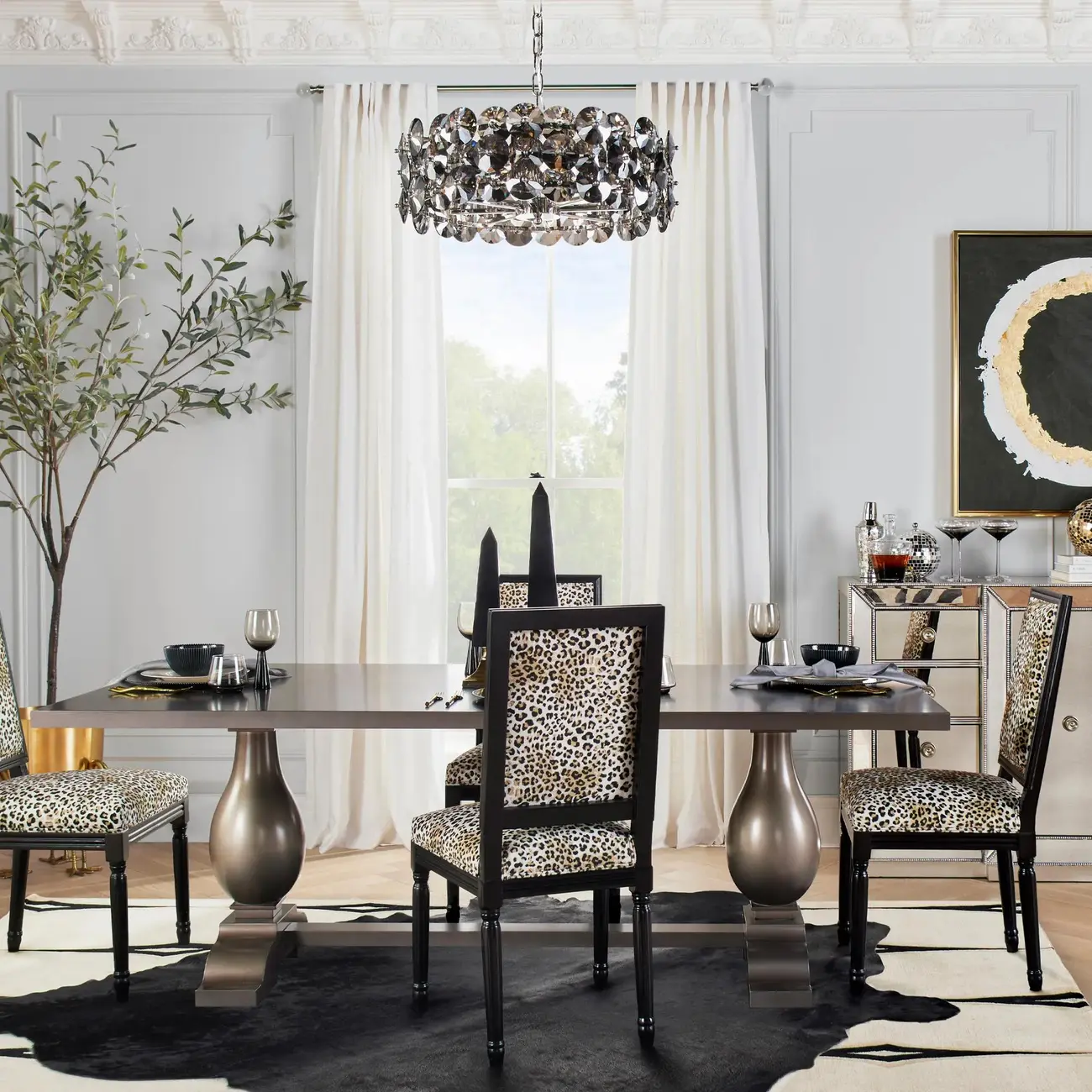
View the Chandeliers Collection Now
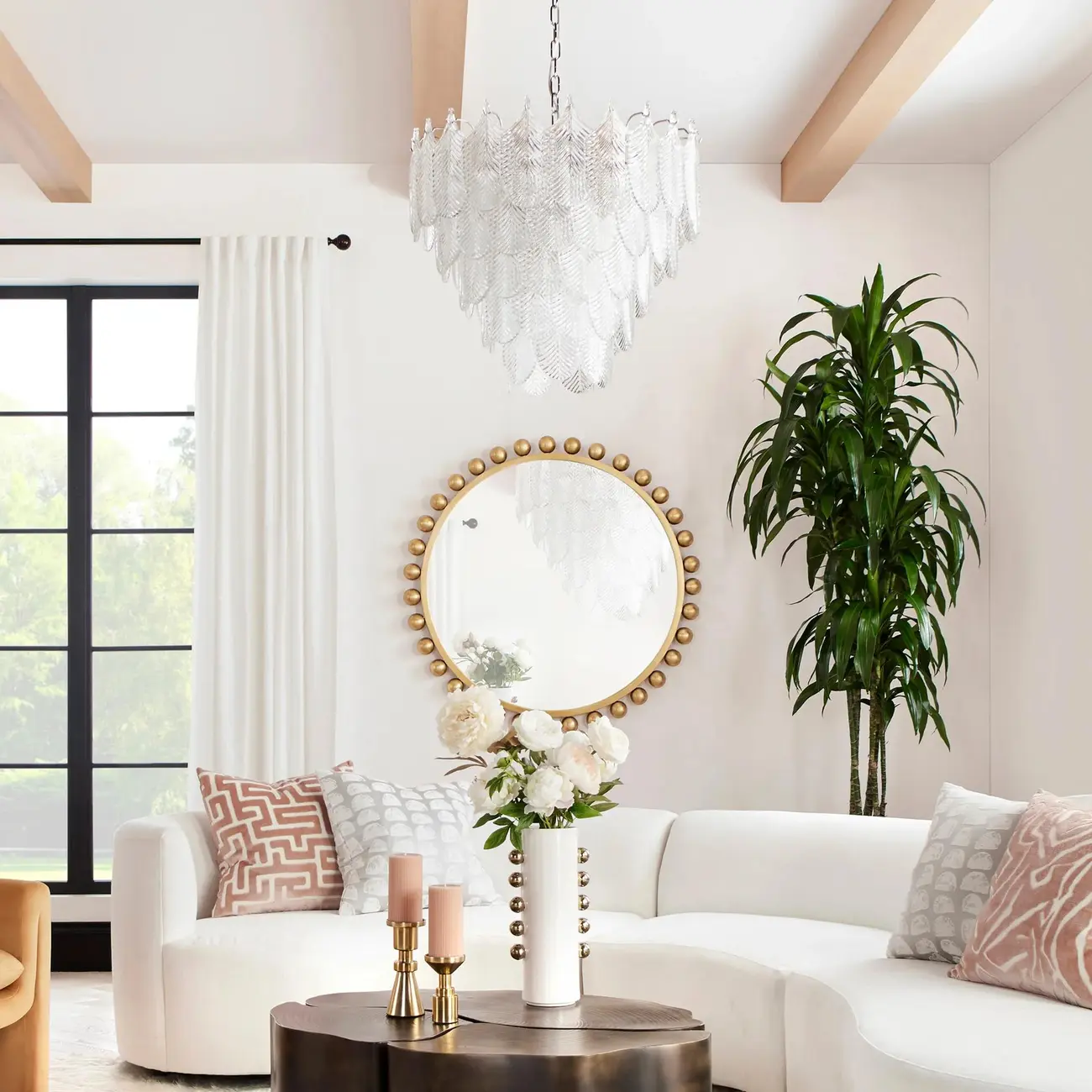
- Living Room: This space needs a focal point. Your chandelier provides that plus ambient light. Make a statement here. Sculptural pieces catch attention. Sputnik chandelier designs bring mid-century flair. Drum fixtures offer clean sophistication. Let your room dimensions guide the size. Get a chandelier for the living room now!
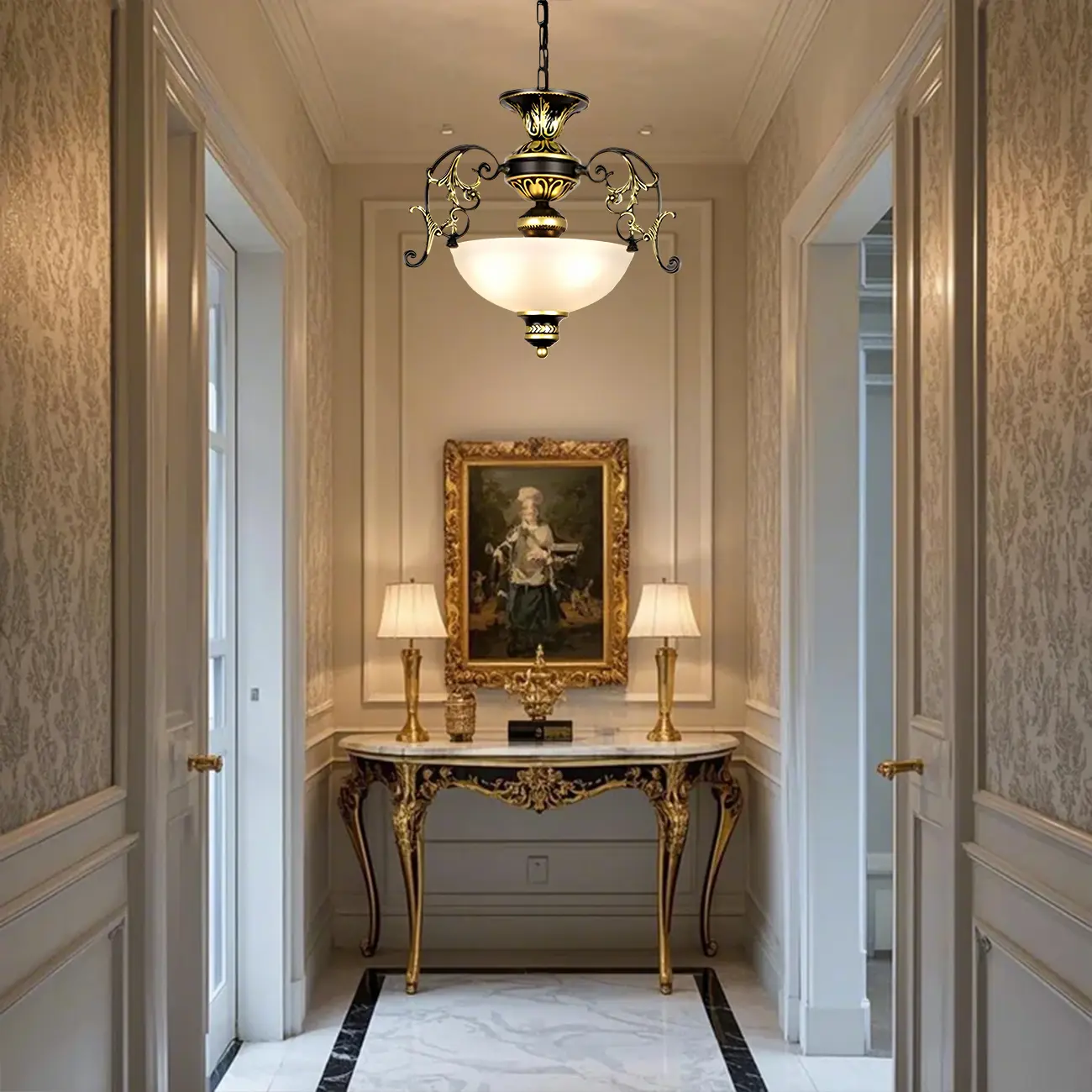
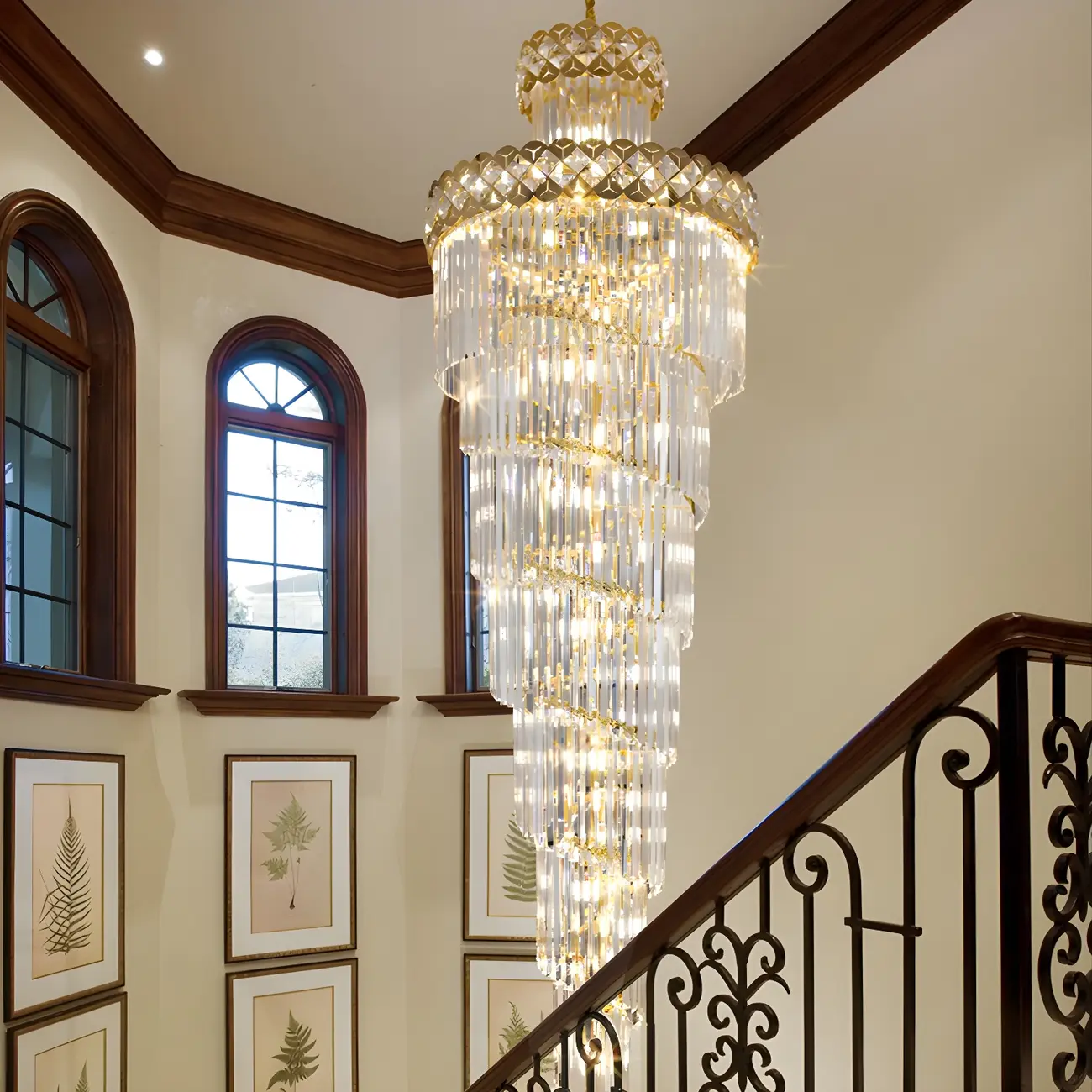
- Entryway: First impressions matter. Go for drama. A two-story foyer calls for something grand. Multi-tiered fixtures fill vertical space perfectly. Empire or waterfall styles make excellent choices. For a single-story entry, keep things proportional. Make sure nothing blocks your door swing.
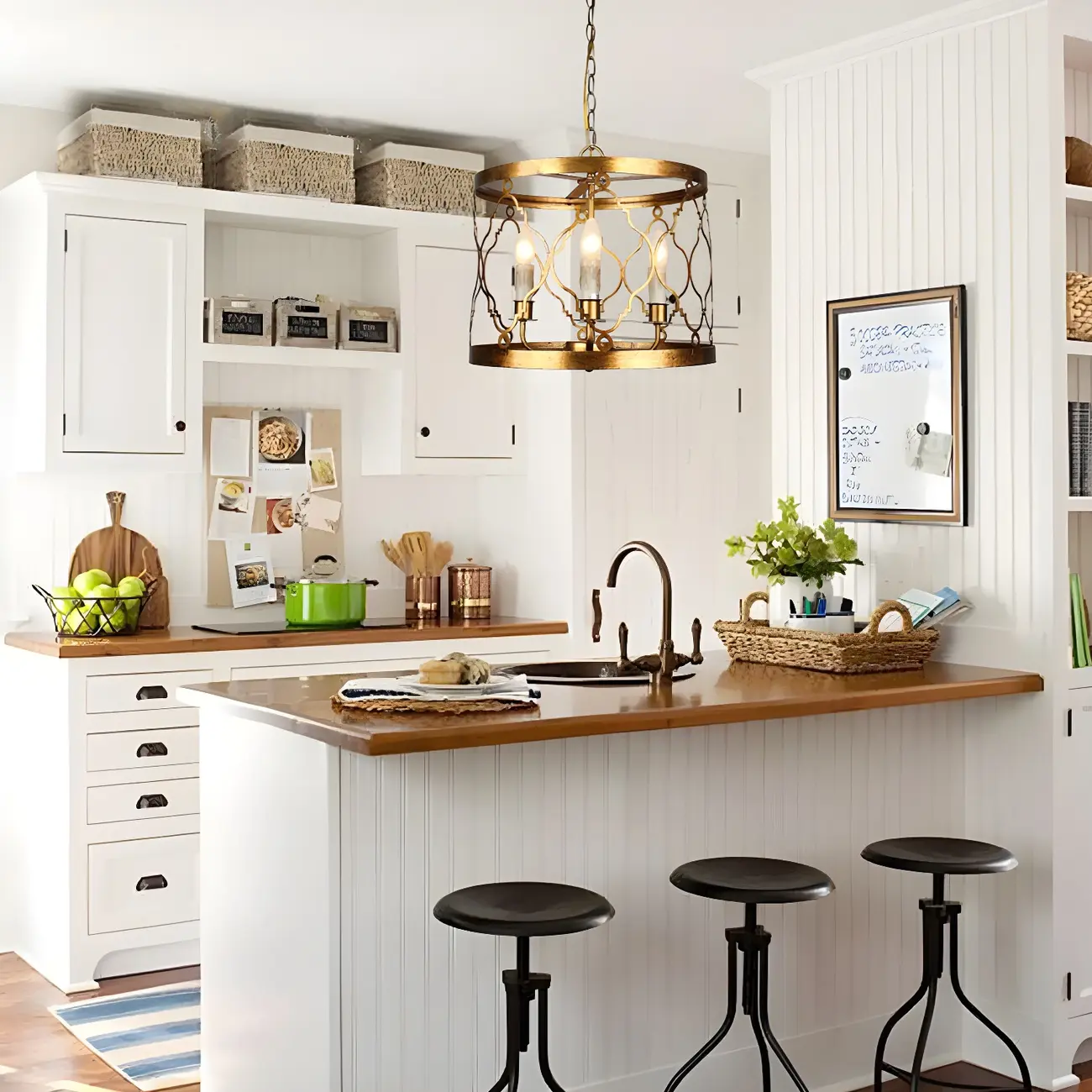
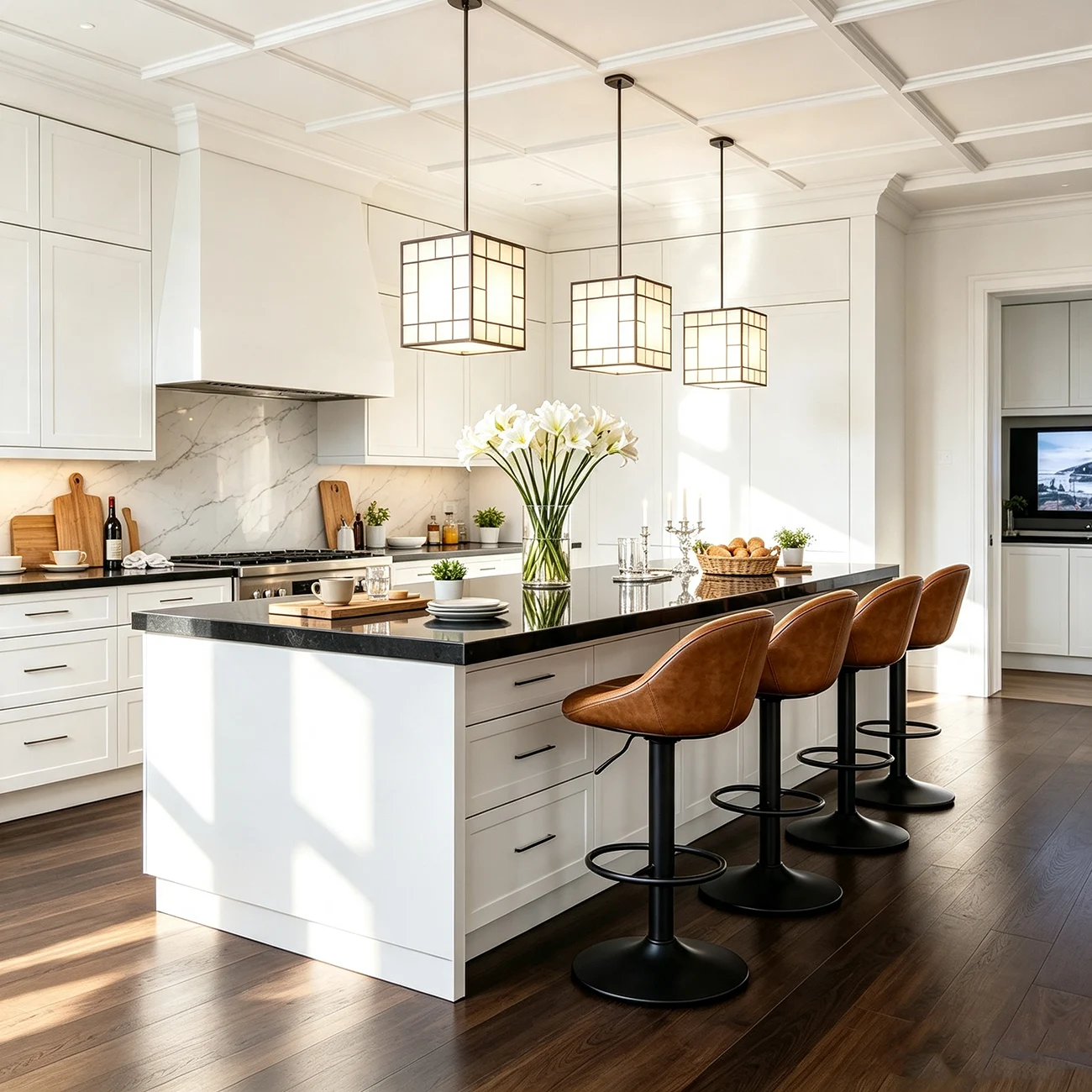
Kitchen Island: Skip the big central chandelier here. It won't give you the light you need, so hang a chandelier in line above the island instead. Or run a series of mini pendants in a row. Either way, you get direct light exactly where you prep food.
Material and Style Selection of the Chandelier
Once you know which chandelier type fits your space, you get to pick a design that matches your home.
Match by Decor Style
-
Modern homes need clean lines like Sputnik fixtures, globe lights, and linear chandeliers, all of which work well. You can also go with polished chrome, matte black, and even brushed brass finishes that have a sleek look.
-
Farmhouse-style rooms require natural materials. For such a look, you can go with lantern styles, wagon wheel designs, and wood chandeliers, especially with black, bronze, and maybe even aged metal finishes.
-
Traditional spaces want elegance. Candle-style chandeliers with ornate details fit perfectly. So do empire shapes and crystal waterfall designs in gold, brass, or bronze finishes.
-
Industrial style needs an edge. Exposed Edison bulbs and metal cages get you there. Dark matte finishes like iron or black complete the look.
-
Bohemian and transitional rooms need unique pieces; you should go for sculptural chandeliers that catch the eye with rattan, rope, and wood beads to add natural warmth.
Material and Finish Guide
Crystal brings instant elegance by catching light and throwing sparkle across your space. Glass gives you options. You can also go with seeded glass that adds texture. And clear glass keeps things simple.
Moreover, a metal chandelier lasts and adapts, and its finish tells the story. You can go with matte black, which feels modern. And even brushed brass, which brings subtle class.
For a great look and style, you can match your chandelier finish with your cabinet pulls, faucets, and even lamp bases. This pulls everything together.
Light Source and Brightness of Chandelier
You will look at your chandelier every day. But the light it casts is what you actually experience. That makes your bulb choices matter.
Install a dimmer switch. That one addition lets you set different moods with the same fixture. Crank it up for family dinners. Turn it low for quiet evenings. Dining rooms and bedrooms benefit most from this.
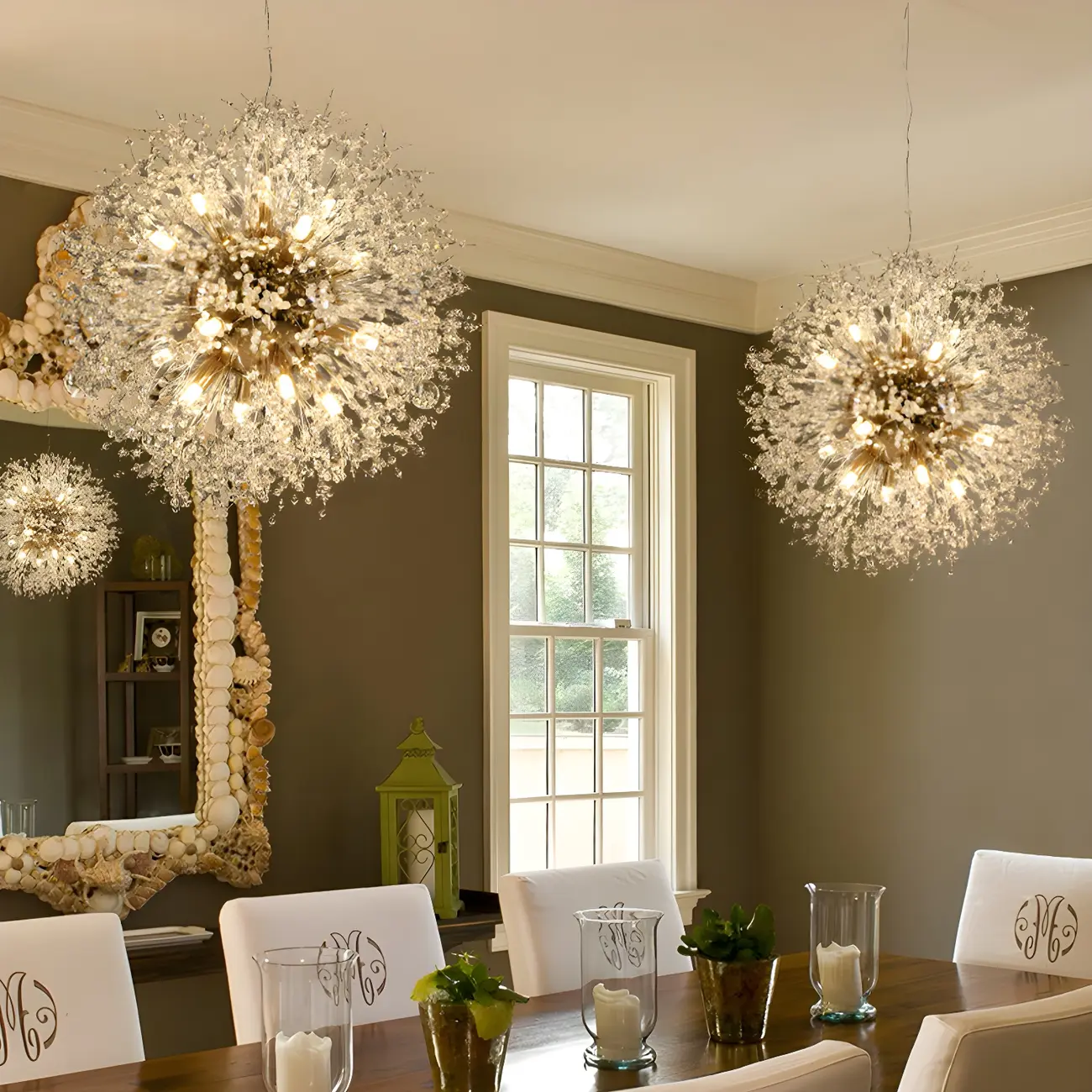
Now here is something people overlook: light's color runs on a scale called Kelvin, and that number shifts the whole mood of your room. You can stick with warm white between 2700K and 3000K for living rooms and bedrooms. That warm, relaxed glow hits different at night when you are winding down. For kitchens and home offices, cool white from 3500K to 4100K is perfect.
Common Mistakes to Avoid
Here is how to avoid common mistakes when picking a chandelier.
- Measurements
People buy fixtures based on looks alone. You spot something pretty online and click buy without measuring. Then it shows up and swallows your whole dining room or looks like a toy in your foyer. Measure your space first. Run the numbers before you order.
- Height
Height causes problems, too. If you hang it too high, then the light does nothing for the room; however, if you hang it too low, then people smack their heads. Also, the space will feel off, so stick to the heights we talked about.
- Chandelier Weight
Here is something that catches people off guard. Big crystal chandeliers get heavy quick and that electrical box in your ceiling might not handle the weight. Always check before you buy, and if you are unsure, just get an electrician to take a look. They can tell you if the ceiling needs extra support.
- Cleaning
Think about cleaning now. Some fixtures look great in the store but become your worst enemy later. Stay away from designs with tons of tiny crystals on wires. You will hate dusting them. The wires snap too. If you want crystals, pick bigger ones or panels you can wipe down.
Do not skip the bulb check. You buy a nice fixture and later find out it needs weird, expensive bulbs. See if bulbs come with it. If not, figure out what you need ahead of time. That way, you get the right light from the start.
Find the Perfect Chandelier for Your Space with HomeyFad
Choosing a chandelier takes some thought, but you do not need a design degree to get it right. Just start with size, measure your room, and run the numbers. It will save you from the biggest regret.
Then think about where it hangs and how you live. With this guide, you now have everything you need. Go find the one that fits.
Are you looking to buy lighting items for your home or office? You can visit HomeyFad, they have a wide collection of lighting.
FAQs
What is the most common mistake people make?
Buying a fixture they love without measuring their room first.
Do I need an electrician to install it?
For hardwired fixtures, yes. But plug-in swag lights let you skip the electrician.









-41.jpg?w=1600&h=900)




 Add Us On Google