
(1).png?w=1920&h=650)
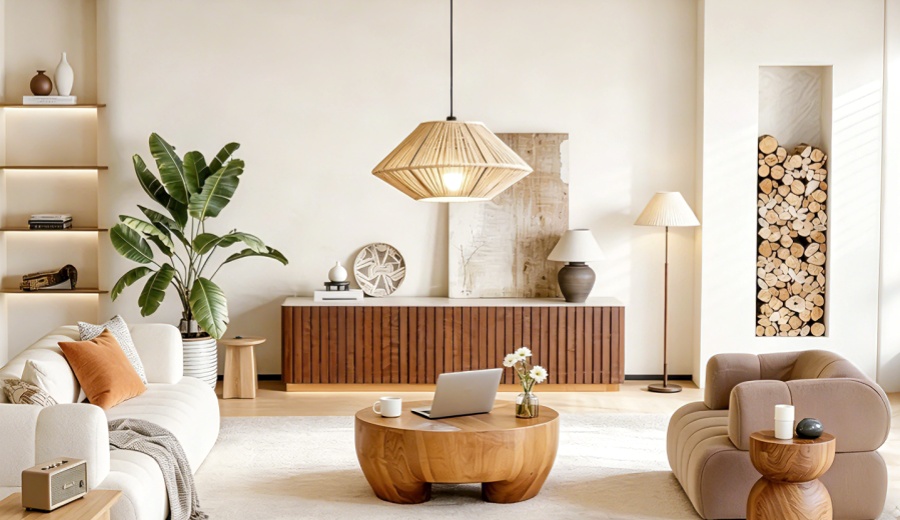
No doubt choosing living room furniture can sometimes become frustrating. You want a living room that works, not one where you keep bumping into things. And maybe you bought a sofa that felt right in the store but now swallows your whole space. That happens when you pick living room furniture without a real plan.
Many people start with looks, then try to force everything to fit. This way you end up with a coffee table at the wrong height and a rug that floats like a tiny island.
This guide flips that order. You will learn what to measure first, where to spend your money, and which materials survive real life. No more guessing.
1. Define Your Living Room Style
Before you look at a single sofa, ask yourself two questions. How do you want to feel in this room? Calm, energized, cozy, maybe sophisticated. Then pick one word that describes your ideal space. Airy. Moody. Collected. That word becomes your compass.
Here are a few style clues. Modern means clean lines with little clutter. Rustic uses natural wood and warm textures. Coastal keeps things light with breezy fabrics. Eclectic mixes different eras and personal finds.
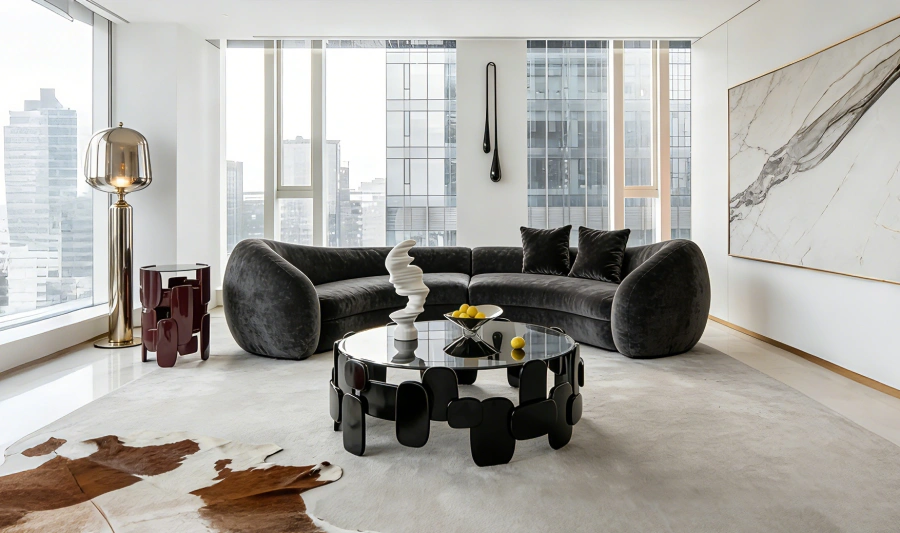
Pinterest shows you ten different looks at once, so it is easy to freeze. You do not need a full mood board. Just pick two adjectives that matter to you. “Warm plus uncluttered” works better than a folder full of photos. Filter every purchase through those two words. That simple habit stops your room from looking like a random collection of stuff.
2. Set a Budget Without Compromising Style
You need a spending plan before you shop. Without one, you either blow your money on the wrong pieces or go so cheap that everything falls apart in a year. Here is a smarter way to split your budget.
- Put 40% toward your sofa. You use it every day, and it sets the tone for the whole room. Spend 25% on a rug plus a coffee table—these two pieces anchor your space. Another 20% goes to lighting and window treatments. Good light changes everything, and you do not have to spend a fortune. The last 15% covers side tables, pillows, and decor. You can upgrade these later without guilt.
Here are realistic spending tiers for living room furniture. An entry setup runs $1,000 to $1,500 for a decent sofa. You can fill the rest with affordable finds from discount stores or even secondhand shops. A mid-range room costs $2,500 to $4,000 for a quality sofa, a solid rug and a coffee table that lasts. Other high‑end furniture starts at $5,000, which gets you a hardwood frame, real leather and designer details.
One more thing. Set aside 10% of your total budget for tax plus delivery fees. That small buffer keeps you from a nasty surprise at checkout.
3. Pick Comfortable and Stylish Seating Options
Consider your living room seating: a sofa or an accent chair? Or both? You sit on your seat every single day, so do not skimp on comfort. Here are the exact numbers that separate a comfortable couch from a backache. (This applies to both accent chair and sofa)
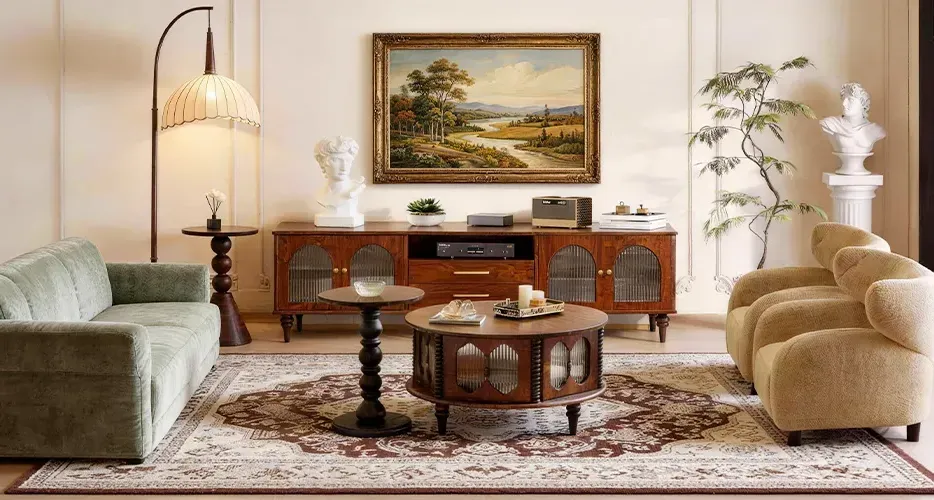
First, seat depth matters more than you think.
- 22 to 24 inches works best for lounging – think TV time or reading a book.
- 18 to 20 inches fits formal rooms where you sit up straight to talk.
Next, check the back height. It should reach at least 16 inches from the seat cushion. Anything lower leaves your upper back unsupported.
Then look at armrest height. A measurement between 7 and 9 inches lets you rest your elbows without shrugging your shoulders.
Finally, cushion fill makes the final difference. High‑resilience foam wrapped in down gives you the best balance—it holds its shape but feels soft. On the other hand, all foam feels like a park bench. Meanwhile, all down means you fluff it every time you stand up.
Test a sofa in person when you can. If you buy online, check the return policy before you click purchase. After all, a beautiful couch that hurts to sit on is just expensive regret.
4. Select Functional Furniture (Coffee Tables and Side Tables)
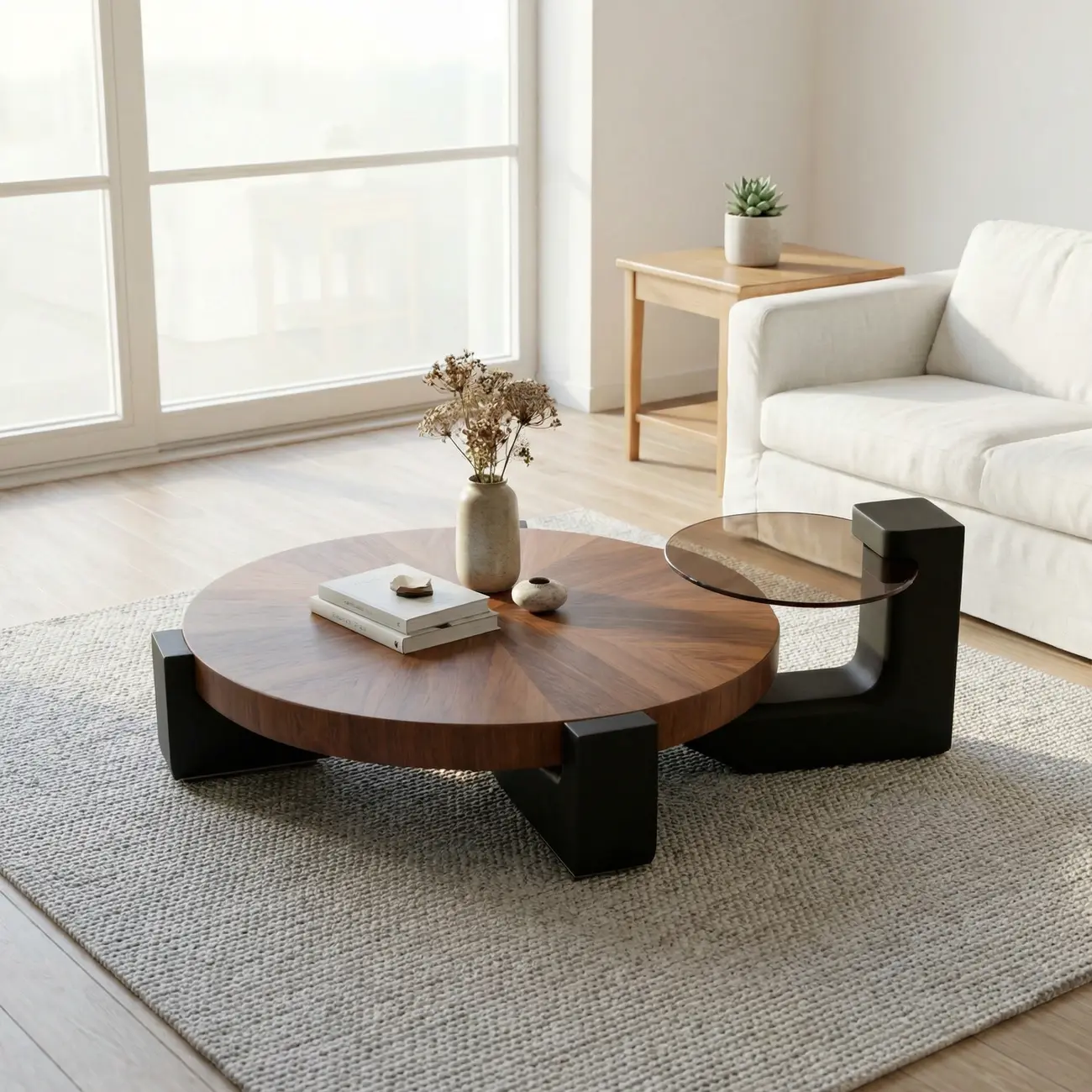
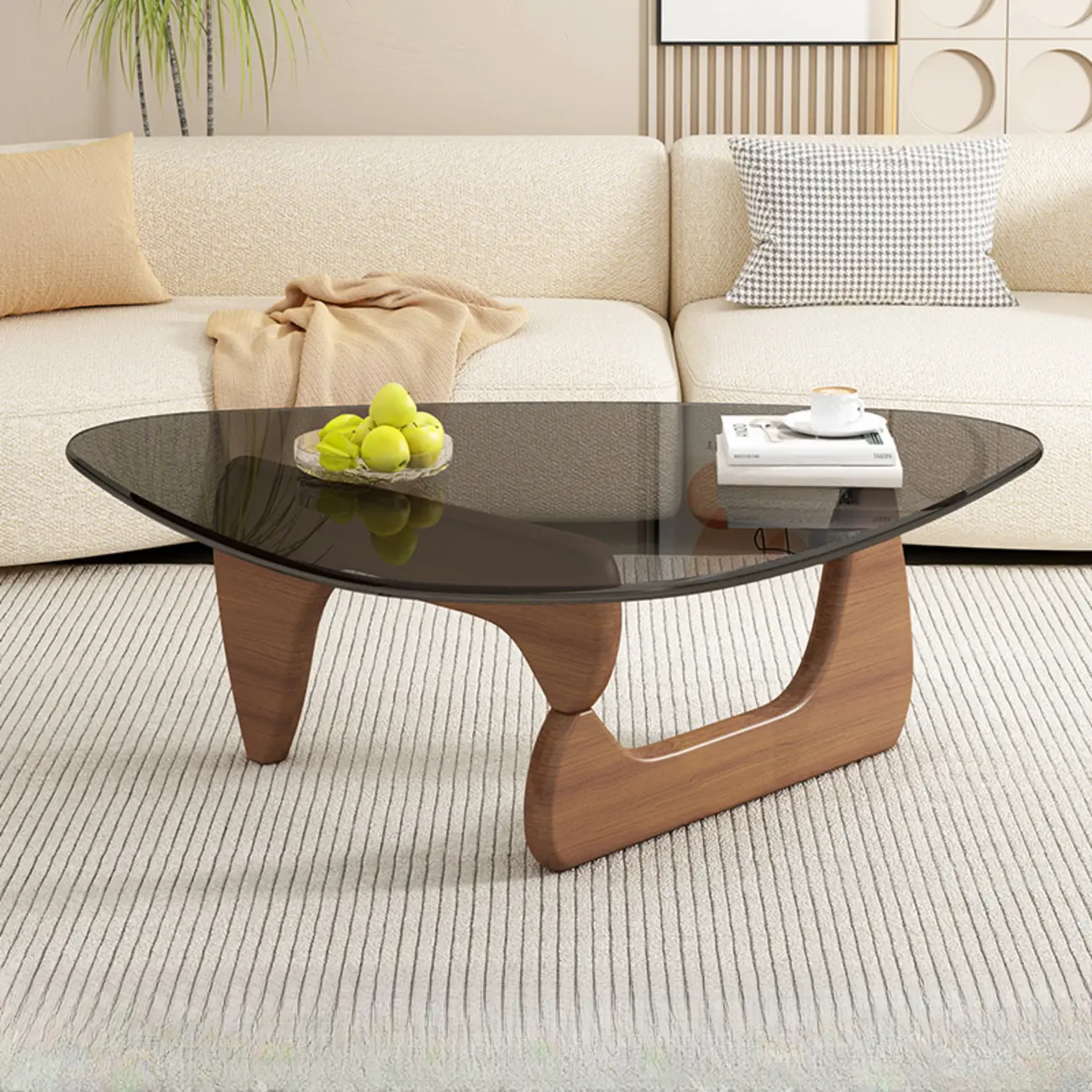
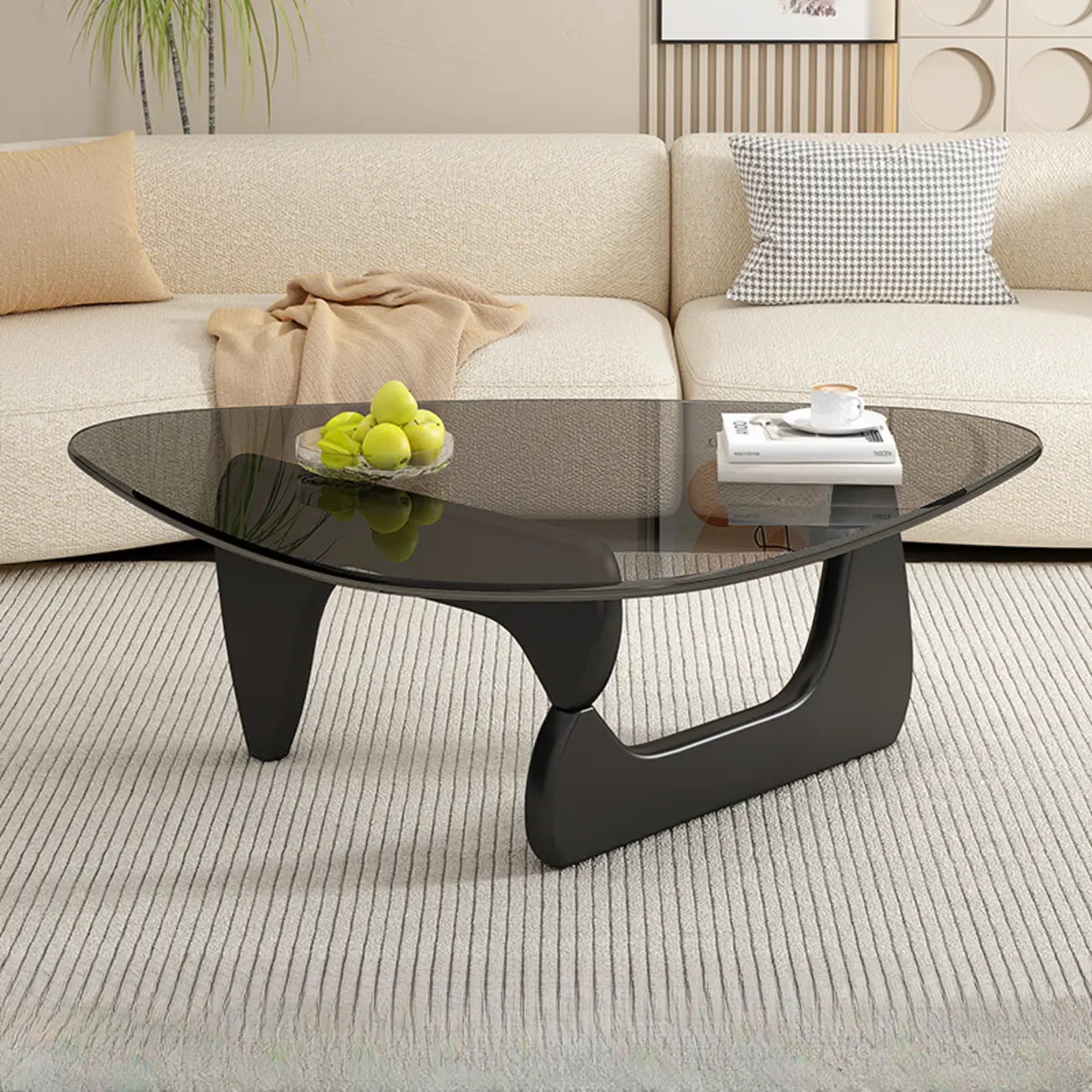
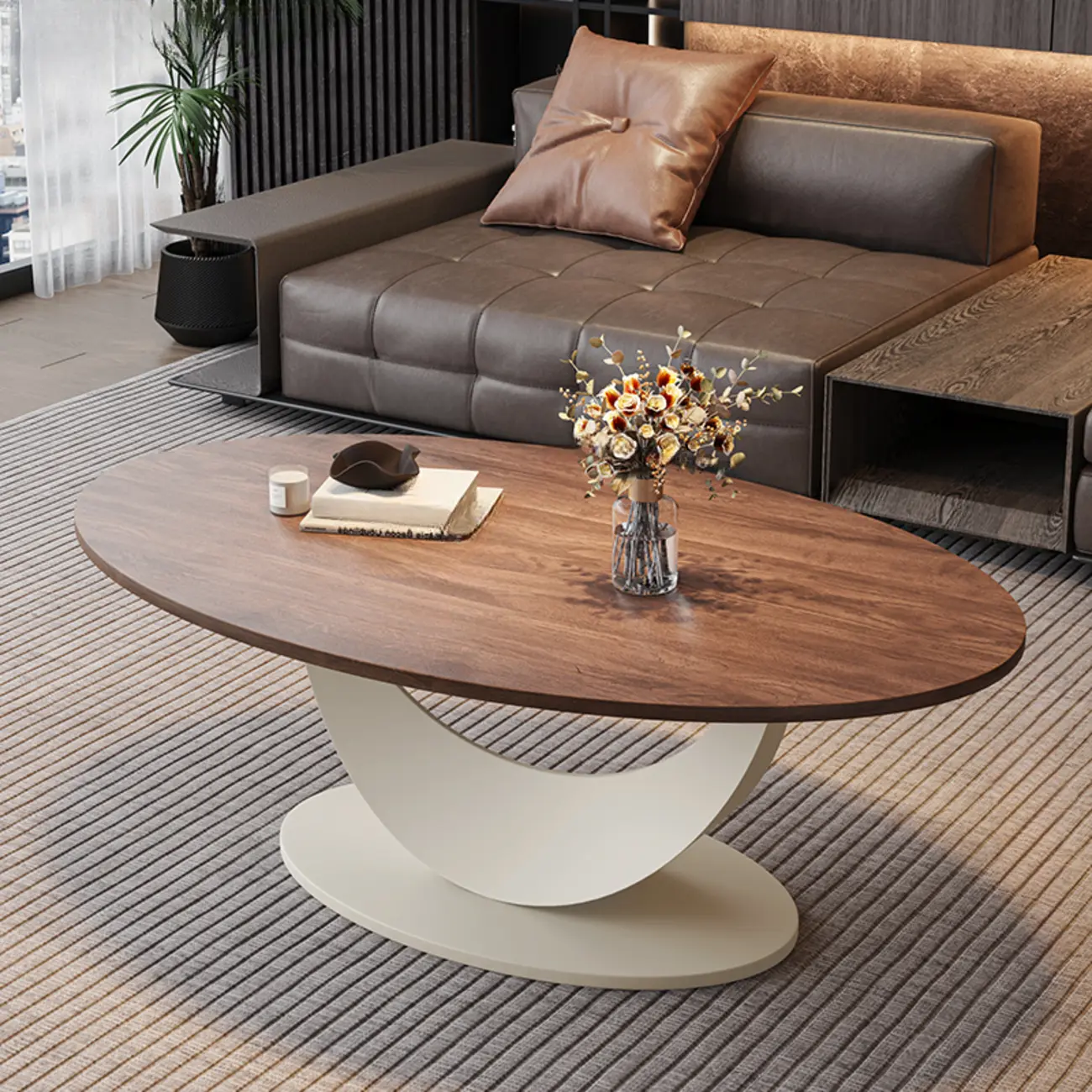
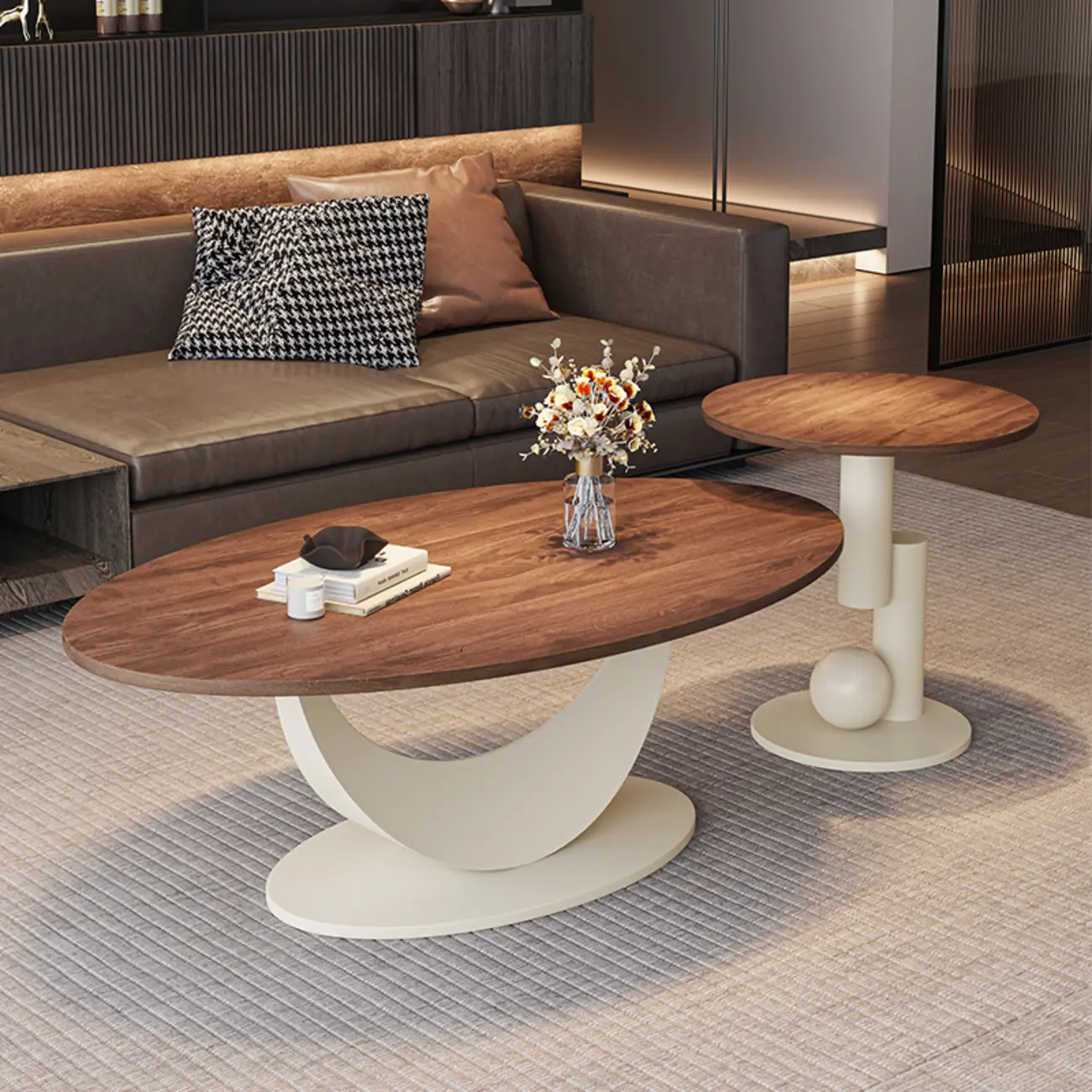
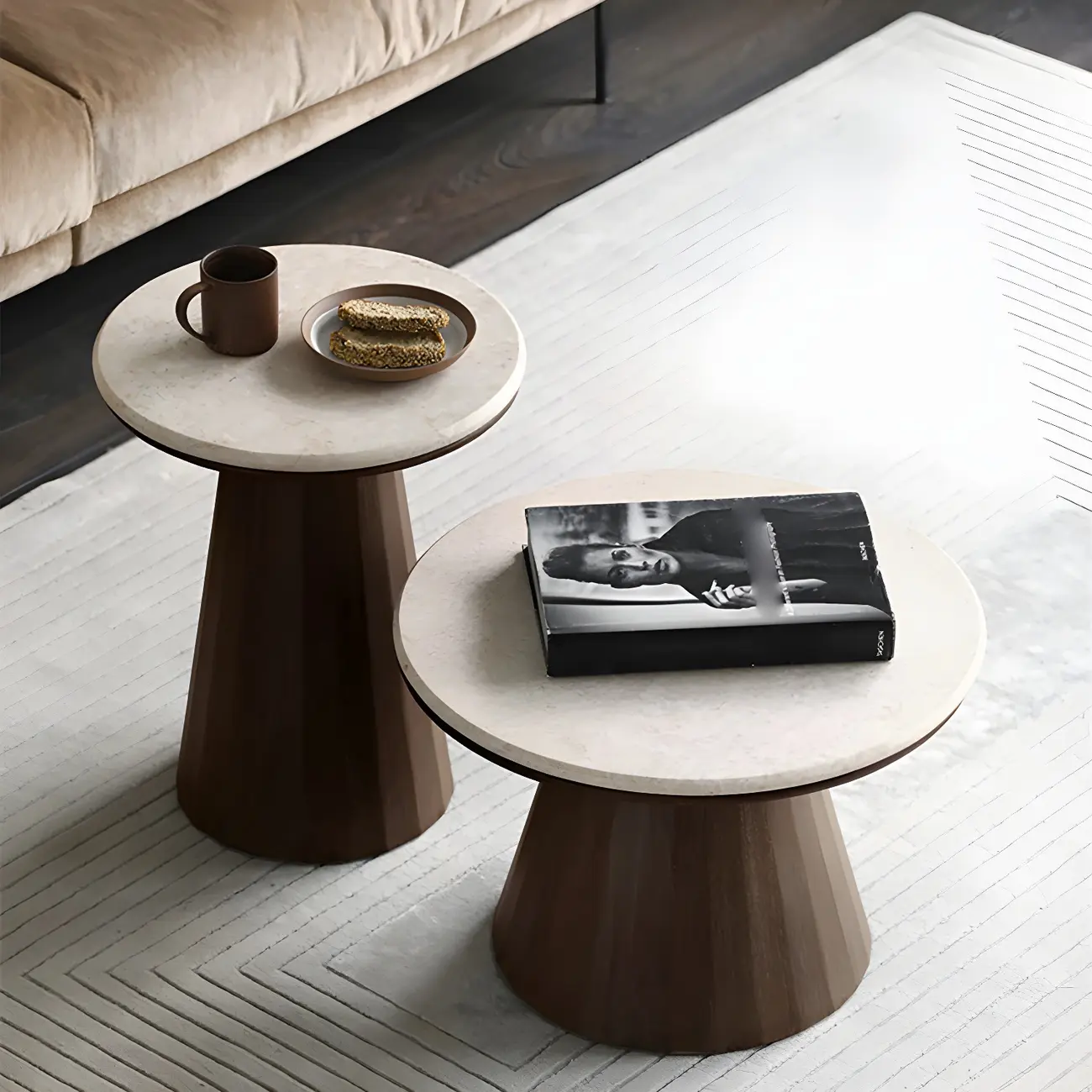
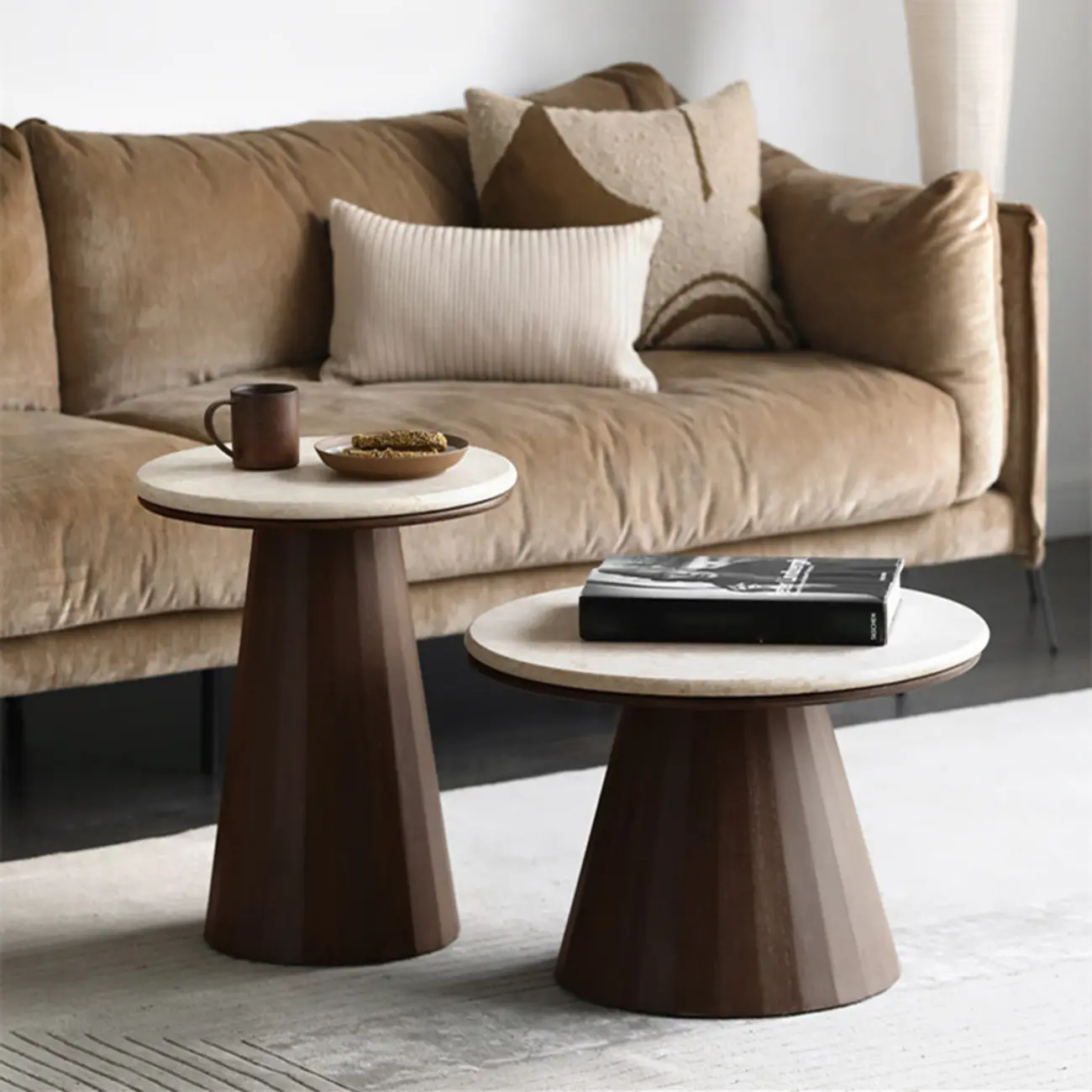
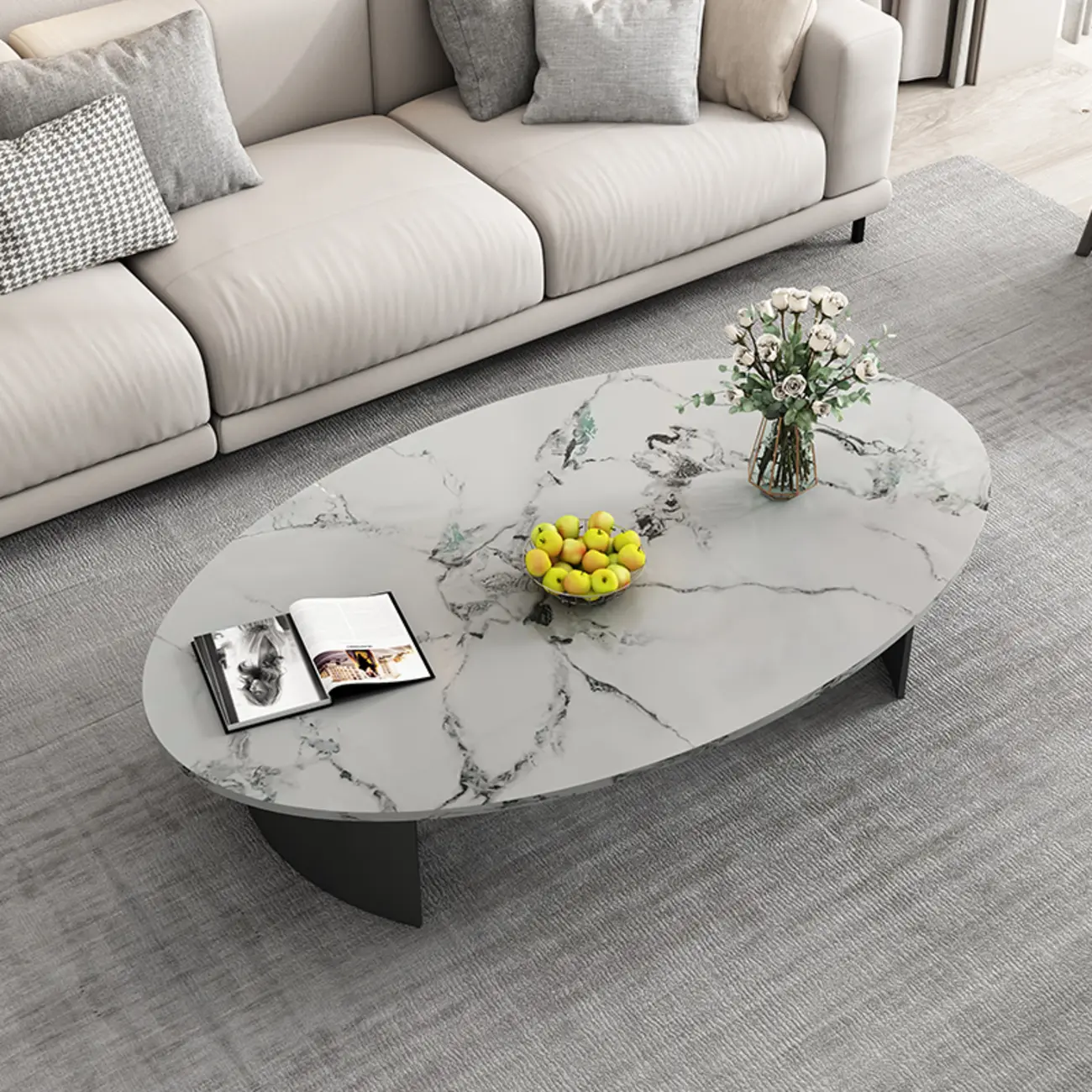
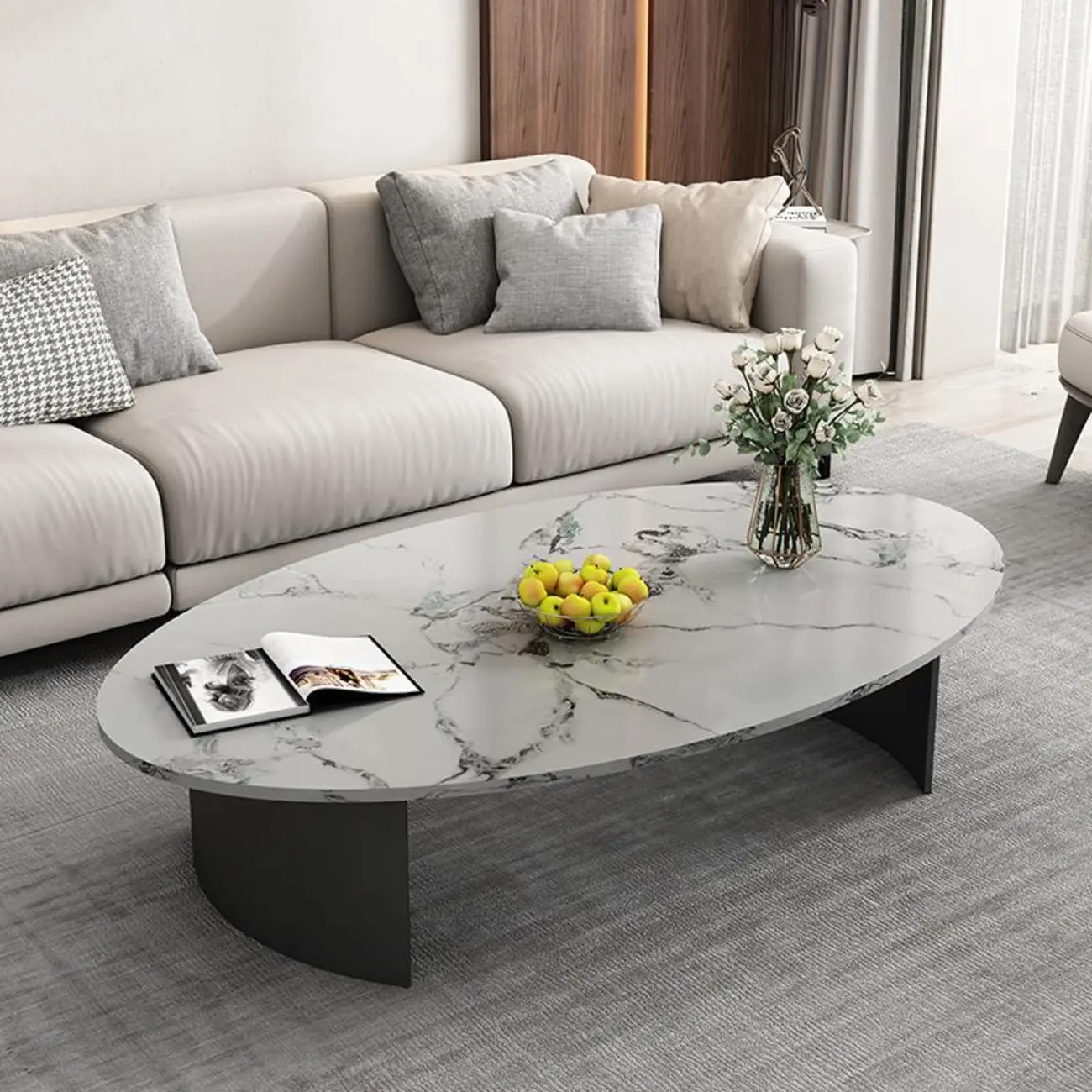
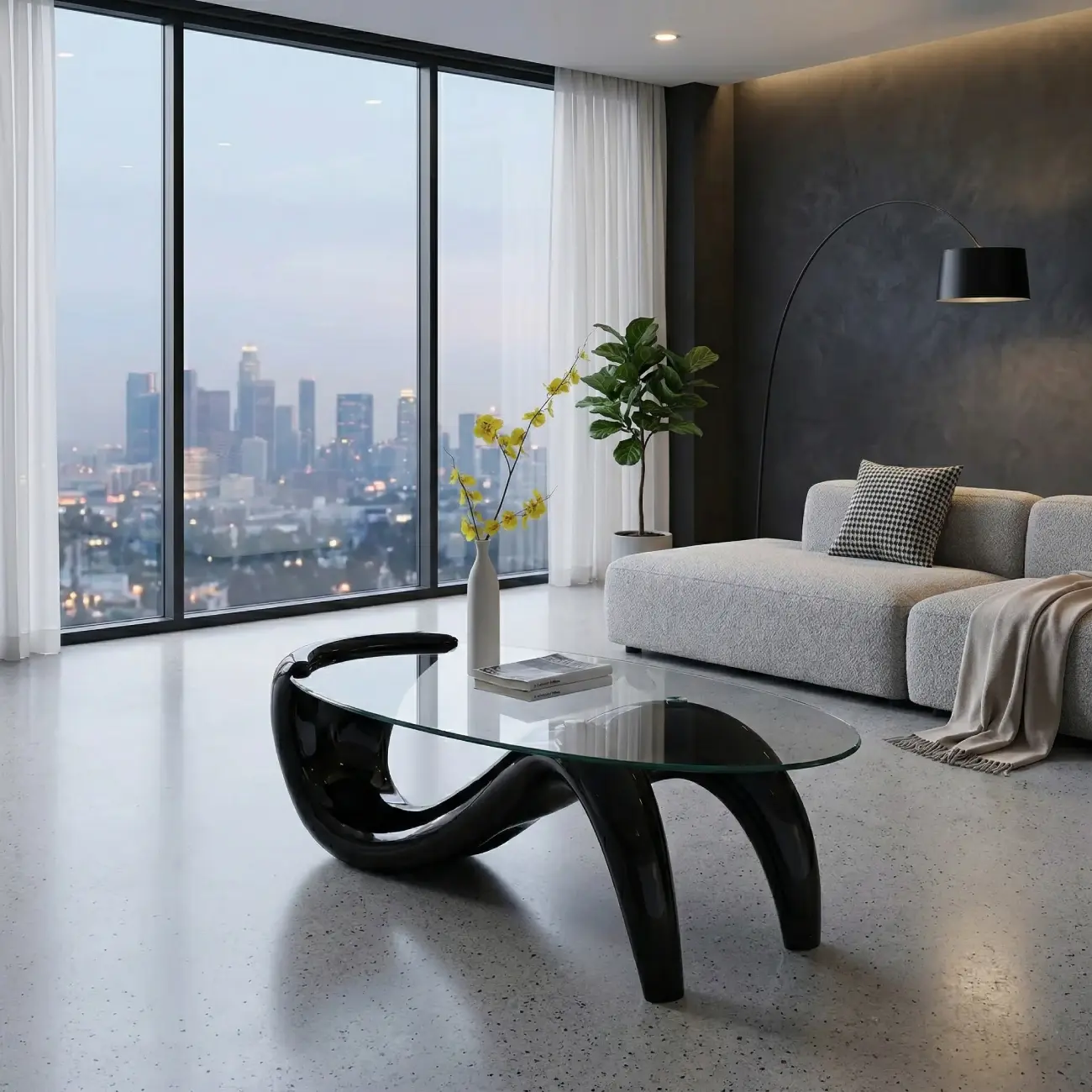
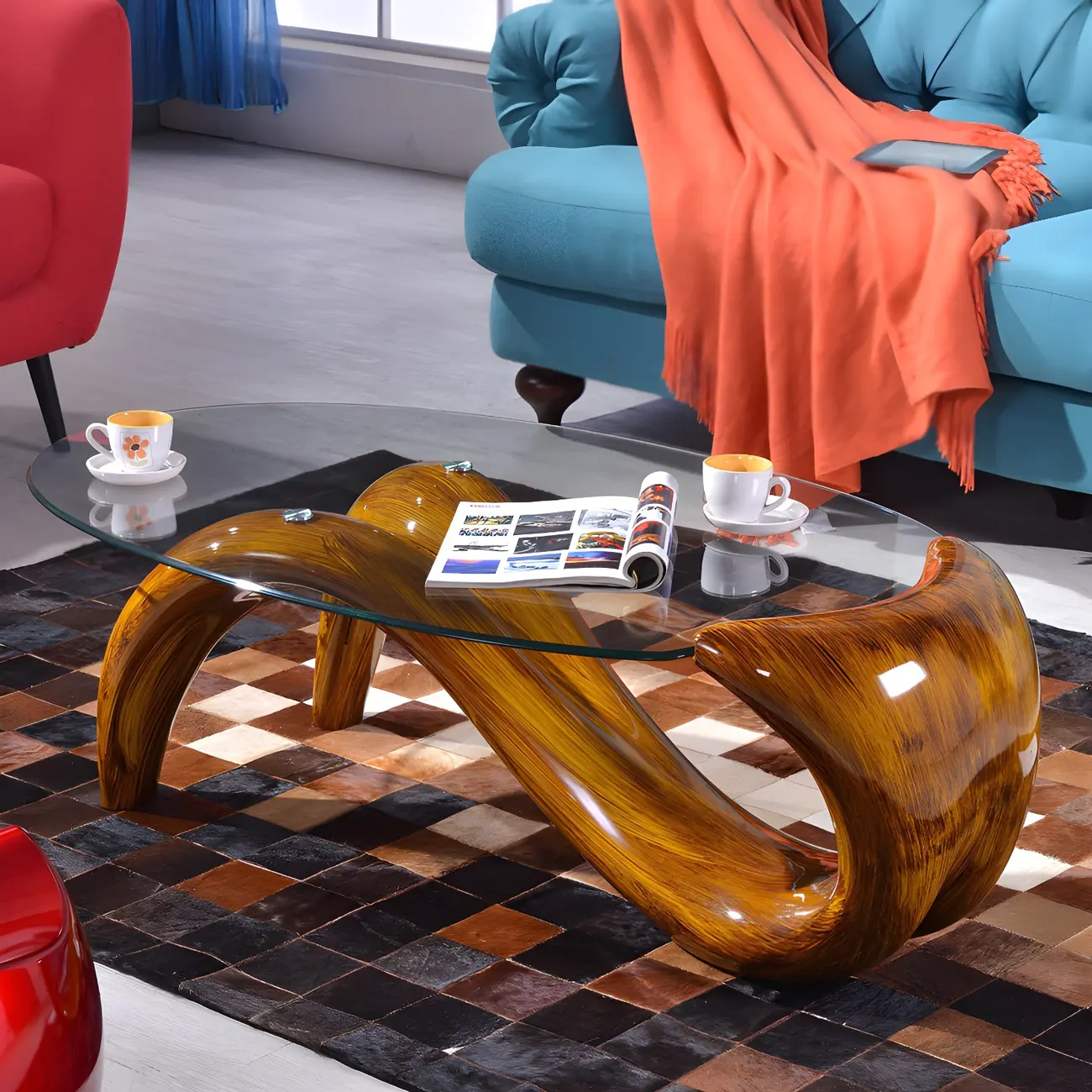
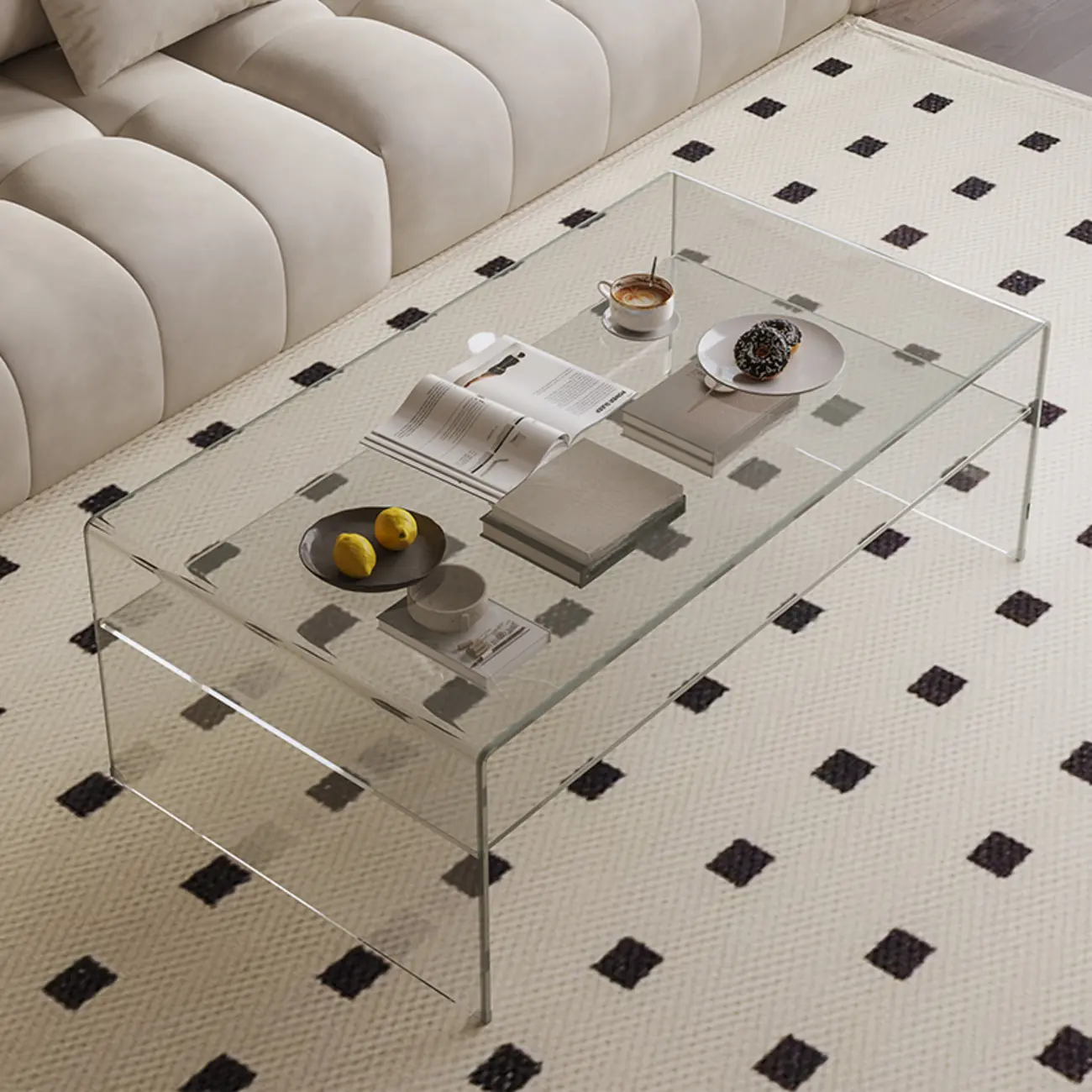
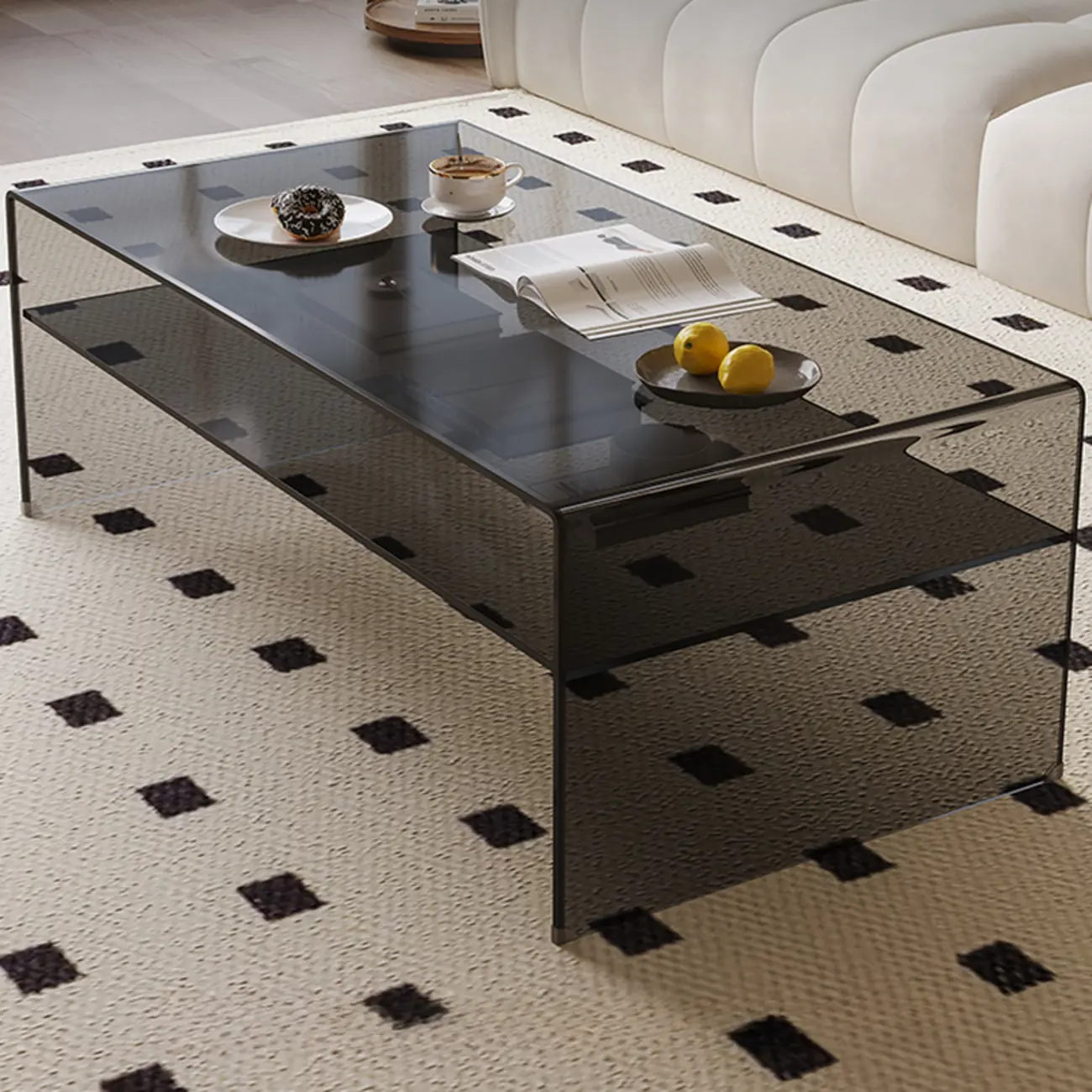
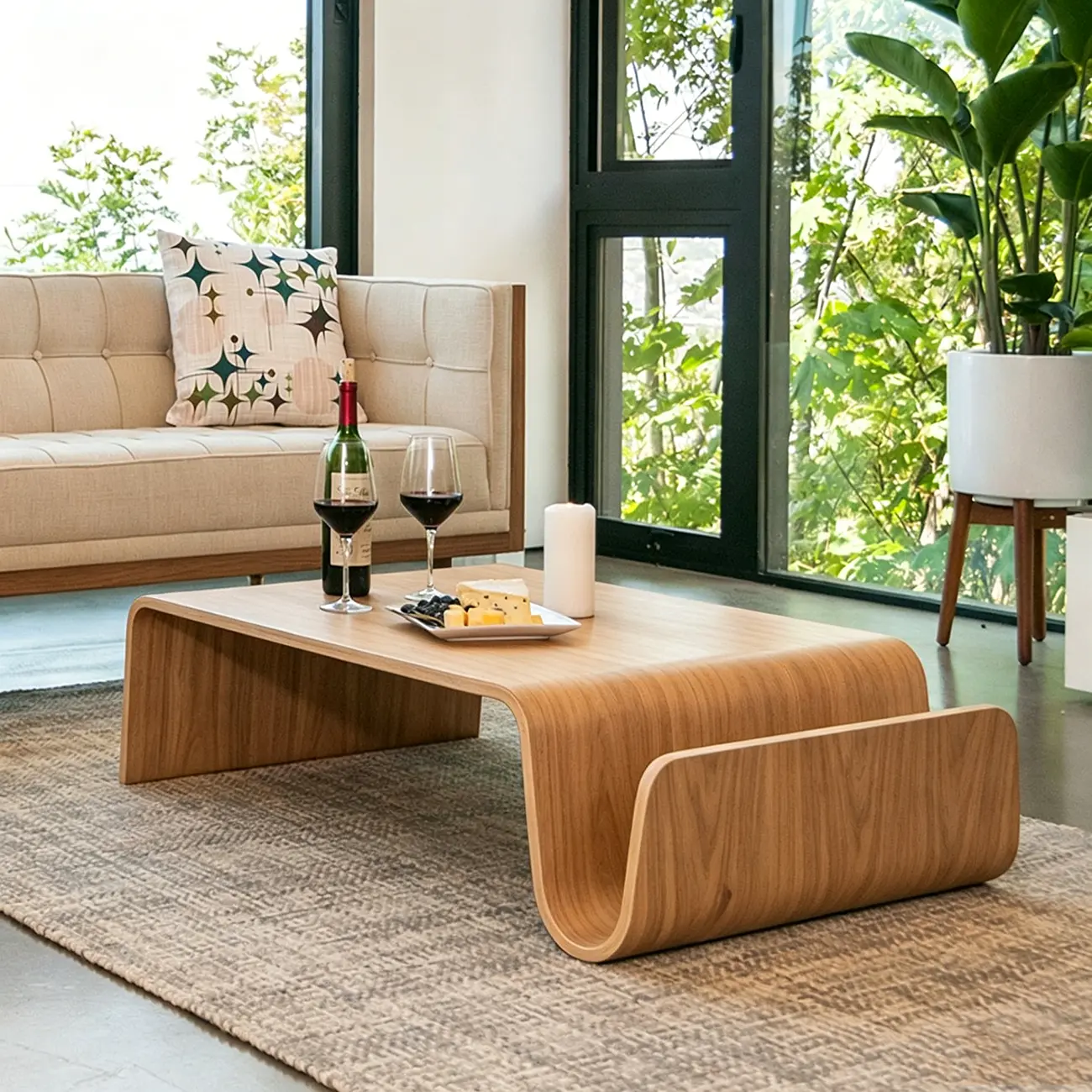
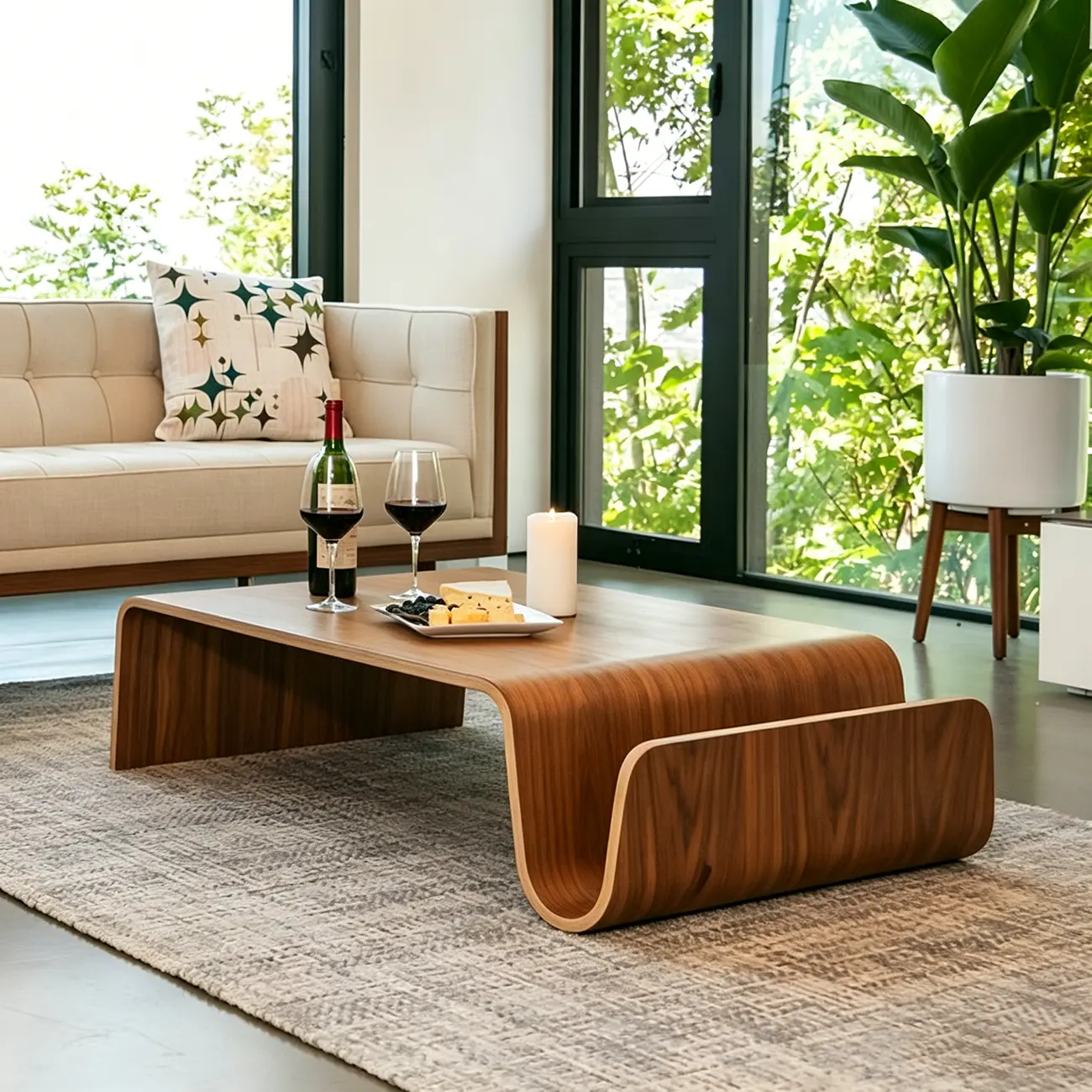
A bad coffee table ruins your flow. You bump your shins, stretch to reach your drink, or stare at a table that looks tiny next to your sofa. That is why getting the proportions right matters so much.
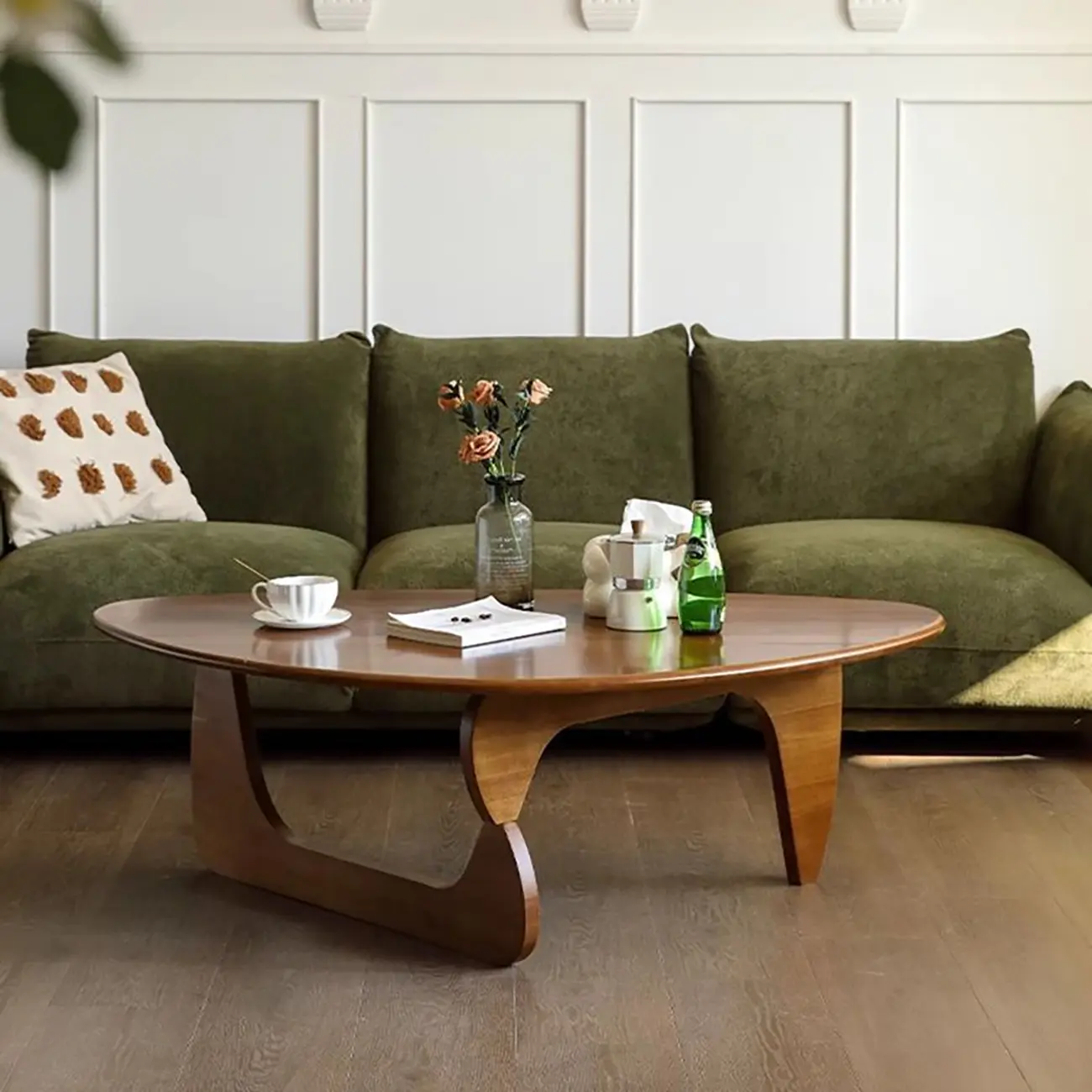
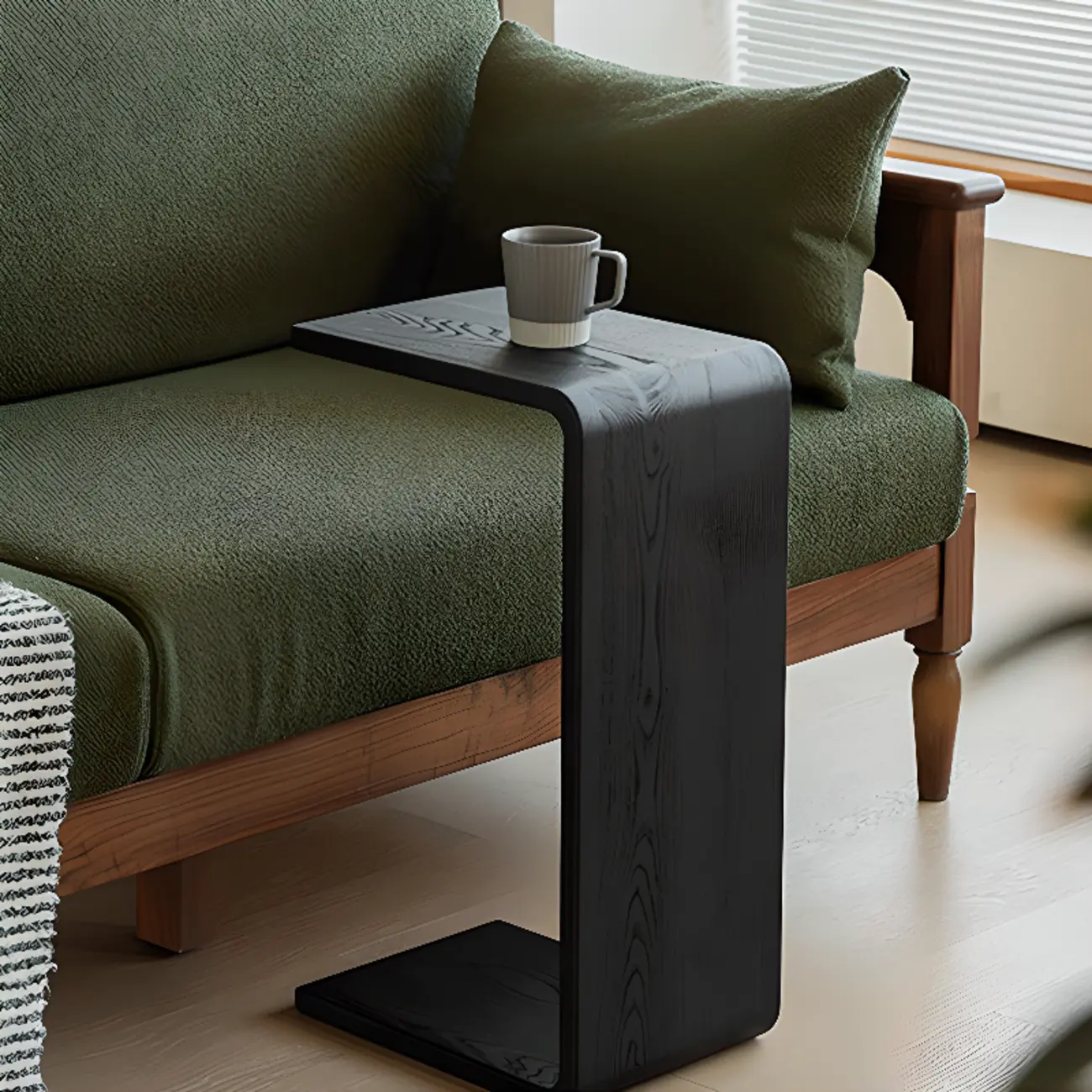
Here is a quick reference for the key measurements.
Measurement Ideal Rule
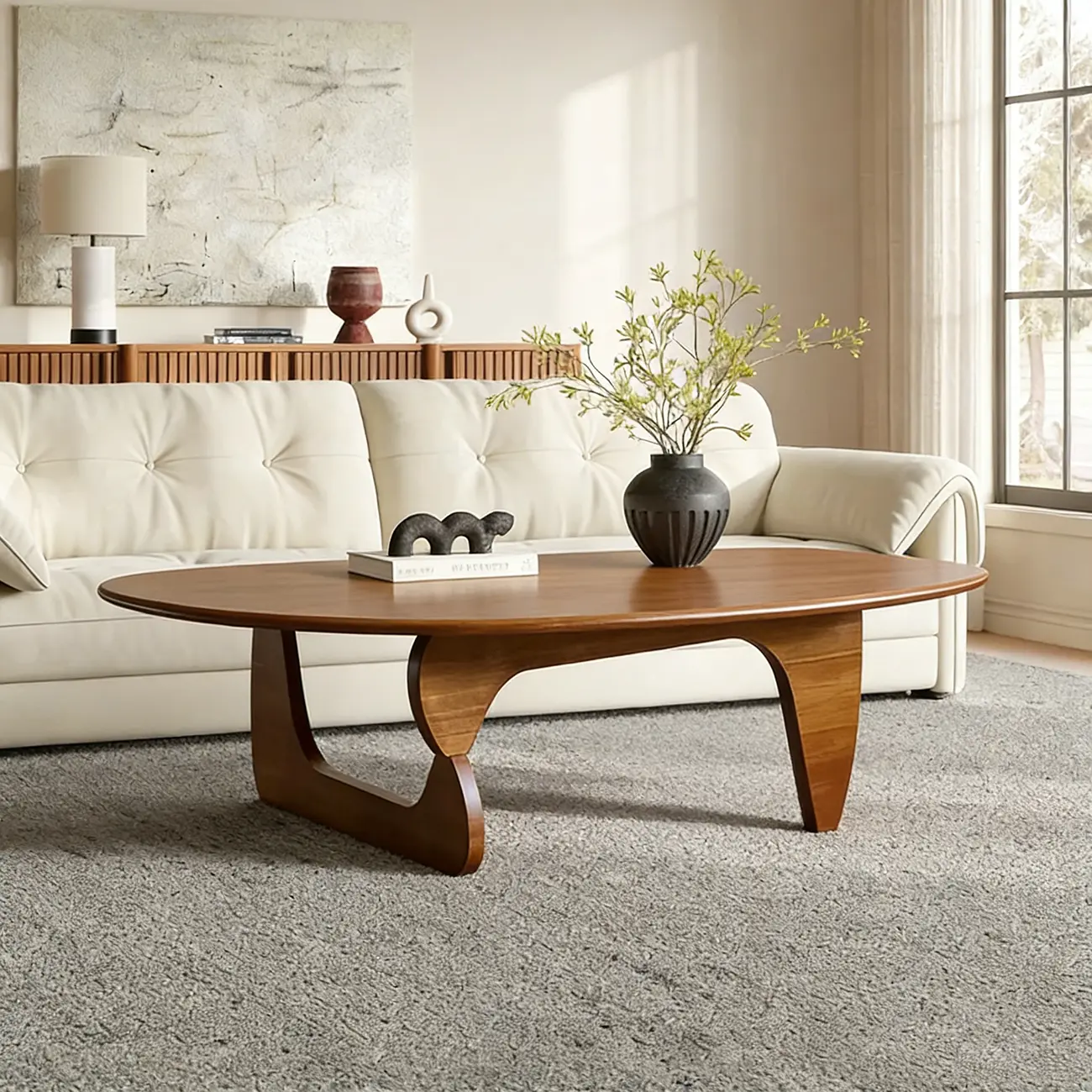
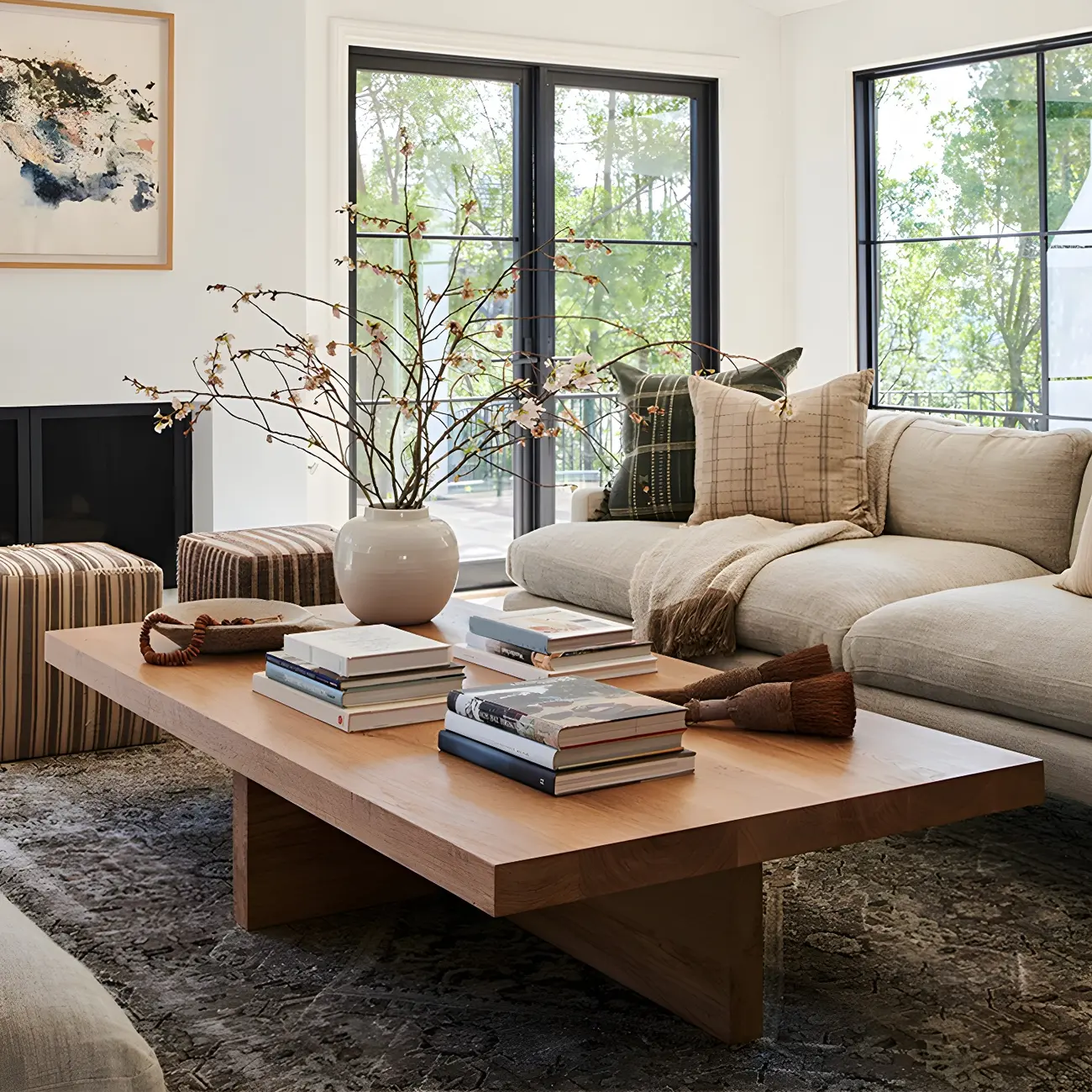
- Coffee table length 50% to 70% of your sofa length
- Coffee table height within 2 inches of sofa seat height
- Clearance from the sofa 16 to 18 inches
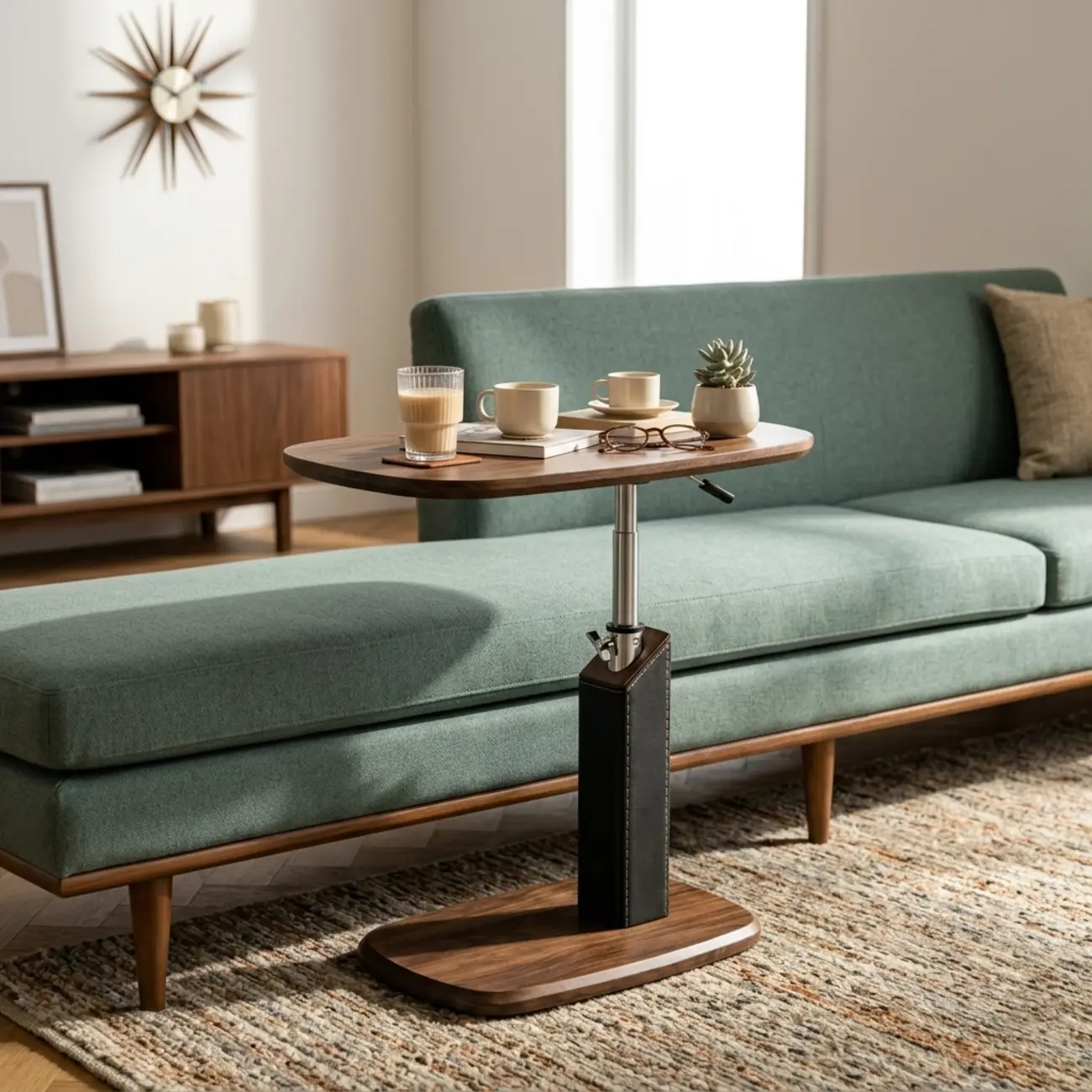
- Side table height within 2 inches of the sofa arm
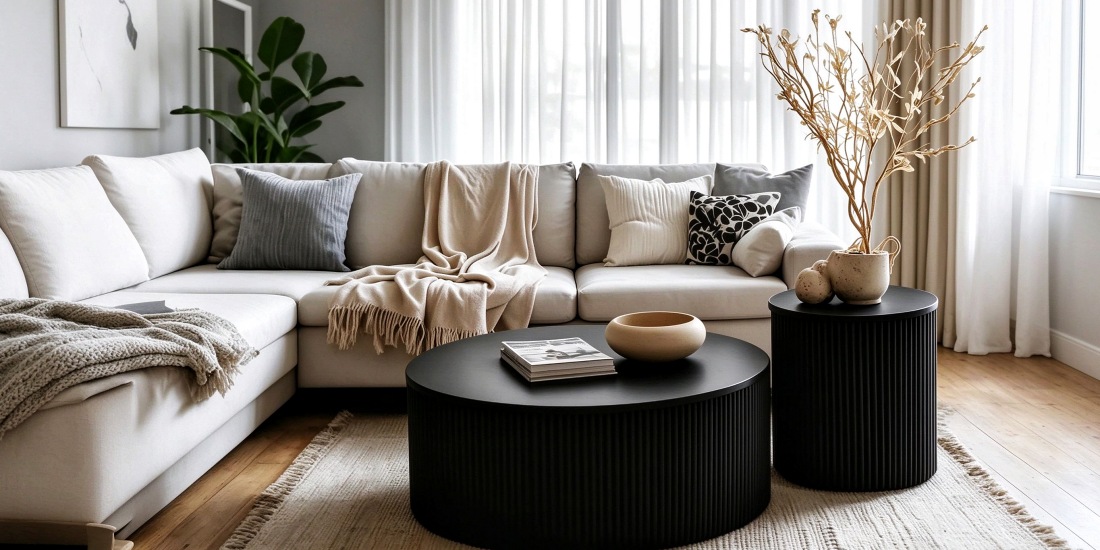
Beyond those numbers, consider the shape. Round coffee tables work better in small rooms or hallways where people walk a lot. No sharp corners means no bruised legs.
You also need one side table per seat. Place each one close enough to set down a drink without leaning. A coffee table that sits at the wrong height feels like wearing boots two sizes too big—you notice it every single time you walk by.
5. Consider Storage Solutions for a Clutter‑Free Space
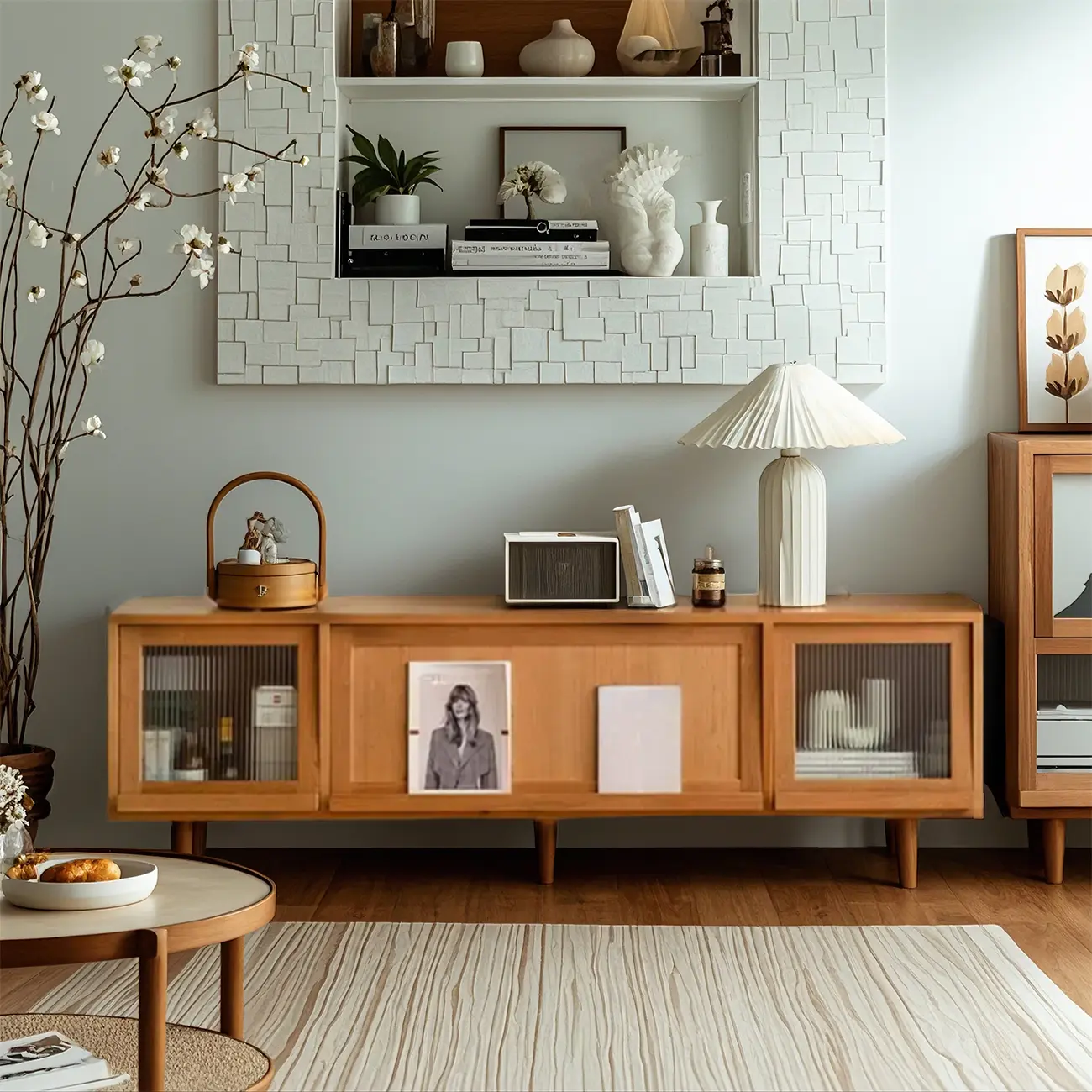
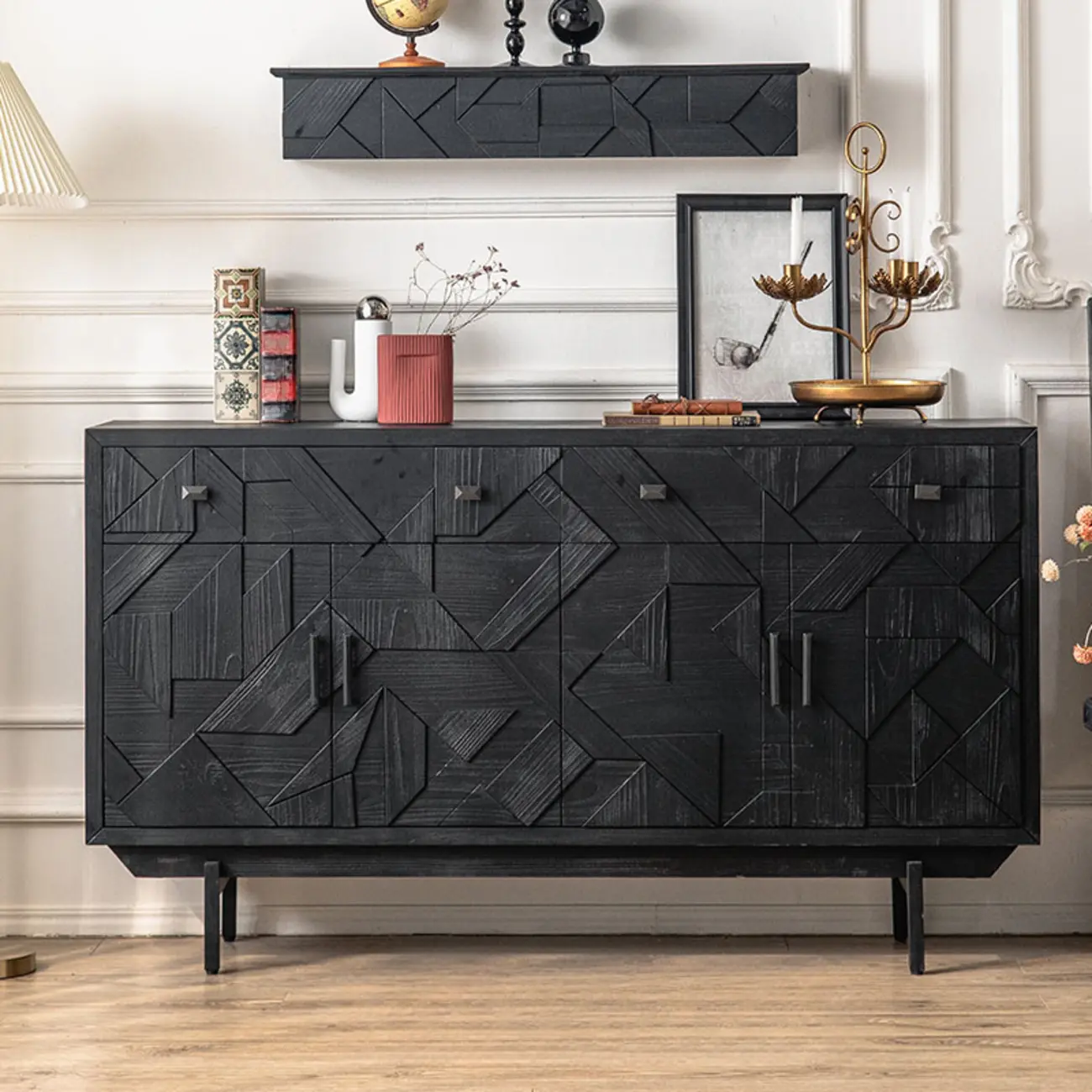
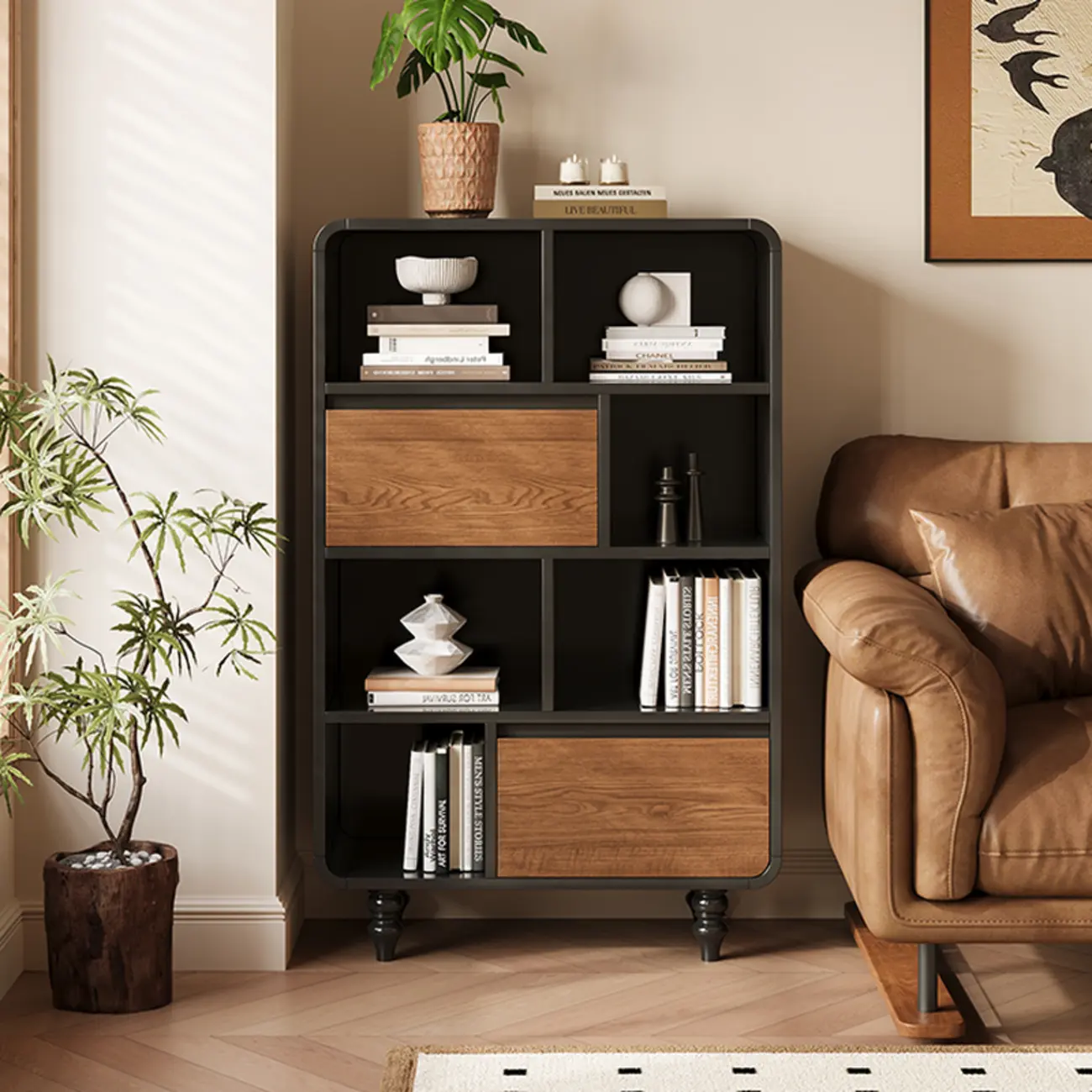
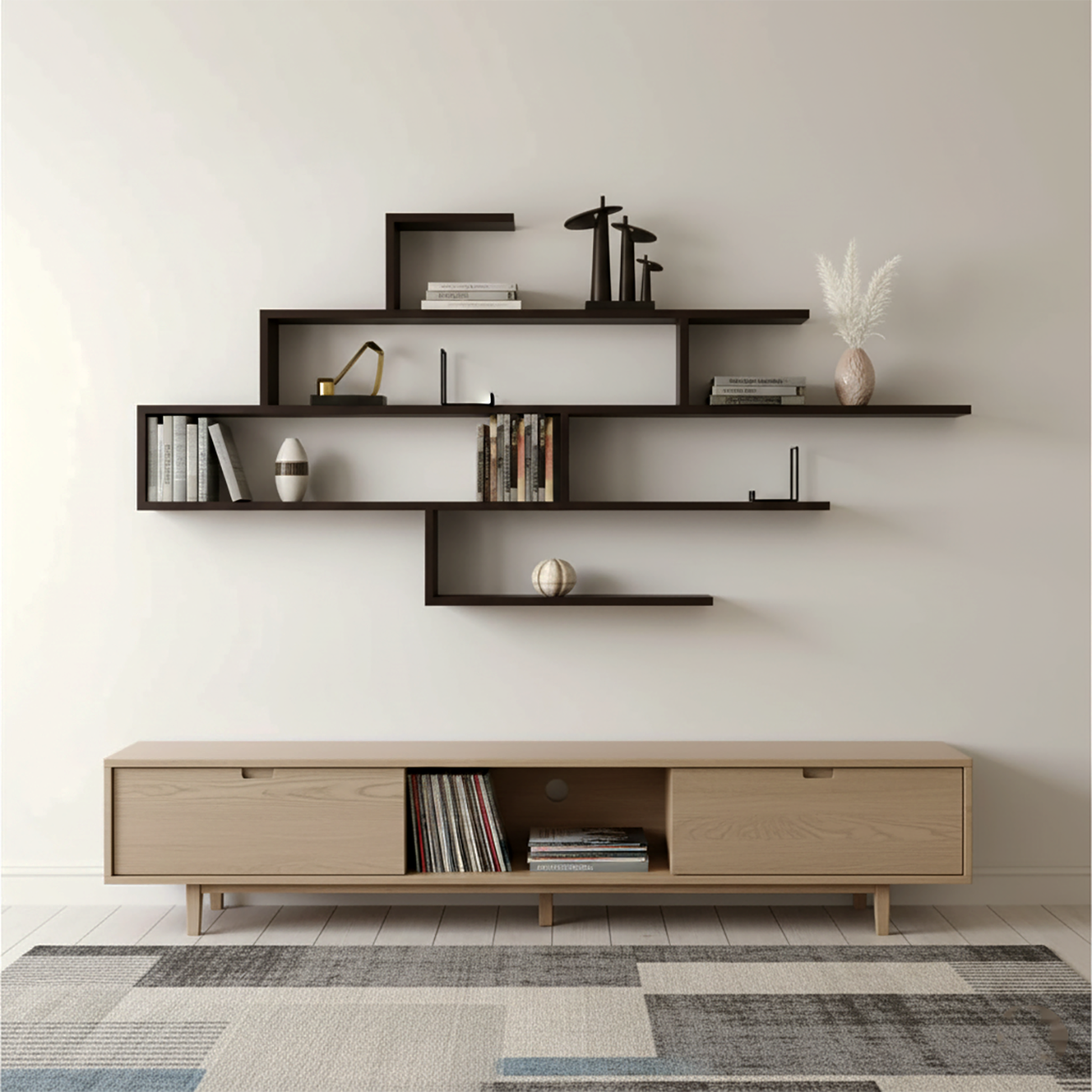
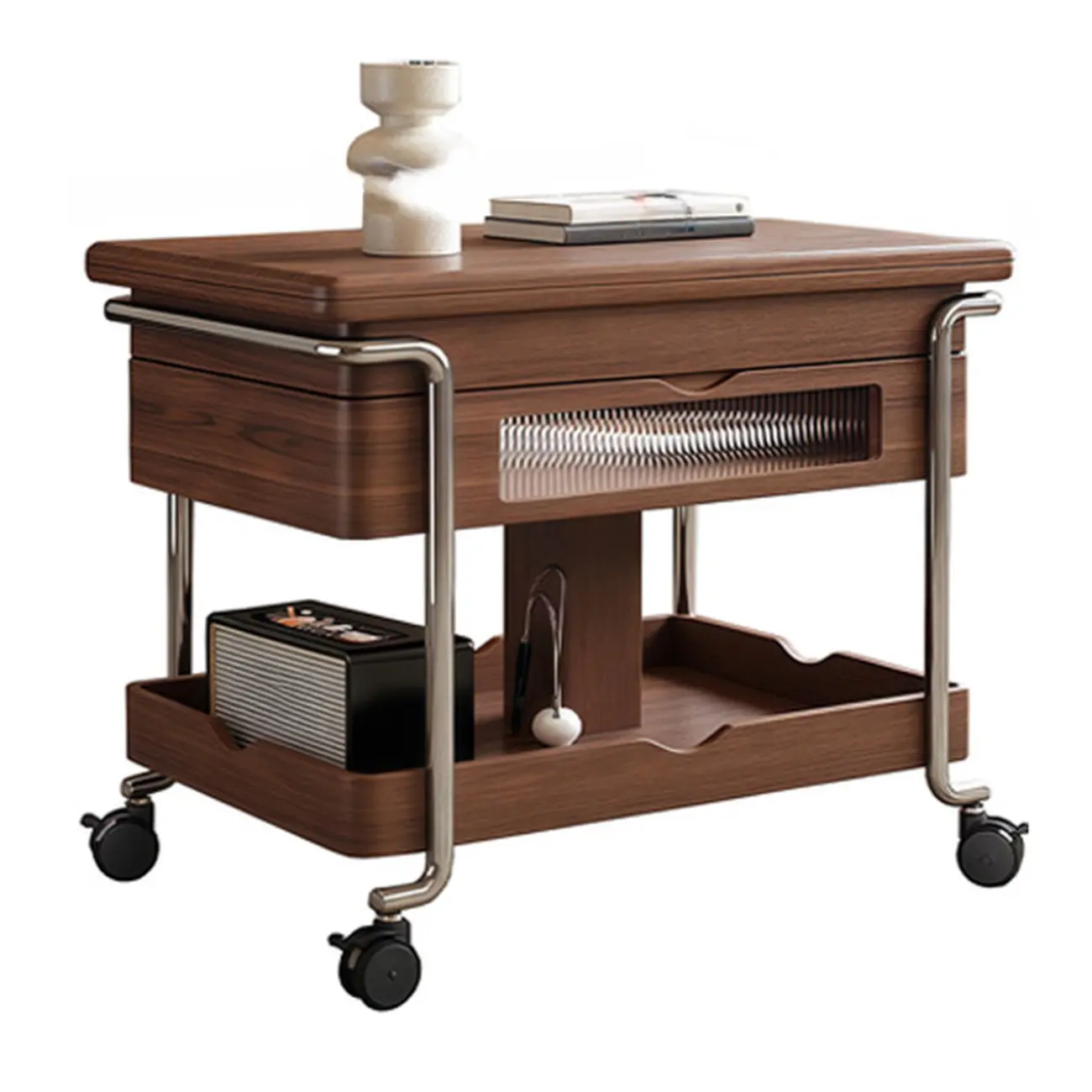
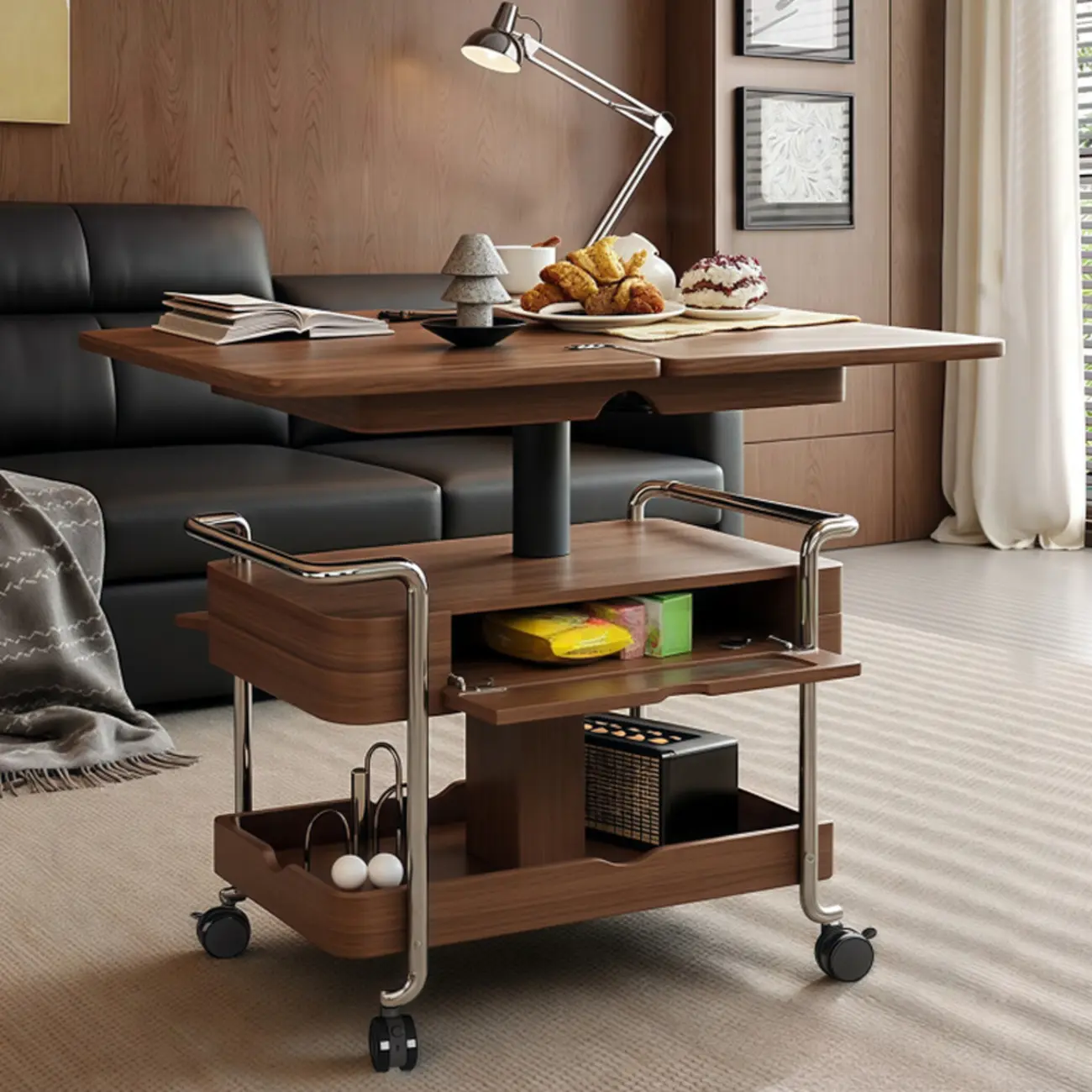
Every living room collects remotes, mail and blankets. Without a plan they all end up on your coffee table. You can start with hidden storage like an ottoman that opens up to hide things, a coffee table with drawers, a living room cabinet, a TV stand, a bookcase...
Then look up. Shelving above your TV and beside a fireplace turns dead wall space into storage. You should keep those shelves neat for displaying a few books and plants, not a pile of junk.
Look for a media console that is 16 to 18 inches deep. And make sure it has holes in the back for your cables.
6. Choose the Right Furniture Size and Proportion
A massive sectional that leaves no walking space. A tiny loveseat lost in a big room. You have seen both. Here is how to avoid them.
Your sofa should take up about two thirds of the main wall. Leave empty wall space on each side that makes the room feel larger.
Moreover you should also leave at least 30 inches of space between large furniture items for walking. If your room is tight then 18 inches is the absolute minimum.
Your rug needs to sit under the front legs of your sofa and chairs. For a 10x12 foot room, an 8x10 rug does the job nicely.
Before you order measure your door frames and hallways. A sofa that fits your room might never make it through your front door also a sofa that is too big for the room feels like wearing a backpack on a crowded elevator everyone notices it.
7. Focus on Materials, Quality and Durability
Look under the fabric before you buy. That is where good furniture separates from junk.
-
Frame grades from best to worst:
-
Solid hardwood like oak, maple and ash: lasts decades.
-
Engineered wood like plywood with hardwood veneer: fine for mid‑range.
-
Particle board: avoid for sofas. It belongs on cheap shelves.
-
How the frame is put together: Dowels plus corner blocks and glue works better than staples every time.
Fabric for real life: Performance velvet, Crypton and tight polyester with a Martindale score of 15,000+ best for home with kids and pets. You can also go with top‑grain leather which wears beautifully. And don't forget to look for removable and washable covers.
8. Coordinate Lighting and Accessories
-
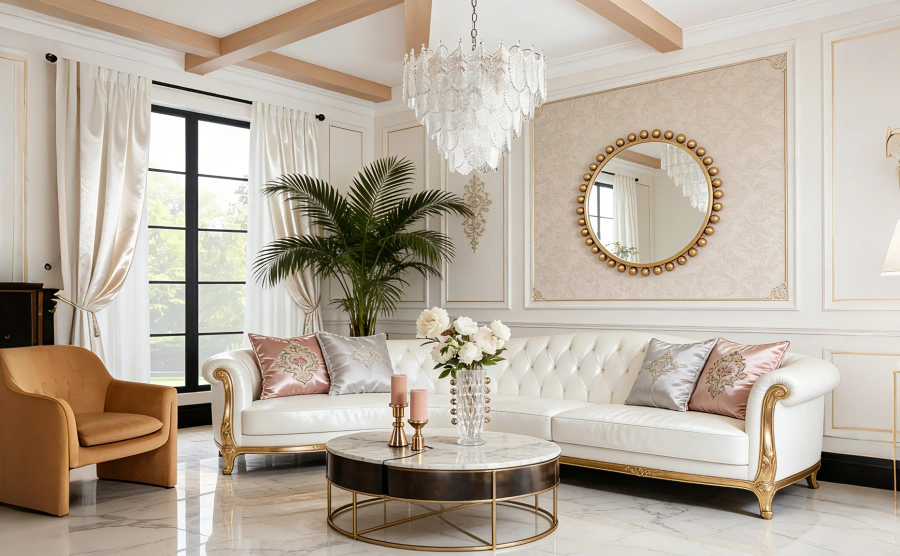
One overhead light makes any room feel like a doctor's waiting area. You need three layers of light instead.
-
Ceiling lights and floor lamps. They bounce light around the room. You get a soft glow. No harsh glare.
-
The task light sits next to your sofa or chair. A reading lamp pointed at your shoulder lets you read without straining your eyes.
-
Accent light highlights something beautiful. Use a picture light above art or a directional can light aimed at a plant or sculpture.
Now for accessories. Group them in odd numbers – three or five works best. You should vary the heights and textures so your eye moves around. One large vase looks better than five tiny figurines. Keep your surfaces mostly clear. Your room will feel calm not cluttered.
9. Living Room Furniture Buying Checklist
You made it through all that, so here is a quick checklist so you do not miss the big things.
-
Grab your tape measure. Get the length, width and ceiling height of the room.
-
Do not forget the doorways, hallways and stairwells. Measure those too.
-
Fabric samples first. Always. Order them before you buy a single upholstered thing.
-
Checked sofa seat depth about 22 to 24 inches for lounging.
-
Confirmed coffee table height within 2 inches of sofa seat.
-
Left at least 30 inches of walkway between large pieces.
-
Verified return policy and delivery fees.
-
Make sure your budget includes tax, delivery and assembly.
-
Read at least 10 recent reviews filter by "most recent."
-
Took a photo of your current room to compare before ordering.
One missed step can turn excitement into regret. Use this checklist every time.
10. How to mix and match living room furniture
You do not want a boring matching set, but you also don’t want a mess, so the 80/20 rule gives you a simple path.
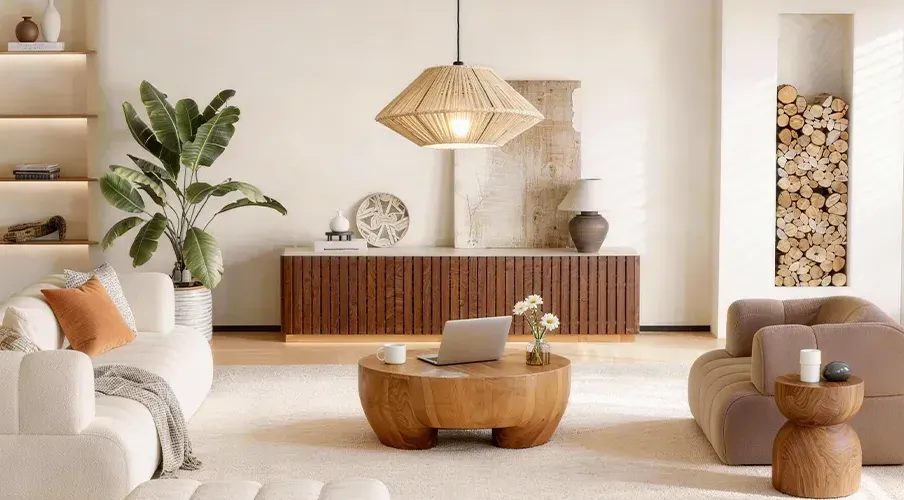
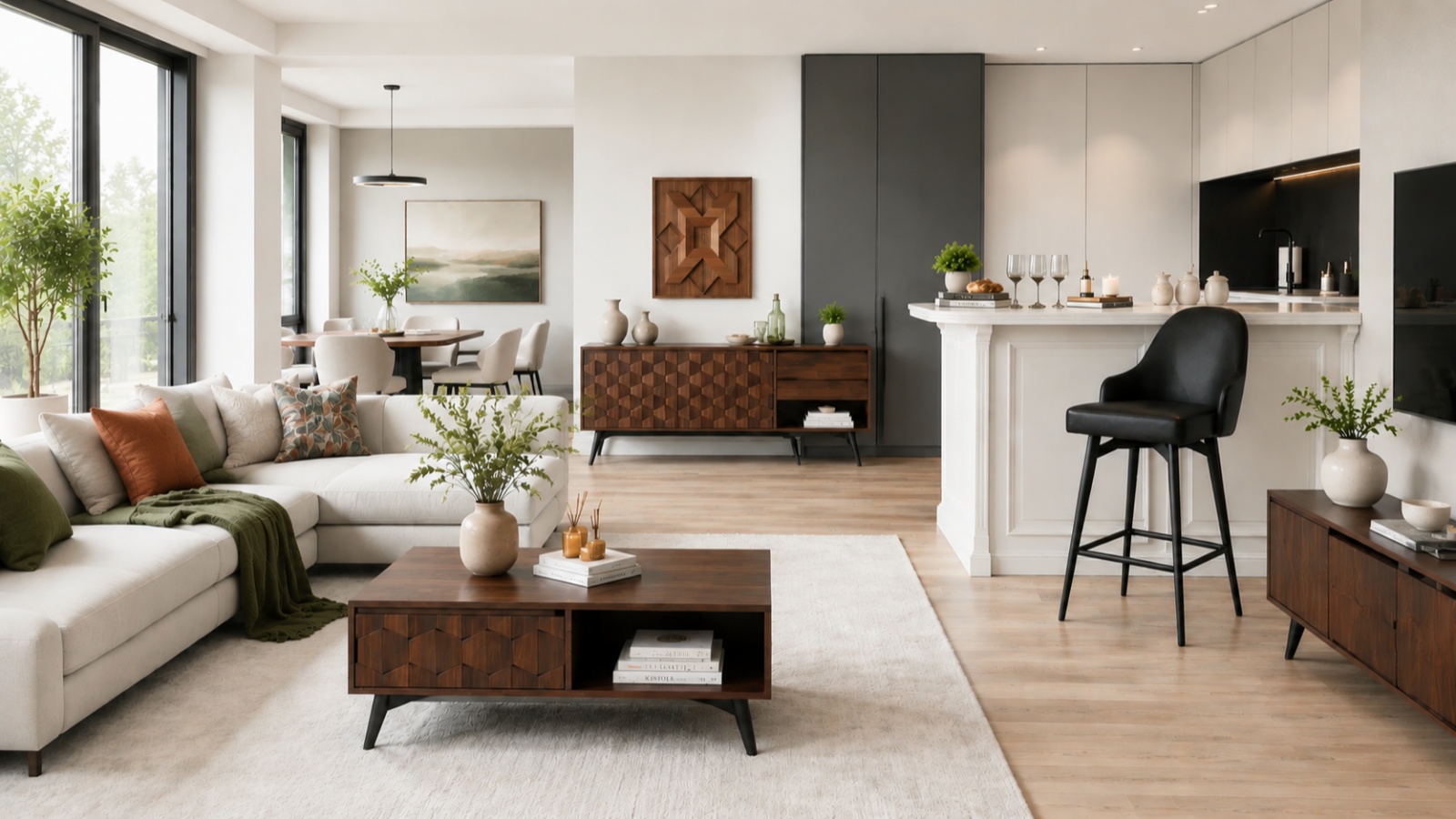
Let 80% of your pieces share a common thread. That could be the same wood undertone—all warm like cherry and walnut. Or a similar color palette. Or pieces from the same design era.
The remaining 20% can be a contrast piece. A different shape, an unexpected color, or a vintage find.
Match intensity, not exact color. You can go with a muted blue sofa, which will work fine with a faded red rug because both have low saturation. Whereas a bright blue with bright red feels like a circus.
Vary your shapes too; try to put a round coffee table next to a square sofa. And set a curved armchair beside a rectangular shelf. You should keep one consistent element, like warm wood tones, and everything else can wander a little. That is how you look collected, not confused.
Find the Perfect Living Room Furniture for Your Home with HomeyFad
You now have a clear path to choose living room furniture that fits, lasts and looks great. You can start with your space and your style and then let your budget guide you toward quality where it counts. Believe us furniture shopping does not have to be stressful; all you need is the right plan before you spend any money.
Ready to find pieces you will love for years? Check out Homeyfad for living room furniture that matches your style. Or head over to the Homeyfad blog for more room-by-room guides and design tips.
FAQs
What furniture is essential for a living room?
A sofa. A coffee table. A side table for each seat. Plus a media console to hide the clutter.
How do I choose furniture for a small living room?
Skip the big sofa. Get a loveseat. Use nesting tables that tuck away. Pick stuff with legs so you see more floor. Mount shelves on your walls.
How do I match living room furniture colors?
Try the 60‑30‑10 trick. Let your sofa take 60% of the color. Your rug gets 30%. Then use pillows or art for the last 10%.
--17.jpg?w=900&h=506)
-.jpg?w=800&h=563)
.jpg?w=3014&h=2003)
-12.png?w=1306&h=735)

-.jpg?w=800&h=543)

 Add Us On Google