
(7).png?w=1920&h=650)
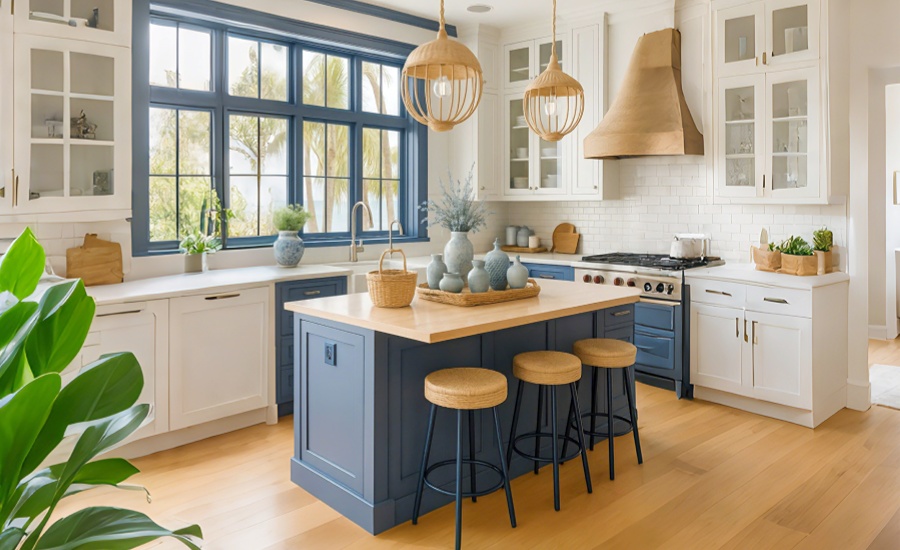
No doubt designing a kitchen is a headache: so many choices and so many rules. Where do you even start? You could guess and hope for the best. Or you could follow a clear path that guides you through each step of home kitchen designing.
This step-by-step guide covers everything you need to know, from layouts to budget. No confusing concepts and designing philosophy, just honest advice from people who have done this work. Read through these ten steps, and you will walk into your next kitchen meeting ready.
Step 1: Understand Your Needs
Before picking finishes, ask yourself a few basic things. How many people live in your home? Do you and your partner use the kitchen at the same time? Do you cook daily or just a few times a week? Do you need an island for prep? Do you want an open floor plan and your storage needs? Simple questions like that.
Now think about your routine. Write down how a normal weekday goes. Then do the same for weekends. Your habits will tell you what you really need. You should check every drawer and cabinet to see what you never use. This way, you also get to know exactly the storage you need.
Keep these questions handy as you plan. As a kitchen for a big family would look nothing like a kitchen for a single person, so do your answers shape everything.
Step 2: Map Out How Your Kitchen Will Flow
Your layout decides how well your kitchen flows. Pick the wrong one, and you fight the space every day.
|
Layout |
Best For |
Key Advantage |
|
U‑shaped |
Medium to large, multiple cooks |
Three walls of storage |
|
L‑shaped |
Small to medium, open concept |
Flexible, easy to add island |
|
G‑shaped |
Large families, serious cooks |
Extra counter plus seating |
|
Galley |
Narrow spaces, one cook |
Everything within arm's reach |
|
Island |
Entertainers, medium to large |
Prep space plus social hub |
|
One‑wall |
Small apartments, studios |
Minimal footprint, low cost |
|
Peninsula |
Medium kitchens, no island room |
Adds seating without full clearance |
Walkway widths matter too; give yourself 36 inches for general walkways. And push to 48 inches between an island and your main counter. A cramped kitchen feels miserable.
Here is a simple test. Stand where the stove goes. Can you reach the sink in two steps? Can you grab the fridge without crossing the whole room? If not, then keep tweaking.
Step 3: Follow the Kitchen Work Triangle Rule
The fridge, sink, and stove. Those three see the most action. Keep them close to save steps, but give them enough space so you do not feel cramped.
The numbers you need:
- Each leg of the triangle: 4 to 9 feet
- Total distance around the triangle: 12 to 26 feet
- No obstacle (like an island) should block the triangle
Why does this matter? Every time you cook, you move between these three spots. A good triangle cuts your steps in half.
Modern kitchens sometimes bend this rule. Open floor plans work better with zone planning. A prep zone near the sink. A cooking zone around the stove. A storage zone by the fridge.
But the triangle still works as a sanity check. If your fridge sits thirty feet from your stove, you will get annoyed every single night.
Example: Put the fridge at one end of your kitchen. Place the stove at the opposite end. Set the sink somewhere between them. That simple setup saves you miles of walking over a year.
Step 4: Decide Dimensions
Good dimensions make a kitchen comfortable. Bad ones make you want to eat out every night. Start with a counter height of 36 inches. That works for most people. Base cabinets run 24 inches deep. Upper cabinets are half that at 12 inches.
Walkways need space. Give yourself 36 inches for general paths. If two people cook together, bump that to 48 inches. The same goes for the space between an island and your perimeter counters.
Drawers work better than base cabinets. You pull them open and see everything inside. No kneeling. No digging to the back. Store your daily pots between shoulder and hip height. If your height varies a lot from an average person's height, then adjust the counter by an inch.
Step 5: Plan Plumbing and Electrical
Plumbing gets expensive fast when you start moving things. Keep your sink in the same general area if you want to save money. A prep sink in an island sounds great but adds cost. An instant hot water tap needs a tank underneath. Great for tea, not great for tight budgets.
For electrical, think about your actual routine. Where will you plug the coffee maker? The toaster? The phone charger? Do not guess. Map it out.
GFCI outlets go near sinks. Code says so. So plan their spots early so they don't ruin your backsplash. Your fridge, dishwasher, and microwave range need their own circuit. Also, the under-cabinet lighting needs wiring before the cabinets are installed. You should decide on that early, too.
Step 6: Choose Kitchen Style
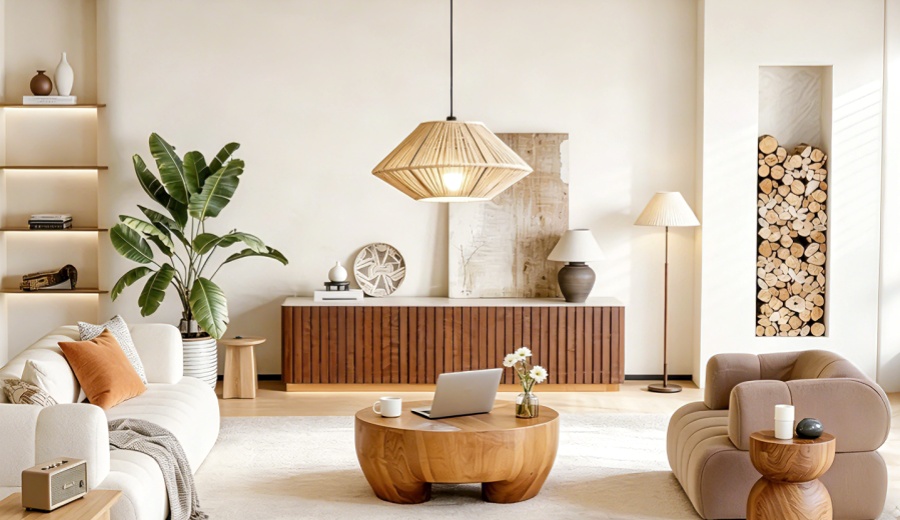
Save photos of kitchens you love. Look for patterns. That is your style.
Shop KItchen & Dining Furniture
Common kitchen styles:
Modern: This style uses flat panel doors, hidden handles, and neutral colors.
Transitional: In this style, you get shaker cabinets, mixed materials, and a classic meets contemporary vibe.
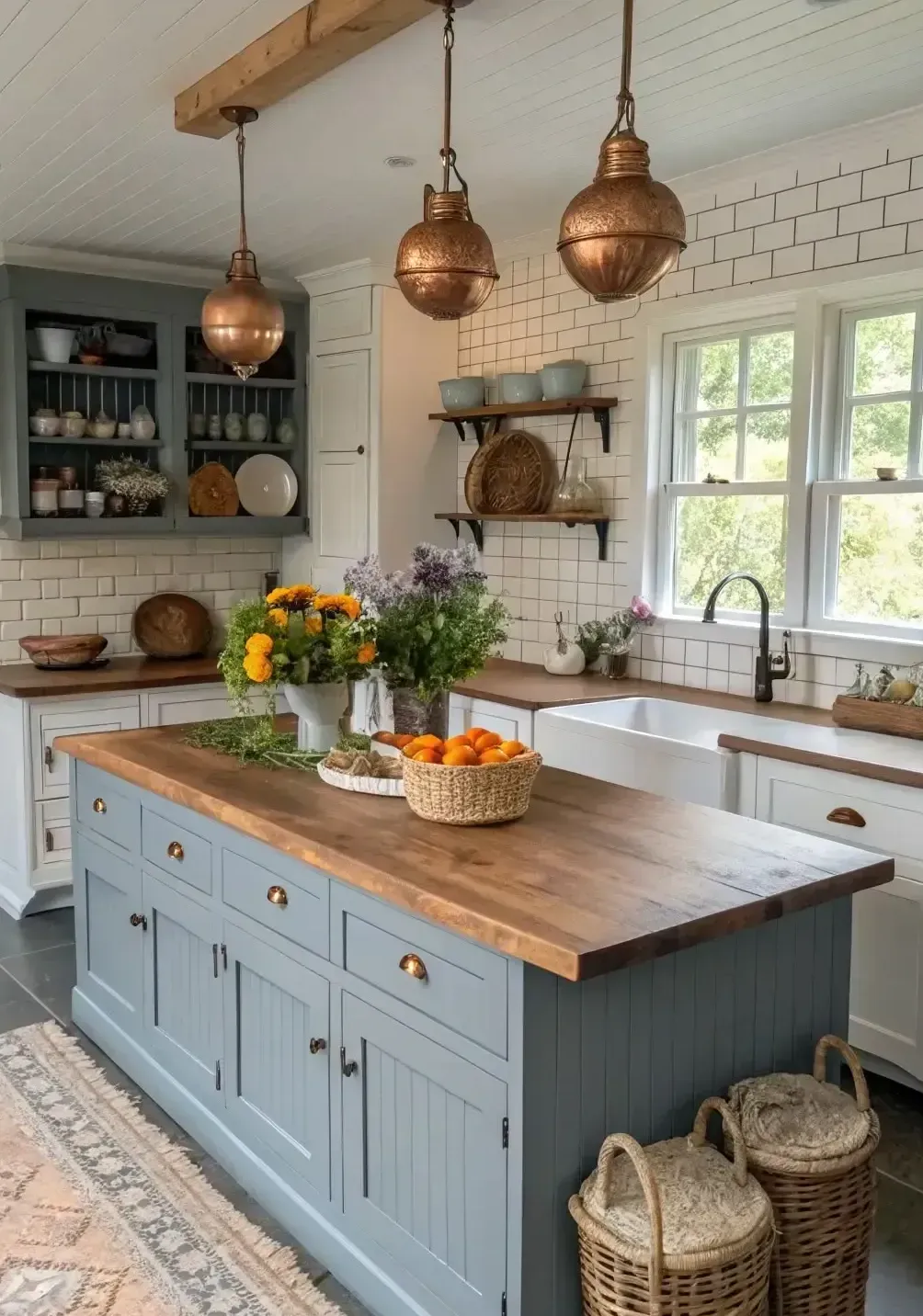
Farmhouse: Such a kitchen style has an apron sink, beadboard, and warm wood. A vintage touch.
Traditional: This style of kitchen has raised panels, ornate details, and rich wood tones.
Industrial: In this style, you see metal, concrete, exposed brick, and open shelving.
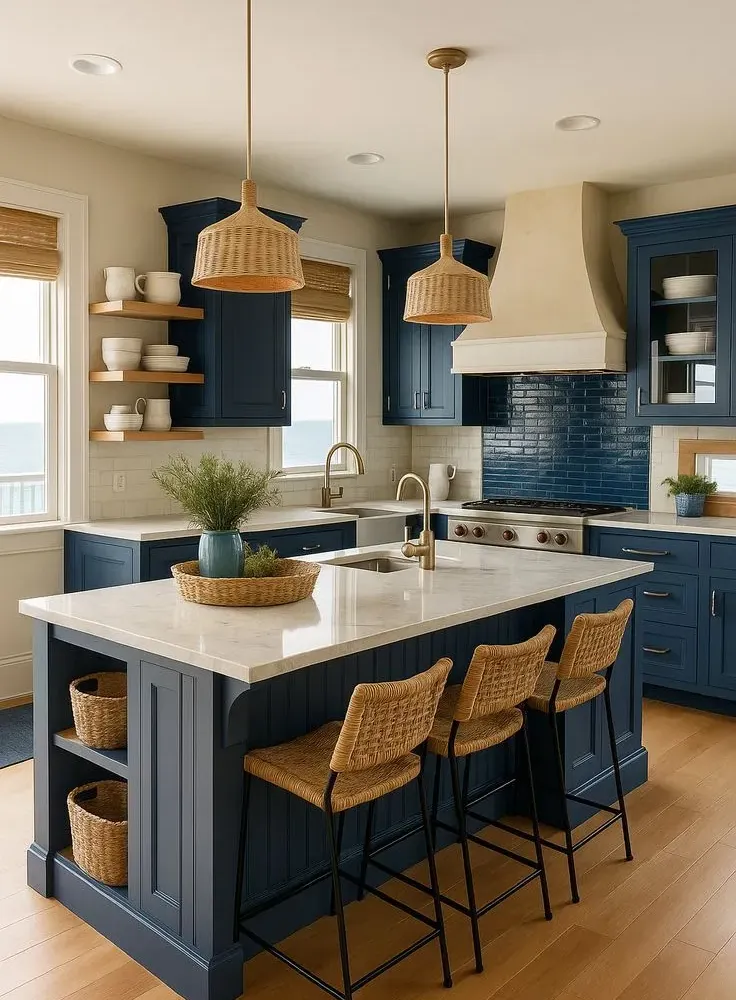
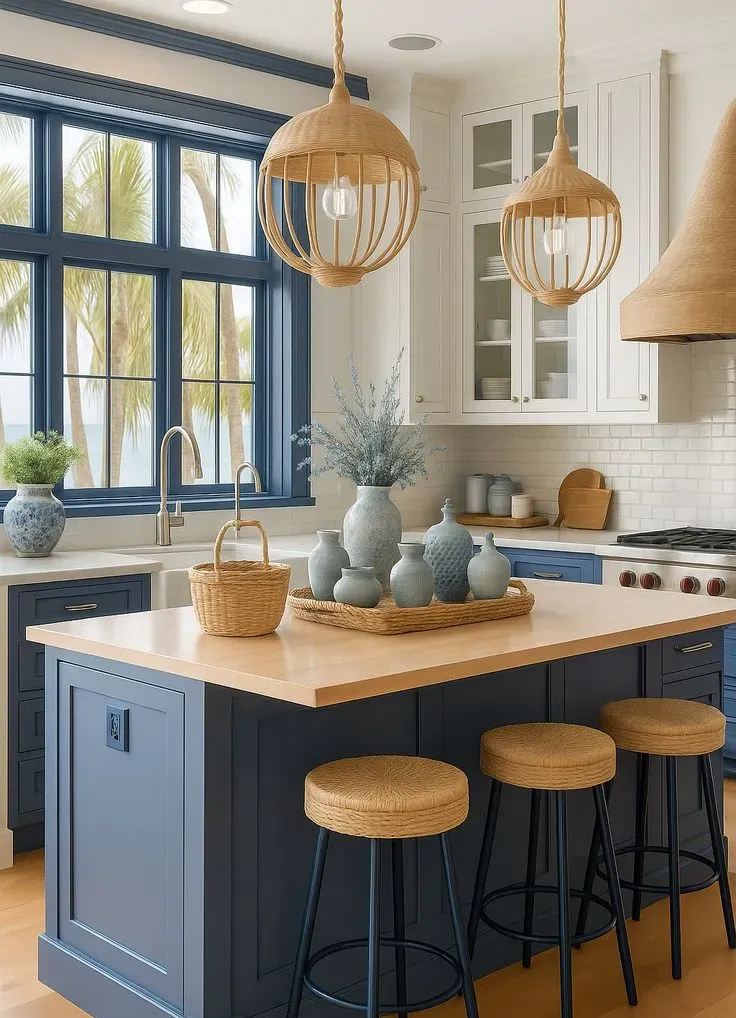
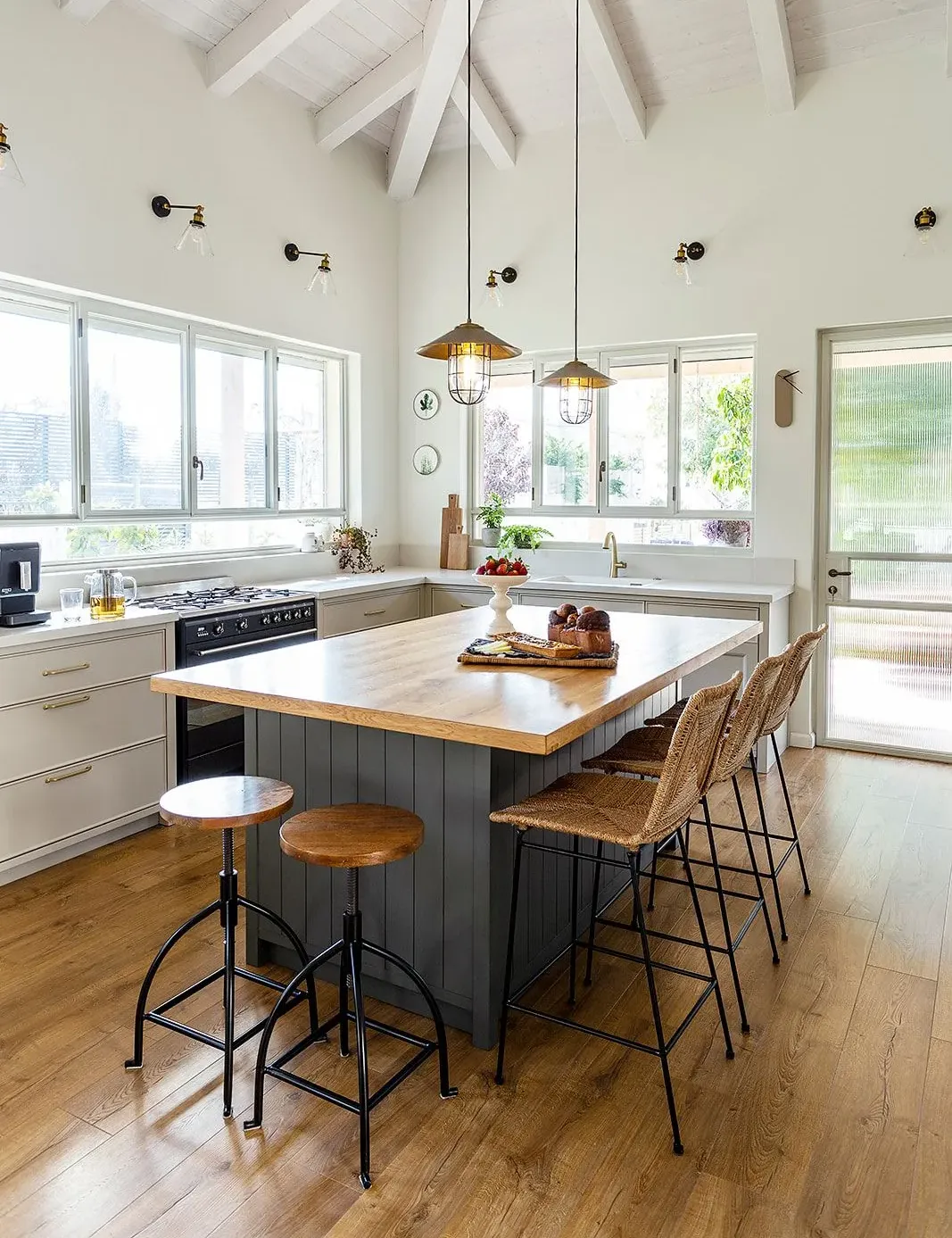
You can stick to one main cabinet finish, then add a second finish on the island. And for handles and fixtures, you can go with one metal tone. This simple layering keeps the space calm.
Step 7: Pick Materials
Countertops take a beating. Quartz is non-porous and never needs sealing, whereas quartzite looks like marble but holds up better. You can also go with granite as a classic choice, which also handles heat well. Another option is marble, which looks beautiful but etches if you spill lemon juice. Butcher block feels warm but needs regular oiling. Stainless steel is indestructible, though it shows every fingerprint.
For cabinets, plywood is better than particleboard, as it handles moisture better. Solid wood doors look great but move with humidity. You can also try laminating to save money, and it cleans up easily.
Backsplashes can be simple or bold. Another choice is subway tile because it is never going out of style. You can pick what fits your budget and cleaning time.
Step 8: Plan Storage and Circulation Smartly
Good storage means you never dig for anything. You should have some deep drawers for pots and pans and vertical dividers for baking sheets and cutting boards. If you are into corner cabinets, then you should have a pull‑out system.
An appliance garage hides your mixer behind a roll‑up door with an outlet inside. For circulation, keep traffic paths away from the stove and sink. And to test your island placement, you will need at least 42 inches between the island and any counter or appliance.
Step 9: Lighting Design
One overhead light makes a kitchen feel flat. You need three layers instead. Task lighting goes under cabinets to brighten your countertop prep. Whereas pendant lights hang over an island and sink. If you are into filling your kitchen with glowy light, then go with ambient lighting.
You should wire each layer on a separate dimmer. Bright for cooking and soft for evenings. Your under-cabinet lights should be near the front edge of your upper cabinets. And for pendants, you should hang them 30 to 36 inches above the island, so stick to 2700K to 3000K bulbs for a warm residential feel.
Step 10: Budget Planning
Money runs out fast if you do not plan. Here is how professionals break down a typical budget.
-
Cabinets: 30 to 40%
-
Appliances: 15 to 20%
-
Countertops: 10 to 15%
-
Labor: 20 to 30%
-
Flooring and lighting: 15 to 20% combined
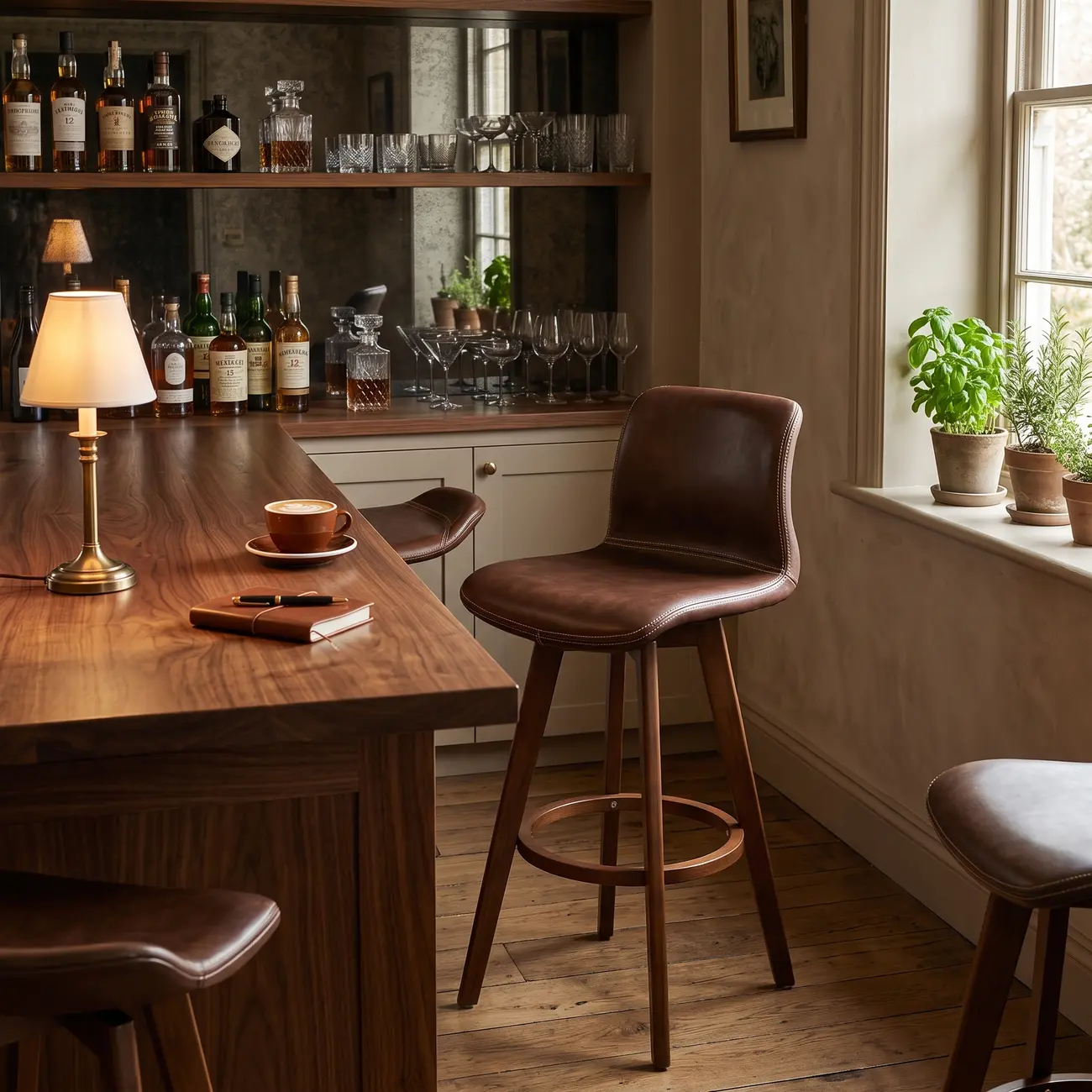
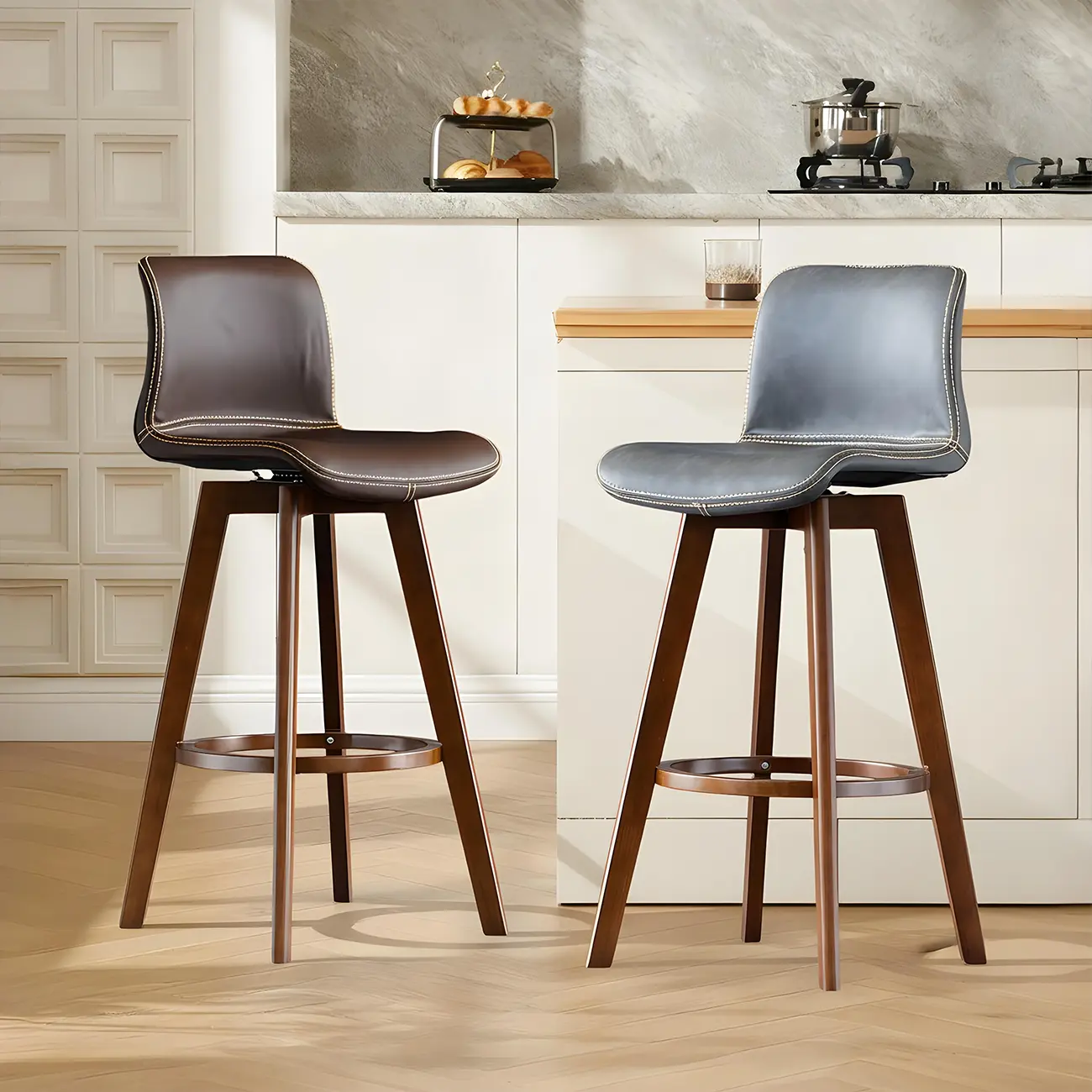
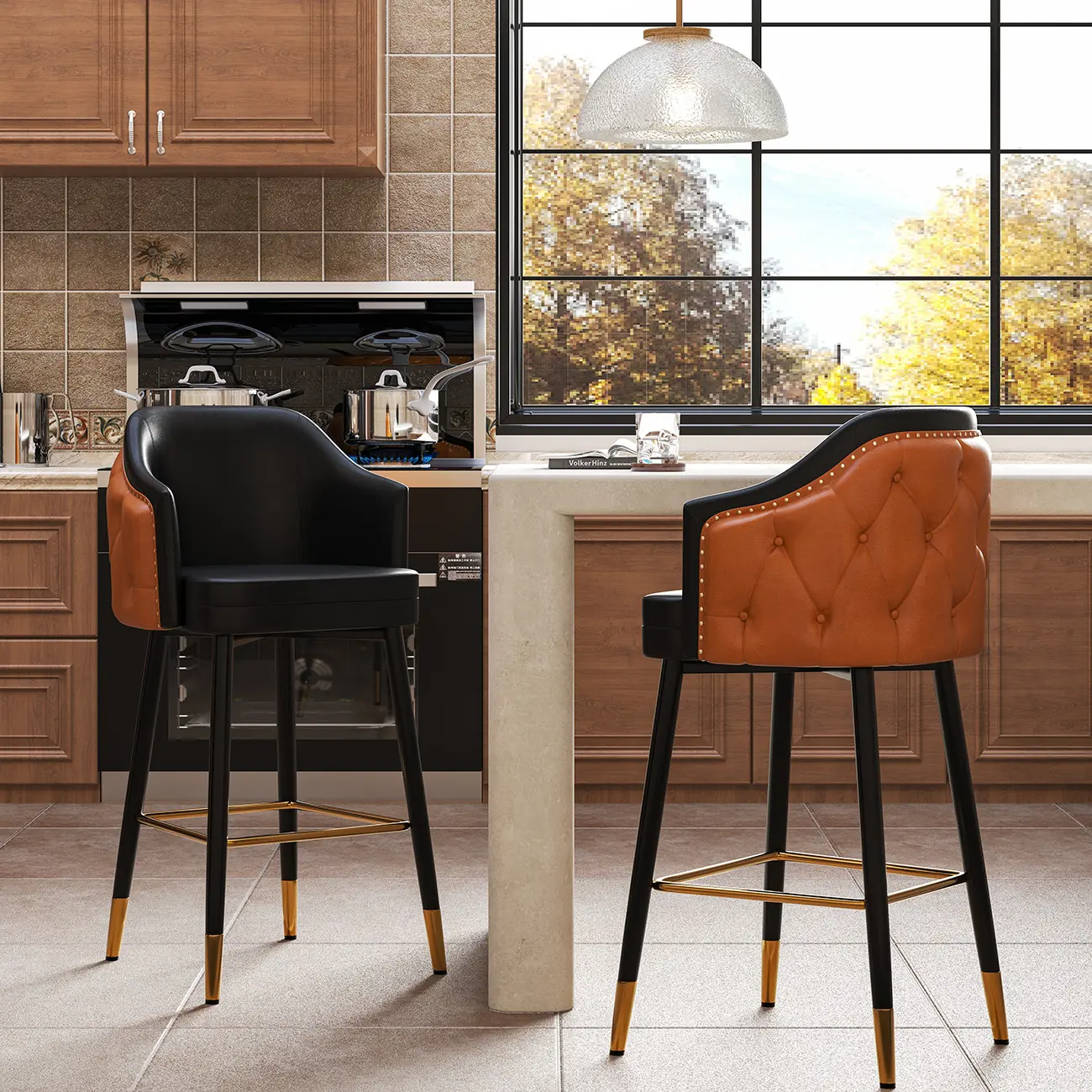
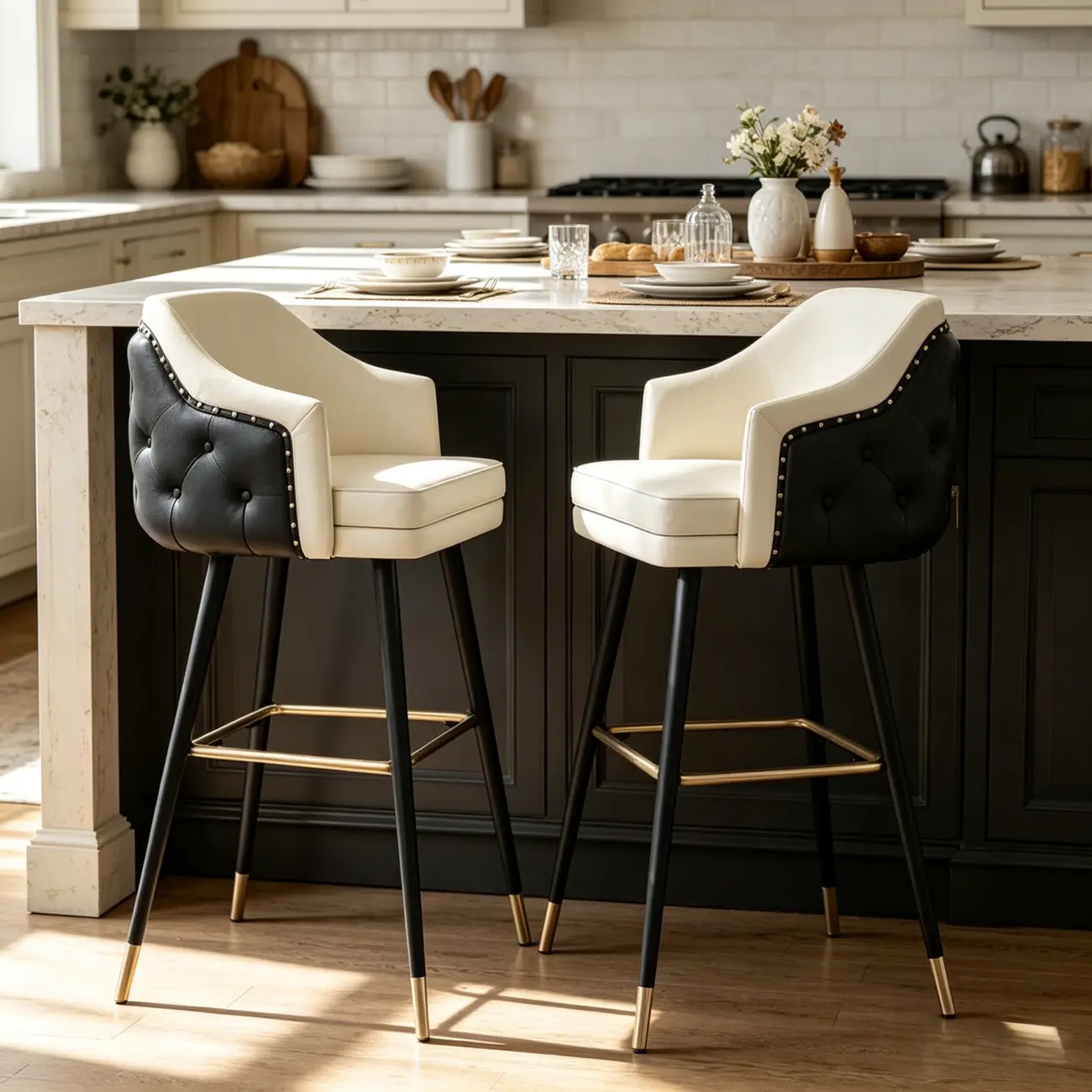
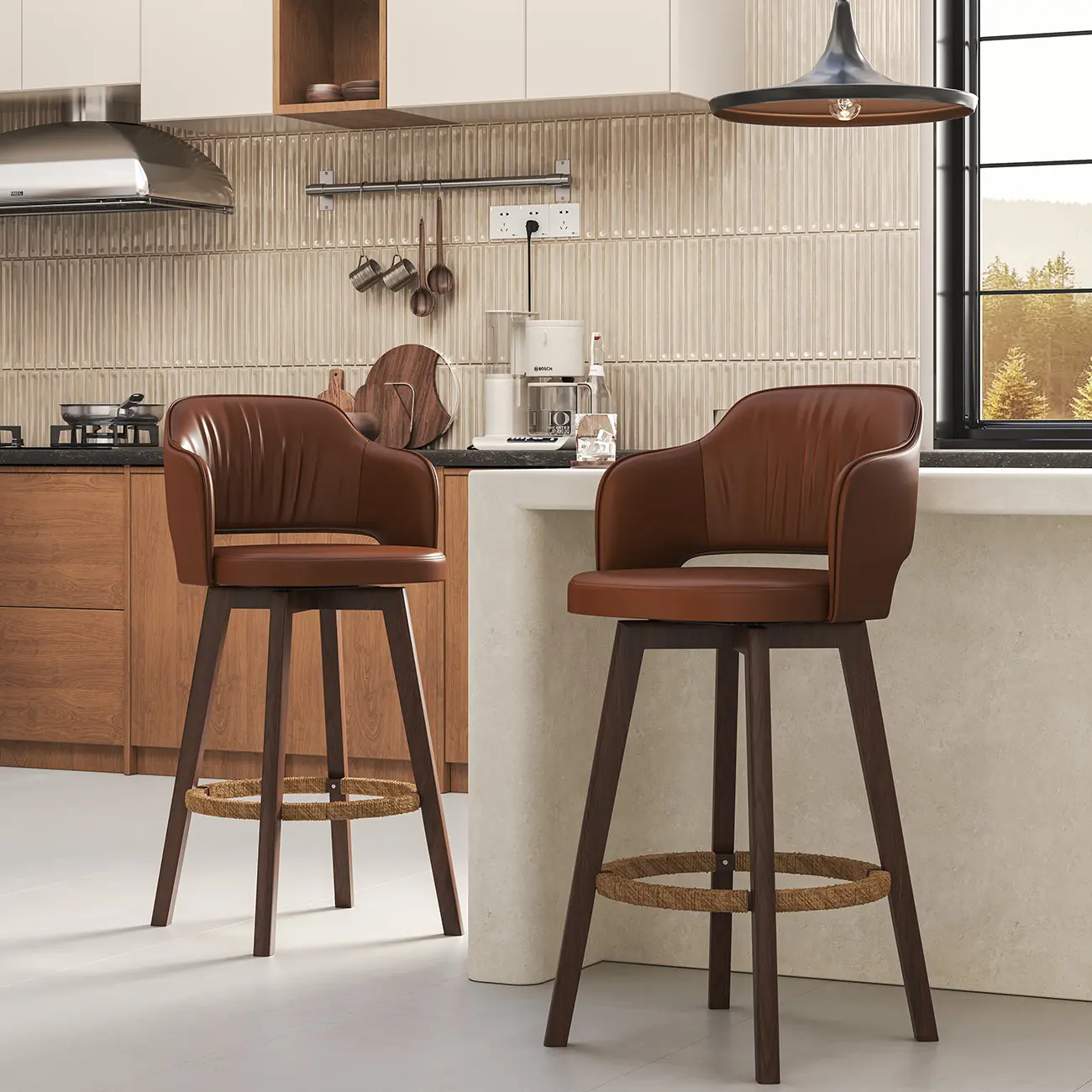
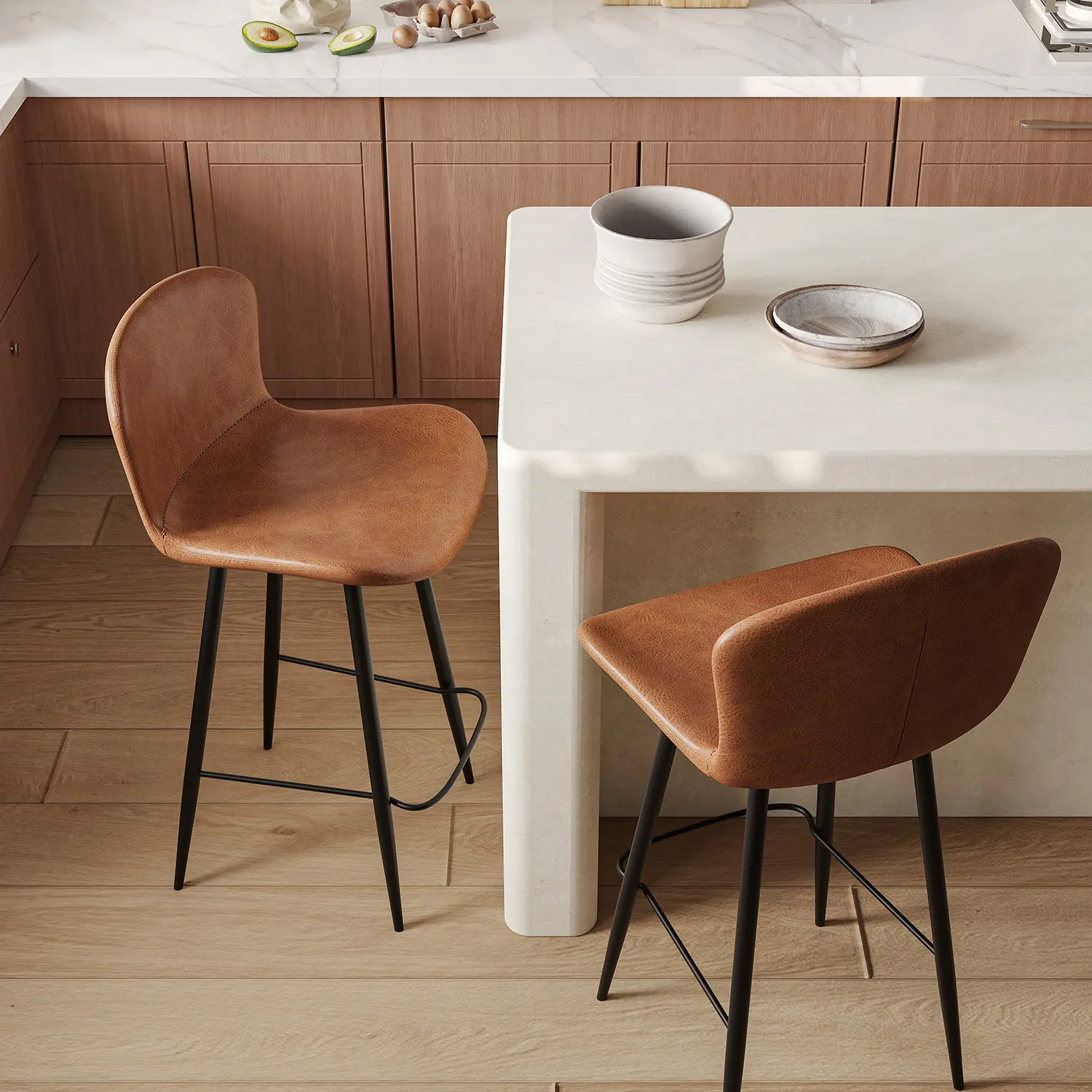
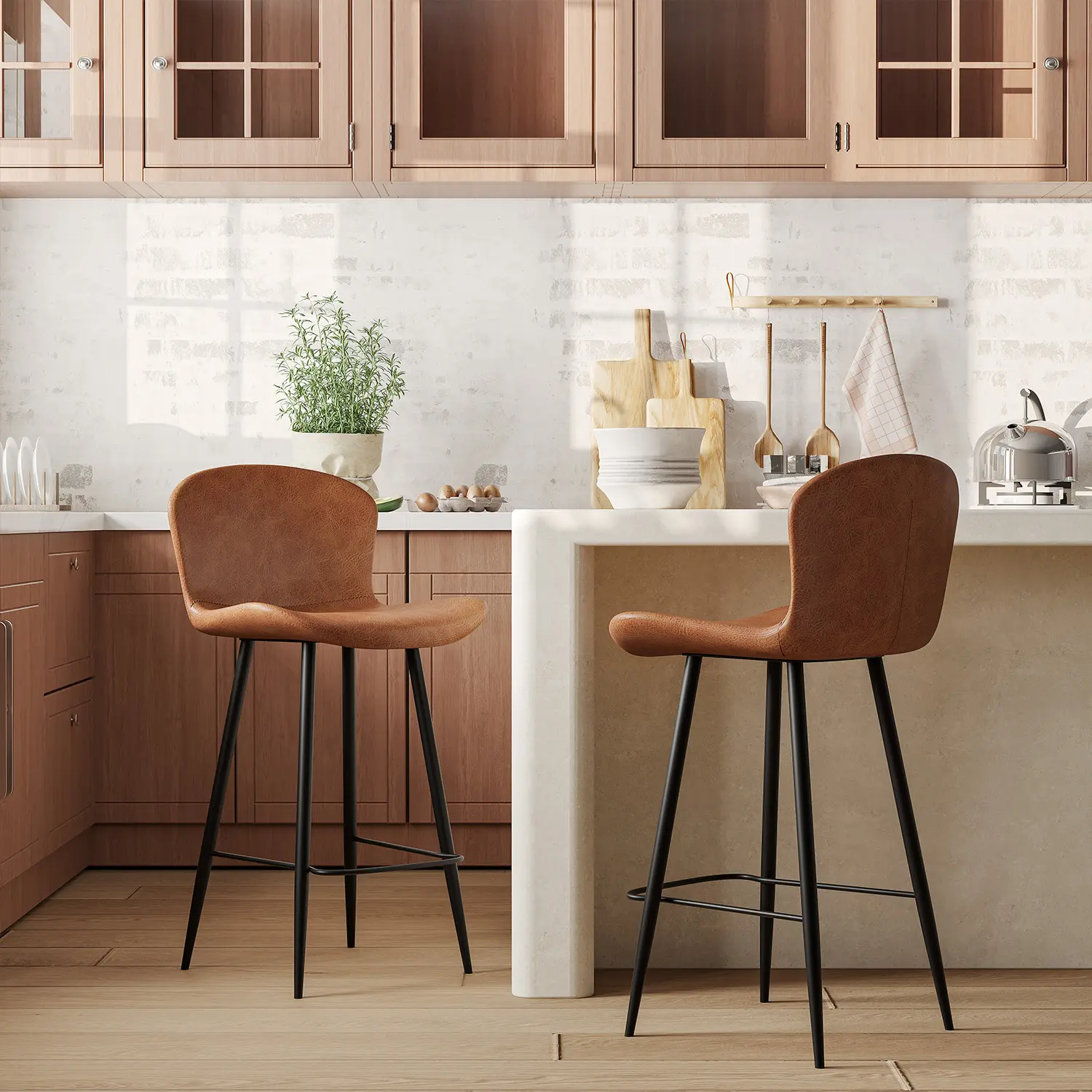
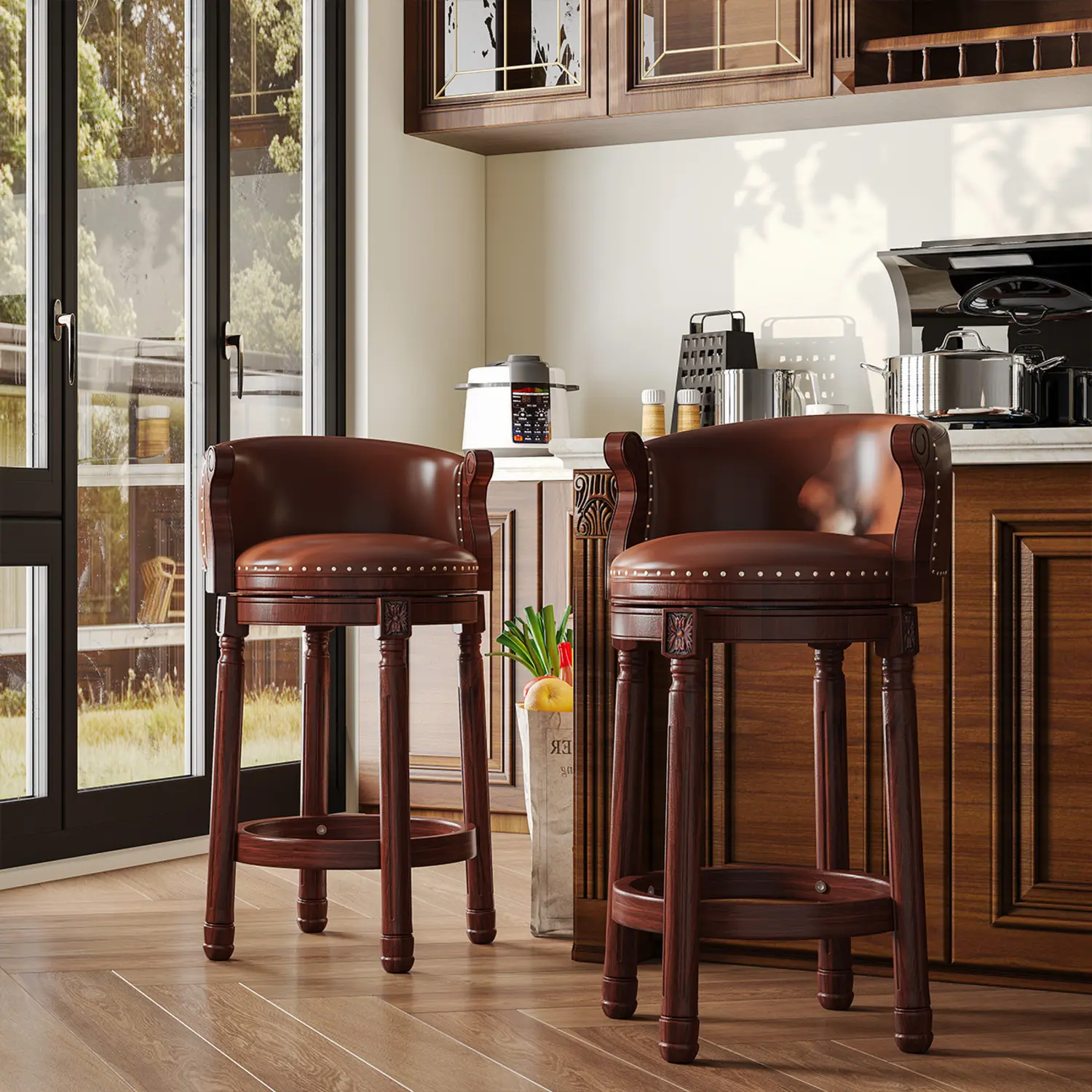
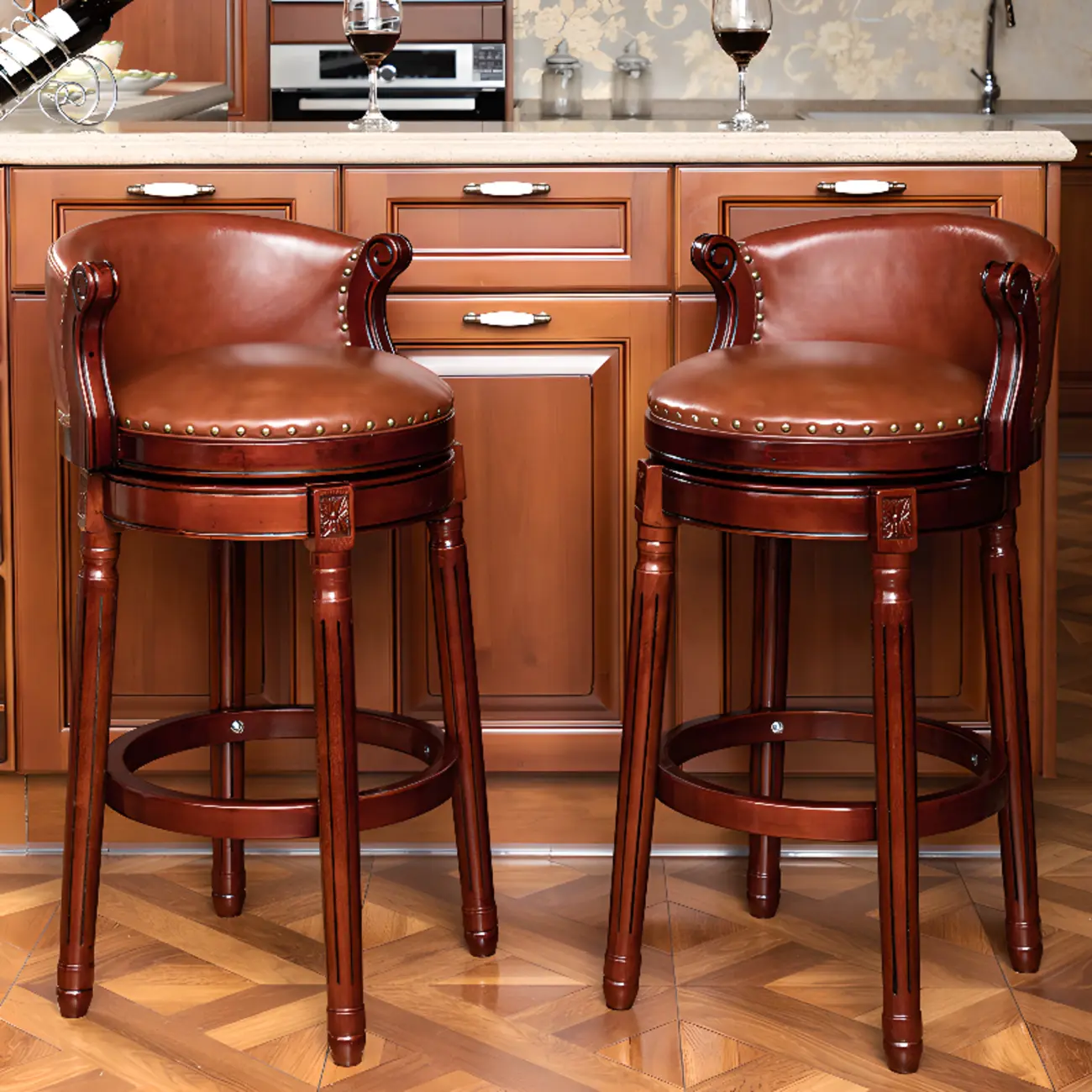
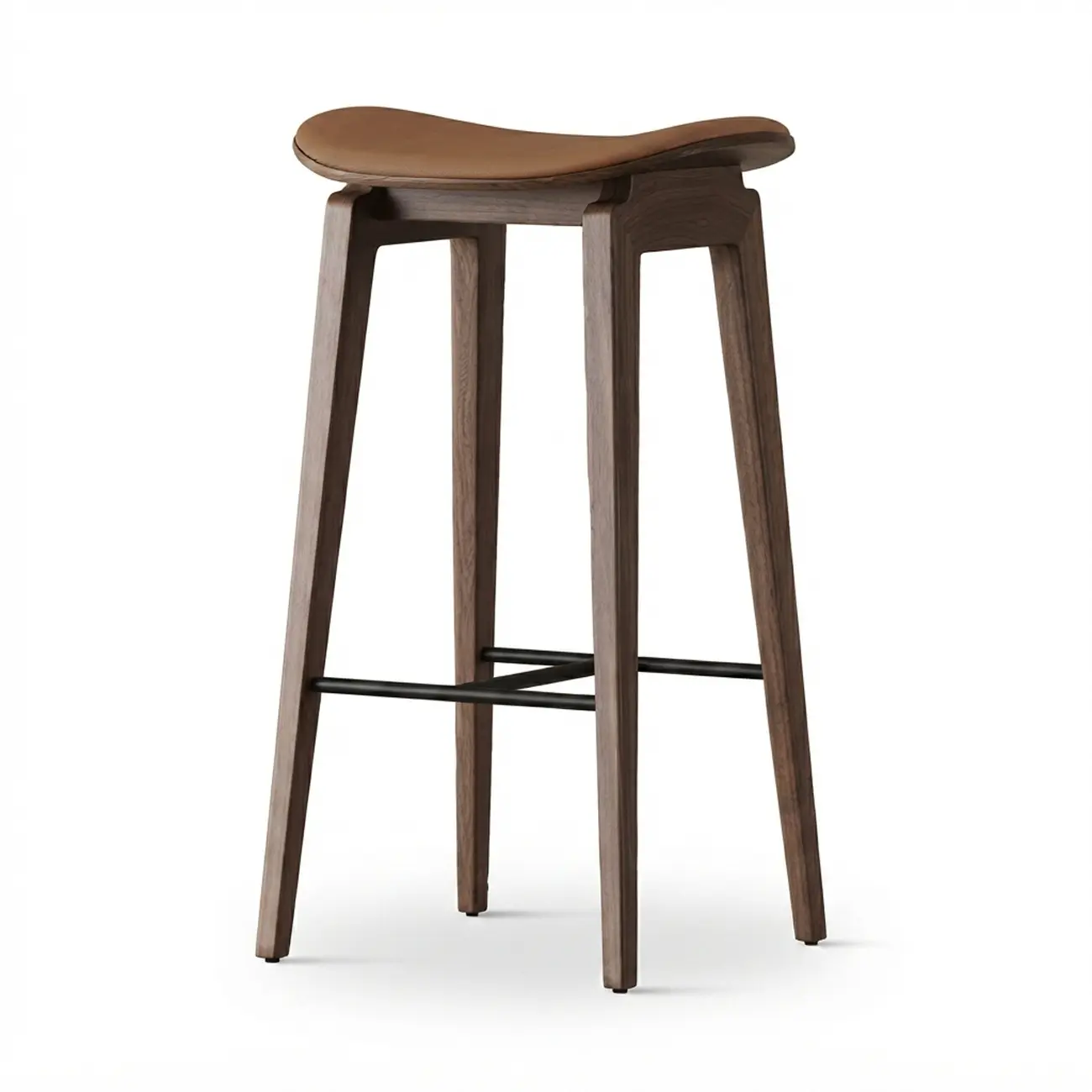
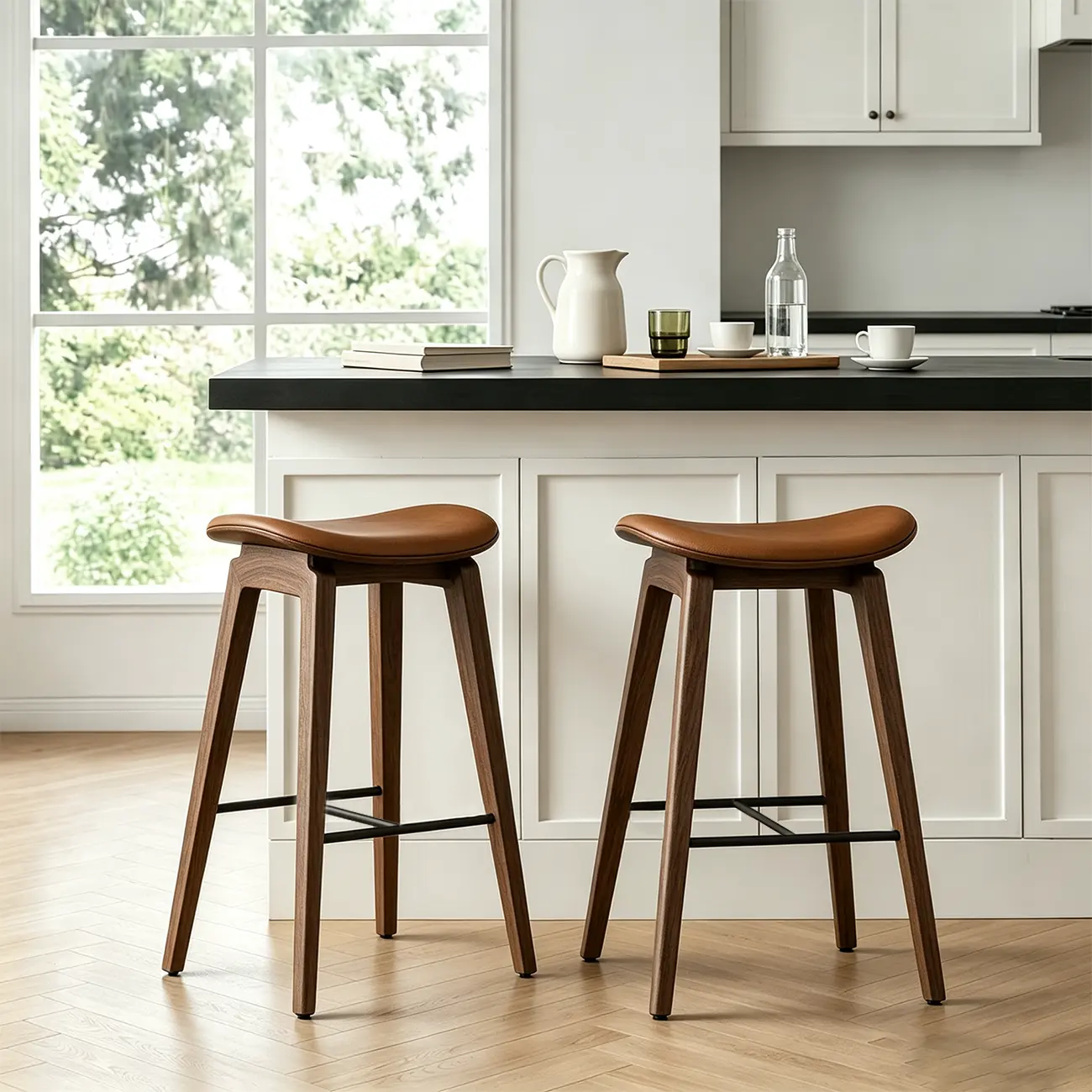
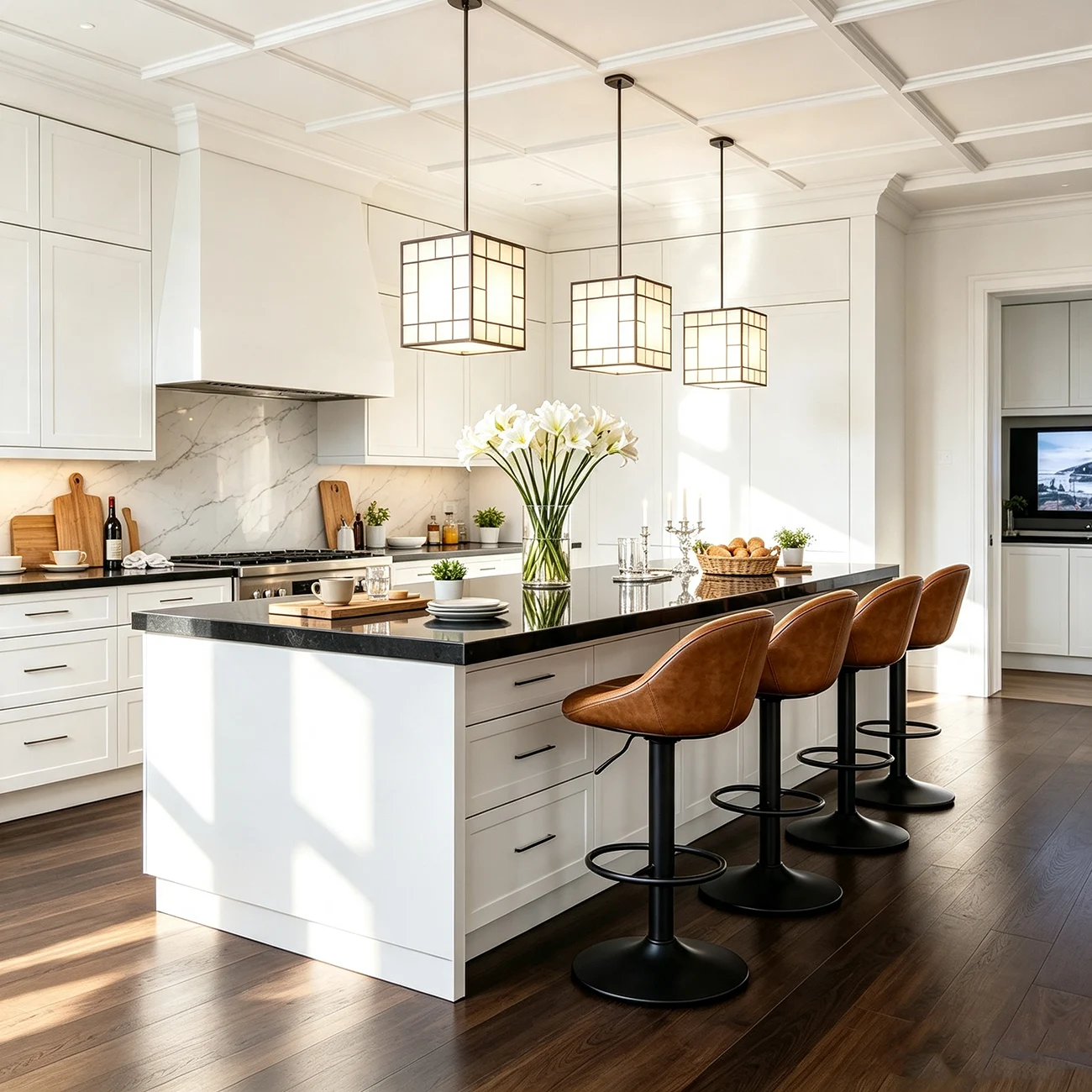
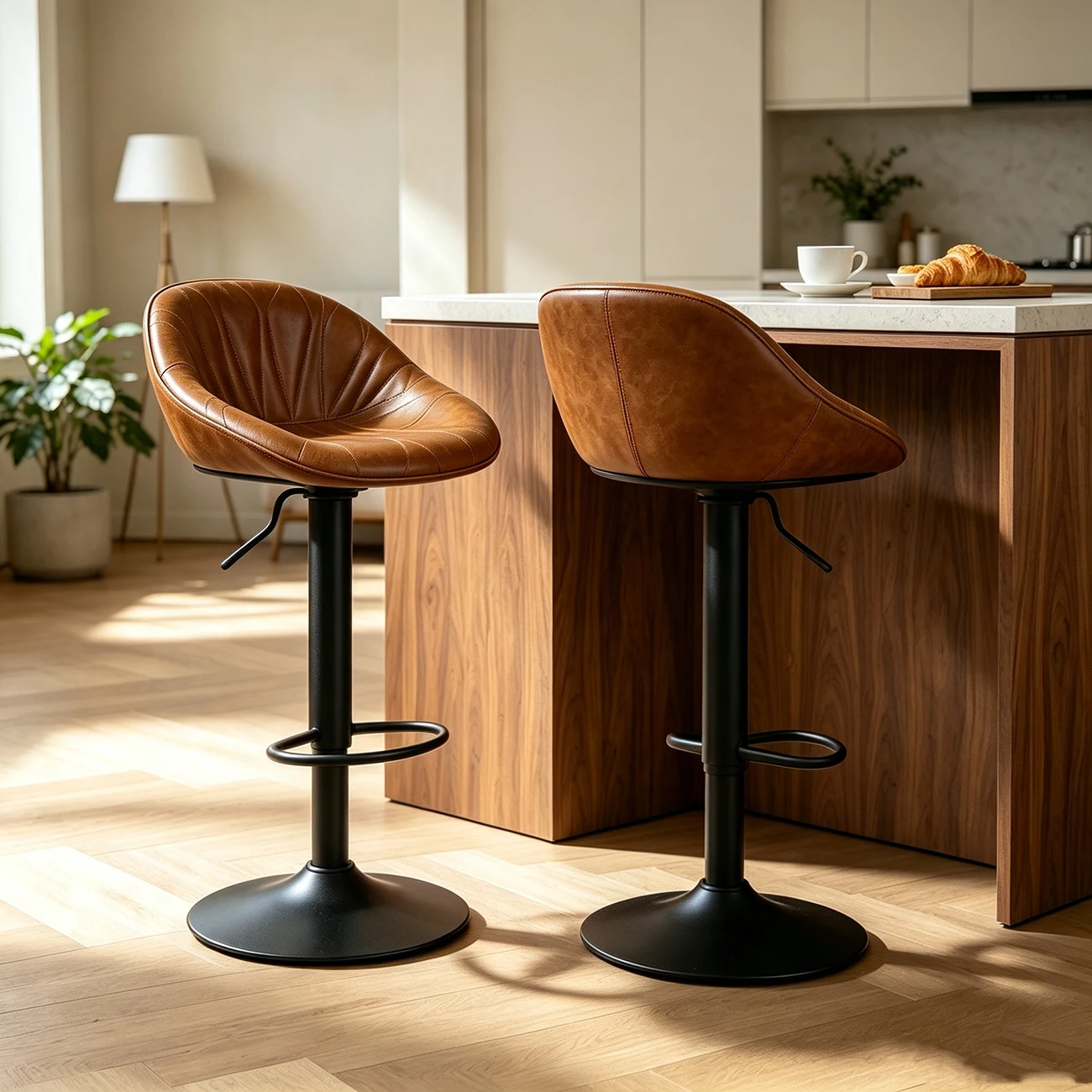
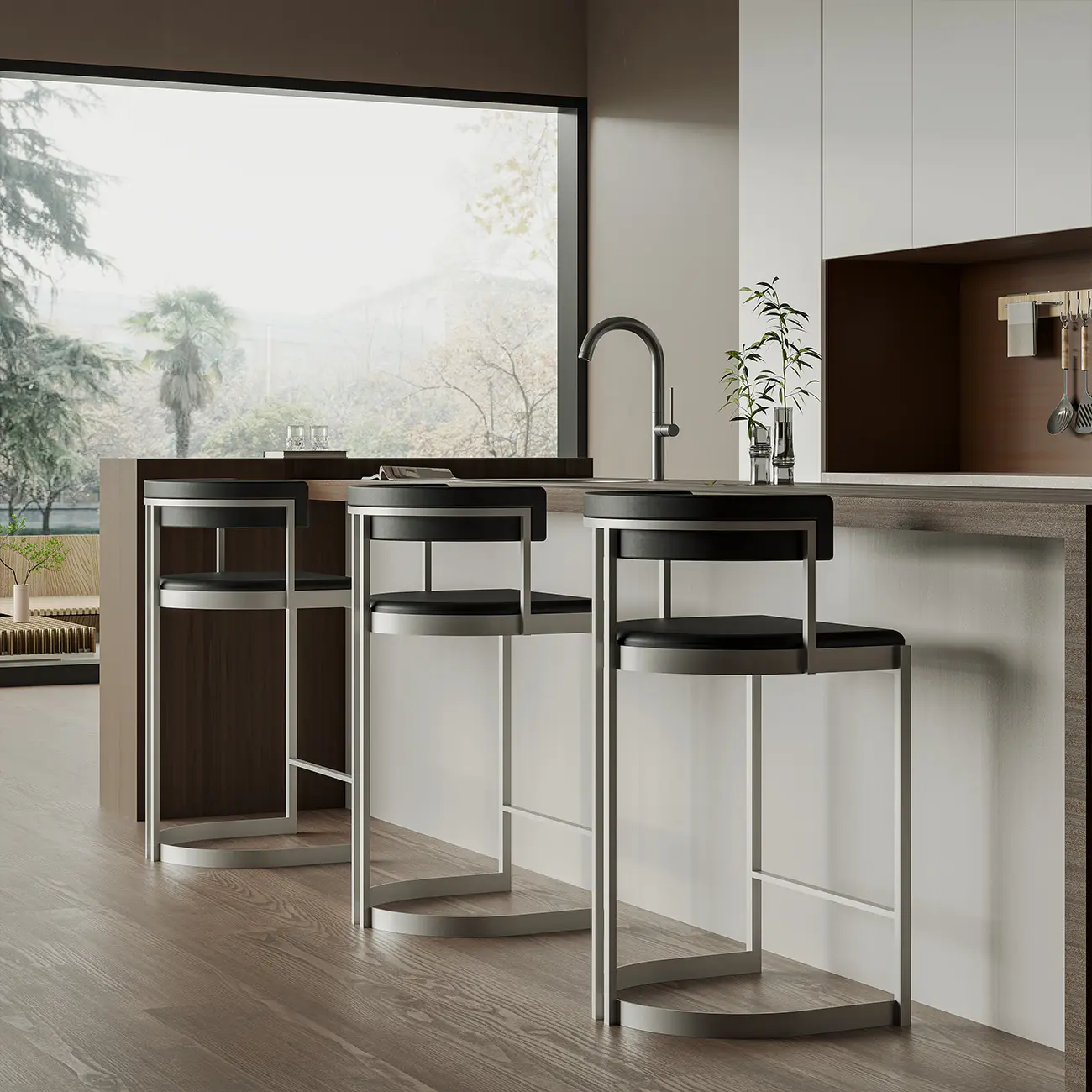
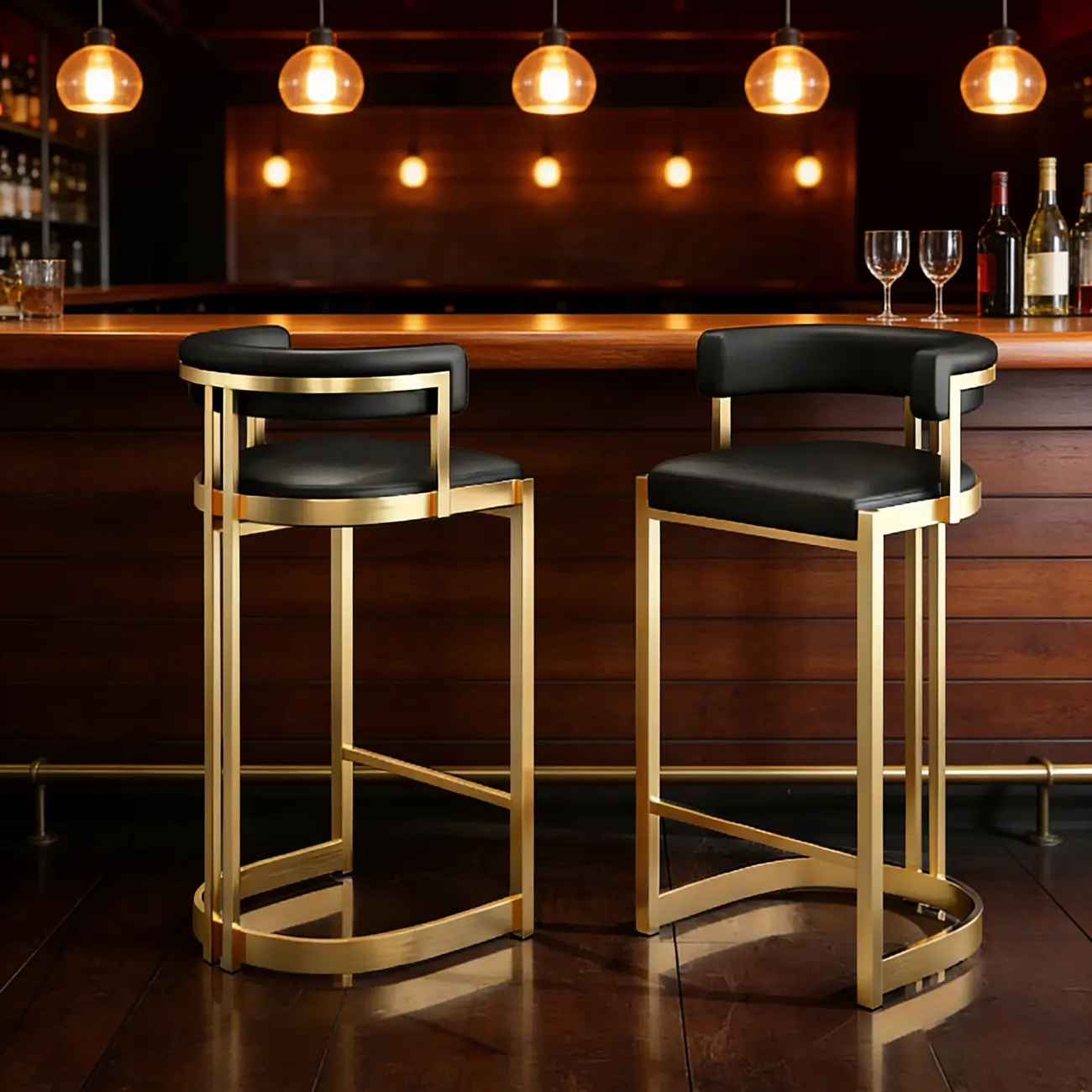
You should always add 10 to 15 percent for surprises, as old houses have rotten subfloors and bad wiring. You need to spend money on things you use every day, like drawers, faucets, and handles for your main prep counter. Save on decorative items like pendant lights and bar stools. Keep your sink and stove in the same spots if you can. Moving plumbing and gas lines costs thousands.
Find the Perfect Furniture for Your Kitchen at HomeyFad
Designing a kitchen does not have to be complicated; just follow these ten steps in order, and you will avoid costly mistakes that way. Start with your real needs and pick a layout that fits your space. Ready to plan your own kitchen? Now grab that measuring tape and work through each step one at a time. Your dream kitchen is a few steps away.
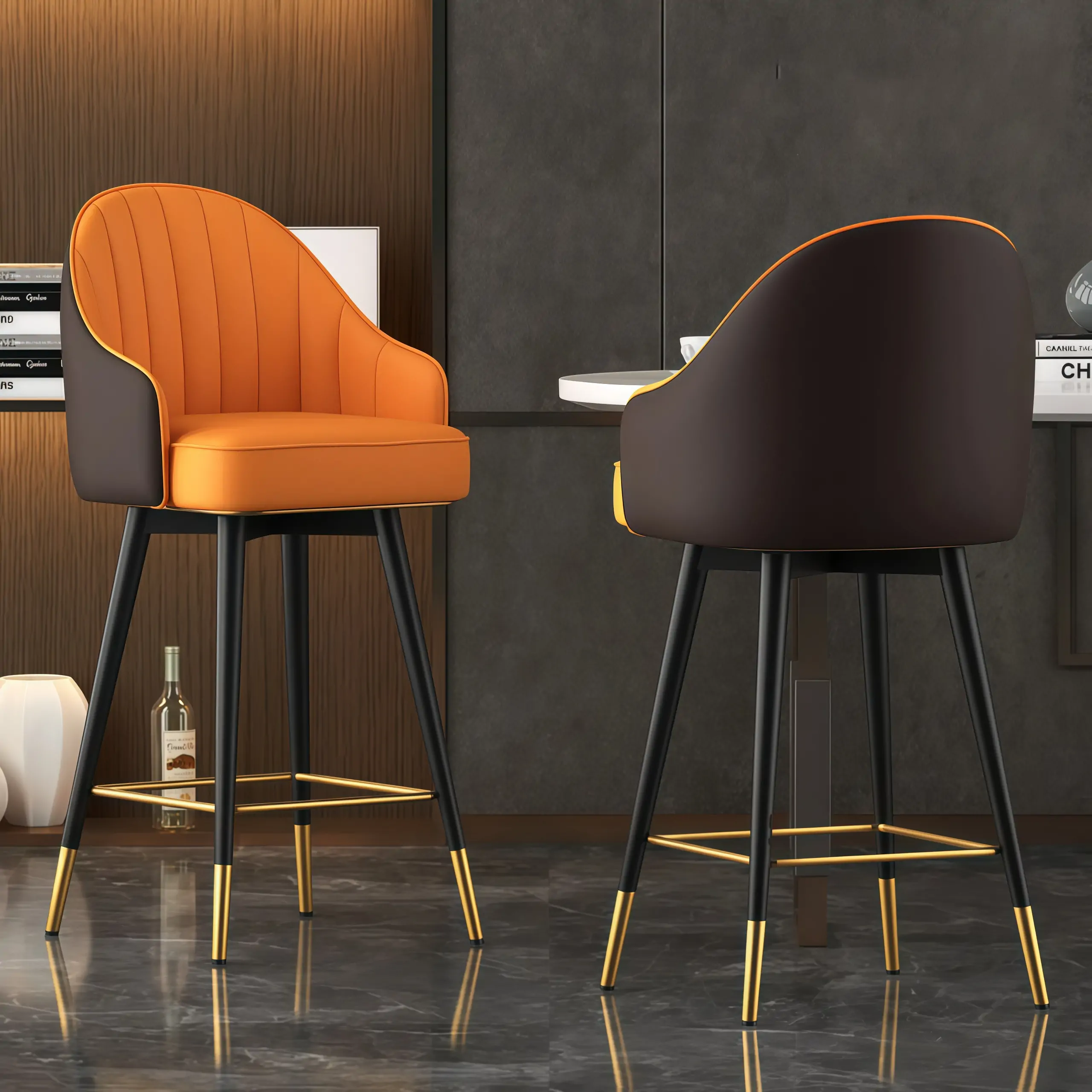
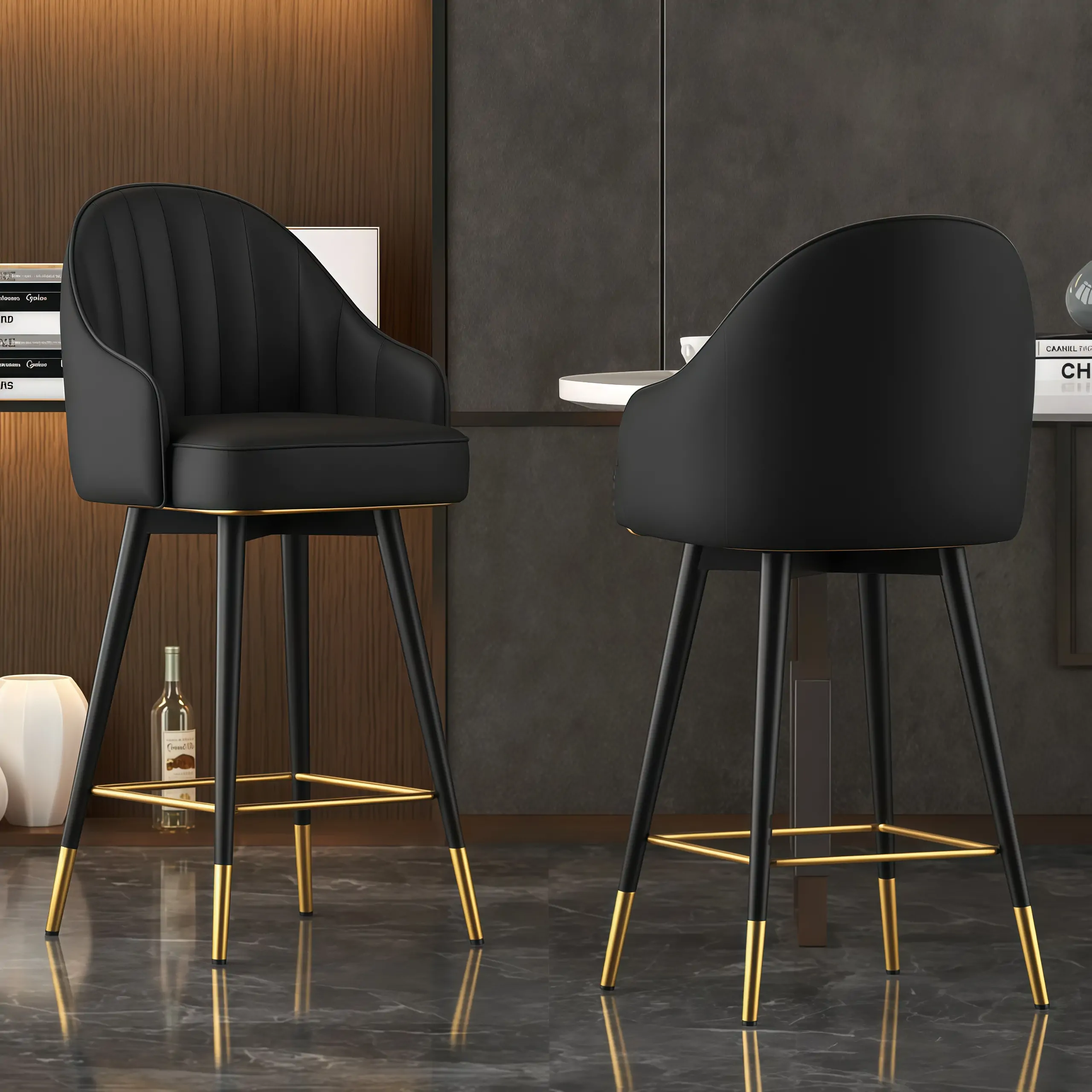
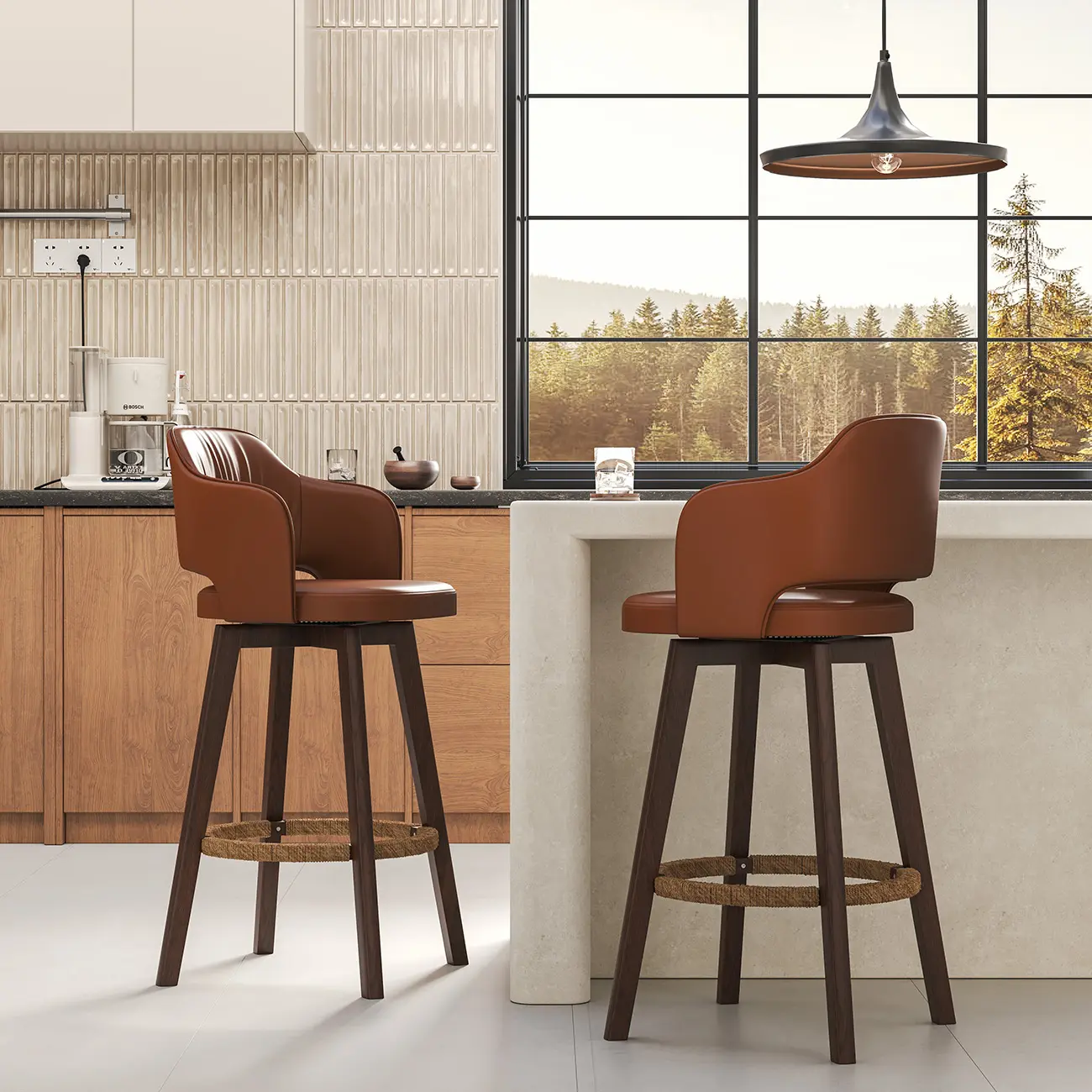
And if you're looking for some furniture items for your kitchen, you can always check out HomeyFad's unique and affordable collection. You can also read HomeyFad blog for more resources.
FAQs
Q: What should I do first before designing a kitchen?
A: Write down how you use your kitchen every day. Then go through every drawer and cabinet. See what you own and what you never use.
Q: Where should I put most of my kitchen budget?
A: You should put a big chunk of your kitchen budget on cabinets, countertops, and the things you use daily, such as faucets, handles, and drawer pulls. Those get used the most.
Q: Can I design a kitchen without hiring a pro?
A: Yes. Just take it step by step. Measure carefully. Follow a solid guide. You can get the results you want on your own.
-41.jpg?w=1600&h=900)


-.jpg?w=1919&h=1320)
-.jpg?w=800&h=574)

 Add Us On Google