
(7).png?w=1920&h=650)

Most pillow styling advice looks great in photos. Then your kids, your dog, and you need to sit down. Send those pillows straight to the floor. If your sofa gets actual daily use, you need a plan that doesn’t fight real life.
This guide shows you how to pick pillows that stay put, support your back, and still make your living room look pulled together—without constant primping. No five-pillow formulas, just honest, liveable design for real households.
1. Read Your Sofa First—Style Second
Before you buy a single pillow, take a hard look at the sofa you already have. The depth, back type, arm height, and material all set the ground rules for what actually works.
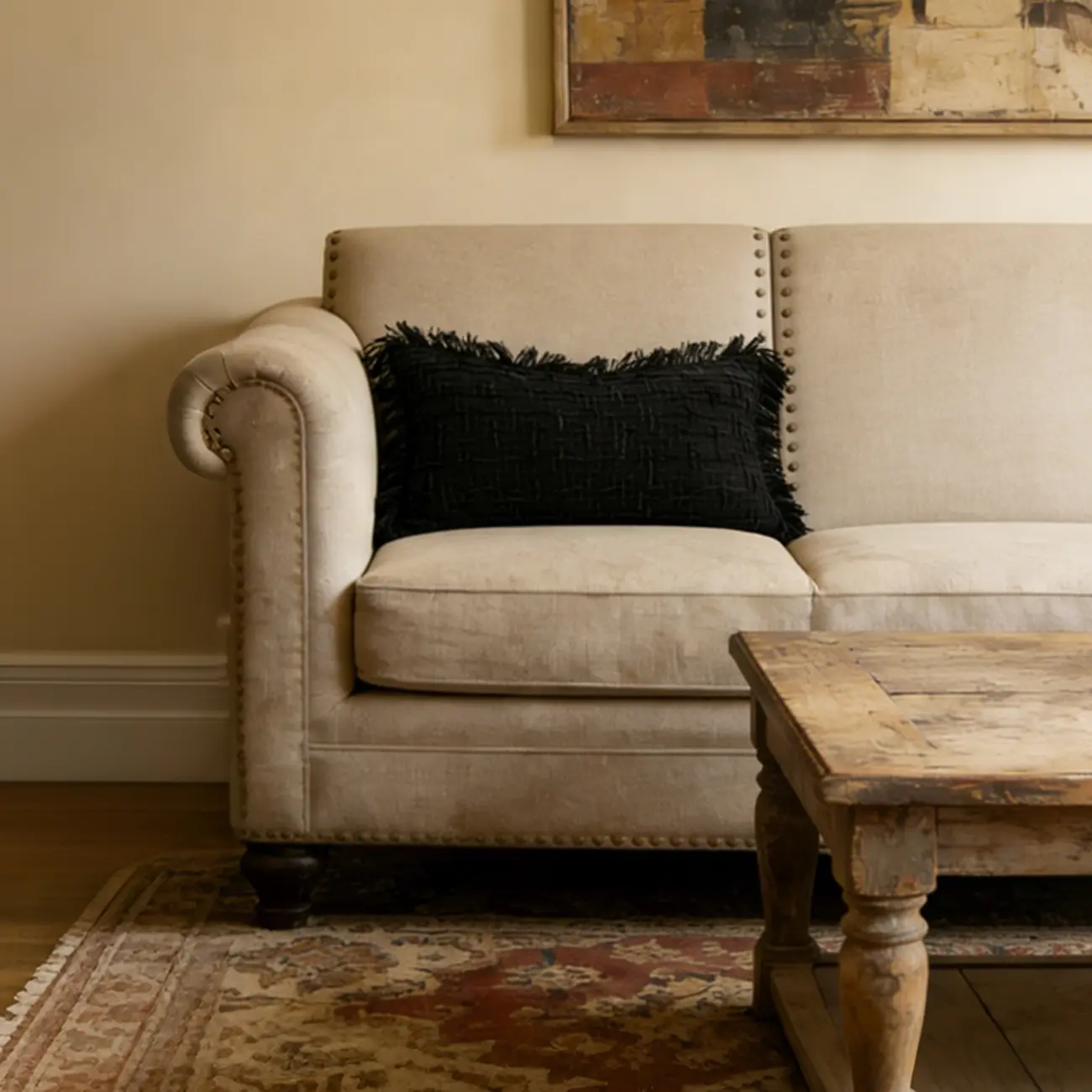
A deep seat over 23 inches is comfortable, but standard 18-inch pillows will leave your lower back unsupported. Go with 22-inch squares to fill that gap. Leather sofas look sharp, yet the pillows love to slide. Textured covers and a small gripper pad under each one help stop the slipping.
A lumbar cushion wedged against the arm stays put, too. Saggy back cushions? You need to open the cushion cover, slip a standard bed pillow inside, and zip it back up, which plumps the cushion right back to life without a trip to the store. Spot these quirks early, and you stop fighting your sofa. You just dress it with pillows that actually stay where you put them.
2. The Lifestyle-Adjusted Pillow Count
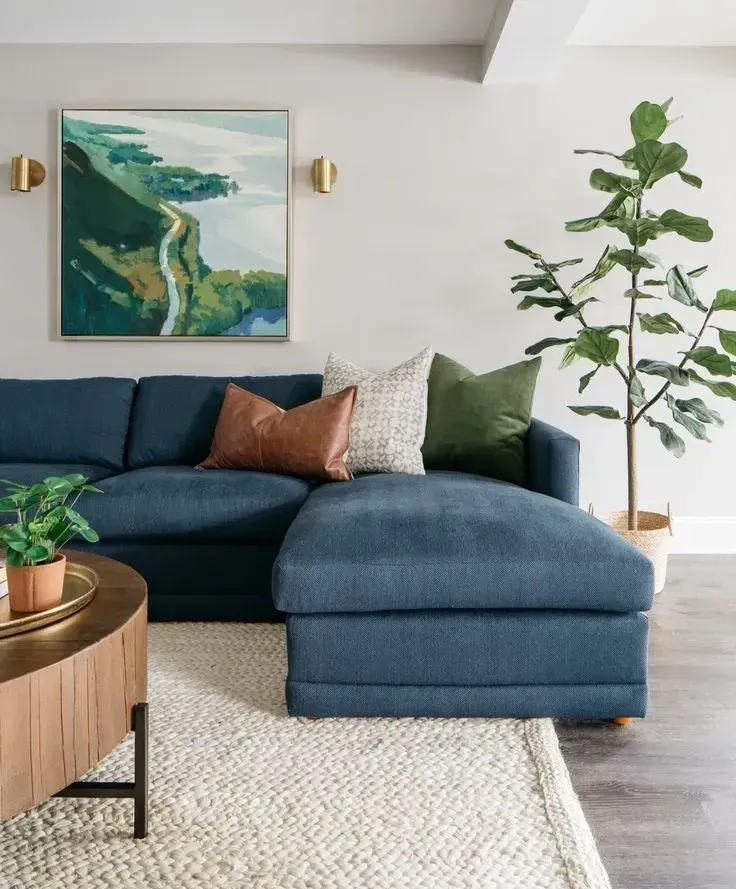
Most styling rules hand you a fixed number—five pillows, odd counts only—and call it 'done.' But if your sectional doubles as a wrestling mat and snack station, those formulas fall apart.
Start with a better question: How many people use this sofa, and how often? The answer should dictate your pillow count. There’s a simple relationship here: The more traffic your sofa sees, the fewer pillows it needs.
-
Primary family sofa (daily heavy use): Two or three pillows, tops. Enough for lower back support without extras hitting the floor every ten minutes.
-
Mixed-use living room (weekend guests, occasional lounging): Three or four pillows, placed where they’ll actually get used.
-
Formal sitting area (rarely sat on): Go ahead with a full five-pillow spread. This is where those layered arrangements can live undisturbed.
Fewer pillows don't necessarily mean unstyled. It means you picked the ones that earn their keep.
3. Build a Colour Story That Connects Pillows and Sofa
Your sofa is already the biggest block of color in the room. Let it anchor the whole pillow palette. Start simple; just pick one neutral, one coordinating shade, and one small accent that a 60-30-10 split works here, too. The sofa holds 60. A pair of pillows in a related tone makes the room feel like the 30s. A single patterned or textured accent covers the final 10.
Different Sofas Need Different Starting Points
-
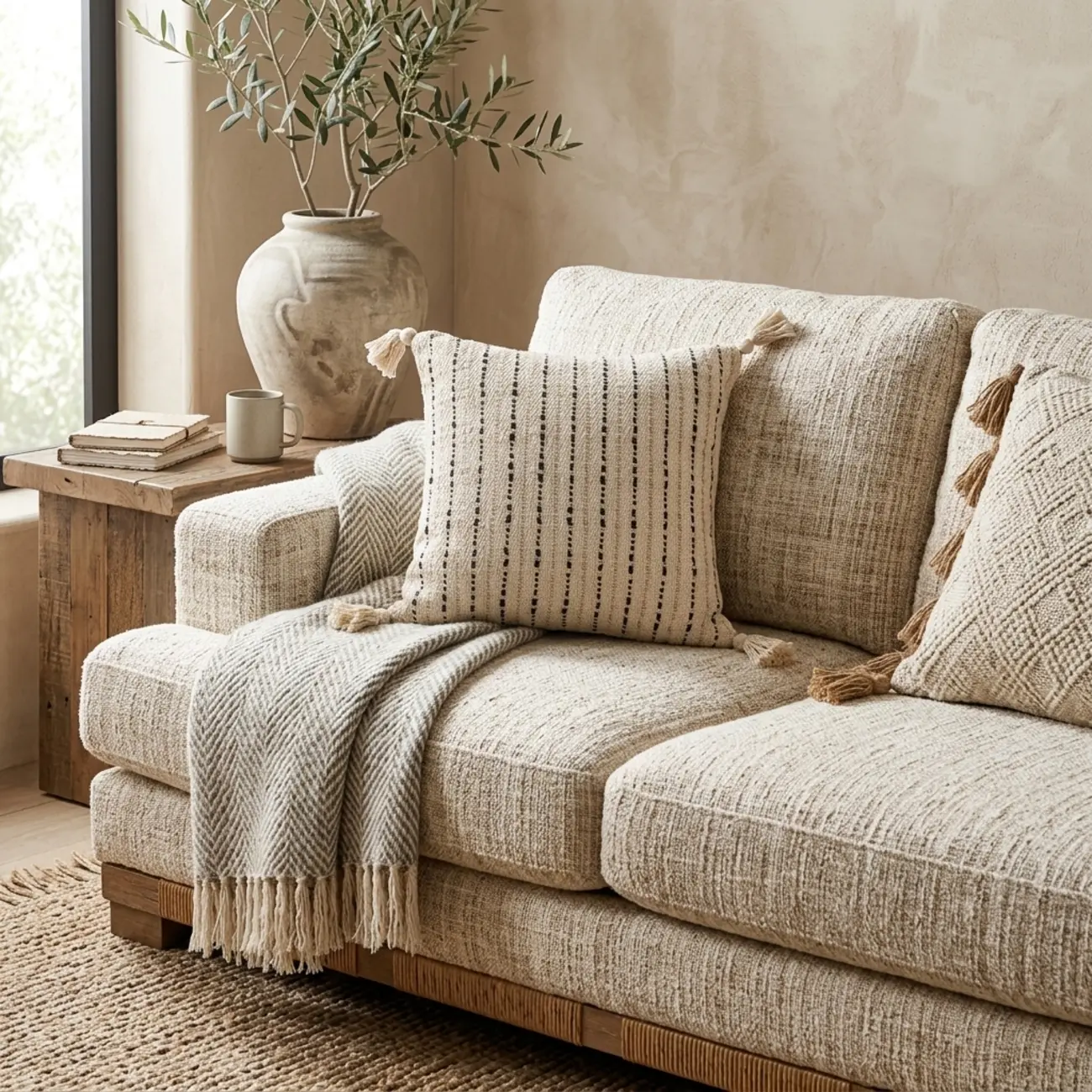
Neutral sofa: With beige, grey, and cream-colored sofas, you have a blank canvas, so use pillows to pull in colors from your rug, art, or even your favorite chair.
-
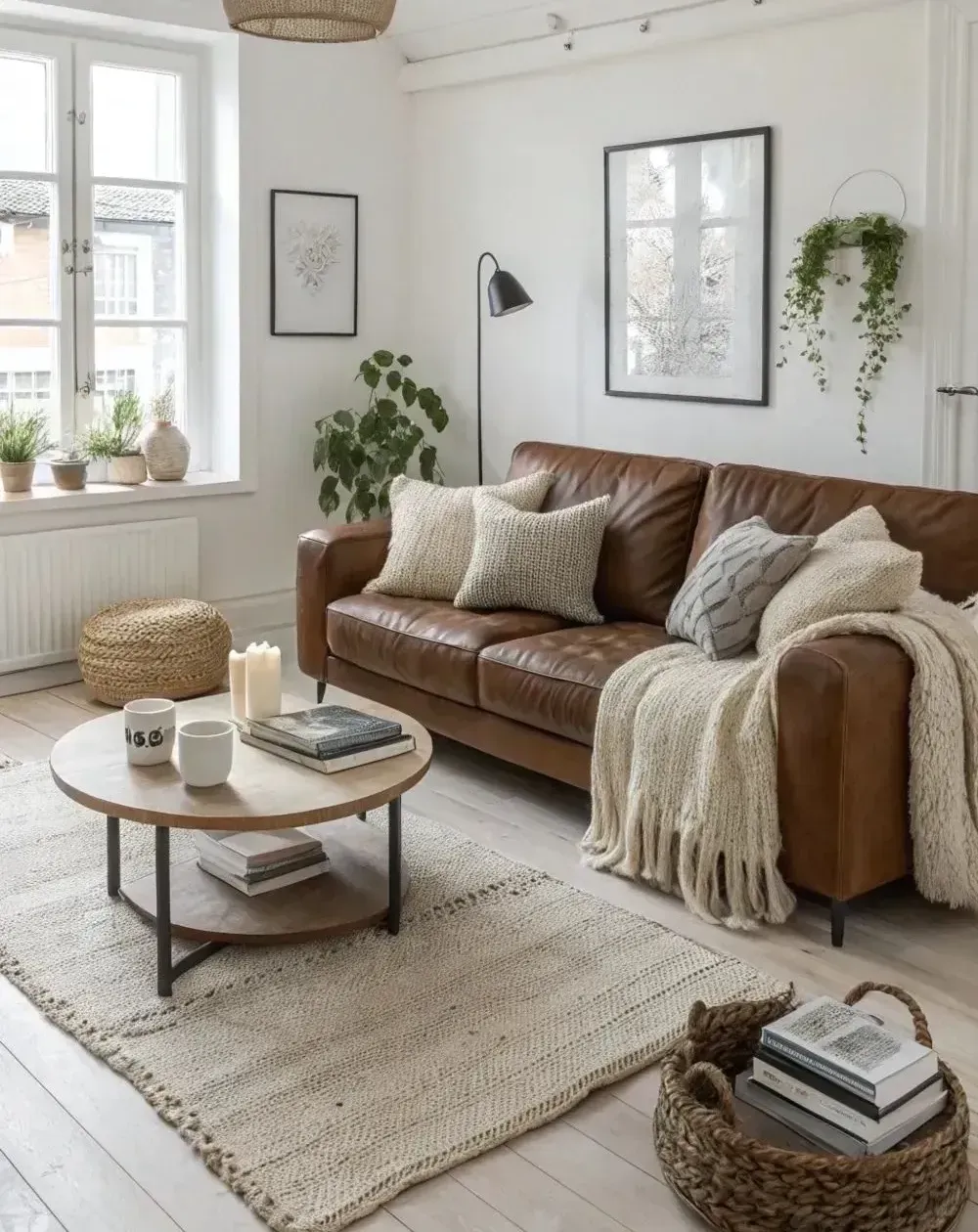
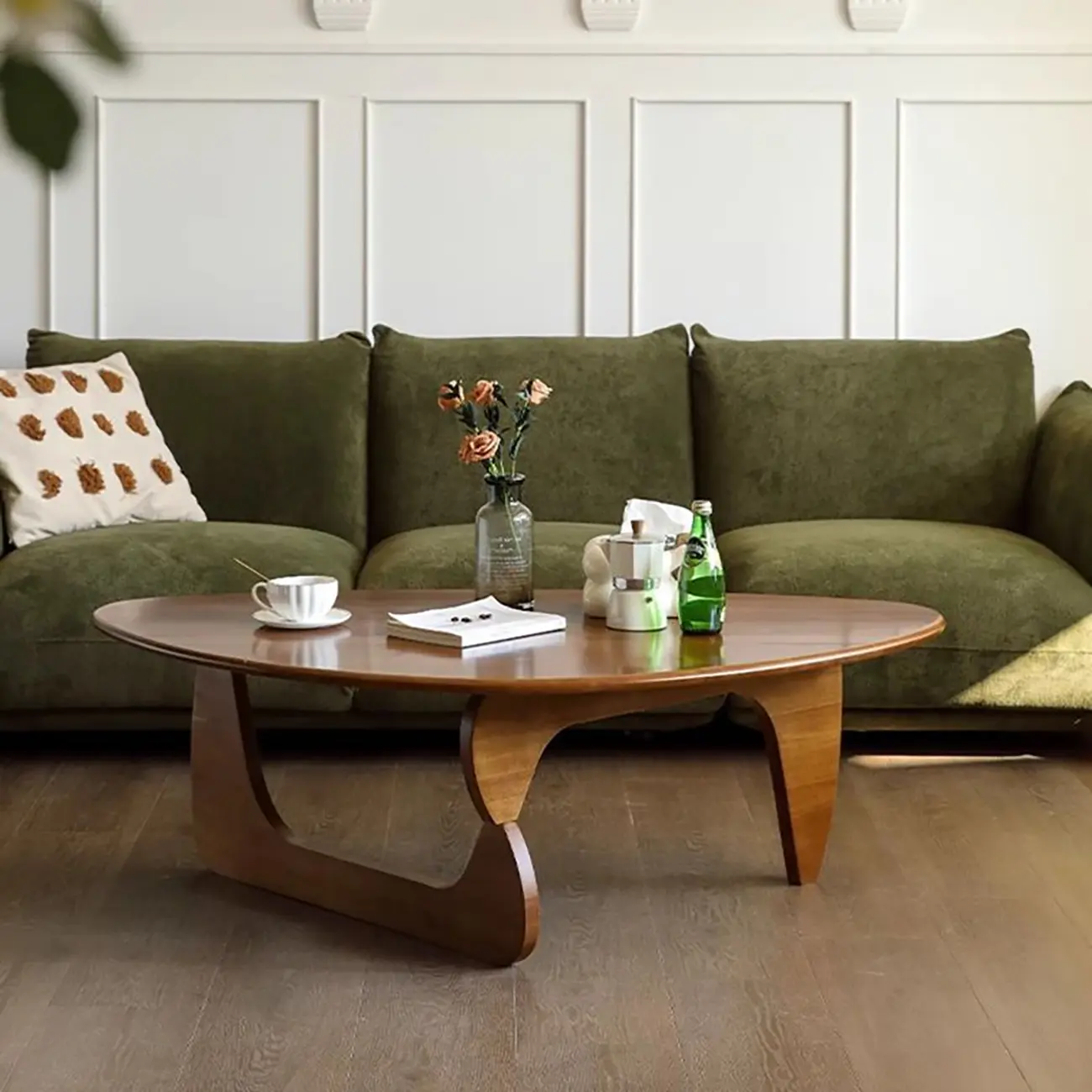
Bold sofa: With bold-colored sofas like deep blue, green, and cognac leather, you need to let the sofa do the heavy lifting. Stick to muted compliments and avoid matching them exactly. A soft rust against navy and warm linen on tobacco leather keeps things interesting without shouting.
-
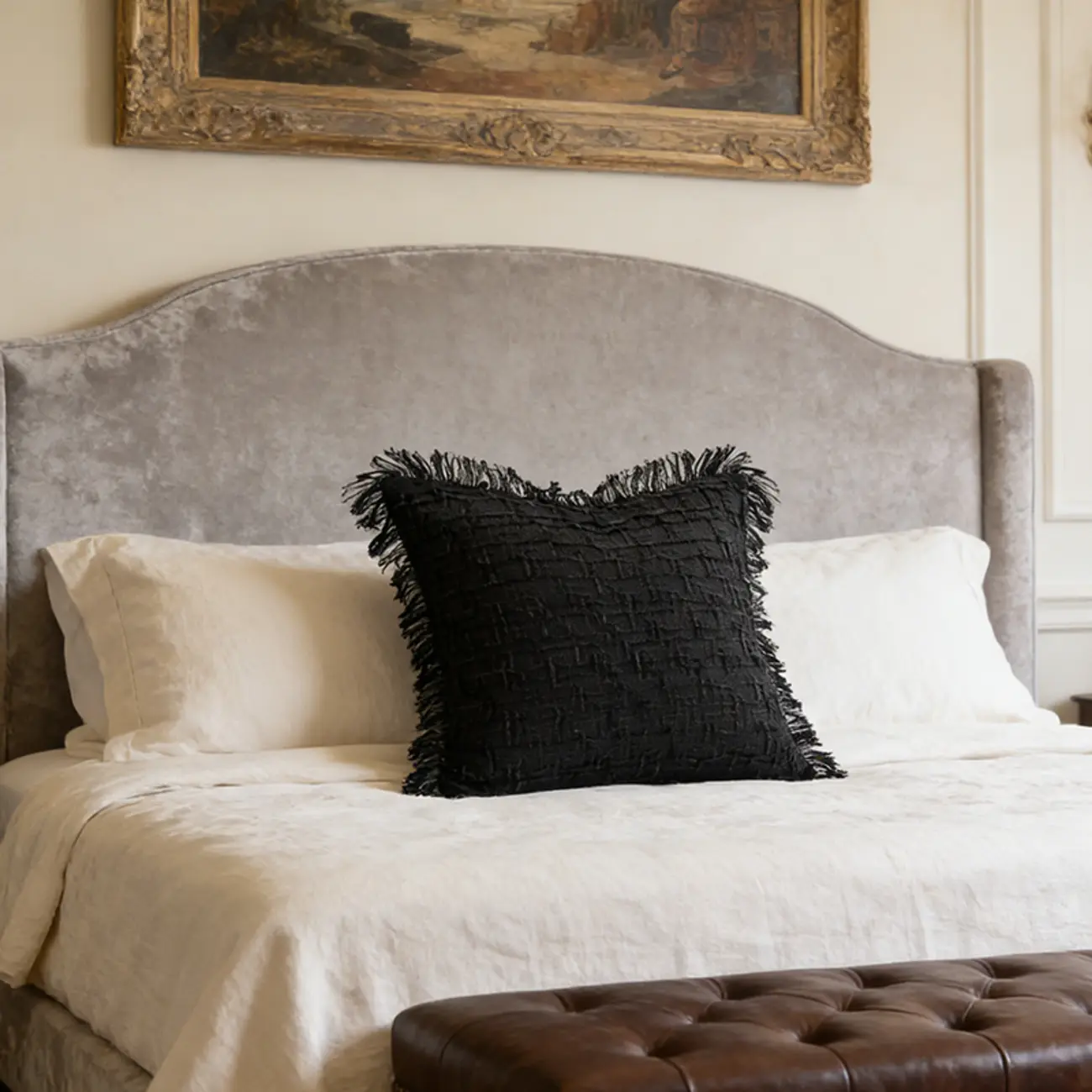
Leather sofa: Warm tones and textured fabrics cut the coolness. You should think wool, bouclé, and even cotton in earthy hues.
Save your budget for the pillows you'll use year-round: a good pair of solid neutrals. The trendy patterned accent can be swapped seasonally without guilt. This approach gives you coordination that looks intentional, never staged.
4. Texture and Pattern That Work Harder Than They Show
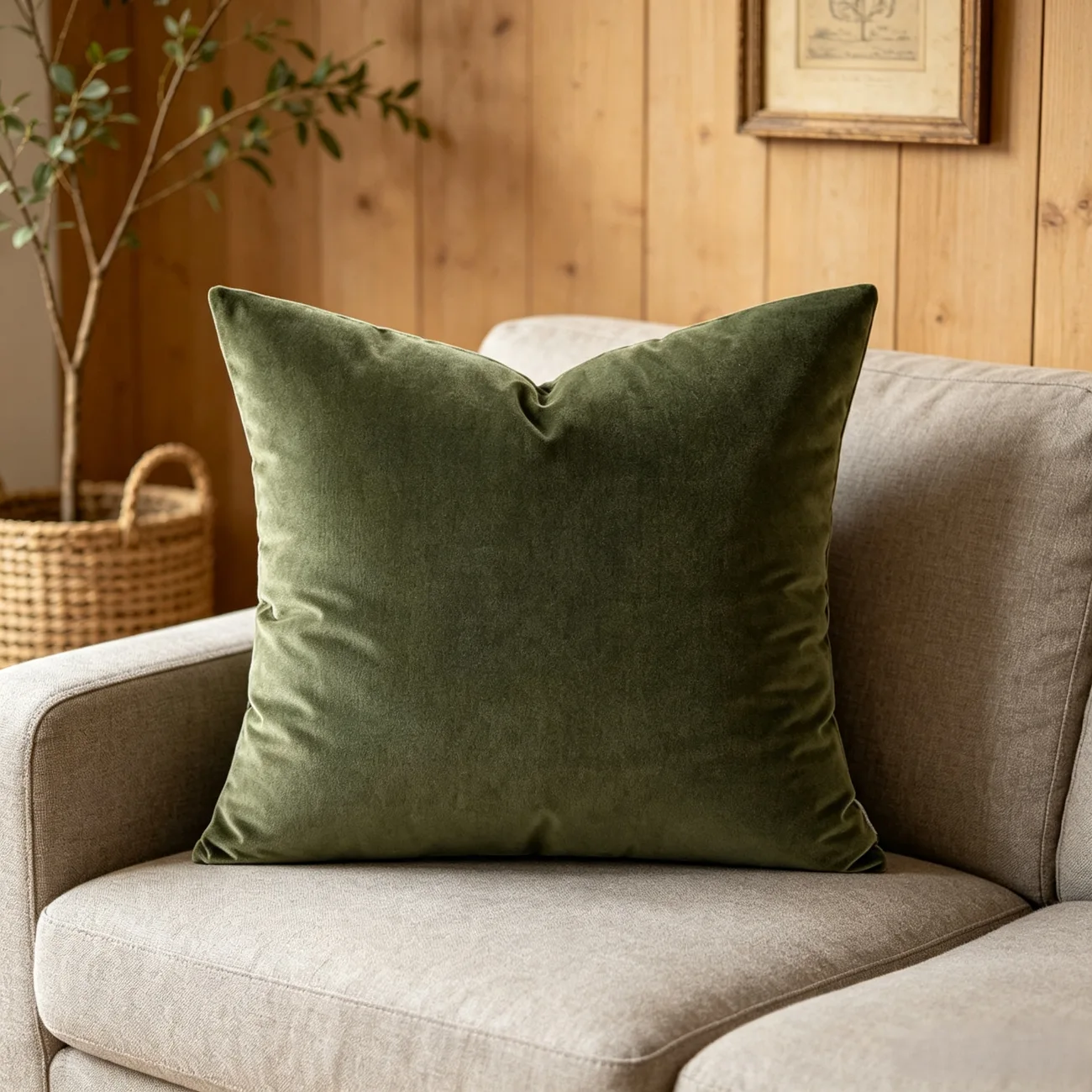
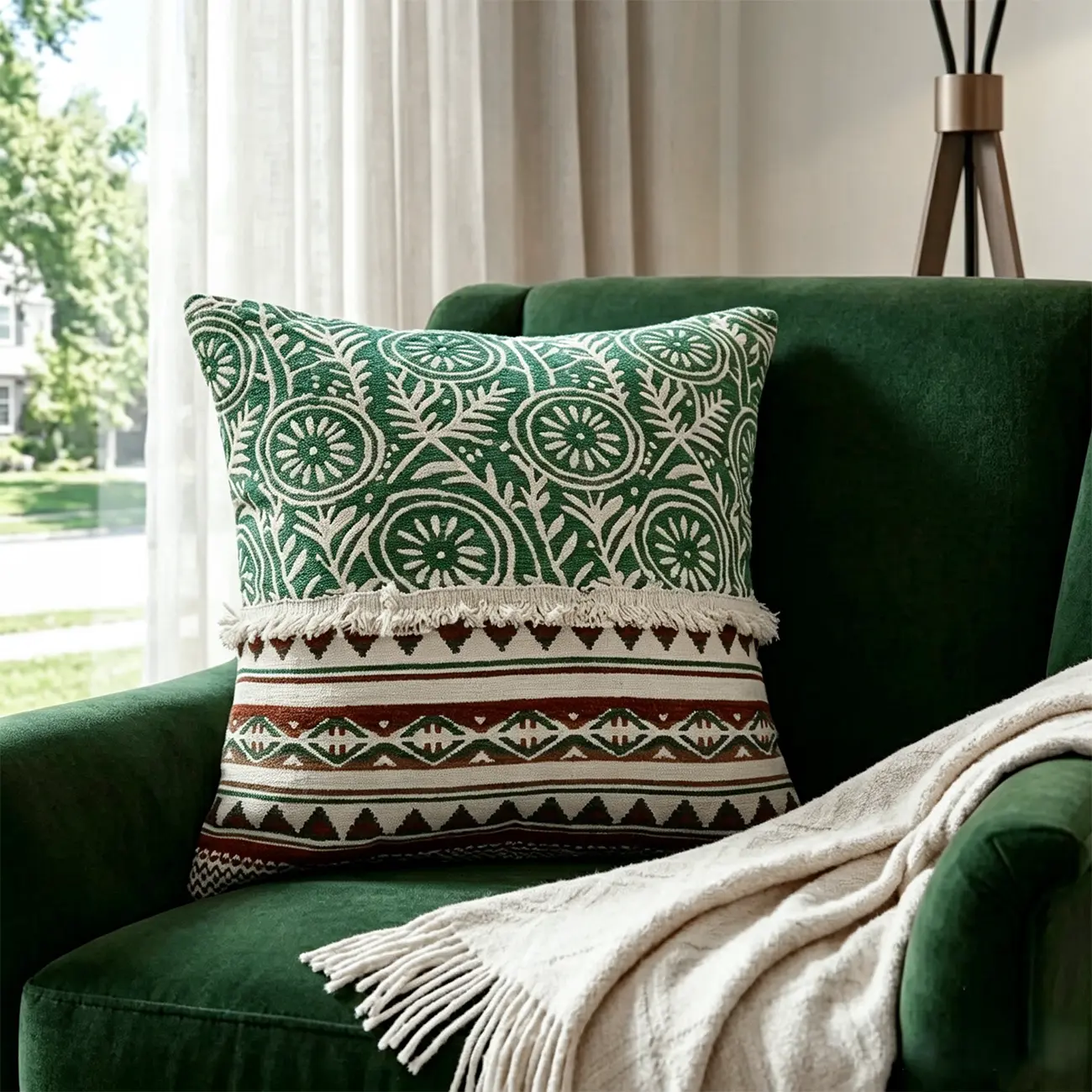
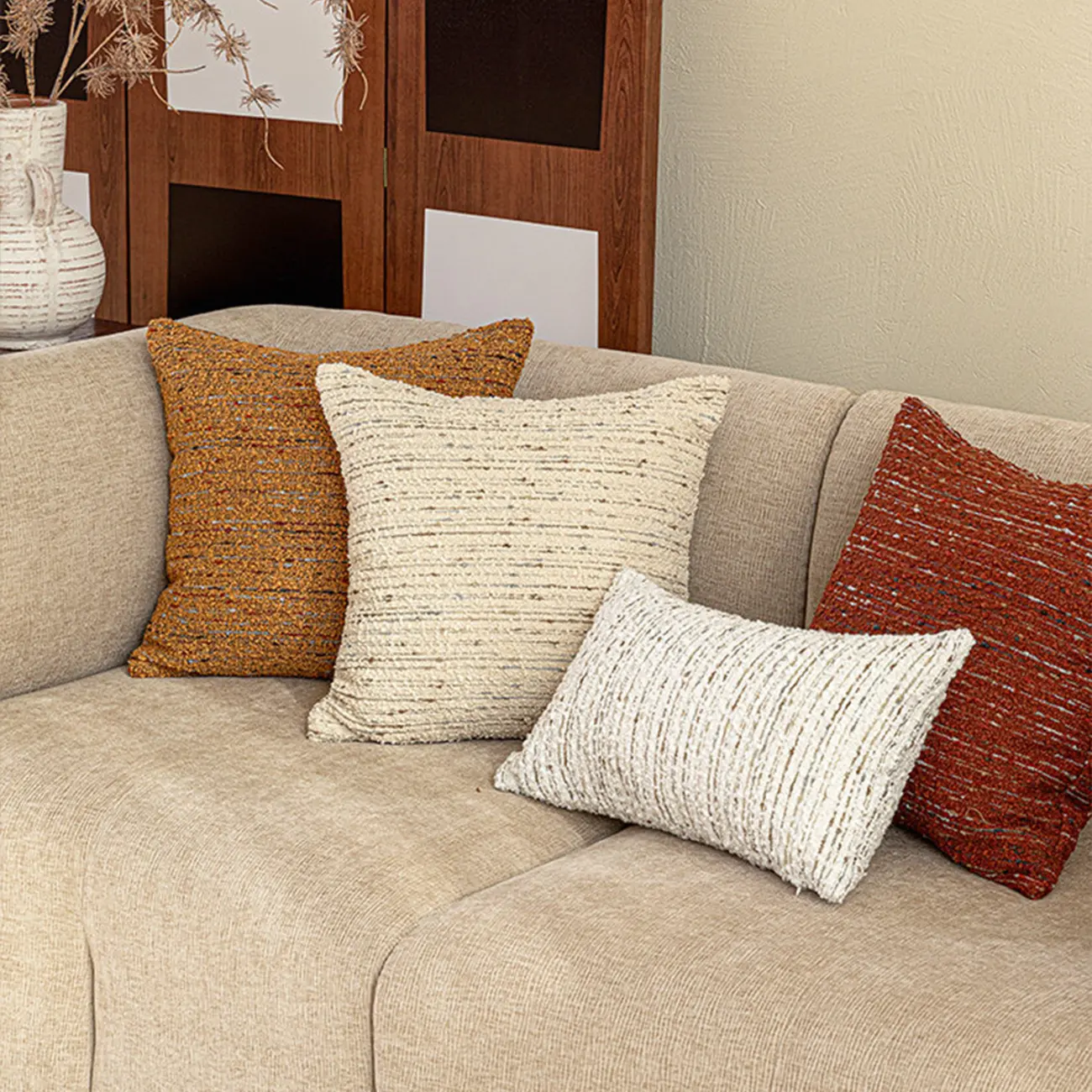
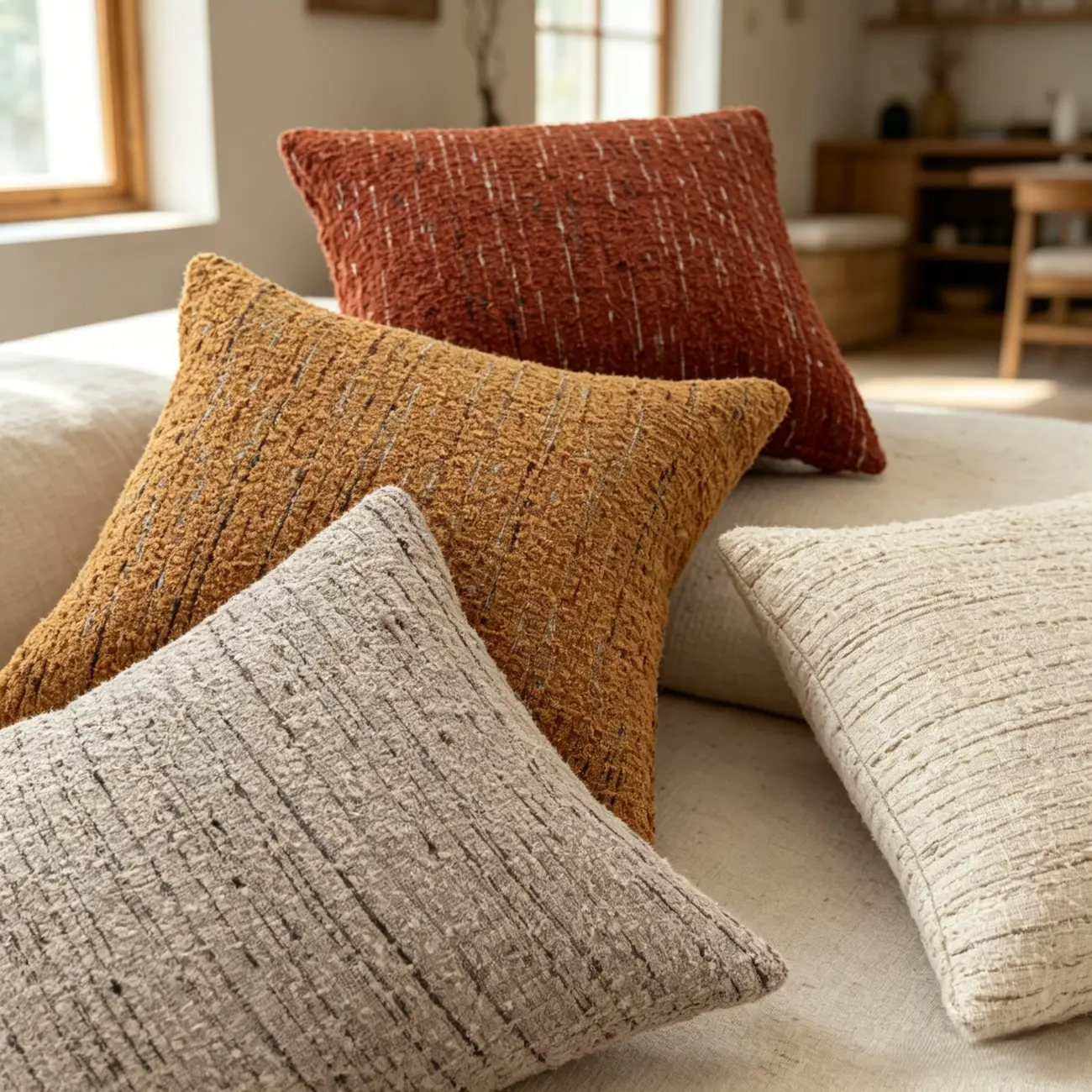
Texture earns its keep. It hides crumbs, pet hair, and the daily rumple a glossy pattern can't forgive. Mix something smooth with something nubby—cotton velvet paired with a chunky knit does the job. Want a pattern? Keep it to three and vary the scale, like large floral, small stripe, and solid knit.
Whereas for leather sofas, slide or swap slick linen for a textured cotton cover and tuck a gripper pad underneath. Throws wander less when you drape them across the chaise end and pin them behind a pillow. Washable fabrics like performance velvet keep things simple. Good texture forgives a lot.
5. Pillow Arrangements for Every Sofa Shape
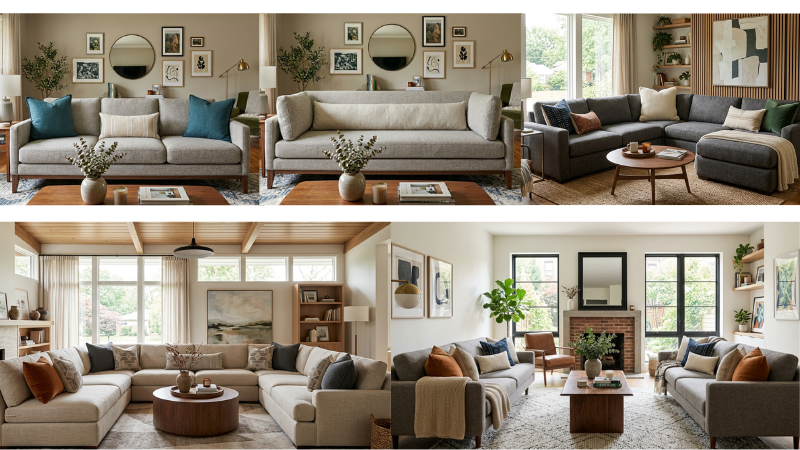
The one-size-fits-all pillow formula falls apart the moment you apply it to an L-shaped sectional with a chaise. As different shapes of sofas need different pillow styling, here's how to handle the most common setups.
-
Standard three-seater. Place your largest pillows at the outer corners. Layer a smaller pillow in front of each, then finish with a lumbar in the center. This gives you back support where you need it and leaves the middle seat open.
-
Tight-back sofa. These tend to sit firm and upright. Skip tiny decorative squares. Use two oversized pillows against the arms and one long lumbar pillow across the back. Each person gets actual cushioning without stacking pillows just to sit.
-
L-shaped sectional. The inside corner does the heavy lifting. Anchor it with one large square or round pillow. Layer two more along the chaise back and two on the longer side near the armrests. This keeps the corner from looking bare and gives every spot a place to lean.
-
Large U-shaped sectional. Treat each section as its own zone. Apply the three-seater formula to the longest stretch, then add two pillows to the shorter sides. Repeat one color or texture across all zones so the whole thing reads as one sofa.
-
Two sofas facing each other. Mirror the arrangement of pillows, but flip the accent color. If one sofa has a warm rust pillow on the left, put a matching one on the right of the opposite sofa. It pulls the room together without feeling too matchy-matchy.
Every blueprint here assumes one thing: people actually sit on this furniture. Pillows should support, not crowd. When the whole crew piles on for movie night, toss the extras into a basket nearby. They stay off the floor, and you still have somewhere to sit.
Find the Perfect Furniture for Your Home with HomeyFad
Good sofa styling isn't about memorising a formula; it's about reading the sofa you have, understanding how your household uses it, and picking pillows that earn their keep. A couple of pillows that support your back and stay put beat a pile that hits the floor every time.
If you're shopping for a fresh look, HomeyFad pillows are built for actual living with durable fabrics, sensible sizes, and styles that don't demand constant fussing.
View HomeyFad living room furniture and sofas, and enjoy a cozy life with us!
FAQs
How many pillows should I put on my sofa?
If the whole family piles on every day, stick with two or three. A mix of three to four works in spaces that see some lounging but not constant use.
What pillow sizes work best on a deep sofa?
Standard 18-inch pillows tend to disappear into deep seats. You should look for 22 to 24-inch squares.
How do I stop pillows from sliding off a leather couch?
Slick fabrics like linen are the worst, so go with textured cotton covers that stay put much better.



-12.png?w=1306&h=735)

-.jpg?w=800&h=563)


-.jpg?w=800&h=543)

 Add Us On Google