
(1).png?w=1920&h=650)
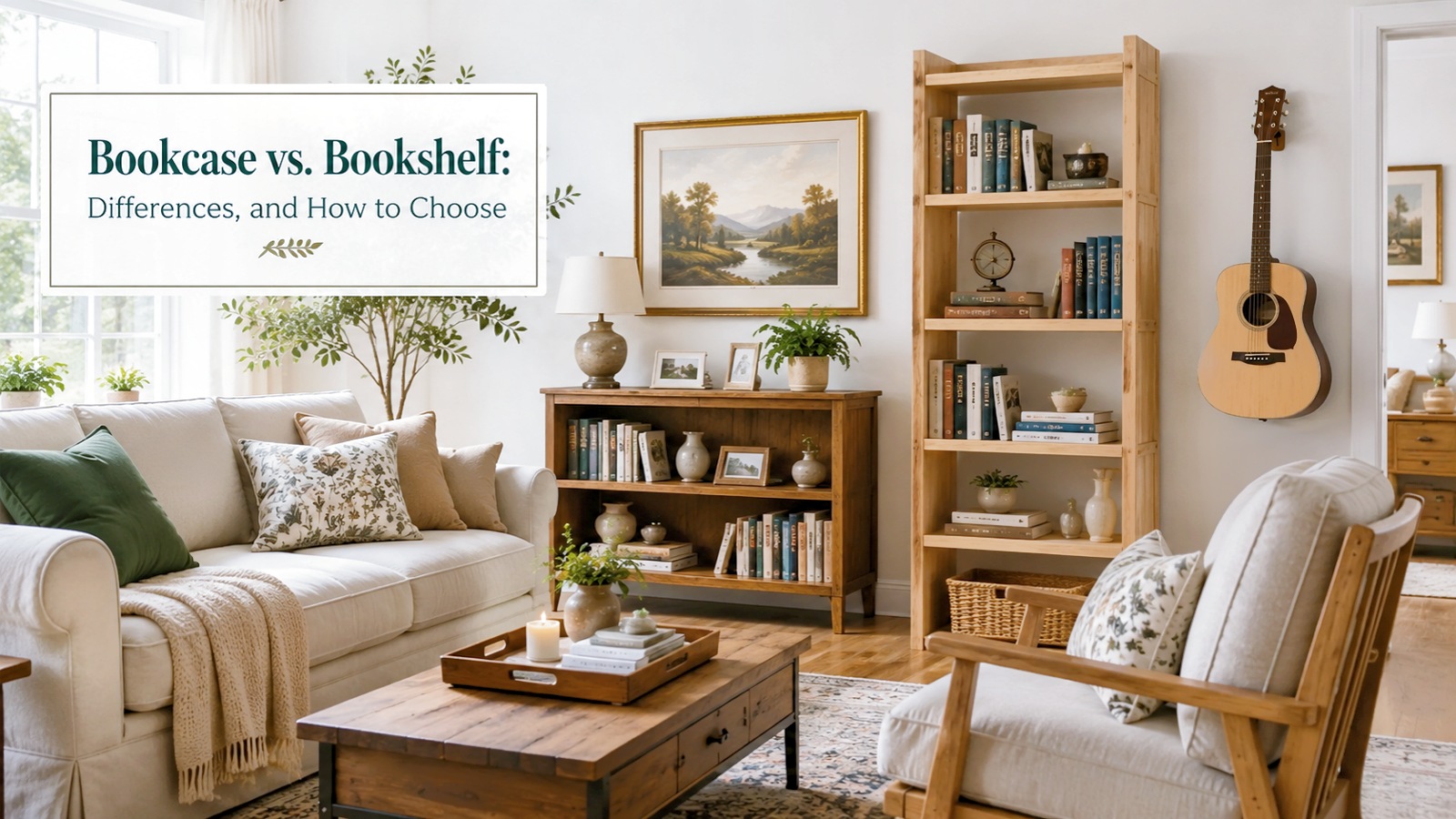
You have books. You need somewhere to put them. But every time you start shopping, you freeze. Is a bookcase what you need? Or a bookshelf? What is the difference anyway?
Here is the thing: they are not the same. One gives you closed storage with doors and panels. The other gives you open shelves for display. They do different jobs.
Picking the wrong one wastes money. And your space ends up feeling off. By the end of this guide, you will know exactly what each one does. No more second-guessing.
What Is a Bookcase?
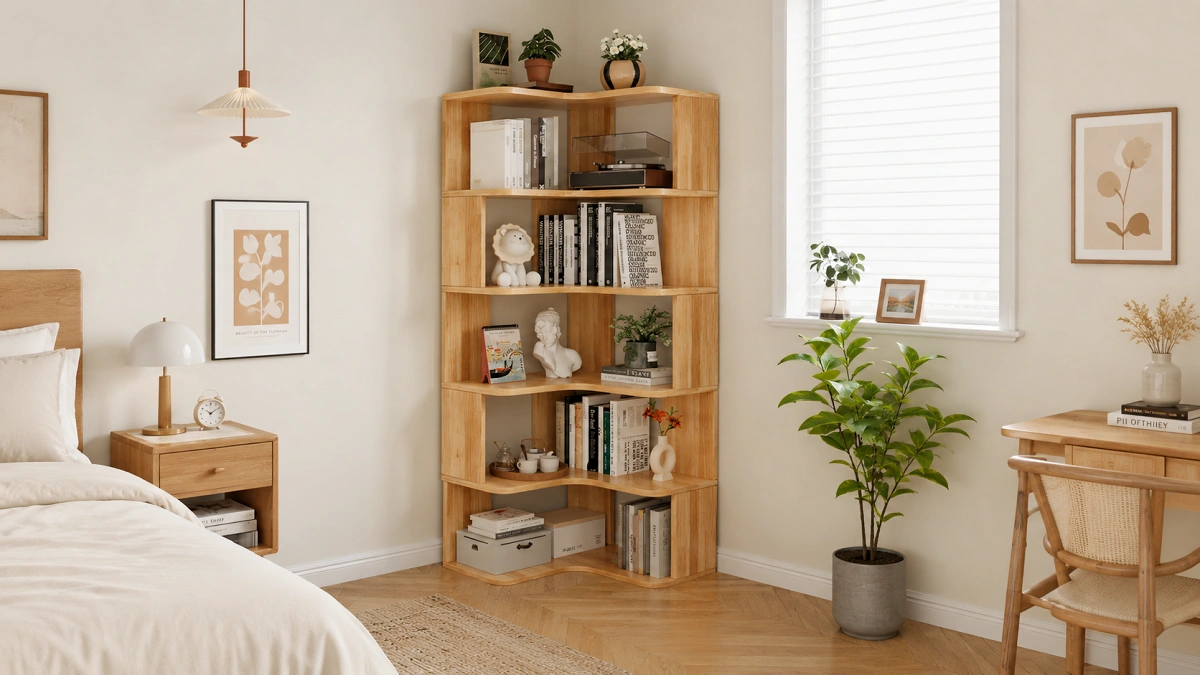
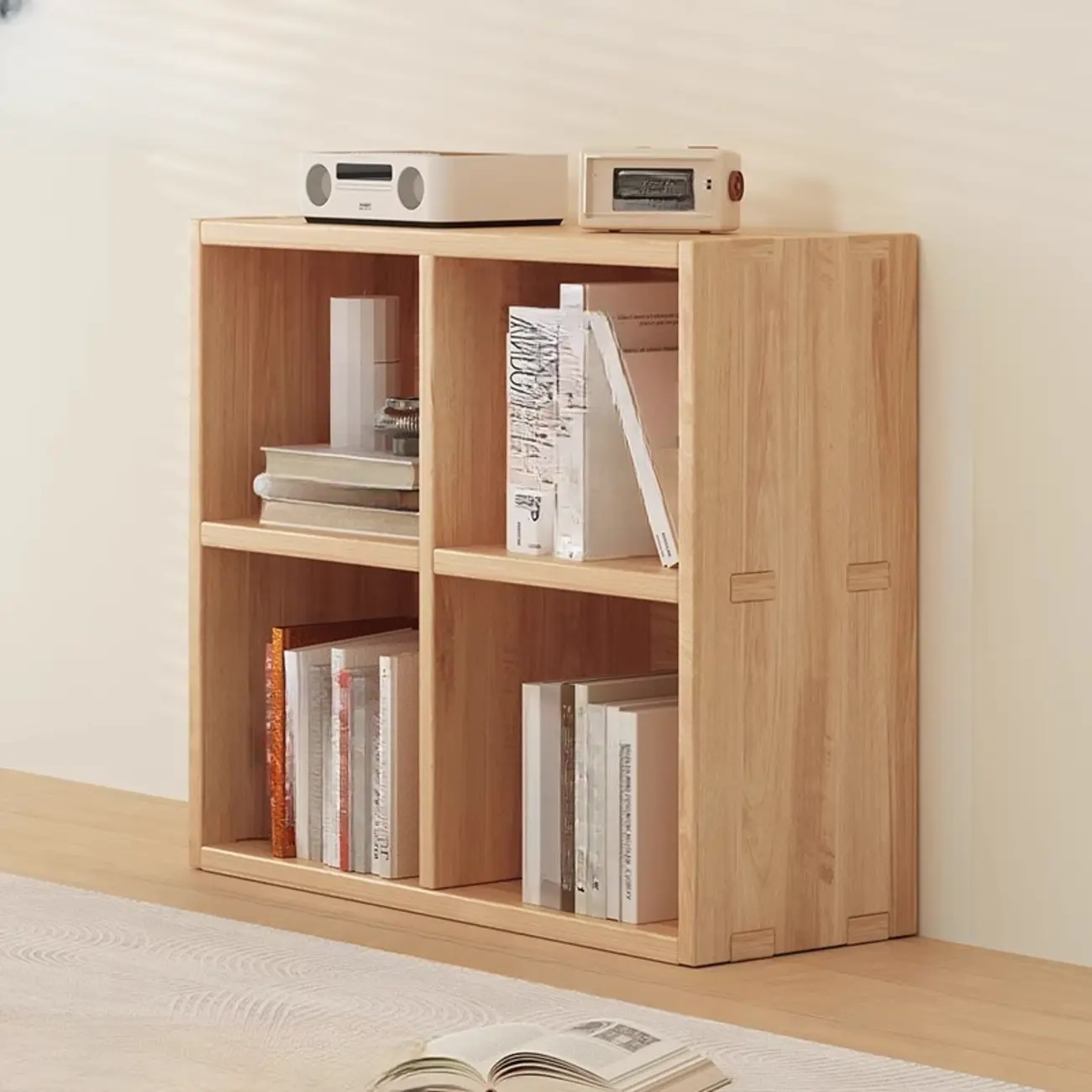
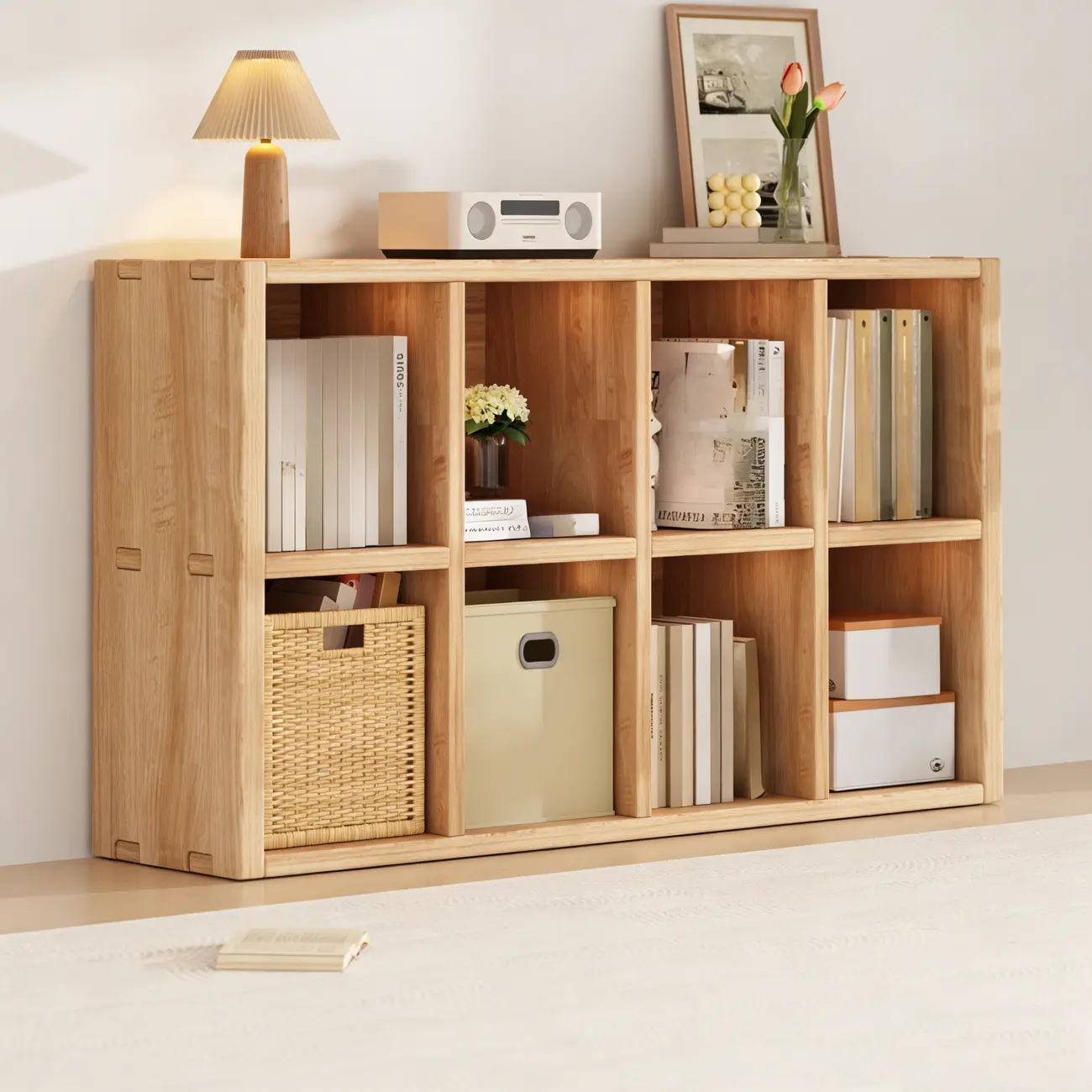
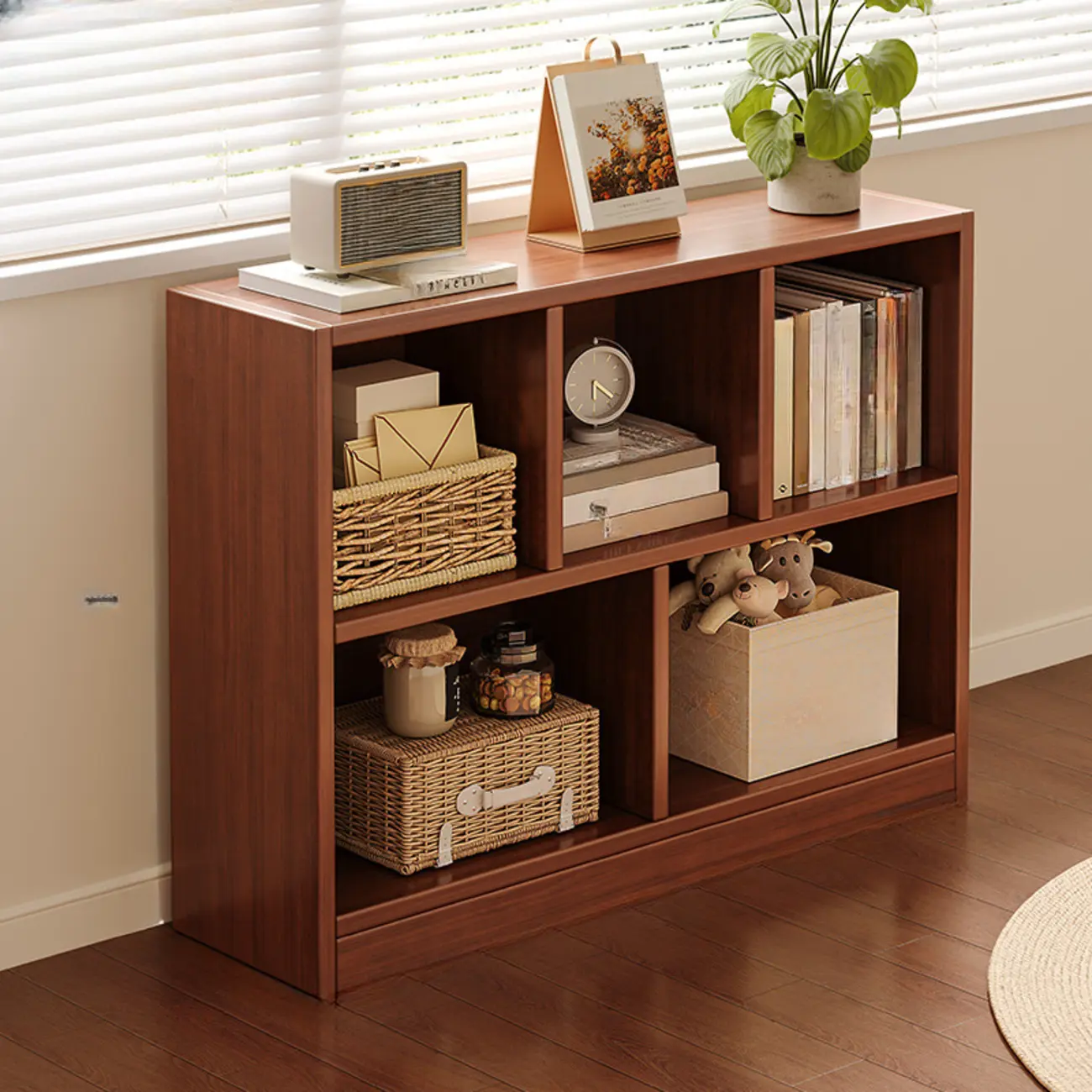
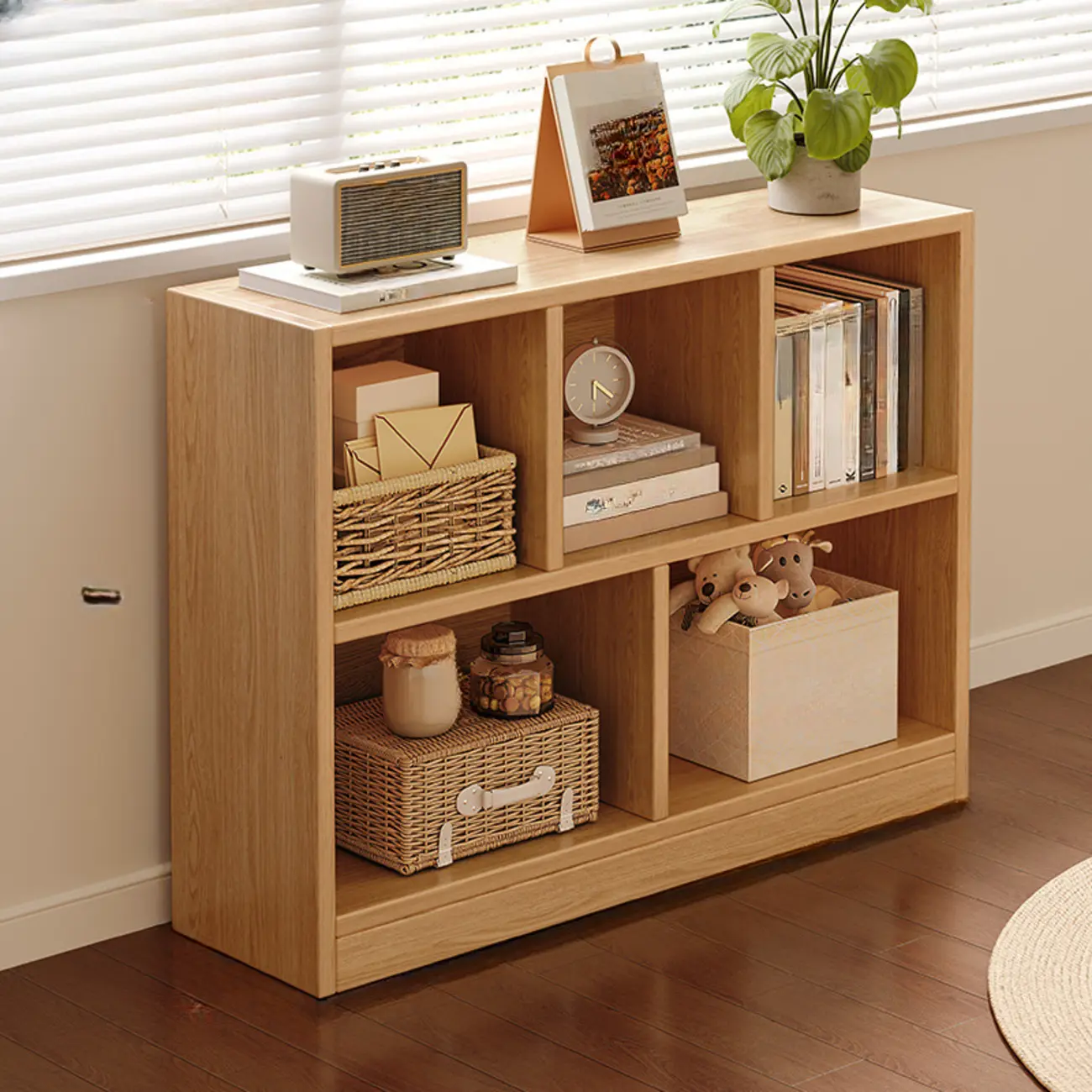
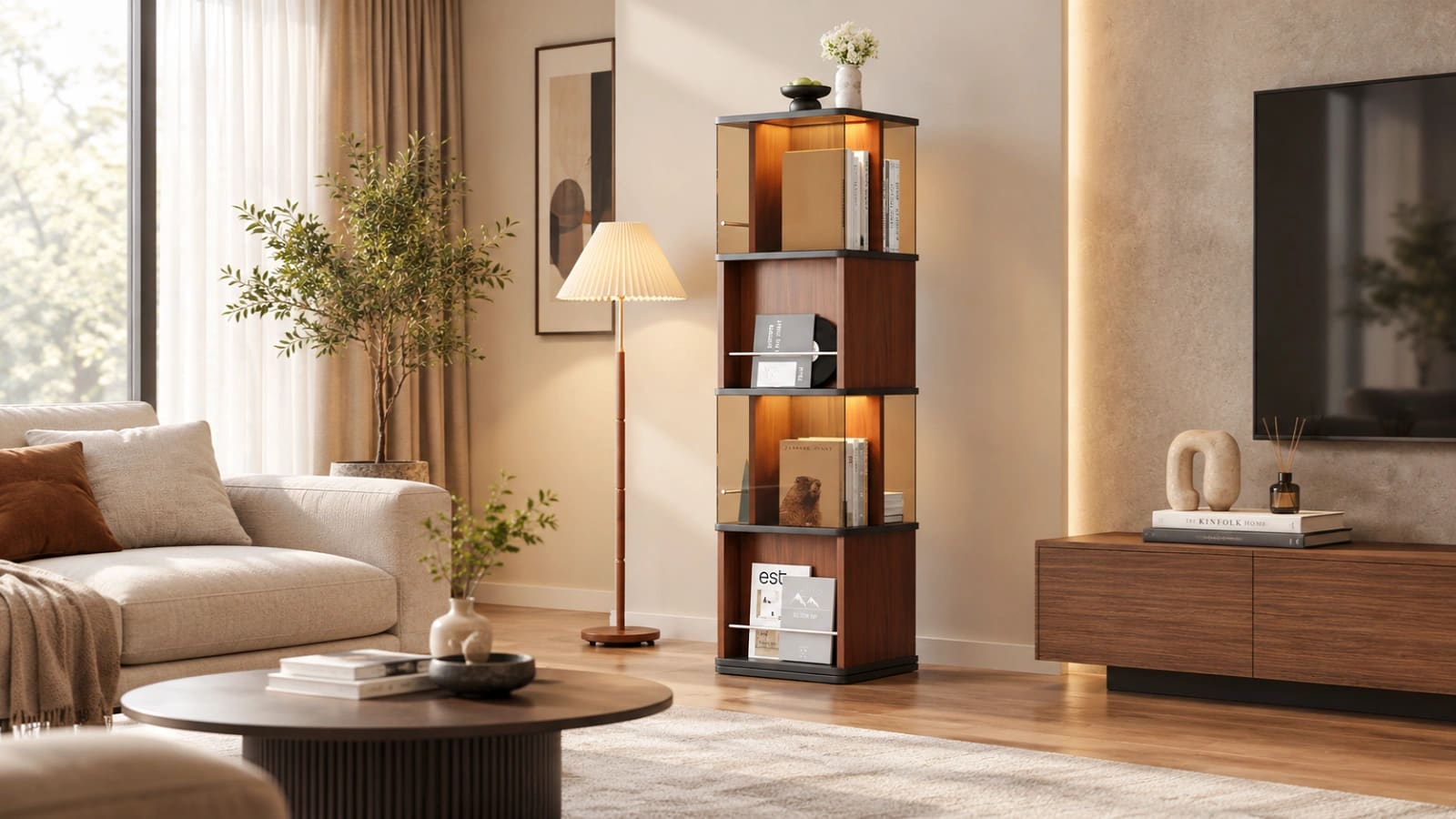
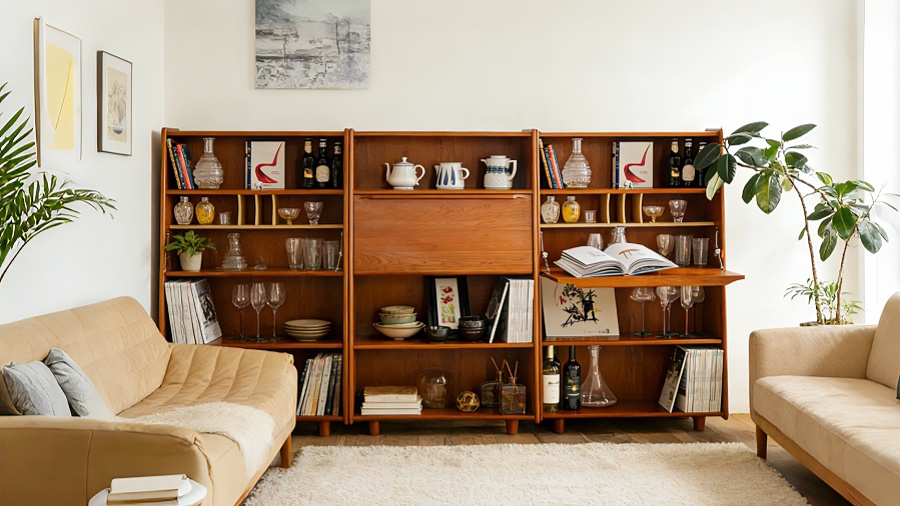
A bookcase is large and sits on the floor. It has side panels, a back panel and multiple shelves. Think of it as a complete storage unit.
Bookcases are built for serious storage. They hold a lot of books. They hold heavy items like atlases, textbooks and collectibles. Some come with doors to keep dust out. Others have drawers for extra organization.
What you get with a bookcase:
-
Multiple shelves—usually four to six—with adjustable positions
-
Solid back and side panels for support
-
Deeper shelves around 12 to 15 inches for larger items
-
Heavier construction using wood as well as engineered materials
-
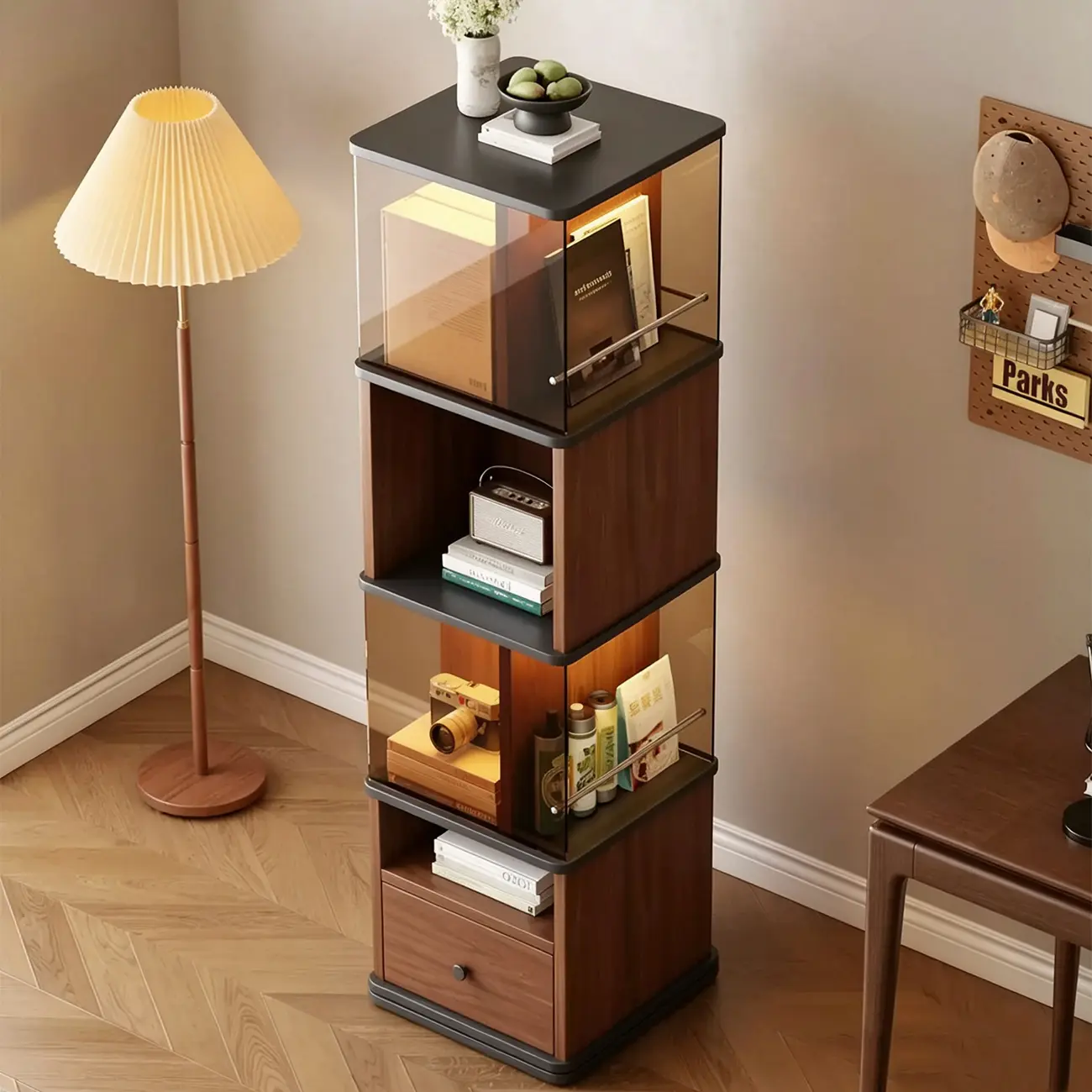
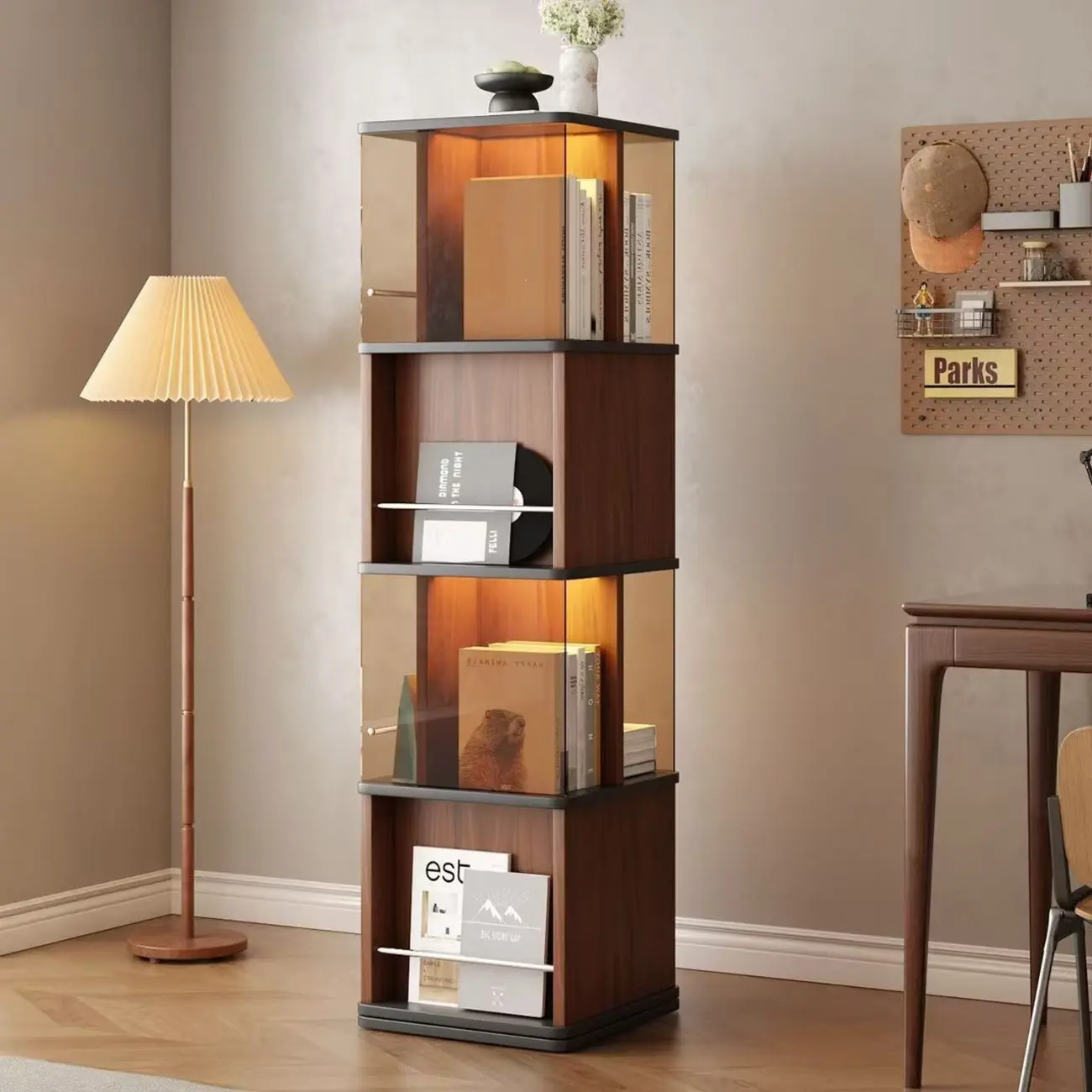
Many style options—traditional wooden, modern minimalist and barrister with glass doors
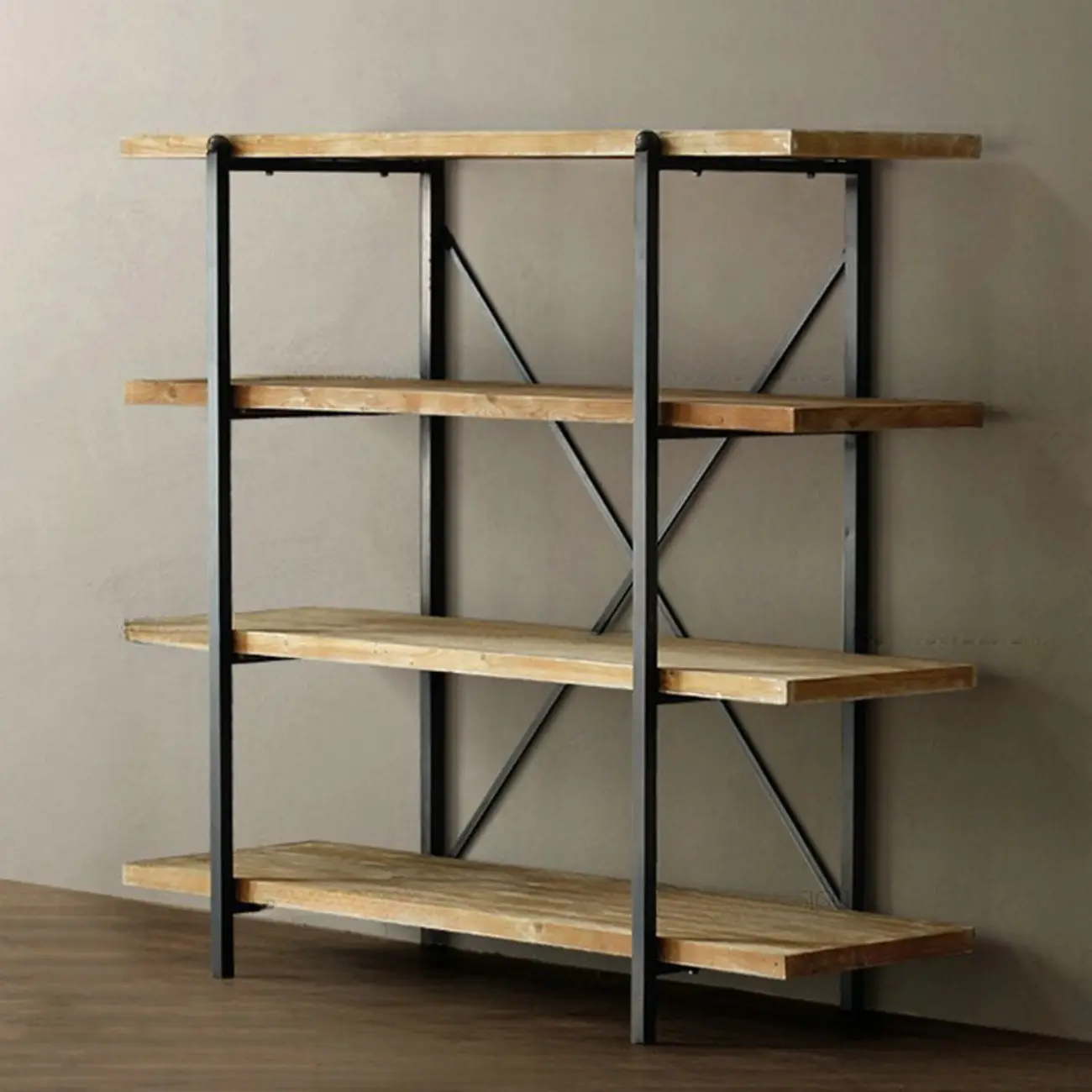
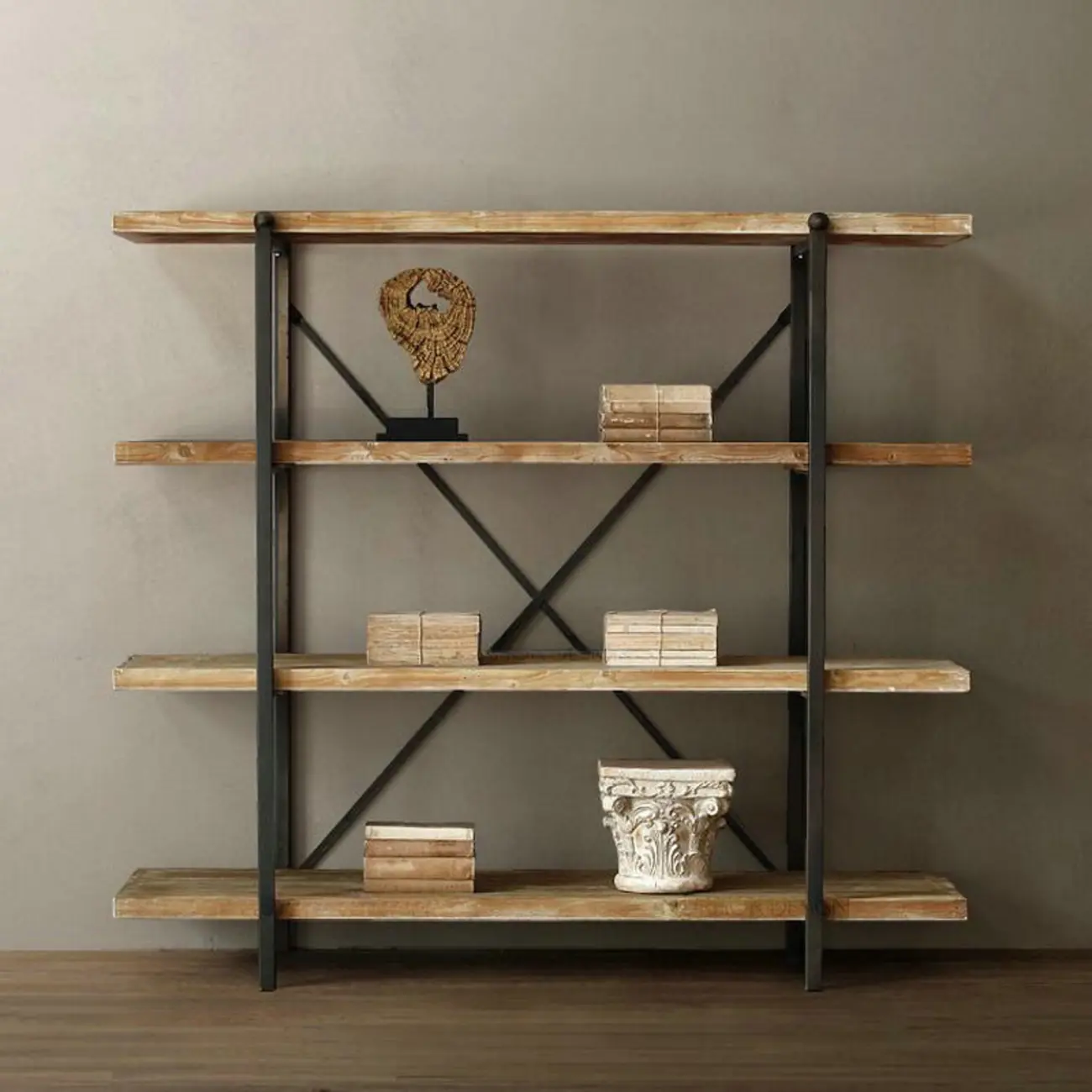
Wood bookcases feel warm and inviting. Metal ones have an industrial look. Glass doors keep your collection visible and dust-free. Tight on space? A narrow bookcase fits right in.
What Is a Bookshelf?
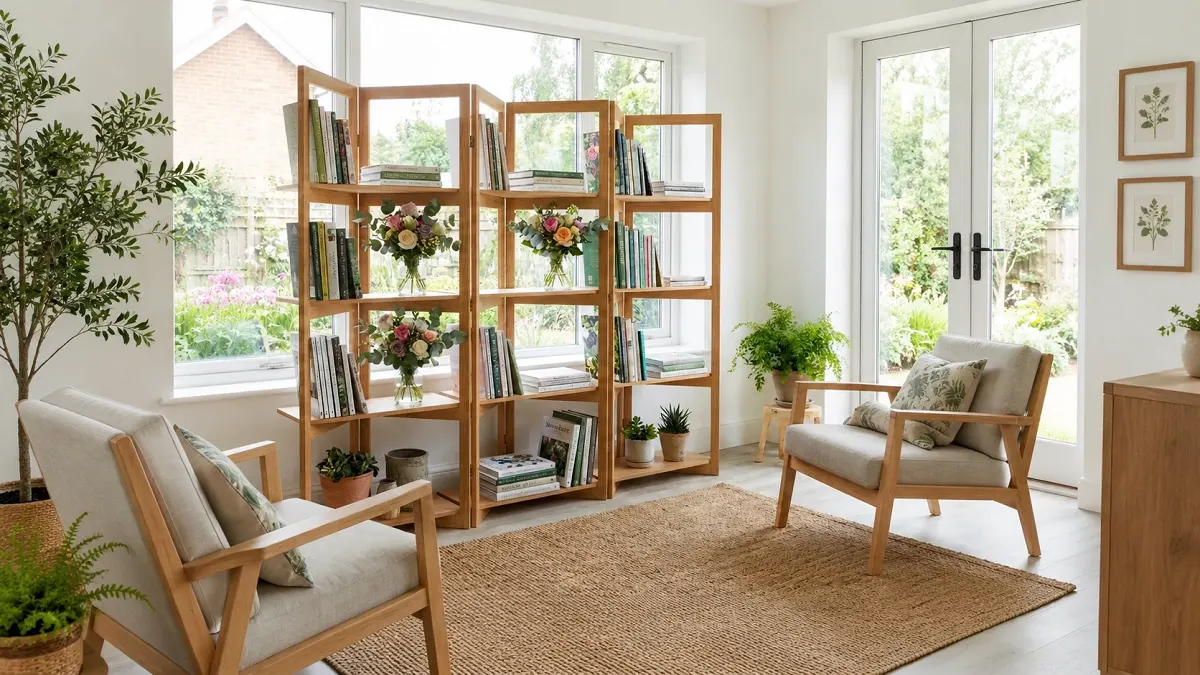
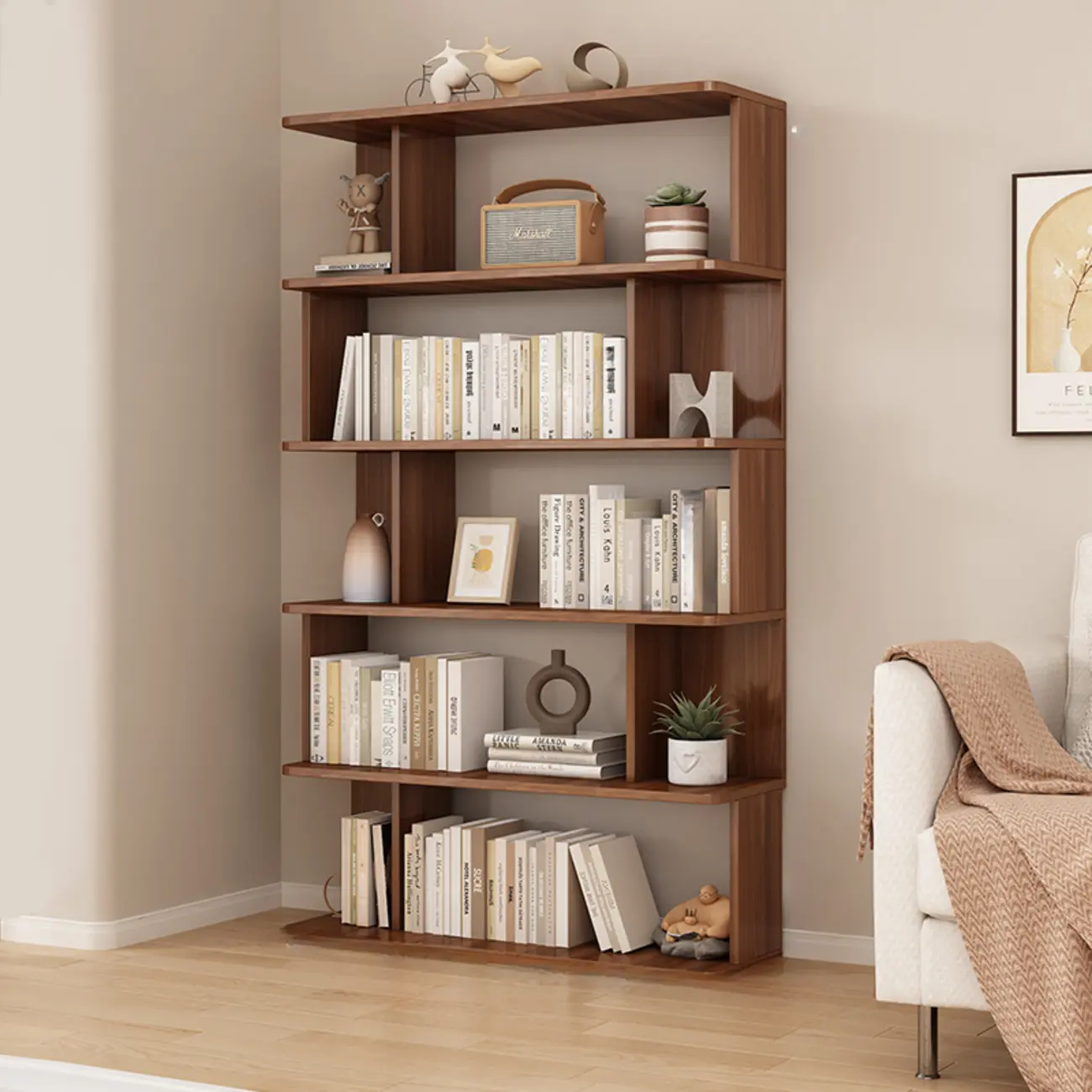
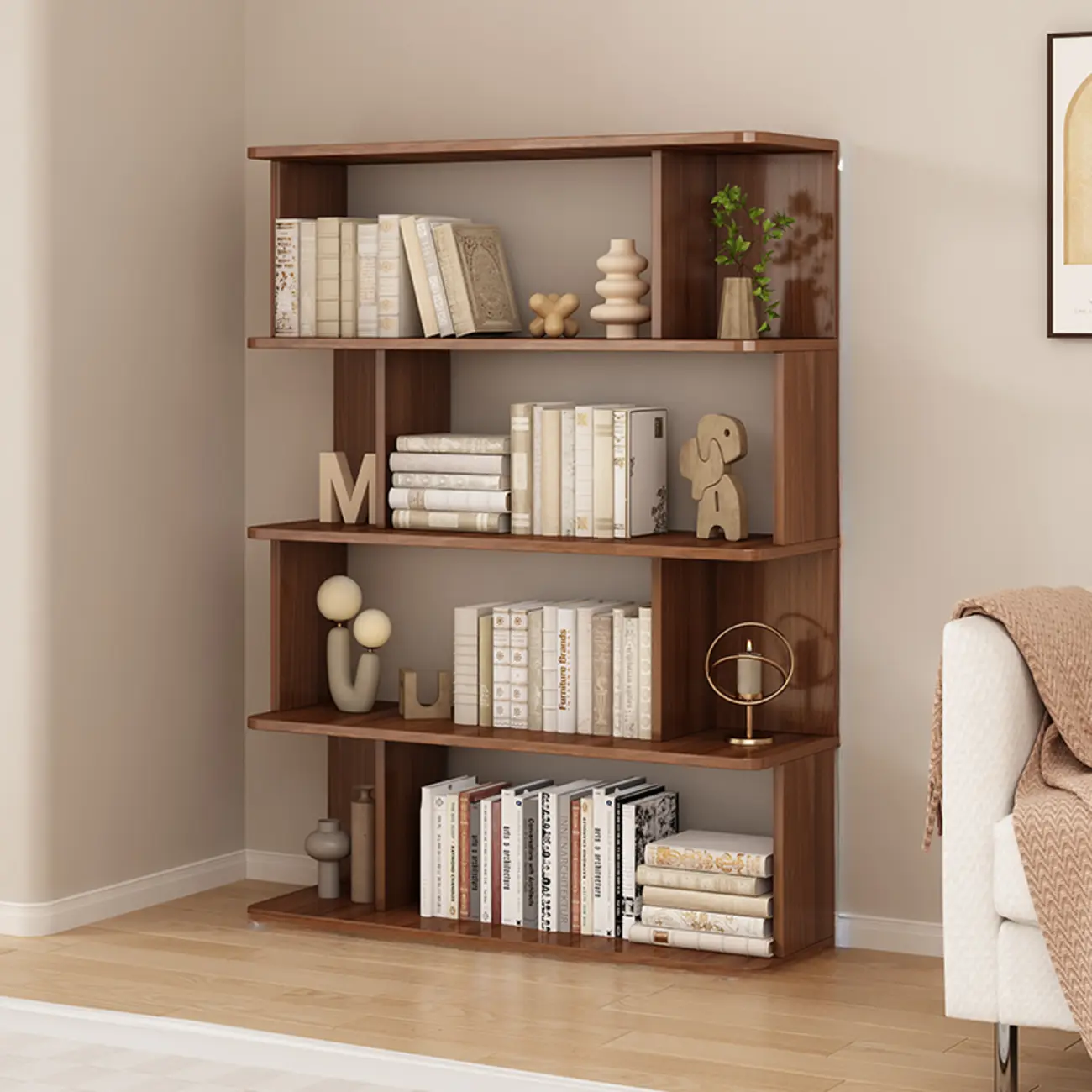
A bookshelf is the simpler option. One or more shelves. No side panels. No back panel. Just open space. Bookshelves sit on the floor. Or they mount to a wall. Either way they are lighter and smaller than bookcases. They are about display, not just storage. Books, plants and small decor pieces—everything is visible.
What you get:
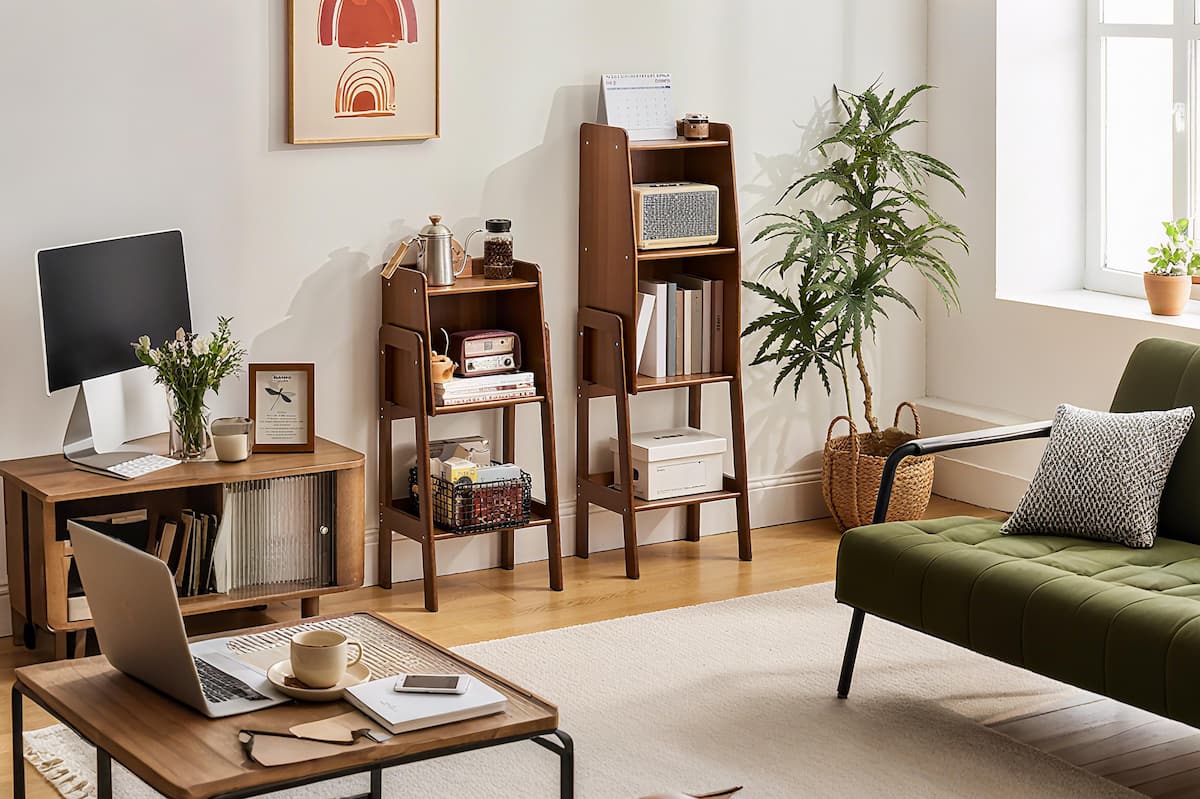
They have an open design with a minimal frame. Most are 2 to 4 feet tall and 8 to 12 inches deep. They are lightweight and easy to move. Styles include wall-mounted, cube and floating.
-
A wall-mounted bookshelf saves floor space.
-
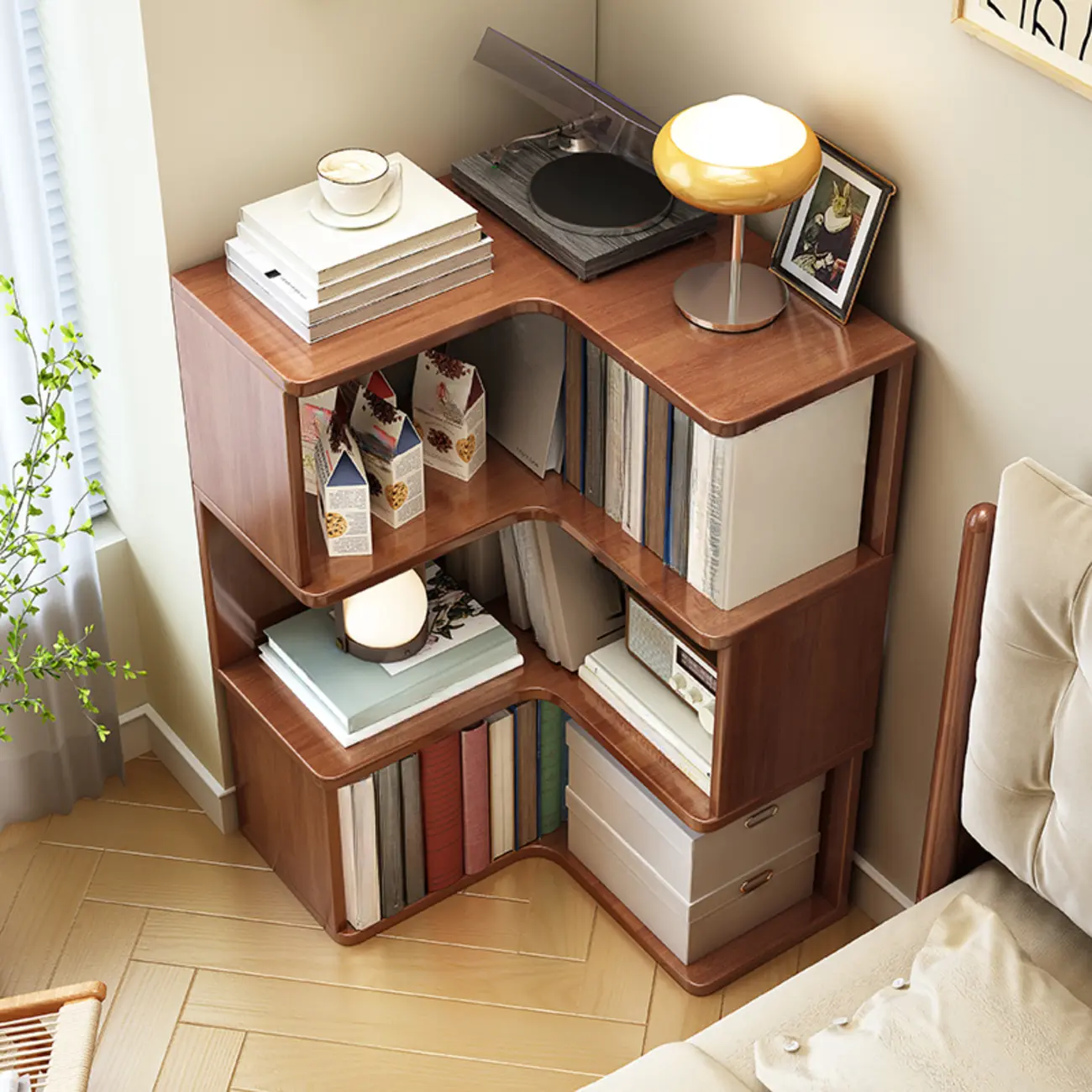
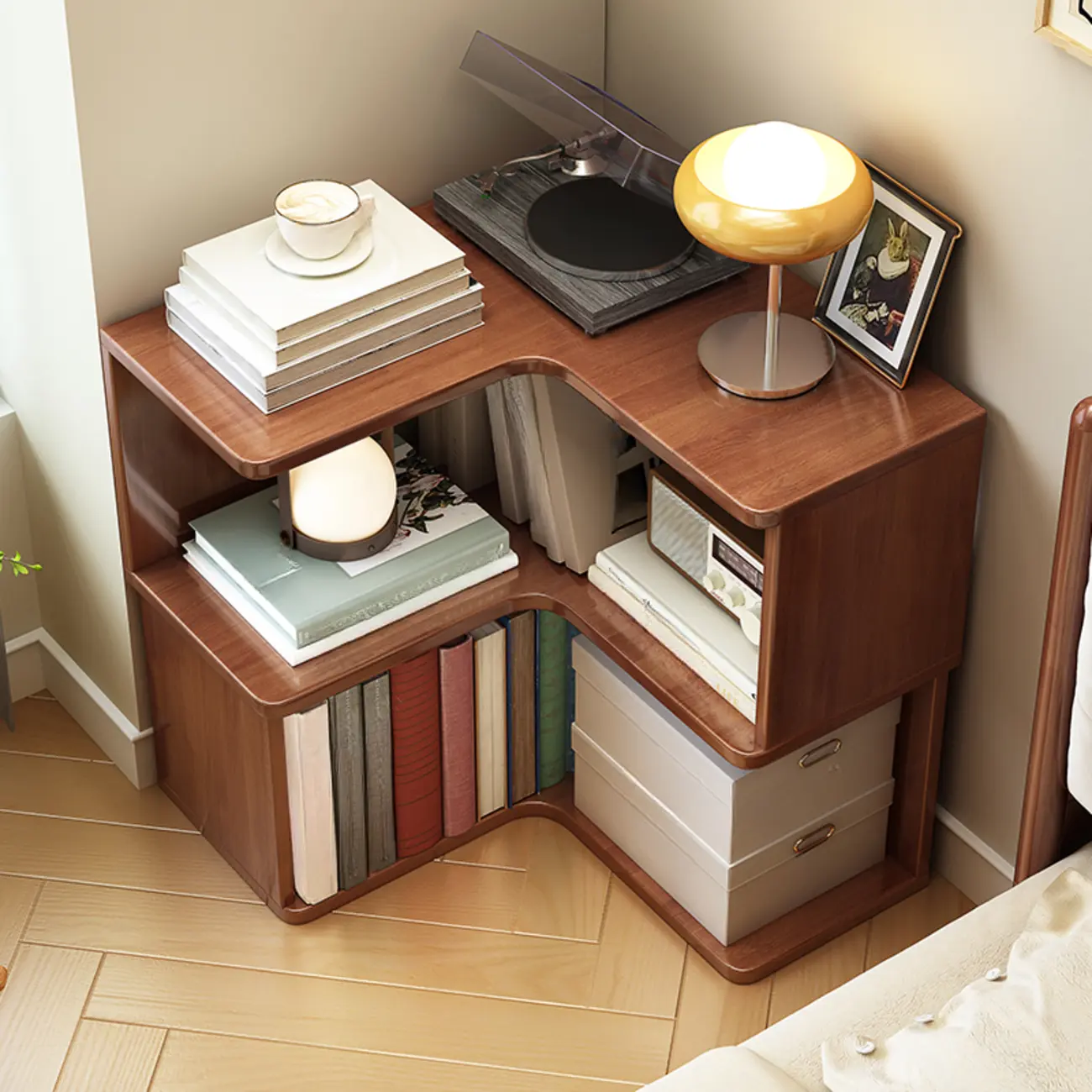
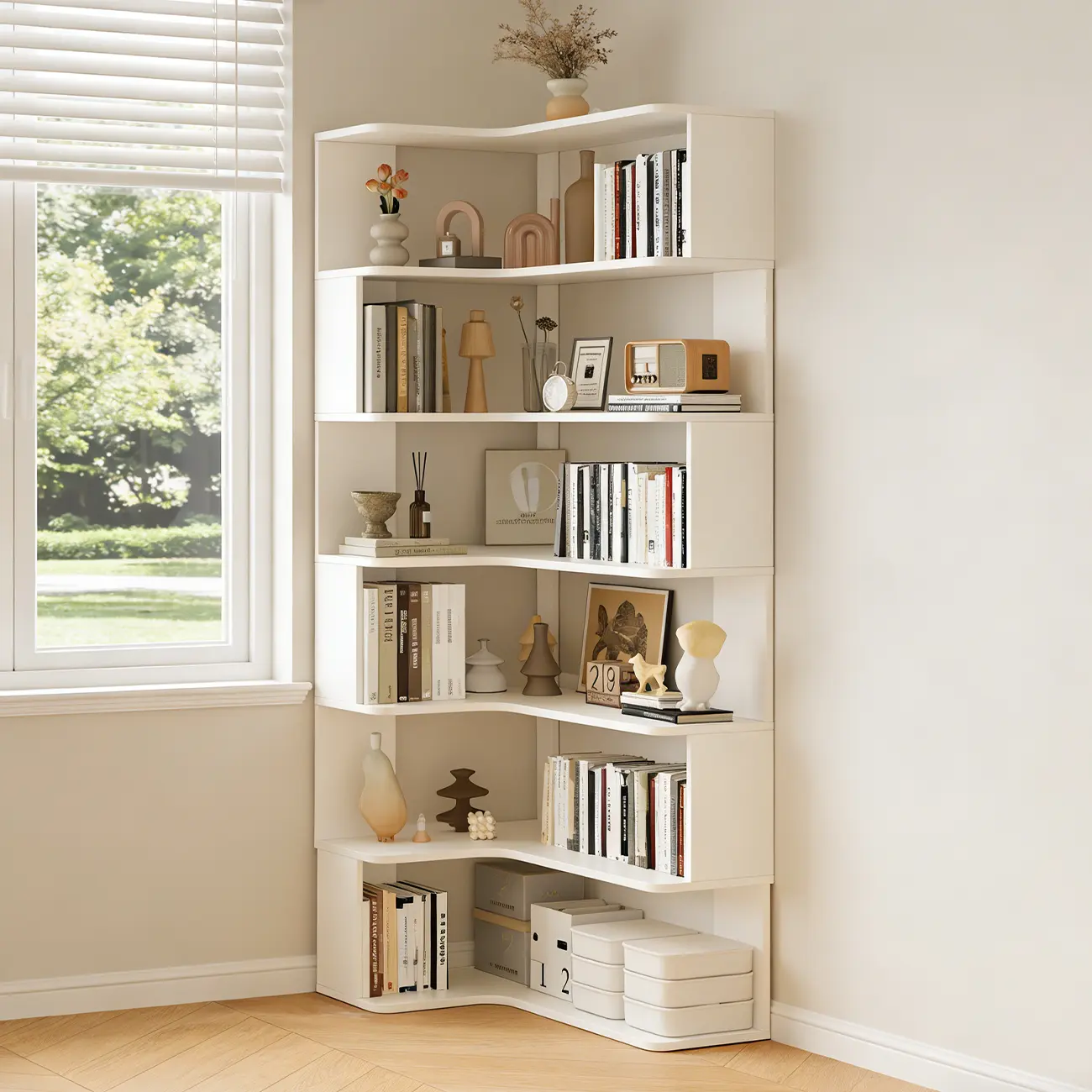
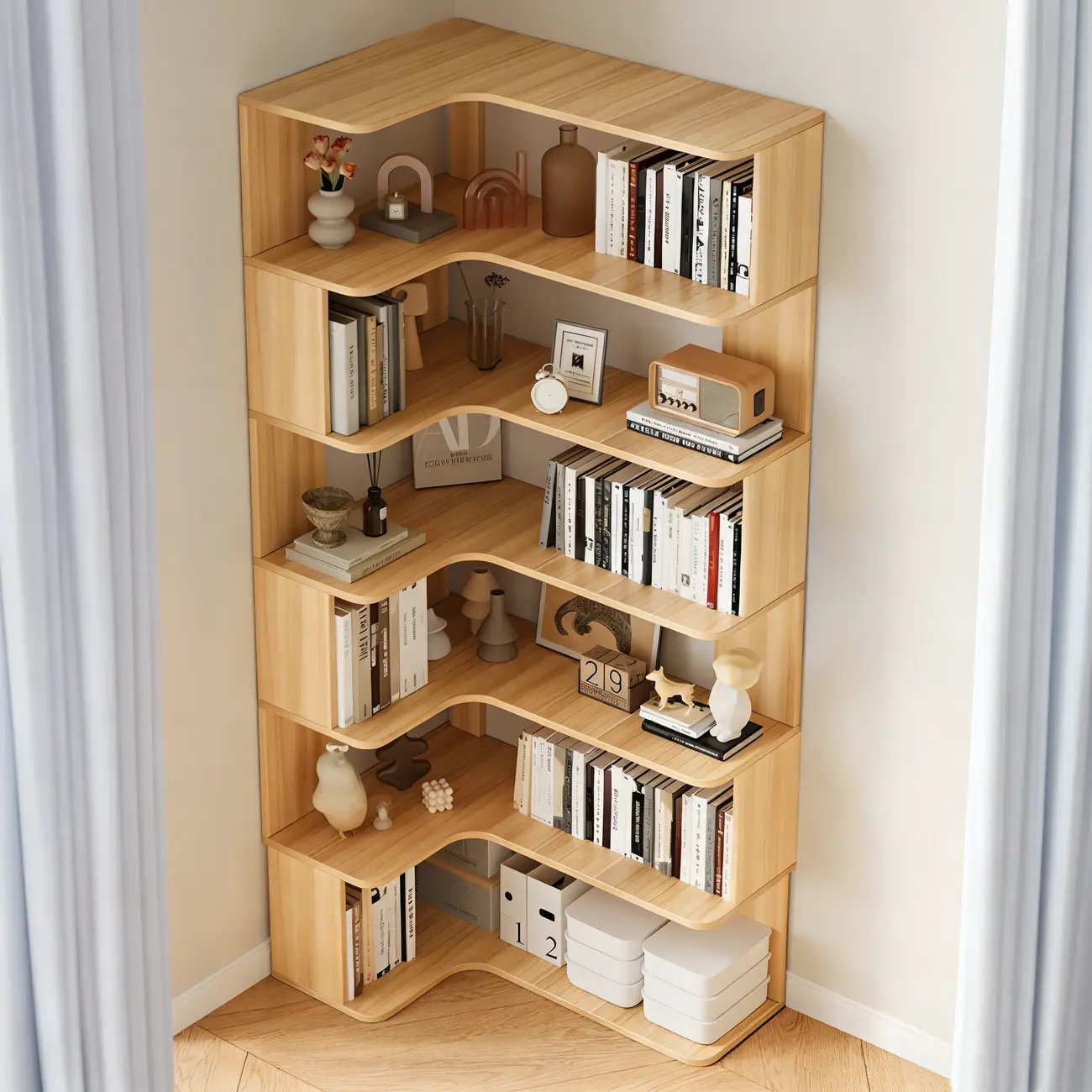
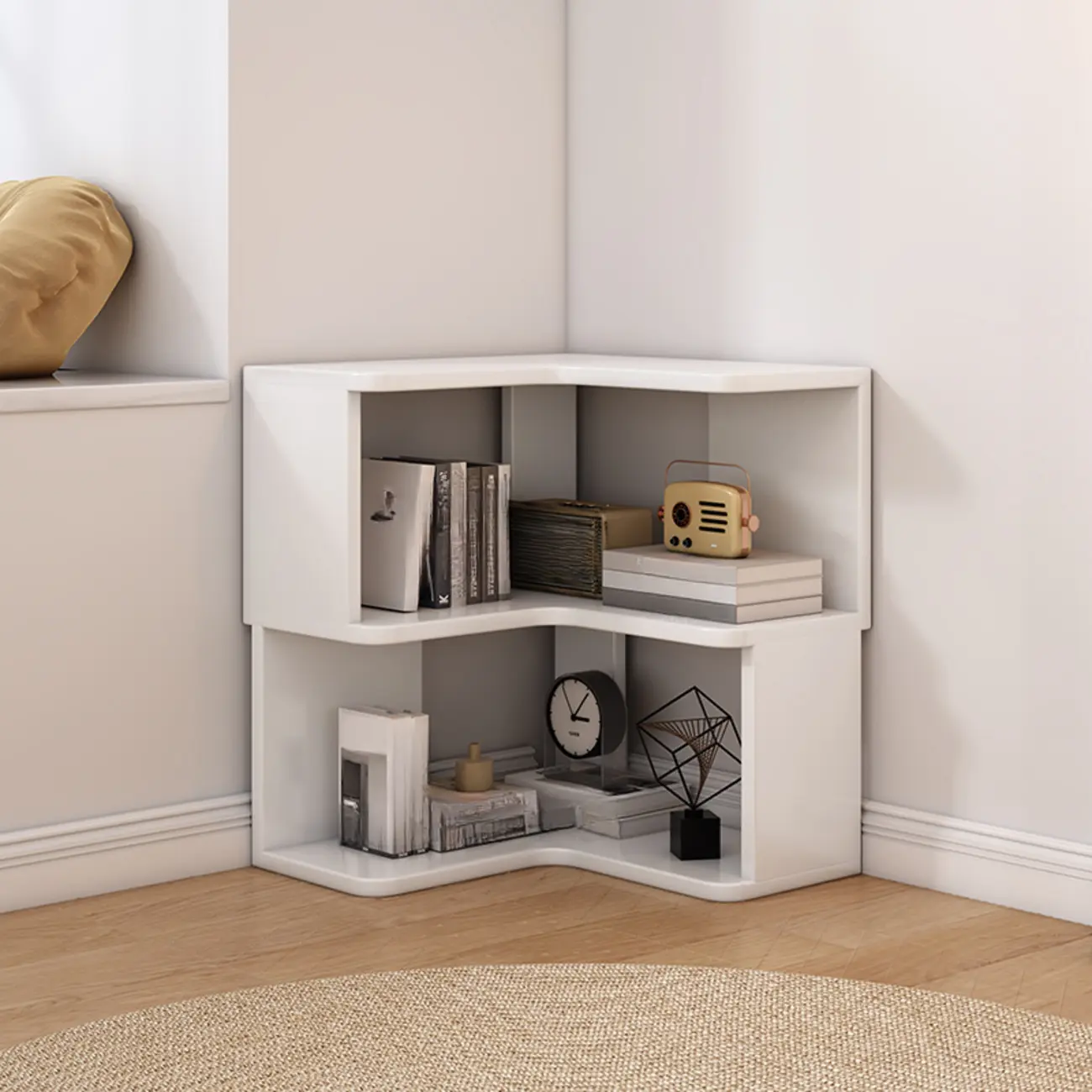
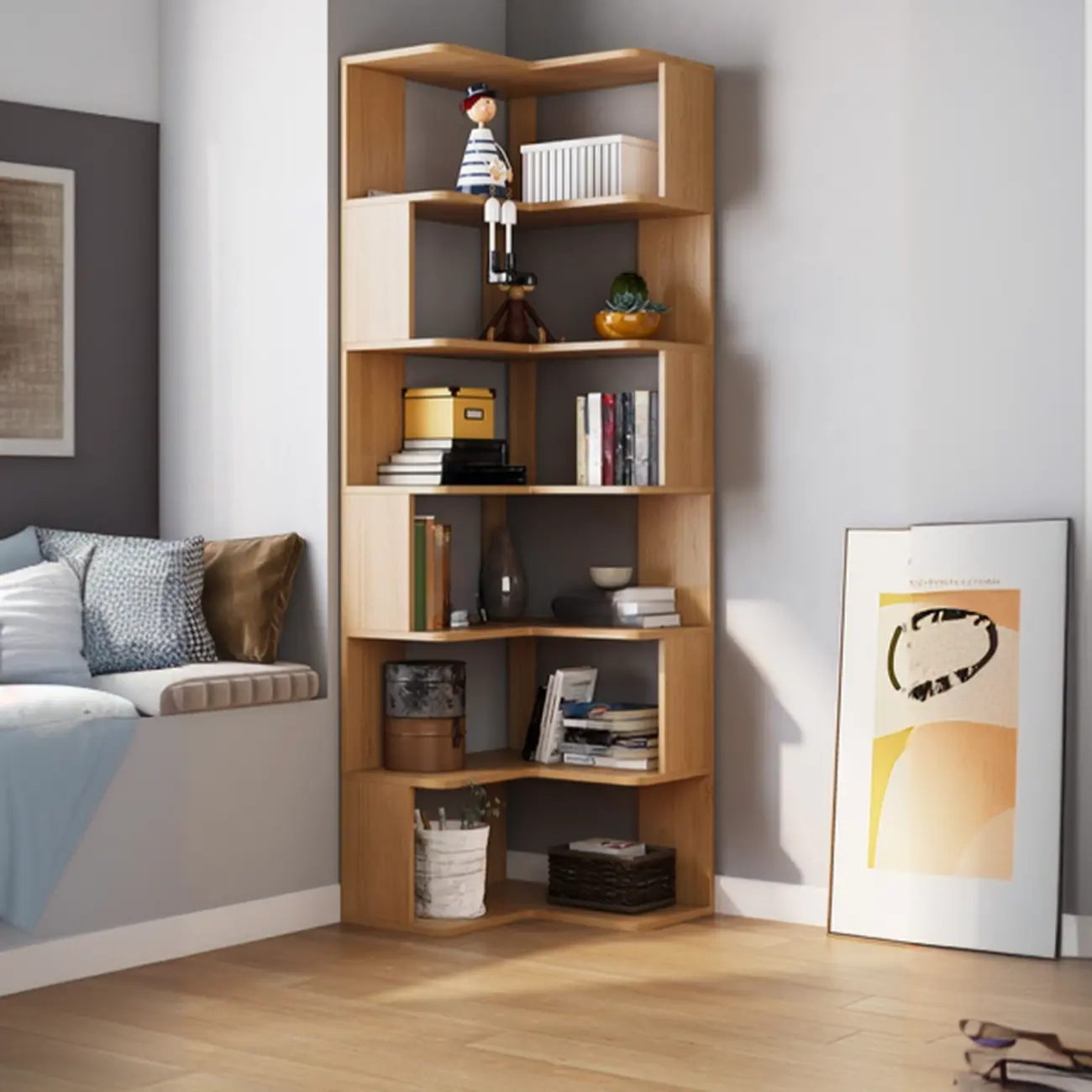
A corner bookshelf uses awkward areas.
-
A small bookshelf fits in tight spots.
-
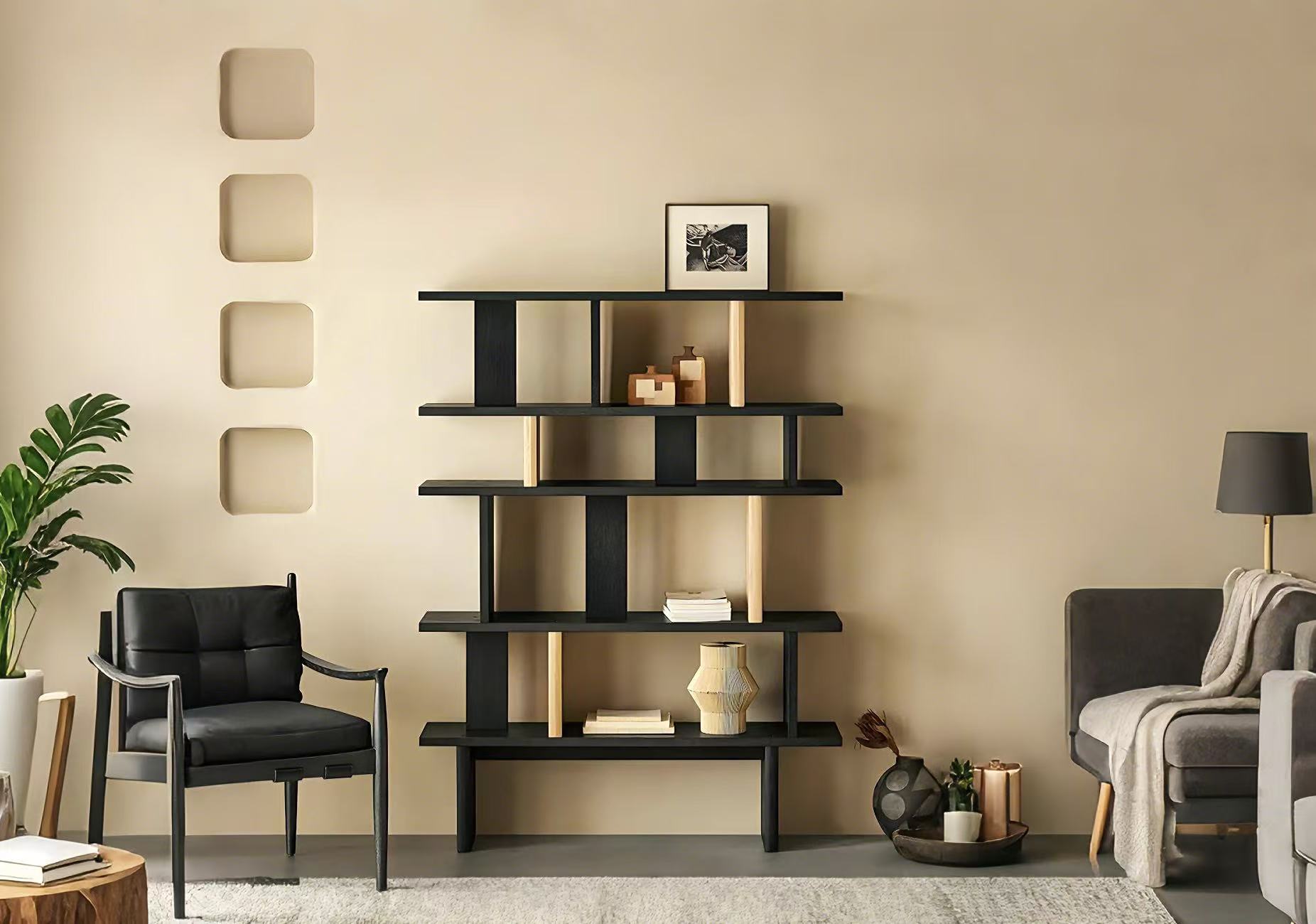
A kids' bookshelf keeps their reads within reach. A black bookshelf adds a sleek look.
Choose More Bookshelves & Bookcases Now
Bookcase vs. Bookshelf: What's the Difference?
So what actually sets them apart? Here is a quick breakdown.
Bookcase vs Bookshelf
| Feature | Bookcase | Bookshelf |
| Structure | Enclosed with side and back panels | Open minimal frame |
| Size | Taller, wider and deeper | Smaller and shallower |
| Storage | 100-200 books | 20-50 books |
| Weight | Heavy, hard to move | Light, easy to relocate |
| Placement | Stands on the floor | Wall-mounted or floor |
| Price | $100-$500+ | $30-$200 |
| Best For | Large collections and heavy items | Display and small spaces |
| Doors | Often has doors | Always open |
| Dust Protection | Yes (with doors) | No |
Bookcases are storage first. They are built for large collections and heavy items. They hold more. They protect your books from dust. They feel solid and permanent.
Bookshelves are displayed first. They are built for showing off favorite items. They keep everything visible and easy to reach. They feel light and open.
Bookcases with doors feel right in formal spaces like studies. Whereas open shelves fit casual, modern rooms.
Bookshelf vs Bookcase: Which Is Right for Your Home?
So which one should you actually buy? It depends on your situation.
Choose a bookcase if:
-
You have a large collection—100 books, maybe more
-
You need heavy-duty storage that lasts
-
You have floor space to spare
-
You want a traditional, solid look
-
You plan to stay in your home long-term
-
You want to protect your books from dust
-
You want furniture that makes a statement
Choose a bookshelf if:
-
You live in a small apartment
-
You are working with a tight budget
-
You rent and move frequently
-
You want flexible storage that you can rearrange
-
You want to display items, not just hide them away
-
You prefer a modern, minimalist look
-
You need to save floor space with wall mounting
Not sure yet? Answer these questions first.
-
How much space do you have?
-
What is your budget?
-
How many books do you really own?
-
What fits your room's look?
-
Do you move often?
-
Do you need to keep dust out?
Can You Use Both?
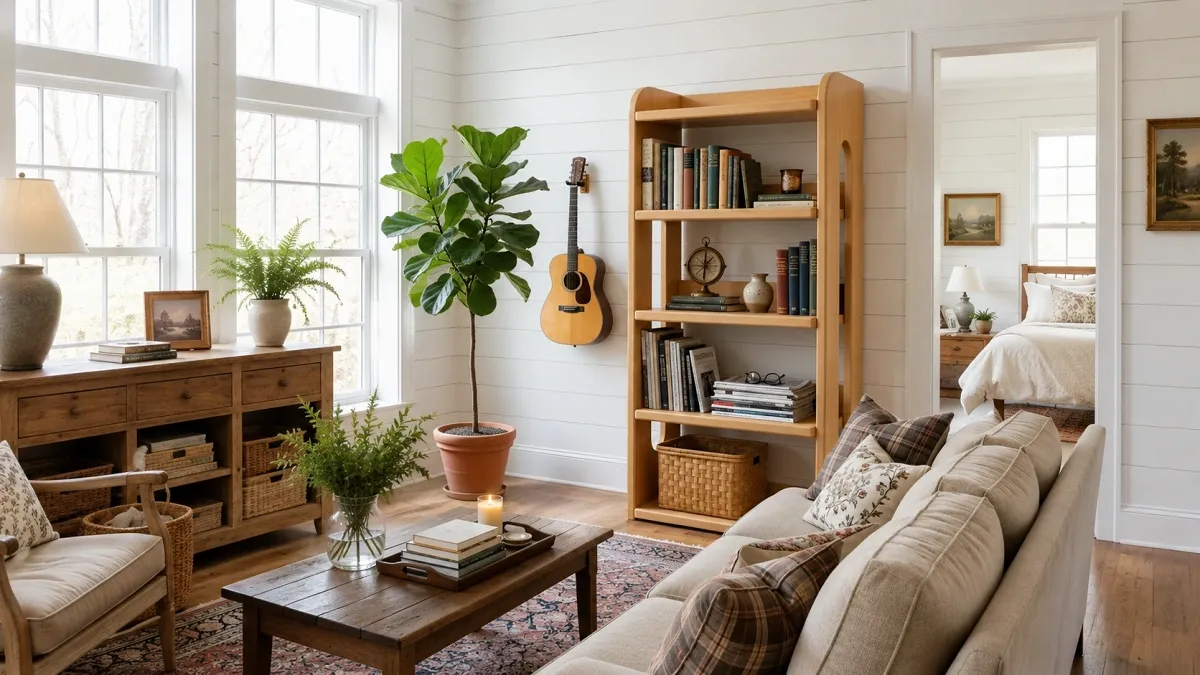
You do not have to pick just one. Many homes have both.
Use a bookcase for your main collection. It holds the bulk of your books and keeps them safe. Use bookshelves for display pieces, plants and the books you grab every day.
You can mix them in the same room. A tall bookcase on one wall grounds the space. A few floating shelves on another keep things light and open.
You get storage where you need it. Display where you want it. The room looks better. More interesting. And it feels planned, not thrown together.
What to Consider Before Buying Bookcases & Bookshelves
A few things matter before you make a purchase.
-
Material: Bookcases and bookshelves come in wood, metal and engineered materials. Wood feels warm and lasts. Metal gives a modern, industrial look. Engineered materials cost less and weigh less.
-
Durability: Think about what you plan to store. Solid wood and thick panels hold heavy books without bending. Thin shelves may sag over time.
-
Size and Fit: Measure your space. Leave room for people to walk past. Make sure it does not block doors and windows.
-
Assembly: Bookcases take longer to put together—usually one to two hours. Bookshelves are faster. Most take fifteen to thirty minutes.
-
Safety: Tall bookcases over six feet need wall anchors. Wall-mounted shelves need proper brackets. Do not skip this step.
-
Budget: Bookshelves cost less. Bookcases cost more but give you more storage and last longer.
Pro Tip: Measure your space twice. Check the weight limit once. A little planning saves you from buying something that does not fit.
Find the Perfect Furniture for Your Home with HomeyFad
Now you know what to look for. Bookcases hold your collection. Bookshelves show it off. Both work well. It just depends on your space and what you need.
Maybe you need both. Many homes do. Either way you are making a better choice because you understand the difference.
Look at your room. Think about what you need. Then pick what fits.
Need the right storage for your home? Check out the bookshelves & bookcases at HomeyFad. Find something that fits your space and your style.
FAQs About Bookcase vs. Bookshelf
Q: Do bookcases or bookshelves hold more books?
A: Bookcases hold more—typically 100 to 200 books. Bookshelves hold 20 to 50.
Q: What is better for a home library?
A: A bookcase. It offers more storage and a traditional, substantial look.
Q: Can I use both in the same room?
A: Yes. Many homes use both. A bookcase for main storage and bookshelves for display.
--36.jpg?w=1600&h=900)
--6.jpg?w=1600&h=900)
-.jpg?w=800&h=619)
--37.jpg?w=1600&h=900)

 Add Us On Google