


Are you trying to give your space an update without buying a new piece of furniture? Well, in that case, you can start with styling your shelf. Although it's often overlooked furniture in a room, a thoughtfully styled bookcase can completely transform your entire decor.
And in this blog, you will get to know how to style your bookcase. So without further ado, let's get into it.
The Golden Rules of Bookshelf Styling
Before we explain the step-by-step process, let's review some rules of bookshelf designing.
1. Vary, Don't Line Up
The quickest way to make a bookshelf look like a supermarket display is to line everything up in a straight, regimented row. But our home is not a supermarket.

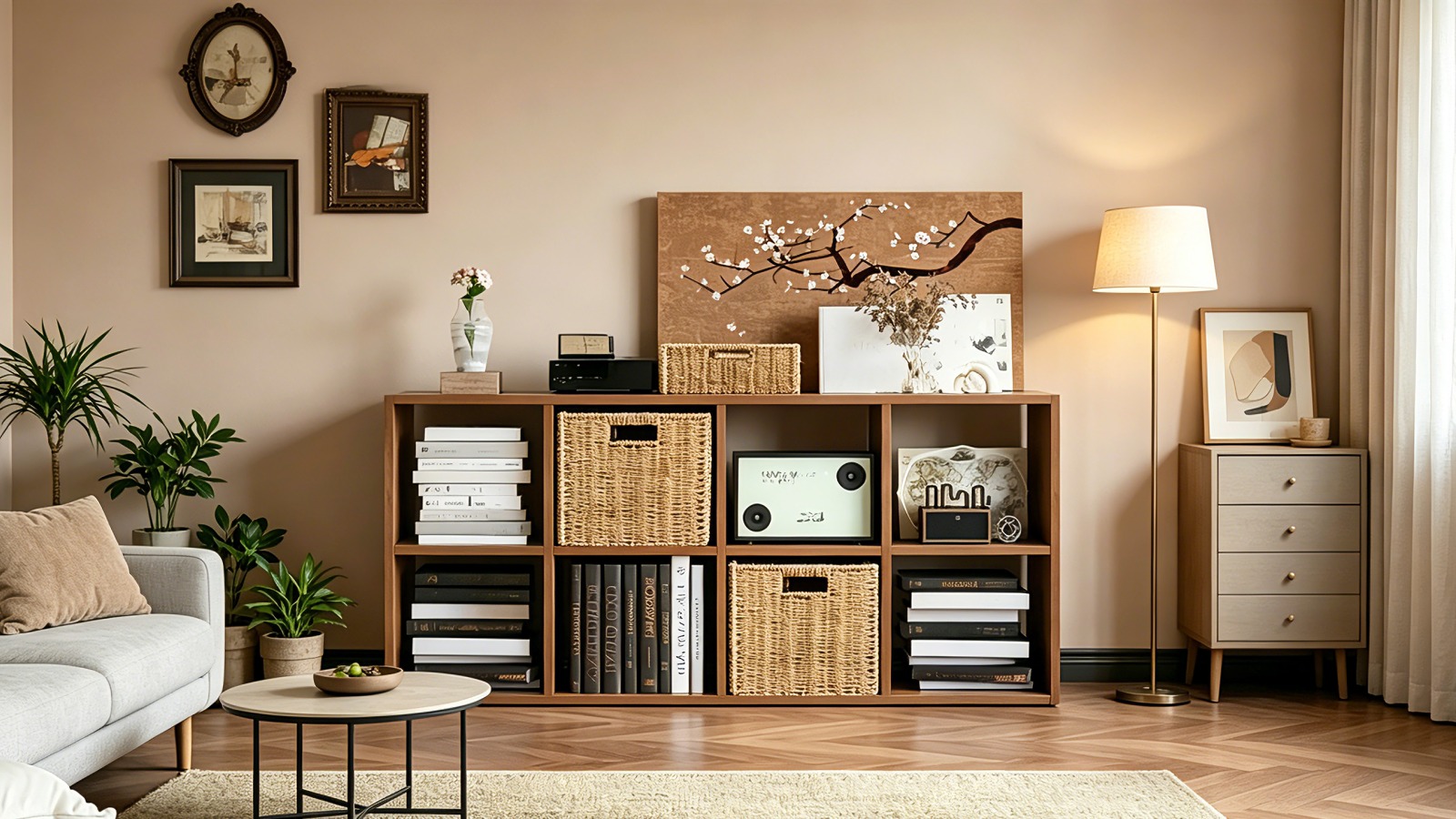
What you can do is you can break up the monotony by mixing horizontal stacks of books with vertical ones. This will create instant visual interest and energy.
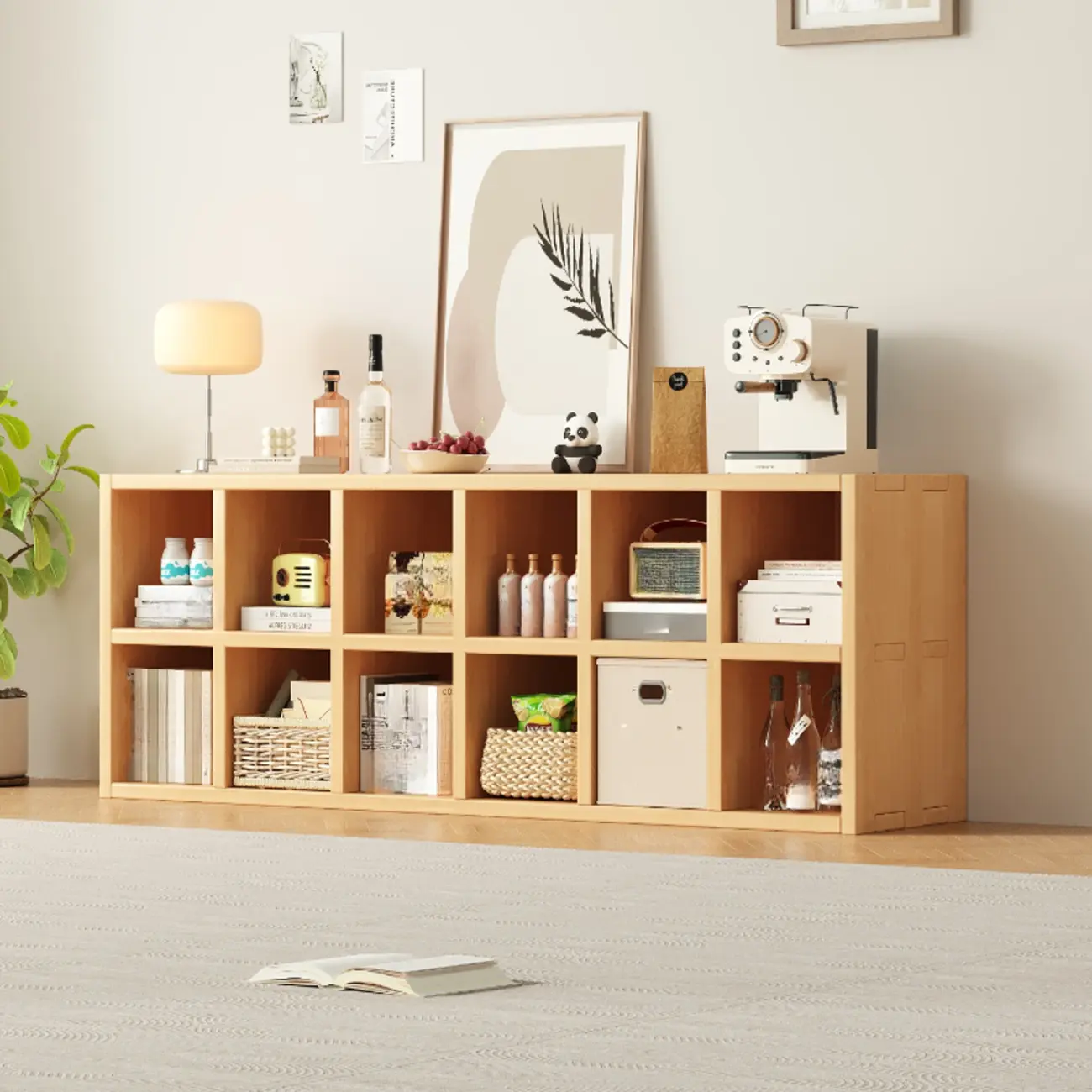
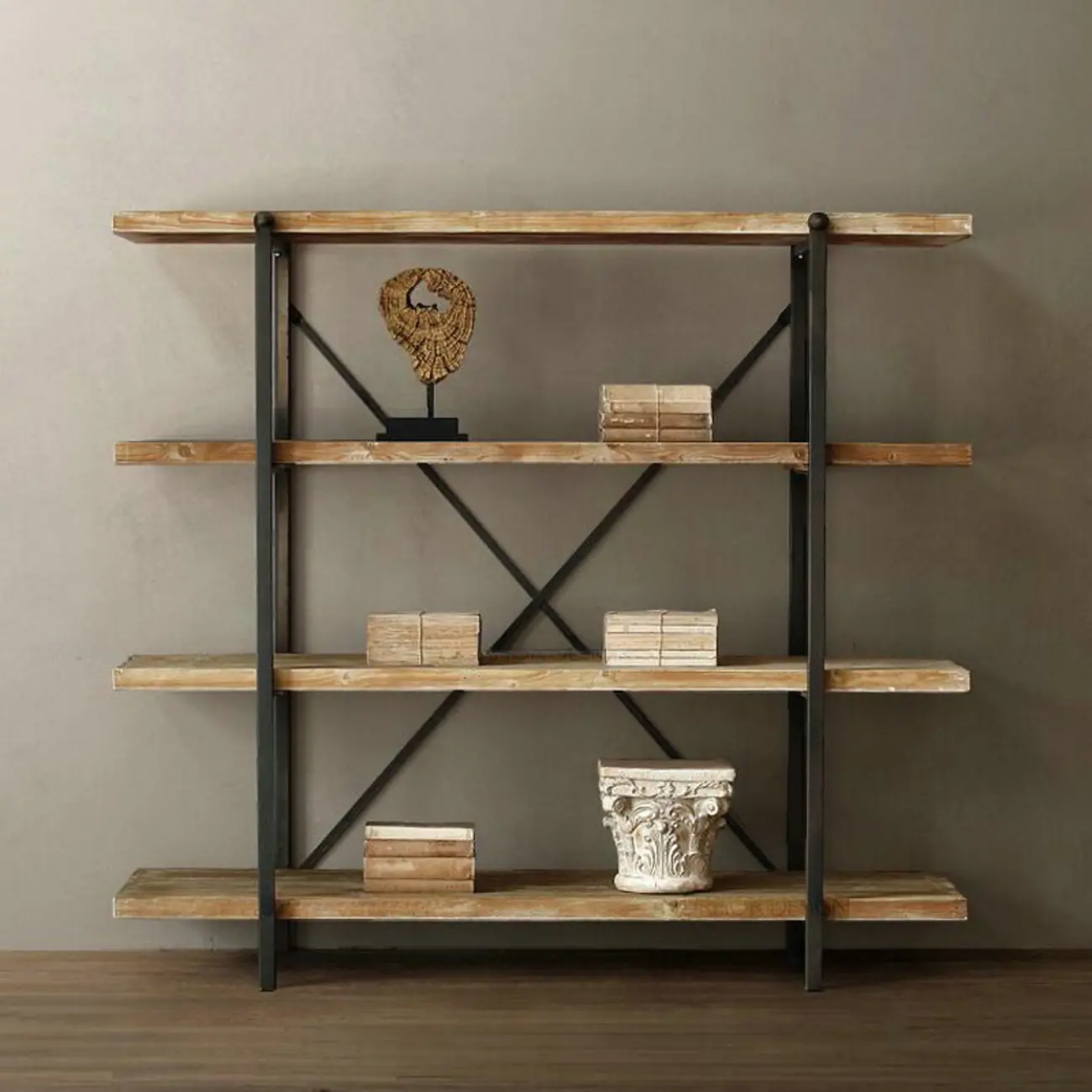
You should think in Groups rather than singles. As our eyes are drawn to clusters. Instead of spacing single objects evenly across a shelf, you should group 2-4 items to create mini-vignettes. This will make the display feel curated and thoughtful rather than random and sparse.
2. Stagger Your Heights
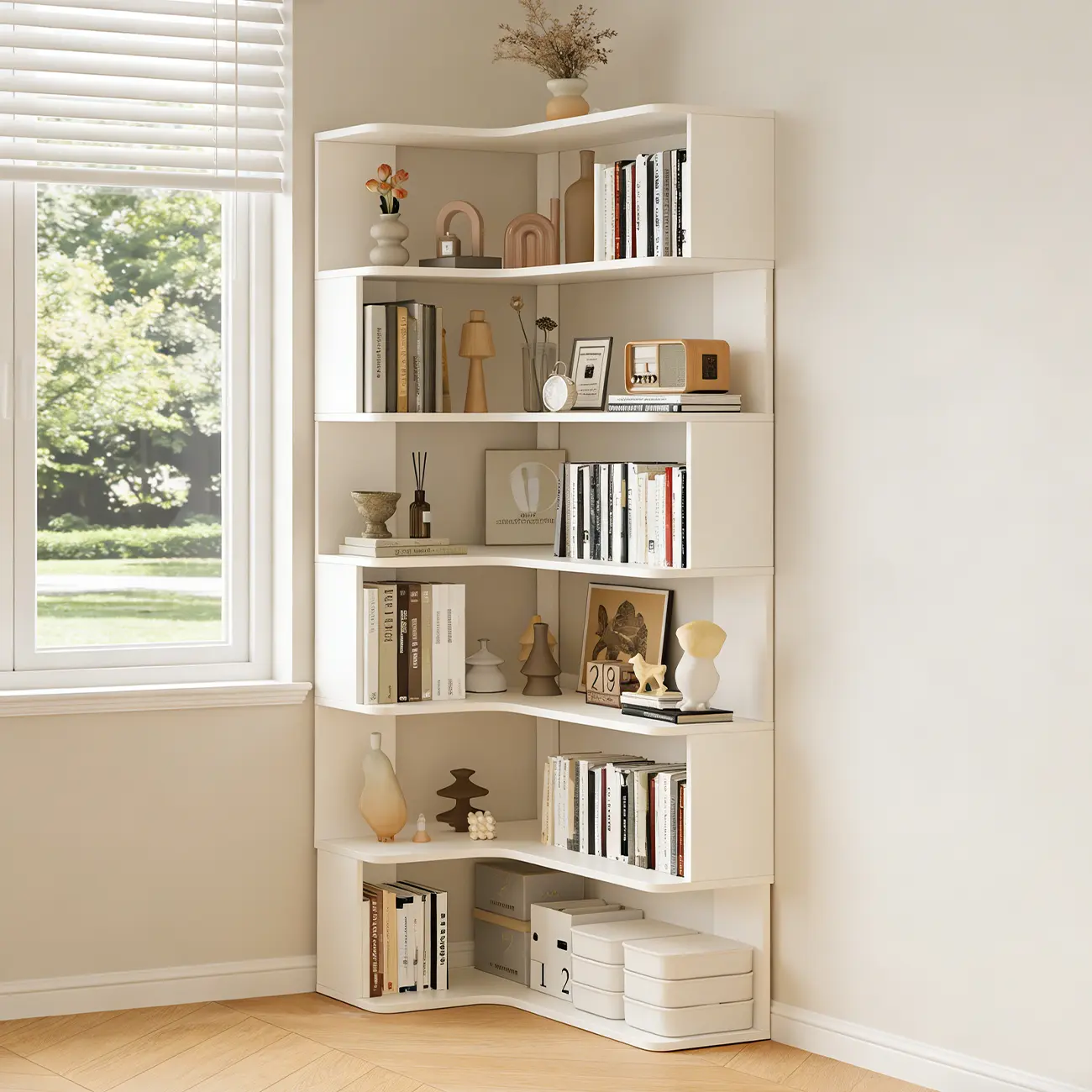
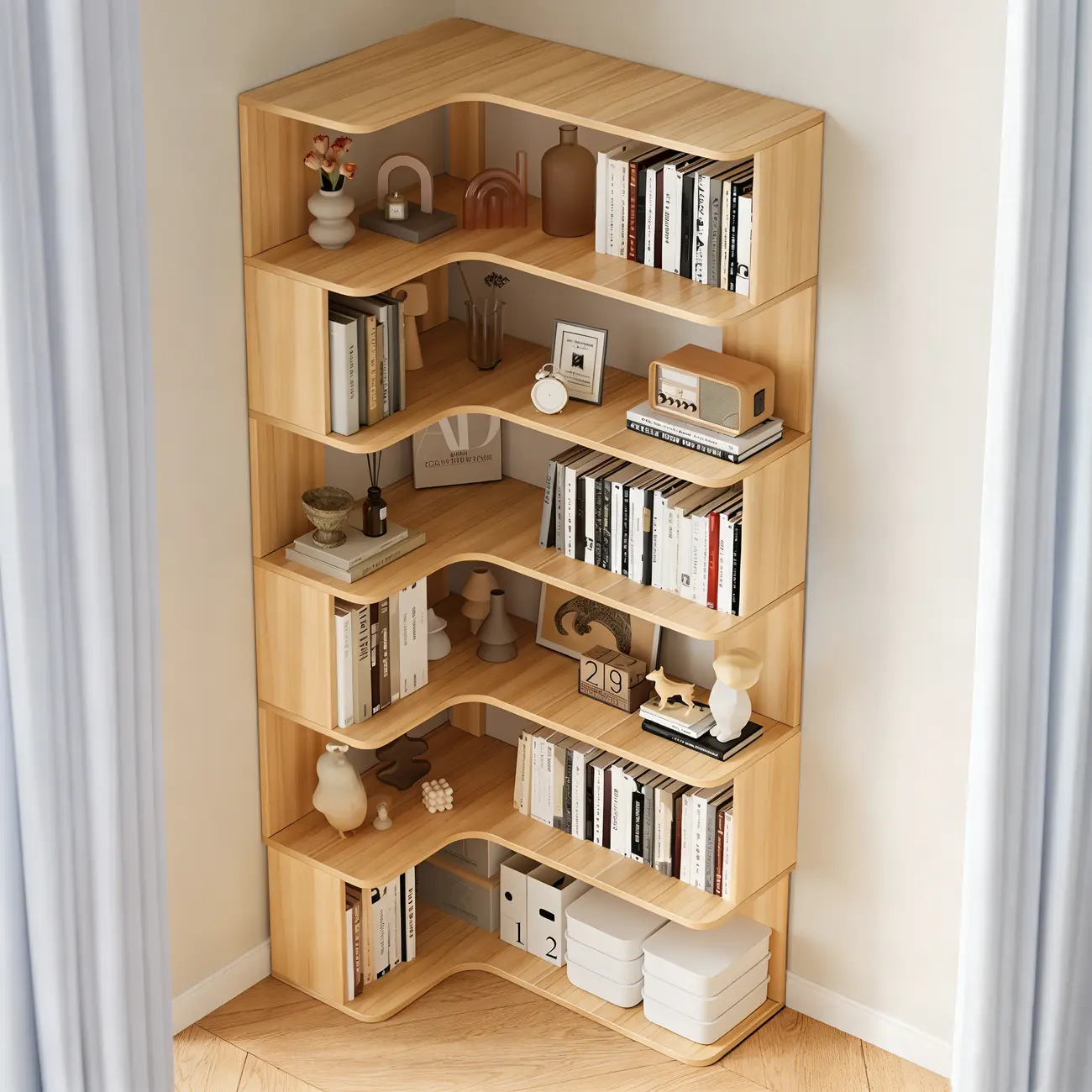
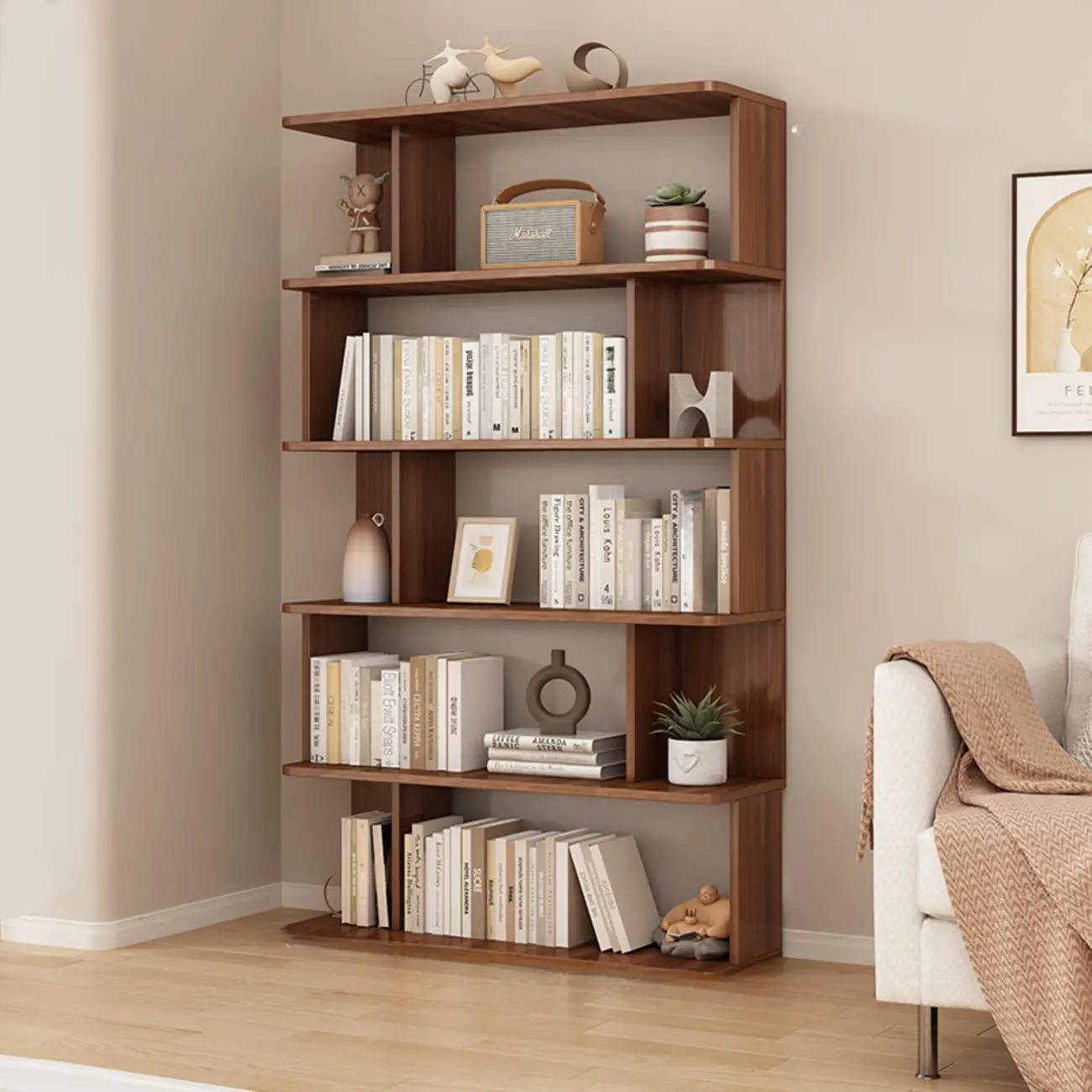
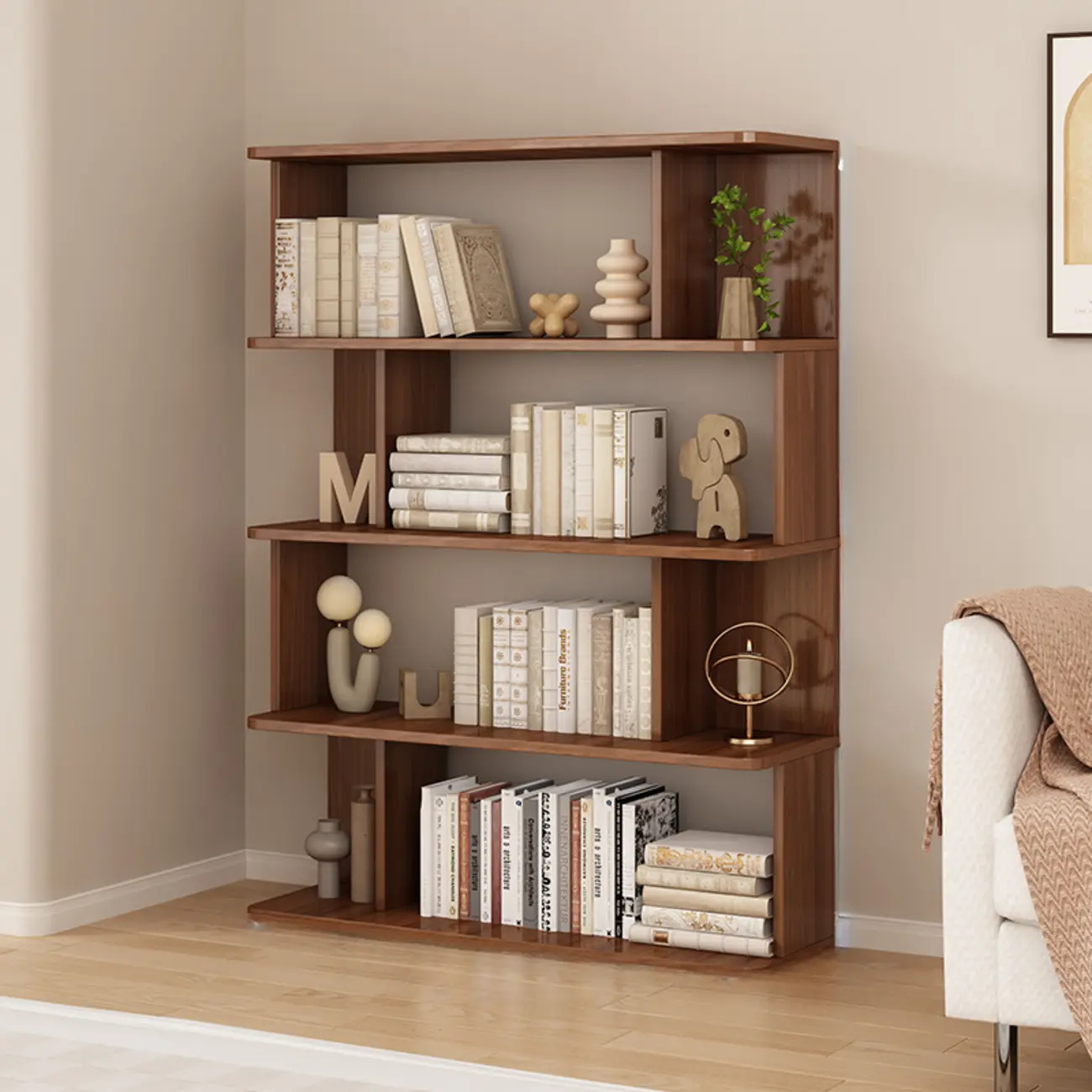
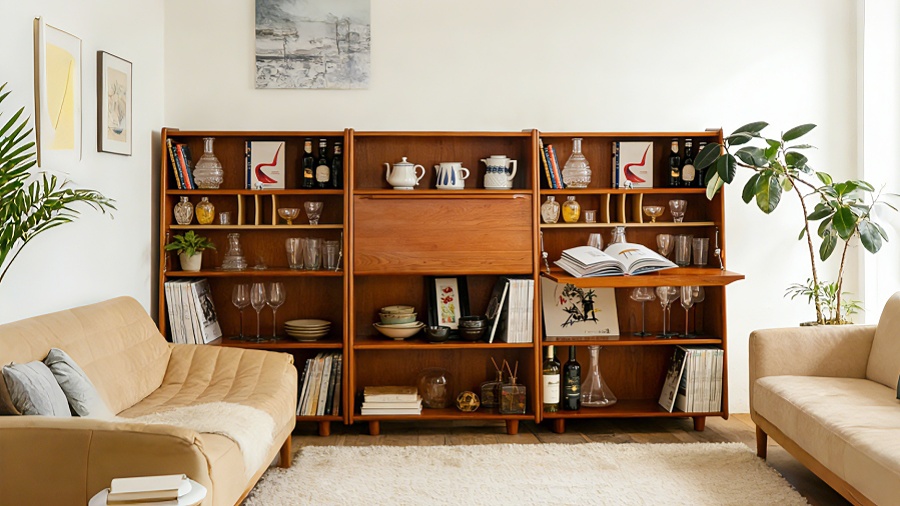
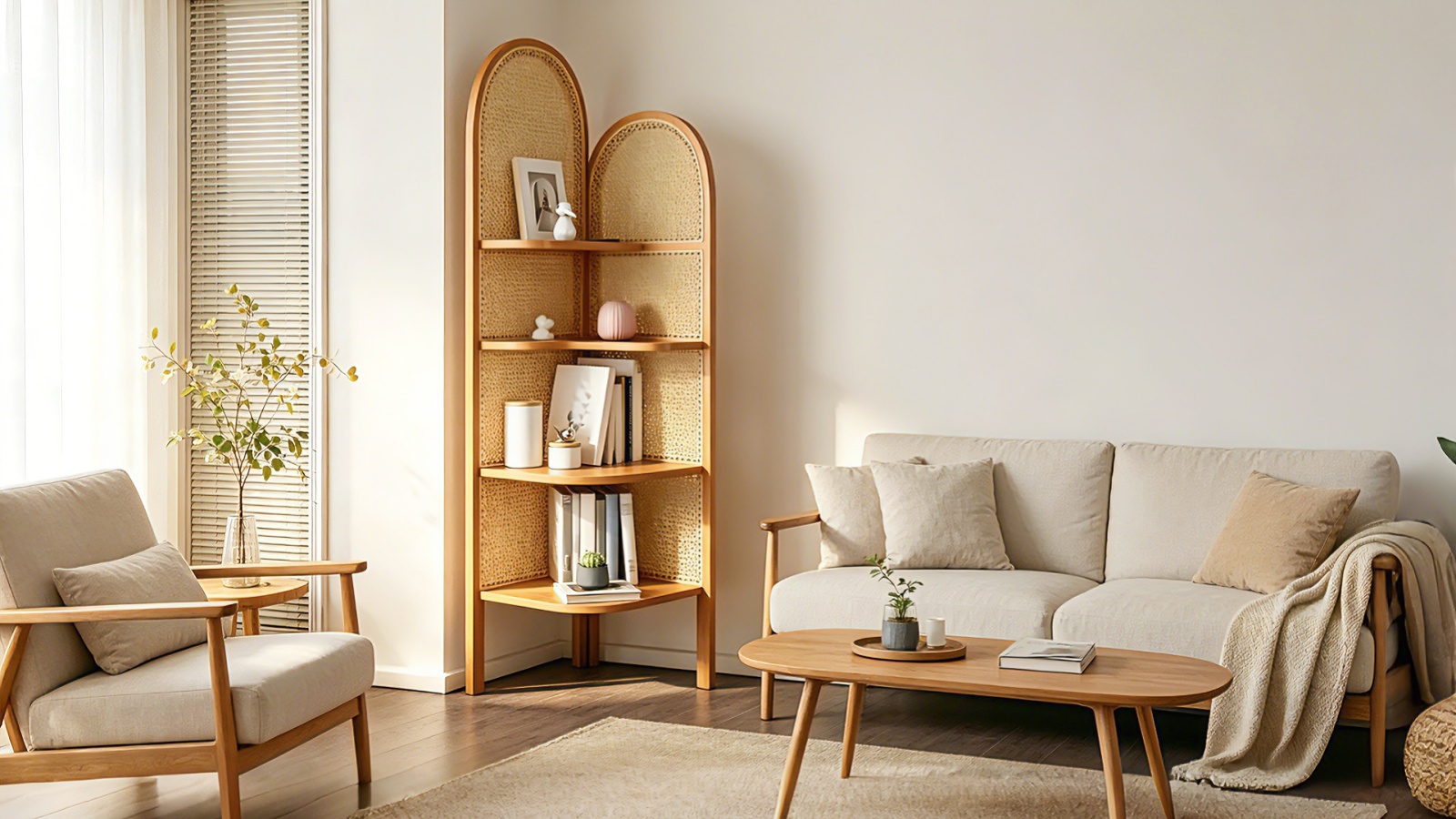
You should avoid placing objects of the same height next to each other. What you can do is to combine tall, medium and short books and decorative items to give your bookshelf a sense of flow. This will form a natural zig-zag and even a triangle shape.
3. Embrace Negative Space
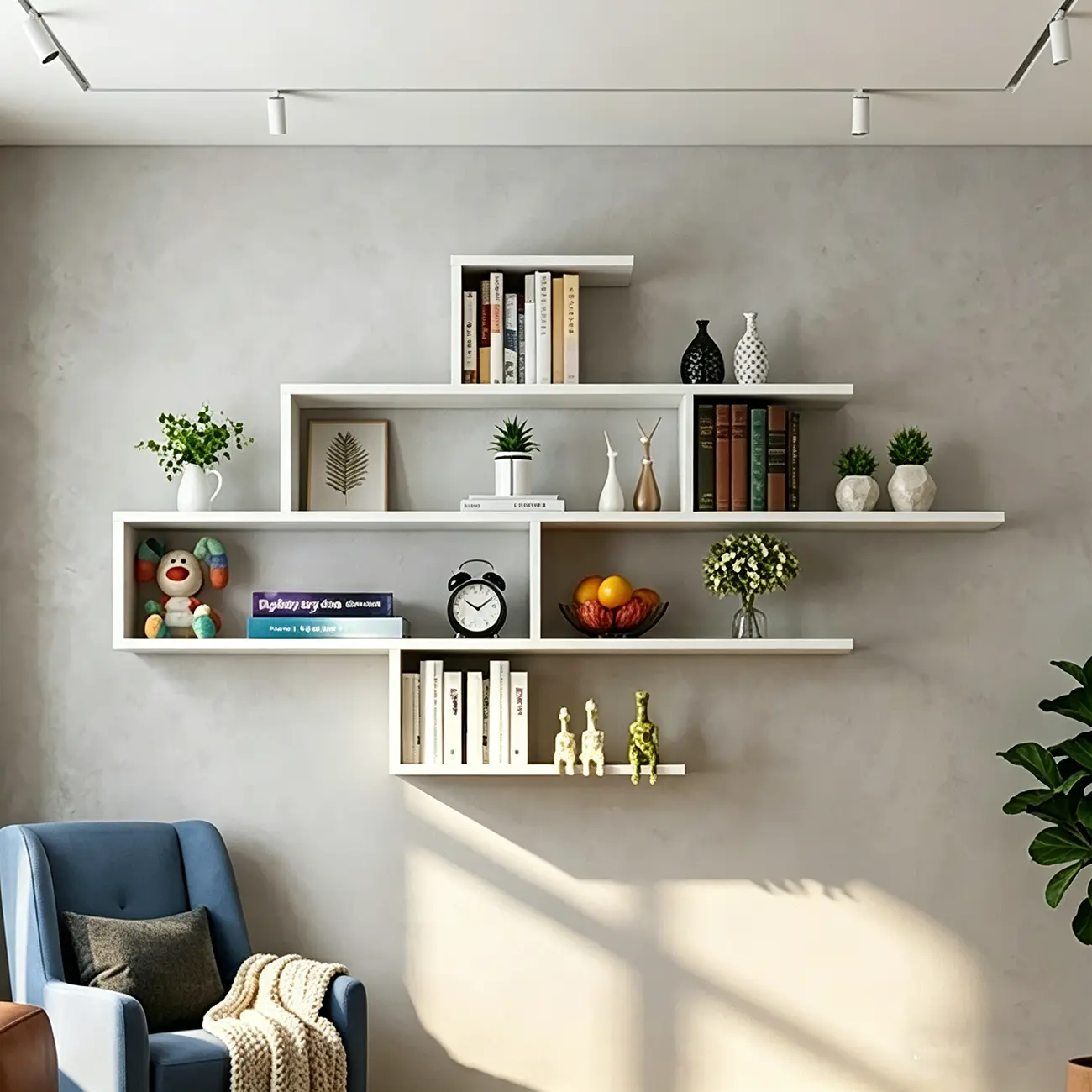
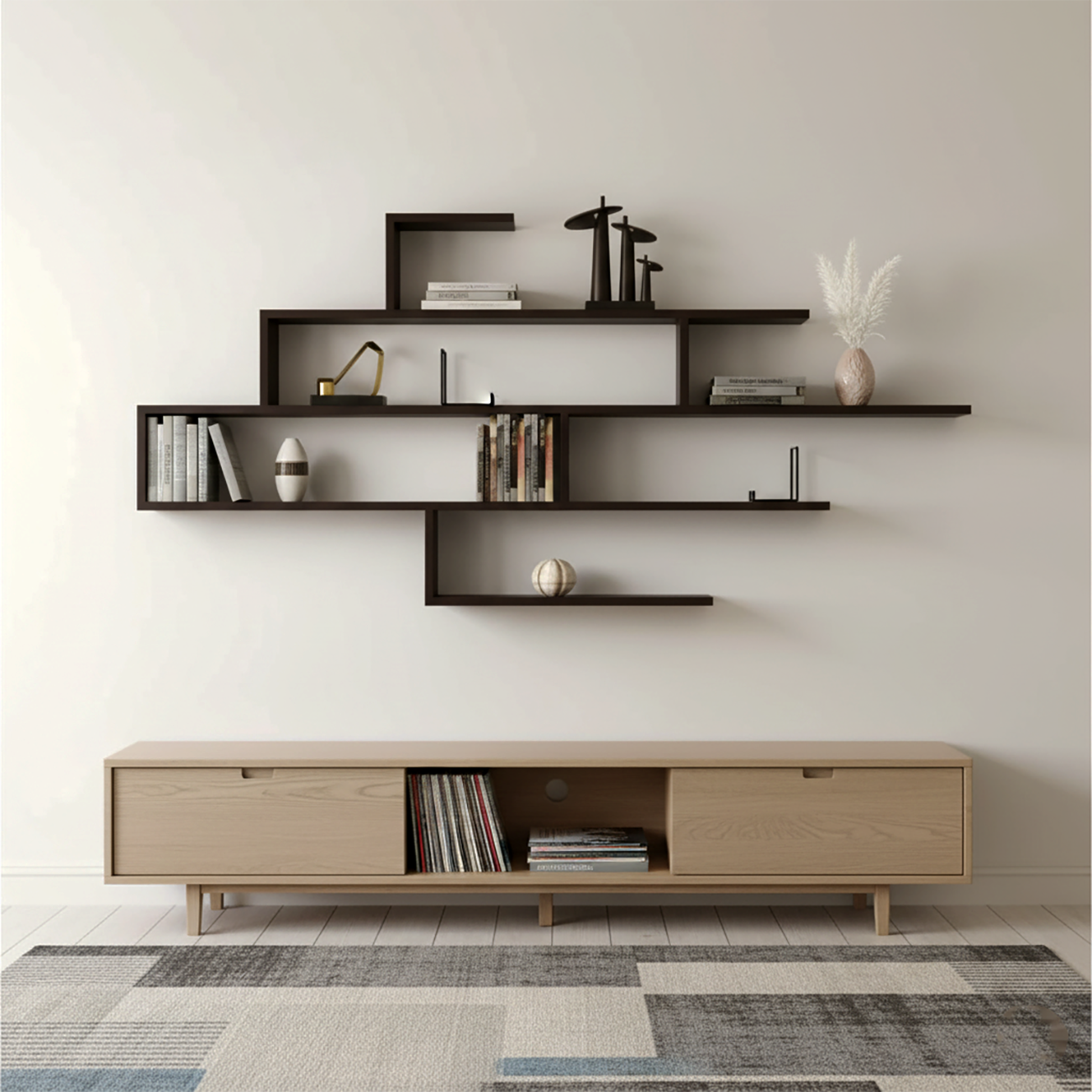
This is the most important rule for beginners to hear. You should not feel the need to fill every single inch of shelf space. You must leave breathing room. You should leave some areas empty, thereby preventing a cluttered feel. It will also let the eye rest and appreciate the beautiful groupings you’ve created.
Your Step-by-Step Guide to a Perfectly Styled Shelf
You now know the rules of styling a bookshelf; it's time to understand the steps for styling your shelf.
Step 1: The Clean Slate & The Great Book Sort
You should start by emptying your shelves. With a clean slate, you can style your shelf more intentionally. Now, you should gather all the books and objects you think you might want to use. Just don't grab what was there before. You can shop your house for decorative items, vases, picture frames, and meaningful mementos that fit your desired color scheme.
Next, you should sort your books. We are not telling you to just put them back randomly.
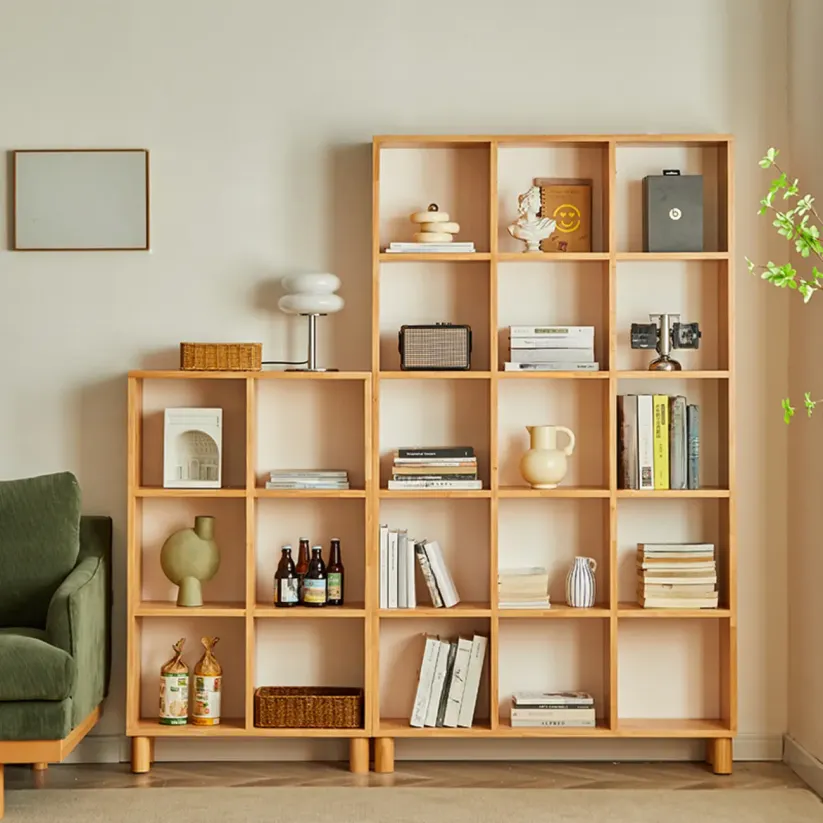
What you should do is you should divide them into three piles:
-
Large, heavy coffee table books are perfect for horizontal stacks.
-
Standard-sized hardcovers and trade paperbacks
-
Smaller mass-market paperbacks
This will actually make the entire process faster and easier.
Step 2: Build Your Anchors with Horizontal Stacks
As we already discussed, you should vary items in your shelf, not just line them up. This is where we start. You should begin building your shelves by creating several horizontal stacks using your largest books.
Then place these stacks on the lower shelves to give your bookcase a stable, grounded look. And for creating a balanced flow across the entire unit, you can stagger them in a gentle zig-zag pattern. Let's suppose one is on the left side of a shelf; then you should place the next one on the right side of the shelf below it.
Step 3: Create Dynamic Vignettes
This is where the magic happens and you **Think in Groups**. Using your anchors as a foundation, start building small, curated groupings on each shelf. Here are two foolproof formulas to try:
This is where you actually get to create a unique style for your shelf. Now you get to use your anchors as a foundation for starting to build small curated groupings on each shelf. Here are two ways you can do this.

You can use one of your horizontal stacks as a base. Then choose a topper, a small decorative object like a vase, a small sculpture, and even a potted succulent. This instantly creates a multi-layer, thoughtful look.
Moreover, you can also place a vertical stack of books on one side of a shelf. Instead of a traditional bookend, like a ceramic vessel and a weighted box. On the other side of the same stack, you can add a second, shorter object, like a small frame, to complete the group.
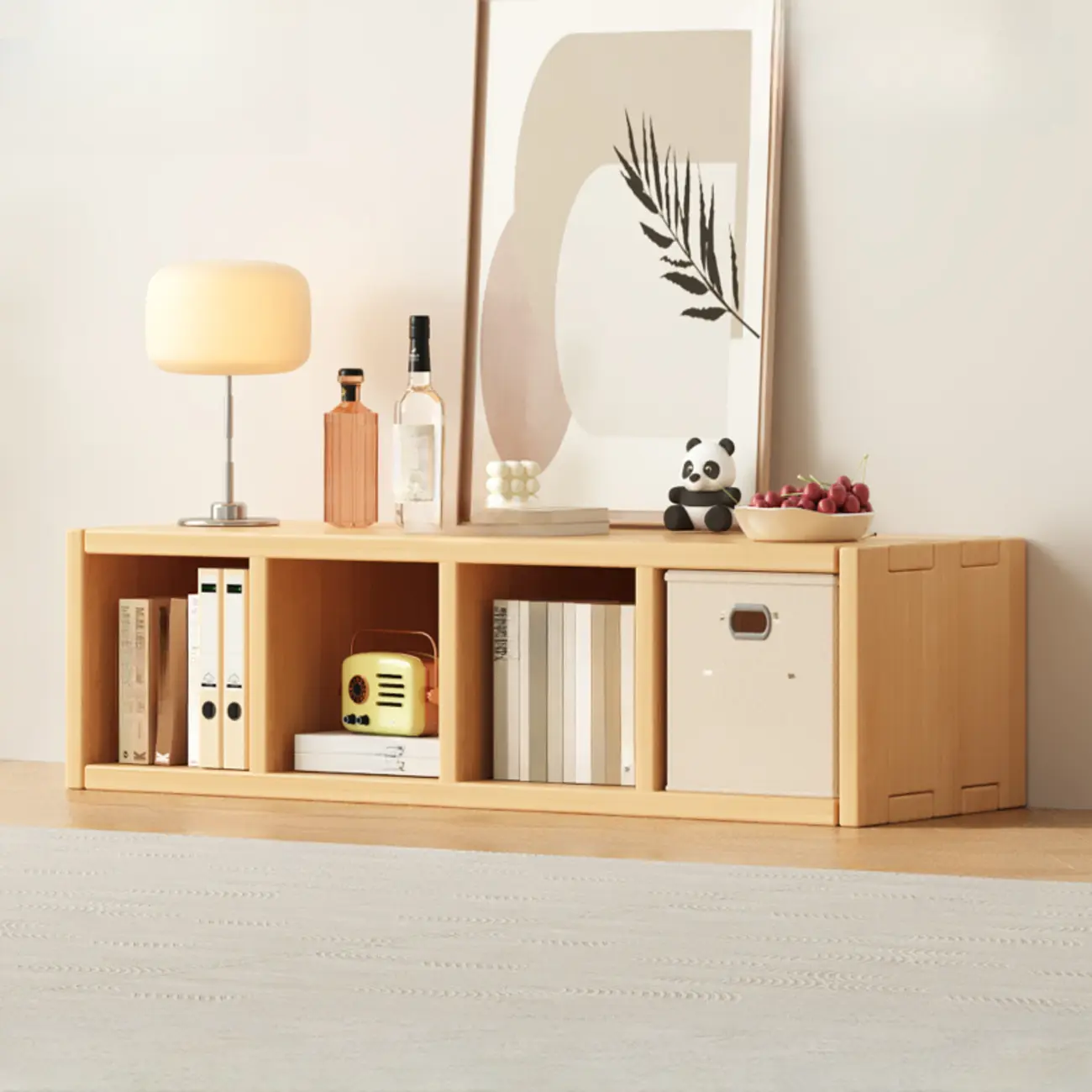
As you build these groups, you should always remember to stagger your heights. You can put a tall vase next to your medium-height books. Similarly, you can add small objects in front of a leaning picture frame.
Step 4: Add the Personality
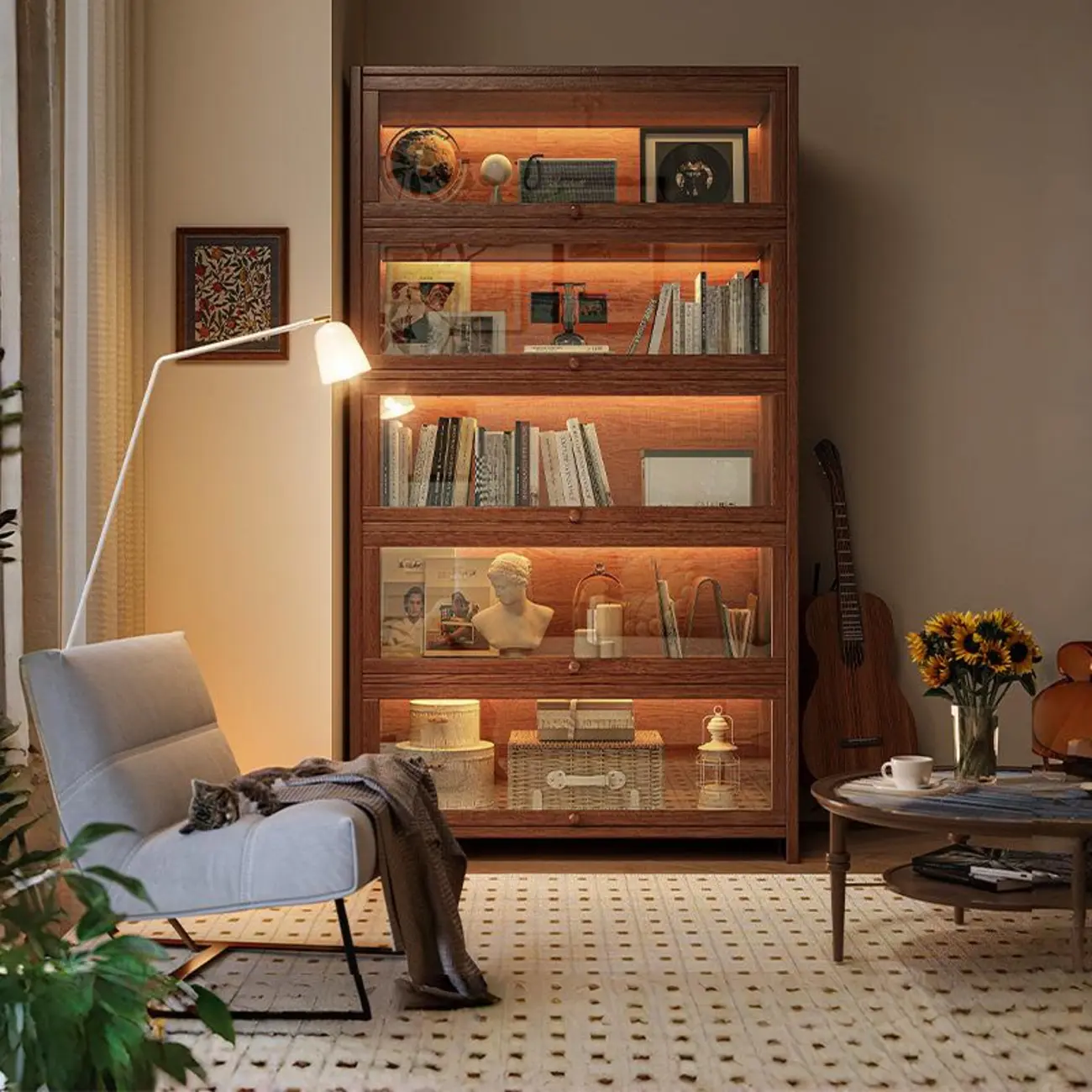
A styled shelf shouldn't look like it came from a showroom. It should look like it belongs to you. This is your chance to weave in personal items that tell your story. You can add a family photo in a nice frame, a souvenir from a favorite trip, and a unique collectible you love.
You can even paint the back panel and add lighting to your shelf to give it a more personal touch and personality.
Find the Best Home Furniture for Your Home at HomeyFad
Styling the perfect bookcase isn't about achieving a flawless magazine-ready look overnight. It’s about creating a versatile, evolving display that combines your love for stories with the objects that tell your own. And with the help of this guide, you can actually do that now.
And for more information related to home decor and furniture, you can check out our blog. Do you want to buy new and trendy furniture for your home? You can visit the HomeyFad website.
FAQs
Q: How do I style a bookshelf if most of my books are mismatched paperbacks?
A: The easiest trick is to turn some of them around so the page edges face out. And you get to create a uniform, neutral-toned backdrop for your decor.
Q: How often should I update my bookshelf decor?
A: There are no rules! You can update your bookshelf decor when you feel like it. Or, do you want to upgrade your decor?
Q: Can I really use any object as a bookend?
A: Yes, you can. As long as it has enough weight and stability to hold up the books. You can get creative.


 Add Us On Google