

-11zon.webp?w=2048&h=2048)



-11.png?w=2160&h=2306)
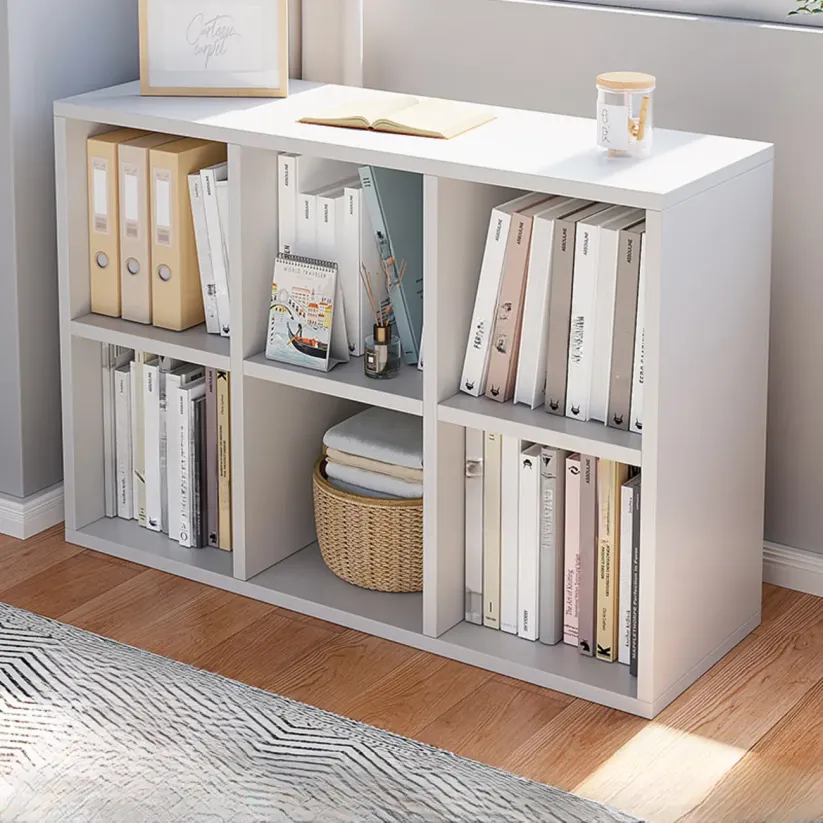
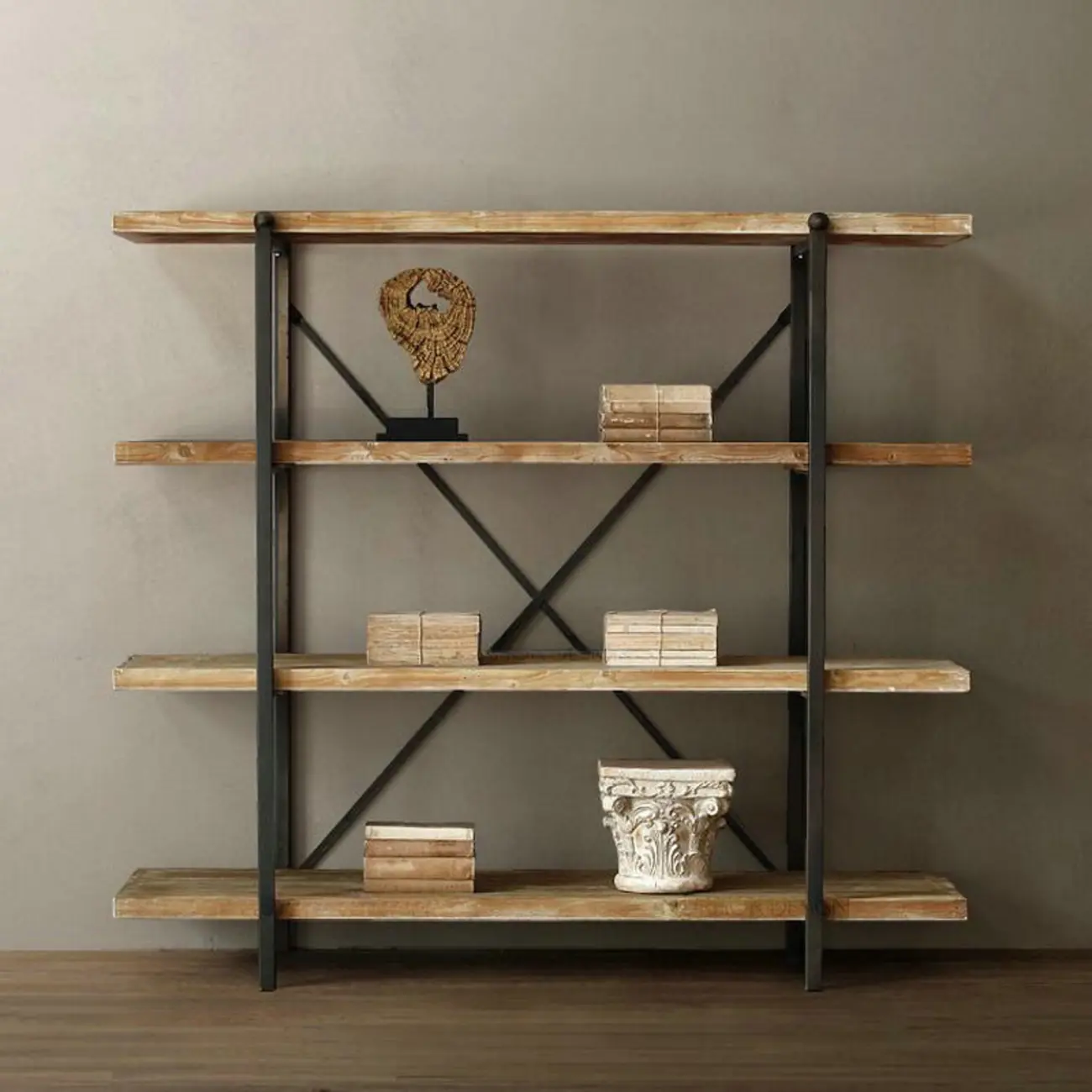
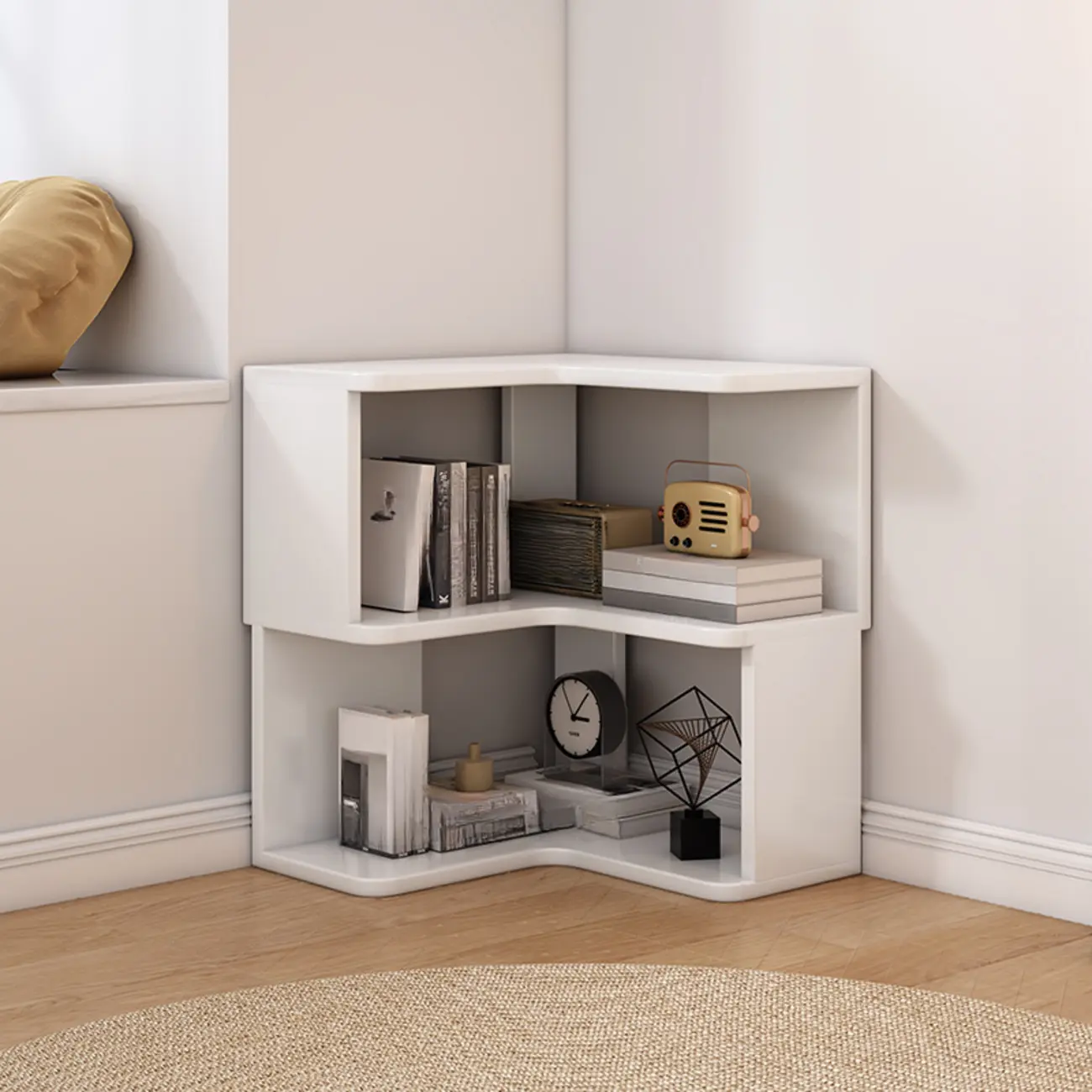
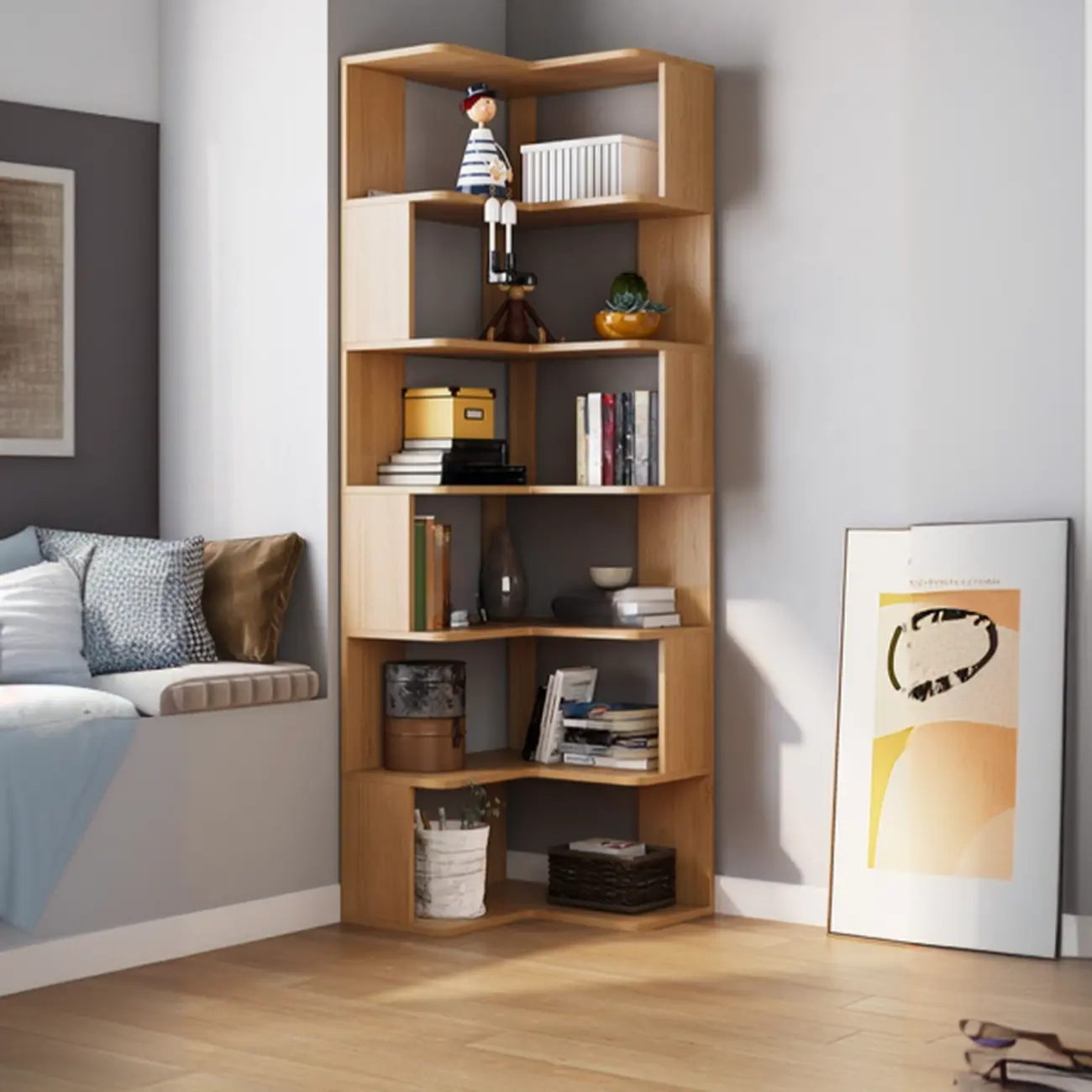
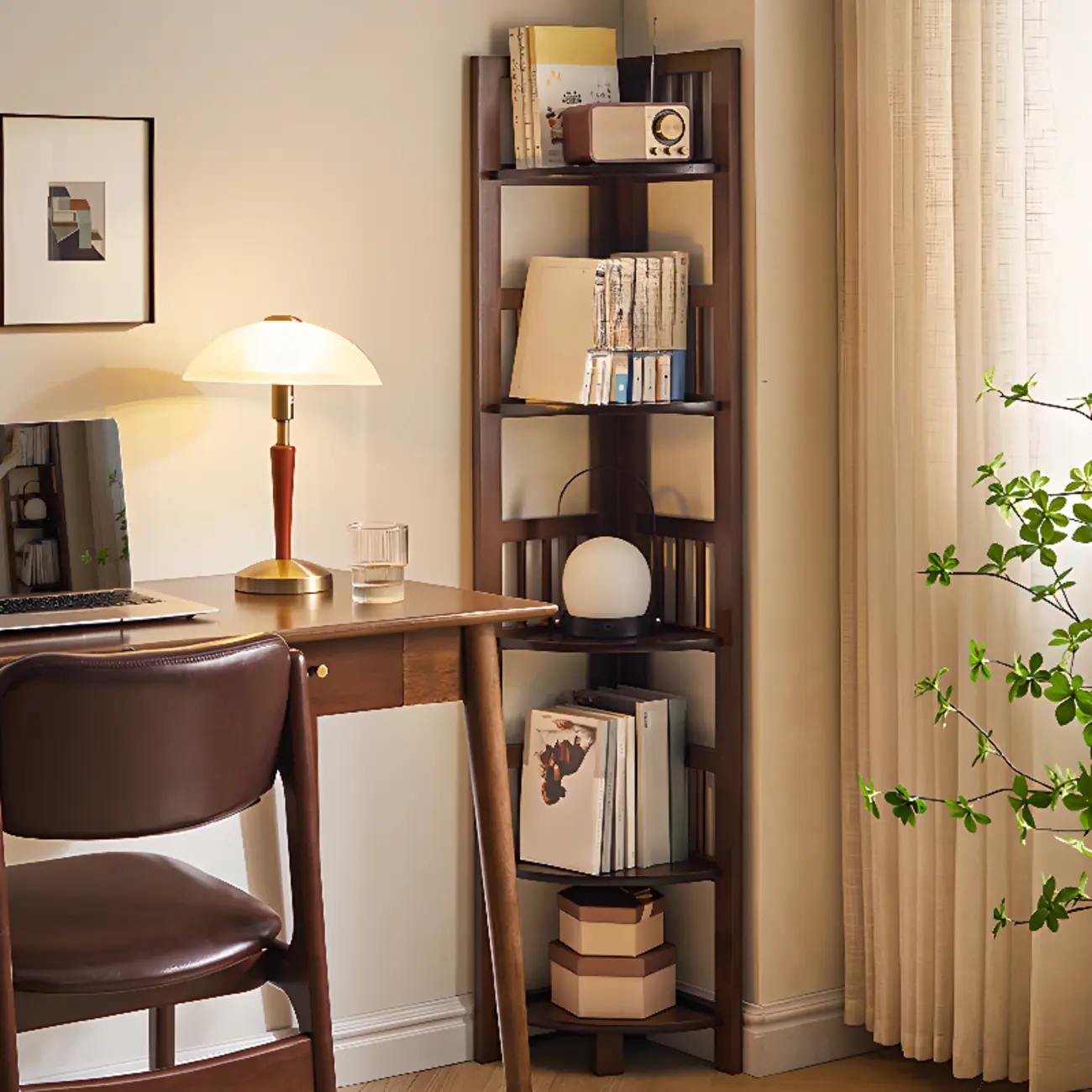
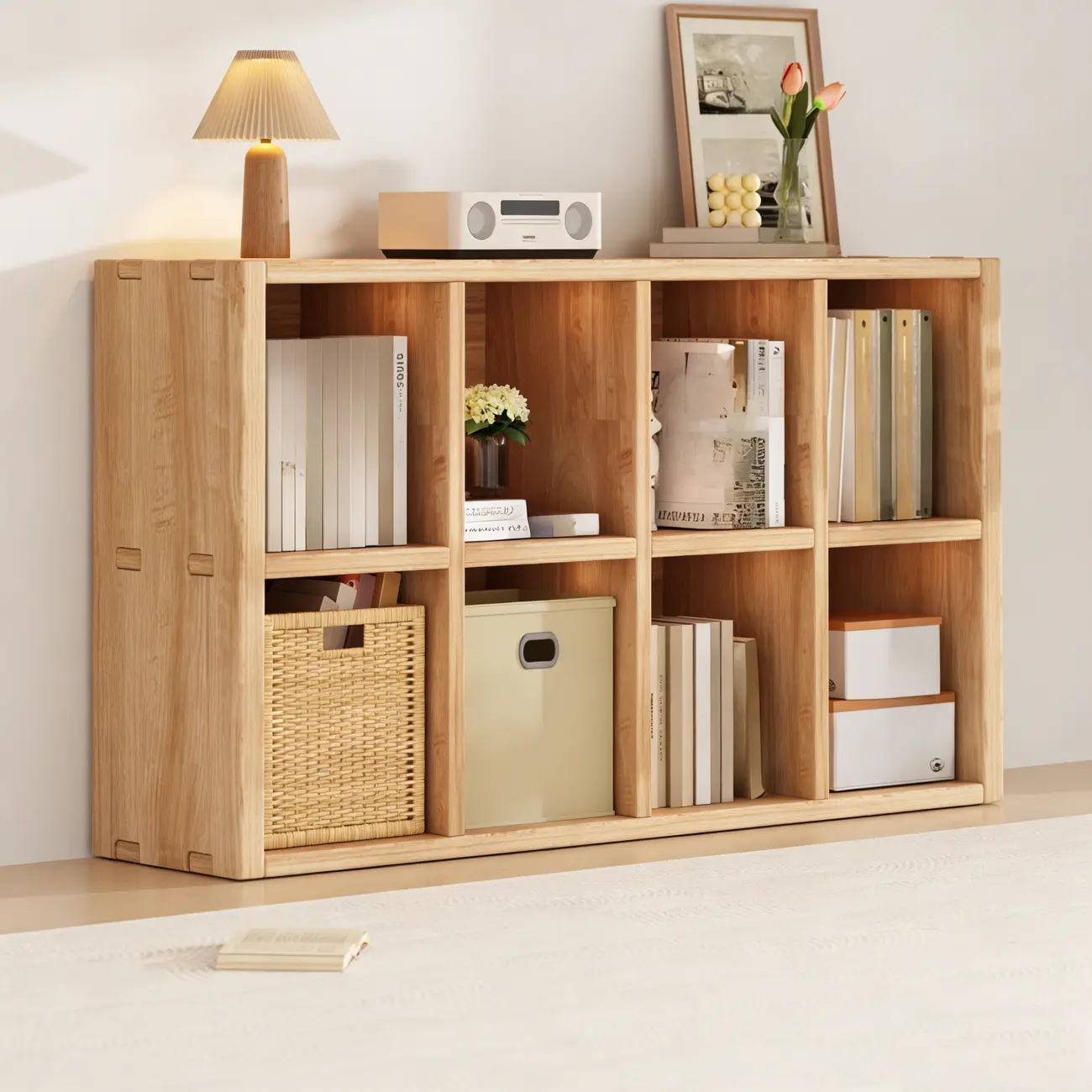
A well-built bookcase can add a literary touch to your room. It won’t bend under the weight of your favorite novel, and it won’t wobble when you pick up a book. The failures may result in poor materials, weak connections, or lack of reinforcement.
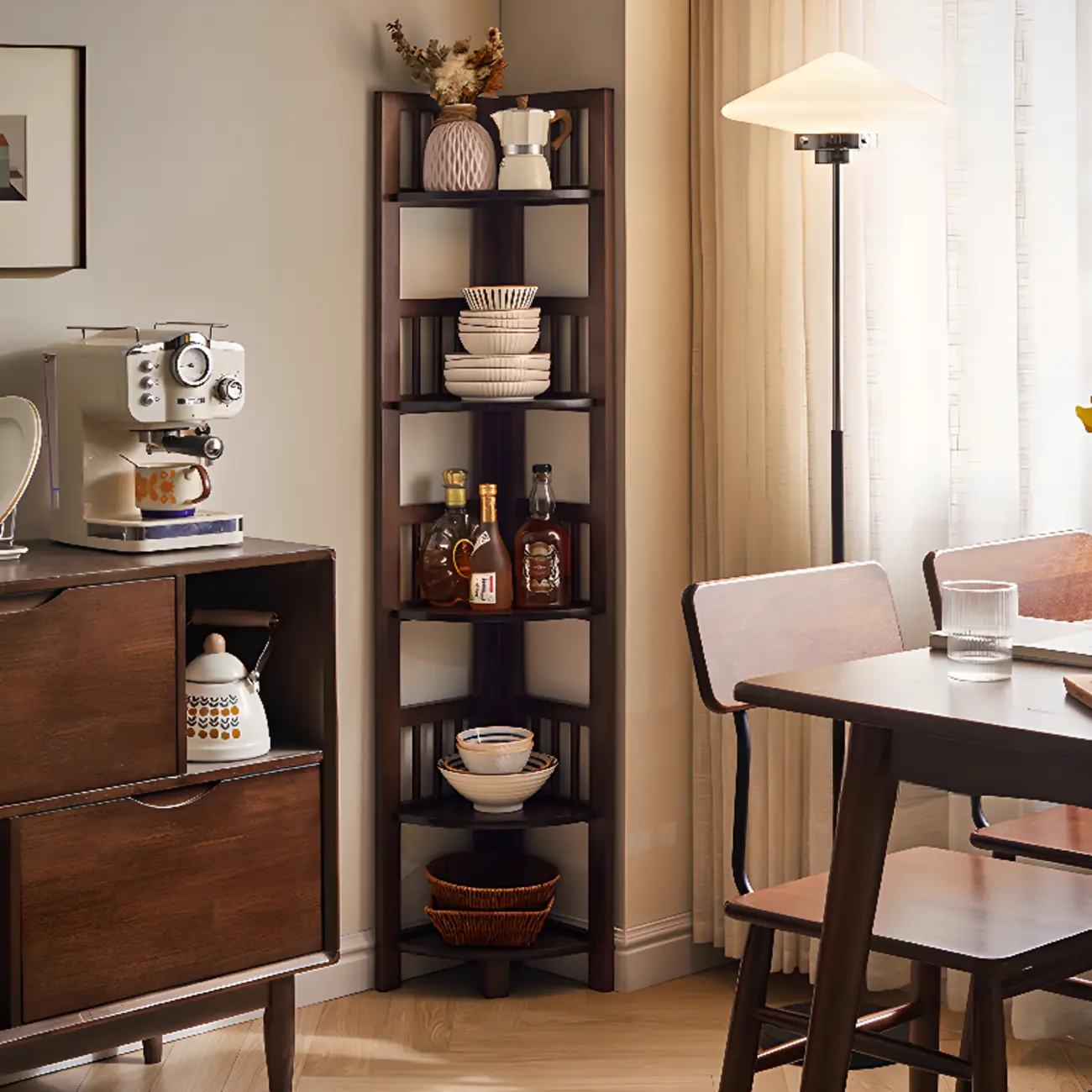
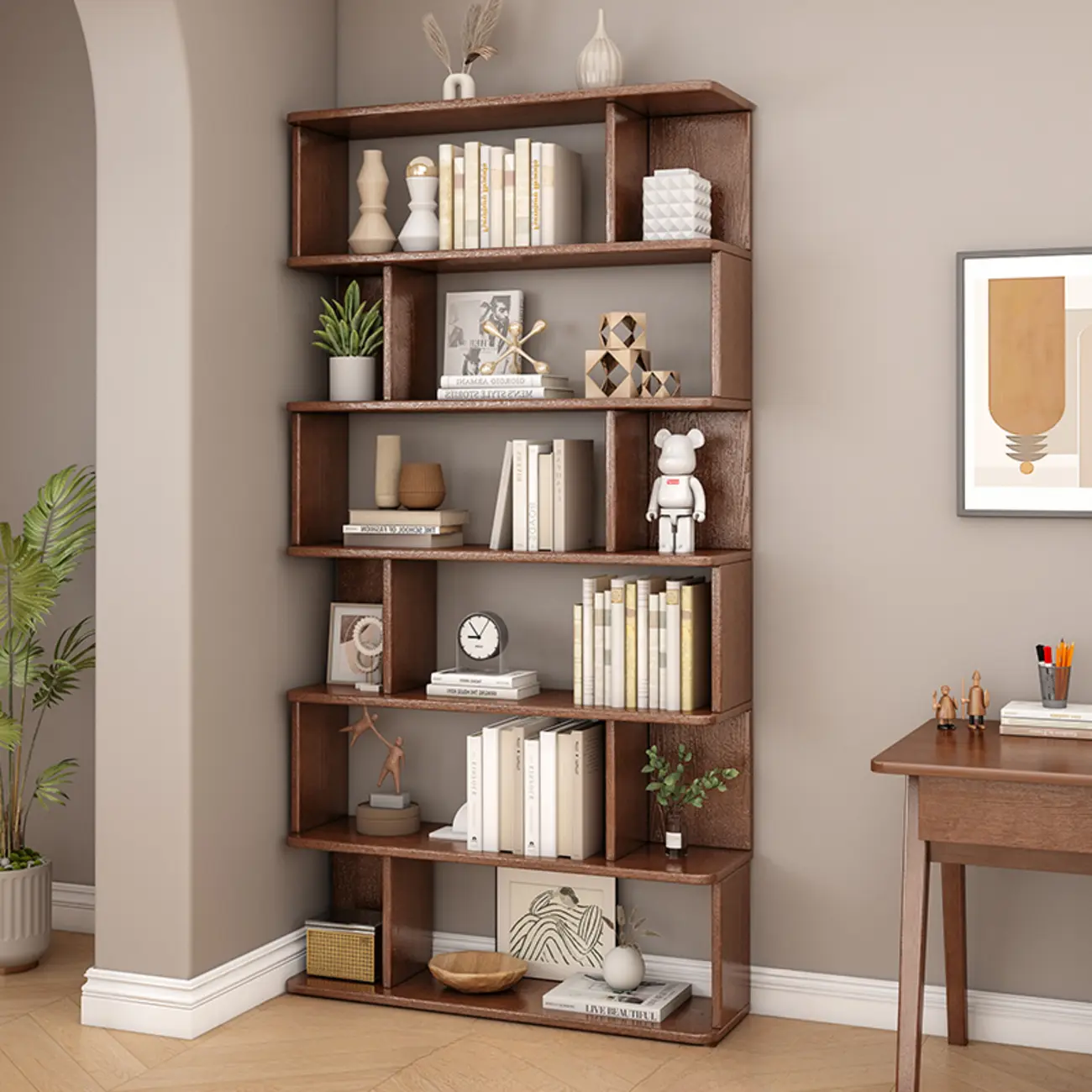
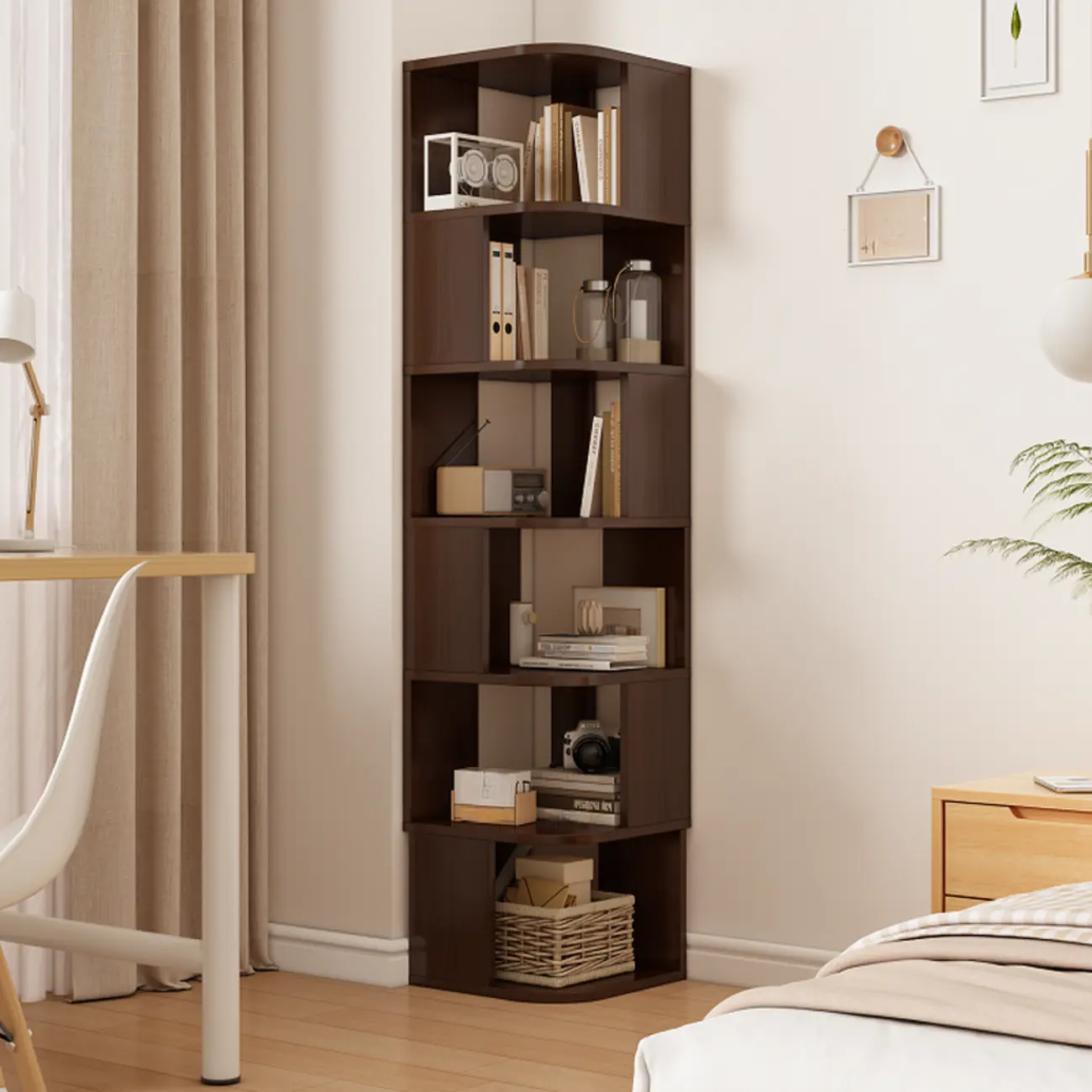
This guide will show you how to avoid these problems and build a sturdy wooden bookcase ( Since most people can work with wood, but other materials are more difficult, this article will only discuss how to build a wooden bookcase). Trust me, this will help you build a floating bookcase, a built-in bookcase, or a freestanding bookcase. Let’s take a look.
Essential Tools (For Professional Results)
You don’t need a full workshop, but these tools will help:
🛠️ Circular Saw – for straight cuts.
🛠️ Drill and Wood Screws—Stronger than nails.
🛠️ Clamps – to hold the pieces in place while the glue dries.
🛠️ Level – to make sure your bookcase doesn’t lean.
Choose the Right Materials (Prevent Warping!)
What’s a common mistake beginners make? The answer is using cheap particleboard or MDF. They have limited load-bearing capacity and books will sag over time. If you want to build a sturdy bookcase , materials are crucial. Here are some recommended materials:
✅ 3/4-inch plywood—affordable, durable, and not prone to warping.
✅ Solid wood (oak, maple, cherry)—pricier but durable.
✅ Baltic birch – high-quality plywood with a smooth finish.
Pro tip: You can purchase additional brackets to reinforce your bookcase .
Reinforce the Structure (Prevent Shakes!)
A shaky bookcase is not only annoying but also dangerous. Here’s how to make it rock solid:
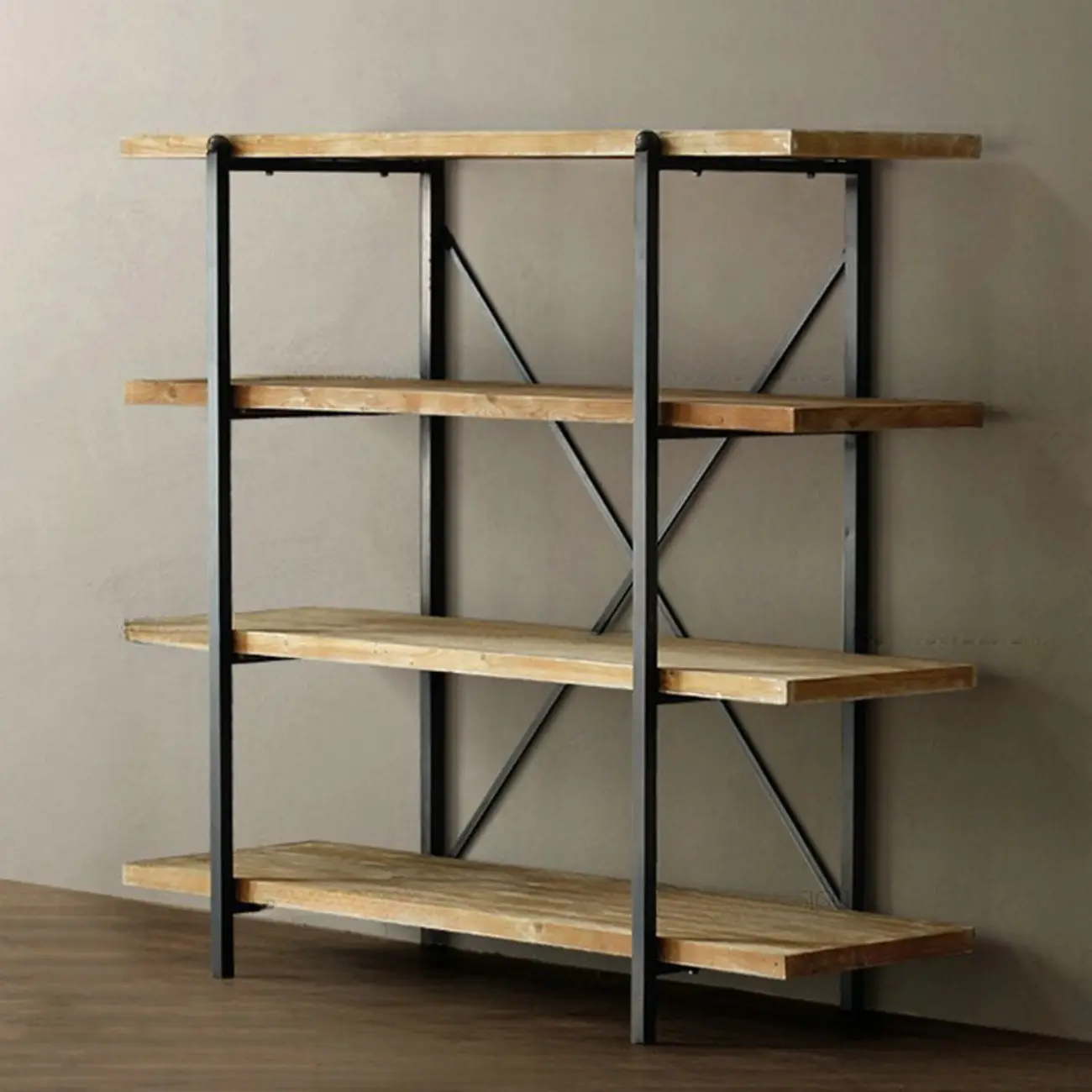
🔹 Add a backing—even 1/4-inch-thick plywood can prevent side-to-side shaking.
🔹 Use corner braces—metal L-brackets reinforce joints.
🔹 Install center supports—prevent long shelves from bending.
🔹 Attach to the wall—a must for tall bookcases (use furniture straps).
Quick Fix: If your existing bookshelves are wobbly, tighten the screws and apply wood glue to loose joints.
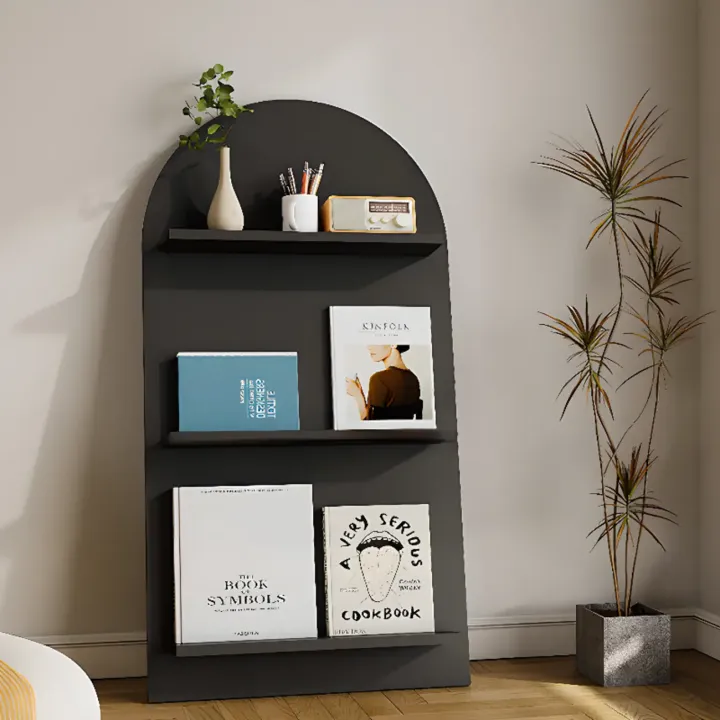
Prevent Shelves from Sagging (Great for Heavy Books!)
Ever seen the bookshelves underneath your encyclopedia? Here’s how to fix it:
📏 Thicken Shelves – 3/4″ thick plywood or hardwood prevents sagging.
📏 Shorten Span – Shelf widths should stay under 36″ unless supported.
📏 Support Strips – Add wooden edges underneath for extra strength.
Bonus Tip: If your bookshelves are already sagging, flip them over—they’ll straighten over time!
Finishing Touches (Make It Last!)
- Sanding and Sealing – Prevents moisture (the main cause of warping).
- Adjustable Shelves – You can change the shelf spacing as you add or remove books and other collections.
- Decorative strips – Used to hide imperfections and help give the bookcase a more refined look.
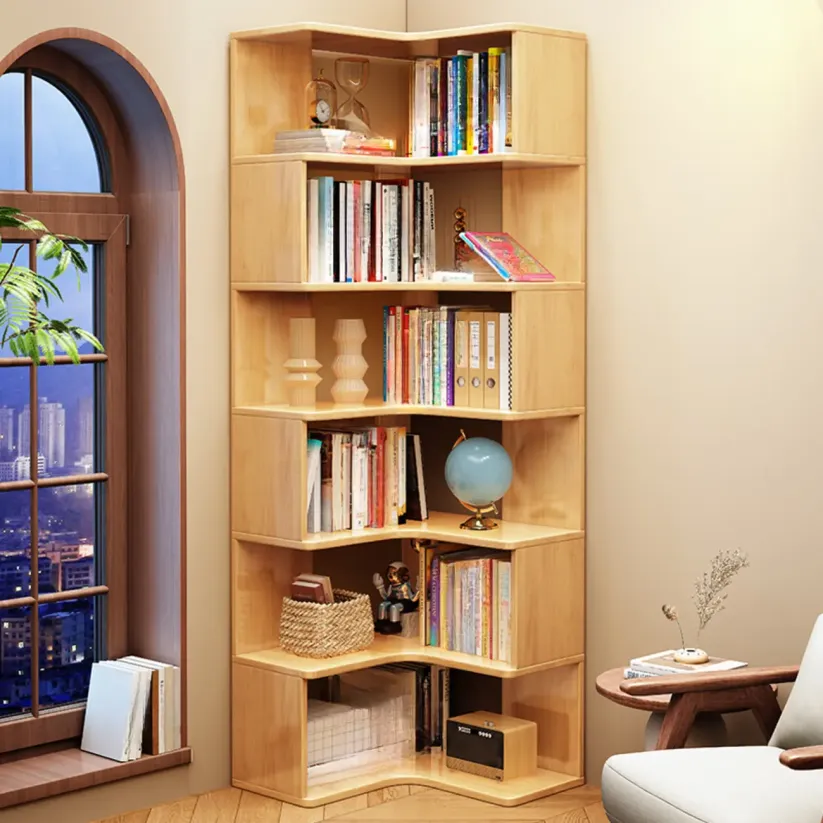
Conclusion
A good bookcase should not only look good but also be stable and durable. A good bookcase can enhance the reading experience and interest.
Choosing the right wood, reinforcing weak spots, and using the right supports can create a durable and stable bookcase. Need more ideas? Check out our guides at HomeyFad!
FAQs
Q1: Is it cheaper to build your own bookcase?
A: It depends on the style. If it's a simple bookcase, DIYing it will definitely save you money. However, if it's a complex design, it requires too much material and effort, so buying it might not be as cost-effective.
Q2: What's the best material to build a bookcase?
A: It's the most durable, load-bearing, environmentally friendly, and aesthetically pleasing, maintaining stability and preventing deformation over time. If your budget is limited, opt for multi-layered wood and avoid particleboard, which can bend easily.
Q3: How to stabilize a freestanding bookshelf?
A: Yes, the most effective ways to stabilize a freestanding bookshelf can be summarized as follows:
-
Attaching to the wall: The most effective and safest method. Use "L-brackets" to secure the top back of the bookshelf to the wall studs or anchor bolts.
-
Adjusting the feet: Ensure all feet are firmly planted on the floor. If the floor is uneven, place furniture spacers under the feet to level them and eliminate any wobbling.
-
Distributing weight appropriately: Place heavy books and items at the bottom of the bookshelf to lower the center of gravity and increase overall stability.
-
Adding support and counterweight: For narrower bookshelves, install triangular brackets on the back or place a heavy object at the bottom to prevent tipping.

-.jpg?w=800&h=516)
-0-1944x-.jpg?w=800&h=560)
-.jpg?w=800&h=619)

 Add Us On Google