
(7).png?w=1920&h=650)
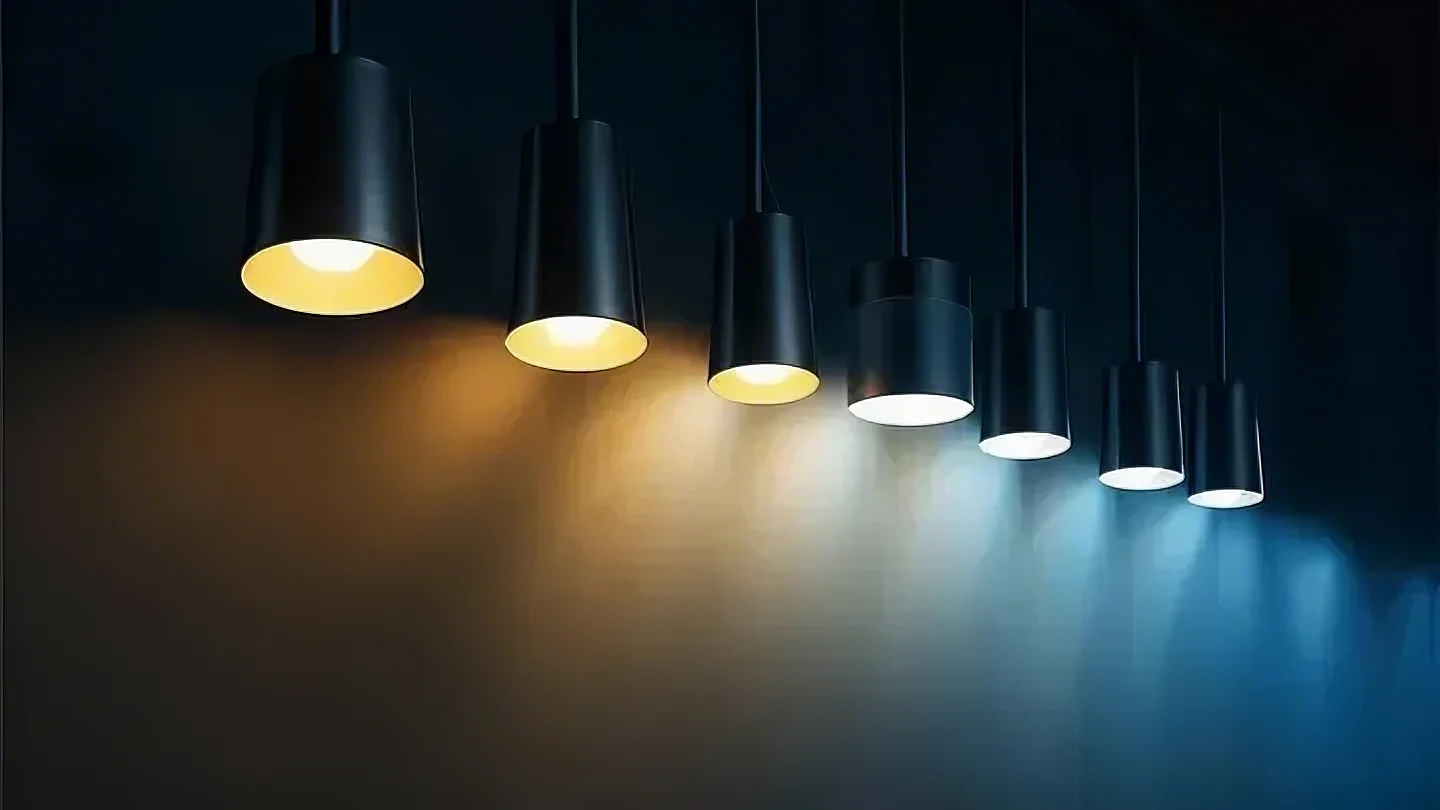
Are you struggling to choose between blue and white light when buying light fixtures?
In this blog, I will give you a detailed introduction to them so that you can understand the types of white light and choose the right light for different areas of your home to enhance your quality of life.
Is Blue Light the Same as White Light?
Blue light and white light may sound like they are both cool; however, they are not the same. Here are the correct definitions of the two:
Blue Light: Blue light is cool and visible. It keeps us alert and interferes with our sleep. It comes from electronic devices like cell phones and LED lights. The right amount of blue light can help us focus on our work, but too much can make us feel tired or dizzy, so in our daily lives, we should choose cool white light that contains some blue light instead of blue light.
White Light: White light is a combination of all the colors of light that we can see, and it includes all the colors of the rainbow. So, white light contains blue light, but it also contains some warm light.
After reading the definitions of the two, I'm sure you're now aware of the difference and relationship between blue light and white light, so let's take a closer look at the two main types of white light for the home.
What Are the Types of White Light?
Two main types of white light are suitable for home use—warm white and cool white light. The main difference between them is the level of blue light content.

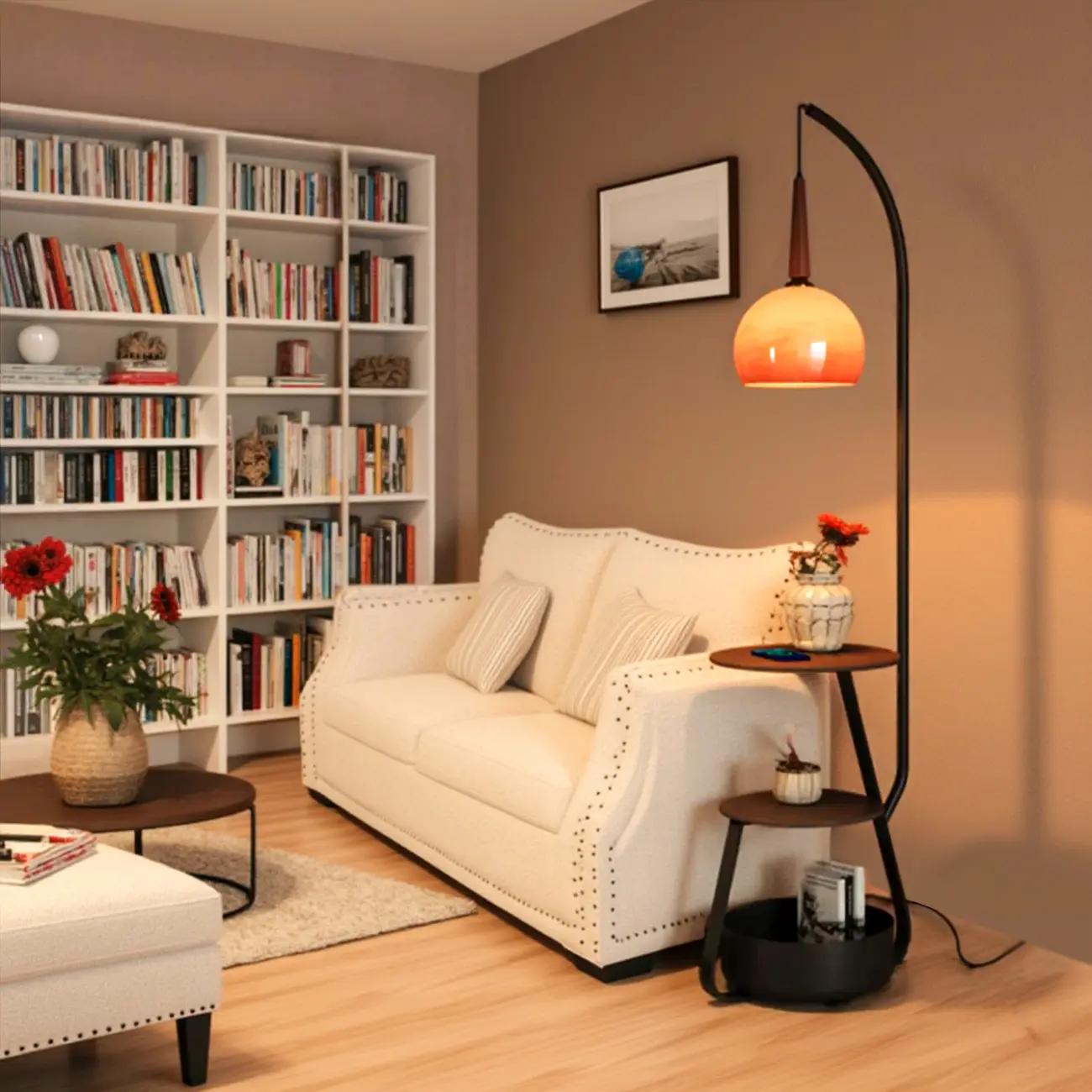
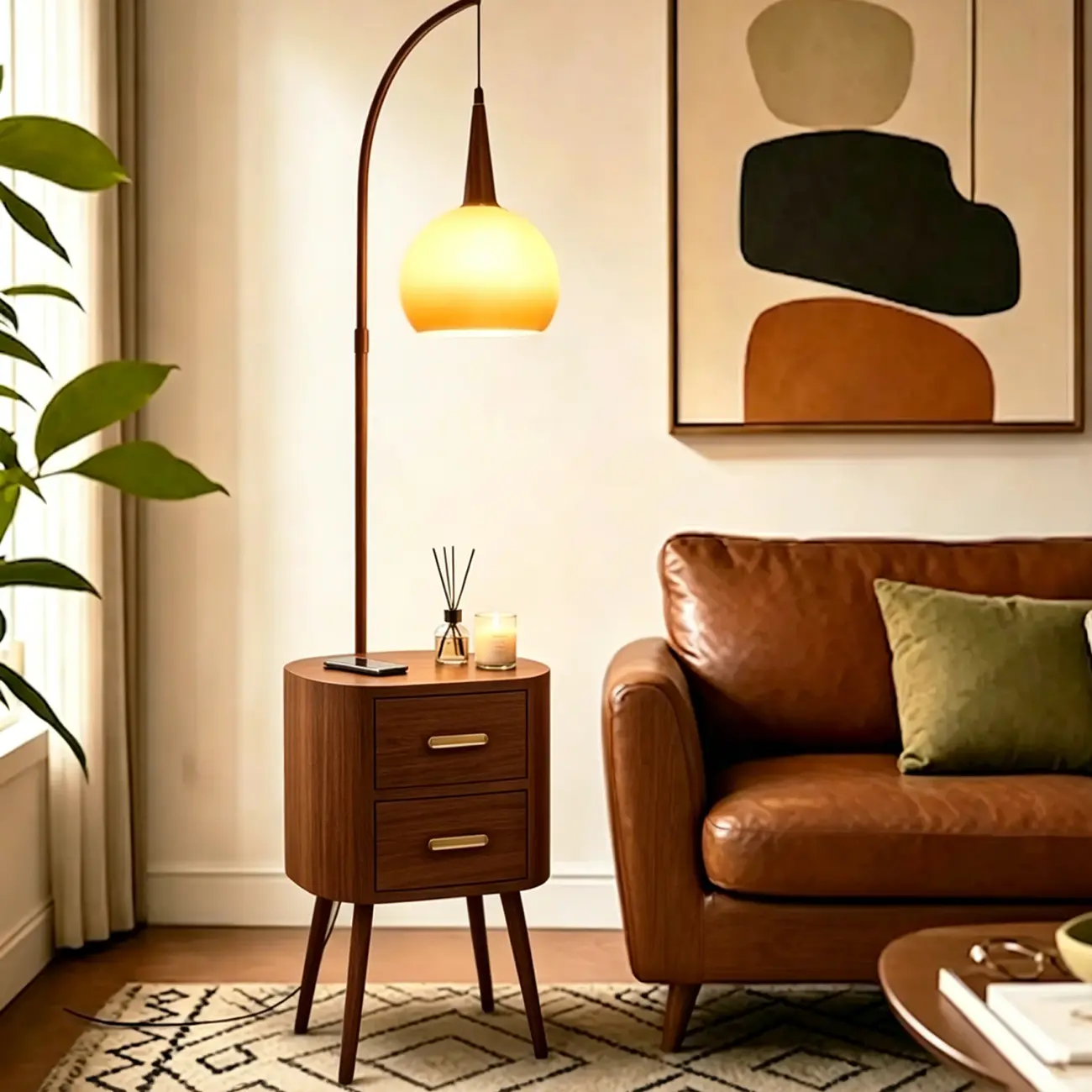
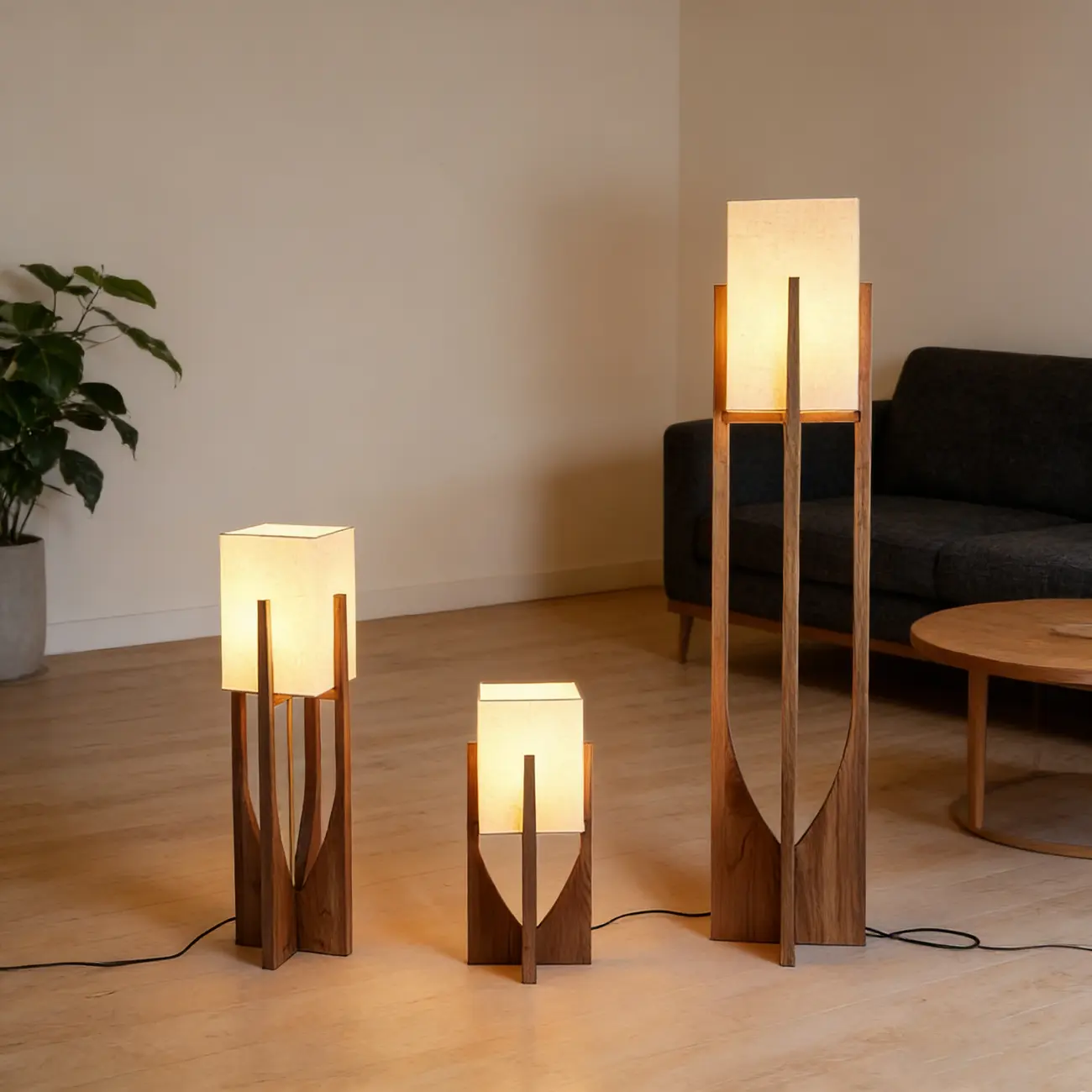
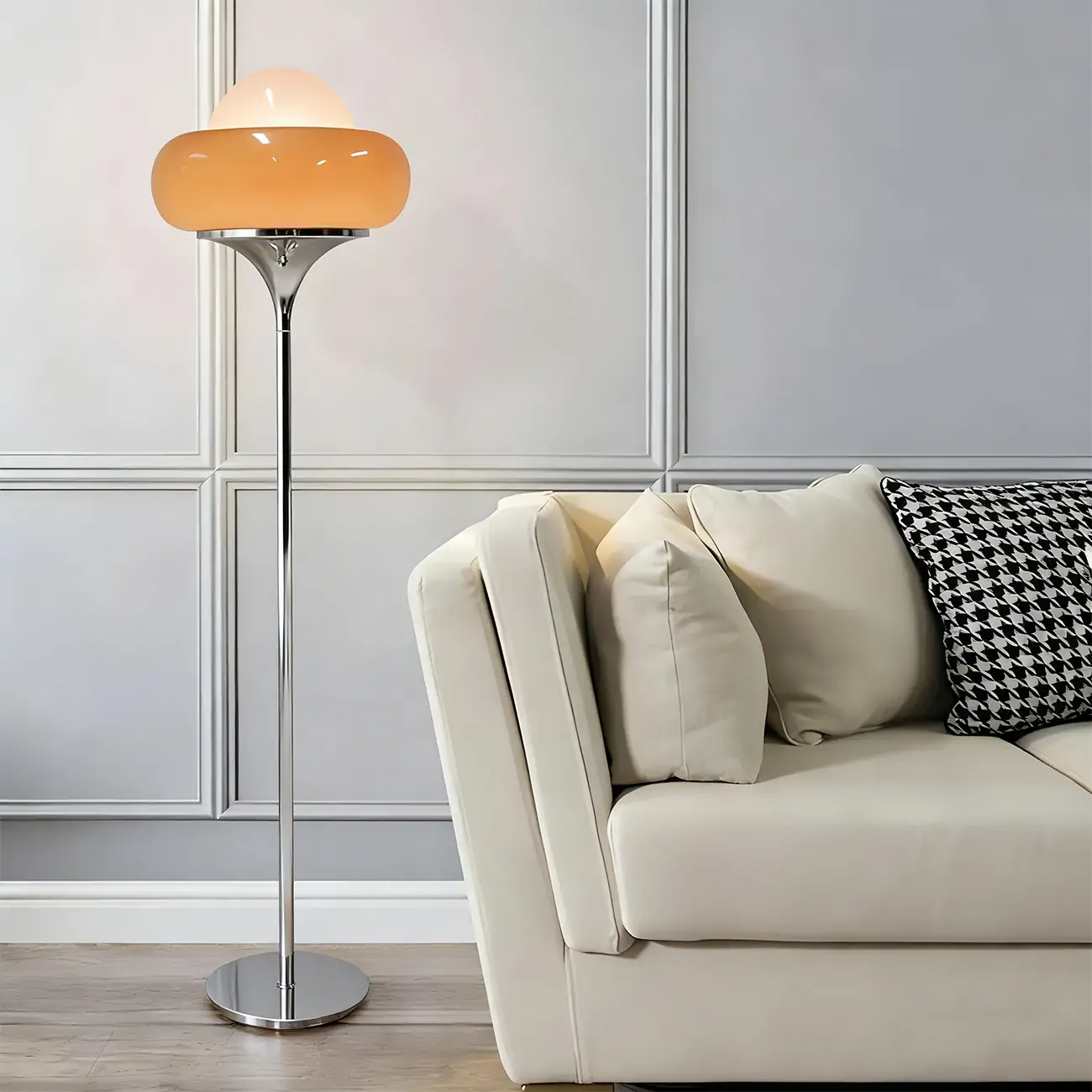
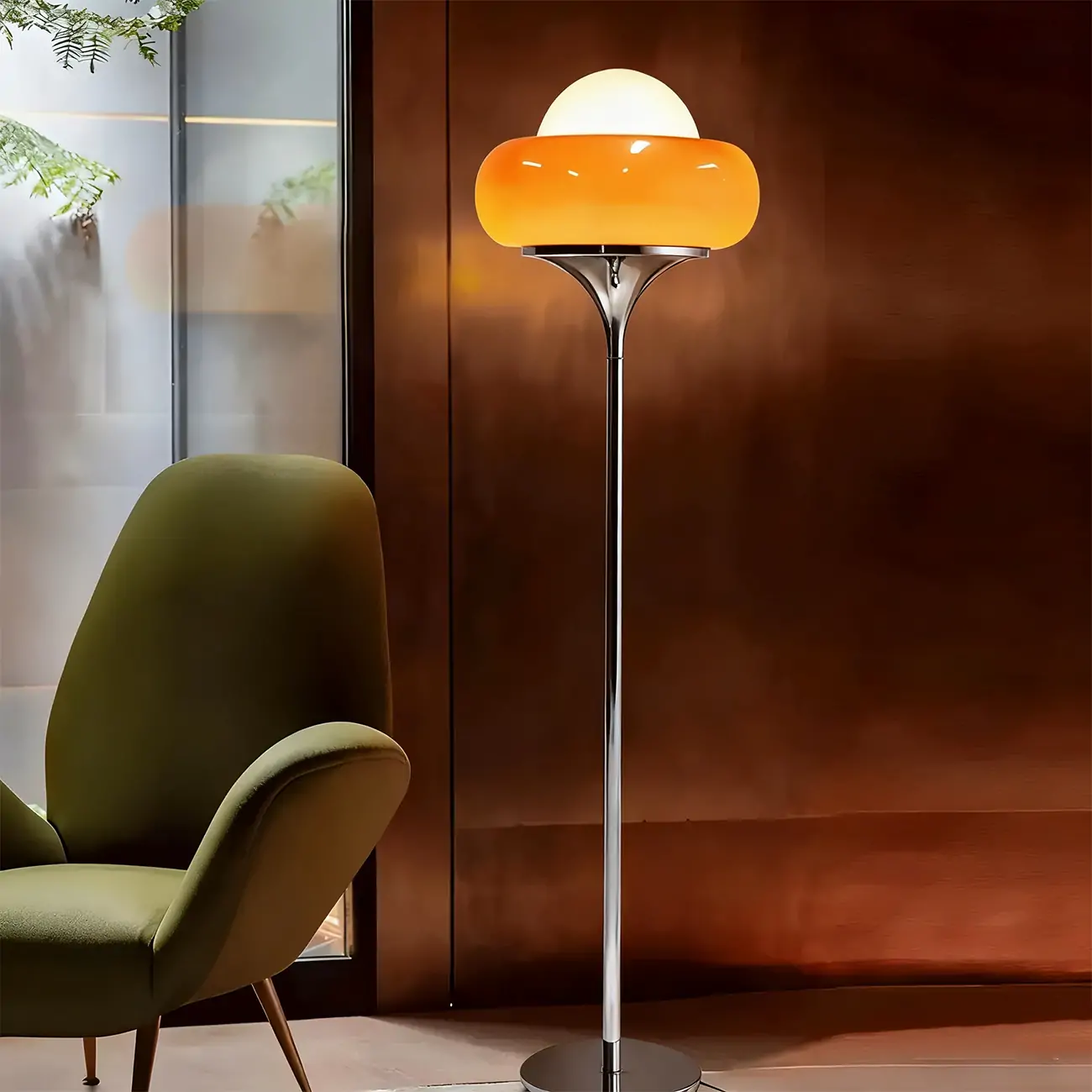
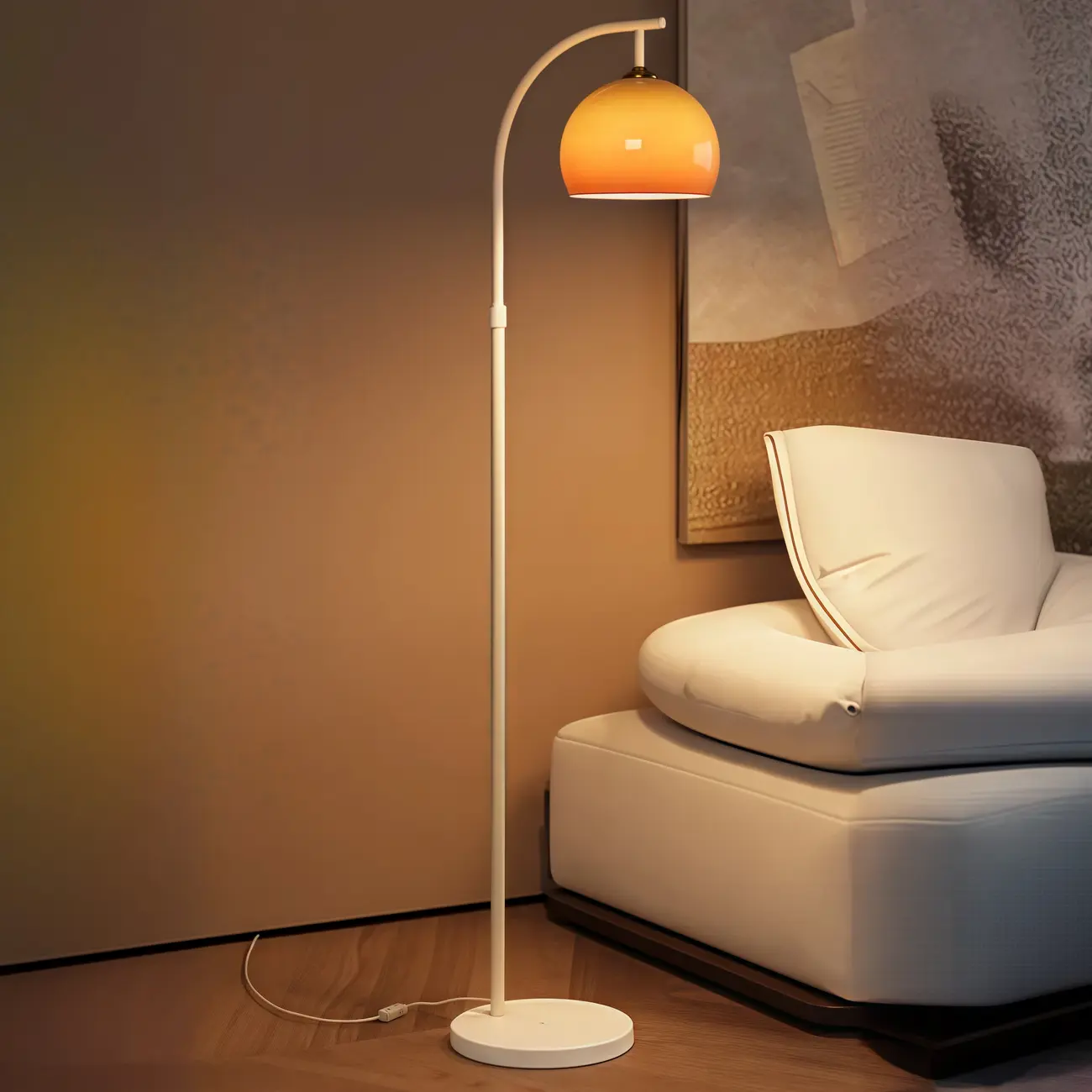
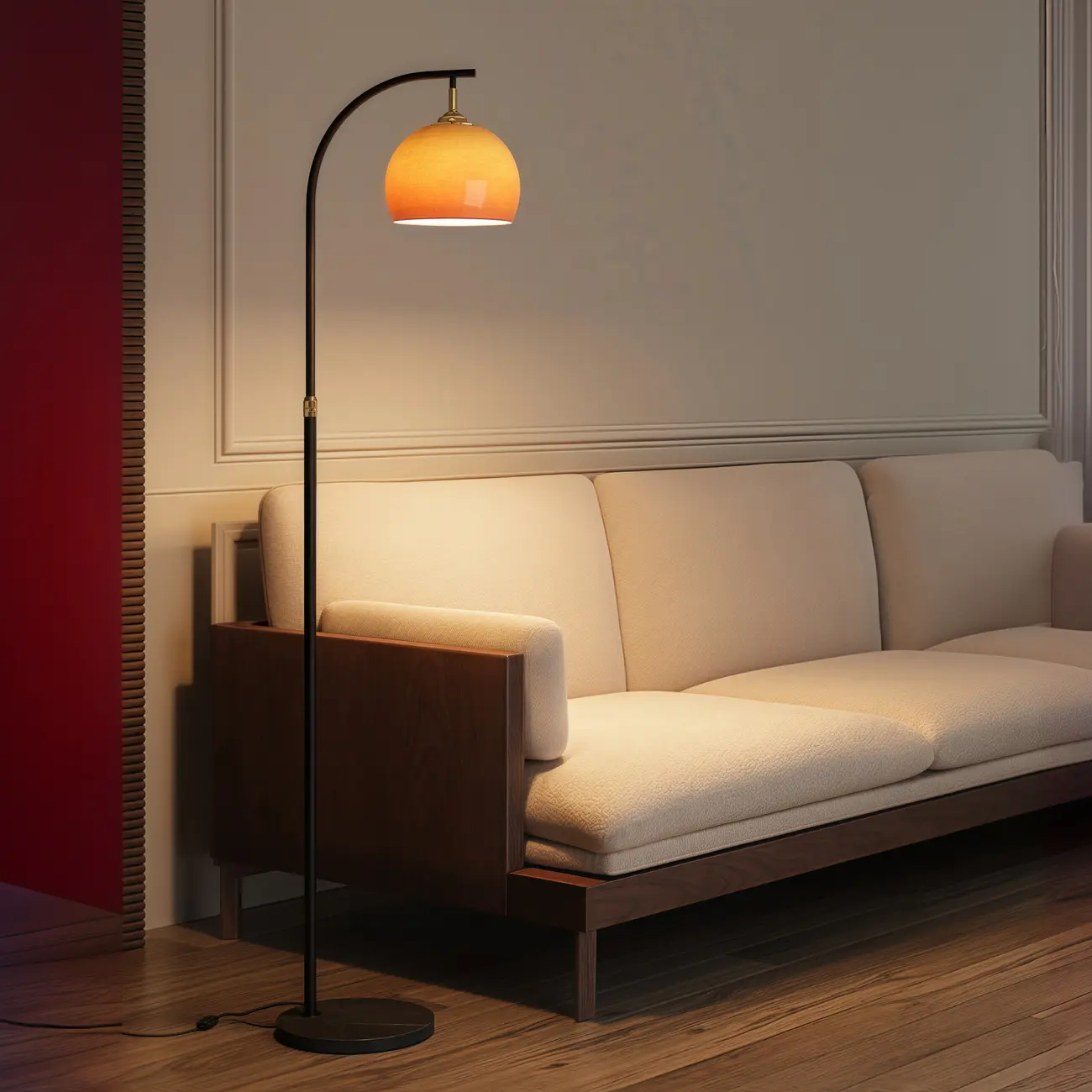
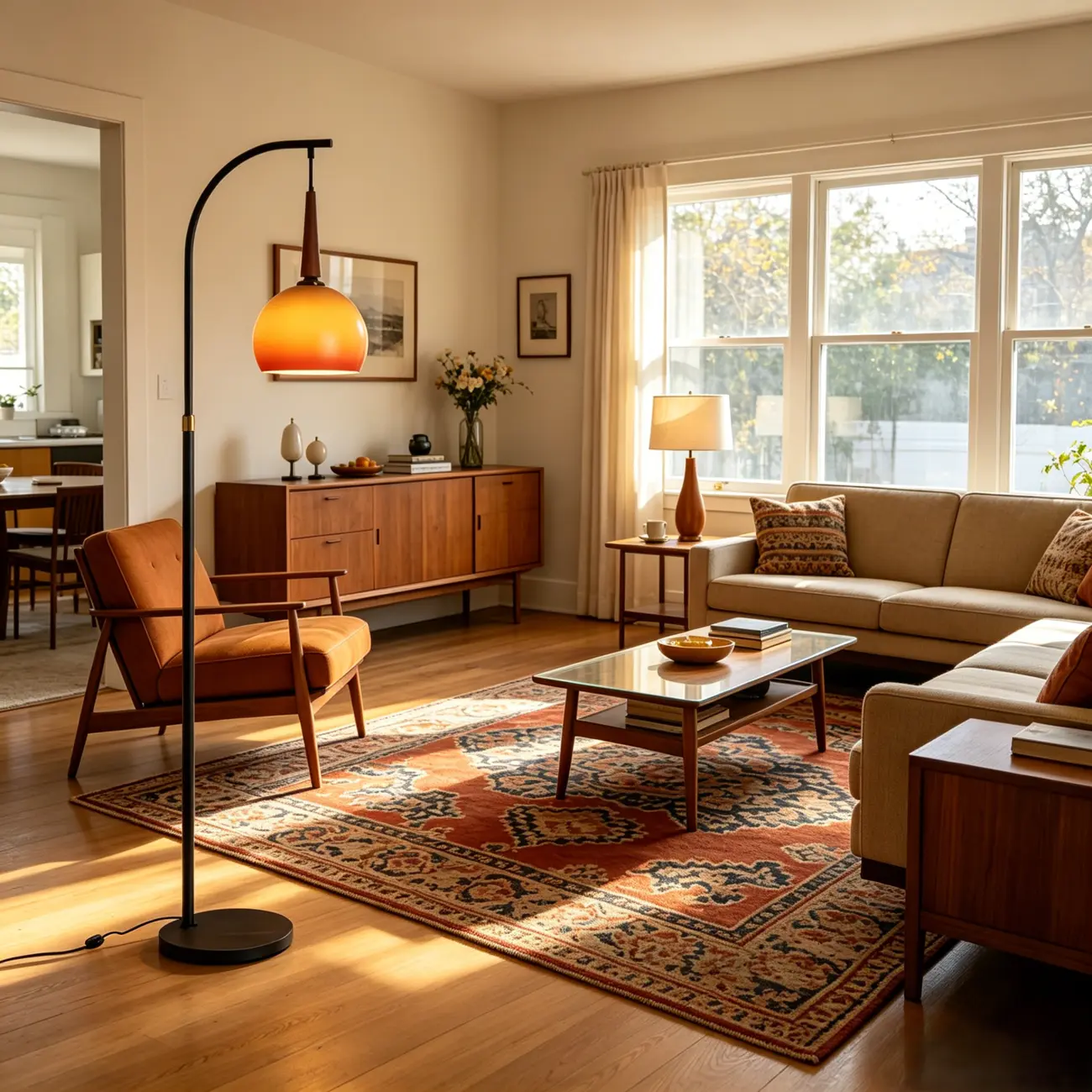
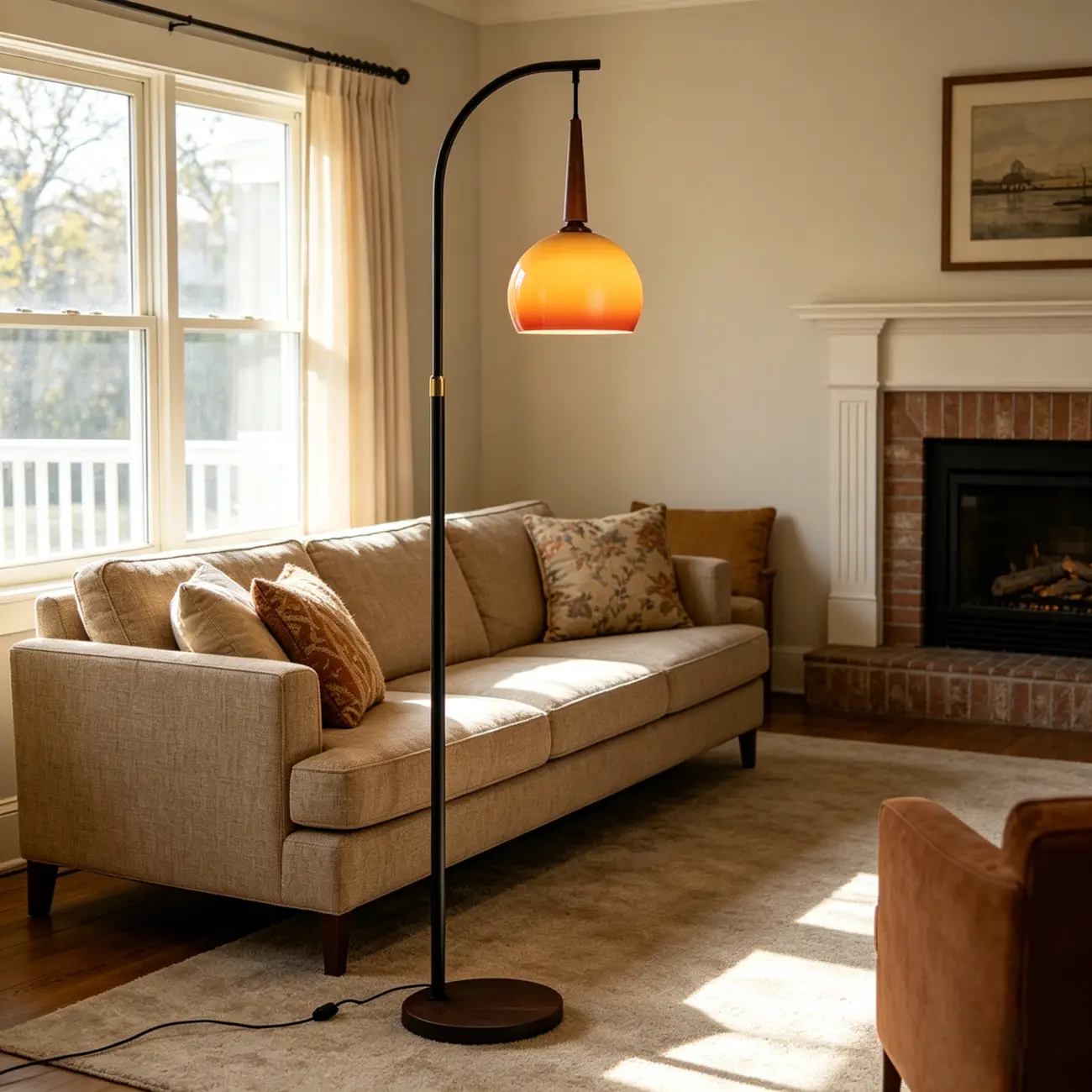
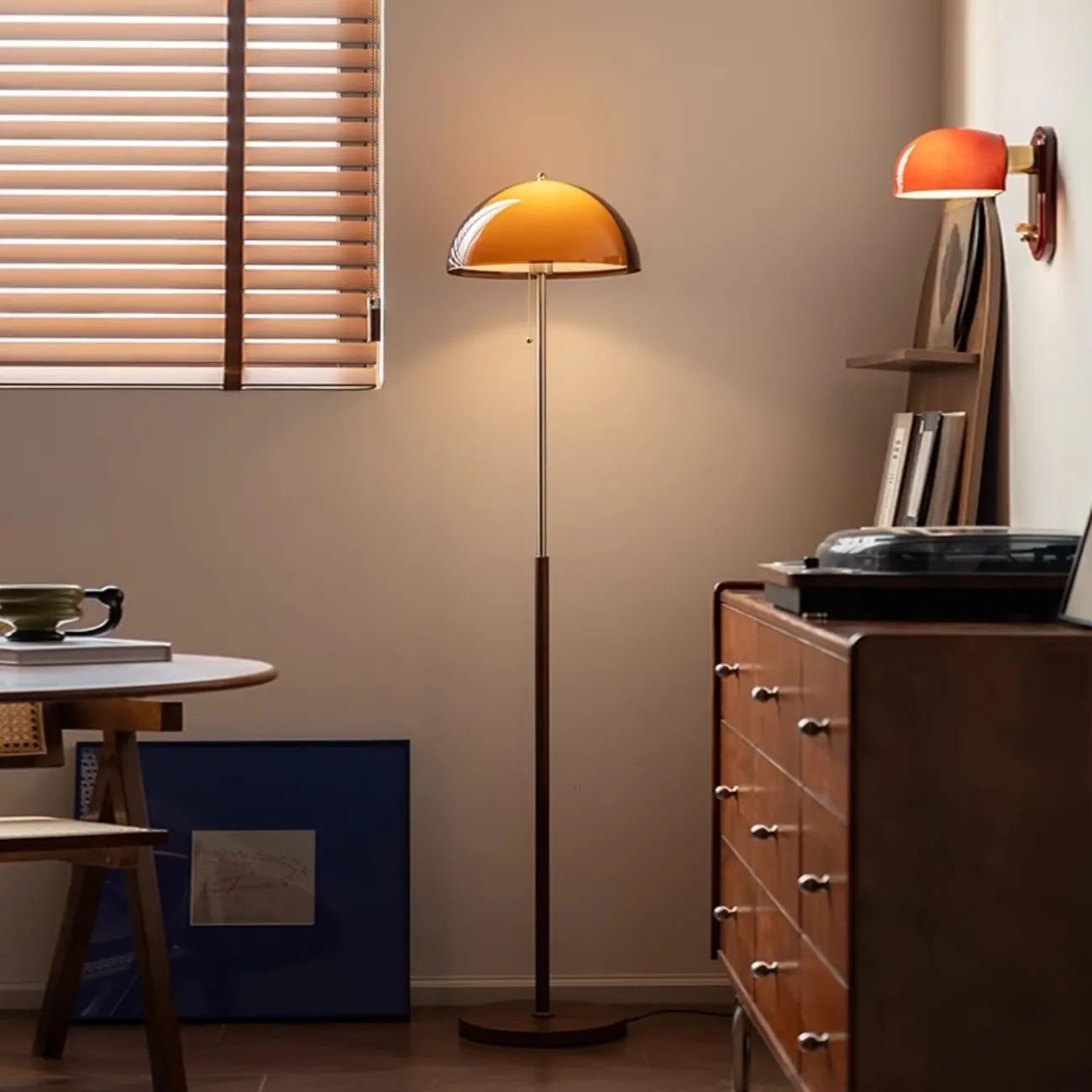
Warm White: With a color temperature of less than 3000 Kelvin (3000K) and usually orange to yellowish-white, warm white light is like candlelight and a kiss of sunshine, making it ideal for creating a cozy and welcoming atmosphere.
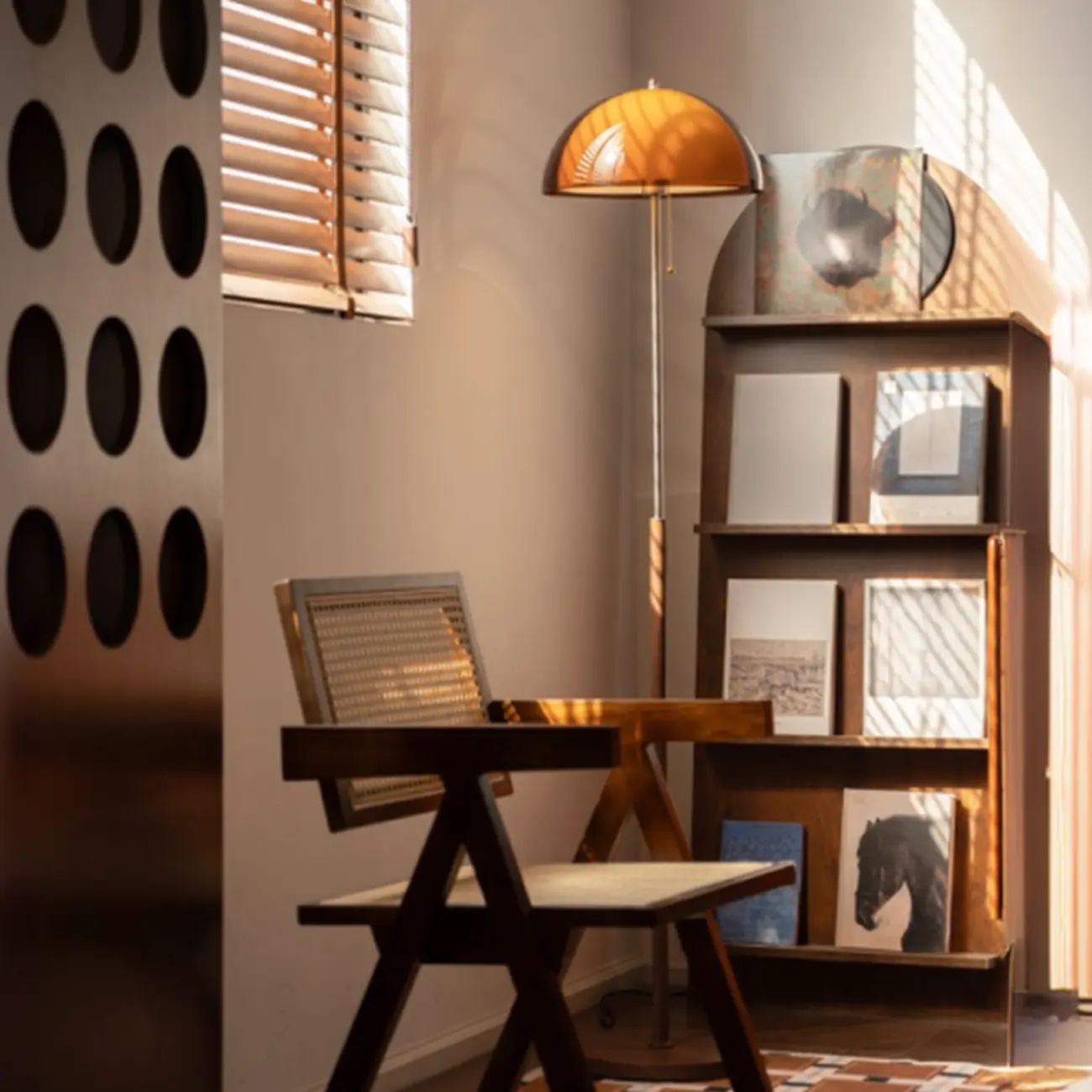
You can use it in living rooms, bedrooms, hallways, and dining rooms. It is also suitable for nighttime reading because it has a very low blue light content and won't suppress melatonin production to disrupt your sleep. Instead, warm white light can help fade away the day's fatigue, relax your body and mind, and allow you to fall asleep quickly.
Cool White: With a color temperature between 3500K and 5000K, cool white light typically emits a pure white light, similar to daylight, with a slight bluish tint, as it contains some blue light, allowing you to stay alert and focused on your work.
It is perfect for home areas that need accent and task lighting, like kitchens, bathrooms, and office areas. In the winter, the sun goes down at 4 p.m. If you still have work to do, light it in your home office area, or you'll be off with the sun!
What Color Should House Lights Be?
Still can't decide what color lights should be used in each area of your home? Congratulations! Here is a guide I've compiled for you that has been verified by many real cases, so check what lights should be used in each area of your home!
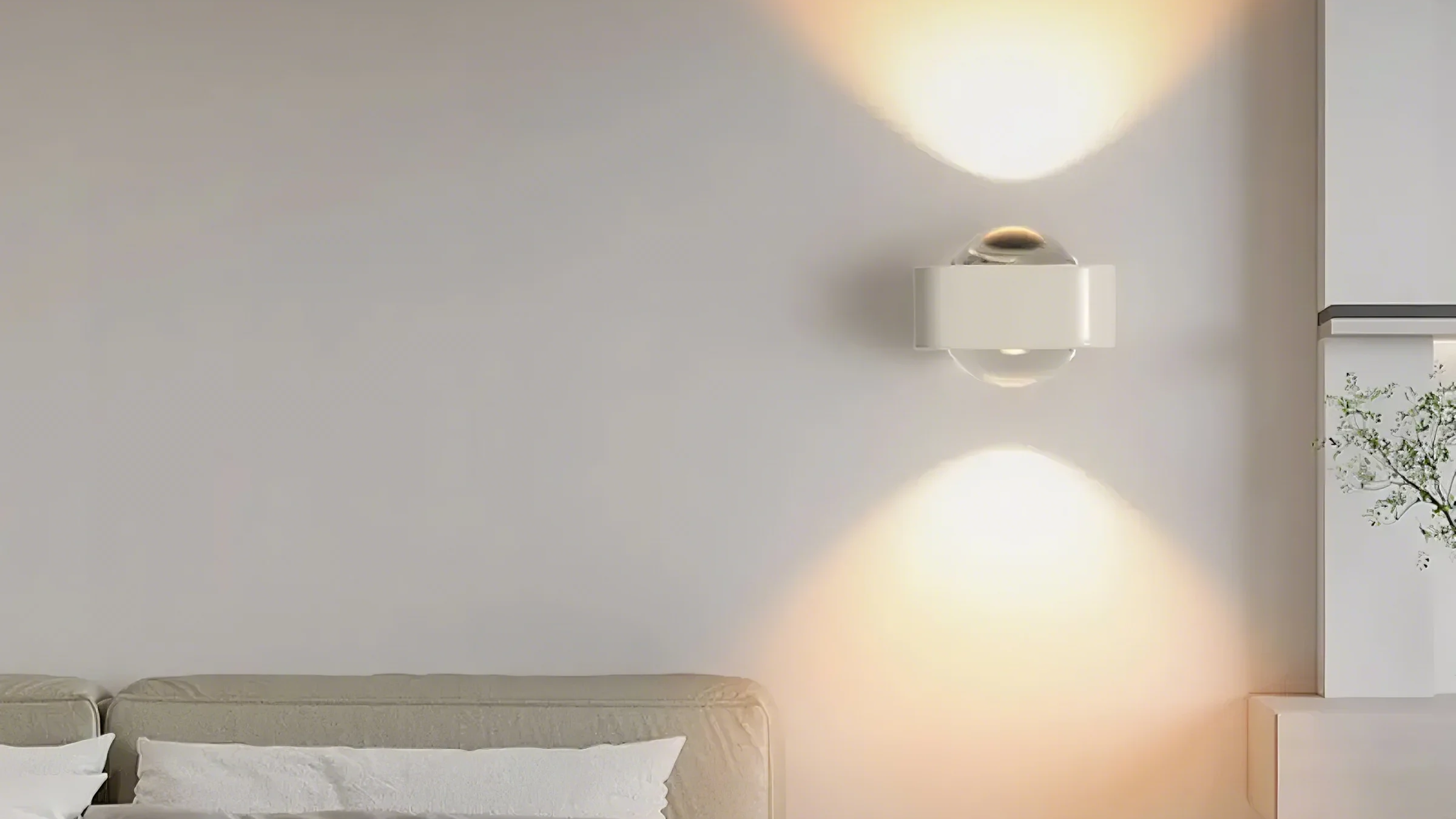
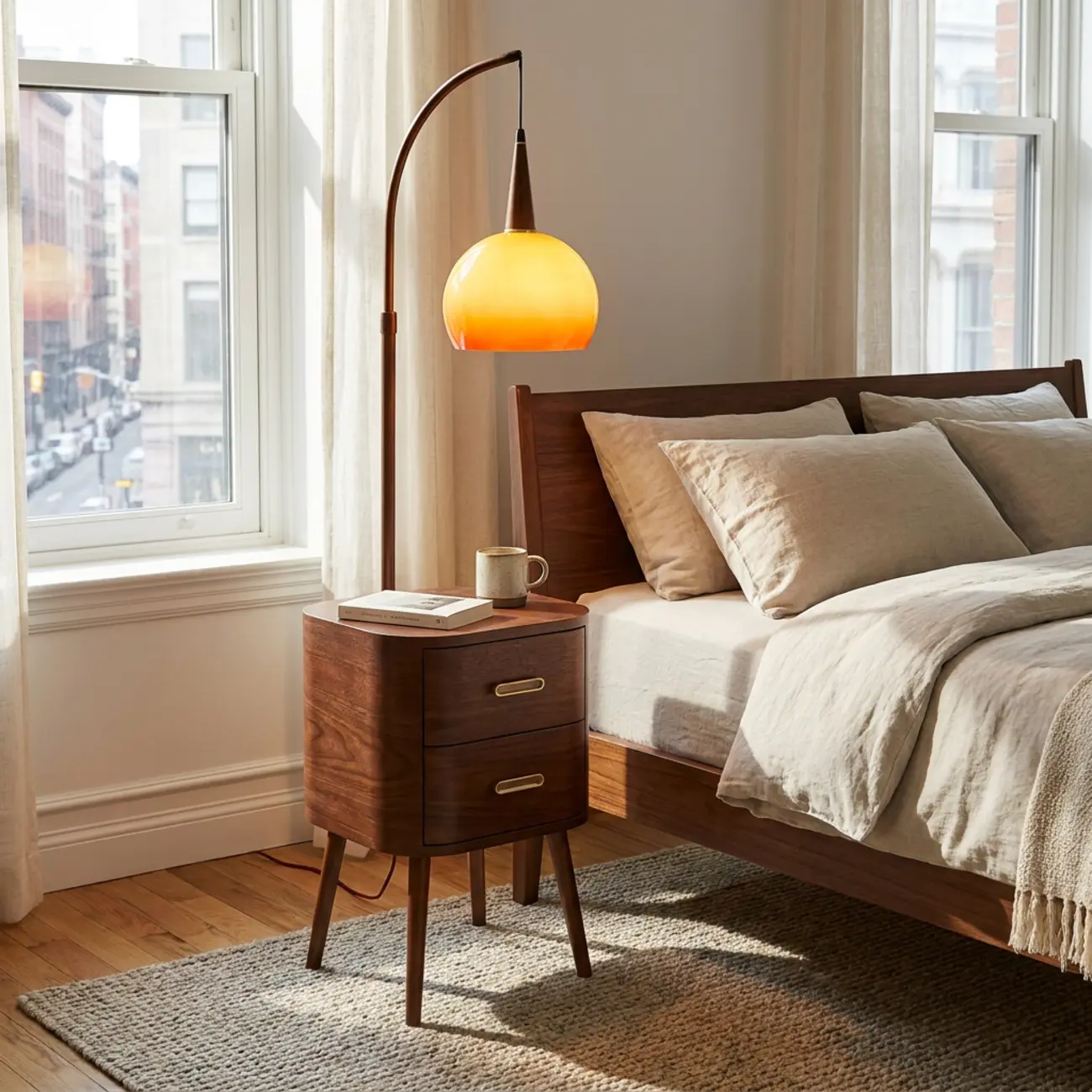
1. Warm Light for Bedroom
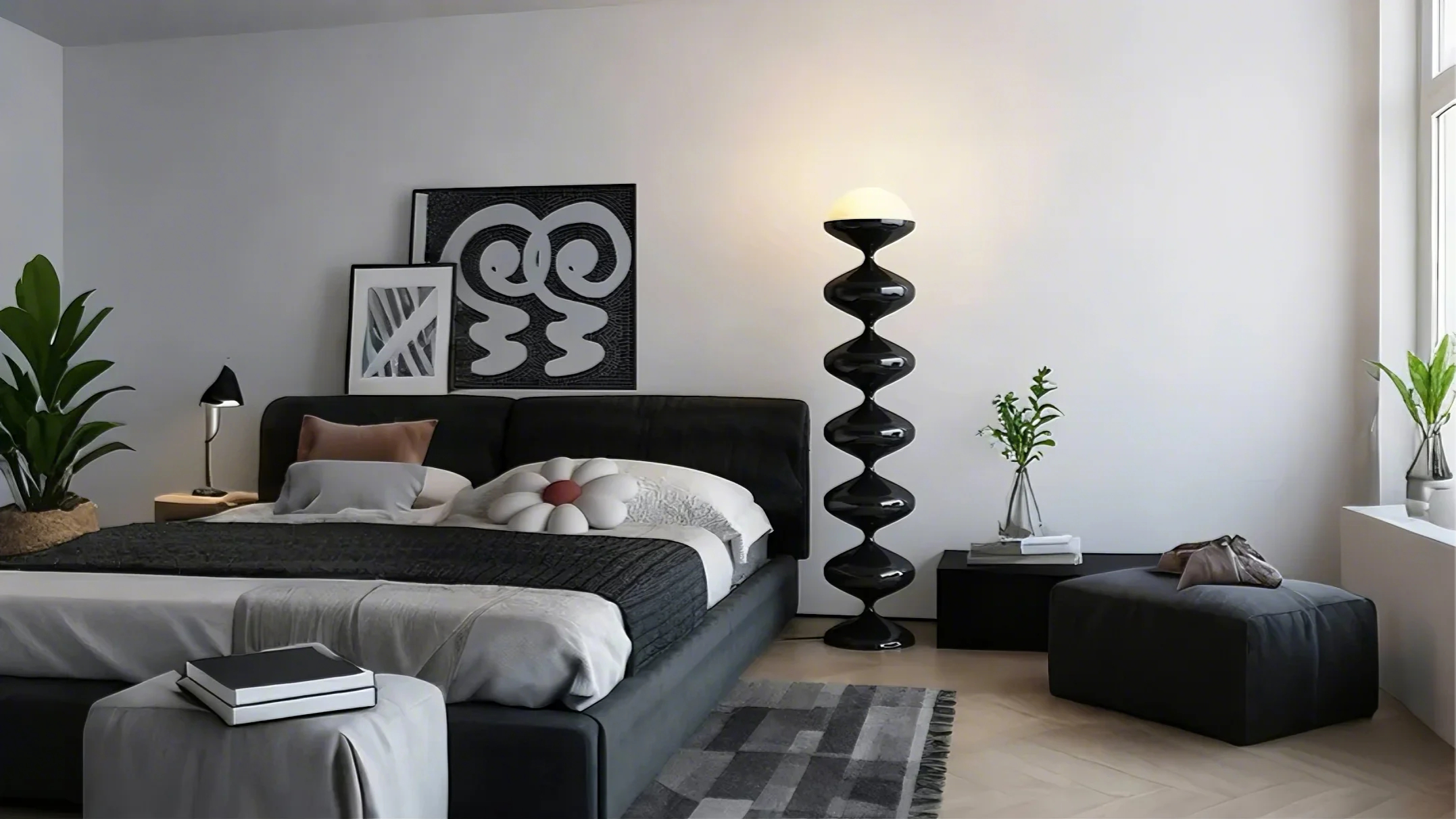
The bedroom is the place to sleep; make sure to choose warm lighting, especially a night light, because a lower level of blue light is what will ensure that you can have a good sleep and have a healthy body, like this soft glass wall sconce with adjustable color temperature from warm orange to yellow white. The LED bulbs are eye-friendly and energy-saving; the appearance design is simple and full of personality; and crystal-clear transparent glass makes your room decoration more advanced.
2. Cool Light for Office Areas
Many homeowners find that cool white lighting is best suited for kitchen and office areas of the home, as it carries a certain amount of bluish light that keeps people awake and hyper-alert while still providing plenty of illumination for cooking and office work. This pendant light is perfect for either above your kitchen island or in your office area, with a classic black finish and beautiful clear glass shade combining to provide even illumination while also being a decorative accent to the space.
3. Warm or Cool Lighting in the Bathroom
In general, bathrooms are probably better suited to warm lighting, as it allows you to relax enough in the shower. However, if you need to shave or apply makeup in the bathroom, cool lighting can provide comfort for tasks that require complete visibility. As such, there are a variety of lighting options for your bathroom, and you can choose either of the two, or you can pair the two together to create an ideal bathroom lighting environment.
-.webp?w=800&h=450)
The sides of the vanity mirror are suitable for using vanity lights to provide additional light sources when shaving or applying makeup, allowing you to see more clearly.
4. Warm Lights in the Dining Room
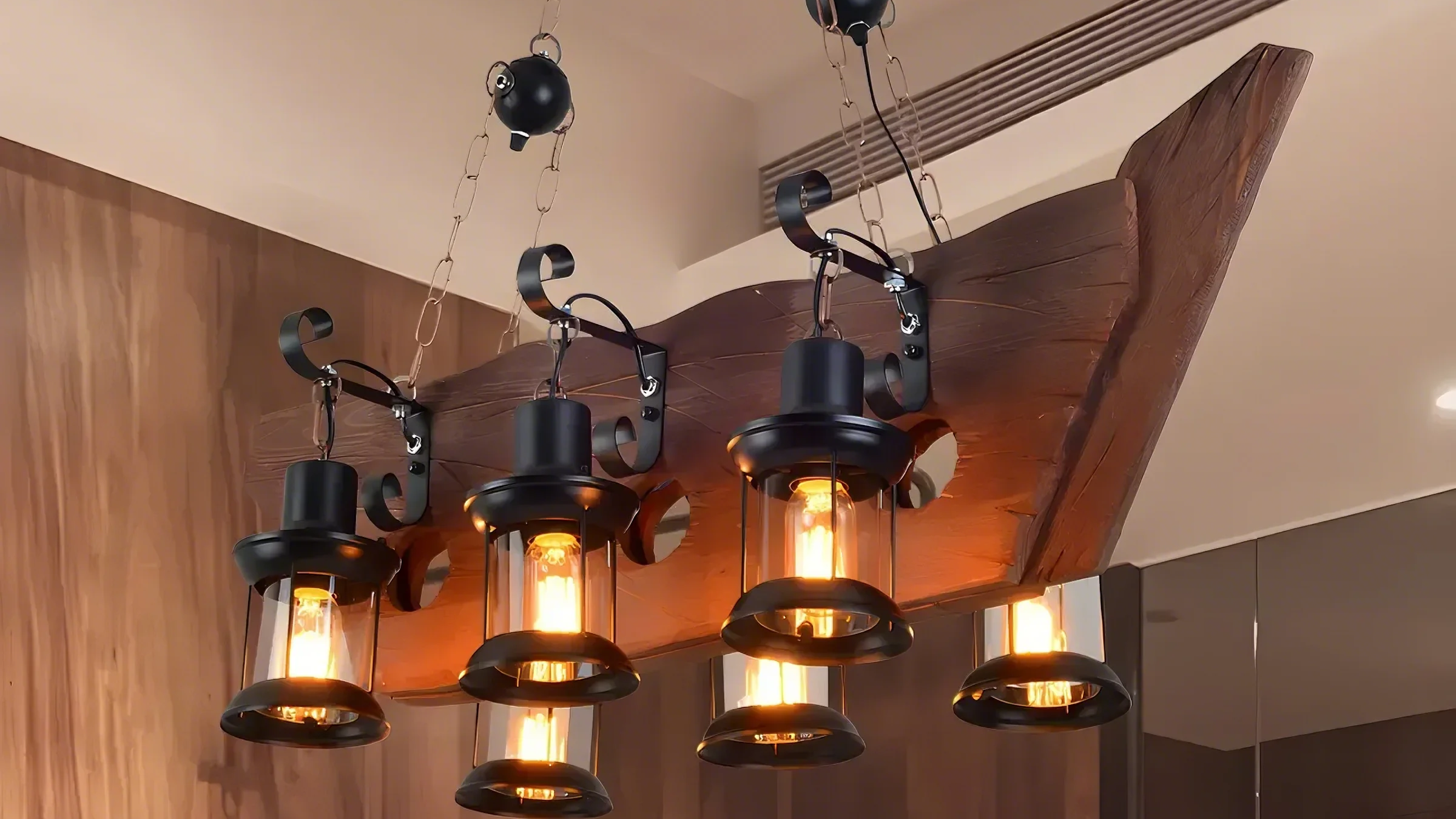
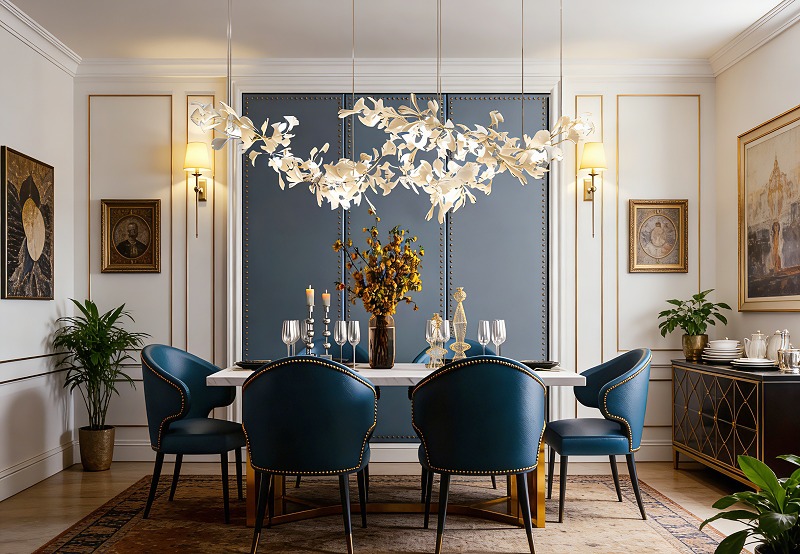
Warm lights are recommended for the dining room area and can create a cozy atmosphere and comfort for your family dinners or dinner parties. This brown industrial kitchen island pendant light brings warmth to your dining area with a vintage feel that will fit perfectly into both modern and traditional style home décor, and the natural wood design is more reassuring when used in a dining area.
You can adjust the pendant light chain to the right height according to the ceiling height of your home.
Keep in mind that these are just general suggestions. When choosing lighting for your home, be sure to consider what you will be accomplishing in each space, what lighting you need, and the amount of light in each area, and then make your choices based on your personal preferences!
Pair Warm White and Cool White Lights with Each Other
Choose the right lighting for the area of your home and your lighting needs. Cool white lights with some blue light are good for task-oriented activities, while warm white lights are good for areas used for relaxation or creating a cozy atmosphere. Pair them together and you'll get an ideal cozy lighting for your home!
If you haven't found a favorite light fixture by reading this far, then you can keep looking at HomeyFad, where it's all here! Explore HomeyFad Lighting!
FAQs
Q: Can I mix different light colors in my home?
A: Yes, and it's recommended. Ideal home lighting should include:
Warm light (bedrooms, living room)
Neutral white light (dining room, hallway)
Cool white light (kitchen, work area)
Zoned lighting is more practical than using a uniform light color throughout the house.
Q: What color light is suitable for a living room?
A: For most family living rooms, the following are more suitable:
2700K–3000K (warm white light)
3000K–3500K (natural white light)
This type of light is bright without being too cold, creating a more homely atmosphere.
Q: If I could only choose one color of light, which would be best for the whole house?
A: If uniformity is necessary, natural white light of 3000K–3500K is usually the safest choice.
It's neither too cool nor too yellow, making it suitable for most family spaces.

-.jpg?w=900&h=638)
-.jpg?w=871&h=667)
--5.jpg?w=800&h=506)
-.jpg?w=800&h=584)
.png)

 Add Us On Google