
(1).png?w=1920&h=650)
--5.jpg?w=800&h=506)
Here's the thing about hanging lights. You can't just pick the pretty one. I know, bummer, right? But a fixture that stuns in a showroom can flop in your living room.
Chandeliers bring drama, and they scatter light wide and soft, turning a dining space into a destination. Whereas pendants bring focus. They aim light down hard and direct, turning a counter into a workstation; both have their own place, and both can transform a room. But swap them and you'll feel the difference every single time you flip the switch.
Let's figure out which one belongs in your space, whether you are looking for lights for your home or business.
The Quick Answer: What's the Core Difference?
Let's get to the point straight. A chandelier spreads light, whereas a pendant aims it. That's the core difference.
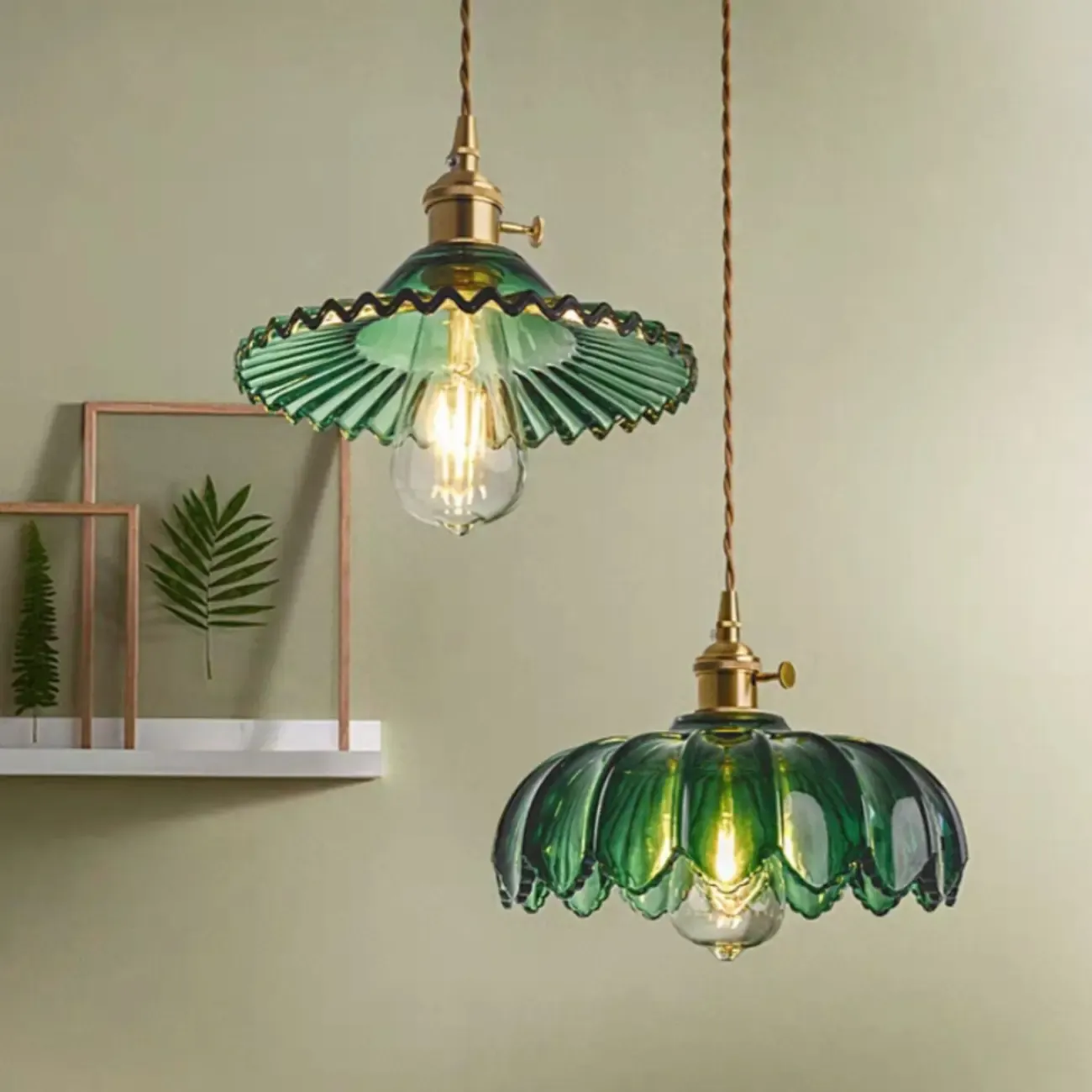
- Pendant lights keep things simple. It has one fixture, one bulb and one direction. Pendant light travels down in a focused beam. You will find an array of styles in pendant lights like an industrial metal cone, a clear glass globe hanging pendant, and much more.
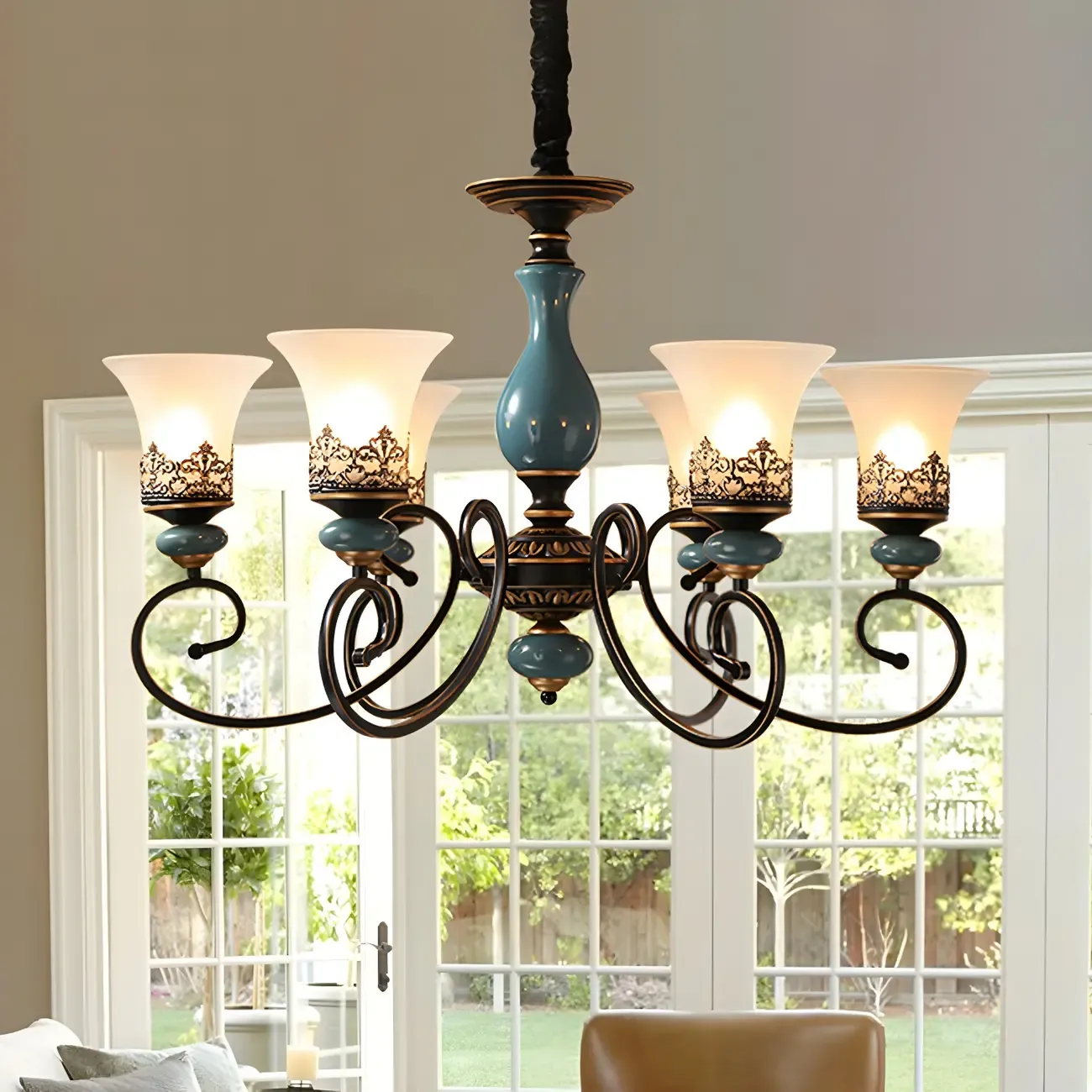
- On the other hand, a chandelier comes with multiple arms and multiple bulbs, so it directs light in multiple directions in your room. There are many styles and types you can get a chandelier in like the classic crystal, modern Sputnik design and much more. Such light scatters everywhere bouncing off walls and ceilings.
Now let's understand their key features in more detail.
Pendant Light vs. Chandelier Comparison: A Clear Chart
Before we dive deep, let's do a quick overview of the differences between pendant lights and chandeliers.
|
Feature |
Pendant Light |
Chandelier |
|
Light Spread |
Directional. Focused. Points straight down. |
Ambient. Widespread. Fills the whole room. |
|
Best For |
Task lighting. Kitchen islands. Reading nooks. Counters. |
Making a statement. Foyers. Dining rooms. Large spaces. |
|
Vibe |
Casual. Modern. Sleek. Approachable. |
Formal. Luxurious. Dramatic. Elegant. |
|
Where You'll Find It |
Coffee shop counters. Bathroom vanities. Bedside tables. |
Private dining rooms. Hotel lobbies. Grand living rooms. |
Where to Use Them: Residential vs. Commercial Guide
As we discussed earlier, placement of pendant vs. chandelier light makes the key difference. Now let's discuss where to use a pendant vs. a chandelier in your home as well as in a commercial area.
1. In the Home
--2.webp?w=600&h=600)
--3.webp?w=600&h=600)
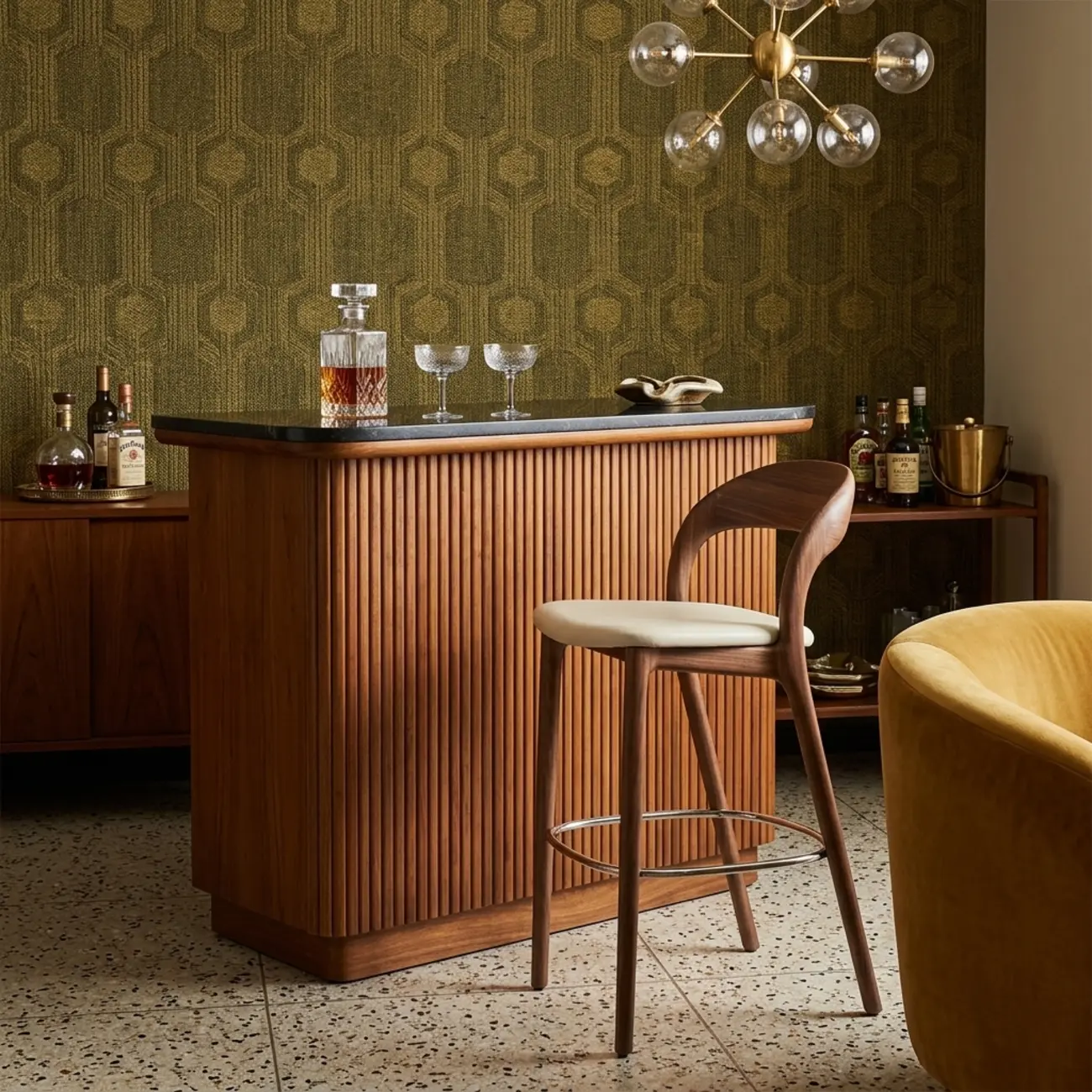
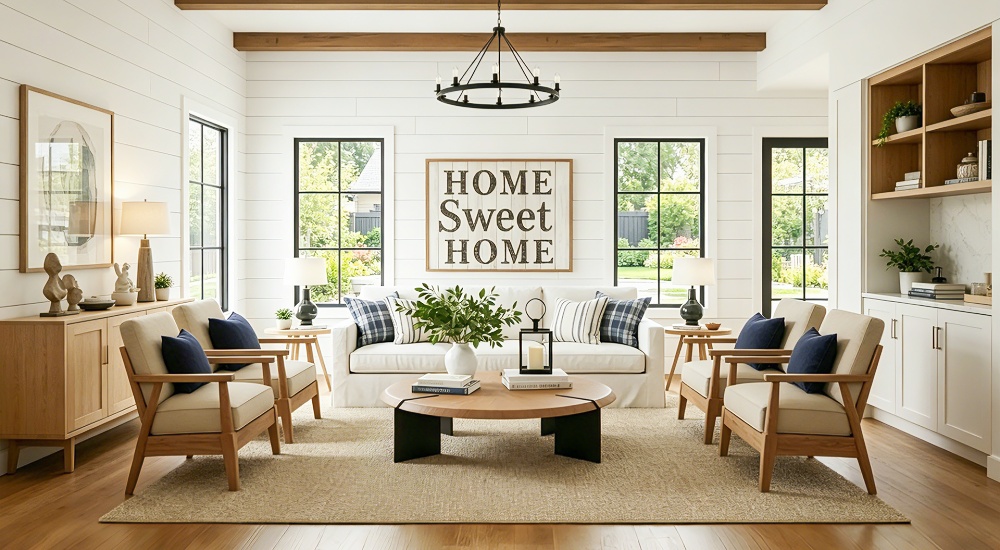
- Living Room: Living areas need a chandelier. You need ambiance here and conversation lighting that soaks the room in a soft glow without blinding anyone on the couch.
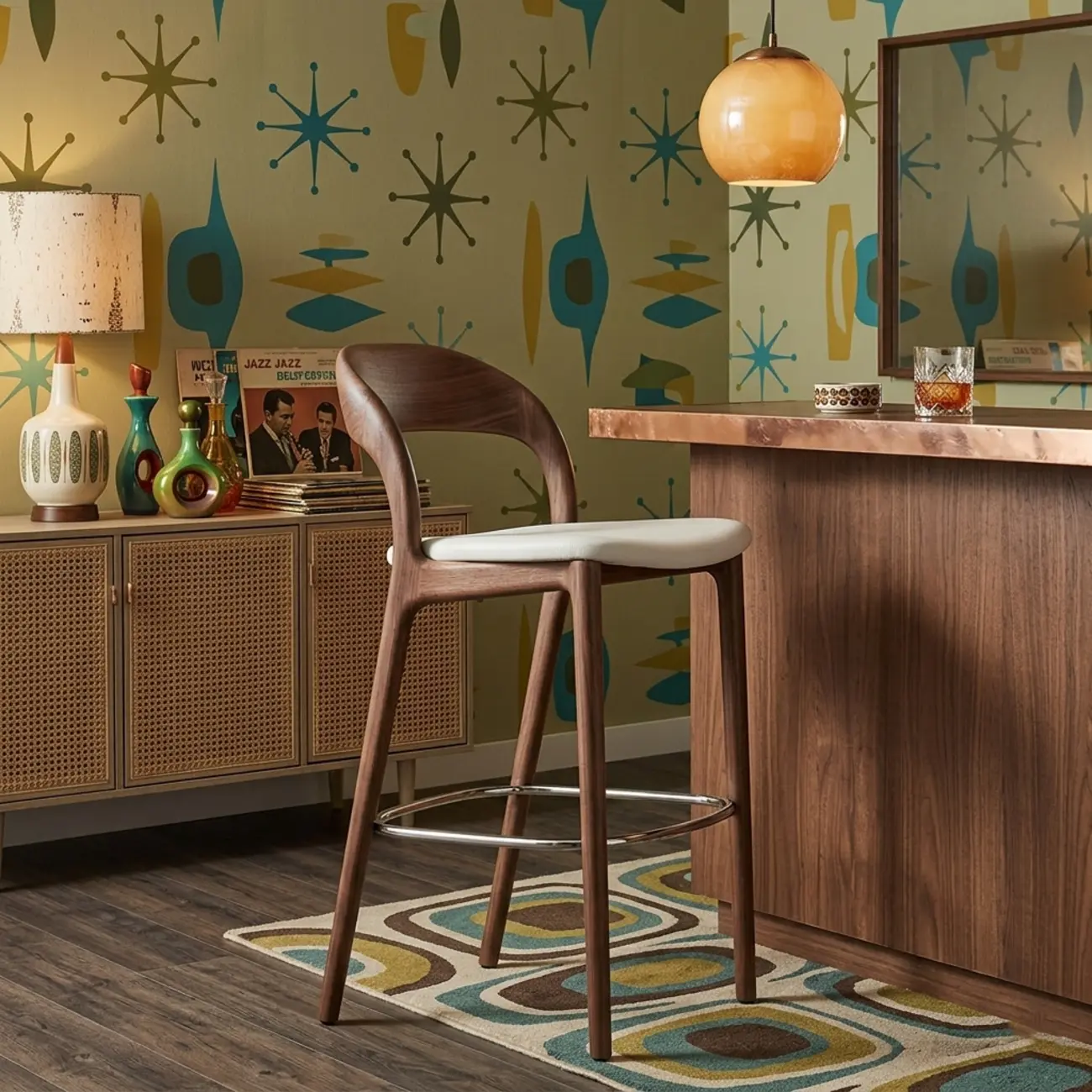
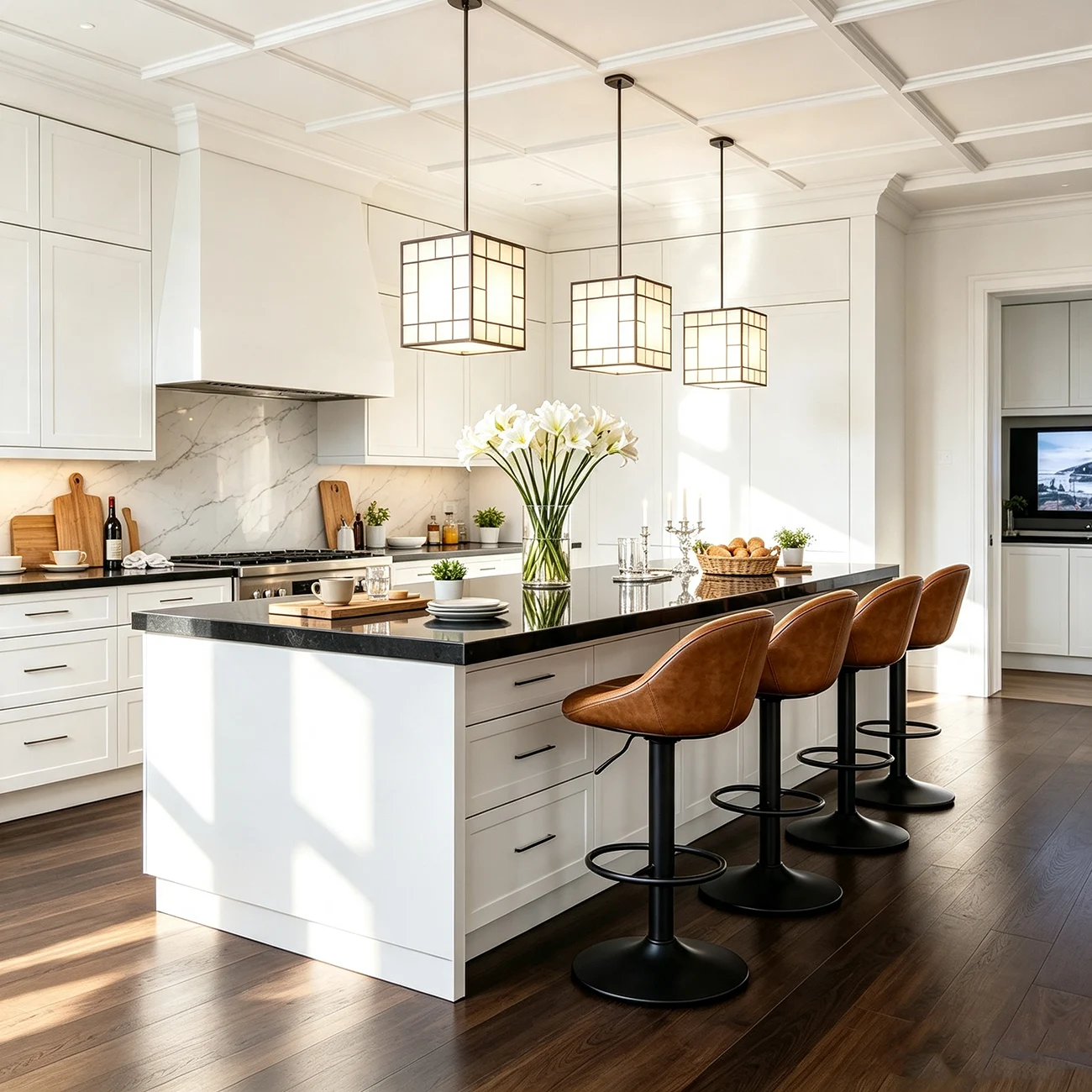
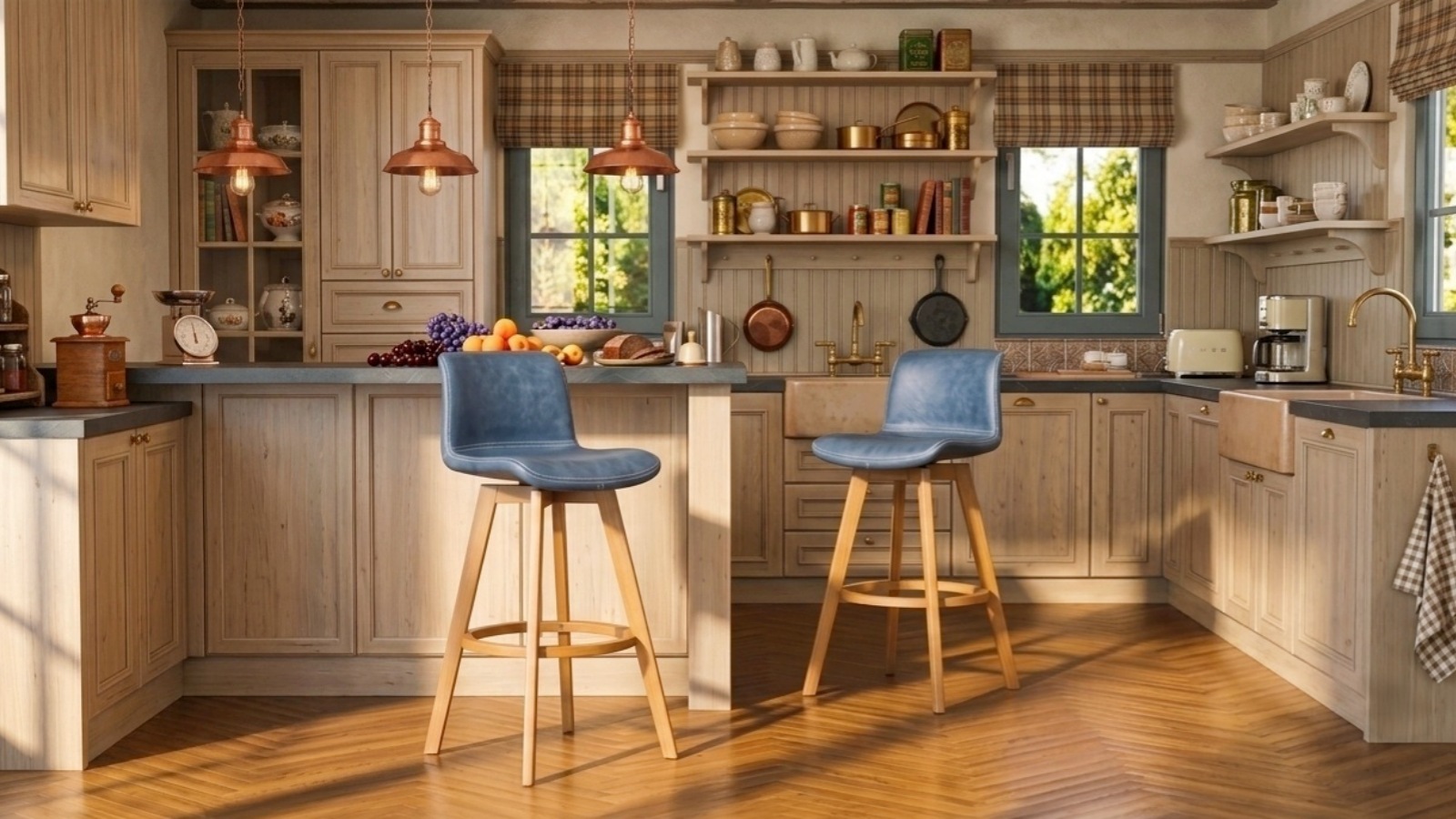
- Kitchen: Kitchen islands demand pendants. As you're chopping vegetables, paying bills and helping with homework. So that counter needs focused light which pendants provide.
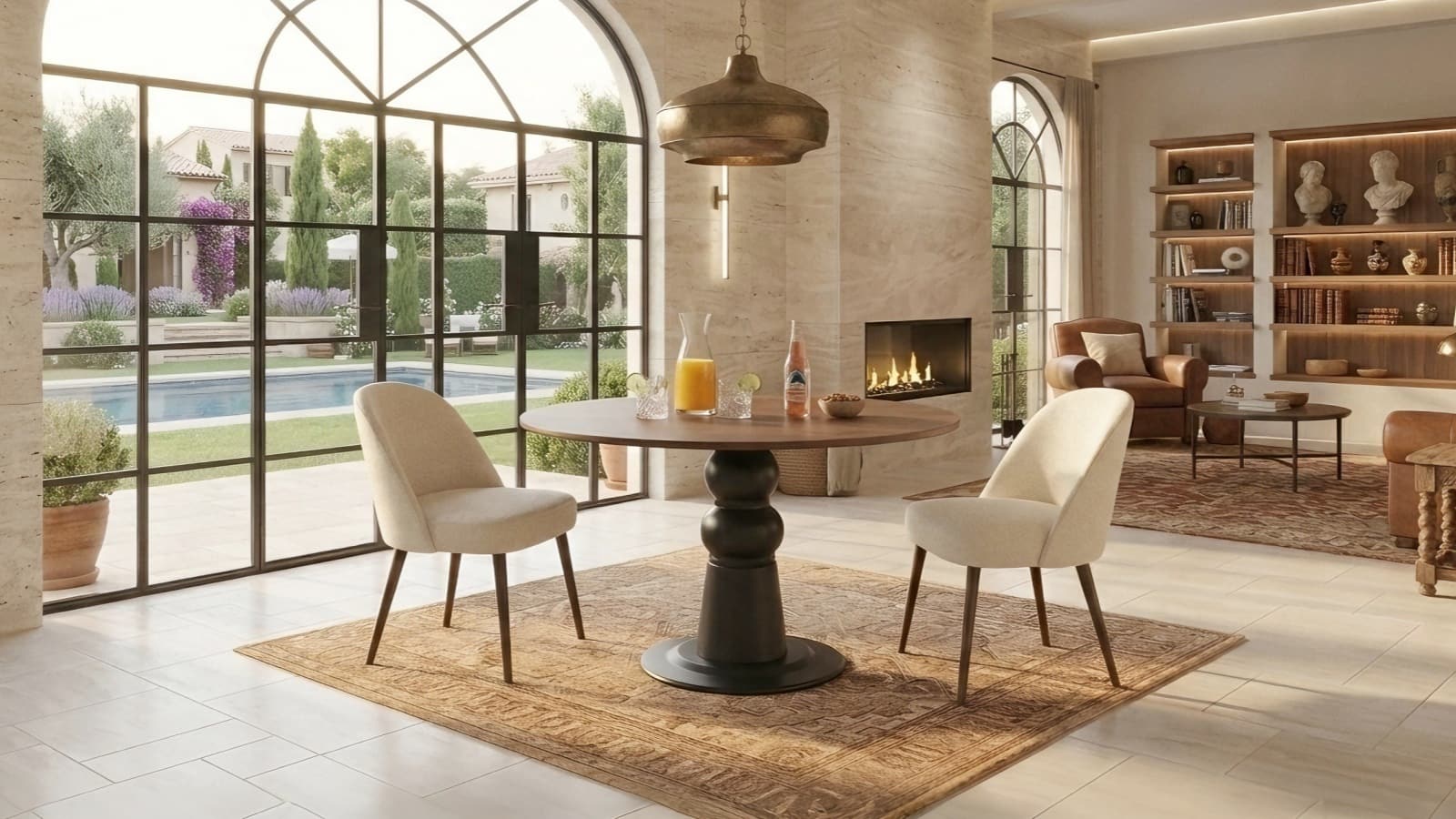
- Dining Room: Dining rooms give you options to choose from. A chandelier means full-on drama, a centerpiece that sets the mood for dinner parties. Whereas a low-hanging pendant shifts things to casual modern farmhouse energy where everything feels intimate in the dining area.
- Bedroom: Bedside works best with pendants, as they free up space on your nightstand. They aim to read light right where you need it.
2. In Commercial Spaces
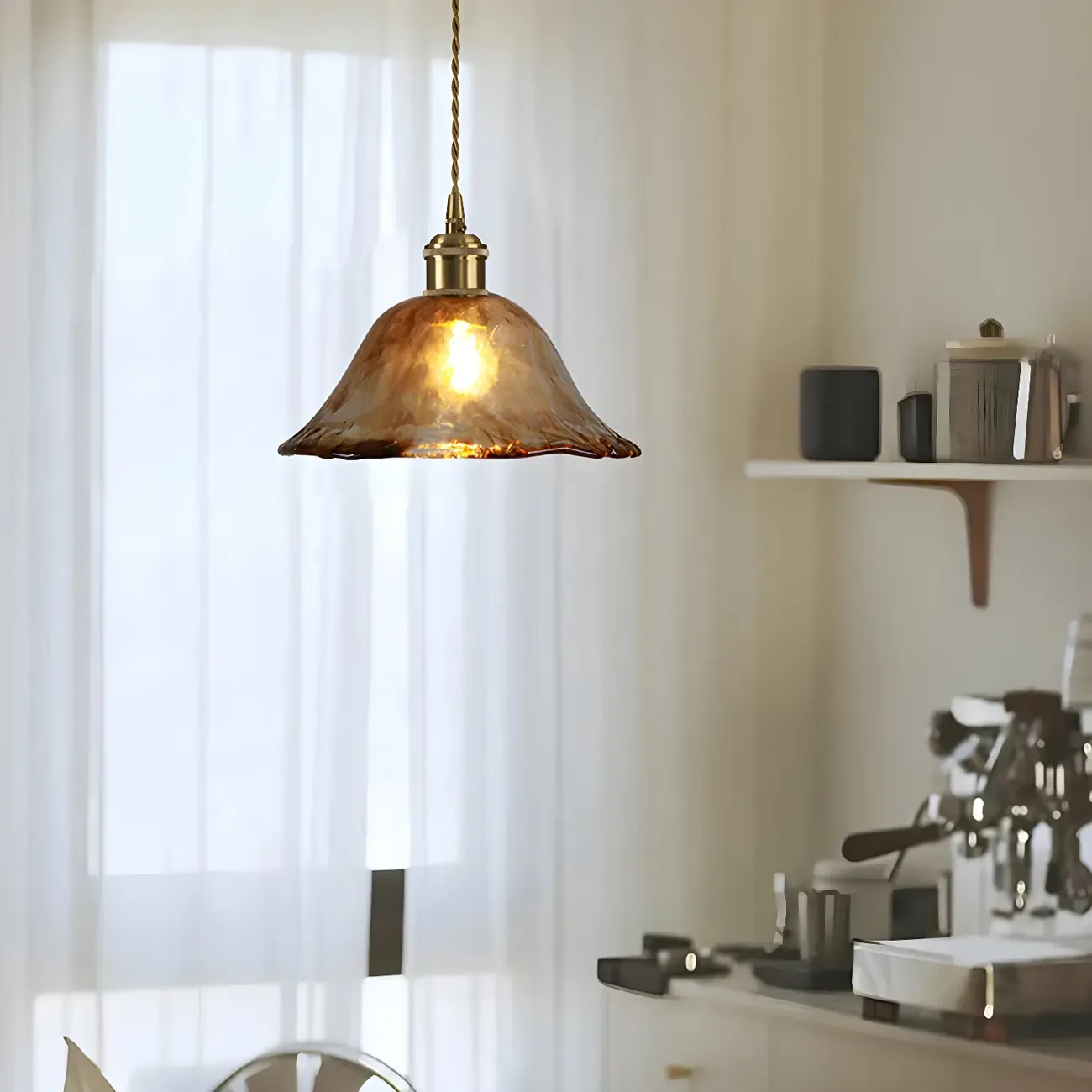
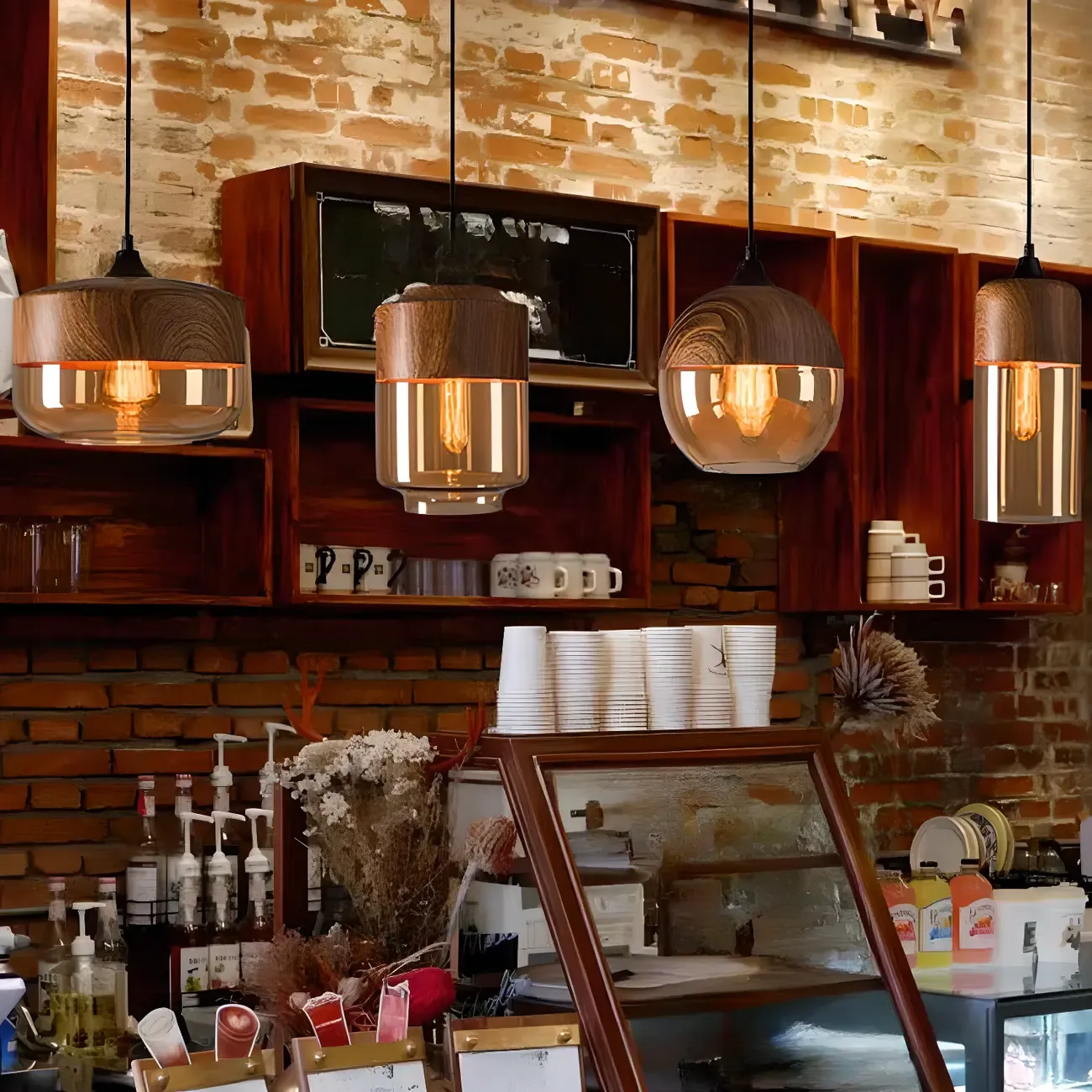
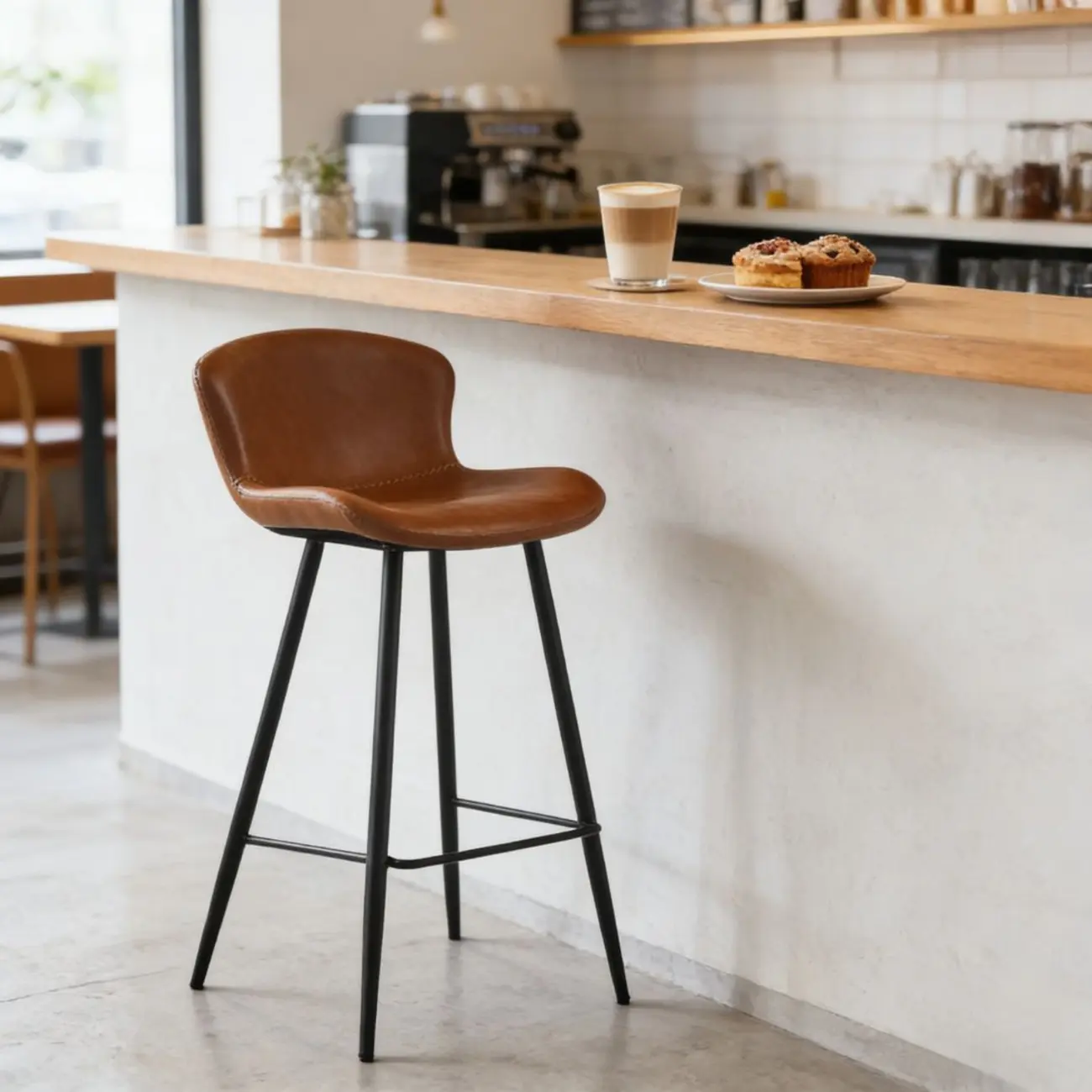
- Coffee Shops: Coffee shops run on pendants. You can hang them over the order counter so baristas can see measurements and customers can read menus easily. You can line them along the window bar for remote workers who need focused light on their laptops.
- Restaurant Private Rooms: You should go with chandeliers for an upscale restaurant private room. You want that ambient glow bouncing off table settings. They even muffle the sound a little keeping conversations private and intimate. That's the vibe that makes people linger and spend more.
- Small restaurants: Small restaurants and bistros can mix both. You can run pendants over the bar where staff prep drinks and hang small chandeliers over tables placed in the corner. You get that intimate dining energy without the ballroom formality so your customers feel special. Your servers can actually see.
The right light changes how people feel in a space pick with intention.
The Rule of Thumb You Can't Ignore
You get the perfect fixture. It is of the right style, the ideal finish, and the vibe that ties your whole room together. Then you hang it three inches too high, and the magic disappears. You also need to hang light fixtures at the perfect size and height. Here's how to nail both.
For Pendants Lights
Pendants give light without blinding anyone standing nearby, and to place them at a balanced place, you should hang them above your kitchen island 30 to 36 inches from the countertop.
That way you put the light where you need it for cooking. If you're running a row of them, then space them evenly. About 24 to 30 inches apart usually works.
For Chandeliers
A chandelier needs room; it's a statement piece so treat it like one. You should measure your room's width in feet then add 2 to 3 inches to that number. This will be your chandelier's ideal diameter in inches. Let’s suppose you got a twenty-foot-wide dining room then you should hang your chandelier around 22 to 23 inches across.
Moreover, you also need to know the ideal height for your chandelier, which will be about 30 to 34 inches above the table. This way you hang the chandelier low enough to feel intimate and high enough that nobody clocks their head standing up.
Commercial Note
Commercial spaces play by slightly different rules. That coffee shop with twenty foot ceilings would probably hang fixtures lower than you think. You're trying to create intimacy so bring the human scale back down where people sit. Those pendant clusters hovering low over tables? That's intentional.
Sometimes you need clearance. Sightlines for servers, safety codes, and wheelchair access.So always check your local requirements before you drill. Moreover, many municipalities have strict rules about how low fixtures can hang in commercial spaces so know yours before you buy.
Find the Perfect Lighting Options For Your Space with HomeyFad
No doubt the right choice comes down to your space and how you use it. Both fixtures work at home. Both work in commercial spots too. They just serve different purposes. A chandelier sets a mood. A pendant handles a task. Figure out what your room actually needs. Then pick the one that delivers that.
Are you looking to find the perfect light for your space? You can check out HomeyFad and browse their collection of pendants and chandeliers. And if you're still weighing options, you can Check out the HomeyFad for more lighting guides and design tips.
FAQs
Q: Can you put a pendant light in a dining room?
A: Absolutely. A single low-hanging pendant works great in casual dining spaces or modern farmhouse setups. Just keep it 30 to 34 inches above the table.
Q: Do chandeliers need to be crystal?
A: No. You'll find chandeliers in wood, metal, fabric and glass of all kinds of materials.
Q: What bulbs work best for pendant lights?
A: LEDs win here. They run cool, sip power and last years longer than incandescent.
-41.jpg?w=1600&h=900)


 Add Us On Google