
(1).png?w=1920&h=650)
--5.jpg?w=1600&h=900)
When you want to light your outdoor yard, fence, or walkway, what kind of lights should you choose to save energy? Have you heard of many solar post cap lights? Want to know if they're reliable?
Today, we'll quickly evaluate the advantages and disadvantages of solar post cap lights and how to use them to achieve your desired results.
5 Advantages of Solar Post Cap Lights
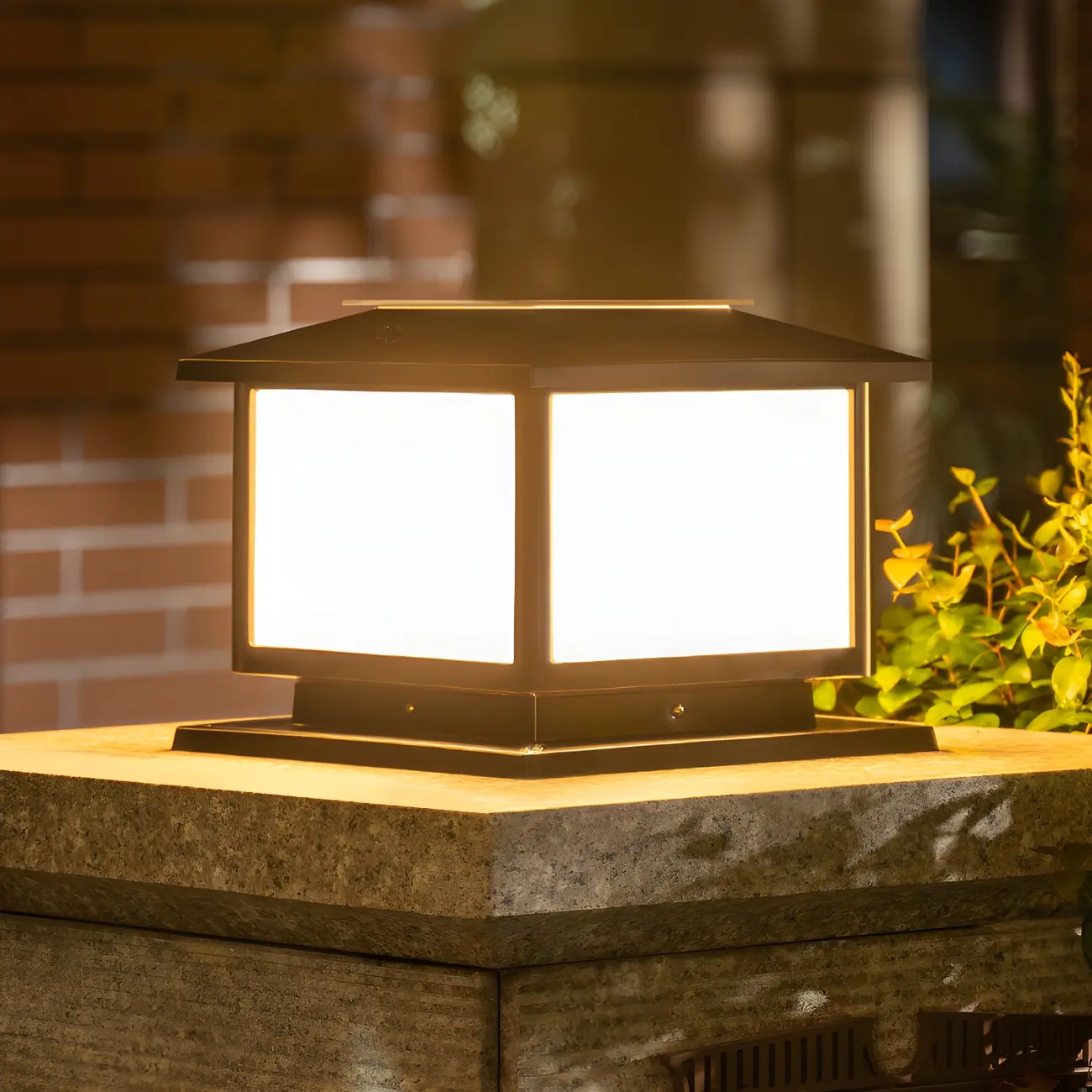
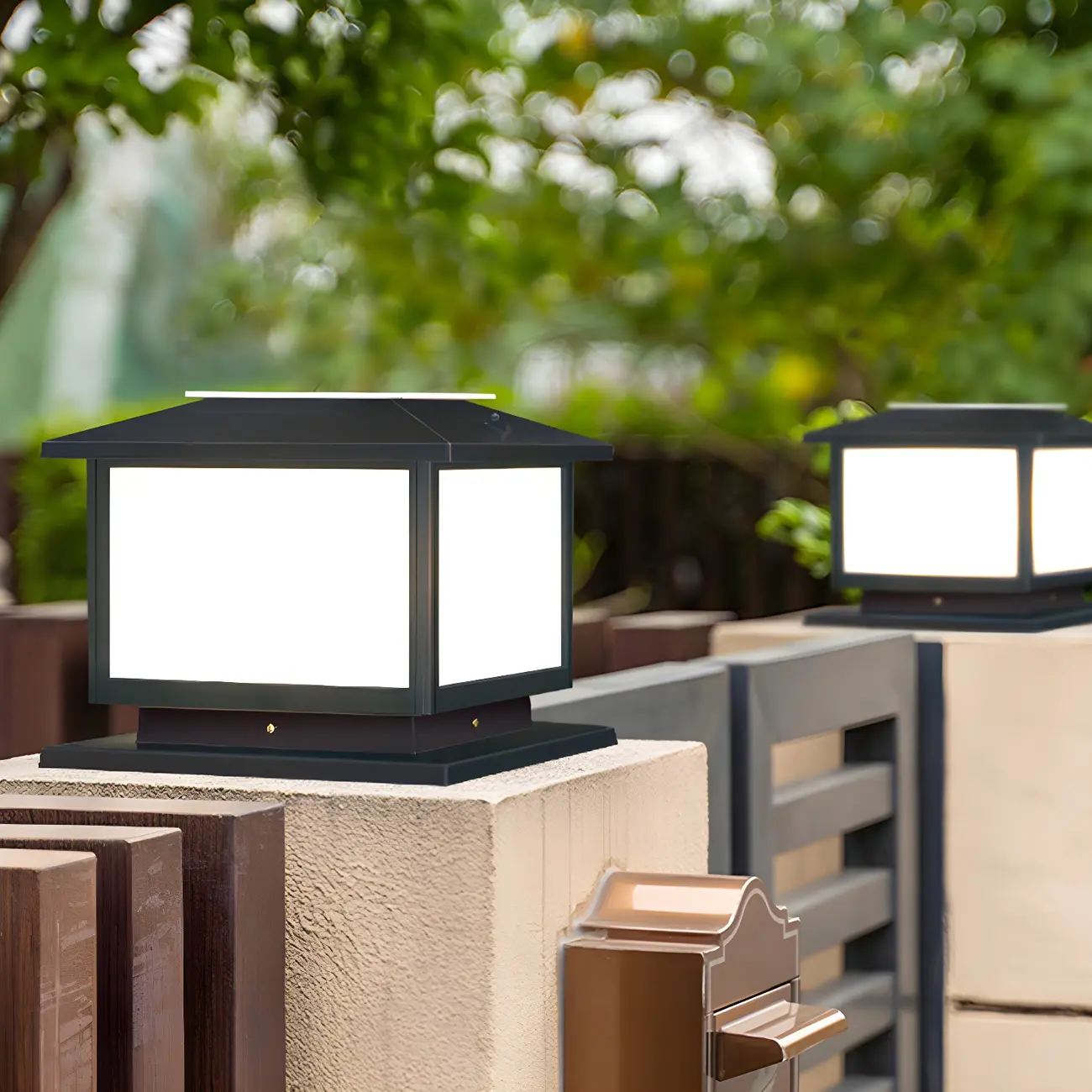
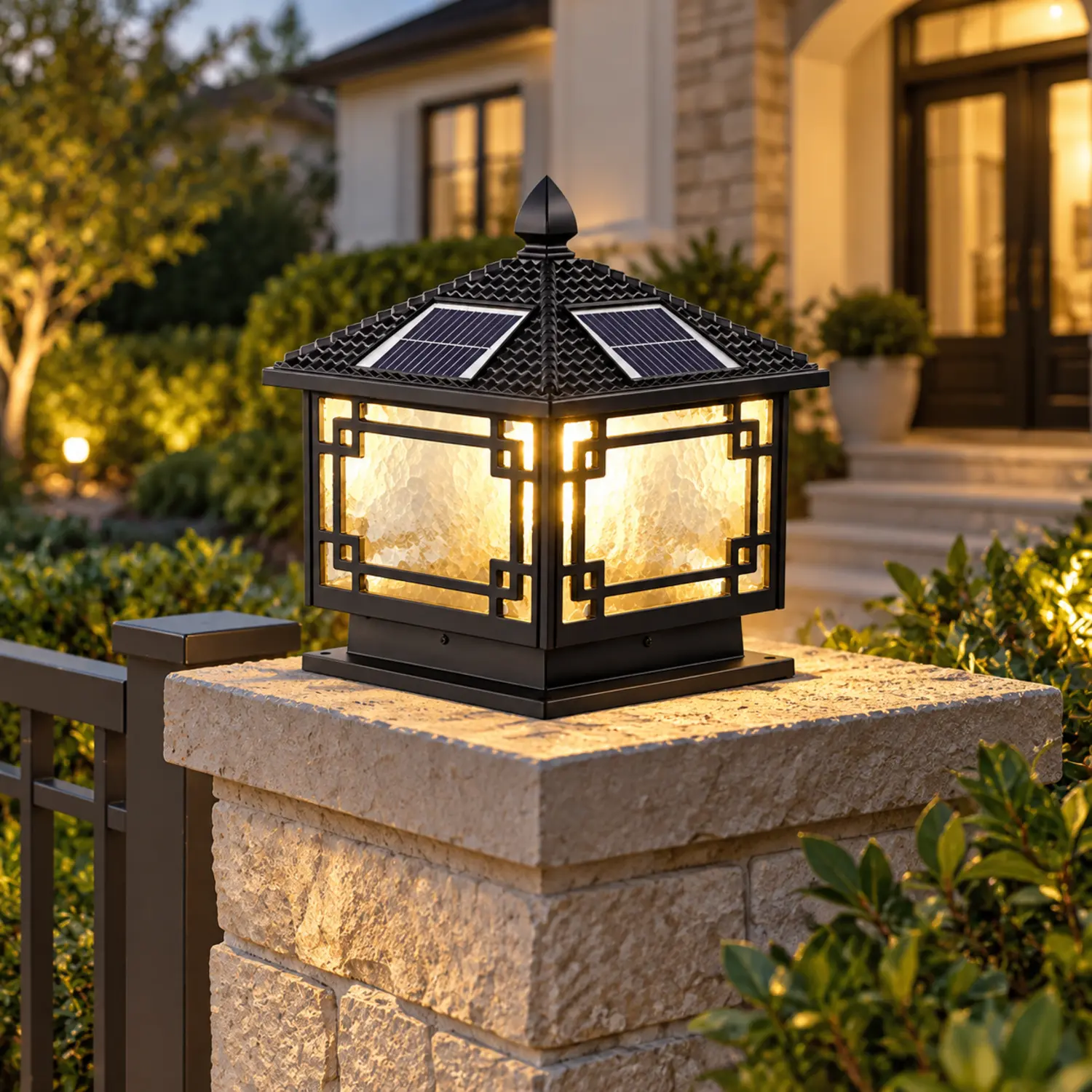
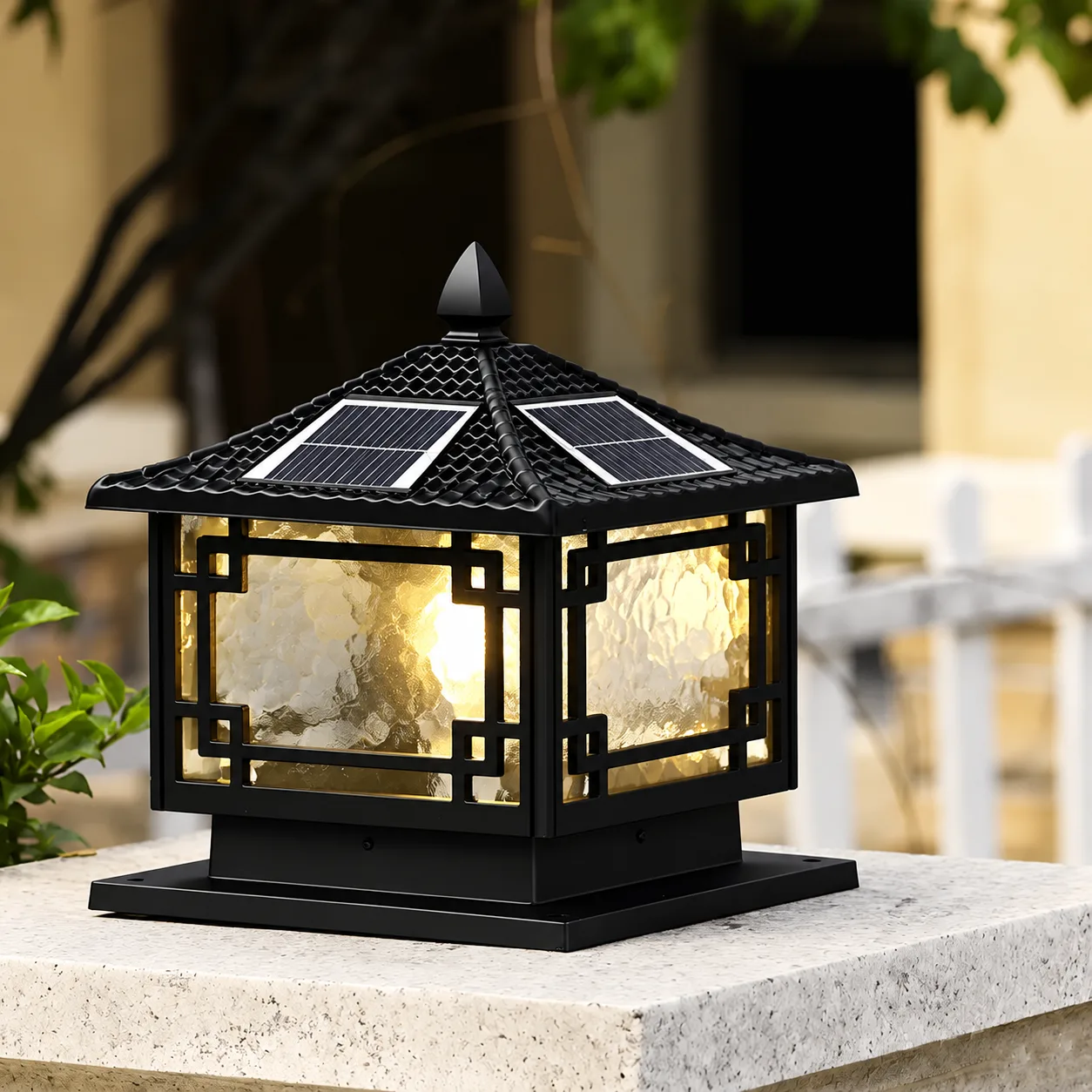
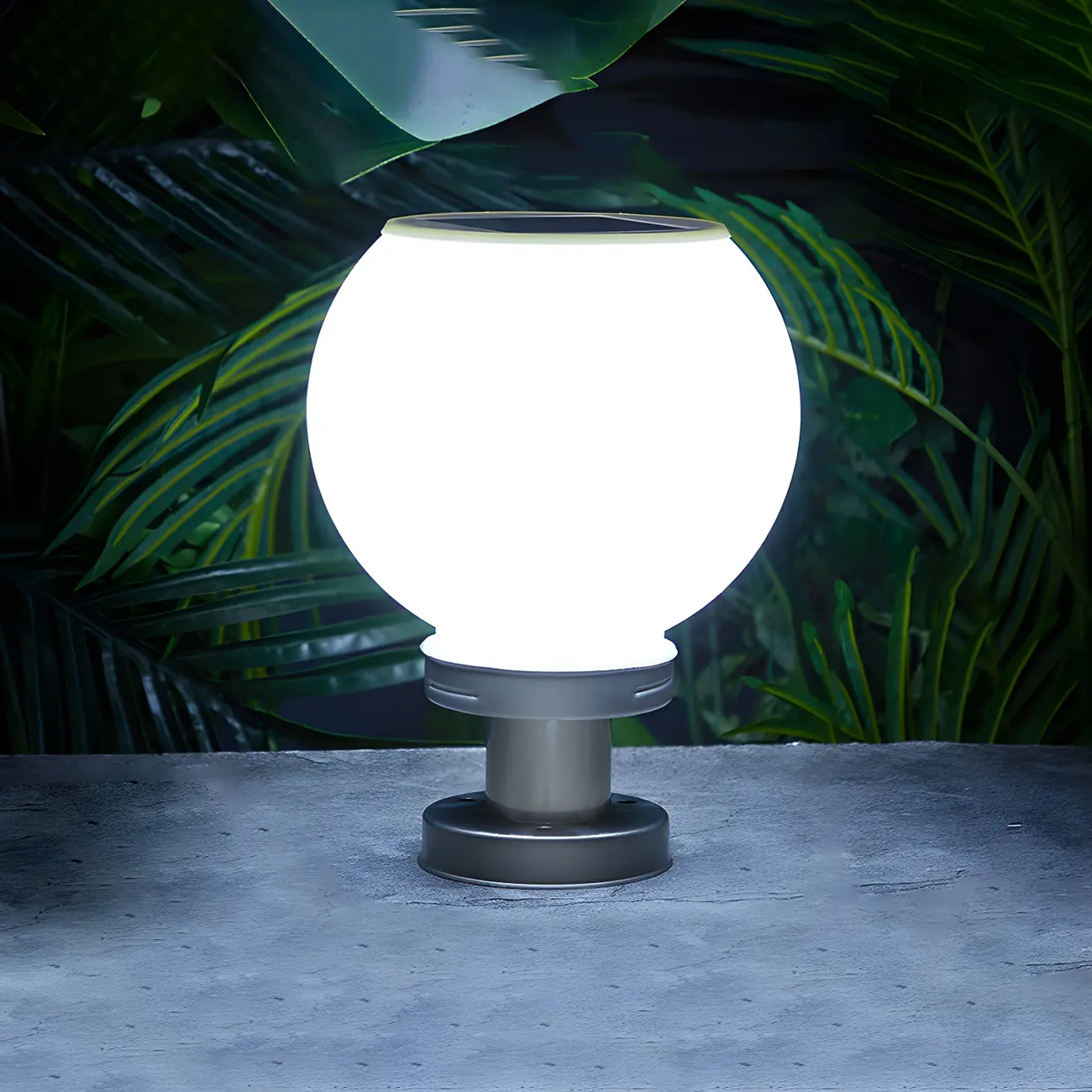
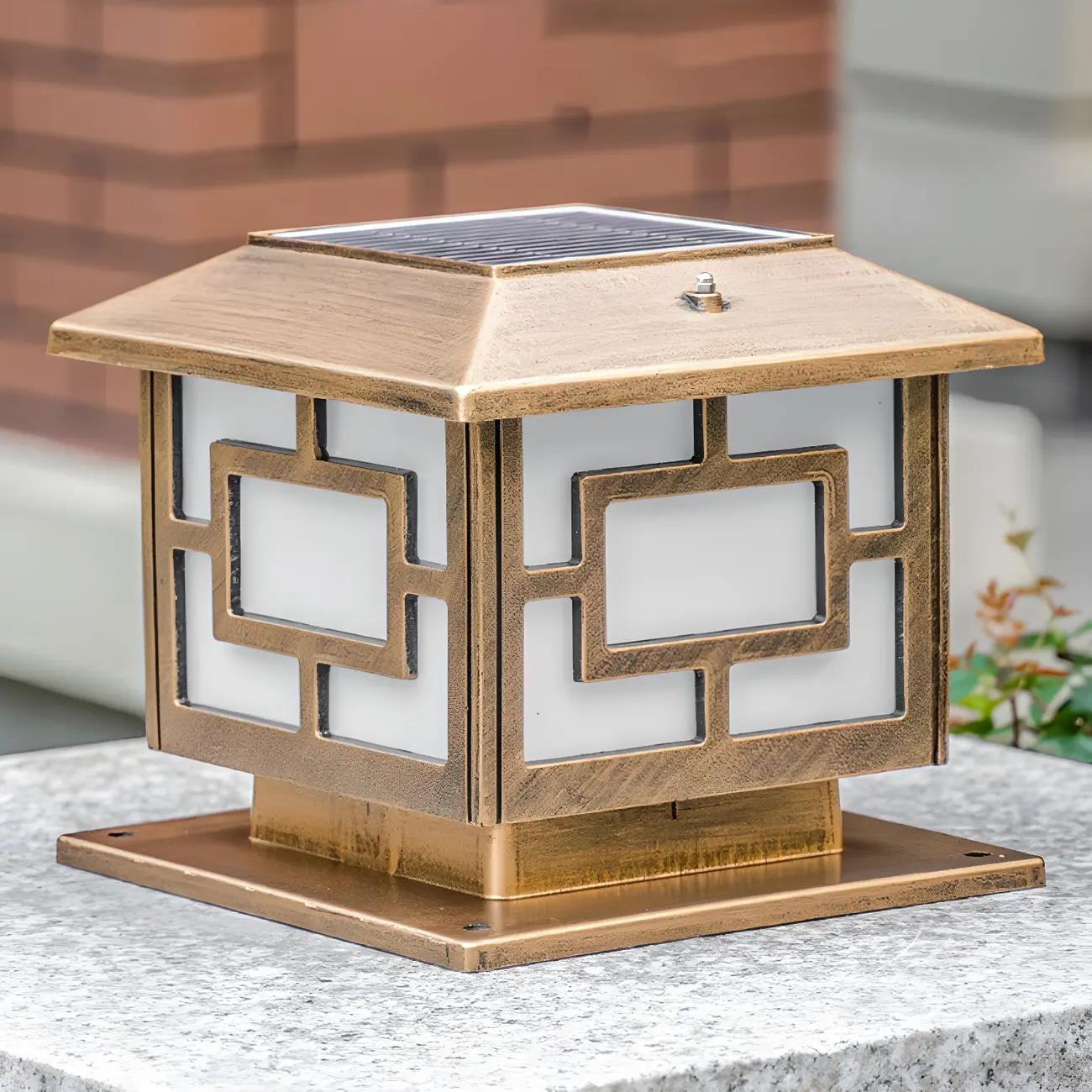
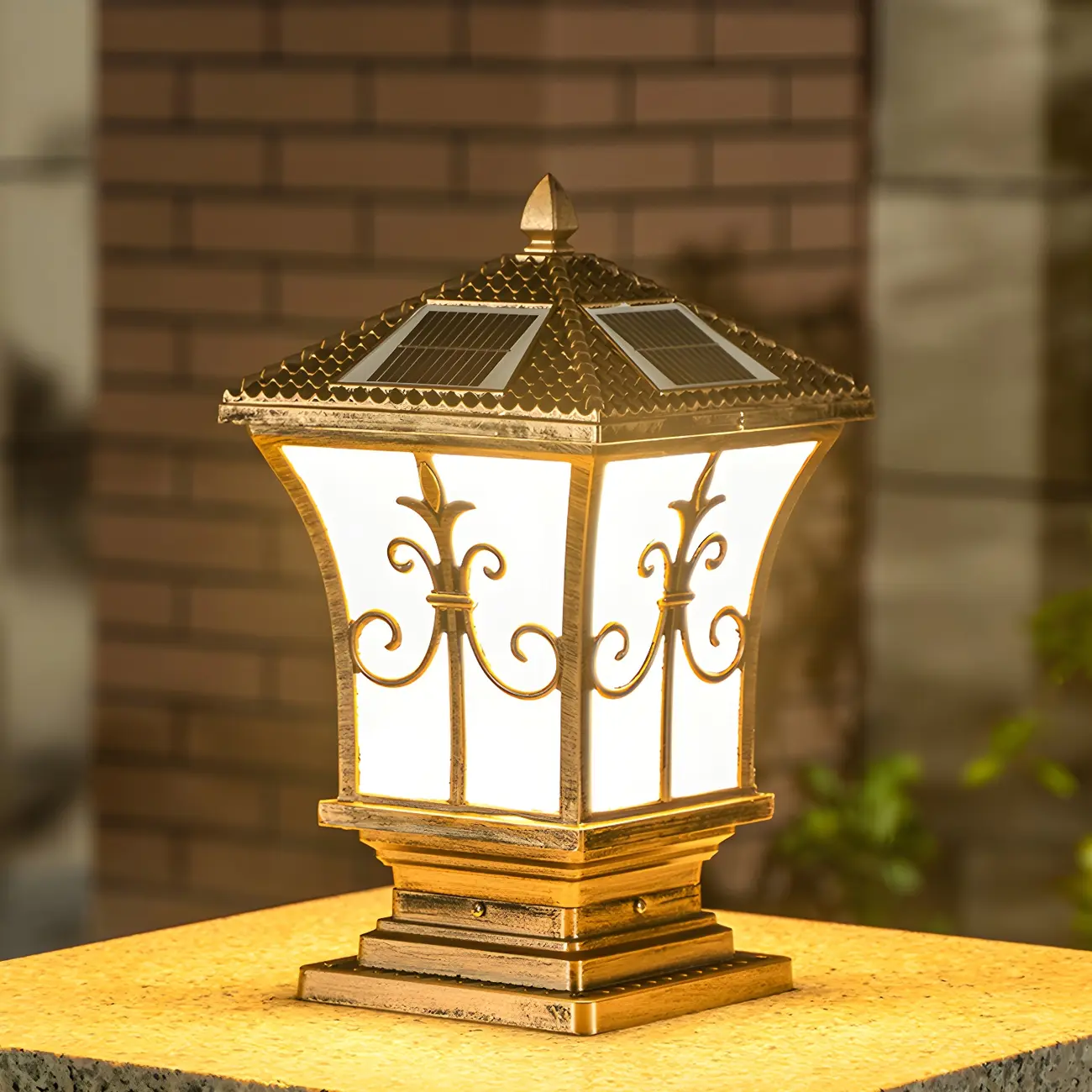
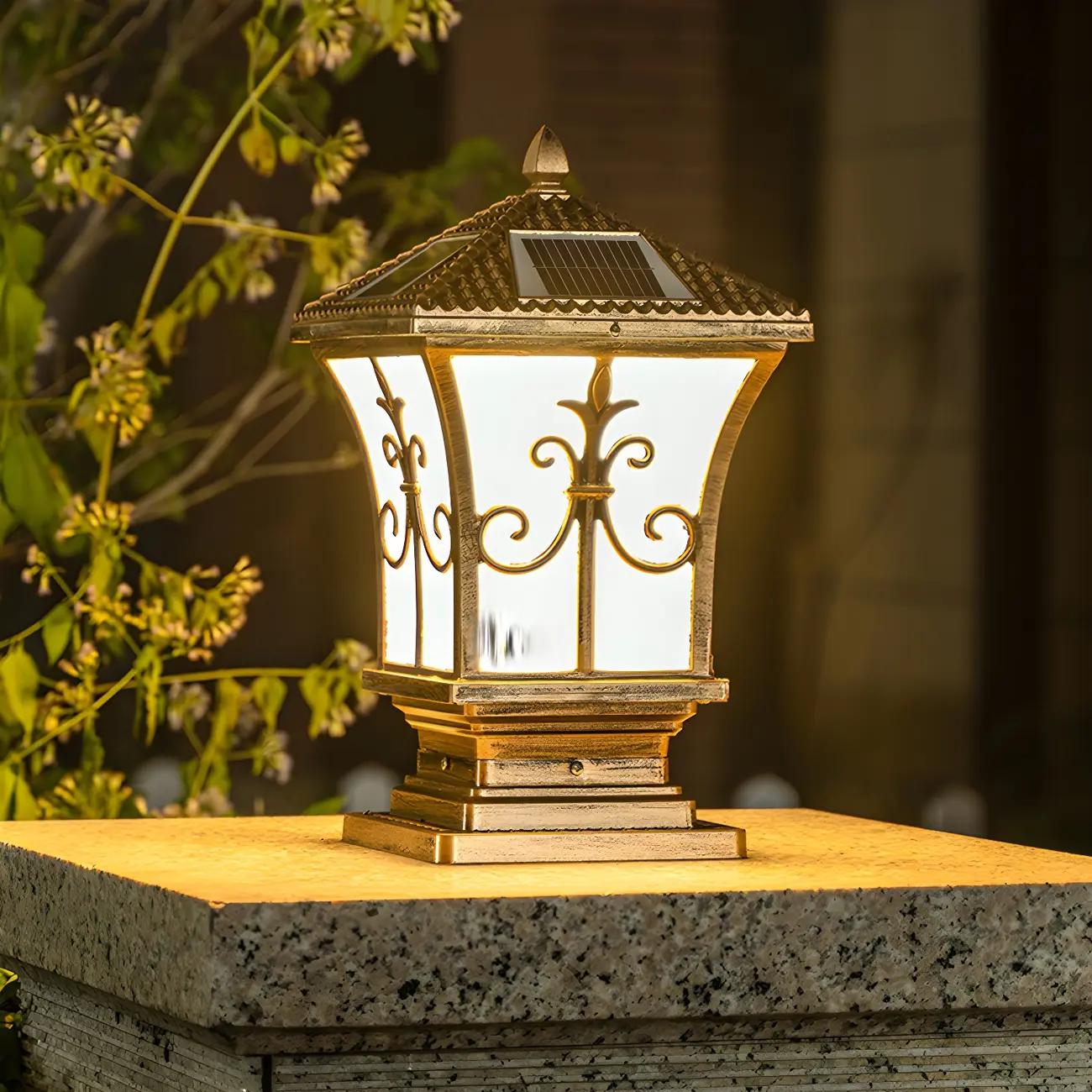
Solar post cap lights, powered by solar energy, offer numerous inherent advantages over other types of outdoor lighting.
.jpg?w=1086&h=1086)
View More Solar Post Cap Lights
1. No Electricity Costs
The biggest advantage of solar postcap lights is their ability to be charged using solar energy, eliminating all electricity costs. From daily use to maintenance, the long-term cost is extremely low. With electricity prices rising, solar post cap lights are a true money-saving and energy-efficient marvel.
2. Easy Installation
Solar post cap lights only need to be fixed in one location, requiring no complicated wiring. They can be placed anywhere you like. This is very user-friendly for those with limited electrical skills; no electrician is needed, and you can install them yourself in just a few minutes!
3. Improved Outdoor Appearance and Safety
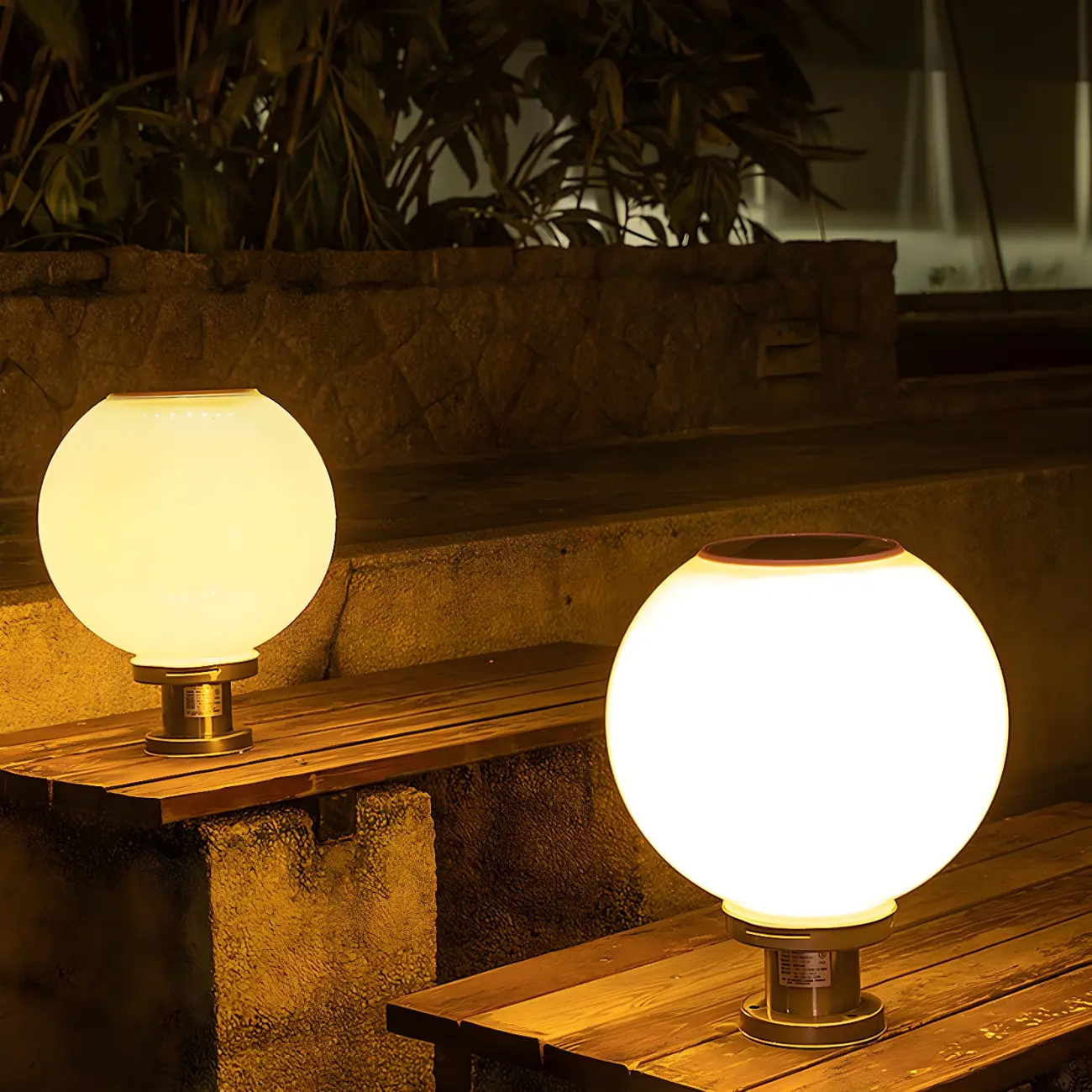
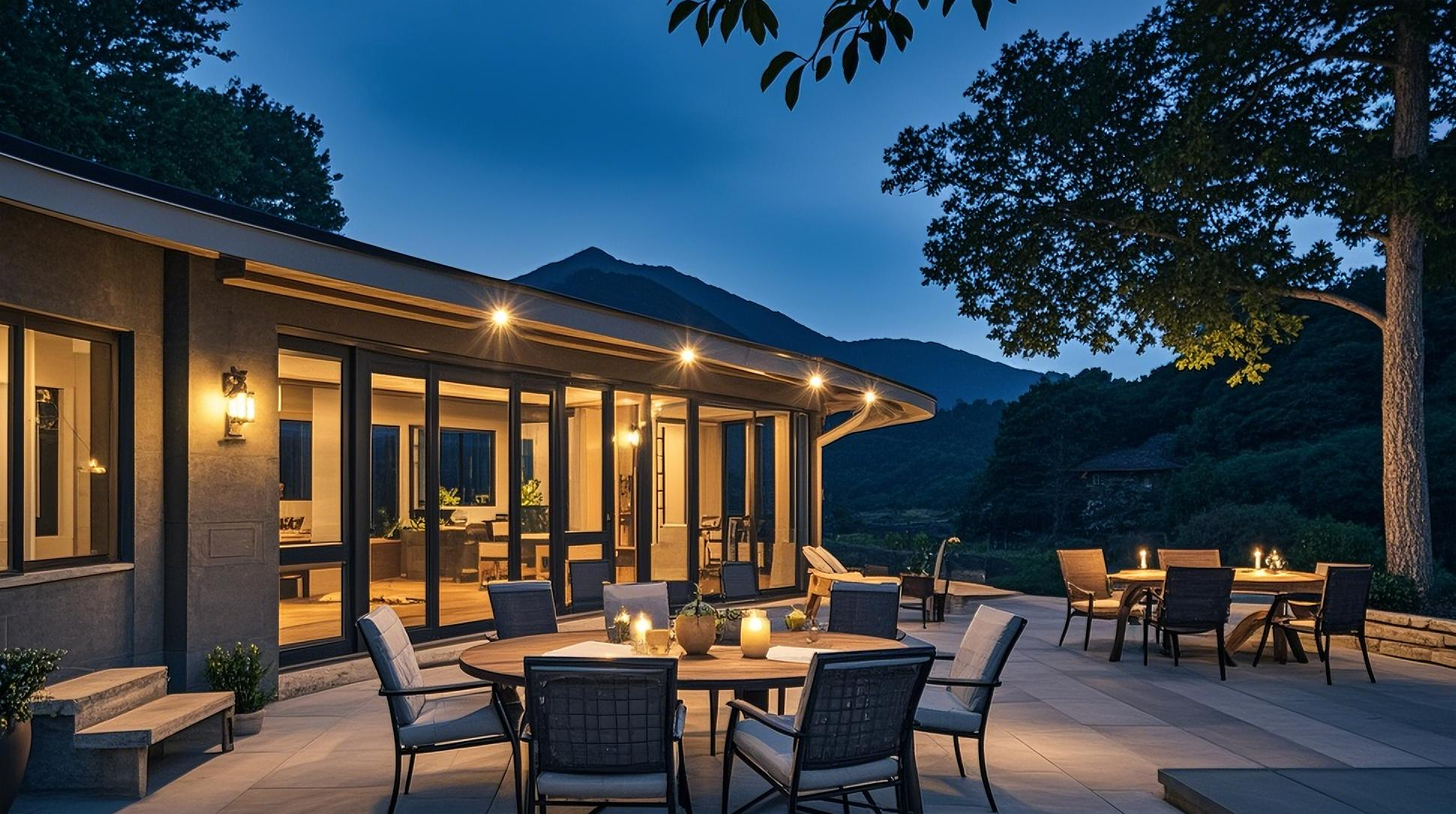
Solar post cap lights can be placed on fences, in yards, or near plants. At night, they not only enhance brightness and ensure safety but also improve the aesthetics and nighttime atmosphere of outdoor spaces.
4. Low Maintenance
Solar post cap lights use LED bulbs with a very long lifespan. Whether in a home or a commercial outdoor space, they require virtually no maintenance. This significantly saves time and effort. HomeyFad's solar post cap light also uses LED bulbs, and its main selling point is that it's a cost-effective and hassle-free outdoor post cap light!
5. Environmentally Friendly
One of the biggest advantages of solar post cap lights is their environmental friendliness. This renewable energy source helps reduce overall energy consumption and lowers your home's carbon footprint.
For homeowners looking to create a more sustainable outdoor space, solar post cap lights offer an eco-friendly lighting solution that combines functionality, aesthetics, and energy savings.
5 Disadvantages of Solar Post Cap Lights
Of course, solar post cap lights also have their drawbacks. However, most of these can be compensated for with proper selection.
1. Dependent on Sunlight
Solar post cap lights rely on sunlight for power, so their performance drops significantly on cloudy or rainy days. This is a common characteristic of solar lights.
They also tend to charge poorly in shady areas. Therefore, remember to place the post-cap light in a location where it can receive full sunlight.
2. Lower Brightness
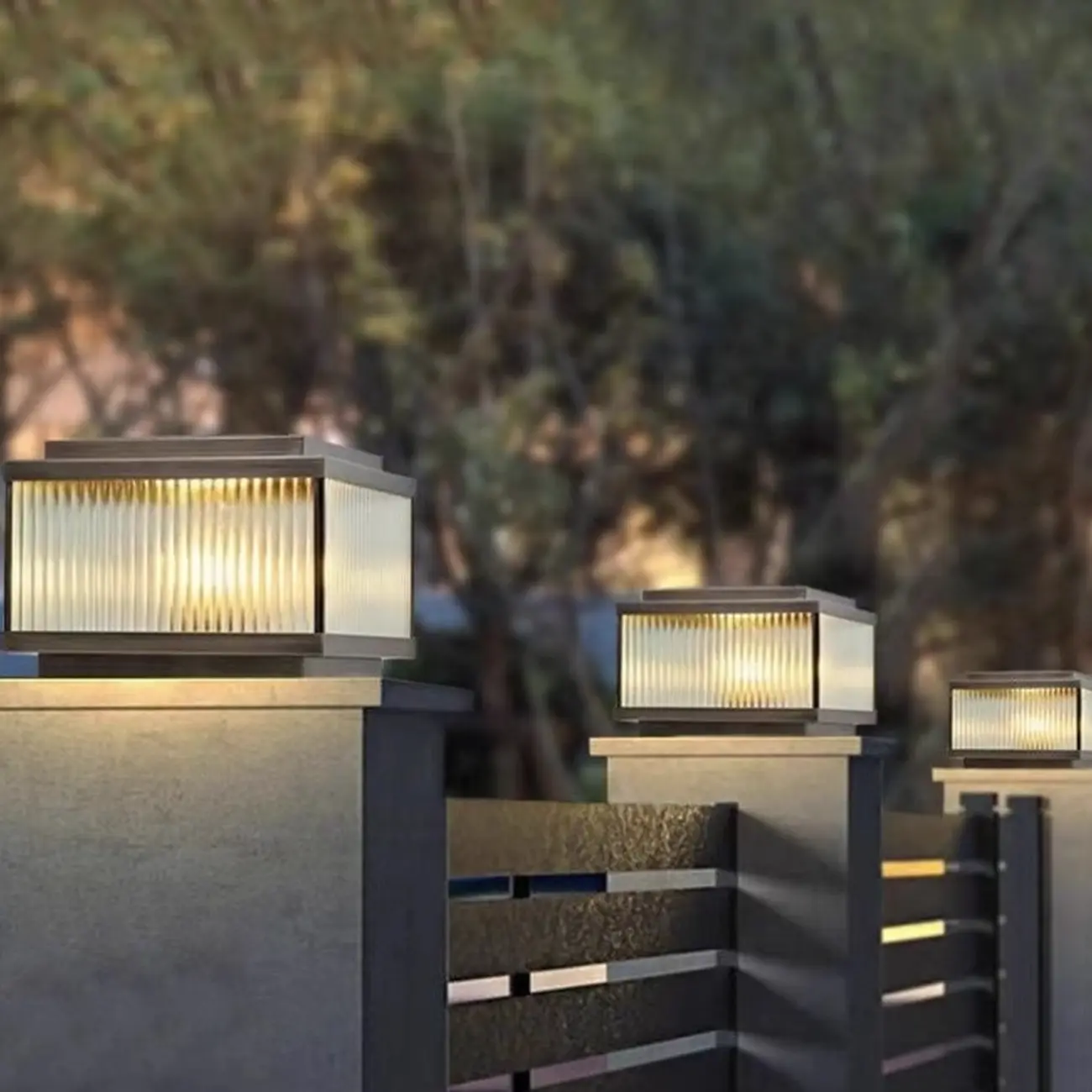
Than Wired Lights Most solar post cap lights are primarily used for decorative and path lighting and are not suitable for high-brightness security lighting.
If you want to highly illuminate outdoor spaces, it's better to choose outdoor post lights that require a power source. Solar post cap lights will need to be larger and more numerous to increase brightness.
3. Battery Degradation Over Time
Although solar post cap lights don't require a power source, the built-in batteries typically need to be replaced every 3-5 years. However, the cost is actually very small.
4. Performance Varies by Climate
In regions with frequent overcast weather, such as Washington and Oregon, solar lights may not receive enough sunlight to fully charge every day. As a result, illumination time can be shorter compared to sunnier states.
But now modern solar post cap lights are designed with high-capacity batteries and advanced solar panels. It can still collect energy under less-than-ideal conditions. To maximise performance, you should install the lights in locations that receive direct sunlight for several hours each day.
How to Get the Best Performance from Solar Post Cap Lights
While solar post cap lights are easy to install and maintain, a few simple steps can help ensure they perform at their best and highlight your outdoor patio.

1. Install Them in Direct Sunlight
Choose locations that receive at least 6–8 hours of direct sunlight each day. Avoid installing lights under large trees, roof overhangs, or other shaded areas that may block sunlight from reaching the solar panel.
New solar post cap lights typically need two days of sunlight exposure to reach their optimal nighttime visibility.
2. Keep the Solar Panels Clean
Dust, pollen, leaves, and bird droppings can reduce the amount of sunlight absorbed by the solar panel. Wipe the panels clean regularly with a soft cloth to maintain charging efficiency.
3. Use High-Quality Solar Post Cap Lights
Not all solar lights are created equal. Models with larger solar panels, higher-capacity rechargeable batteries, and energy-efficient LED bulbs generally provide brighter illumination and longer operating times.
4. Replace Batteries When Needed
Most rechargeable batteries gradually lose capacity over time. If your solar post cap lights no longer stay illuminated as long as they once did, replacing the batteries may restore performance.
Who Should Buy Solar Post Cap Lights?
-
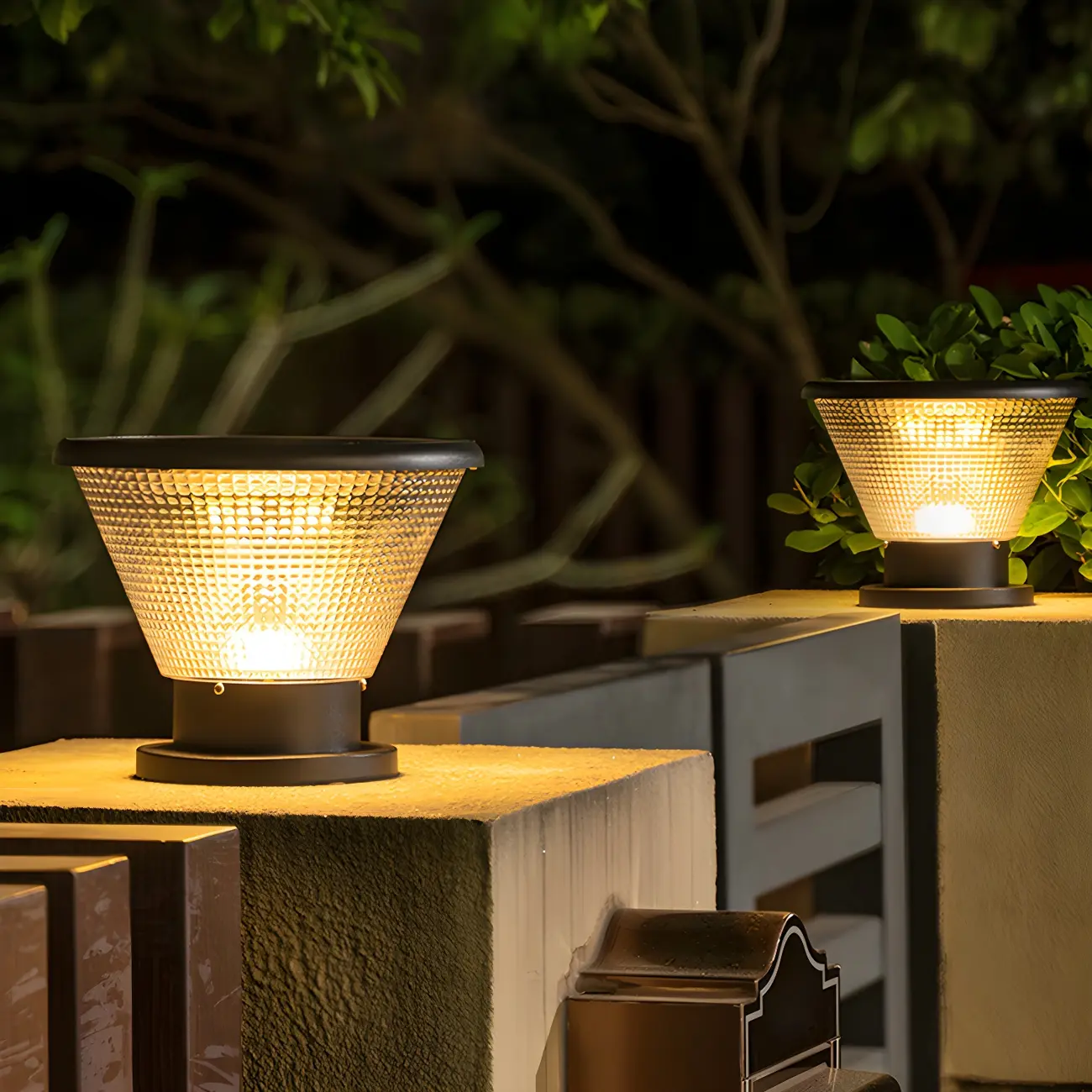
Fence owners
-
Deck owners
-
DIY homeowners
-
Energy-conscious homeowners
-
Decorative outdoor lighting projects
Who May Want Alternatives?
-
High-security lighting
-
Commercial parking lots
-
Heavily shaded properties
Conclusion
For most homeowners, solar post cap lights are worth buying if the goal is decorative lighting, improved curb appeal, and energy savings. While they may not replace high-powered wired lighting systems, they offer an affordable and attractive lighting solution for fences, decks, gates, and outdoor living spaces.
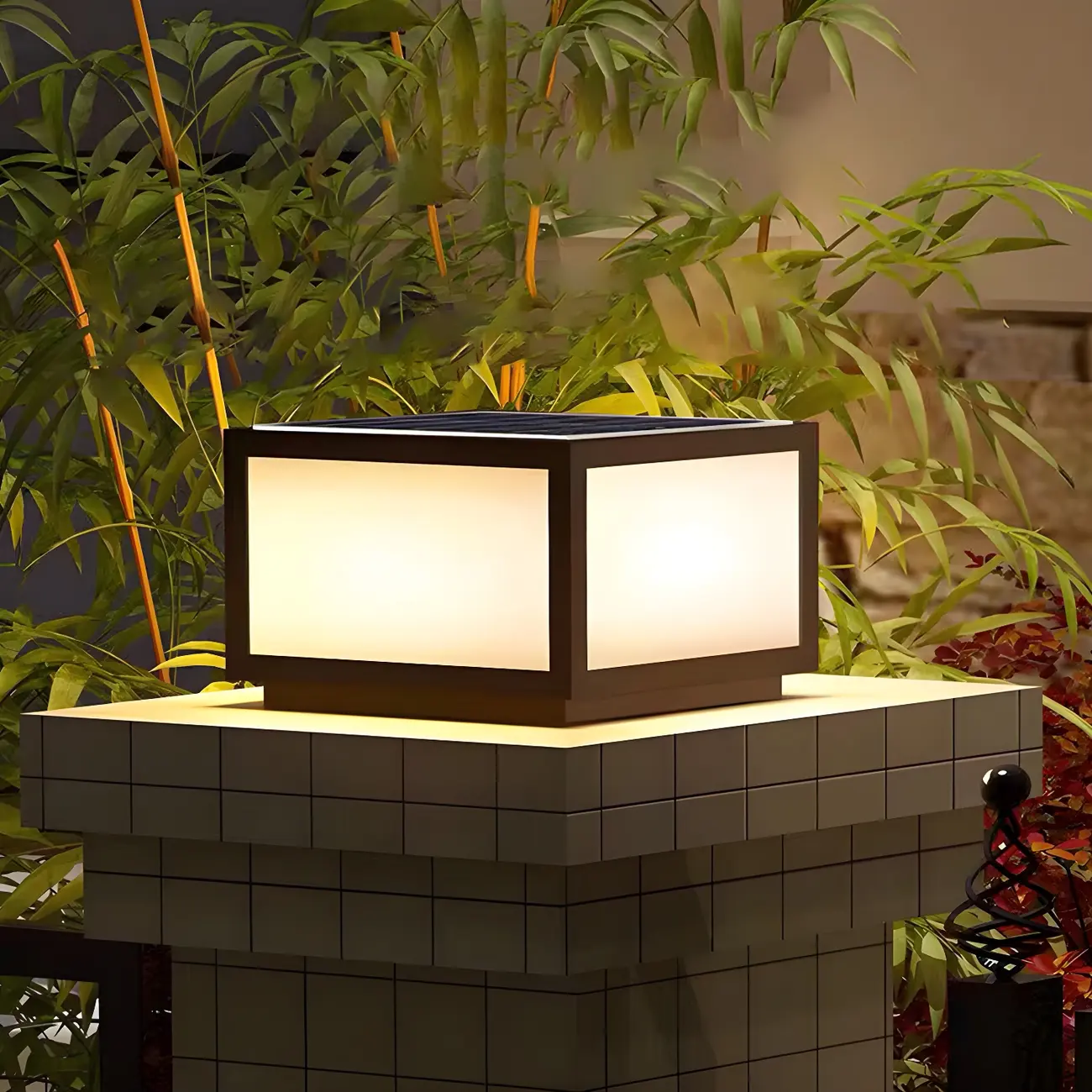
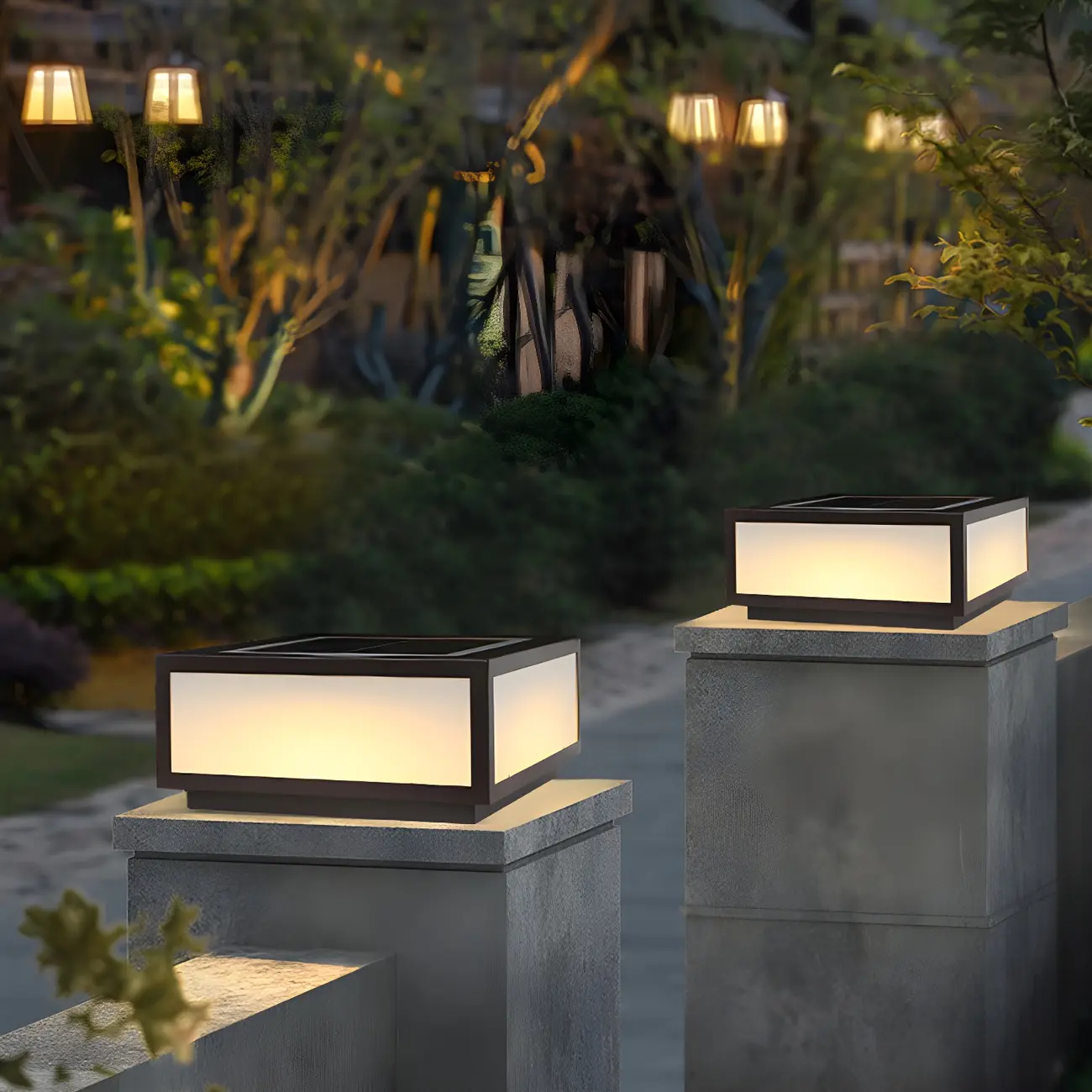
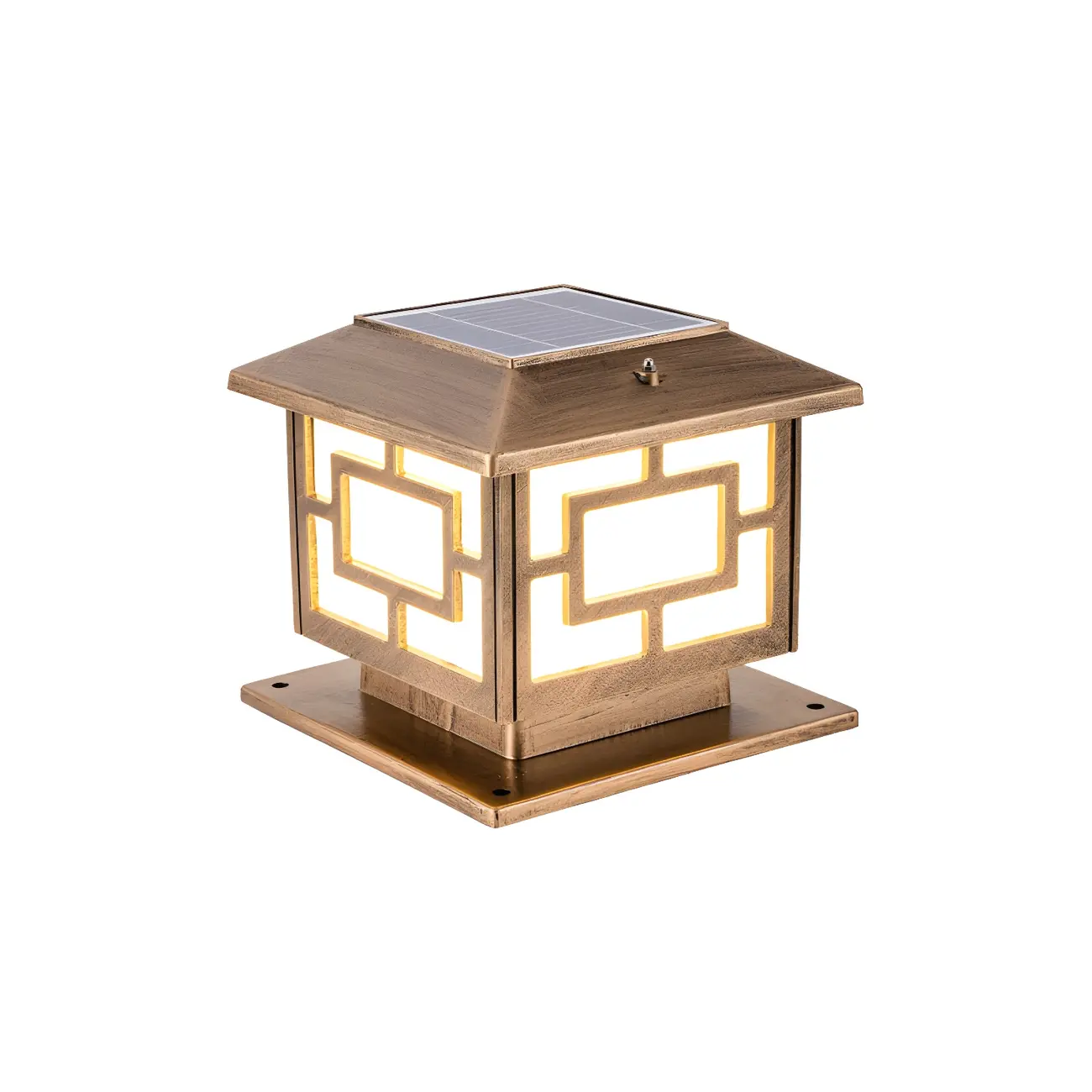
HomeyFad's solar-powered post cap light offers diverse designs and excellent value, sufficient for your daily needs! It's perfect for decorative lighting in outdoor spaces such as patios, gardens, and fences!


--27.jpg?w=1600&h=900)
-.jpg?w=800&h=543)
-.jpg?w=800&h=542)
-1944x-.jpg?w=727&h=450)
.png?w=2160&h=1215)

 Add Us On Google