





-18.jpg?w=587&h=450)
¿A veces te sientes aterrorizado cuando ves tu televisor y te preocupa que tarde o temprano se caiga porque el soporte de la televisión no puede soportarlo?
Cosas así suceden, ya que las personas hacen predicciones incorrectas y causan daños. Hoy estamos aquí para ayudarte a aliviar tales preocupaciones haciendo que el soporte de TV mantenga tu TV de manera estable.
Esta guía explica la capacidad de peso de un soporte de TV estándar y qué la afecta, ¡ayudándote a elegir un soporte de TV que sea hermoso, fuerte y funcional!
¿Cuánto peso puede soportar un soporte de TV estándar?
Los televisores de 55-65 pulgadas también son cada vez más popularesy se espera que continúen creciendo a medida que las personas exigen más de su experiencia de visualización.Entonces surge la pregunta: ¿Puede el mueble de TV soportar mi televisor grande?
Según el tamaño de algunos soportes de TV en el mercado,Un soporte de TV típico soporta entre 75 y 150 libras.
Pero por experiencia, un soporte de TV puede sostener tu TV cuando es de 3 a 6 pulgadas más largo que tu TV.
Así que mientras te asegures de que tu televisor esté dentro del rango de tamaño que se puede acomodar y dejes otros 3-6 pulgadas, el soporte para televisor es perfectamente capaz de soportar tu televisor.
--0.webp?w=500&h=474)
Explora más soportes de TV ahora
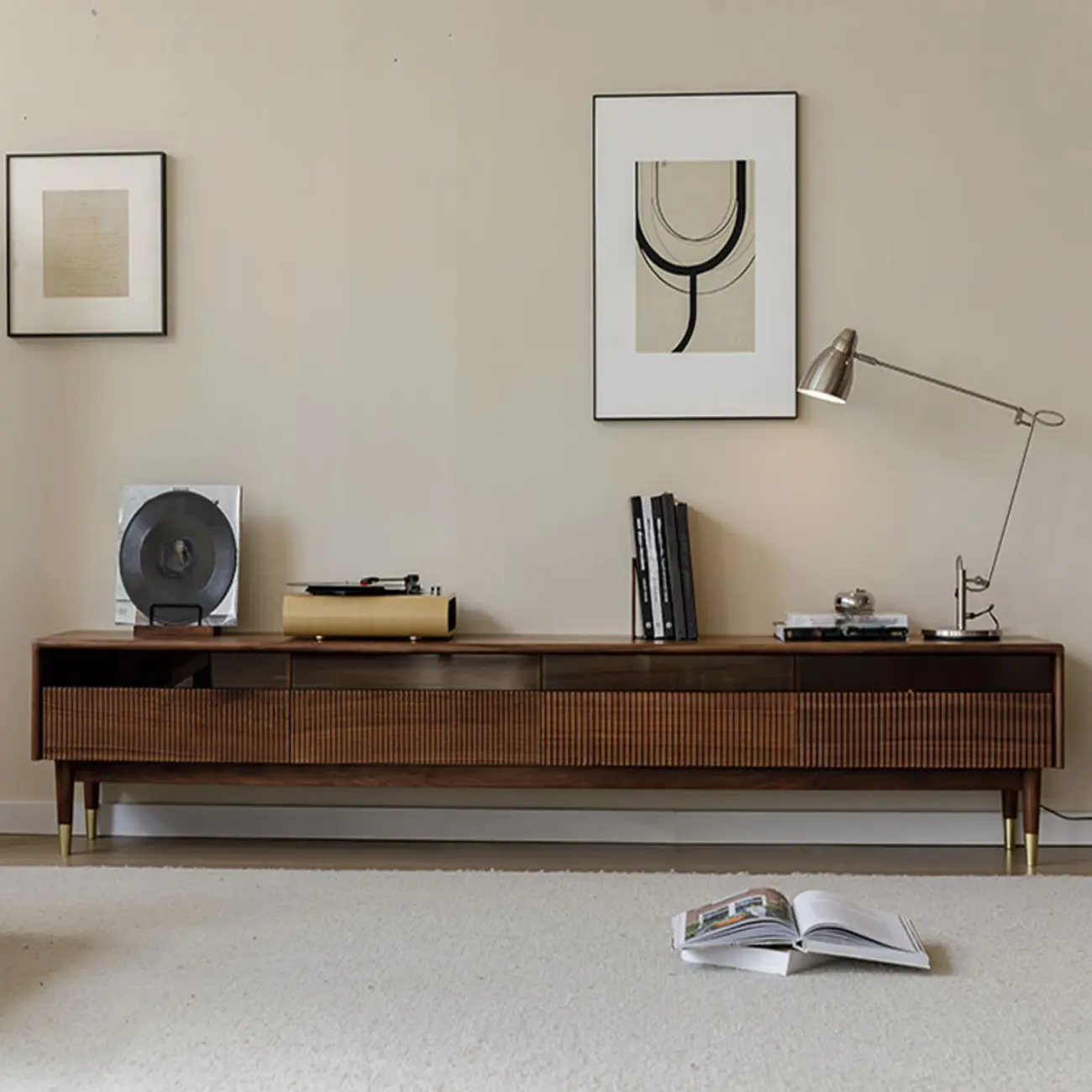
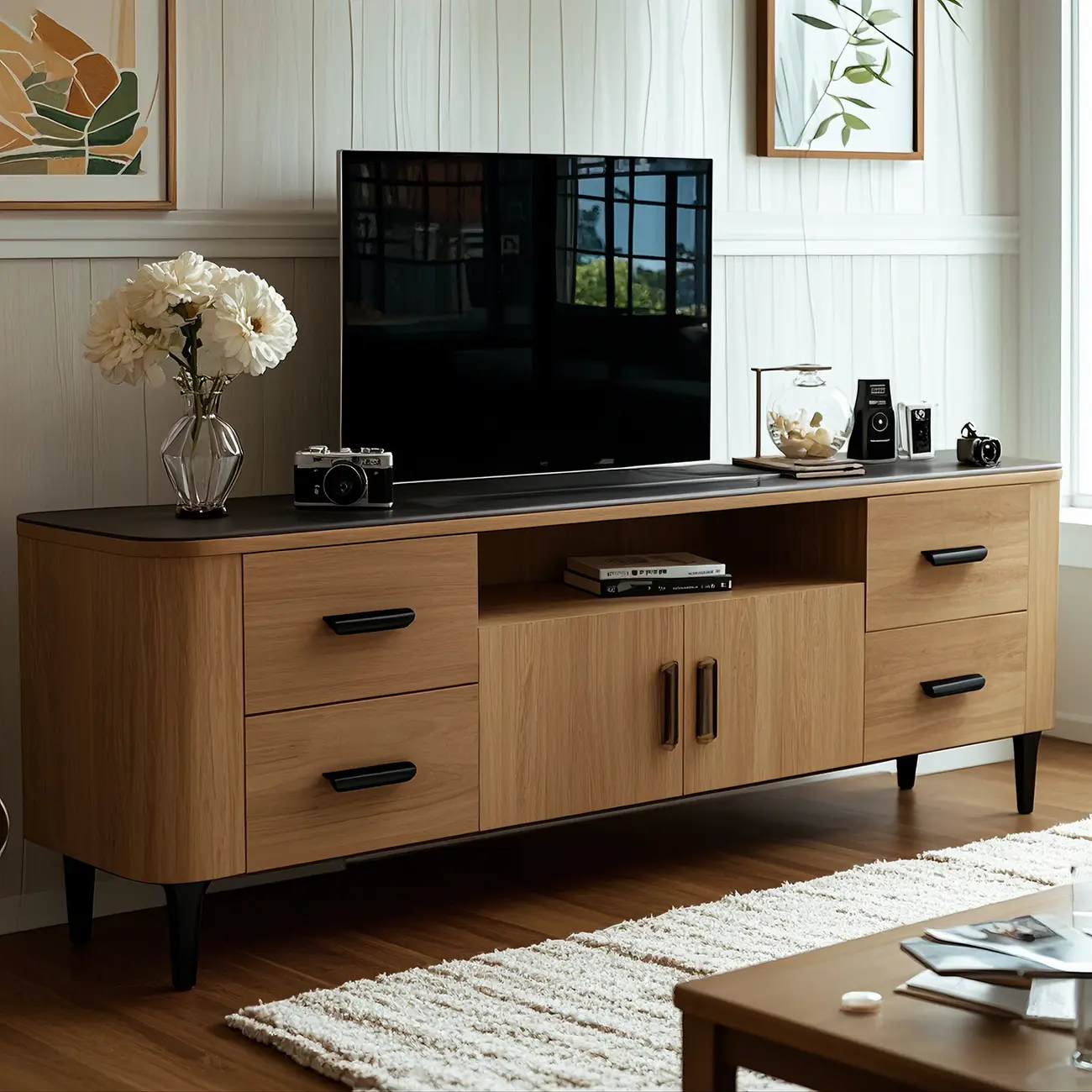
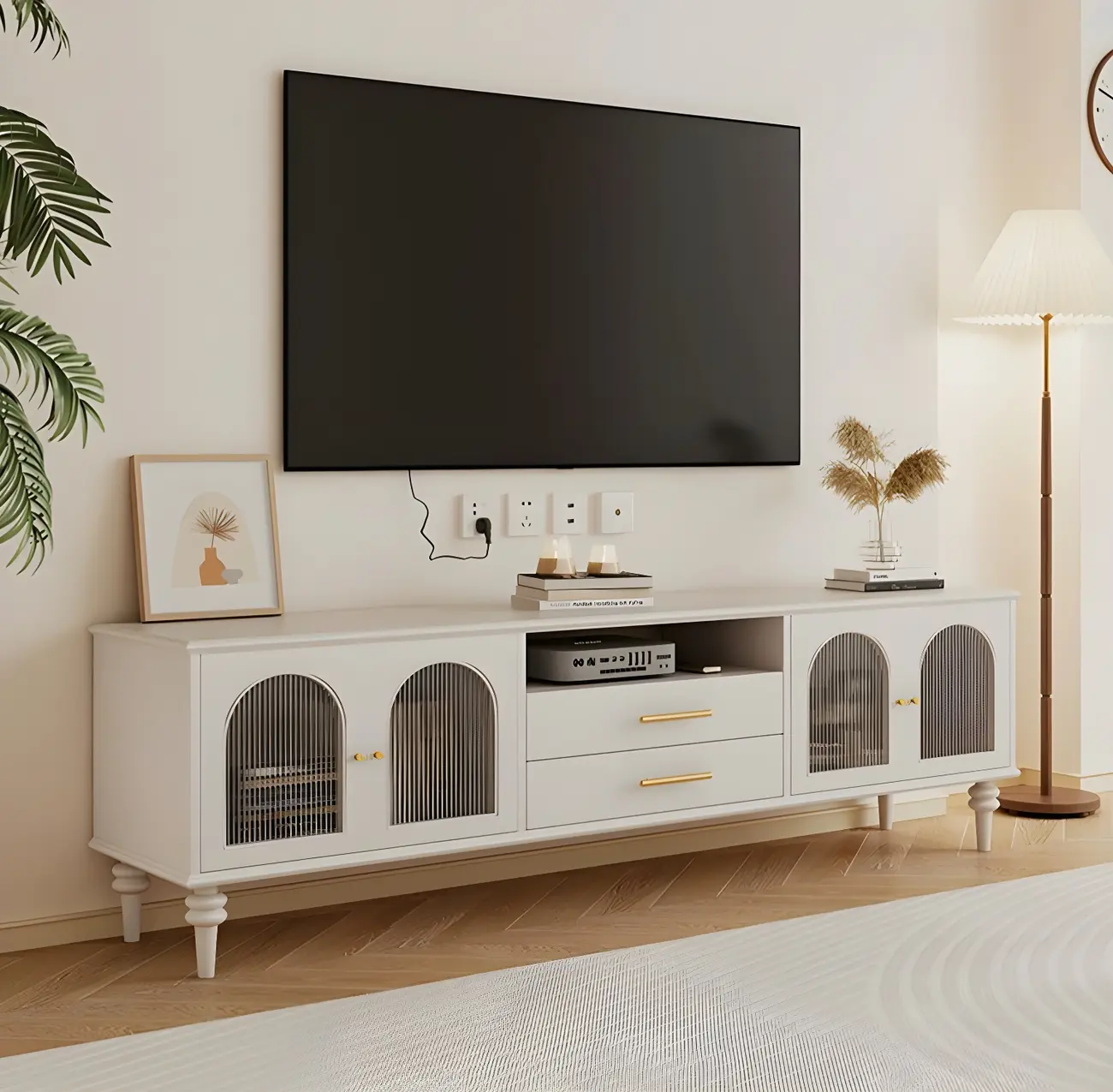
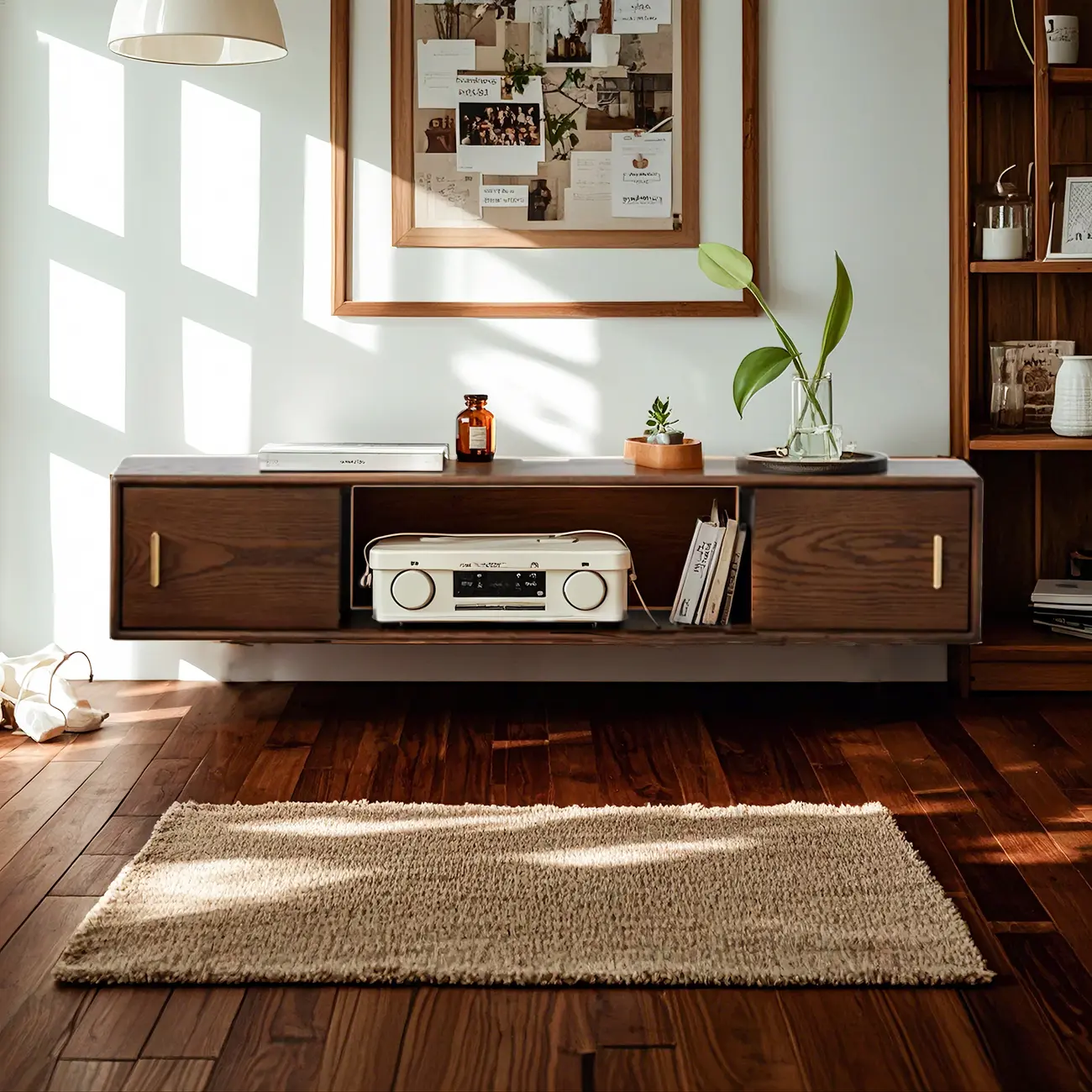
Para la mayoría de los televisores, recomendamos elegir un soporte para TV con un marco de madera o metal, como este Homeyfad.r modernablanco rectangular de 3 cajonessoporte de TV de madera, que puede soportar hasta 150 libras mientras mantiene un aspecto elegante y moderno.
Espera, ¿qué pasa si estás comprando un soporte para TV de acrílico o montado en la pared? No puedes ser apresurado, ¡porque la capacidad de carga de diferentes materiales y métodos de colgado es diferente!
4 Factores que Afectan la Capacidad de Carga de un Soporte para Televisión
Es poco científico juzgar unilateralmente la capacidad de carga de un soporte para TV; necesitas considerar estos 4 factores clave para elegir el mejor soporte para TV con buena capacidad de carga para la seguridad.
1. El material utilizado para el soporte del televisor
La capacidad de carga de diferentes materiales varía mucho, y los siguientes son los materiales más comunes utilizados para soportes de TV.
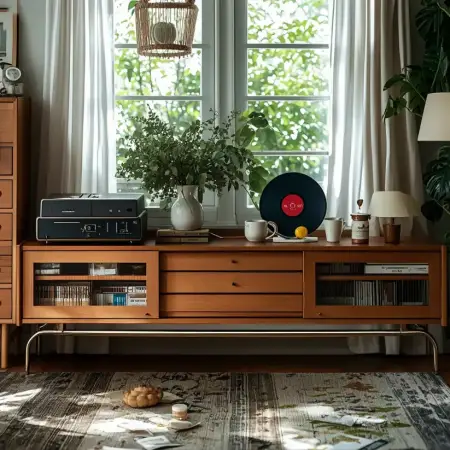
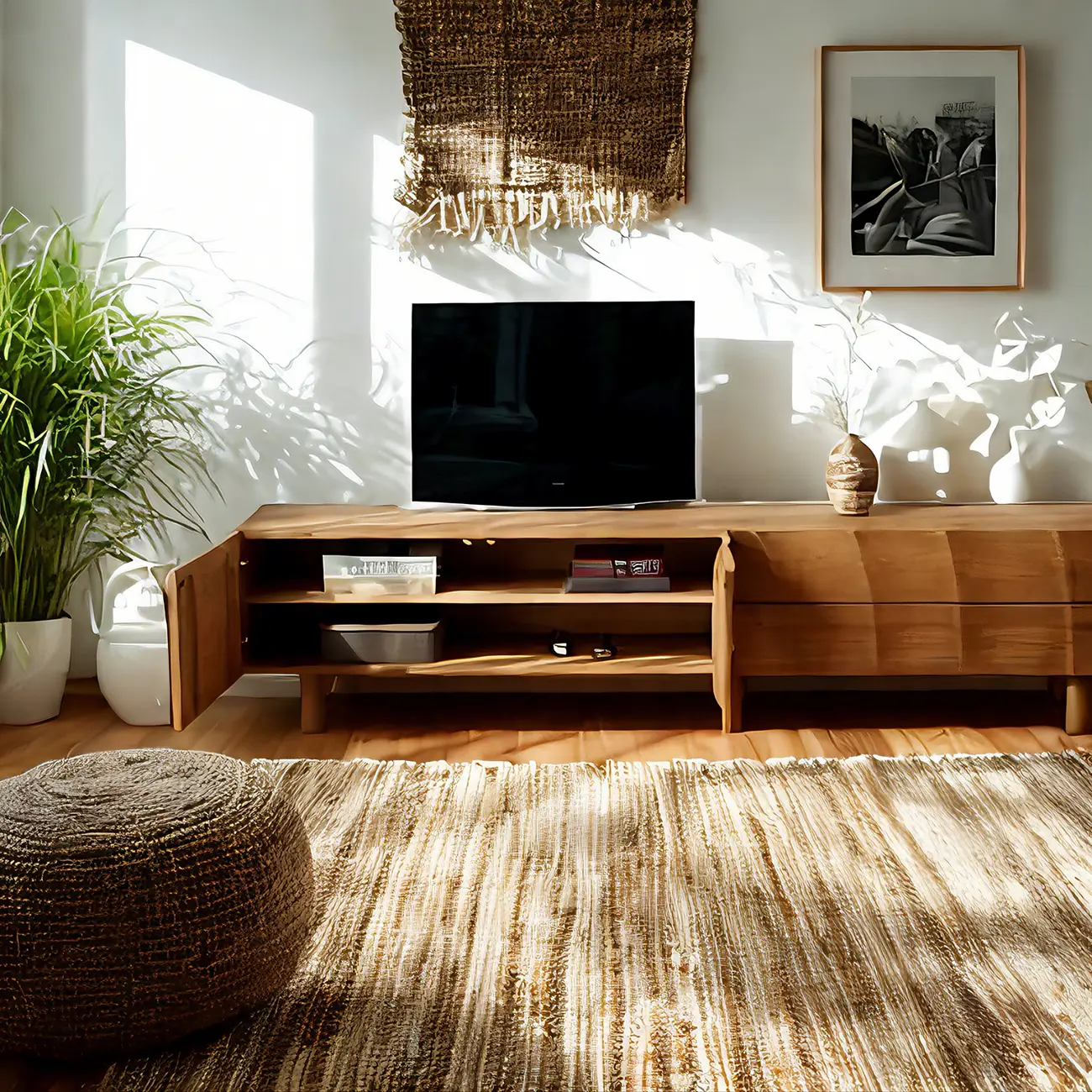
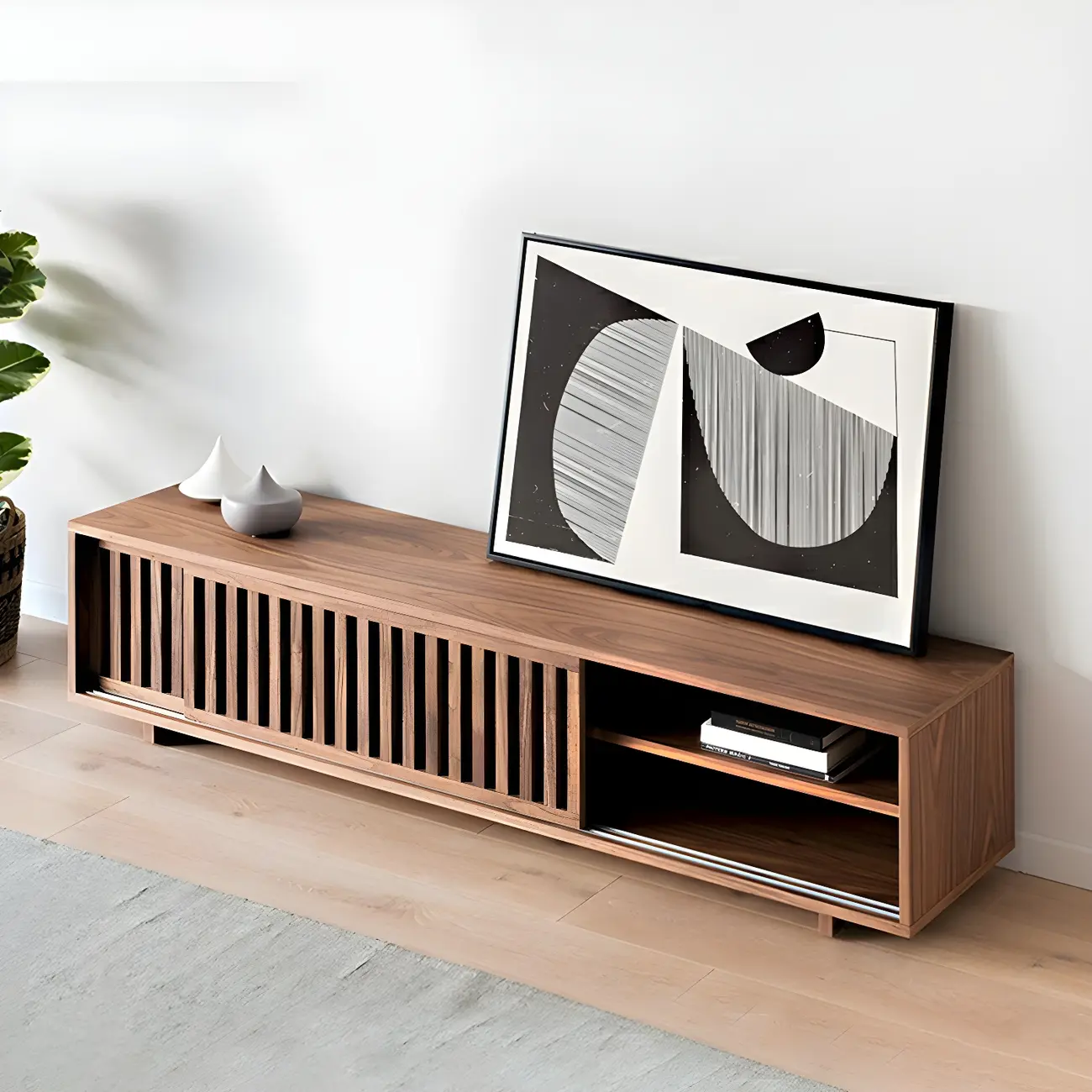
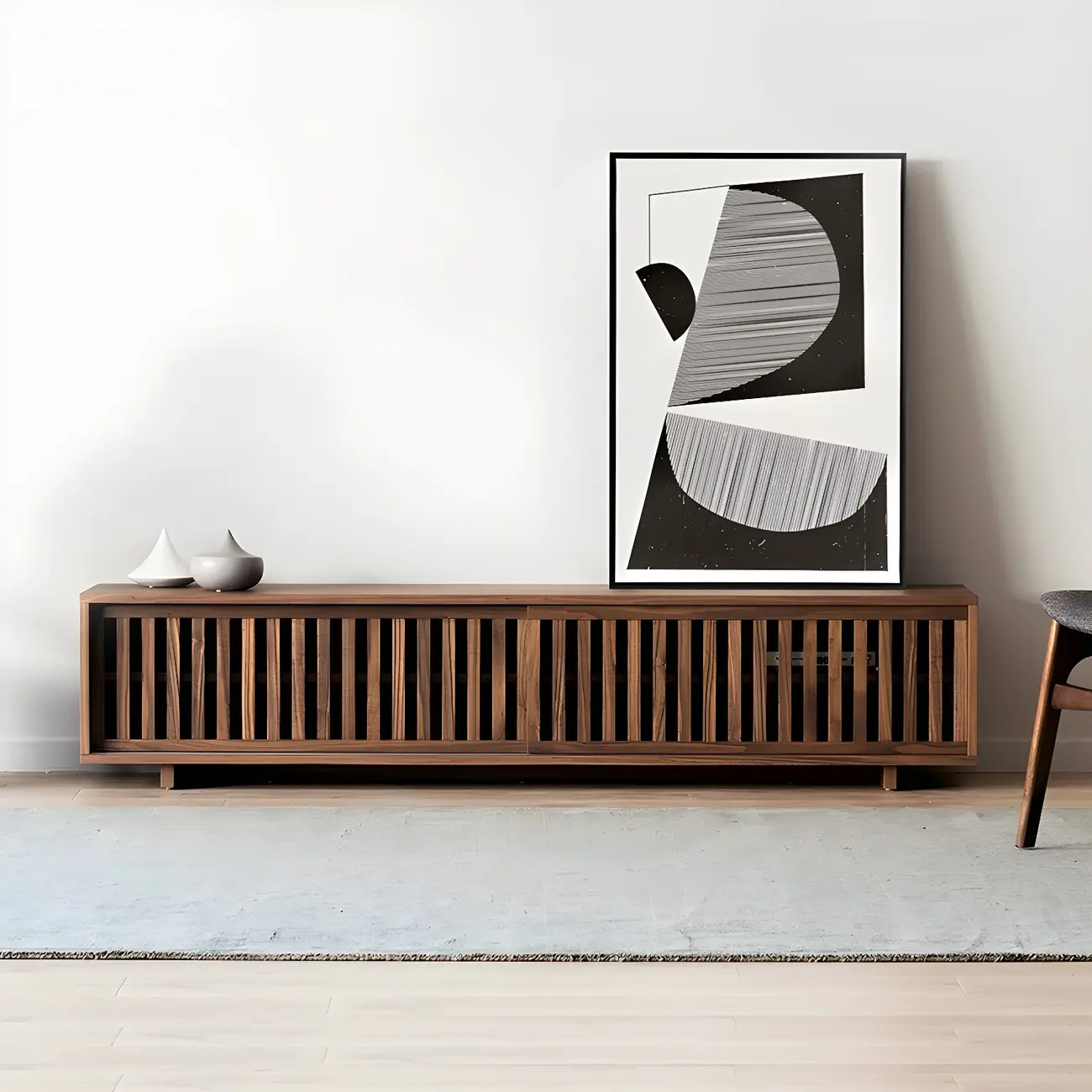
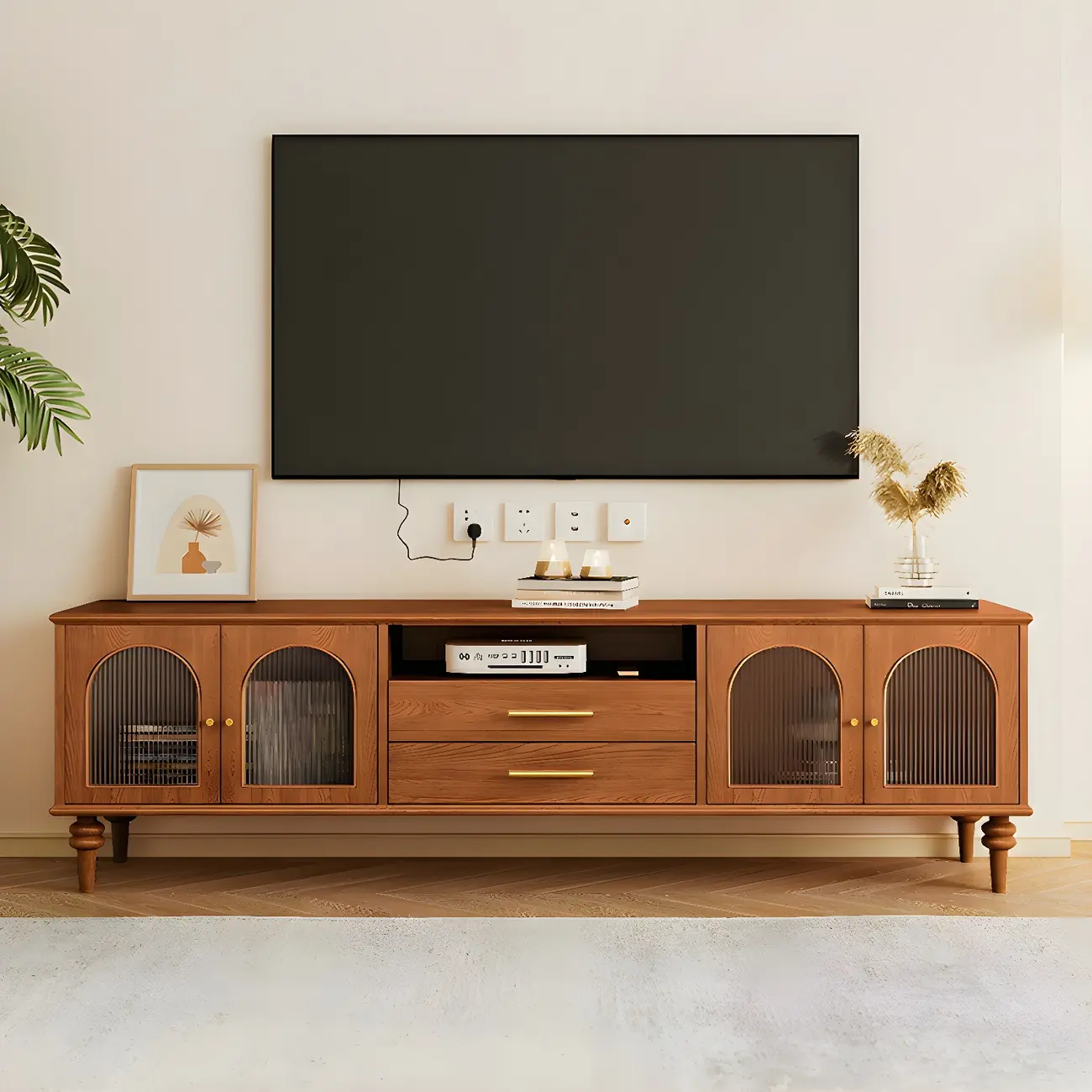
Mueble de TV nórdico de madera marrón para sala de estar
-
Tablero de MDF/aglomerado: Típicamente soporta entre 50 y 75 lbs. Es más adecuado para televisores de tamaño pequeño a mediano de hasta 55 pulgadas. Cuando la presión de carga es demasiado grande, los paneles del soporte se hundirán y acumularán, arriesgando la rotura.
-
Madera maciza:Generalmente soporta entre 100 y 200 lbs. o más. Adecuado para televisores más grandes, de hasta 75 pulgadas o más. Los soportes de TV de madera maciza son el material duradero más popular.
-
Metal: Normalmente soporta de 150 a 250 libras o más. Ideal para televisores extra grandes, acomoda una amplia gama de dispositivos de entretenimiento grandes y ofrece excelente estabilidad y resistencia. consulta mássoporte de TV de metal!
-
Vaso:El vidrio con un grosor de 6-10 mm puede soportar típicamente de 50 a 80 lbs. Sin embargo, el soporte de TV de vidrio está limitado a televisores de tamaño más pequeño, alrededor de 45 pulgadas, para garantizar la seguridad en caso de rotura.
Todos los soportes de TV Homeyfad son probados por su capacidad de carga antes del envío. Compre con confianza nuestrosmueble de TV de maderaEstá diseñado para el uso en la vida real, no solo por su apariencia.
2. Calidad de construcción (solidez, grosor y diseño)
La estructura y el diseño de todo el soporte de TV también tienen un impacto en su capacidad para soportar cargas pesadas. Para soportar su TV de manera segura y efectiva, considere los siguientes detalles:
-
Diseño estructural para distribución de cargaLos puntos de soporte están diseñados con múltiples patas; las patas de madera dura o metal son más fuertes; o los soportes de TV con bases reforzadas pueden proporcionar un mejor soporte, mientras que los soportes de TV con bases estrechas o patas más pequeñas son propensos a volcarse o colapsar.
-
Estructura de conexión: La resistencia de los materiales utilizados en las uniones del soporte de TV, tornillos generales o pegamento no es tan fuerte como la de las uniones de cola de milano, mortaja y espiga; las uniones de baja calidad se romperán bajo la presión de un largo tiempo y fallarán.
3. Tamaño del soporte de TV
Las dimensiones del soporte de TV en términos de ancho, alto y profundidad ilustran la capacidad de carga. No te preocupes, hemos proporcionado una tabla a continuación que muestra el tamaño adecuado del mueble para TV según los diferentes tamaños de TV.
-24.webp?w=450&h=429)
-
Ancho: Un soporte de TV que suele ser de 3 a 6 pulgadas más largo que la TV tendrá un soporte adecuado; cuanto más largo, más soporte.
-
Profundidad: Un soporte de TV más ancho distribuye el peso de manera más uniforme y tiene un centro de gravedad más bajo y estable.
-
Altura: Cuanto más alto es el soporte para TV, más fácil es que se vuelque, en lugar de la capacidad de peso.
¿Tienes un televisor de 60 pulgadas? Lee nuestra...¿Qué tamaño de soporte de TV necesito para mi televisor de 60 pulgadas?" Guía para elegir el tamaño de TV perfecto para ti.
¿Tienes un televisor de 75 pulgadas? ¿Preocupado por elegir el tamaño incorrecto? Lee nuestro "¿Qué tamaño de soporte de TV para un televisor de 75 pulgadas? Consejos de expertos dentro." para elegir el tamaño de TV perfecto para usted.
4. Instalación (montaje en pared, independiente)
-
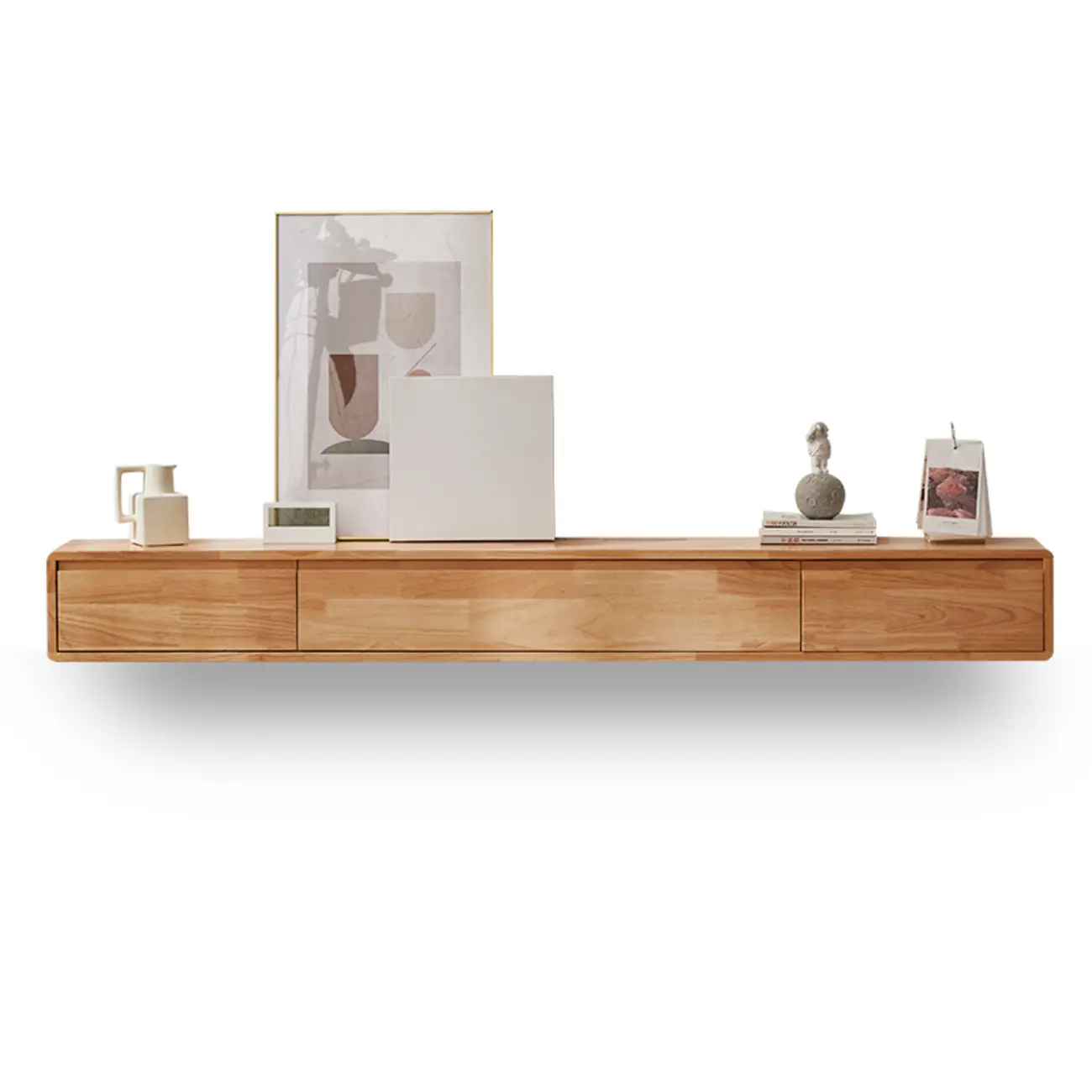
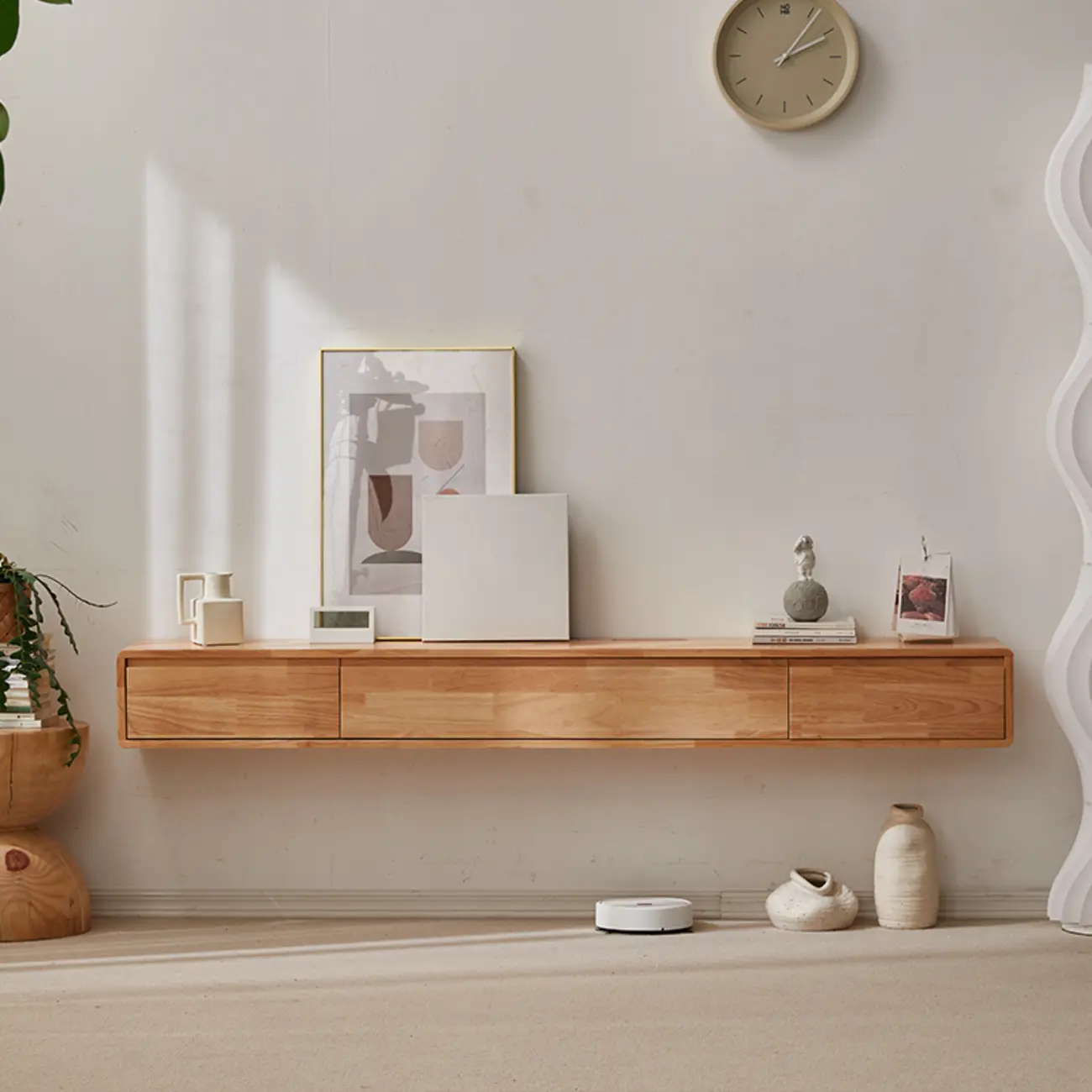
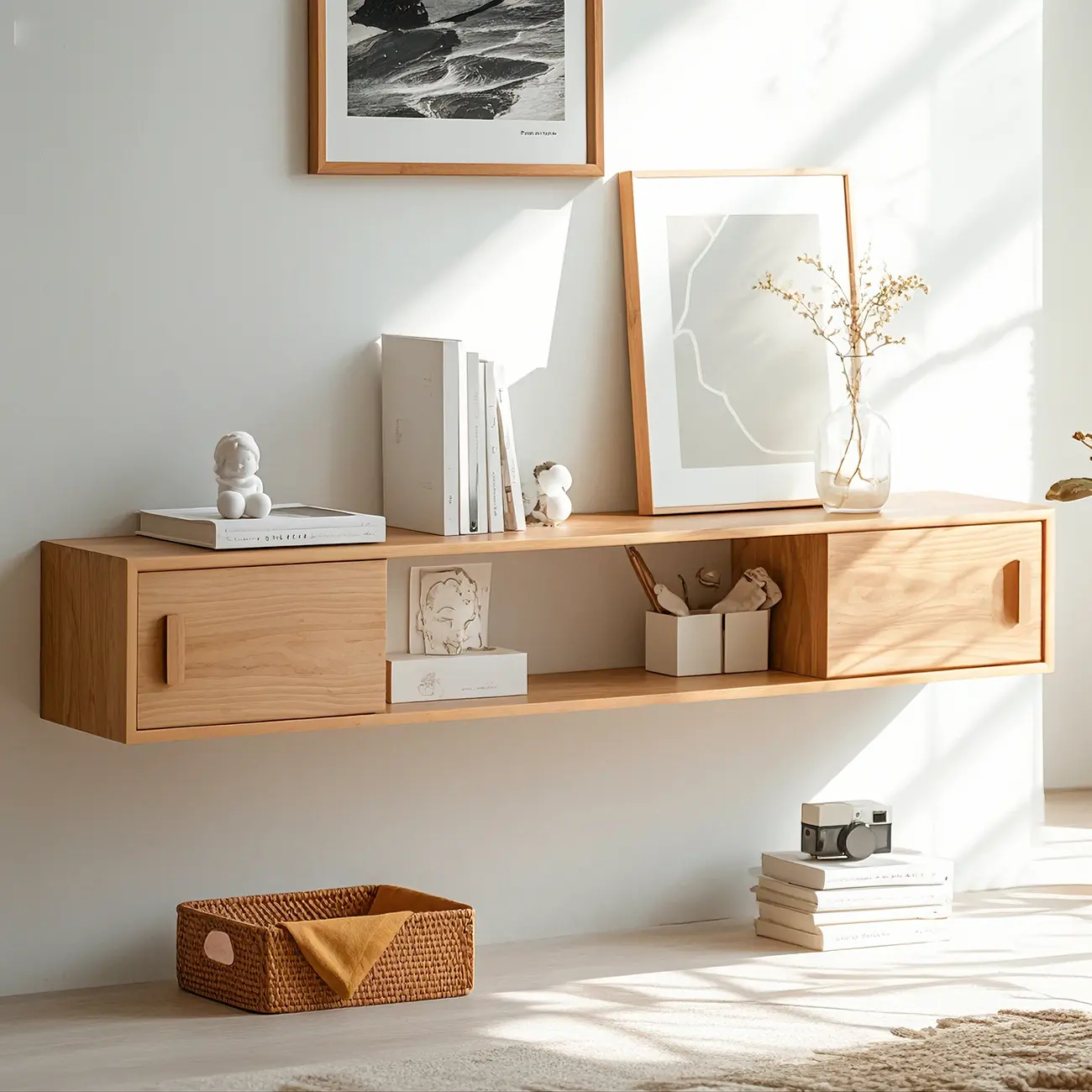
Soporte de TV flotante: Generalmente materiales más ligeros, menor soporte, adecuado para colocar algunos estéreos, consolas de juegos y otros artículos pequeños; para el televisor, es mejor elegir el soporte de pared, no colocarlo en el soporte del televisor.
-
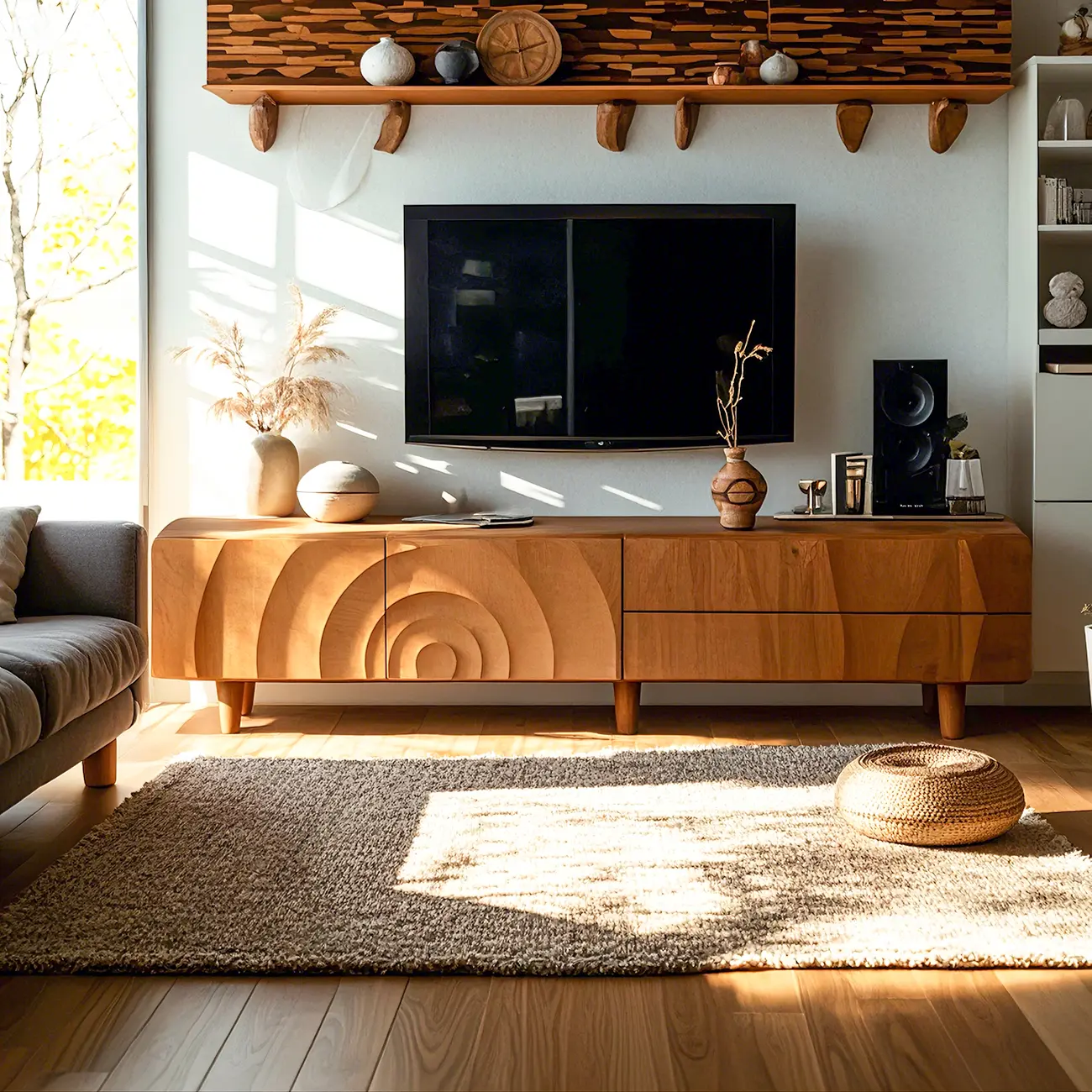
Soporte de TV independiente: Directamente apoyado en el suelo, utilizando materiales más pesados, alta soporte y estabilidad.
Al considerar estos 4 factores, elige un soporte para TV que satisfaga tus necesidades y haga tu vida en casa más conveniente y segura.
¿Cómo elegir un soporte de TV estable?
¿Cómo eliges un soporte de TV resistente y adecuado? ¡Una vez que prestas atención a algunos puntos clave, el resto es fácil!
1. Asegúrese de que el peso de su televisor
¡El primer paso es confirmar el tamaño y el peso de tu televisor!
La tabla a continuación muestra los rangos de peso aproximados para diferentes tamaños de TV. Para obtener el peso exacto, consulte a su vendedor de TV o pese su TV.
Solo asegúrate de que el soporte para TV pueda soportar más peso que la TV para tener estabilidad y seguridad. Está prohibido hacer que el soporte para TV sea más pequeño que la TV o del mismo tamaño, lo cual no es seguro.
Tamaño recomendado de soporte de TV para diferentes televisores
|
Tamaño del televisor |
Peso del televisor |
Ancho recomendado para el soporte de TV |
Profundidad del soporte de TV |
Notas adicionales |
|
32 pulgadas |
10–15 libras |
34–40 pulgadas |
15–18 pulgadas |
Ideal para habitaciones o dormitorios pequeños. |
|
43 pulgadas |
20–30 libras |
45–50 pulgadas |
15–20 pulgadas |
Tamaño mediano; se adapta a la mayoría de soportes de MDF. |
|
50 pulgadas |
30–40 libras |
52–58 pulgadas |
16–22 pulgadas |
Tamaño común para salas de estar. |
|
55 pulgadas |
35–45 libras |
57–63 pulgadas |
18–24 pulgadas |
Asegúrese de que la construcción sea resistente para soportar el peso. |
|
65 pulgadas |
50–75 libras |
67–75 pulgadas |
18–24 pulgadas |
Prefiera soportes de madera maciza o de metal. |
|
75 pulgadas |
75–100 libras |
77–85 pulgadas |
20–26 pulgadas |
Solo soportes reforzados o de alta resistencia. |
|
85 pulgadas |
100–150 libras |
87–95 pulgadas |
22–30 pulgadas |
Requiere un soporte ancho y duradero. |
2. Elija un diseño estable
Además de prestar atención a los materiales de tu soporte para TV, también deberías elegir su diseño con cuidado.
-
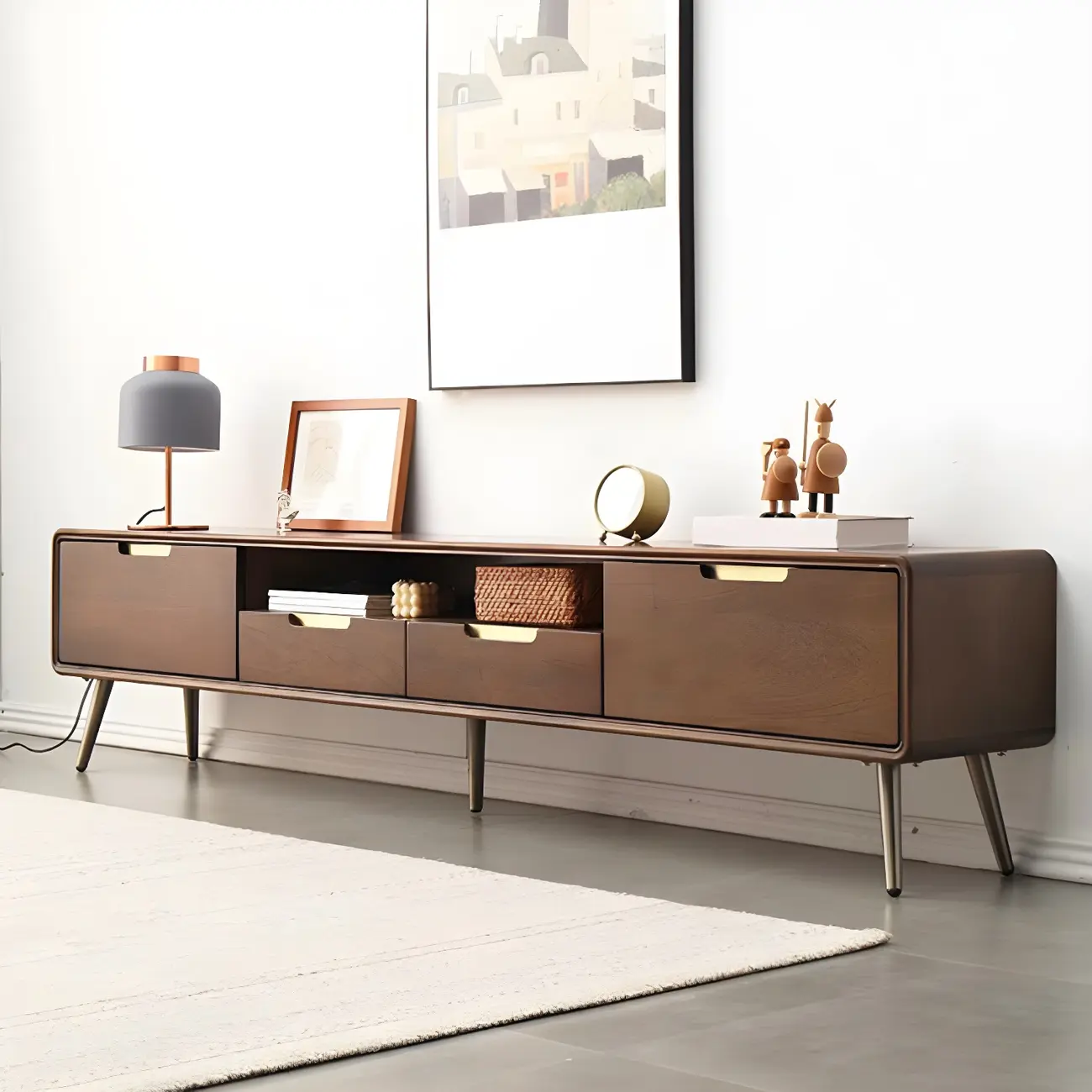
Número de patas:Prioriza las cuatro patas en las esquinas, luego pasa a un soporte central y finalmente a dos patas. Los armarios de dos patas son más propensos a hundirse en el medio con el tiempo.
-
Grosor de la piernaCon la misma capacidad de carga, las patas más gruesas son obviamente más estables. Las patas verticales son más estables que las patas inclinadas hacia afuera. Esto se debe a que las patas verticales transmiten directamente el peso, mientras que las patas inclinadas hacia afuera requieren un ángulo y puntos de conexión suficientemente robustos.
-
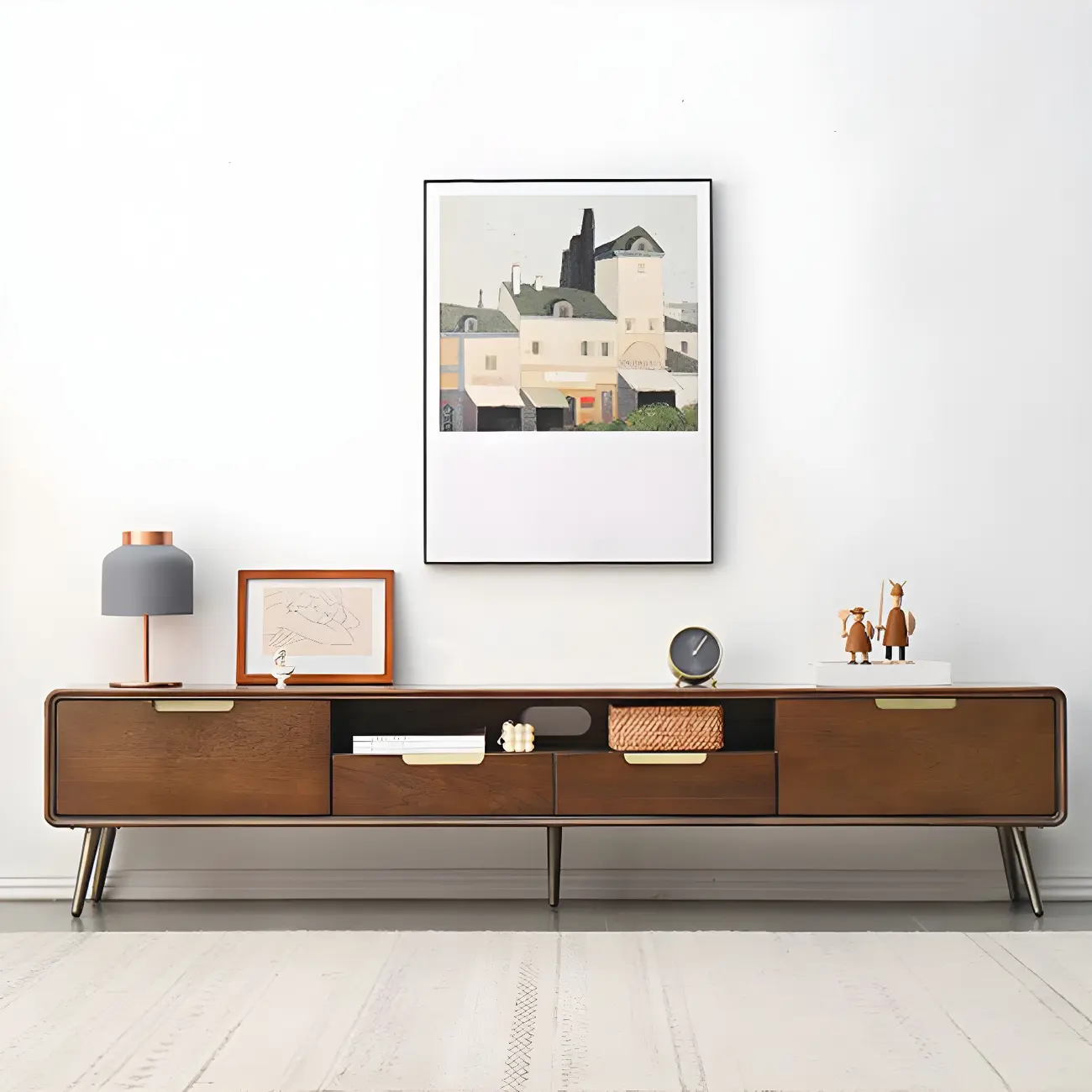
Base de soporte para TVPrioriza una base de pie en lugar de una suspendida. Una base sólida es más estable que un diseño suspendido con patas.
Al elegir su diseño preferido, ¡simplemente priorice las opciones más estables!
Disponible enHomeyfad--Tenemos una variedad deSoporte de TV y centro de entretenimientodiseños para satisfacer las necesidades de diferentes espacios, ¡así que puedes elegir el que mejor se adapte a ti!
Cómo usar un soporte de TV de forma segura
-7.webp?w=450&h=442)
Consigue este soporte de TV móvil perfecto
Además de elegir el soporte de TV adecuado, hay algunos consejos de uso a tener en cuenta para hacer que su soporte de TV sea más seguro.Aquí hay algunos consejos para usar tu soporte de TV de manera inteligente y hacerlo durar.
-
Coloca el televisor en el centro del soporte para televisores para distribuir el peso de manera uniforme y garantizar la estabilidad.
-
Evite colocar demasiados dispositivos o decoraciones en su soporte para TV.
-
Revisa regularmente si hay estantes hundidos o ruidos chirriantes, y verifica si hay tornillos sueltos o grietas en el material.
Elige el soporte de TV adecuado ahora
-5.webp?w=450&h=446)
Compre soportes para TV ahora →
Conocer el peso de tu televisor es clave, pero elegir el soporte adecuado es lo que lo mantiene seguro y con estilo.
Explora Homeyfad Soportes de TV, diseñados para soportar pantallas grandes con estabilidad y estilo.
HomeyFadestá aquí para ti; no dudes en contactarnos con cualquier pregunta o idea!
Preguntas frecuentes
Q1: ¿Es mejor montar mi televisor en la pared o usar un soporte?
A: Montar en la pared ahorra más espacio y es más seguro, especialmente si tienes niños y mascotas. Un soporte, por otro lado, es más flexible y facilita la gestión de cables. Por favor, elige según la disposición de tu habitación y tus necesidades.
Para más detalles, puedes consultar nuestras otrasBlog sobre soportes de TV vs. soportes de paredy elige el método que más te convenga.
Q2: ¿Cómo elijo? ¿Soporte de TV montado en la pared vs. soporte de TV independiente?
A: Según el espacio, necesitas elegir; el montado en la pared necesita una pared de carga, y el independiente es más conveniente.
-
Ventajas de montado en la pared: ahorra 30% de espacio en el suelo, anti-vuelco, simplicidad visual
-
Ventaja independiente: viene con almacenamiento, sin perforación, se puede mover en cualquier momento
P3: ¿Cómo refuerzo el soporte de mi TV?
A: Para reforzar tu soporte de TV, añade soportes en L para fijarlo a los montantes de la pared, utiliza una base de contrachapado para distribuir mejor el peso y asegúrate de que todas las conexiones estén apretadas con adhesivo de bloqueo de rosca.

-.jpg?w=900&h=506)
--5.jpg?w=900&h=506)
-.jpg?w=900&h=506)
--17.jpg?w=900&h=506)
--21.jpg?w=900&h=586)


 Agréganos en Google