
(4)-2.png?w=1920&h=650)
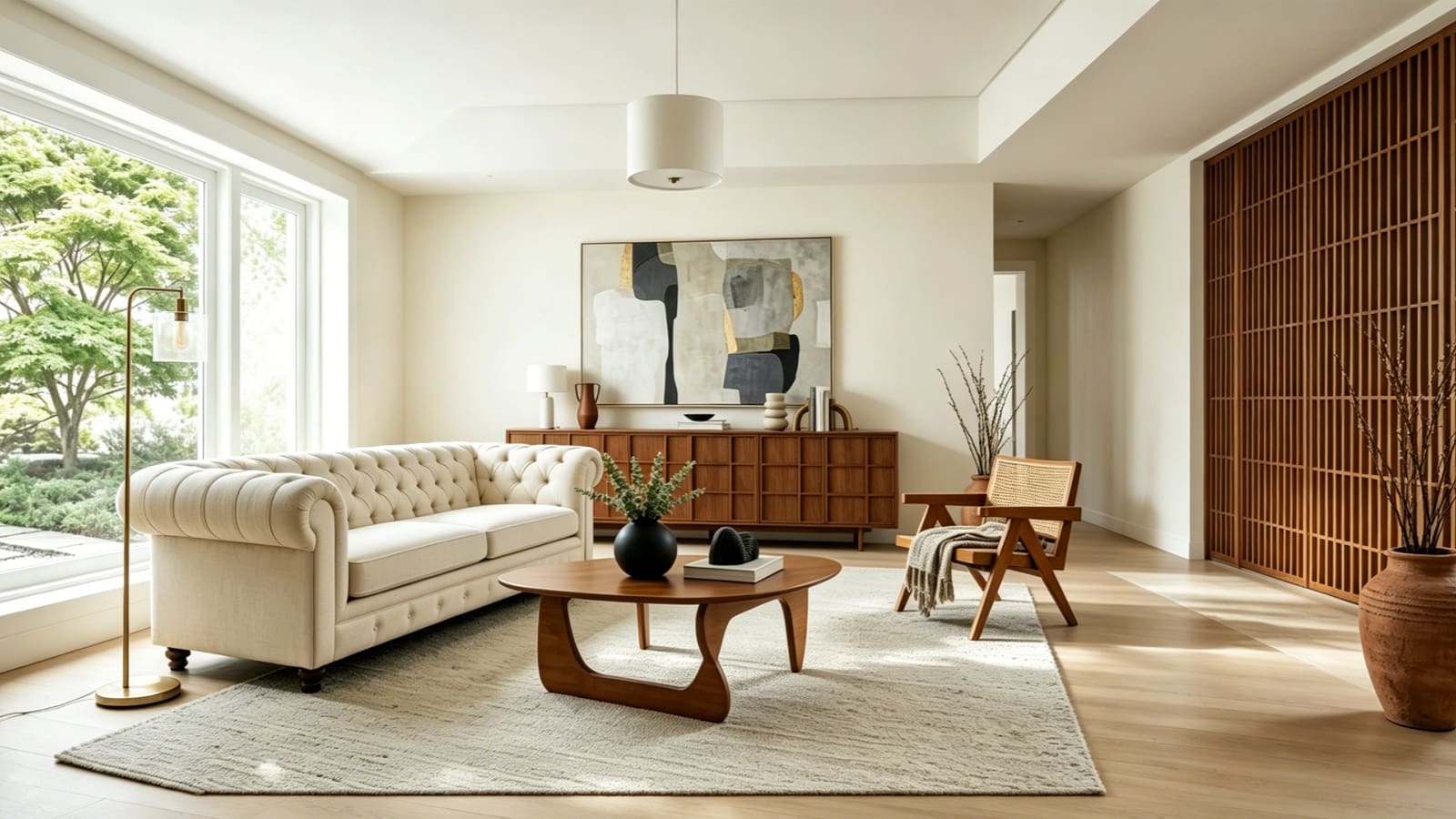
A rectangular coffee table can be one of the most useful pieces in a living room—and one of the easiest to get wrong.
Because of its long, open surface, a rectangular coffee table can quickly look either too empty or overloaded with accessories. The solution is not to fill the tabletop. It is to create a composition that feels balanced, useful, and connected to the rest of your room.
If you're wondering how to style a rectangular coffee table, start with four ideas: anchor the arrangement, build layers, balance visual weight, and leave room for real life.
Here's how to put that approach into practice.
1. Start With One Anchor
Every successful coffee table arrangement needs a visual starting point.
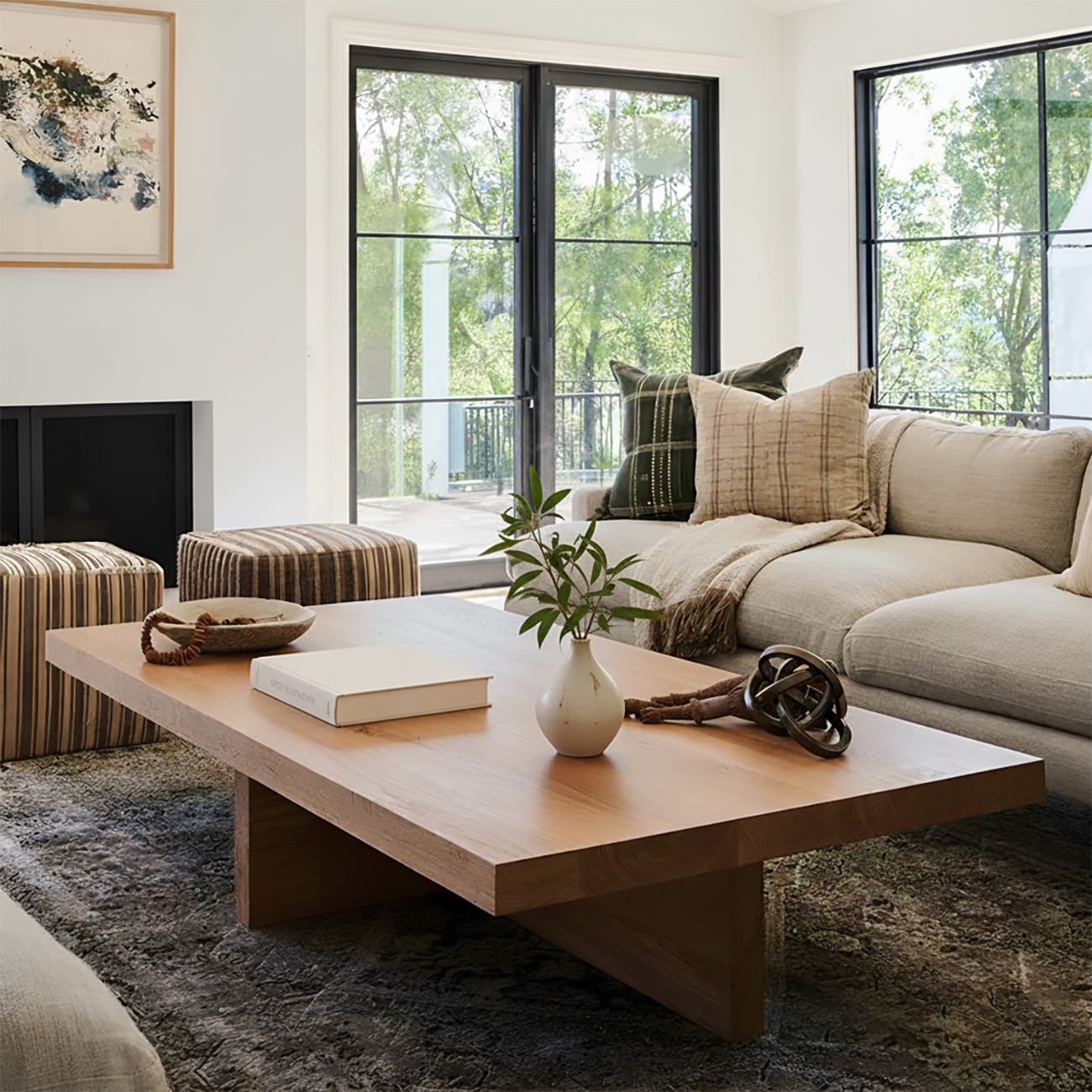
For a rectangular table, that might be a decorative tray, a substantial bowl, a low sculptural piece, or a small arrangement of books. The anchor gives the rest of your decor something to relate to.
A tray is especially useful because it visually gathers smaller pieces into one composition. It can hold candles, a small vase, coasters, or other accessories without making the surface feel scattered.
Rather than automatically placing the anchor in the exact center, try positioning it slightly to one side. The open area that remains can become a functional space for drinks, books, or everyday items.
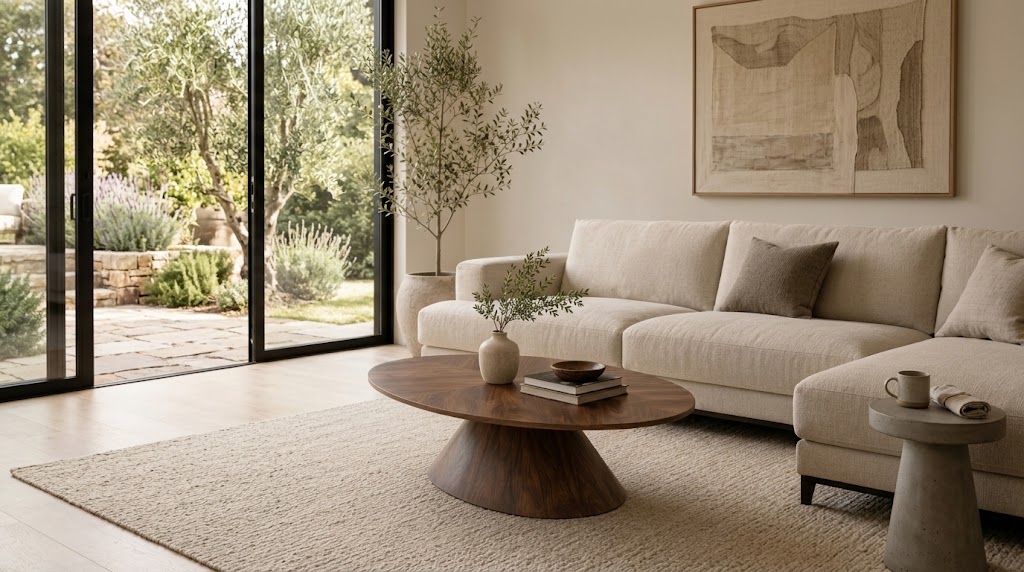
2. Build Layers Instead of Lining Things Up
One of the most common rectangular coffee table styling mistakes is arranging accessories in a straight line.
Instead, create layers. Place a low object next to something with medium height, then introduce one taller or more visually dominant piece. For example:
books → decorative bowl → vase with branches
The objects do not need to match. They simply need to relate through color, material, shape, or scale. This creates depth and makes the tabletop more interesting from different angles.
A simple height formula
Think in three levels:
- Low: tray, books, bowl, or small dish
- Medium: candle, small sculpture, or decorative box
- Tall: vase, branches, or statement object
You do not need all three in every arrangement. The important idea is to avoid making every object the same height.
3. Balance the Long Shape of the Table
A rectangular coffee table has a strong horizontal line. Your decor can either emphasize that shape or soften it.
One effective approach is to create visual weight at two different points rather than concentrating everything in the middle. The goal is visual balance, not perfect symmetry.
For example, place a tray and books toward one end, then use a vase or sculptural object closer to the opposite side. Keep a section of the tabletop open between them.
If one side contains several heavy or dark objects, the other side may need something with comparable visual weight. That could be a larger bowl, a plant, a stack of books, or simply a stronger shape.
4. Mix Shapes to Make the Arrangement Feel Designed
A rectangular table already introduces straight lines, so repeating rectangular accessories can make the entire arrangement feel rigid.
Use contrasting shapes instead.
Try combining:
- Rectangular books
- A round or oval bowl
- A cylindrical vase
- An organic branch
- A sculptural object with an irregular silhouette
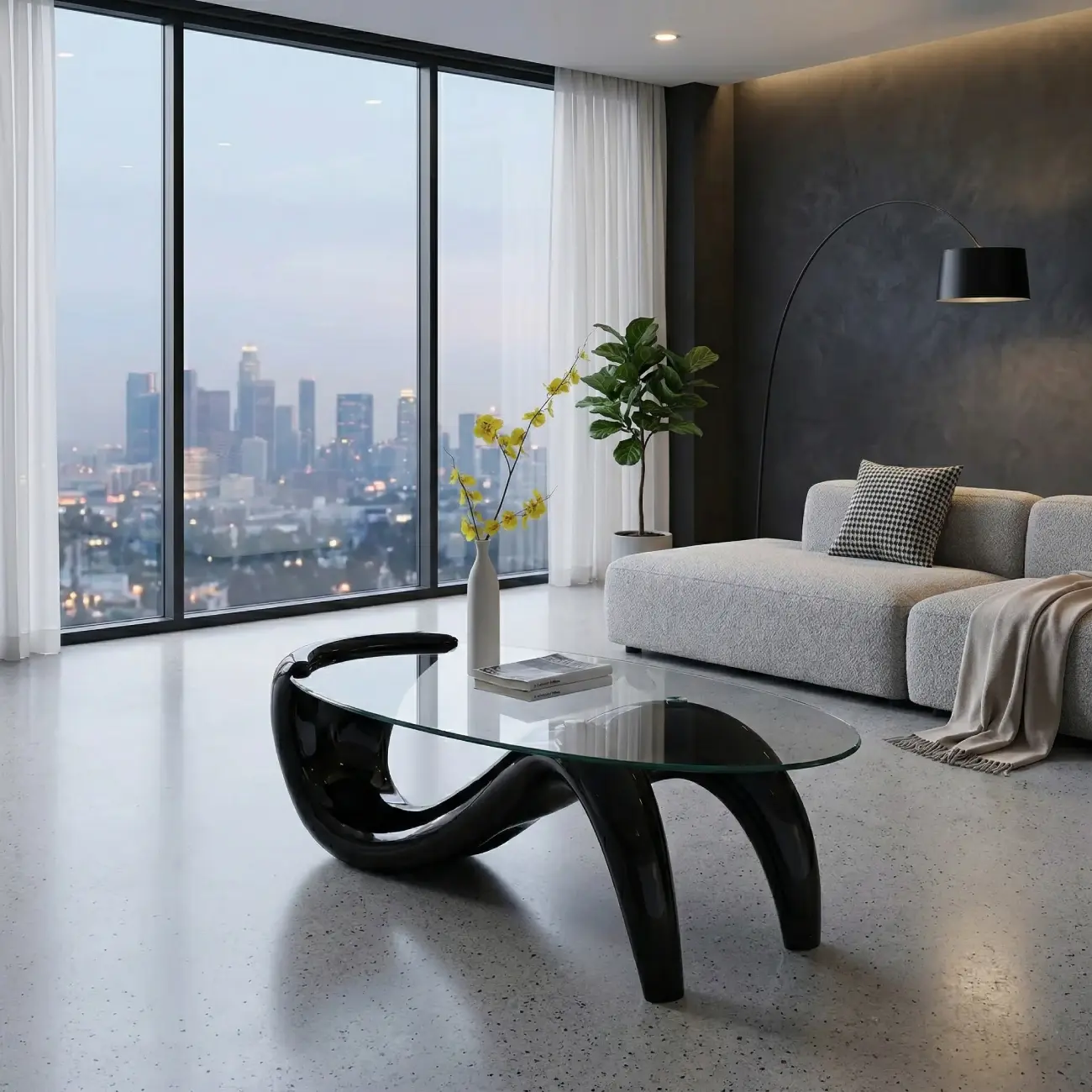
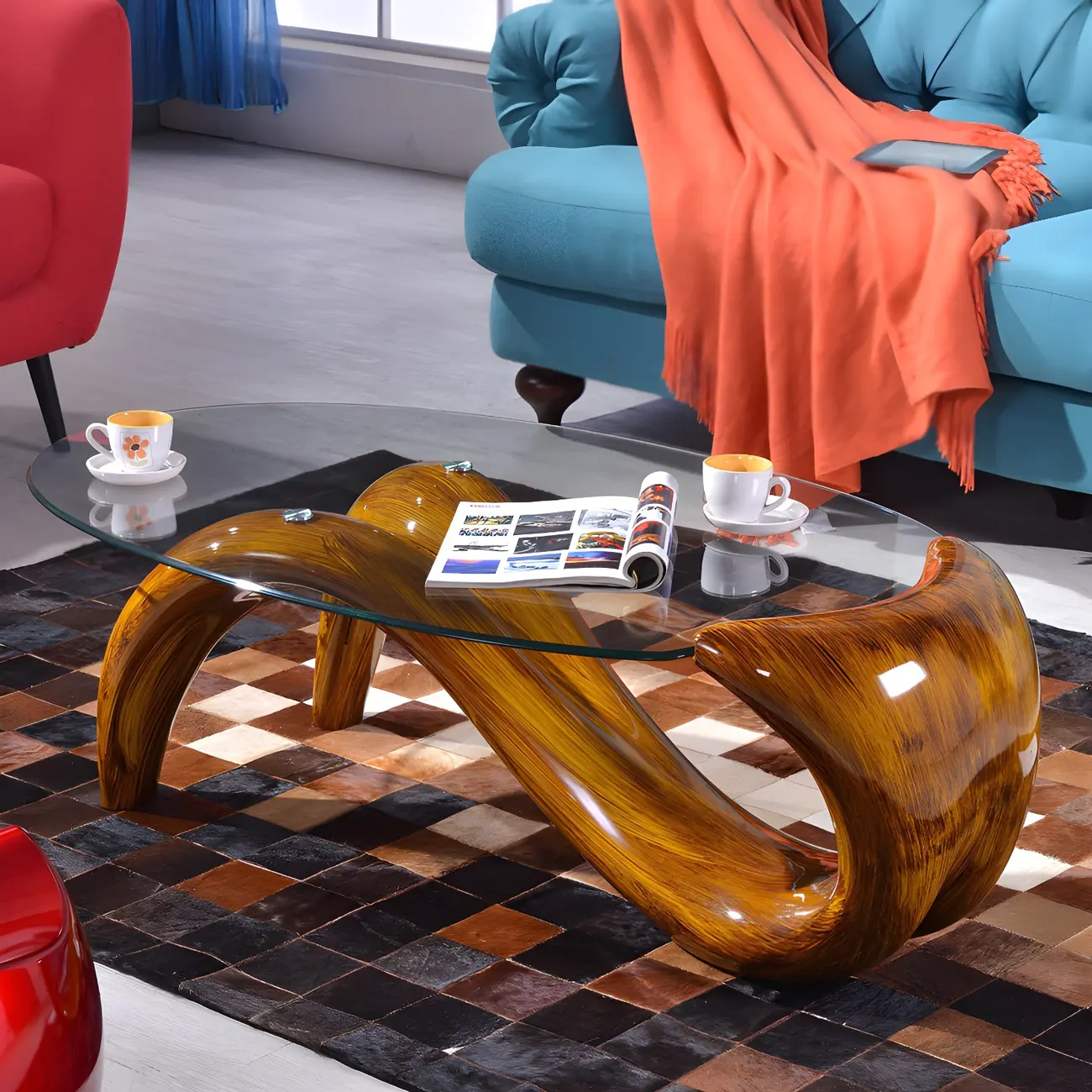
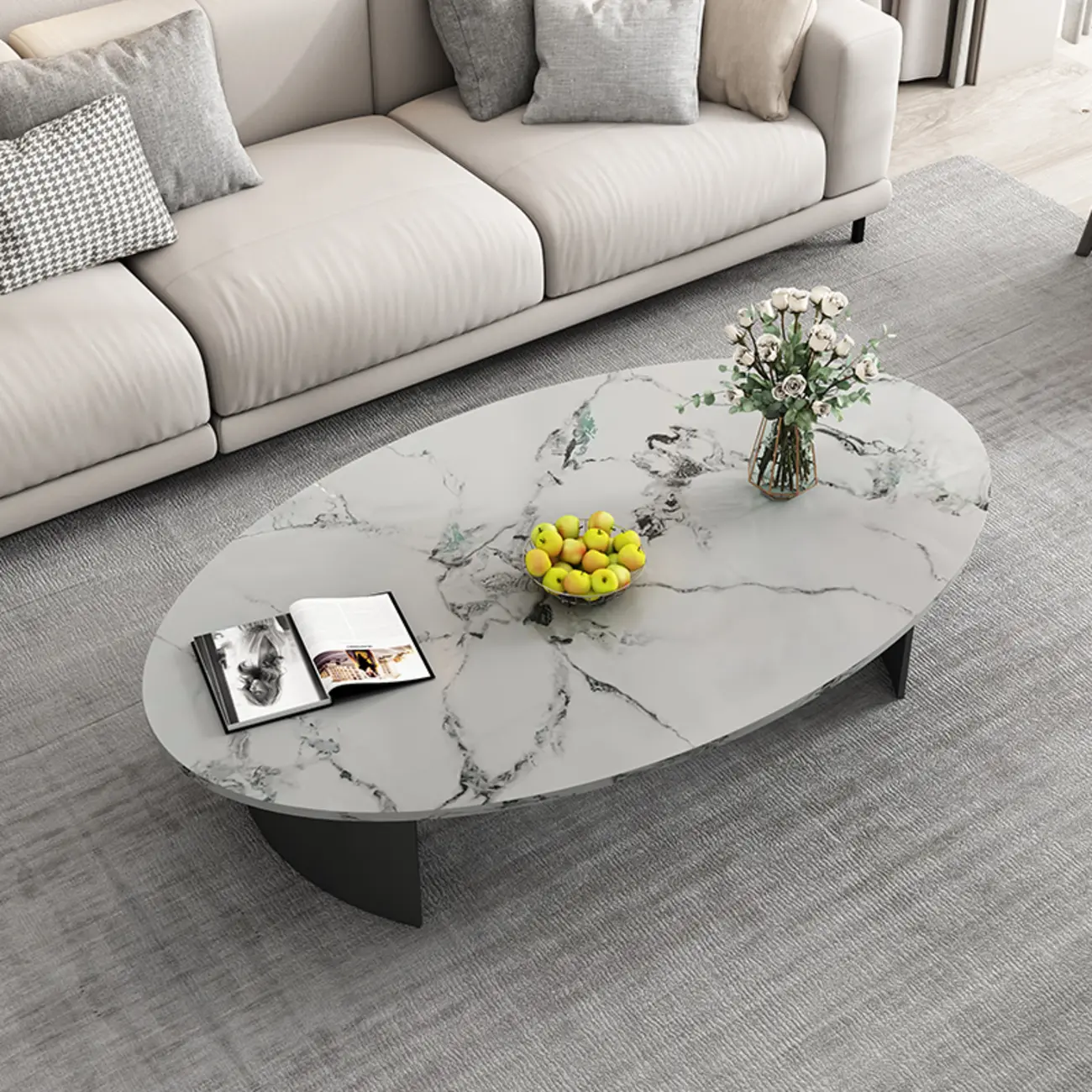
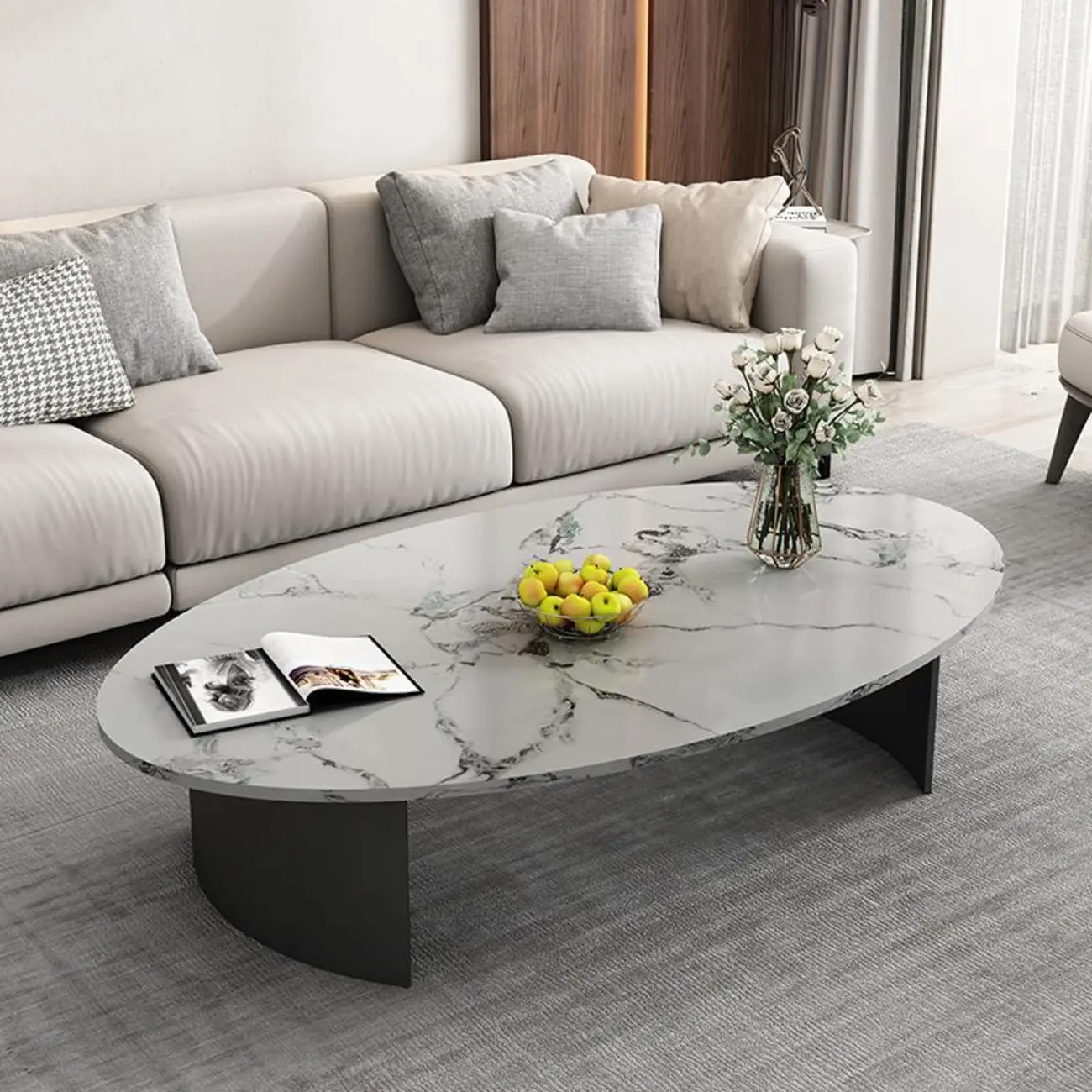
This is particularly effective on modern coffee tables with clean architectural lines. The contrast does not need to be dramatic. Even one rounded object can soften a composition made primarily of straight lines.
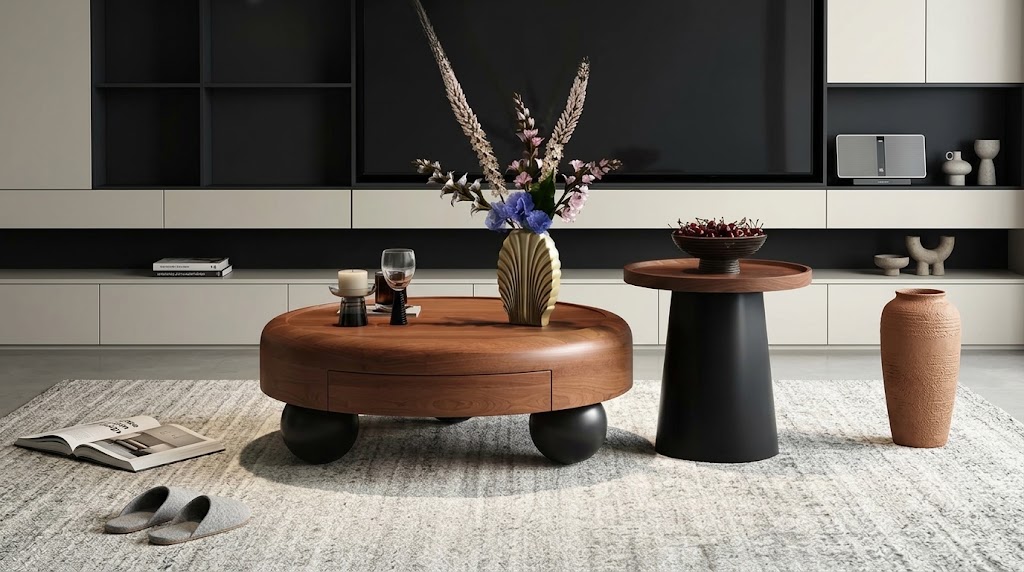
5. Add Texture Before Adding More Color
If your living room has a neutral palette, you do not necessarily need colorful accessories to make the coffee table interesting.
Texture can do the work. Consider combining wood, ceramic, glass, metal, stone, woven materials, or natural greenery. This creates visual depth without making the room feel busy.
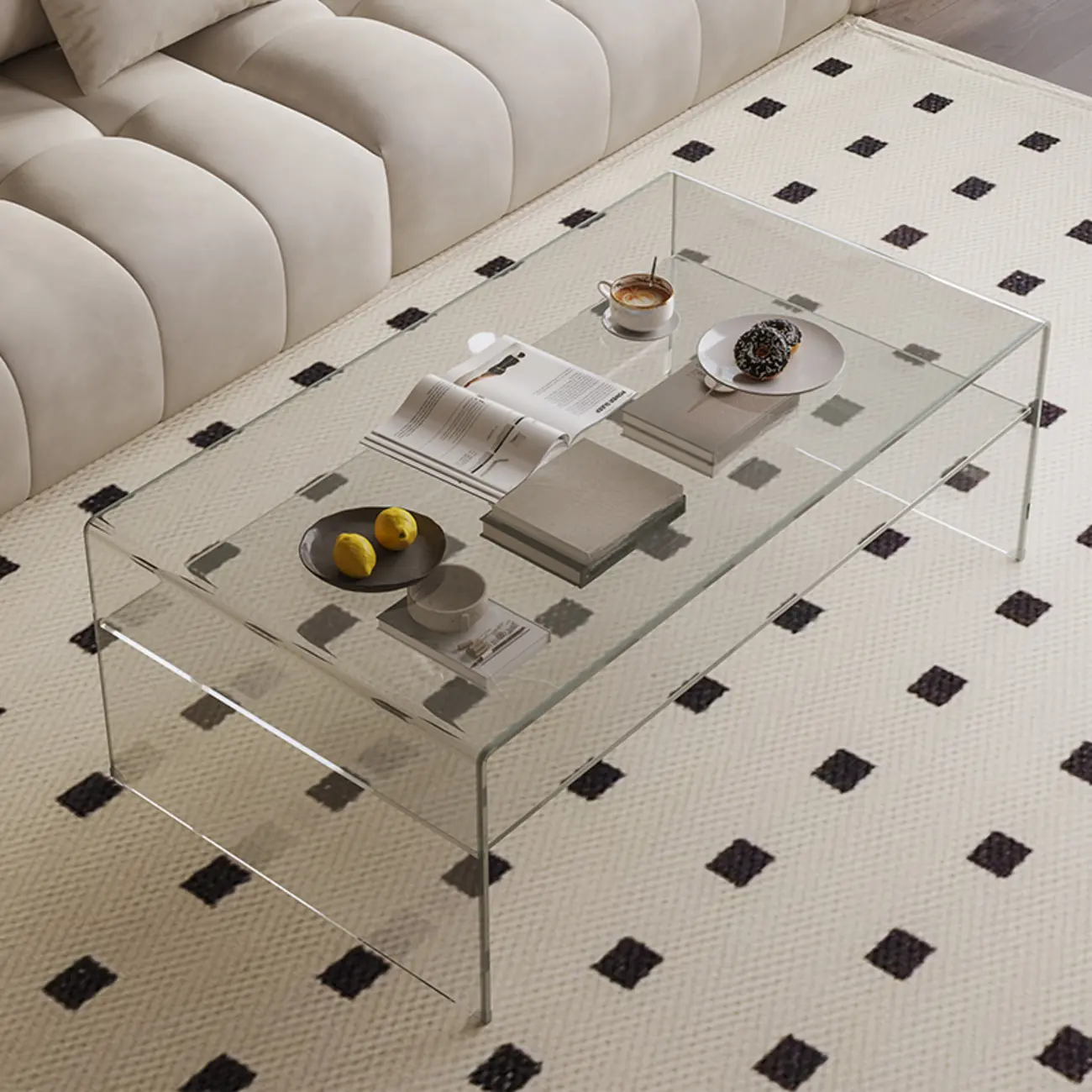
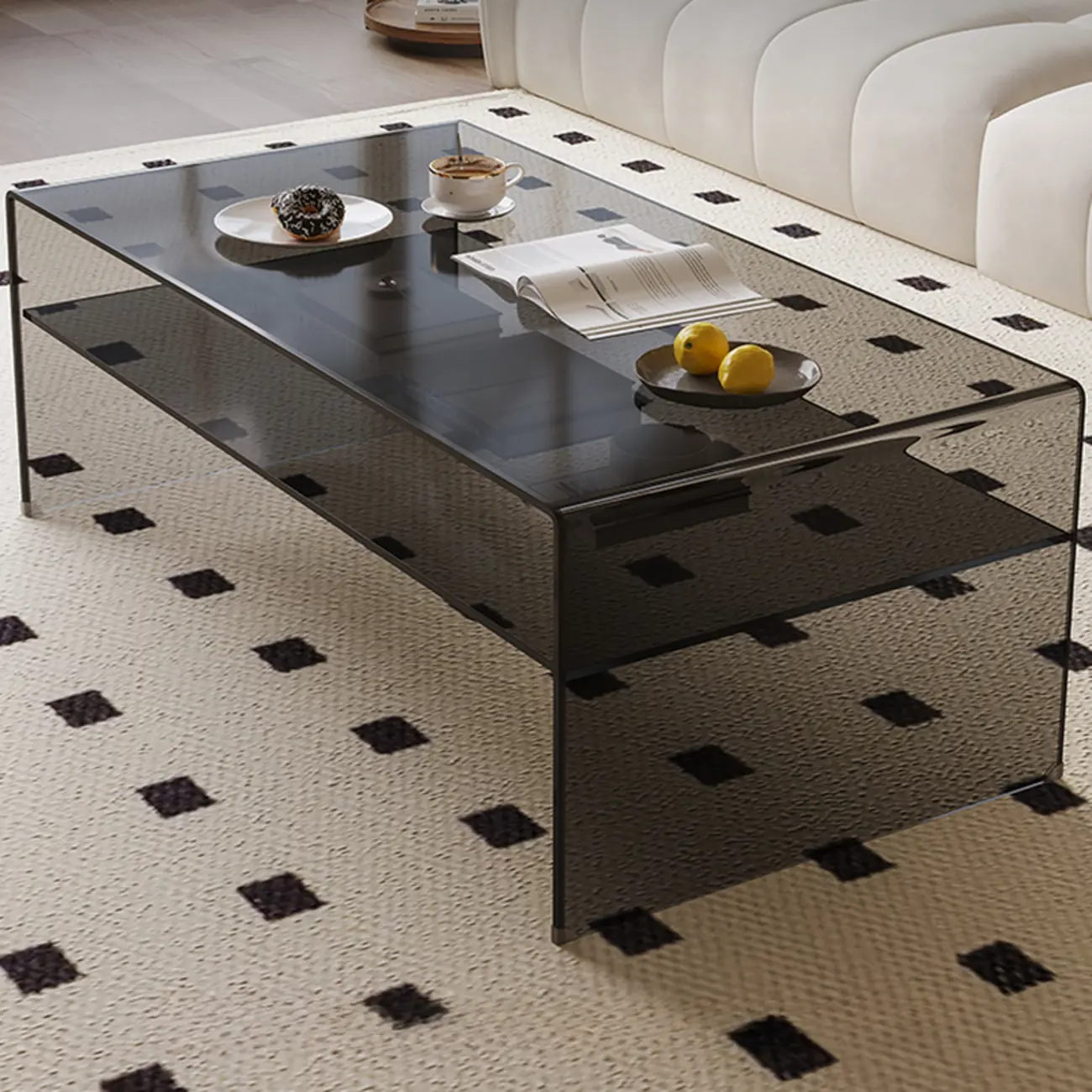
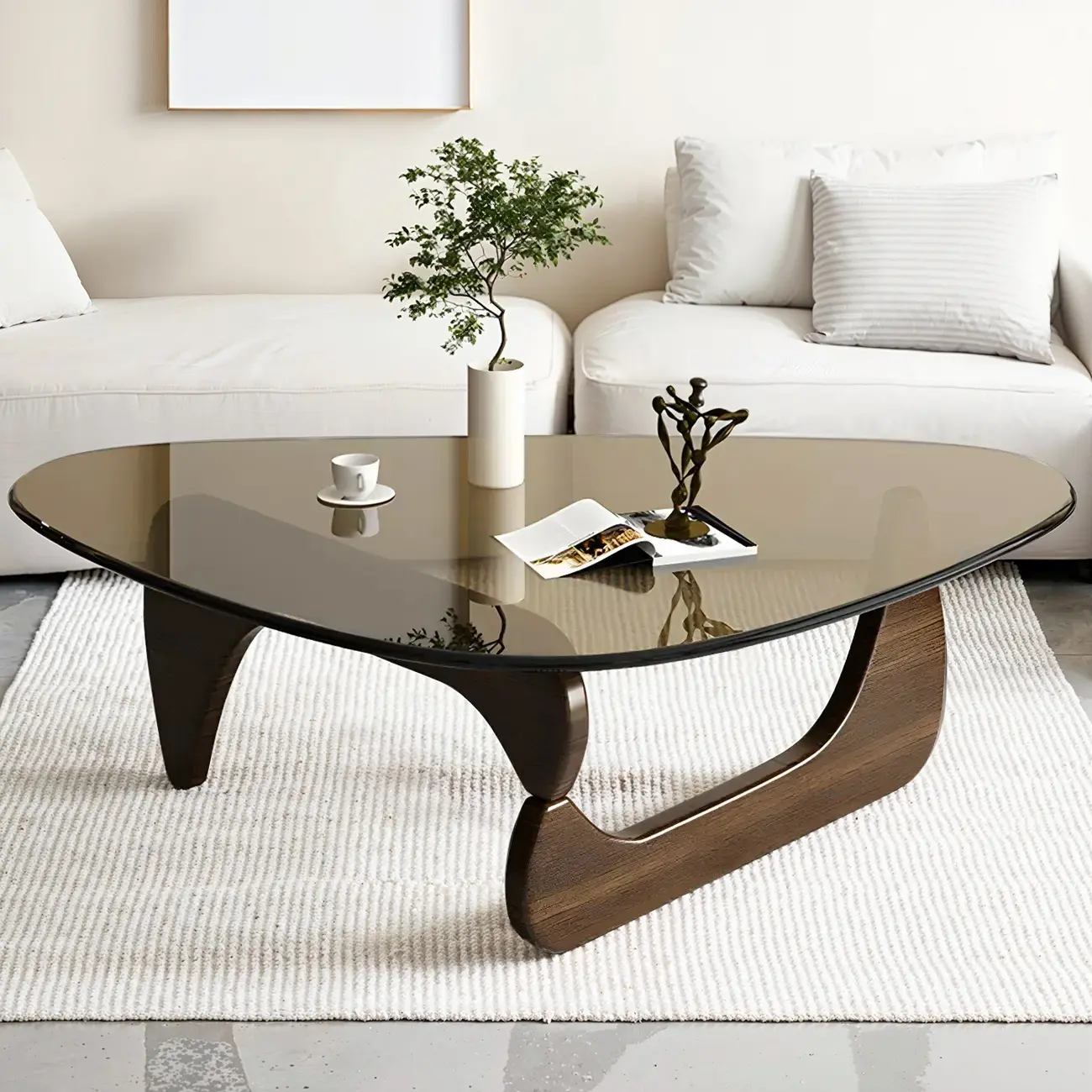
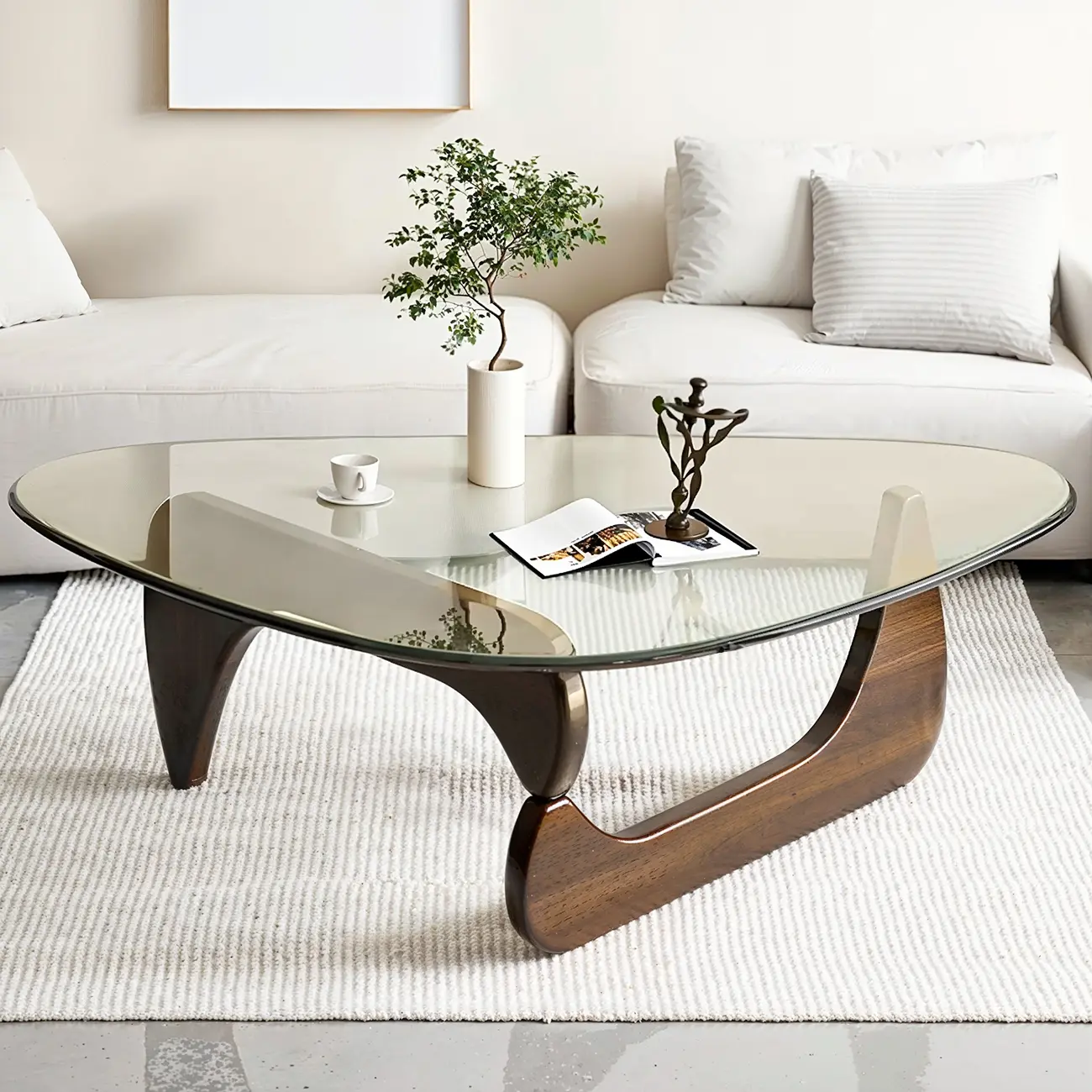
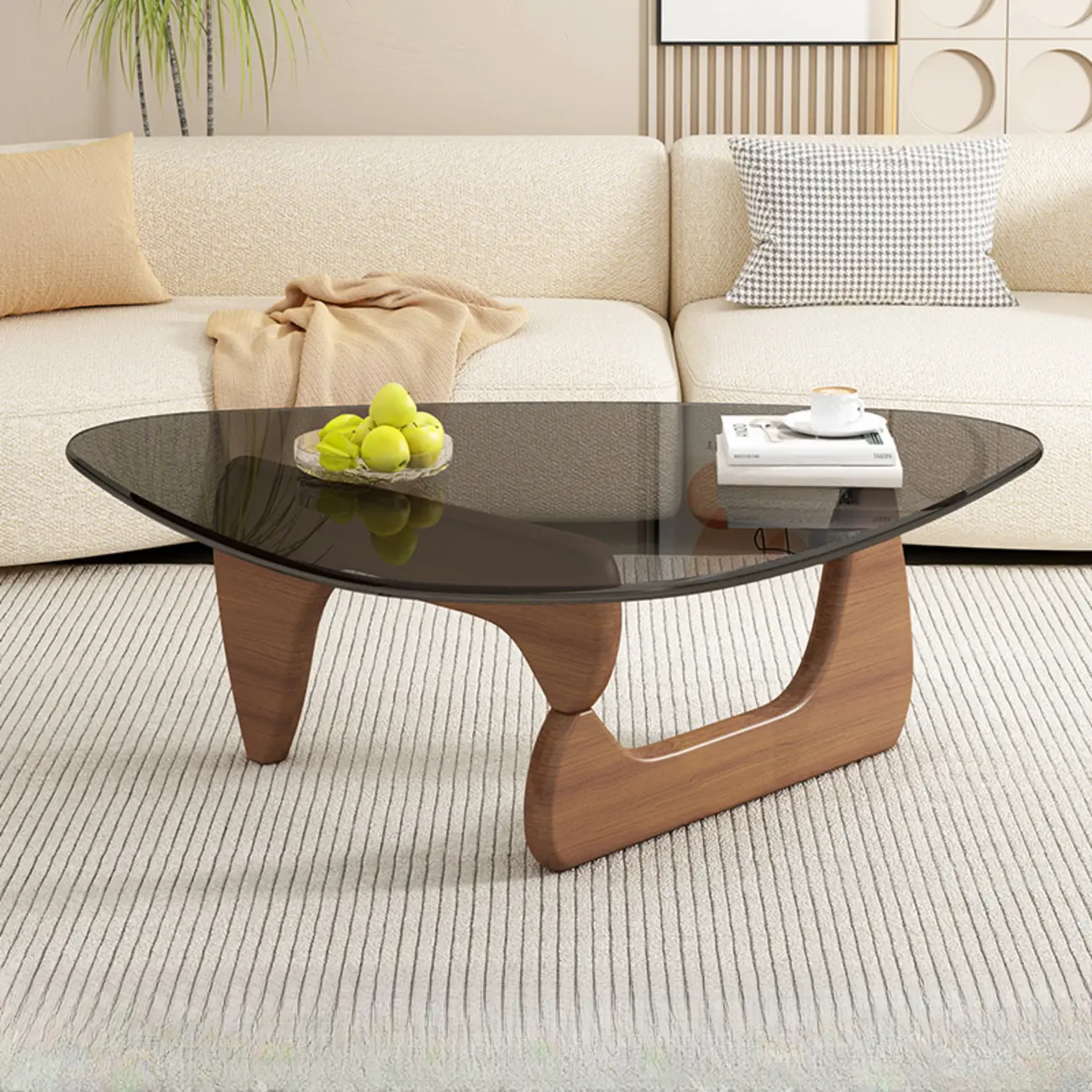
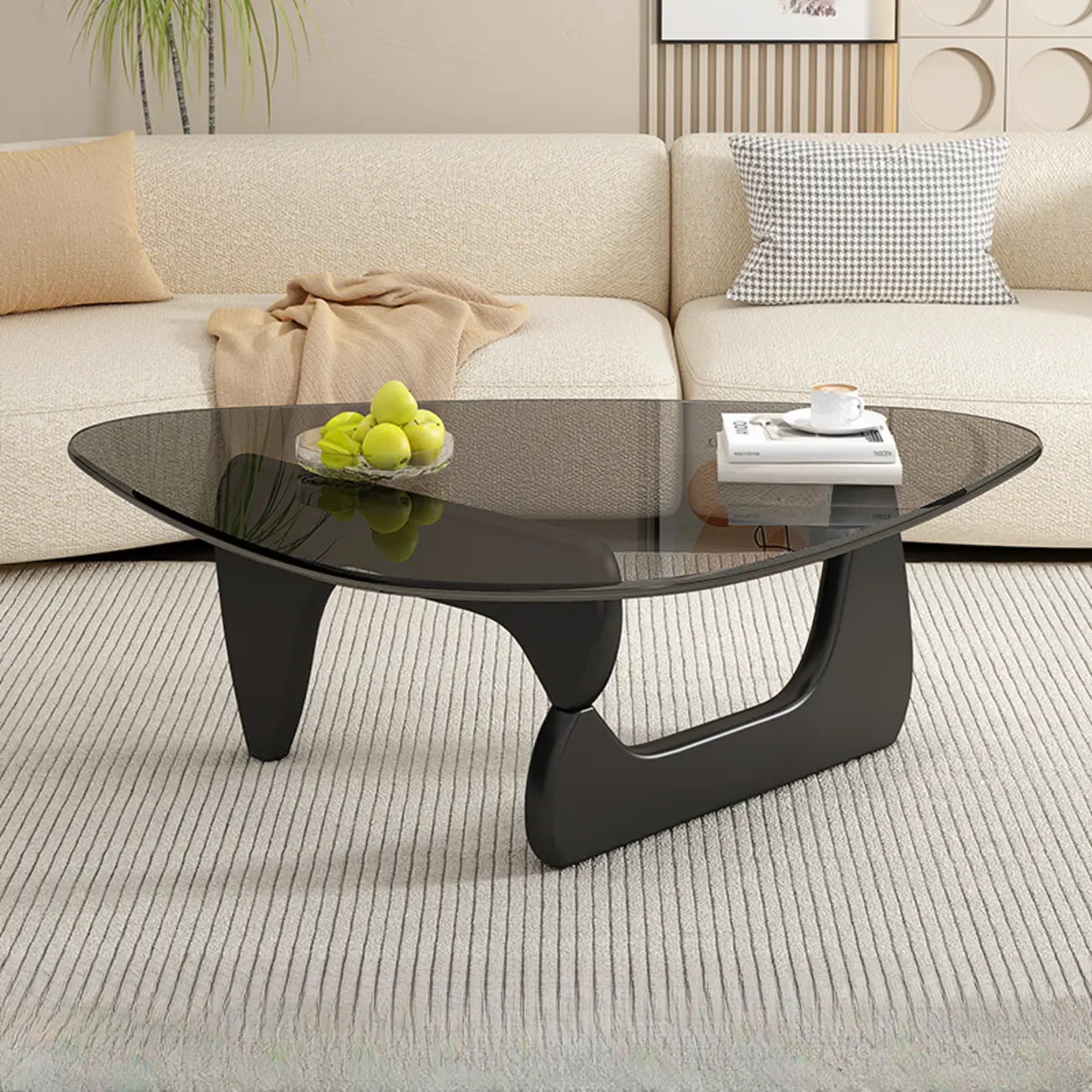
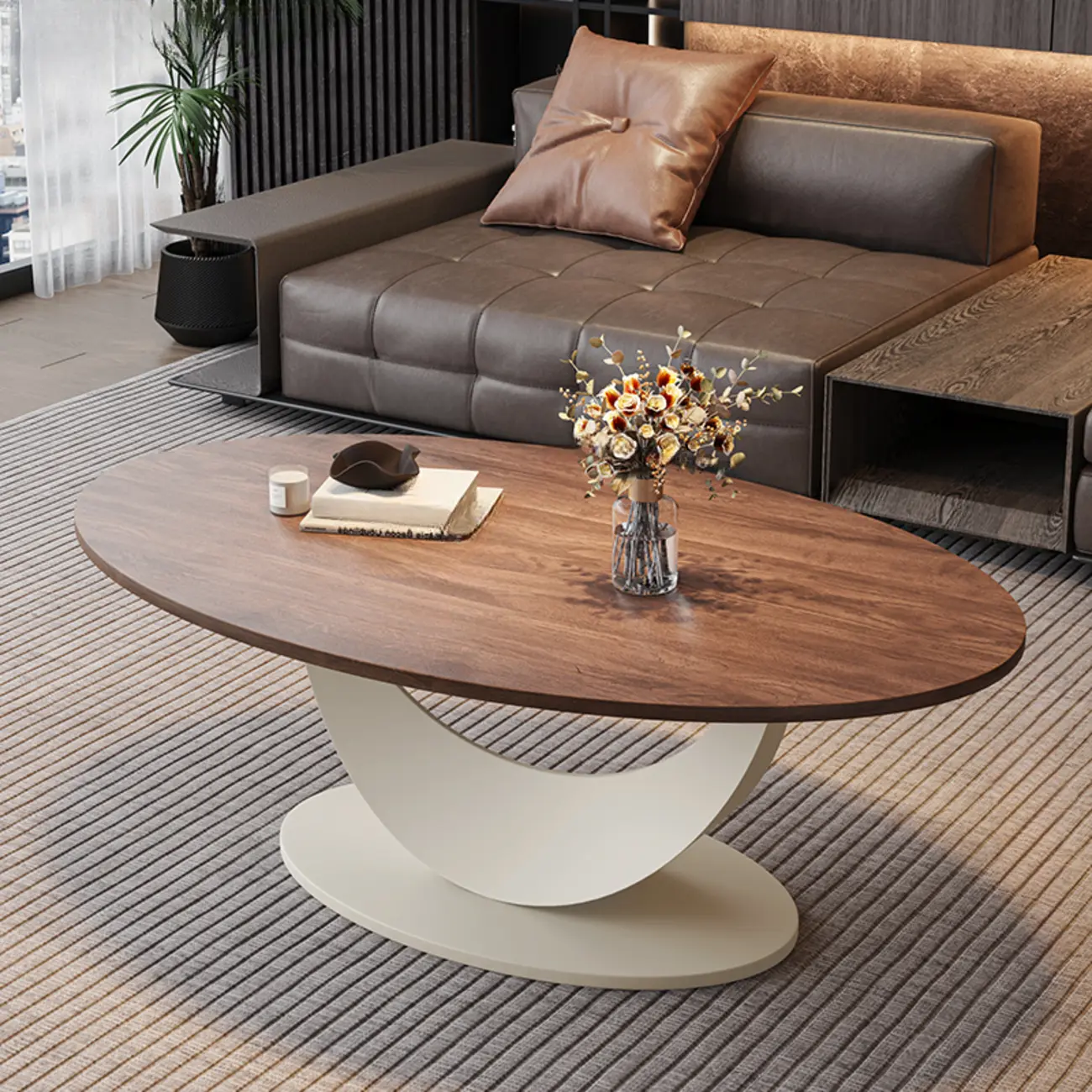
For example, a wooden coffee table can be paired with a smooth ceramic vase and a woven tray. A glass table can benefit from warmer materials such as wood, linen-covered books, or natural greenery.
6. Use Books as a Styling Tool—not Just Decoration
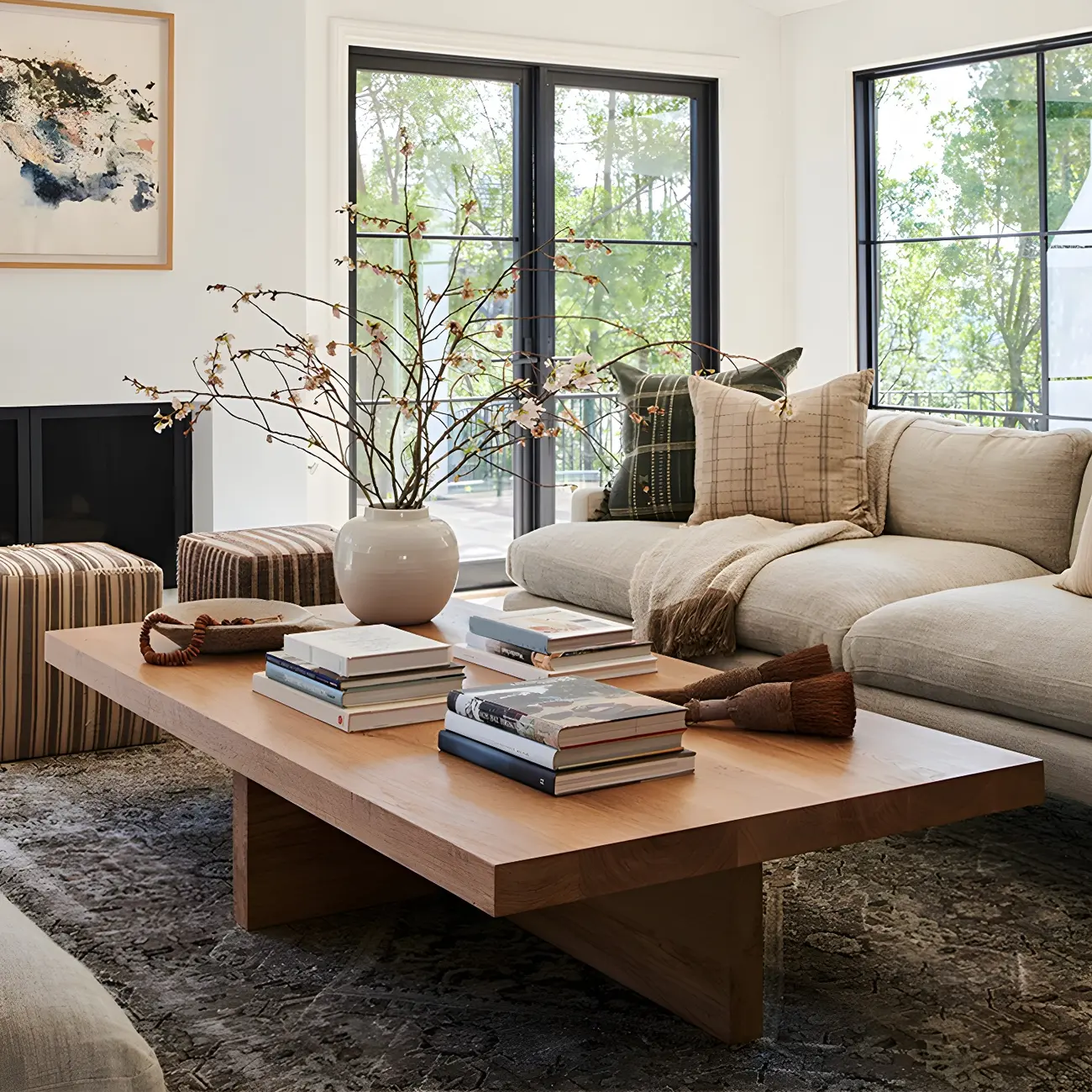
Coffee table books are useful because they add height while remaining relatively low. Stack two or three books and place a small object on top, such as a candle, bowl, or decorative sculpture. The stack becomes a platform that helps smaller objects stand out.
Choose books that support the room's overall aesthetic rather than selecting them only because they are the right color.
A home should feel personal. Design, architecture, photography, travel, fashion, art, and other subjects that genuinely interest you can make the arrangement feel more authentic.
7. Bring in Something Organic
A rectangular coffee table can sometimes feel visually hard because of its straight edges.
An organic element introduces contrast. Try a small vase with fresh flowers, dried branches, greenery, or another natural element. You can also use a wooden bowl or another naturally textured accessory.
Keep the scale appropriate to the table. A huge floral arrangement can dominate the seating area, while something too small may disappear among other objects.
The best choice is usually one organic focal point rather than several competing ones.
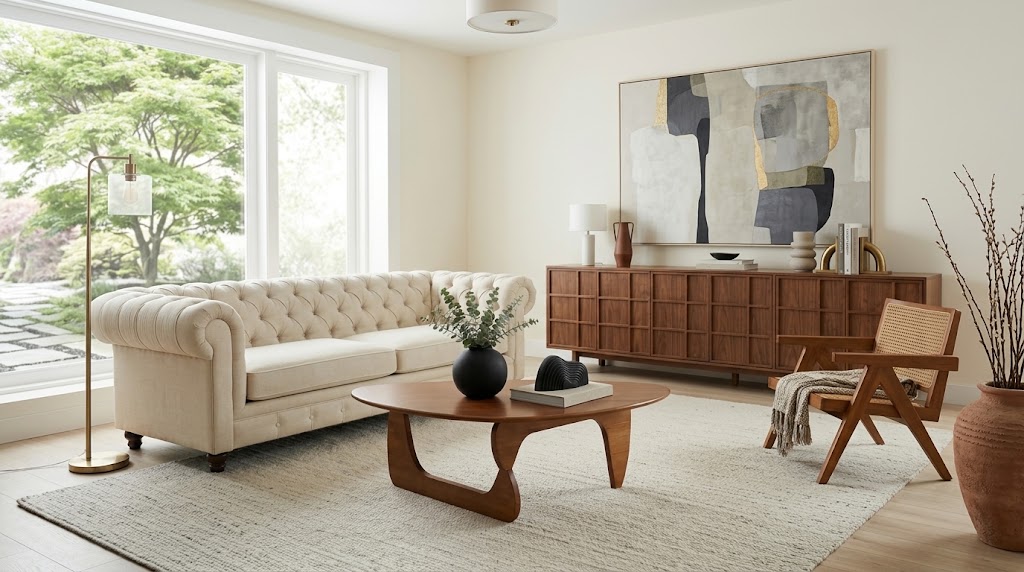
8. Leave Space for Everyday Life
A coffee table is furniture, not a museum display.
You need somewhere to put a coffee cup, remote, book, snack, or laptop. That means negative space is an important part of good styling. If your table looks beautiful in a photograph but becomes inconvenient the moment someone sits down, the arrangement needs editing.
A good test is simple: Can someone comfortably use the coffee table without moving half of the decor first?
If the answer is no, remove something.
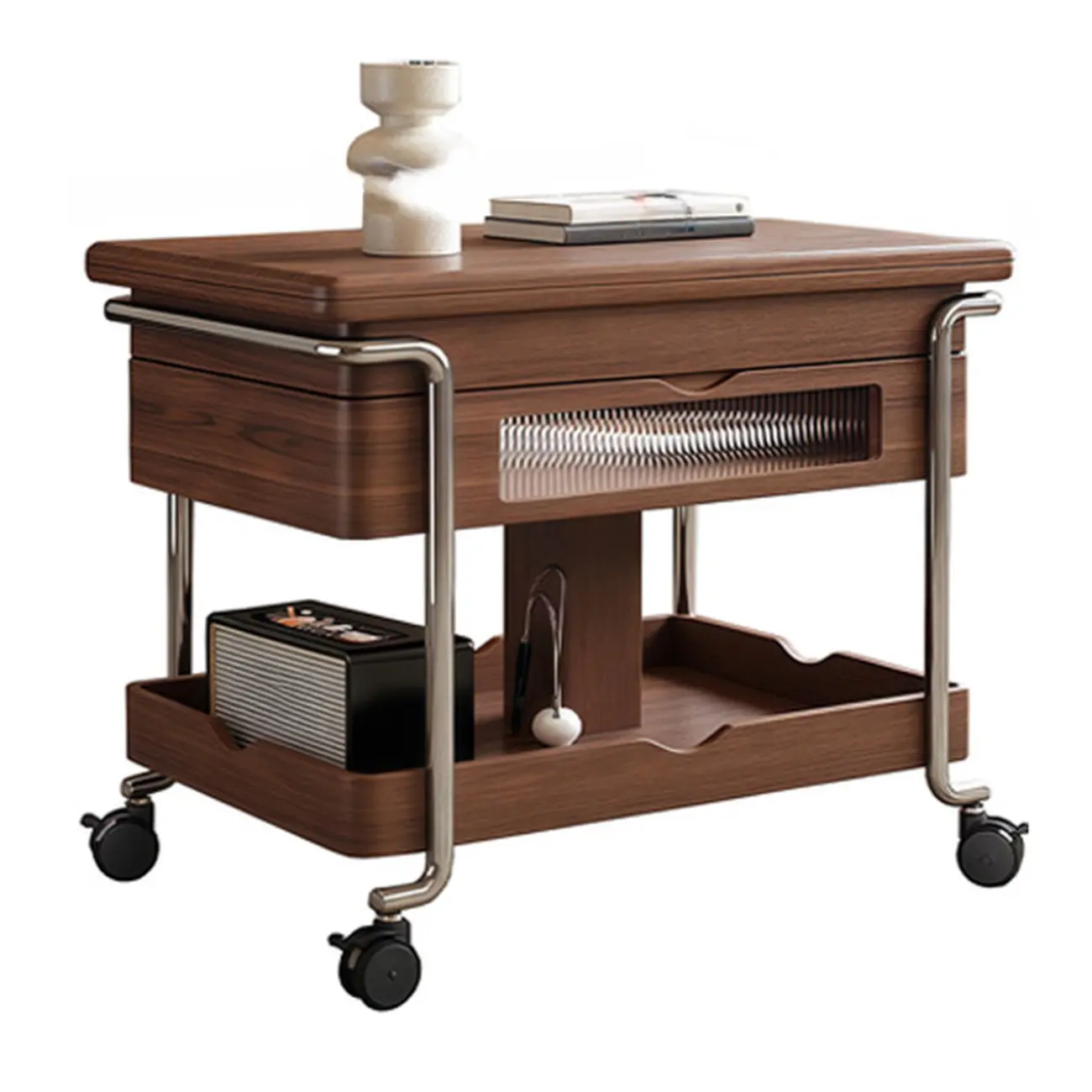
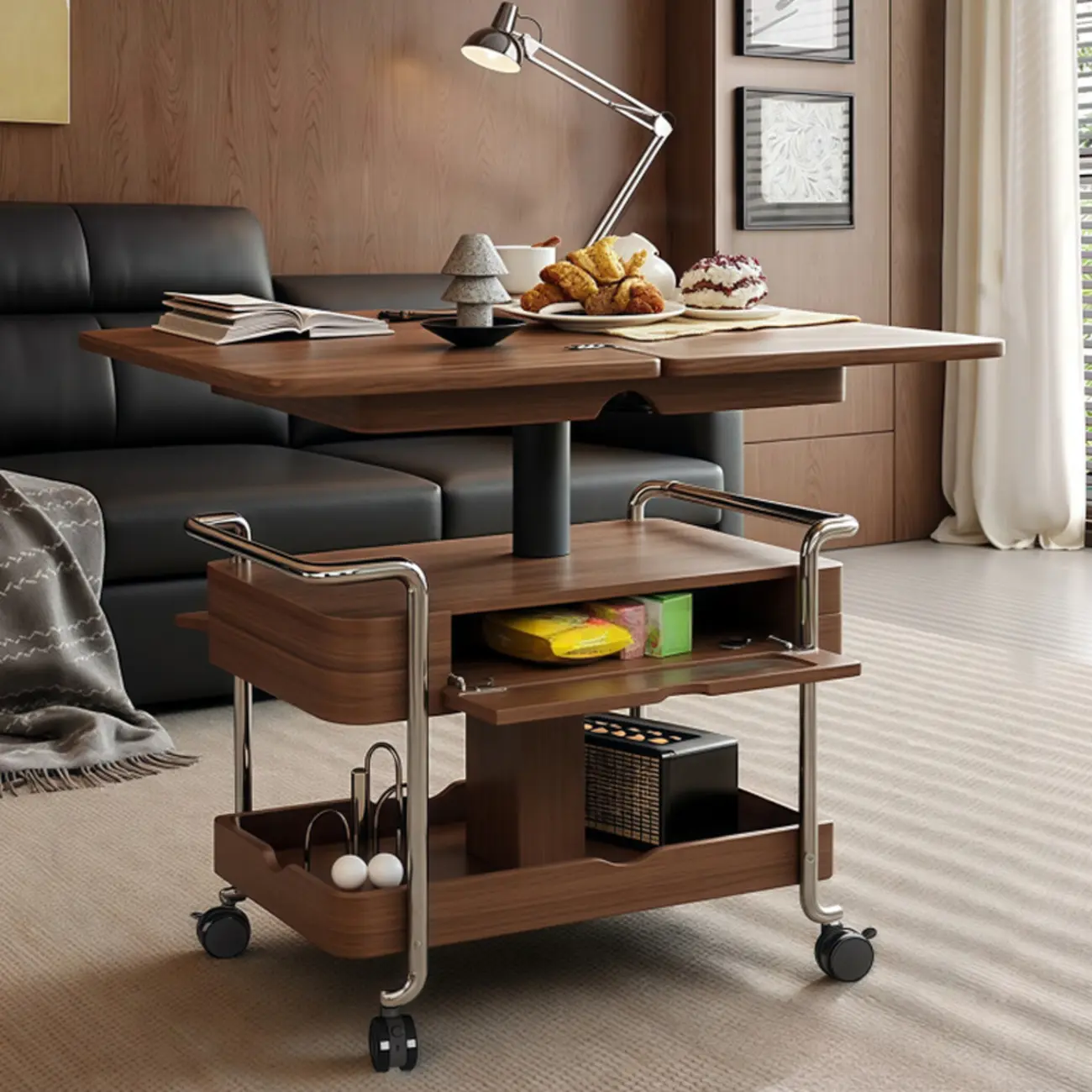
For homes where storage and flexibility matter, consider browsing HomeyFad's Coffee Table with Lift Top collection. A multifunctional table can help keep everyday items organized while preserving a clean living-room look.
9. Style the Table According to Its Size
-
Small rectangular coffee table: Keep the arrangement compact. One anchor, a small stack of books, and one decorative object may be enough. Avoid filling every corner simply because the table has available space.
-
Large rectangular coffee table: A larger surface can support multiple related groupings. Instead of creating one oversized centerpiece, distribute visual interest across the tabletop.
A useful approach is decorative grouping + open space + functional grouping. This keeps a large table from feeling either empty or cluttered.
10. Match the Styling to Your Interior
The objective is not to copy a particular style formula. Your coffee table should feel like part of the same room as your sofa, rug, lighting, and other furniture.
-
Modern: Choose clean shapes, restrained colors, sculptural accessories, and a small number of intentional pieces.
-
Minimalist: Use fewer objects and prioritize negative space. A simple tray, books, and one organic element can create enough visual interest.
-
Modern farmhouse: Combine warm wood, neutral ceramics, books, greenery, and relaxed natural textures.
-
Coastal: Use light woods, woven textures, organic forms, and a soft, airy palette.
-
Mid-century modern: Look for warm wood tones, geometric silhouettes, vintage-inspired objects, and carefully edited accessories.
A Simple Rectangular Coffee Table Styling Formula
If you want a repeatable starting point, use this: 1 anchor + 1 layer of height + 1 organic element + 1 functional area + intentional empty space
For example:
Tray → books → ceramic vase → greenery → open space
Then step back and look at the arrangement from the sofa.
Does one side feel heavier? Is there enough room for a drink? Is the tallest object distracting from conversation or the television? Does the material mix feel connected to the rest of the room? Make small adjustments rather than adding more objects.
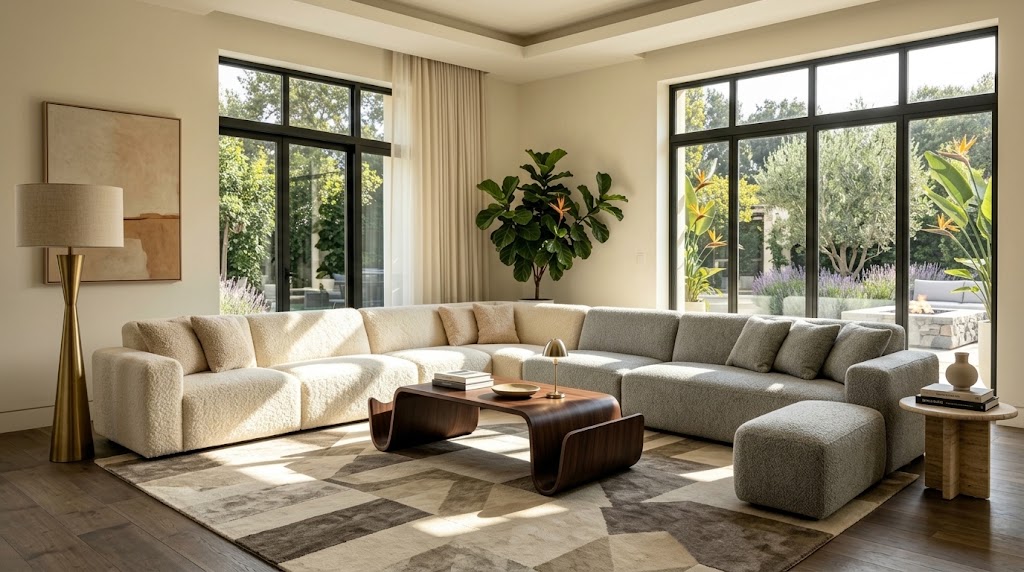
What to Avoid When Decorating a Rectangular Coffee Table
-
Overfilling the surface: More accessories do not necessarily create a better arrangement.
-
Using only one height: Objects that all sit at the same level can make the display look flat.
-
Creating perfect symmetry: Matching objects on both ends can make a room feel overly formal.
-
Ignoring scale: A tiny centerpiece may disappear on a large table, while an oversized object can overwhelm a compact one.
-
Choosing decor in isolation: The coffee table should complement the room instead of competing with it.
-
Forgetting function: Always leave enough accessible surface for everyday use.
Create a Coffee Table That Works for Your Home
The best rectangular coffee table styling is not about following a rigid decorating rule. It is about understanding the shape of the table, controlling visual weight, mixing materials and heights, and leaving enough room for everyday living.
Start with one strong anchor. Build around it gradually. Add something organic, create contrast through shape and texture, and stop before the tabletop becomes crowded.
When you are ready to refresh the rest of your living room, explore HomeyFad's Coffee Tables and Living Room Essentials & Decor collections to build a cohesive space from the coffee table outward.
Frequently Asked Questions
Q: What is the best way to style a rectangular coffee table?
A: Start with one visual anchor, then add objects with different heights, shapes, and textures. Distribute visual weight across the tabletop and leave an open area for everyday use. A tray, books, vase, and organic element are versatile starting points.
Q: What should go in the center of a rectangular coffee table?
A: A low bowl, tray, books, vase, or sculptural object can work well. If the coffee table is used frequently, a lower centerpiece is often more practical than a tall arrangement.
Q: How do you keep a coffee table from looking cluttered?
A: Edit before adding. Group small items together, vary heights, use a limited number of materials or colors, and deliberately leave open space. If an object has neither a functional nor decorative purpose, consider removing it.
Q: How many decorative items should be on a coffee table?
A: There is no universal number. The right amount depends on the table's size, the scale of the objects, and how the table is used. Start with a few strong pieces and add only when the composition needs something.
-12.png?w=1306&h=735)
.jpg?w=1000&h=721)
-.jpg?w=800&h=563)

-.jpg?w=800&h=543)

 Add Us On Google