
(1).png?w=1920&h=650)

When decorating a living room, one of the most common questions homeowners ask is, "Should a coffee table match the TV stand?" The short answer is no—but they should complement each other.
Modern interior design is less about buying identical furniture sets and more about creating a balanced, layered space that reflects your personal style. A coffee table and TV stand don't need to come from the same collection, but they should share common design elements such as color, material, shape, or proportion.
In this guide, you'll learn how professional designers mix and match coffee tables with TV stands, which combinations work best, common mistakes to avoid, and how to choose furniture that creates a cohesive, inviting living room.
Should Coffee Table and TV Stand Match?
Not necessarily. Years ago, matching furniture sets were the standard. Today, many interior designers and families prefer curated spaces that feel collected rather than purchased all at once.
Instead of matching every detail, aim for coordination between the coffee table and TV stand.
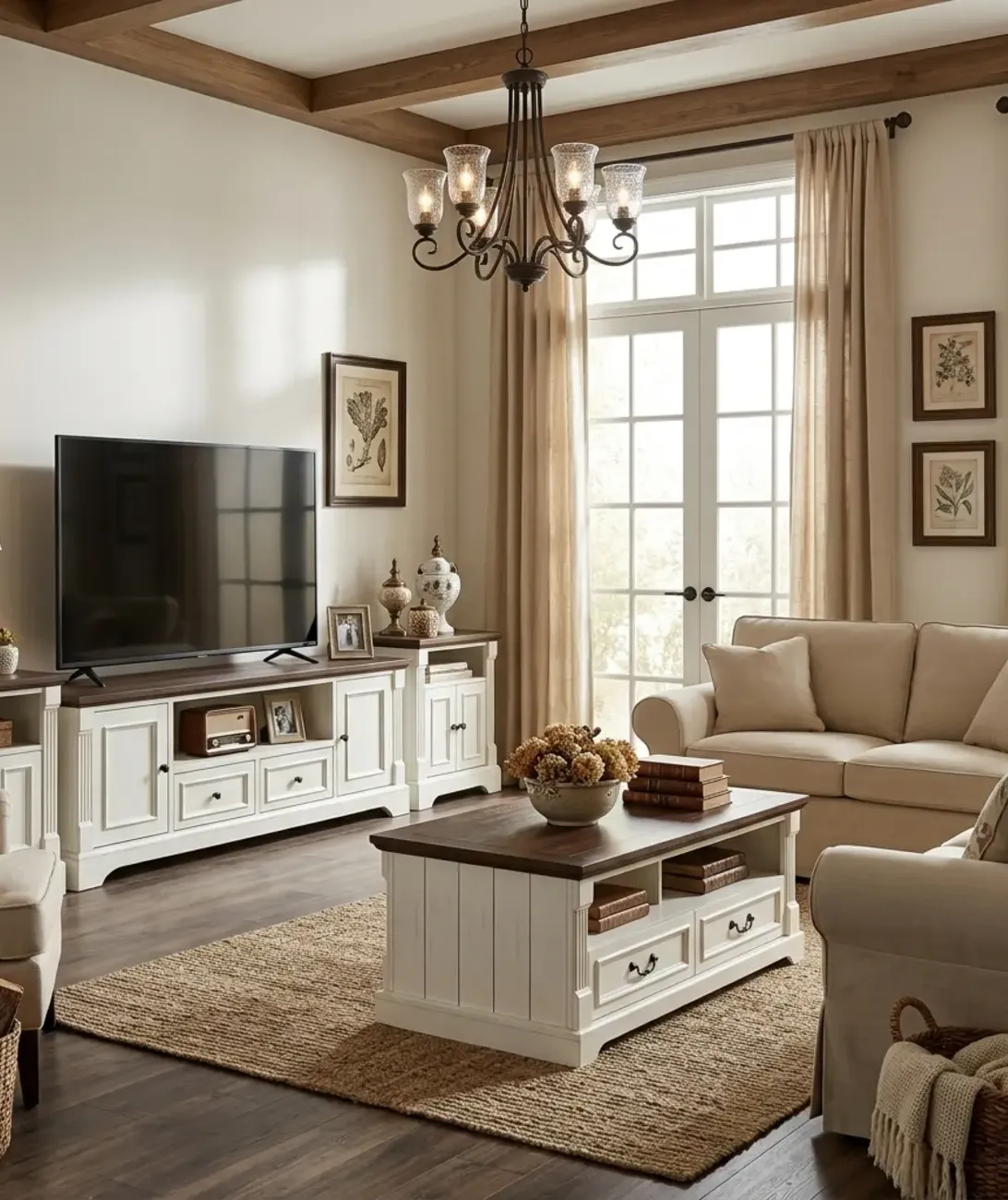
Good combinations usually share one or more of these characteristics:
-
Similar wood tones
-
Matching metal finishes
-
Complementary colors
-
Consistent design style
-
Balanced proportions
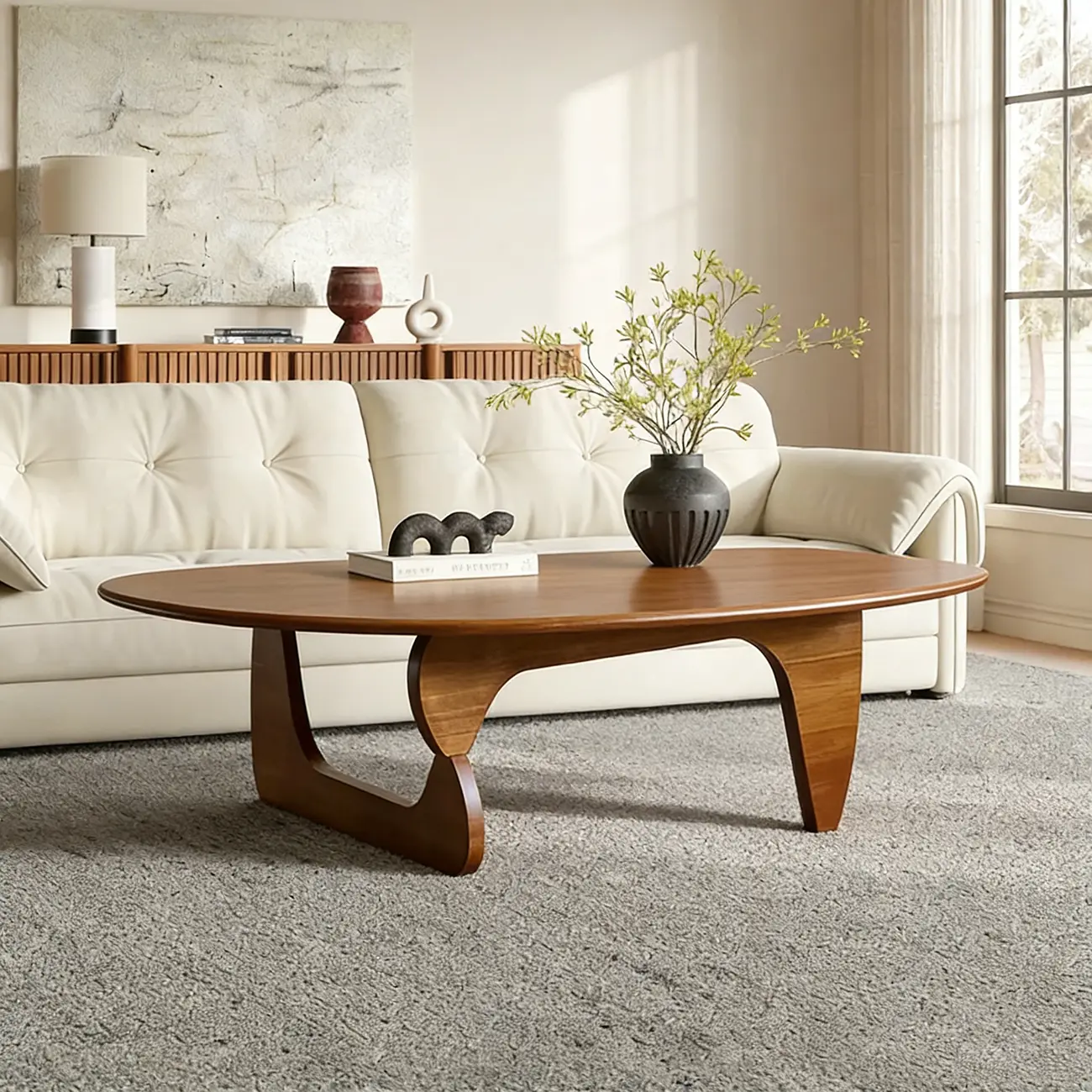
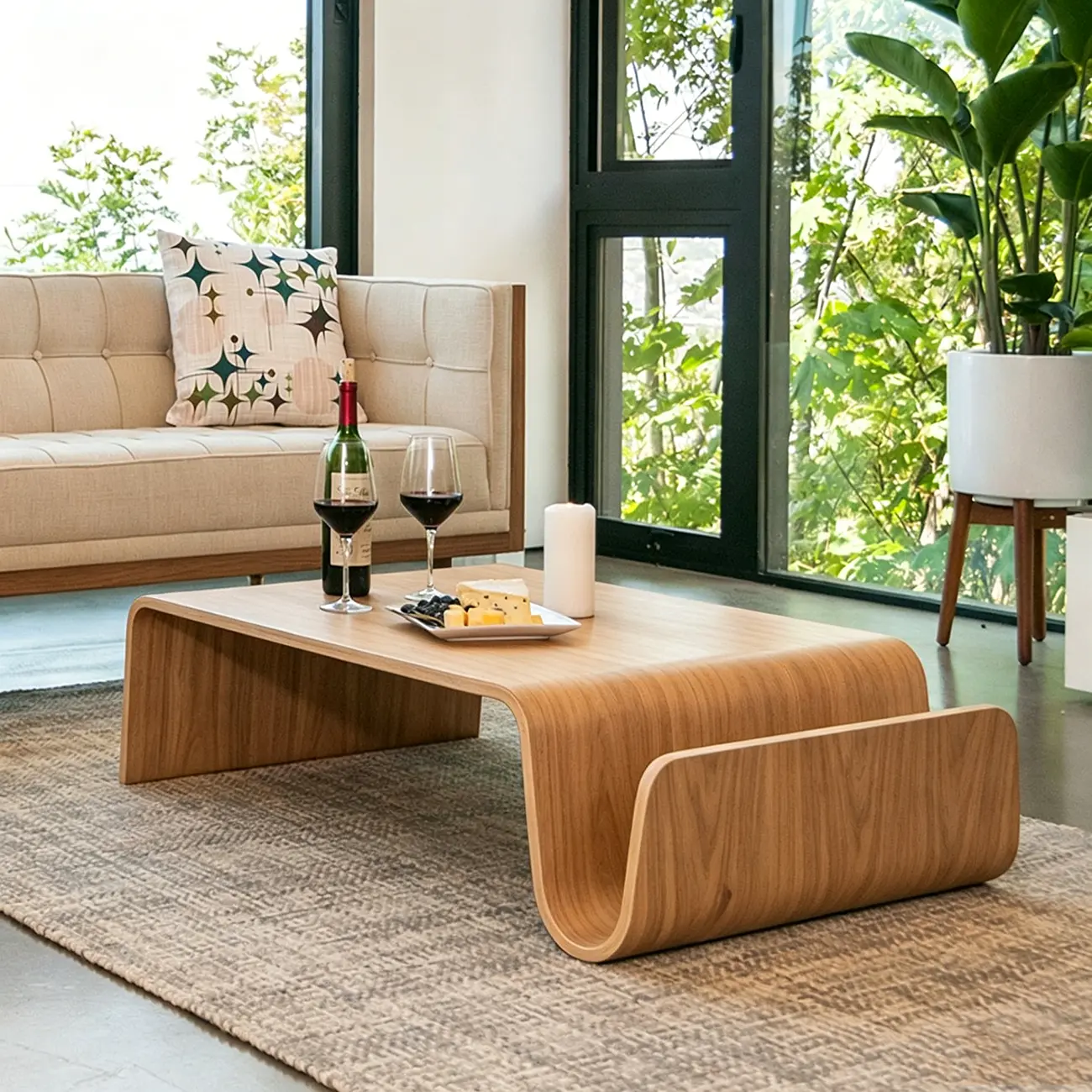
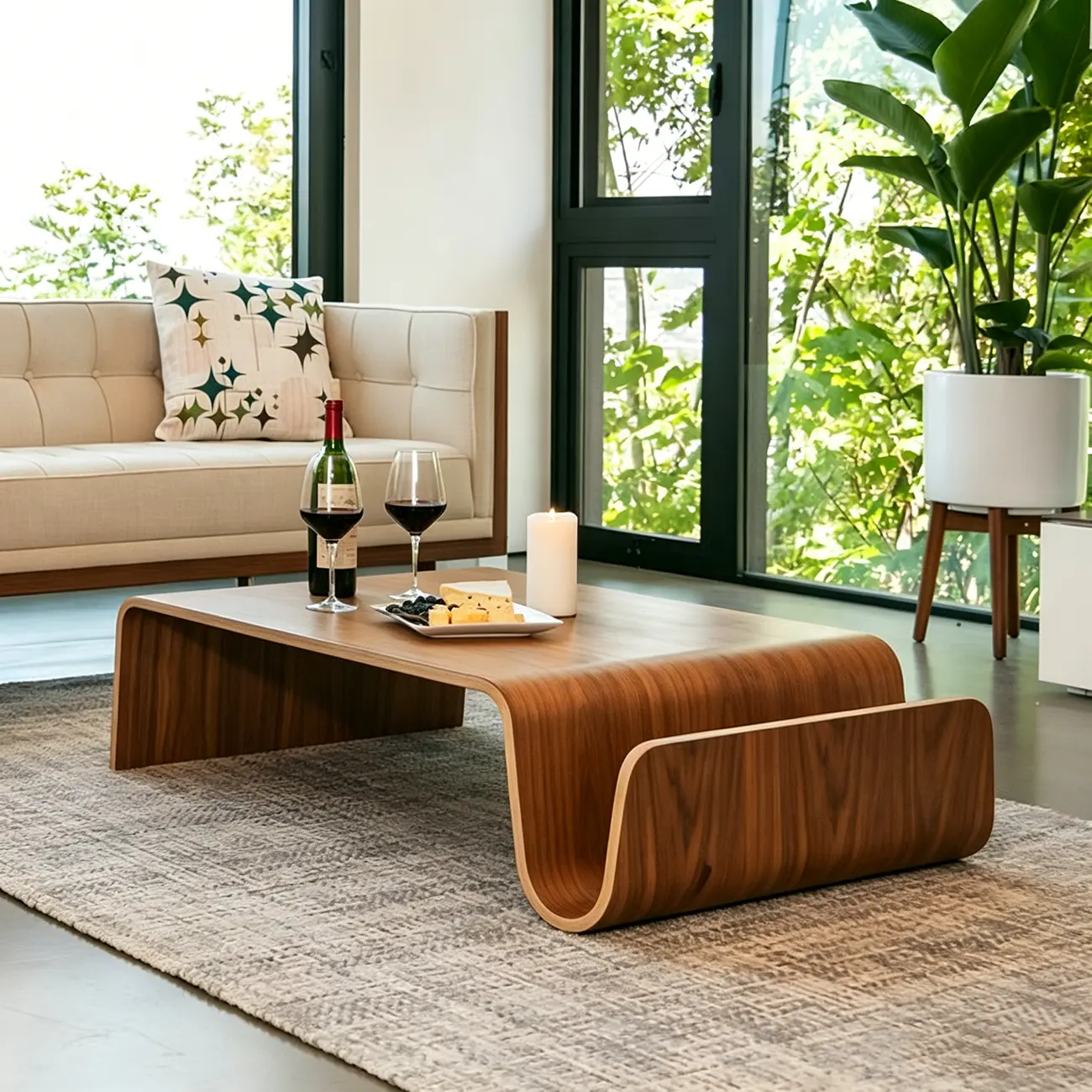
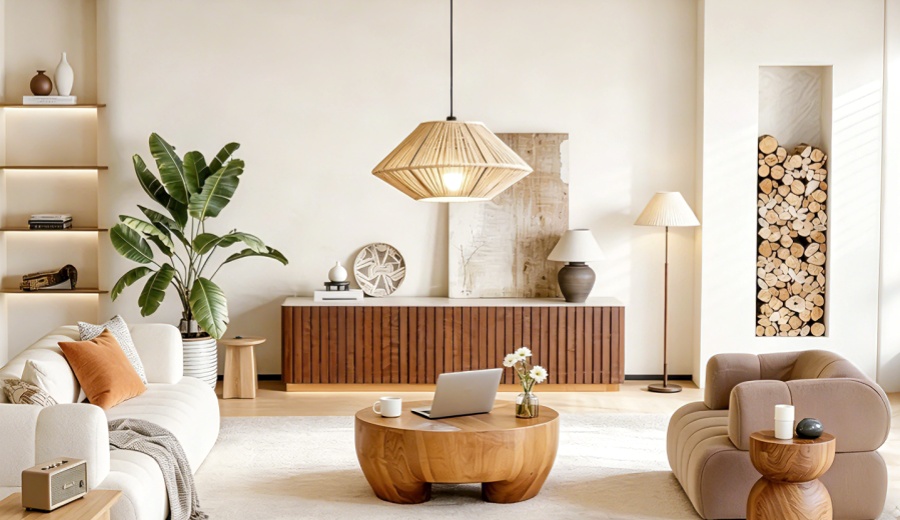
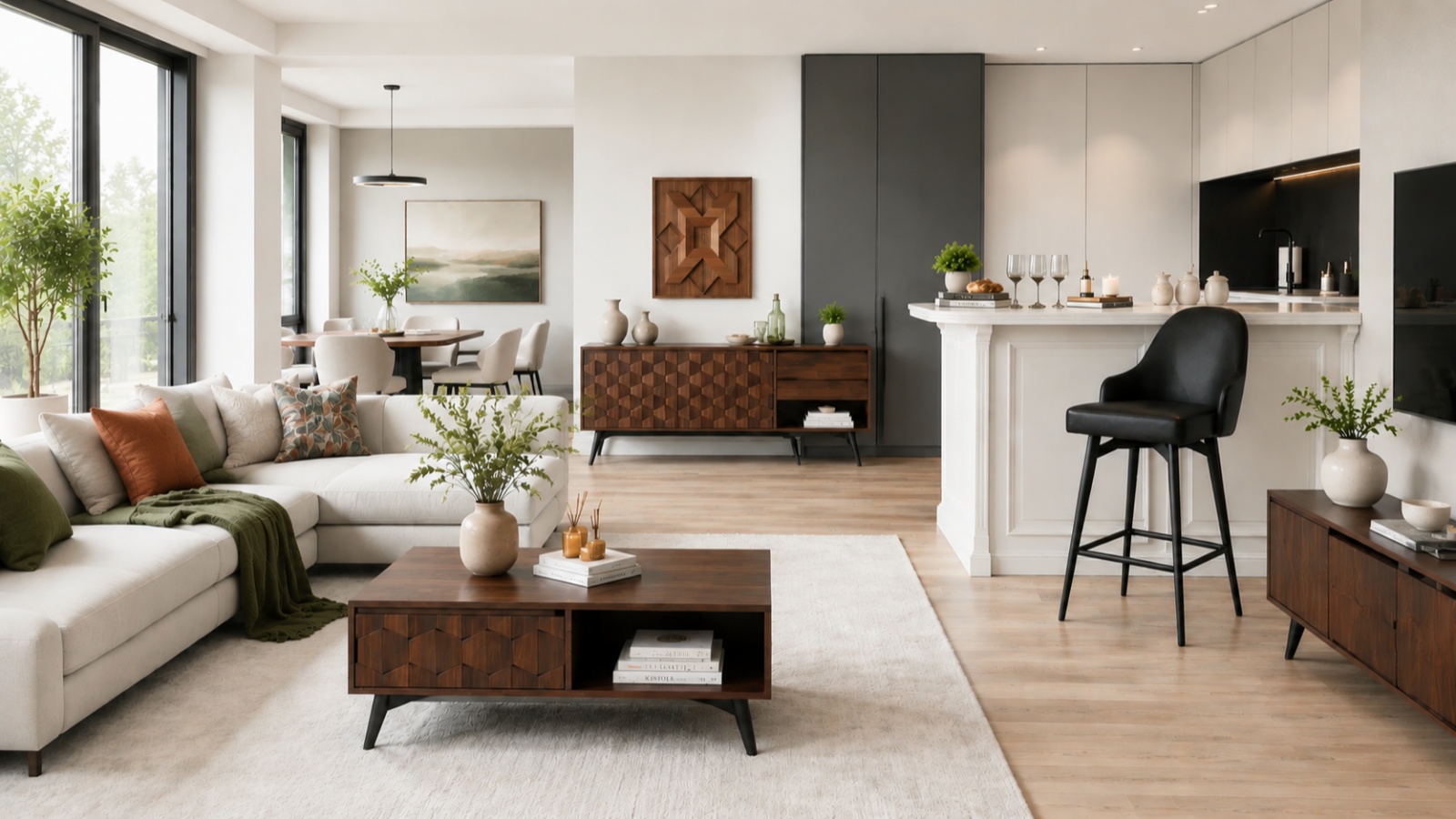
For example, a walnut coffee table pairs beautifully with a walnut TV stand, even if their shapes differ. Likewise, a modern white TV stand can work with a marble coffee table if both feature clean lines and minimalist styling.
The goal is visual harmony between the coffee table and TV stand—not perfect matching.
View More Coffee Table Designs View More TV Stands Designs
How Do Designers Match a Coffee Table and TV Stand?
1. Match the Style, Not the Furniture
Your coffee table and TV stand don't have to come from the same furniture collection. Instead, they should reflect the same overall design language. For example, a modern living room looks best with clean lines, simple silhouettes, and minimal detailing, while a farmhouse interior favors distressed wood, warm textures, and traditional hardware.
Think of the pieces as family members rather than twins—they should look related without being identical. When the furniture shares a similar style, your living room immediately feels more polished and thoughtfully designed.
| Living Room Style | Coffee Table | TV Stand |
|---|---|---|
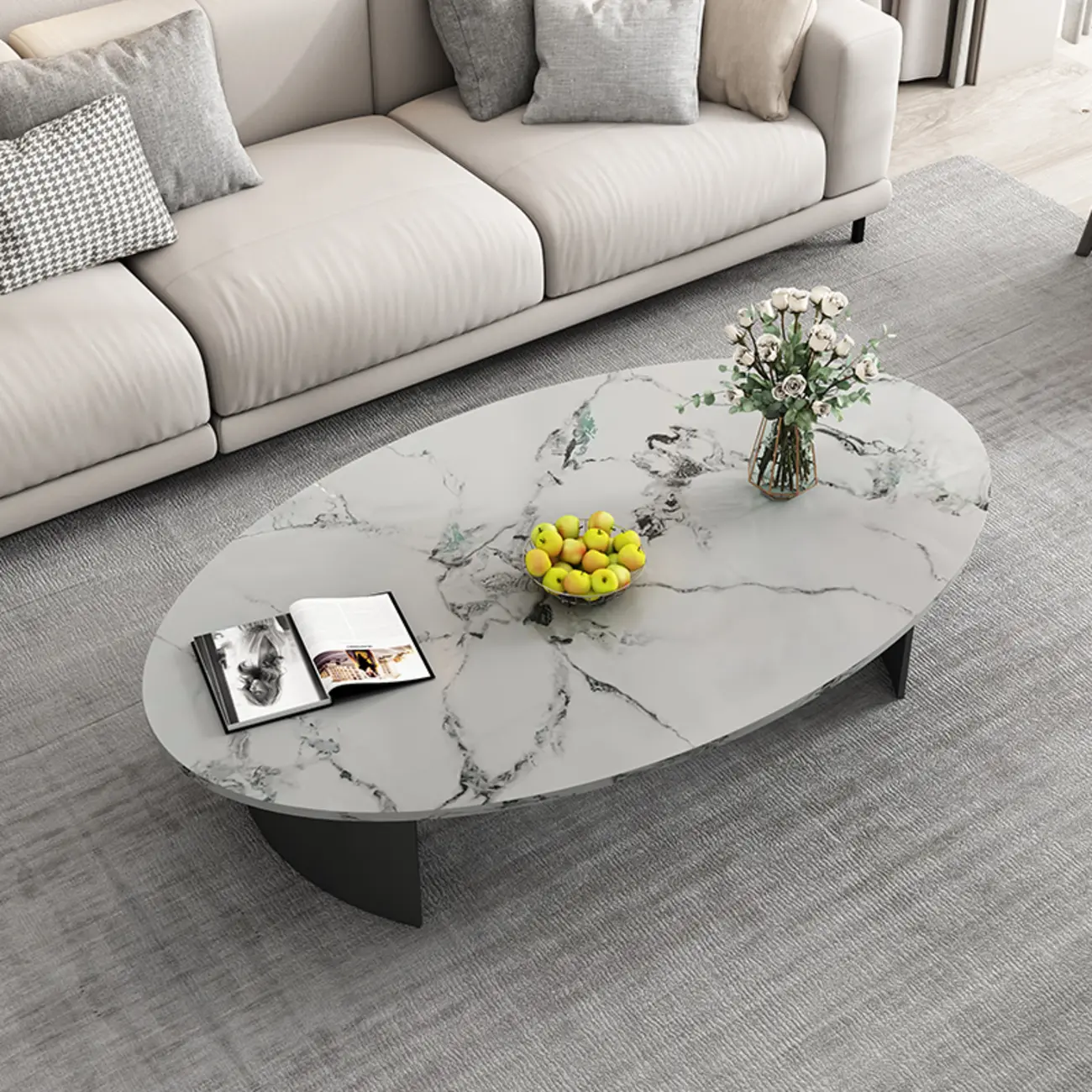
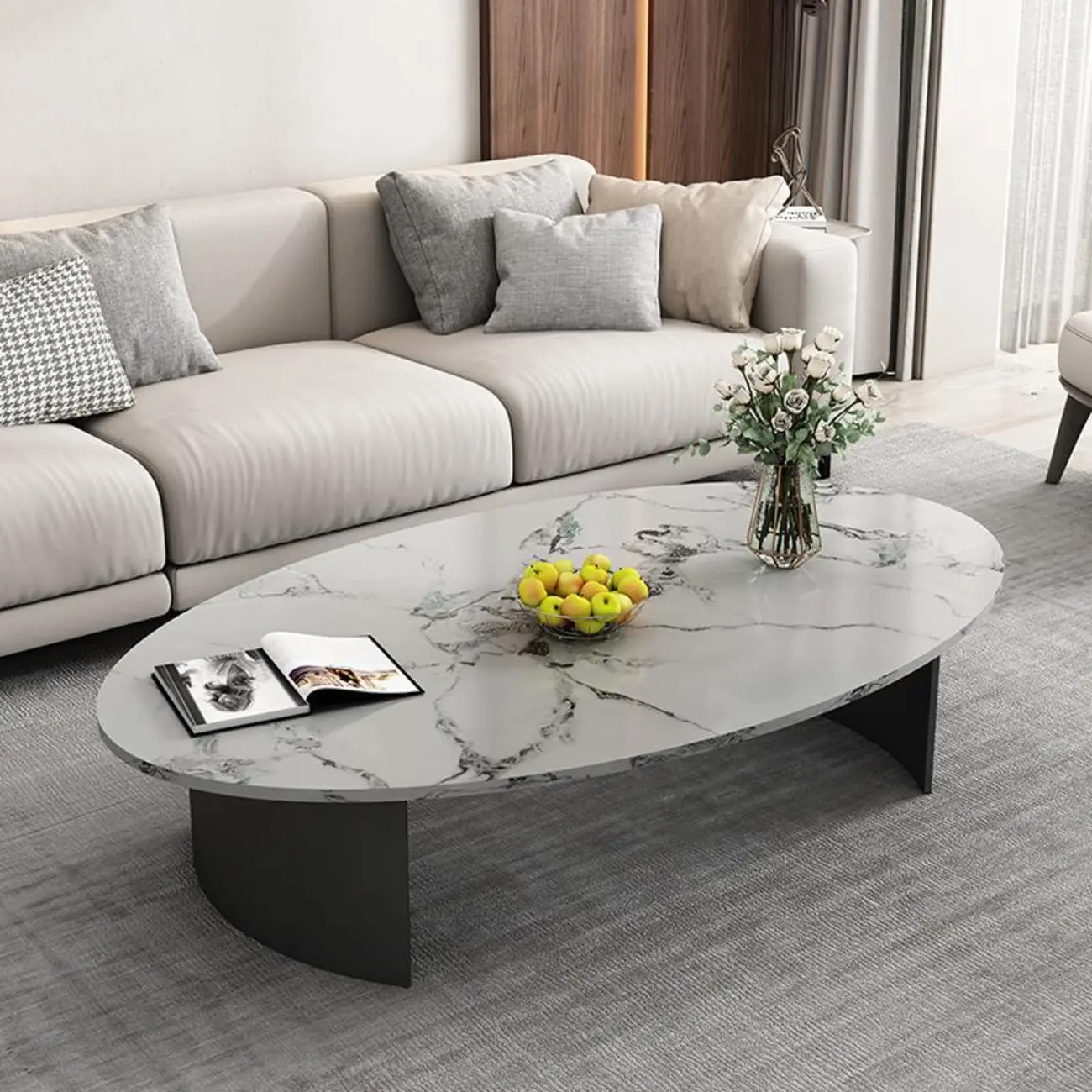
| Modern | Marble or Sintered Stone | White Lacquer or Floating TV Stand |
| Scandinavian | Light Oak | Natural Oak TV Cabinet |
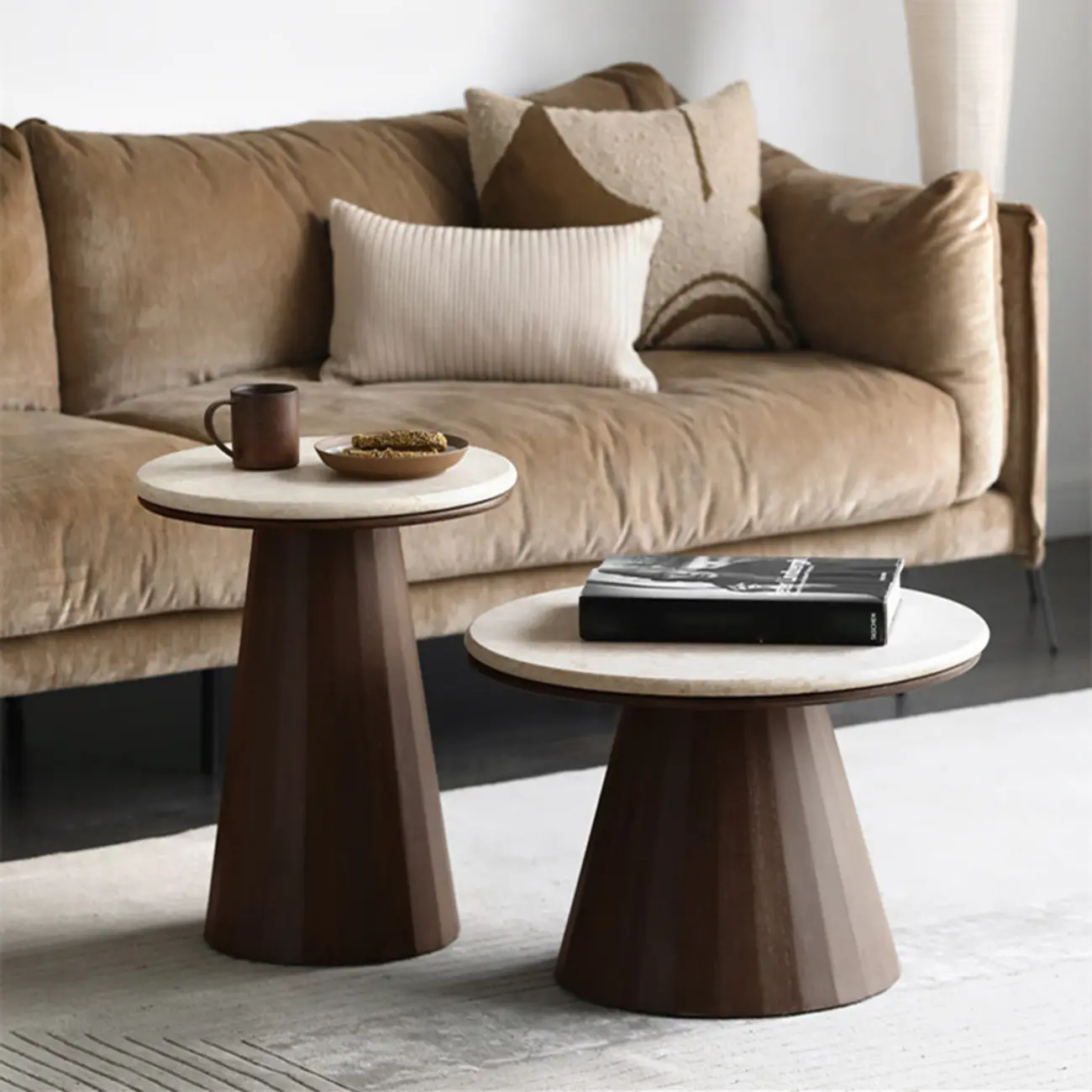
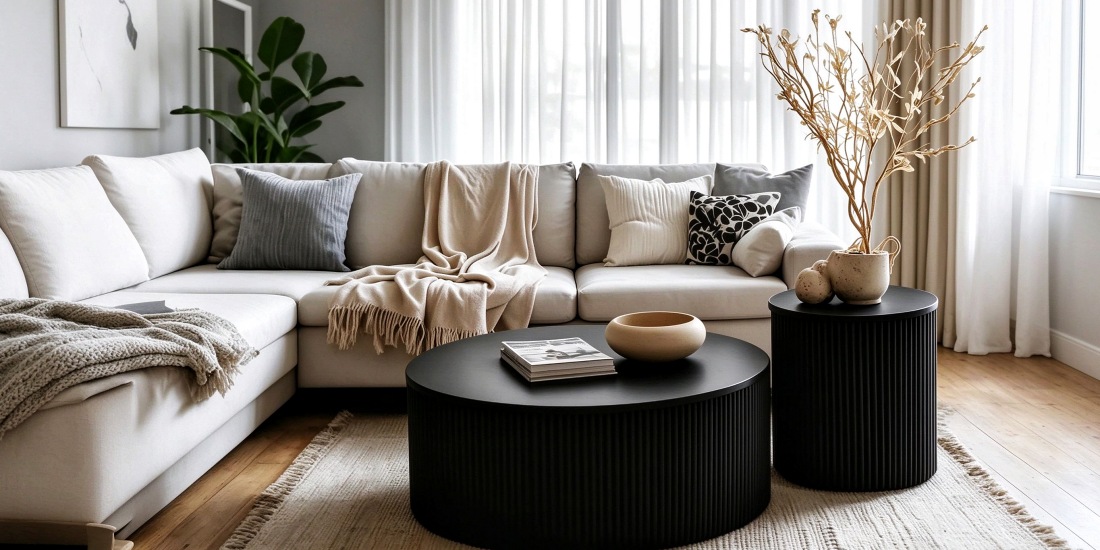
| Japandi | Round Wood Coffee Table | Slatted Wood TV Stand |
| Industrial | Black Metal & Wood | Steel Frame TV Console |
| Mid-Century Modern | Walnut Table | Walnut TV Stand with Tapered Legs |
2. Coordinate Colors Instead of Matching Them Exactly
One of the biggest decorating mistakes is choosing furniture in exactly the same color and finish. Instead, use complementary tones that create depth.
A simple way to achieve this is by following the 60-30-10 color rule.
-
60% dominant color (walls, sofa, large rug)
-
30% secondary color (TV stand or accent furniture)
-
10% accent color (coffee table décor, cushions, artwork)
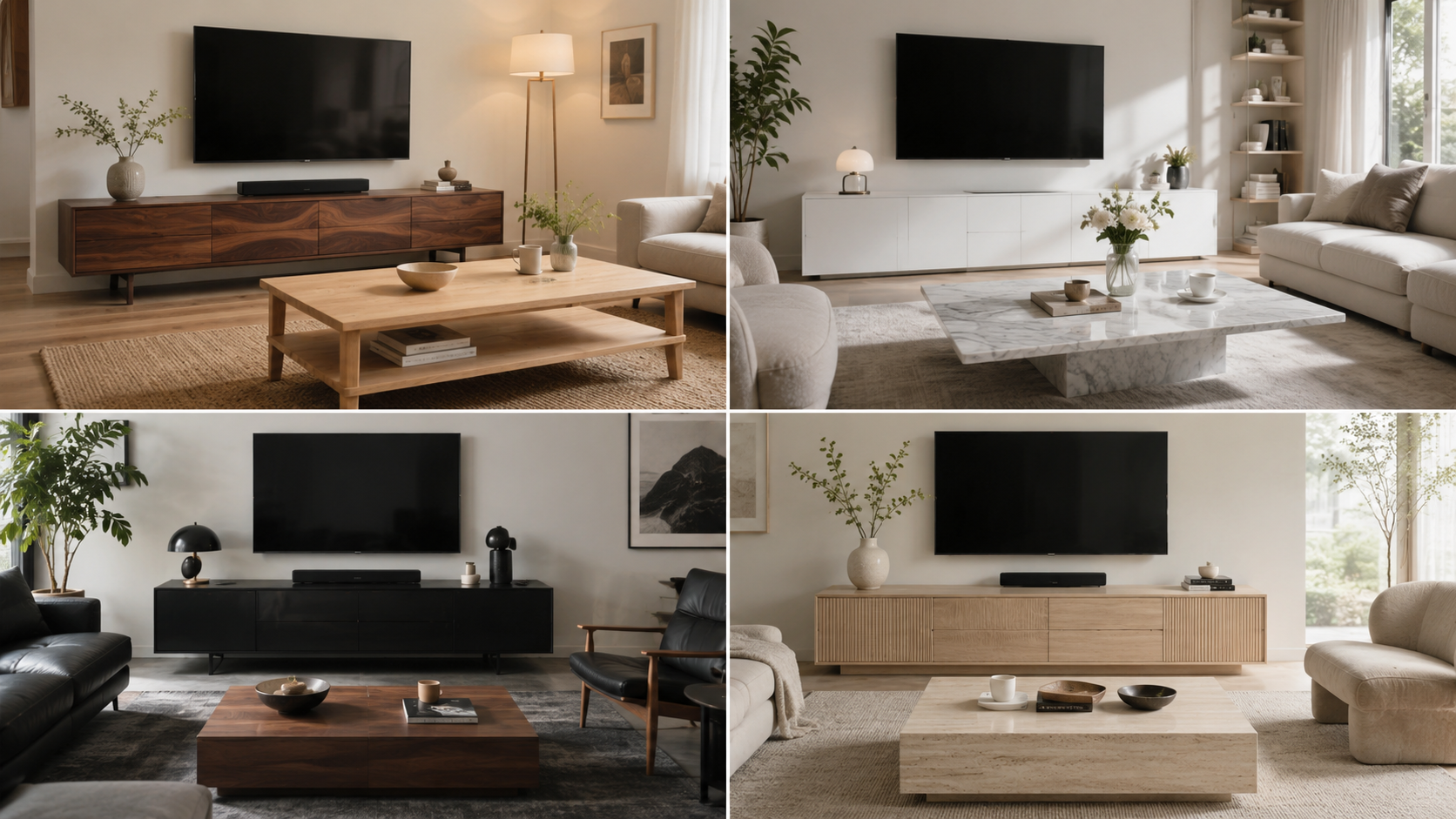
For example:
-
Walnut TV stand + light oak coffee table
-
White TV cabinet + marble coffee table
-
Black TV stand + walnut coffee table
-
Beige wood TV stand + travertine coffee table
These combinations feel layered rather than overly coordinated.
3. Balance Visual Weight
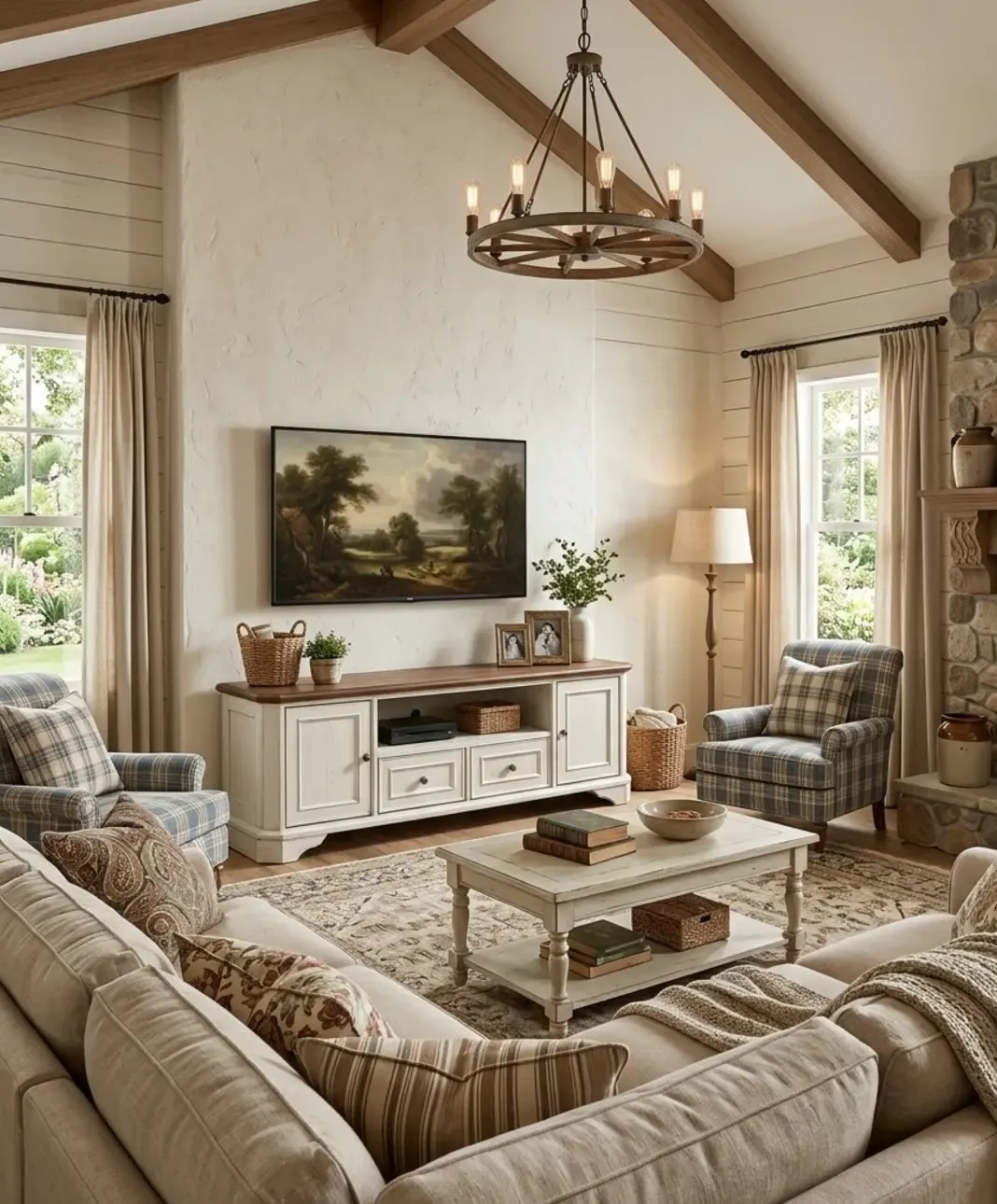
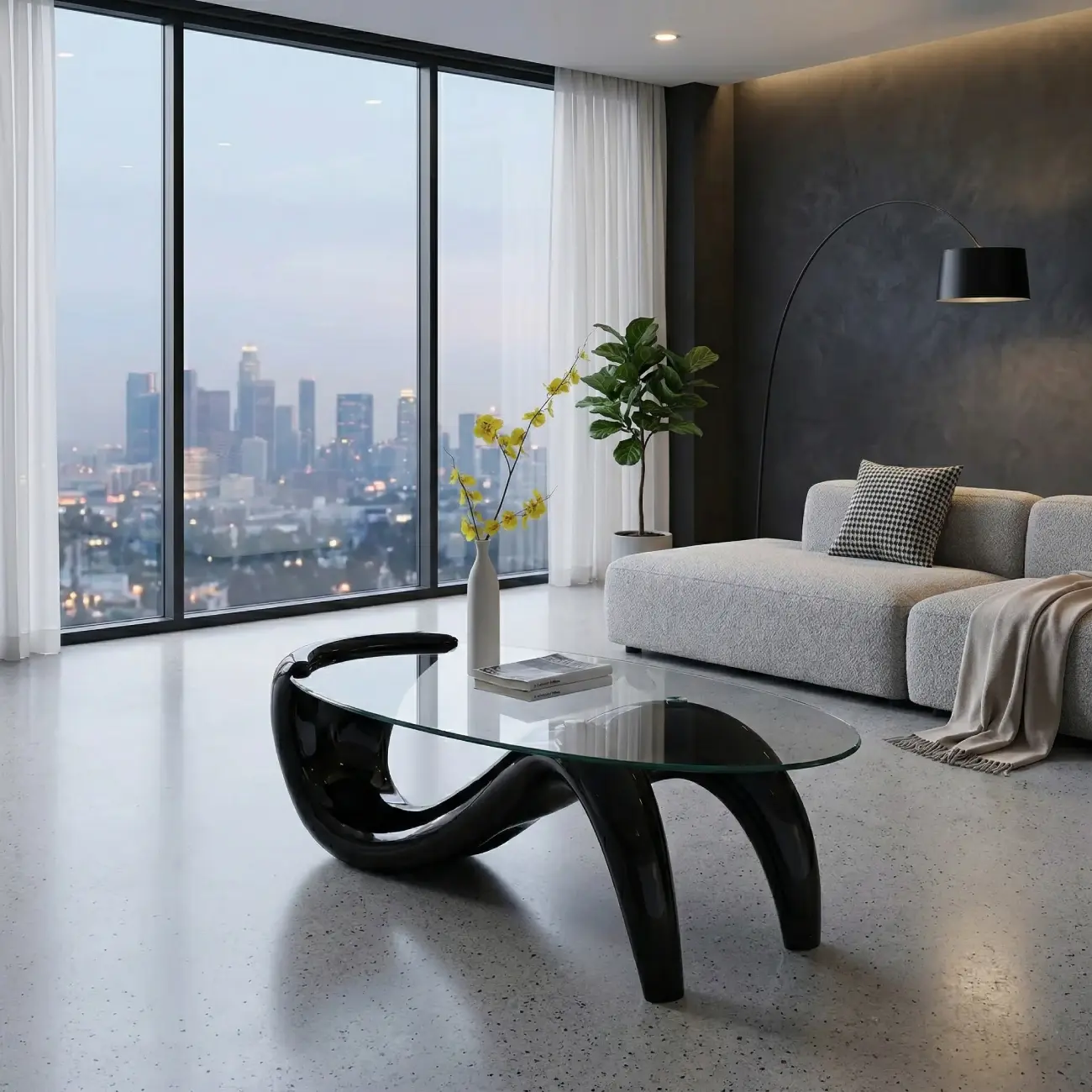
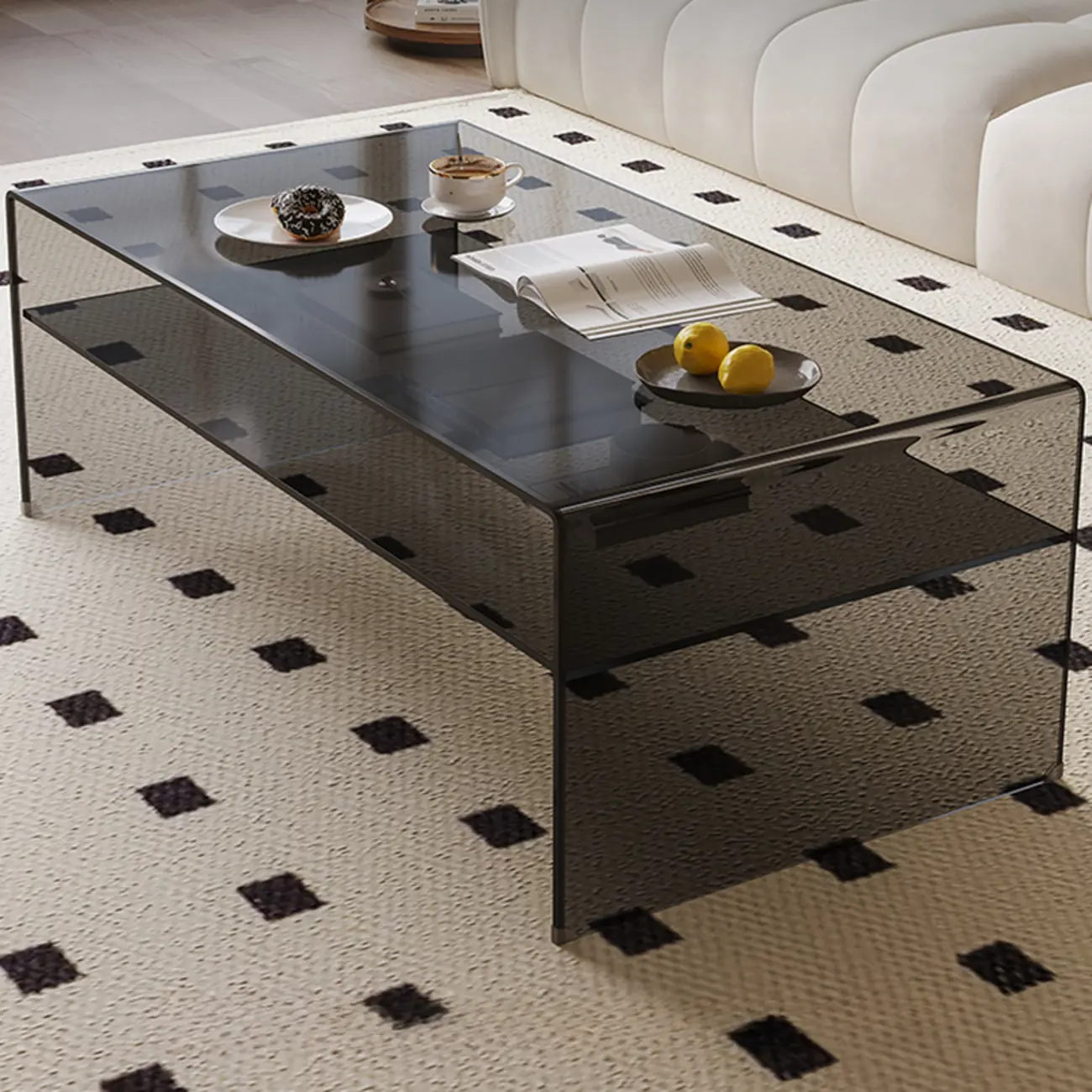
Harmony isn't only about color—it also depends on visual weight. A bulky TV stand paired with a delicate glass coffee table can make one side of the room feel heavier than the other. Likewise, an oversized stone coffee table may overwhelm a slim floating media console. Instead, try to balance the scale of each piece.
For example:
-
Large TV stand → substantial rectangular coffee table
-
Floating TV stands→ open-frame or round coffee table
-
Low-profile TV stand → lower coffee table for a consistent sightline
When both pieces have similar visual weight, the room feels naturally balanced.
View More Living Room Furniture
4. Repeat One Material Throughout the Room
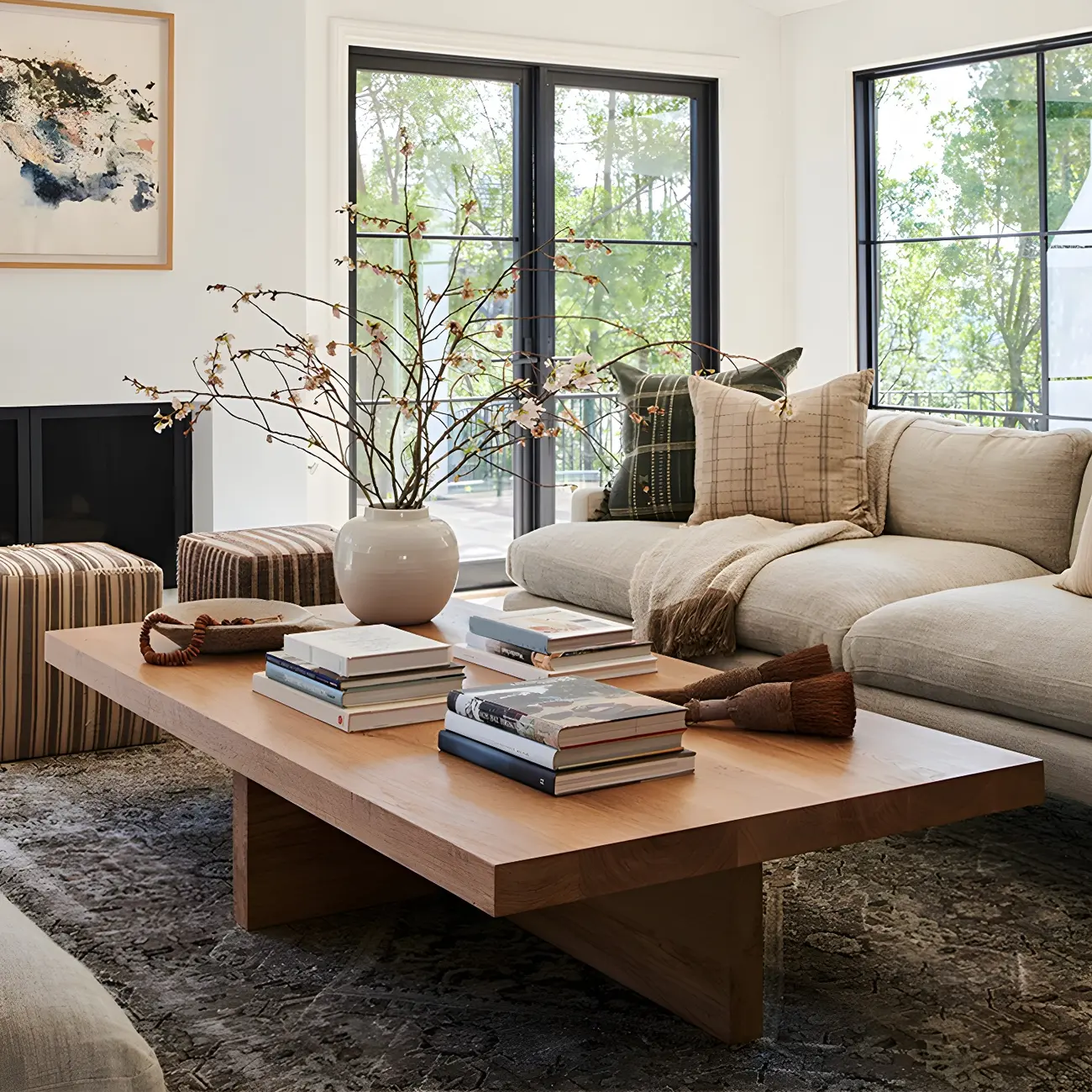
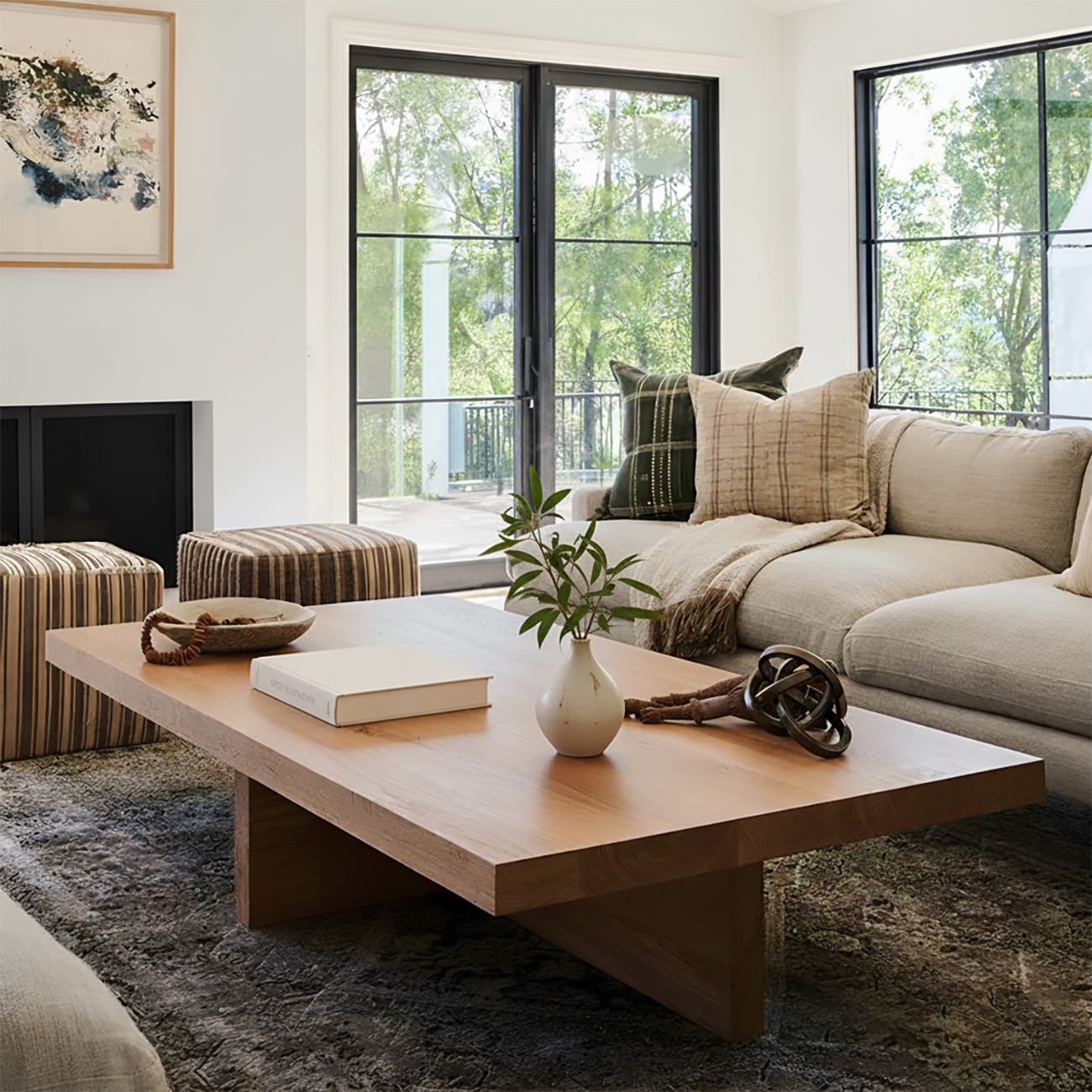
Interior designers often repeat one material two or three times to create continuity. If your TV stand features walnut wood, consider incorporating walnut somewhere on the coffee table, even if it's only in the legs or trim.
Popular designer combinations include:
-
Walnut + Marble
-
Oak + White Stone
-
Black Steel + Natural Wood
-
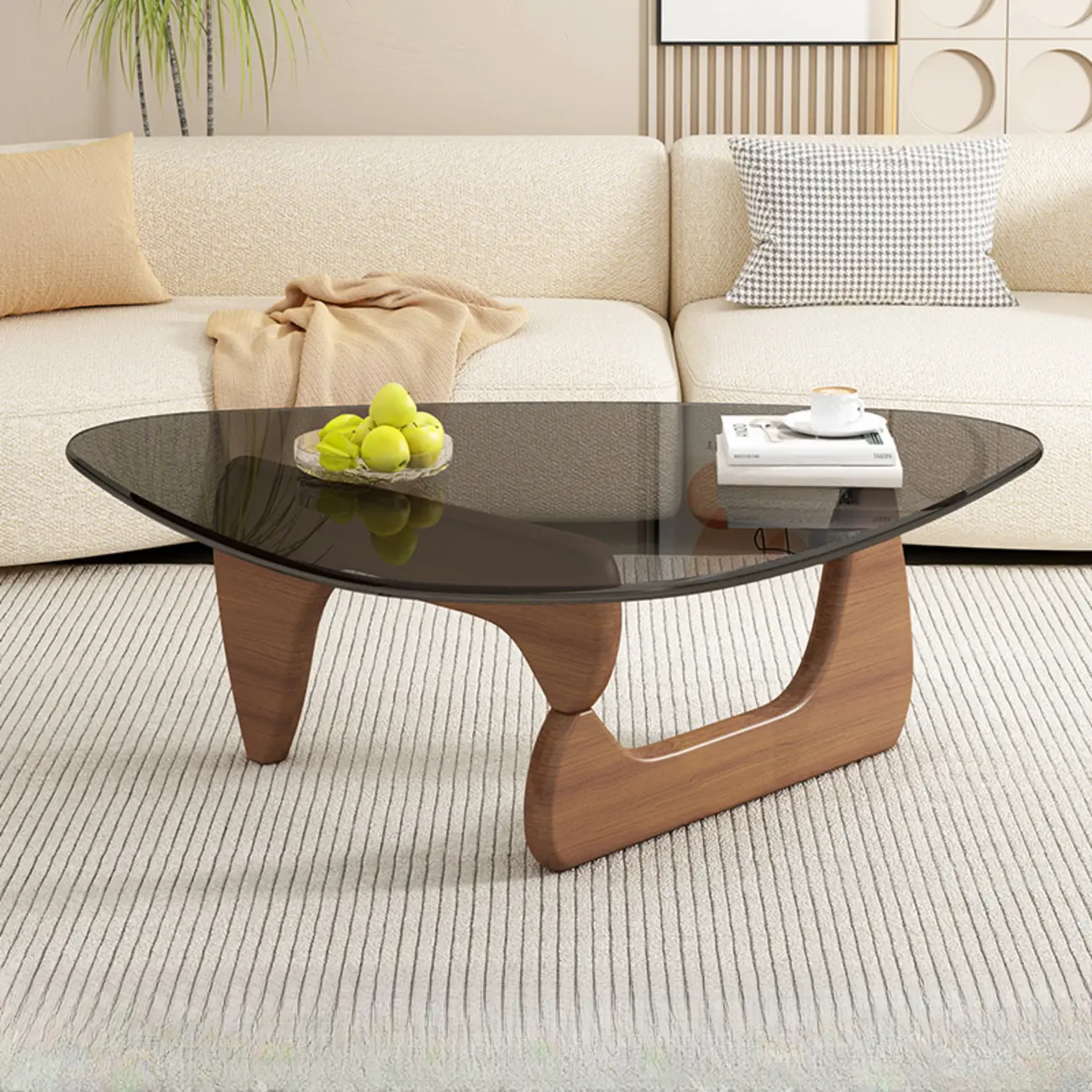
Glass + Brass
-
Travertine + Oak
-
Sintered Stone + Matte Black Metal
Repeating one finish helps connect the furniture without making everything look identical.
5. Mix Shapes to Add Interest
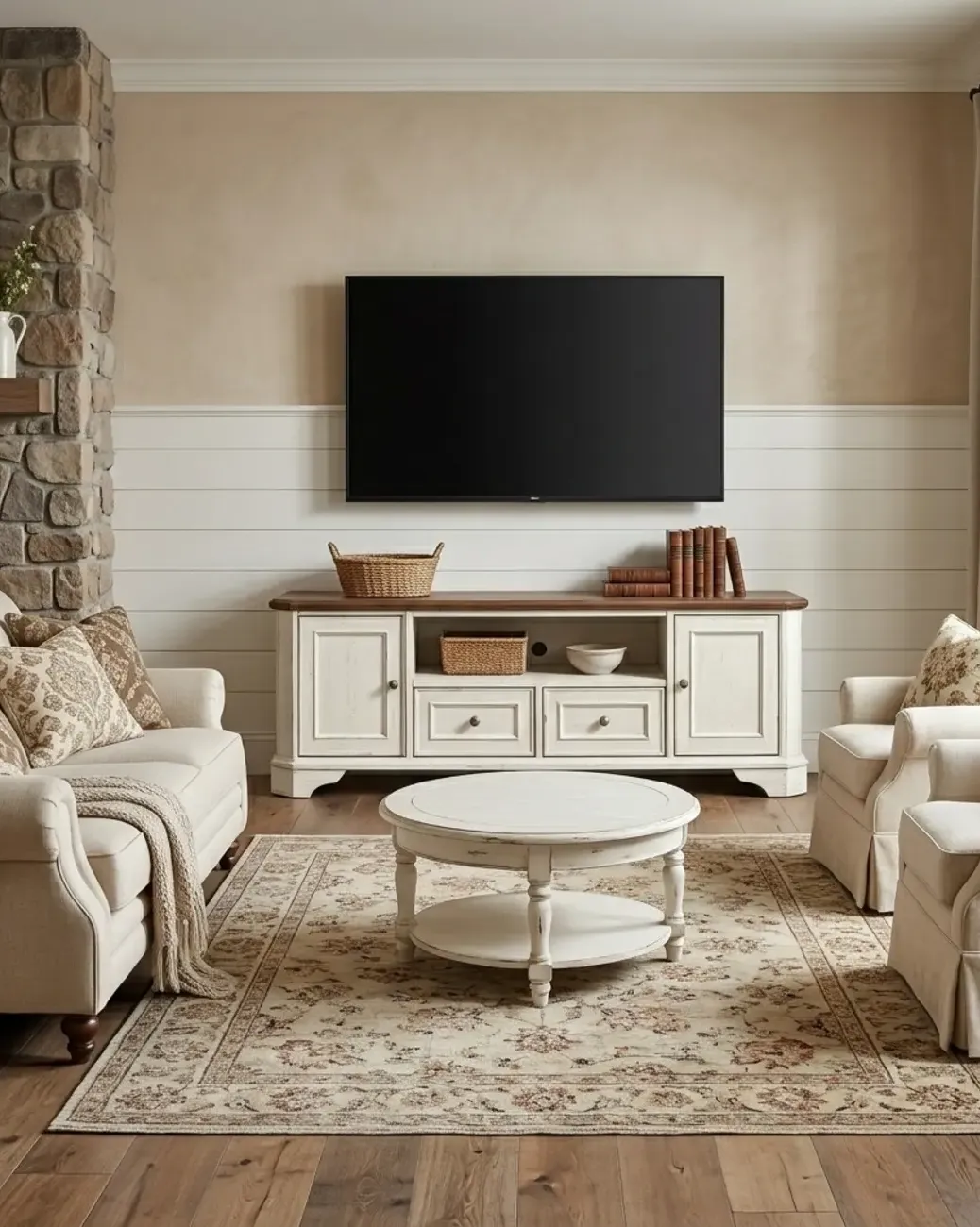
Not every piece needs straight edges. In fact, mixing shapes often makes a living room feel softer and more inviting.
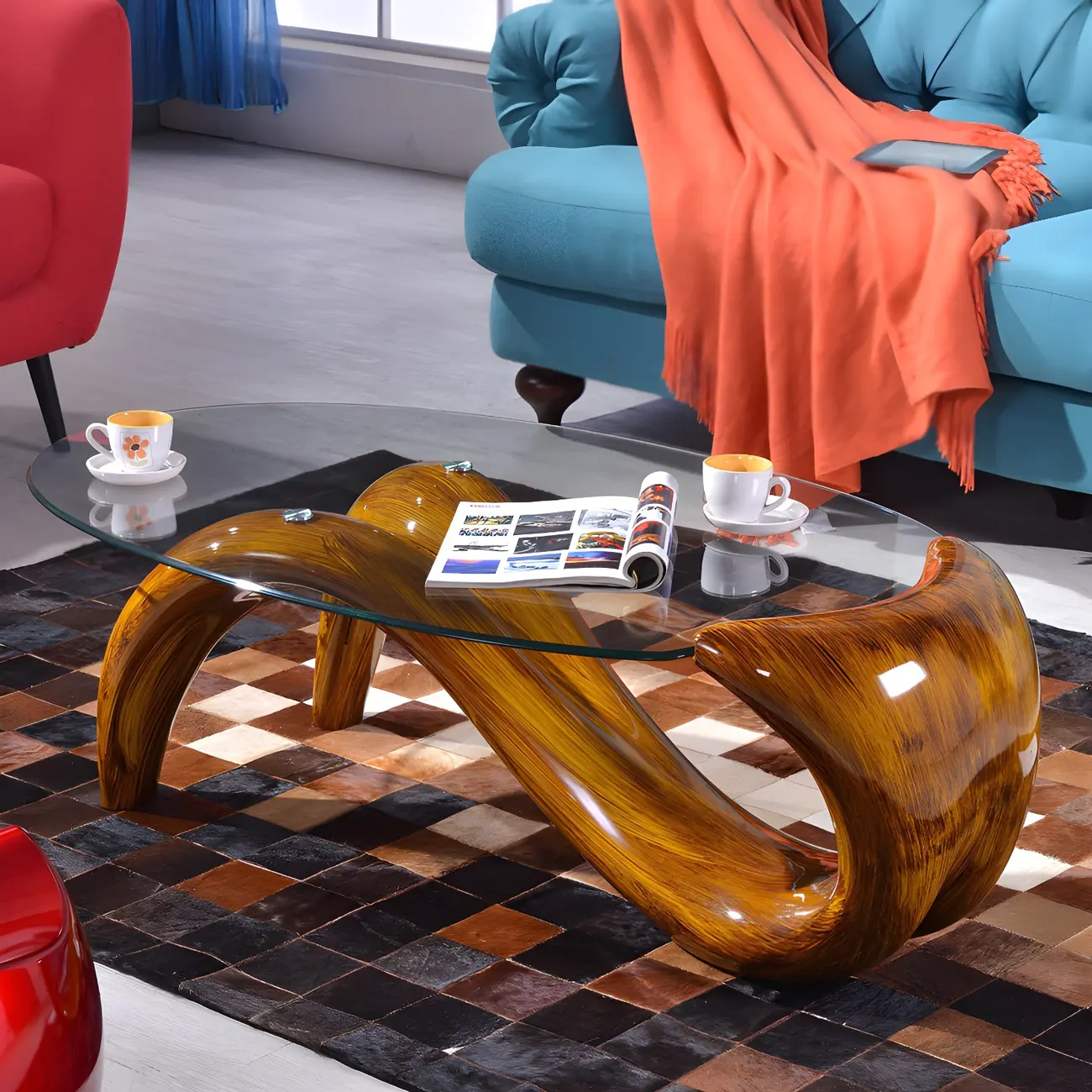
A rectangular TV stand pairs especially well with round coffee tables, oval coffee tables, and organic-shaped coffee tables.
Meanwhile, if your TV stand already has curved corners, a rectangular coffee table can provide a pleasing contrast. Combining different shapes keeps the layout from feeling too rigid while improving traffic flow around the seating area.
6. Keep the Proportions Consistent
The coffee table and TV stand should feel proportional to each other and to the sofa.
As a general guideline:
-
Coffee table length: about two-thirds the length of the sofa
-
TV stand width: ideally wider than the television
-
Coffee table height: within 1–2 inches of the sofa seat
-
Leave 16–18 inches between the sofa and coffee table
-
Maintain at least 30 inches of walking space around the furniture
Good proportions make the room feel comfortable and visually balanced.
7. Tie Everything Together with Accessories
Even if your coffee table and TV stand aren't made from the same materials, accessories can help unify the space. Consider repeating colors and finishes through the following:
-
Decorative trays
-
Coffee table books
-
Ceramic vases
-
Candles
-
Plants
-
Framed artwork
-
Area rugs
-
Throw pillows
For example, a black metal TV stand can feel perfectly connected to a light oak coffee table when both are styled with black candleholders, matching picture frames, or similar decorative accents.
These finishing touches create a cohesive look without requiring perfectly matched furniture.
Quick Designer Checklist
|
Design Element |
Best Practice |
|---|---|
|
Style |
Keep both pieces within the same design style |
|
Color |
Coordinate tones instead of matching exactly |
|
Material |
Repeat one material or finish throughout the room |
|
Shape |
Mix straight and curved forms for balance |
|
Scale |
Match the visual weight of each piece |
|
Proportion |
Choose sizes that fit the sofa and room |
|
Accessories |
Repeat colors and textures with décor |
3 Common Mistakes to Avoid Match Coffee Table and TV Stand
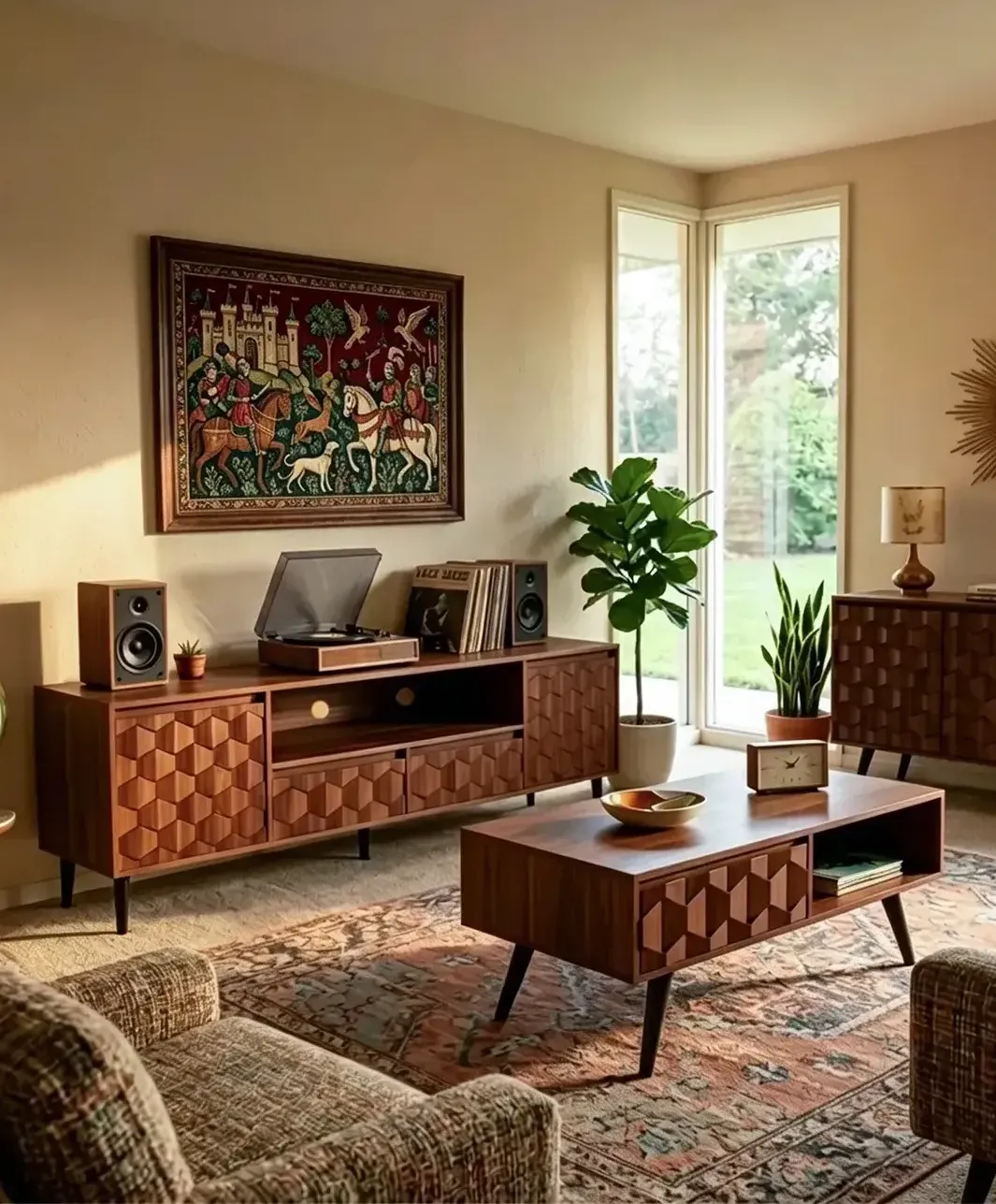
-
Buying Everything as a Matching Set: Purchasing a coffee table and TV stand set will make your living room look like a new product showroom. Matching furniture sets can make a living room feel flat and outdated. Instead, layer complementary pieces.
-
Ignoring Scale: A large TV stand paired with a tiny coffee table creates imbalance. If your TV is large and needs a large TV stand, then your coffee table should also be large. Furniture should feel proportional throughout the room.
-
Using Too Many Wood Tones: Limit yourself to two primary wood finishes between the coffee table and TV stand. Too many competing colors create visual clutter.
Recommended Coffee Tables for a Coordinated Living Room
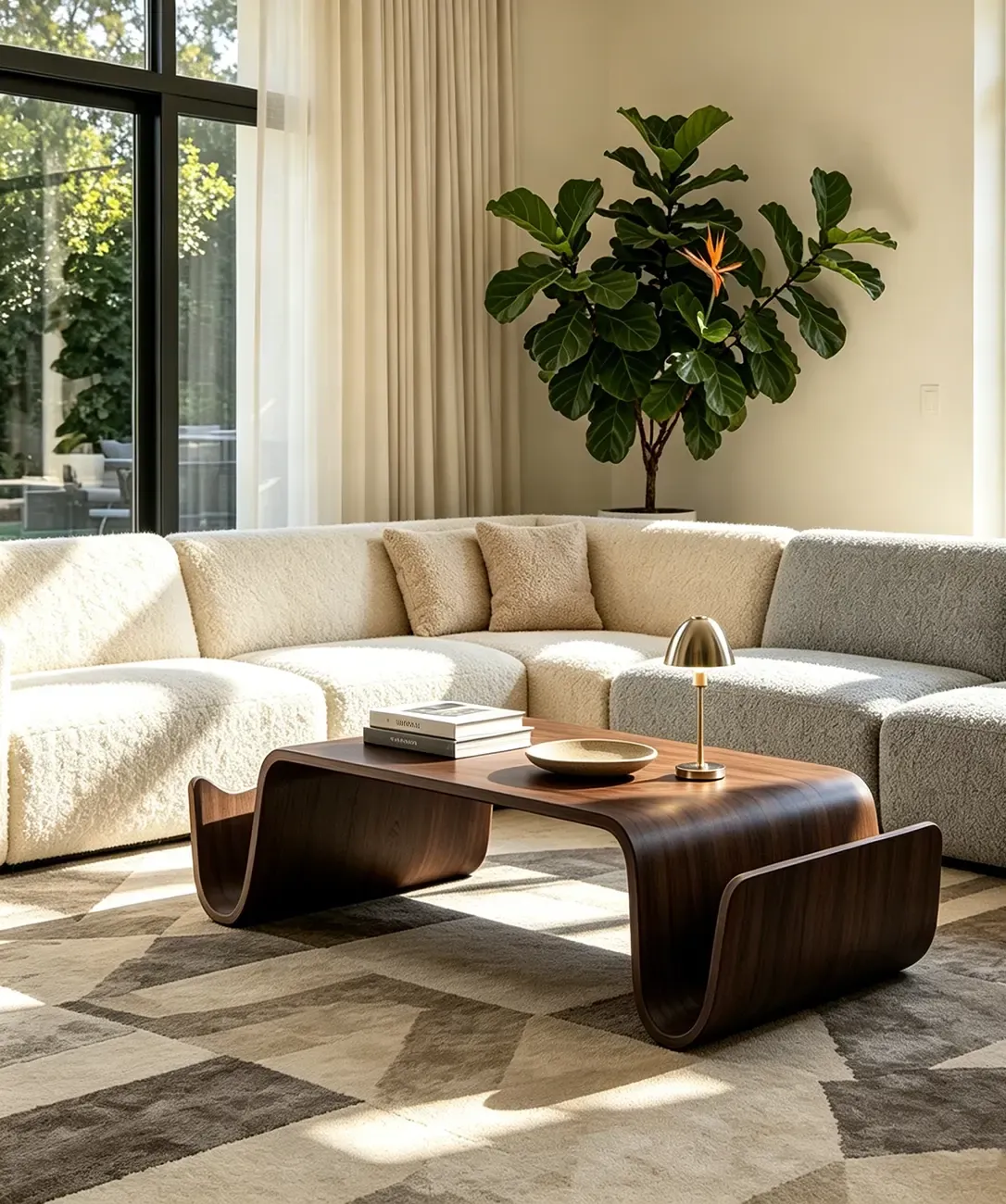
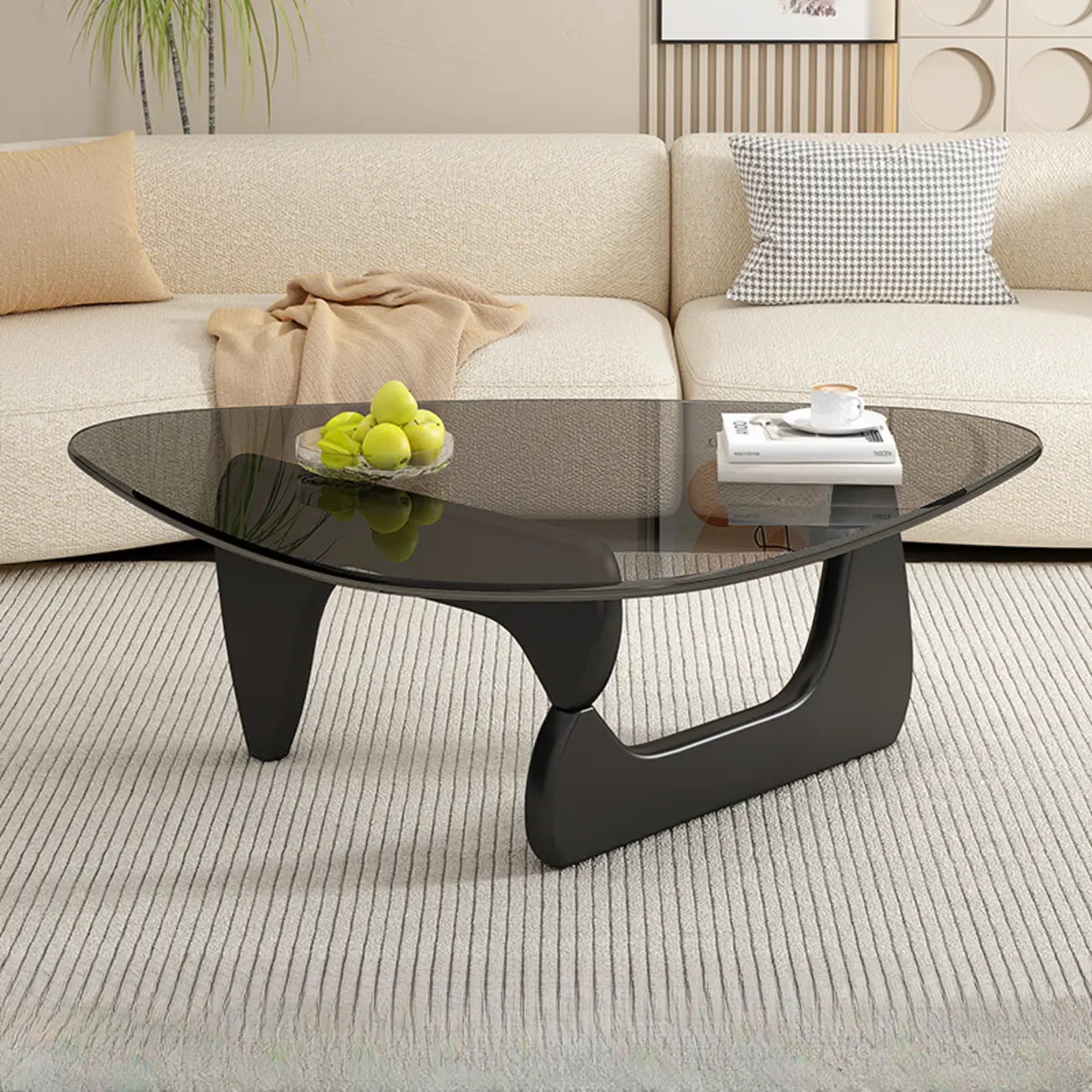
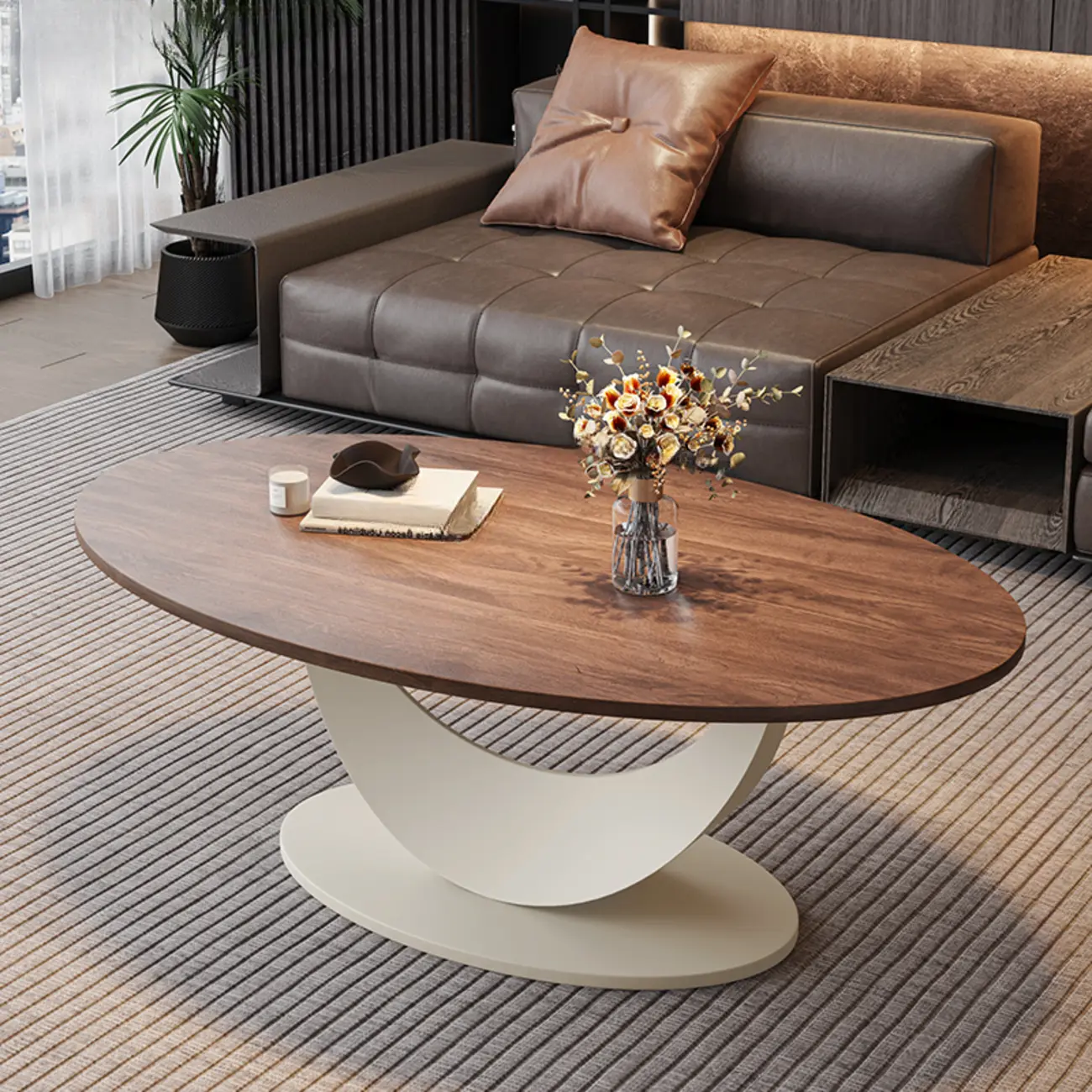
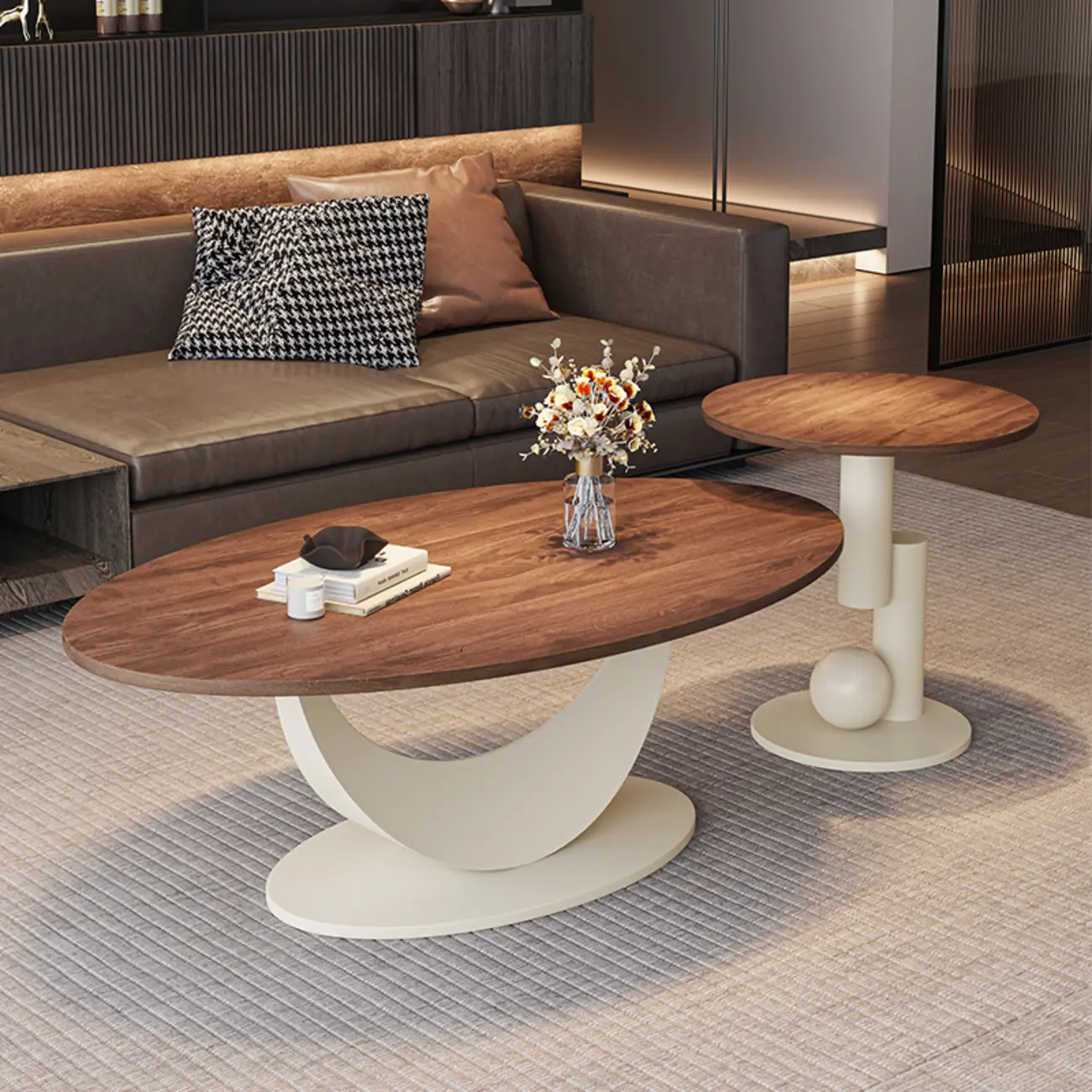
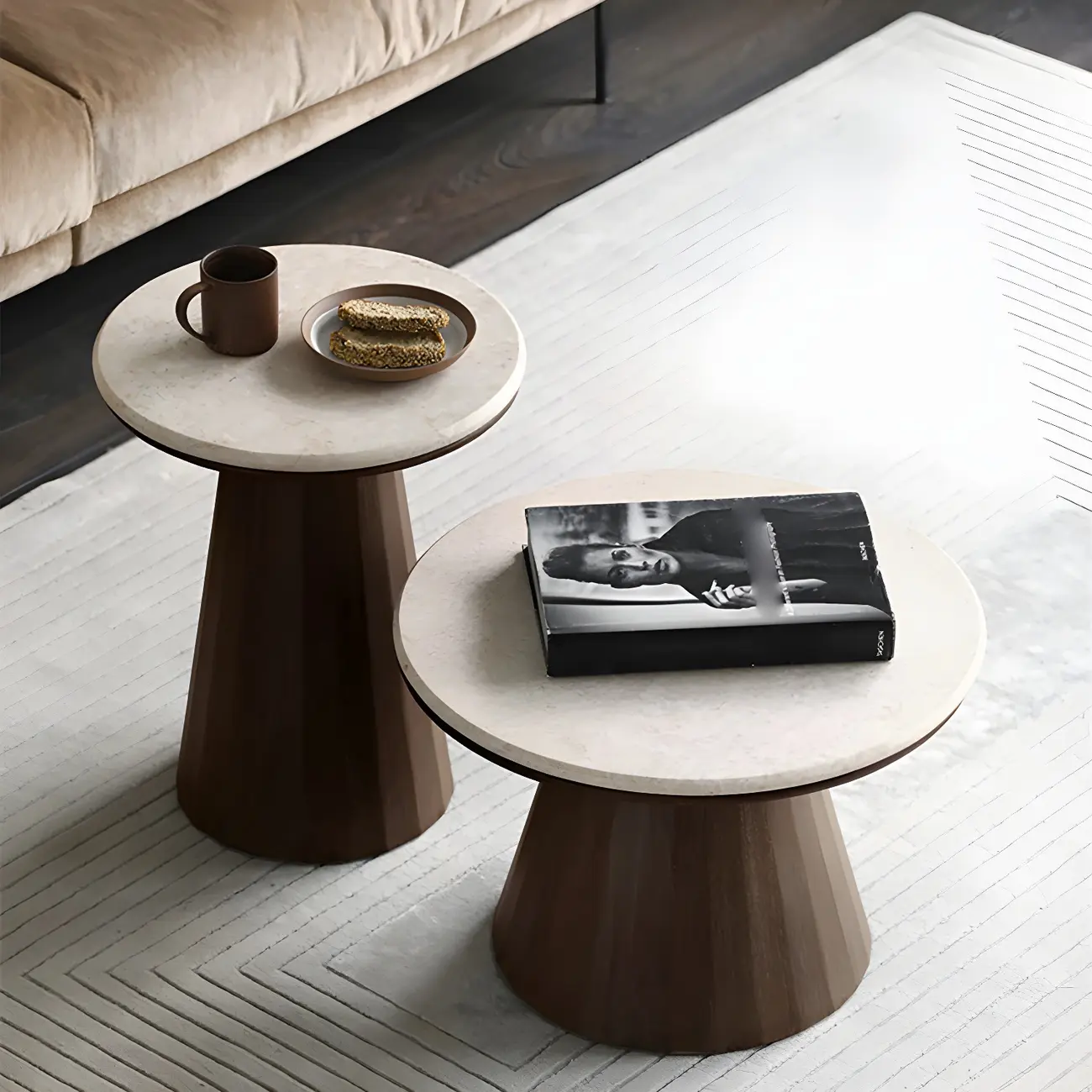
A well-designed coffee table becomes the centerpiece of your seating area.
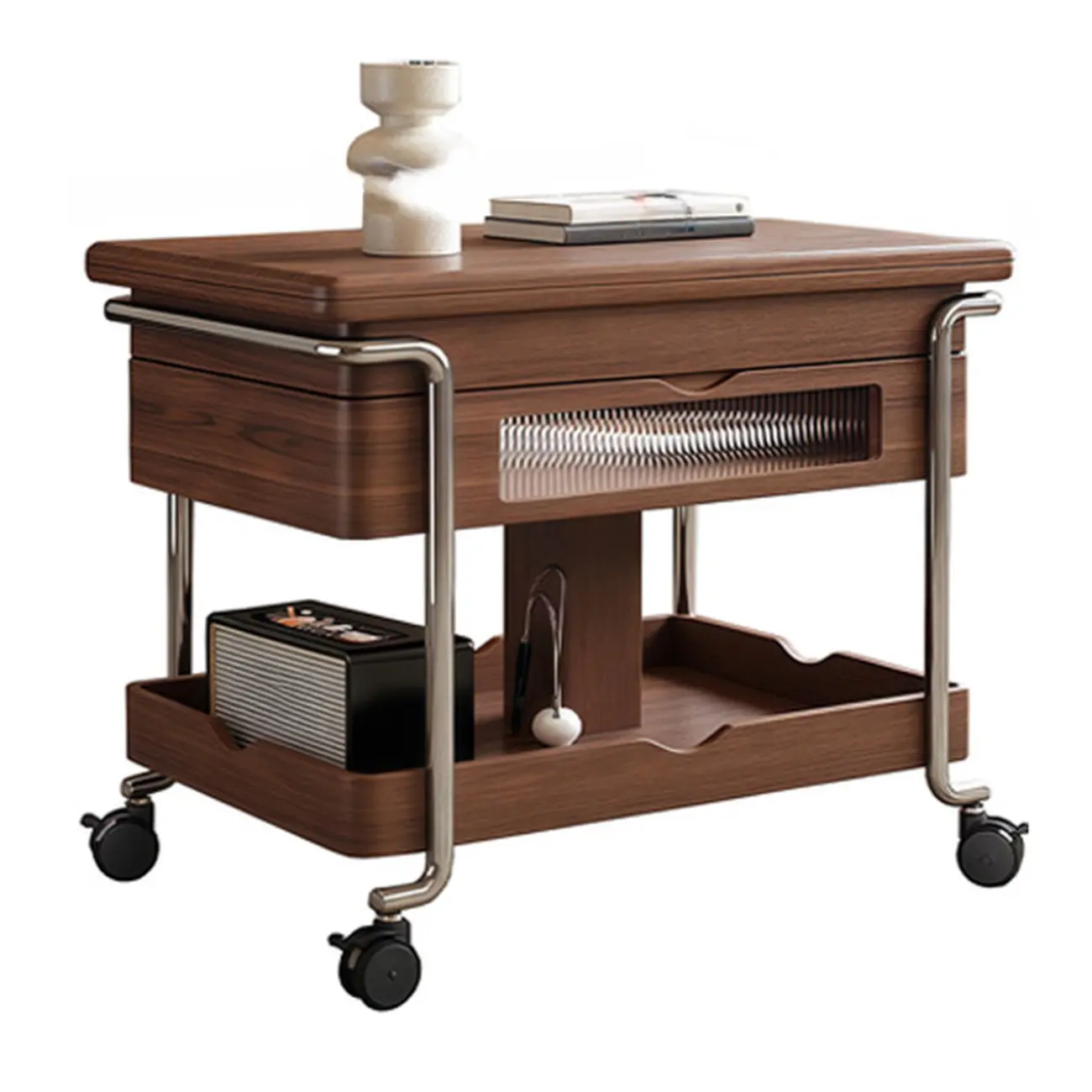
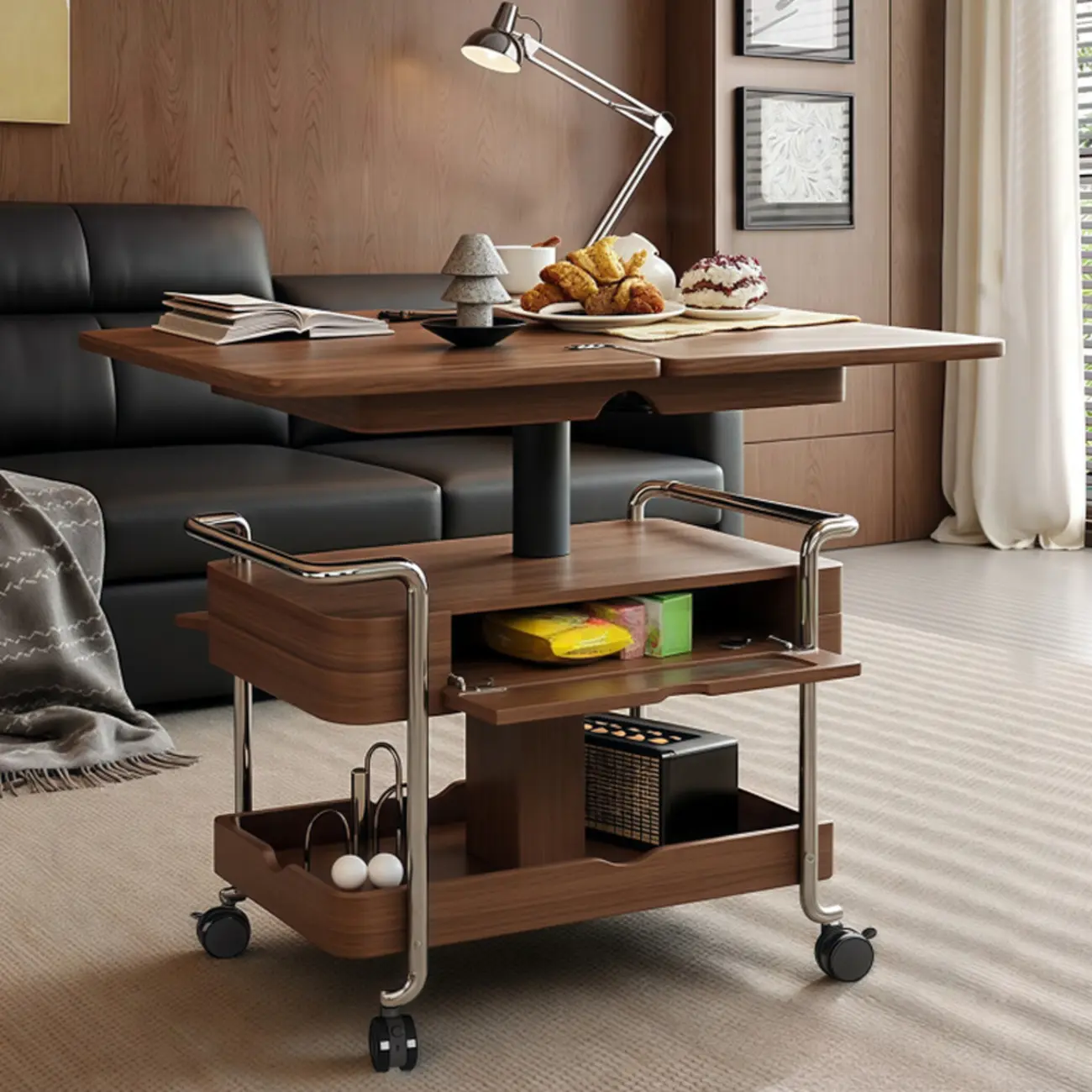
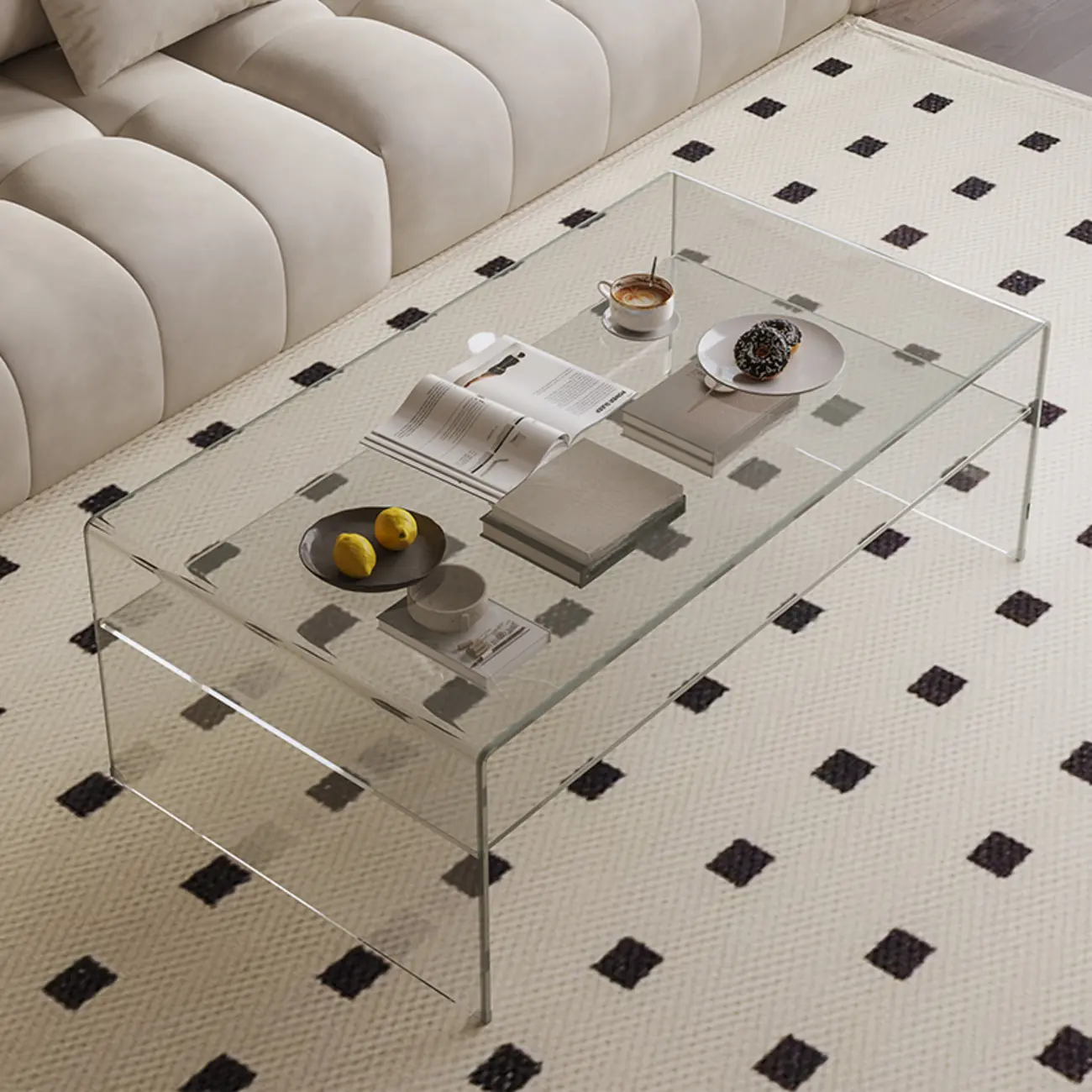
HomeyFad offers modern coffee tables in wood, marble, glass, and stone finishes, making it easy to pair them with almost any TV stand style.
Whether you're decorating a minimalist apartment or a spacious family room, choosing the right coffee table helps tie your entire space together.
Complete the Look with Matching TV Stands
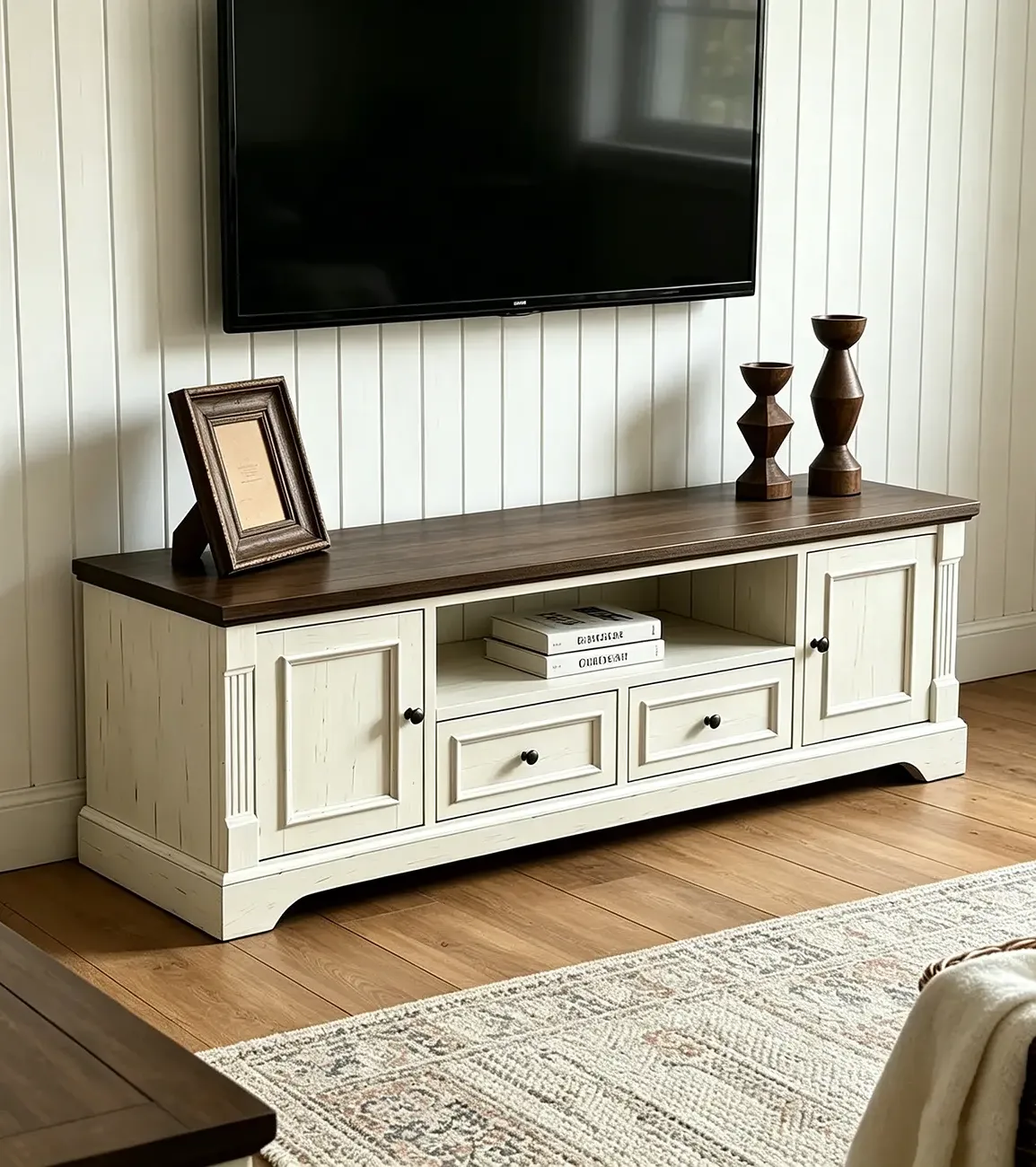
Your TV stand anchors the entertainment area and should complement—not compete with—your coffee table.
HomeyFad's TV stand collection includes modern, farmhouse, Scandinavian, and luxury designs with practical storage solutions for everyday living.
Choosing furniture from complementary collections helps create a living room that feels polished without appearing overly matched.
Shop Mid-century Modern TV Stands
Final Thoughts
So, should a coffee table match a TV stand? Not exactly.
The best living rooms focus on coordination rather than perfect matching. By choosing furniture that shares similar styles, colors, materials, or finishes, you can create a space that feels balanced, timeless, and uniquely yours.
Whether you prefer modern minimalism, rustic warmth, or contemporary elegance, selecting complementary furniture allows your personality to shine while maintaining visual harmony.
Invest in quality pieces that fit your lifestyle, prioritize functionality alongside design, and remember that a thoughtfully curated living room will always feel more inviting than one filled with identical furniture.
Refresh Your Living Room with HomeyFad
Looking for stylish furniture that works beautifully together without feeling overly matched?
Explore HomeyFad's curated collections of modern coffee tables and TV stands to create a living room that's both functional and beautifully designed. With a wide range of materials, finishes, and styles, you'll find furniture that fits your home and your personal taste.
Shop now and discover furniture designed for modern living.
Frequent Asked Question About Coffee Table Match TV Stand
Q: Should my coffee table be the same color as my TV stand?
A: No. Similar tones usually look better than identical colors. Coordinating shades create a more natural and designer-inspired appearance.
Q: Should my coffee table be darker or lighter than my TV stand?
A: Either option works. A lighter coffee table creates contrast, while a darker one adds visual weight. The key is maintaining balance throughout the room.
Q: Is it okay to mix modern and farmhouse furniture?
A: Yes, as long as the pieces share common elements such as color, material, or proportions.
Q: What's the best material for a coffee table?
A: Wood remains the most versatile choice, while marble, glass, sintered stone, and metal are excellent options for contemporary interiors.
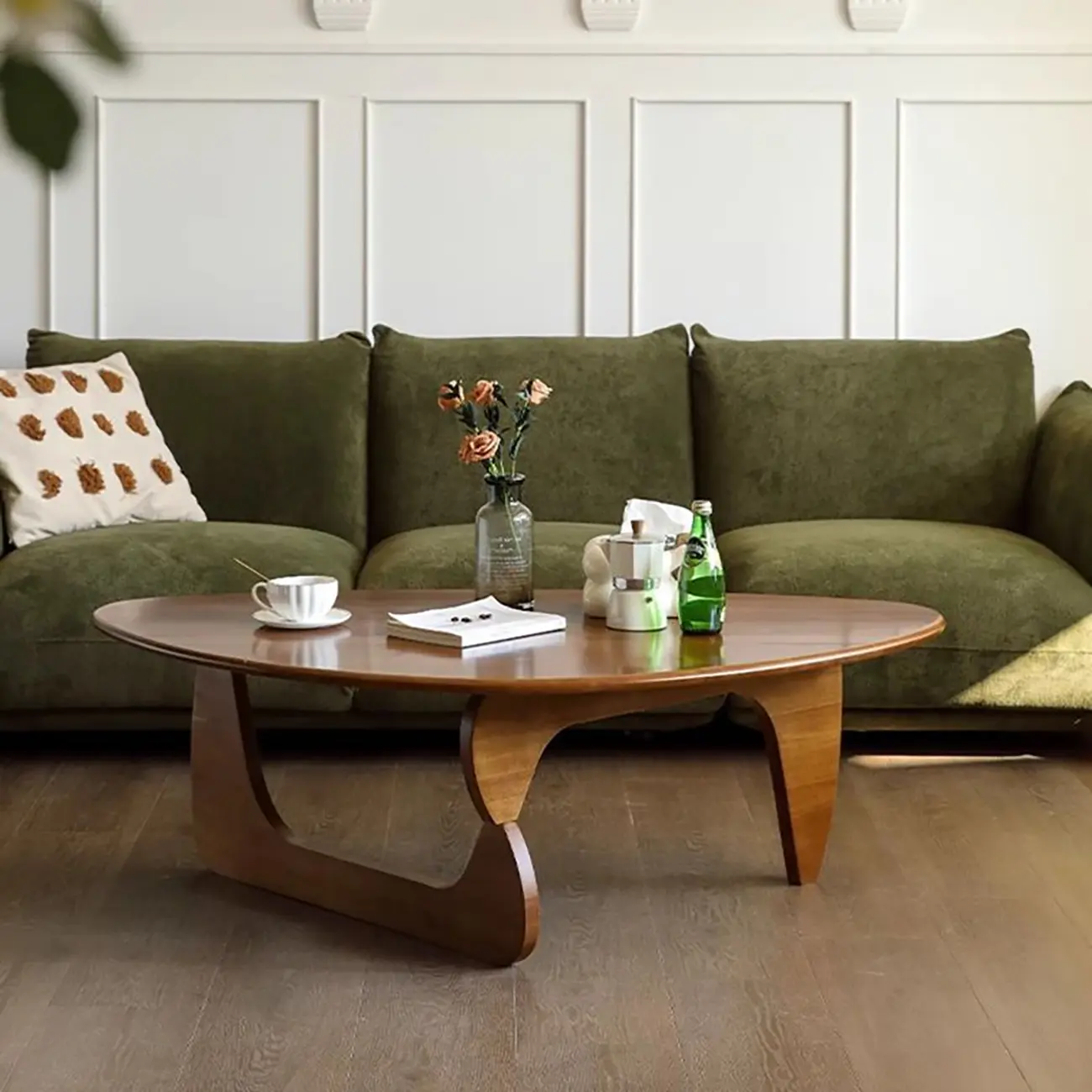
-12.png?w=1306&h=735)
-.jpg?w=800&h=563)
-.jpg?w=800&h=543)

 Add Us On Google