
(1).png?w=1920&h=650)
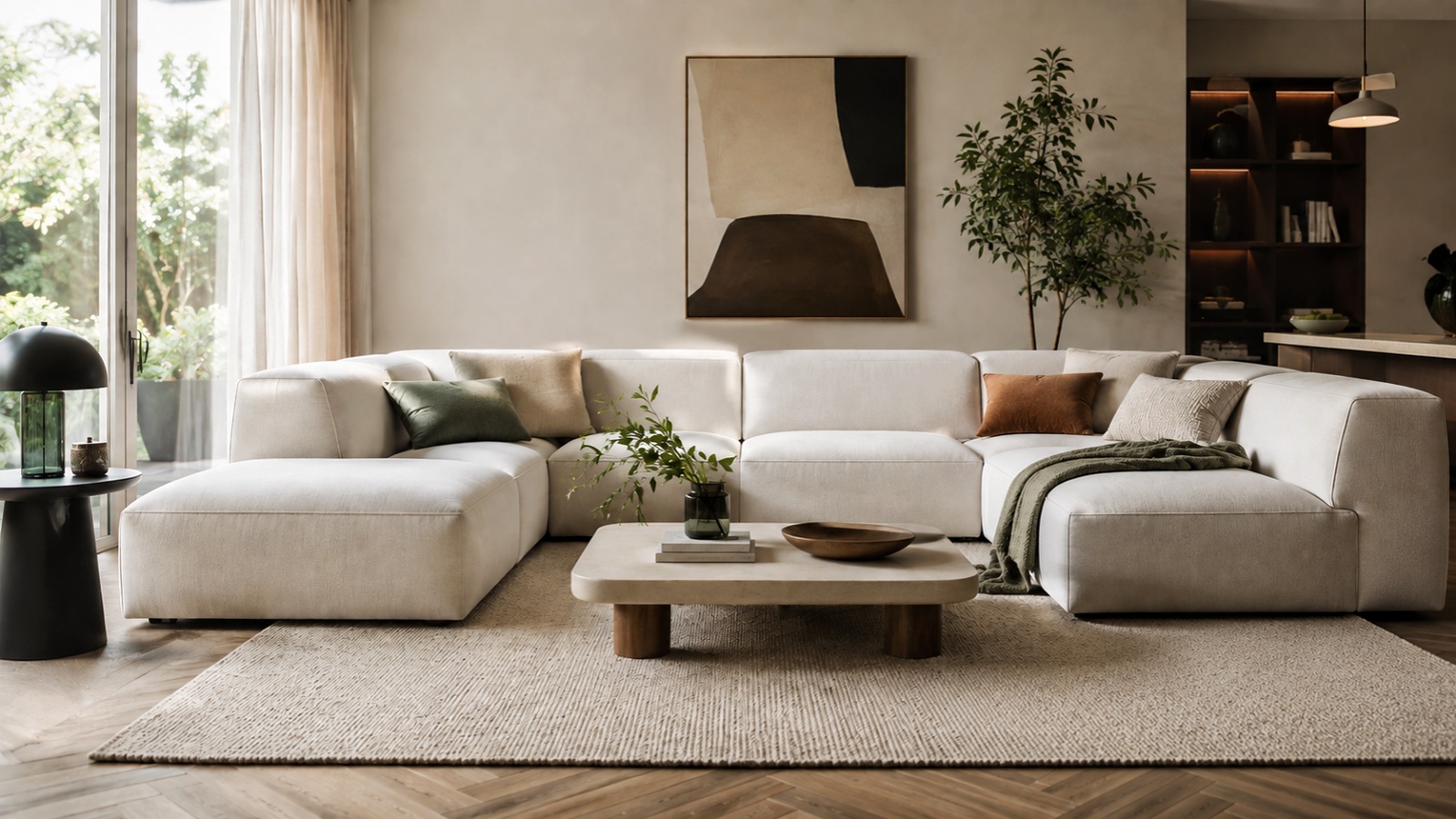
Sofa shopping can be confusing. You keep seeing the word "modular" on every page. And you have no idea what it actually means.
So here is the deal. A modular sofa comes in pieces. Separate sections that you can move around any way you want. Each piece is a module. Connect them all for a large couch. Keep a few apart for smaller seats. Switch up the layout whenever you need to. A regular sofa is stuck in one shape. This one bends to fit your life. This guide covers everything you need to know.
What Is a Modular Sofa?
A modular sofa is a couch made from separate pieces that you can put together however you like. Each piece is a module. Think of them as building blocks for your living room.
You connect the modules to create one larger sofa. Or you leave them apart as separate seats. That part is up to you.
The most common pieces you will find are corner modules, armless seats, and middle sections. You can place it on a chaise when you want to stretch your legs. An ottoman works well as extra seating too, so you have a place to rest your feet.
The real beauty is that you can reconfigure it. Change the layout whenever the mood strikes.
How Does a Modular Sofa Work?
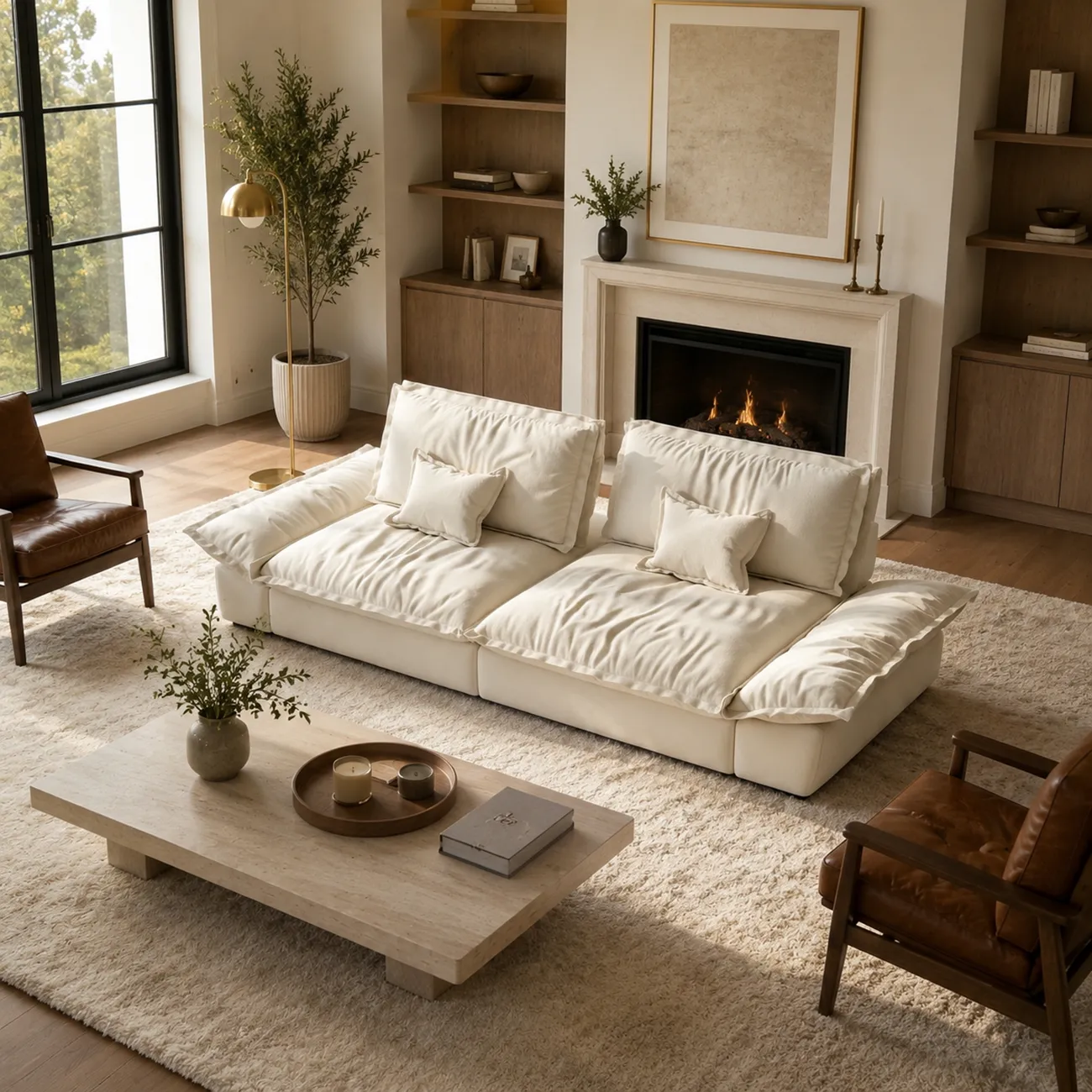
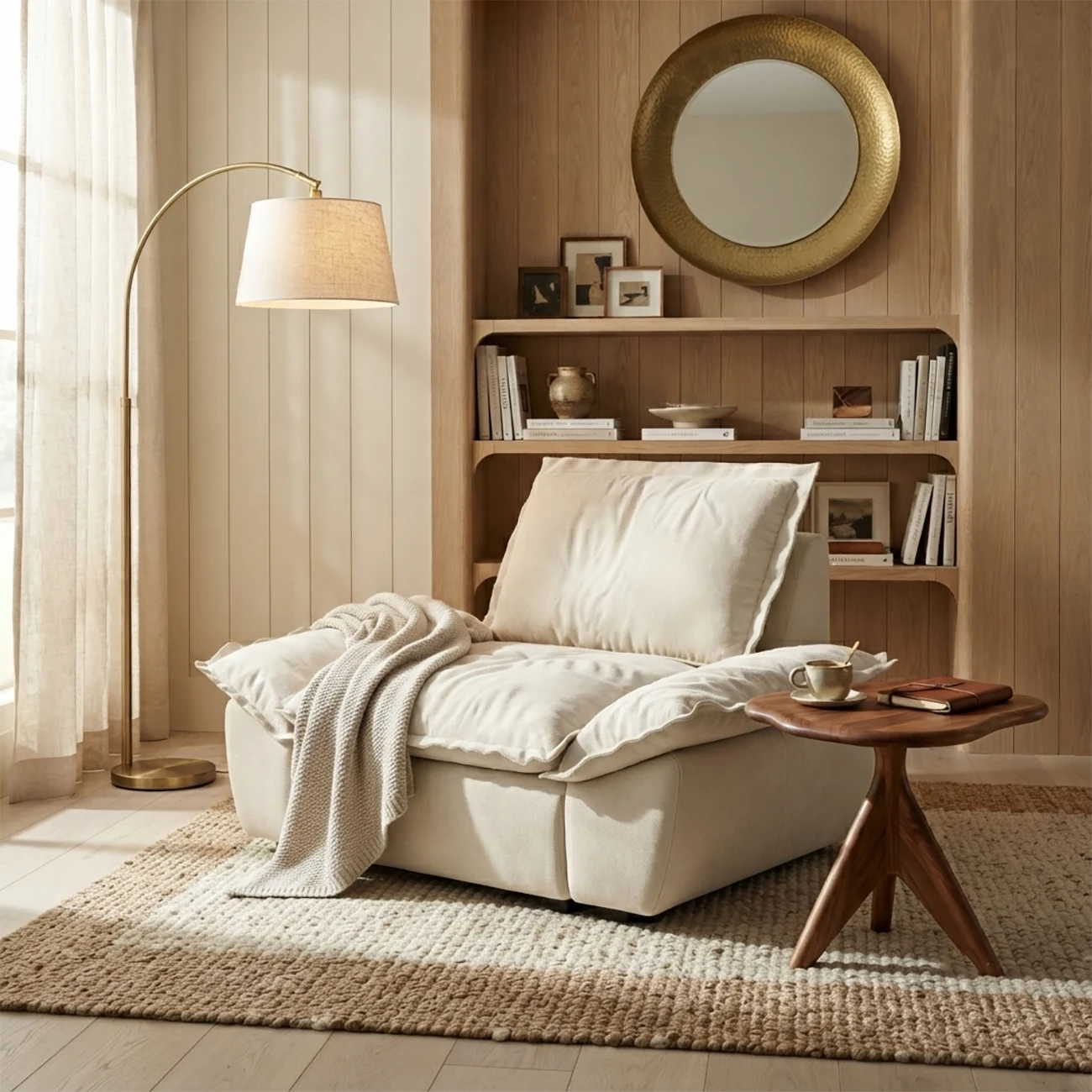
We can say modular sofas are like puzzles; each of the pieces needs to be linked to the next to create a layout that works best for you.
The sections lock together to create one seating arrangement. But you can pull them apart too. Want an L-shape? Connect a corner piece to a seat. Want a U-shape? Add more sections to both sides. The layout is never permanent.
Many modular systems give you room to grow. Buy just two seats to start. Add a chaise next year when you can afford it. Rearrange everything when you move to a bigger place. The sofa grows right along with your life.
Is a Modular Sofa Good for Small Spaces?
Can a modular sofa fit into a tiny room? Yes. You simply need to be clever about it.
Purchase fewer modules. Two or three items work effectively in a small space. Choose a design that is low to the ground. This makes the space feel larger. Measure before you buy. Make sure people can move around the sofa. Make an L-shape in the corner to save space.
What Are the Different Types of Modular Sofas?
Modular couches come in many different types, and each type is suitable for particular spaces and lifestyles.
-
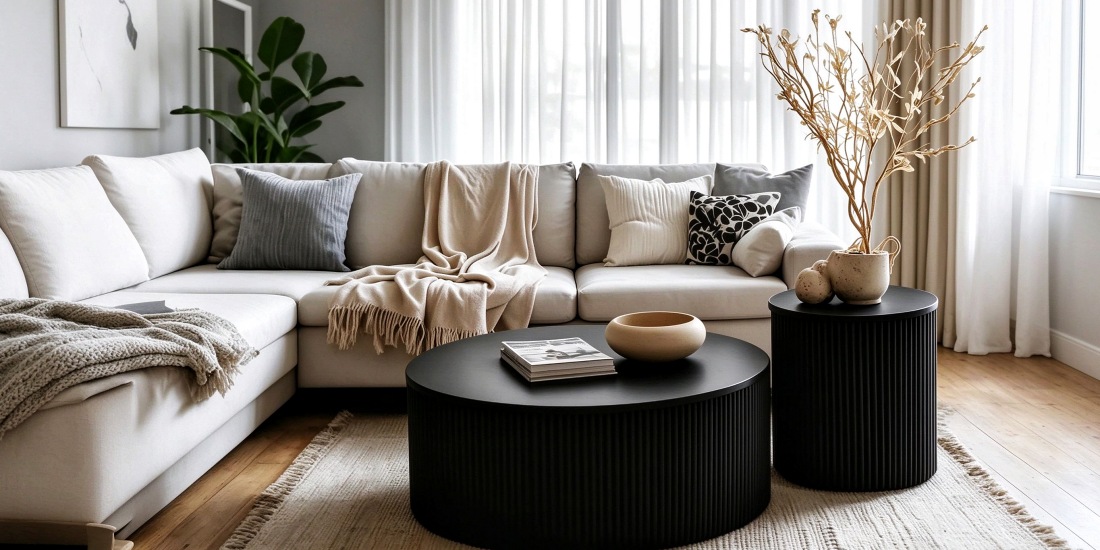
L-shaped modular sofa: The L is a popular shape. It slips right into a corner. You may have comfy seating without occupying the entire area.
-
U-shaped modular sofa: These U-shaped modular sofas are a perfect choice for big families. As it's a pretty large sofa, it uses more floor space as well. This one is popular among families for game nights and movie nights.
-
Chaise-ended modular sofa: Add a chaise to one side. You get room to stretch your legs. The sofa stays narrow, which works in smaller rooms.
-
Pit-style modular sofa: This style sits low and deep, and people use it to lounge around. It's great for casual get-togethers.
-
Compact modular sofa: People enjoy smaller modular sofas because they utilize fewer pieces. They work well in small apartments, but you need to examine the dimensions before you buy.
6 Pros of a Modular Sofa
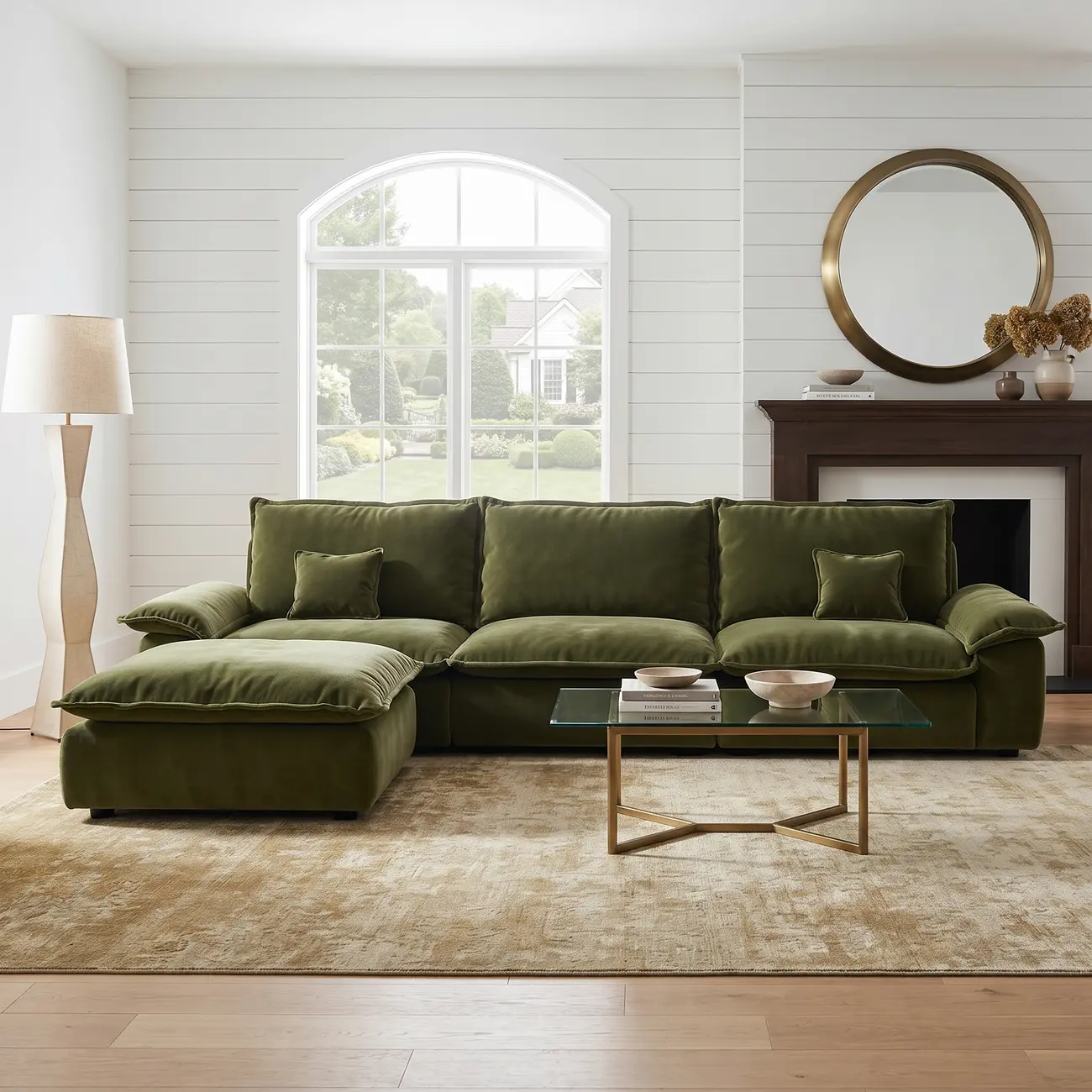
Modular sofas have several obvious benefits that make them valuable.
-
Flexible Layout: You can change the setup whenever your needs change. Hosting a party? Spread it out. Movie night? Push it together. The layout is never permanent.
-
Easy to Move: Each piece comes separately. They fit through narrow doors, tight hallways, and small staircases. No more struggling with one giant couch.
-
Fits Different Spaces: Modular sofas are ideal for apartments, open-plan rooms, corners and odd layouts. The sofa may be made to fit the room, not vice versa.
-
Grows With Your Needs: Start with a few pieces. Add more modules later when your budget or family grows. The sofa expands with you.
-
Great for Guests: Rearrange the modules to create extra seating. Some setups even turn into a bed for overnight guests.
-
Comfortable for Lounging: Larger arrangements provide more space to stretch out and relax, and they're ideal for movie nights as well as relaxing weekends.
6 Cons of Modular Sofas
Modular sofas have a lot going for them. But they are not perfect for every home. Here is a straight look at the downsides.
-
A big modular setup can eat up a lot of floor space.
-
You pay more for extra modules. The upfront cost adds up fast.
-
Cheap modules can shift around. They might separate over time. The fabric can wear unevenly, too.
-
Not every module works with every other module. Different brands use different connection systems.
-
You have to measure your room before you buy. Some people forget that step.
Modular Sofa vs. Sectional vs. Regular Sofa
Not all couches work the same way; here's a quick overview of the three primary types.
| Sofa Type | Structure | Flexibility | Can You Change It? |
| Regular Sofa | One fixed frame | Low | No. What you buy is what you get. |
| Sectional Sofa | Multiple connected sections | Medium | Sometimes. Many are locked in place. |
| Modular Sofa | Separate movable modules | High Yes. | Move, swap, and add pieces anytime. |
A regular sofa comes in one fixed shape and size. You can't change it. A sectional has several sections connected. Some are modular, but many are locked into one layout. A modular sofa is different. Every piece is designed to be moved, swapped, and even expanded. You control the layout.
So, is a modular sofa equivalent to a sectional? Not quite. A modular sofa allows you additional flexibility. You are free to rearrange it at any moment. You can add more parts later. A typical sectional does not always allow you to achieve this.
How to Choose the Right Modular Sofa
There are only a few basic factors to take into account while selecting a modular sofa.
1. Measure Your Space
Get the tape measure out. Check wall length, room depth, and walking paths. Make sure the sofa won't block doors and walkways.
2. Think About How You Use It
Do you mainly relax and watch movies? Do you host guests often? Do you work from your couch? How you live determines what you need.
3. Choose the Right Layout
Pick an L-shape for corners. Go with a U-shape for large rooms. Try a chaise for lounging. Choose a compact setup for smaller spaces.
4. Check Materials and Cushions
You should seek out strong cushion support and long-lasting upholstery. Fabric-wise, the performance fabrics are a wise choice if you have children and pets.
5. Check the Connectors
The modules should lock together securely. They should not slide apart during everyday use.
Find the Perfect Modular Sofa for Your Space at HomeyFad
A modular sofa is a couch built from separate sections. You decide how to arrange them. You can add pieces. You can remove them. That is what makes a modular sofa different. A modular sofa gives you something a regular couch cannot. It changes when you need it to. It fits your life, not the other way around.
You can check out HomeyFad for modular sofas and other trendy and affordable furniture. You can also contact their team for any help.
FAQs
Q: Is a modular sofa suitable for a small space?
A: It can, really. Choose a smaller, more manageable arrangement. Make sure the paths are clear, and the design is straightforward.
Q: Is it possible to expand a modular sofa?
A: The system determines this. Certain brands allow you to purchase additional modules at a later time. Some people don't.
Q: Is a modular sofa worth the money?
A: It can be. You pay more upfront. But you get a sofa that adapts to your space over time.
-12.png?w=1306&h=735)
-.jpg?w=800&h=563)

-.jpg?w=800&h=543)

 Add Us On Google