

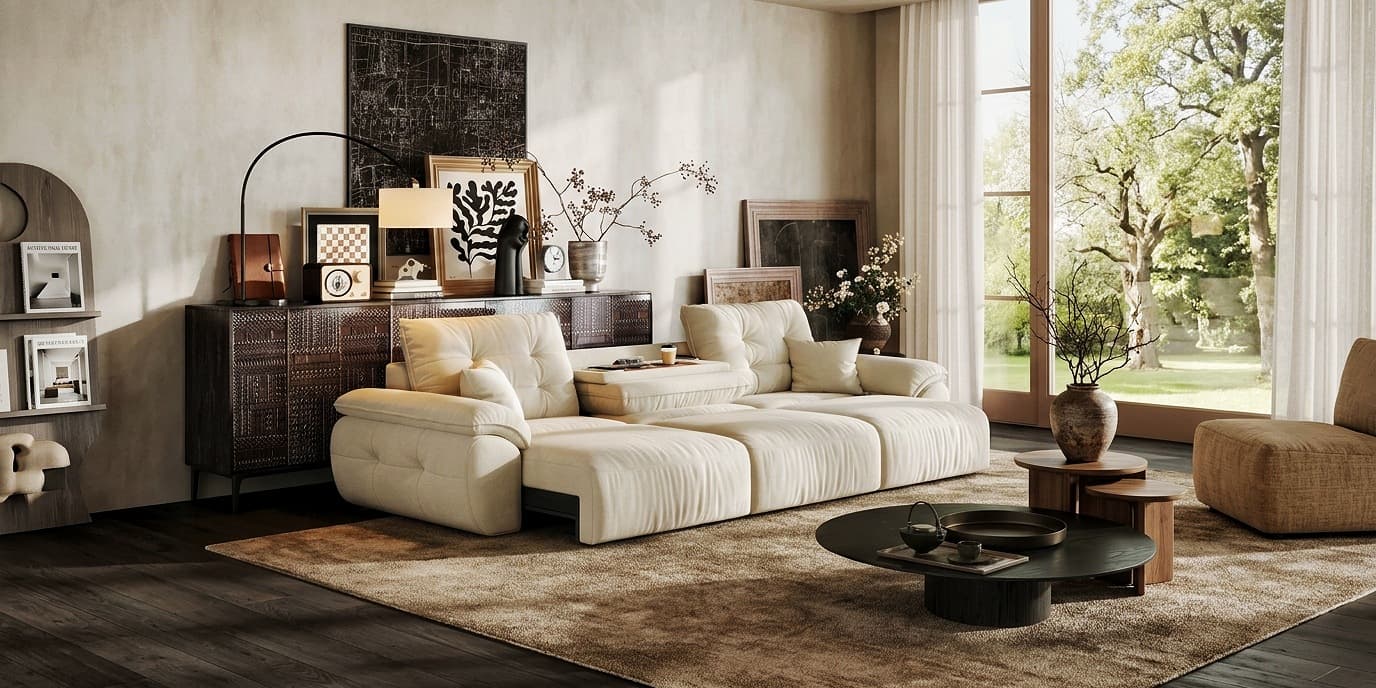
The right sofa placement can transform a cramped living room into a space that feels open, balanced, and beautifully designed. Discover practical layouts, styling tricks, and furniture choices that make every inch count.
Learning how to arrange a sofa in a small living room is about much more than finding a spot against the wall. The position of your sofa affects how spacious the room feels, how easily you move around, and how well the rest of your furniture works together.
Perhaps your living room is narrow and rectangular. Maybe you have already pushed everything against the walls, yet the room still feels crowded. These are common challenges in small homes, but they do not necessarily require new furniture or a bigger floor plan.
The secret is to create a clear focal point. A well-planned small living room sofa layout should feel natural rather than forced, with every item contributing to the overall look and function of the room.
In this guide, we will walk through 9 practical sofa arrangements, explain how to make a small living room look bigger, and share simple styling techniques that help your space feel more like a thoughtfully designed home.
THE DESIGNER'S STARTING POINT
Before buying another piece of furniture, rethink where your sofa sits. Better placement often creates more usable space than adding more storage or choosing a different decoration.
1. Start With the Shape of Your Living Room
Before moving the sofa, look at the room as a whole. Where do you enter? Which wall is the longest? Where are the windows, doors, radiators, and TV? These fixed features determine which arrangements will work best.
Measure the room's length and width, then sketch a simple floor plan. Mark the positions of doors and windows, including the direction in which doors open. Measure your existing sofa, coffee table, and other essential furniture, and note their dimensions on the plan. This small step helps you see whether a sofa will leave enough space for movement before you start rearranging heavy furniture. You can even outline the sofa's footprint on the floor with painter's tape to test different positions.
Think about how you actually use the room, too. A household that watches television every evening may need a different layout from one that prefers reading, conversation, or entertaining guests. The best arrangement supports your everyday routine while making the room look intentional.
The best starting point for different room shapes
- Narrow rectangular room: Place a compact sofa along a long wall to preserve a clear route through the space.
- Small square room: Position the sofa opposite the main focal point and keep the surrounding furniture visually balanced.
- Open-plan apartment: Use the sofa to define the living area without blocking the connection between the kitchen, dining area, and entrance.
- Room with several doorways: Choose the wall that interferes least with circulation rather than automatically selecting the longest wall.
2. Place the Sofa Against the Right Wall
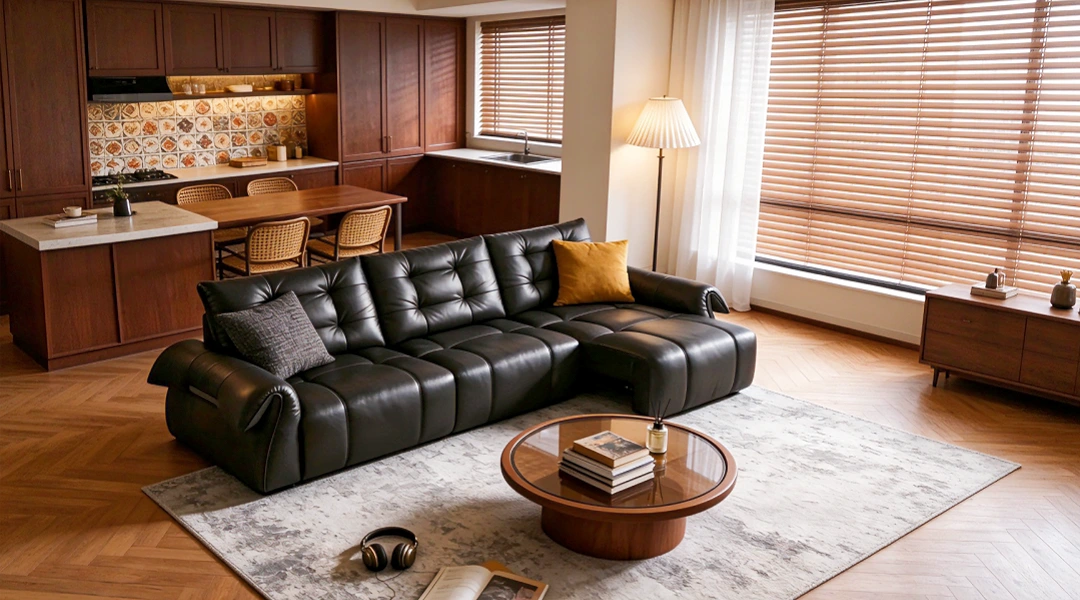
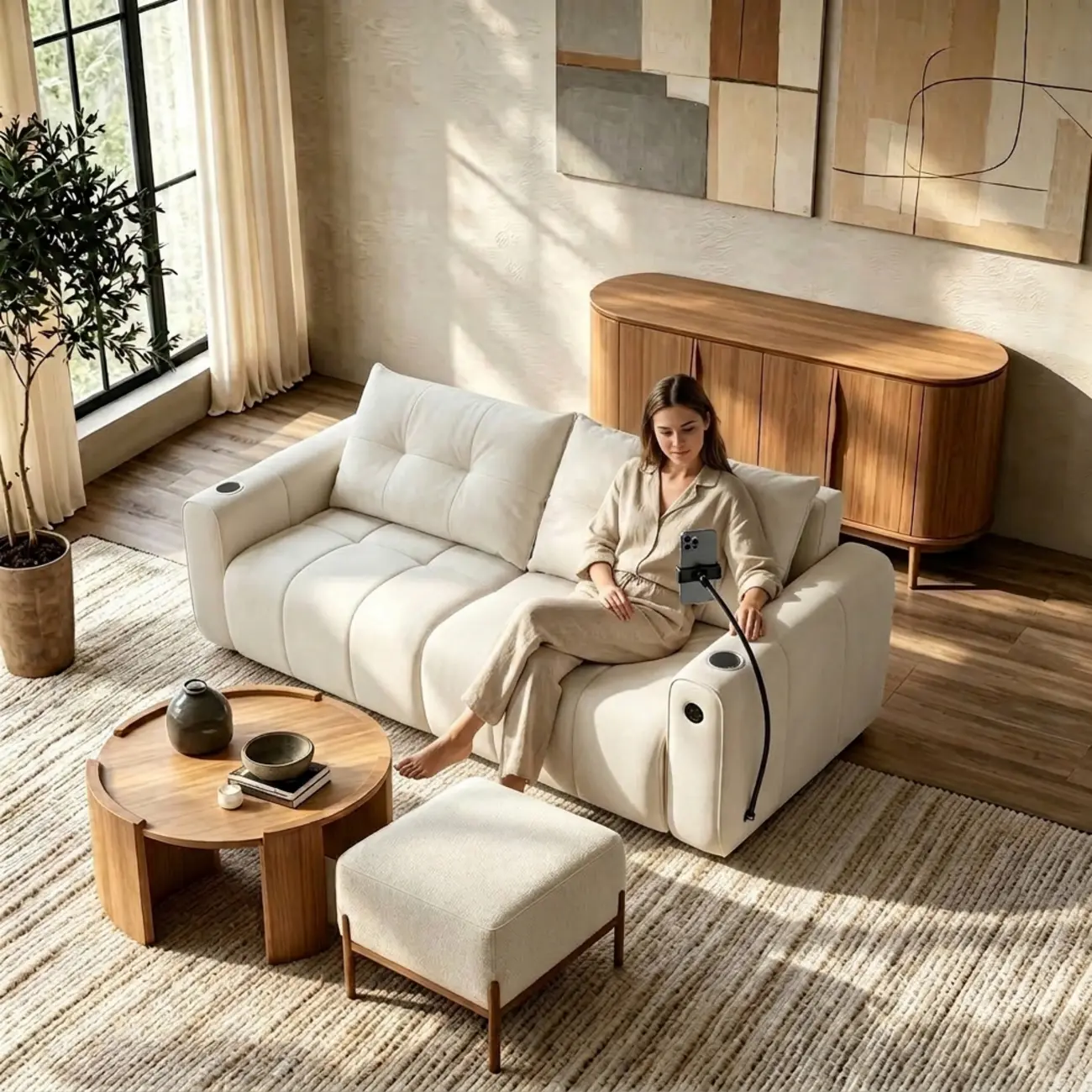
For many compact living rooms, placing the sofa against the longest uninterrupted wall is the simplest and most effective solution. It keeps the central floor area open and creates a natural place for a coffee table, rug, and occasional chair.
If your television is on the opposite wall, this arrangement can also create a comfortable viewing area without requiring extra furniture. Keep the TV and sofa aligned where possible, but prioritize comfortable viewing and a clear walkway over perfect symmetry.
However, pushing the sofa against a wall is not a universal rule. In an open-plan room, a sofa positioned slightly away from the wall can separate the living area from a dining space. The back of the sofa becomes a subtle visual boundary, making the layout feel more organized without adding a partition.
If you have a narrow room, avoid placing a deep sofa where it creates a bottleneck. A streamlined silhouette with narrower arms can free up valuable space while still offering comfortable seating.
Styling tip: Leave the wall above the sofa relatively simple. One large artwork, a carefully arranged pair of prints, or a slim wall shelf can create a focal point without making the room feel busy.
3. Arrange the Sofa Around a Clear Focal Point
A small living room feels more cohesive when the furniture has a clear visual destination. This might be a television, a window with a pleasant view, a fireplace, or a favorite piece of artwork.
Start by deciding what you want to see when you sit down. Position the sofa so that the focal point is easy to enjoy, then arrange the coffee table and any additional seating around that relationship.
For a TV-centered living room, place the sofa opposite the screen and keep the media console proportional to the available wall space. Avoid using an oversized console that competes with the sofa or leaves too little room for other essentials.
If natural light and the view are the main attraction, angle the seating toward the window when the floor plan allows. Keep the window unobstructed and avoid placing tall furniture where it blocks daylight.
In a multipurpose room, the focal point does not need to be a television. A well-styled sofa, a beautiful rug, and a floor lamp can create a welcoming conversation area. This is particularly useful in apartments where the living room also serves as a reading nook or a place to unwind after work.
4. Keep Walking Paths Open and Comfortable
One of the biggest mistakes in a small living room is arranging furniture around appearance alone. A beautiful sofa can still make a room frustrating if you have to squeeze between the coffee table and the TV stand every time you walk through it.
Plan a clear route from the entrance to the main seating area and any connected rooms. As a practical starting point, aim for approximately 30–36 inches of clearance along a main walkway where space permits. In particularly compact homes, you may need to adapt this measurement to the actual floor plan.
--For the space between your sofa and coffee table, approximately 16–18 inches is a useful starting point. This usually allows you to reach the table without making the seating area feel unnecessarily spread out. Adjust it to suit the depth of your sofa, your reach, and how comfortably you can move through the room.
--Look for hidden obstacles, too. Check that drawers can open, doors can swing freely, and people can get in and out of their seats without moving other furniture. If your room feels crowded, remove a side table or occasional chair before sacrificing the main walking path.
QUICK LAYOUT CHECK
Can you enter the room, reach the sofa, access the window, and walk toward the next room without weaving around furniture? If not, try shifting the sofa or reducing the number of pieces in the seating area.
5. Choose the Right Sofa Size and Silhouette
The sofa is usually the largest piece of furniture in a living room, so its proportions have an outsized effect on the overall design. A sofa that is too deep can consume valuable floor space, while one that is too small may look disconnected from the rest of the room.
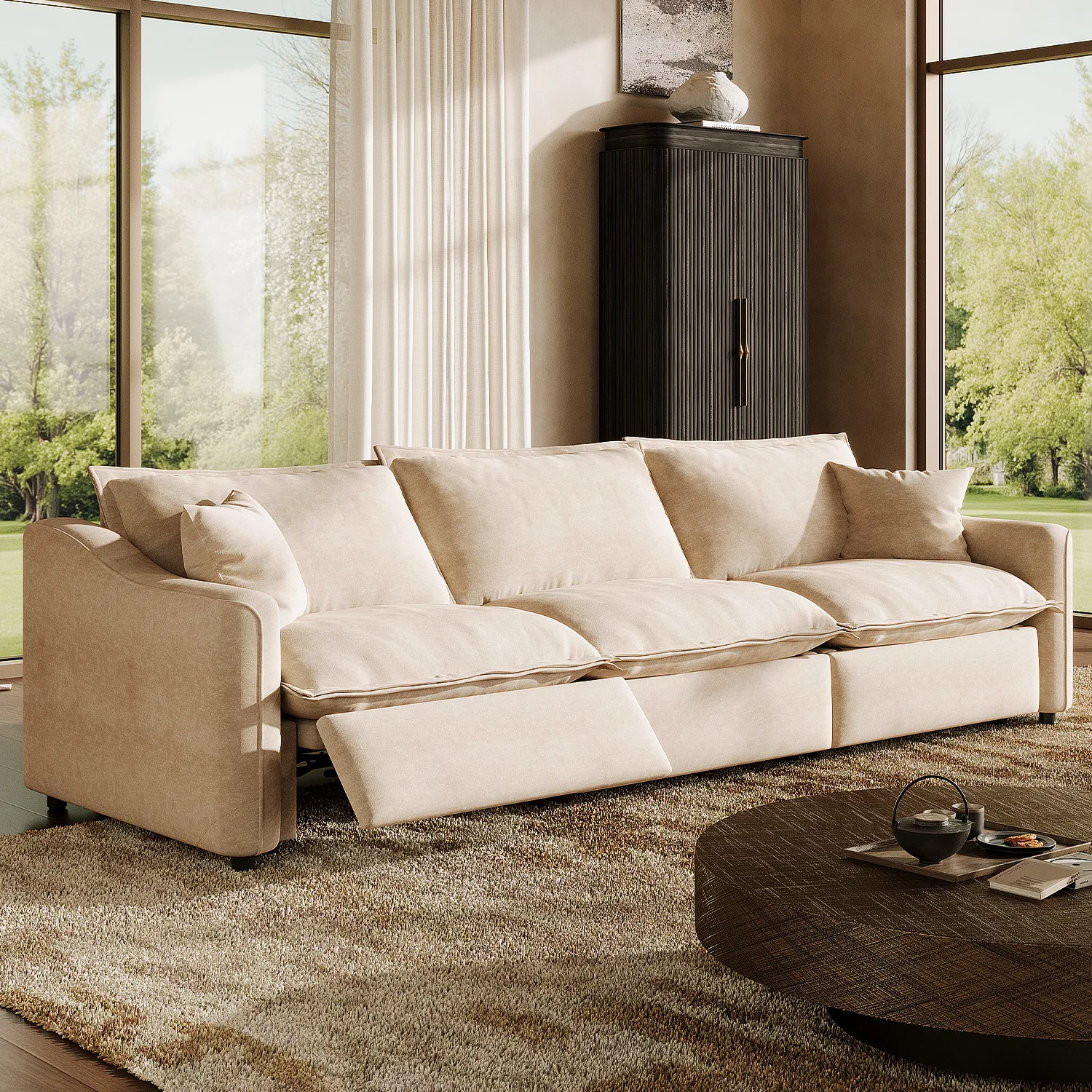
--For a compact apartment, a well-proportioned two-seater or three-seater is often a sensible place to start. Compare the sofa's total width, seat depth, arm width, and overall height rather than relying on the seat count alone. Two sofas with the same number of seats can have very different footprints.
--Consider the visual weight of the design. Slim arms, exposed legs, and a simple silhouette can help the floor remain visible, making the arrangement feel lighter. This does not mean every small room needs a minimalist sofa; it simply means the shape should work with the space rather than dominate it.
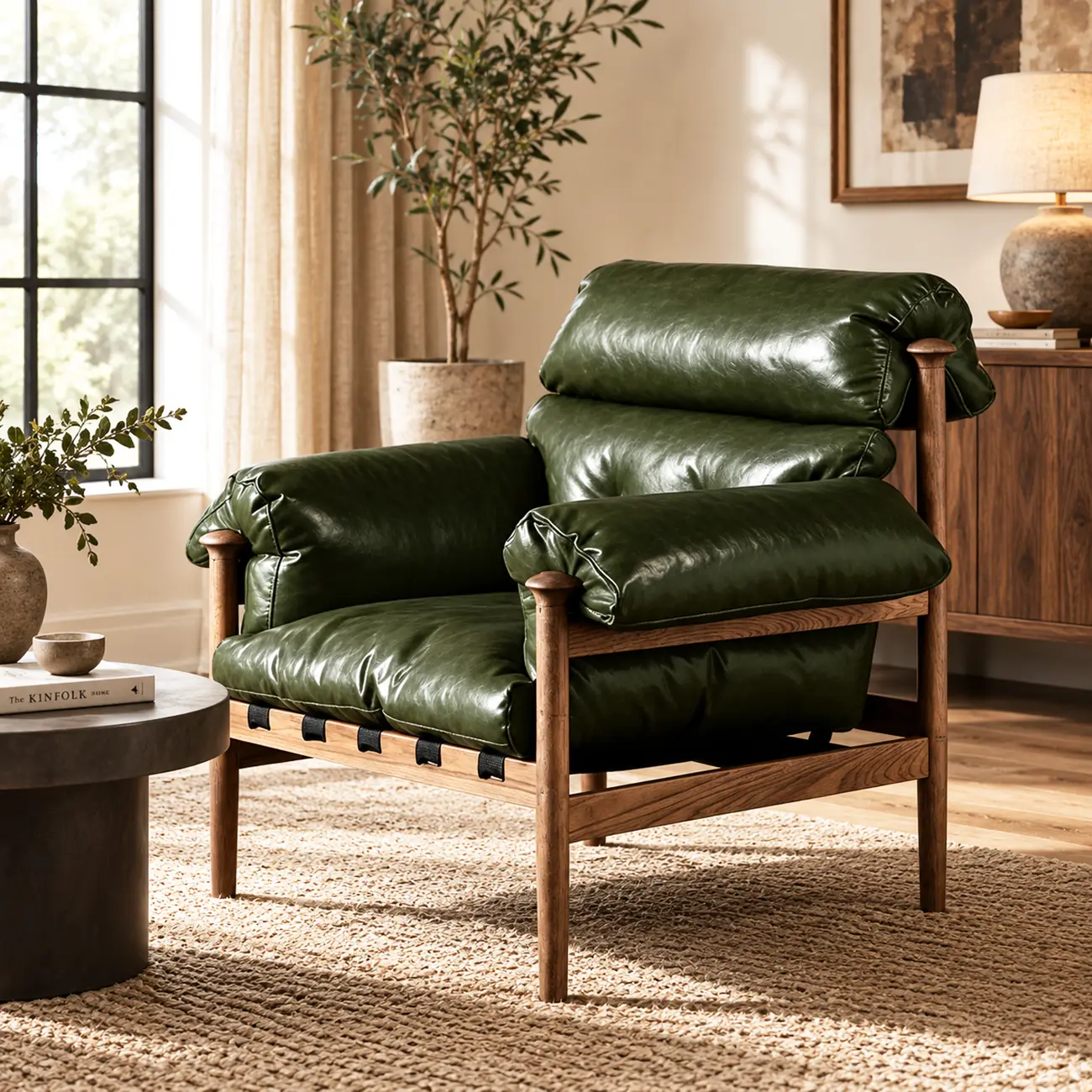
--Color matters, too. Beige, warm ivory, taupe, and soft gray can create a calm foundation that works well with a range of wall colors and accessories. A darker sofa can also look beautiful in a small room, especially when balanced with lighter walls, layered lighting, and uncluttered surroundings.
Before ordering, measure doorways, hallways, staircases, and elevator openings. Also check the sofa's assembled dimensions and any clearance required for delivery. The ideal sofa must fit both the room and the route into it.
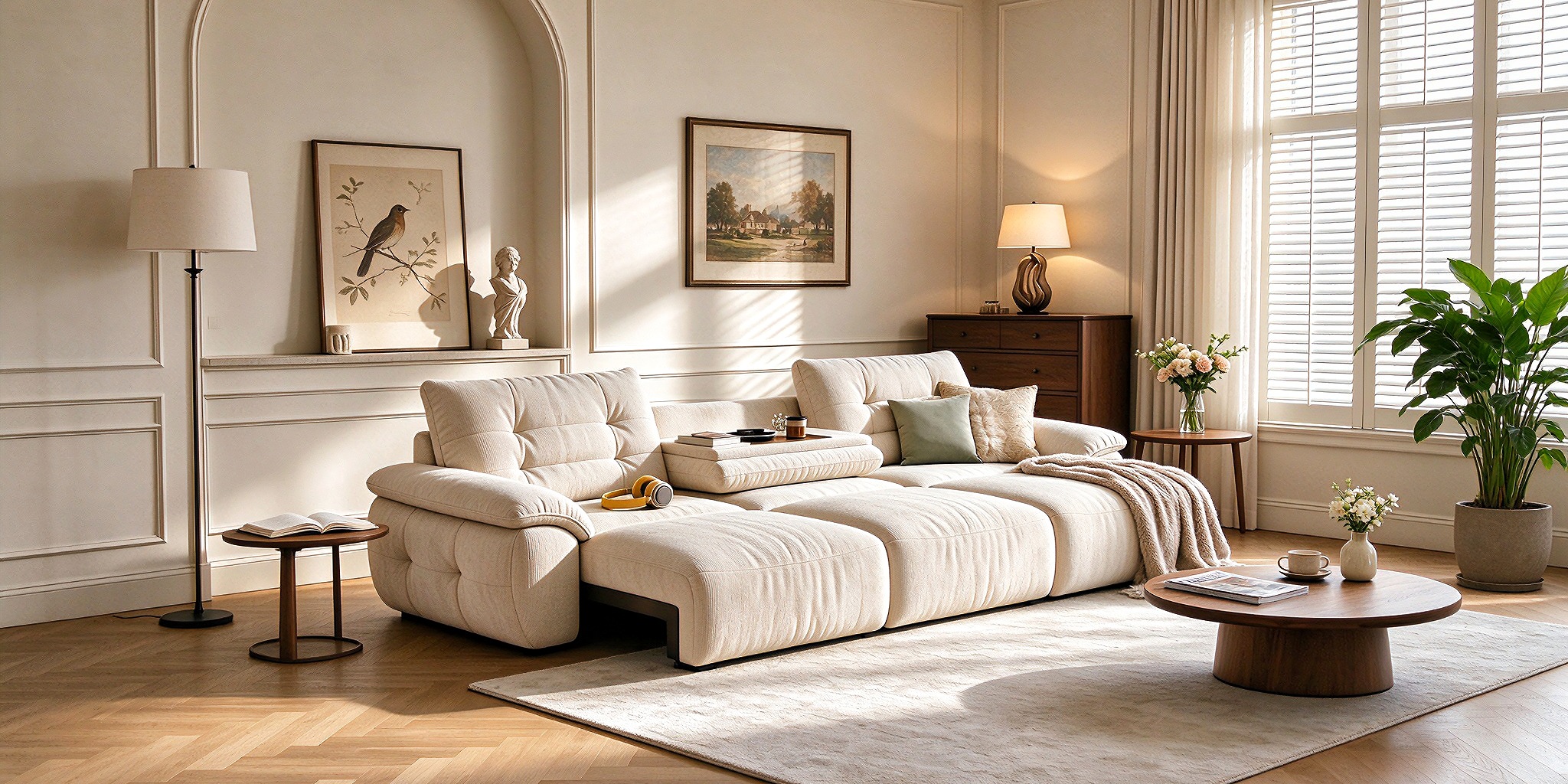
Explore HomeyFad Living Room Furniture →
6. Can a Sectional Sofa Work in a Small Living Room?
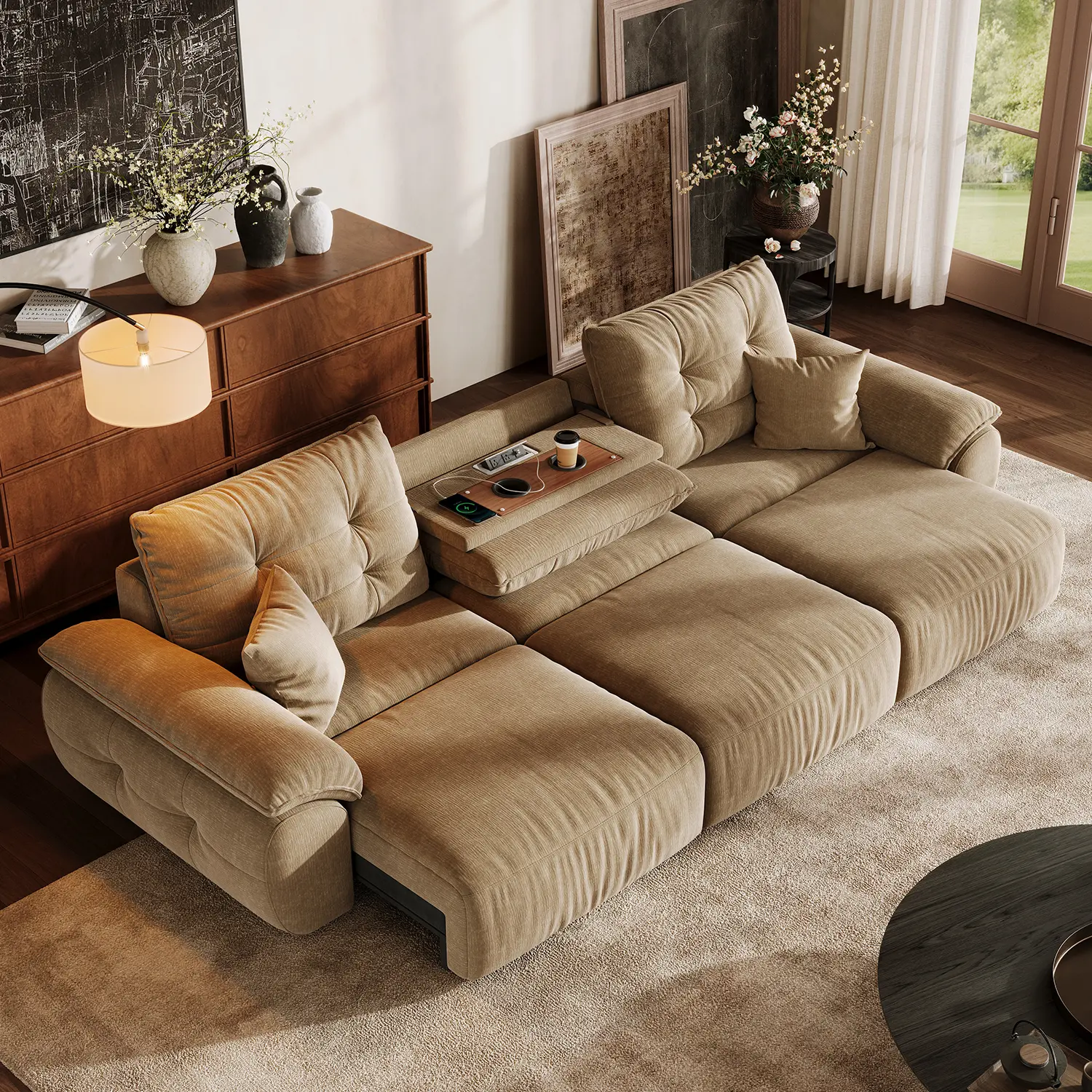
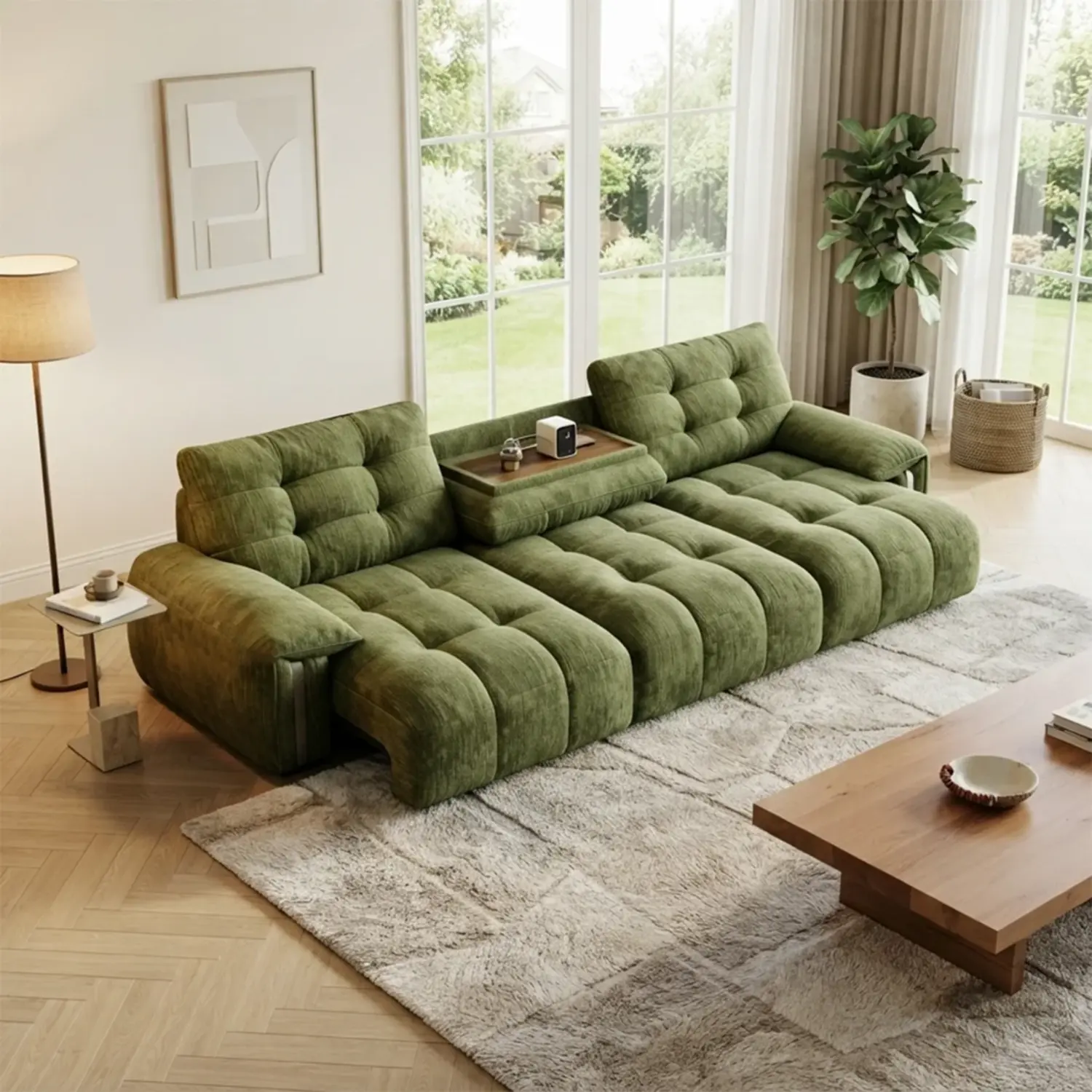
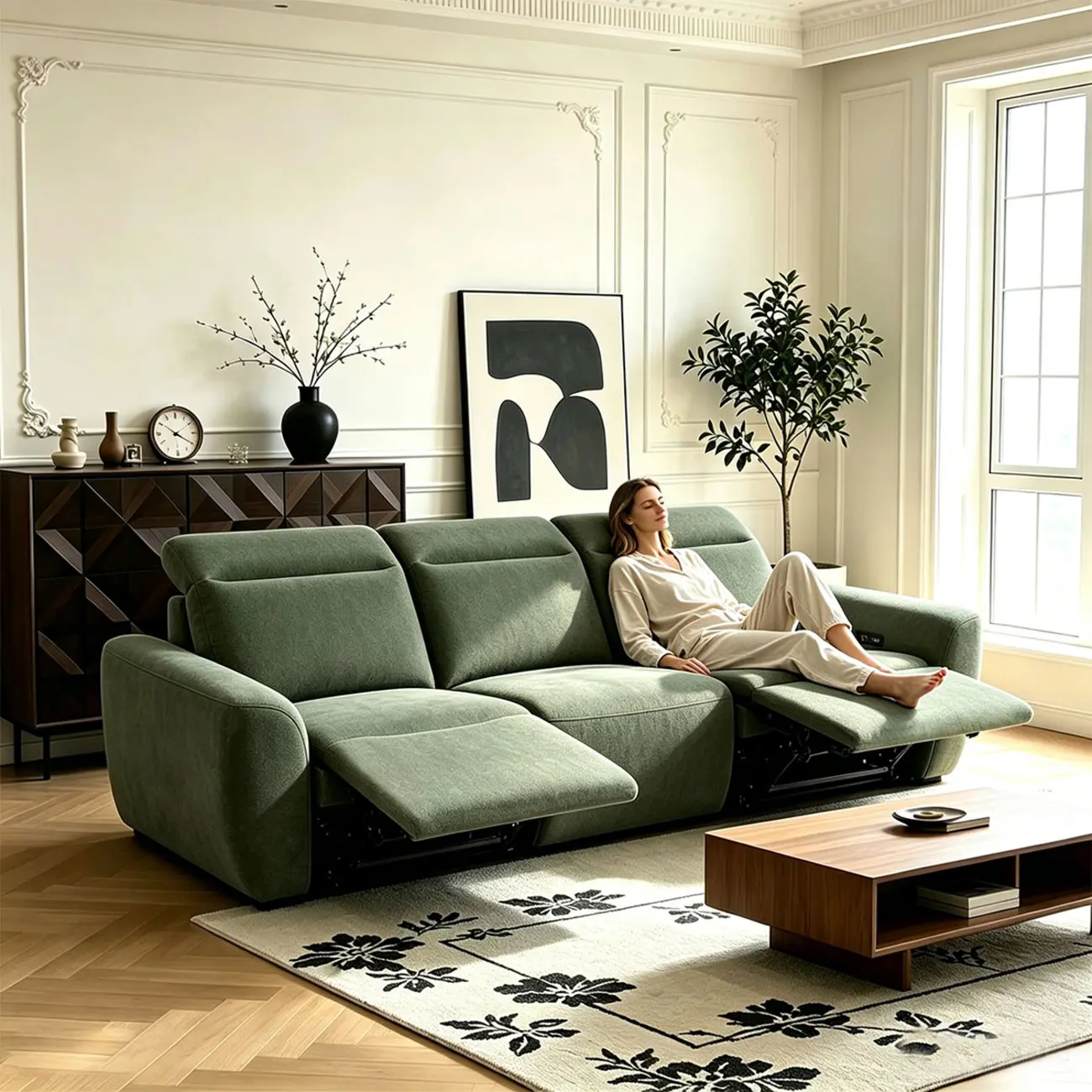
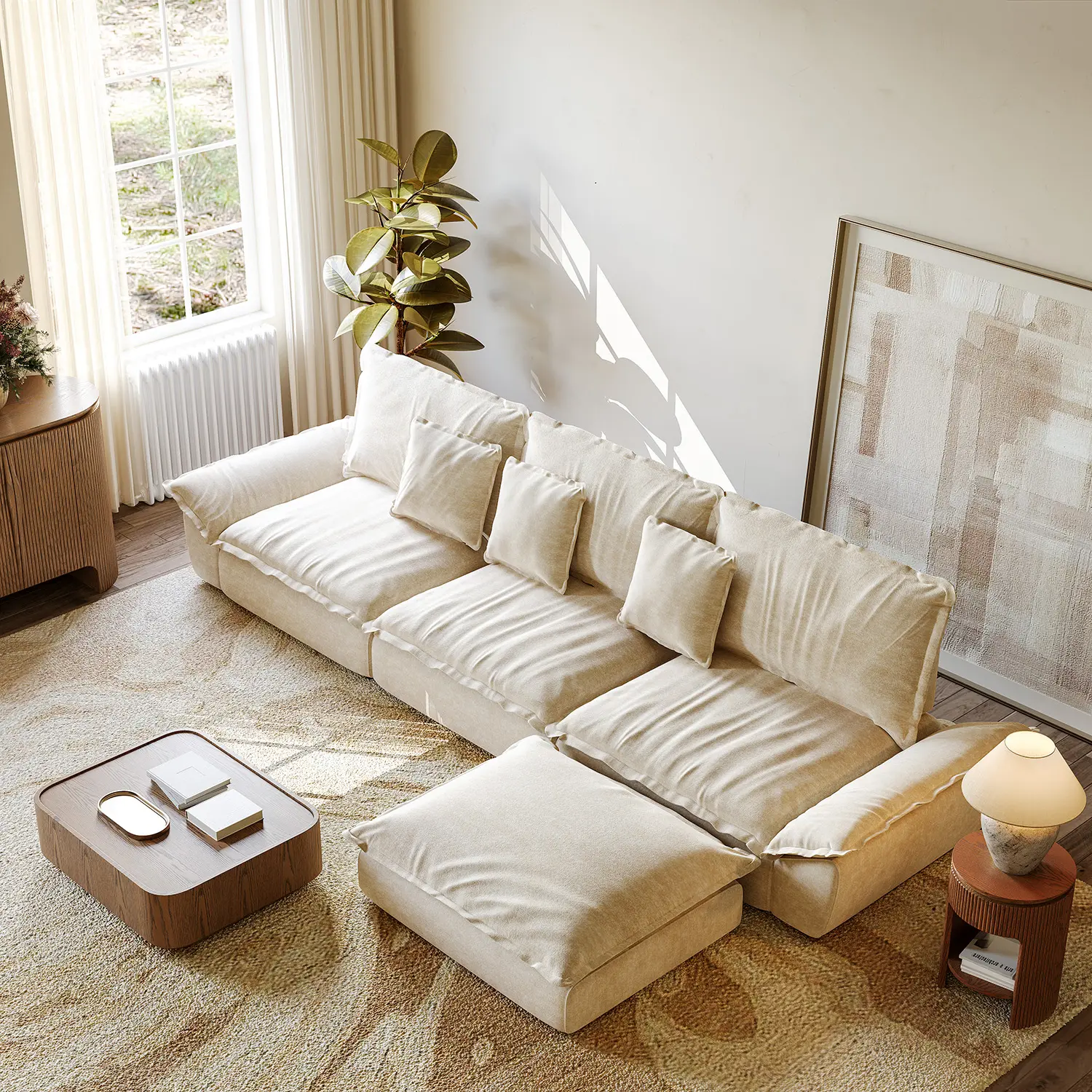
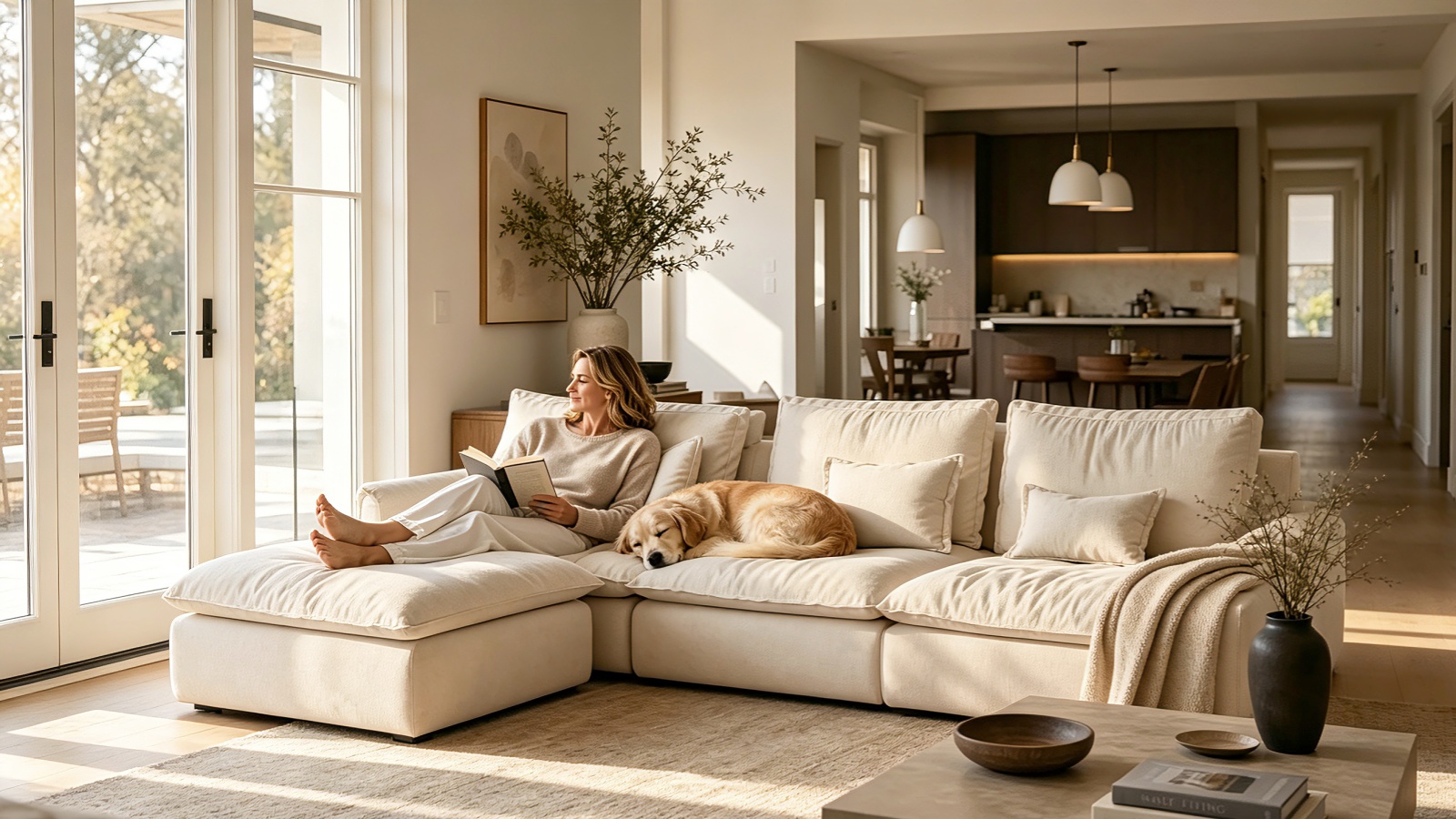
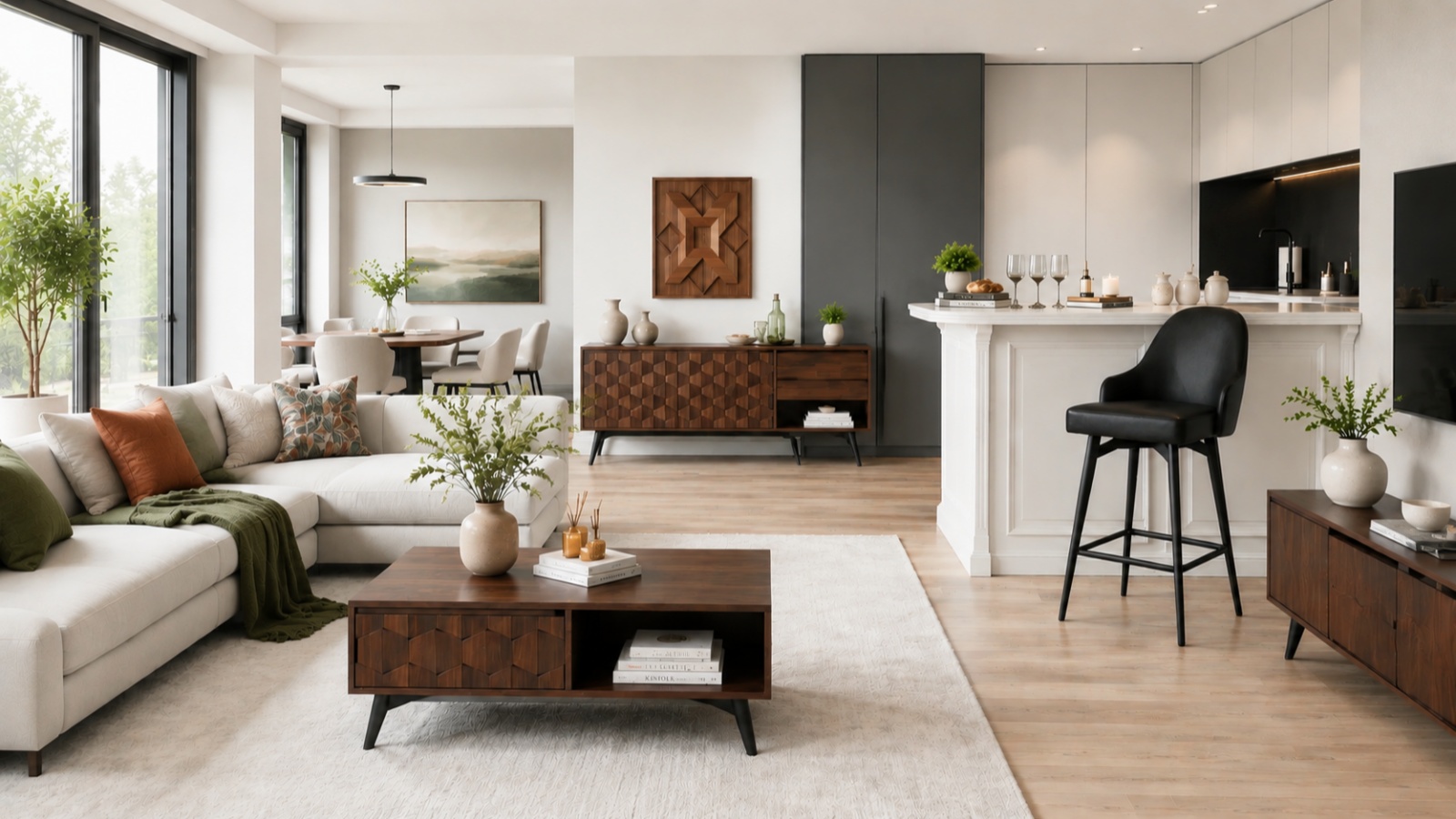
Yes. A sectional sofa can be a smart choice for a small living room when its shape matches the floor plan. A compact L-shaped design can make use of a corner, provide generous seating, and reduce the need for several separate chairs.
The important thing is to measure the entire footprint, including the chaise. Place the longer section along a suitable wall and make sure the projecting section does not block the entrance, a major walkway, or access to the window.
Think about the direction of the chaise before choosing a model. A left-facing chaise and a right-facing chaise can create very different layouts, even when the sofas look similar online. Use your floor plan to determine which configuration works best.
If the room is especially narrow, a straight sofa may leave more flexibility for a movable ottoman or occasional chair. You can rearrange these smaller pieces when guests visit or when you need additional floor space.
For households that entertain often, prioritize comfortable seating and a practical route around the furniture. A sectional is worthwhile when it improves how the room works, not simply because it offers the most seats.
7. Style the Coffee Table, Rug, and Side Tables Together
Once the sofa is in the right position, the surrounding furniture determines whether the room feels polished or crowded. The goal is to create a connected seating area without filling every available inch.
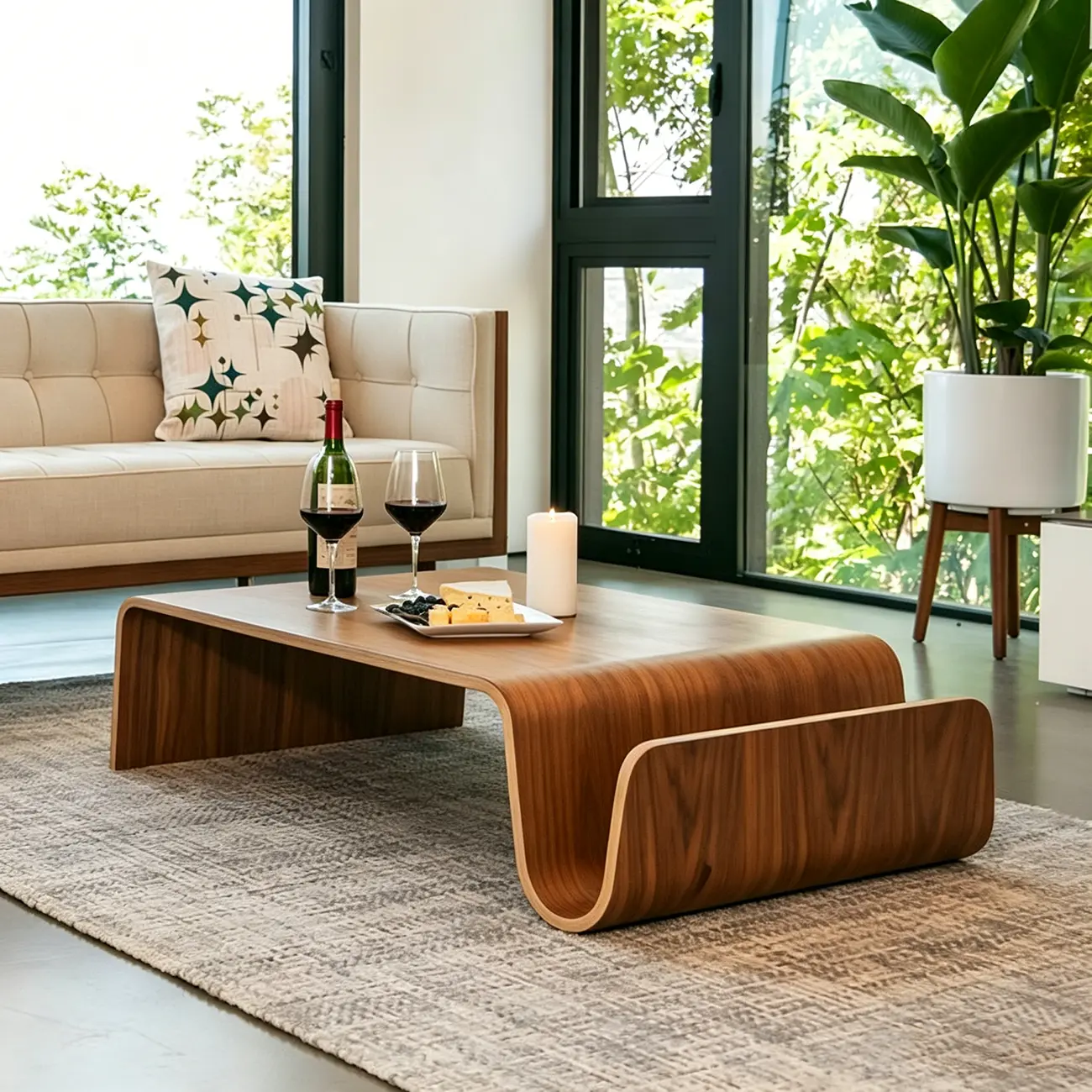
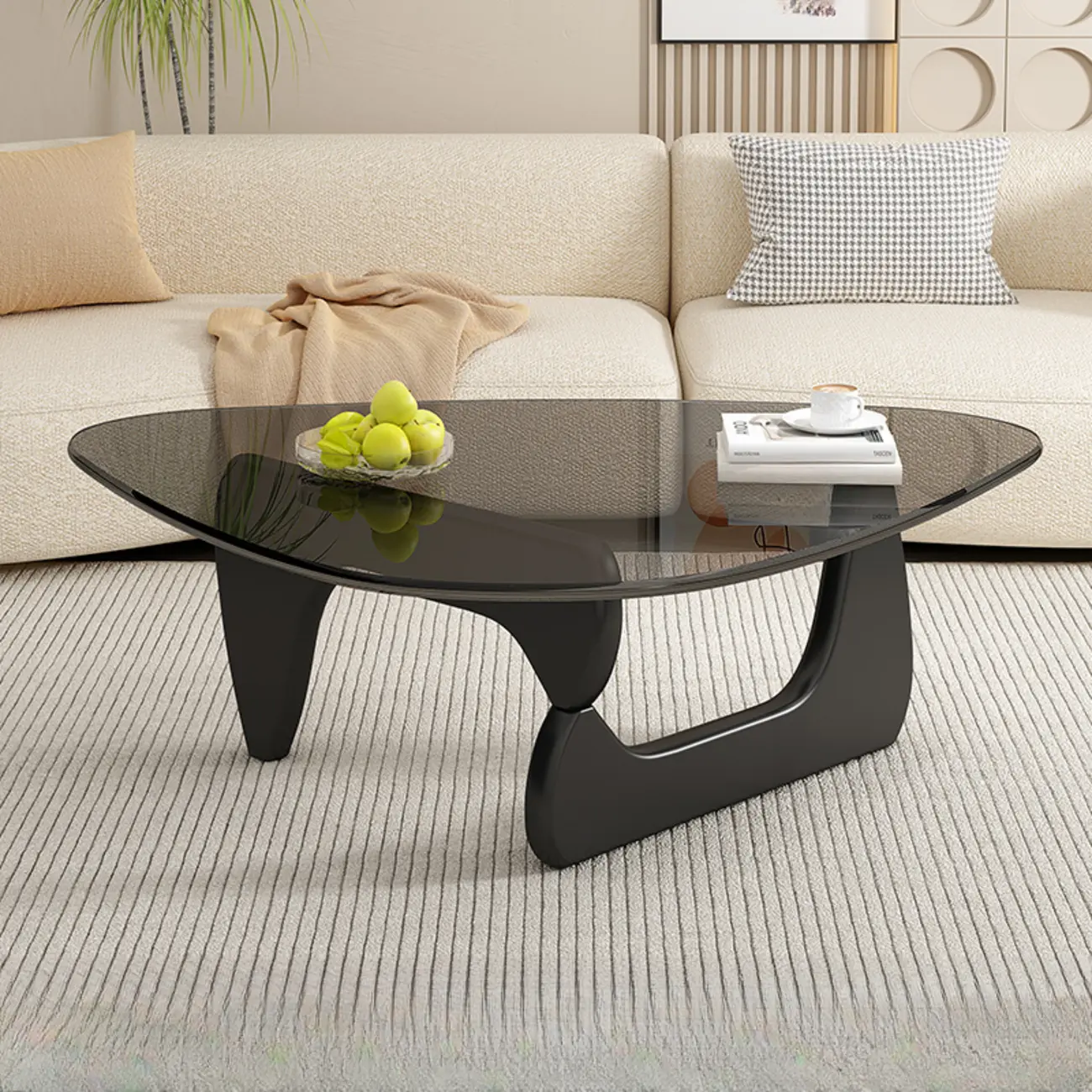
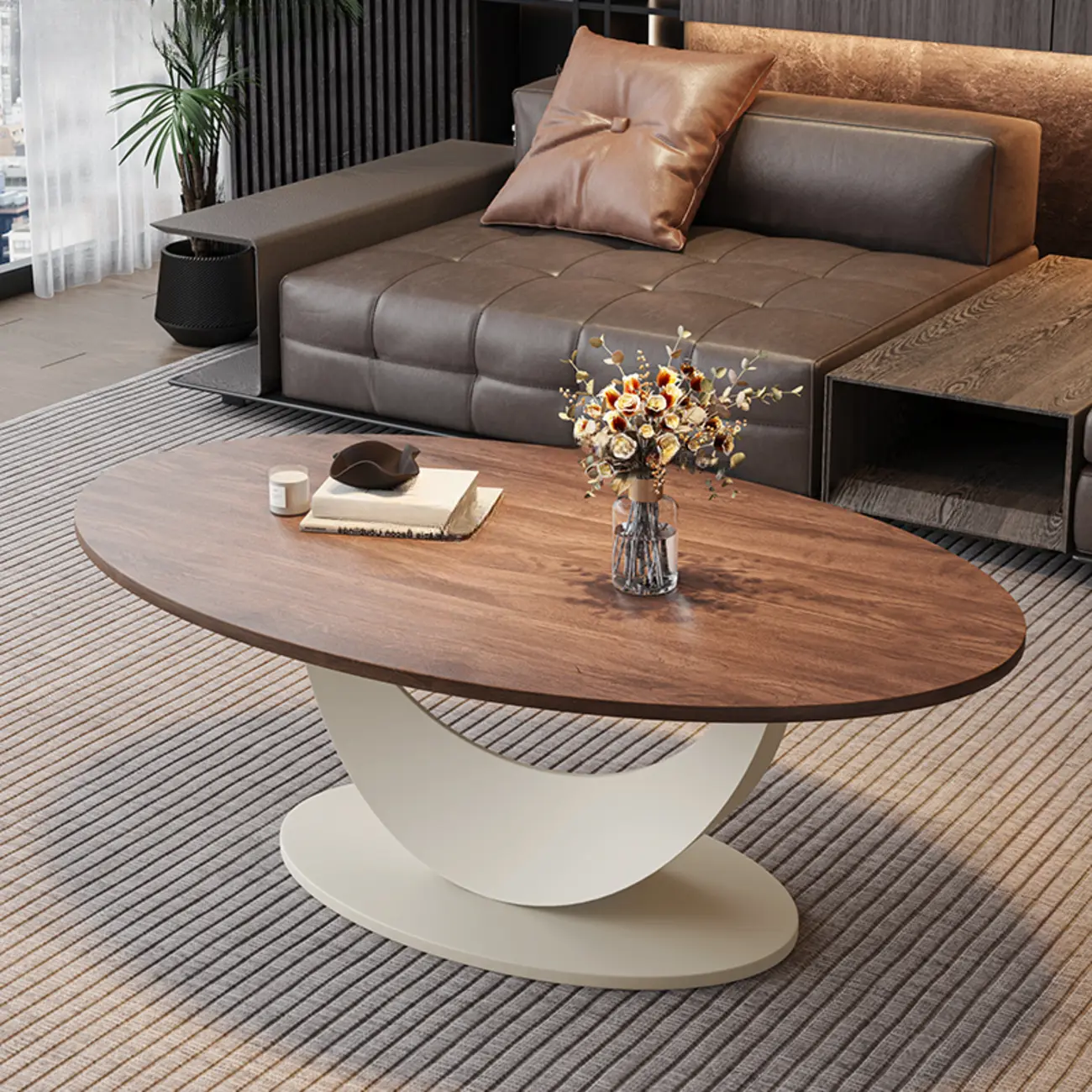
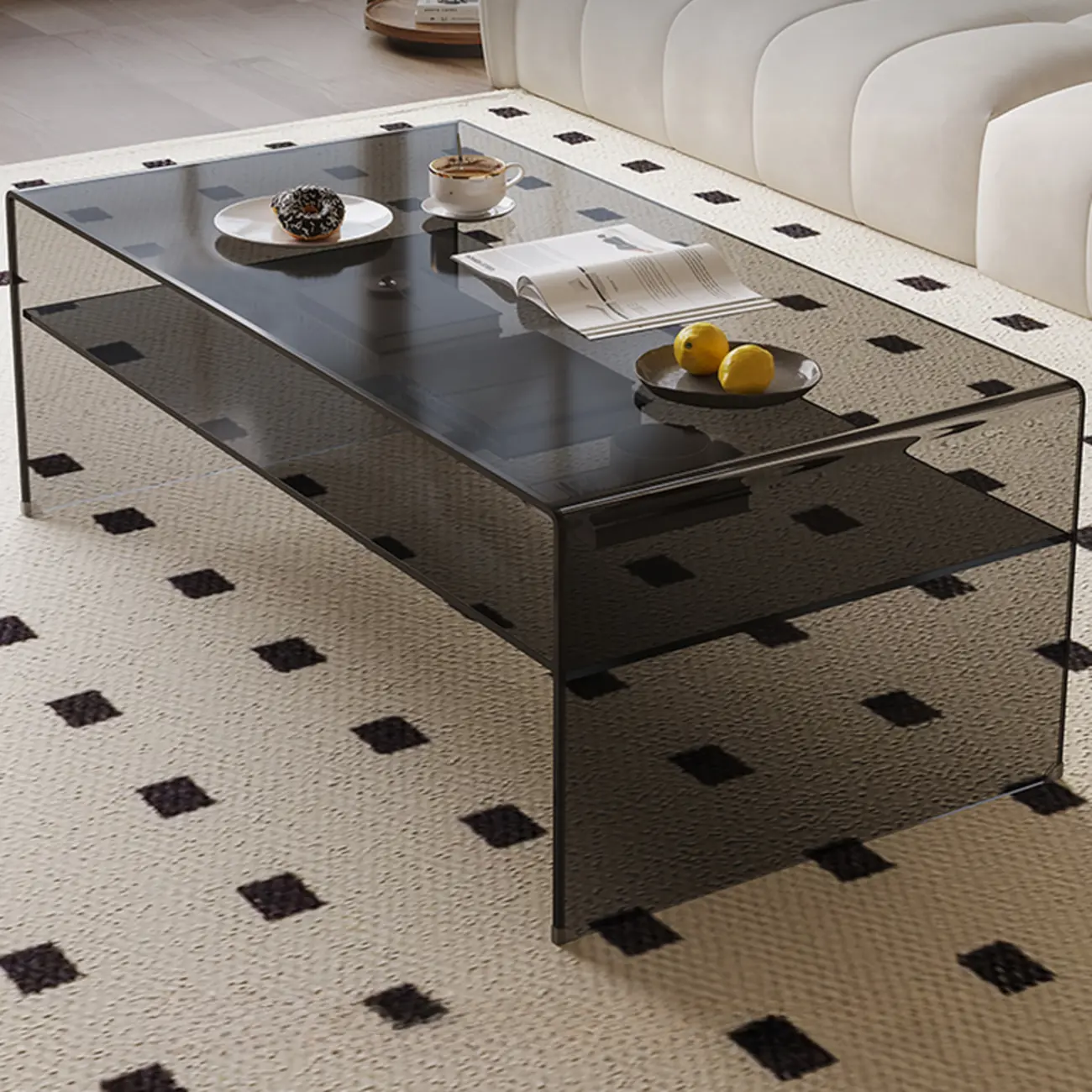
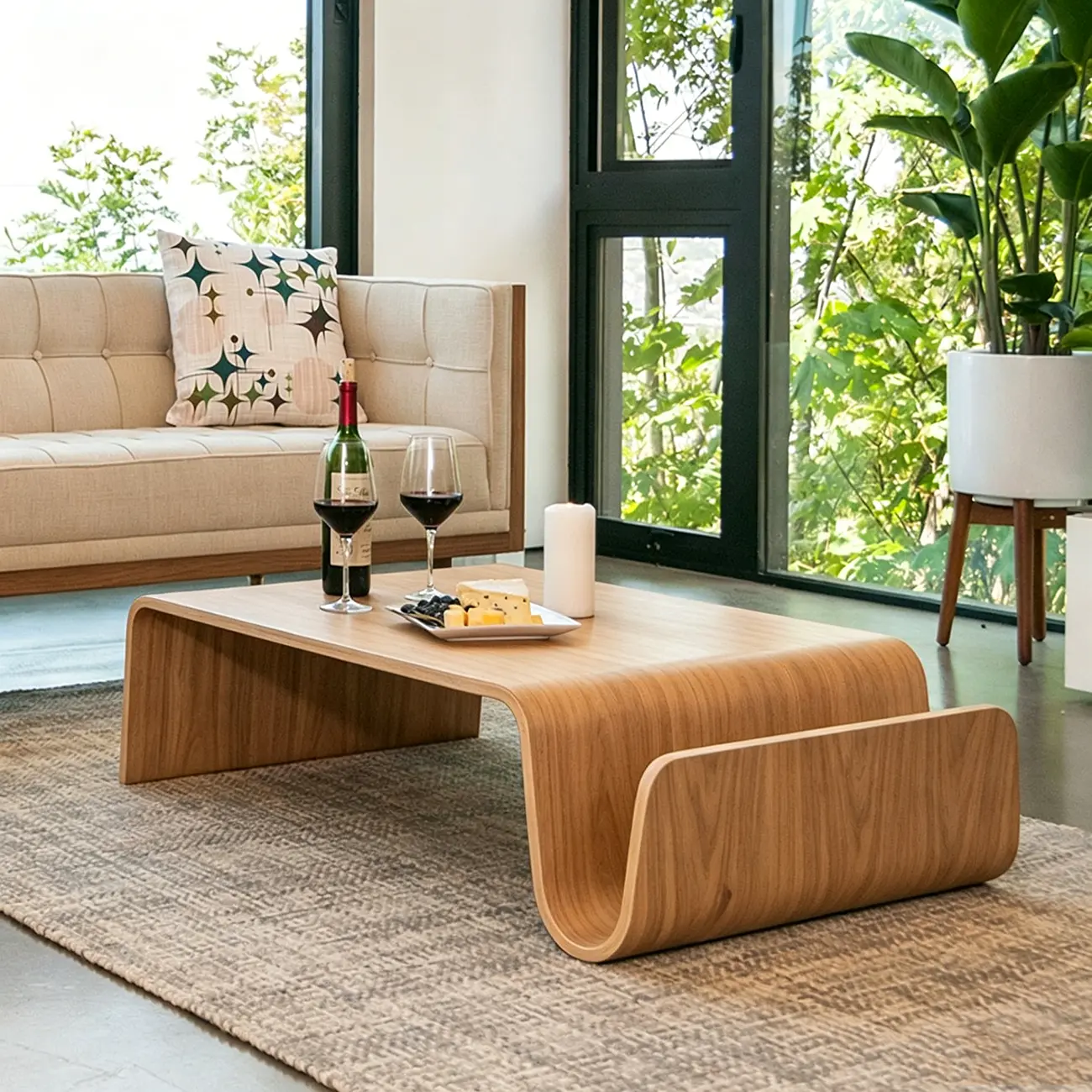
Choose a coffee table with a lighter footprint
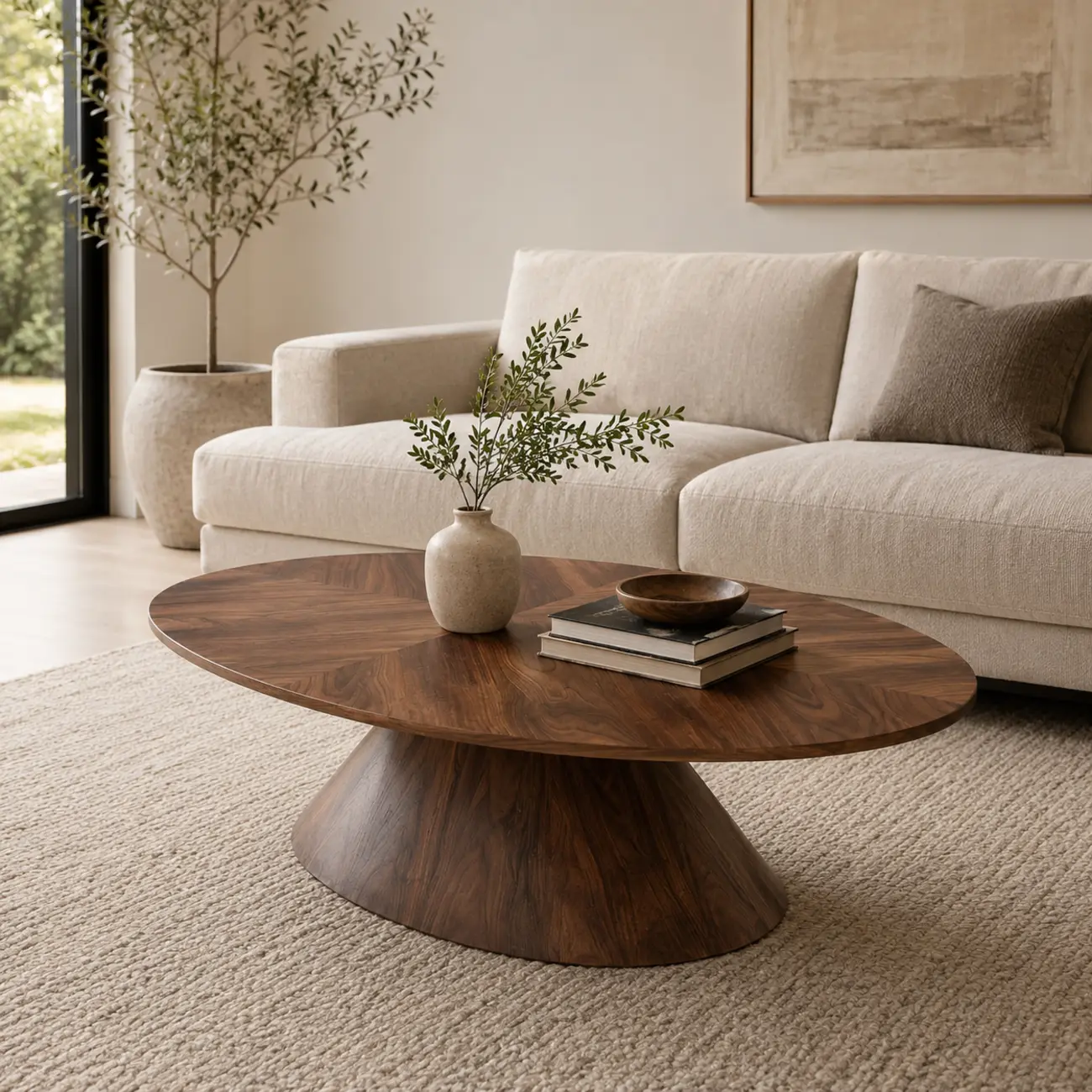
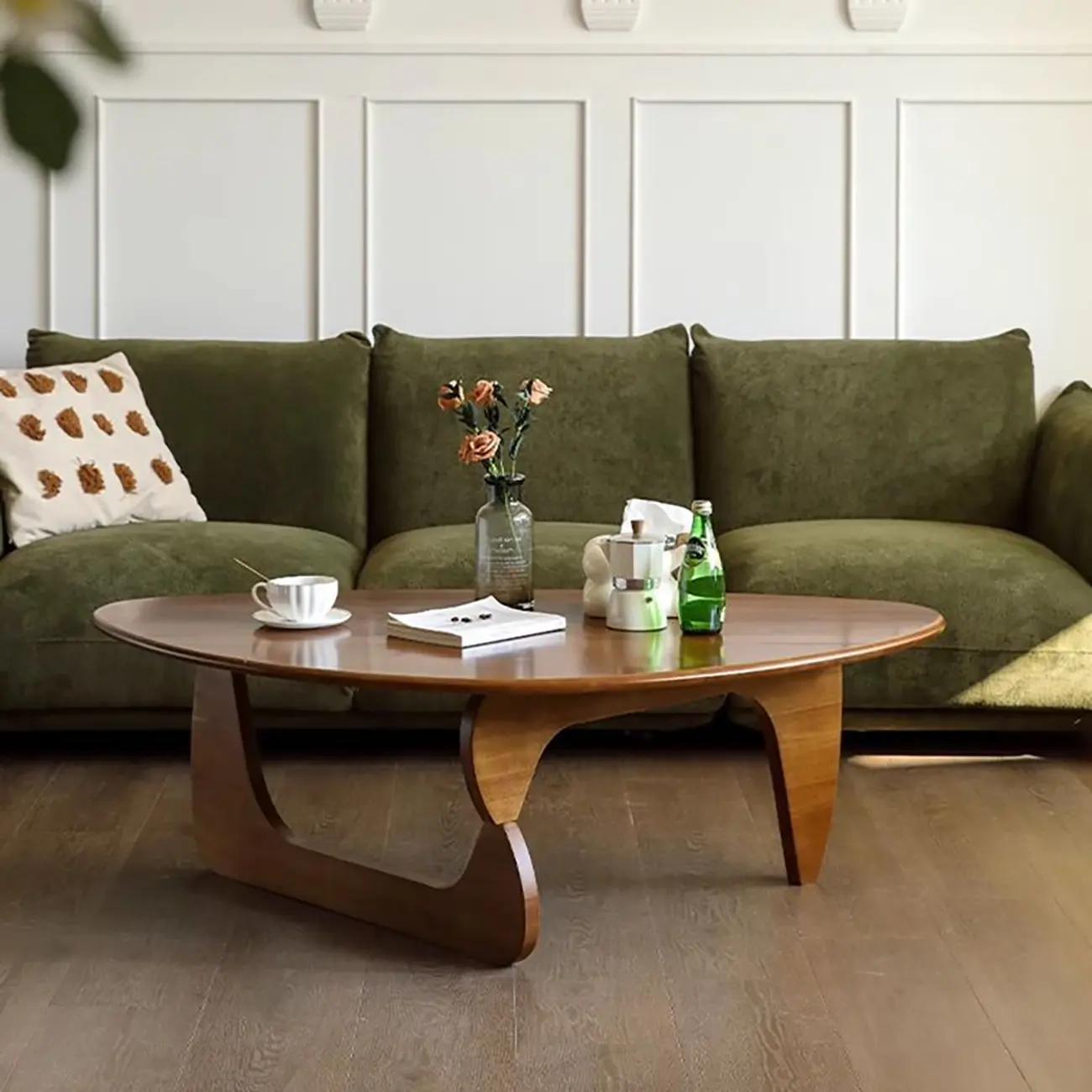
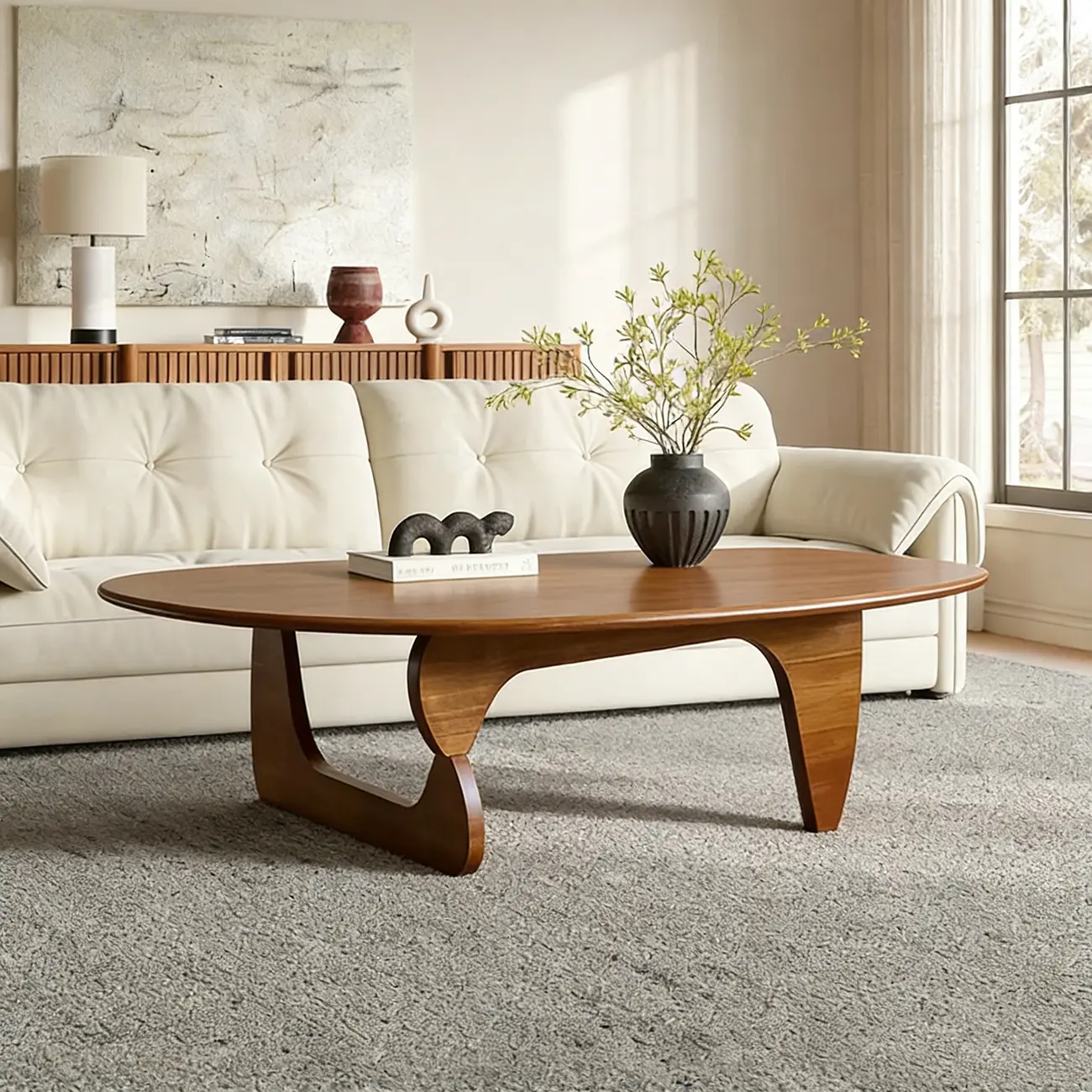
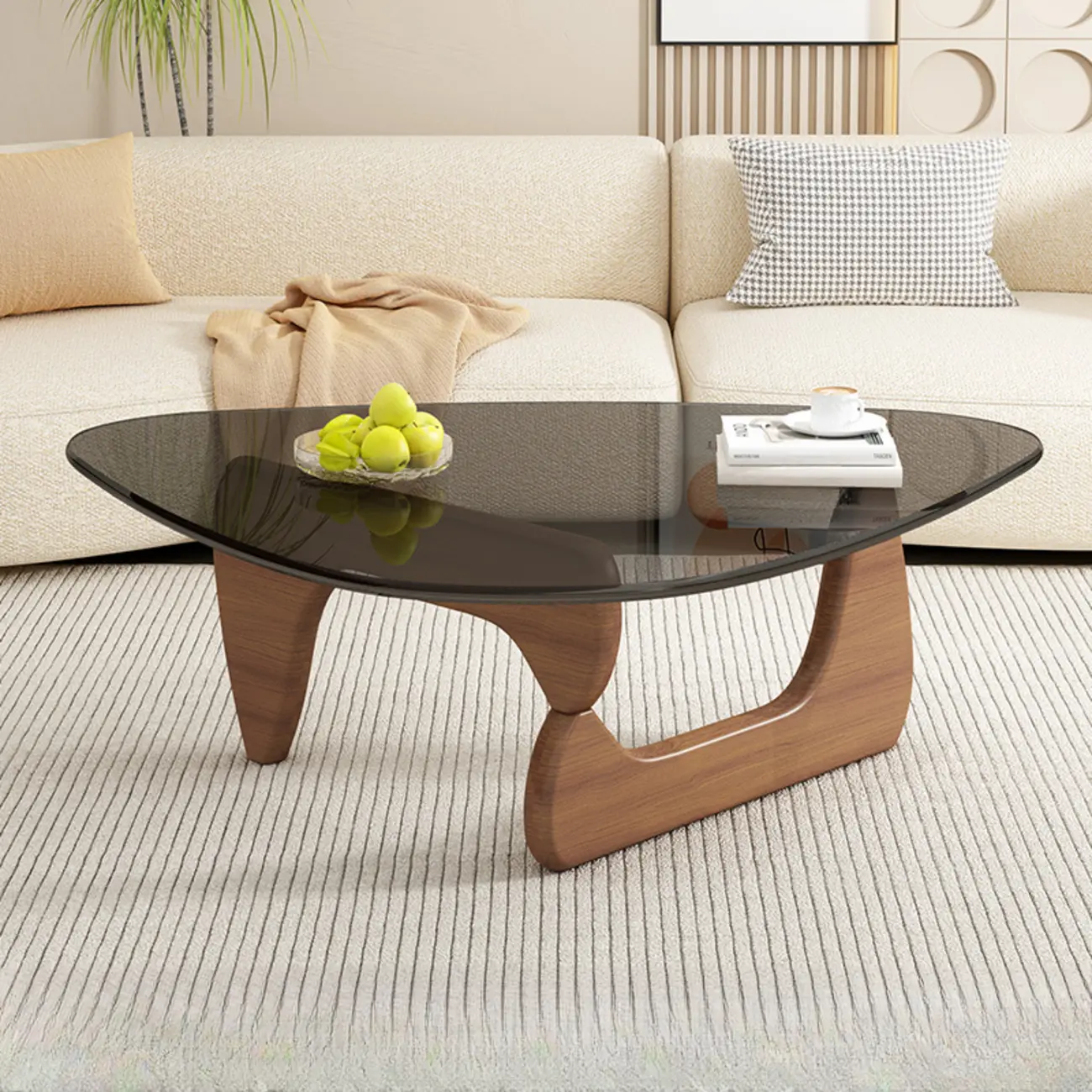
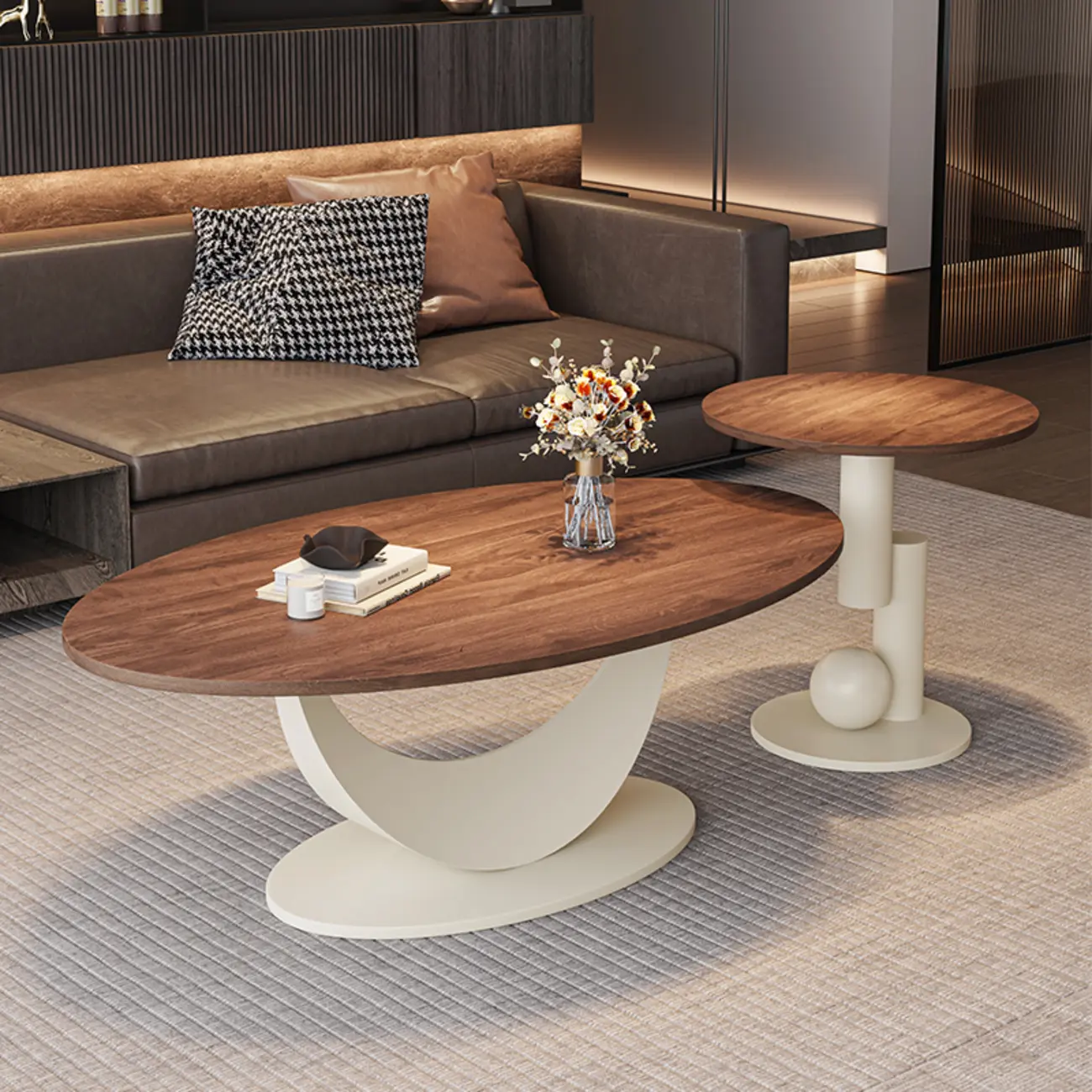
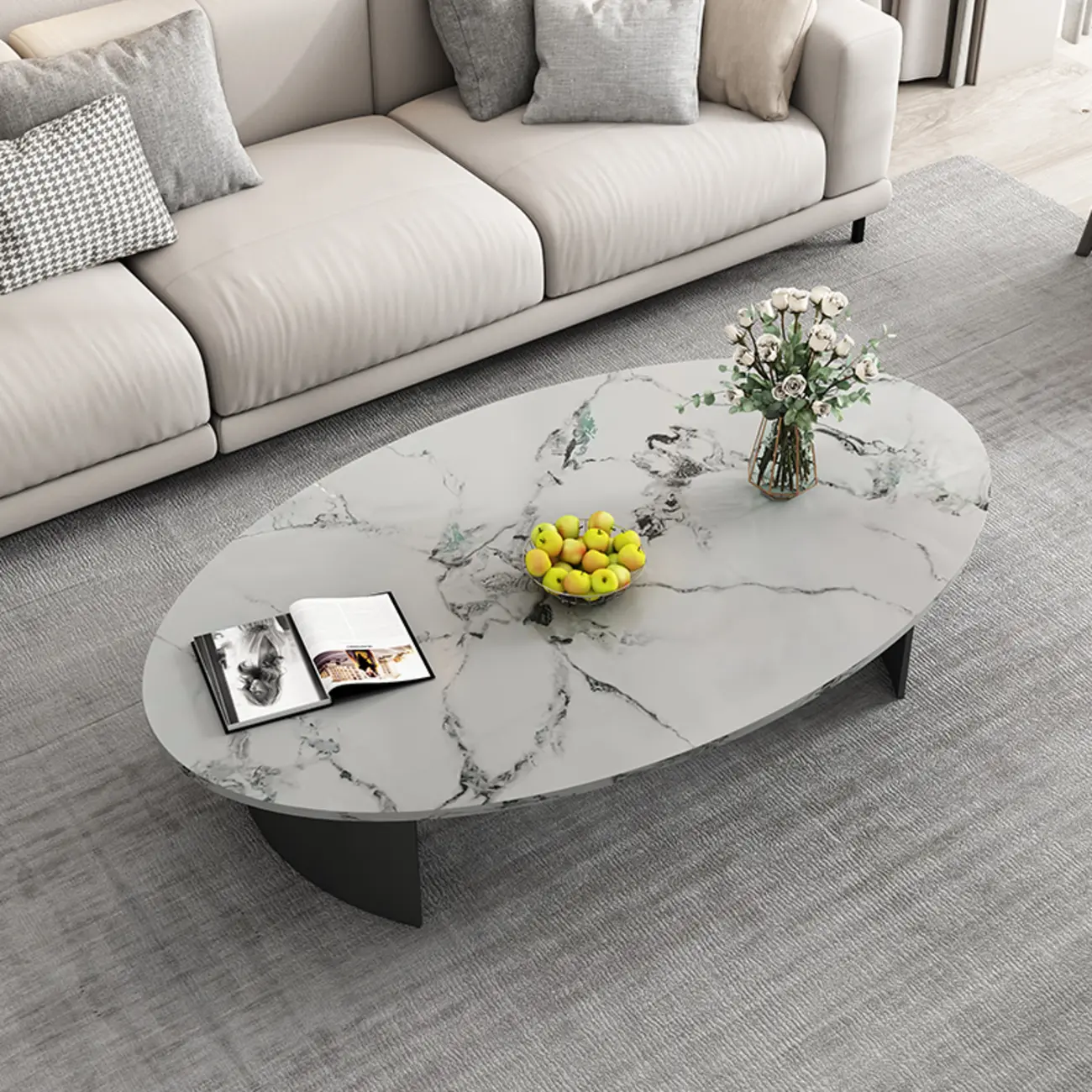
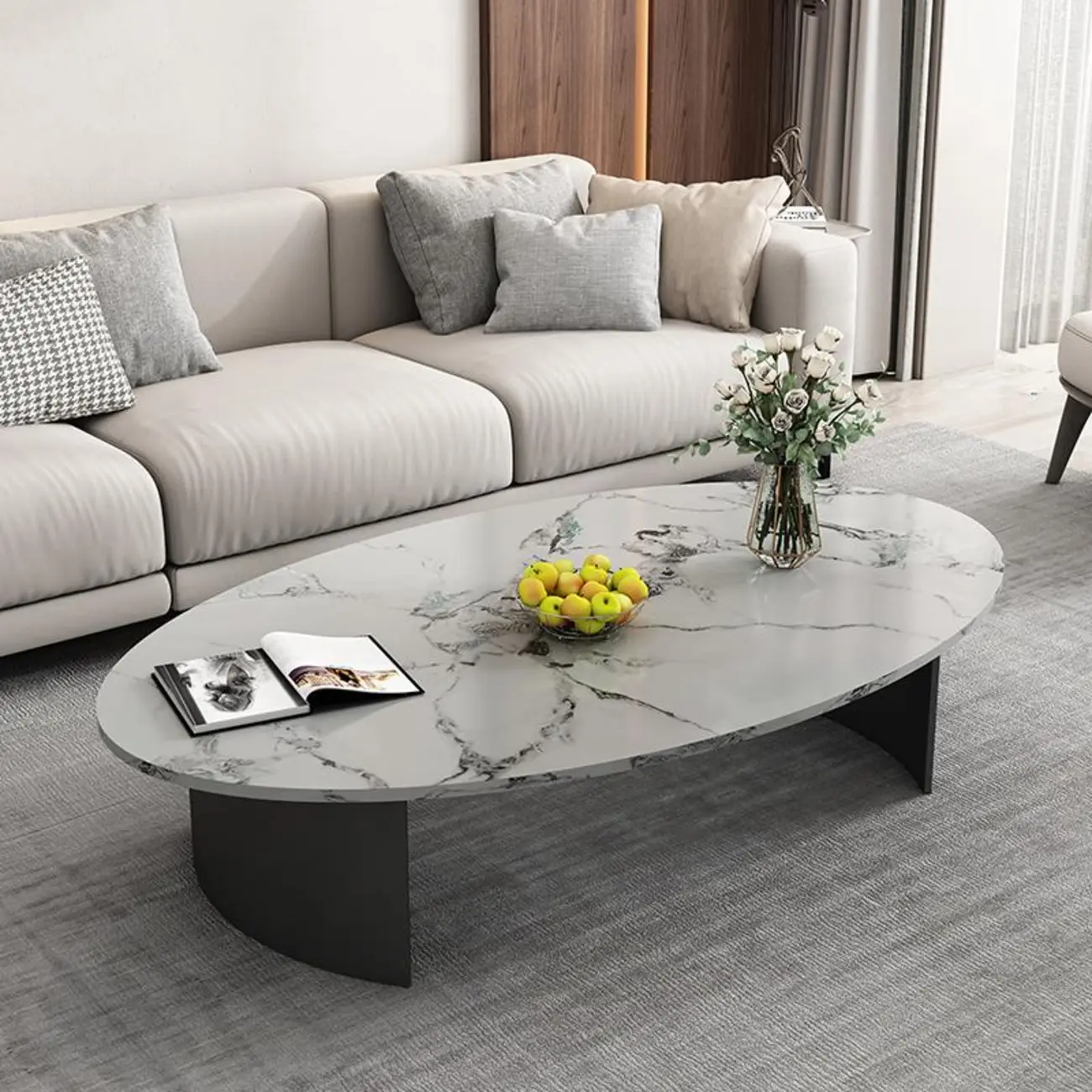
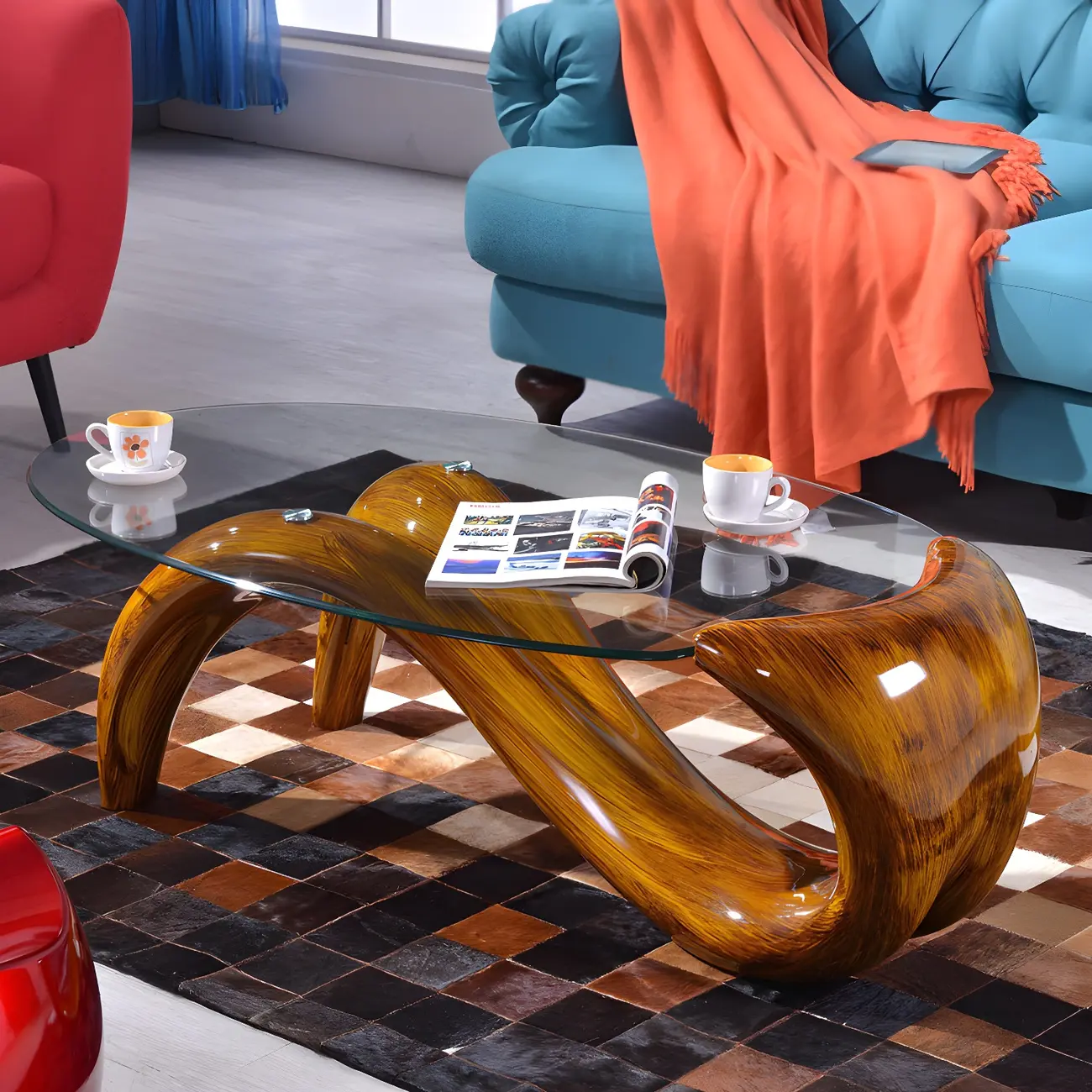
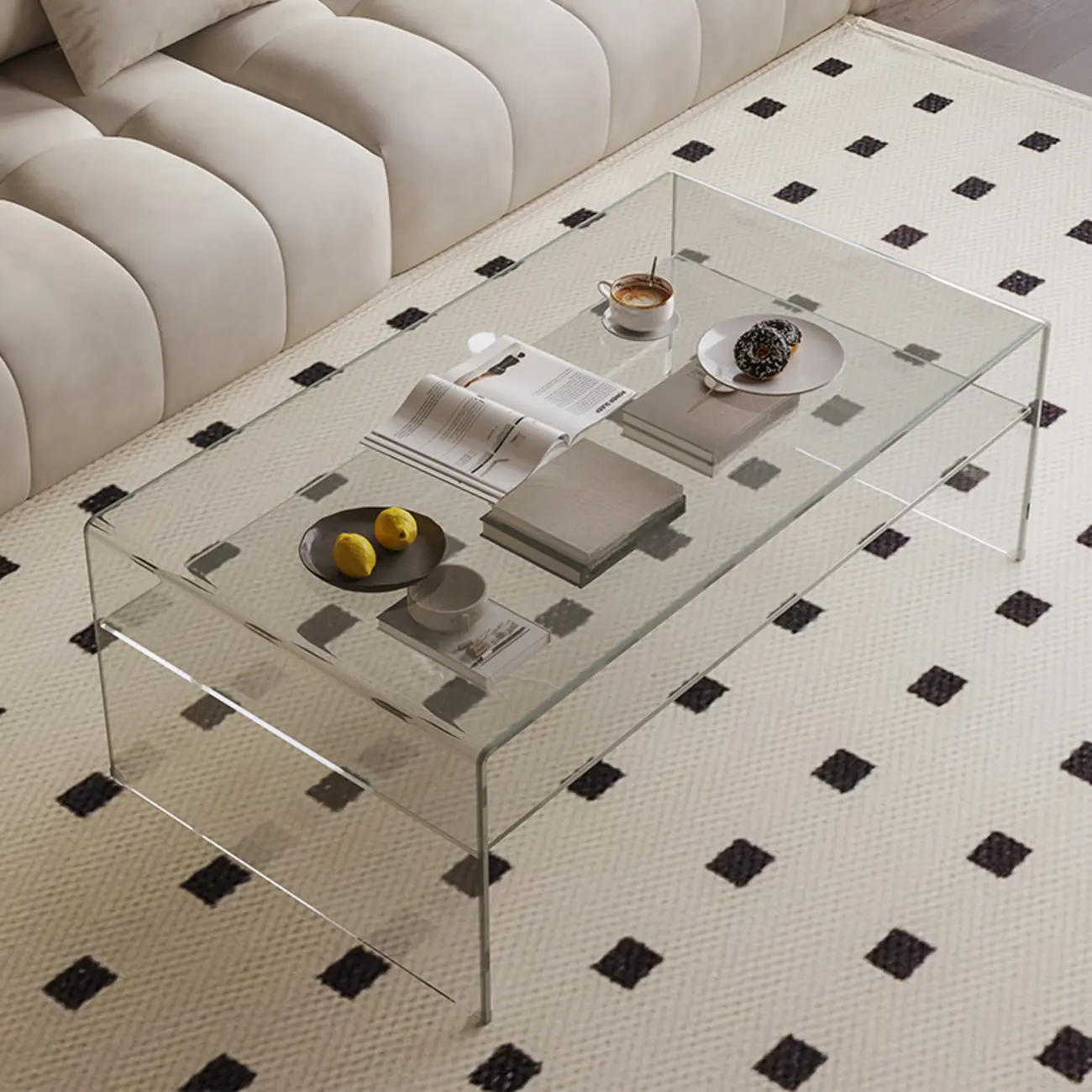
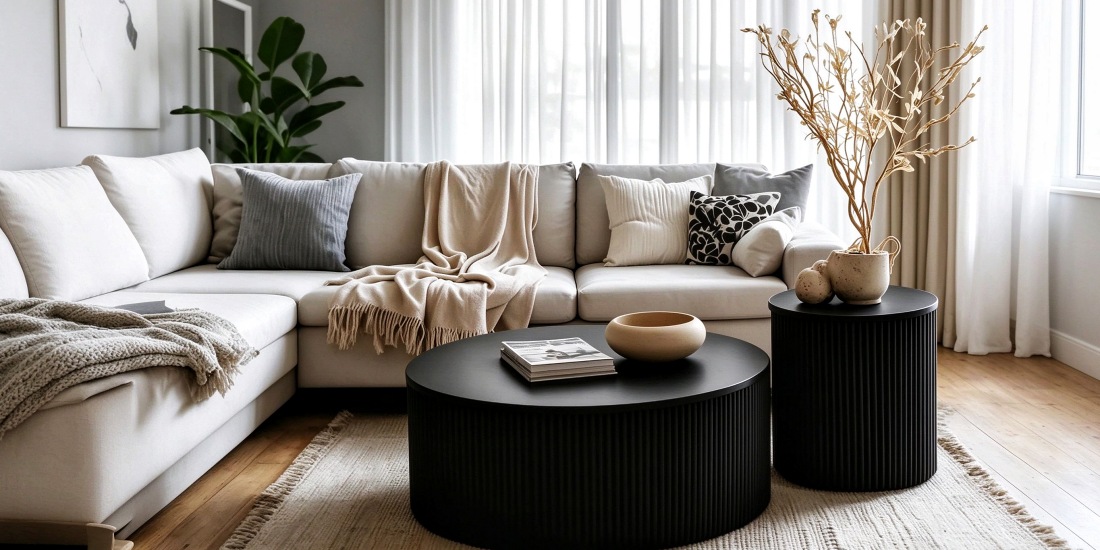
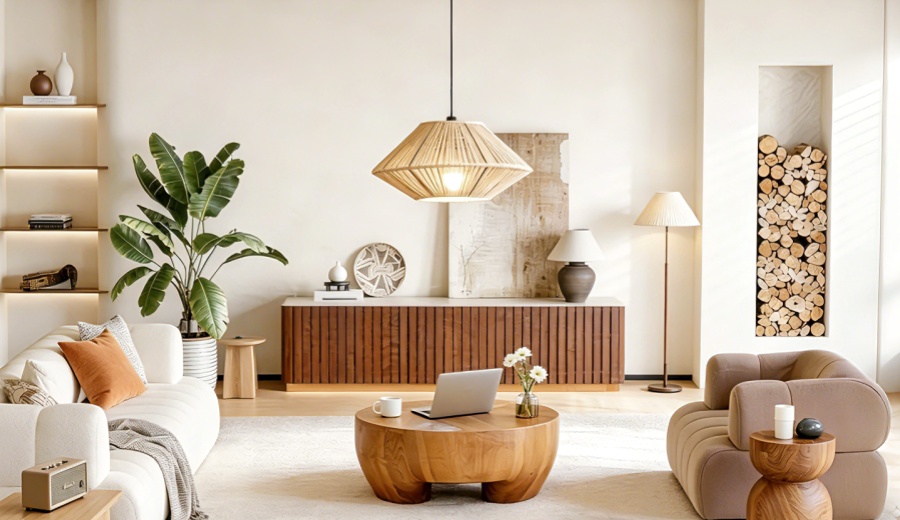
Round and oval coffee tables are useful in compact rooms because their curved edges make it easier to navigate around them. A slim rectangular table can work just as well in a narrow space, especially when its proportions follow the sofa.
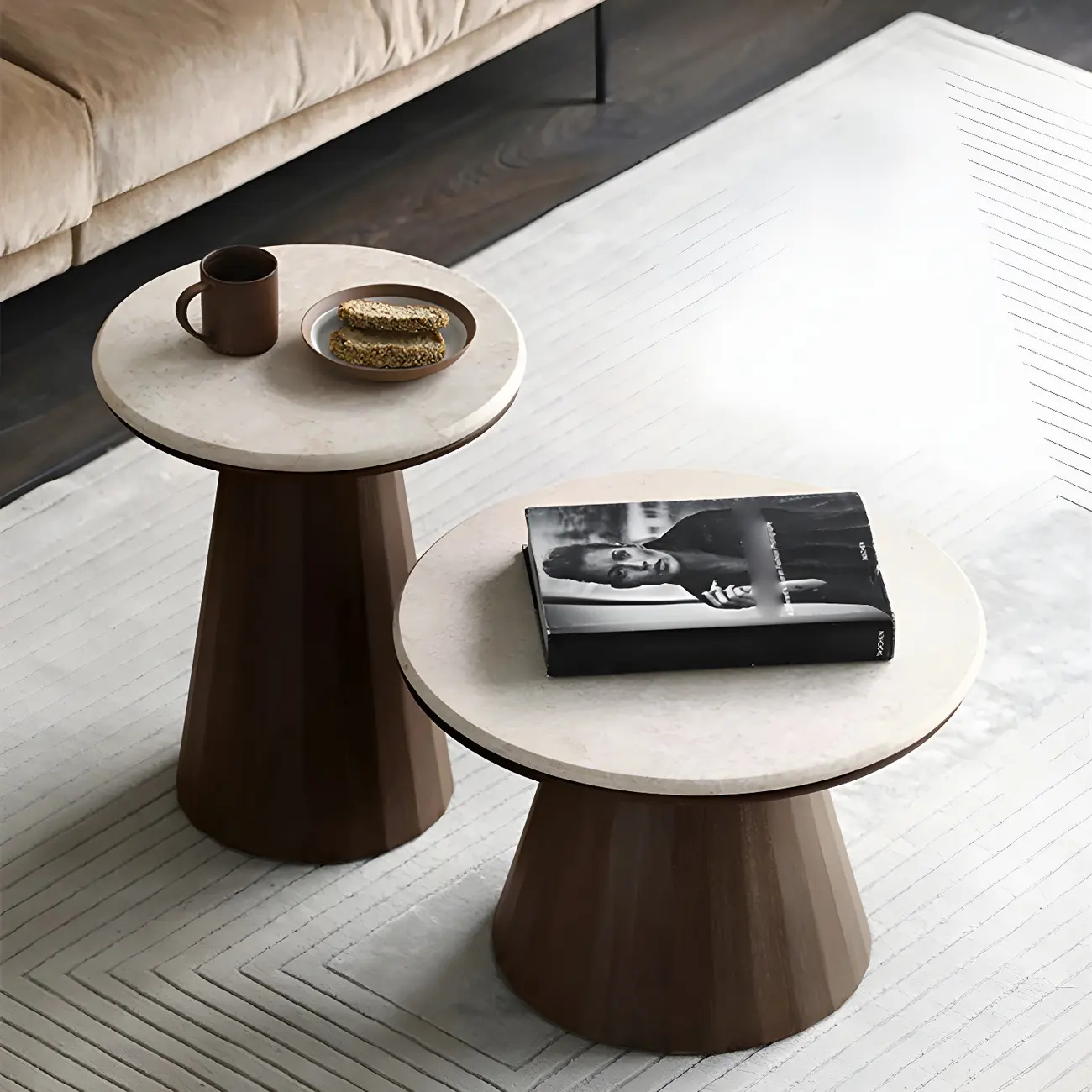
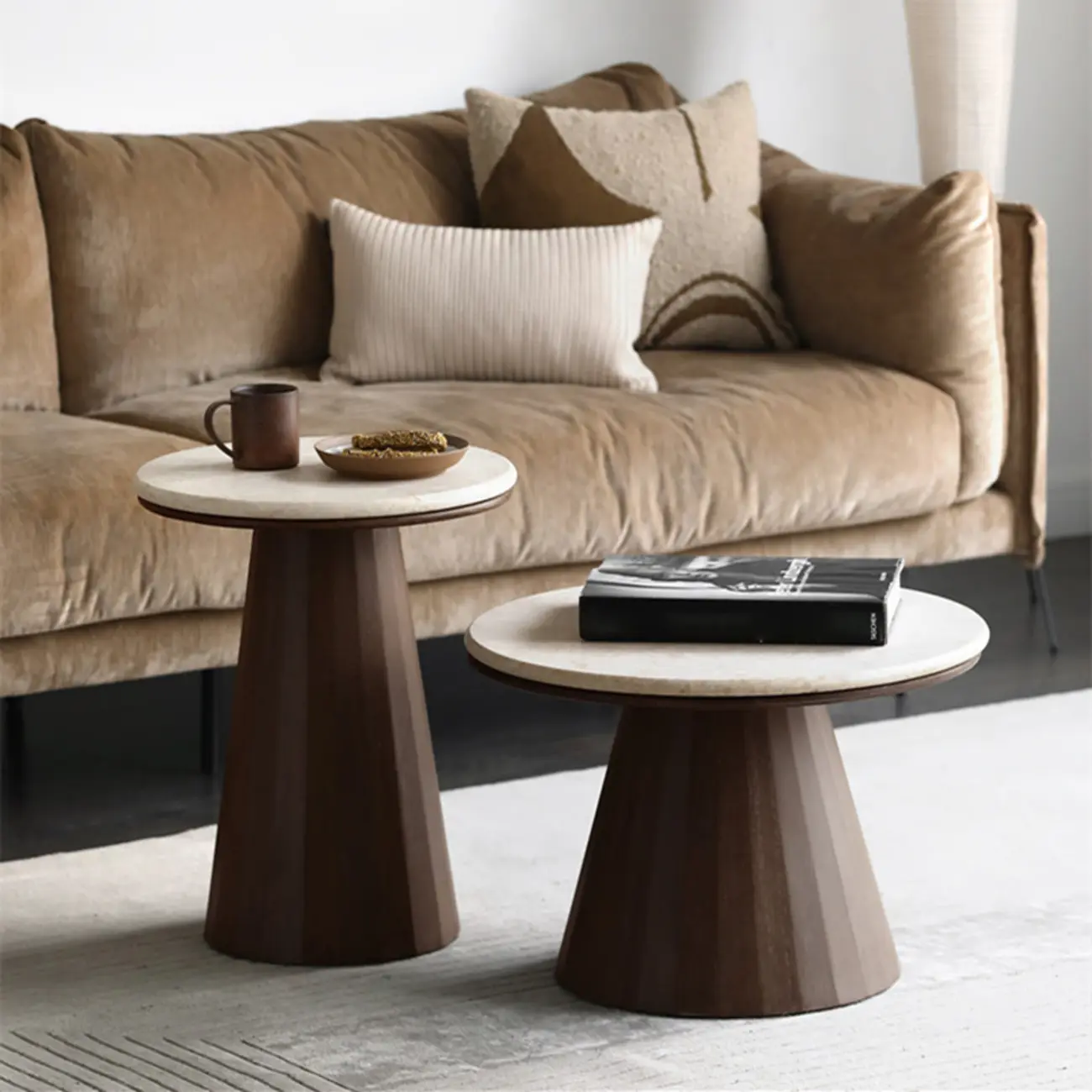
Nesting tables are another flexible option. Keep them together for everyday use, then separate them when you need extra surfaces for drinks or guests. If your room is too tight for a conventional coffee table, a small side table may be all you need.
Use a rug to bring the seating area together
A rug helps visually connect the sofa, coffee table, and nearby seating. Choose a size that suits the arrangement rather than defaulting to the smallest available option. When possible, position the front legs of the sofa and adjacent chairs on the rug to create a unified zone.
A rug that is too small can make the furniture appear scattered. Conversely, a well-proportioned rug can give the room a more deliberate, finished look without adding bulky objects.
Add side tables only where they are useful
Instead of placing a table at each end of the sofa, consider how you actually use the seating. One compact side table beside your favorite seat may be enough. Choose open or slim designs where appropriate, and avoid placing decorative accessories where they interfere with daily movement.
8. Make a Small Living Room Look Bigger With Color and Light
Good furniture placement creates the foundation, but thoughtful styling makes the room feel complete. A limited color palette, soft textures, and layered lighting can help a small living room feel calm rather than crowded.
Start with a color scheme that connects the sofa to the walls, rug, and curtains. Warm neutrals such as cream, beige, sand, and taupe create a relaxed backdrop. If you prefer stronger colors, introduce them through cushions, artwork, or a throw instead of adding too many competing shades.
Keep natural light flowing wherever possible. Avoid placing tall furniture directly in front of windows, and consider hanging curtains slightly higher than the window frame to draw the eye upward. A mirror positioned to reflect daylight may help brighten a darker corner.
Lighting should work at different times of day. Combine ambient lighting with a floor lamp or table lamp near the sofa to create a comfortable evening atmosphere. A well-lit corner can feel more inviting and visually connected to the rest of the room.
Finally, edit the accessories. A few cushions in complementary textures, a neatly folded throw, and one or two carefully chosen decorative objects can make a stronger impression than a crowded collection of small items.
9. Make the Most of Multifunctional Furniture
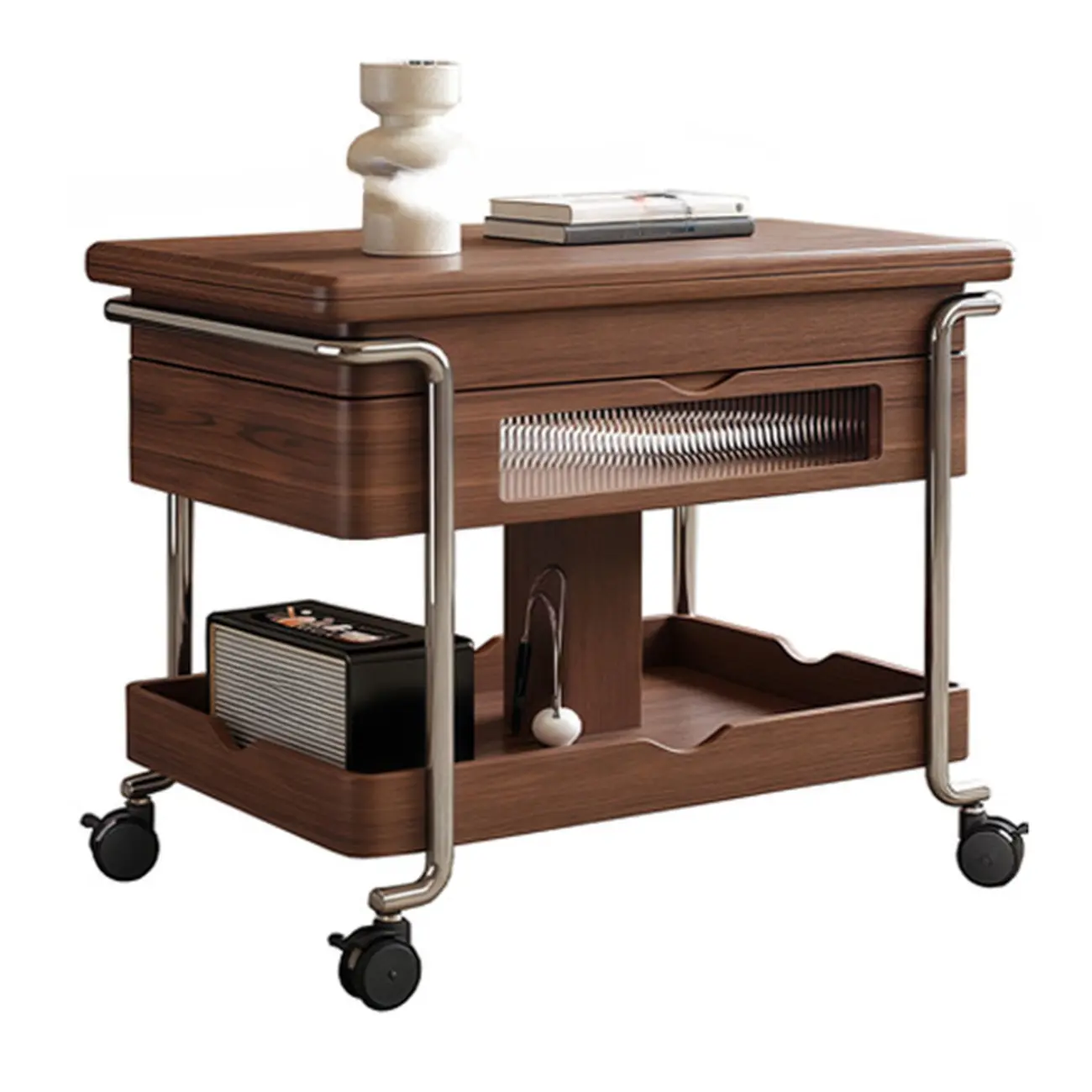
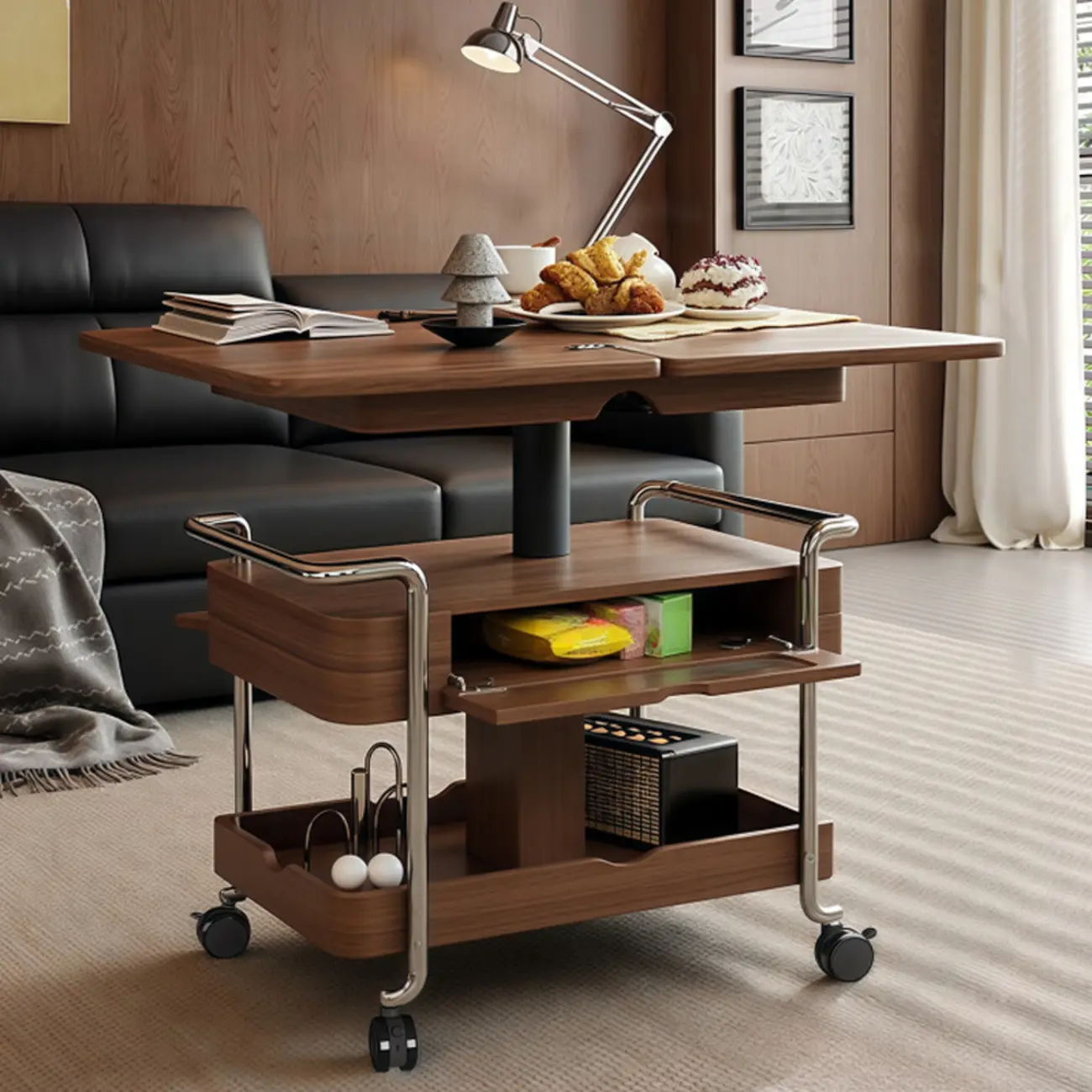
In a small home, furniture that serves more than one purpose can make everyday life easier. An ottoman can provide a footrest, an extra seat, or concealed storage. A compact side table can double as a place to keep books, while wall-mounted shelving can free up floor space.
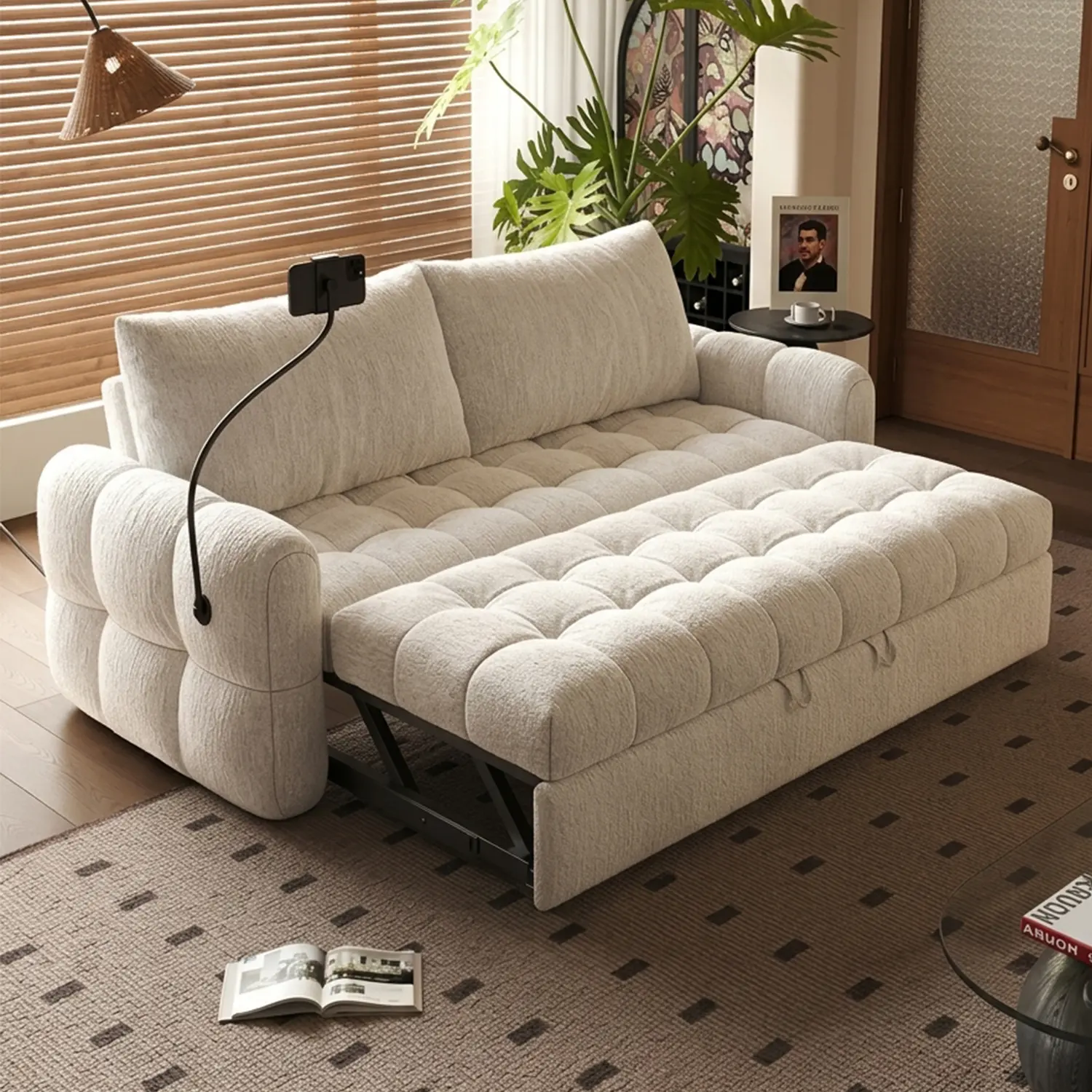
If you regularly host overnight guests, a sleeper sofa bed may be worth considering. It offers everyday seating and can convert into a sleeping surface when needed, making it useful for studio apartments, small homes, and rooms that serve multiple purposes.
Before buying a sleeper sofa, measure the fully extended bed footprint and check that it will not block the entrance or make the room difficult to navigate. Consider the opening mechanism, sleeping surface, and how often you expect to use the bed.
For a compact living room, the best multifunctional piece is one that solves a real problem without adding unnecessary bulk.
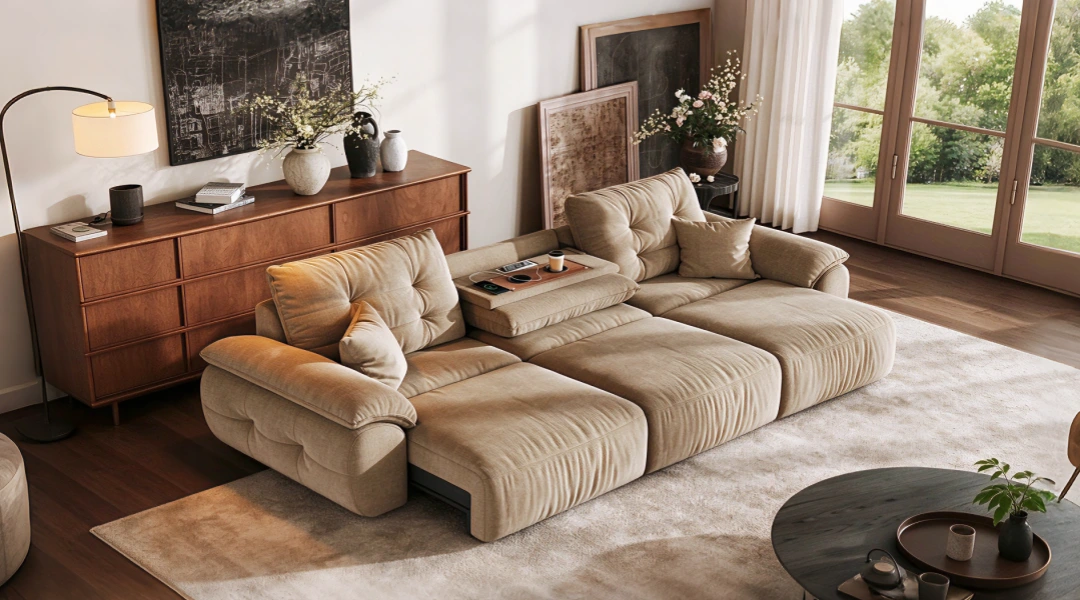
Discover a convertible sofa bed from HomeyFad →
Avoid These Common Small Living Room Layout Mistakes
Even attractive furniture can feel wrong when the arrangement does not suit the room. Watch out for these common mistakes before committing to a final layout.
- Choosing a sofa before measuring: Always check the full dimensions and map out its footprint before ordering.
- Blocking the natural walking route: Keep the entrance and main paths as clear as the floor plan allows.
- Using too many small pieces: Several side tables, stools, and decorative chairs can create visual clutter. Keep only what you need.
- Choosing a coffee table that is too large: Make sure the table suits the sofa and leaves enough room to move comfortably.
- Ignoring the windows: Avoid blocking natural light with bulky furniture or heavy visual elements.
- Decorating before solving the layout: Establish the sofa position, walking paths, and main furniture first. Add accessories afterward.
When in doubt, remove one piece of furniture and see how the room feels. More open floor space, a clear focal point, and a well-positioned sofa often create a better result than adding another decorative item.
A MORE THOUGHTFUL LIVING SPACE
Find the Right Sofa for Your Home
Create a living room that feels comfortable, considered, and easy to enjoy. Explore sofas and living room furniture to find pieces that suit your space and your everyday routine.
Shop Living Room FurnitureTHE PRACTICAL GUIDE
Frequently Asked Questions
1. Where should I put a sofa in a small living room?
A common starting point is the longest uninterrupted wall, with the sofa facing the TV or another focal point. However, the best position depends on doorways, windows, room shape, and walking paths. Choose the arrangement that keeps movement comfortable and makes the seating area feel balanced.
2. How do I arrange a sofa in a narrow living room?
Try placing a streamlined sofa along a long wall and keeping the opposite side relatively uncluttered. Use a narrow coffee table or a small side table, and avoid furniture that interrupts the main route through the room.
3. Should a sofa always be against the wall?
No. Placing a sofa against the wall can open up the center of a small room, but a sofa positioned away from the wall can help define a seating zone in an open-plan apartment. The right choice depends on the floor plan and how you use the space.
4. What sofa size is best for a small living room?
A compact two-seater or a carefully measured three-seater can be a good option. Compare width, depth, arm size, and overall height, and make sure the sofa leaves enough space for essential furniture and everyday movement.
5. Can I put an L-shaped sofa in a small living room?
Yes, provided the sectional fits the room's dimensions. Position it to make efficient use of a corner, check the direction of the chaise, and ensure that the extended section does not block a doorway or main walkway.
6. How much space should I leave between a sofa and a coffee table?
Approximately 16–18 inches is a useful starting point for many seating arrangements. Adjust the gap according to your sofa depth, table size, and available floor space so you can reach the table comfortably without restricting movement.
7. How can I make a small living room look bigger?
Choose furniture that fits the room, keep the main walking paths clear, maximize natural light, and limit unnecessary accessories. A cohesive color palette, exposed sofa legs, appropriately sized rugs, and mirrors can also help the room feel more open.
8. Is a sleeper sofa a good choice for a small apartment?
A sleeper sofa can be useful when you need occasional guest sleeping space without dedicating an entire room to a bed. Check the open-bed dimensions, conversion mechanism, and mattress comfort before purchasing.
THE FINAL DETAIL
A Small Living Room Can Still Feel Beautiful
The best way to arrange a sofa in a small living room is to begin with the room's shape, establish a focal point, and make everyday movement a priority. From there, choose furniture with the right proportions, bring the seating area together with a well-sized rug, and use color and lighting to create a welcoming atmosphere.
You do not need to fill every corner to make a room feel finished. Sometimes the most effective design choice is to leave a little space empty, let natural light come through, and allow your favorite pieces to stand out.
Start with the layout, make a few thoughtful adjustments, and build a living room that feels like home.
Looking for more inspiration? Explore living room furniture, sofa, coffee table, side table, accent chairs at HomeyFad and find pieces for your space.









 Add Us On Google