

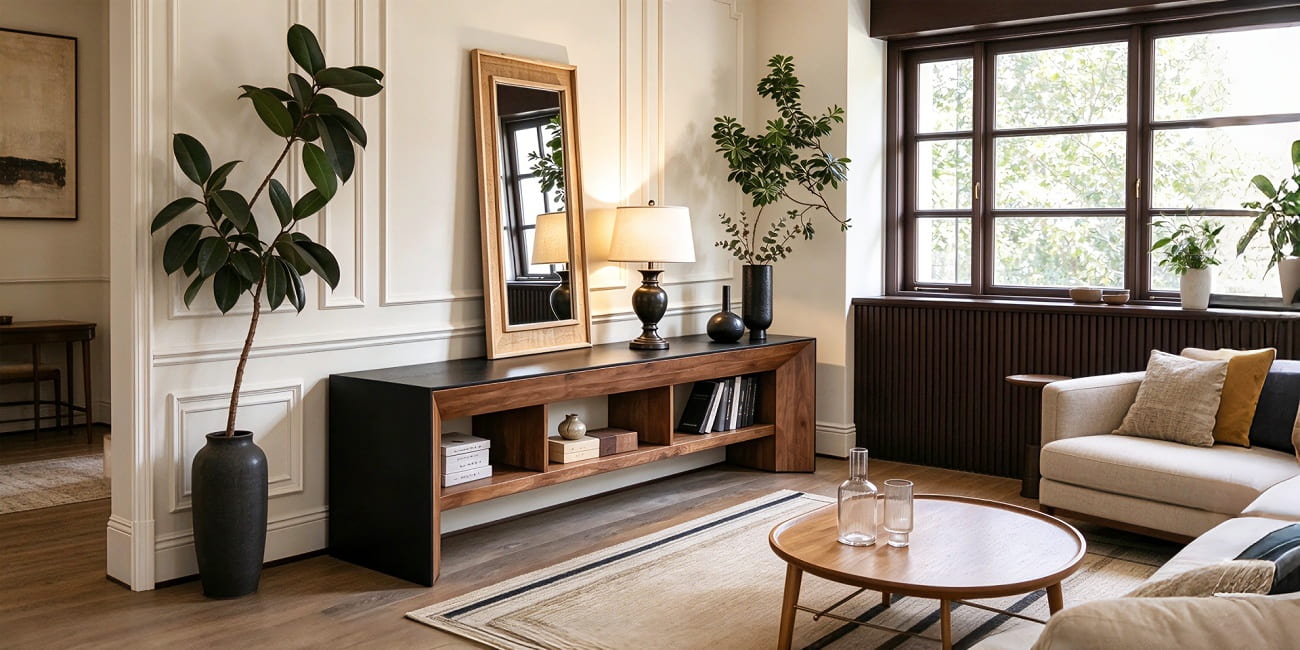
Plants make a living room feel alive. That's not up for debate. But here's what most people get wrong. They buy plants. They put them somewhere. Then stop thinking about them. The plants survive, sure.
But the room doesn't feel styled. It just feels like plants are living there too. Arranging plants well isn't complicated. You need to think about height, texture and how they interact with your furniture. This post breaks it all down.
The 6 Rules of Plant Arrangement
Arranging plants isn't complicated. But a few rules make a big difference. Follow these and your plants will look intentional instead of accidental.
Rule 1: Group in Odd Numbers
You've probably heard this one before. Group your plants in threes. Or fives. Odd numbers look natural. Even numbers look staged.
Your eye doesn't land on a symmetrical arrangement. It prefers balance that feels organic. Three plants of different heights create that balance. Two plants sitting side by side just look like two plants.
Try this with any group you have. Pull three together. Vary the heights. You'll see the difference right away.
Rule 2: Vary Heights, Textures and Shapes
Don’t put plants that look alike together. They end up looking like one messy blob. Instead mix things up. Put a plant next to one that trails down. Pair thick, wide leaves with feathery ones.
A snake plant next to a pothos works well. A fern next to a rubber plant is another combo. The differences make your eyes move around the space.
Here’s one more tip. Trailing plants pull your gaze upward. That trick helps a small living room feel more open and spacious. So don’t leave them out. They make a difference.
Rule 3: Choose Containers That Complement
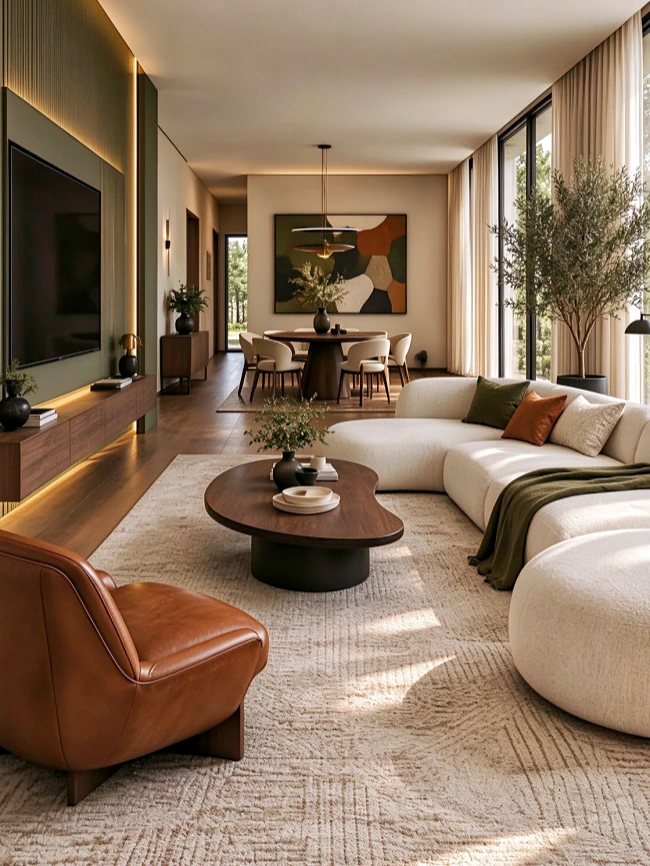
The pot matters. It's not just a vessel for dirt. It's part of the decor. Matching pots look boring. They make your collection look like a nursery display. Mix materials instead. Terracotta. Ceramic. Woven baskets. Metal.
Thrift stores are a total goldmine for cheap planters. You can find pieces for a few dollars that look way better than new ones. An old ceramic pot or a vintage metal bucket has so much more charm. If you see a funky decorative dish, grab that too. Just give it a wash, and it's ready for some dirt.
Rule 4: Place Plants at Different Levels
If all plants sit at the same height, the room feels a little flat. Plants should use plant stands so pots are lifted off the ground. Plants can also hang vines from the ceiling, letting vines droop down into the space. Keep plants on the floor so plants reach upward. Layering your plants like this is a great trick for a living room. It naturally pulls your gaze upward. You'll notice the space instantly feels much taller and way more vibrant.
Rule 5: Make the Room Collaborative
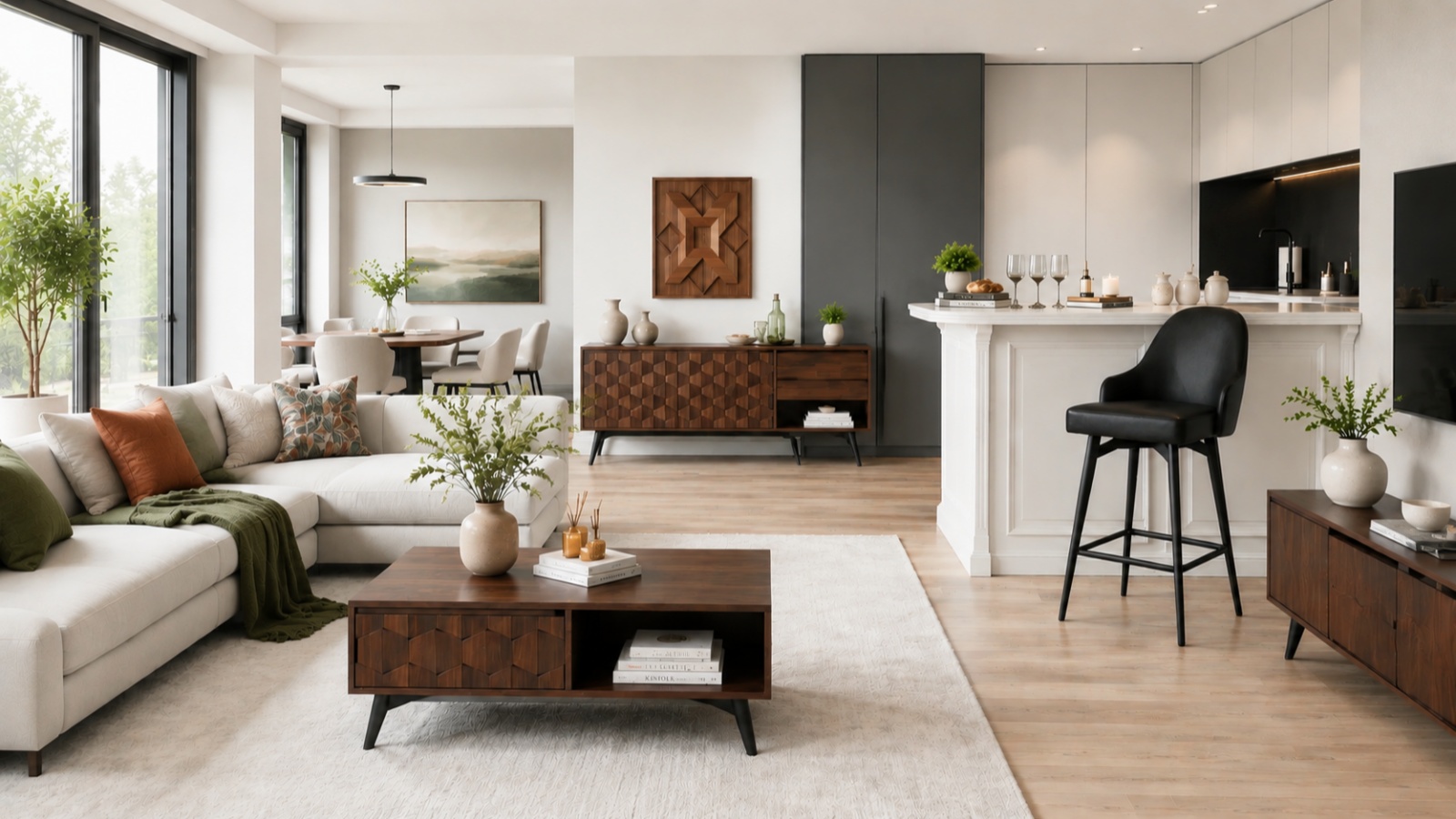
Giving plants their separate corner is a huge mistake. Plants in a corner make the whole room feel like a store. I think plants should be mixed directly into the furniture setup. If you have couches and tables with no plants, the room feels a bit sterile. Drop a pot next to the reading lamp. Try letting a vine drape over a shelf. You want to blend your greenery right into your decor so everything looks like it actually belongs together.
Rule 6: Put Plants Where They Thrive
A dying plant isn't styled. It's just sad.
Light conditions matter more than how something looks. Before you put a plant in a place, think about what that plant needs. Does it need indirect light? Does it need sun? Does it need shade?
A fern in a corner will have a hard time. A cactus in a north-facing window will have a hard time too. Choose the plant for the right spot. If the plant is healthy, it will look good. If the plant is having a hard time, no amount of decorating will help it.
Health first. Style second. That's the order.
How to Arrange Plants in Different Living Room Zones
Every spot in your living room has its own light, its own space and its own purpose. Here is how to plant in each spot.
1. The Corner
Corners are tricky. They're easy to ignore. And when you do fill them then they can feel crowded fast.
Tall plants work best here like a fiddle leaf fig, a monstera and a palm. Something with height that fills the vertical space without taking up too much floor.
This is also a good spot for a plant you want to be a focal point. A corner plant draws the eye. It anchors the room.
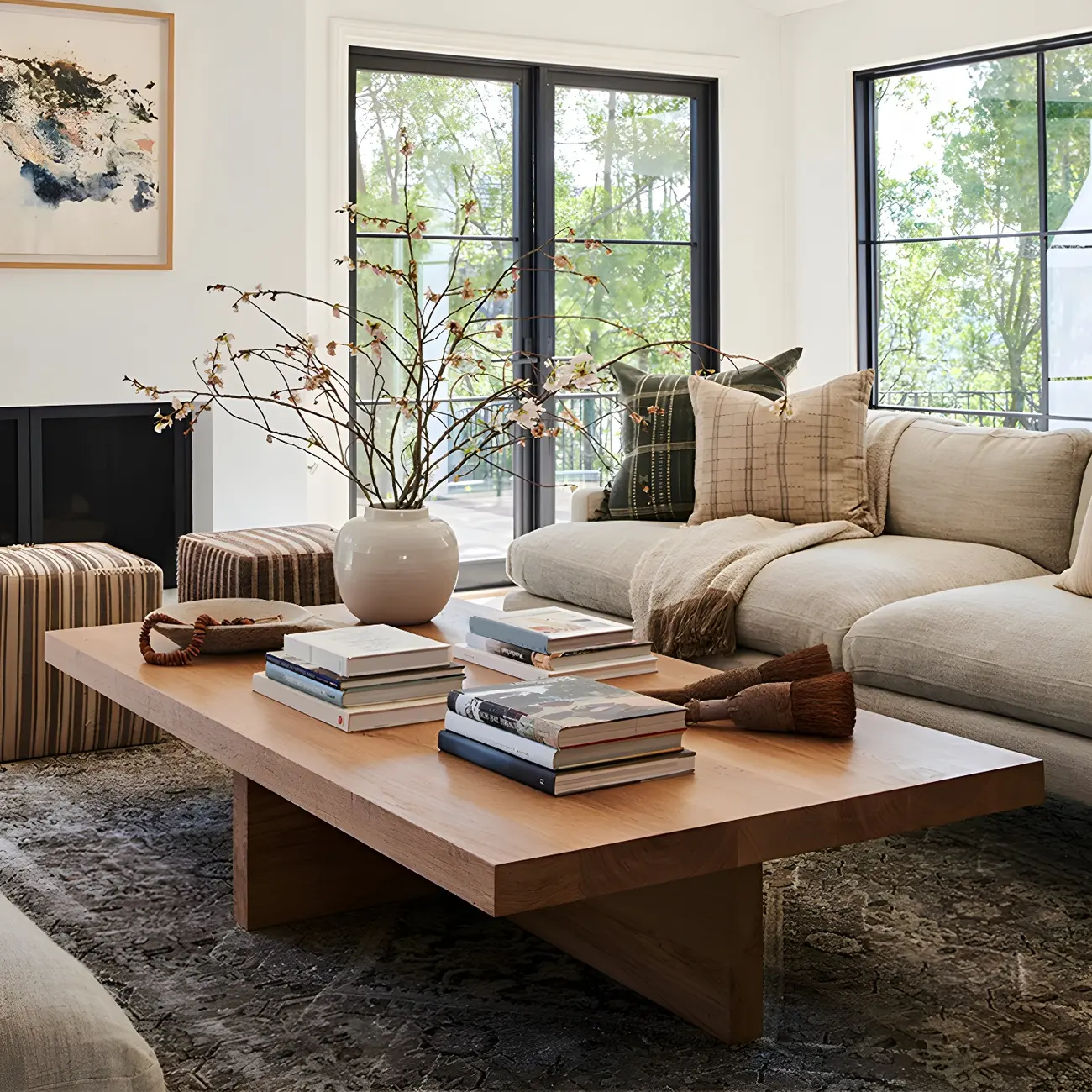
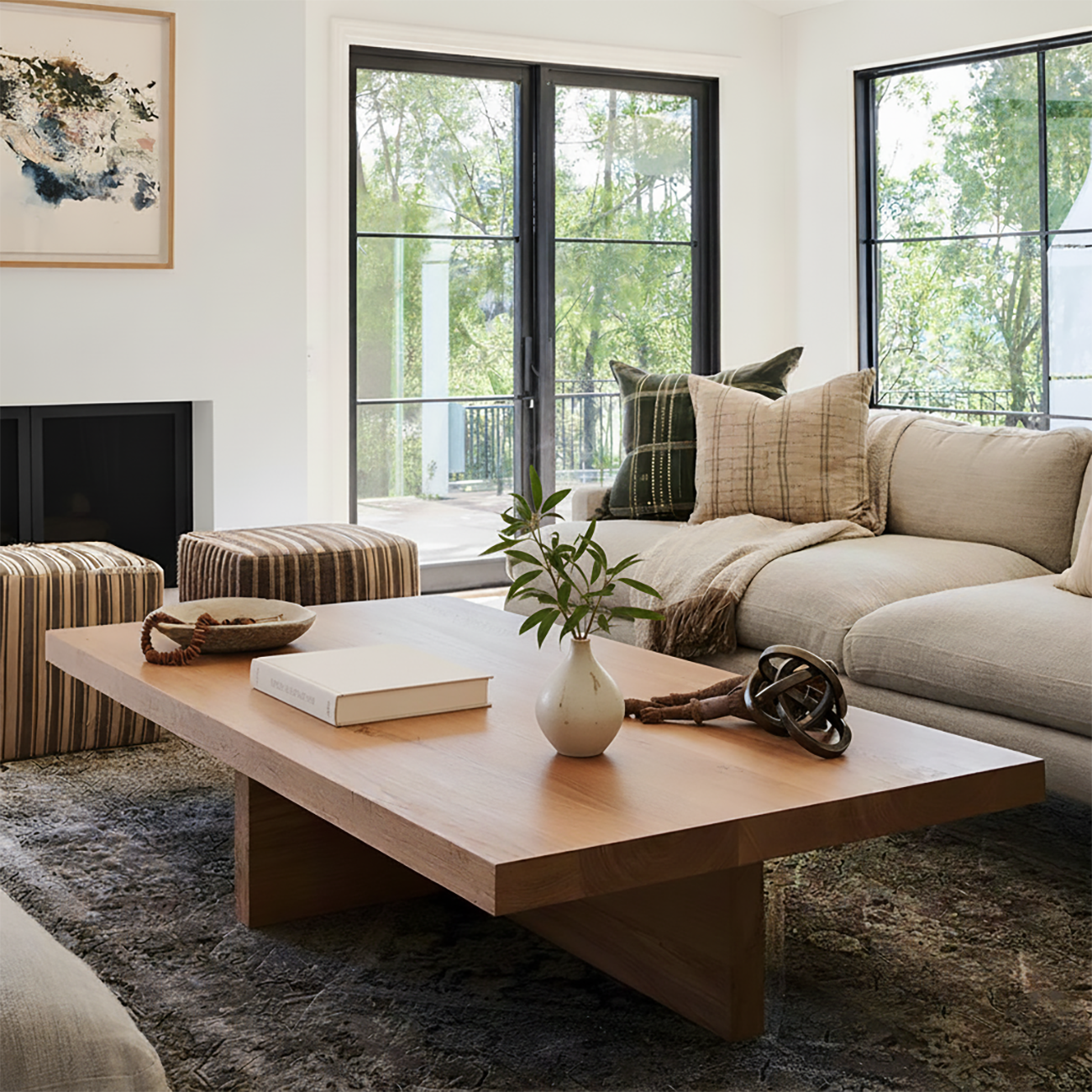
2. The Coffee Table
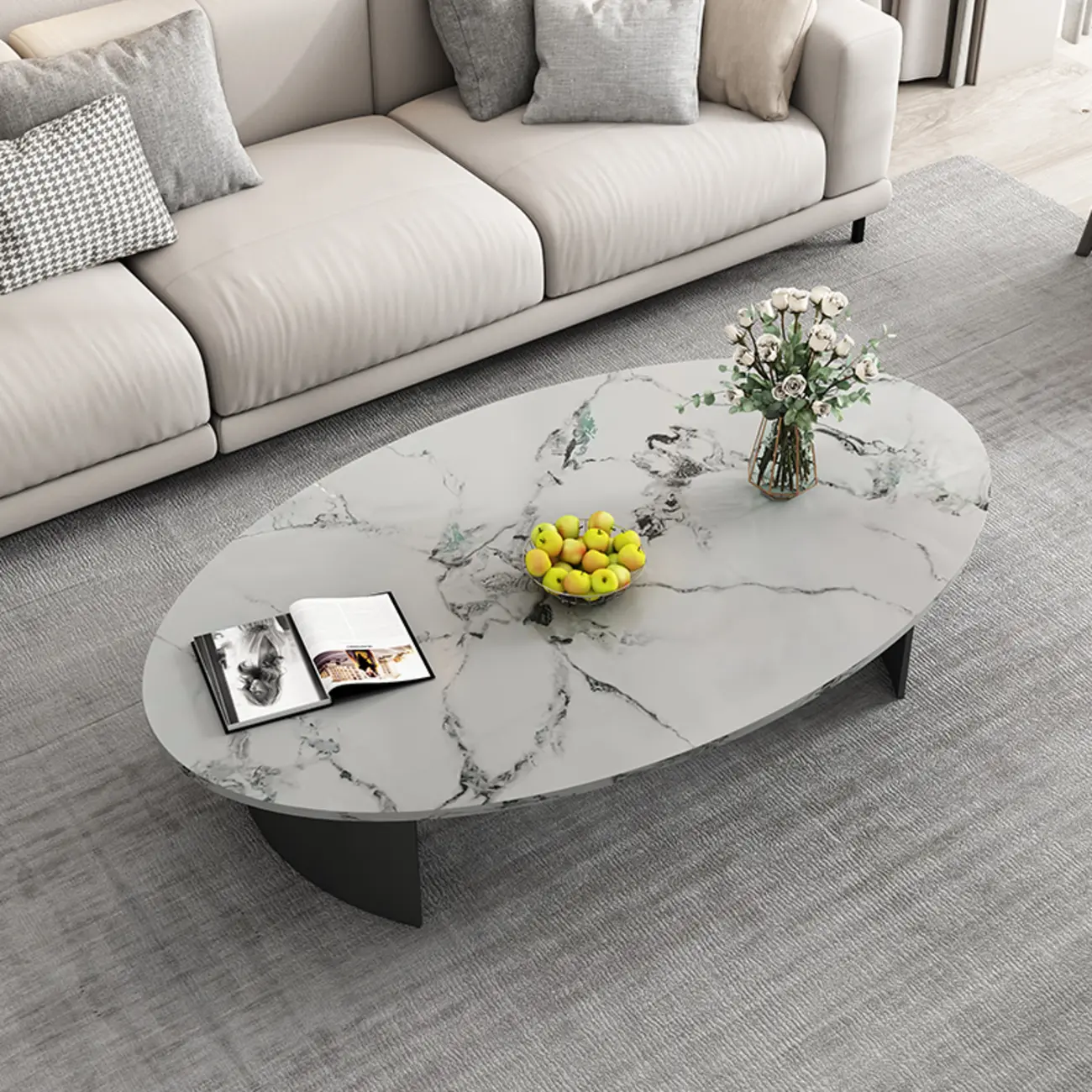
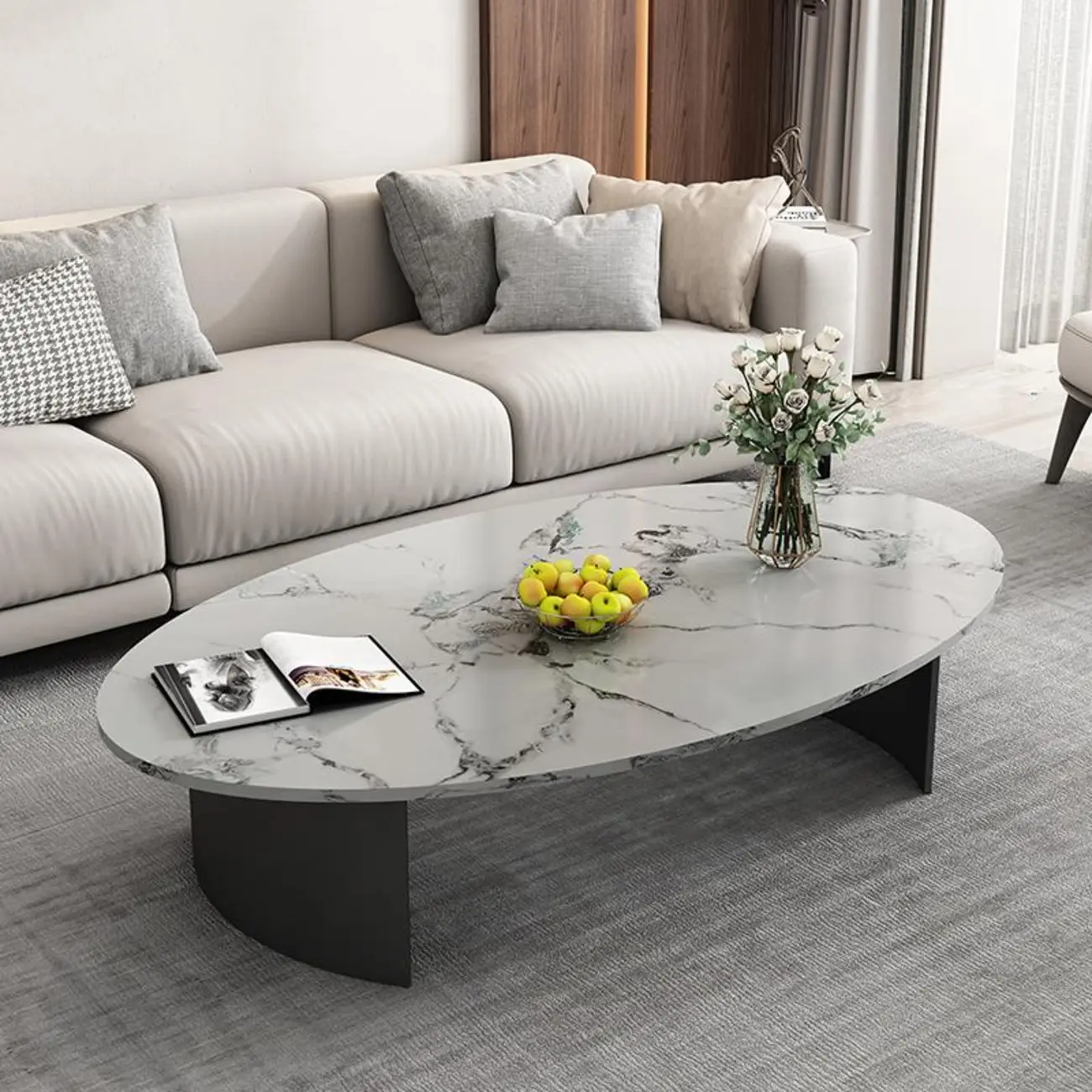
Coffee table plants should be small. Low. Not blocking conversation. Think succulents. Small ferns. A pothos cutting in a tiny vase. Or a cluster of three small pots grouped together.
Don't go overboard here. One or two small plants are enough. The coffee table isn't the place for a jungle. It's a place for a small touch of green.
3. The Shelves
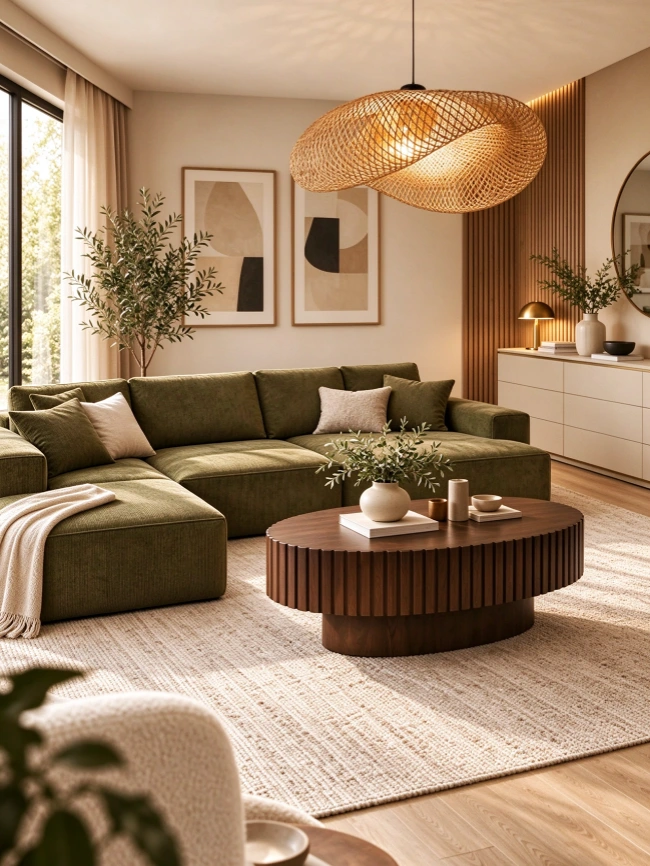
This is where you can really have some fun. Shelves aren't just for books anymore. You want to weave plants in with your art and reading material. A trailing plant that spills over the edge looks amazing here and it breaks up the hard shape of the furniture.
Don't just push everything to the corners. Put a little pot right next to a stack of books. Switch up the heights so your eye has to move around. If it looks a bit collected and lived-in, you've done it right.
4. The Windowsill
This spot works but only for plants that actually like direct light. Plants like succulents, cacti and herbs thrive on a windowsill.
Be careful in winter, though, as cold drafts from windows can damage plants. If your window gets afternoon sun some plants will burn. You should rotate your windowsill plants every week. Otherwise they'll lean toward the light.
5. The Floor
Large floor plants anchor the room by filling space, adding height and drama. A tall plant next to a sofa. A plant stand in a bare corner. A cluster of three pots at different heights.
Just don't block walkways. And don't place plants so close to furniture that they touch. Give them room to breathe.
If you have a long, narrow living room, then floor plants can also act as natural room dividers. They break up the space without building a wall.
Common Mistakes to Avoid
Even with the best intentions, some plant arrangements just do not work. Here is what to skip when arranging plants.
Grouping Plants That Look Identical: Three snake plants, in a row? That's not a group; that's a lineup. When every plant looks like the others, they lose their individuality, and they fade into one green mess. You don’t want your space to feel like a warehouse. Add variety. Mix leaf shapes. Change textures. Let each plant stand out. A few different types can make your greenery feel alive and intentional.
Using the Pot for Everything: Matching pots look like a nursery display. A store shelf. A collection that’s too perfect. Break the pattern. Use terracotta pots. Try ceramic. Add a woven basket. Mix sizes. Mix finishes. Some pots should be tall; others round. Some should be rough; others smooth. The pot isn’t a container. It’s part of the story. It adds character. It makes your plants feel like they belong.
Ignoring Light Needs: A fern in a dark corner will struggle. A cactus in a shady spot will too. Put plants where they'll thrive. Not just where they look good.
Lining Plants Up in a Row: Plants in a line can look too neat and too rigid. It doesn’t feel natural. Instead, space them in a way that feels relaxed. Group together. Leave spots. Let the arrangement breathe. Make it look like it grew that way on its own.
Putting Plants in Their Separate Corner: Don’t keep plants in one corner like they’re on an island. That’s not how they live in nature. Bring them into your space. Put a plant on a bookshelf. Let a vine trail over a console table. Place a pot on a side table near the sofa. Let them mix with your life.
Buying Plants Faster Than You Can Style Them: It’s so easy to keep adding plants to your home. Buying more doesn’t mean you’re doing better. It’s the arrangement that matters. If your home has many plants and no clear look stop. Step back. Style what you already own. Make each one count.
Plant Styling for Small Spaces and Rentals
Small living rooms and rental apartments come with limits. You can’t always drill into walls. You don’t have open floors. That doesn’t mean you can’t have plants. You should use space and choose pots and hang things. Think outside the planter. You can still have greenery that feels intentional and beautiful.
Small Spaces
Living in a small space with a lot of plants is always a challenge. When you run out of floor space, your only option is to go up. Ceiling hooks are a total game changer. Grab a macrame hanger, put a pothos up high, and just let it trail down.
If you cannot hang pots from the ceiling, then wall‑mounted pots are a backup. Wall‑mounted pots keep your floor clear. Make a blank wall look less boring. If you want to keep pots on the ground, look into a tiered stand. A tiered stand gives you room for three plants in the space of one.
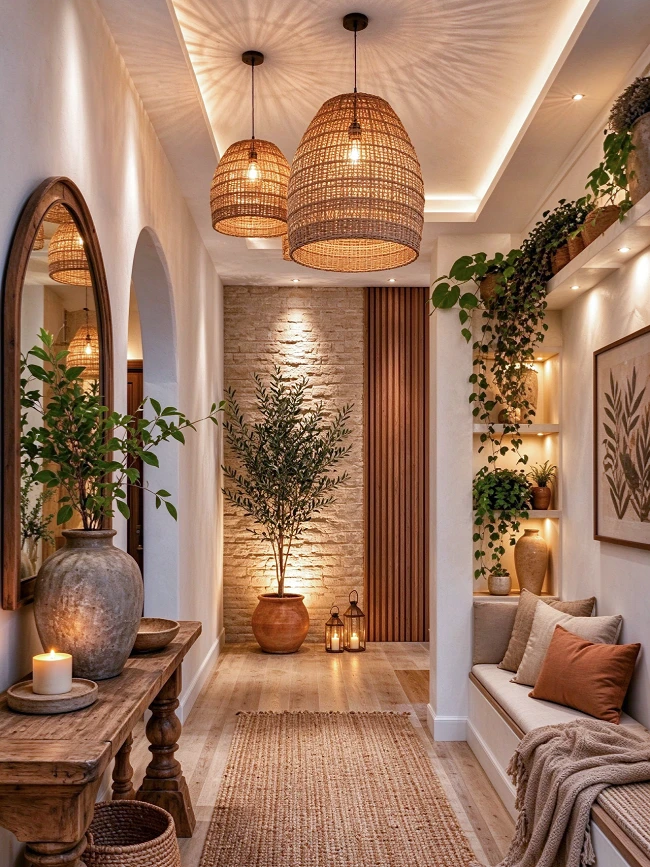
Whatever you put on there, make sure it grows straight up. Snake plants and ZZ plants are perfect because they don't spread wide. Honestly, skip the tiny pots. One big statement plant will always look better and less chaotic in a tiny room.
Rentals
When you're renting, you have to get a little clever since you can't make permanent changes. Command hooks are a great workaround for hanging planters because they peel right off when you leave. If you need more surface area, a freestanding ladder shelf is a solid choice.
It stands on its own so you don't have to mount anything to the wall. Stands are also perfect because they come in so many styles and you can just carry them to a new spot whenever you want. Another trick is to just lean a ladder against an empty wall.
Quick Plant Care Tips for Styled Spaces
A styled space only looks good if the plants are healthy. Here are a few tips to keep them that way.
Rotate Your Plants: Plants grow toward light. If you never move them, they'll lean to one side. Rotate them every week. A quarter turn each time. This keeps growth even.
Dust the Leaves: Dust blocks light. It stops plants from photosynthesizing. Wipe leaves with a cloth every month or so. It takes two minutes. Makes a big difference.
Water on a Schedule: Don't guess. Different plants need watering schedules. Learn what each plant needs. Then stick to it. Overwatering kills plants more than underwatering.
Prune Dead Leaves: Dead leaves drag the look down. They also attract pests. Snip them off when you see them. Your plant will look healthier. Grow better.
Feed During Growing Season: Spring and summer are growing seasons. That's when plants need nutrients. Use a fertilizer once a month. Skip it in winter when growth slows down.
Discover Furniture for Your Living Room at HomeyFad
Arranging plants in your living room doesn't have to be complicated. The tips we have discussed in this blog will help you finalize the perfect way to arrange plants in your living room. A styled living room feels alive. Plants make that happen. You just need to give them a little thought.
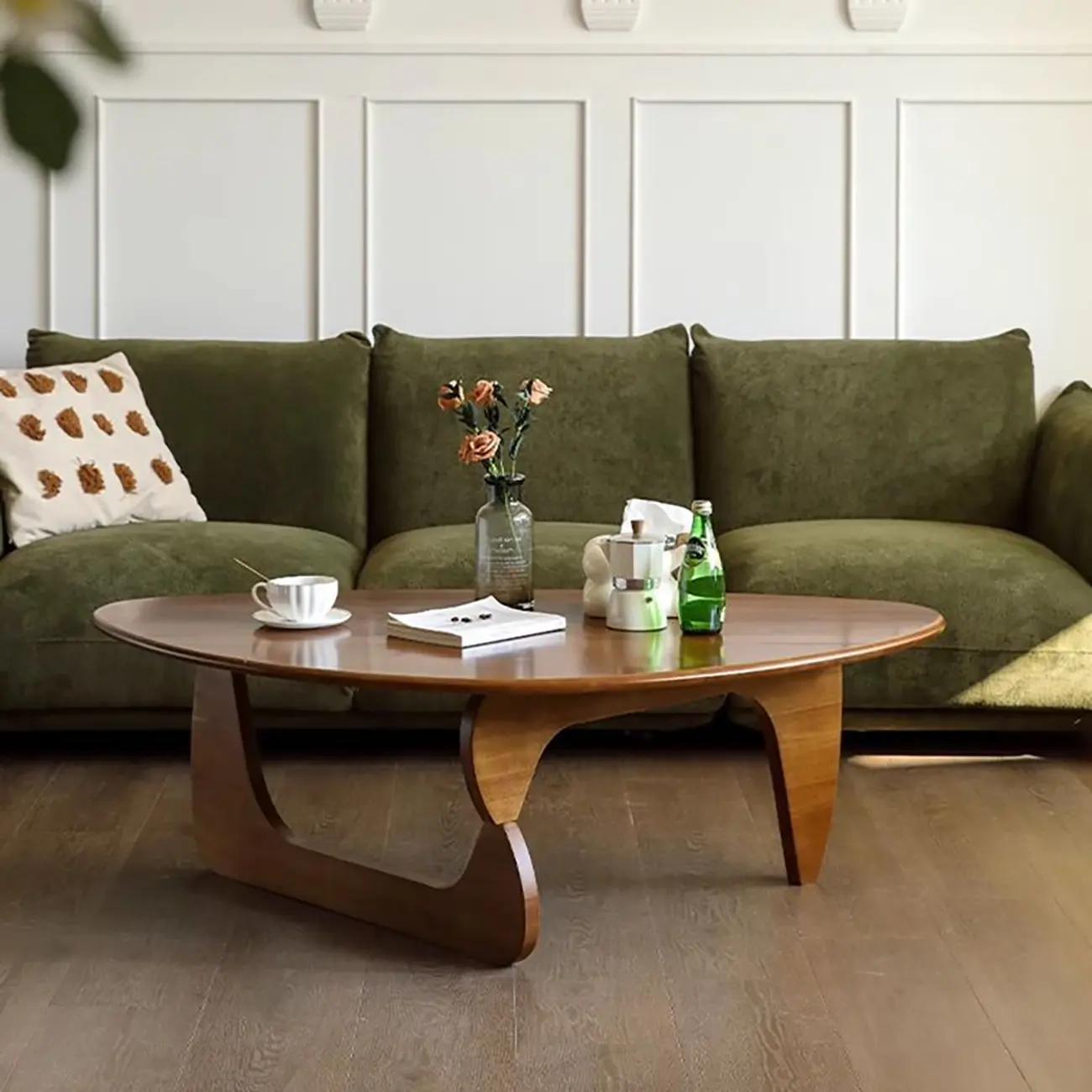
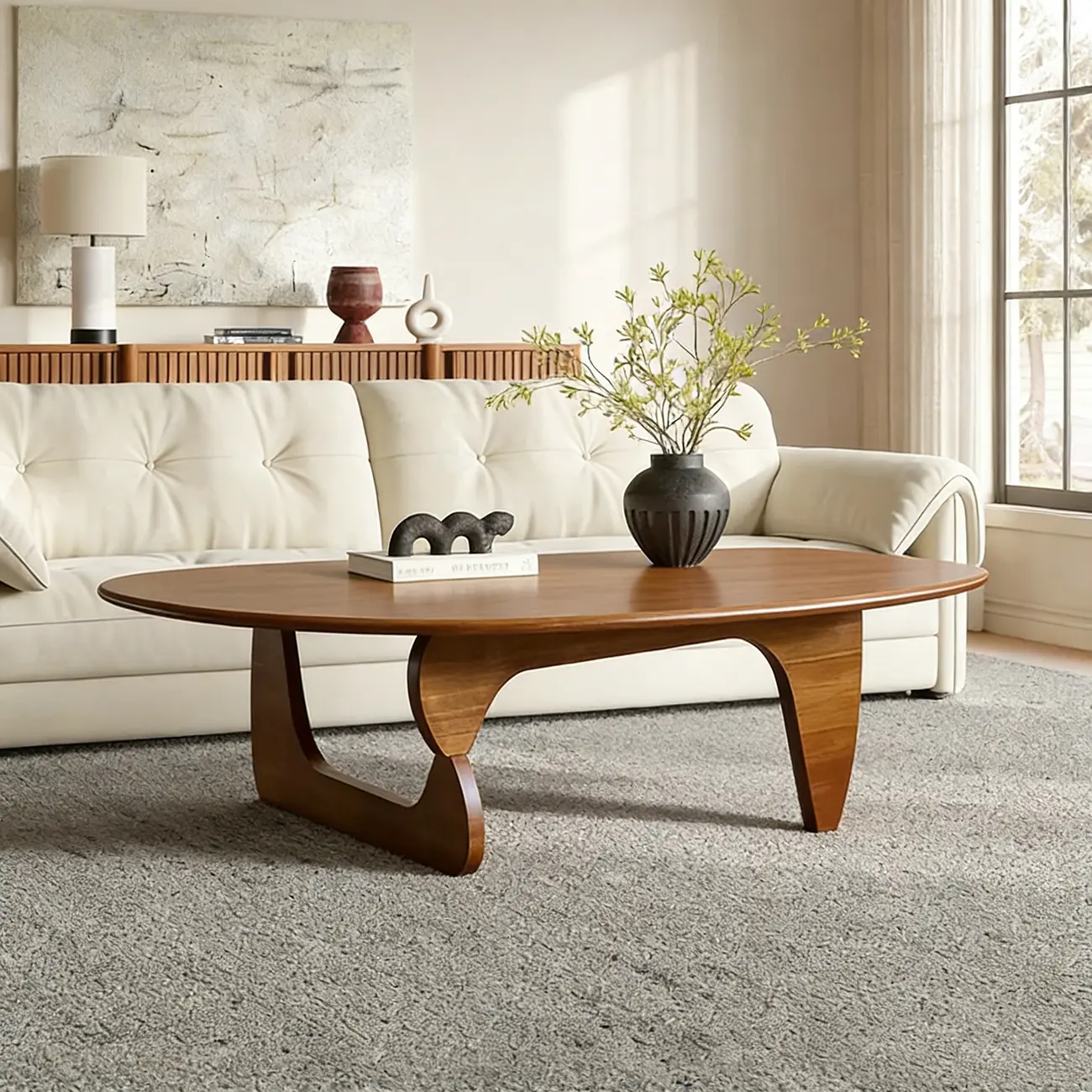
Looking for trendy and affordable furniture to go with your plant display? HomeyFad has options that work for any space. You can check out their collection and find the perfect pieces for your green sanctuary.
FAQs
Q: How many plants should I have in my living room?
A: There’s no number. If your furniture disappears behind greenery, you’ve gone too far.
Q: Do plant pots need to match my decor?
A: Not perfectly. They should go with it. Use terracotta for rustic areas. Go for ceramic in modern spaces. Woven baskets work well in boho-style rooms.
Q: What if my living room doesn’t get light?
A: Go for plants that grow in low light. Snake plants. Pothos. ZZ plants. They don’t need sun and still look healthy and full.
Q: Can I style plants if I have pets?
A: Yes. Just choose pet-safe plants. Spider plants. Calatheas. Prayer plants. All are safe for cats and dogs.





 Add Us On Google