
(7).png?w=1920&h=650)
--22.jpg?w=800&h=520)
Let’s be honest—living in a small space can feel frustrating sometimes. The sofa feels too big. The walls feel too close. And no matter how much you tidy up, the room still doesn’t look as open as you’d like.
But here’s the good news: you don’t need more square footage. You just need smarter decor choices.
Here are 12 practical (and totally doable) ideas to help your small living room feel brighter, taller, and more spacious.
1. Choose Soft, Low-Saturation Colors
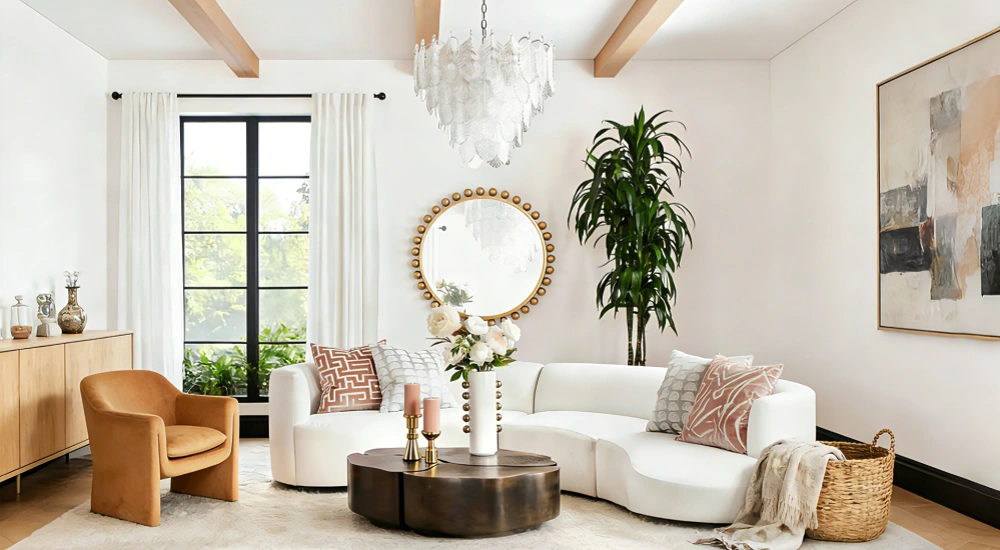
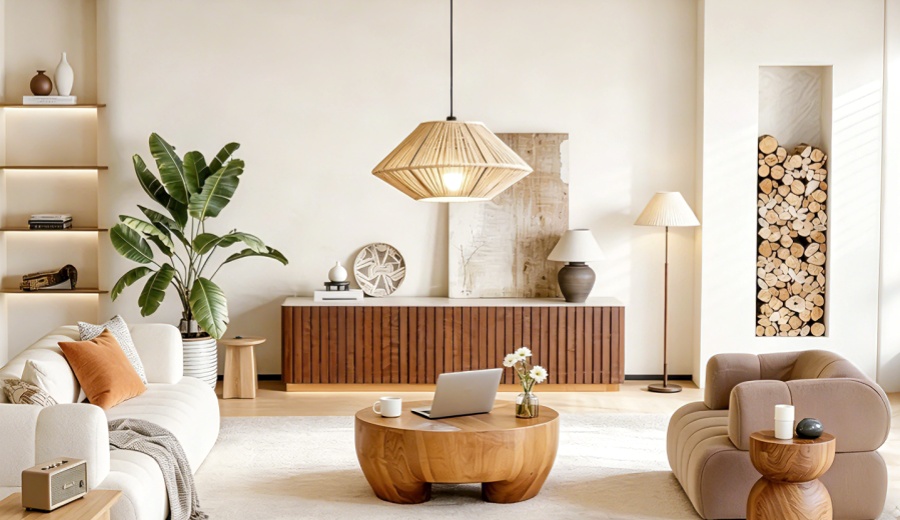
Color sets the tone for everything. In a small living room, stick with light, low-saturation shades like white, cream, beige, or soft gray.
These tones reflect light and visually “push” the walls outward. Deep or overly bold colors tend to absorb light, which can make a room feel smaller.
If you love color (and who doesn’t?), add it through pillows, throws, or art instead of painting entire walls. It’s a safe way to keep personality without shrinking the space.
2. Use Hidden Doors or Floor-to-Ceiling Designs
Visual continuity is powerful.
Consider installing a hidden door painted the same color as your wall. When the door blends in, it reduces visual interruptions and makes the room feel seamless.
The same idea applies to cabinetry—design storage units that extend from floor to ceiling. This creates a clean vertical line and eliminates awkward gaps that visually “cut” the room in half.
3. Incorporate Transparent Materials and Mirrors
Transparent materials and mirrors are small-space superheroes.
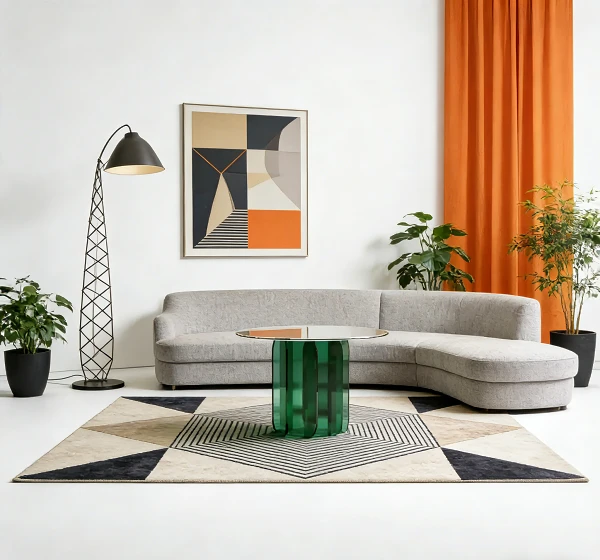
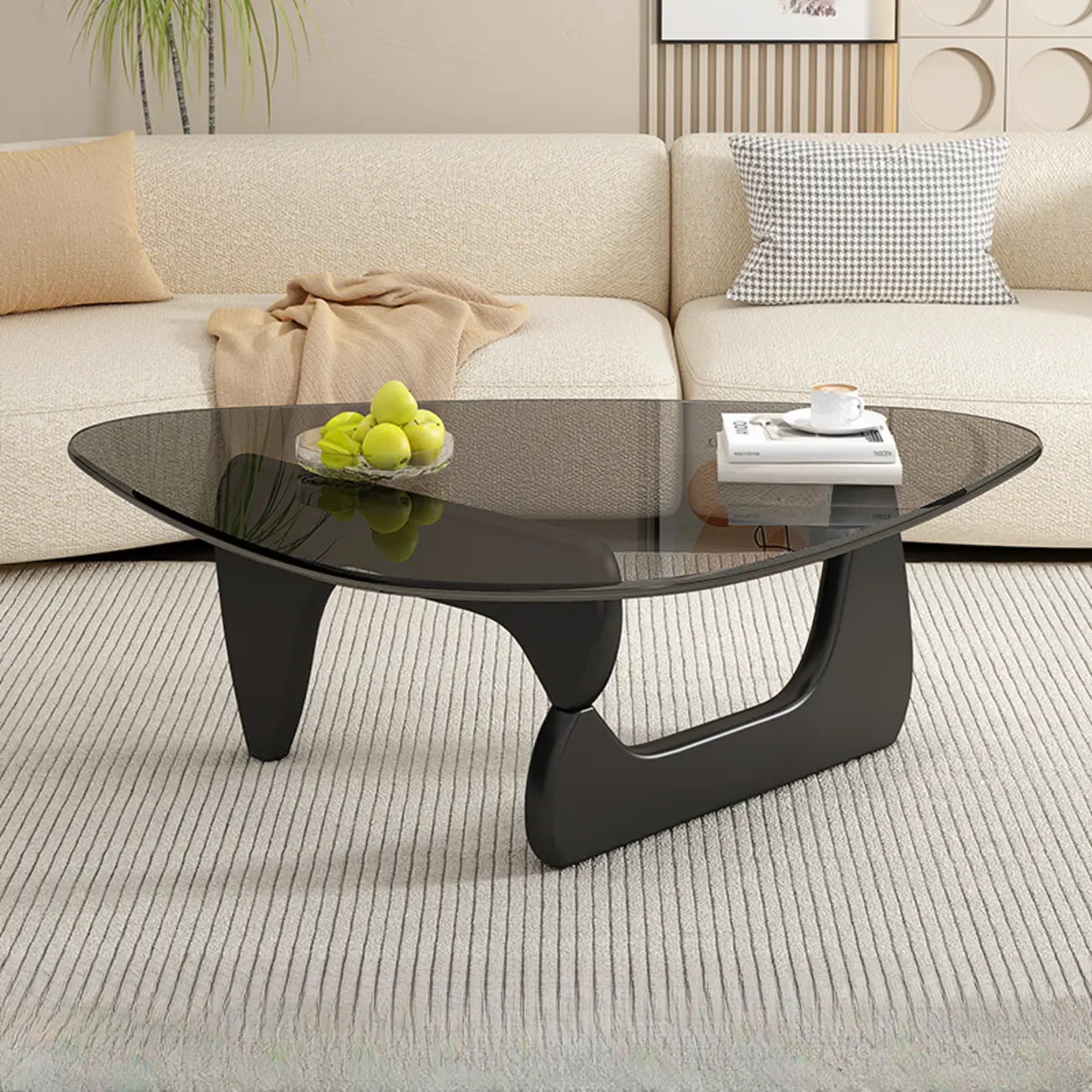
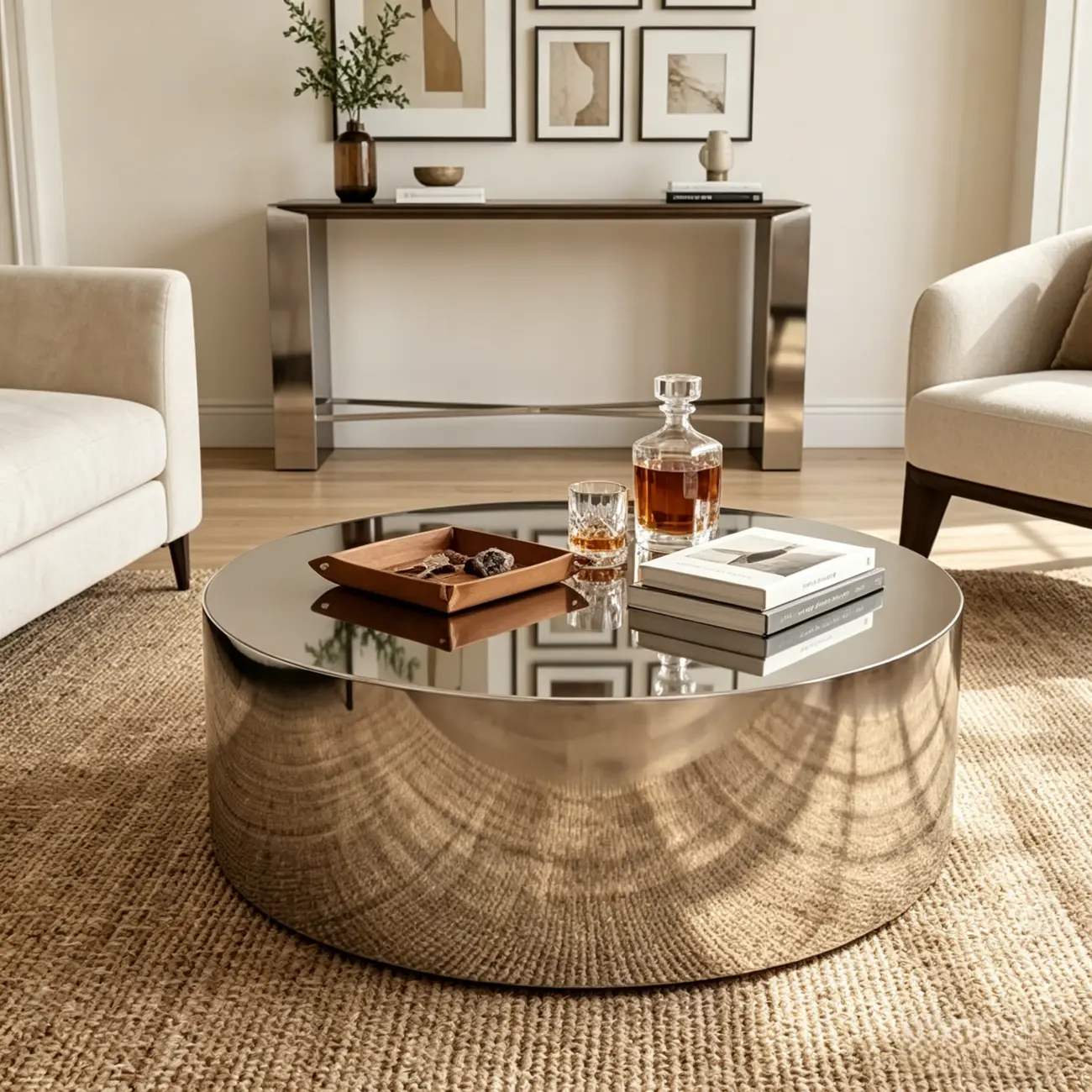
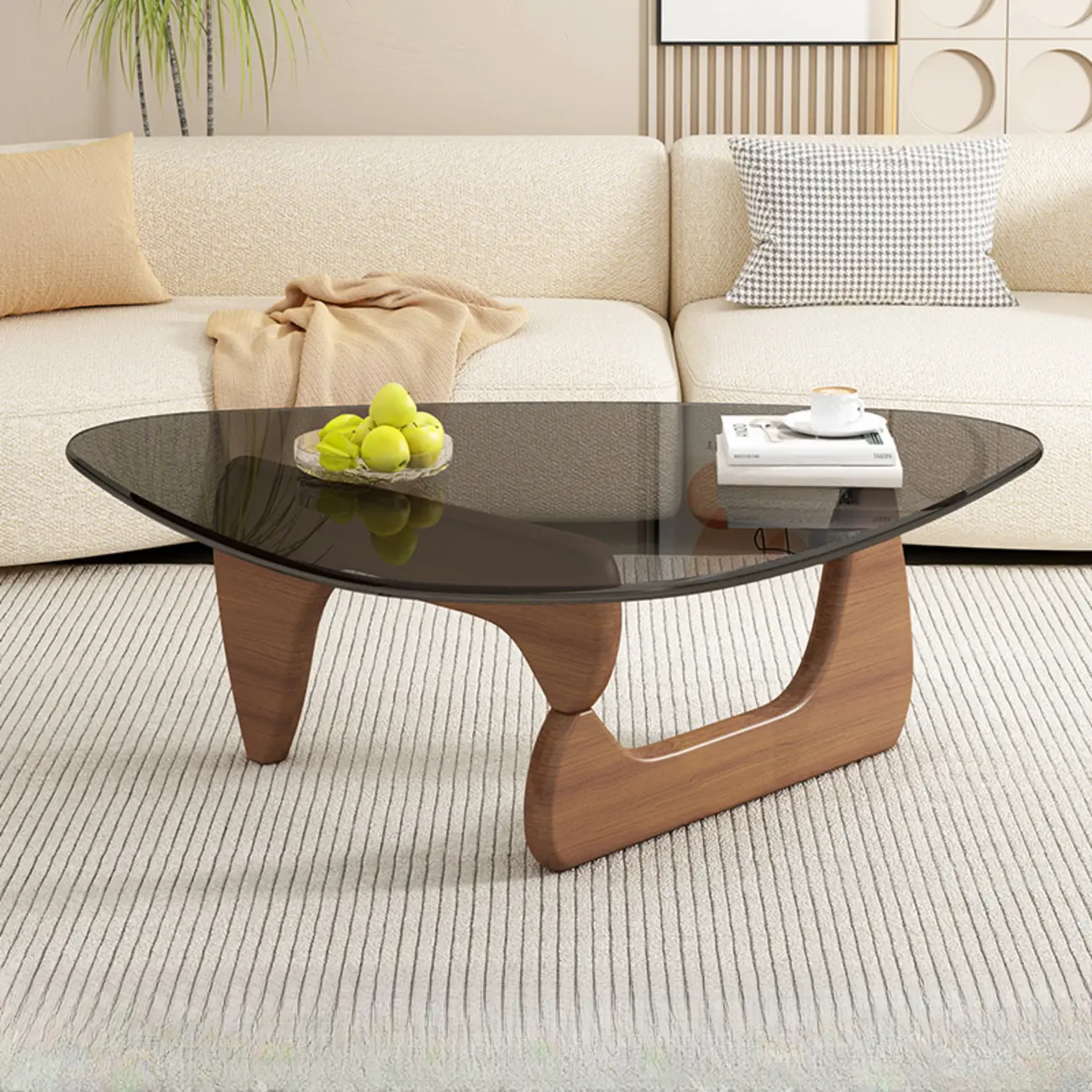
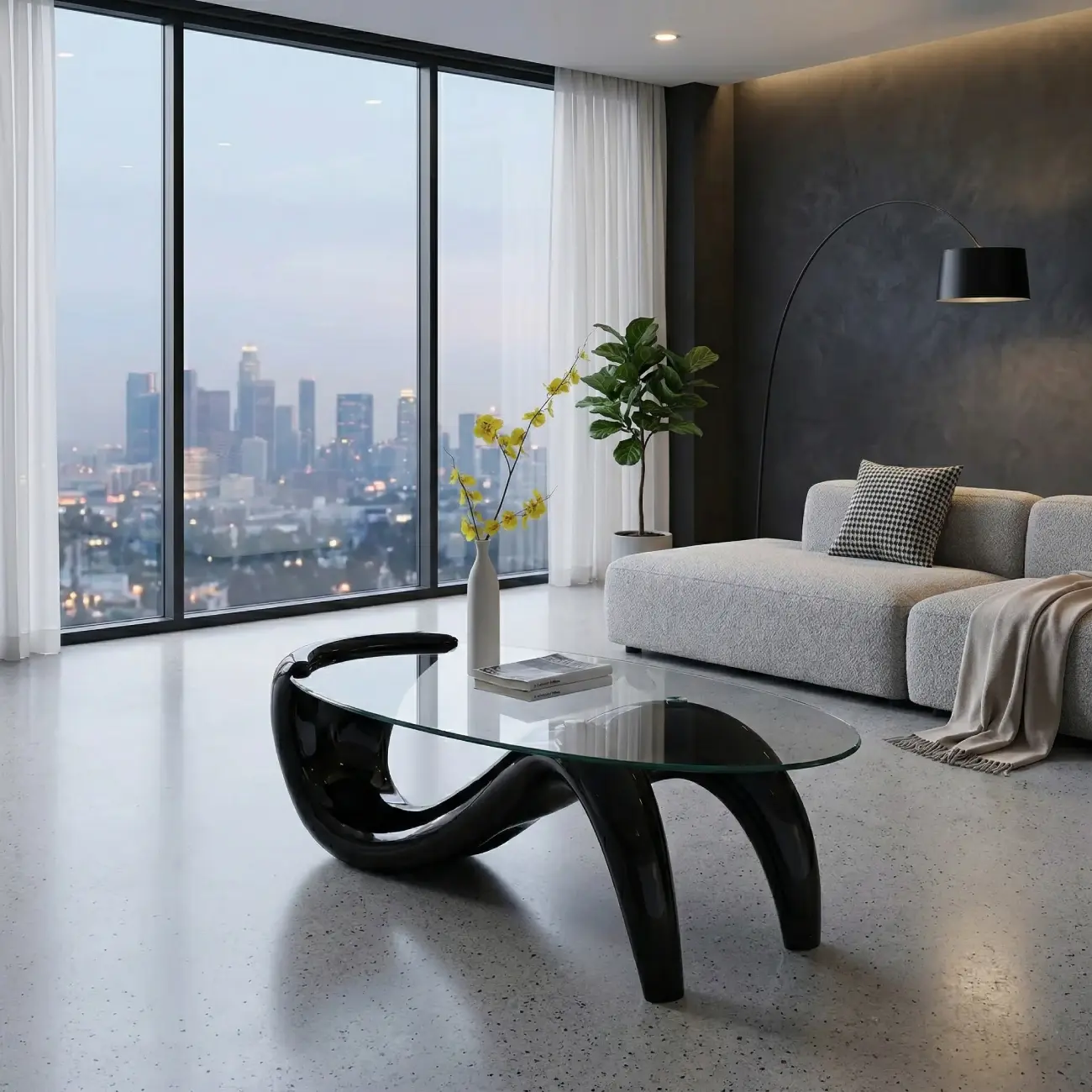
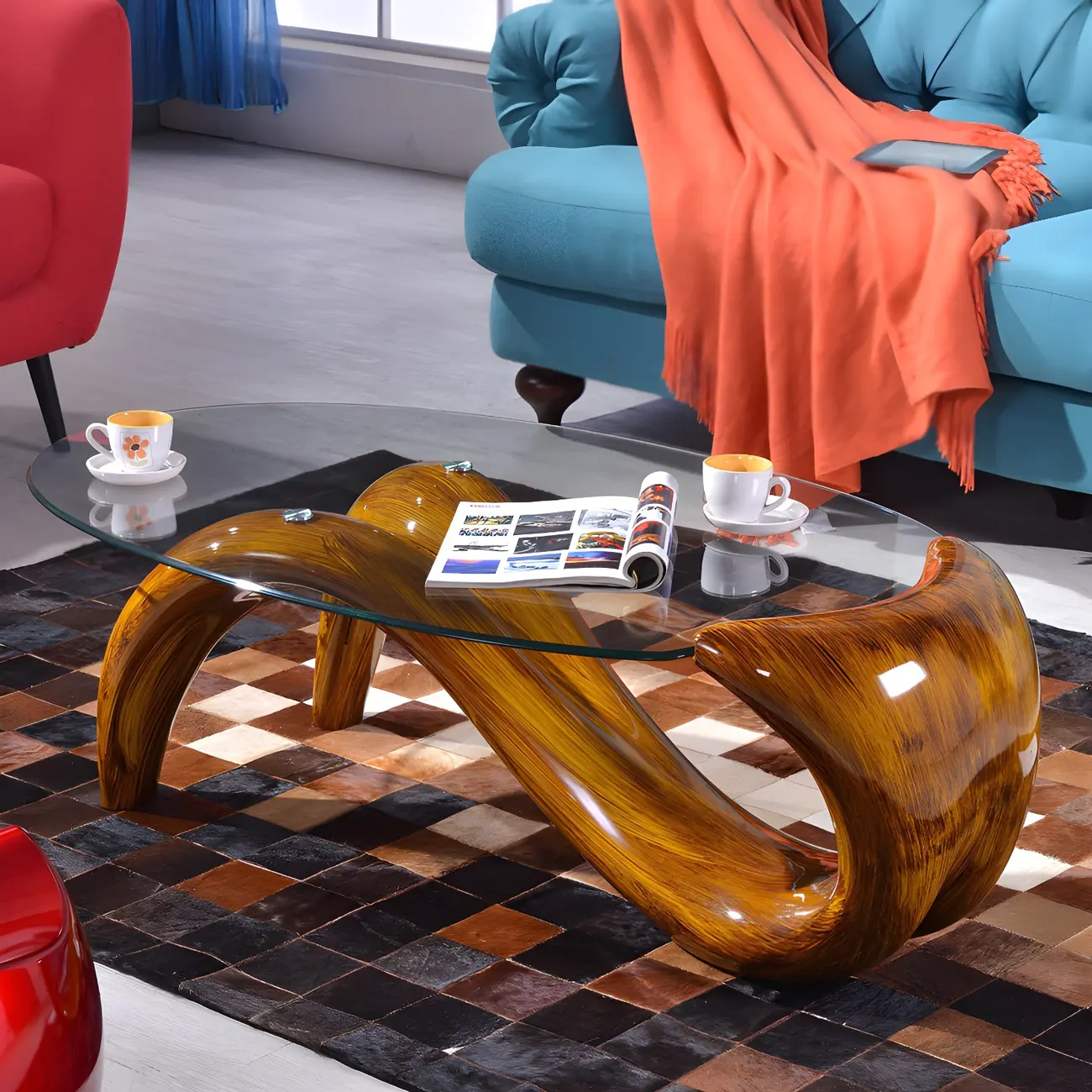
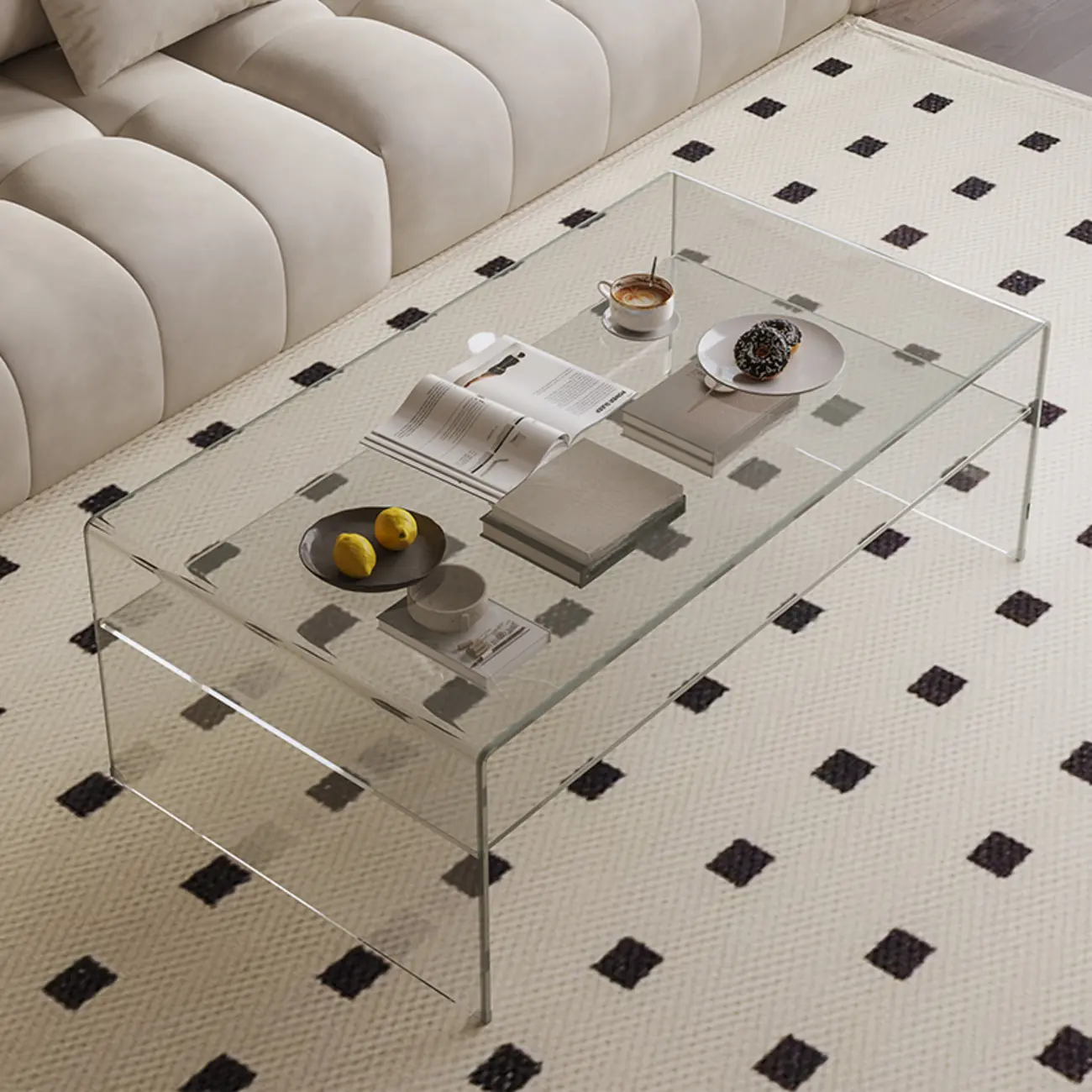
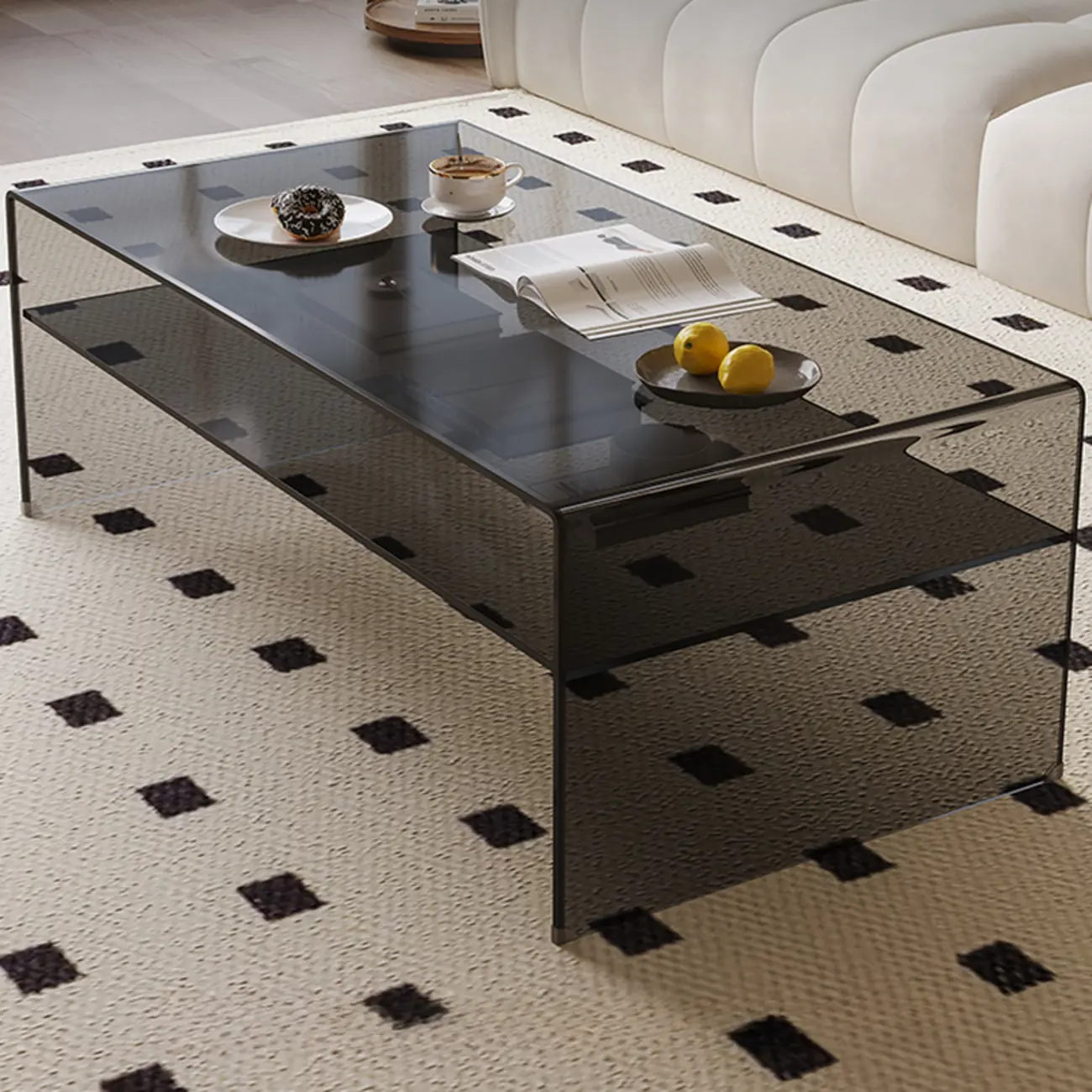
A glass or acrylic partition keeps areas separated without blocking light. A large mirror can instantly double the visual depth of a room. Even choosing a TV console with glass panels or an acrylic table can make a difference.
The goal is simple: let light travel freely. The more light moves, the bigger your room feels.
--21.webp?w=600&h=560)
The clear materials allow for all possibilities in the living room! When HomeyFad combines glass and acrylic, this coffee table creates a spacious and clear feel no matter where it is placed.
When you want to browse by category, begin here:
4. Pick Furniture with Slim Legs or Floating Designs
Bulky furniture that sits flat on the floor can make a room feel heavy.
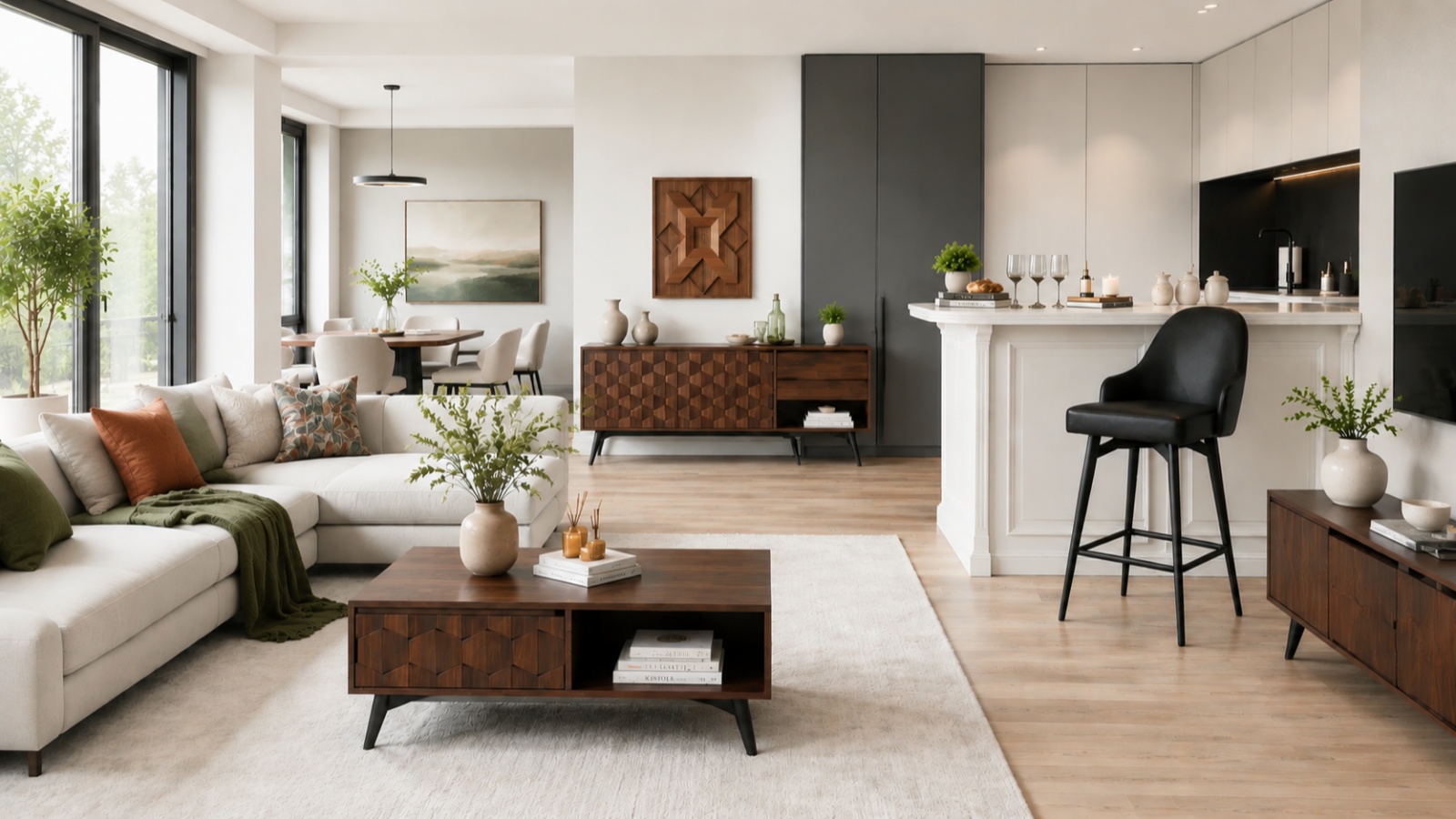
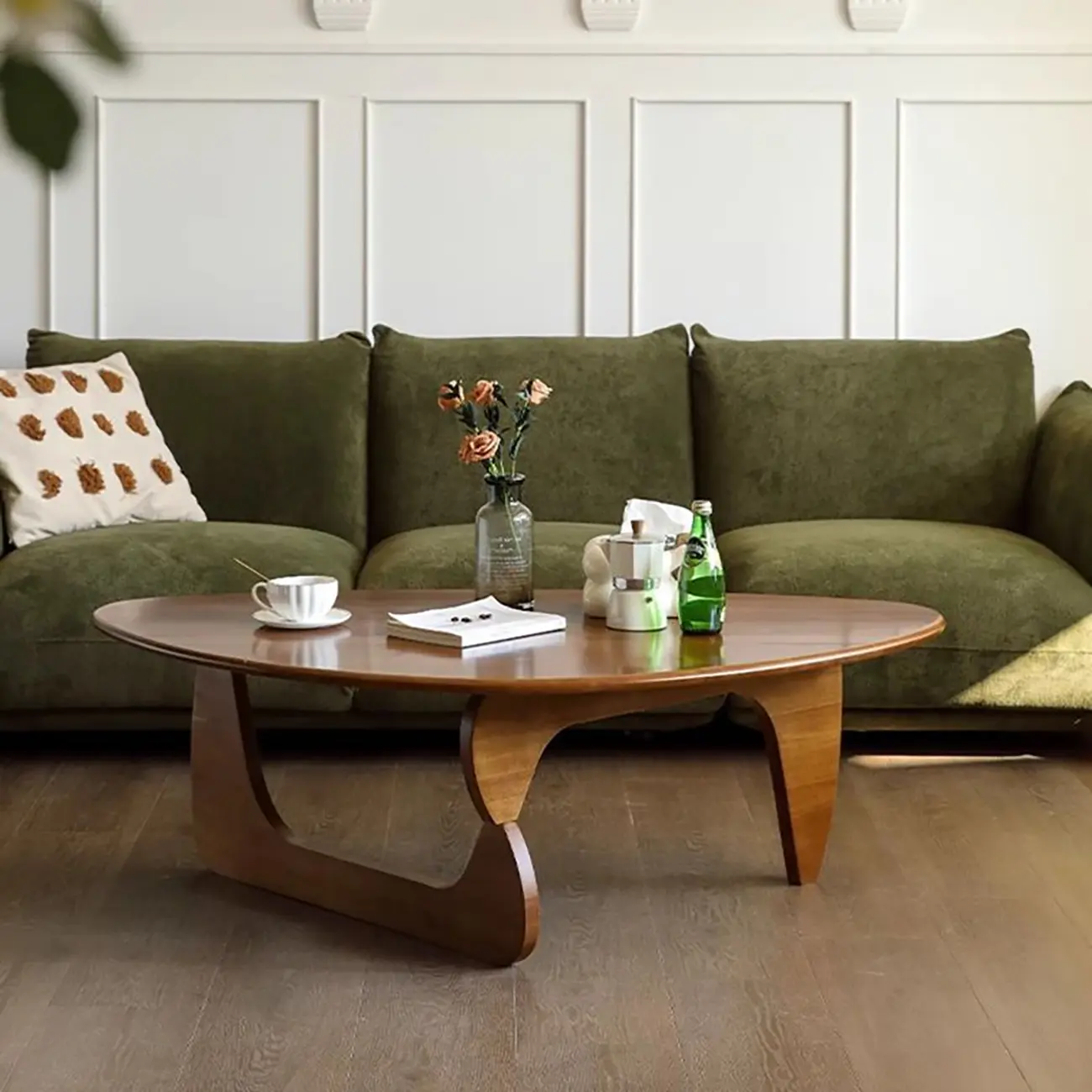
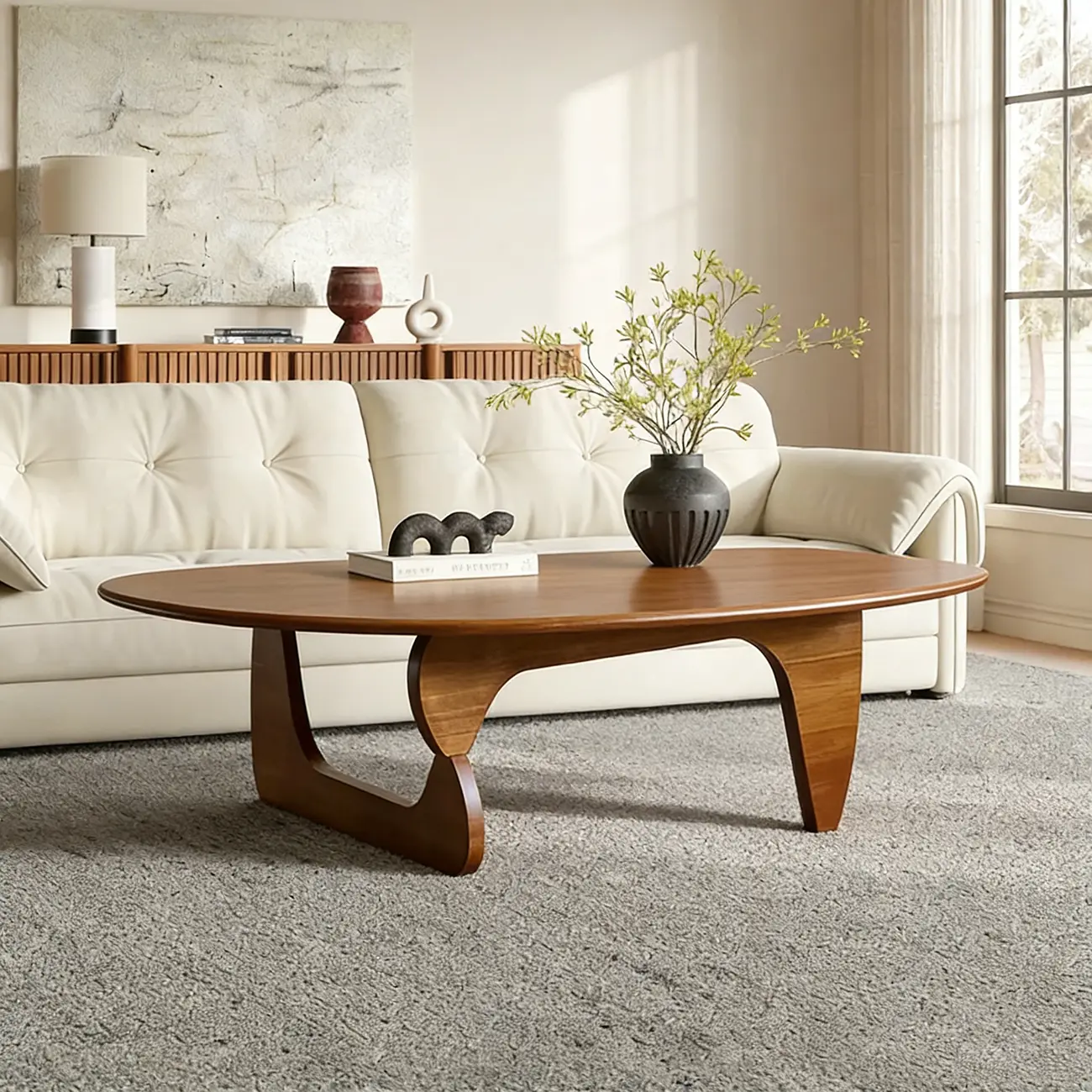
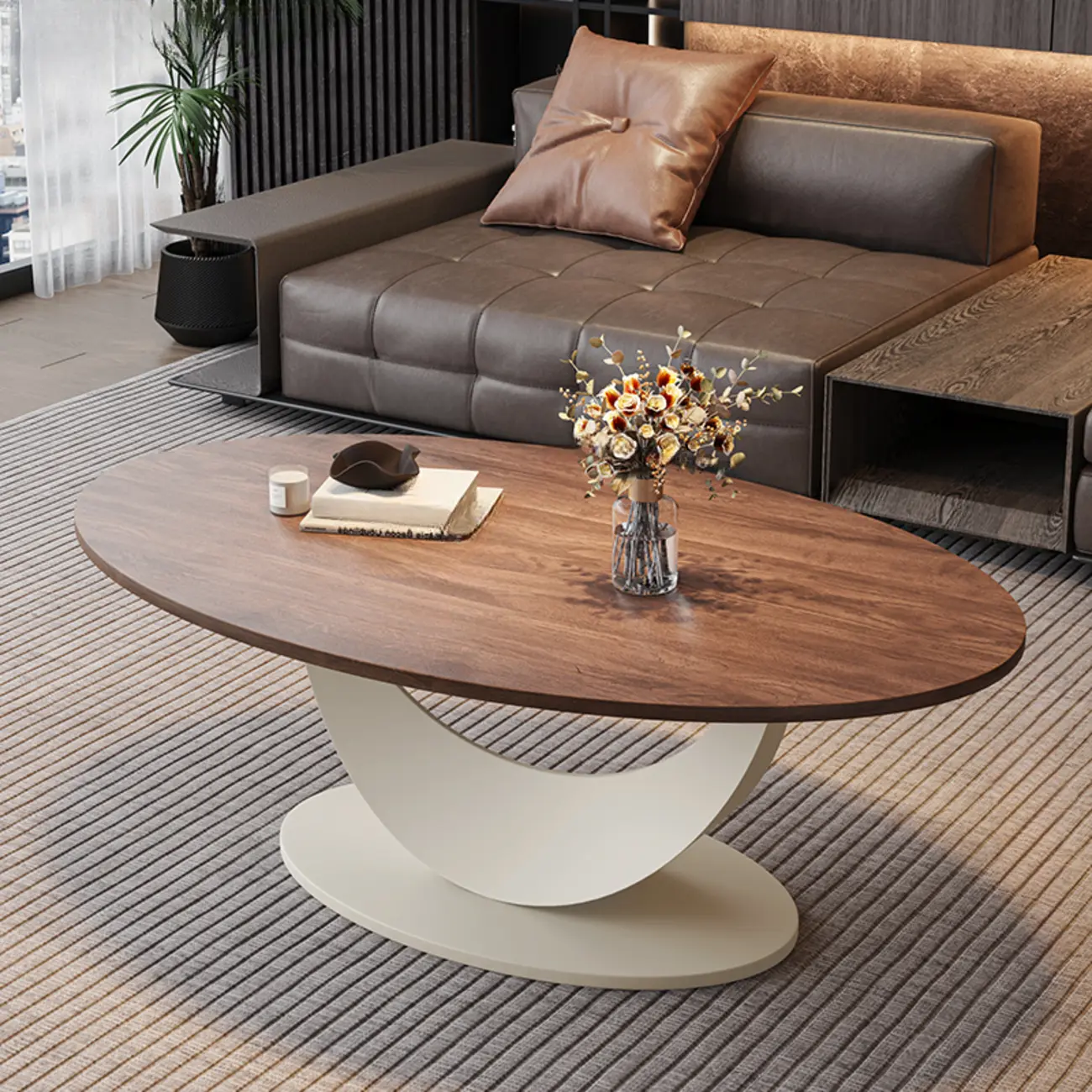
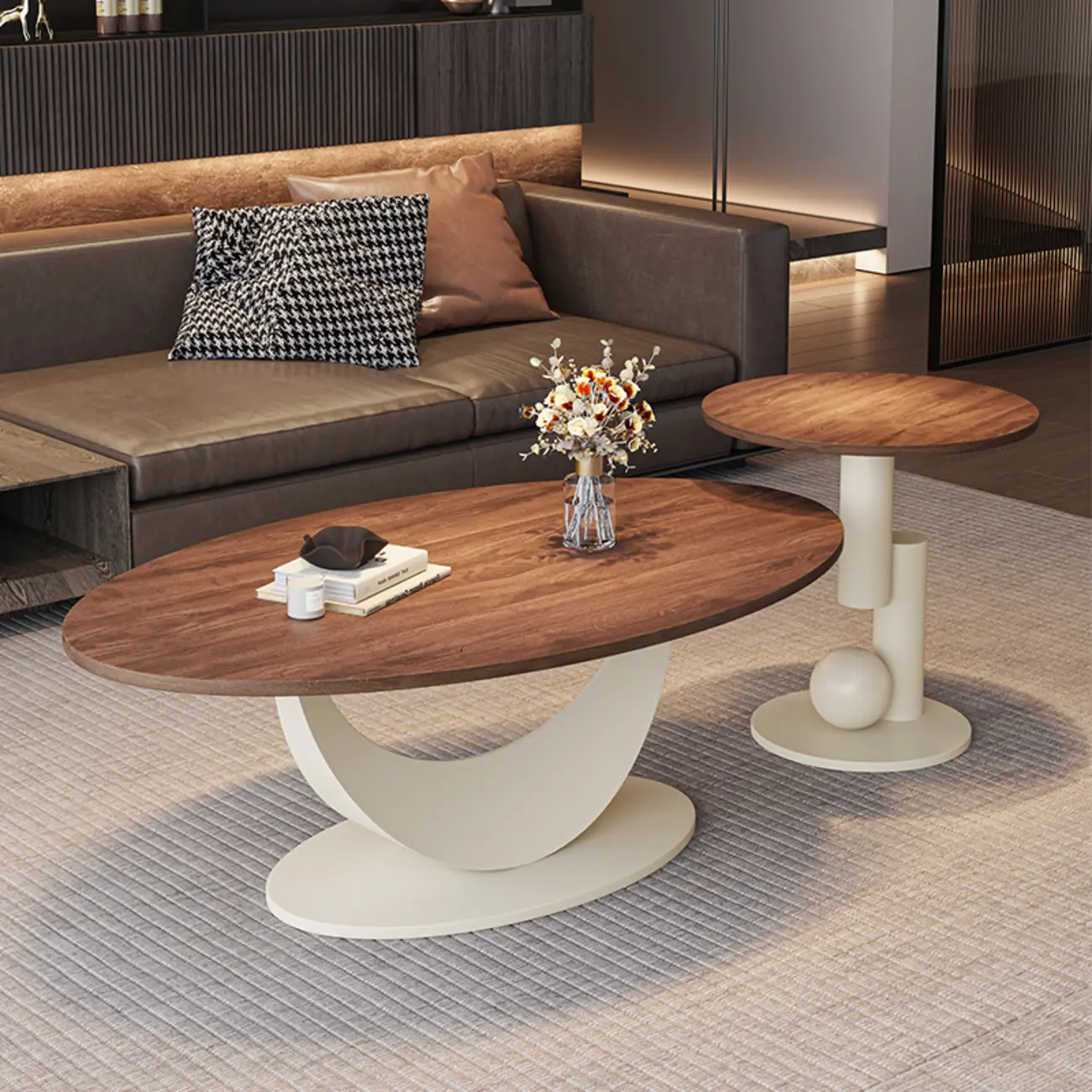
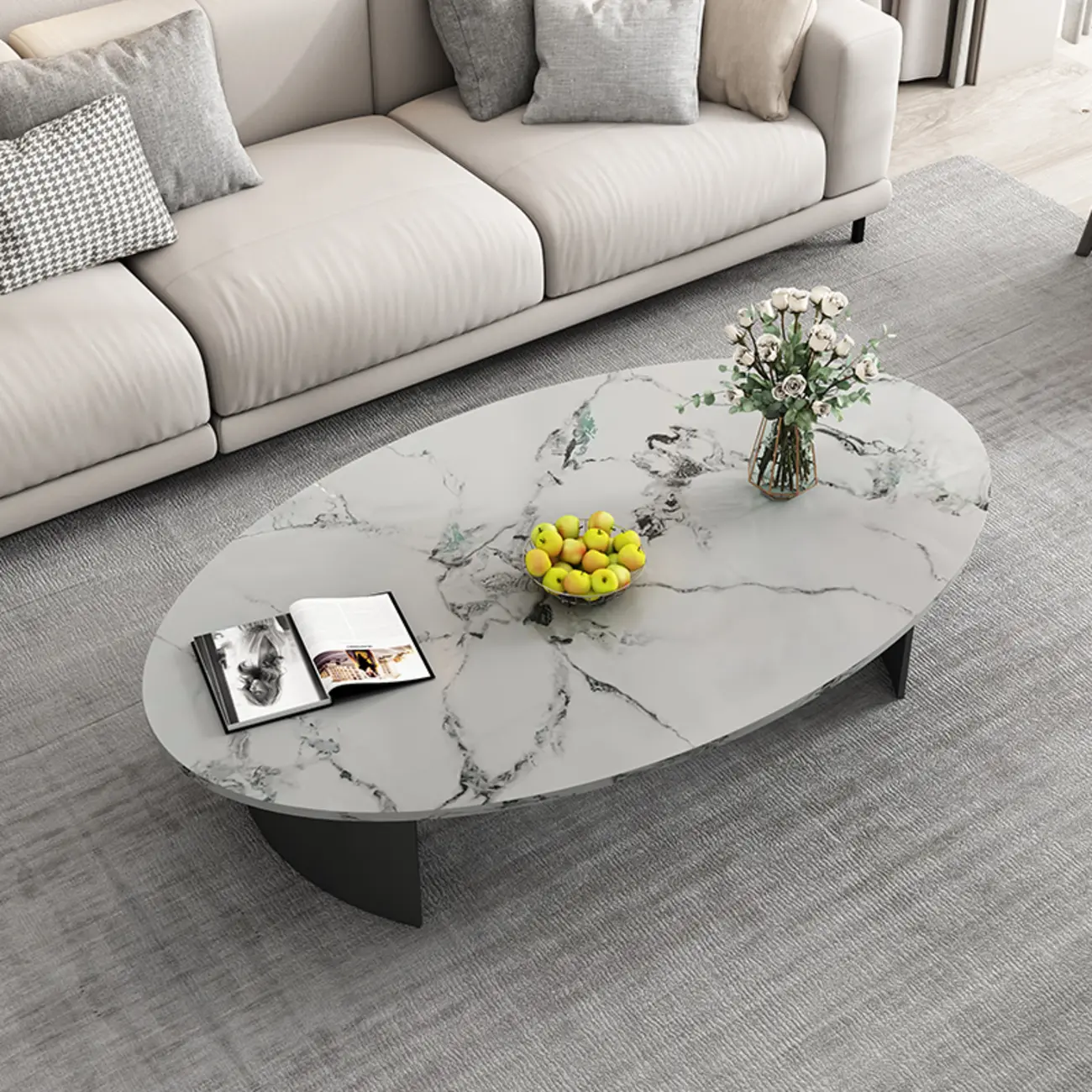
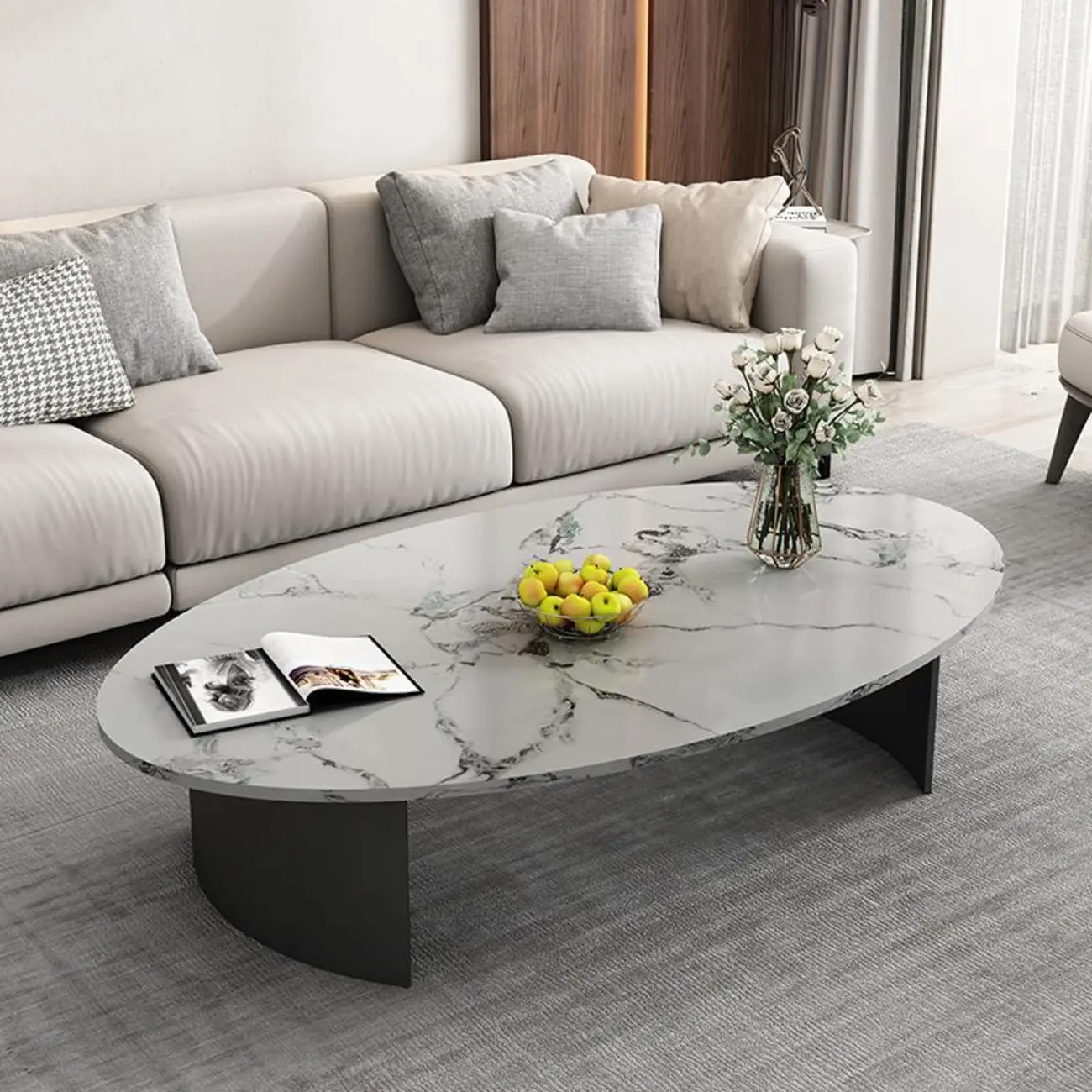
Instead, choose sofas, coffee tables, and TV stands with slim legs or floating bases. When you can see the floor underneath, the space instantly feels lighter and more open.
It’s amazing how a few extra inches of visible floor can change the whole mood of the room.
--2.webp?w=500&h=502)
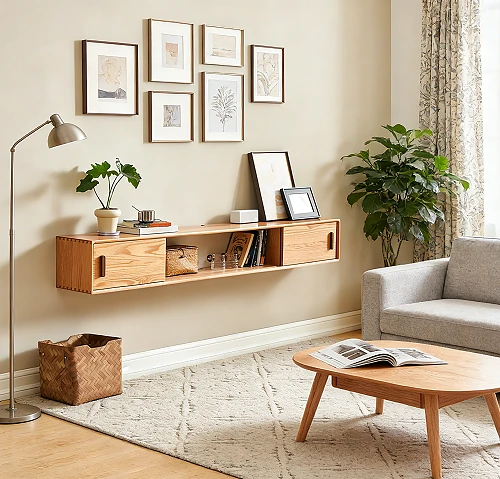
Both the slender-legged TV stand and the floating TV stand can effectively expand the visual space of the living room!
5. Embrace Vertical Lines
Want your ceilings to look taller? Think vertical.
Use vertical striped wallpaper, fluted wall panels, or vertical blinds. These upward lines gently guide the eye toward the ceiling, creating the illusion of height.
It’s a subtle trick—but once you notice it, you’ll see how effective it is.
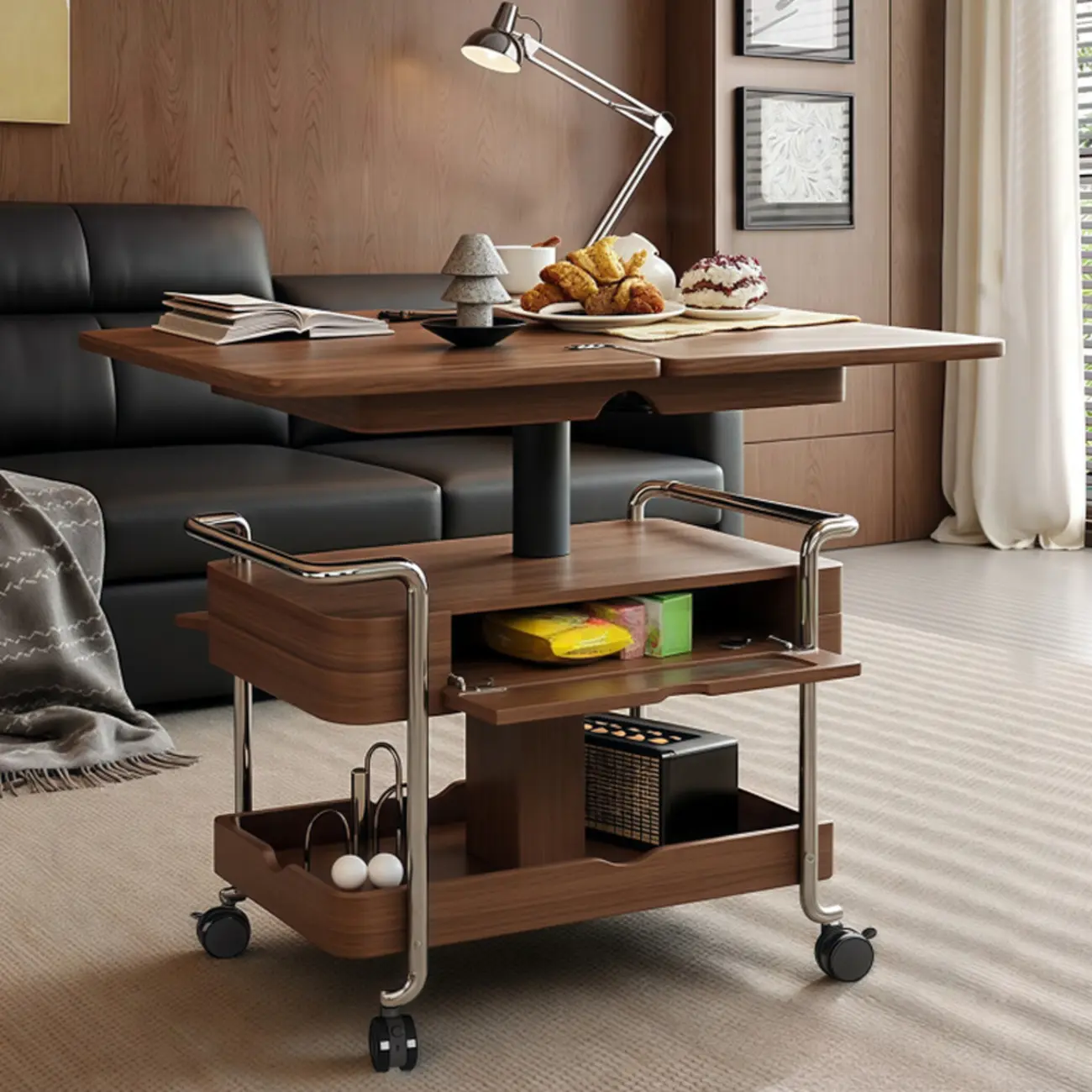
6. Go for Compact, Multi-Functional Furniture
In small living rooms, size really matters.
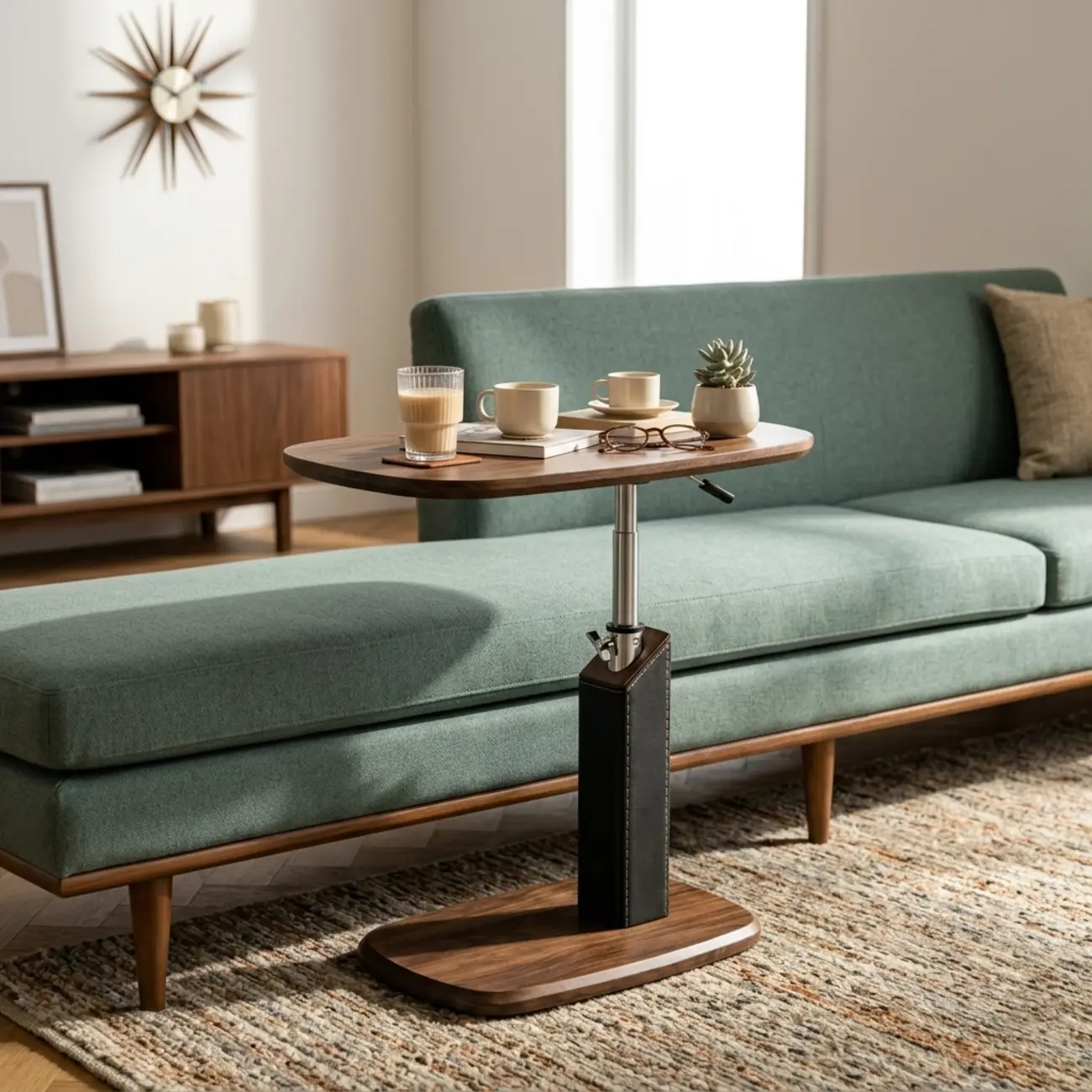
Keep your sofa length under 2 meters if possible. Choose a slim coffee table or a foldable one. Look for ottomans with storage inside.
Multi-functional furniture keeps clutter out of sight—and when clutter disappears, space magically appears.
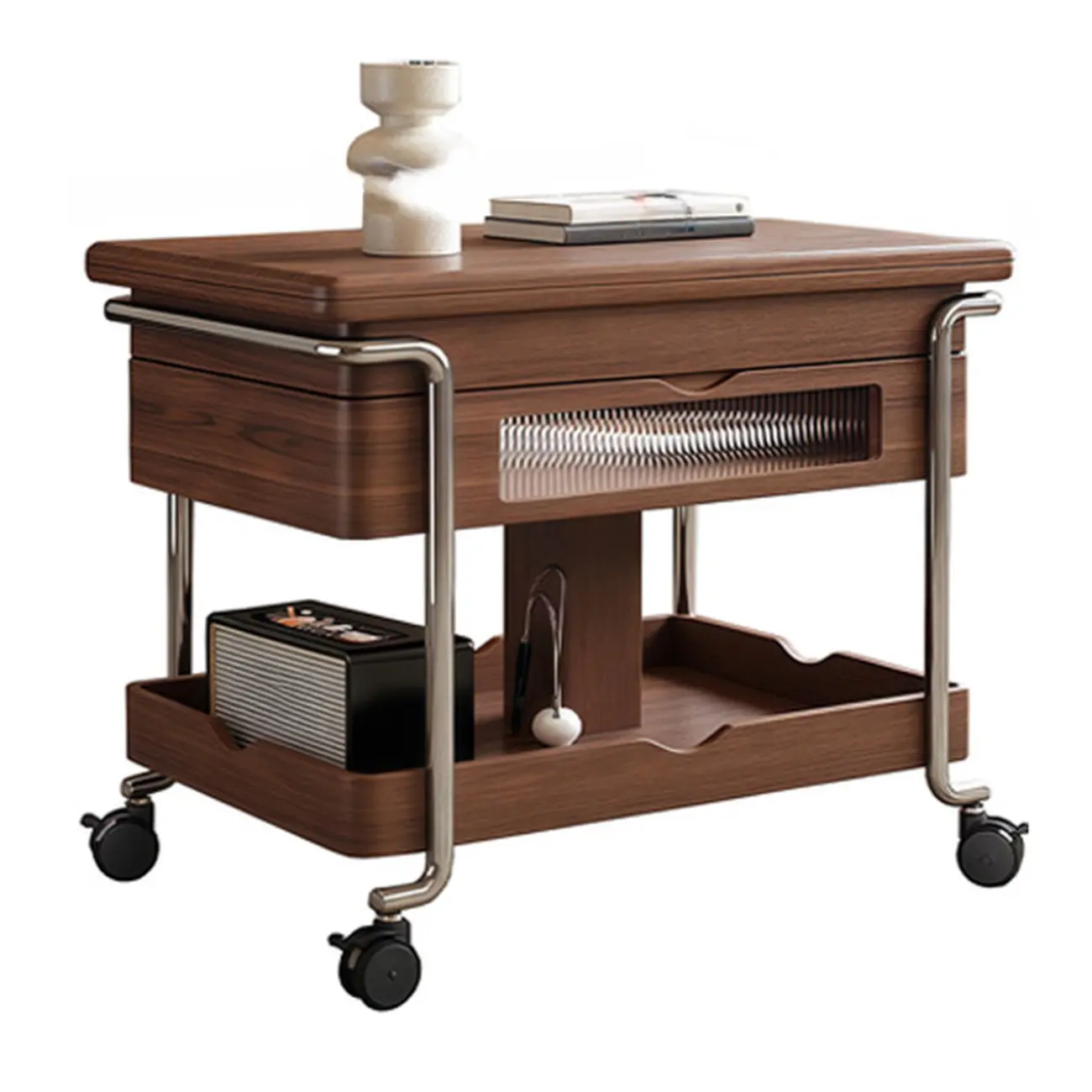
7. Use Flexible, Movable Pieces
Life isn’t static, so your furniture shouldn’t be either.
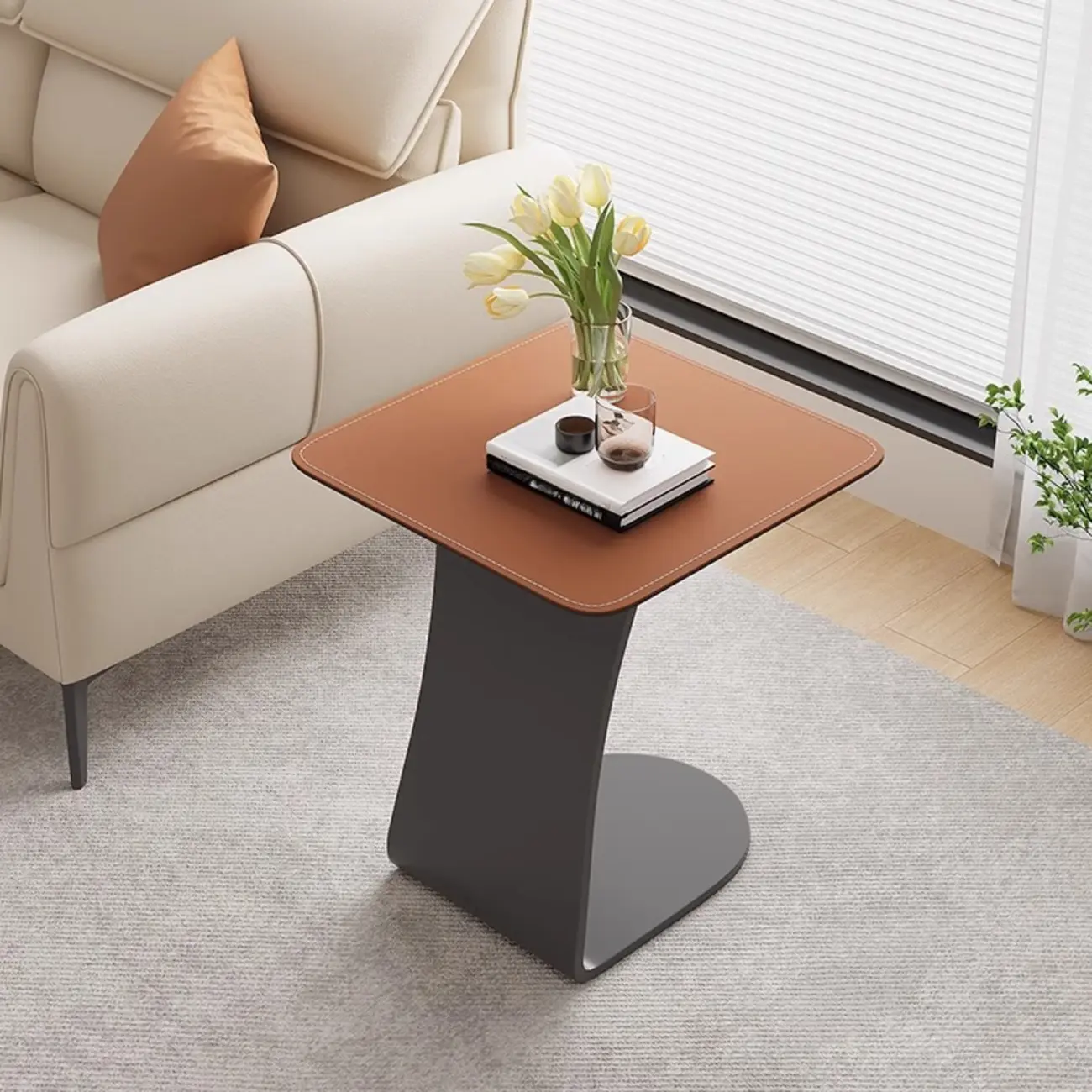
Side tables with wheels, movable TV stands, or lightweight accent chairs allow you to rearrange your layout easily. This flexibility makes the room feel adaptable instead of cramped.
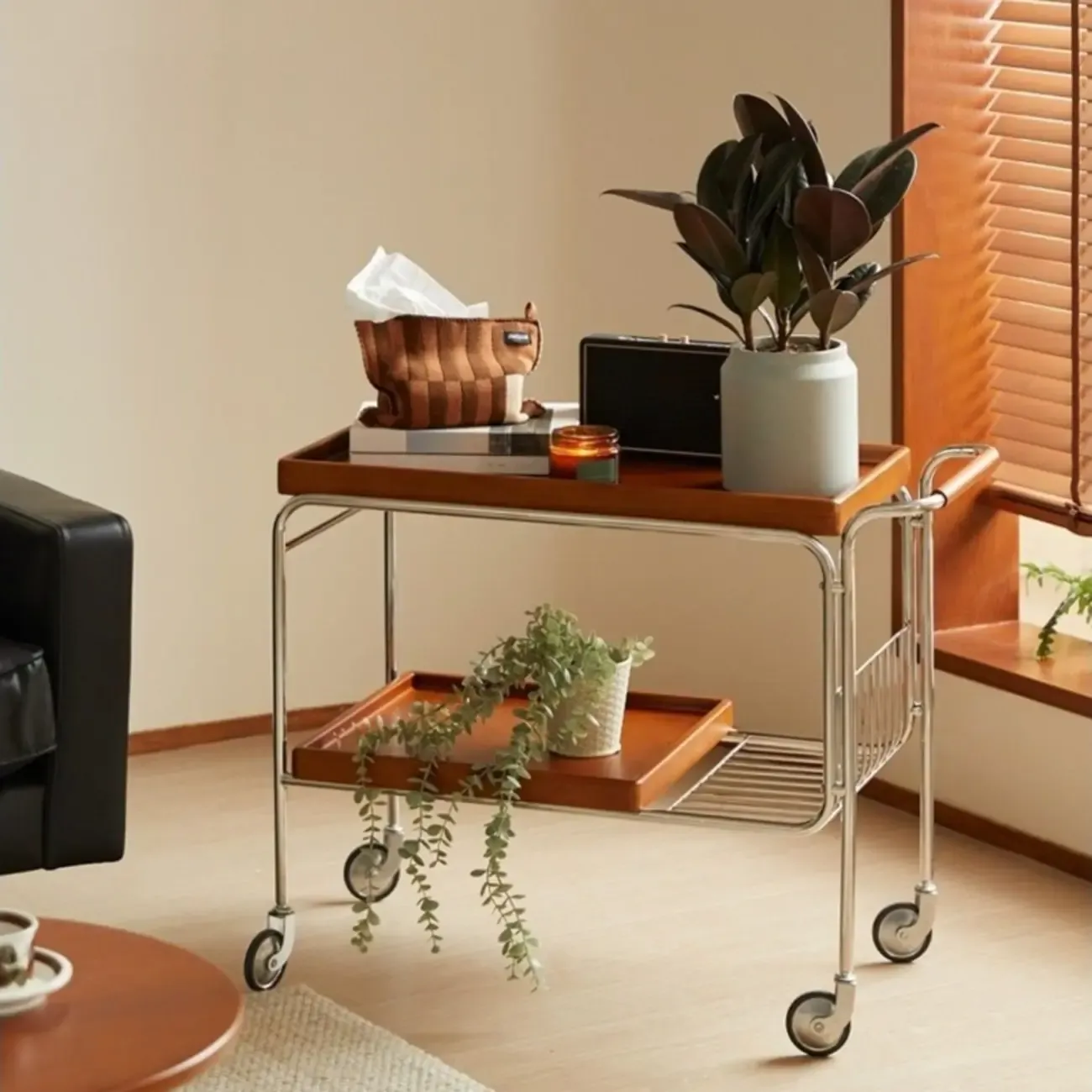
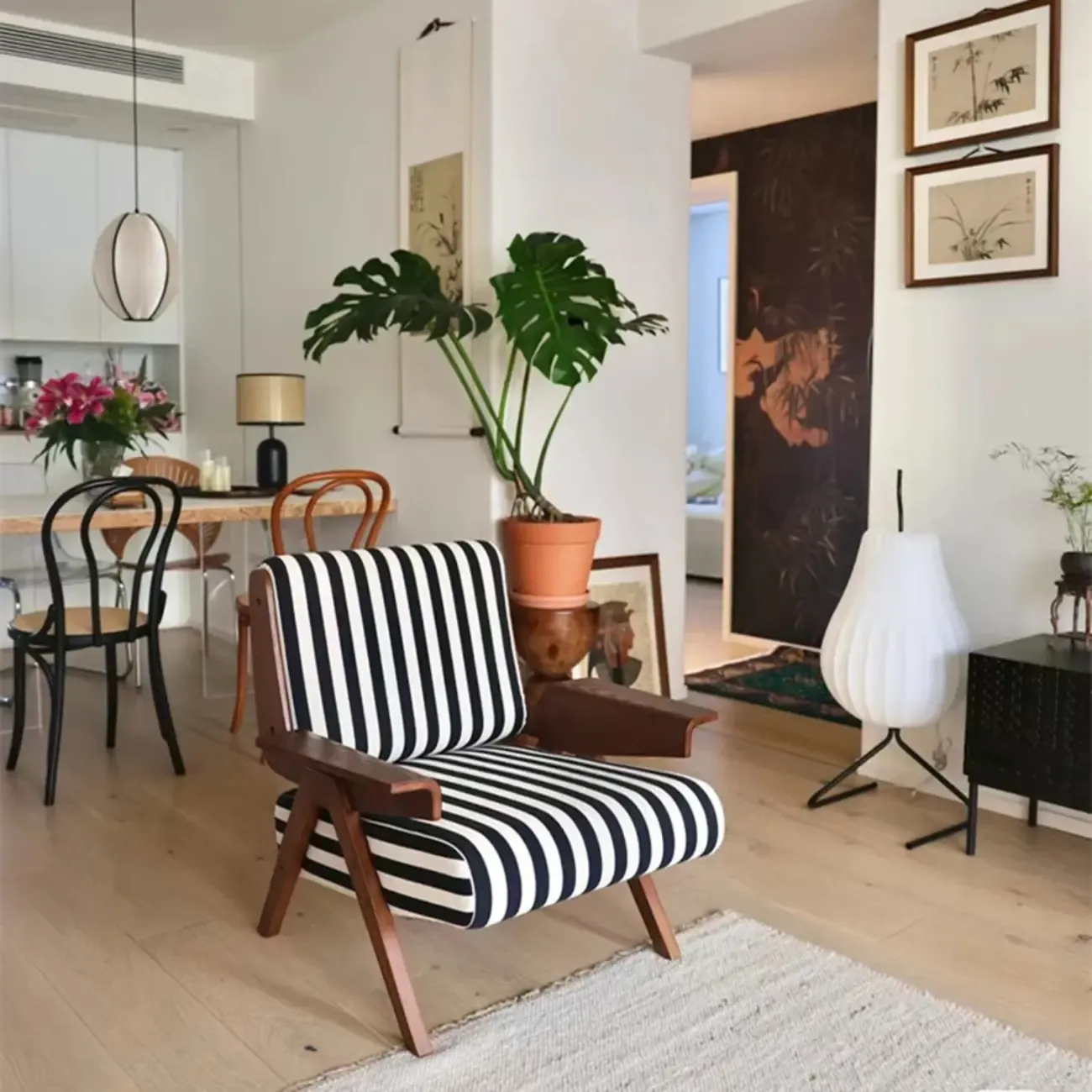
Plus, it’s just practical for cleaning days.
When you want to browse by category, begin here:
8. Take Advantage of Vertical Space
When floor space is limited, go up.
Install wall-mounted bookshelves or floating cabinets. Add storage above door frames if needed. Vertical storage frees up valuable floor area while keeping the room functional.
And bonus—it makes your walls look intentional and well-designed.
9. Make Smart Use of Corners and Partial Dividers
Corners are often wasted space, but they don’t have to be.
Create a cozy mini reading nook in a corner with a compact chair and a small lamp. Use low cabinets and bookcases or half-height partitions instead of full walls to separate areas.
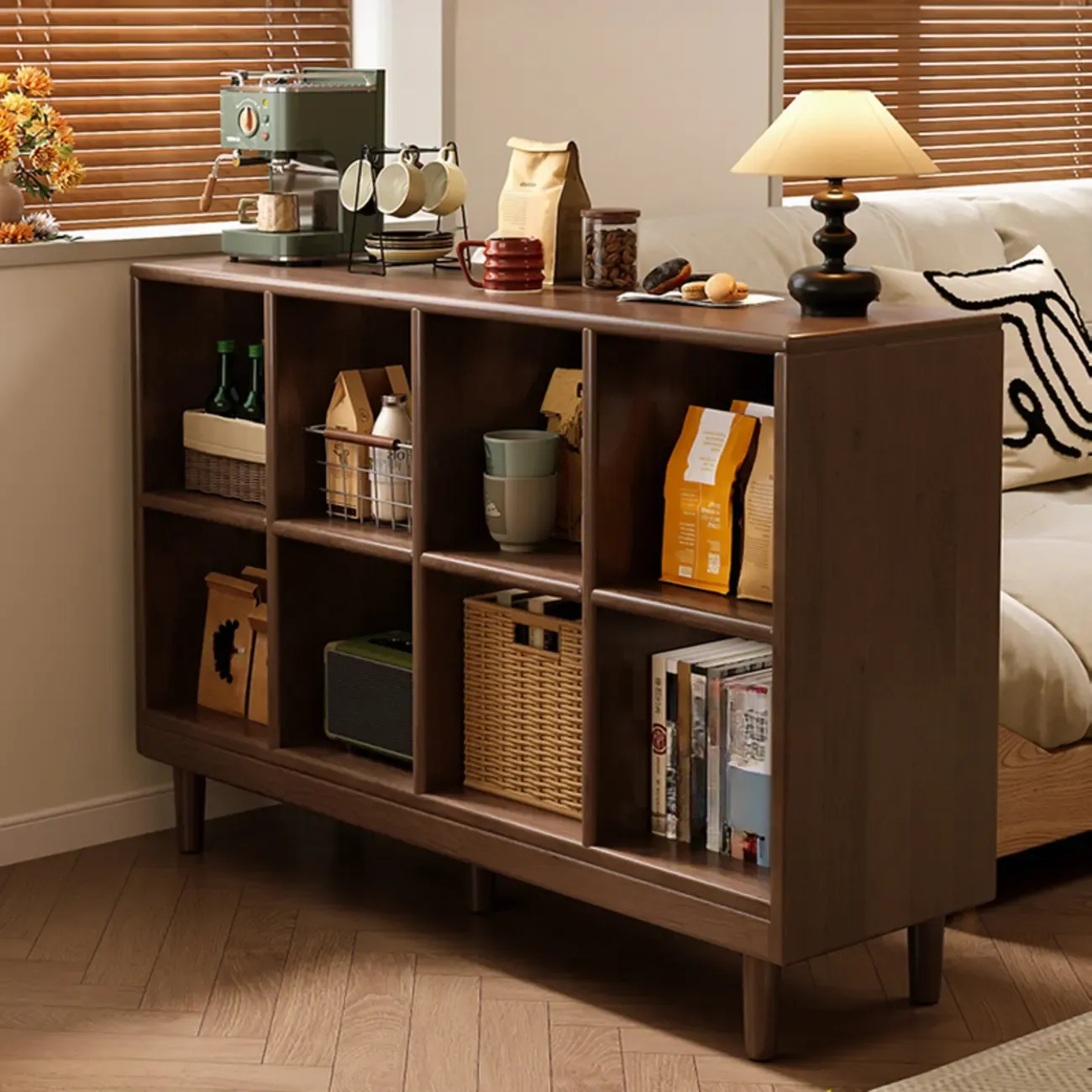
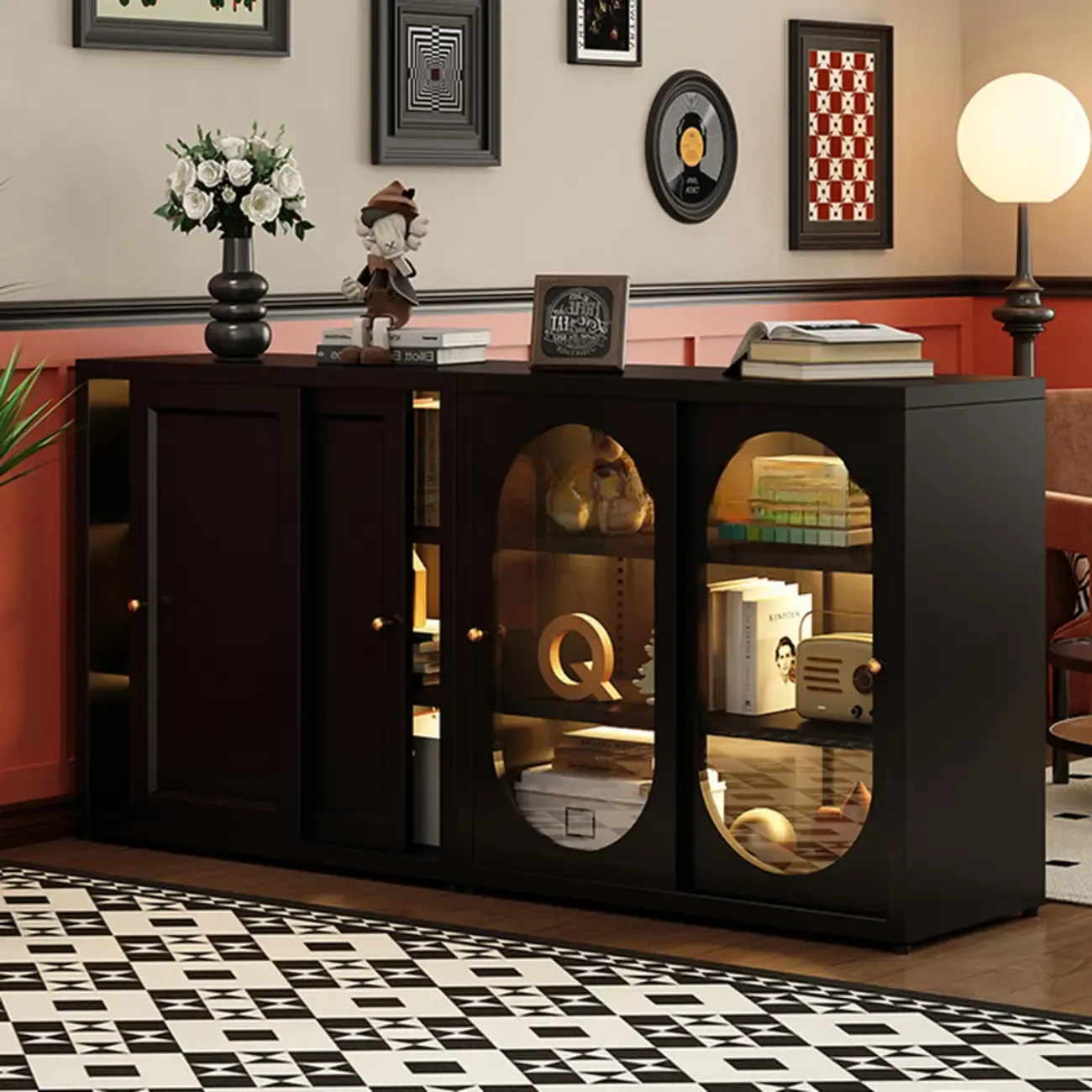
Partial dividers define spaces without blocking light or making the room feel boxed in.
10. Design a Full Storage Wall
Instead of scattering storage throughout the room, consolidate it.
Turn your TV wall into a full-height storage system. Keep cabinet doors in the same color family as the walls so everything blends visually.
When storage looks seamless, the room feels calmer—and much bigger.
11. Upgrade Curtains and Lighting
Curtains and lighting can completely change how spacious a room feels.
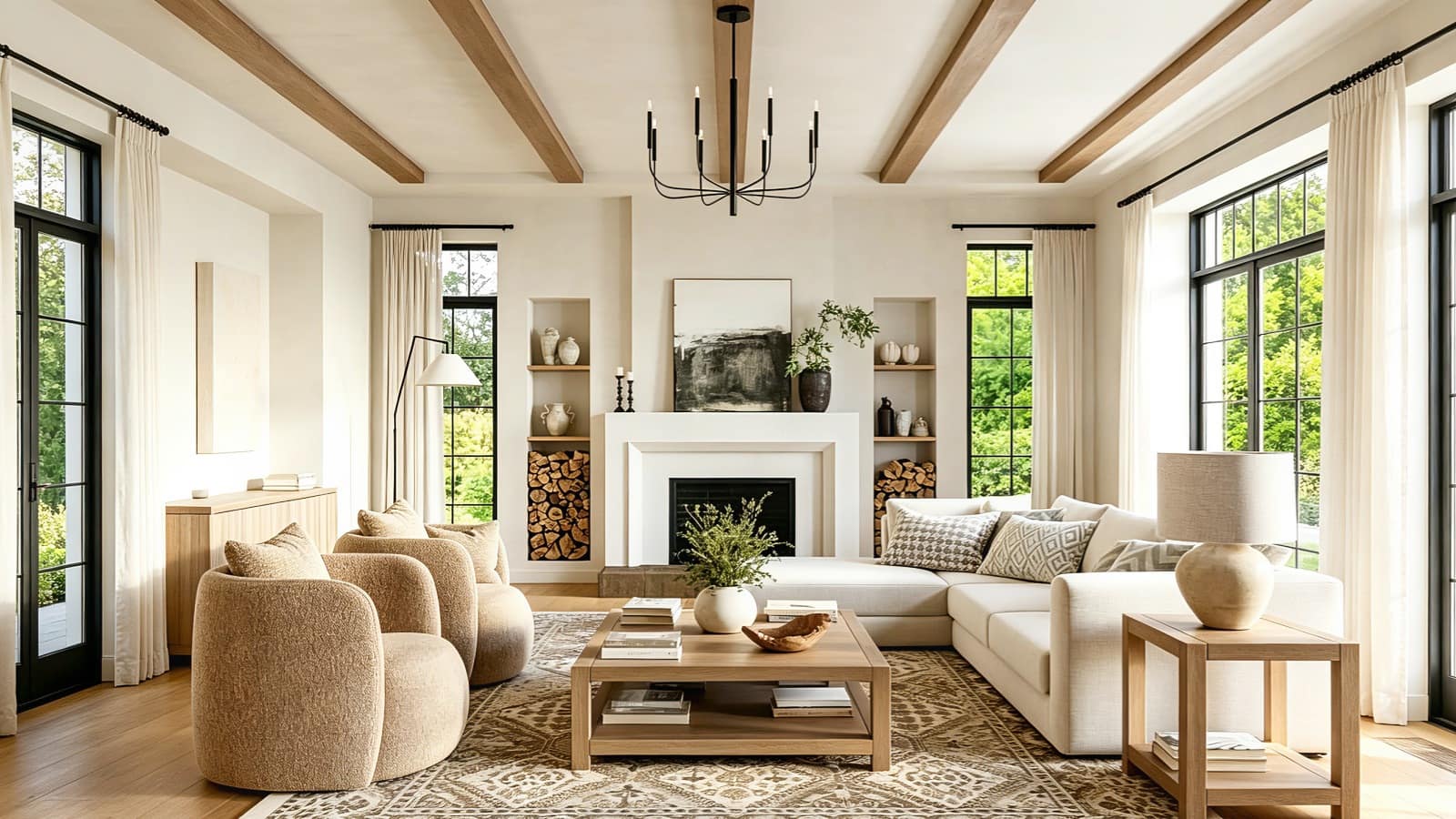
Choose light, airy fabrics for curtains and hang them as high as possible—even close to the ceiling. This simple trick makes windows appear taller.
For lighting, layer it: a main ceiling light, a floor lamp, and a wall sconce or table lamp.
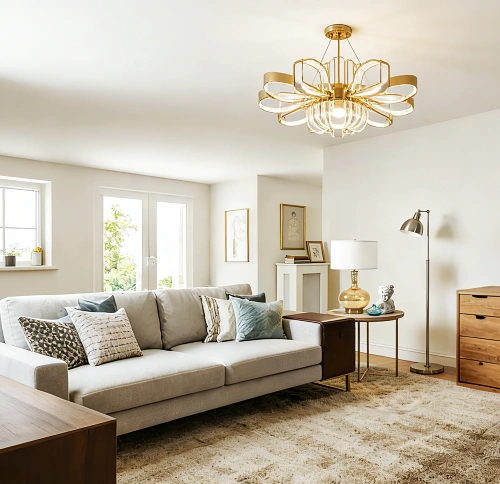
Layered lighting adds depth and warmth, making the room feel thoughtfully designed instead of flat.
12. Add One Bold Focal Point
Here’s something many people get wrong: small spaces don’t need to be boring.
Instead of filling the room with lots of tiny decorations, choose one bold statement piece:
-
A large artwork
-
A sculptural pendant light
-
A single accent wall in a soft but distinctive shade
One strong focal point draws attention outward and gives the eye somewhere to rest.
And yes—you’re absolutely allowed to be a little bold.
Final Thoughts
A small living room isn’t a limitation—it’s an opportunity to design more intentionally.
By using light colors, vertical elements, smart storage, and thoughtfully chosen furniture, you can create a space that feels open, comfortable, and welcoming.
Start with one or two changes. You don’t need a full renovation. Sometimes, even switching your curtains or replacing a bulky coffee table can completely transform how your space feels.
Small space, big potential. Discover the perfect living room furniture and lighting for you at Homeyfad, and you'll find that your space can be incredibly beautiful!
-(1).jpg?w=1000&h=563)
-.jpg?w=900&h=642)
-12.png?w=1306&h=735)
-.jpg?w=800&h=563)

-.jpg?w=800&h=543)

 Add Us On Google